Travel, Gardens, Food, Photography, Books, Shoes

Posts from the ‘England’ category

Help! What Am I?

Help! What Am I

Help! What Am I?

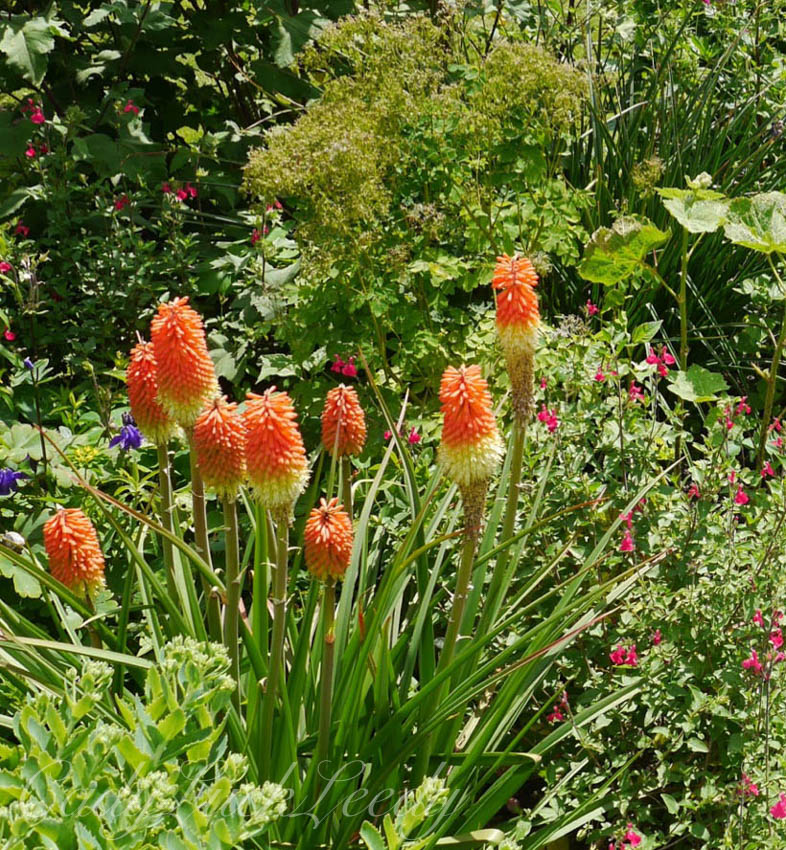
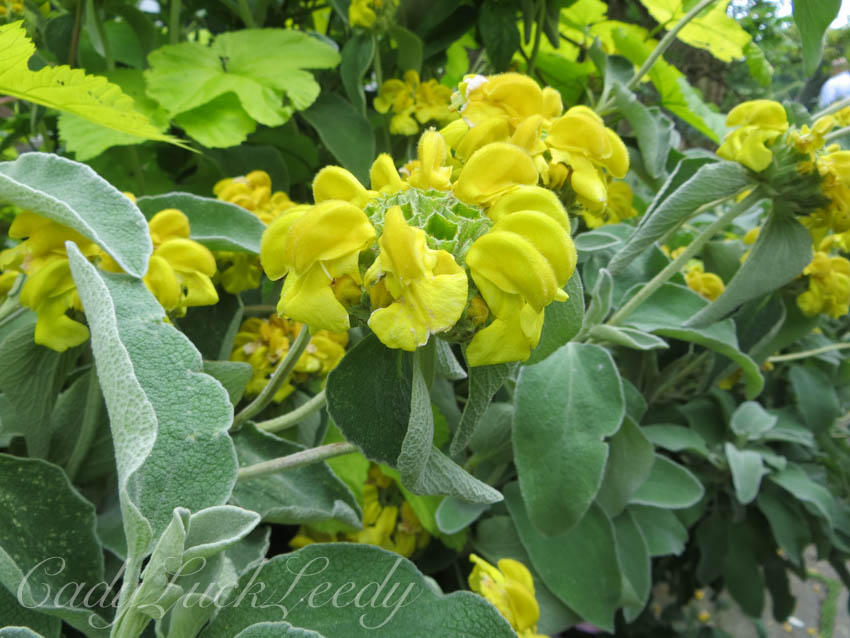
This was my favorite flower during my “English Garden Tour.”  We saw it several times in many gardens, but no one was able to identify it. Can a gardener help me out? I loved the way it kept blooming on a single stem!

The English Garden Tour; Garden 2, Luctons in West Hoathly

The Back Lawn of Luctons

The Back Lawn of Luctons, West Hoathly, Sussex

The Back Lawn of Luctons, West Hoathly, Sussex

The Back Lawn of Luctons, West Hoathly, Sussex

The Back Lawn of Luctons

The Back Lawn of Luctons, West Hoathly, Sussex

It was so entertaining sitting on the terrace at the Cat Inn in West Hoathly watching the wedding guests stroll in for a wedding lunch. Such beautiful summer finery and oh the hats! Why don’t we wear hats anymore? I am always so envious of women in hats! So elegant looking in the smallest of fluff and feather!

Time to move on to the next garden, Luctons, just a short walk to the end of the street where the “newer homes” are. Talking with the owners, who have lived in their home for thirty years, we find there have been many adjustments and improvements to their 19th century home, green houses and two acre garden.

Herbaceous Borders at Luctons, Sussex

Herbaceous Borders at Luctons, Sussex

The Flower Garden at Luctons, Sussex

The Flower Garden at Luctons, Sussex

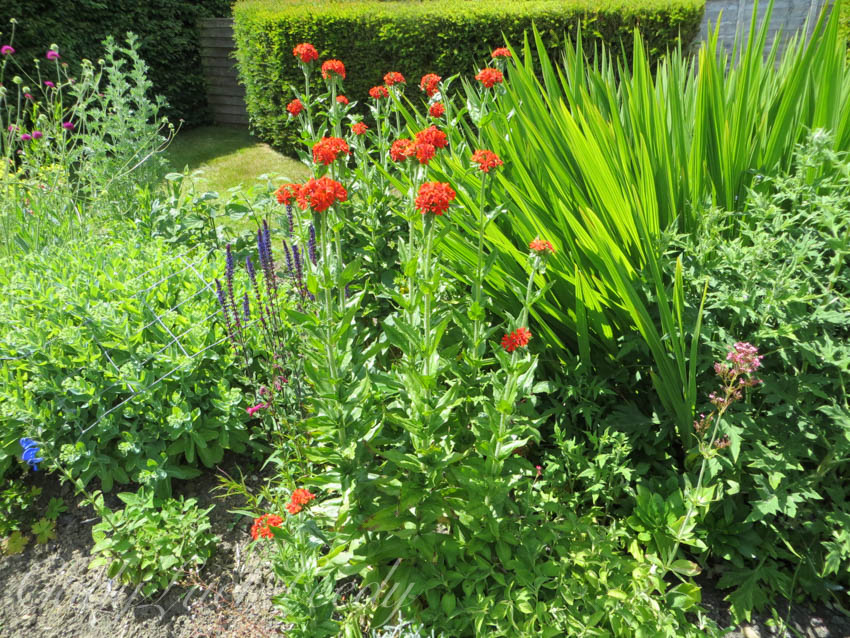
The Flowers of Luctons, Sussex

The Flowers of Luctons, Sussex

The Flowers of Luctons, Sussex

The Flowers of Luctons, Sussex

The Flower Garden of Luctons, Sussex

The Flower Garden of Luctons, Sussex

The Flowers of Luctons, Sussex

The Flowers of Luctons, Sussex

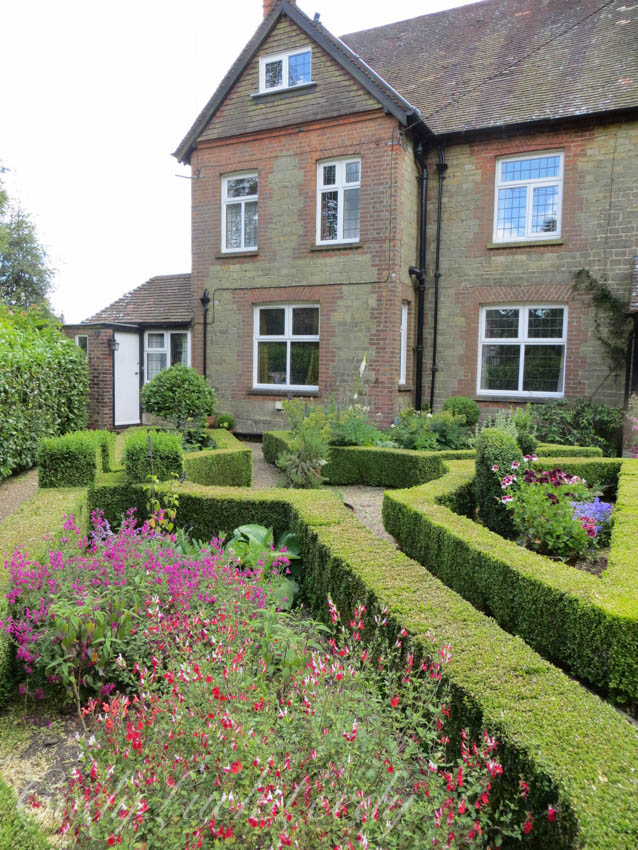
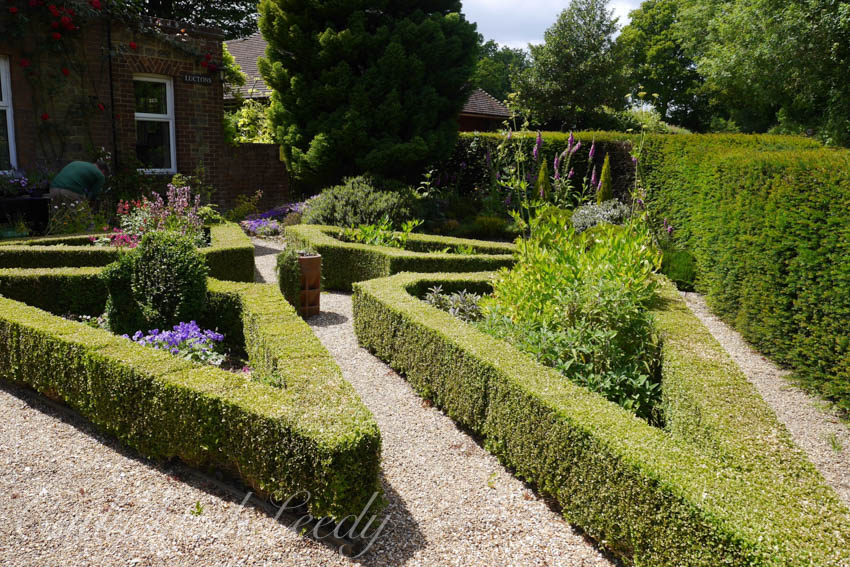
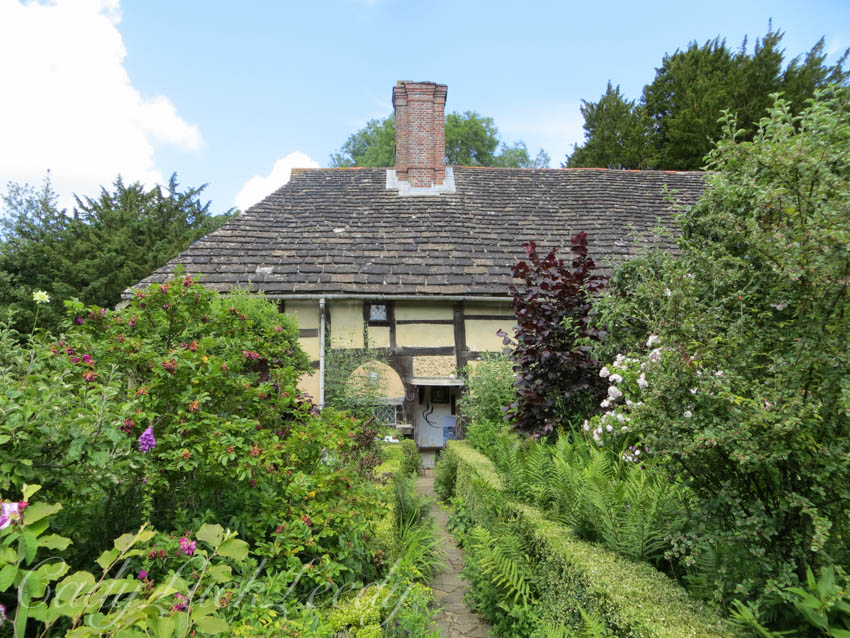
That is what I find so interesting about the gardens I have seen so far. You get a chance to talk with the gardeners/owners of the gardens and learn more about their garden plans, choice of flowers and involvement with other gardens and gardeners.   This garden was designed in the Gertrude Jekyll style, which focused on a relationship between the house and its surroundings. Gertrude Jekyll’s style included foliage, color and texture to achieve a practical and beautiful view. To give a picturesque and natural appearance in the garden the use of  stone walls, walkways, and natural partitioning of the garden, ensures a gentle flow. To quote the famous landscape gardener,” A garden is a grand teacher. It teaches patience and careful watchfulness: it teaches industry and thrift; it teaches entire trust.” At Luctons, we see the small box partere, yew topiary, shrubs and flowers that frame the front of the home giving it an inviting entrance. Won’t you join me for careful watchfulness?

The Front Entrance to Luctons, Sussex

The Front Entrance to Luctons, Sussex

The Front Entrance to Luctons, Sussex

The Front Entrance to Luctons, Sussex

The Front Garden at Luctons, Sussex

The Front Garden at Luctons, Sussex

The Front Garden at Luctons, Sussex

The Front Garden at Luctons, Sussex

The Front Garden at Luctons, Sussex

The Front Garden at Luctons, Sussex

The Peacock Topiary, Luctons, Sussex

The Peacock Topiary, Luctons, Sussex

In the back is a large lawn with herbaceous borders centered in a large fruit and vegetable garden.

Leading to the Cricket Court at Luctons, Sussex

Leading to the Cricket Court at Luctons, Sussex

The Vegetable Garden, Luctons, Sussex

The Vegetable Garden, Luctons, Sussex

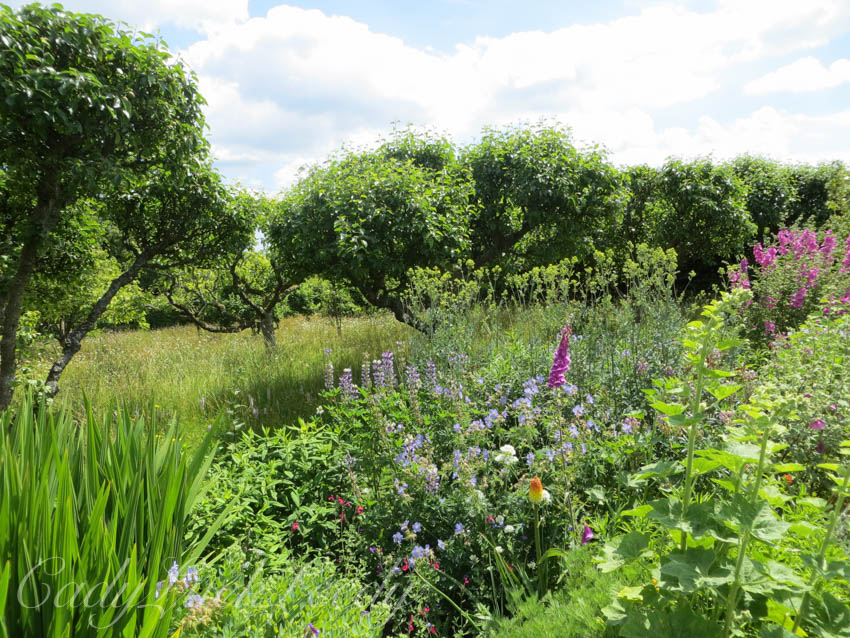
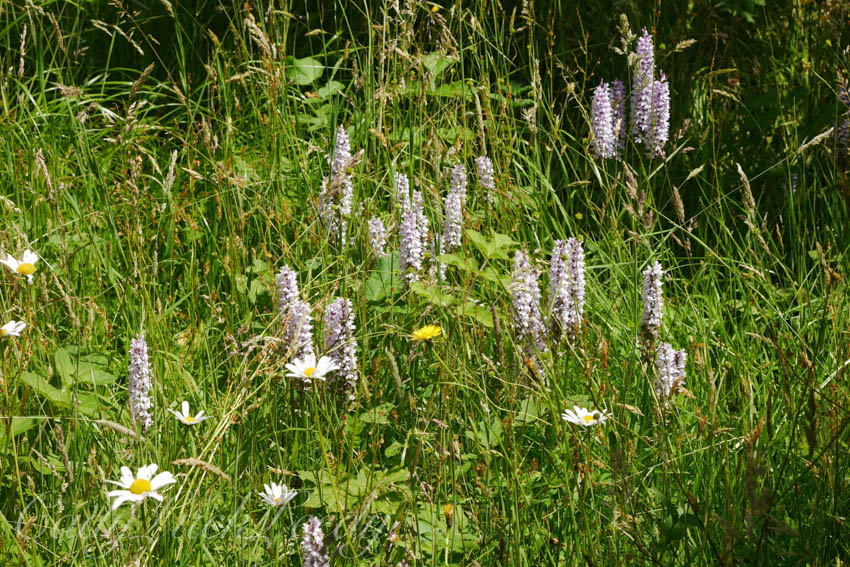
The wild flower orchard is not mowed revealing beautiful meadow flowers and spotted orchids.  A tent has been set up where cream teas are served.  Could there be anything more English? All I need is my hat!

Tea in the Garden, Luctons, Sussex

Tea in the Garden, Luctons, Sussex

Looking at the Orchard at Luctons, Sussex

Looking at the Orchard at Luctons, Sussex

Spotted Orchids in the Meadow at Luctons, Sussex

Spotted Orchids in the Meadow at Luctons, Sussex

The Lovely Unknown

The Lovely Unknown

PS This was hands down my favorite flower! I saw it in many of the gardens we toured, but could never find out the name of it. Can anyone identify it for me?

The English Garden Tour: Garden 1; The Priest House, West Hoathly, Sussex

The Priest House, West Hoathly, Sussex

The Priest House, West Hoathly, Sussex

Map of Center of Village, West Hoathly, Sussex

Map of Center of Village, West Hoathly, Sussex

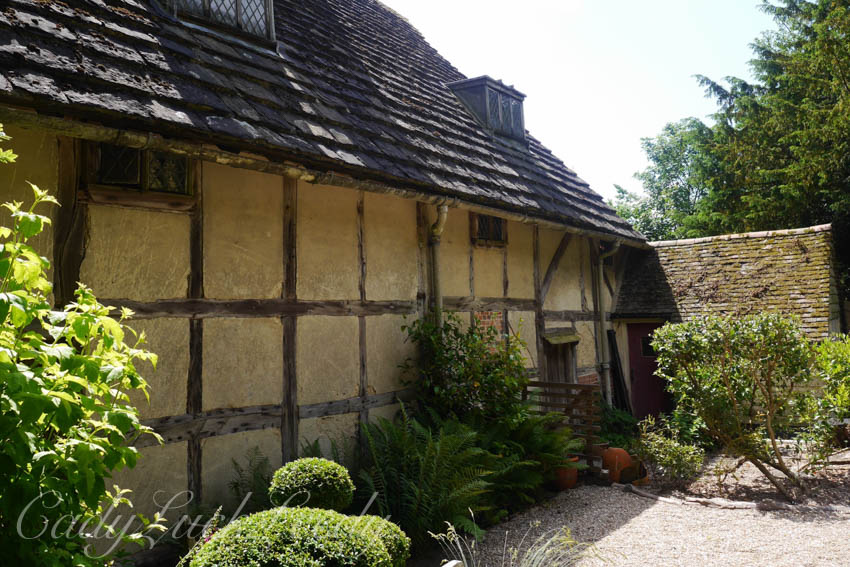
Today we traveled to West Hoathly, in Sussex, to see the first gardens that I had chosen from the many offered this weekend on the National Garden Scheme. Driving well over an hour we arrived in the center of the small village of 9 homes, including the pub. The Priest House is our first destination. The only one of its kind open to the public, this 15th century Wealden hall house stands in a traditional cottage garden on the edge of the Ashdown Forest. Originally owned by Henry VIII it was given to Anne of Cleaves, wife number four, upon their divorce. The herb garden is planted with over 170 culinary, medicinal and household herbs. Today a special exhibition for the NGS, featured on the upper floor, built in 1600, reveals pictures of local children and their place in the workforce in the 19th century. Many children, as young as five and six, were farm laborers and chimney sweeps. It was not uncommon for the chimney sweep to get stuck in the chimney and die. The Priest House is maintained by the Sussex Archaeological Society and provides rotating exhibits, research, and other learning experiences.

Walkway to the Priest House, West Hoathly, Sussex

Walkway to the Priest House, West Hoathly, Sussex

The Priest House, West Hoathly, Sussex

The Priest House, West Hoathly, Sussex

The Priest House, West Hoathly, Sussex

The Priest House, West Hoathly, Sussex

The Gardens at Priest House, West Hoathly, Sussex

The Gardens at Priest House, West Hoathly, Sussex

The Gardens at Priest House, West Hoathly, Sussex

The Gardens at Priest House, West Hoathly, Sussex

The Gardens at Priest House, West Hoathly, Sussex

The Gardens at Priest House, West Hoathly, Sussex

Flowers in the Garden at Priest House, Sussex

Flowers in the Garden at Priest House, Sussex

Another Garden at The Priest House, Sussex

Another Garden at The Priest House, Sussex

The Priest House, West Hoathly, Sussex

The Priest House, West Hoathly, Sussex

The Priest House, West Hoathly, Sussex

The Priest House, West Hoathly, Sussex

St Margaret’s Church, settled in 1090, records the names of the village from Hadlega, later standardized to Hodlegh, then West Hoathly. This Anglo-Saxon word signifies a heath covered clearing, or the dense woodland of the Ashdown Forest. In 1556, Ann Tree was burnt at the stake near here for refusing to renounce Protestantism, one of seventeen martyrs to suffer this fate in Sussex. A brass memorial in the church commemorates her.

St Margaret's Church, West Hoathly, Sussex

St Margaret’s Church, West Hoathly, Sussex

St Margaret's Church, West Hoathlu, Sussex

St Margaret’s Church, West Hoathly, Sussex

The Gate to St Margaret's Church, West Hoathly, Sussex

The Gate to St Margaret’s Church, West Hoathly, Sussex

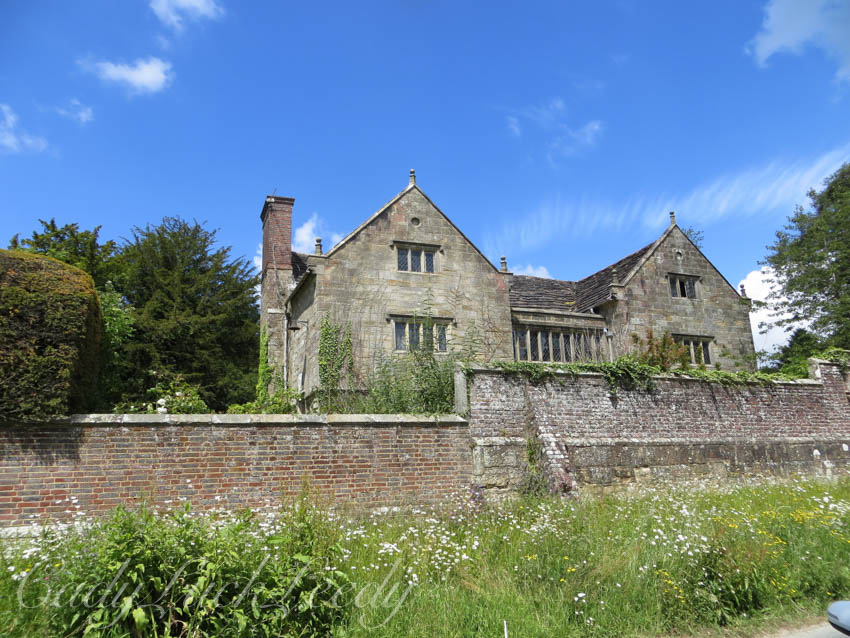
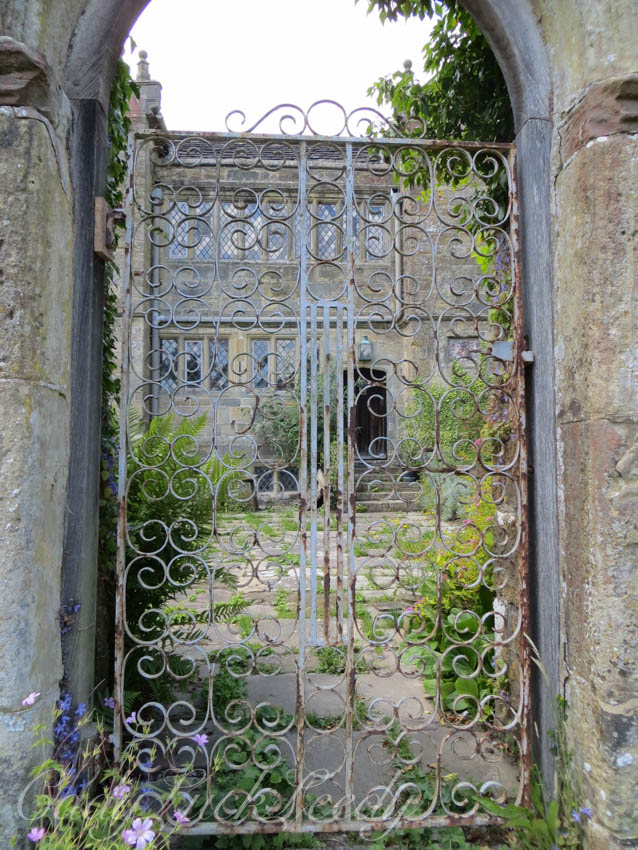
The Manor House was built in 1627 for Mrs Catherine Infield of Gravetye Manor, as a dower house.  Her family was the wealthy owners of the local iron works. Later abandoned to smugglers the buildings and grounds were rejuvenated in 1884 when “the greatest English Gardener” William Robinson bought it. Upon his death it was turned over to the Forestry Commission. It now sits vacant and forlorn.

The Manor House, West Hoathly, Sussex

The Manor House, West Hoathly, Sussex

Looking Through the Gate to the Manor House, West Hoathly, Sussex

Looking Through the Gate to the Manor House, West Hoathly, Sussex

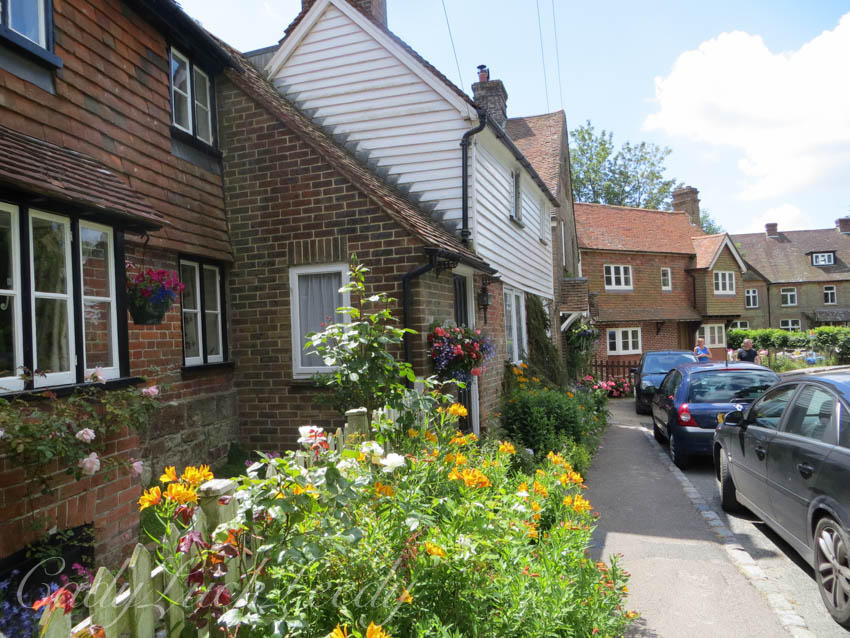
The Phlox and Rose Cottages are 19th century weather boarded over timber framed cottages. They were the newest houses in the village!

Rose Cottage and Phlox Cottage, West Hoathly, Sussex

Rose Cottage and Phlox Cottage, West Hoathly, Sussex

Rose Cottage and Phlox Cottage, West Hoathly, Sussex

Rose Cottage and Phlox Cottage, West Hoathly, Sussex

The Upper Pendent is a timber framed, tile-hung 17th century home which previously housed the village stores and post office in the 19th and 20th centuries.

Upper Pendent, west Hoathly, Sussex

Upper Pendent, West Hoathly, Sussex

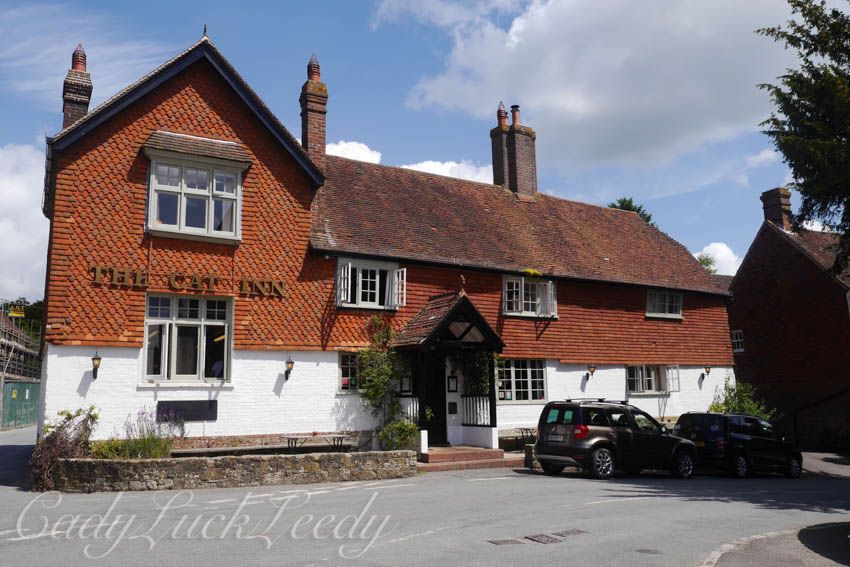
The Cat Inn is the 16th century pub of medieval origin standing in the crossroads of the village. The name is derived from an emblem of the Sackvilles of Knole, which is a leopard. We will be learning  a lot about the Sackvilles, a very prominent family in Kent. This is the pub I had picked to stop in for lunch after touring the village. It was highly recommended by the locals also. We sat in the lovely terrace and had a most agreeable meal. Now on to the next garden in the “burbs” of West Hoathly.

The Cat Inn, West Hoathly, Sussex

The Cat Inn, West Hoathly, Sussex

A Great Ride Awaits at the cat Inn, West Hoathly, Sussex

A Great Ride Awaits at the Cat Inn, West Hoathly, Sussex

P S For a good read about the wives of Henry VIII, I  suggest, Six Wives of Henry VIII by Alison Weir. The author draws on early biographies, letters, memoirs, account books, and diplomatic reports to bring each woman to life.  Very interesting!

Where Do We Stay and How Do We Get There?

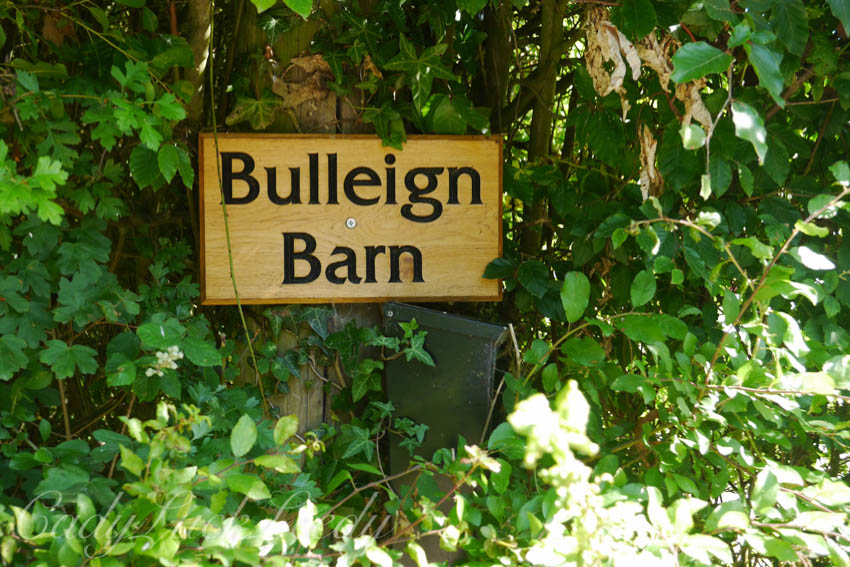
Bulleign Barn

Bulleign Barn

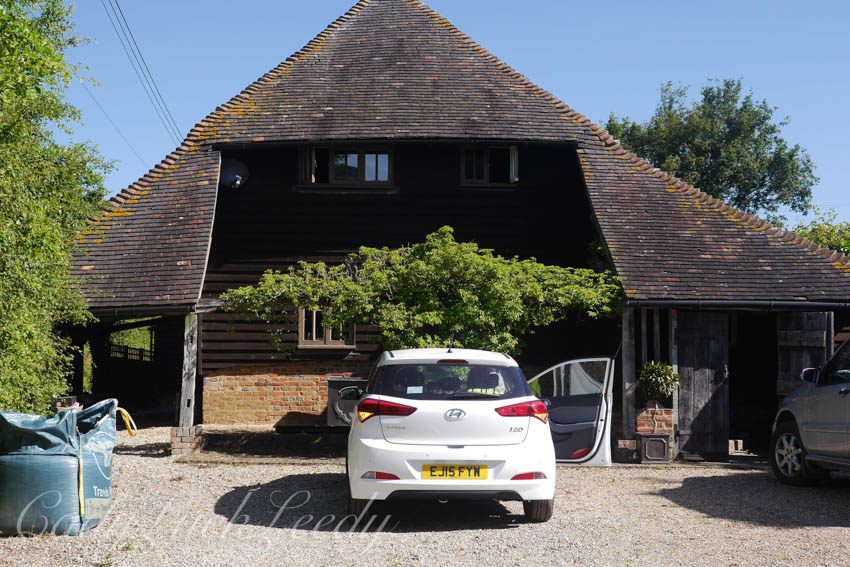
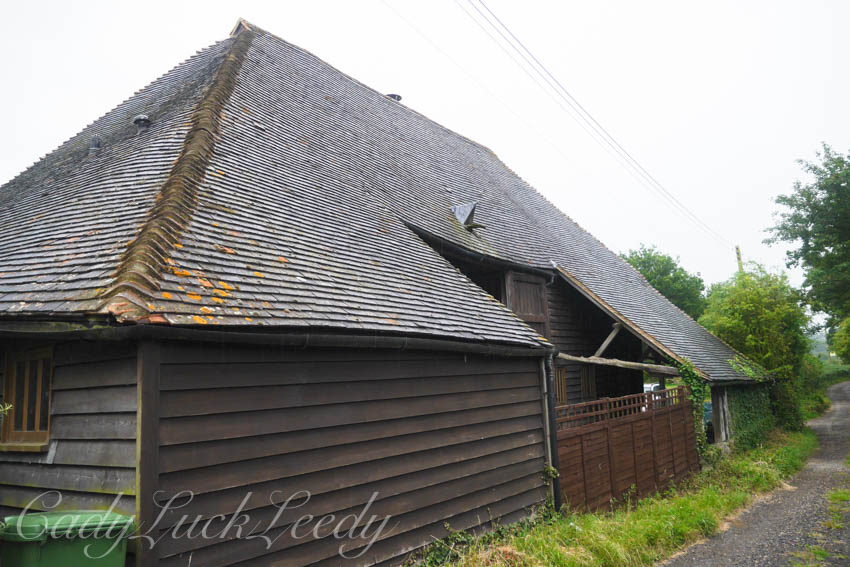
The Bulleign Barn

The Bulleign Barn

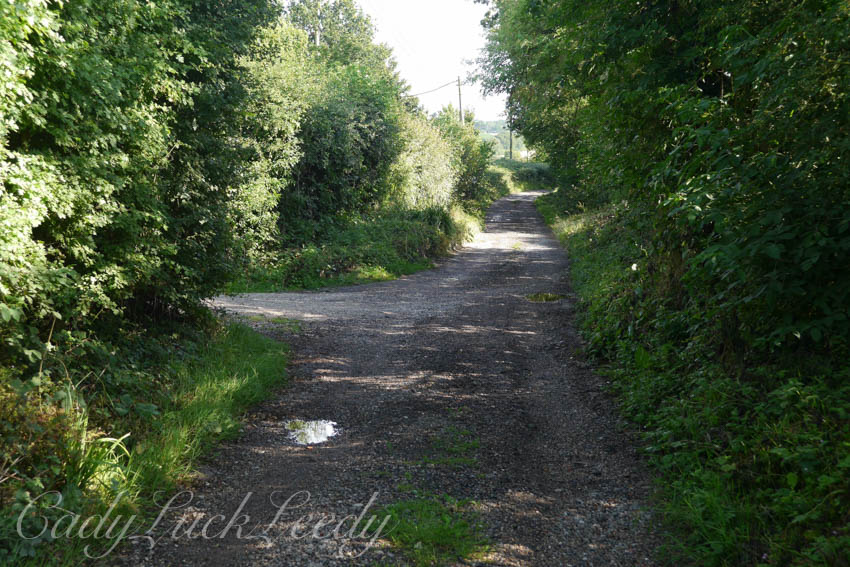
The Road to Bulleign Barn

The Road to Bulleign Barn

As I stated in my previous post I like to research my vacation before I hit the road.  I know, I know, a lot of you like to just “wing it,” but I would rather know all about places of interest, restaurants, and villages that I am am really interested in and then add to that, if something exciting turns up.  For this trip, I was glad I started early and took the time to look-up the gardens I was keenly interested in, on the National Garden Scheme, (NGS) so I could co-ordinate going from one garden to the next, (since our plan was to see several a day)  I  also needed to know how much time it would take to get from one to another, and where we would want to eat between gardens.  Although the gardens on the NGS are open on the weekends, for the most part, some had specific times they were open. We would have been quite dismayed to have arrived at a garden only to have to wait to get in. So when I had the gardens lined up I looked for a local pub close to the gardens we would be touring.  This was when I realized most pubs are open from 12pm-2pm for lunch and then re-open for dinner, usually 6pm-9pm. So I had to make sure we were at a certain place on schedule.

The first thing I learned was that there were GPS co-ordinates listed, for all the gardens in the NGS and all the historic National Trust estates, in their books. This would make the driving so much easier, in theory. But to be on safe side, I printed out maps and directions from garden to garden, to also have with me. As you can see from my work sheets, I made lots of notes. I also printed out the pub or special interest I wanted to see near every garden. I put all my notes, maps, and directions in plastic sleeves and then when I was ready for a particular day I just pulled out the necessary pages to carry along in the car. SB took a look at all my notes and quickly put together a spread sheet for me, so we knew where we WANTED to be everyday at least!
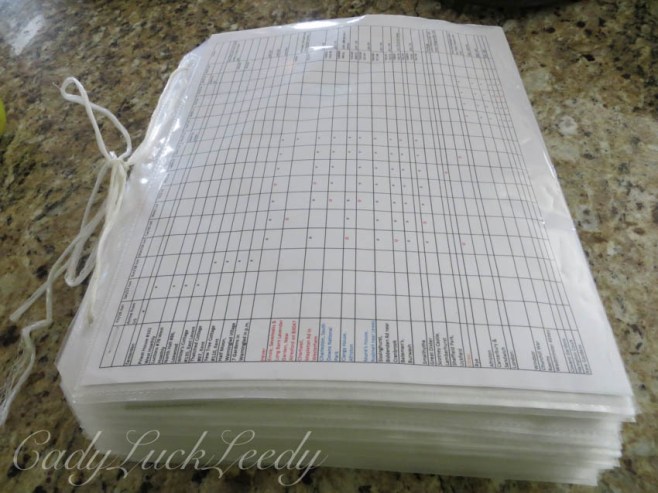
The Detailed Itinerary, Research, Research, Research

The Detailed Itinerary, Research, Research, Research

Now for reality. As Americans driving in the UK, it takes us at least three days to get used to, what is for us, a steering wheel on the wrong side of the car and driving on the wrong side of the road. We knew what to expect in that area. What we didn’t expect was   that once off the M25 we would be on a village road that got smaller and smaller as we got closer to our destination. These were roads meant for horse and buggy and then pony and trap, but were now meant for a two-car highway.  We were rear view mirror to rear view mirror! When we came to a village, the road narrowed even further in front of the stores, where the cars would be parked higgly-piggly in front of them. (I wouldn’t exactly call it parking)  Cars were just pulled up at any angle, as long as the car would fit in (or not), and the car abandoned.  Now this makes the road even smaller and one must wait your turn to go around and sometimes the car coming towards you is in a very big hurry so you have to creep past all the cars, zigging in and out at a crawl.  SB’s habit as we came to a village, was to roll down the window and pull in the rear view mirror saying, “Do you know how close you are to that car?” My reply every time, “I didn’t hit it did I?” This is not the best of ways to start a vacation meant for relaxation, but after three days I could move along with the best of them. I am a terrible navigator, even with a map, so it is best that I drive and SB keep me on the correct side of the road and upon entering a traffic circle tell me which turn-off is the one I want, because I would be just carousing that circle in total chaos.

Also, using the GPS in the car, as it was originally set up, to get from Point A to B in the fastest time, did not prove to be helpful. The GPS, in order to save a mile or two, would take us off the main road and into a tiny lane (and I mean tiny lane) to get to our destination. Now I can truly say I saw some lovely cottages and gardens, that were not on any of my maps, in extremely small clusters of village life, that I am sure the average American tourist does not get to see. I am ABSOLUTELY sure I am the only American who knows that the Swim Club in Sevenoaks is reached by going off the main road onto a 180 degree turn, after you have gone through a section of newly landscaped cottages found on the opposite side of the road to the one I was looking for, then up a steep hill into what had to be the Sherwood Forest, on a road that got narrower and narrower as we came to our supposed destination, Knole. Arriving at the back entrance, I think, where no one could get in, yes the GPS got us there, kind of. It was Knole, but not the proper entrance. But hey, like I said, I know now where the Swim Club is, the drive was nice and shady, it only added a half hour to our trip time, and I AM ON VACATION RIGHT? We did that on a lot of days to various destinations. You just have to go with the flow! We reverted to looking at my printed maps for extra guidance.

After much grumbling, and some hysteria about my driving, we arrived at our first destination near Tenterden. I have to say, also, that we had planned to stop at a local vineyard on the way, but under the circumstances that didn’t seem prudent, as I don’t think SB’s heart could have taken it, so we saved that for another day.

Main Home Section of Bulleign Barn

Main Home Section of Bulleign Barn

The Back Side of Bulleign Barn

The Back Side of Bulleign Barn

Bulleign Barn, a find on Air B&B, was perfect after our harried day. Turning off onto a narrow one-lane graveled road we poked along for a mile or so following the canal to one side and the rabbit warrens on the other. The lodging, near the hub of Tenterden, (a large village compared to others we had been through that day) was clustered in old hop fields, at one time belonging to the Boleyn family. The long black barns were used for storing the hops. Our Air B&B accommodation was one of the long barns converted into a home with several bedrooms off the main section of the home. Our room was very spacious and modern with WI-FI, located on the main floor, with a private entrance, and set in a small walled courtyard near the old stone horse pool. There was a fridge for our trips to the vineyards too.
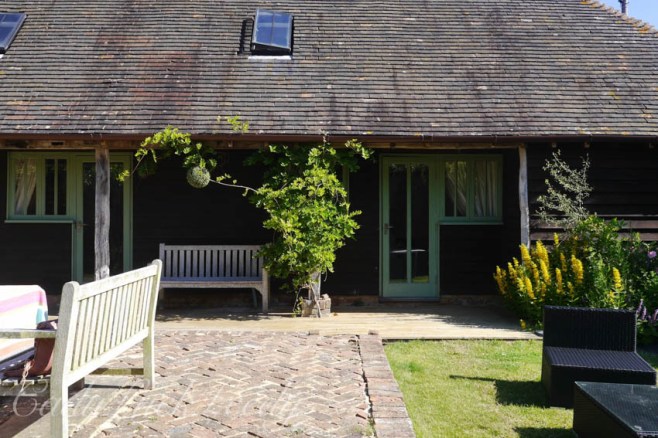
Our Room at Bulleign Barn

Our Room at Bulleign Barn

Our Room at Bulleign Barn

Our Room at Bulleign Barn

Our Room at Bulleign Barn

Our Room at Bulleign Barn

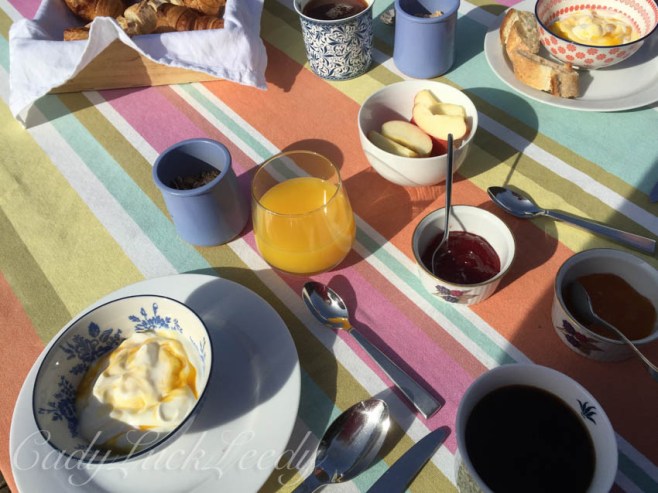
Every morning we were served a delicious breakfast of fresh yogurts, fruits, home made jams, along with croissants and specialty breads, warm from the oven. The outdoor table was set to our time-table and it was nice to talk to the other guests, and watch the playful dogs, chickens and a duck named Jemima.

Jemima
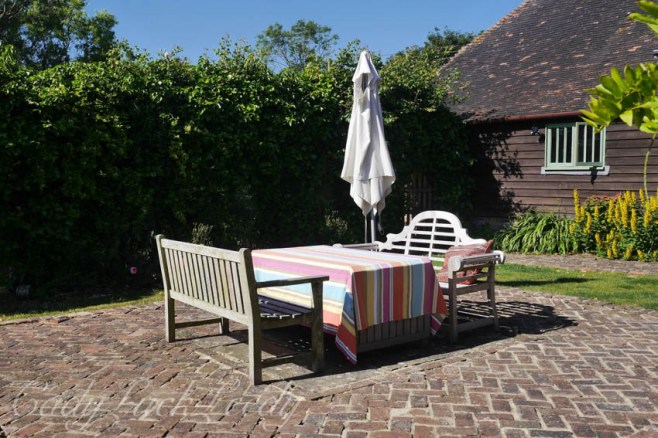
Jemima

Breakfast Every Morning!

Breakfast Every Morning!

AirB&B, Bulleign Barn, near Tenterden

AirB&B, Bulleign Barn, near Tenterden

There was also a family of white barn owls, who nested in the eaves, and one morning we got to meet a baby owl, which had fallen from the nest overnight. Our hostess skillfully set about to replace the fallen chick.
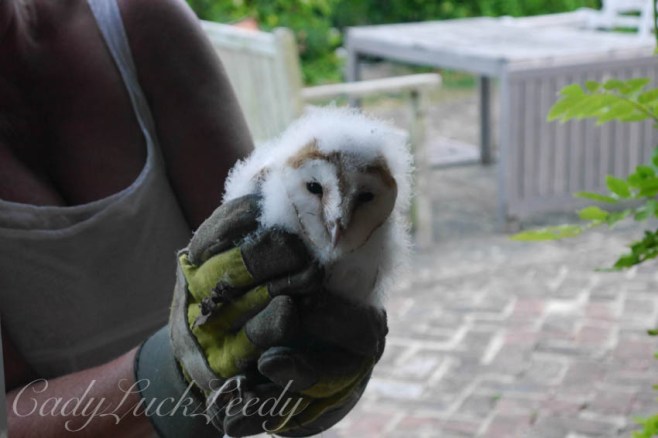
Baby White Owl

Baby White Owl

It was so nice to have found this country accommodation and start our day in such a relaxing way before we set off on our daily adventures to the gardens. We looked over the listings for quite some time, since there were so many varied spots to choose from.  If you haven’t thought of using Air B&B you should give it a try. We had choices of garden sheds, gypsy wagons, tents, rooms in big estates homes, or entire homes in both rural and city settings.  It’s just fun to see all the offers available out there and we have never been disappointed with a listing we have stayed in. To top that off it is much less expensive and if you like true interaction with your host and other guests, Air B&B will be for you. See you in the garden tomorrow!

PS

Before leaving on our Tour of the Gardens, in the spirit of things, I decided to name my little house, The End Cottage.  Every proper cottage in England has a name, most likely used prior to streets and house numbers, so why shouldn’t our place have a name I say? The Star was placed in my yard because I was selected for the Garden of the Month by my neighbors! Thanks !!!!!!
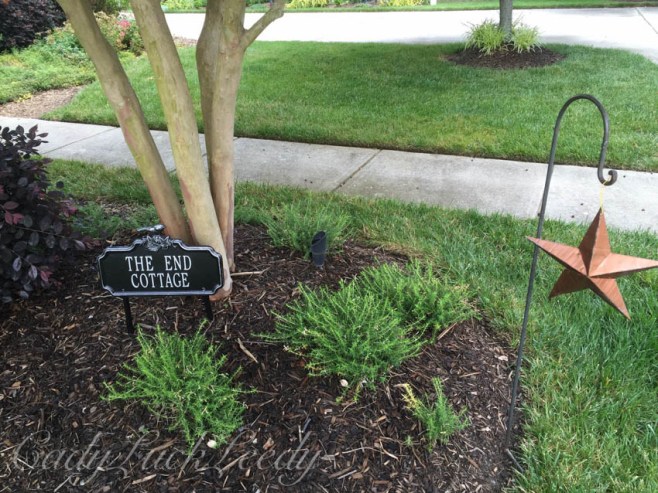
The End Cottage

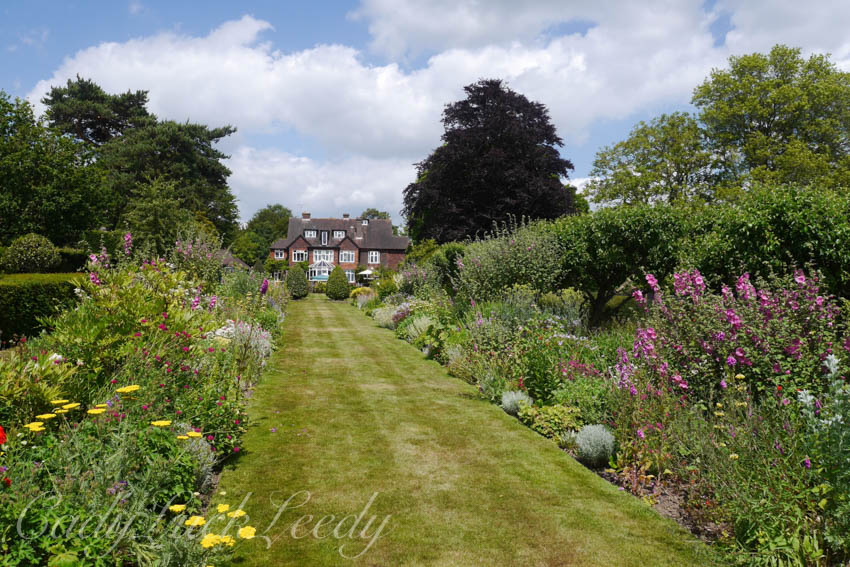
The End Cottage

Photography 101: Day 17, Glass

Today’s theme is Glass, for Photography 101. I love to take pictures of shop windows, but alas when I get too close to the glass all I get is glare! Or a rather strange picture of me!!!!  Any tips to remedy this?  Anyone?
So here we are outside the Christmas Shop in Broadway, UK. Enjoy, looking through the glass! From far way!

The Christmas Shop in Broadway, UK

The Christmas Shop in Broadway, UK

Photography 101: Day 7, Landmark

My Teddy Bear, Winnie

My Teddy Bears

Landmark: a very important event or achievement. Have you ever wondered why teddy bears are left at memorials by grieving mourners? I have. I think we repeat gestures that we no longer know the meaning of or never knew the meaning of, we just follow tradition. It gives us comfort and is meant to give comfort to others.

As many of you know, I have been studying a free online course with FutureLearn called WWI, Trauma and Memory. Although the war was very grim and the aftermath devastating for many men and their families, there have been enlightening moments as well. So, today on Veteran’s Day I am going to share a positive story. For many children I am sure it is a landmark event. This story is about Harry Colebourn, a veterinarian from Winnipeg, Canada.

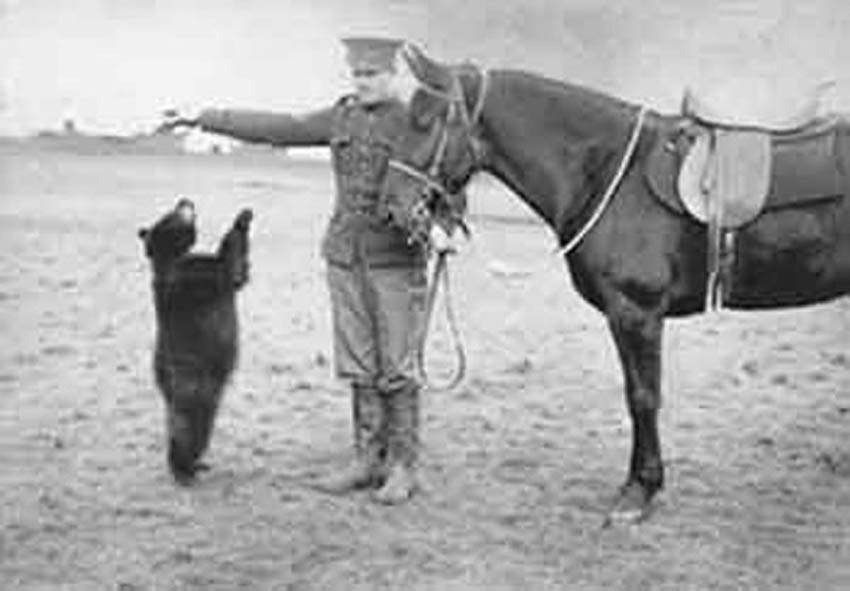
Harry Colebourn, enlisted in the Canadian Army as a surgical veterinarian and soon was shipped out to Valcartier, Quebec, the mobilization point for 35,000 volunteer troops. He was with the Fort Garry Horse, the 34th Regiment of Cavalry, and would be taking care of the horses, an amazing feat in itself.  Along the way the train stopped for supplies, and Harry got off and noticed a chained small black bear near the tracks.  A hunter, who had killed the cub’s mother was trying to sell it.  Harry paid twenty dollars for the cub and got back on the train with it. He named his new best friend, Winnie, after his hometown, Winnipeg. When Harry reached Valcartier,  he trained Winnie, in his spare time, how to play and be gentle, with treats of condensed milk and lots and lots of apples.

Harry With Winnie, Picture Courtesy Colbourn Collection

Harry With Winnie, Picture Courtesy Colbourn Collection

Harry With Winnie, Picture Courtesy Colbourn Collection

Harry With Winnie, Picture Courtesy Colbourn Collection

Winnie soon found she had many soldier friends to play with and she was made the mascot for the regiment. The men were very fond of Winnie and wrote to family and friends about her and sent pictures too.  Before long the regiment shipped out (literally) to Salisbury Plains, Britain, where all of Britain and her colonies were trained for war. Winnie went with the men. When orders arrived for Harry to go to the front lines he knew this was not a place for Winnie to go and sadly left her at the London Zoo, on the condition he could return after the war and take her back to Canada. On his rest and recuperation from the madness of the war, Harry always went back to the zoo to visit Winnie, who was doing quite well. The keepers were amazed at Winnie’s gentleness, which they predicted could not last. But, it did and Winnie became a star with the children, who visited her at the zoo. She was so gentle, the children were allowed to touch her and feed her. One of the children enthralled with Winnie, was Christopher Robin Milne, the son of A. A. Milne. After the war Harry Colebourn, realizing the children adored Winnie and with Winnie thriving, decided it was best to leave her at the zoo and went back to Canada, where he practiced veterinarian medicine for the rest of his life.  A. A. Milne, inspired by Winnie’s gentleness and comfort, went on to write the Winnie the Pooh books, so beloved by children and children at heart.

Pooh in an Illustration by E. H. Shepard.

Pooh in an Illustration by E. H. Shepard.

The first Winnie the Pooh story was published in the London newspaper The Evening News on December 24, 1925. It has been suggested this may be one of the reasons that teddy bears are left at memorials. Winnie brought so much comfort to soldiers during a trial of death, horror and despair and then went on to bring comfort and love to children all over the world.

Winnie the Pooh Monument, Winnipeg, Canada

Winnie the Pooh Monument, Winnipeg, Canada

For the anniversary of WWI, Ryerson University has put together a collection by the Colebourn family titled, Remembering the Real Winnie: The World’s Most Famous Bear Turns 100.  They have graciously shared the archives and collection online for those of us who can not travel to Toronto, Canada for the exhibit. It is a must see and will make your day! Enjoy!

THE SPECTACLED BEAN

Tales, Thoughts + Tribulations of a Free Spirit in Suburbia

Walking Away

Travels on foot

Teacher nickname: The Three Hairs

Minding my mind, one thought at a time.

Tra Italia e Finlandia

Un lungo racconto fotografico.

seanbreslin.jp

Photography, hiking, walking, and cycling across central Japan — from quiet mountain paths to everyday life around Nagoya.

Lost in Translation

Looking for meanings in words, images and sounds

Journeys with Johnbo

Reflections on places traveled and photos taken.

M/VGratitude

Cruising with the Thyrre Family

Caroline's Travel Adventure Blog

Where my Travels and my Blog merge together.

Just Me, Nobody Special

The mental meandering that cross my keyboard

Jennifer's Journal

Website & Blog of J. Kelland Perry, Author

Slow Shutter Speed

A photographic journey.

Ann Mackay: Inspired by Nature

Photography celebrating flowers, plants, and the natural world

Still Restlessjo

Roaming, at home and abroad

Fine for Friday

The Corner Garden

Picture This

Photography, Travel and Retirement

World Traveller 73

Upgrade Your Travels. First Class Luxury Travel from all parts of the Globe. Business Class Airline, Lounge and Hotel Reviews, Stories and Adventures

Rachel Meets China

A China travel and lifestyle blog