Travel, Gardens, Food, Photography, Books, Shoes

Posts from the ‘Food’ category

Eat, Drink and Be Merry: Let’s Start with the Drink and Be Merry!

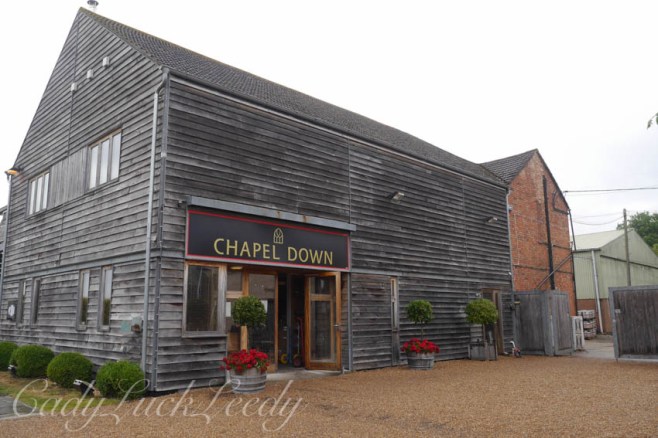
Chapel Down Winery, Tenterden Kent, UK

Chapel Down Winery, Tenterden Kent, UK

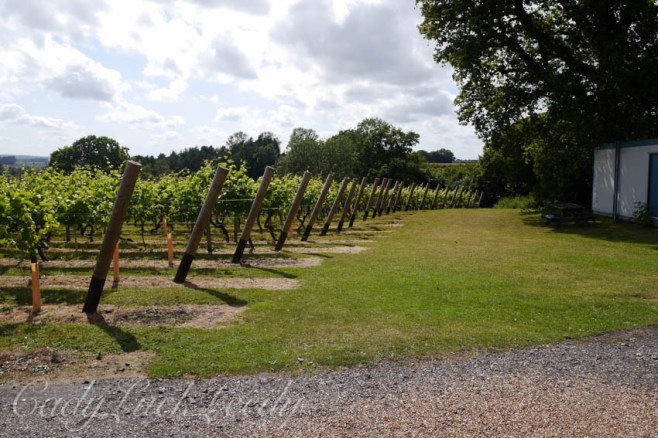
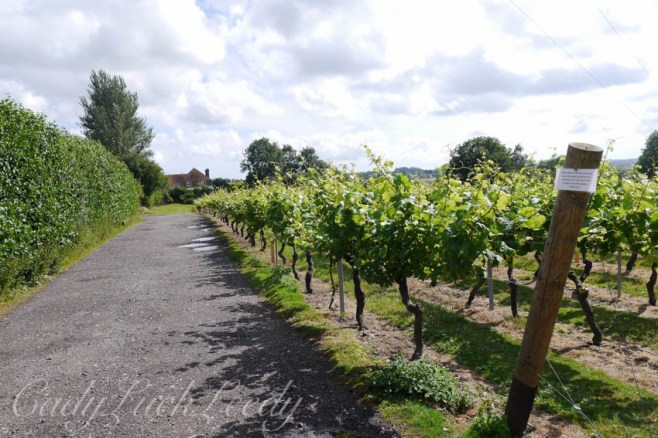
During my English Garden Tour we based in the countryside outside of Tenterden, Kent. It was a wise decision, because it was near the beautiful and busy market town of Tenterden, but we still could enjoy the peace of the countryside. Some of our best finds were found on the small lane that took us out of Tenterden to the Bullein B&B. One find was the Smallhythe Place, country home of Ellen Terry, (see previous posts about that) and right up the lane from the cottage was the Chapel Down Vineyard. What a great surprise that was! It is rated the top vineyard in the UK for sparkling wines, Curious Beers and ciders! So one Sunday afternoon we took it upon ourselves to partake of the vineyard. Poor pitiful Us!  Ha Ha!

Chapel Down Winery is set in a charming and well kept garden surrounded by the vineyards. As the crow flies we could have walked there from the B&B. So, it really was a three fold visit, it had a lovely garden, and an inviting vineyard, wine and specialty food shop. Topping off the day we ate at the fantastic Swan Restaurant on the premises!  I will talk about the The Swan Restaurant in my next post!

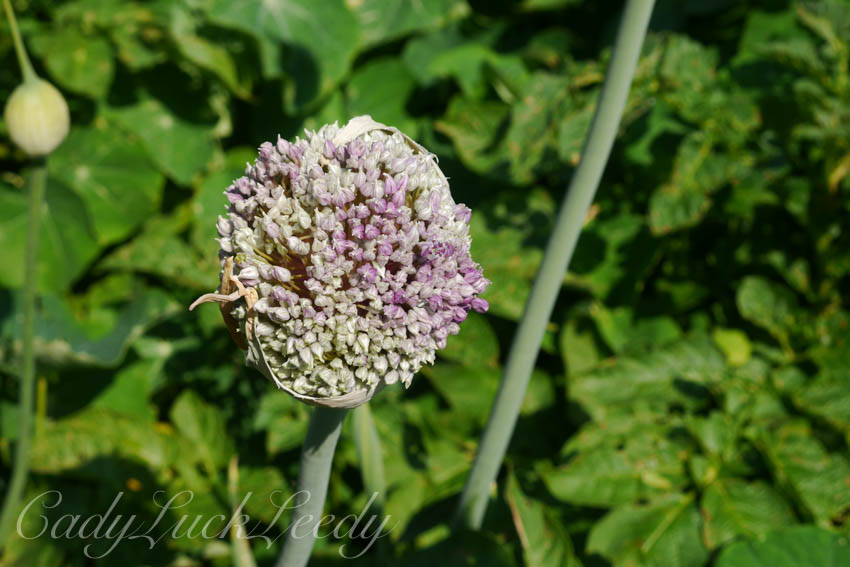
First I had to visit the garden!

Chapel Down Winery, Tenterden, Kent, UK

Chapel Down Winery, Tenterden, Kent, UK

Chapel Down Winery, Tenterden, Kent, UK

Chapel Down Winery, Tenterden, Kent, UK

Chapel Down Winery, Tenterden, Kent, UK

Chapel Down Winery, Tenterden, Kent, UK

What a great place for a wedding! Everything you need right here!

Chapel Down Winery, Tenterden, Kent, UK

Chapel Down Winery, Tenterden, Kent, UK

Chapel Down Winery, Tenterden, Kent, UK

Chapel Down Winery, Tenterden, Kent, UK

Chapel Down Winery, Tenterden, Kent, UK

Chapel Down Winery, Tenterden, Kent, UK

Chapel Down Winery, Tenterden, Kent, UK

Chapel Down Winery, Tenterden, Kent, UK

There is the wine tasting  area in the large barn-like building, which features  the award- winning wine along with local cheeses, chutney, hand-made chocolates, and artisan biscuits.  The staff are very helpful and knowledgable. While we were there many people were stocking up with cases and cases of wine!

This is what I learned………..

The Curious Beer, made by the Kent winemaker, has been named one of the world’s best lager’s in the industry. The International Beer Challenge, which has judged the best beers in the world for the past sixteen years, awarded Chapel Down the Gold Medal for the Curious Brew! With over four hundred brew entries Chapel Down had the best of its class! Using East Anglian malt, saaz and cascade hops, they re-ferment the lager using champagne yeast to make a highly drinkable and refreshing lager beer.  The sparkling wines and beers have been served at Buckingham Palace and were featured during the wedding celebrations of the Duke and Duchess of Cambridge. Curious Brew is currently served on draught at Jamie Oliver’s Union Jack restaurants and Jamie’s Italians, The Swan at London’s Globe Theatre, the Royal Opera House, as well as independent pubs in the south east. We were so lucky to stumble across this place! If it’s good enough for the queen it’s good enough for me!

We chose to eat at the Swan Restaurant, (a reservation is highly recommended) and try the different beverages with our meal!  What a lovely day out! Do not miss the Chapel Down Winery and Swan Restaurant in Tenterden!  Now let’s go in The Swan and check out the menu!

Charleston Farmhouse, Home of Vanessa Bell and Duncan Grant

Charleston Farmhouse, Sussex, UK

Charleston Farmhouse, Sussex, UK

Charleston Farmhouse, Sussex, UK

Charleston Farmhouse, Sussex, UK

Charleston Farmhouse, Sussex, UK

Charleston Farmhouse, Sussex, UK

Charleston Farmhouse, the home of Vanessa Stephen Bell, (Virginia Woolf’s sister) is about six miles from Monk’s House, (Virginia Woolf’s home) as the the crow flies. The farmhouse sits in a big open field, down a long narrow road, in the middle of no where.

This is what I learned……..

In 1916, Charleston Farmhouse was rented by Vanessa Bell, and Duncan Grant, under the terms of his exemption from the military as a conscientious objector. He and his lover, David Garnett, were employed at a nearby farm and lived at Charleston with Vanessa Bell. Vanessa Bell was married at the time to Clive Bell and would remain so all her life. Their unconventional household became the meeting place for the Bloomsbury Group, a group of writers, artists and intellectuals who had formed from the Apostles group at Cambridge. Vanessa’s and Duncan’s decorative style, made up of squares, circles, and triangles, were featured throughout the farmhouse on every wall, ceiling and piece of furniture! People came and went over the years but the farmhouse was lived in by Vanessa and Duncan for sixty years. Vanessa stated, “it will be an odd life, but……. it ought to be good for painting.” The Bloomsbury members came here to relax and have fun. It was said the group lived in squares, painted in circles, and loved in triangles. To me their life was very complicated. To them they lived a bohemian life, and felt anything was OK as long as it didn’t hurt anybody. I’m not sure you can live that life without hurting somebody. Just my thoughts, I tend to be starchy.

There is no picture taking allowed inside Charleston Farmhouse and only a small group is allowed in at any one time with a well versed guide. You must make a reservation or risk not getting in or having to wait. The rooms show a complete example of the decorative art of the Bloomsbury artists: murals, ceramics, paintings, textiles and objects from their Omega Workshops. Vanessa’s room was painted by Duncan, Vanessa’s lover. (a triangle between her, Duncan and David Garnett) He painted a huge red dog above her bed, to always protect her, and she painted his room in delicate pastel circles, squares, and flowers. There are lots of bedrooms in the farmhouse and what struck me the most were the various ceramic numbers above the doorway representing a specific room. For some reason it reminded me of something you would find in a bordello. Maybe because the guide kept reminding us of all the people who came and went and their various activities there. They did more than paint, write, or talk. The farmhouse was interesting and different and the garden was beautiful. It is now owned by the Charleston Trust, a charity set up in 1980 to restore and maintain the property. Every May there is the Charleston Festival, which draws artists and writers alike to promote the arts. For more information about the Charleston Farmhouse see here. There were several very knowledgable artists among our tour group and artists could be found painting or sketching in the garden while we were there, so it is still an artists’ hangout. Let’s walk through the garden!

Click on any image for a larger look!

While visiting Charleston, I bought a book at the gift shop, called, Vanessa and Her Sister, by Priya Parmar,  which enlightened me further on the Bloomsbury Group, Vanessa Bell, and Virginia Woolf. Their lives were anything, but conventional. I won’t go into ALL the details, but it was a very good read! The group had ten or so core members, the males, all educated at Trinity or Kings College of Cambridge, and were called the Apostles. Vanessa and Virginia’s brother, Thoby, was friends with the Apostles and this is how they came to meeting at the Stephens home in Bloomsbury, a neighborhood in London, in which Vanessa and Virginia, the only women, were included. Here is the Bloomsbury Group.

Clive Bell, art critic, Vanessa Bell’s eventual husband.

E.M Forster, fiction writer.

Roger Fry, art critic and post impressionist painter. (Had a passionate affair with Vanessa Bell)

John Maynard Keynes, economist. (Had an affair with Duncan Grant, but married Russian ballet dancer, Lydia Lopokova, and eventually lived close to Charleston Farmhouse.

Desmond McCarthy, literary journalist.

Lytton Strachey, biographer, who was Virginia Woolf’s fiancé for one day.  He was a homosexual and in love with his cousin, Duncan Grant.

Leonard Woolf, essayist and non-fiction writer, who married Virginia Stephen.

Thoby Stephen, brother of Virginia and Vanessa, who brought all these men home for dinner and their weekly meetings in Bloomsbury.

Virginia Woolf, fiction writer, essayist and publisher.

Vanessa Bell, post-impressionist painter, started Friday painting club, an addition to the Thursday night intellectual meetings.

Duncan Grant, post-impressionist painter and Vanessa’s lover. He was also the father of Vanessa’s only daughter. He also had many homosexual affairs. What a triangle this was! There was a lot going on with them, read the book!

Were they a group of rich spoiled kids, who did what they wanted, come what may? Or were they trying to change the world? They had grown up in a strict victorian society, and then the great war and the loss of so many men changed the lives of all English men and women forever.  Women were no longer confined to the home and women’s rights were taking front and center stage.  Men and women did not want to return to service for the affluent. The affluent could no longer manage their large estates and homes. So times were changing! Were the Bloomsburys just caught up in this new way of life? Were they the survivors? You can draw your own conclusions. Next we’ll explore the lives of the maids and housekeepers that took care of Virginia and Vanessa! After I had explored  the Bloomsburys, I wanted to know about the other side of that coin! See you next time in the kitchen!

One of my Favorites in the Charleston Farmhouse Garden, Sussex, UK

One of my Favorites in the Charleston Farmhouse Garden, Sussex, UK

The Village of Rodmell, Sussex, UK

The Abergavenny Arms Pub, Rodmell, Sussex UK

The Abergavenny Arms Pub, Rodmell, Sussex UK

In the last several posts I have been writing about Virginia Woolf and her country retreat, Monks House, situated in Rodmell. I am fascinated with small English villages and the people that live in them. Rodmell proved to be one of the smallest, population 250. The Lewes to Newhaven Road twists and turns and upon reaching the Abergavenny Arms Pub, you turn onto a smaller paved road and follow it until it dead ends at Mill Lane, where the parking spaces are for Monk’s House. It was an easy walk through the one lane village of about twenty homes to reach the pub after our visit to the gardens and cottage.  However, I was in for a bigger surprise.

The Sign to Monk's House, Rodmekll, Sussex, UK

The Sign to Monk’s House, Rodmekll, Sussex, UK

This is what I learned………….

The small village of  Rodmell, which can be translated from Old English meaning, place with red soil, has been here before the time of the Norman Conquest, when it was held by Harold II. Located along the River Ouse, the village was an important crossing point between the South Downs way and the Roman road to the port of Newhaven, having a cross channel route to Dieppe in France. The springs in Rodmell made it the perfect place for people to live because there was water here. The original village well is located inside the Abergavenny Arms Pub. So the pub truly was the original “watering hole!”

In 1085, the Doomsday Book noted there was a church in Rodmell, which was granted to Lewes Priory by William de Warenne, Second Earl of Surrey. This early Norman church is dedicated to St Peter. The font is believed to be Saxon predating the church itself. People have been inhabiting this area for a long time. But the most extraordinary find for me, was the name William de Warenne. That name rang a bell. So upon searching my ancestry files, another passion I follow and update regularly, I located William de Warenne. He is my 27th great grandfather! So strolling this small village which has remained unchanged for several centuries was particularly interesting to me!

Let’s admire the village on the way to the pub!

In 1439 Rodmell Manor  was owned by the Bergavennys, hence the name Abergavenny Arms Pub. For more information about the Pub look here.

In the 1600’s Monk’s House was built as a row of a small cottages.

In 1810, a milling family (The Glazebrooks) moved into Monk’s House and the three or four other small cottages on the property were used for agricultural laborers. The Glazebrooks lived at Monk’s House for the next sixty years.  The Mill was on the hillside just on the other side of the pub, and was sold in 1876. There was also a blacksmith at this junction.  So we’ll whet our whistle at the pub since we’ve had another fine day in the UK! We’ll start afresh with the Charleston House, home of Vanessa Bell (Virginia Woolf’s sister), and learn about the Bloomsbury Group!  See you then!

The Flowers of Rodmell, Sussex, UK

The Flowers of Rodmell, Sussex, UK

A Girl’s Gotta Eat: Pubs on “My English Garden Tour”

The Three Chimneys, Biddenden, Kent, UK

The Three Chimneys, Biddenden, Kent, UK

The Three Chimneys, Biddenden, Kent, UK

The Three Chimneys, Biddenden, Kent, UK

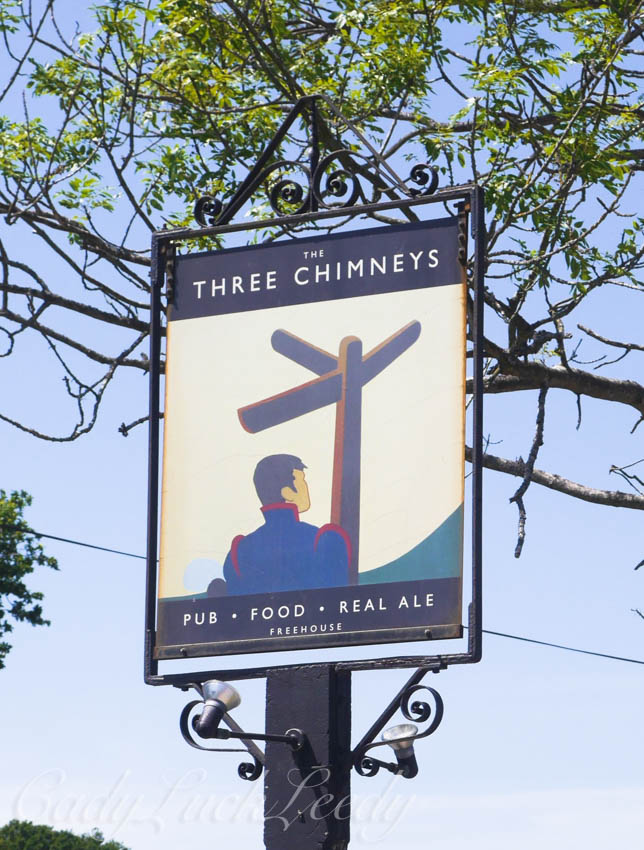
Near Sissinghurst Castle is a “not to be missed” pub called The Three Chimneys Freehouse. Located at the intersection of three country roads, the outside is much as it was hundreds of years ago. During the Seven Year’s War (1756-1763) some of the three thousand French prisoners at Sissinghurst Castle, who were placed on parole, were allowed as far as the pub. At the time the locals called the pub “The Three Wents,” or three ways, referring to the three paths that led there, but the prisoners called it Les Trois Chemins ( The Three Paths). Did the locals think the French were saying three chimneys or did that name refer to the chimneys on the pub? Or could it be the three chimneys at the three paths? The sign at the pub reflects the paths part of it’s past. See the particulars about The Three Chimneys Freehouse here.

The Three Chimneys is dated 1420 and the half timbered structure remained the same for 500 years. At that time it was a simple country ale house. Although The Three Chimneys has never lost it’s character there are now several eating areas within the pub, the newest being the seating area overlooking the gardens. There is lots of history to be gleaned here and I particularly liked the story of the last man who died here. Needless to say, there no longer is a pond outside.

Here was our appetizer at the Three Chimneys Pub; a mushroom and cheese dish for two.  A GIANT field mushroom with carmelized  red onions was drizzled in balsamic and topped with a grilled soft goat cheese! Delicious!!!!

Three Chimneys Pub, Biddenden, Kent, UK

Three Chimneys Pub, Biddenden, Kent, UK

To our delight the country pub has been recruiting great chef’s! The food offered in the neighborhood pub would make Jamie Oliver proud. The freshest local ingredients and creative food choices has definitely added to the charisma of the local pub. The atmosphere of the English Pub is what draws us to the pub in the first place. Sitting at a wooden table by the fireplace, cozy in a low ceilinged, small room, reminds us of days gone by. In the pub you are part of the community; catching up on news, celebrating events, just enjoying life! Today the locals are visiting the pubs like they have always done, although the pubs are now non-smoking and serving much more than the local ales. There are not as many pubs in town as there used to be due to the stiffer drinking laws, so the surviving pub needs to present it’s best. We were not disappointed in our choices and these two pubs were some of our favorites!

Tenterden, our “base camp” for our “Tour of English Gardens” was a thriving, busy, market town with the widest streets by far! Here one could find all the amenities and fine shopping one desired. Parking is at a premium here and an oddity for us was paying to park while shopping at the grocery store. It was, however, the largest parking lot in town and others would have parked there whether grocery shopping or not so I understand the meter business. We learned all about the meter system too! Every country is so different! Here you place part of the numbers of your car license plate into the meter machine along with your money at a localized spot! Voila!

Tenderden Town Sign, Tenderden, UK

Tenderden Town Sign, Tenderden, UK

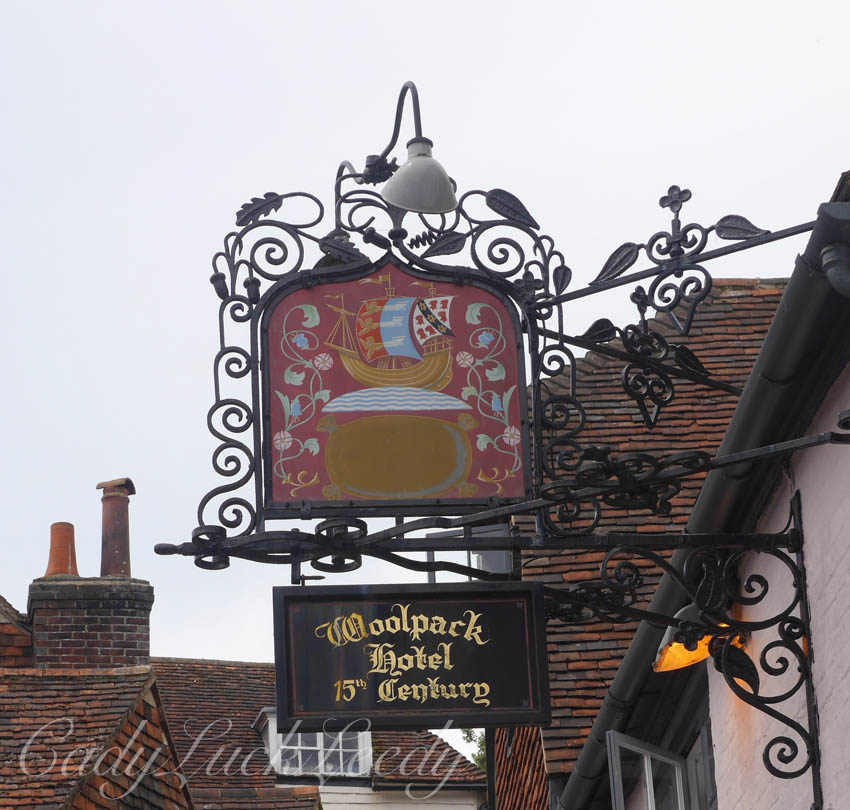
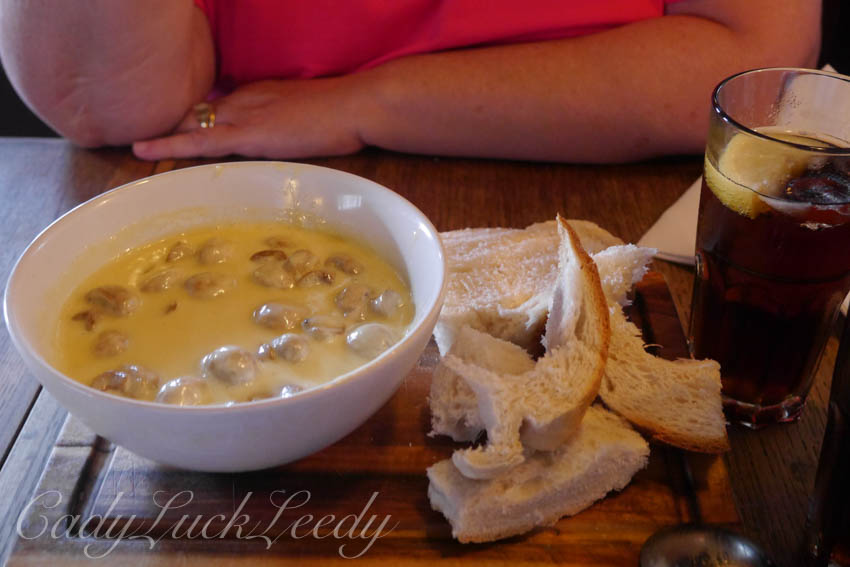
Our favorite pub, “The Wooley”, in Tenderden was at The Woolpack, a 15th century hotel that has just undergone re-furbishment and new management. Located on High Street, in the heart of Tenderden, we had THE BEST cheese and mushroom hors d’oeuvre. It turned out to be a warm, thick, creamed, cheese soup with whole mushrooms in it and was served with a loaf of warm french bread! Need I say more!  Delicious!!!! Be sure to check out the local pubs when visiting the U.K. You won’t be disappointed!

"The Wooley at the Woolpack Hotel, Tenterden, Kent, UK

“The Wooley” at the Woolpack Hotel, Tenterden, Kent, UK

The Mushroom Cheese Hors' d-eovre, The Wolley, Tenterden, Kent, UK

The Mushroom Cheese Hors d’oeuvre, The Wolley, Tenterden, Kent, UK

Man’s best friend comes here too!

"The Wooley" at the Woolpack Hotel, Tenterden, Kent, UK

“The Wooley” at the Woolpack Hotel, Tenterden, Kent, UK

The National Trust: Sissinghurst Castle; Home of Vita Sackville-West

Sissinghurst Castle Gardens, Kent, UK

Sissinghurst Castle, Cranbrook, Kent, UK


Sissinghurst Castle, Cranbrook, Kent, UK

Sissinghurst Castle, Cranbrook, Kent, UK

Here looking at the main section of the house, the Long Library is to the left, and the Main House is to the right.

Sissinghurst Castle, Cranbrook, Kent, UK

Sissinghurst Castle, Cranbrook, Kent, UK

From 1915 to 1930, Vita Sackville-West, poet, and her husband, Harold Nicholson, diplomat, lived at Long Barn in Sevenoaks, after the family had been forced to leave Knole, her family home, when Vita was not able to inherit the family estate because she was a woman. 

In 1930 they bought  the ruins and the farm around Sissinghurst Castle. The Nicolson’s must have had a good imagination and wanted something that would keep them busy for years, because Sissinghurst had had a long and colorful past, but by 1930 the buildings were all dilapidated and the grounds one massive field of weeds!

This is what I learned about Sissinghurst………

In 1235, the manor belonged to John de Saxingherste, a gentleman farmer. The house was protected by a moat, which provided the family with fish. This moat still exists on two sides of the orchard. By 1530 the manor was sold to John Baker of Cranbrook, a very wealthy man during the reign of King Henry VIII. The house was expanded and a entrance gateway was built. In 1560, son Richard, built a new house on the site around three courtyards with a Prospect Tower at the center. A smaller house to the north, known as the Priest’s House, was originally a banqueting house and later housed their priest.

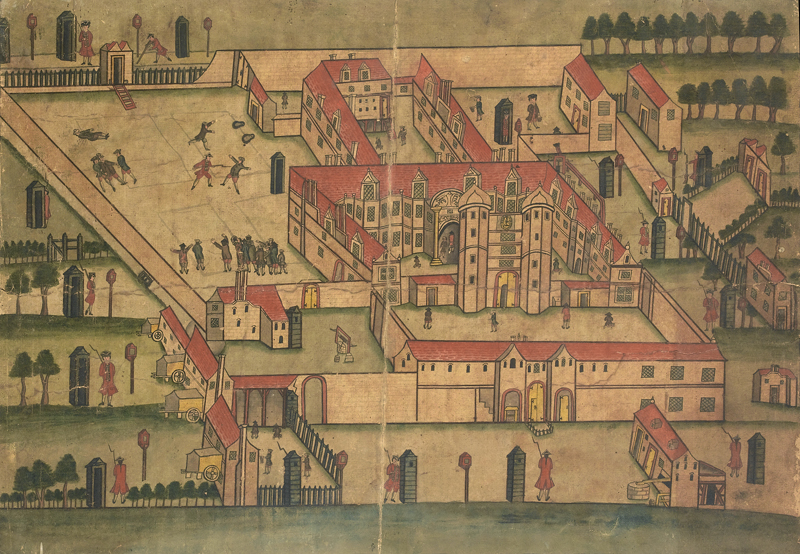
Chateau de Sissinghurst

Chateau de Sissinghurst, 1756-1763

By 1730 Sir John Baker died, leaving four daughters and as there were no men descendants left, the estate was sold to Horace Mann, who never lived there, but leased the property to the government to be used as a prison, during the Seven Year’s War. French Naval officers were housed in the tower and some of the graffiti of sailing ships, names, and dates still remain there. The three thousand prisoners referred to their prison as Chateau de Sissinghurst, and the name stuck.  By the end of the war the sailors had destroyed the property; trashing, burning and looting the fine architectural details from fireplaces, doorways and windows.

In 1796, the parish of Cranbrook took over the lease, creating a poor house here where one hundred men were offered housing, employment and food. A devastating fire in the 1800’s destroyed the manor so badly that even the foundations of the house, that stood in the orchard, were picked up and carted away.

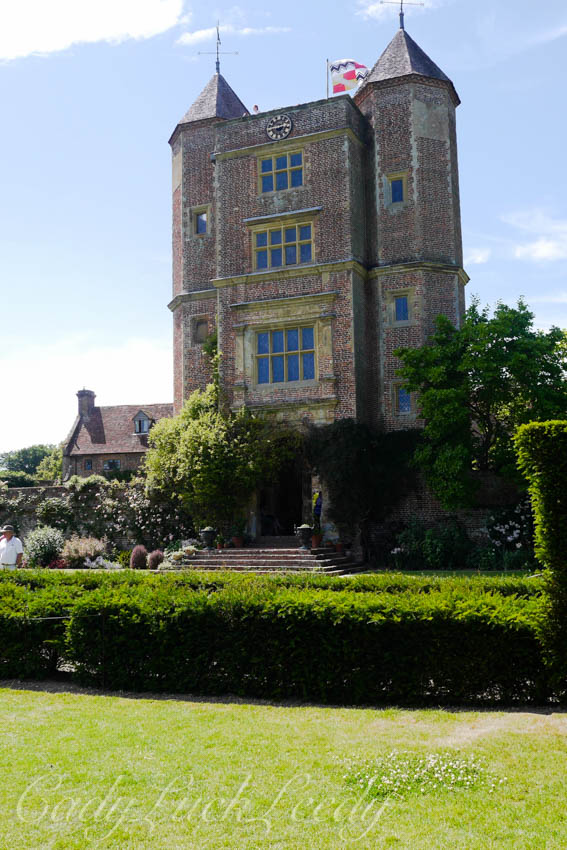
Here is a Map of the property after many years of work by the Nicholson’s. It gives you an idea of what was left on the property and how they mapped out the gardens. They lived in the smaller Priest House and the South Cottage,  while re-building the remaining section of the gated wall, and set out to transform it into the beautiful house and garden it is today. In 1967 The National Trust took over Sissinghurst, the gardens, farm and buildings. Today it is one of the most popular manors owned by the National Trust. Tomorrow we’ll take a close up look at the gardens and how they developed over the years at Sissinghurst. Now let’s look at the buildings on the property of Sissinghurst Castle.

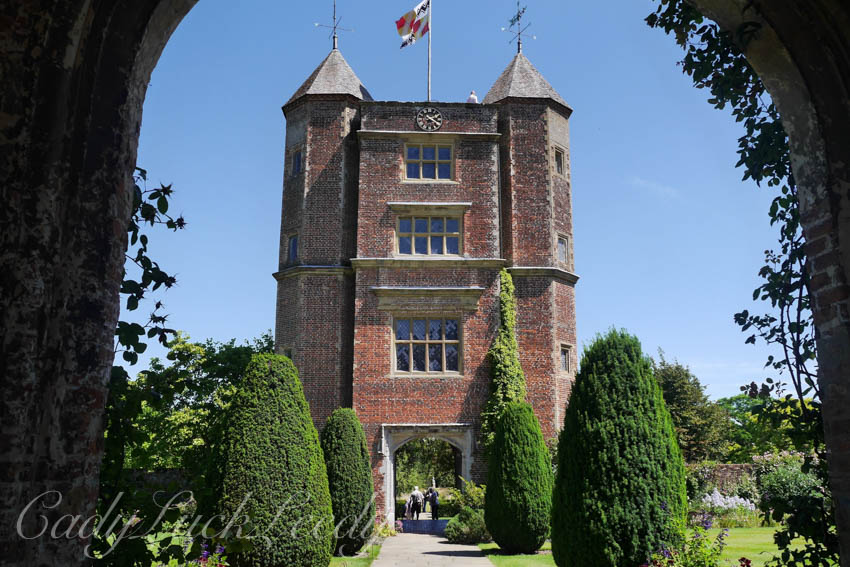
Tower at Sissinghurst Castle, Cranbrook, Kent, UK

Prospect Tower at Sissinghurst Castle, Cranbrook, Kent, UK

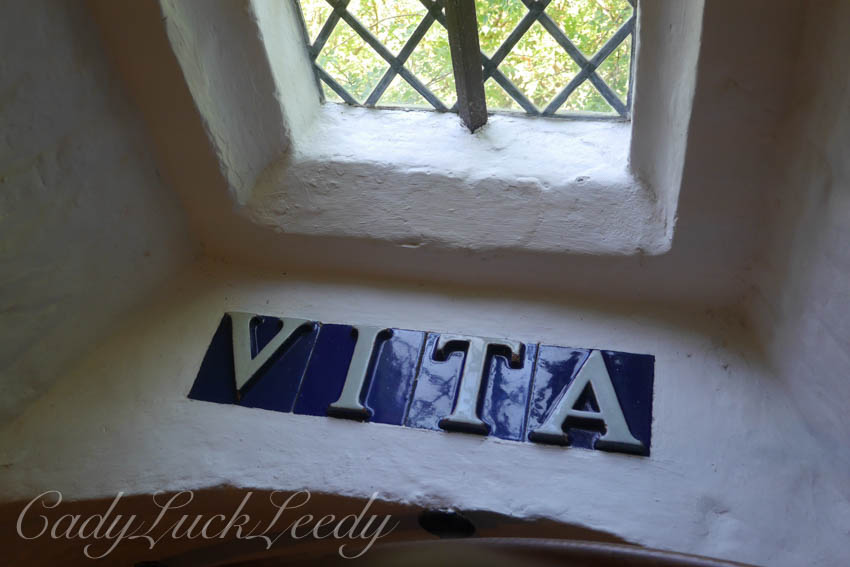
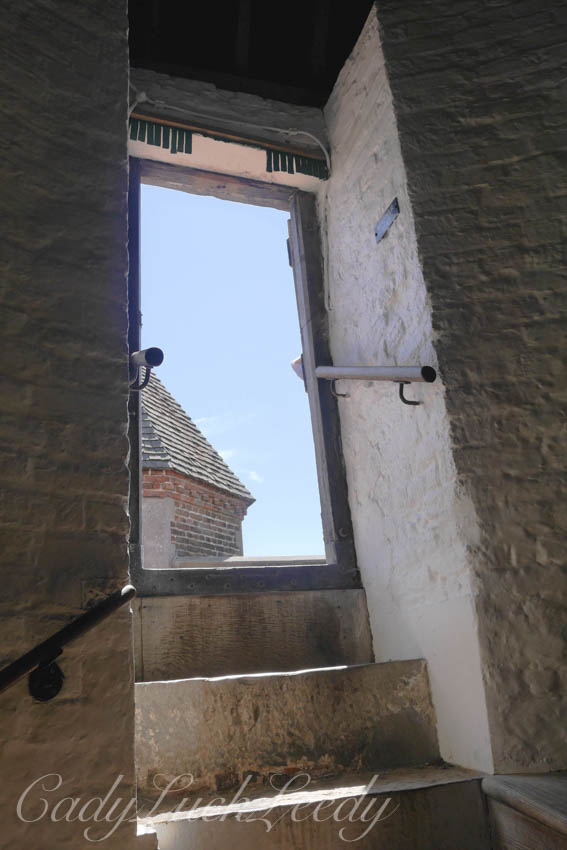
The Tower became Vita’s “Room of Her Own”, where she went daily to write for three hours. The rest of the day was spent working in her gardens. Here are some views of her room and the views she had when writing.

Steps to the Tower, Sissinghurst, Castle, Cranbrook, Kent, UK

Steps to the Tower, Sissinghurst, Castle, Cranbrook, Kent, UK


Prospect Tower, Sissinghurst, Castle, Cranbrook, Kent, UK

Prospect Tower, Sissinghurst, Castle, Cranbrook, Kent, UK


Prospect Tower, Sissinghurst Castle, Kent, UK

Prospect Tower, Sissinghurst Castle, Kent, UK


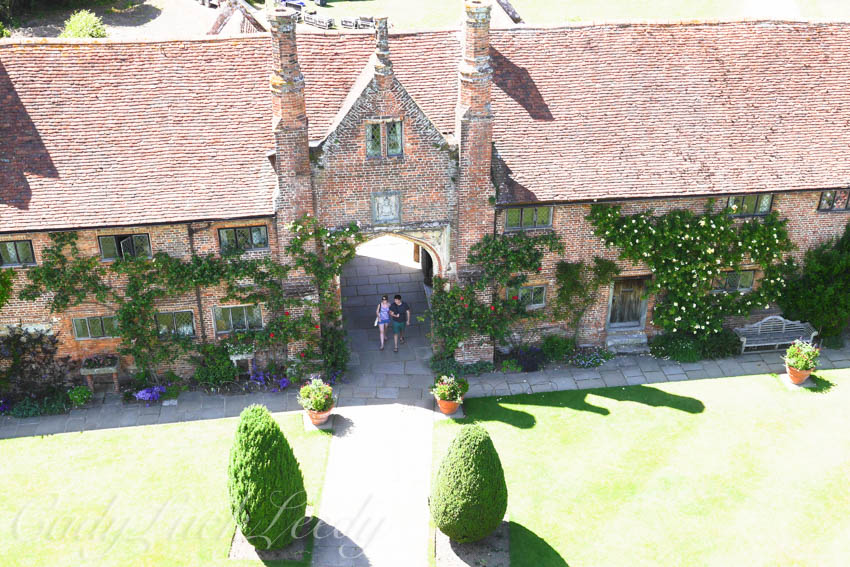
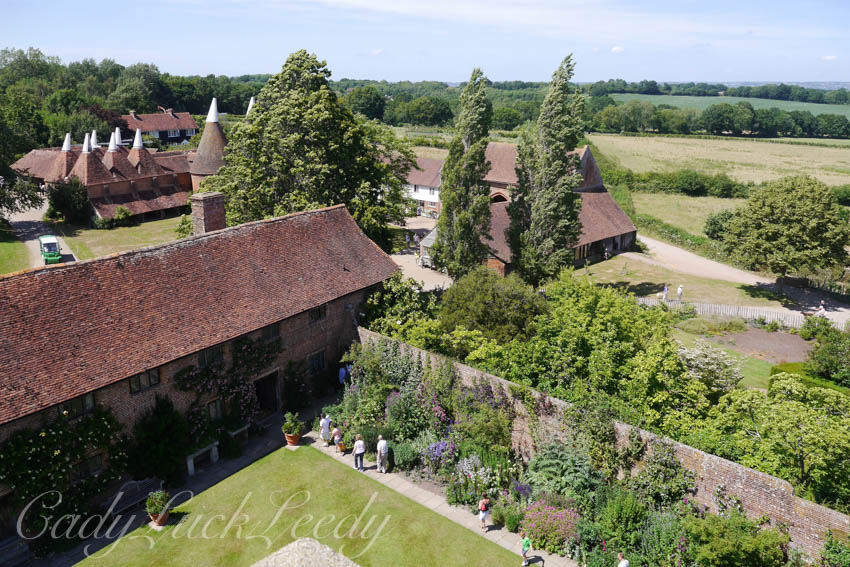
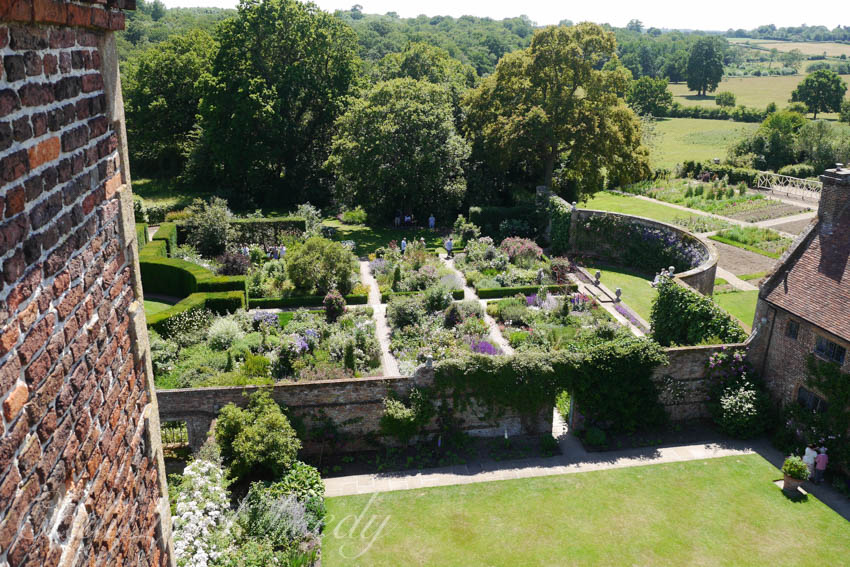
View from Prospect Tower, Sissinghurst Castle, Kent, UK

View from Prospect Tower, Sissinghurst Castle, Kent, UK


View from Prospect Tower, Sissinghurst Castle, Kent, UK

View from Prospect Tower, Sissinghurst Castle, Kent, UK

The rooftop shown in the picture above is the Priest’s House, now a B&B on the National Trust Property at Sissinghurst. Wouldn’t be great to stay in this garden?

View from Prospect Tower, Sissinghurst Castle, Kent, UK

View from Prospect Tower, Sissinghurst Castle, Kent, UK


View from Prospect Tower, Sissinghurst Castle, Kent, UK

View from Prospect Tower, Sissinghurst Castle, Kent, UK


View from Prospect Tower, Sissinghurst Castle, Kent, UK

View from Prospect Tower, Sissinghurst Castle, Kent, UK


View from Prospect Tower, Sissinghurst Castle, Kent, UK

View from Prospect Tower, Sissinghurst Castle, Kent, UK

Here is the South Cottage Farmhouse, another B&B on the property at Sissinghurst.  It is a much larger property, in case you need more room!

View from Prospect Tower, Sissinghurst Castle, Kent, UK

View from Prospect Tower, Sissinghurst Castle, Kent, UK


View from Prospect Tower, Sissinghurst Castle, Kent, UK

View from Prospect Tower, Sissinghurst Castle, Kent, UK


Prospect Tower, Sissinghurst, Kent, UK

Prospect Tower, Sissinghurst, Kent, UK


Prospect Tower, Sissinghurst, Kent, UK

Prospect Tower, Sissinghurst, Kent, UK


The Back of the Main House, Sissinghurst, Kent, UK

The Back of the Main House, Sissinghurst, Kent, UK


The Back of the Main House, Sissinghurst, Kent, UK

The Back of the Main House, Sissinghurst, Kent, UK


The Boat House along the Moat, Sissinghurst Castle, Kent, UK

The Boat House along the Moat, Sissinghurst Castle, Kent, UK

Here are the Oasts, so we know this was a working farm!

The Oasts at Sissinghurst Castle, Kent, UK

The Oasts at Sissinghurst Castle, Kent, UK

Now these buildings make up the restaurant,  gift shops and museum at Sissinghurst Castle.

The Gift Shop and Restaurant at Sissinghurst Castle, Kent, UK

The Gift Shop and Restaurant at Sissinghurst Castle, Kent, UK

Tomorrow we’ll explore the garden up close and personal and see the remarkable transition that took place and continues to do so in the Sissinghurst’s gardens. Vita and Harold had a definite plan for their new home! See you there!

The Gift Shop and Restaurant at Sissinghurst Castle, Kent, UK

The Gift Shop and Restaurant at Sissinghurst Castle, Kent, UK

The National Trust: Knole; Childhood Home of Vita Sackville-West

Knole, Sevenoaks, Kent, UK
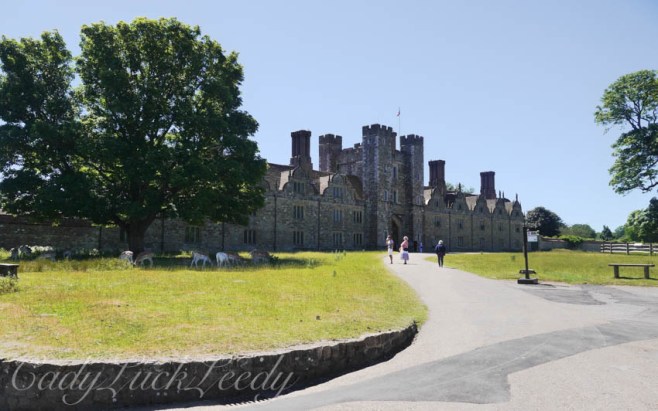
Knole, Sevenoaks, Kent, UK

The Entry to Knole, in the Green Courtyard, Sevenoaks, Kent, UK
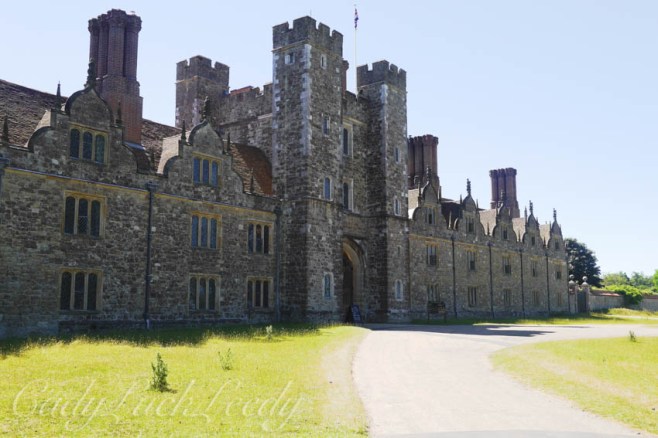
The Entry to Knole, into the Green Courtyard, Sevenoaks, Kent, UK

One of the Towers at Knole, Sevenoaks, Kent, UK
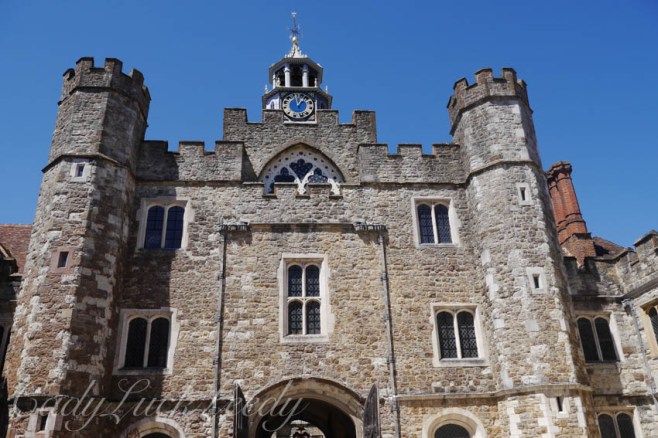
One of the Towers at Knole, Sevenoaks, Kent, UK

One of the Towers at Knole, Sevenoaks, Kent, UK

Some of the Towers at Knole, Sevenoaks, Kent, UK

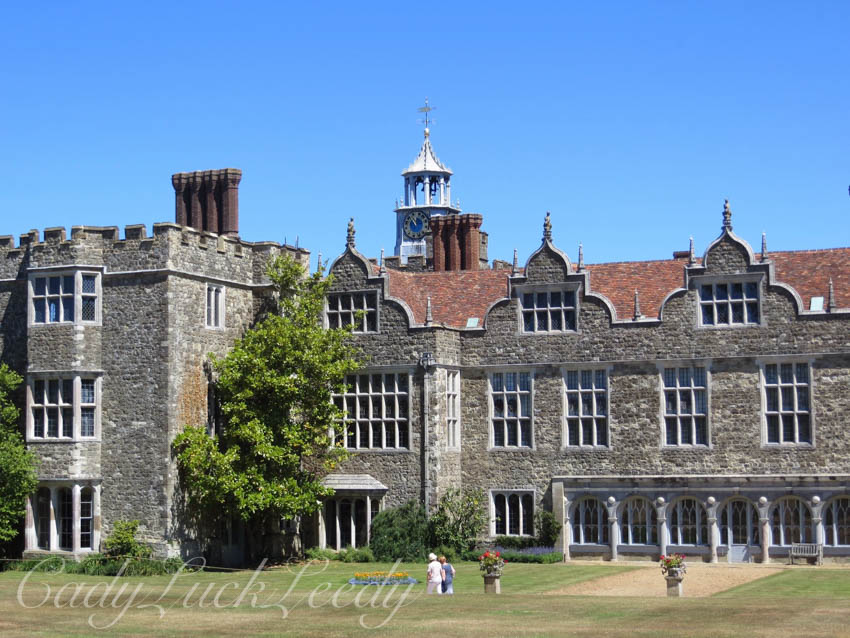
Nothing could have prepared me for Knole.  I had read up about Knole. It would be a big house, extraordinary.  Well, the people who had lived there made it so very interesting too. I discovered Vita Sackville-West. I discovered another world.

But in reality, it was unbelievable that anyone could live in this home, really a castle, but bigger than any castle I had ever seen. The shear size of it is unimaginable!  I wanted to understand this life. I wanted to understand the people who lived like this.

I am breaking my post into two segments because I think that Knole and Vita Sackville- West demand such attention. I was enthralled. I hope you will be as well. Now………

What I learned about Knole.

Knole is nestled in a 1000 acre medieval deer-park. The deer know there are no guns here and are happy to be in the front yard, (if you can call it that) and near the parking spaces for Knole. You could reach out and touch them, certainly feed them, or just sit amongst them. Knole has been open as a park for several years and has been a favorite recreational park for large groups of school children, as a field trip adventure, with plenty of space to run around! Walking up the gravel lane from the car park you get plenty of opportunity to observe the deer!

The Deer of Knole, Sevenoaks, Kent, UK
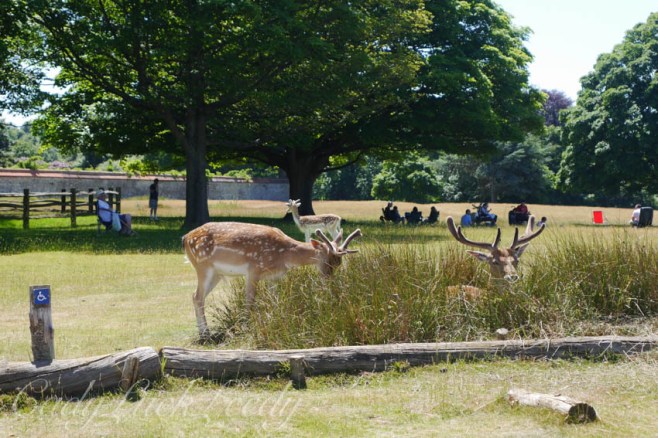
The Deer of Knole, Sevenoaks, Kent, UK

The Deer of Knole, Sevenoaks, Kent, UK

The Deer of Knole, Sevenoaks, Kent, UK

Sprawled out in front of us is Knole, rated as one of England’s largest houses.  Since 2012 the National Trust, has cared for the house and 52 of the acres. More than half the house has been kept by the Sackville-Wests, along with the remaining gardens and estate, but they do permit commercialized access and charitable and sporting events. Believe me when I say you could live at one end of this place and NEVER know what was going on at the other. The National Trust has documented this house as a Calendar House, which defines it as having 365 rooms, 52 staircases, 12 entrances, and 7 courtyards, following the order of a calendar with 365 days, 52 weeks, 12 months, and 7 days in a week.  Can you imagine that? Who exactly lived here?

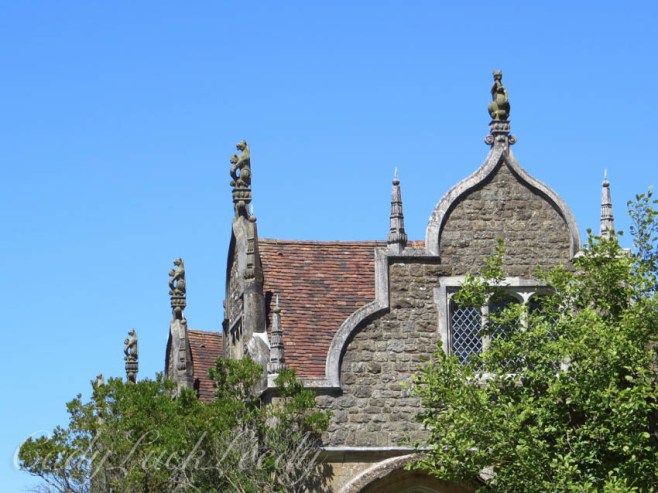
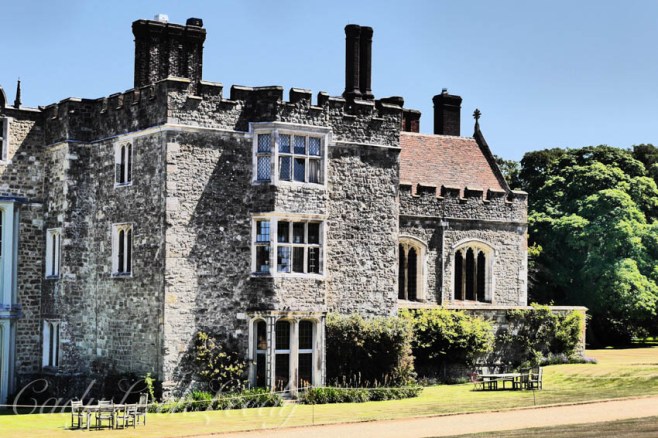
I had to stand far away just to take pictures of SECTIONS of Knole! It goes on and on in the shape of a rectangle with several inner courtyards!

Knole, Sevenoaks, Kent, UK

Knole, Sevenoaks, Kent, UK
Knole, Sevenoaks, Kent, UK
Knole, Sevenoaks, Kent, UK

Knole,Sevenoaks, Kent, UK

Knole, Sevenoaks, Kent, UK

Knole, Sevenoaks, Kent, UK

Knole, Sevenoaks, Kent, UK

The Chapel at Knole, Sevenoaks, Kent. UK

The Chapel at Knole, Sevenoaks, Kent. UK

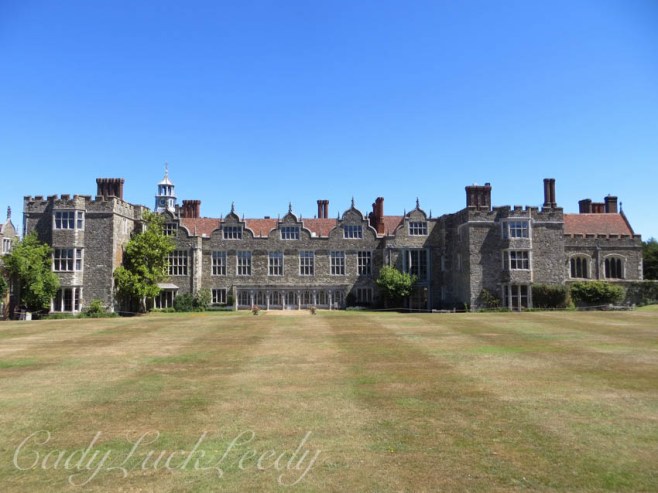
The oldest parts of the house were built by Thomas Bourchier, Archbishop of Canterbury between 1456 and 1486, on the site of an earlier house.  Above and on either side of a large Tudor fireplace is the motto of the Archbishop and subsequently the house was passed on to future Archbishops, enlarging the house with new courtyards, (The Green Courtyard which is now the front yard)  and new entrance towers. In 1538 the house was taken from the Archbishop Thomas Cranmer by King Henry VIII. In 1566 Queen Elizabeth I gave the house to her cousin, Thomas Sackville, whose descendants have lived there since 1603. In 1606, Sackville made extensive renovations, to the house,  to prepare for a possible visit from King James VI.  The estate was not given outright to the Sackvilles. Under the terms of the lease the “manor and mansion house”, with the park and deer, were given in a ninety-nine year lease for 200 pounds. The leasee, had to do all the repairs, but could re-build the house at his pleasure. The estate just got larger and larger and it remained in the hands of the Sackville’s.

The organ, dating from the 1620’s, is located in the private chapel (which is as big as some modern churches) and is the oldest playable organ in England.

There is a walled garden of 26 acres, and it is large enough to have a very unusual walled garden inside itself. How many stones would that take? How long would it take to build?

Walled Garden at Knole, Sevenoaks, Kent, UK

Walled Garden at Knole, Sevenoaks, Kent, UK

Here is a hedged garden inside a walled garden, inside another walled garden!

Walled Garden at Knole, Sevenoaks, Kent, UK

Walled Garden at Knole, Sevenoaks, Kent, UK

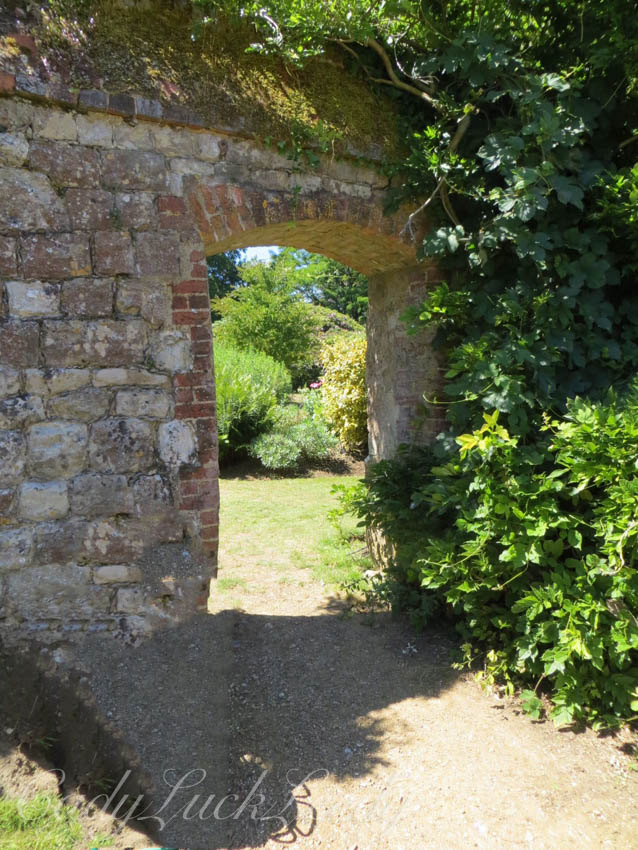
This passageway in the wall lead to yet another garden!
The Walled Garden, Knole, Sevenoaks,Kent, UK

The Walled Garden, Knole, Sevenoaks,Kent, UK

 Garden at Knole, Sevenoaks, Kent, UK

Garden at Knole, Sevenoaks, Kent, UK

 Garden at Knole, Sevenoaks, Kent, UK

Garden at Knole, Sevenoaks, Kent, UK

The Garden at Knole, Sevenoaks, Kent, UK
The Garden at Knole, Sevenoaks, Kent, UK

The Garden at Knole, Sevenoaks, Kent, UK

The Garden at Knole, Sevenoaks, Kent, UK

The Garden at Knole, Sevenoaks, Kent, UK
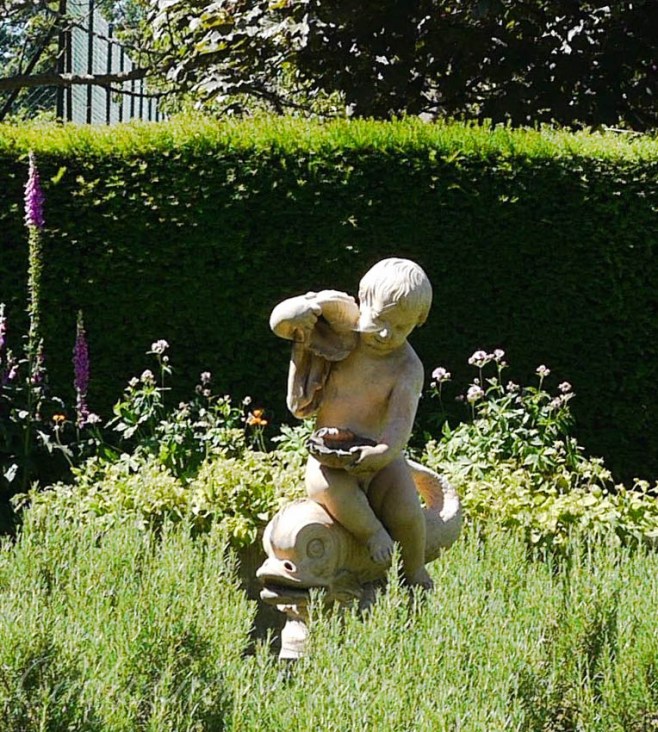
The Garden at Knole, Sevenoaks, Kent, UK

The Garden at Knole, Sevenoaks, Kent, UK

The Garden at Knole, Sevenoaks, Kent, UK

The Garden at Knole, Sevenoaks, Kent, UK

The Garden at Knole, Sevenoaks, Kent, UK

The Garden at Knole, Sevenoaks, Kent, UK

The Garden at Knole, Sevenoaks, Kent, UK

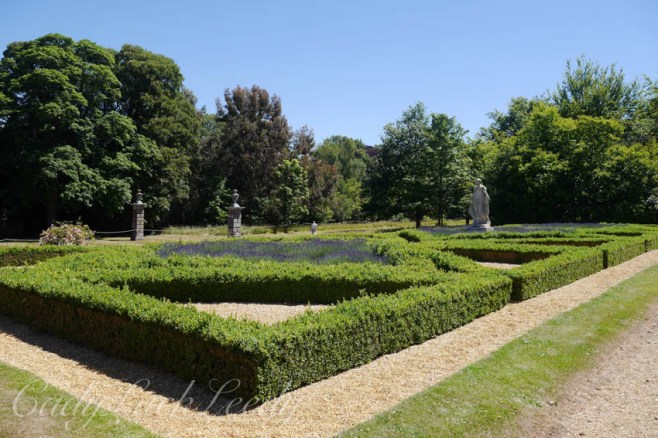
The gardens are so extensive it will take years to completely restore them and lots of gardeners!

The Garden at Knole, Sevenoaks, Kent, UK

The Garden at Knole, Sevenoaks, Kent, UK

Today the inside of the house is undergoing conservative reconstruction with support from the Heritage Lottery Fund, since the external repairs have been completed. There is a Bookshop Café, along the Green Courtyard, one of the many inner courtyards. 
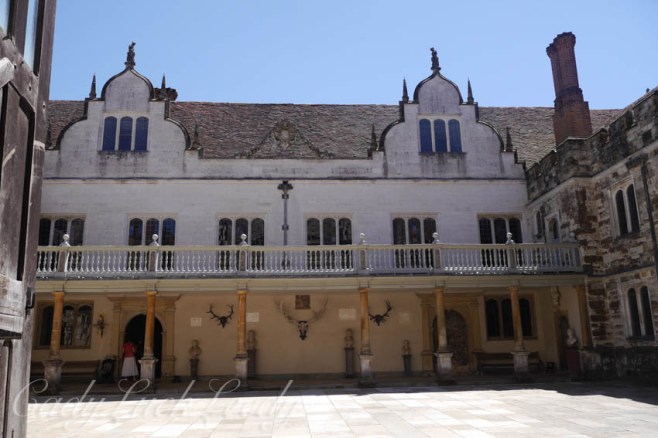
Knole, Sevenoaks, Kent, UK

Knole, Sevenoaks, Kent, UK

Tents have been placed outside, with a temporary eating station, until the larger restaurant facilities are complete. Now that I have got over the shock of the sheer size of the house let’s walk through the orangery from the garden. In the orangery are marble statues, orange trees and a Buzaglo. What in the world is a Buzaglo?  I wanted  to know too!

The Orangery, Knole, Sevenoaks, Kent, UK

The Orangery, Knole, Sevenoaks, Kent, UK
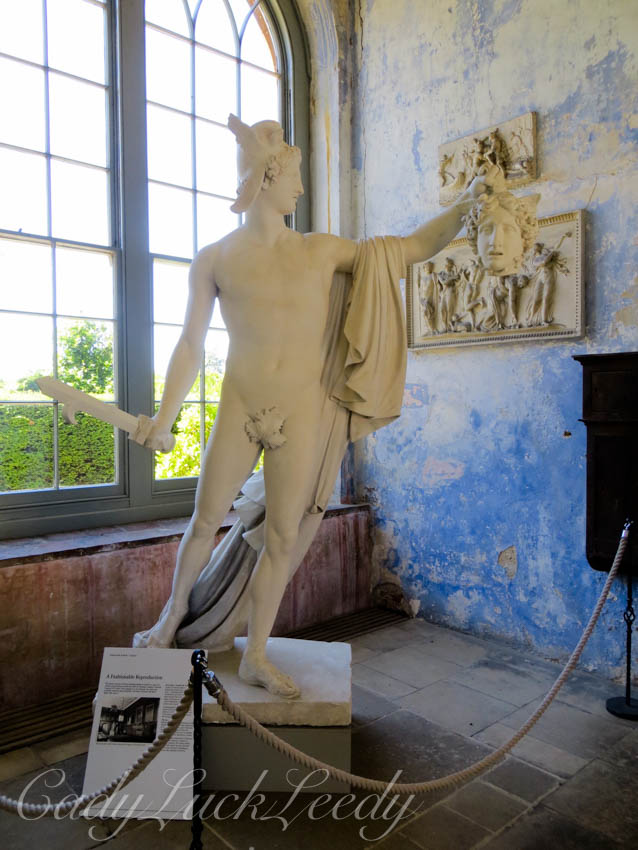
The Orangery, Knole, Sevenoaks, Kent, UK

The Orangery, Knole, Sevenoaks, Kent, UK

The Orangery, Knole, Sevenoaks, Kent, UK

The Orangery, Knole, Sevenoaks, Kent, UK

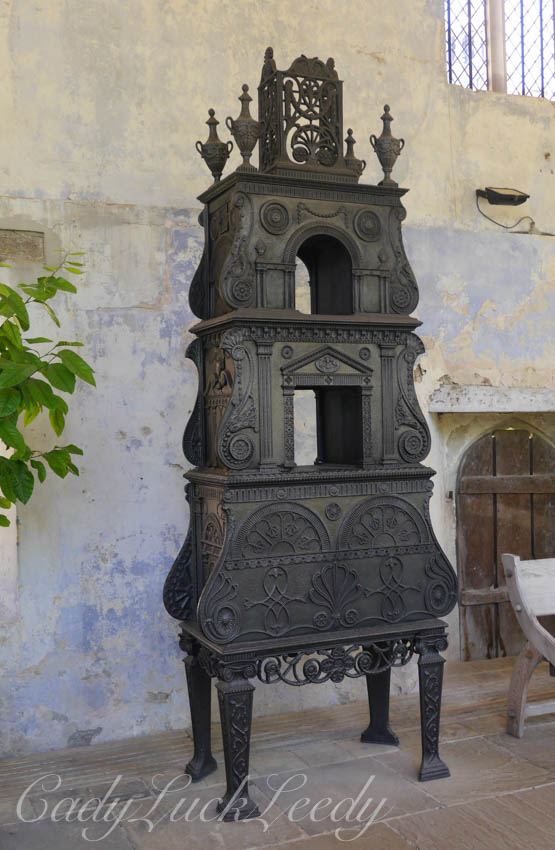
The Buzaglo, Knole, Kent, UK

The Buzaglo, Knole, Kent, UK

Abraham Buzaglo (1710-1782) came from Morocco to England in 1760, and in 1765 was granted a patent for a new type of stove, known after him as a “Buzaglo”. These “warming  stoves”, as they were called, were effective, fashionable and exclusive because of their cost. These coal burning, cast iron-stoves were the cutting edge of keeping warm in the 1770’s. Mr Buzlos’s trade card promised that his stoves “surpass in Utility, Beauty, and Goodness say anything hitherto invented in Europe”.  They “cast an equal and agreeable heat to any Part of the Room and are not attended by Stench,  with a bright Fire to be seen at pleasure”. The stove also “preserved the Ladies Complexions and Eyesight,  warming equally the whole body, without Scorching the Face or Legs”. I’m sure if it was the newest and costliest it was wanted at Knole. My question would be how many of the warming stoves would it take to warm up the house? After the “warming stoves” were placed there Mr. Buzaglo could have retired!

It is clear that Knole prospered for the rich and powerful!

Conservation of Knole is going to take several years. It will be interesting to see how much of the house will be opened to the public and how the gardens will be restored. In 2014 archeologists found oak beams beneath the floors and near the fireplaces, that had been scorched and carved with “witch marks” to prevent witches and demons from coming down the chimney! The house will have to be monitored. It would be so easy to get lost in a house with 365 rooms! Tomorrow I will share with you the life of  Vita Sackville-West, an English poet, novelist, and gardener, who was born at Knole, in 1892. She was an only child! I hope she had enough room in that house! Enjoy!

Here’s a last look at Knole, with the chapel on the end!
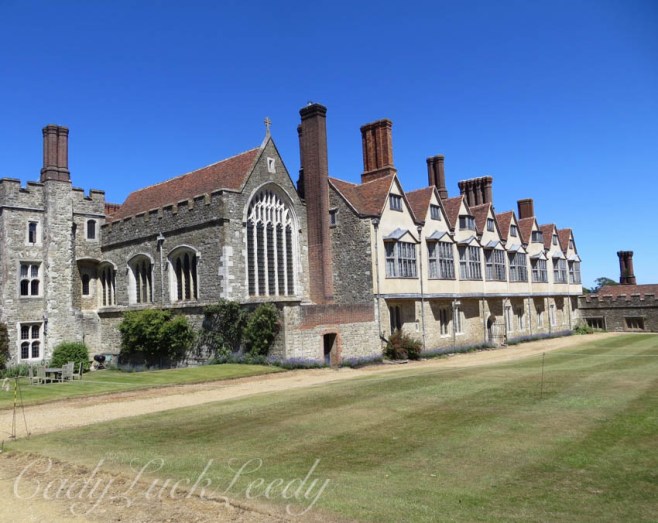
The Chapel at Knole, Sevenoaks, Kent, UK
The Chapel at Knole, Sevenoaks, Kent, UK
The National Trust: Alfriston Clergy House, Alfriston, Sussex, UK
Alfriston Clergy House, Alfriston, Sussex, UK

Alfriston Clergy House, Alfriston, Sussex, UK

Alfriston Clergy House, Alfriston, Sussex, UK

Alfriston Clergy House, Alfriston, Sussex, UK

Alfriston Clergy House, Alfriston, Sussex, UK

Alfriston Clergy House, Alfriston, Sussex, UK
Today we are visiting another estate belonging to the National Trust. How exactly did the National Trust get stated?

This is what I learned.

Octavia Hill, the eighth daughter of nine children, born into a modest family, was a social reformer, with a strong commitment to alleviating poverty in the late nineteenth century. With no formal education, she worked from the age of 14 for the welfare of working people. She wanted to improve the housing of the working classes. Due to a severe shortage of available property, she decided to become a landlord herself. John Ruskin provided the money to buy three cottages of six rooms each, and placed Hill to manage them. She improved the properties, all which had been on dilapidated ground, among cowsheds and manure. Hill was a very prudent manager believing  in personal responsibility, and punctual payment. She visited each home personally paying careful attention to allocations with regard to size of families and location of the accommodation offered. It was mandatory that the head of the family work, send his children to school, and not overcrowd his rooms, in addition to paying the rent on time.  As her holdings increased to over 3000 cottages, she added assistants, who checked every detail of the premises, and got to know the tenants personally. She promoted tenant’s associations and after-work, and children’s after school programs. This was an early stage of social work. Among Hill’s concerns was that her  tenant’s and all urban workers should have access to open spaces. She believed in “the life-enhancing virtues of pure earth, clean air and blue sky”. She wanted four things. Places to sit, places to play in, places to stroll in and places to spend a day in. She campaigned against building on existing suburban woodlands. Together she and Ruskin conceived of a trust that could buy and preserve places of natural beauty and historic places for the nation.

The National Trust was formed in 1875 and the first property, acquired in 1896, was the rare 14th century, thatched and timber-framed, Wealden “hall house,” in Alfriston. The Alfriston Clergy House was built in 1350 by a farmer who prospered after the Black Death. In 1395 the house was taken over by St Andrew’s Church, which is close by, and used as a vicarage, and eventually rented out for income. In 1885 church authorities wanted the house demolished. Rev F.W. Beynon campaigned to save the house and contacted the newly formed National Trust. Harriet Coates was the last person to live in the house before it was purchased in 1896 for ten pounds, by the National Trust, which now maintains the property. 

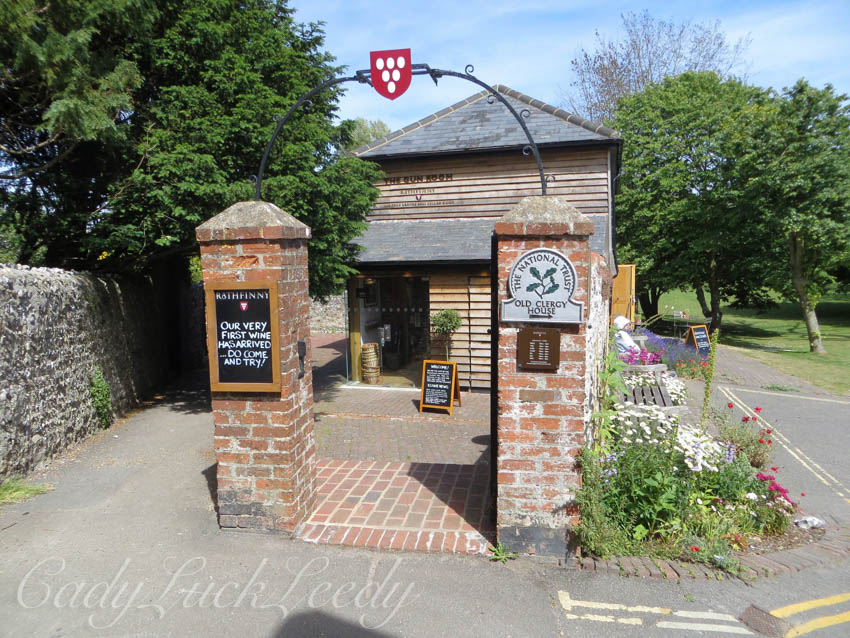
Today, the Alfriston Clergy House, is surrounded by a tranquil cottage garden full of wildlife, with beautiful views of the River Cuckmere. Alfriston is a small village of 760, noted in the Doomsday Book as Aelfrictun, (the son of Alfric).  Coming to the village green we find a local winery, announcing the the direction of the Clergy House.

Alfriston Clergy House, Alfriston, Sussex, UK

The Way to Alfriston Clergy House, Alfriston, Sussex, UK

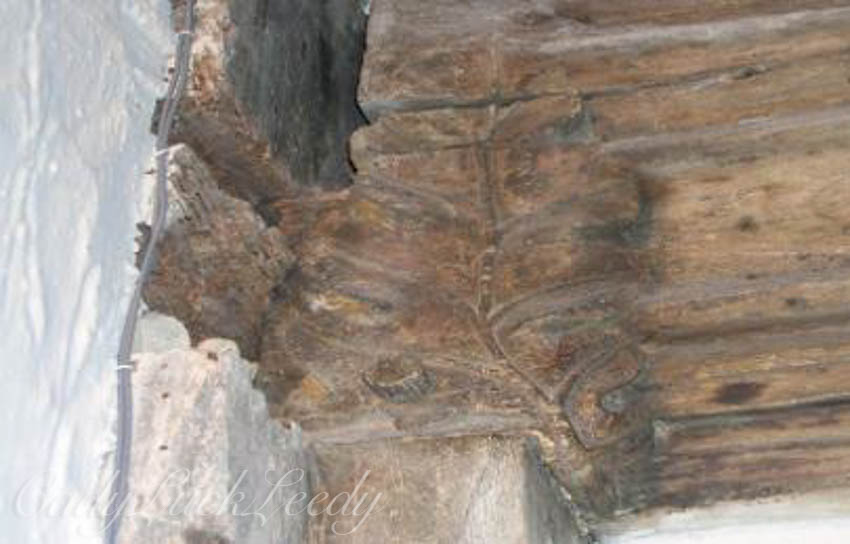
The oak leaf is the symbol of the National Trust. Here in the eaves of the Clergy House is a carved oak leaf. Perhaps it was the inspiration for the symbol? Look for it on signs signifying homes on the National Trust.

Oak Leaf National Trust, Alfriston Clergy House, Alfriston, UK

Oak Leaf Symbol of National Trust, Alfriston Clergy House, Alfriston, UK

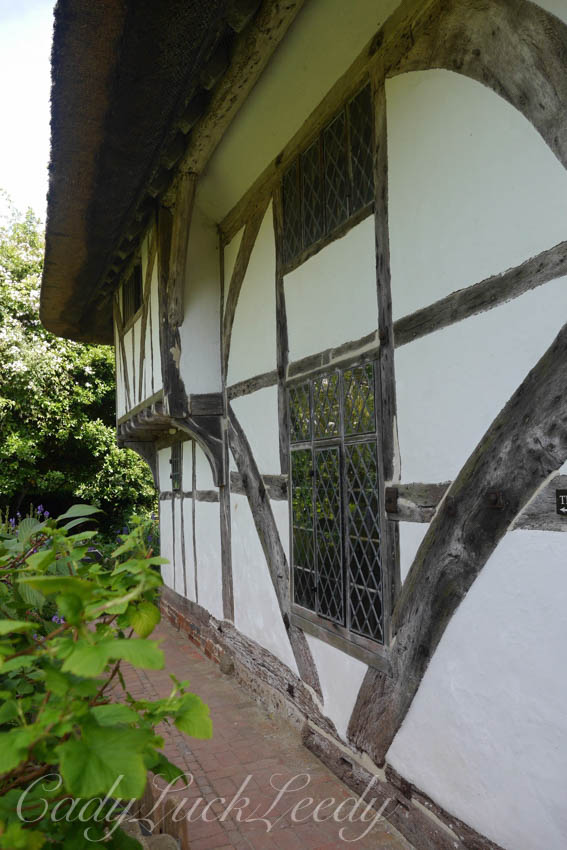
Here is a look at the timber-framed house.

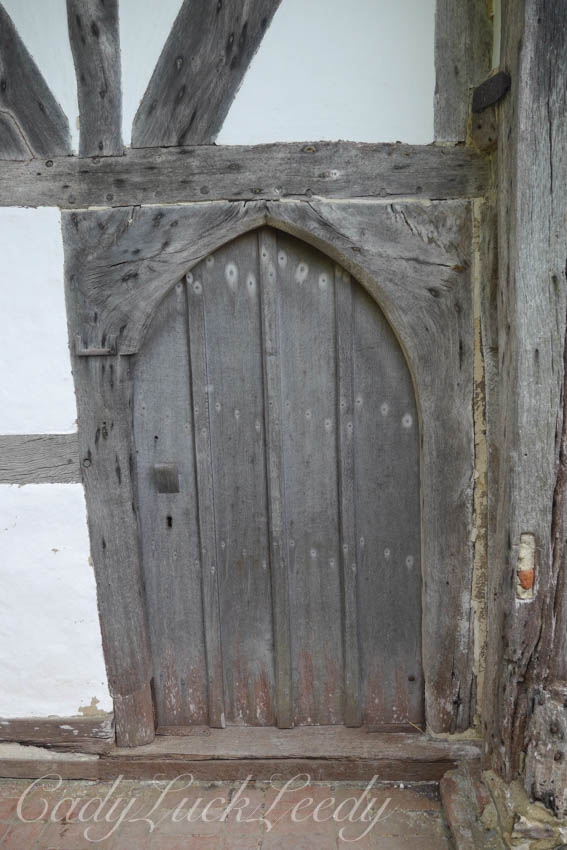
Alfriston Clergy House, Alfriston, Sussex, UK

Alfriston Clergy House, Alfriston, Sussex, UK

Alfriston Clergy House, Alfriston, Sussex, UK

Alfriston Clergy House, Alfriston, Sussex, UK

Alfriston Clergy House, Alfriston, Sussex, UK

Alfriston Clergy House, Alfriston, Sussex, UK

Alfriston Clergy House, Alfriston, Sussex, UK

Alfriston Clergy House, Alfriston, Sussex, UK

Next we visit the tidy garden and the gardeners who keep it that way!

Alfriston Clergy House, Alfriston, Sussex, UK

Alfriston Clergy House, Alfriston, Sussex, UK

Alfriston Clergy House, Alfriston, Sussex, UK

Alfriston Clergy House, Alfriston, Sussex, UK

Alfriston Clergy House, Alfriston, Sussex, UK

Alfriston Clergy House, Alfriston, Sussex, UK

Alfriston Clergy House, Alfriston, Sussex, UK

Alfriston Clergy House, Alfriston, Sussex, UK

Alfriston Clergy House, Alfriston, Sussex, UK

Alfriston Clergy House, Alfriston, Sussex, UK

The water runs from the Cuckmere River, which is nearby, right along the back of the cottage, creating the perfect setting in the South Downs!

Alfriston Clergy House, Alfriston, Sussex, UK

Alfriston Clergy House, Alfriston, Sussex, UK

As with all National Trust properties, there is a gift shop which sells goods specific to that property, along with plants from the property. If I lived here I’d have to have a plant from each National Trust estate!

Alfriston Clergy House, Alfriston, Sussex, UK

Alfriston Clergy House Gift Shop, Alfriston, Sussex, UK

St Andrew’s Church, with Saxon origins, is known as “The Cathedral of the South Downs,” and is surrounded by a flowered graveyard. Built in the form of a cross it sits on a small flint-walled mound in the middle of the local village green.

St Andrew's Church, Alfriston, Sussex, UK

St Andrew’s Church, Alfriston, Sussex, UK

St Andrew's Church, Alfriston, Sussex, UK

St Andrew’s Church, Alfriston, Sussex, UK

St Andrew's Church, Alfriston, Sussex, UK

St Andrew’s Church, Alfriston, Sussex, UK

St Andrew's Church, Alfriston, Sussex, UK

St Andrew’s Church, Alfriston, Sussex, UK

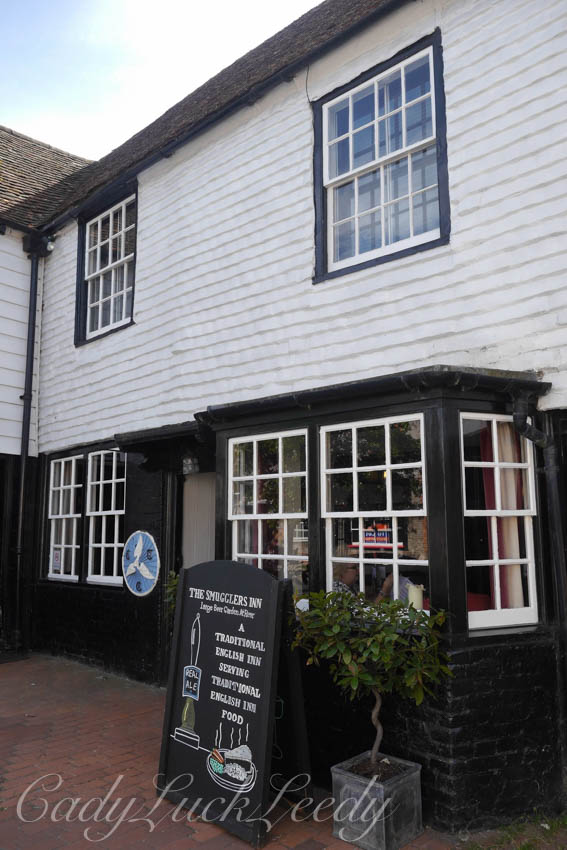
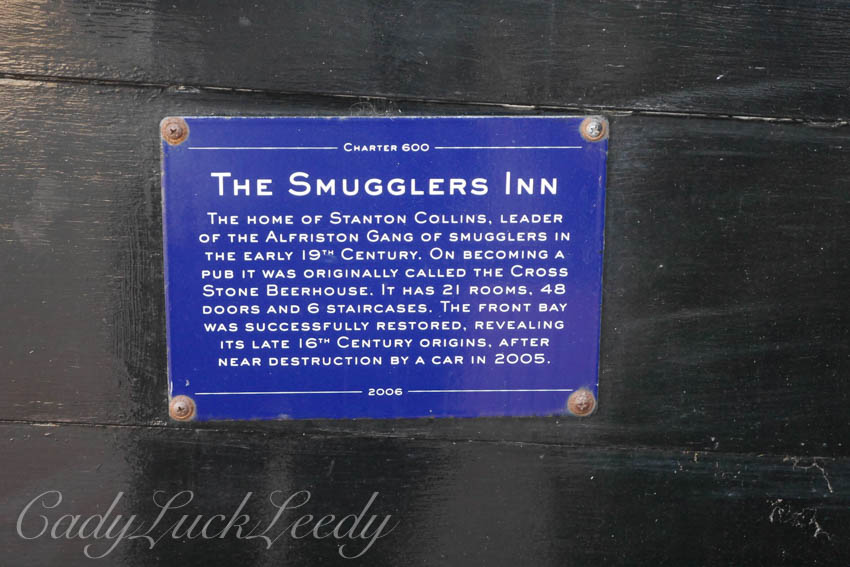
Let’s explore the village. The streets are narrow and don’t allow for parking, but a parking lot can be found at the end of the village and it is just a short walk to the pubs and other historic sites.  The Star Inn, a religious hostel built in 1345 and used to accommodate monks and pilgrims, is now one of three pubs in the village.  Later a smuggling gang used the inn as a base, before the leader was transported to Australia in 1830. The George Inn and the Smugglers Inn are also pubs located along the main road through Alfriston.

Alfriston, Sussex, UK

Alfriston, Sussex, UK

The Star Inn, Alfriston, Sussex, UK

The Star Inn, Alfriston, Sussex, UK

We popped into The George Inn for a bite to eat. We had a drink inside and then went outside in the garden to have a meal. YUMMY!

The George Inn, Alfriston, Sussex, UK

The George Inn, Alfriston, Sussex, UK

The George Inn, Alfriston, Sussex, UK

The George Inn, Alfriston, Sussex, UK

The George Inn, Alfriston, Sussex, UK

The George Inn, Alfriston, Sussex, UK

The Garden at the George Inn, Alfriston, Sussex, UK

The Garden at the George Inn, Alfriston, Sussex, UK

The Garden at the George Inn, Alfriston, Sussex, UK

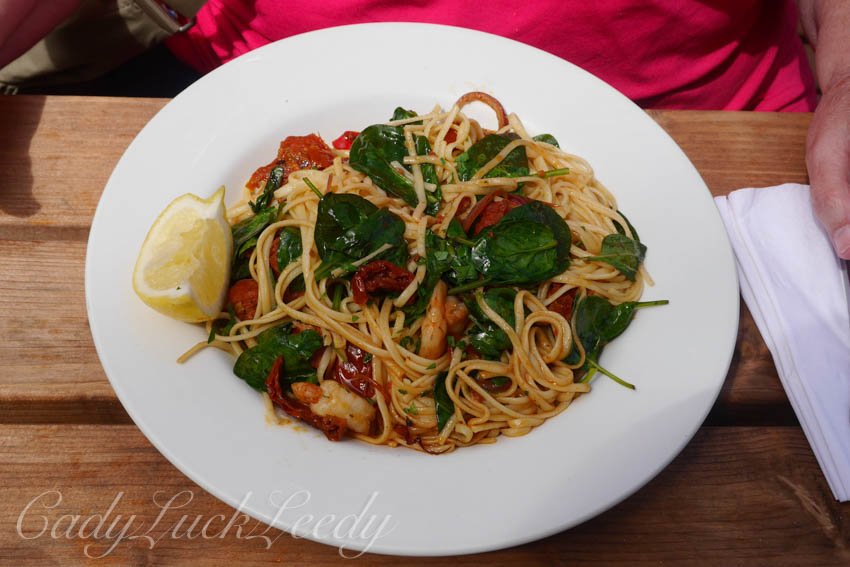
The Food at the George Inn, Alfriston, Sussex, UK

Smugglers Inn, Alfriston, Sussex, UK

Smugglers Inn, Alfriston, Sussex, UK

Smugglers Inn, Alfriston, Sussex, UK

Smugglers Inn, Alfriston, Sussex, UK

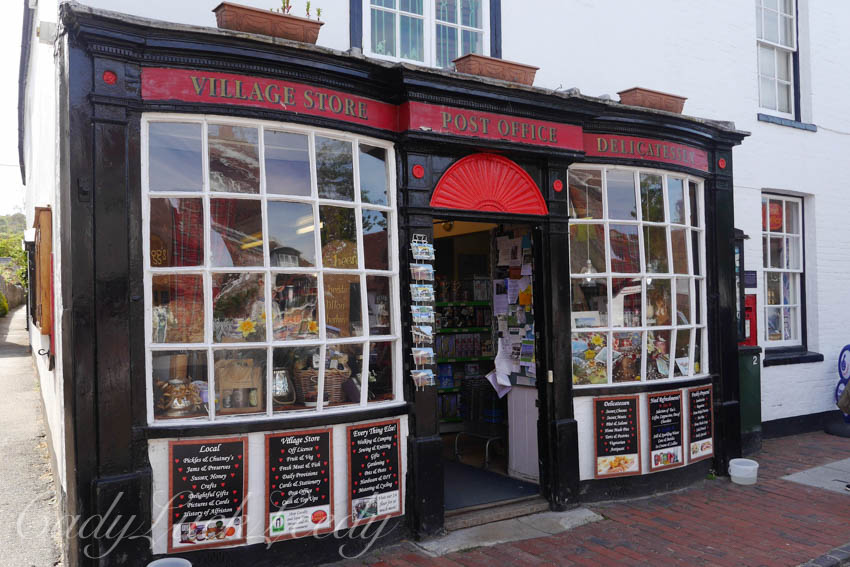
Walking through the village we see the small shops and monuments of the village.

The Village Store, Alfriston, Sussex, UK

The Village Store and Post Office, Alfriston, Sussex, UK

Market Square, Alfriston, Sussex, UK

Market Square, Alfriston, Sussex, UK

Market Square, Alfriston, Sussex, UK

Market Square, Alfriston, Sussex, UK

This was my favorite “little house” in Alfriston. I could live here!

Little House in Alfriston, Sussex, UK

Little House in Alfriston, Sussex, UK

No records survive to establish what function this little building once served. A map of 1874 marks it as a dovecote, but it’s sufficiently similar to examples in other parts of the country to suggest that this was, in fact, Alfriston’s lock-up, where the local hotheads and drunks were left to cool down before the administration of justice. Yikes!

Alfriston Lock Up, Alfriston, Sussex, UK

Alfriston Lock Up, Alfriston, Sussex, UK

I called this house, “Lavender Door Cottage.” I absolutely loved it! Alfriston is a beautiful village and we had a great day exploring the first house on the National Trust!  It had a place to sit, a place to play, a place to stroll, and was a wonderful place to spend the day in! Octavia Hill would be so proud! See you tomorrow at another property! Enjoy!

The Lavender Door Cottage, Alfriston, Sussex, UK

The Lavender Door Cottage, Alfriston, Sussex, UK

Magical Cesky Krumlov, in the Czech Republic

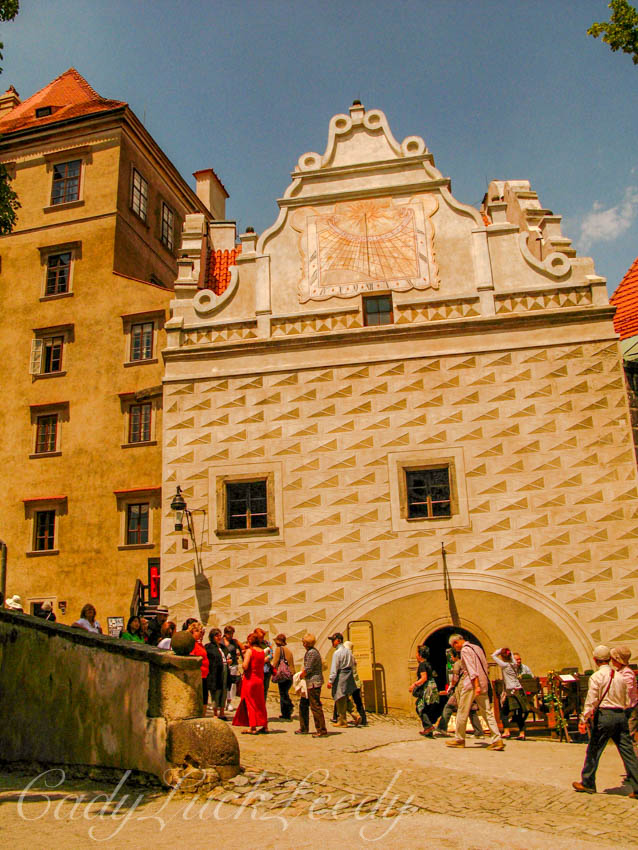
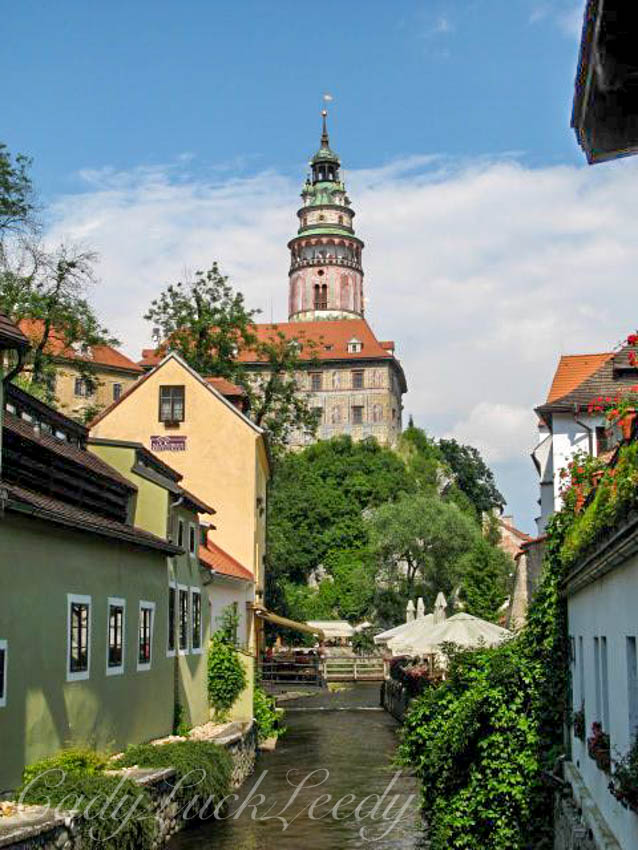
The Village of Cesky Krumlov, the Czech Republic

The Village of Cesky Krumlov, the Czech Republic

If you take just one tour from Prague I hope it is to Cesky Krumlov!  You won’t be disappointed! Our tour was booked through our hotel in Prague, more on that when I talk about our stay there! In order to see the castle and theater in Krumlov, you must be with a guide. The castle’s theatre is fabulous! I have seen many theaters, but the artwork on the walls of this theater are my favorite of all of them!  Europe once had several hundred baroque theaters, using candles for light and fireworks for special effects.  Most of them burned down. Today only two survive in good shape and are open to tourists; one at Stockholm’s Drottingholm Palace and one here. Sitting on wooden benches in the theater, we study the hundreds of happy villagers, who are painted on the walls. Everywhere you look, in every nook and cranny, there is a small tabloid! Later we visit under the stage to see the wood-and-rope contraptions that allowed the scenes to be moved about in seconds, while the audience was blinded by smoke or fireworks. Sadly, no pictures are allowed inside, but trust me when I say you will love it!

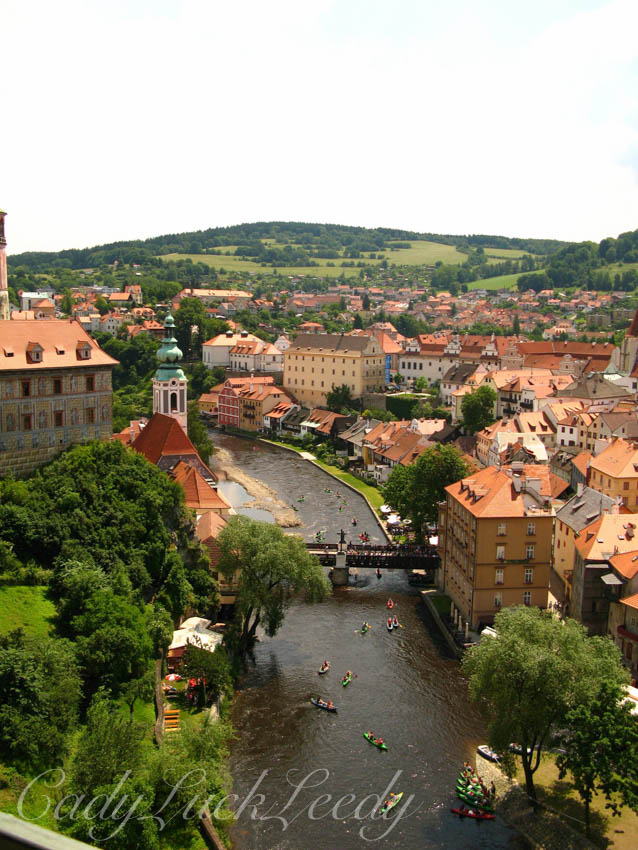
Cesky Krumlov is a magical village situated on the twisty Vltava River which makes a perfect S through town. Above the Old Town is the Castle Town. The one main street winds through town and over a bridge before snaking through the Castle Town, the Castle Complex of courtyards, and up to the Castle Gardens above the town. The castle is complete with moat, drawbridge and bear pits which still house two brown bears.  Tip: If you go with a tour group from Prague, the bus drops you off at the parking lot above town at the castle gardens, and you walk down hill rather than trudging up! Later that day the bus picked us up in town, to take us back to Prague. So easy! We’re starting at the Castle Gardens at the top of town! Let’s go!

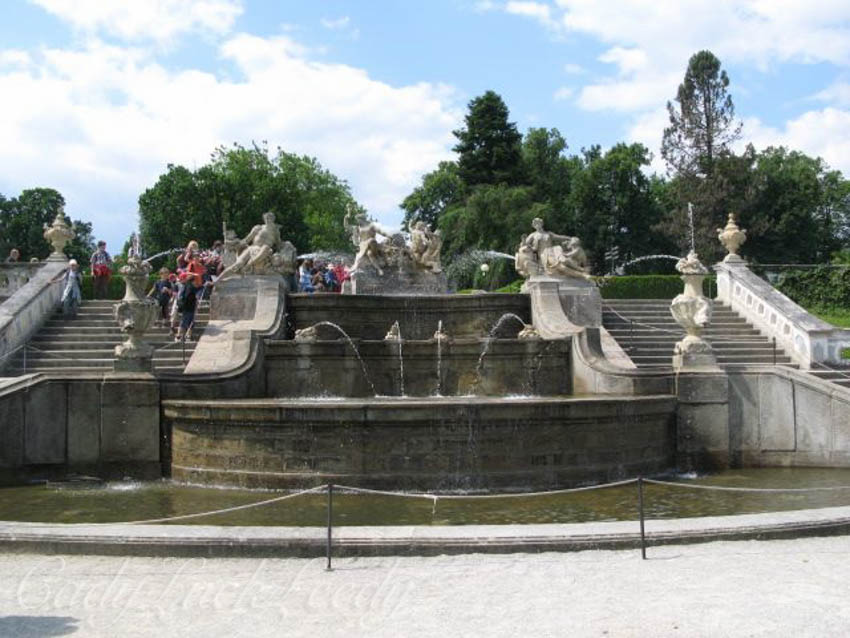
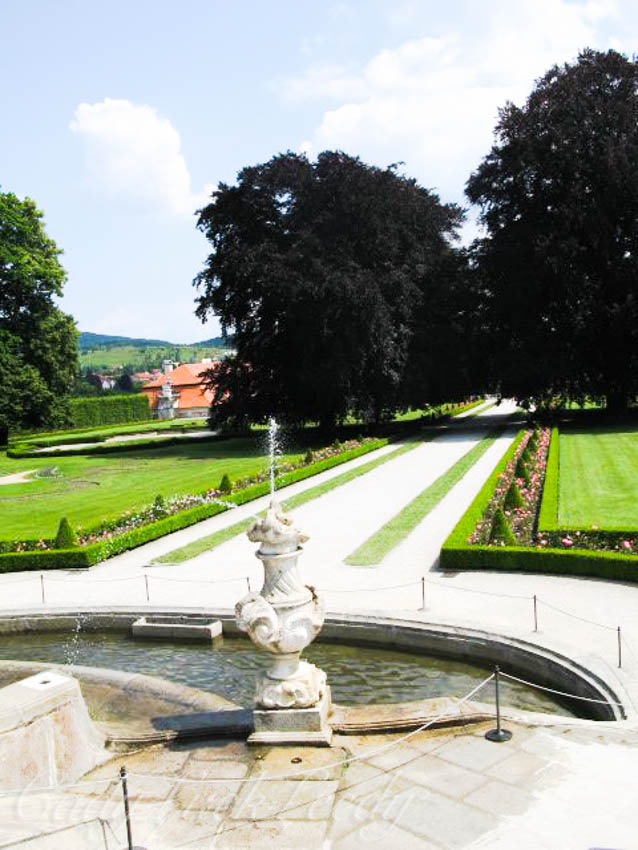
The Castle Gardens of Cesky Krumlov, the Czech Republic

The Castle Gardens of Cesky Krumlov, the Czech Republic

The Castle Gardens of Cesky Krumlov, the Czech Republic

The Castle Gardens of Cesky Krumlov, the Czech Republic

The Castle Gardens of Cesky Krumlov, the Czech Republic

The Castle Gardens of Cesky Krumlov, the Czech Republic

The Castle Gardens of Cesky Krumlov, the Czech Republic

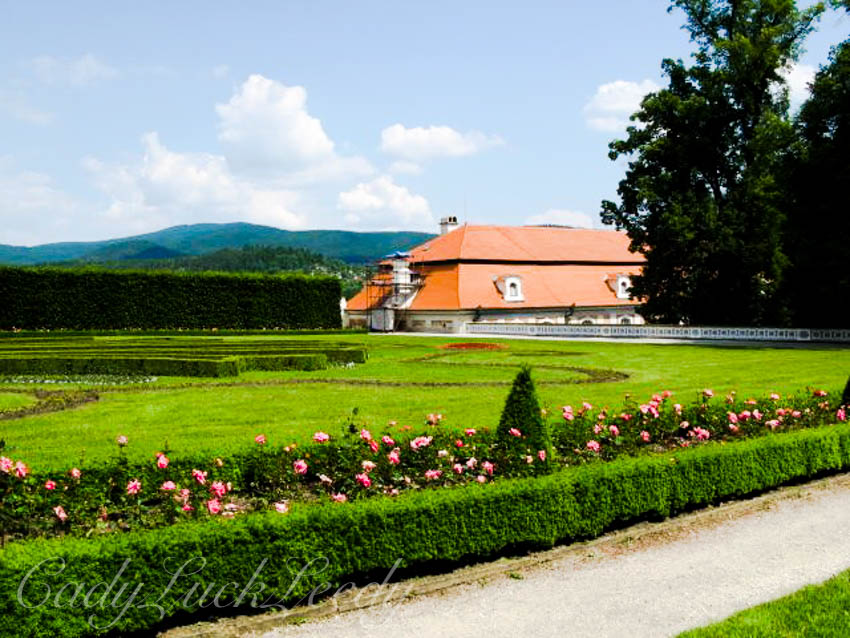
The Castle Gardens of Cesky Krumlov Looking at the Brewery, the Czech Republic

The Krumlov Castle, Casky Krumlov, the Czech Republic

The Krumlov Castle, Casky Krumlov, the Czech Republic

The Krumlov Castle, Casky Krumlov, the Czech Republic

The Krumlov Castle, Casky Krumlov, the Czech Republic

The Krumlov Castle, Casky Krumlov, the Czech Republic

The Krumlov Castle, Casky Krumlov, the Czech Republic

The castle wall bricks are not really bricks! These look-a-likes are painted on!  Very impressive! They look real! There were a lot of walls to paint!

The Krumlov Castle, Casky Krumlov, the Czech Republic

The Krumlov Castle, Casky Krumlov, the Czech Republic

The Krumlov Castle of Cesky Krumlov, the Czech Republic

The Krumlov Castle of Cesky Krumlov, the Czech Republic

The town and castle construction began in the late 13th century at the ford in the Vltava River, which was important to trade routes in Bohemia. In 1302 the town and castle were owned by the House of Rosenberg. Due to heavy gambling debts, the town and castle were sold out of the family in 1602 to Emperor Rudolf II, who placed his mad son, Julius d’Austria, in the castle at Krumlov, because he was causing so much terror at home. For an extremely good read about this mad prince and the Castle Krumlov read, The Bloodletter’s Daughter ( A Novel of Old Bohemia), by Linda Lafferty. Bloodletting at that time seemed to be the answer to all woes, draining the bad spirits from the body to make it better. The poor bloodletter’s daughter soon found herself as the caretaker for the mad prince. Intriguing read!

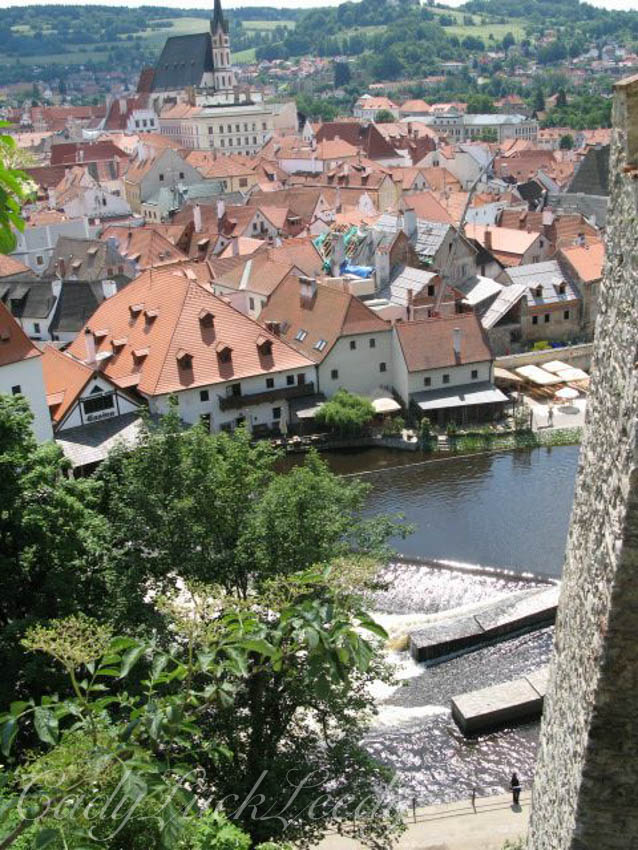
A View of Cesky Krumlov, the Czech Republic

A View of Cesky Krumlov from the Castle, the Czech Republic

The Bears! Castle Krumlov, the Czech Republic

The Bears in the Bear Pit! Castle Krumlov, the Czech Republic

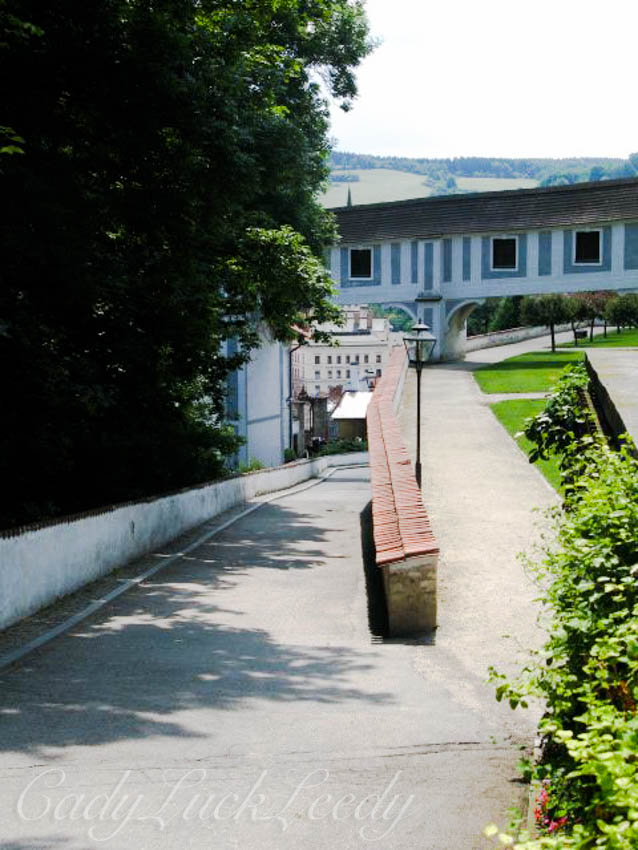
Zigzagging Under Parts of the Castle Krumlov's Raised Walkways

Zigzagging Down the Hill Under Parts of  Castle Krumlov’s Raised Walkways

Walking Under Parts of the Castle Krumlov's Raised Walkways

Walking Under Parts of the Castle Krumlov’s Raised Walkways

The Overhead Walkways at Castle Krumlov

The Overhead Walkways at Castle Krumlov

The Round Tower, Castle Krumlov, the Czech Republic

The Round Tower, Castle Krumlov, the Czech Republic

The colorful Round Tower marks the location of the first castle, built here to guard the river crossing. With the 16th century paint scheme carefully restored, it looks exotic, featuring astrological decor, terra-cotta symbols of the zodiac, and a fine arcade.

The Round Tower, Castle Krumlov, the Czech Republic

The Round Tower, Castle Krumlov, the Czech Republic

The Round Tower, Castle Krumlov, the Czech Republic

The Round Tower, Castle Krumlov, the Czech Republic

The Round Tower, Castle Krumlov, the Czech Republic

The Round Tower from Above at the Castle, Castle Krumlov, the Czech Republic

The Round Tower, Cesky Krumlov, the Czech Republic

The Round Tower, Cesky Krumlov, the Czech Republic

Main Street, Cesky Krumlov, the Czech Republic

Main Street, Cesky Krumlov, the Czech Republic

The View of the Round Tower from Main Street, Cesky Krumlov, the Czech Republic

The View of the Round Tower from Main Street, Cesky Krumlov, the Czech Republic

A View of Cesky Krumlov, the Czech Republic

Rafting down the Vltava River, the Czech Republic

River rafts or a hard plastic canoe can be rented for a quick 30-minute spin around the village. Or you can go on a 3-hour float and paddle through the bohemian forests and villages of the nearby countryside. Check out the Pujcovna Lodi Malecek Boat Rental. What fun this is!

A View of Cesky Krumlov, the Czech Republic

Along the Vltava River of Cesky Krumlov, the Czech Republic

Town Square, Cesky Krumlov

Town Square, Cesky Krumlov

Park In Town With Great Views of Cesky Krumlov

Park In Town With Great Views of Cesky Krumlov

Krema v Satlavske Restaurant, Cesky Krumlov

Krema v Satlavske Restaurant, Cesky Krumlov

Eating in Krumlof was a treat at Krema v Satlavske, an old prison with an open fire, and big wooden tables under an open medieval vault, serving grilled meats and beer!  We had a great time and great food!

Krema v Satlavske Restaurant, Cesky Krumlov

Krema v Satlavske Restaurant, Cesky Krumlov

Krema v Satlavske Restaurant, Cesky Krumlov

Krema v Satlavske Restaurant, Cesky Krumlov

I hope you enjoyed our day out in Cesky Krumlov! Krumlov hosts a number of festivals including the Five-Petalled Rose Festival,  (the name derived from the Rosenberg family crest of the five petal red rose) celebrated on the weekend of the summer solstice in June. The International Music Festival, Cesky Krumlov is another festival with international music from varied genres. The festival begins in July and ends in August. What a great way to celebrate summer!

A View of Cesky Krumlov, the Czech Republic

A  Last Look at Cesky Krumlov, the Czech Republic

Triple Treat in Belgium

Damme, Belgium

Along the Canal at Damme, Belgium

Doesn’t the picture above just convey what you dreamed the Netherlands would look like? It does to me and I was not disappointed! Today we are having a triple treat! We are taking the “Triple Treat Bus Tour,” offered by Quasimodo Tours. The day is overcast with occasional wind gusts and blowing rain, but nothing dampens our tour out into the countryside of Brugge. The Triple Treat Tour  features several country homes, the village of Damme, the oldest gothic buildings in Flanders at the former monastery at Ter Doest, where we will have lunch, a tour of a chocolate factory, and last stop, a beer brewery! We are in for a day of fun which started when the  Quasimodo Guides picked us up at our B&B and took us to the bus waiting for us in the town square.

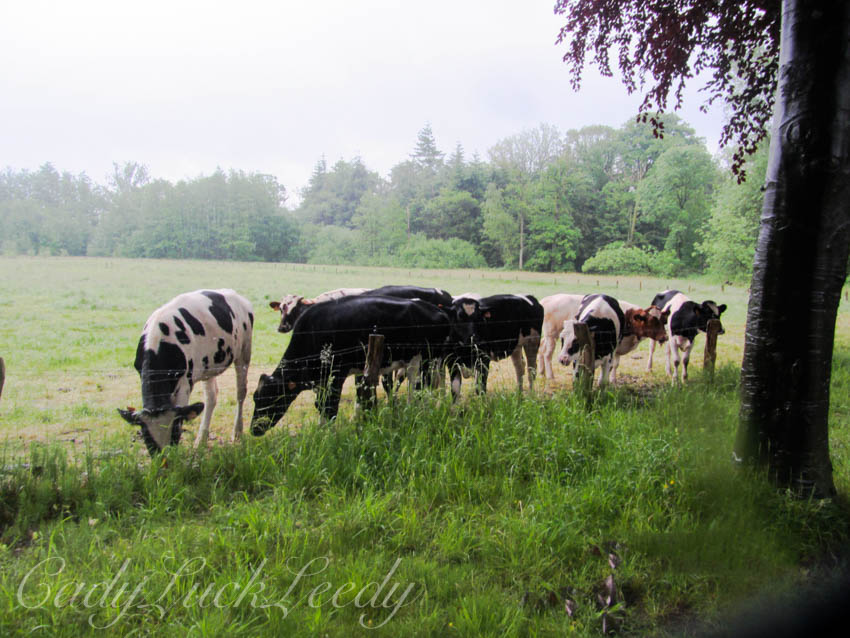
The bus takes us out into “Burbs” of Brugge. Then down this narrow lane and deep into the wood, passing the grazing cows we come to the moated castle of Tillegem.

Through the Woods and Down a Narrow Lane!

Through the Woods and Down a Narrow Lane!

The Cows in the Country at Tillegem, Belgium

The Cows in the Country at Tillegem, Belgium

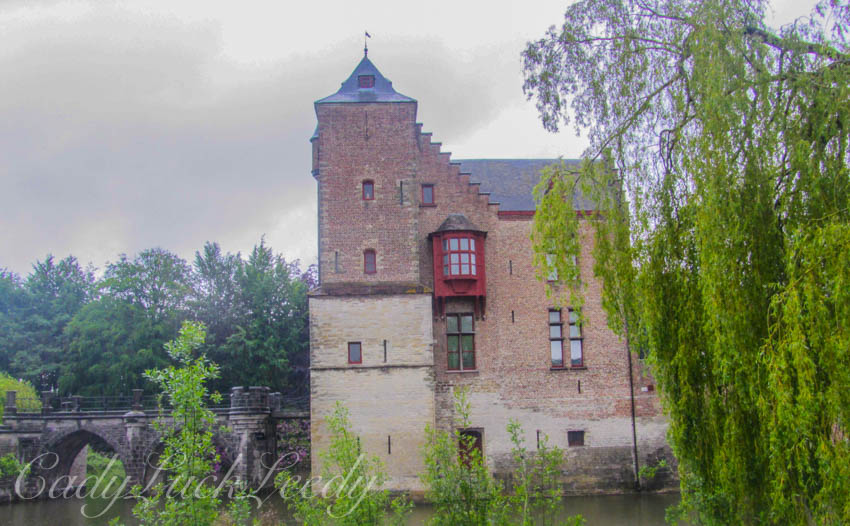
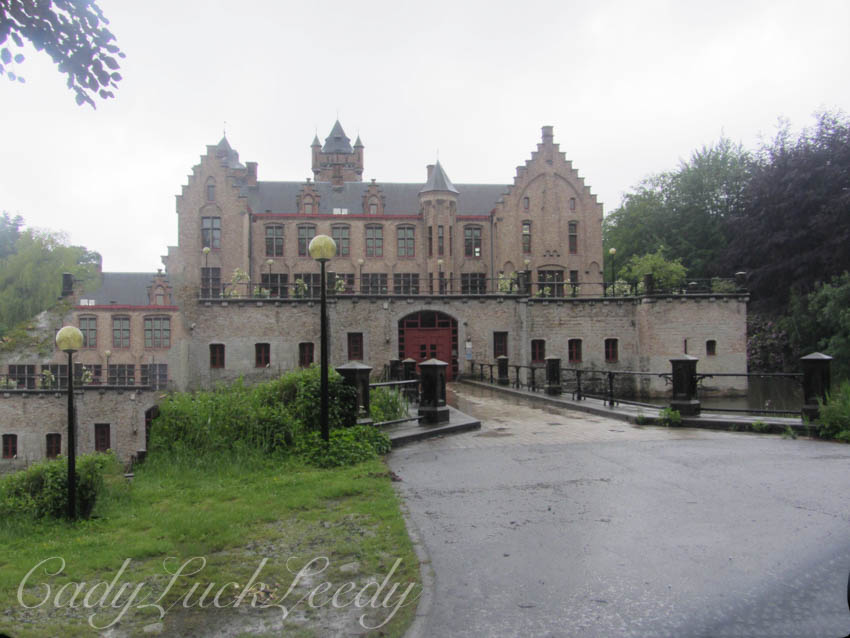
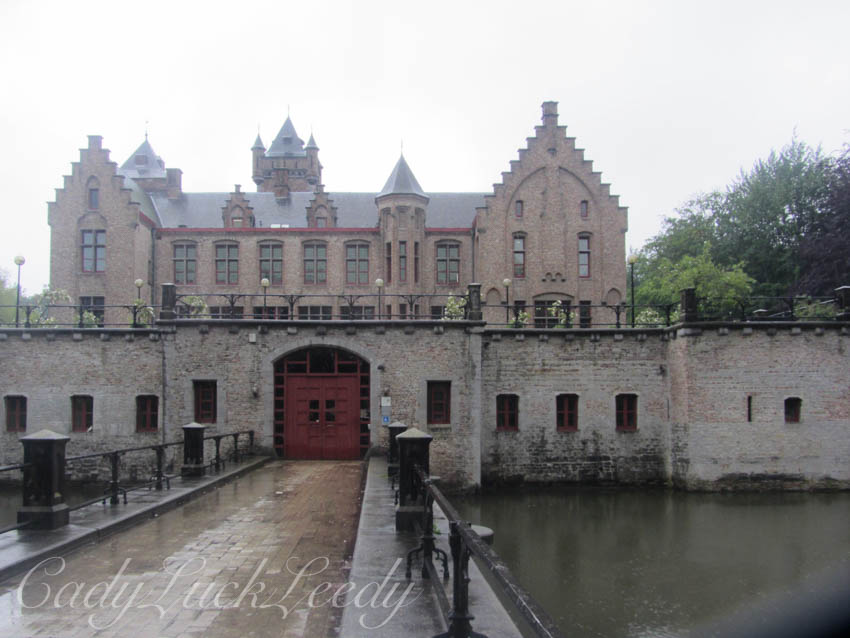
Had to take a picture of the cows! And now for the Castle of Tillegem! Baldwin, the Iron Arm, first count of Flanders, constructed a wooden tower surrounded by battlements where the castle now stands.  Since 1980 the castle and beautiful park has been the property of the province of West Flanders.  I had to take a picture of the castle from every angle!  The castle is not open to visitors.

The Moated Castle of Tillegem, Belgium

The Moated Castle of Tillegem, Belgium

The Moated Castle of Tillegem, Belgium

The Moated Castle of Tillegem, Belgium

The Moated Castle of Tillegem, Belgium

The Moated Castle of Tillegem, Belgium

The Moated Castle of Tillegem, Belgium

The Moated Castle of Tillegem, Belgium

The Moated Castle of Tillegem, Belgium

The Moated Castle of Tillegem, Belgium

Next we drove to the neo-gothic Chateau of Loppem, full of artwork and other treasures! Built between 1859 and 1862 for Baron Charles Van Caloen and his family, the castle’s original architecture and interior decoration is remarkably well preserved.  The park and castle are owned by the Jean van Caloen Foundation and is open to the public. I took so many pictures inside here, but they were dark, fuzzy and not too good.  Trust me when I say this home was a delight to see.

Chateau of Loppem, Belgium

Chateau of Loppem, Belgium

Chateau of Loppem, Belgium

Chateau of Loppem, Belgium

It’s now pouring and really gusty as we get to Ter Doest!

Lambert, Lord of Lissewege, donated land to the Benedictus friers in 1106, to build a priory. In 1270 the Benedictines left and the Cistercienzers Order, who had ties to the Templer Knights, took over. In 1172, Richard, the Lionheart, one of my relatives, was captured by Leopold of Austria on his return from the Crusades. It is said that the abbot of Ter Doest paid the larger part of the ransom in order to get Richard out of prison. It is assumed he came to Ter Doest for a time after his release. He was in fact in Damme, where we are headed later today.

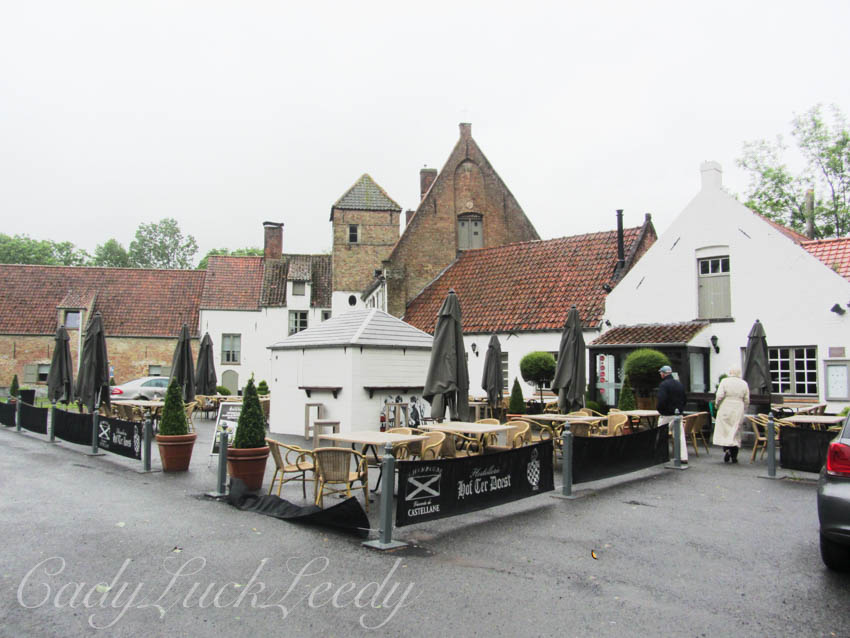
The gothic barn, built around 1280, is the largest remaining barn of its kind, and was used to store crops. In 1308 the barn and abbey were confiscated during protestant religious wars, so the farm we see today was built from the debris of the destroyed abbey. Today a lovely restaurant and B&B also sit on this site! Let’s go have lunch!

The Restaurant at Ter Doest, Belgium

The Restaurant at Ter Doest, Belgium

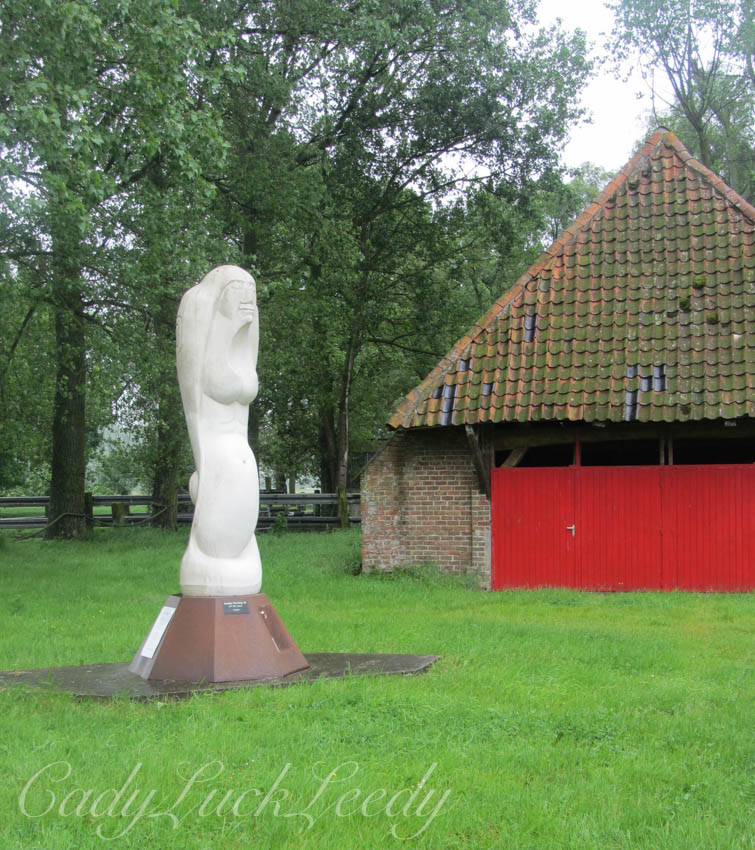
The Old Barn at Ter Doest, Belgium

The Old Barn and ArtWork at Ter Doest, Belgium

Artwork at Ter Doest, Belgium

Artwork at Ter Doest, Belgium

After our great lunch at Ter Doest, we made our way to Damme.  Situated right along the river Reie, the river has now been canalized into the long , straight, tree-lined and picturesque Damse Vaart Canal from Brugge, just 6 kilometers away, to the Dutch border in Sluis. This makes a great bike trip from the city. Even though it was raining and windy there were bikers doing just that!  We all met up in Damme! What exquisite scenery!

Picure Perfect Along the Canal in Damme, Belgium

Picture Perfect Along the Canal in Damme, Belgium

A Windmill Along the Canal in Damme, Belgium

A Windmill Along the Canal in Damme, Belgium

The town is a favorite venue for eating and a destination for boat trips. It is also known for being a great “book town” with numerous bookshops and regular book fairs! Just so nice to explore too!

The Village of Damme, Belgium

The Village of Damme, Belgium

The Village of Damme, Belgium

The Village of Damme, Belgium

Wrought Iron Sculptured Art in Domme, Belgium

Wrought Iron Sculptured Art in Damme, Belgium

Our next stop was the tour of a Belgium Chocolate factory, but sad to say I was addicted to the Dumon’s Chocolates, and wanted to wait it out until evening to stock up on my favorites. Finally, our last stop back in Brugge, was The Fort Lapin Brewery. There was a variety of Belgium Beers to taste (included in price of tour) but my hand must have been busy holding those pints because I didn’t get any pictures! What a fabulous tour! Be sure to check Quasimodo Tours in Belgium.  Enjoy!

Spring Time Fun and the Hot Cross Bun!


Preparing the Hot Cross Buns

Preparing the Hot Cross Buns


Spring time offers foods which are rich in history and symbolism. These foods can be broken down into three groups: 1. Food specifically related to Christ, such as ( lamb, for “the lamb of God.”)  Easter was the time to start eating the season’s new lamb. 2. Food related to pagan rites of spring (eggs for re-birth) (ham for luck), (lamb for sacrifice) and (cake/bread for fertility) 3. Modern foods such as candy and the Easter basket.

Eggs are traditionally connected with re-birth, rejuvenation and immortality. This is why they are celebrated at Easter. In the early Christian times eggs were forbidden during Lent, so this made them bountiful and exciting, forty days later. They were dyed or decorated in bright colors to honor this celebration. Red eggs brought to the table on Easter Sunday symbolized life, and were given as emblems of friendship.  Eggs with the pattern “XV” etched on them stood for “Christ is Risen”, a traditional Easter greeting. We hunt for eggs during an Easter Egg Hunt to identify with riches. Eggs were a treasure, a bounty of nature, and the treasures were deposited by hens in unsuspecting places. To find such a hidden nest was equal to finding a hidden treasure.

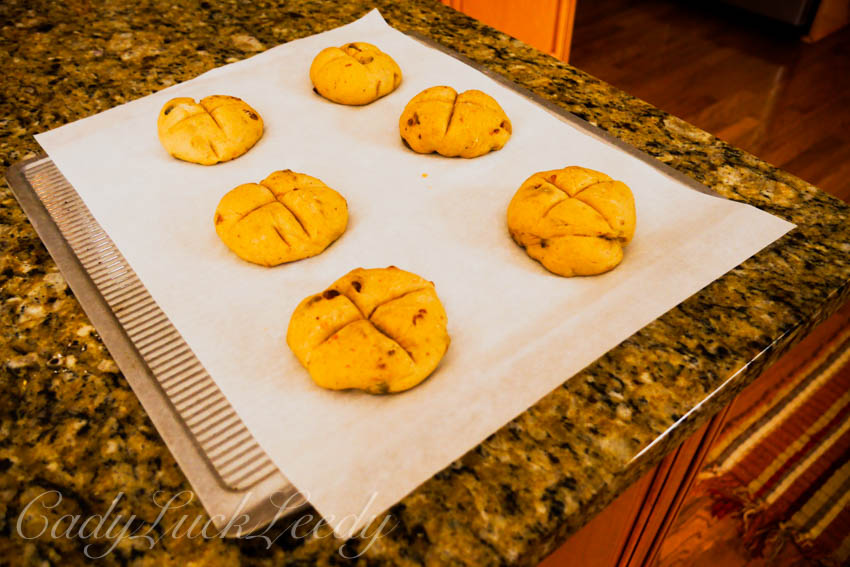
Preparing the Hot Cross Buns!

The Baked Hot Cross Buns!

The word “Easter” came from the name for the anglo saxon goddess of light and spring, Eostre.  Special dishes were cooked in her honor so that the year would bring fertility.  Most important of these dishes was a tiny cake or small spiced bun. The association of protection and fertility, birth and re-birth, became a Christian tradition, especially in English society. During Tudor times, the English custom of eating spiced buns on Good Friday was established when a London by-law was introduced forbidding the sale of such buns except on Good Friday, Christmas and burials. Issued in 1592, the thirty-six year of Queen Elizabeth I, by the London Clerk of Markets the proclamation read: That no bakers at any time or time hereafter make, utter or sell by retail, within or without their houses, unto any of the Queen’s subjects any spice cakes, buns, biscuits  or other spice bread except at burials or on the Friday before Easter or at Christmas, upon pain of death or forfeiture of all such spiced bread to the poor. A cross was etched or decorated on the bun to represent Christ’s Cross. “One-a-penny, two-a penny, hot cross buns”, was the call of the day. Superstitions regarding bread that was baked on Good Friday date back to a very early period. In England particularly, people believed that bread baked on this day could be hardened in the oven and kept all year to protect the house from fire. Sailors took loaves of it on their voyages to prevent shipwreck and a Good Friday loaf buried in a heap of corn kept away rats, mice and weevils. They also hung hot cross buns in the house on Good Friday to protect them from bad luck during the year and finely grated bread, mixed with water was sometimes used as medicine.

The Hot Cross Buns!

The Hot Cross Buns for Gifts!

Bath buns, hot cross buns, spice buns, penny buns, Chelsea buns, ( hot cross buns sold in great quantity by the Chelsea Bun House in the 18th century) and currant buns; all small, plump, sweet, fermented cakes that are English institutions! Join me today as I bake my hot cross buns! To enjoy this recipe too see, Hot Cross Buns on the King Arthur Webpage !  My favorite place for baking needs! Happy Easter!

THE SPECTACLED BEAN

Tales, Thoughts + Tribulations of a Free Spirit in Suburbia

Walking Away

Travels on foot

Teacher nickname: The Three Hairs

Minding my mind, one thought at a time.

Tra Italia e Finlandia

Un lungo racconto fotografico.

seanbreslin.jp

Photography, hiking, walking, and cycling across central Japan — from quiet mountain paths to everyday life around Nagoya.

Lost in Translation

Looking for meanings in words, images and sounds

Journeys with Johnbo

Reflections on places traveled and photos taken.

M/VGratitude

Cruising with the Thyrre Family

Caroline's Travel Adventure Blog

Where my Travels and my Blog merge together.

Just Me, Nobody Special

The mental meandering that cross my keyboard

Jennifer's Journal

Website & Blog of J. Kelland Perry, Author

Slow Shutter Speed

A photographic journey.

Ann Mackay: Inspired by Nature

Photography celebrating flowers, plants, and the natural world

Still Restlessjo

Roaming, at home and abroad

Fine for Friday

The Corner Garden

Picture This

Photography, Travel and Retirement

World Traveller 73

Upgrade Your Travels. First Class Luxury Travel from all parts of the Globe. Business Class Airline, Lounge and Hotel Reviews, Stories and Adventures

Rachel Meets China

A China travel and lifestyle blog