Travel, Gardens, Food, Photography, Books, Shoes

Posts from the ‘Gardens’ category

Melk is in Makeover, Again

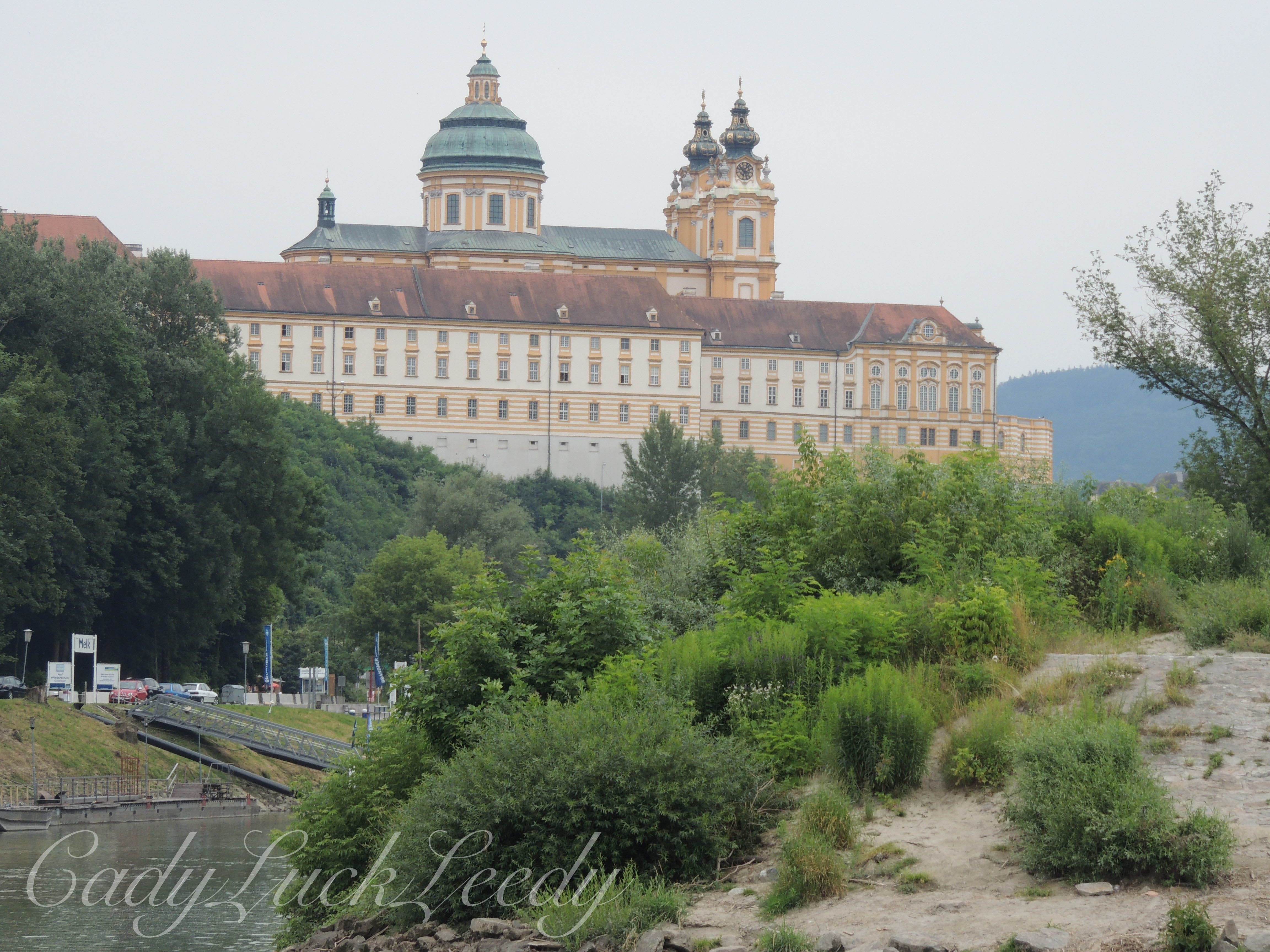
Looking up at Melk Abbey, Melk, Austria

Looking up at Melk Abbey, Melk, Austria

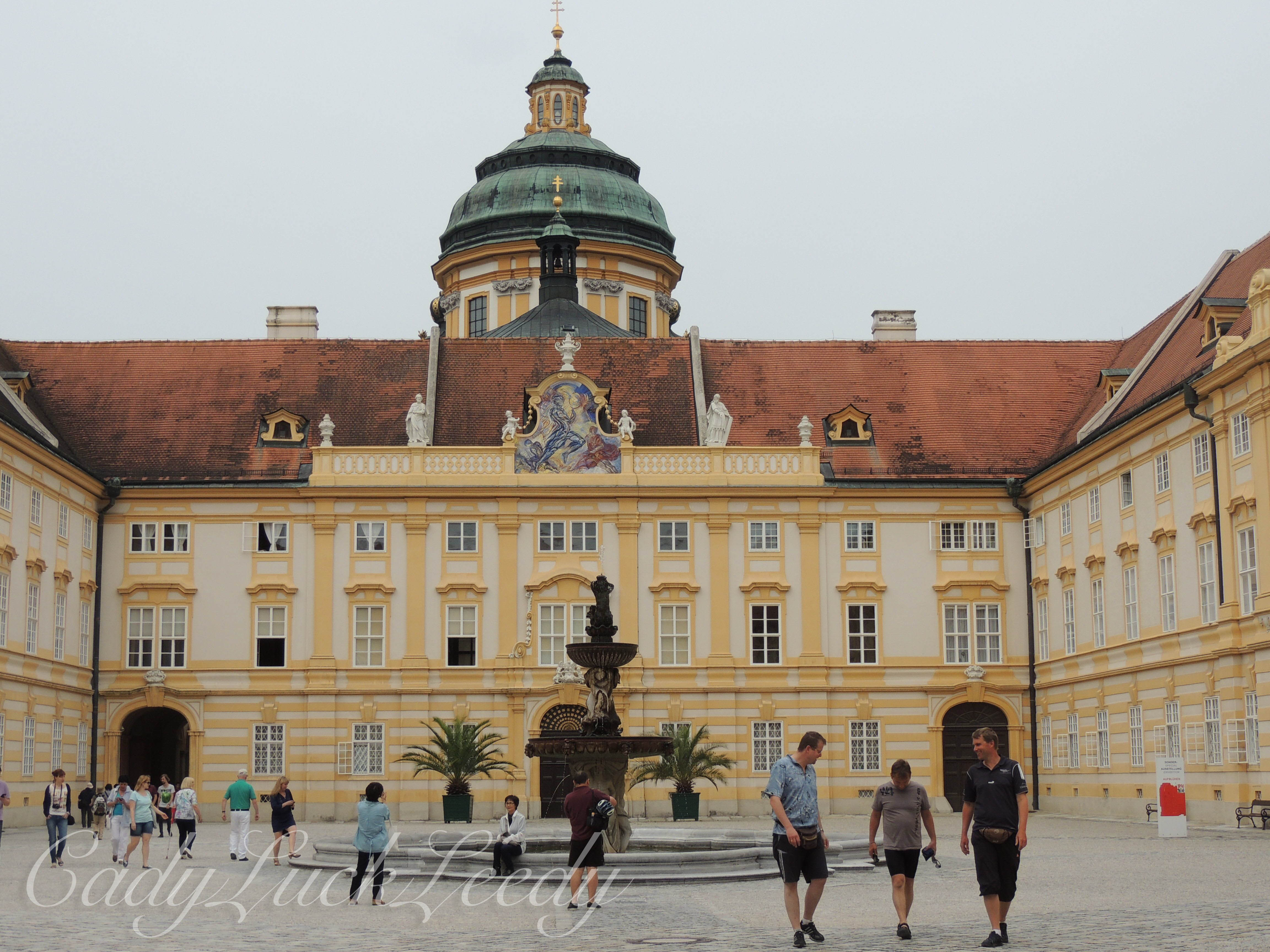
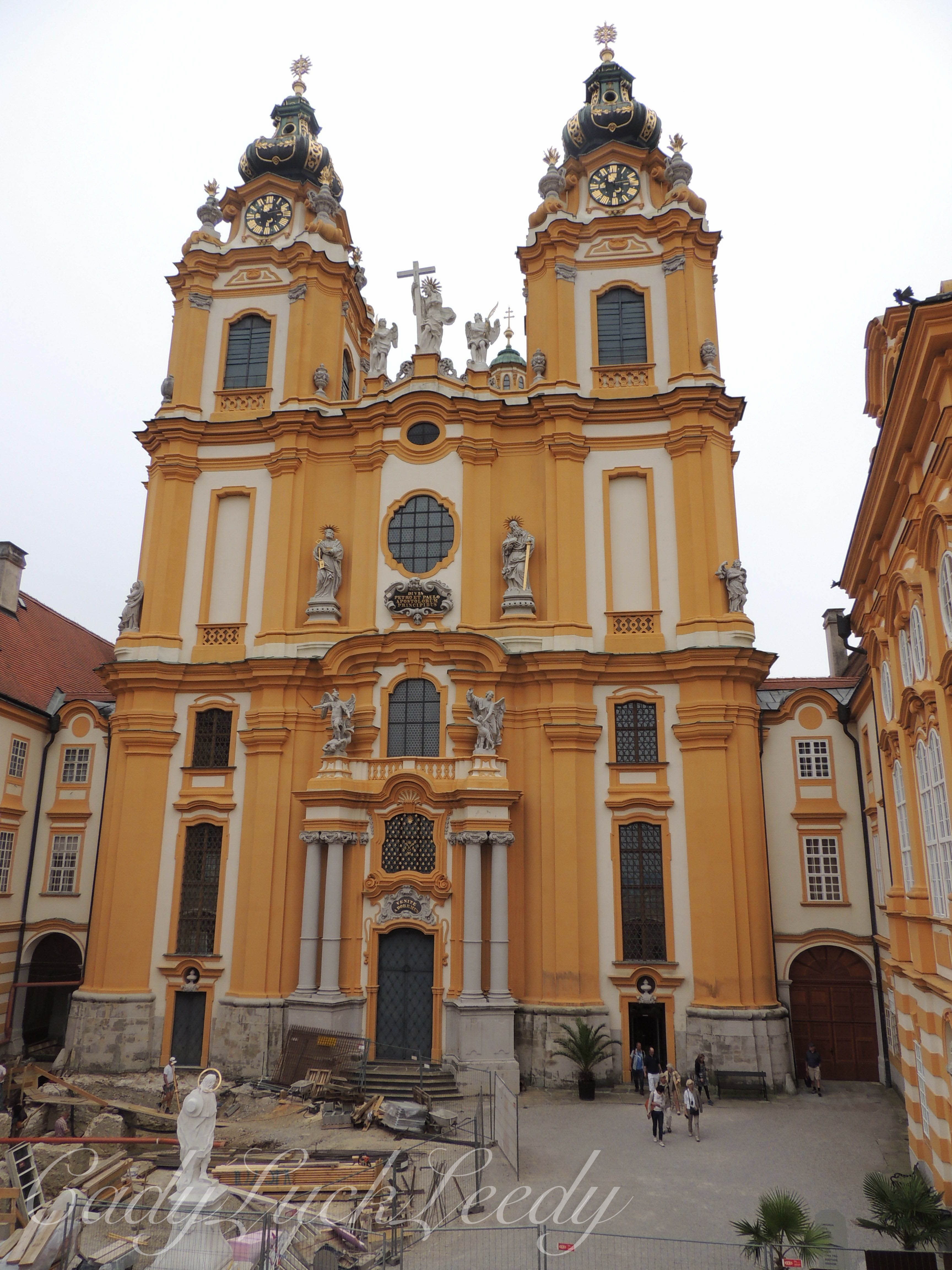
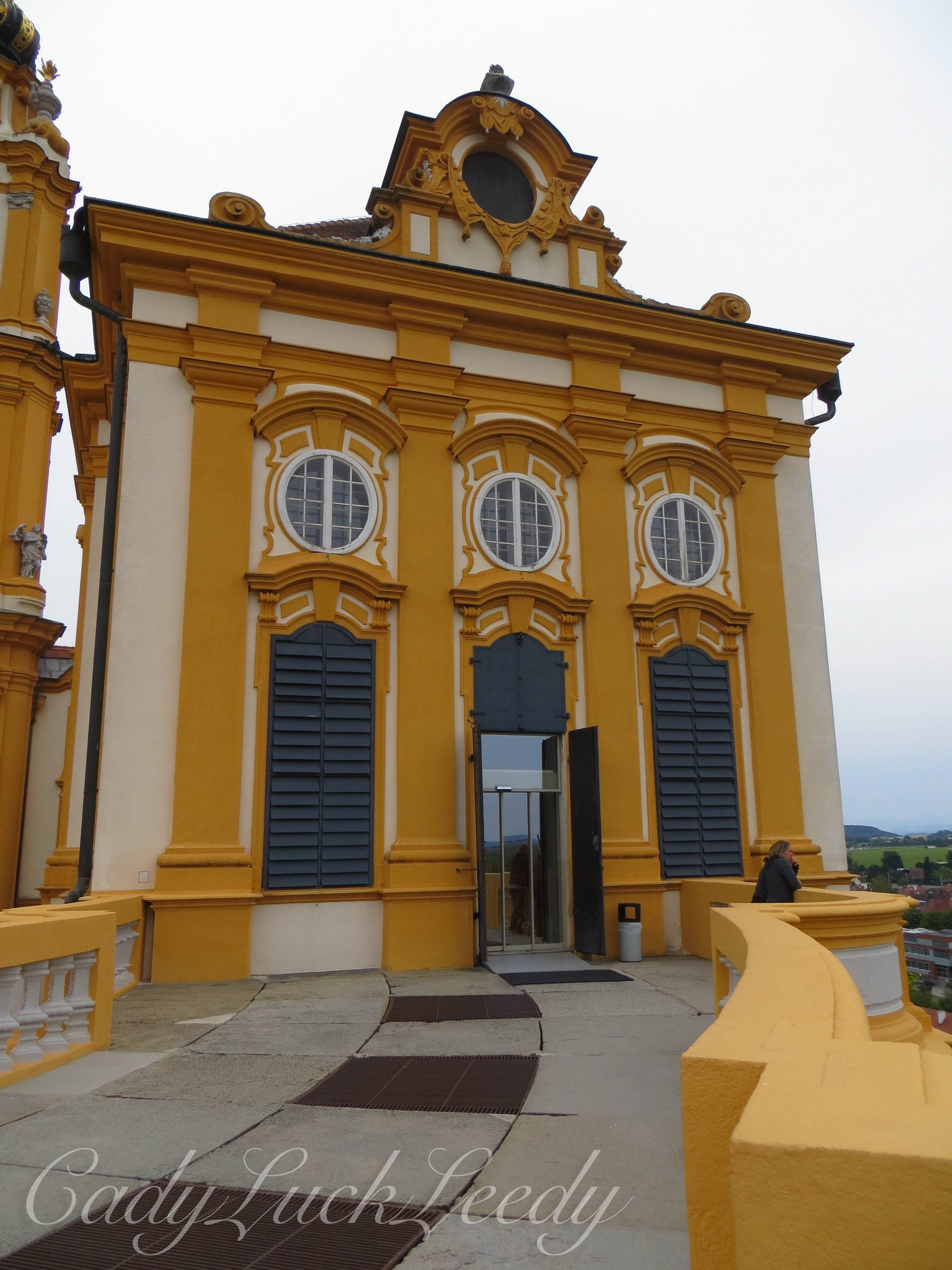
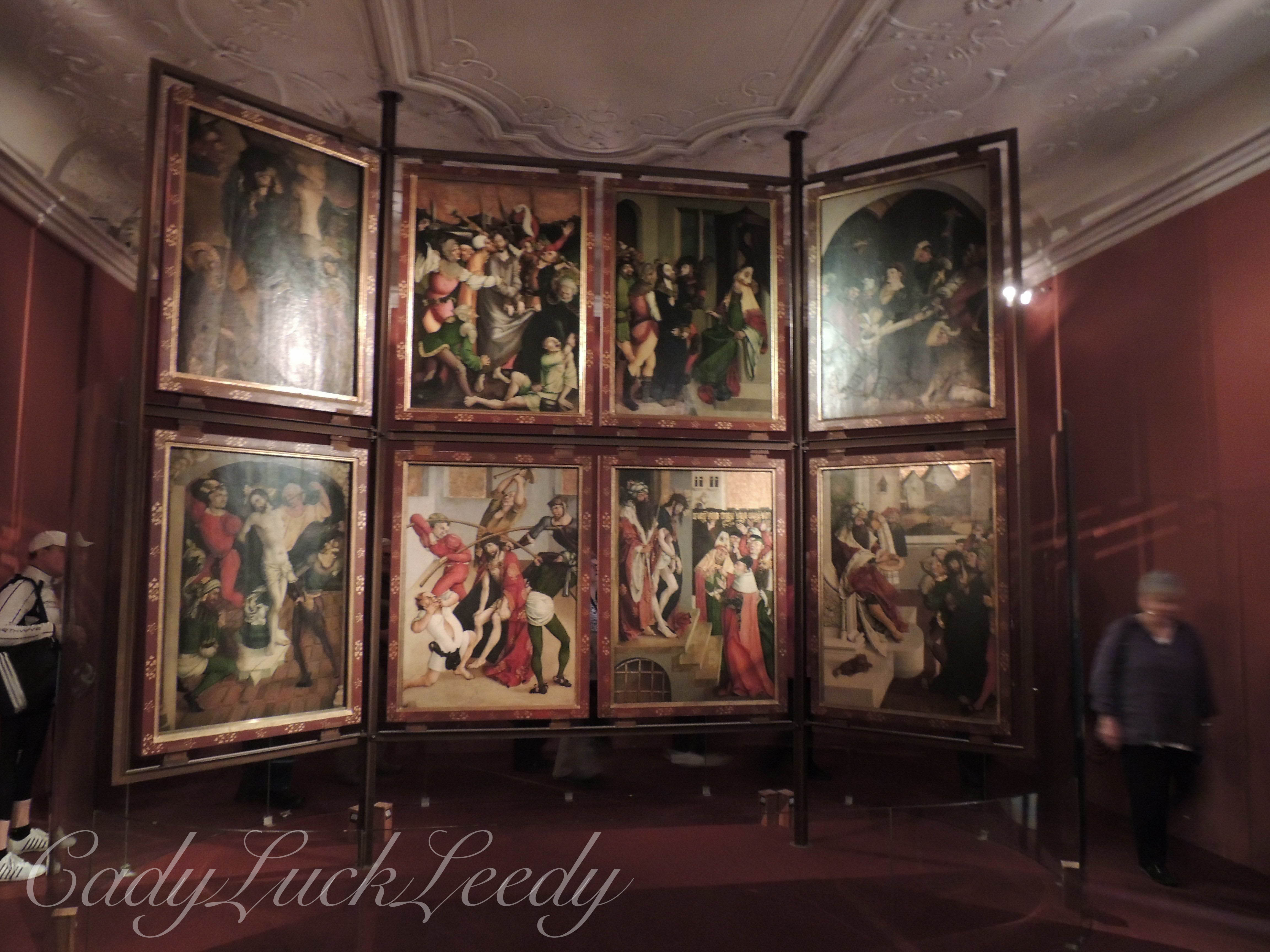
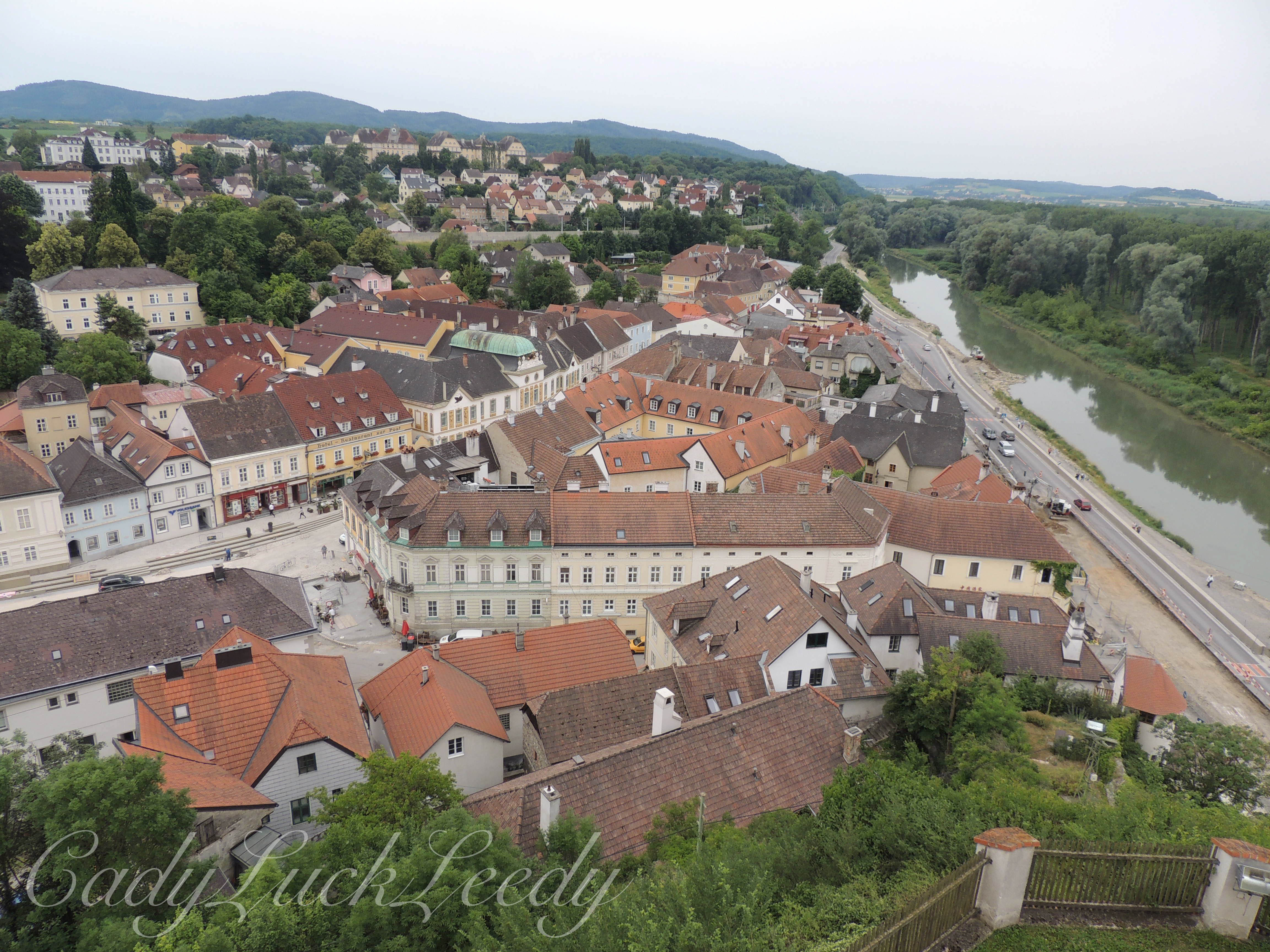
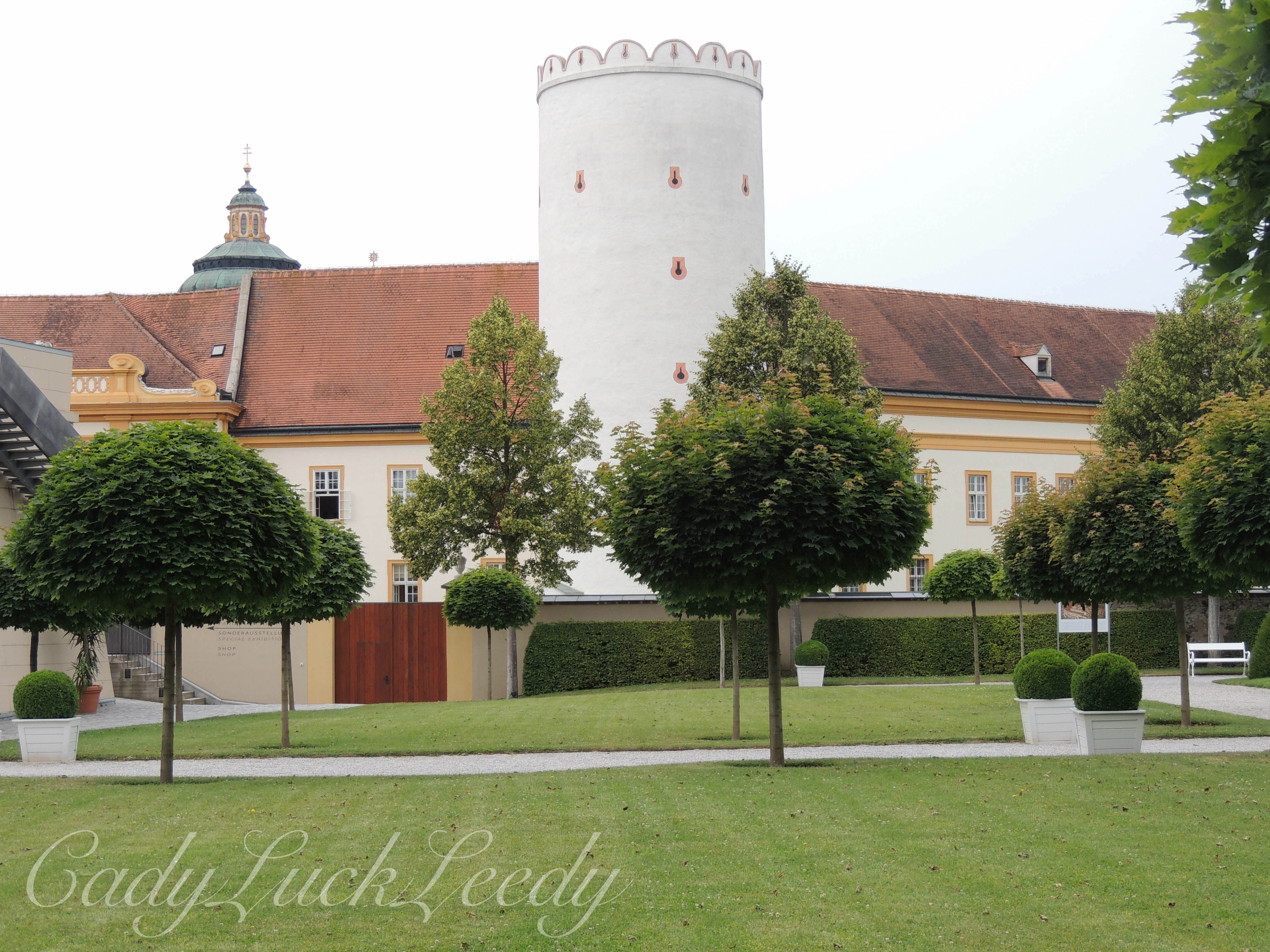
Using our Combi-Ticket, from Vienna to Melk, we get off the train in Melk and look up. The glory of Melk is the baroque Benedictine Abbey, established in the 11th century, later destroyed by fire, and after selling the Gutenberg Bible to Yale in 1929, a restoration was started.  The church is under a makeover on the grandest terms today. Even the village of Melk is sprucing up. Has the church sold something else? Or did Melk receive a windfall? There are workers everywhere!  The easiest way to reach the Abbey is to go all the way to the right of the train platform and make a beeline straight up the hill through the newer section of town. At the top follow the cobblestones to the left, the rest of the way up to the Abbey. After visiting the Abbey we will go down to the village by another path that will take us into the heart of the historic village.

Melk Abbey, Melk, Austria

Melk Abbey, Melk, Austria

Melk Abbey, Melk, Austria

Melk Abbey, Melk, Austria

Melk Abbey, Melk, Austria

Melk Abbey, Melk, Austria

Melk Abbey, Melk, Austria

Melk Abbey, Melk, Austria

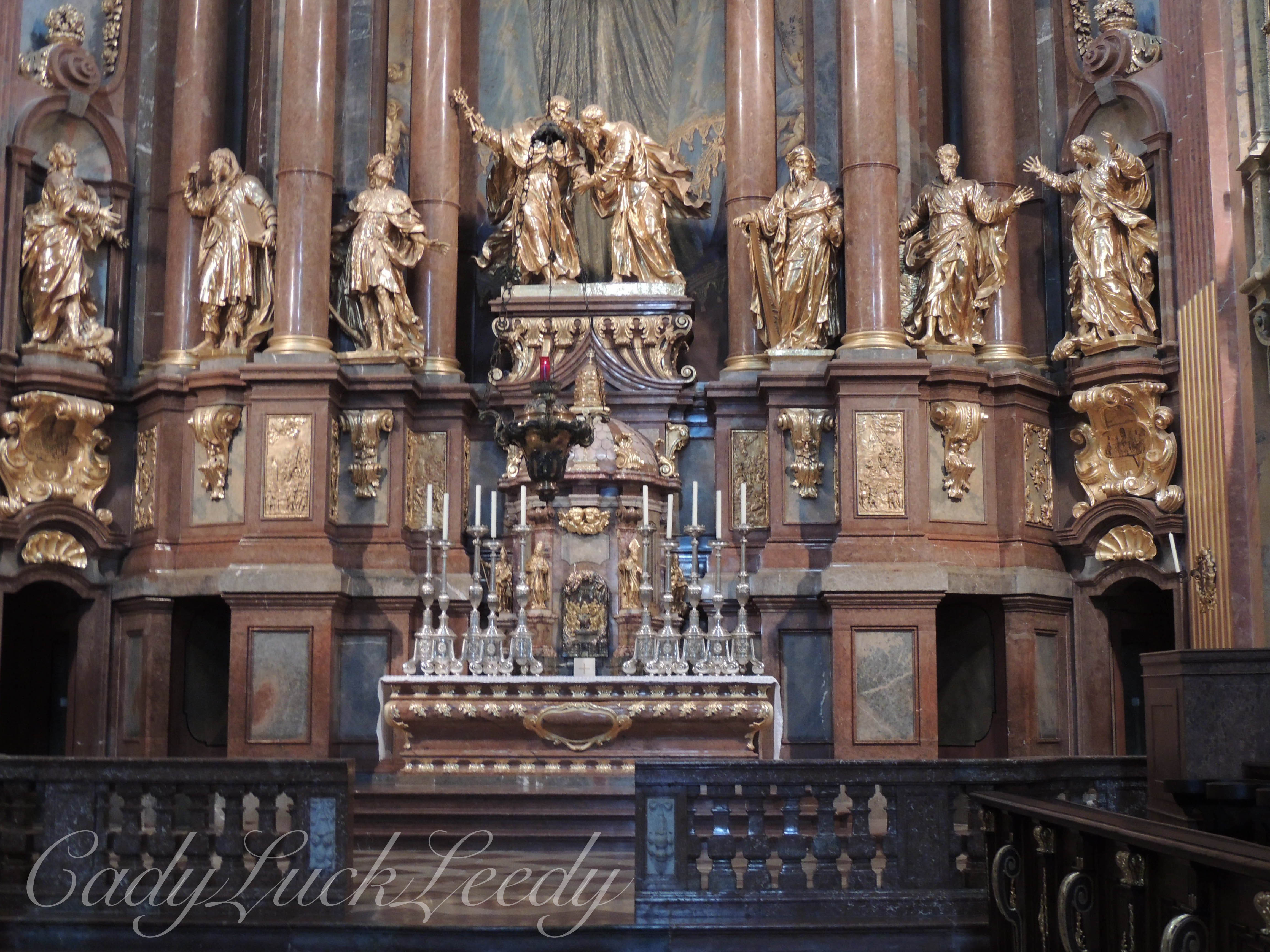
The Gold of Melk Abbey, Melk, Austria

The Gold of Melk Abbey, Melk, Austria

Melk Abbey Makeover, Melk , Austria

Melk Abbey Makeover, Melk , Austria

The Gold of Melk Abbey, Melk, Austria

The Gold of Melk Abbey, Melk, Austria

Melk Abbey, Melk, Austria

Melk Abbey, Melk, Austria

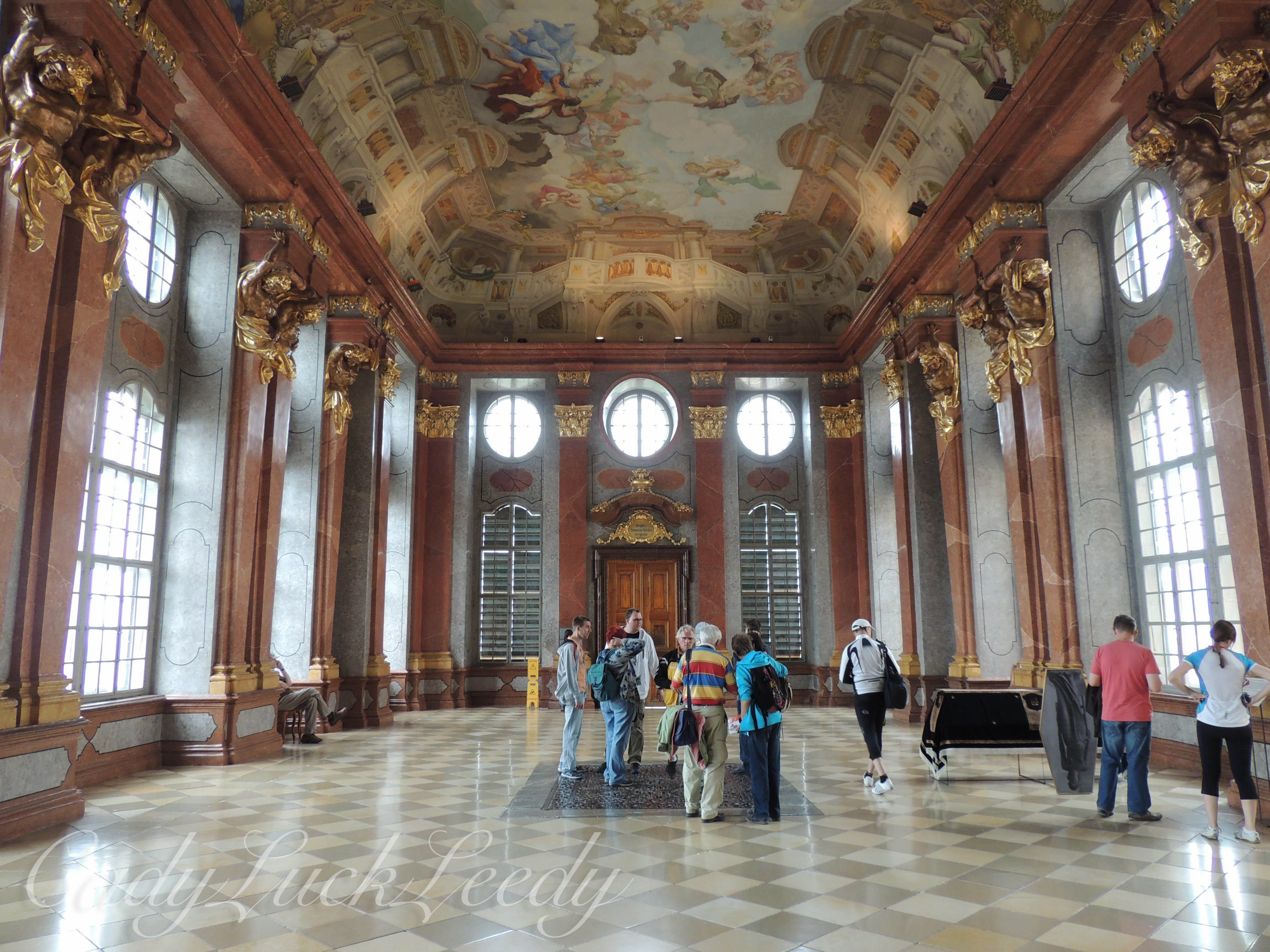
The Dining Room, Melk Abbey, Melk, Austria

The Dining Room, Melk Abbey, Melk, Austria

The Rose Colored Marble of Melk Chapel Melk Abbey, Austria

The Rose Colored Marble of Melk Chapel, Melk Abbey, Austria

The Rose Colored Marble of Melk Chapel Melk Abbey, Austria

The Rose Colored Marble of Melk Chapel Melk Abbey, Austria

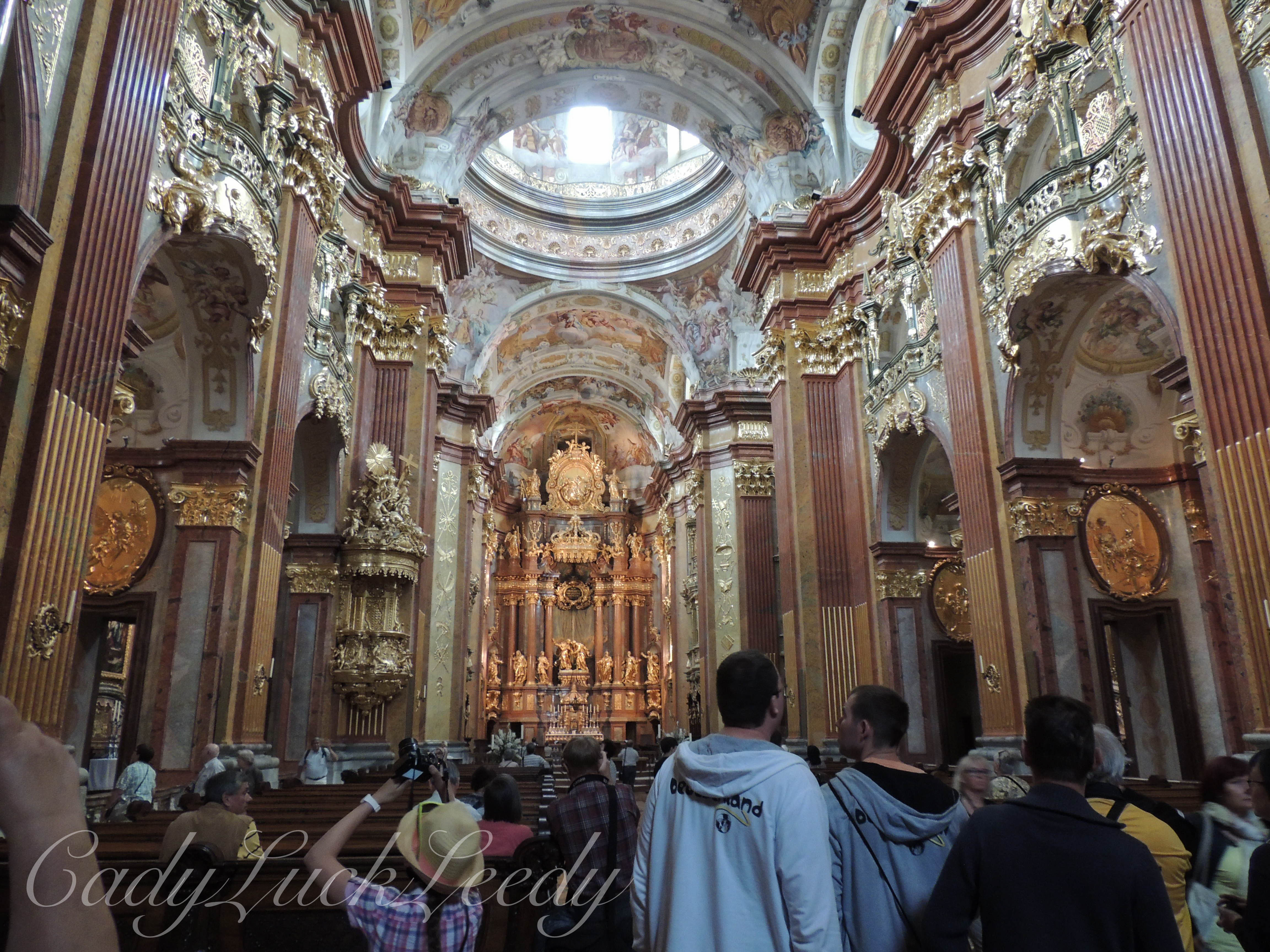
The Chapel of Melk Abbey, Melk, Austria

The Chapel of Melk Abbey, Melk, Austria

View from Melk Abbey, Melk, Austria

View from Melk Abbey, Melk, Austria

View from Melk Abbey, Melk, Austria

View from Melk Abbey, Melk, Austria

View from Melk Abbey, Melk, Austria

View from Melk Abbey, Melk, Austria

The Grounds of Melk Abbey, Entering the Gardens, Melk, Austria

Entering the Garden of Melk Abbey,  Melk, Austria

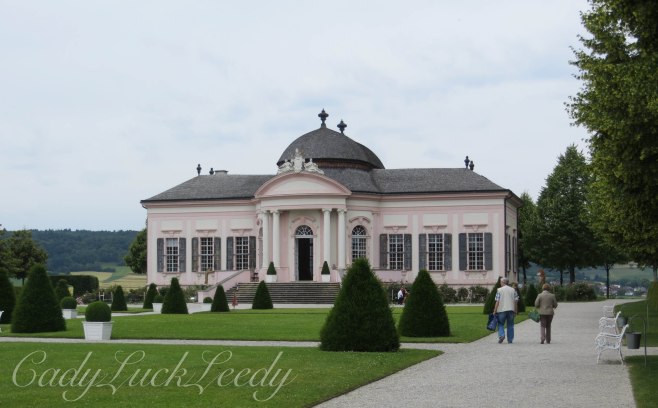
The Pink Pavillion in the Gardens of Melk Abbey, Melk, Austria

The Pink Pavillion in the Gardens of Melk Abbey, Melk, Austria

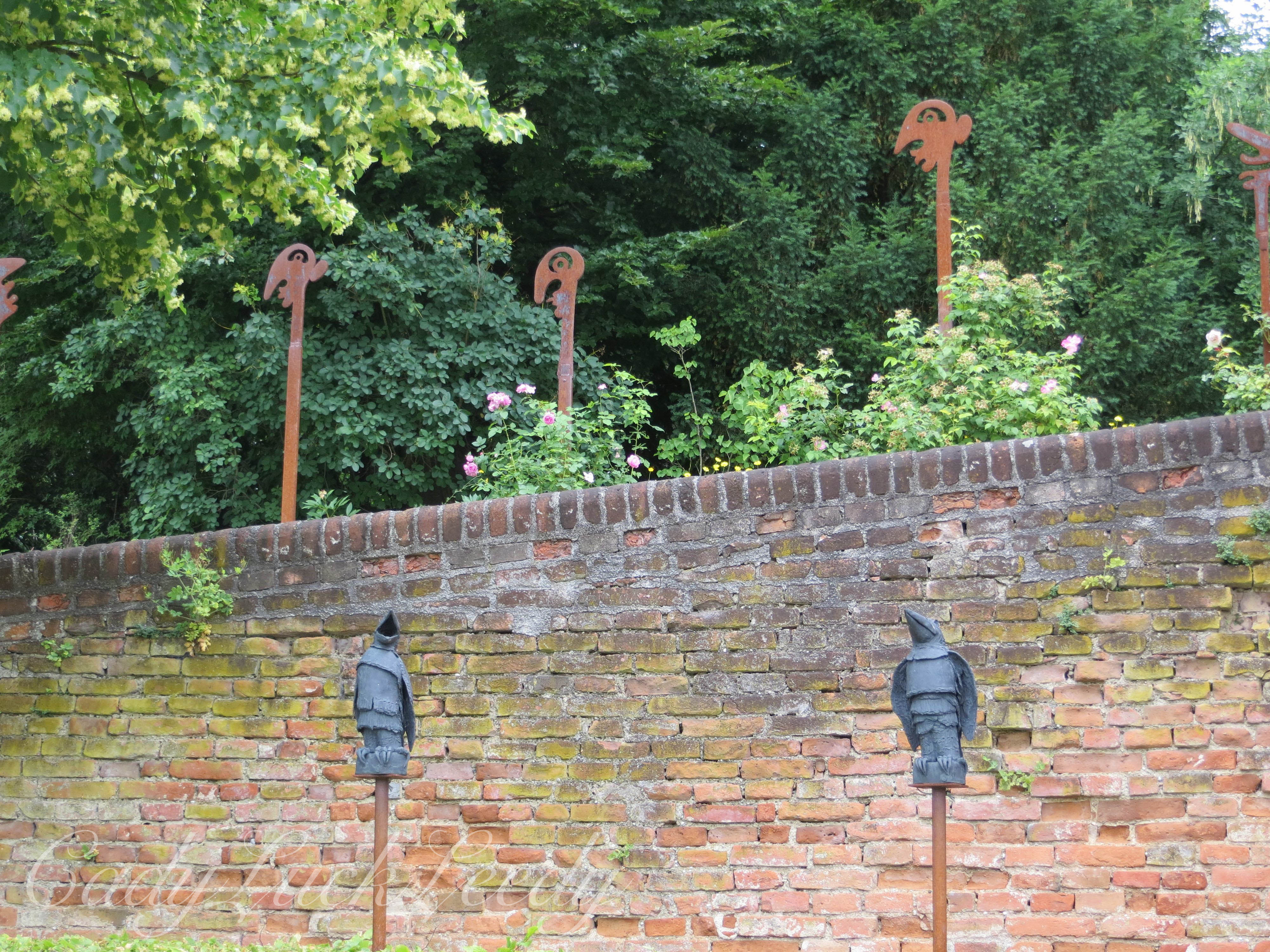
The Blackbirds of the Melk Abbey Gardens, Melk , Austria

The Blackbirds of the Melk Abbey Gardens, Melk , Austria

The Blackbirds of the Melk Abbey Gardens, Melk , Austria

The Blackbirds of the Melk Abbey Gardens, Melk , Austria


The Restaurant in the Garden, Melk Abbey, Melk, Austria

The Restaurant in the Garden, Melk Abbey, Melk, Austria

It is starting to rain! I can’t look at the entire garden! Darn!!!!

The Village of Melk, Melk, Austria

The Village of Melk, Melk, Austria (Look at the new street paving)

The Village of Melk, Austria

The Village of Melk, Austria

Re-do of Hauptstrasse, Melk, Austria

Re-do of Hauptstrasse, Melk, Austria

The Village of Melk, Austria

The Village of Melk, Austria

Yum, Yum! At Restaurant zur Post, Melk, Austria

Yum, Yum! At Restaurant zur Post, Melk, Austria

Yum, Yum at Restaurant zur Post, Melk, Austria

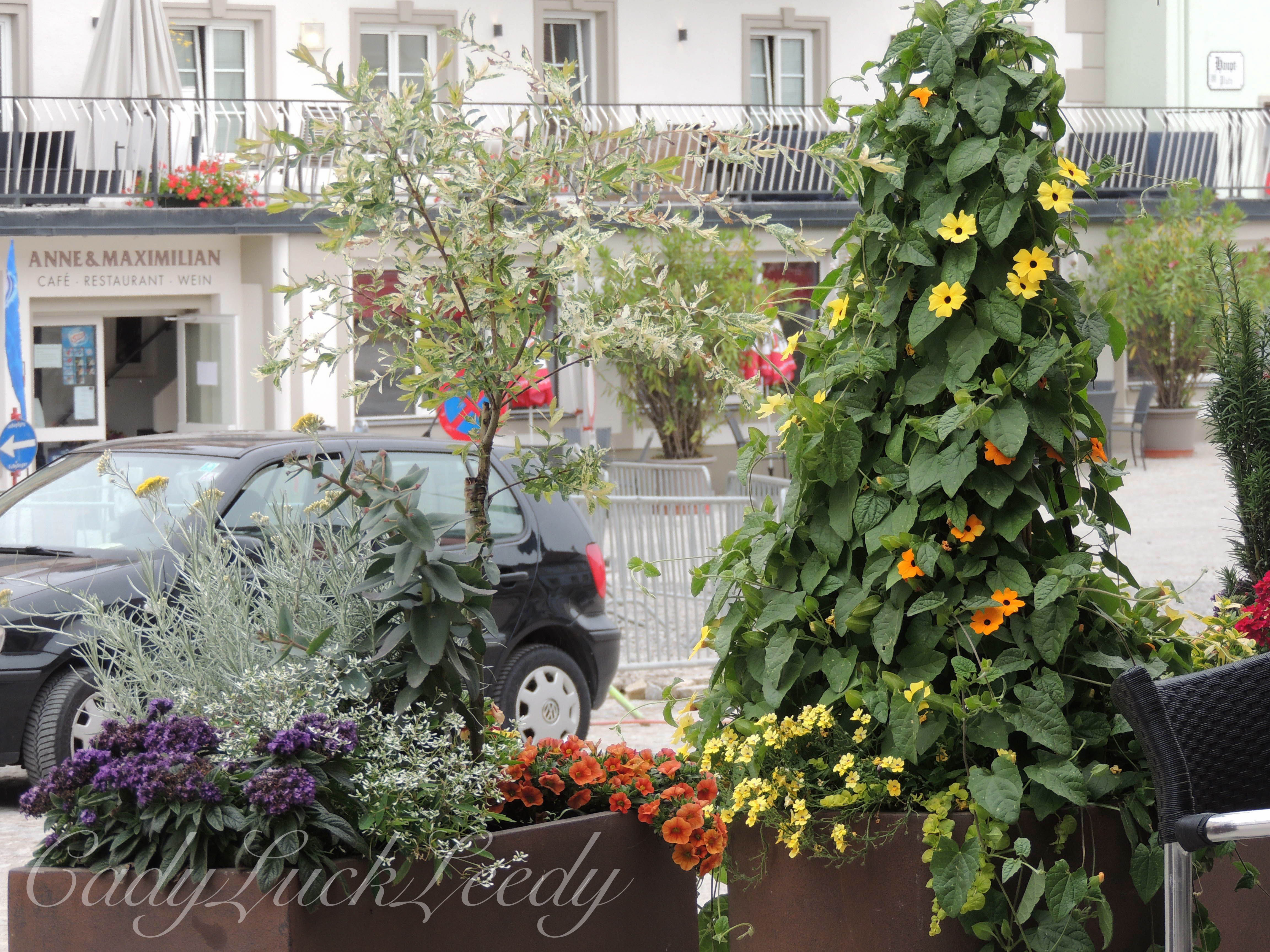
When leaving the grounds of the Abbey walk down the cobblestone path to the village and turn right. Hauptstrasse is getting a new look. They are re-doing the street so follow the planks. Walking to the Hauptplatz we stop at the Hotel/Restaurant zur Post for the tastiest Austrian cuisine we’ve experienced in Austria to date. Yum! Melk is beautiful even during a makeover! Next we are off to find the boat dock to take us to Krems! It is part 2 of the Combi-ticket! Enjoy!

Adventures in the Village; from Vienna to Melk

The Lane off Mariahilfer Strasse, Vienna, Austria

The Lane off Mariahilfer Strasse, Vienna, Austria

If adventures do not befall a young lady in her village she must seek them abroad.

Jane Austen 

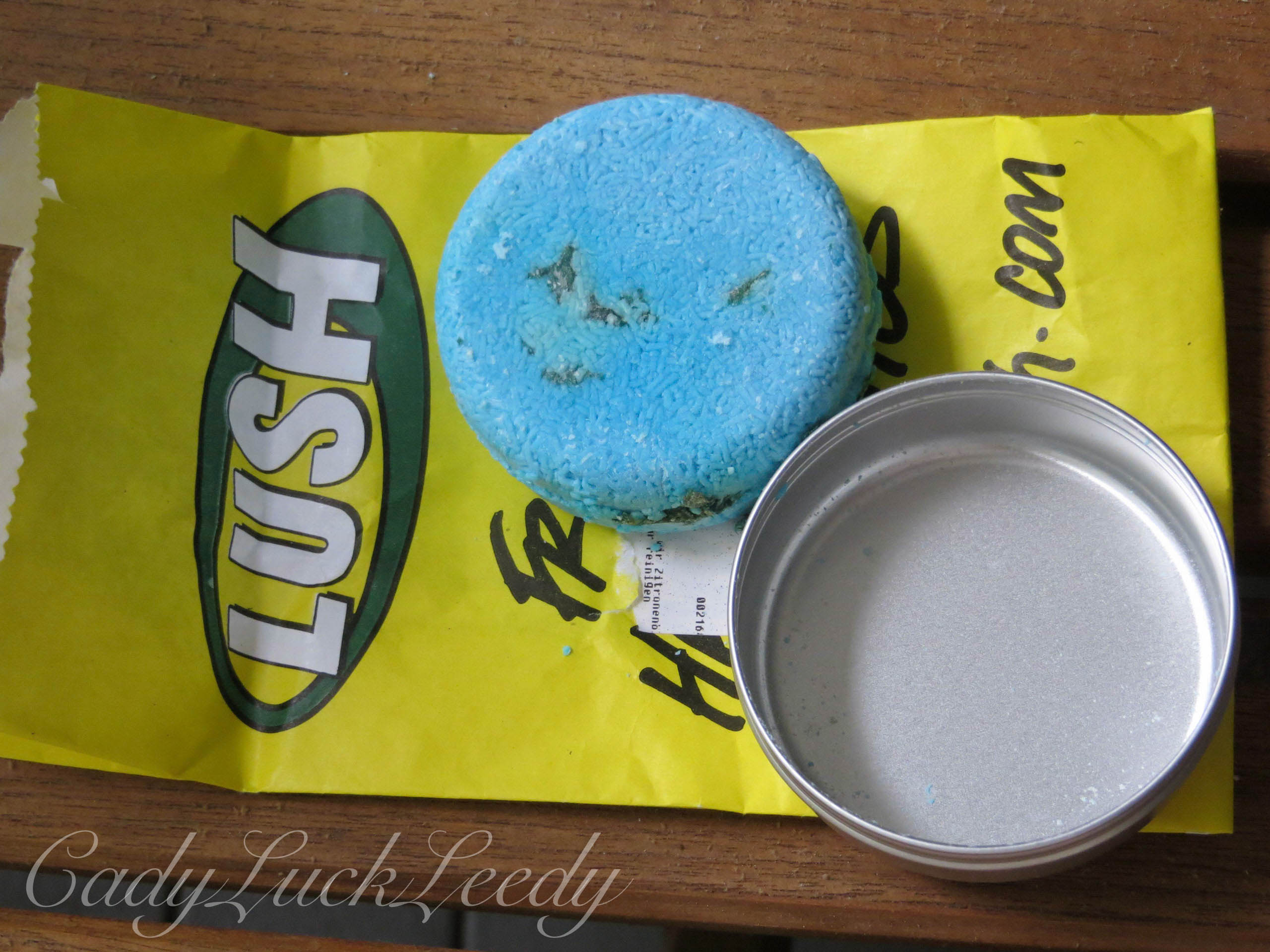
Or simply in another spot, I say! I enjoyed walking to the metro/train station on Mariahilfer Strasse, in Vienna, because I always discovered something new along the way. One day it was LUSH, a shop of freshly made cosmetics. Soaps, lotions, face creams, and more, oh my! The fragrance from that shop permeated out to the sidewalk and literally pulled me in. Once inside, lovely women tried to explain to me in German/English what all the goodies were and what they could do. I bought round shampoo cakes, for different hair types (all in the loveliest of colors and fragrances) and tins to store them in.

Lush Shampoo

One of Several Lush Shampoos

I would have bought more of their products, but because they are freshly made, some had to be kept refrigerated. The cake shampoos were one of the best purchases I made on my vacation. Every time I opened my suitcase I would get that clean, fresh, fragrance wafting up from the shampoo paper sacks. Take a deep breath, can you smell them? When I returned home I  placed the shampoos in the tins, for gifts, and the sacks went into my dresser drawers! Then I looked LUSH up online to see if I could buy the products in the U.S. Yep, there they were! Maybe I should always travel with one!

Mariahilfer Strasse, Vienna, Austri

Mariahilfer Strasse, Vienna, Austria

Mariahilfer Strasse, Vienna, Austria

Mariahilfer Strasse, Vienna, Austria

Mariahilfer Strasse, Vienna, Austria

Mariahilfer Strasse, Vienna, Austria

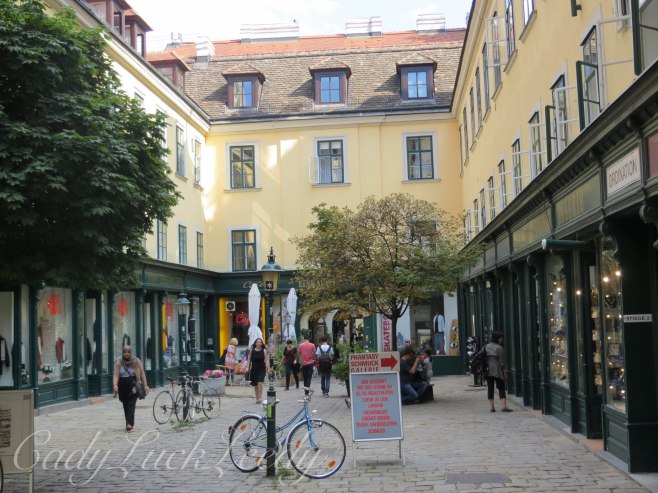
Continuing on our walk to the train station I came to a small portico opening in the storefronts  that looked like it was wide enough for a horse and carriage in days gone by. My curiosity got the best of me and I had to turn in and see where this little lane took me.

The Lane on Mariahilfer Strasse, Vienna, Austria

The Lane off Mariahilfer Strasse, Vienna, Austria

The Lane on Mariahilfer Strasse, Vienna, Austria

The Lane off Mariahilfer Strasse, Vienna, Austria

The Lane off Mariahilfer Strasse, Vienna, Austria

The Lane off Mariahilfer Strasse, Vienna, Austria

The Lane off Mariahilfer Strasse, Vienna, Austria

The Lane off Mariahilfer Strasse, Vienna, Austria

The lane went on and on. Here was a collection of small shops and restaurants that looked like they had been  inter-connected houses in a different generation. I wondered if this was the way the streets looked before the addition of the modern high-rise buildings. The lane was so charming! I am glad I took the time to turn in. These un-expected finds always interest me the most!

The Shops at the Train Station, Vienna, Austria

The Shops at the Train Station, Vienna, Austria

The Shops at the Train Station, Vienna, Austria

The Shops at the Train Station, Vienna, Austria

The Shops at the Train Station, Vienna, Austria

The Shops at the Train Station, Vienna, Austria

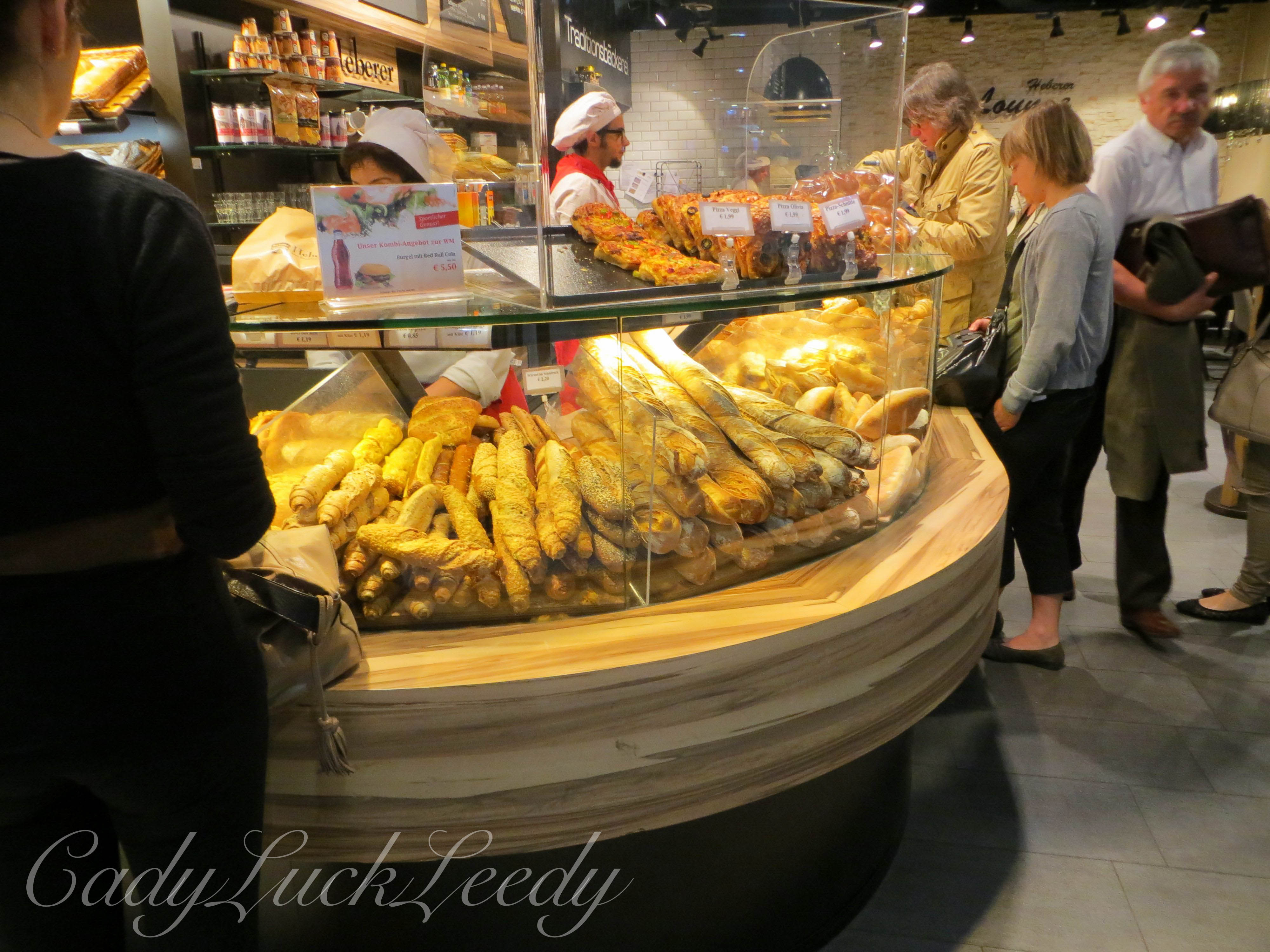
Planning a day trip to Melk was fun too. Taking the elevator on the street to the multi-layered train station (there were local trains and metro trains all converging into one area) we found the trains conveniently stopped in a large, beautiful, shopping mall and market, they called the train station.  You could just skip the train and spend a lovely day eating and shopping here!  The Austrian Railway Office sold a convenient Combi-ticket, which included the train trip from Vienna to Melk, entry to the Melk Abbey, a boat cruise to Krems and the return train trip to Vienna for 47 euros. What a deal! So early one morning off we went to Melk!

The train adventure for me is the scenery and the allotments stretched along the railroad track.  Miniature houses (I call them doll houses) are tucked into gardens as far as the eye can see; doll houses with tiny windows showing off small boxes filled with abundant, draping,  riotous colored flowers.  Leaning near the door frames were clutters of ladders and old rakes. There were neatly ordered flower beds and well tended fruit and vegetable gardens behind picture perfect picket fences. Sometimes there were happy-looking, waving folks, enjoying the sunshine, while plumped in white plastic chairs and cooling their feet in a small child’s wading pool. Others were grilling, while some were bent over their plots in peaceful, nature retreats.  These areas, outside the cities, in Austria and Germany, especially along railways, are the spots for garden obsessed people to rent out a small plot and plunge into the soil. They are called Schrebergartens. There are strict rules that regulate the exact dimensions, color, and style of the doll house and how the gardens are to be maintained.  The gardens were very neat, and  tidy,  just like Austria! 

In the early 19th century, it was the idea of Dr. Daniel Gottlieb Moritz Schreber, to create athletic fields for children to escape the crowded, larger cities. Before he realized his dream, he died, and his son decided to use the plots for gardening and to teach children the basics of gardening. The idea quickly caught on. In WWI and WWII the gardens rapidly rose in importance as sources of hard-to-get fresh fruit and vegetables. After WWII a lack of housing across the country resulted in the common practice of erecting small structures on the plots so families could have shelter. The result is what we see today; miniature housing developments of nature retreats! Families can enjoy the sunshine, relax, party, and tend their gardens. A village of adventure, to be sure! And now on to Melk! Enjoy!

PS, since the train zipped along the rail over 100 mph I couldn’t take  decent pictures! So please……..

Check out Allotment images HERE!

Schönbrunn; the Big Yellow Palace in Vienna

Schönbrunn Palace, Vienna, Austria, Viewed from the Orangery

Schönbrunn Palace, Vienna, Austria, Viewed from the Orangery

Schönbrunn Palace, Vienna, Austria

Schönbrunn Palace, Vienna, Austria

Schönbrunn Palace, Vienna, Austria

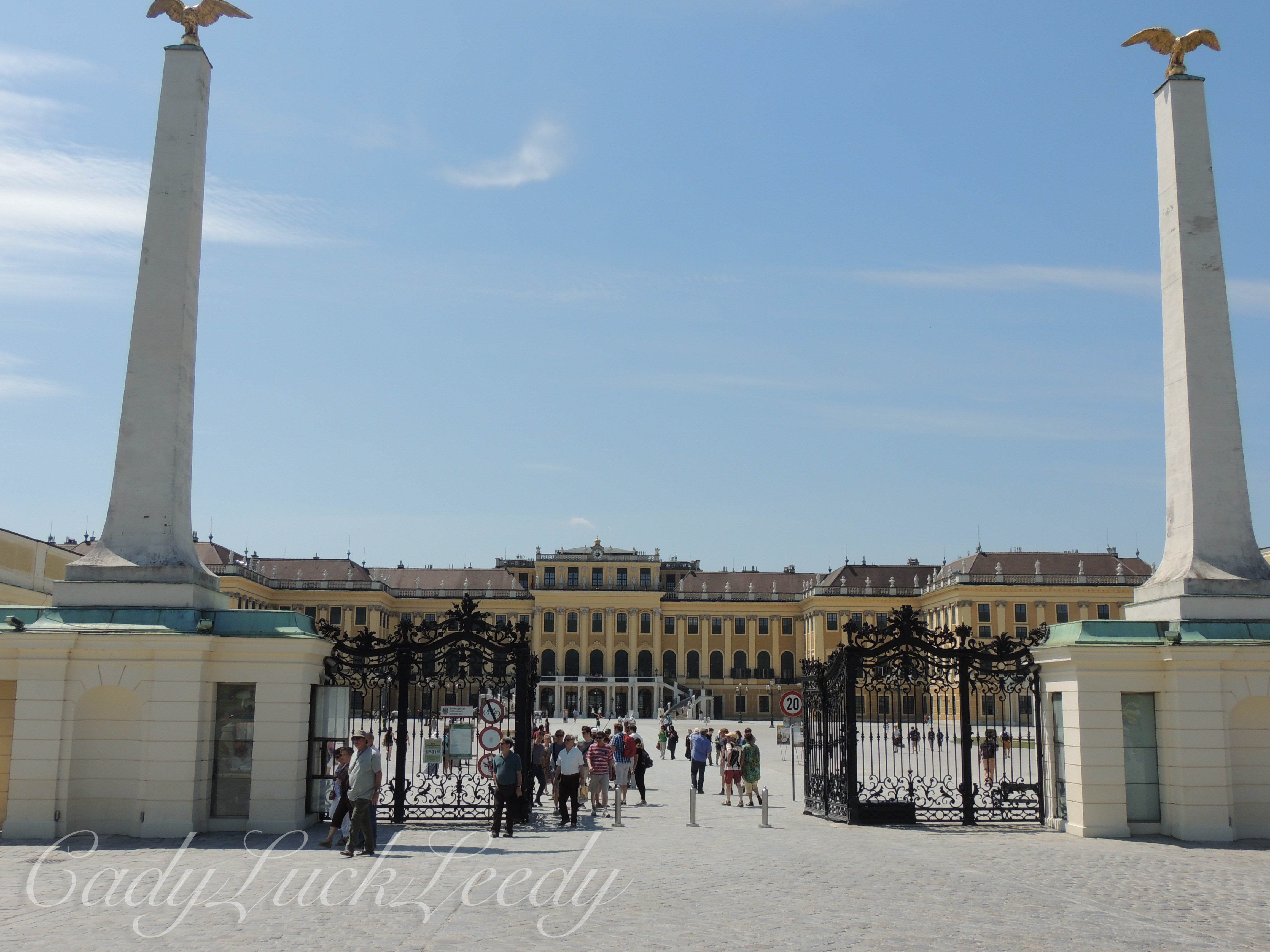
The Entrance to Schönbrunn Palace, Vienna, Austria

Schönbrunn Palace, Vienna, Austria

Schönbrunn Palace, Vienna, Austria

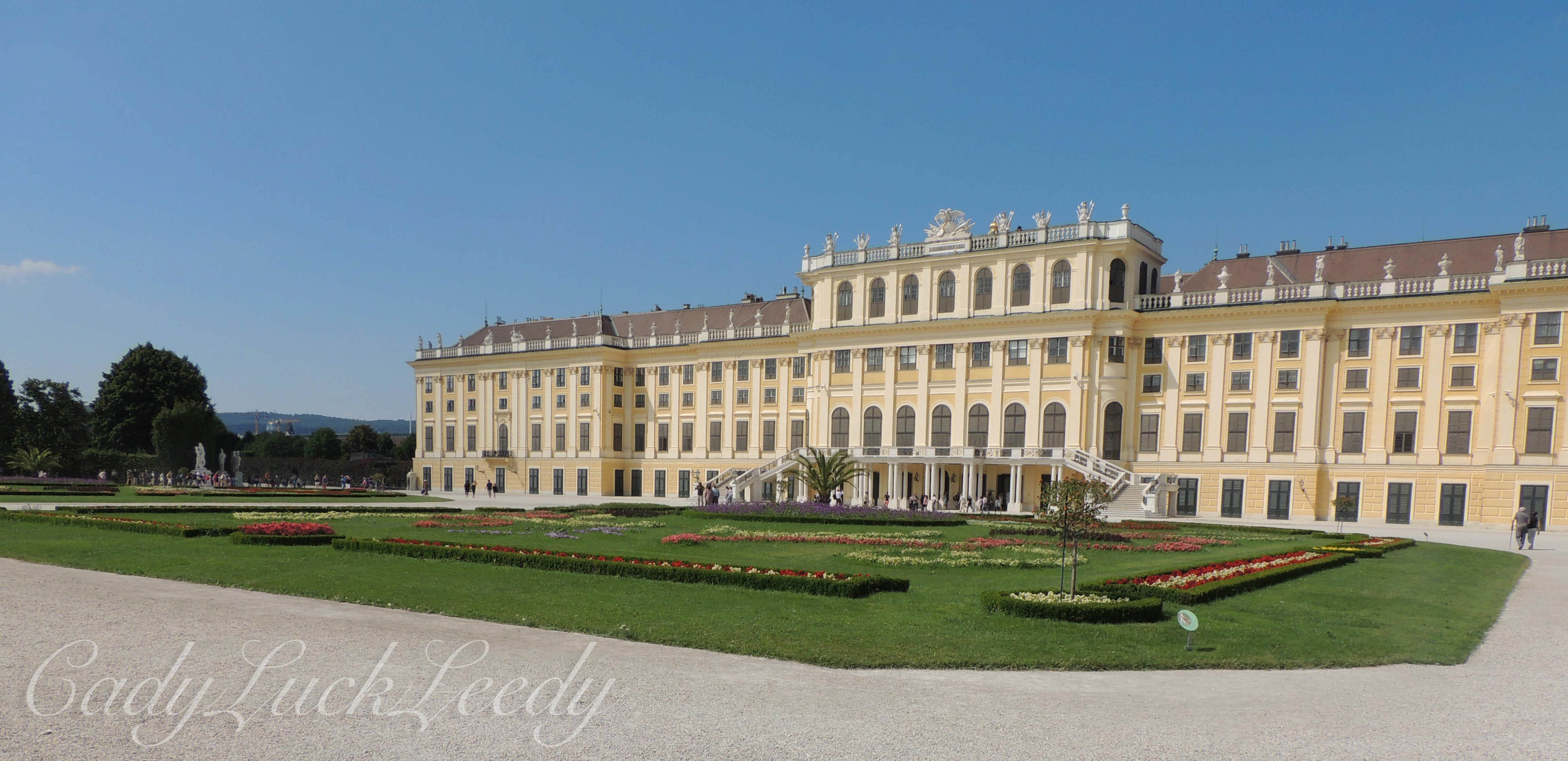
Not everyone can live in a big yellow palace. The Schönbrunn Palace has 1441 rooms once used for the summer residence of the Habsburgs. One can tour 22 rooms on the Imperial Tour or 40 rooms on the Grand Palace Tour, or you can look stare at the grandeur of the palace from afar and take the horse and buggy tour or the train tour of  acres of grounds. Or you can sit and people watch in the indoor/outdoor cafe with a cuppa/beer/wine and piece of apfelstrudel or chololate torte cake. The choices are endless and the grounds of the Schönbrunn are very busy.

Acres and Acres of Grounds at Schönbrunn Palace, Vienna, Austria

Acres and Acres of Grounds at Schönbrunn Palace, Vienna, Austria

In 1569, the Holy Roman Emperor, Maximilian II, purchased grounds from the Klosterneuburg monastery,  where a former owner had erected a mansion called Katterburg. The emperor ordered the area fenced and put pheasants, ducks, deer, and boar there in order to serve as the court’s recreational hunting grounds. In a smaller separate area he added the exotic birds such as turkeys and peacocks.

A Fountain at Schönbrunn palace, Vienna, Austria

A Fountain at Schönbrunn Palace, Vienna, Austria

One of Many Fountains at Schönbrunn Palace, Vienna, Austria

One of Many Fountains at Schönbrunn Palace, Vienna, Austria

From 1638 to 1643, Eleonora Gonzaga, the widow of Ferdinand II, made the grounds her residence after her husband’s death. She added a palace to the Katterburg mansion and started the orangery calling the grounds, Schönbrunn, or beautiful spring.

The Orangery, Schönbrunn Palace, Vienna, Austria

The Orangery, Schönbrunn Palace, Vienna, Austria

The Orangery, Schönbrunn Palace, Vienna, Austria

The Orangery, Schönbrunn Palace, Vienna, Austria

The Orangery, Schönbrunn Palace, Vienna, Austria

The Orangery, Schönbrunn Palace, Vienna, Austria

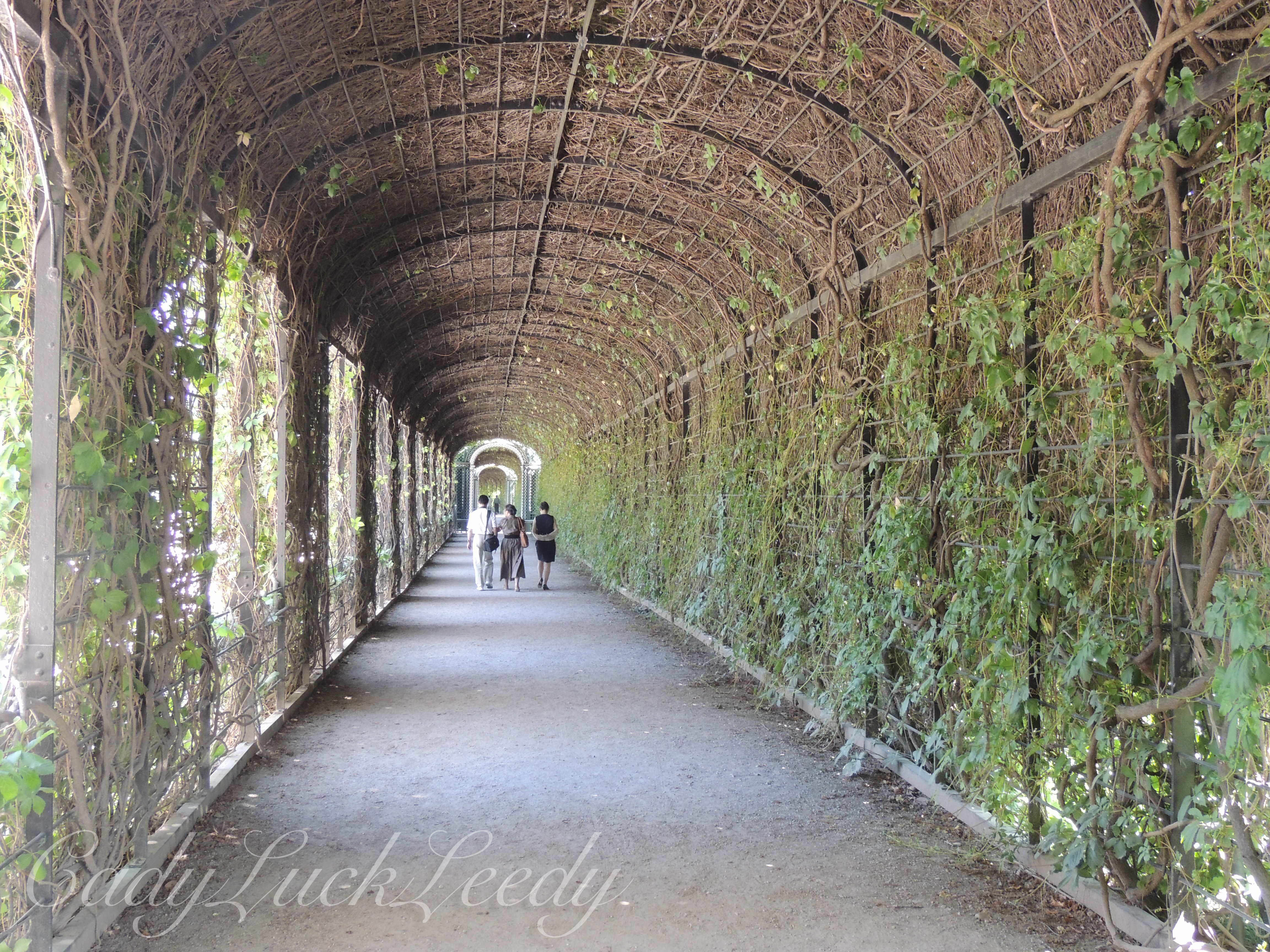
The Vine Enclosed Walkway Around the Orangery, Schönbrunn Palace

The Vine Enclosed Walkway Around the Orangery, Schönbrunn Palace

A View From the Orangery, Schönbrunn Palace

A View From the Orangery, Schönbrunn Palace

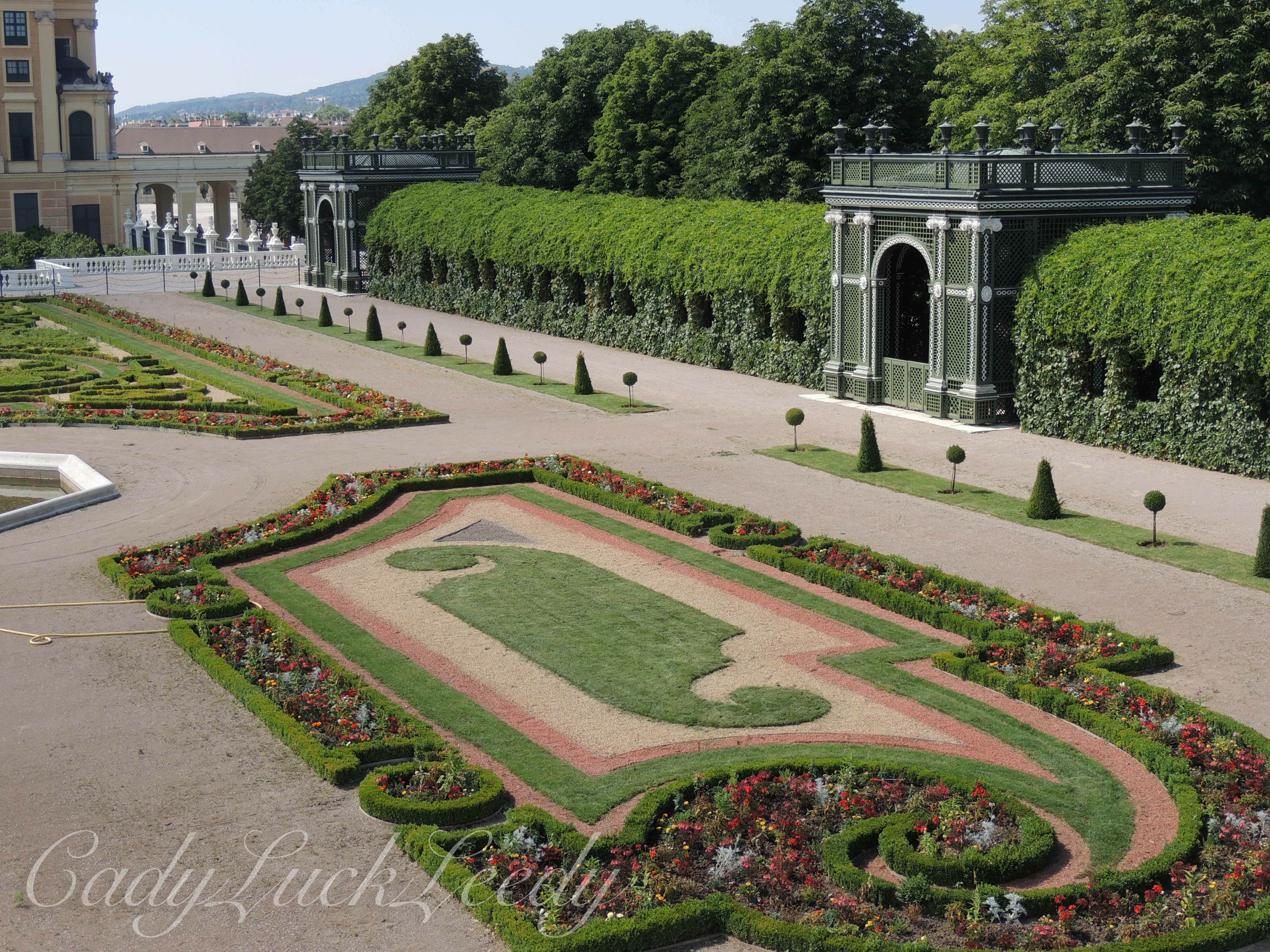
The Gardens at Schönbrunn Palace, Vienna, Austria

The Gardens at Schönbrunn Palace, Vienna, Austria

The Gardens at Schönbrunn Palace, Vienna, Austria

The Gardens at Schönbrunn Palace, Vienna, Austria

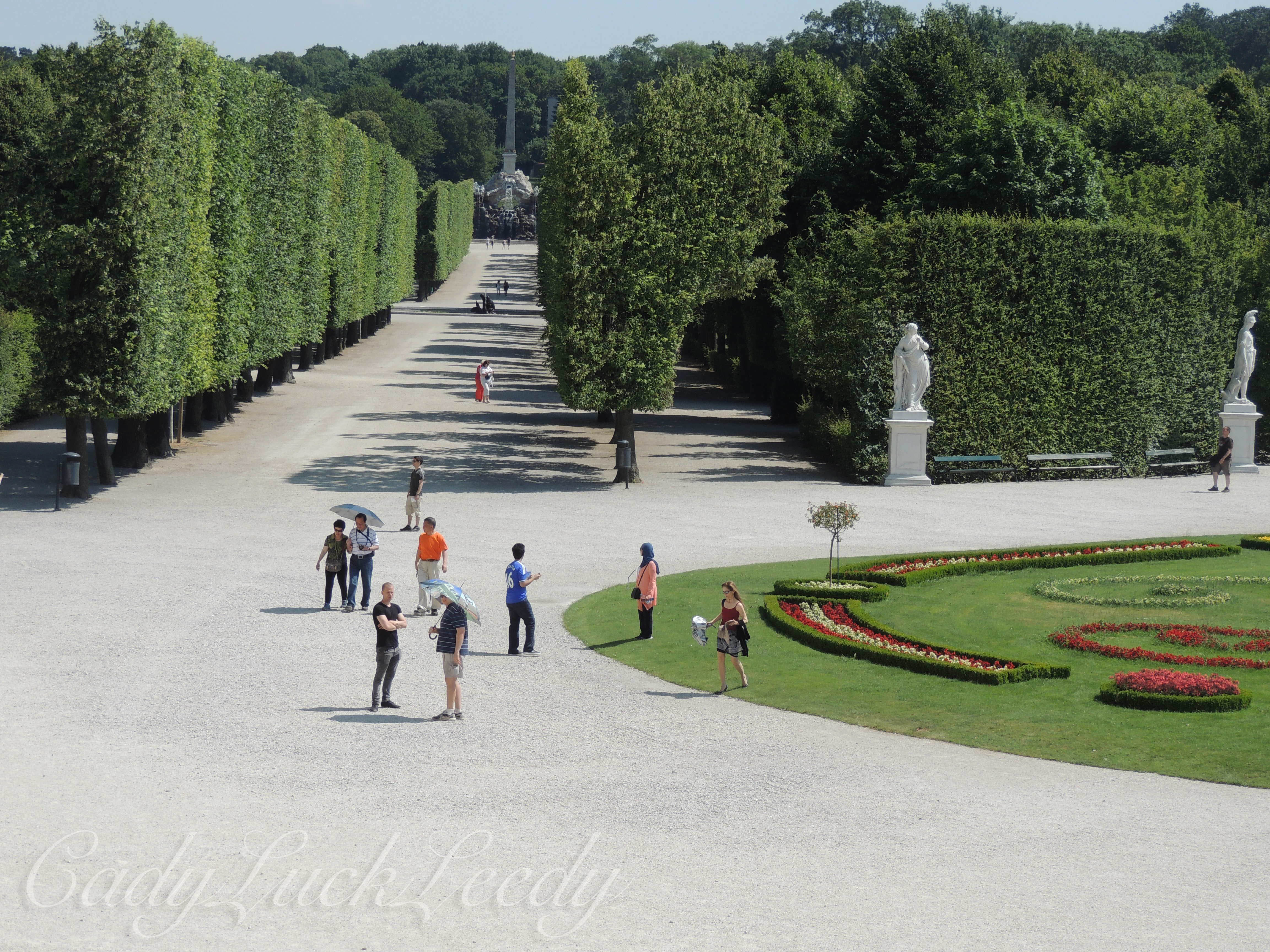
The Gardens of Schönbrunn Palace, Vienna, Austria

The Gardens of Schönbrunn Palace, Vienna, Austria

The Gardens of Schönbrunn Palace, Vienna, Austria

The Gardens of Schönbrunn Palace, Vienna, Austria

The Gardens of Schönbrunn Palace, Vienna, Austria

The Gardens of Schönbrunn Palace, Vienna, Austria

The Gloriette, Schönbrunn Palace, Vienna, Austria

The Gloriette, Schönbrunn Palace, Vienna, Austria

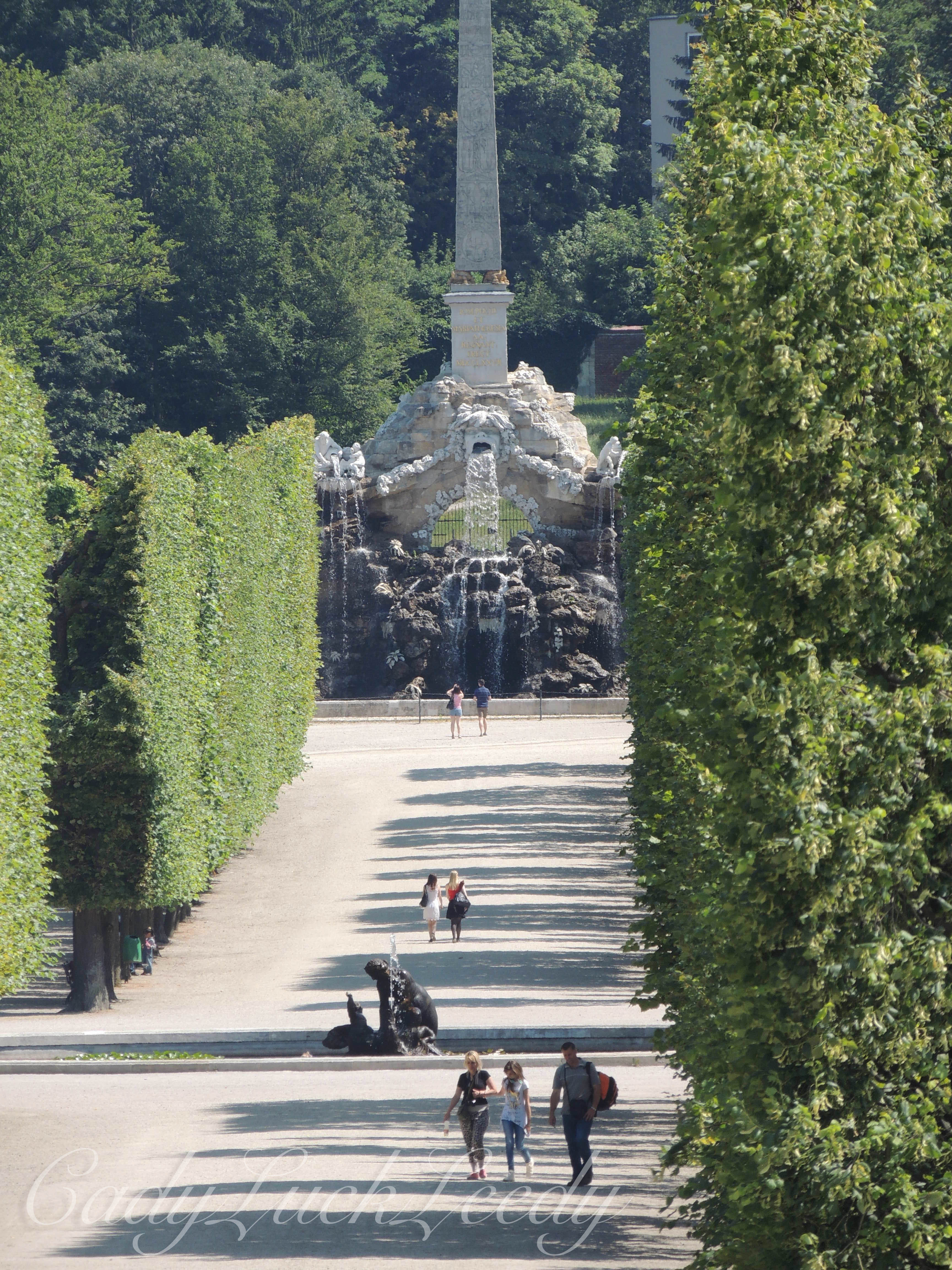
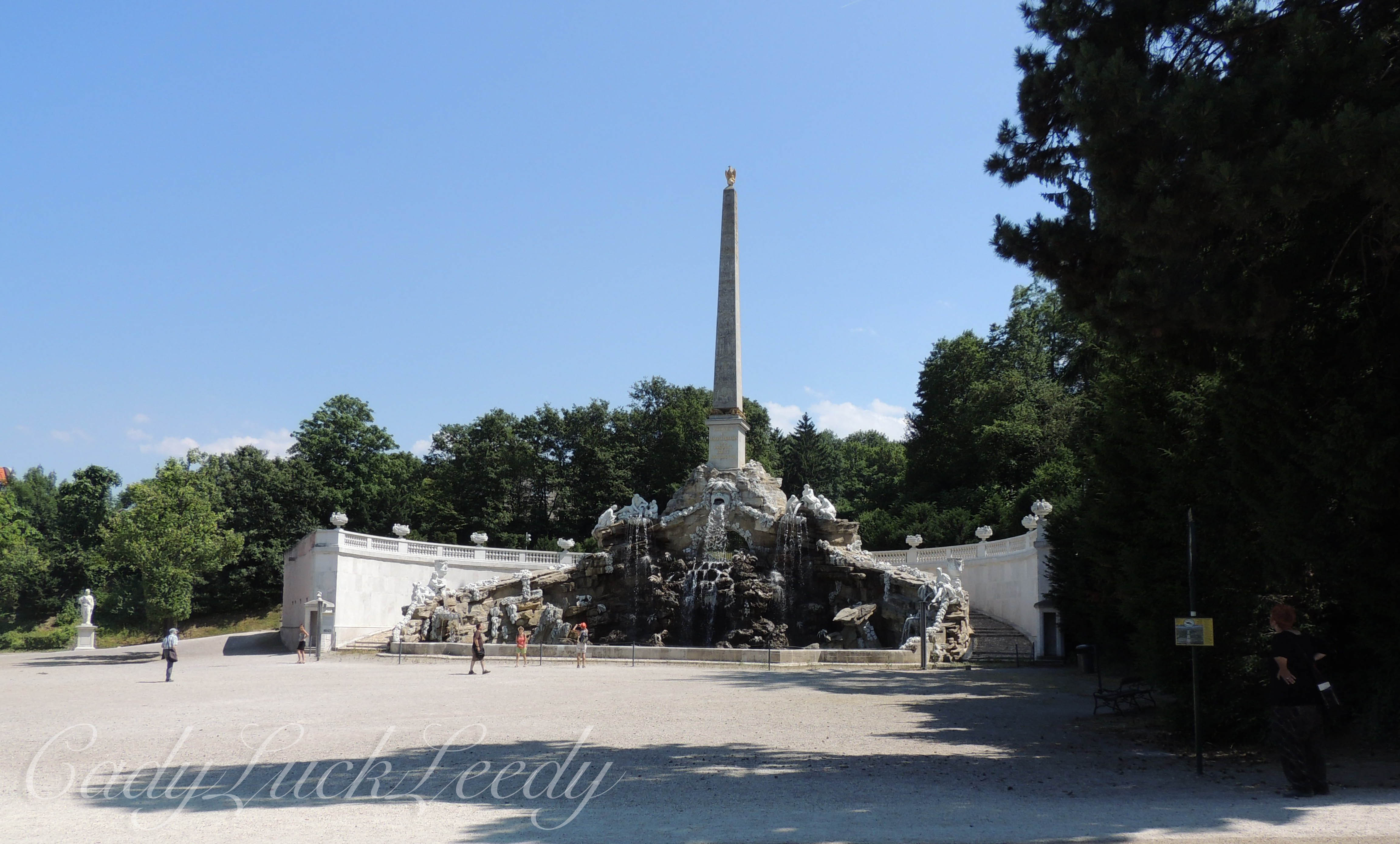
The Obelisk, Schönbrunn Palace, Vienna, Austria

The Obelisk, Schönbrunn Palace, Vienna, Austria

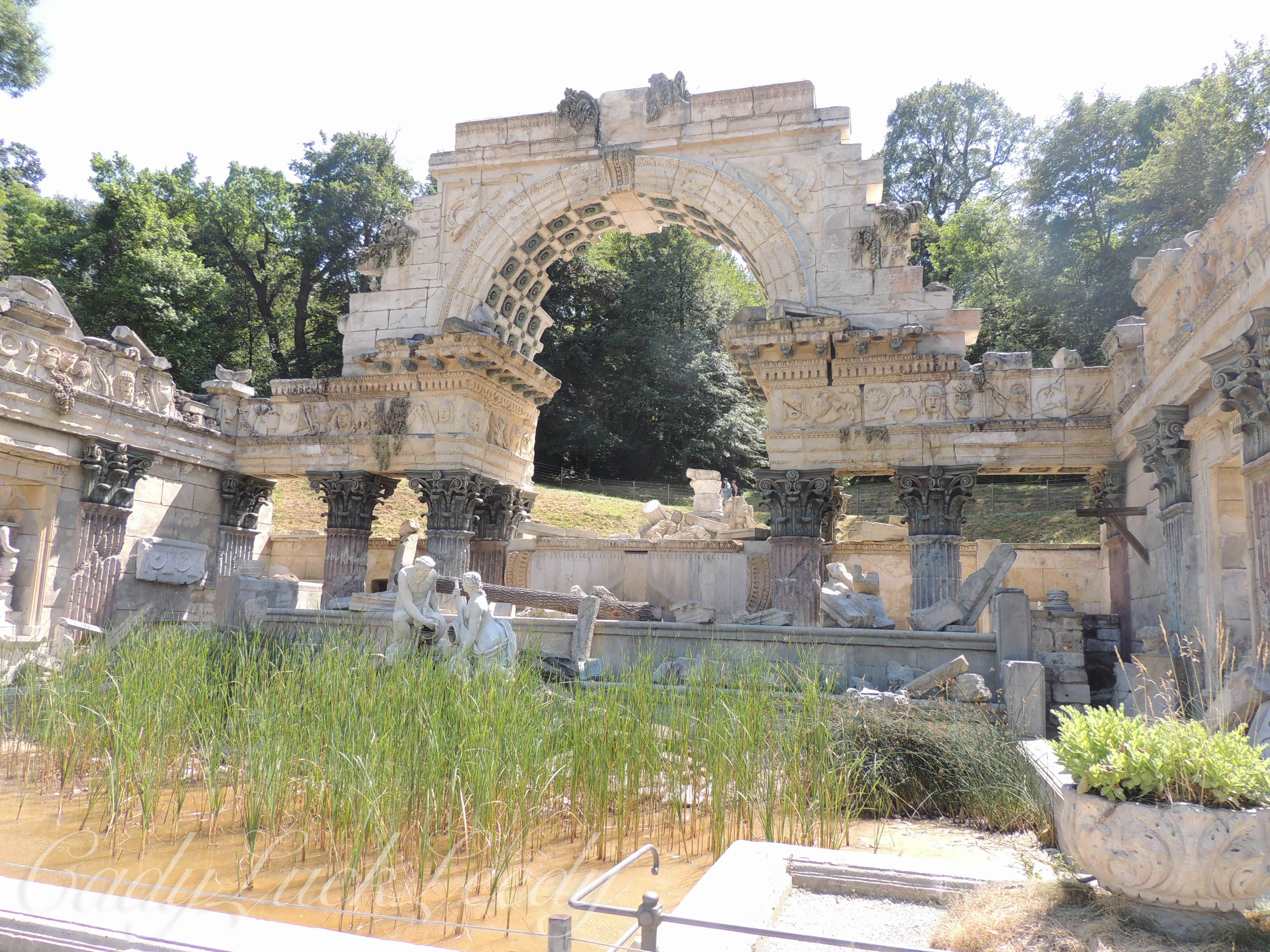
"The Roman Ruins," Schönbrunn Palace, Vienna, Austria

“The Roman Ruins,” Schönbrunn Palace, Vienna, Austria

"The Roman Ruins," Schönbrunn Palace, Vienna, Austria

The Roman Ruins,” Schönbrunn Palace, Vienna, Austria

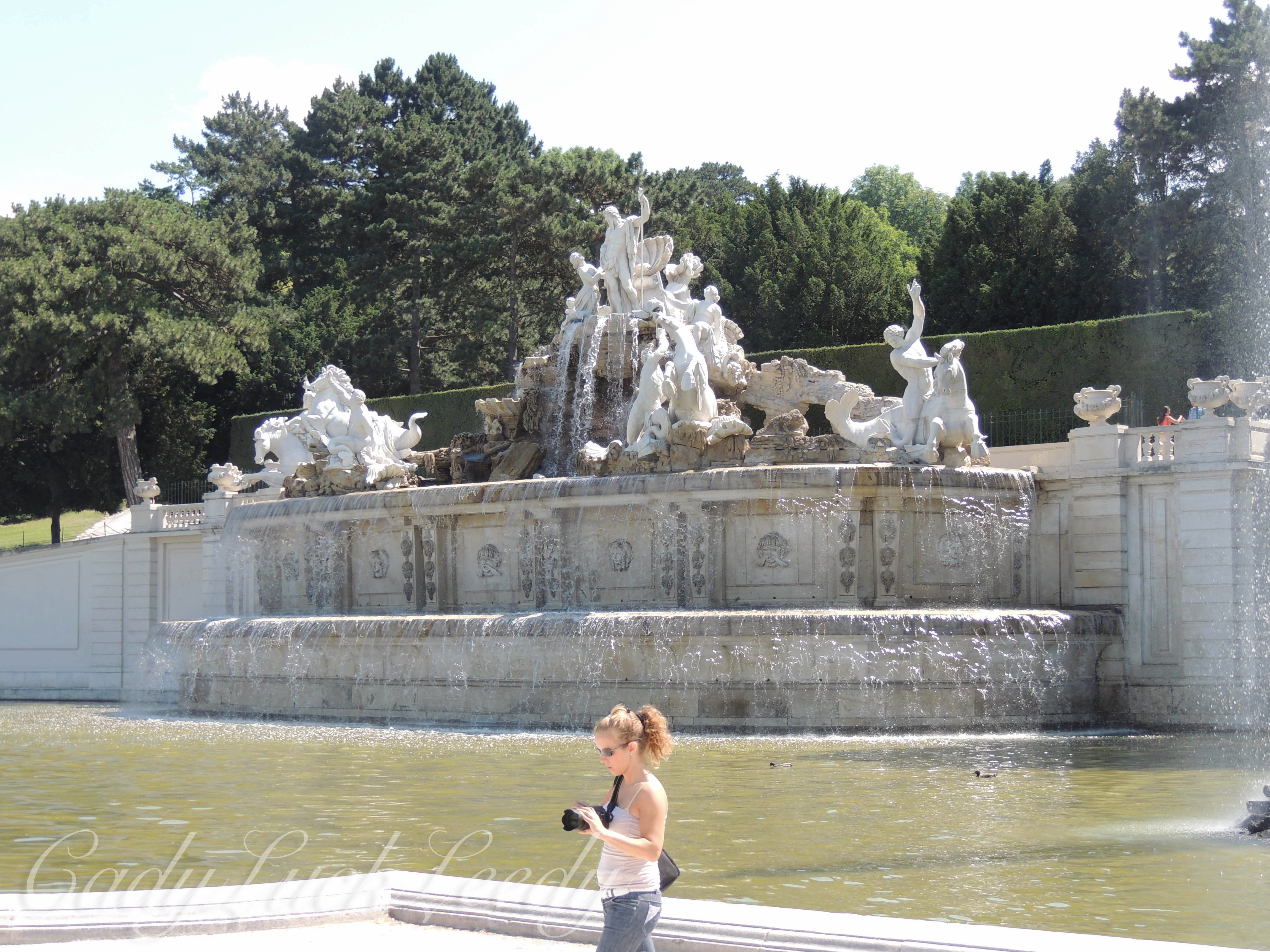
Neptune Fountain, Schönbrunn Palace, Vienna, Austria

Neptune Fountain, Schönbrunn Palace, Vienna, Austria

Neptune Fountain, Schönbrunn Palace, Vienna, Austria

Neptune Fountain, Schönbrunn Palace, Vienna, Austria

During the 18th century, Schönbrunn represented the splendor of the Habsburg Empire with the ample baroque gardens and their buildings. The original palace building had been expanded and modified, since it was built, to suit the tastes and the requirements of the successive rulers.  In 1740, Maria Theresa chose Schönbrunn as her permanent residence and a new phase began in the palace. Urgent repairs  were made to the dilapidated buildings. In the third phase, work began on the embellishment of the gardens. Maria Theresa’s passion was the orangery, the longest in the world, where she cultivated exotic plants and also held festive events and performances. The zoo, built by Maria Theresa’s husband, in 1752, for the entertainment and the education of the court, is the oldest in the world. Also, included in the gardens were the Gloriette, the Neptune Fountain, the “Roman Ruins,” and the Obelisk. The Schönbrunn Park was opened to the public in 1779, part of Maria Theresa’s reform policy, making the garden a celebration from autocracy into a real democracy.

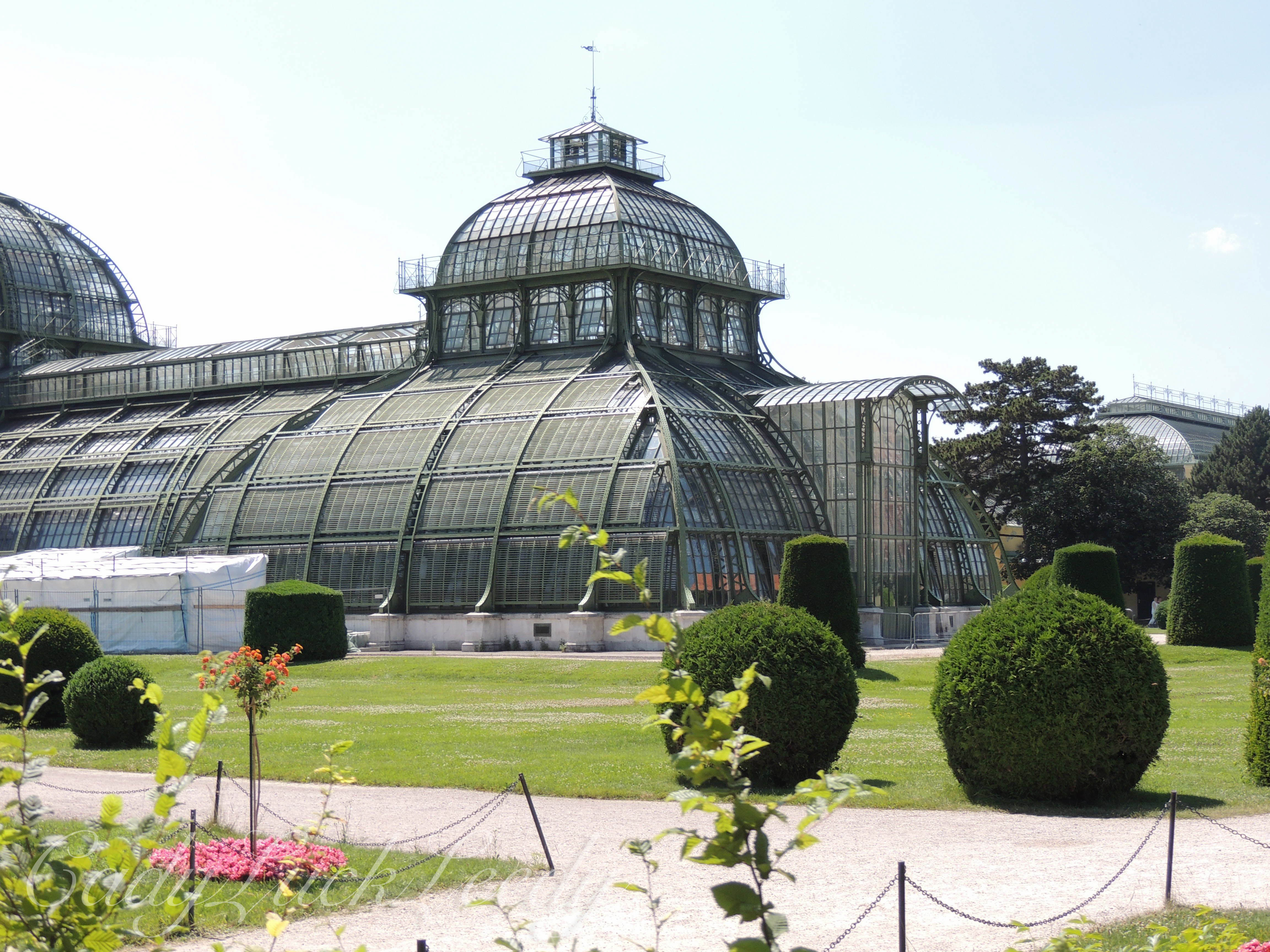
The Palm House, Schönbrunn Palace, Vienna, Austria

The Palm House, Schönbrunn Palace, Vienna, Austria

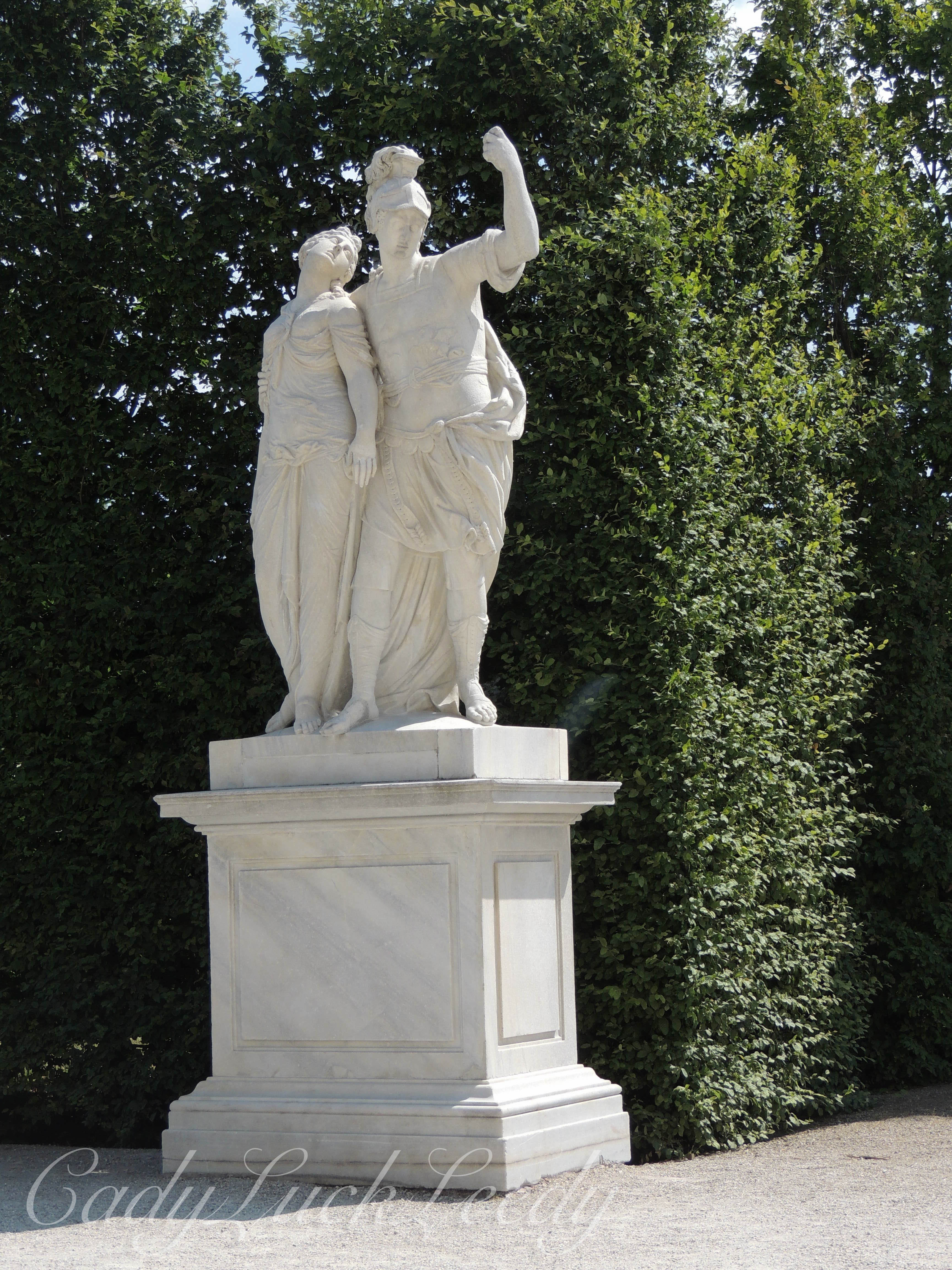
The Sculptured Trees, Schönbrunn, Palace, Vienna, Austria

The Sculptured Trees and Bushes, Schönbrunn, Palace, Vienna, Austria

No significant changes have been made to the structures themselves since the work on the facade commissioned by Franz I at the beginning of the 19th century. The park layout is original and original techniques are still used to trim the trees and bushes. The Great Palm House, erected in 1880, is an iron framed structure divided into three sections, using technology developed in England. Enjoy!

PS, To get there take the U-4 train on a 15 minute ride out to Schönbrunn Palace. From the train follow the Schloss Schönbrunn signs, a 15 minute walk.

My Garden at the End of July

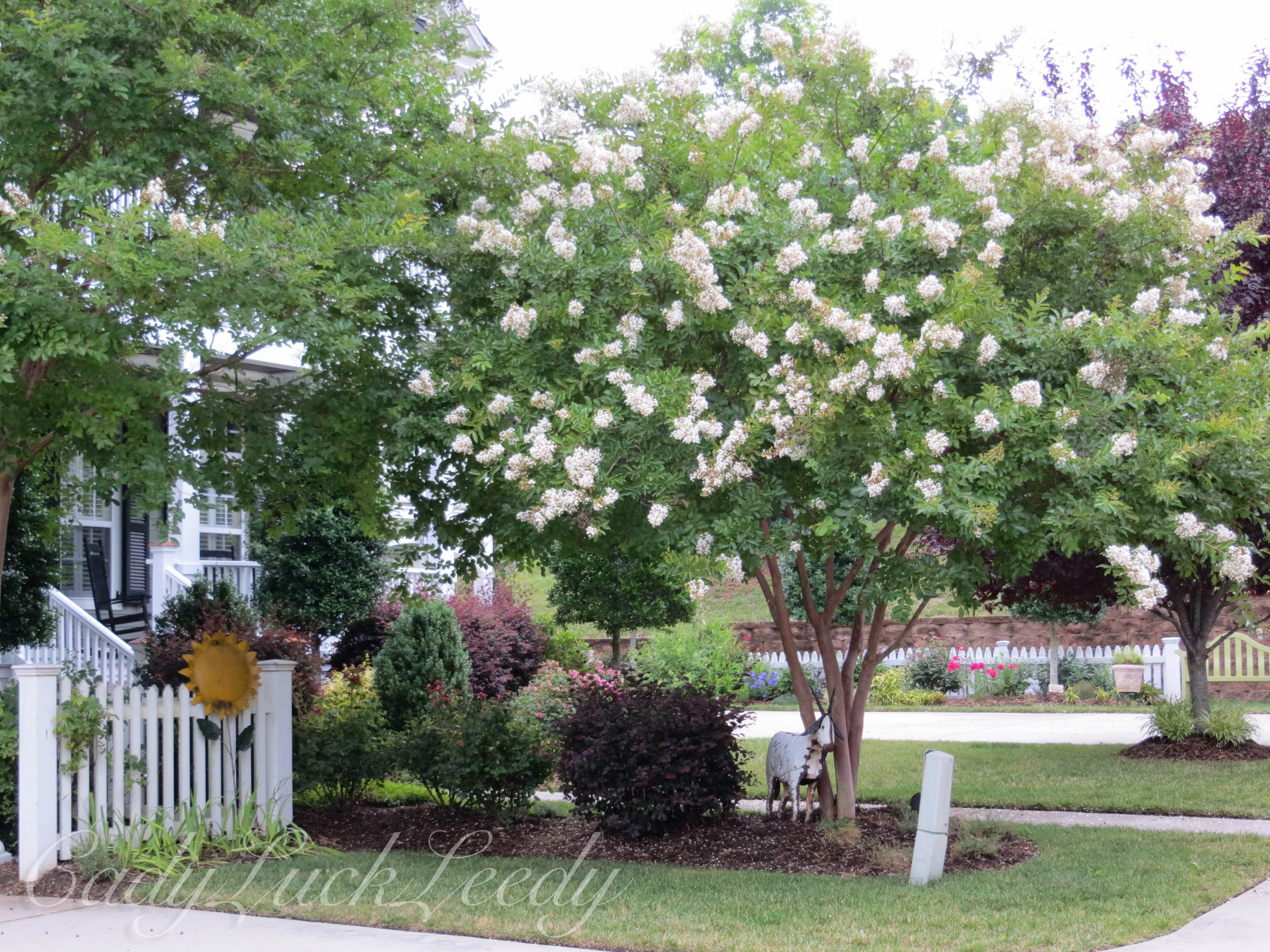
Crepe Myrtle in White

Crepe Myrtle in White

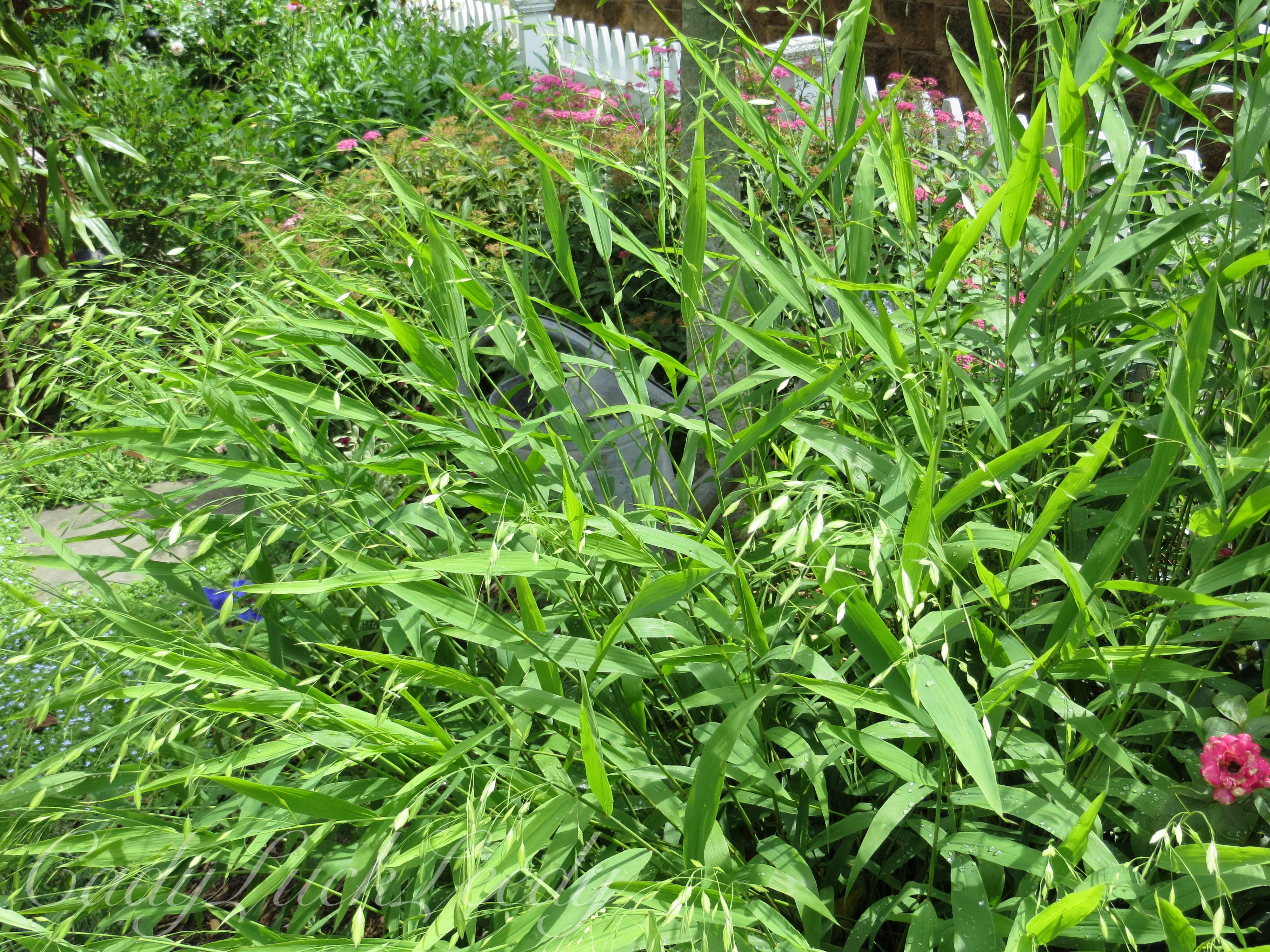
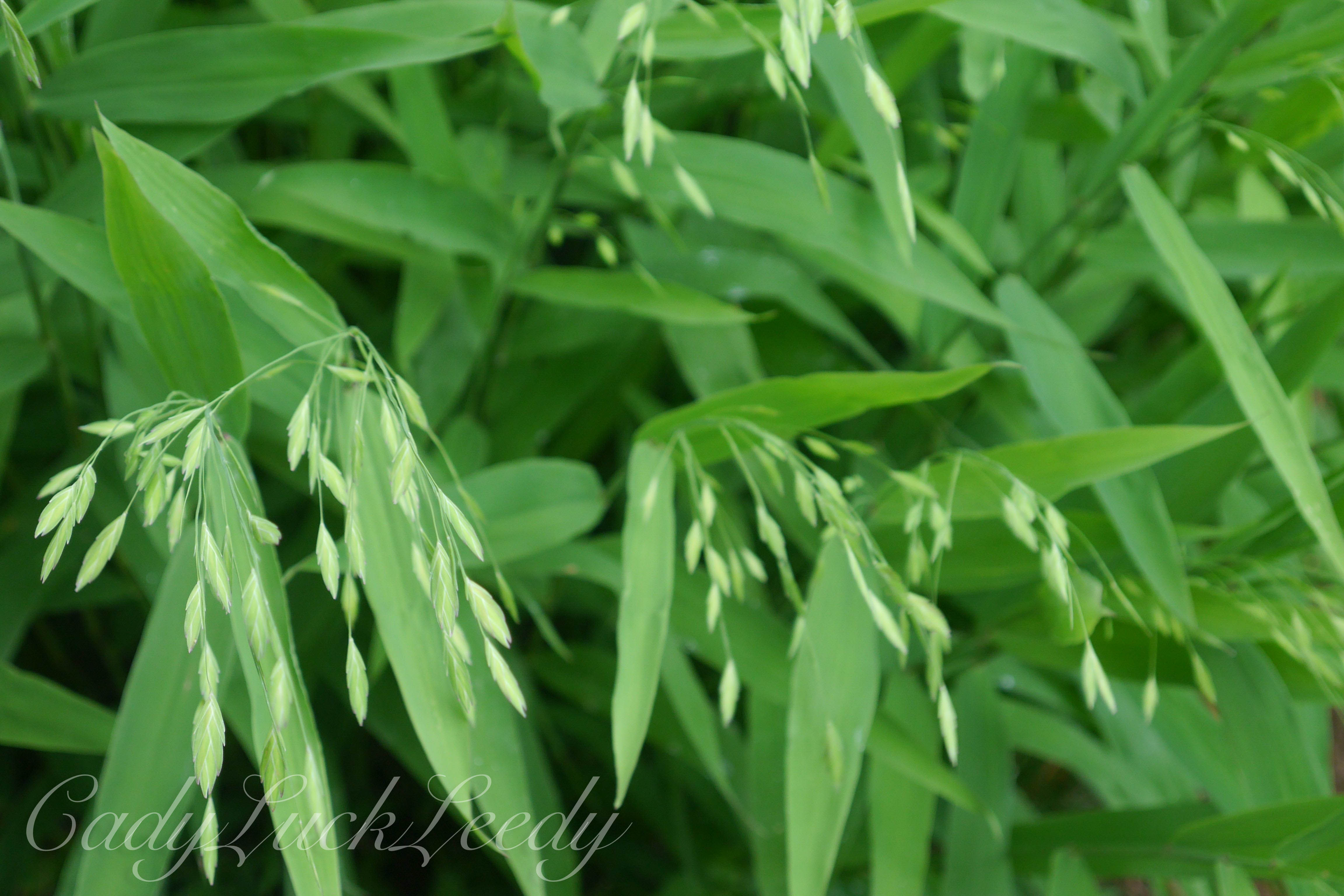
Northern Sea Oats

Northern Sea Oats

Northern Sea Oats

Northern Sea Oats Gone Crazy

Ballon Flowers

Balloon Flowers

Tulip Tree

Tulip Tree

I have been on vacation, in Austria, Italy and Turkey, (the AIT Tour) seeing some of the most beautiful gardens! But, when I returned this was what was up in my garden and some garden spaces around town!  

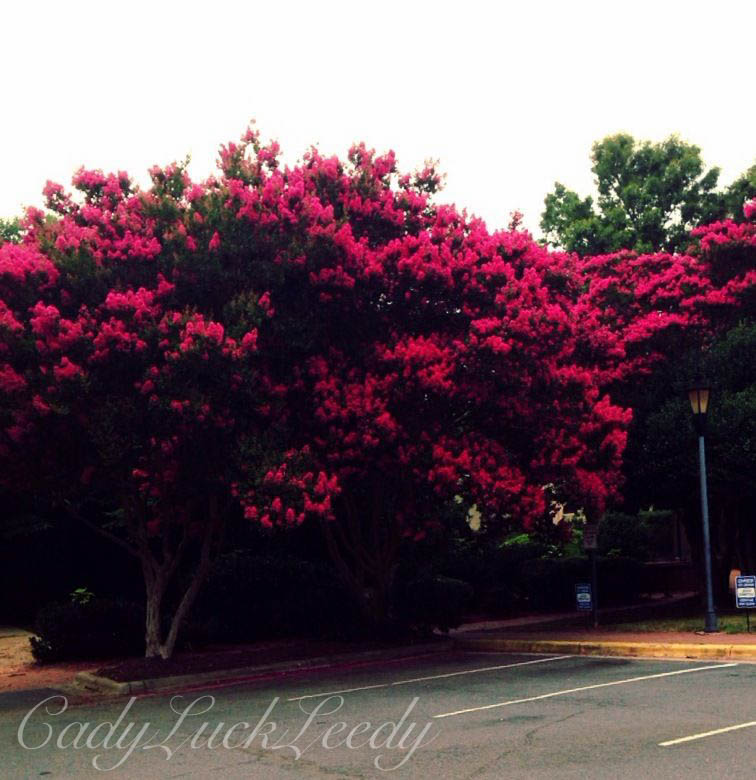
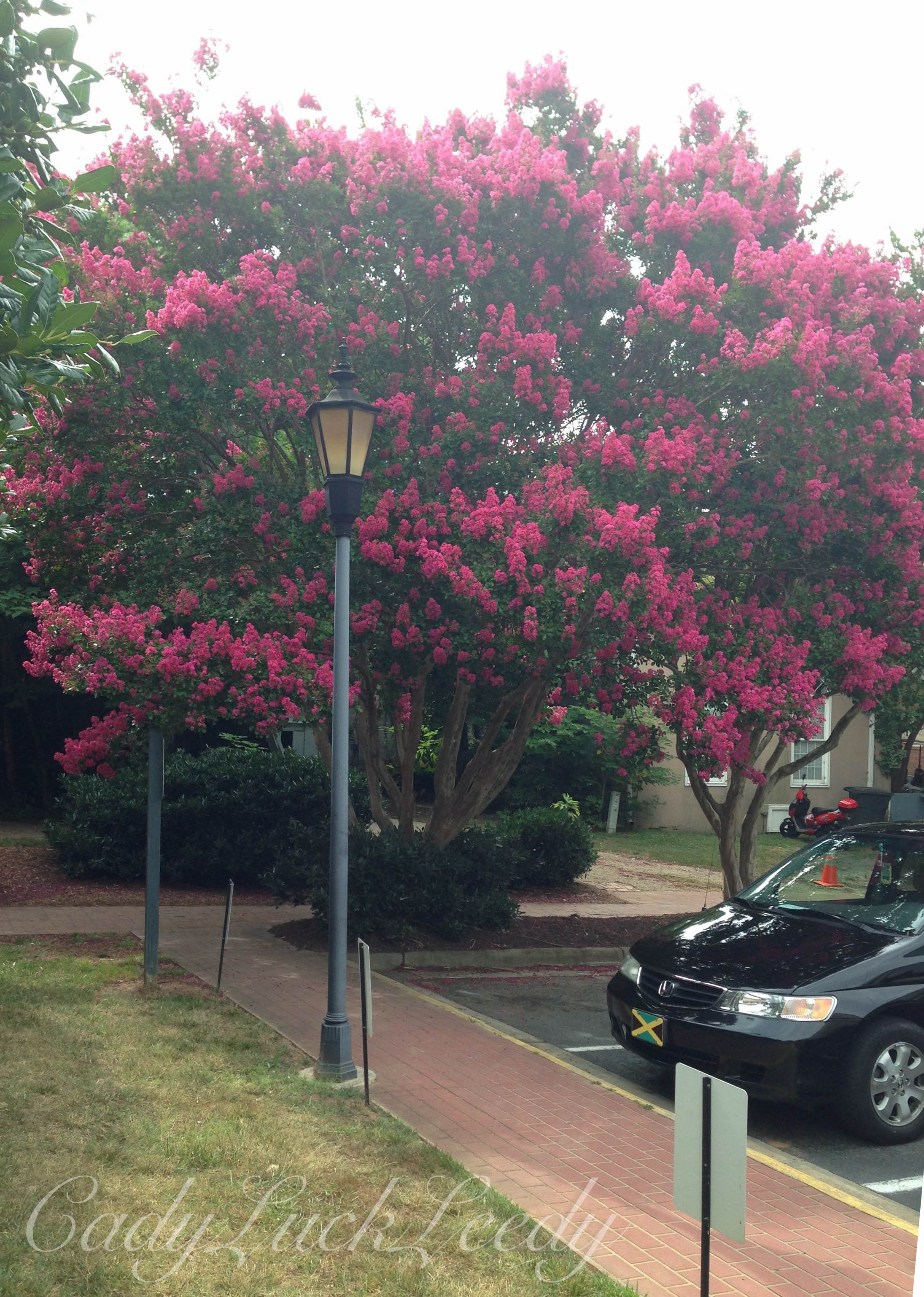
Red Crepe Myrtle

Red Crepe Myrtle

Red Crepe Myrtle

Red Crepe Myrtle

The crepe myrtles are the flowering trees of the South. They come in white, light pink, lavender, dark pink and red. The white ones bloom first at the beginning of July and the red are the last to bloom at the end of the month. Read about the crepe myrtles HERE.

Post Office Garden

Post Office Garden

Stopsignias Atthepostofficie

Stopsignias Atthepostofficiere

The post office got a new garden too! There is also a new flower! For my British friends I believe the official name is Stopsignias Atthepostofficeiere. I refer to it as the Stop Flower. Enjoy!

KunstHaus Wein

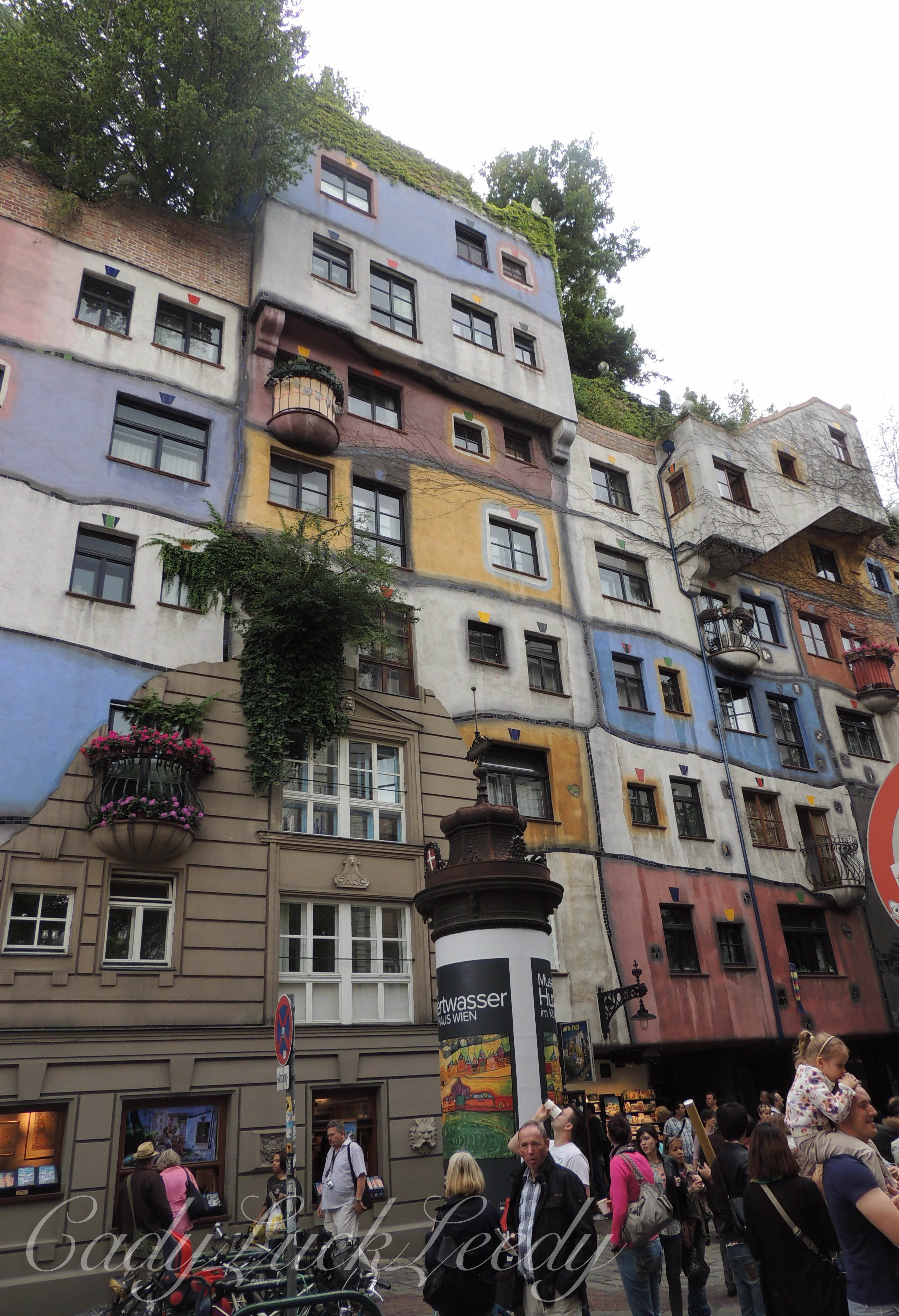
Hundertwasser Haus, Vienna, Austria

Hundertwasser Haus, Vienna, Austria

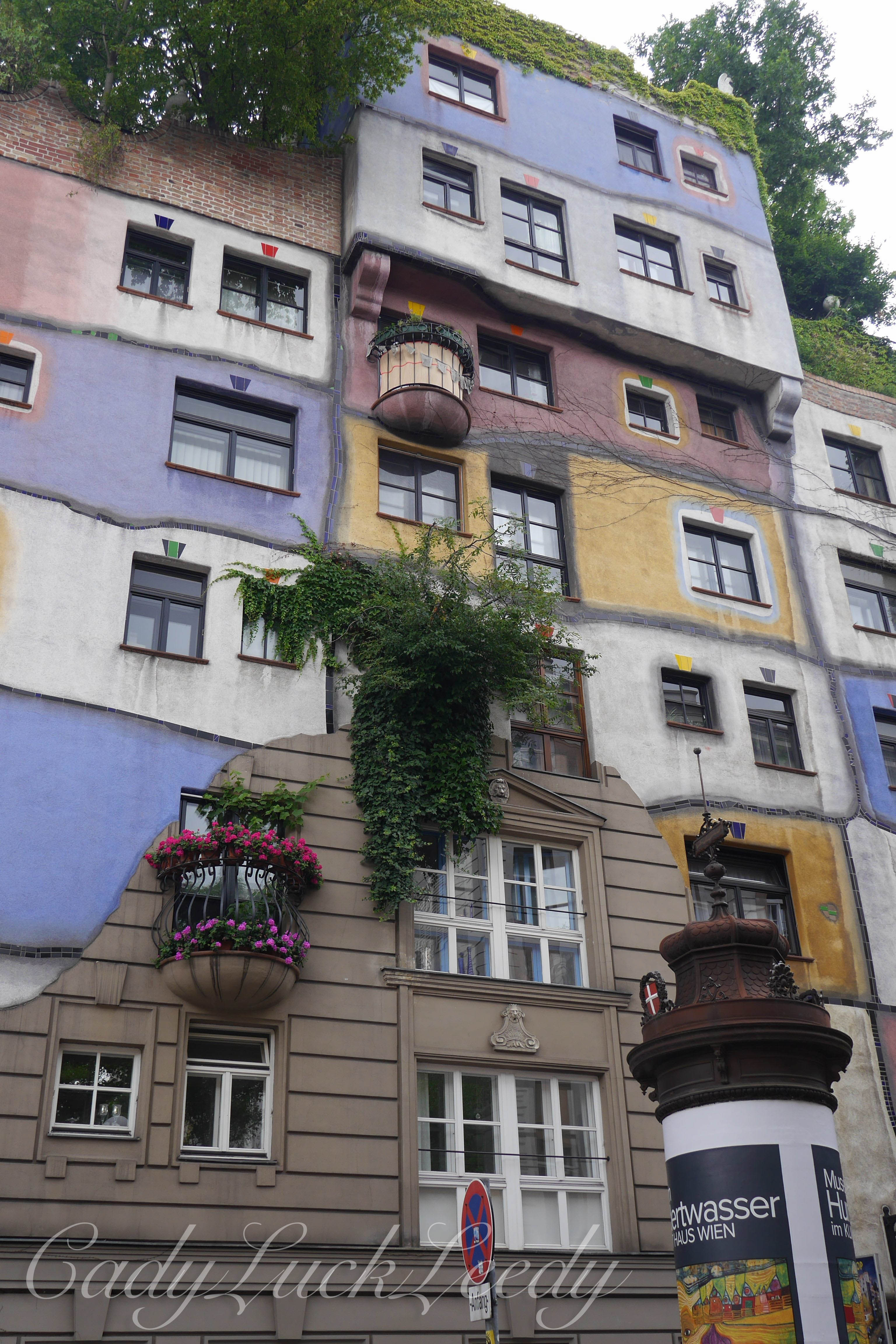
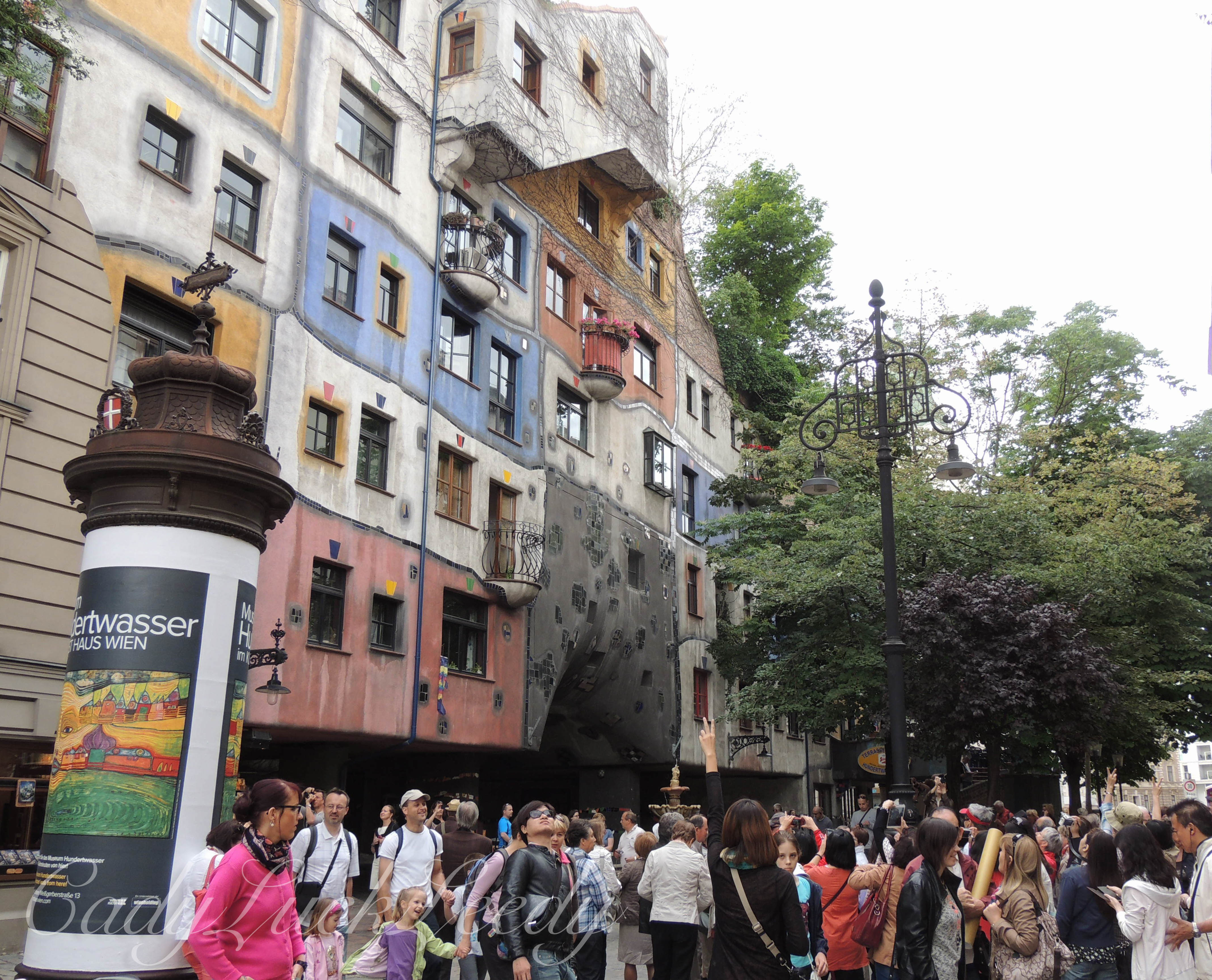
On our travels there is always one place that intrigues me, that I don’t expect. It’s usually off the beaten path and something I stumble upon. It’s what makes traveling such an adventure. On one of our days in Vienna, we decided to take the Red Bus City Tour to another part of the city that we had not ventured to. Mainly, I wanted to rest my feet. I didn’t realize, until later, that there were different tours available, so it was just fate that this bus was there and we climbed aboard, not really knowing where it would be taking us. These are NOT HOP ON – HOP OFF buses. Imagine our surprise as we are moving right along, looking this way and that, when about 20 minutes into the tour, the bus stops and we are told to get off to see something. We are told we will be here for 1/2 hour and the bus will be back.  I am not even sure what we were supposed to be looking at, I didn’t get that part, I was too focused on getting off the bus. We follow the crowd into a small lane filled with shops and cafes. The bus leaves. We walk a long block and come to a square where everyone is looking up and taking pictures of the building. What in the world? There are big trees growing sideways out of an erratic, mosaic-tiled, colorfully and spritely painted, apartment building with flower covered windows of various sizes. No two windows are alike.

The Hundertwasser Lane, Vienna, Austria

The Hundertwasser Lane, Vienna, Austria

Quirky Restaurant in Hundertwasser Neighborhood, Vienna, Austri

Quirky Restaurant in Hundertwasser Neighborhood, Vienna, Austria

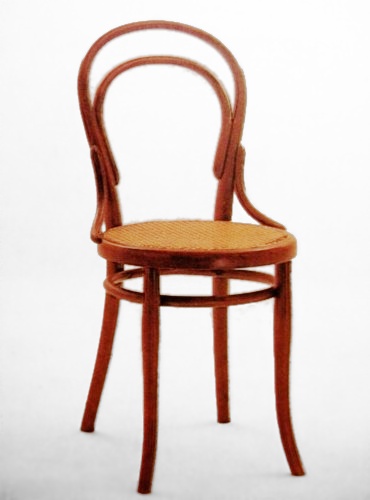
Friedensreich Hundertwasser, (affectionatly called 100 H2O) was a painter/environmentalist  vehemently against concrete block buildings and lifeless streets. He became focused on architecture in the early 1950’s, writing a “Mouldiness Manifesto” and submitted models to a TV show to demonstrate his ideas of forested roofs, “tree tenants” and the “window right” of every tenant to embellish his own window. He also revealed a “high-rise” meadow house. He wanted housing in harmony with nature and man and appealed to the city of Vienna in 1977 to build a housing project based on his ideas. The search for a suitable building took several years and because Hundertwasser was not an architect he asked the city for a professional architect to develop his artistic concepts. Hundertwasser designed a forested tree house and the architect, Joseph Krawina, was found to transpose his architectural drawings into concepts.  Krawina soon believed there was no way this was going to work. Krawina was replaced by Peter Pelikan. Eventually the house was built between 1983 and 1985 in the old Thonet Furniture Factory.  Michael Thonet created the #14 chair, the famous bistro chair, in 1859, in response to a request for a cafe-style chair.

Chair #14

Chair #14

The seat was made of woven cane or palm, allowing the holes to drain spilt liquid from the chair! This chair, now called #214, is still produced today by the Thonet Company. Who knew?

The Hundertwasser Haus, Vienna, Austria

The Hundertwasser Haus, Vienna, Austria

The Hundertwasser Haus, Vienna, Austria

The Hundertwasser Haus, Vienna, Austria

The Hundertwasser Haus Neighborhood, Vienna, Austria

The Hundertwasser Haus Neighborhood, Vienna, Austria

The Hundertwasser Haus Neighborhood, Vienna, Austria

The Hundertwasser Haus Neighborhood, Vienna, Austria

The Hundertwasser Haus Neighborhood, Vienna, Austria

The Hundertwasser Haus Neighborhood, Vienna, Austria

The Hundertwasser Haus Neighborhood, Vienna, Austria

The Hundertwasser Haus Neighborhood, Vienna, Austria

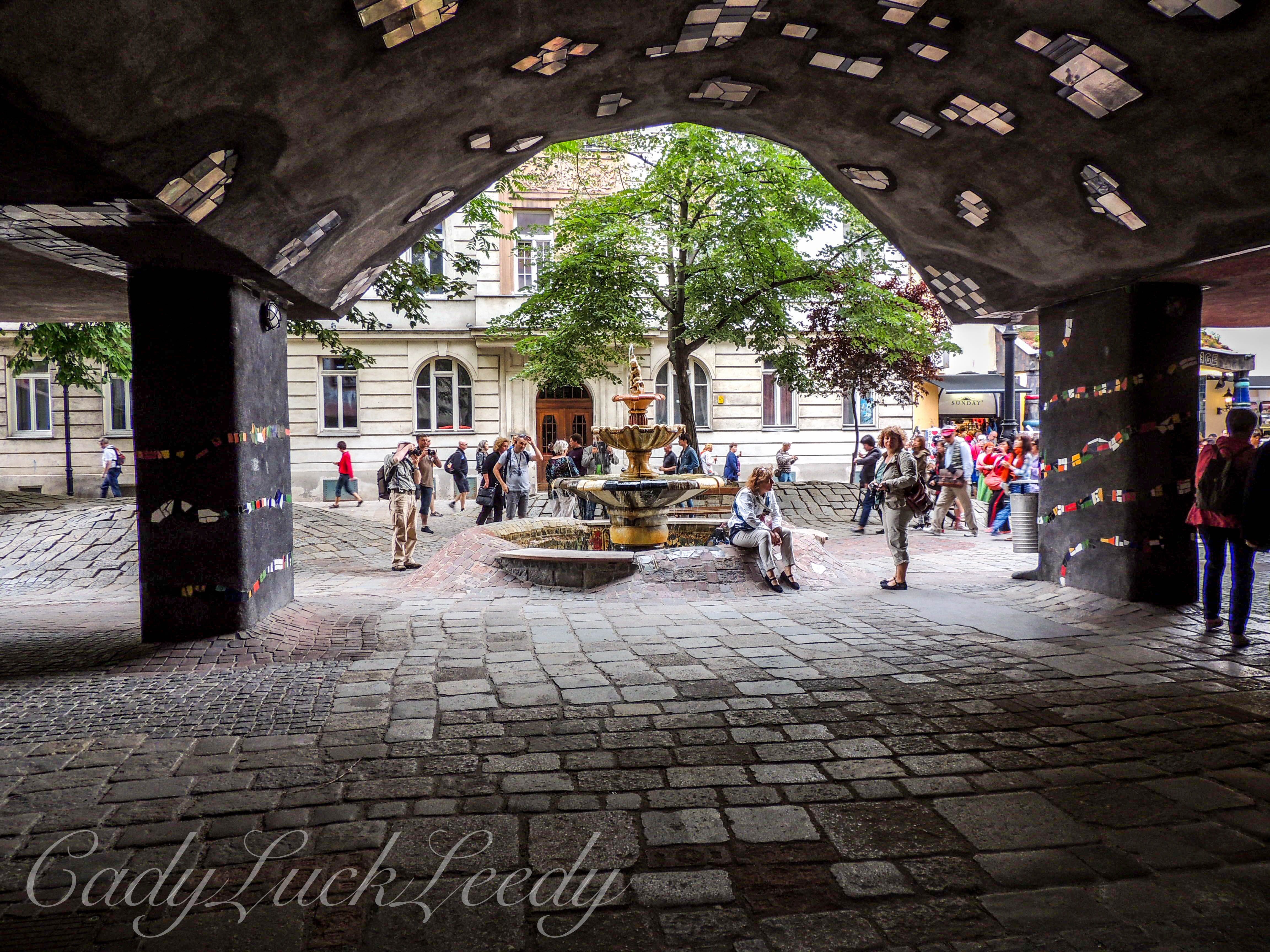
The Ceiling in the Tunnel of the Hundertwasser, Vienna, Austria

The Ceiling in the Tunnel of the Hundertwasser, Vienna, Austria

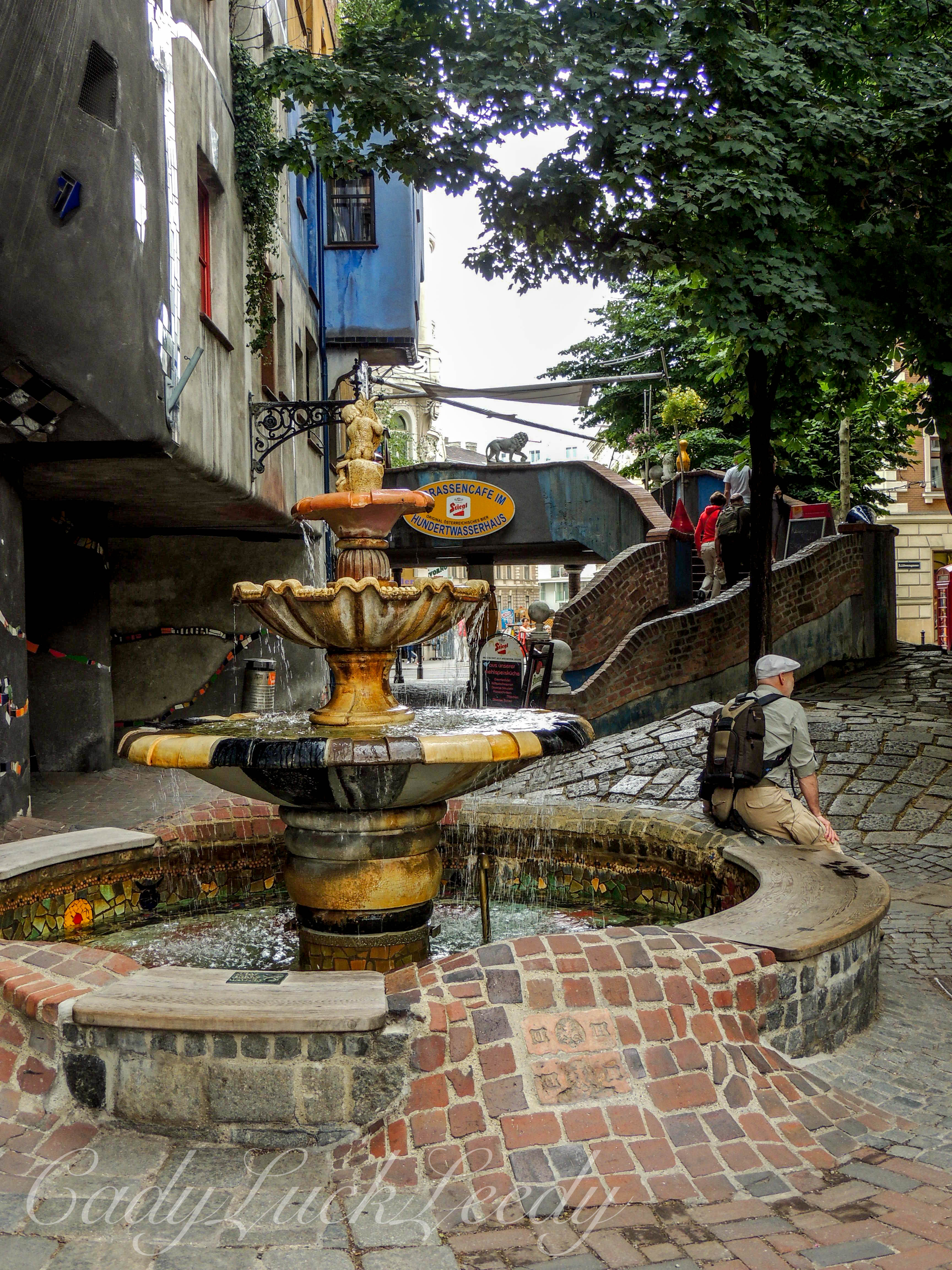
Anyway, back to Hundertwasser’s design, the house was created with wavy floors and lack of straight lines. Bright glaring colors were used. In some areas the painting is shredded, revealing the original facade and foliage is present everywhere. In addition, uneven enameled checkerboard mosaic stones were used on the facade, all carefully arranged on the non-load bearing parts, creating an overall picture that concealed the boundaries between the floors. Floors and sidewalks were irregular “to stimulate the brain.” A winter garden and fountain were created in a nearby outdoor space through a tunnel-roof portico with the same enameled checkerboards and carpeted with wavy bricks and stones. The complex of 50 apartments, subsidized by the government to provide affordable housing, was built to bring a breath of fresh air to a city of boring, grey, blocky apartment complexes.  Eventually all the original residents moved out citing “wobbly furniture and sprained ankles” and “no practical comfort,” but it was a hit with the general public and soon attracted visitors to this quiet neighborhood area. Now the building with no government aid, hosts 52 private apartments, 4 offices, 16 private terraces and three communal terraces, with a total of 250 trees and bushes. It’s one of the most visited spots and has become part of Austria’s cultural heritage in Vienna and was just soooooooo cool! Now back to the bus! Enjoy! 

PS, I later found this advertisement for the KunstHaus. Must be the way to clean the floors! The Red Bus City Tour we were on was Tour #1 , Vienna Short and Juicy! Love it!

KunstHaus Advertisement, Vienna, Austria

KunstHaus Advertisement, Vienna, Austria

Vienna; the Good, the Sad, and the Beautiful

Habsburg Palace

Hofburg Palace, Vienna, Austria

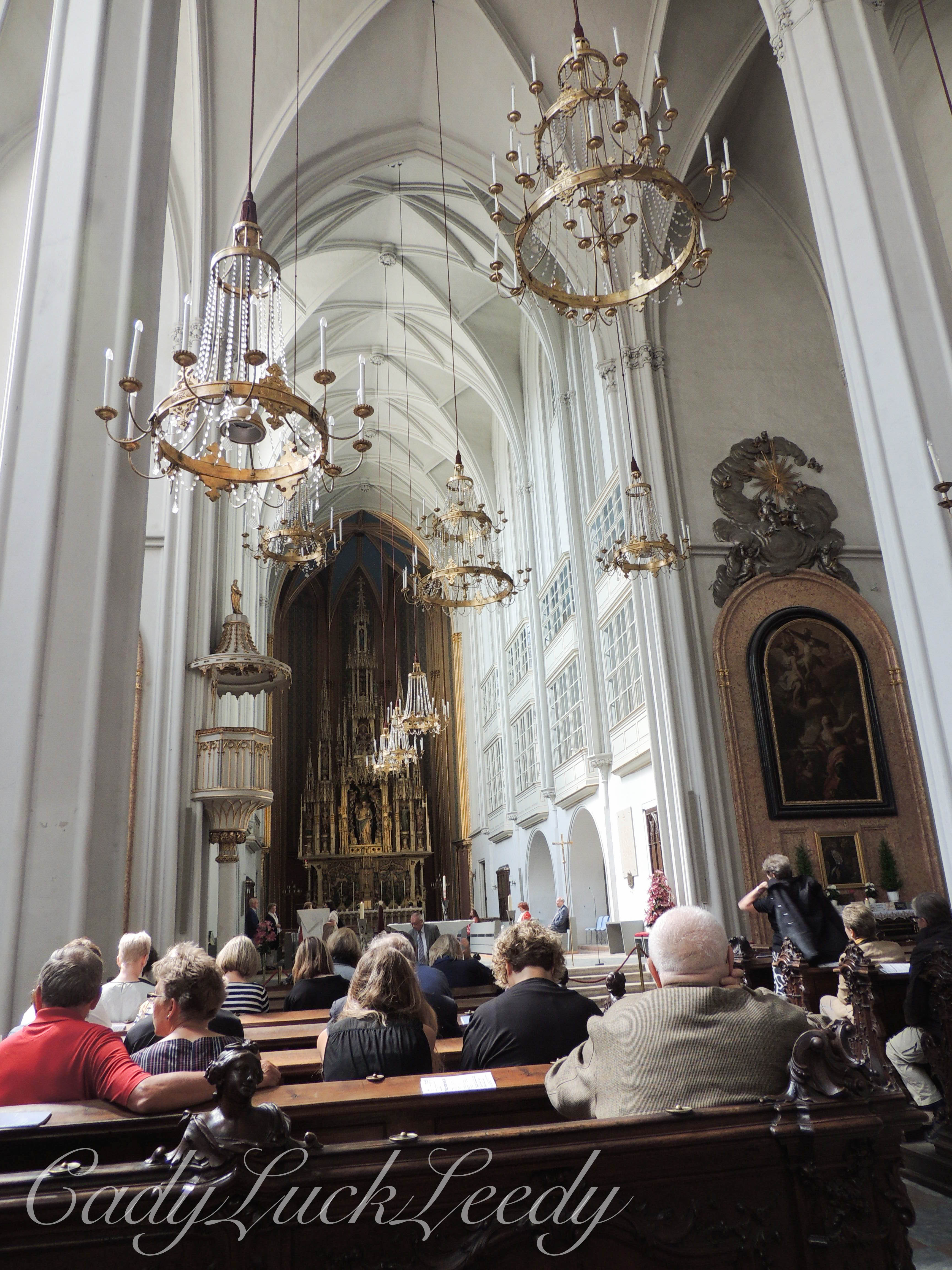
The Good. It is Sunday and we are going to one of the many concerts in Vienna. The choir and full orchestra are presenting a program at 11am High Mass at the Augustinian Church (Augustinerkirche), located  on Josefsplatz. The church was founded in 1327 by Duke Frederick, the Handsome, with a cloister of Augustinian friars. In 1634, it became the parish church of the imperial church  and is now part of the vast Hofburg Palace complex. Here the Habsburg’s wedding of the Archduchess Maria Theresa in 1736 to Duke Francis of Lorraine, the wedding of Archduchess Marie Louise in 1810 to Emperor Napoleon Bonaparte of France, and the wedding of Emperor Franz Josef in 1854 to Duchess Elisabeth (Sisi) of Bavaria, took place. The church looks unremarkable from the outside, but the Gothic interior is exquisite. We get there early to get a good seat in one of the pews up front. Soon it is standing room only. Let the music and Mass begin!

Augustinian Church, Vienna, Austria
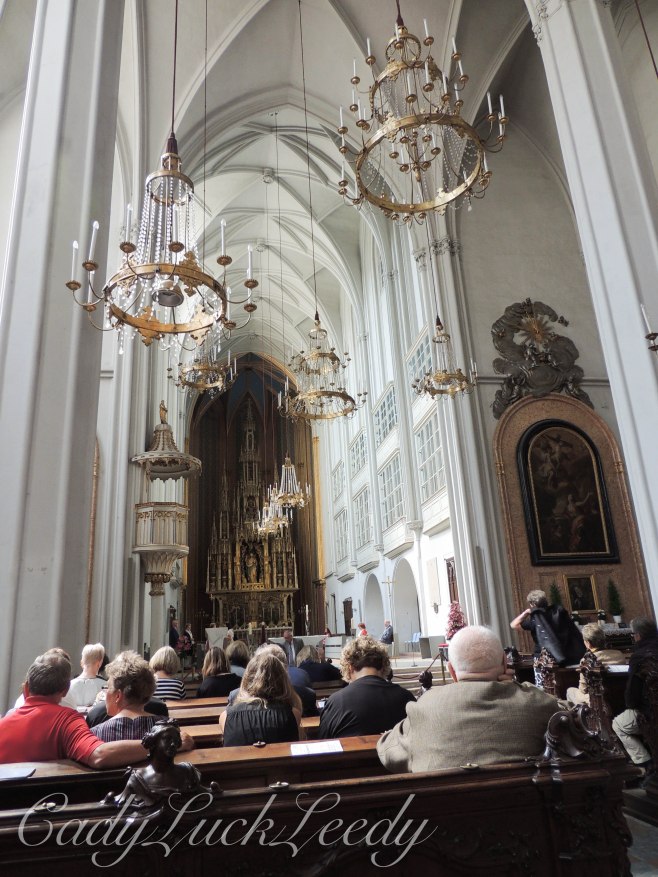
Augustinian Church, Vienna, Austria

Augustinian Church, Vienna, Austria

Augustinian Church, Vienna, Austria

Augustinian Church, Vienna, Austria

Augustinian Church, Vienna, Austria

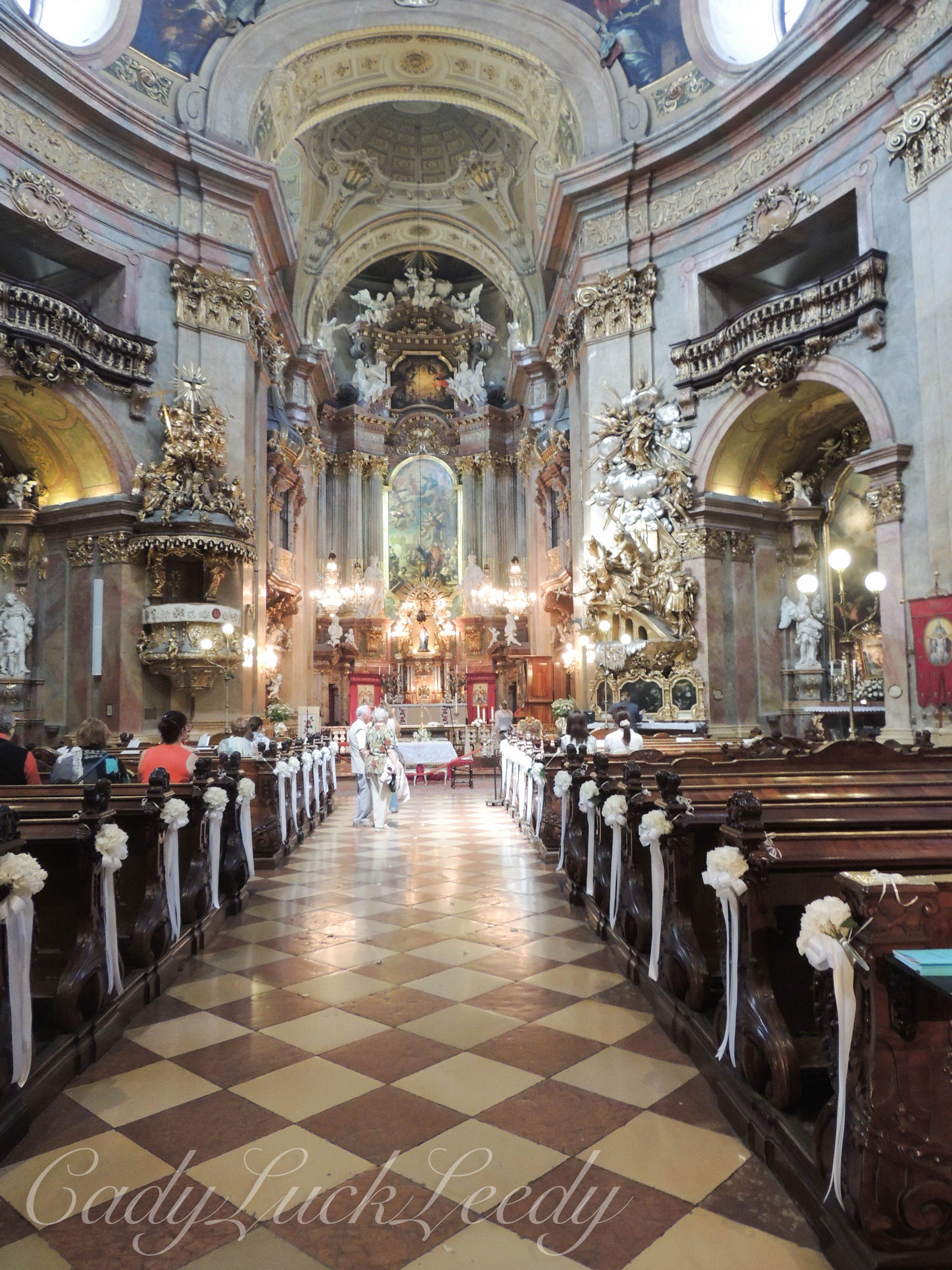
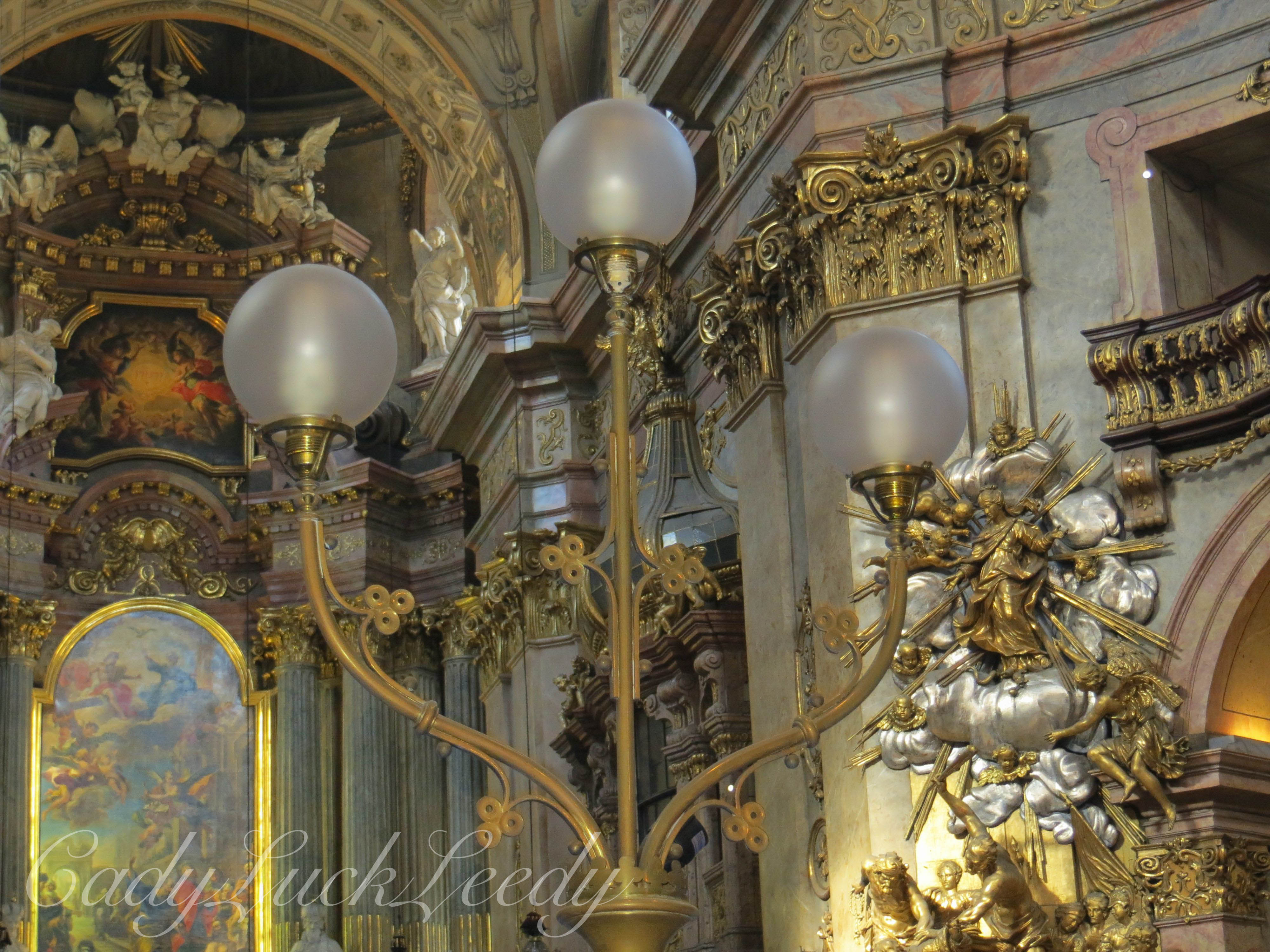
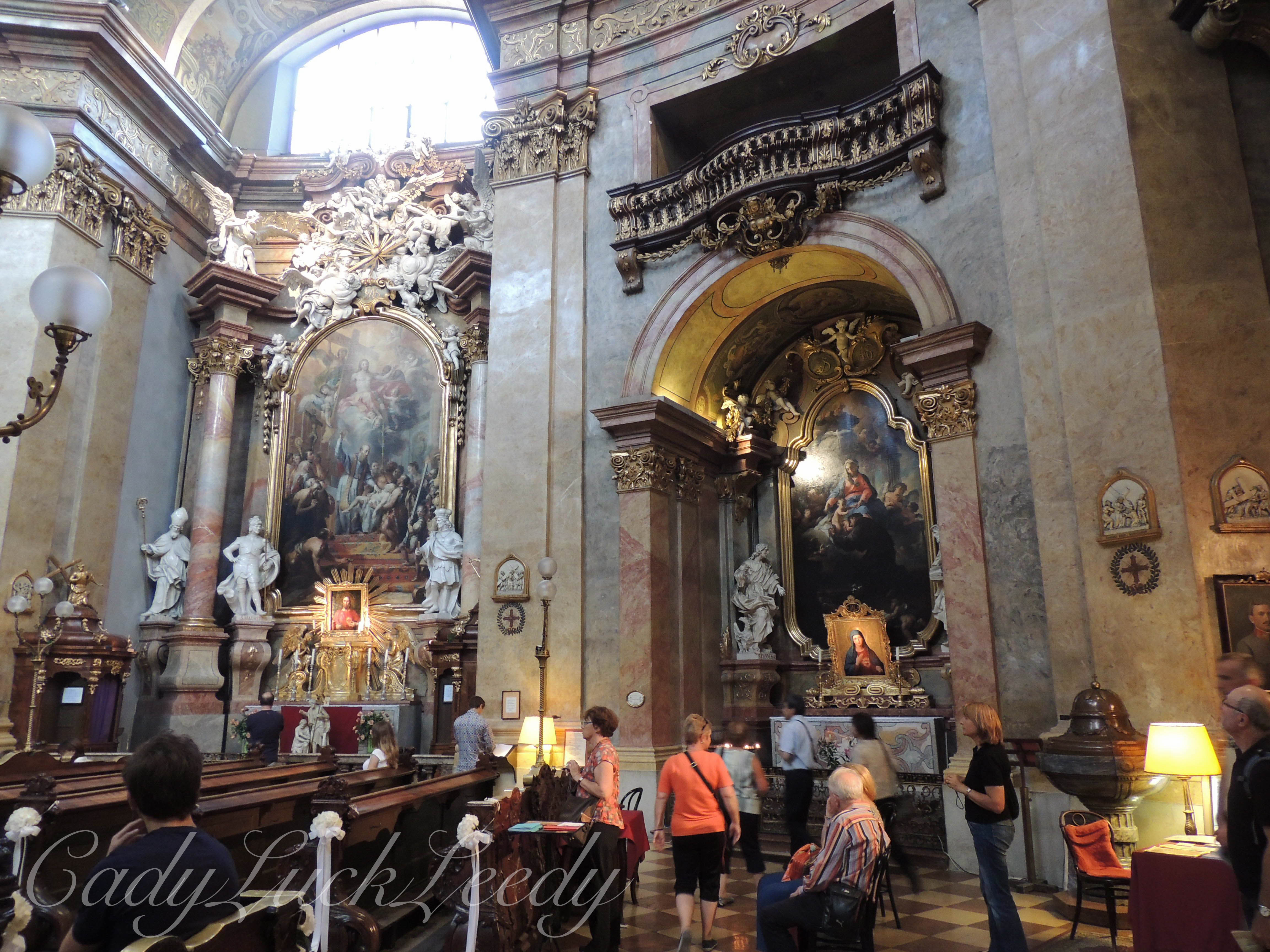
The Best. Coming out of Mass we walk over to St Peters Church. (Peterskirche) This church site dates back to the Middle Ages and was built on the site of the Roman encampment in the Graben. In 1661 the church burned down and a new church was built when Leopold I took a vow to rebuild this church when Vienna was ravaged by the plague in 1679. This church was the first domed structure in baroque Vienna and fashioned after St Peter’s Basilica in Rome.  Situated in a very compact space, closed in between the modern Vienna,  once inside, the interior is rich with gold stucco. Today we are there as a wedding couple are exiting the church and we observe the church decorated beautifully for the wedding!

 St Peter's Church, Vienna, Austria

St Peter’s Church, Vienna, Austria
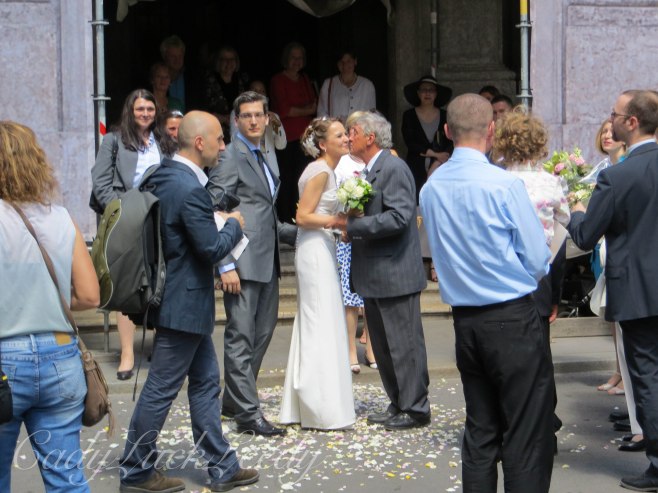
 St Peter's Church, Vienna, Austria

St Peter’s Church, Vienna, Austria

The Wedding Couple, St Peter's Church, Vienna, Austria

The Wedding Couple, St Peter’s Church, Vienna, Austria
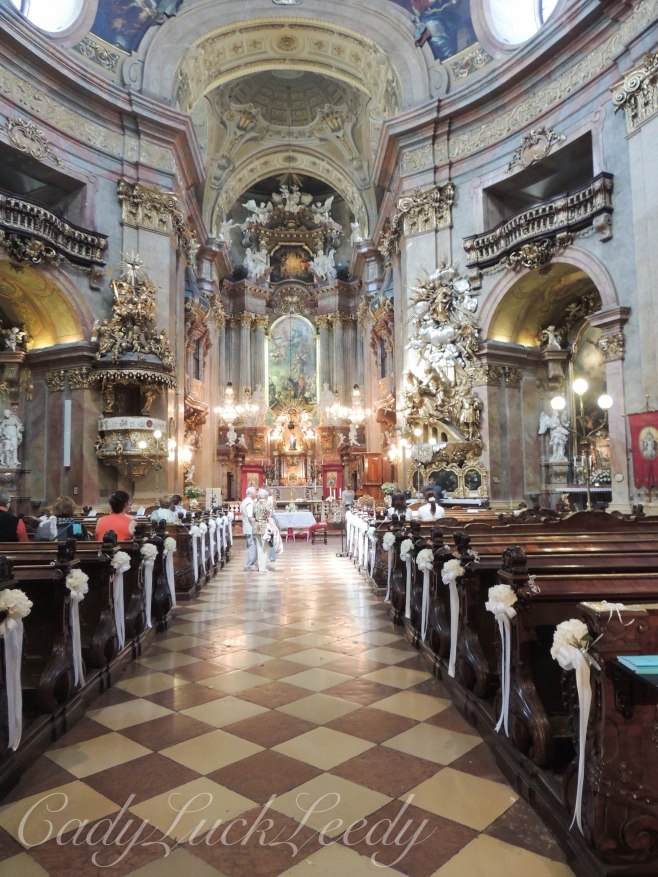
 St Peter's Church, Vienna, Austria

St Peter’s Church, Vienna, Austria
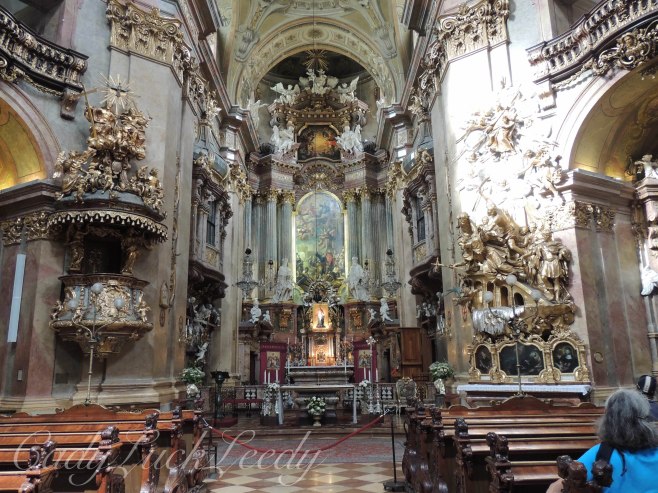
 St Peter's Church, Vienna, Austria

St Peter’s Church, Vienna, Austria

 St Peter's Church, Vienna, Austria

St Peter’s Church, Vienna, Austria

 St Peter's Church, Vienna, Austria

St Peter’s Church, Vienna, Austria

 St Peter's Church, Vienna, Austria

St Peter’s Church, Vienna, Austria

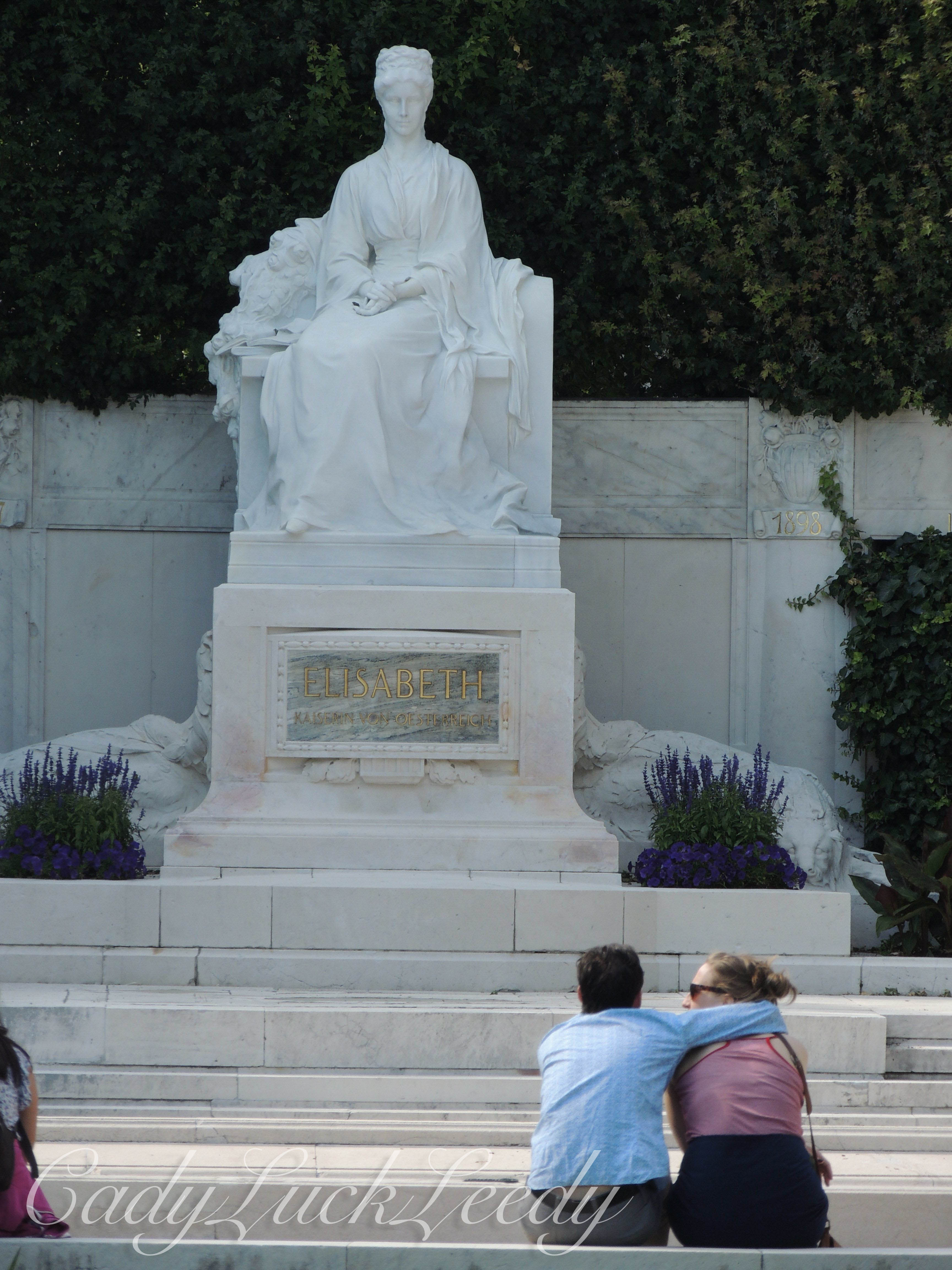
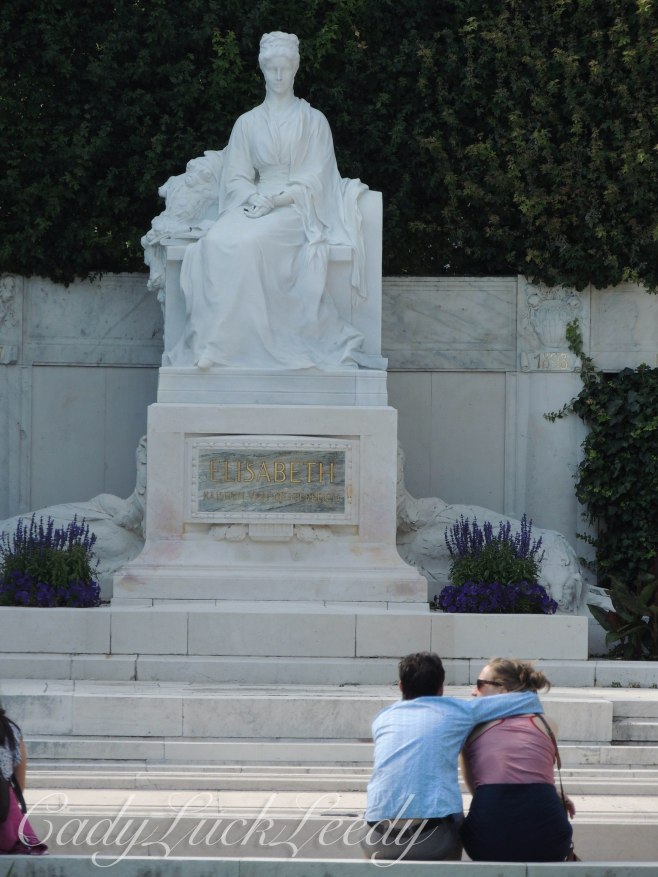
The Sad. Next, let’s see how Emperor Franz Josef and Sisi  lived in the Imperial Apartments at the Hofburg Palace. Going up a large marble staircase, turning and going up another set of steps we reach the royal floor and the Sisi Museum. Now, this is my short rendition of Sisi’s life. Franz Josef at twenty three, was engaged to Sisi’s sister, Helene, in a diplomatic marriage.  However, once he saw Sisi, age sixteen, all bets were off and he defied his domineering mother and married Duchess Elisabeth (Sisi). Within ten months, Sisi gave birth to their first child, Sophie. Franz Josef’s  demanding mother didn’t think Sisi was old enough or smart enough to handle royal life, so she took over everything that concerned Sisi; the children, and the royal household affairs.  That included naming the couple’s first born after herself, Sophie, and taking the child away from Sisi,  a decision that continued for all the children to follow. Sisi, bored with her non-existent life, except that of brooder, became obsessed about her weight and followed a rigorous workout regime, putting a workout room in her private apartments. Fixated on her appearance, after her ritual cold bath in the morning, she spent three hours daily having her ankle length hair washed, combed and braided. Every evening there was an oil bath and a slab of veal was placed on her face to prevent wrinkles. At five foot eight and 100 pounds she wore a leather fitted corset to keep her waist at sixteen inches and after four children her waist never exceeded nineteen and one half inches. Her weight at times would drop to 95 pounds after fasting  for days.  Truly her looks must have been the only thing she felt she had control of.  After ten years of marriage and four children, Sisi chose to spend very little time in Vienna, frequently visiting Hungary. After the age of thirty she refused to sit for her portrait and have any pictures taken of her. She never smiled because she hated her teeth.

Tragedy struck 1889, with the death of Sisi’s only son, Rudolf, the Crown Prince of Austria, and his mistress, in a murder-suicide pact at a hunting lodge at Mayerling. Sisi withdrew further from court duties and traveled widely, unaccompanied by her family. While traveling in 1898 she was stabbed to death by an Italian anarchist, who had missed his chance to assassinate another royal family member, Prince Phillippe, Duke of Orleans. Sisi had served as the longest princess-consort of Austria, at 44 years. Next in line of succession after Rudolf was Archduke Karl Ludwig, Franz Josef’s younger brother. However, a few days after Rudolf’s death Karl Ludwig renounced his succession rights to his oldest son, Archduke Franz Ferdinand, who became heir presumptive. Franz Ferdinand’s assassination in 1914 sparked WWI. What a mess of lives all that turned out to be!

Imperial Apartments, Hofsburg Palace, Vienna, Austria

Imperial Apartments, Hofburg Palace, Vienna, Austria

Imperial Apartments, Hofsburg Palace, Vienna, Austria

Imperial Apartments, Hofburg Palace, Vienna, Austria
Imperial Apartments, Hofsburg Palace, Vienna, Austria

Imperial Apartments, Hofburg Palace, Vienna, Austria

The Horse and Buggies, Vienna, Austria

The Horse and Buggies, Vienna, Austria

The Horse and Buggies, Vienna, Austria

The Horse and Buggies, Vienna, Austria


The Horse and Buggies, Vienna, Austria

The Horse and Buggies, Vienna, Austria

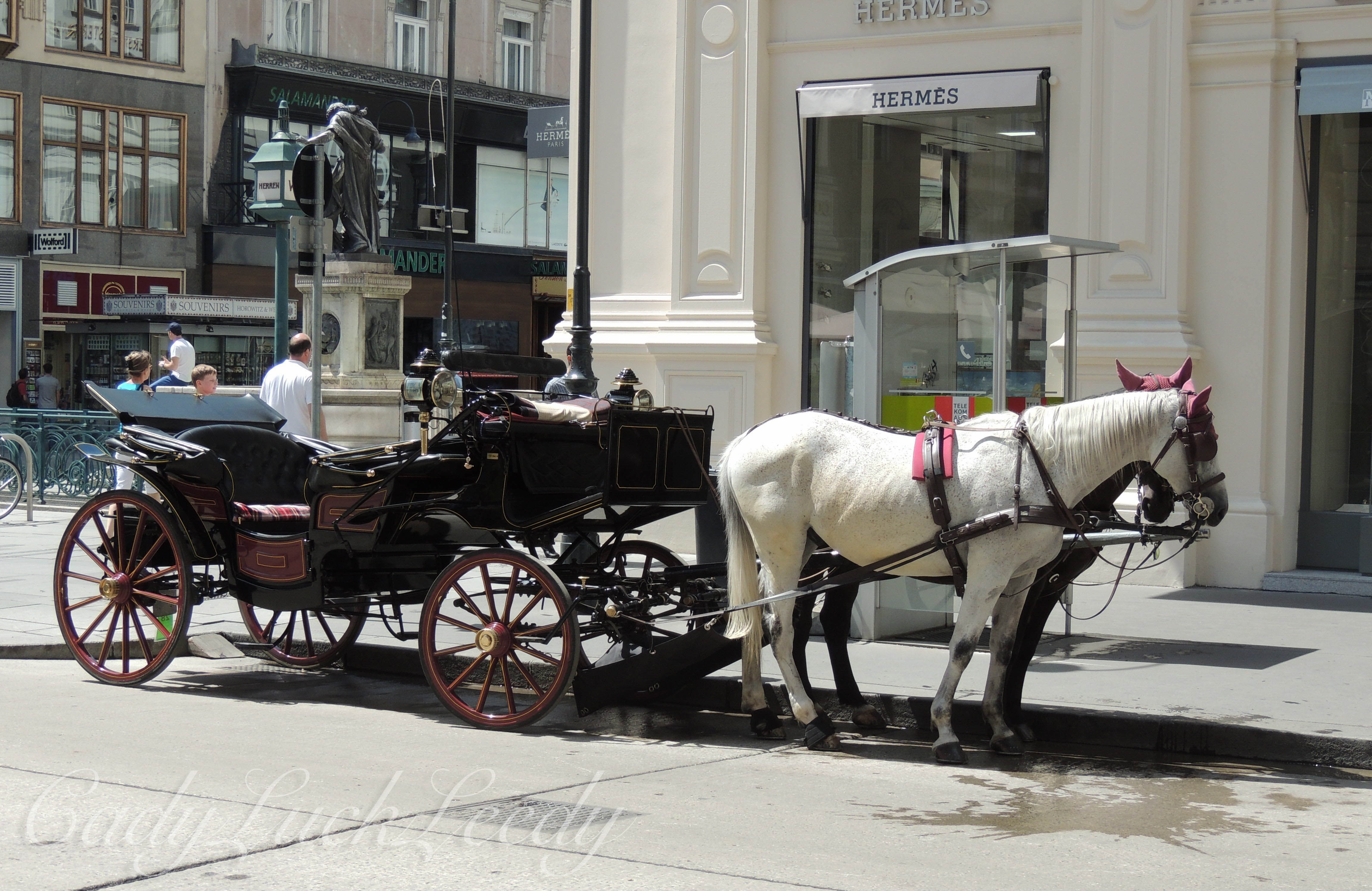
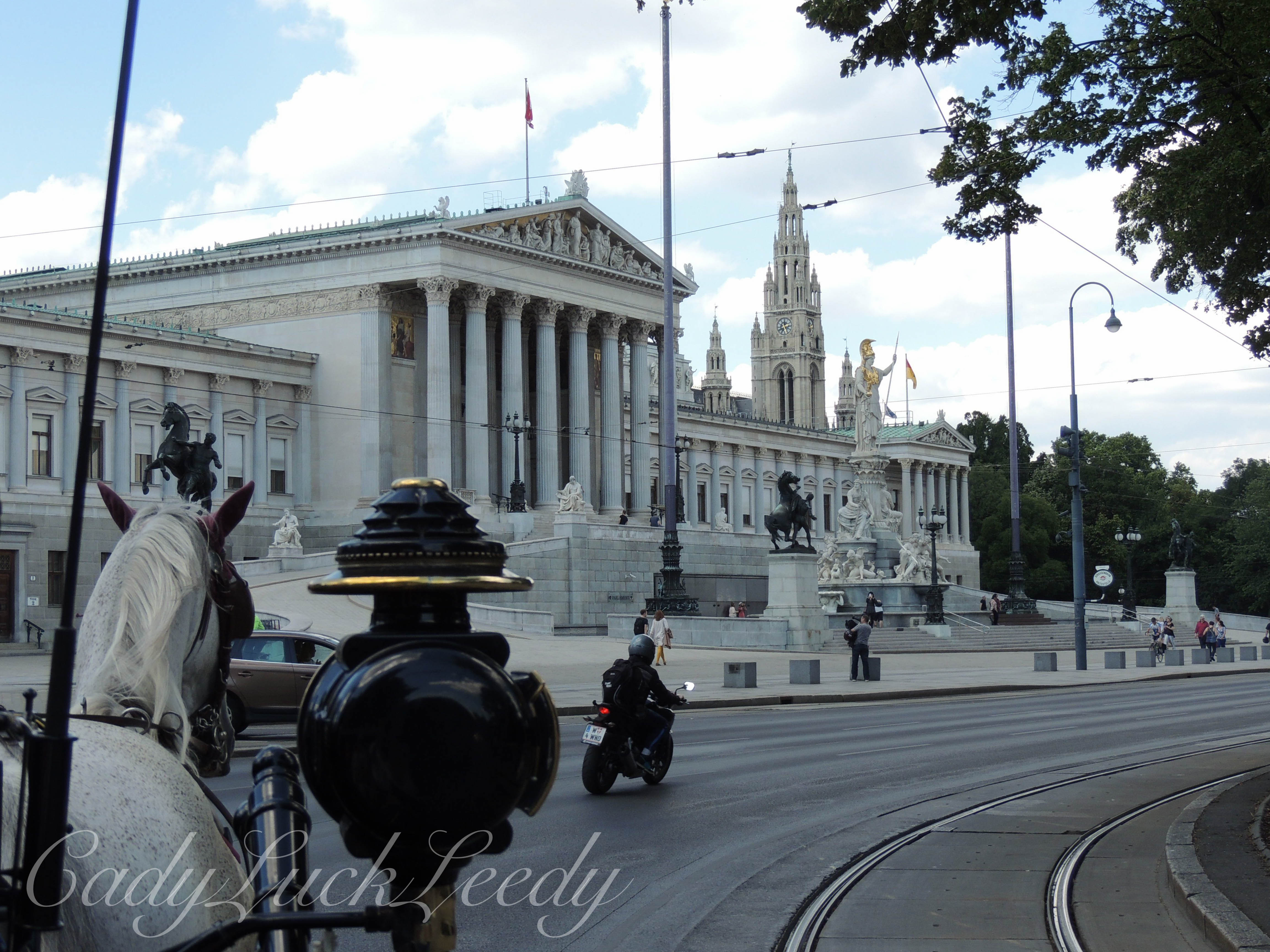
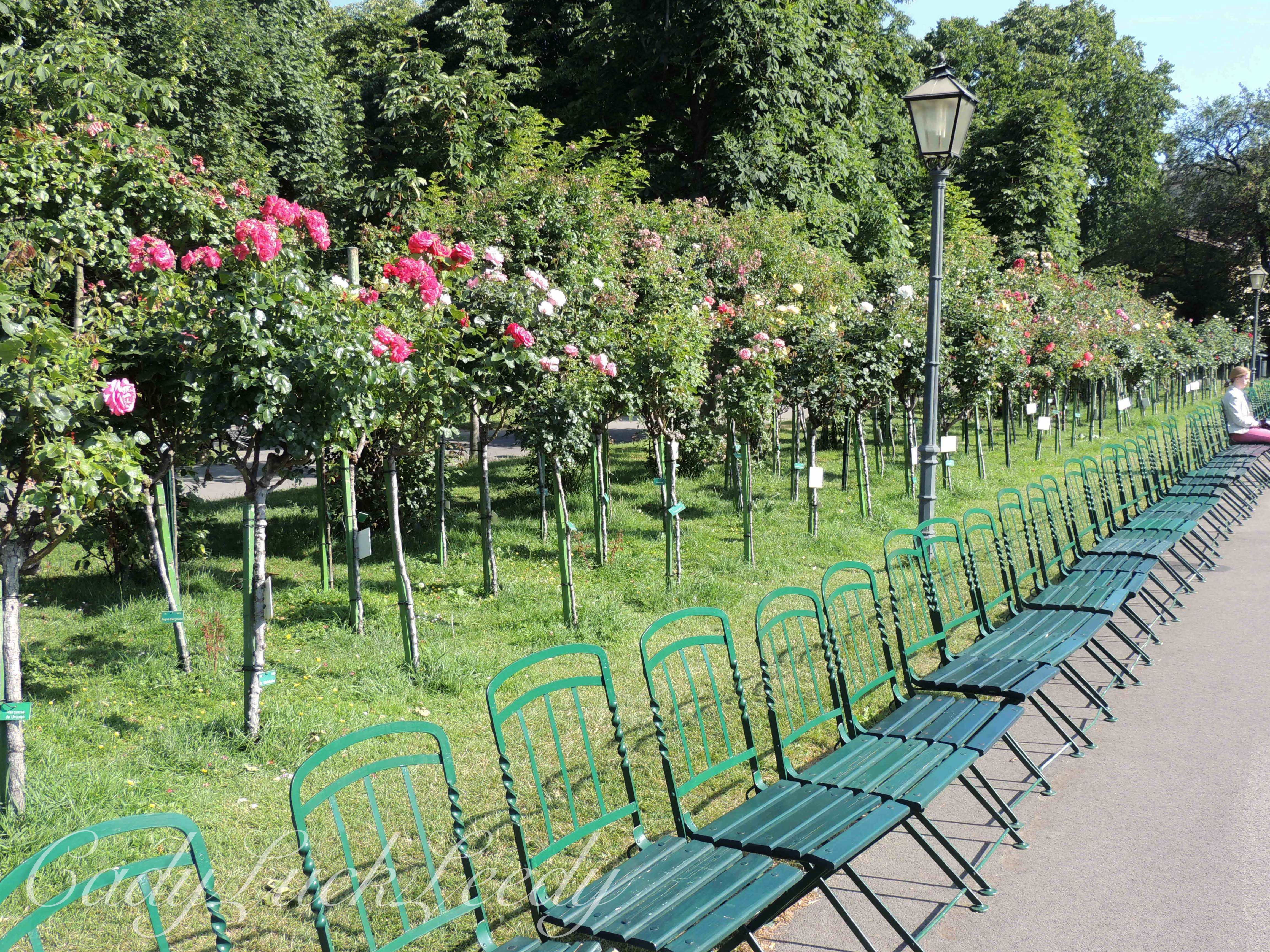
Taking a break from all the sadness at the Hofburg Castle we pass the horse and carriage stands and decide to take a ride around the city and see what else is inside the Ringstrasse. I love the look of  Volksgarten Park and make my way to the benches and find the BEAUTIFUL!

BENCHES! Volksgarten, Vienna, Austria

SEATS! Volksgarten, Vienna, Austria

 Volksgarten, Vienna, Austria

Volksgarten, Vienna, Austria

Volksgarten, Vienna, Austria

Volksgarten, Vienna, Austria

Volksgarten, Vienna, Austria
Volksgarten, Vienna, Austria

Volksgarten, Vienna, Austria
Volksgarten, Vienna, Austria

Volksgarten, Vienna, Austria
Volksgarten, Vienna, Austria

Volksgarten, Vienna, Austria

Volksgarten, Vienna, Austria

Volksgarten, Vienna, Austria

Volksgarten, Vienna, Austria

Volksgarten, Vienna, Austria

Volksgarten, Vienna, Austria

Volksgarten, Vienna, Austria

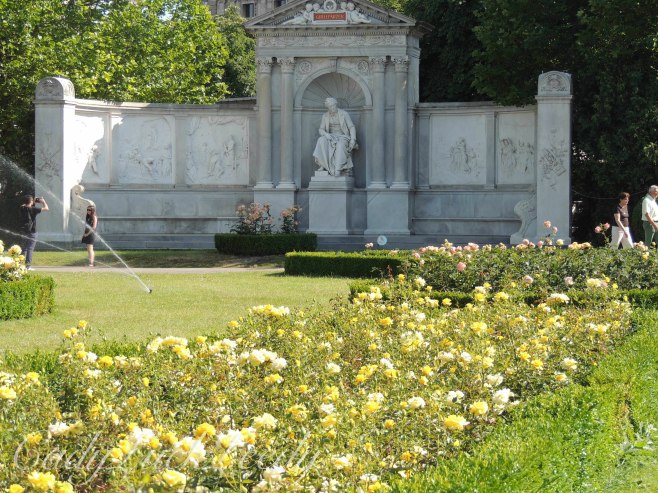
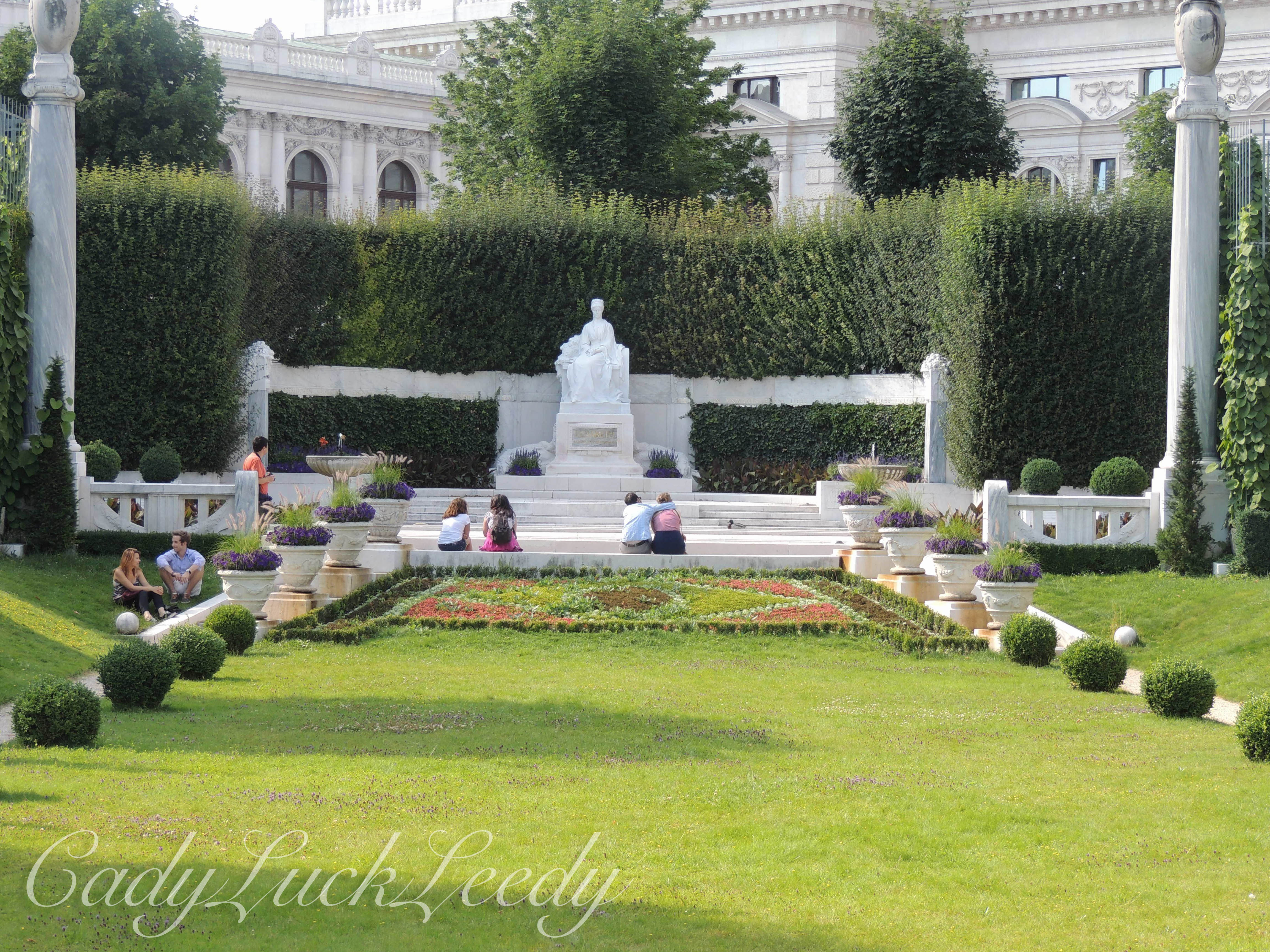
Sisi Monument, Volksgarten, Vienna, Austria

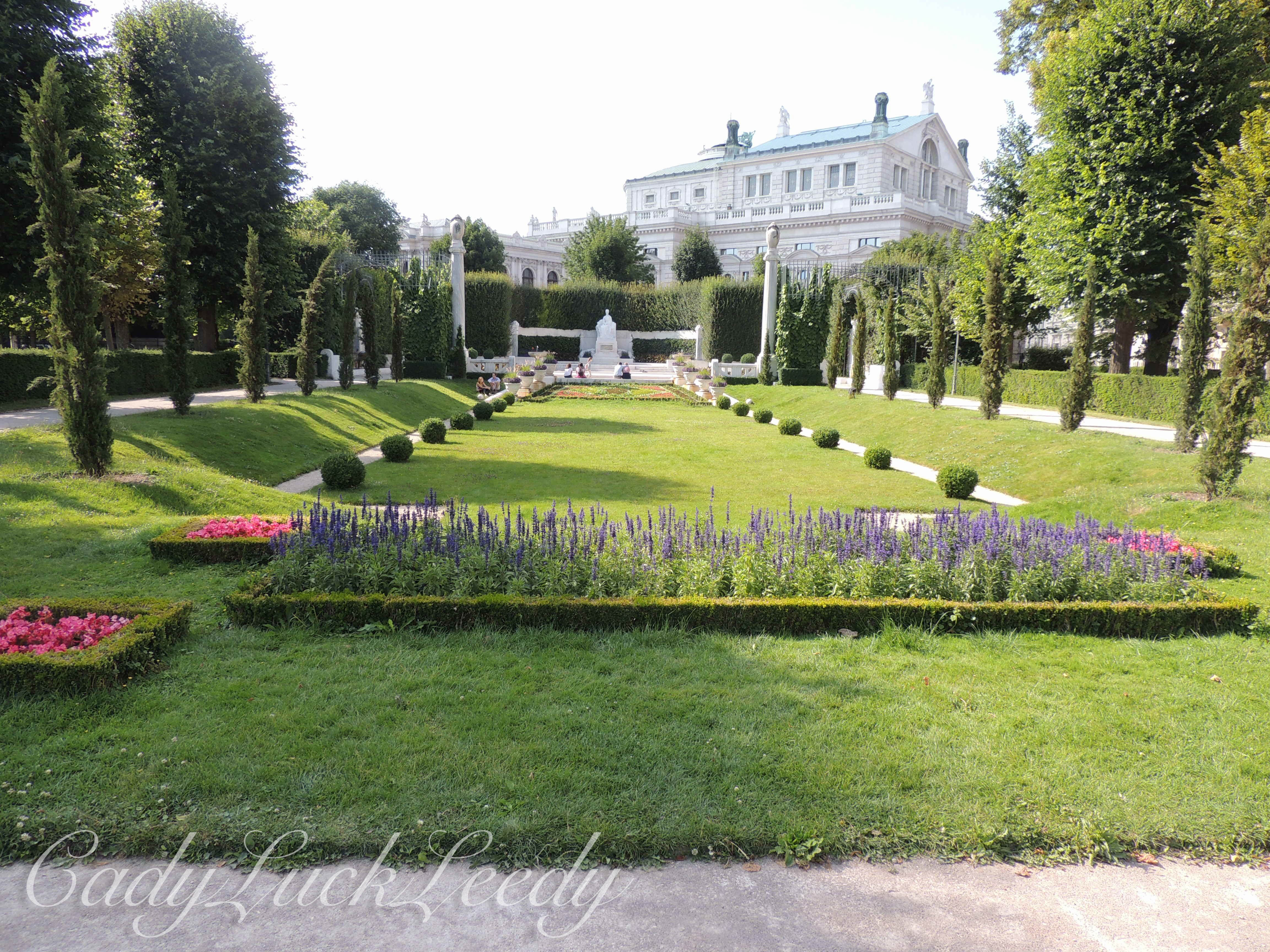
Volksgarten, Vienna, Austria

Sisi Monument, Volksgarten, Vienna, Austria
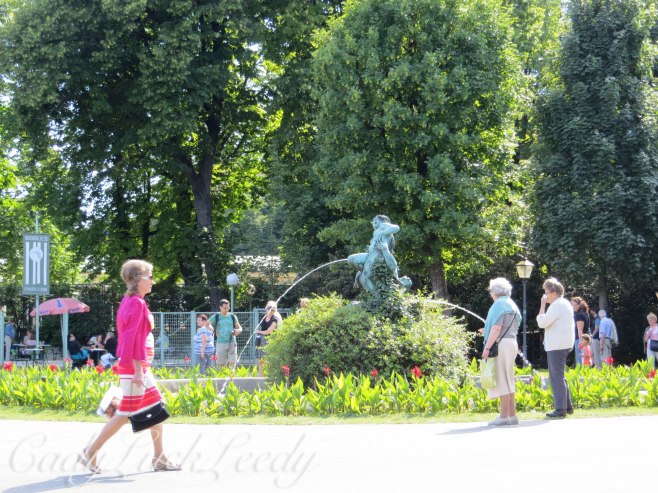
Volksgarten, Vienna, Austria

Volksgarten, Vienna, Austria

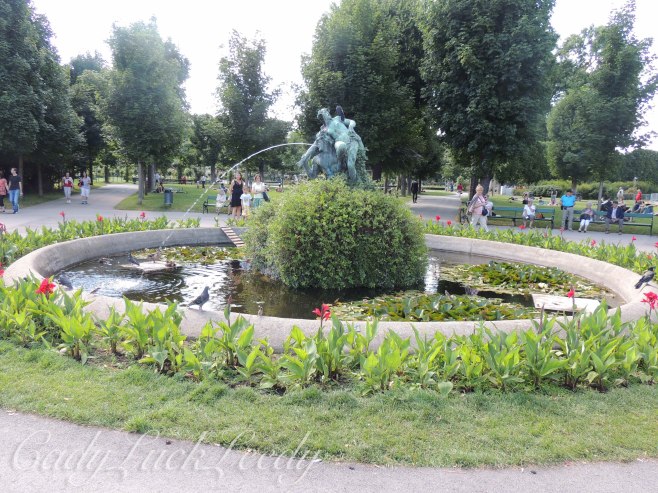
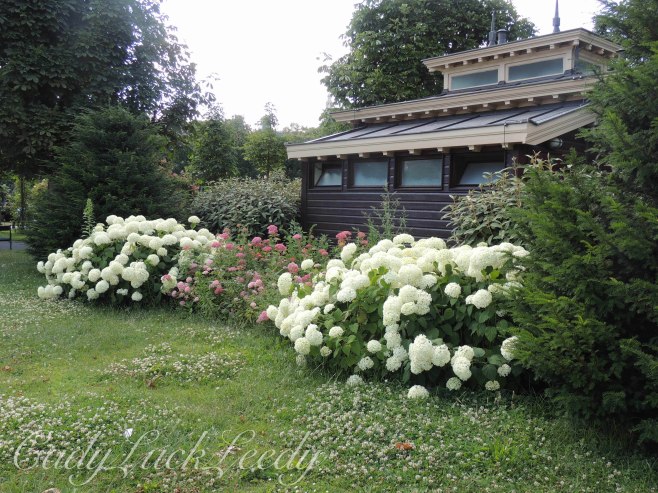
Here the children chase the pigeons, the women talk and try to keep up with the children, and the men read their newspapers while enjoying a fine summer day. The flowers are in bloom and the fountains are overflowing.  What contrast, what beauty! Enjoy!

One Word for Vienna: Spotless

Volksgarten, Vienna, Austria

Volksgarten, Vienna, Austria


The Streets of Vienna, Austria

The Streets of Vienna, Austria

Walking around Vienna the first thing that I don’t see is trash, graffiti, cigarette stubs (although smoking in public places and restaurants is still allowed here), newspapers blowing around, signposts covered in a bazillion stickers, dog poop, or people begging on the streets. Vienna is spotless. The city is huge, there are tourists EVERYWHERE, and the city is spotless. Vienna does have large well maintained green areas, beautiful gardens and fountains, benches everywhere to rest, working elevators at public buildings, the metro, train station, and on the main thoroughfare sidewalks there  are raised patches of rippled walkway to guide the seeing impaired. What is there not to like?  

Pedestrian Strips, Vienna, Austria

Pedestrian Strips, Vienna, Austria

The Streets of Vienna, Austria

The Streets of Vienna, Austria

The Streets of Vienna, Austria

The Streets of Vienna, Austria

The Streets of Vienna, Austria

The Streets of Vienna, Austria

The Streets of Vienna, Austria

The Streets of Vienna, Austria

The Streets of Vienna, Austria

The Streets of Vienna, Austria

The Streets of Vienna, Austria

The Streets of Vienna, Austria

The Streets of Vienna, Austria

The Streets of Vienna, Austria

The Streets of Vienna, Austria

The Streets of Vienna, Austria

The Streets of Vienna, Austria

The Streets of Vienna, Austria

The Streets of Vienna, Austria

The Streets of Vienna, Austria

The Streets of Vienna, Austria

The Streets of Vienna, Austria

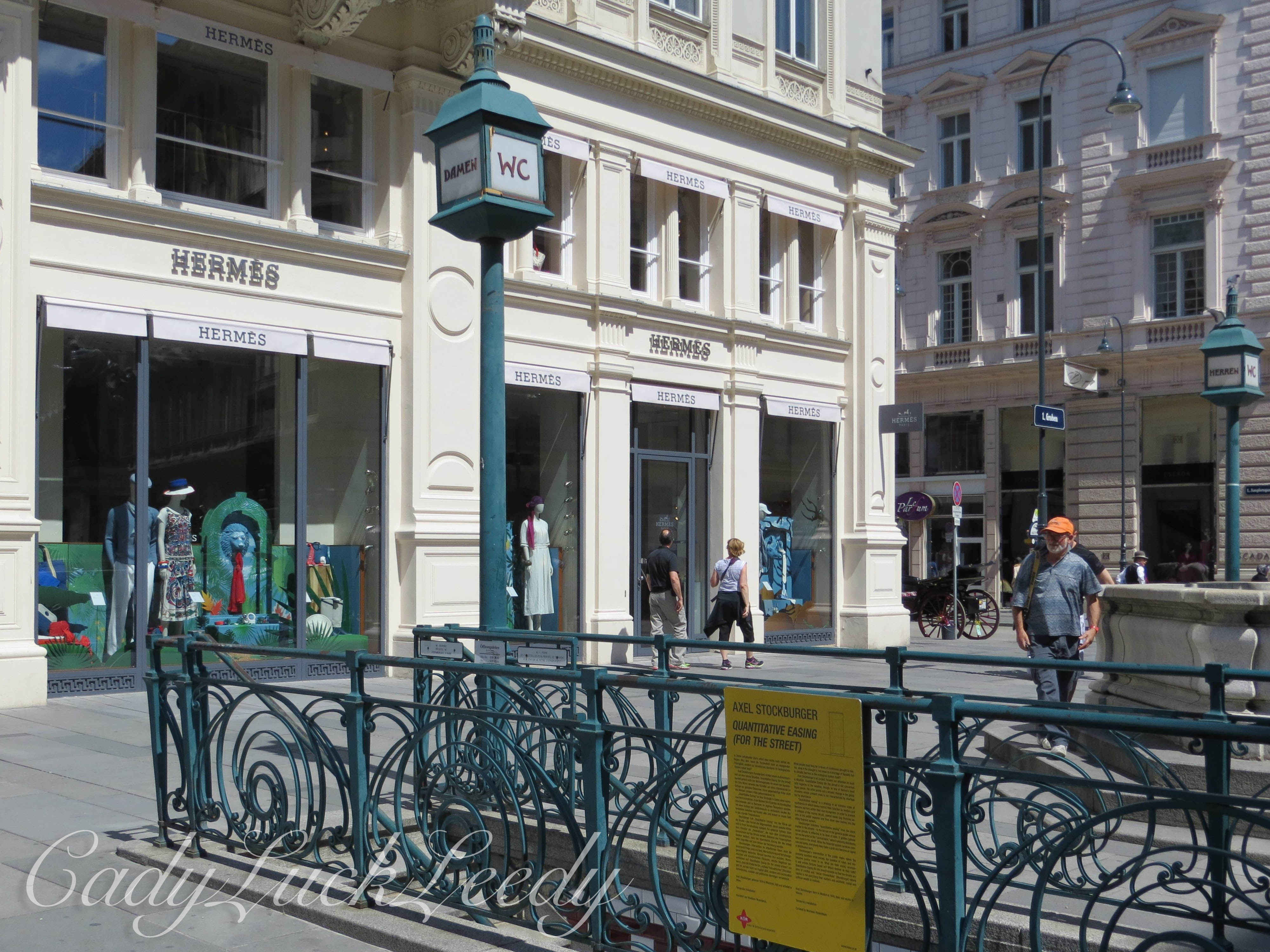
Vienna is a city of elegance. In 1900 a local chemical maker needed a publicity stunt to prove that his chemicals really got things clean. He purchased two wine cellars under Graben, a ditch or moat originally used by the Romans at their military camp, now a pedestrian-only thoroughfare of great architecture, fine cafes, and fountains. Adolf Loos (1870-1933), a modernist style architect, believed less was more. He was convinced that unnecessary ornamentation was a waste of worker’s time and energy so he designed perfectly geometrical grid buildings with matching windows. Unheard of at the time! No statues, no plastered fake columns for him. Loos was commissioned to take the two wine cellars and turn them into fancy and classy public water closets. He did, complete with chandeliers and finely crafted mahogany walls, creating a very appealing place. They are so inviting, today they are sometimes used for poetry readings! Now we know why bathrooms are sometimes referred to as loos, who knew?

Loos Loo, Vienna, Austria

Loos Loo, Vienna, Austria

In the middle of the Graben is a 60 foot Holy Trinity Plague Column, (Pestsäule) a pillar of clouds sprouting angels and cherubs with the Father, Son and Holy Ghost at the top. in 1679 Vienna suffered from an epidemic of the bubonic plague, killing one third of the city. Leopold I (one quarter up the column), in public, begged God to save the city. His prayer was heard by Lady Faith, (the statue carrying the cross below Leopold) who with the help of the cherub tosses the old naked woman (the plague) into the wind and saves the city. Leopold erected the monument as a model for other cities ravaged by the same plague.  

Holy Trinity Plague Column, Vienna, Austria

Holy Trinity Plague Column, Vienna, Austria

Graben, Vienna, Austria

Graben, Vienna, Austria

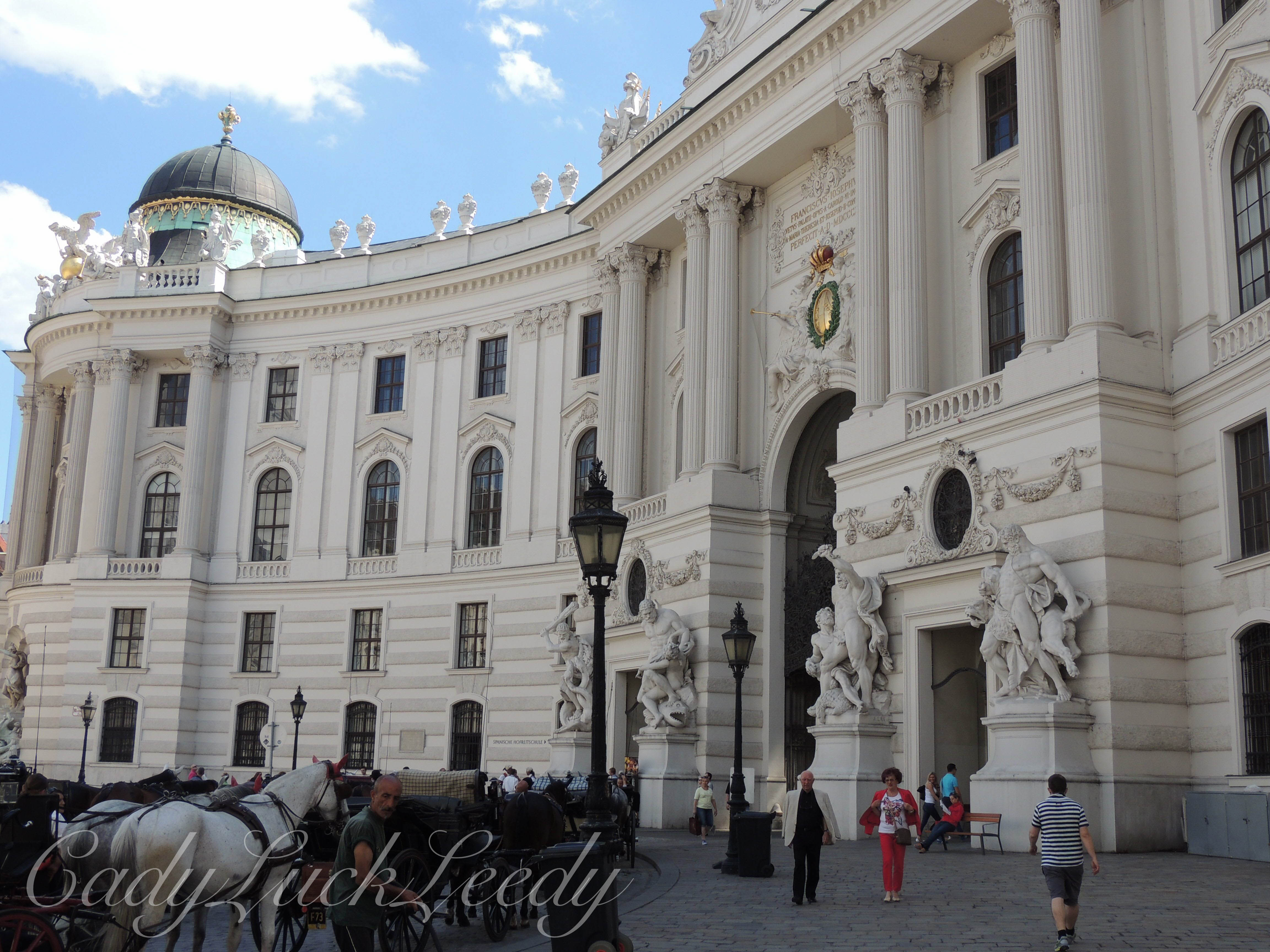
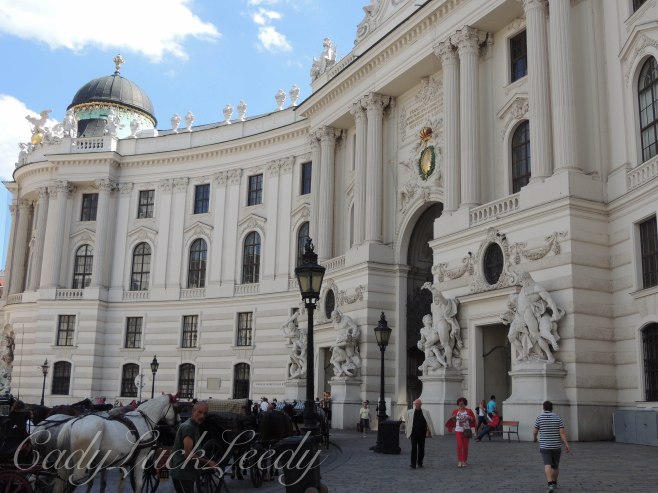
Michaelerplatz is the square dominated by the Hofburg Palace. In the fountain the four heroic giants illustrate Hercules wrestling with his great challenges.

Michaelerplatz, Vienna, Austria

Michaelerplatz, Vienna, Austria

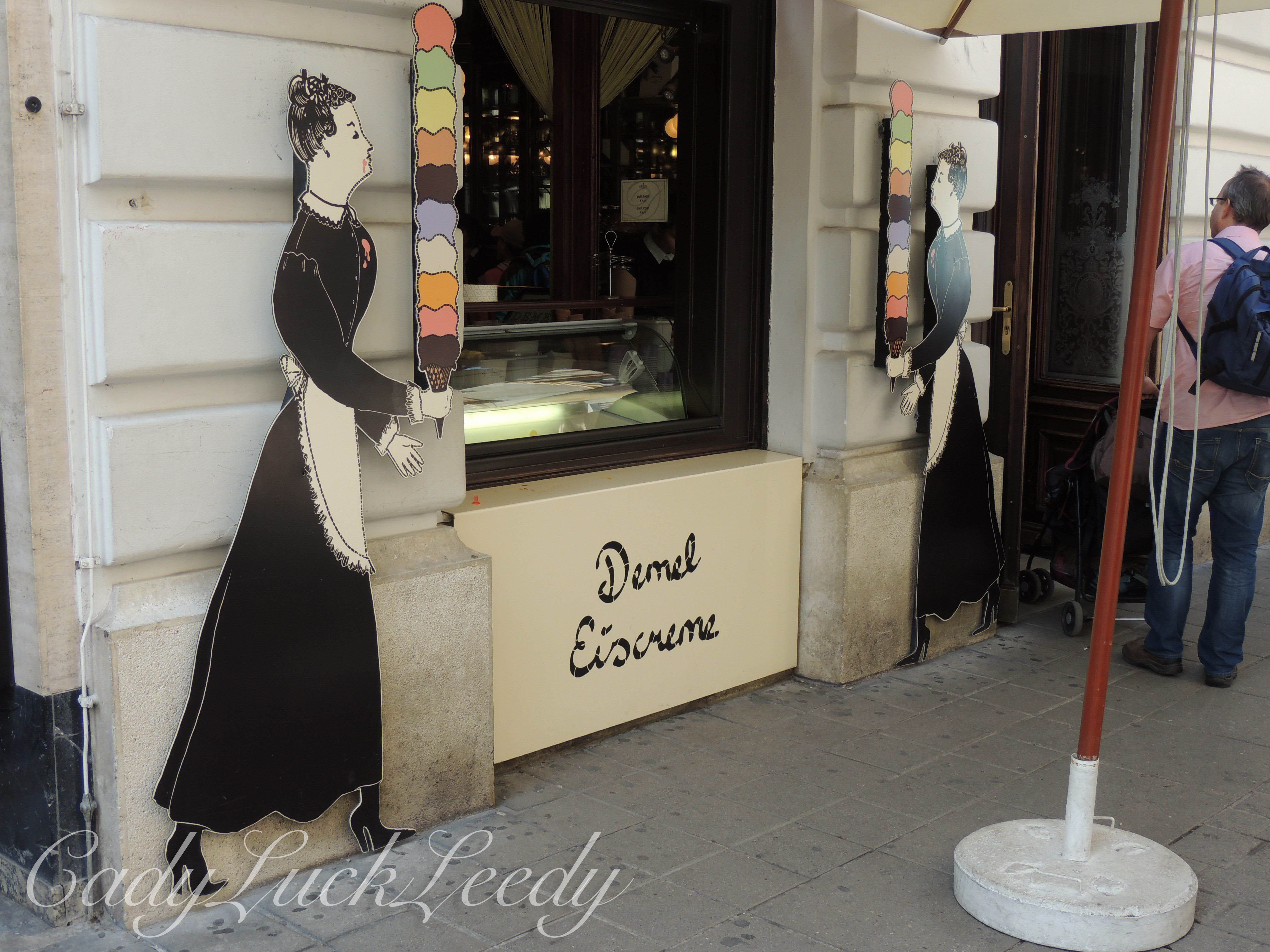
This is the complex where the Hofburg emperors lived except in the summer, when they lived in the Schönbrunn Palace a few miles away.  I can’t wait to see the Imperial Apartments and the museum for the Empress Sisi, but during our walk, we stopped for an ice cream at the famous Demel, (Hofzuckerbäckerei Demel) a famous pastry shop and chocolaterie on the Michaelerplatz, where it has been located since 1857. Yummy!

Demel, Vienna, Austria

Demel, Vienna, Austria

Demel, Michaelerplatz, Vienna, Austria

Demel, Michaelerplatz, Vienna, Austria

Having had a look at the fine architecture and the beautifully designed streets we have our itineraries marked for tomorrows museum tours.  We will start the day early with Mass and a concert in Augustinian Church,  and end the day,  enjoying the activity in the Volksgarten Park and beautiful gardens of flowers.   Meet you in the park tomorrow! Enjoy!
The Wiltshire Gardener

A few weeks ago I wrote a post for the genealogy section of Dominic’s blog, Flibberatic Skreebles.  He also writes at A Wiltshire Garden. This is a post that he so thoughtfully wrote for me about gardening. Enjoy! Thank you Dominic!

Growing up in a small Wiltshire village amidst the rolling hills of south-western England, I had what most would call a typical childhood relationship with our garden. That is, the edges of the garden borders became havens for my various wild animal toys. The lawn was turned into prairie, savannah or – more prosaically – farmland. Camp outs, snail hunts, hedgehog spotting and somewhere to play and be free. I can’t say that I consciously took a great deal of notice of what was around me. 

I did, however, notice that not everybody had such a garden as mine, that not everybody’s mother spent hours in a greenhouse or would spend hours in a garden centre (or carried a small penknife with her when she went on trips to public gardens so she could ‘appropriate’ cuttings). I also noticed that not all of my friends ate vegetables fresh from the garden. I began to taste the difference between a tomato picked fresh from the vine not more than 10 minutes before and one that was taken from a plastic box out of the fridge. It was then that I realised I didn’t have what other people necessarily had: a constant and early exposure to horticulture.

“My Mother's Garden, 2005.

“My Mother’s Garden, 2005.

Of course, gardening isn’t something new. As soon as humans ear-marked permanent homes then the local environment was altered – beneficial plants collected and protected, undesirables eliminated and foreign species introduced. The enclosure of outdoor space began around 10,000 BCE – and the words garden and yard both come from the Old English term geard which means fence or enclosure.

The Romans may have imported their own views on gardening – a separation of the aesthetic beauty from the pragmatic fruit and vegetable (i.e. kitchen) garden – but I can’t imagine pre-Roman Britain devoid of domestic spaces that yielded produce for the household. This produce would’ve been primarily limited to plants with culinary, medicinal or other practical uses (violas were often strewn on the floor to release their aroma when stood upon, for example, as well as their leaves being used as a potherb to flavour soups and stews).

Whilst gardening trends came and went with the owners of large houses – Italian Renaissance, French Baroque, English Romantic – the general population, predominantly rural in nature, continued with their own home gardens. These were used to grow fruit and vegetables that weren’t available elsewhere – after all, there were no supermarkets and no greengrocers conveniently around the corner stocking all foods in all seasons! These spaces also included animals such as poultry and often a pig or two (my mother remembers quite clearly her grandparents fattening up a pig each year in a sty at the bottom of the garden and then sending it to slaughter).

Of course, as the Industrial Revolution and Enclosure movements* came about, more and more people were migrating into urban areas and these towns and cities exploded. There wasn’t the space for people to grow their own produce or the leisure time to dedicate to these pursuits. However, as the 19th century continued, the Victorian philanthropists realised that the poor would benefit both physically and spiritually from having outdoor areas in which to grow their own food. 

(*It’d be a bit outside of this post to discuss the Enclosure movement in England – but suffice to say that it changed the face of the British countryside by chopping up the open field system, and allowed the wealthy landowners to own more land and accumulate more wealth at the expense of their tenant farmers.)

“Allotments in Bath, England.

“Allotments in Bath, England.

Areas given over to growing produce for private use (as opposed to areas used for growing food to sell – market gardens) were nothing new in England. These allotments were parcels of land rented from a central local authority and each individual is responsible for his or her own patch – and often include a shed of some kind. (This aspect of one parcel of a much larger area being managed individually makes them different from community or victory gardens – more on which later!)

Allotments have gone in and out of fashion over the years – with the most recent peaks being during WWI (1,500,000 plots) and WWII (1,400,000 plots) – but over the last few decades the numbers have started to grow again with demand outstripping supply. This is seen to be a reaction against growing food prices and modern agricultural practices, as well as consumers demanding a greater awareness of where their food comes from. 

“Dig For Victory, UK WWII poster”

“Dig For Victory, UK WWII Poster”

Victory gardens sprang up on both sides of the Atlantic during WWI, with household yards, parks and public areas being turned into vegetable and fruit gardens in USA, UK, Canada and Germany. In America alone over 5 million gardens were created during WWI. In WWII England’s gardeners were exhorted through the “Dig For Victory” campaign – and waste ground, railway verges, lawns and sports grounds, even areas of Hyde Park in London, were requisitioned for the purpose. After WWII the majority of these English victory gardens reverted back to their pre-war state. In America it was common to see vacant lots and apartment building roofs as gardens – something that has come back into vogue with not only the guerilla gardening movement but also the rise of urban gardening and food production.

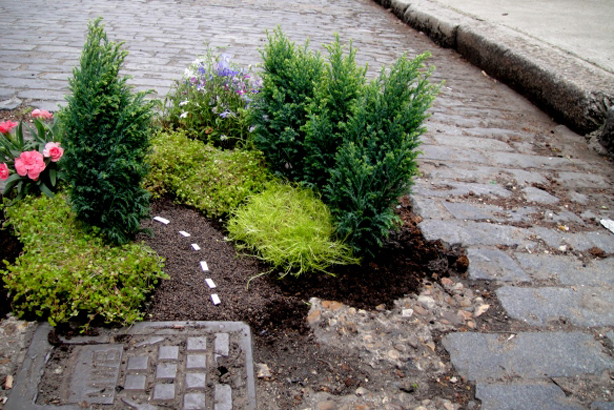
Guerilla gardening is a global movement, defined as “an act of gardening on land that the gardeners do not have the legal rights to utilize”. This includes such diverse areas as verges, roundabouts/traffic islands, tree pits, bus stops or even potholes in roads! This is often done to highlight the neglect of certain areas of land, but also to foster a sense of community or to raise a smile on passersby.

“The Work of UK Pothole Gardener Extraordinaire, Steve Wheen”

“The Work of UK Pothole Gardener Extraordinaire, Steve Wheen”

Of course, along side this guerilla gardening is the increase not only of urban greening but also of the regeneration of the community gardening movement used to change not only the inner city landscape but also the mental health of people using them – one community garden based in the UK is being used by local doctors to help patients with depression and anxiety disorders. 

One thing that the rise in the number of these activities highlights is that gardening isn’t going anywhere. Its been part of the British landscape for as long as there have been people around to pull up an unwanted plant and replace it with something else, and despite the rapid urbanisation of the country around us, the desire to plunge your fingers into some loam and watch the beauty that follows is still with us. And long may it last!

For more information on any of the in the UK, please visit some of the links below!

Guerilla Gardening – http://www.guerrillagardening.org/

Groundwork – community greening charity – http://www.groundwork.org.uk/

Project Dirt – social network for green communities – http://www.projectdirt.com/

The Edible Bus Stop – from one community garden to an entire scheme – http://www.theediblebusstop.org/

Landshare – social network connecting growers to those with land to share – http://www.landshare.net/

Federation of City Farms & Community Gardens – https://www.farmgarden.org.uk/home

National Society of Allotment & Leisure Gardeners – http://www.nsalg.org.uk/

Kabloom Seedboms – a mixture of compost and seeds – http://kabloomshop.co.uk/products


Weekly Word Challenge: Food

 May Spring Garden Party Spring

May Spring Garden Party 

The Front Porch

The Front Porch

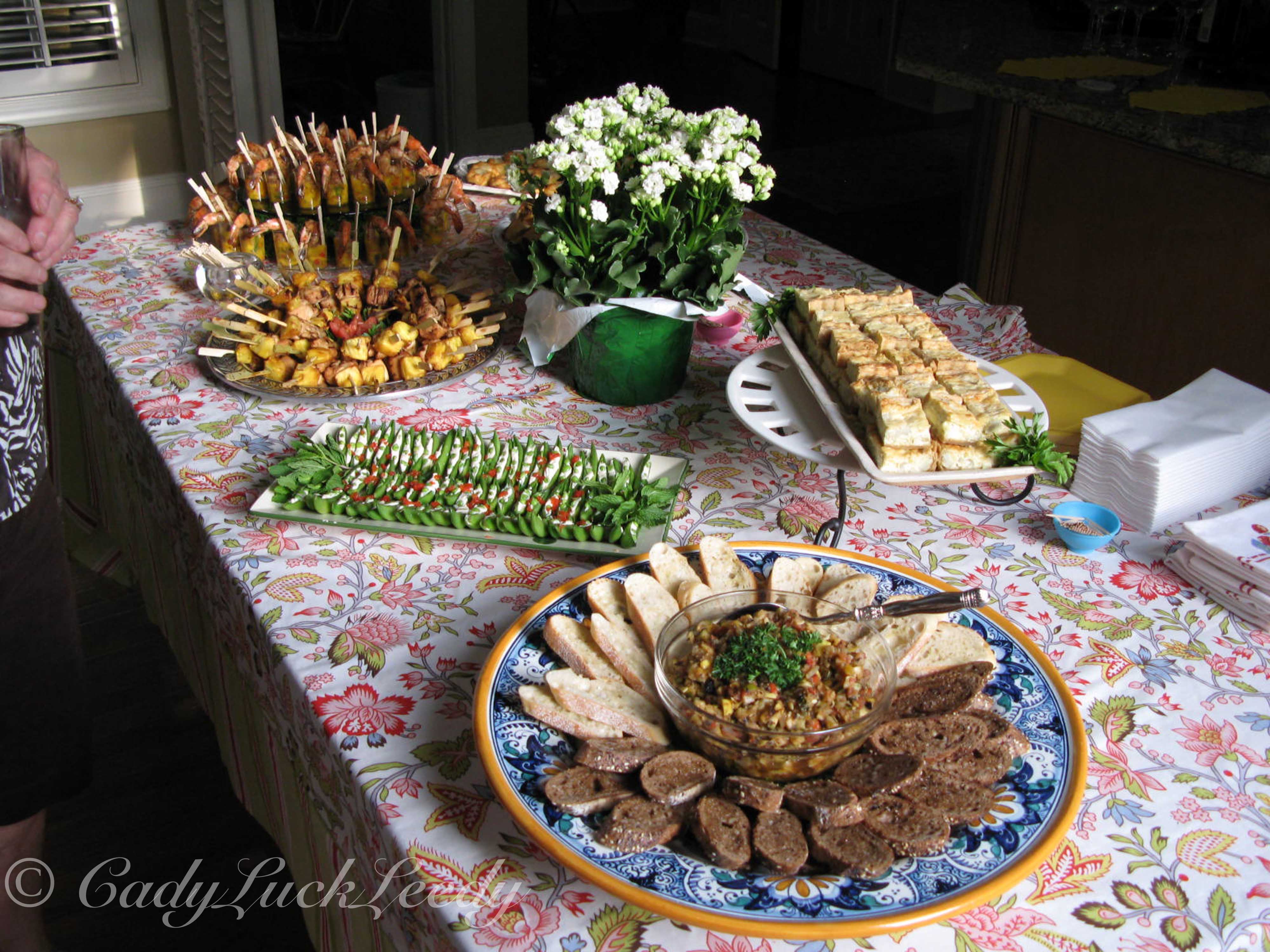
Spring is the time for a Garden Party! These are pictures of one one of the best “Spring Parties” we ever had! The garden is in bloom and it is not too hot outside so we can entertain moving in and out of the garden. My next door neighbors are professional chefs and they made all the fine food for this party! How lucky am I? Enjoy!

For more “FOOD” follow Susie’s Weekly Word Challenge  this week !
This is the garden!
Cottage Garden

Cottage Garden

May Spring Garden Party

May Spring Garden Party

The Garden

The Garden

The Garden

The Garden

Cottage Garden

Cottage Garden

Cottage Garden

Cottage Garden

Cottage Garden

Cottage Garden

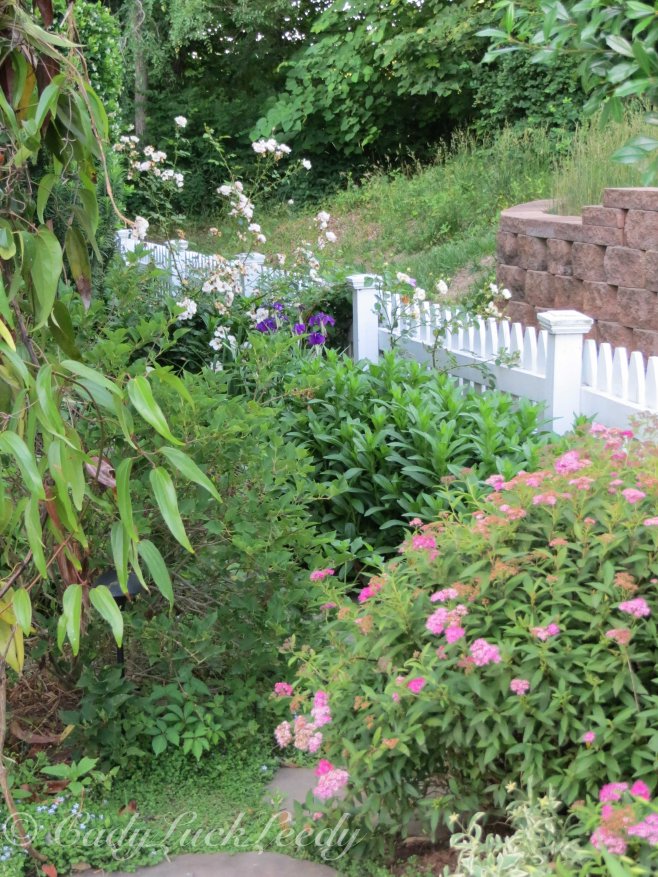
My Gardens at the End of the Month: May

Northern Sea Oats

Northern Sea Oats

I  have been on vacation, so I am a little behind with this month’s post for The Garden End of Month: May. As you can see the Northern Sea Oats are very happy in their spot! Soon she will have whitish wispy flowers, shaped like oats, that float like butterflies in a breeze!

Guara by theWatering Can

Northern Sea Oats  to the Right of the Watering Can 

The Cottage Garden

The Cottage Garden

The Cottage Garden

The Cottage Garden


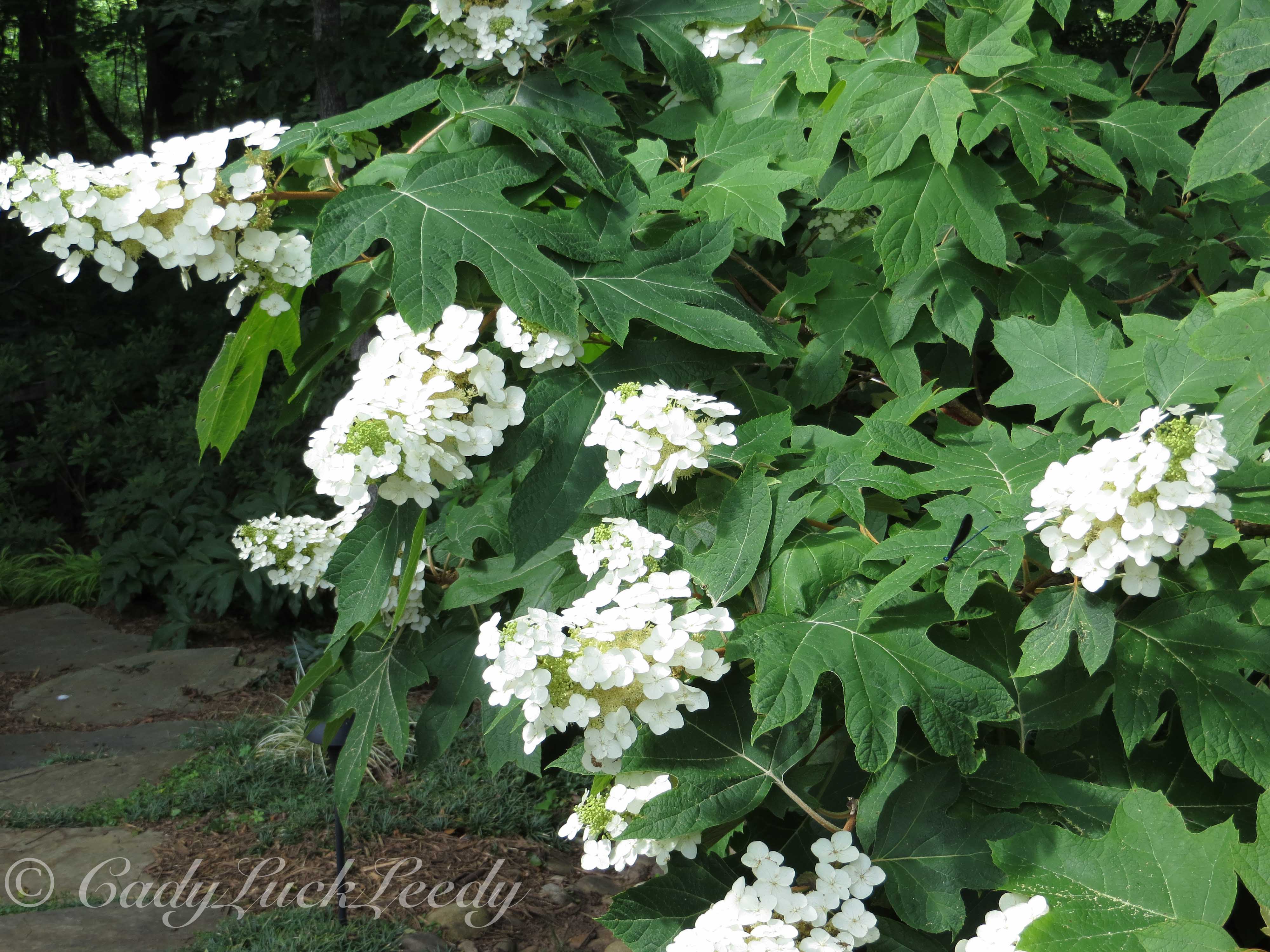
The Oak Leaf Hydrange

The Oak Leaf Hydrangea in the Woodland Garden

The Heucherella is Doing  Well Too

The Heucherella is Doing Well Too


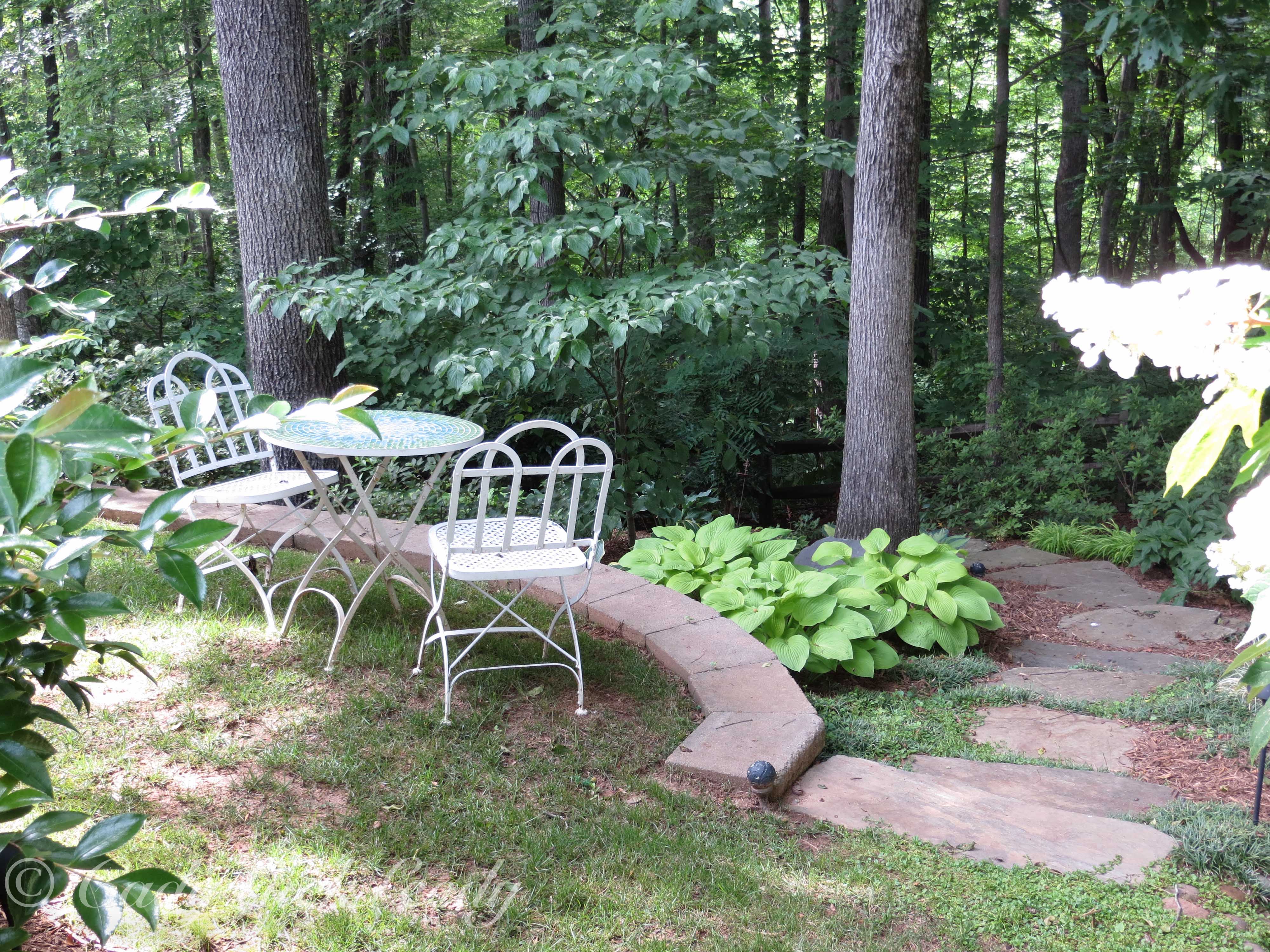
The Woodland Garden

The Woodland Garden at End of May


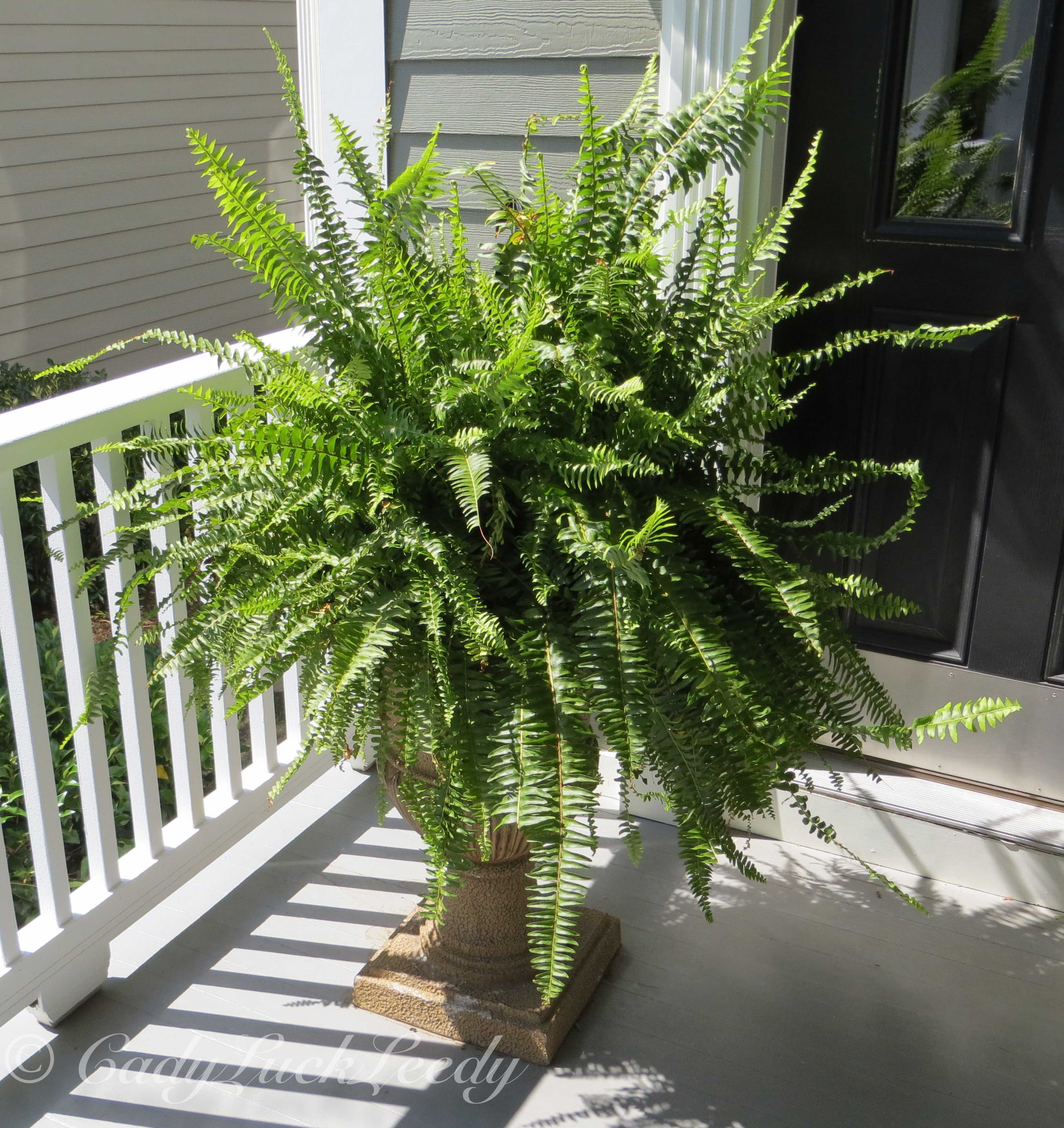
Fern on the Porch!

Fern on the Porch!

THE SPECTACLED BEAN

Tales, Thoughts + Tribulations of a Free Spirit in Suburbia

Walking Away

Travels on foot

Teacher nickname: The Three Hairs

Minding my mind, one thought at a time.

Tra Italia e Finlandia

Un lungo racconto fotografico.

seanbreslin.jp

Photography, hiking, walking, and cycling across central Japan — from quiet mountain paths to everyday life around Nagoya.

Lost in Translation

Looking for meanings in words, images and sounds

Journeys with Johnbo

Reflections on places traveled and photos taken.

M/VGratitude

Cruising with the Thyrre Family

Caroline's Travel Adventure Blog

Where my Travels and my Blog merge together.

Just Me, Nobody Special

The mental meandering that cross my keyboard

Jennifer's Journal

Website & Blog of J. Kelland Perry, Author

Slow Shutter Speed

A photographic journey.

Ann Mackay: Inspired by Nature

Photography celebrating flowers, plants, and the natural world

Still Restlessjo

Roaming, at home and abroad

Fine for Friday

The Corner Garden

Picture This

Photography, Travel and Retirement

World Traveller 73

Upgrade Your Travels. First Class Luxury Travel from all parts of the Globe. Business Class Airline, Lounge and Hotel Reviews, Stories and Adventures

Rachel Meets China

A China travel and lifestyle blog