Travel, Gardens, Food, Photography, Books, Shoes

Posts from the ‘United Kingdom’ category

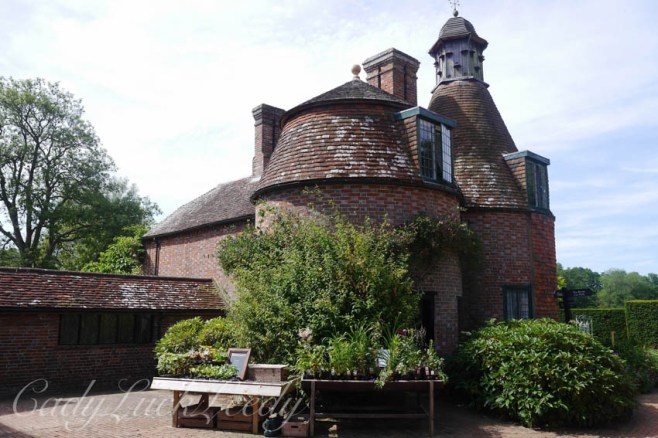
The Hop Shop: Castle Farm, Shoreham, North Kent, UK

The Hop Shop, Shoreham, North Kent, UK

The Hop Shop, Shoreham, North Kent, UK

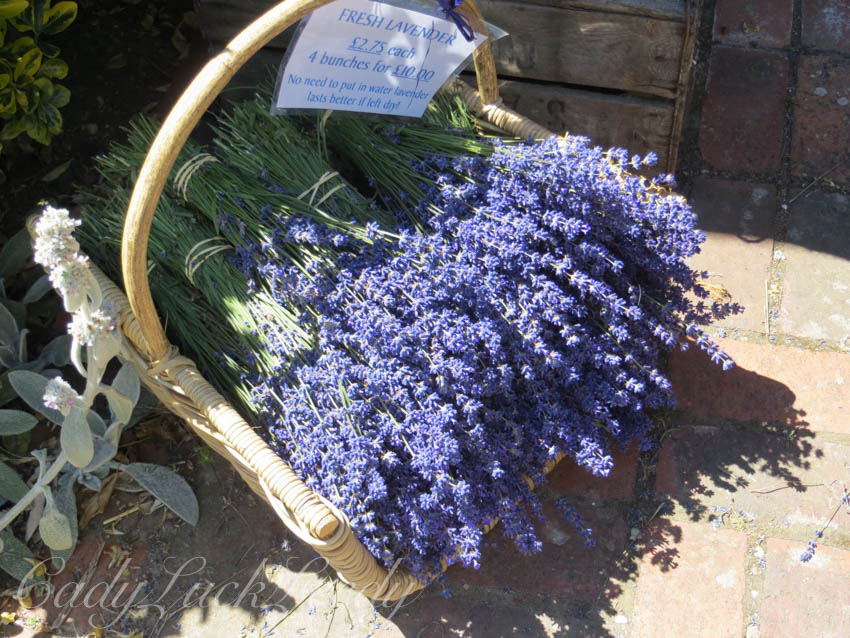
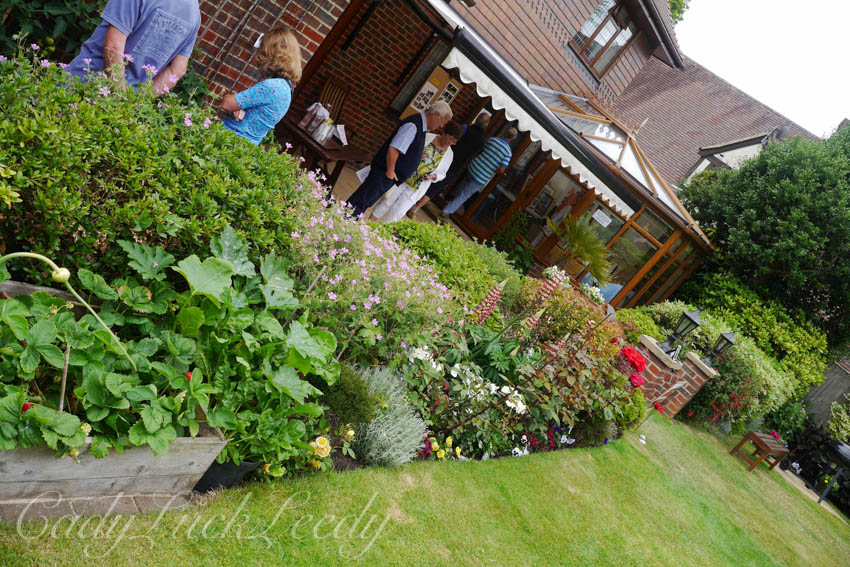
Before we leave North Kent, let’s take a lovely drive through the country to go to the Hop Shop. The Hop Shop is a family owned, award winning farm shop, that serves as a gift shop, and country store in the rolling hills of Kent. The family sells their own beef, apples, apple juice, hops, dried flowers, Kentish lavender and honey. When we were here the lavender fields were in bloom and a group of gardeners was here to tour the garden. Let’s join them right after I pick out some gifts!

The National Trust: Knole; Childhood Home of Vita Sackville-West

Knole, Sevenoaks, Kent, UK

Knole, Sevenoaks, Kent, UK

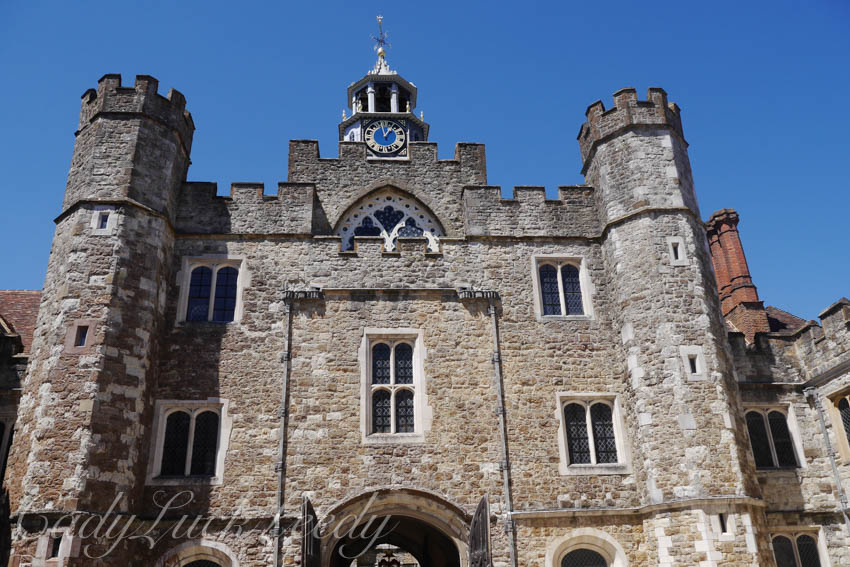
The Entry to Knole, in the Green Courtyard, Sevenoaks, Kent, UK

The Entry to Knole, into the Green Courtyard, Sevenoaks, Kent, UK

One of the Towers at Knole, Sevenoaks, Kent, UK

One of the Towers at Knole, Sevenoaks, Kent, UK

One of the Towers at Knole, Sevenoaks, Kent, UK

Some of the Towers at Knole, Sevenoaks, Kent, UK

Nothing could have prepared me for Knole.  I had read up about Knole. It would be a big house, extraordinary.  Well, the people who had lived there made it so very interesting too. I discovered Vita Sackville-West. I discovered another world.

But in reality, it was unbelievable that anyone could live in this home, really a castle, but bigger than any castle I had ever seen. The shear size of it is unimaginable!  I wanted to understand this life. I wanted to understand the people who lived like this.

I am breaking my post into two segments because I think that Knole and Vita Sackville- West demand such attention. I was enthralled. I hope you will be as well. Now………

What I learned about Knole.

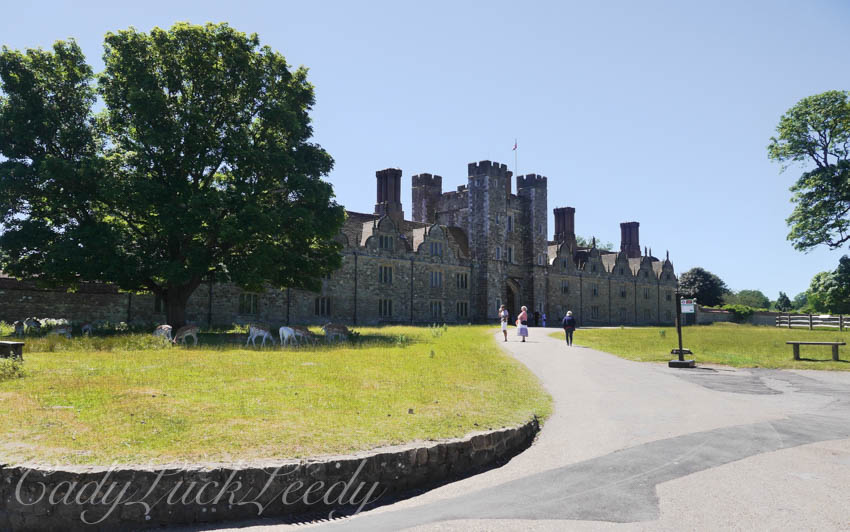
Knole is nestled in a 1000 acre medieval deer-park. The deer know there are no guns here and are happy to be in the front yard, (if you can call it that) and near the parking spaces for Knole. You could reach out and touch them, certainly feed them, or just sit amongst them. Knole has been open as a park for several years and has been a favorite recreational park for large groups of school children, as a field trip adventure, with plenty of space to run around! Walking up the gravel lane from the car park you get plenty of opportunity to observe the deer!

The Deer of Knole, Sevenoaks, Kent, UK

The Deer of Knole, Sevenoaks, Kent, UK

The Deer of Knole, Sevenoaks, Kent, UK

The Deer of Knole, Sevenoaks, Kent, UK

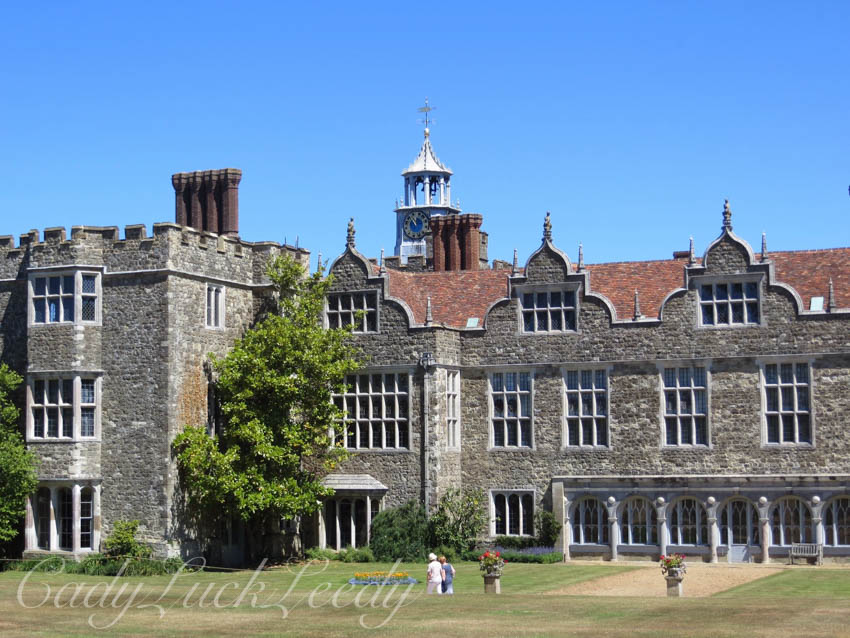
Sprawled out in front of us is Knole, rated as one of England’s largest houses.  Since 2012 the National Trust, has cared for the house and 52 of the acres. More than half the house has been kept by the Sackville-Wests, along with the remaining gardens and estate, but they do permit commercialized access and charitable and sporting events. Believe me when I say you could live at one end of this place and NEVER know what was going on at the other. The National Trust has documented this house as a Calendar House, which defines it as having 365 rooms, 52 staircases, 12 entrances, and 7 courtyards, following the order of a calendar with 365 days, 52 weeks, 12 months, and 7 days in a week.  Can you imagine that? Who exactly lived here?

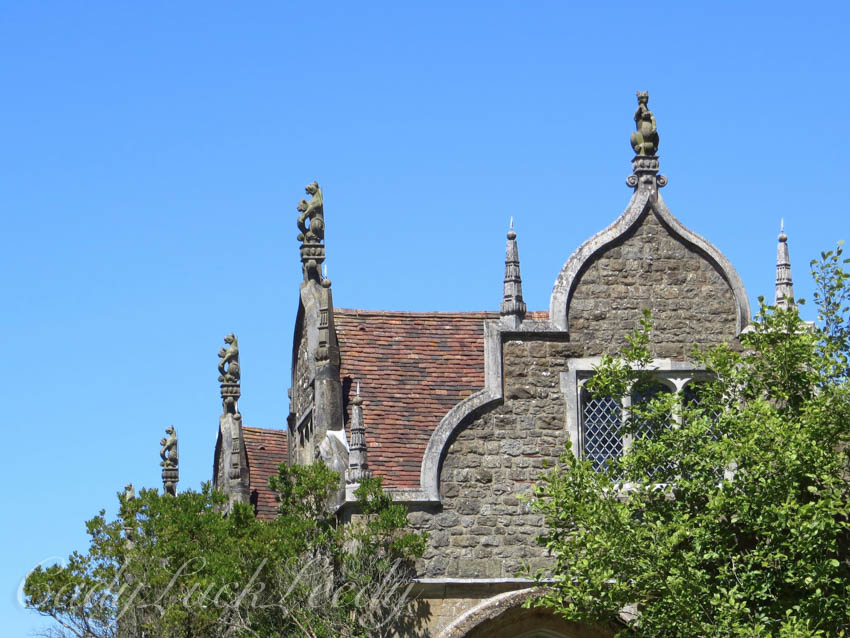
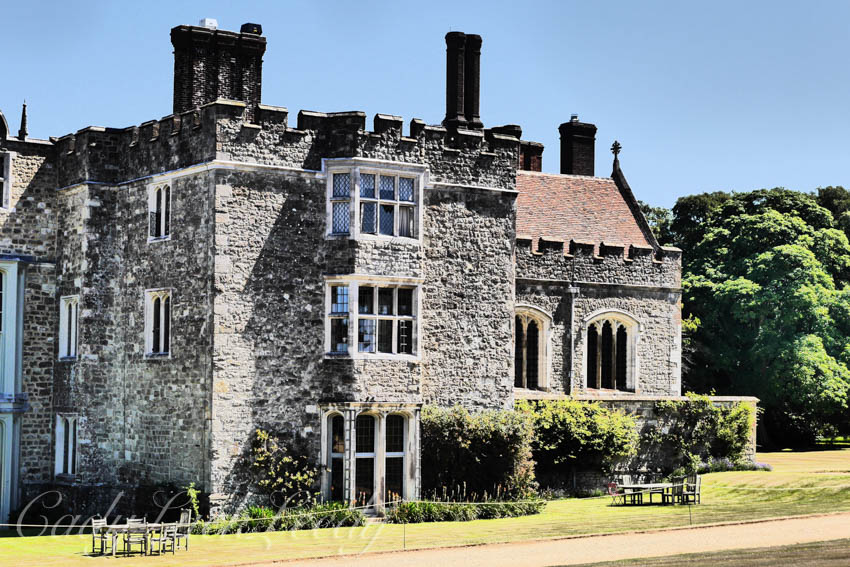
I had to stand far away just to take pictures of SECTIONS of Knole! It goes on and on in the shape of a rectangle with several inner courtyards!

Knole, Sevenoaks, Kent, UK

Knole, Sevenoaks, Kent, UK

Knole, Sevenoaks, Kent, UK

Knole, Sevenoaks, Kent, UK

Knole,Sevenoaks, Kent, UK

Knole, Sevenoaks, Kent, UK

Knole, Sevenoaks, Kent, UK

Knole, Sevenoaks, Kent, UK

The Chapel at Knole, Sevenoaks, Kent. UK

The Chapel at Knole, Sevenoaks, Kent. UK

The oldest parts of the house were built by Thomas Bourchier, Archbishop of Canterbury between 1456 and 1486, on the site of an earlier house.  Above and on either side of a large Tudor fireplace is the motto of the Archbishop and subsequently the house was passed on to future Archbishops, enlarging the house with new courtyards, (The Green Courtyard which is now the front yard)  and new entrance towers. In 1538 the house was taken from the Archbishop Thomas Cranmer by King Henry VIII. In 1566 Queen Elizabeth I gave the house to her cousin, Thomas Sackville, whose descendants have lived there since 1603. In 1606, Sackville made extensive renovations, to the house,  to prepare for a possible visit from King James VI.  The estate was not given outright to the Sackvilles. Under the terms of the lease the “manor and mansion house”, with the park and deer, were given in a ninety-nine year lease for 200 pounds. The leasee, had to do all the repairs, but could re-build the house at his pleasure. The estate just got larger and larger and it remained in the hands of the Sackville’s.

The organ, dating from the 1620’s, is located in the private chapel (which is as big as some modern churches) and is the oldest playable organ in England.

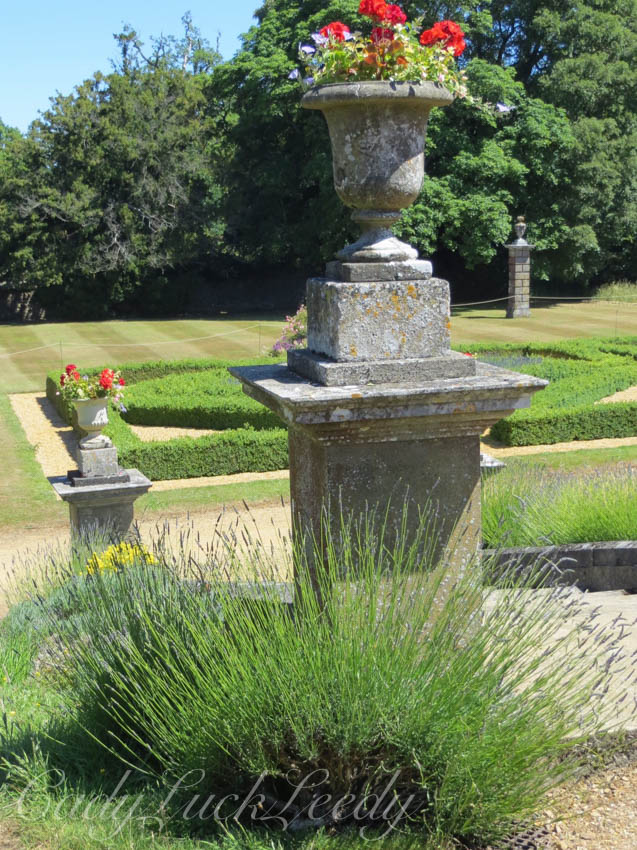
There is a walled garden of 26 acres, and it is large enough to have a very unusual walled garden inside itself. How many stones would that take? How long would it take to build?

Walled Garden at Knole, Sevenoaks, Kent, UK

Walled Garden at Knole, Sevenoaks, Kent, UK

Here is a hedged garden inside a walled garden, inside another walled garden!

Walled Garden at Knole, Sevenoaks, Kent, UK

Walled Garden at Knole, Sevenoaks, Kent, UK

This passageway in the wall lead to yet another garden!

The Walled Garden, Knole, Sevenoaks,Kent, UK

The Walled Garden, Knole, Sevenoaks,Kent, UK

 Garden at Knole, Sevenoaks, Kent, UK

Garden at Knole, Sevenoaks, Kent, UK

 Garden at Knole, Sevenoaks, Kent, UK

Garden at Knole, Sevenoaks, Kent, UK

The Garden at Knole, Sevenoaks, Kent, UK

The Garden at Knole, Sevenoaks, Kent, UK

The Garden at Knole, Sevenoaks, Kent, UK

The Garden at Knole, Sevenoaks, Kent, UK

The Garden at Knole, Sevenoaks, Kent, UK

The Garden at Knole, Sevenoaks, Kent, UK

The Garden at Knole, Sevenoaks, Kent, UK

The Garden at Knole, Sevenoaks, Kent, UK

The Garden at Knole, Sevenoaks, Kent, UK

The Garden at Knole, Sevenoaks, Kent, UK

The Garden at Knole, Sevenoaks, Kent, UK

The Garden at Knole, Sevenoaks, Kent, UK

The gardens are so extensive it will take years to completely restore them and lots of gardeners!

The Garden at Knole, Sevenoaks, Kent, UK

The Garden at Knole, Sevenoaks, Kent, UK

Today the inside of the house is undergoing conservative reconstruction with support from the Heritage Lottery Fund, since the external repairs have been completed. There is a Bookshop Café, along the Green Courtyard, one of the many inner courtyards. 

Knole, Sevenoaks, Kent, UK

Knole, Sevenoaks, Kent, UK

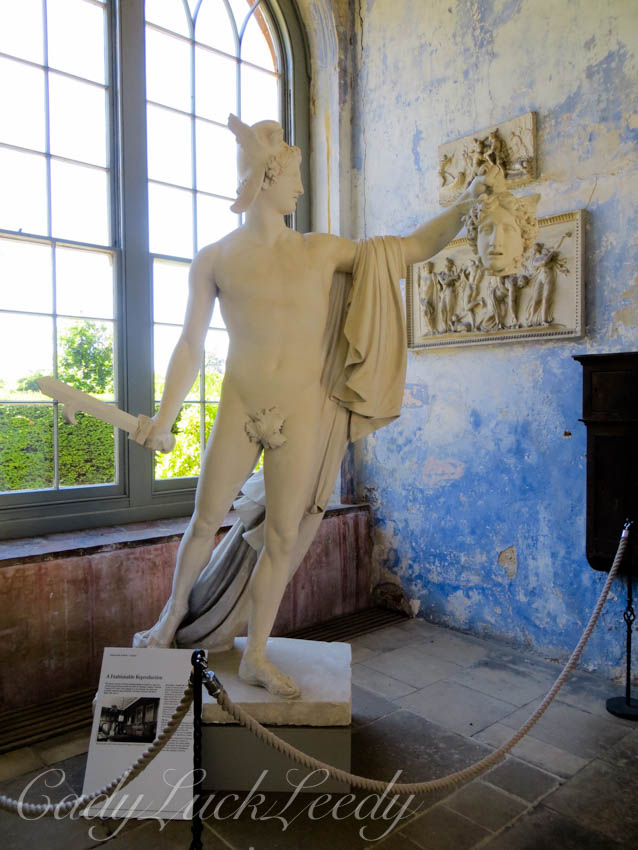
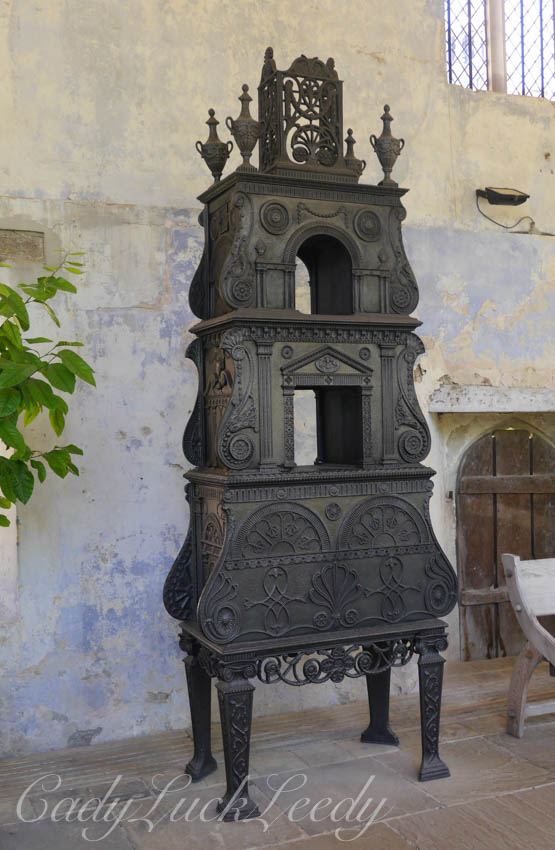
Tents have been placed outside, with a temporary eating station, until the larger restaurant facilities are complete. Now that I have got over the shock of the sheer size of the house let’s walk through the orangery from the garden. In the orangery are marble statues, orange trees and a Buzaglo. What in the world is a Buzaglo?  I wanted  to know too!

The Orangery, Knole, Sevenoaks, Kent, UK

The Orangery, Knole, Sevenoaks, Kent, UK

The Orangery, Knole, Sevenoaks, Kent, UK

The Orangery, Knole, Sevenoaks, Kent, UK

The Orangery, Knole, Sevenoaks, Kent, UK

The Orangery, Knole, Sevenoaks, Kent, UK

The Buzaglo, Knole, Kent, UK

The Buzaglo, Knole, Kent, UK

Abraham Buzaglo (1710-1782) came from Morocco to England in 1760, and in 1765 was granted a patent for a new type of stove, known after him as a “Buzaglo”. These “warming  stoves”, as they were called, were effective, fashionable and exclusive because of their cost. These coal burning, cast iron-stoves were the cutting edge of keeping warm in the 1770’s. Mr Buzlos’s trade card promised that his stoves “surpass in Utility, Beauty, and Goodness say anything hitherto invented in Europe”.  They “cast an equal and agreeable heat to any Part of the Room and are not attended by Stench,  with a bright Fire to be seen at pleasure”. The stove also “preserved the Ladies Complexions and Eyesight,  warming equally the whole body, without Scorching the Face or Legs”. I’m sure if it was the newest and costliest it was wanted at Knole. My question would be how many of the warming stoves would it take to warm up the house? After the “warming stoves” were placed there Mr. Buzaglo could have retired!

It is clear that Knole prospered for the rich and powerful!

Conservation of Knole is going to take several years. It will be interesting to see how much of the house will be opened to the public and how the gardens will be restored. In 2014 archeologists found oak beams beneath the floors and near the fireplaces, that had been scorched and carved with “witch marks” to prevent witches and demons from coming down the chimney! The house will have to be monitored. It would be so easy to get lost in a house with 365 rooms! Tomorrow I will share with you the life of  Vita Sackville-West, an English poet, novelist, and gardener, who was born at Knole, in 1892. She was an only child! I hope she had enough room in that house! Enjoy!

Here’s a last look at Knole, with the chapel on the end!

The Chapel at Knole, Sevenoaks, Kent, UK

The Chapel at Knole, Sevenoaks, Kent, UK

The National Trust: Alfriston Clergy House, Alfriston, Sussex, UK

Alfriston Clergy House, Alfriston, Sussex, UK

Alfriston Clergy House, Alfriston, Sussex, UK

Alfriston Clergy House, Alfriston, Sussex, UK

Alfriston Clergy House, Alfriston, Sussex, UK

Alfriston Clergy House, Alfriston, Sussex, UK

Alfriston Clergy House, Alfriston, Sussex, UK

Today we are visiting another estate belonging to the National Trust. How exactly did the National Trust get stated?

This is what I learned.

Octavia Hill, the eighth daughter of nine children, born into a modest family, was a social reformer, with a strong commitment to alleviating poverty in the late nineteenth century. With no formal education, she worked from the age of 14 for the welfare of working people. She wanted to improve the housing of the working classes. Due to a severe shortage of available property, she decided to become a landlord herself. John Ruskin provided the money to buy three cottages of six rooms each, and placed Hill to manage them. She improved the properties, all which had been on dilapidated ground, among cowsheds and manure. Hill was a very prudent manager believing  in personal responsibility, and punctual payment. She visited each home personally paying careful attention to allocations with regard to size of families and location of the accommodation offered. It was mandatory that the head of the family work, send his children to school, and not overcrowd his rooms, in addition to paying the rent on time.  As her holdings increased to over 3000 cottages, she added assistants, who checked every detail of the premises, and got to know the tenants personally. She promoted tenant’s associations and after-work, and children’s after school programs. This was an early stage of social work. Among Hill’s concerns was that her  tenant’s and all urban workers should have access to open spaces. She believed in “the life-enhancing virtues of pure earth, clean air and blue sky”. She wanted four things. Places to sit, places to play in, places to stroll in and places to spend a day in. She campaigned against building on existing suburban woodlands. Together she and Ruskin conceived of a trust that could buy and preserve places of natural beauty and historic places for the nation.

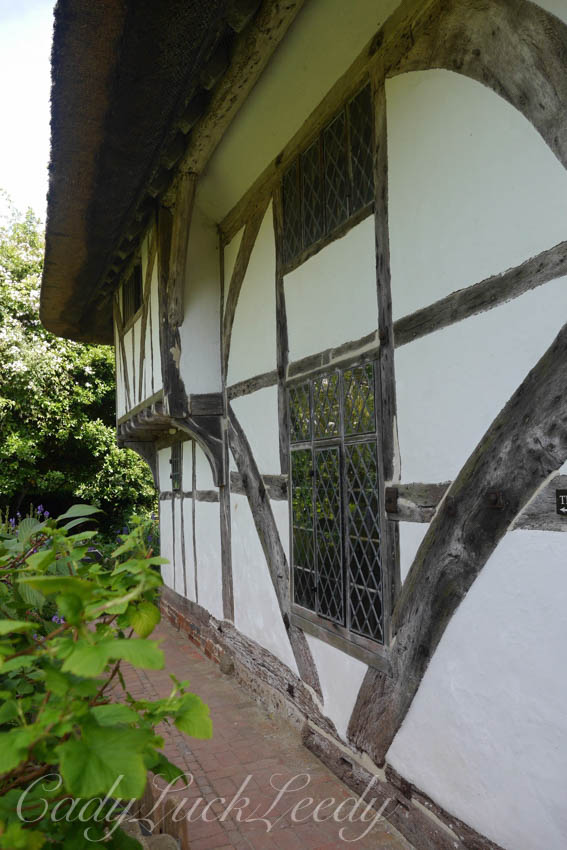
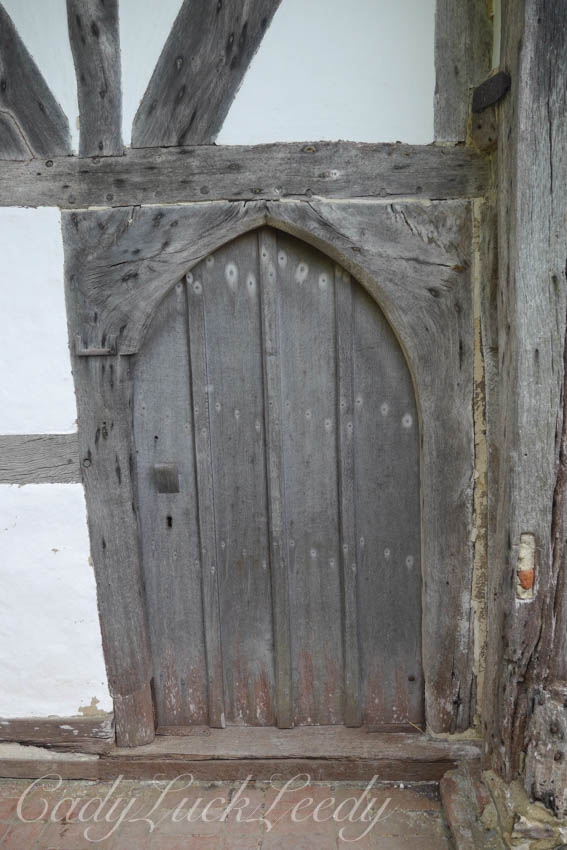
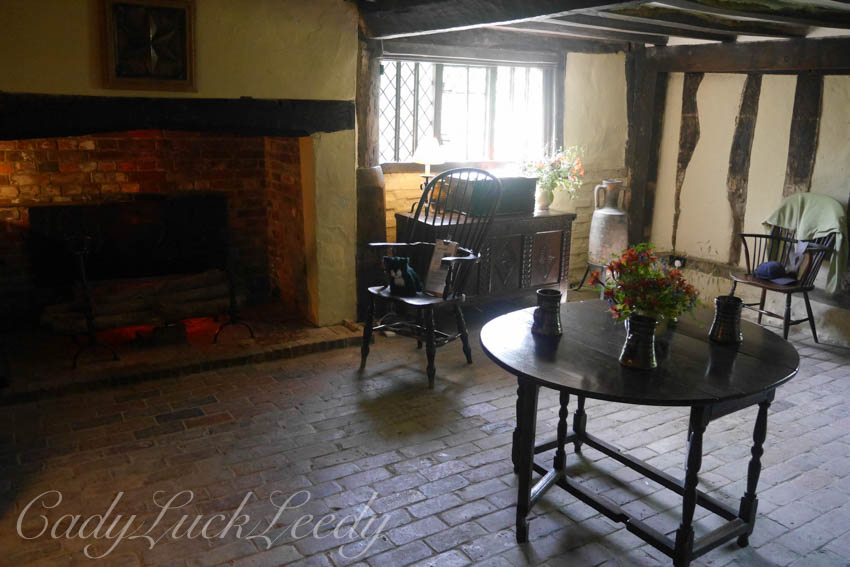
The National Trust was formed in 1875 and the first property, acquired in 1896, was the rare 14th century, thatched and timber-framed, Wealden “hall house,” in Alfriston. The Alfriston Clergy House was built in 1350 by a farmer who prospered after the Black Death. In 1395 the house was taken over by St Andrew’s Church, which is close by, and used as a vicarage, and eventually rented out for income. In 1885 church authorities wanted the house demolished. Rev F.W. Beynon campaigned to save the house and contacted the newly formed National Trust. Harriet Coates was the last person to live in the house before it was purchased in 1896 for ten pounds, by the National Trust, which now maintains the property. 

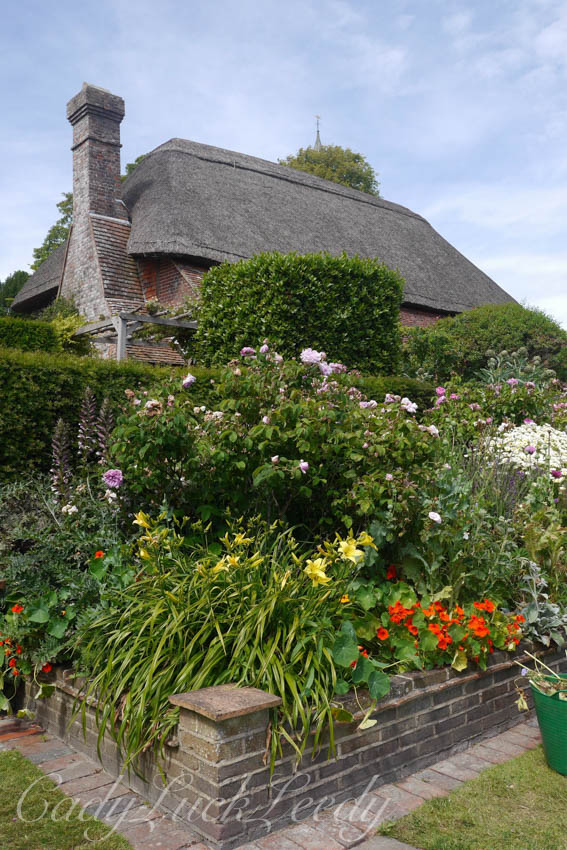
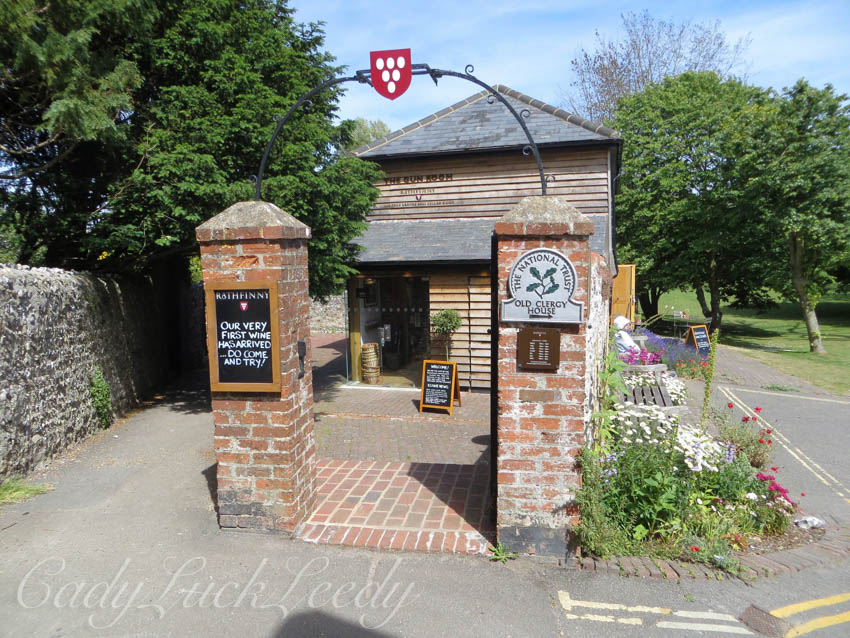
Today, the Alfriston Clergy House, is surrounded by a tranquil cottage garden full of wildlife, with beautiful views of the River Cuckmere. Alfriston is a small village of 760, noted in the Doomsday Book as Aelfrictun, (the son of Alfric).  Coming to the village green we find a local winery, announcing the the direction of the Clergy House.

Alfriston Clergy House, Alfriston, Sussex, UK

The Way to Alfriston Clergy House, Alfriston, Sussex, UK

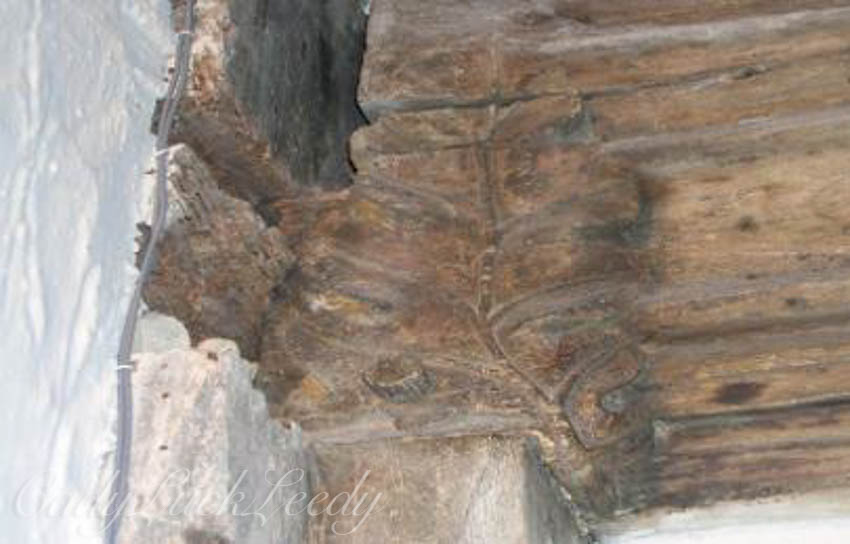
The oak leaf is the symbol of the National Trust. Here in the eaves of the Clergy House is a carved oak leaf. Perhaps it was the inspiration for the symbol? Look for it on signs signifying homes on the National Trust.

Oak Leaf National Trust, Alfriston Clergy House, Alfriston, UK

Oak Leaf Symbol of National Trust, Alfriston Clergy House, Alfriston, UK

Here is a look at the timber-framed house.

Alfriston Clergy House, Alfriston, Sussex, UK

Alfriston Clergy House, Alfriston, Sussex, UK

Alfriston Clergy House, Alfriston, Sussex, UK

Alfriston Clergy House, Alfriston, Sussex, UK

Alfriston Clergy House, Alfriston, Sussex, UK

Alfriston Clergy House, Alfriston, Sussex, UK

Alfriston Clergy House, Alfriston, Sussex, UK

Alfriston Clergy House, Alfriston, Sussex, UK

Next we visit the tidy garden and the gardeners who keep it that way!

Alfriston Clergy House, Alfriston, Sussex, UK

Alfriston Clergy House, Alfriston, Sussex, UK

Alfriston Clergy House, Alfriston, Sussex, UK

Alfriston Clergy House, Alfriston, Sussex, UK

Alfriston Clergy House, Alfriston, Sussex, UK

Alfriston Clergy House, Alfriston, Sussex, UK

Alfriston Clergy House, Alfriston, Sussex, UK

Alfriston Clergy House, Alfriston, Sussex, UK

Alfriston Clergy House, Alfriston, Sussex, UK

Alfriston Clergy House, Alfriston, Sussex, UK

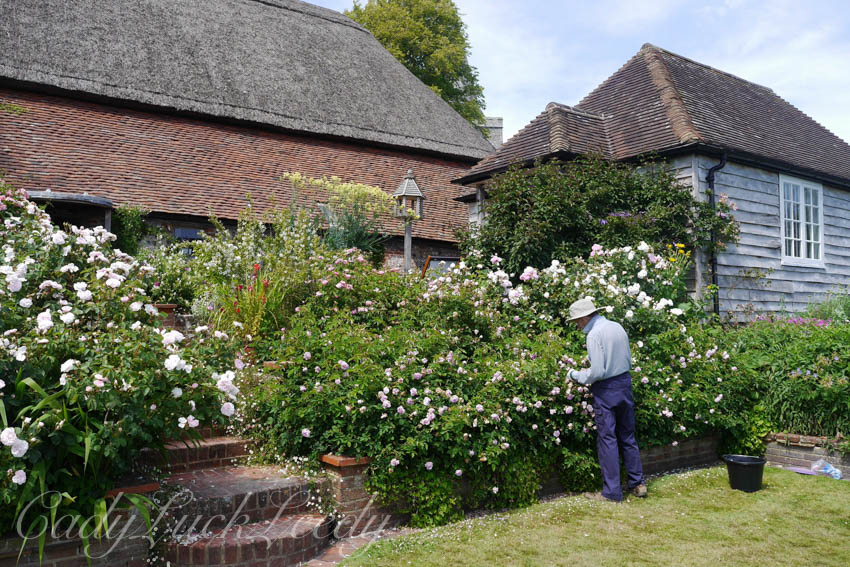
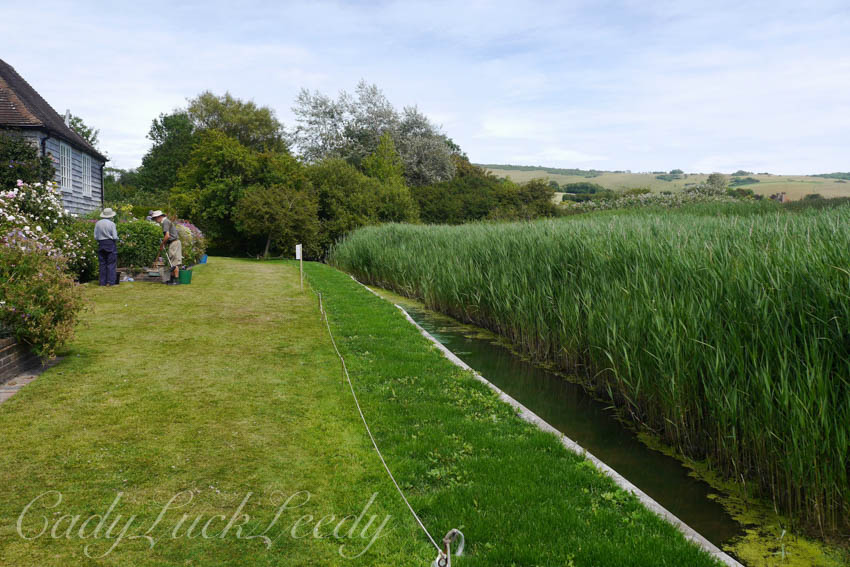
The water runs from the Cuckmere River, which is nearby, right along the back of the cottage, creating the perfect setting in the South Downs!

Alfriston Clergy House, Alfriston, Sussex, UK

Alfriston Clergy House, Alfriston, Sussex, UK

As with all National Trust properties, there is a gift shop which sells goods specific to that property, along with plants from the property. If I lived here I’d have to have a plant from each National Trust estate!

Alfriston Clergy House, Alfriston, Sussex, UK

Alfriston Clergy House Gift Shop, Alfriston, Sussex, UK

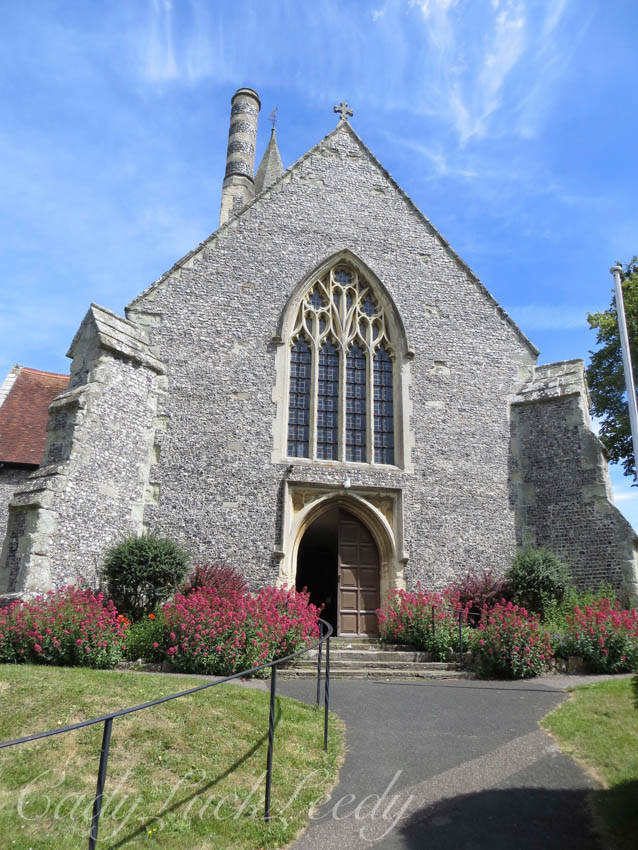
St Andrew’s Church, with Saxon origins, is known as “The Cathedral of the South Downs,” and is surrounded by a flowered graveyard. Built in the form of a cross it sits on a small flint-walled mound in the middle of the local village green.

St Andrew's Church, Alfriston, Sussex, UK

St Andrew’s Church, Alfriston, Sussex, UK

St Andrew's Church, Alfriston, Sussex, UK

St Andrew’s Church, Alfriston, Sussex, UK

St Andrew's Church, Alfriston, Sussex, UK

St Andrew’s Church, Alfriston, Sussex, UK

St Andrew's Church, Alfriston, Sussex, UK

St Andrew’s Church, Alfriston, Sussex, UK

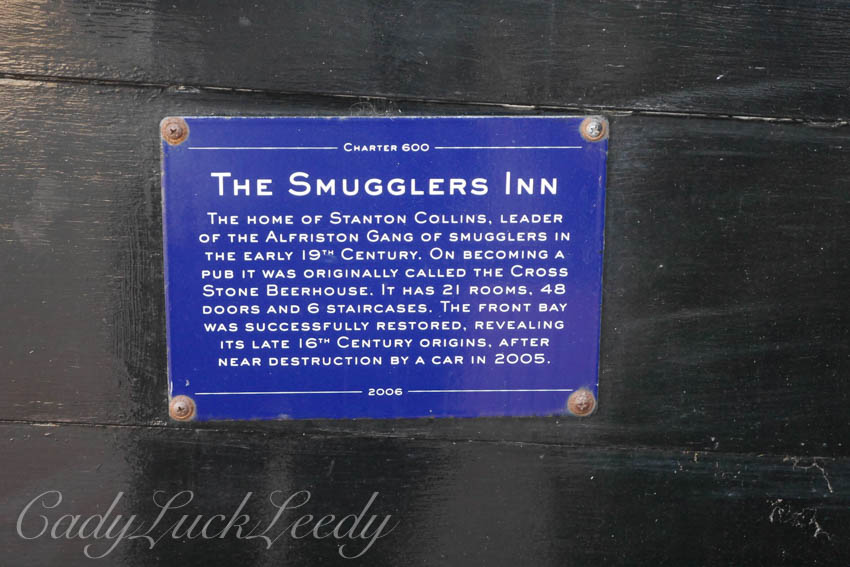
Let’s explore the village. The streets are narrow and don’t allow for parking, but a parking lot can be found at the end of the village and it is just a short walk to the pubs and other historic sites.  The Star Inn, a religious hostel built in 1345 and used to accommodate monks and pilgrims, is now one of three pubs in the village.  Later a smuggling gang used the inn as a base, before the leader was transported to Australia in 1830. The George Inn and the Smugglers Inn are also pubs located along the main road through Alfriston.

Alfriston, Sussex, UK

Alfriston, Sussex, UK

The Star Inn, Alfriston, Sussex, UK

The Star Inn, Alfriston, Sussex, UK

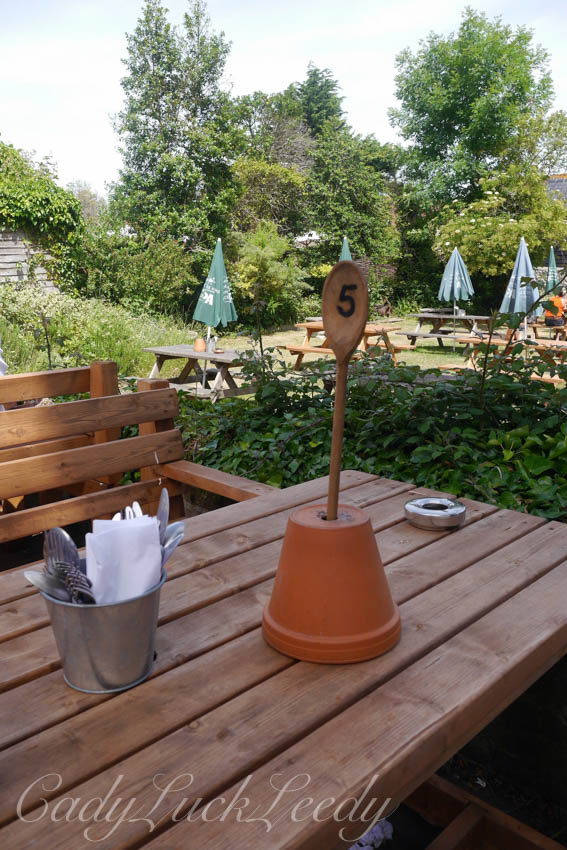
We popped into The George Inn for a bite to eat. We had a drink inside and then went outside in the garden to have a meal. YUMMY!

The George Inn, Alfriston, Sussex, UK

The George Inn, Alfriston, Sussex, UK

The George Inn, Alfriston, Sussex, UK

The George Inn, Alfriston, Sussex, UK

The George Inn, Alfriston, Sussex, UK

The George Inn, Alfriston, Sussex, UK

The Garden at the George Inn, Alfriston, Sussex, UK

The Garden at the George Inn, Alfriston, Sussex, UK

The Garden at the George Inn, Alfriston, Sussex, UK

The Food at the George Inn, Alfriston, Sussex, UK

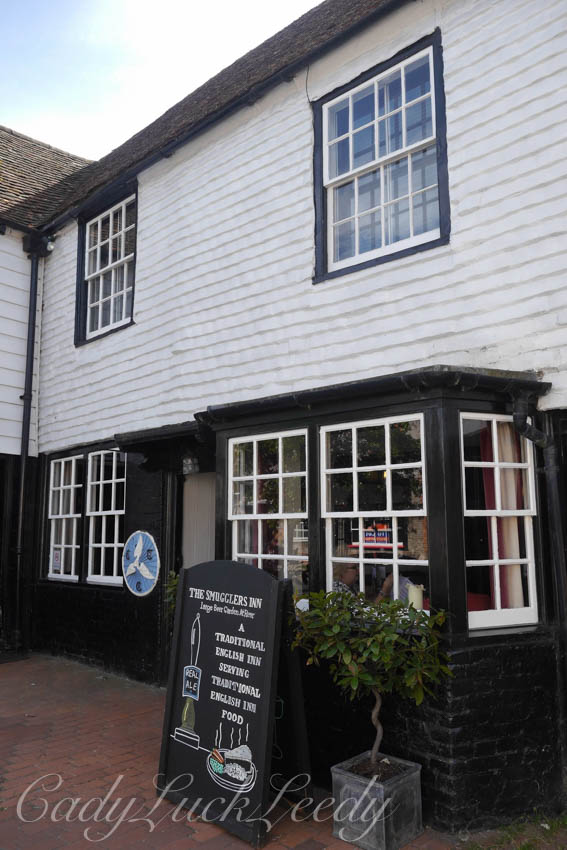
Smugglers Inn, Alfriston, Sussex, UK

Smugglers Inn, Alfriston, Sussex, UK

Smugglers Inn, Alfriston, Sussex, UK

Smugglers Inn, Alfriston, Sussex, UK

Walking through the village we see the small shops and monuments of the village.

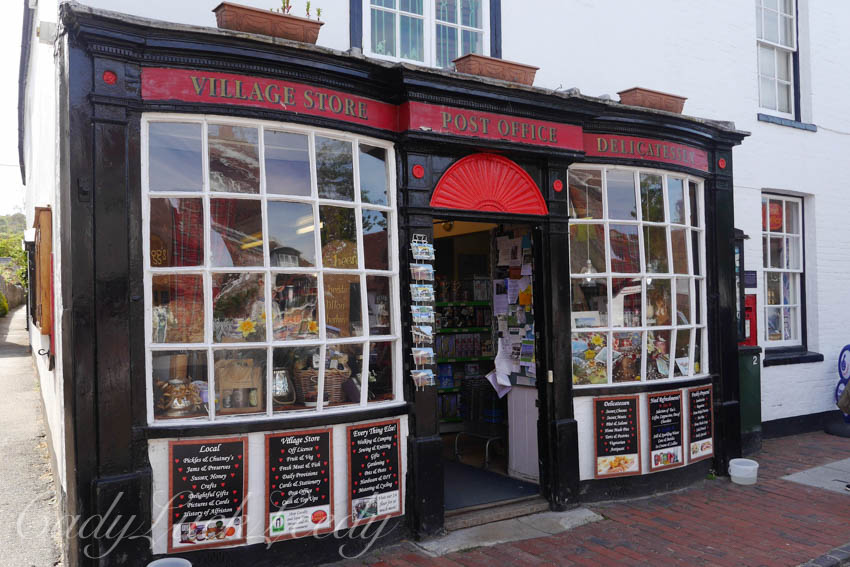
The Village Store, Alfriston, Sussex, UK

The Village Store and Post Office, Alfriston, Sussex, UK

Market Square, Alfriston, Sussex, UK

Market Square, Alfriston, Sussex, UK

Market Square, Alfriston, Sussex, UK

Market Square, Alfriston, Sussex, UK

This was my favorite “little house” in Alfriston. I could live here!

Little House in Alfriston, Sussex, UK

Little House in Alfriston, Sussex, UK

No records survive to establish what function this little building once served. A map of 1874 marks it as a dovecote, but it’s sufficiently similar to examples in other parts of the country to suggest that this was, in fact, Alfriston’s lock-up, where the local hotheads and drunks were left to cool down before the administration of justice. Yikes!

Alfriston Lock Up, Alfriston, Sussex, UK

Alfriston Lock Up, Alfriston, Sussex, UK

I called this house, “Lavender Door Cottage.” I absolutely loved it! Alfriston is a beautiful village and we had a great day exploring the first house on the National Trust!  It had a place to sit, a place to play, a place to stroll, and was a wonderful place to spend the day in! Octavia Hill would be so proud! See you tomorrow at another property! Enjoy!

The Lavender Door Cottage, Alfriston, Sussex, UK

The Lavender Door Cottage, Alfriston, Sussex, UK

Bateman’s: Home of Rudyard Kipling

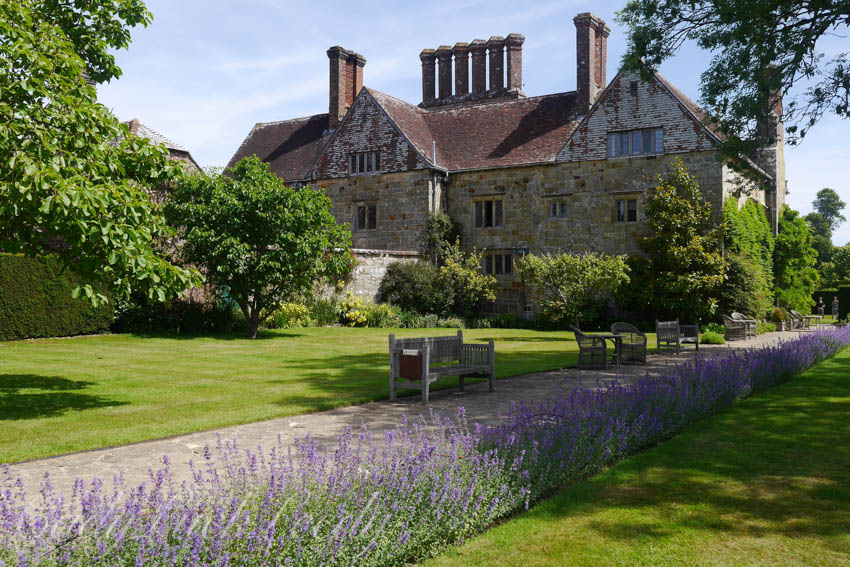
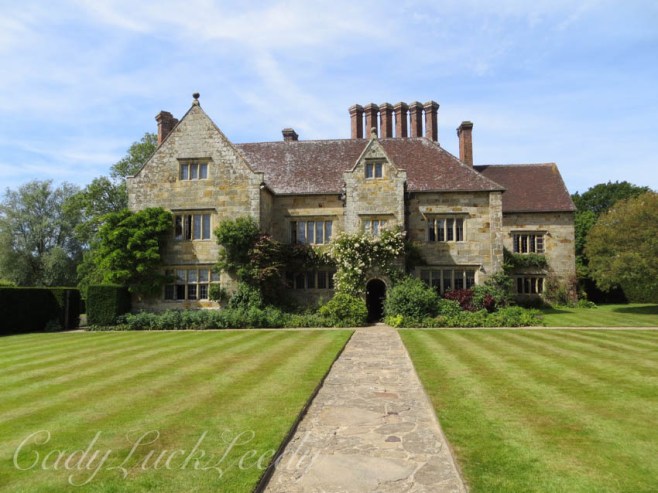
Bateman's, Burwash, East Sussex, U

Bateman’s, Burwash, East Sussex, UK
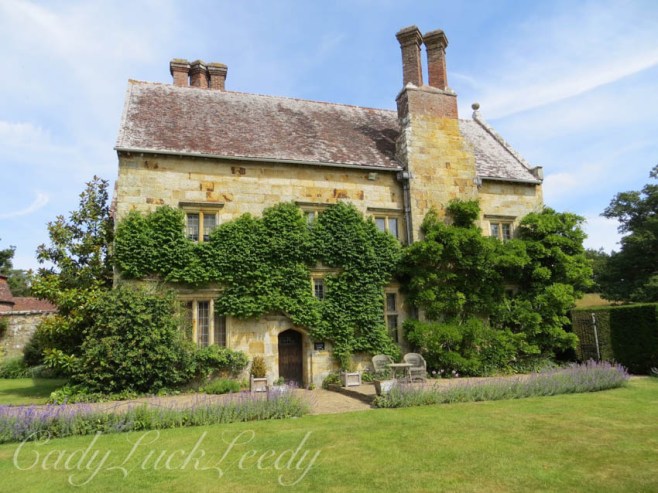
Bateman's, Burwash, East Sussex, UK

Bateman’s, Burwash, East Sussex, UK

Bateman's, Burwash, East Sussex, UK

Bateman’s, Burwash, East Sussex, UK

The National Trust was set up to preserve places of historic interest or natural beauty for the enjoyment of the British public. We are members of the National Trust (in the U.S. this is called the Royal Oak Society) which allowed us entry into the historic sites and provided a parking permit. The first National Trust property we toured, on my English Garden Tour, was Bateman’s, home of Rudyard Kipling; an English poet, short-story writer, and novelist chiefly remembered for his celebration of British imperialism, tales and poems of British soldiers in India, and his tales for children.

What I learned at Bateman’s:

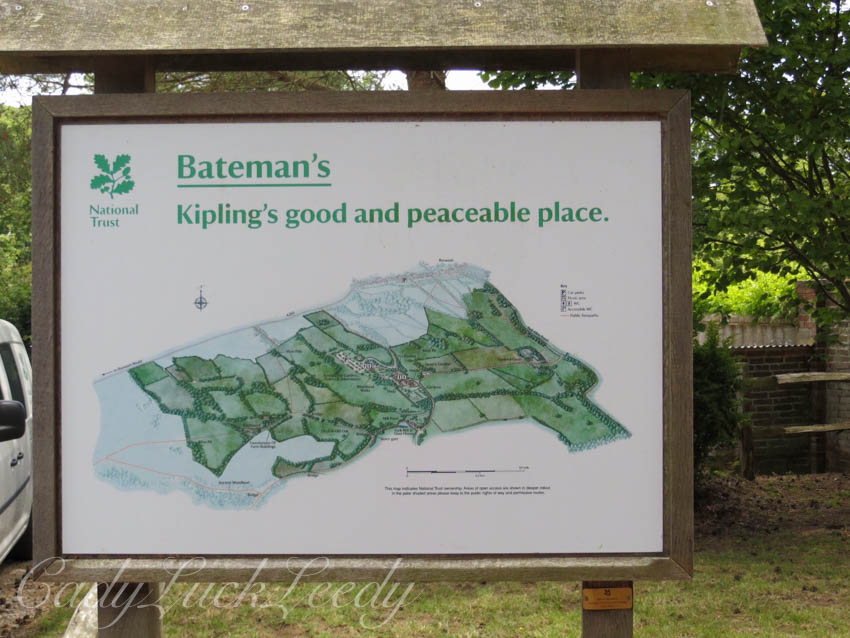
Rudyard Kipling bought the Bateman’s Estate, in 1902, to escape the tourist attraction he had become, at his home in Brighton.   His wife found the sand-stoned estate in Burwash, East Sussex, built in 1634 by local ironmaster, John Bateman. It had 33 acres with outbuildings and a mill, no bathrooms, no running water upstairs, and no electricity, but Kipling loved it. In a letter he wrote, “Behold us, lawful owners of a grey stone lichened house- A.D. 1634 over the door– beamed, panelled, with old oak staircase, and all untouched and unfaked. It is a good and peaceable place. We have loved it ever since our first sight of it.”

Bateman's, Burwash, East Sussex, UK

Bateman’s, Burwash, East Sussex, UK

Kipling had a road built from the village to his estate at Bateman’s. His car, which was driven by a chauffeur, was a 1928 Rolls-Royce Phantom 1.  The car is on the property in one of the out buildings, now used as part of the museum.
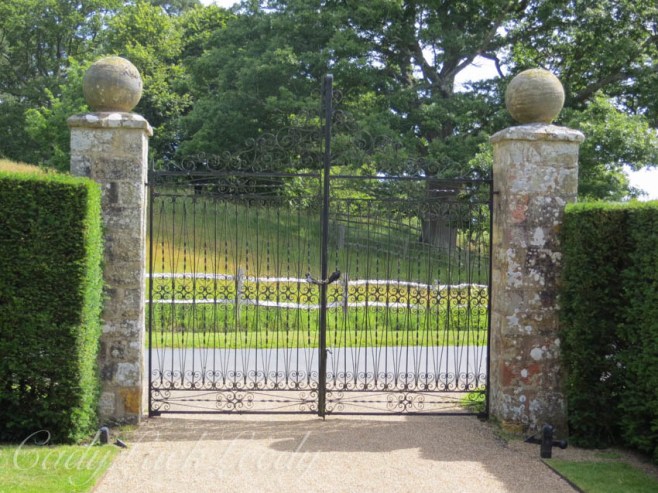
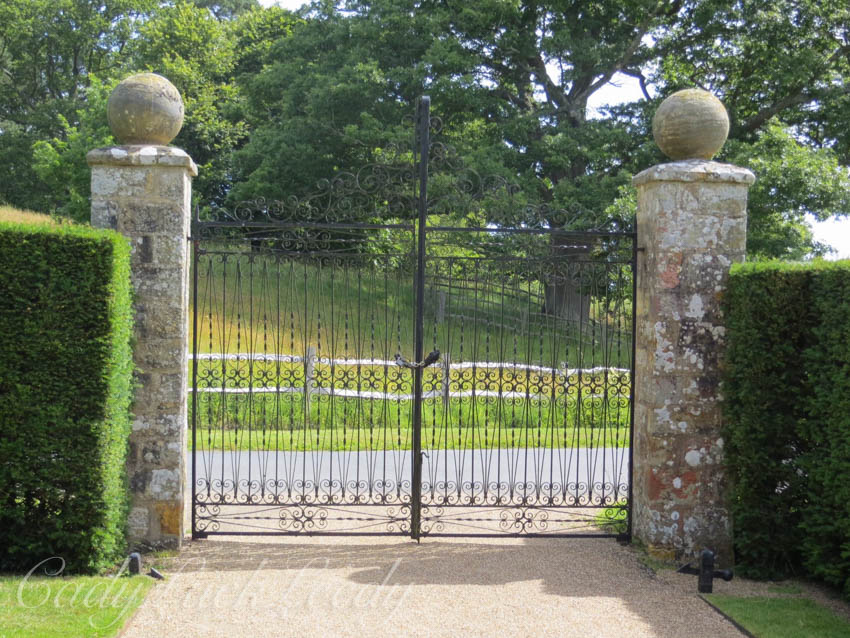
The Main Gate to Bateman's, Burwash, East Sussex, UK

The Main Gate to Bateman’s, Burwash, East Sussex, UK
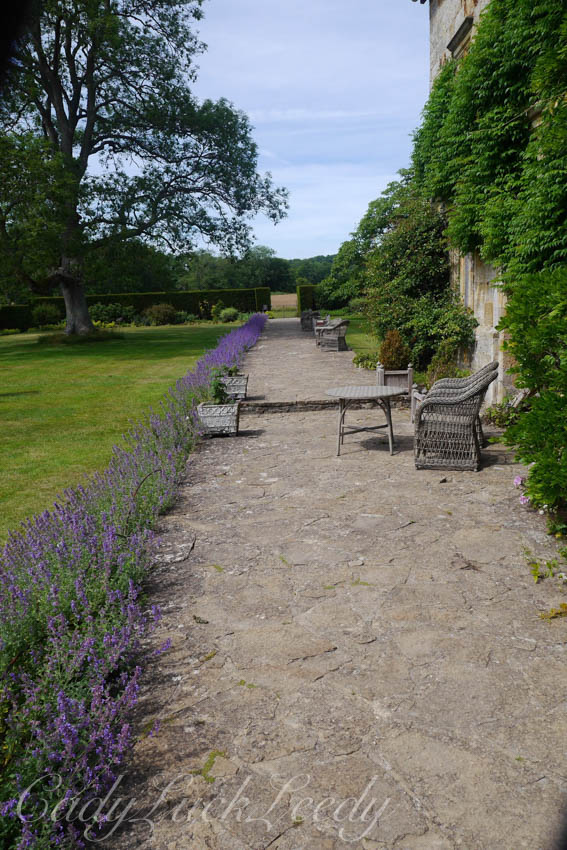
The Lavender Walk, Bateman's, Burwash, East Sussex, UK

The Lavender Walk, Bateman’s, Burwash, East Sussex, UK

Bateman's, Burwash, East Sussex, UK

Bateman’s, Burwash, East Sussex, UK

An oast is found in the peaceful, secluded, garden and is now used for a gift shop selling plants, Kipling souvenirs, books, and flour from the flour mill on the property.
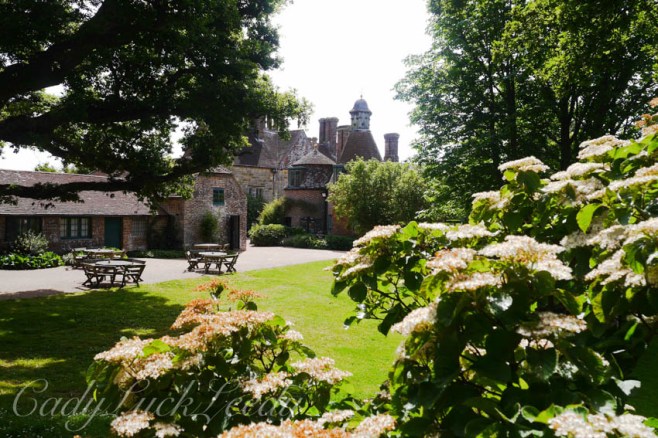
Bateman's, Burwash, East Sussex, UK

Bateman’s, Burwash, East Sussex, UK

There is also  a lovely restaurant serving seasonal lunches, and homemade cakes with inside or outside seating. It was a beautiful spot to sit and enjoy the garden.

Bateman's, Burwash, East Sussex, UK

Bateman’s, Burwash, East Sussex, UK
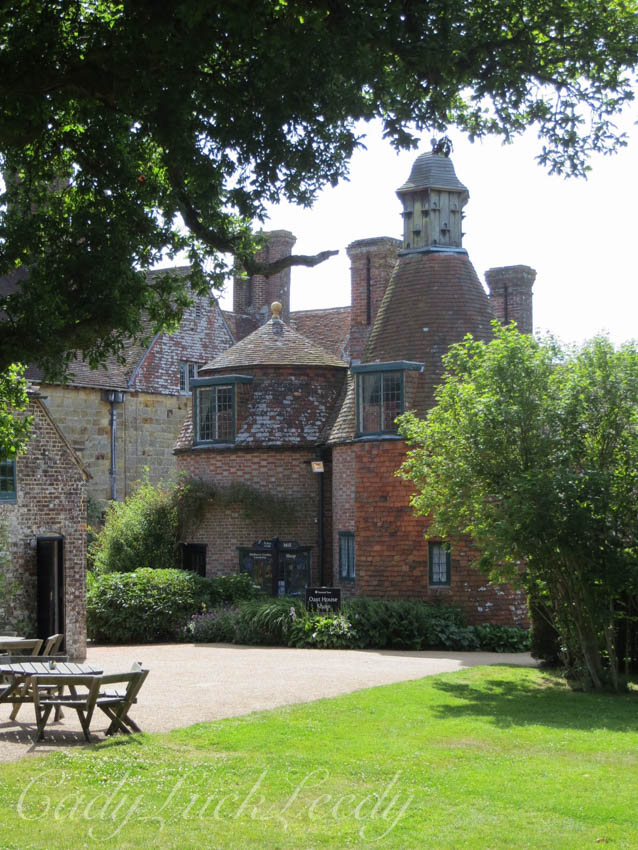
Bateman's, Burwash, East Sussex, UK

Bateman’s, Burwash, East Sussex, UK

Bateman's, Burwash, East Sussex, UK

Bateman’s, Burwash, East Sussex, UK

Here is the flower shop at Bateman’s!

Bateman's, Burwash, East Sussex, UK

Bateman’s, Burwash, East Sussex, UK

Bateman's, Burwash, East Sussex, UK

Bateman’s, Burwash, East Sussex, UK

Kipling, born in Bombay, India to British nationals, was sent at the age of five, to England, to live with people who boarded children of British nationals, who were serving in India. He and his three year old sister, Trix, lived there for six years and Kipling recalled the stay with horror and thought the cruelty and neglect he experienced hastened the onset of his literary career. He had turned to writing for comfort. The two Kipling children, however, did have relatives in England whom they could visit. They spent a month each Christmas with their maternal aunt, Georgiana and her husband, at their house, “The Grange,” in Fulham, London, which Kipling was to call “a paradise which I verily believe saved me.” When “The Grange” was sold Kipling bought the antique doorbell and placed it at Bateman’s, to remind him how he had loved his stay there. 

The Door Bell at Bateman's, Burwash, East Sussex, UK

The Door Bell at Bateman’s, Burwash, East Sussex, UK

There was also a hidden room ( Mrs. Kipling’s private room with a peephole) just above the entry which allowed her to say yea or nay when someone showed up at the house to visit. With a ring of a bell she relayed whether the guests should be allowed to stay or turned away. She was very protective of Kipling’s privacy and his writing time.

Here is Kipling’s desk and library; his personal paradise.

Bateman's, Burwash, East Sussex, UK

Bateman’s, Burwash, East Sussex, UK

Bateman's, Burwash, East Sussex, UK

Bateman’s, Burwash, East Sussex, UK

Kipling’s poems and works of fiction include, “Gunga Din” (1892), The Jungle Book (1894), and Kim (1901), Puck of Pook’s Hill (1906), and Rewards and Fairies (1910). Pook’s Hill  was part of the estate at Bateman’s. The latter contained the poem, “If.  In a 1995 BBC opinion poll, it was voted the U.K.’s favorite poem. In 1907, he was awarded the Nobel Prize for Literature.

Acres of countryside provide a tranquil retreat.
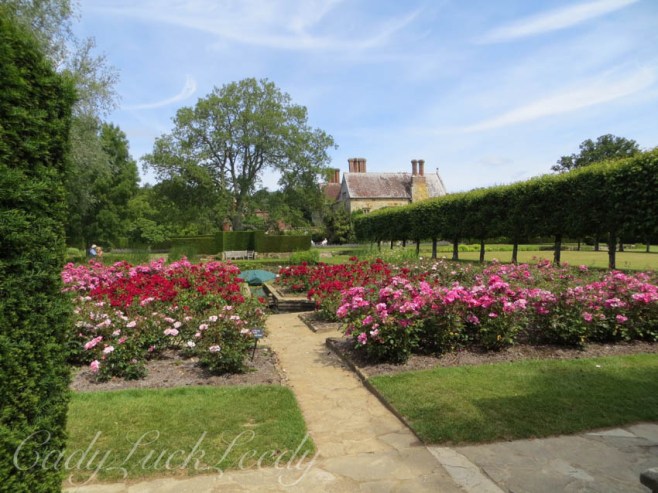
Bateman's, Burwash, East Sussex, UK

Bateman’s, Burwash, East Sussex, UK
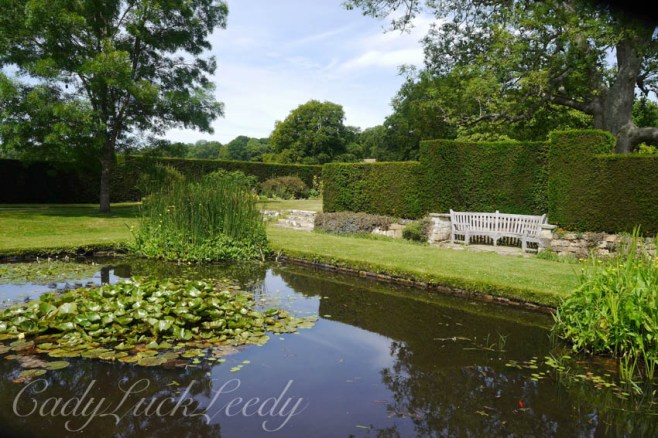
Bateman's, Burwash, East Sussex, UK

Bateman’s, Burwash, East Sussex, UK

Bateman's, Burwash, East Sussex, UK

Bateman’s, Burwash, East Sussex, UK

Here an oast, near the mill, has been converted to the caretaker’s cottage.

Caretaker's Cottage at Bateman's, Esat Sussex, UK

Caretaker’s Cottage at Bateman’s, Esat Sussex, UK

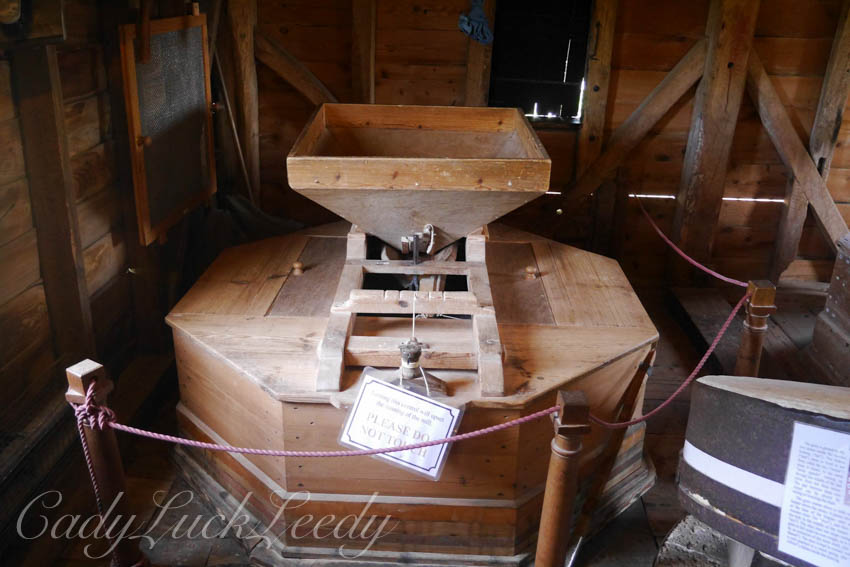
A very knowledgable guide instructed us on the workings of the mill.

The Mill at Bateman's, Burwash, East Sussex, UK

The Mill at Bateman’s, Burwash, East Sussex, UK
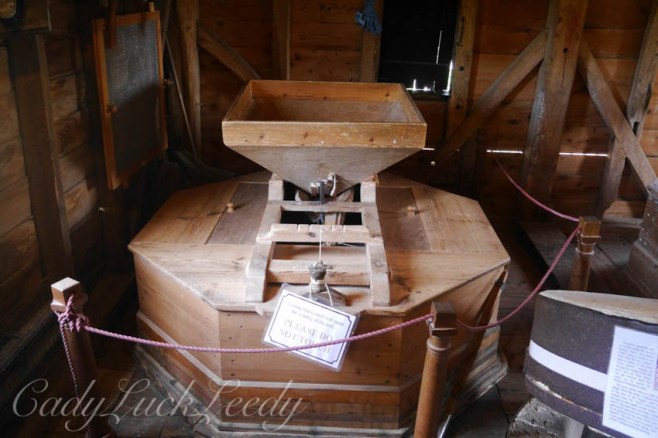
The Mill at Bateman's, Burwash, East Sussex, UK

The Mill at Bateman’s, Burwash, East Sussex, UK
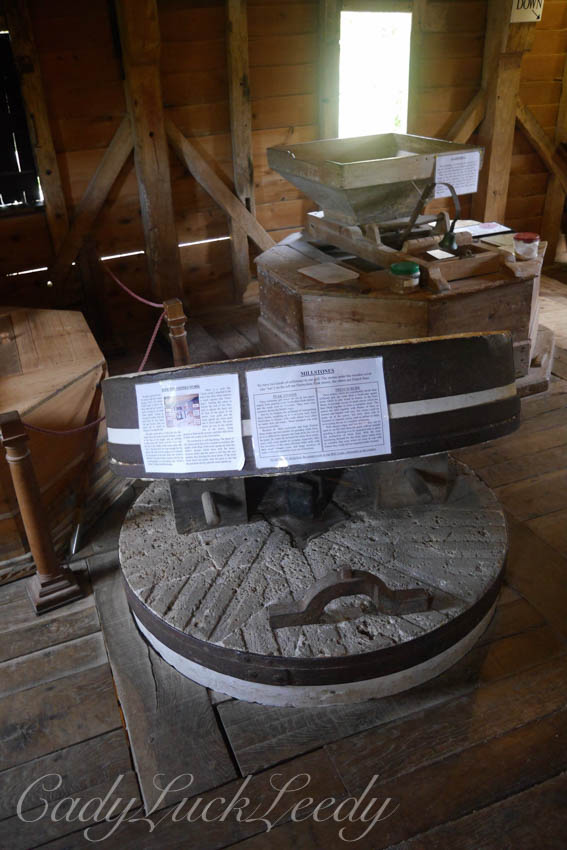
The Mill at Bateman's, Burwash, East Sussex, UK

The Mill at Bateman’s, Burwash, East Sussex, UK

The Mill at Bateman's, Burwash, East Sussex, UK

The Mill at Bateman’s, Burwash, East Sussex, UK

Kipling had three children. After the death of his oldest daughter, Josephine, at age six from pneumonia, he published the first of many children’s books. One was Just So Stories for Little Children.

Kipling actively encouraged his youngest, and only son, to go to war. Kipling’s son, John, died in the First World War, at the Battle of Loos, in September 1915, at age 18. John had initially wanted to join the Royal Navy, but having had his application turned down after a failed medical examination due to poor eyesight, he opted to apply for military service as an Army officer. But again, his eyesight was an issue during the medical examination and he was rejected. His father had been lifelong friends with Lord Roberts, commander-in-chief of the British Army, and colonel of the Irish Guards, and at Rudyard’s request, John was accepted into the Irish Guards.

He was sent to Loos two days into the battle in a reinforcement contingent. He was last seen stumbling through the mud blindly, screaming in agony after an exploding shell had ripped his face apart. A body identified as his was not found until 1992, although that identification has been challenged.

After his son’s death, Kipling wrote, “If any question why we died/ Tell them, because our fathers lied.” It is speculated that these words may reveal his feelings of guilt at his role in getting John a commission in the Irish Guards.

Kipling became friends with a French soldier whose life had been saved in the First World War when his copy of Kim, which he had in his left breast pocket, stopped a bullet. The soldier presented Kipling with the book (with bullet still embedded) and his Croix de Guerre as a token of gratitude. They continued to correspond, and when the soldier, Maurice Hammoneau, had a son, Kipling insisted on returning the book and medal. 

Partly in response to John’s death, Kipling joined the Imperial War Graves Commission, the group responsible for the garden-like British war graves that can be found to this day dotted along the former Western Front, and all the other locations around the world where troops of the British Empire lie buried. His most significant contribution to the project was his selection of the biblical phrase,”Their Name Liveth For Evermore”,  found on the Stones of Remembrance in larger war cemeteries and his suggestion of the phrase “Known unto God” for the gravestones of unidentified servicemen. He chose the inscription “The Glorious Dead” on the Cenotaph, Whitehall, London. He also wrote a two-volume history of the Irish Guards, his son’s regiment, that was published in 1923 and is considered to be one of the finest examples of regimental history.

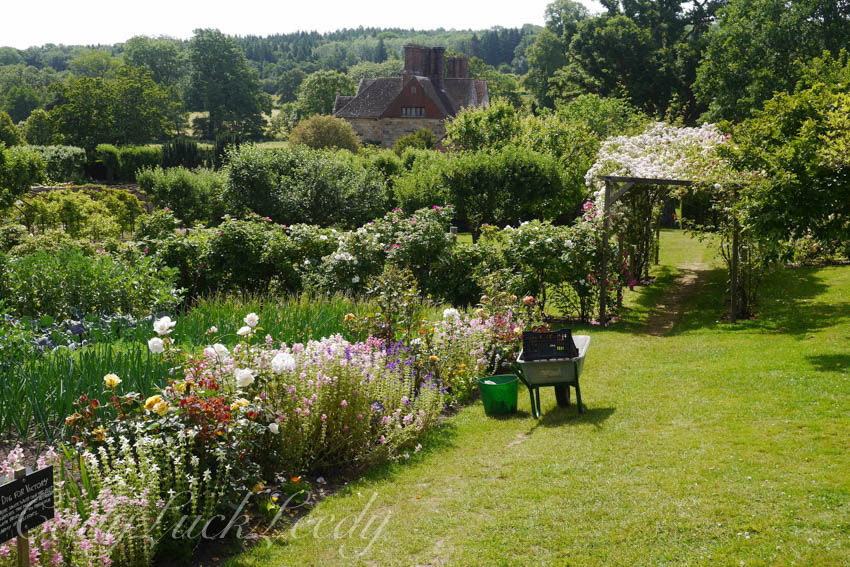
Let’s take a stroll through the vegetable and flower gardens before we leave!
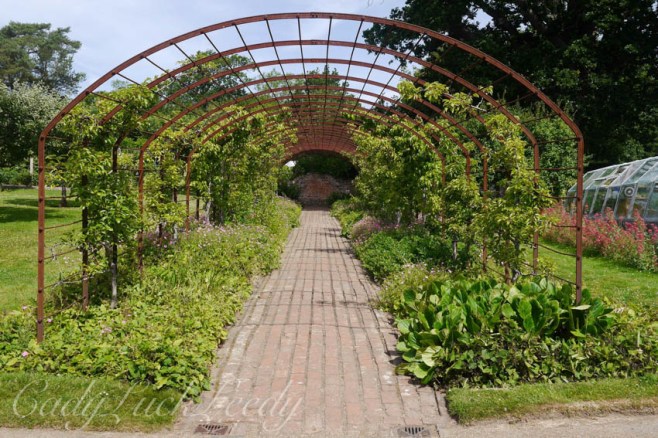
A Walk Through the Vegetable Gardens at Bateman's, Burwash, East Sussex, UK

A Walk Through the Flower Gardens at Bateman’s, Burwash, East Sussex, UK

A Walk Through the Flower Gardens at Bateman's, Burwash, East Sussex, UK

A Walk Through the Flower Gardens at Bateman’s, Burwash, East Sussex, UK
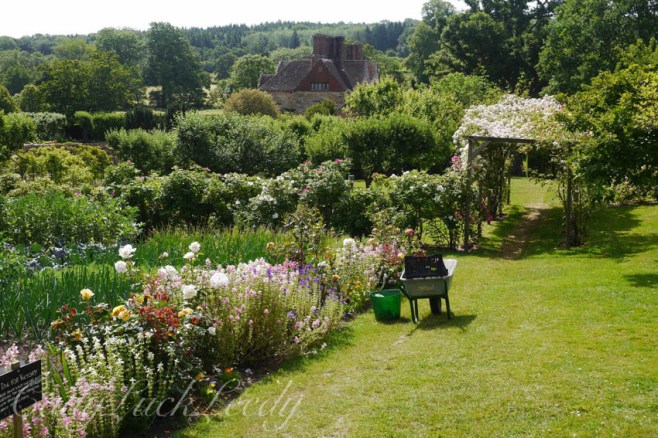
A Walk Through the Flower Gardens at Bateman's, Burwash, East Sussex, UK

A Walk Through the Flower Gardens at Bateman’s, Burwash, East Sussex, UK

A Walk Through the Flower Gardens at Bateman's, Burwash, East Sussex, UK

A Walk Through the Vegetable Gardens at Bateman’s, Burwash, East Sussex, UK

A Walk Through the Vegetable Gardens at Bateman's

A Walk Through the Flower Gardens at Bateman’s, Burwash, East Sussex, UK

After the death of Kipling’s wife in 1939, his house, “Bateman’s,  where he had lived from 1902 until 1936, was bequeathed to the National Trust and is now a public museum dedicated to the author. Elsie Bambridge, his only child, who lived to maturity, died childless in 1976, and also bequeathed her copyrights to the National Trust, which in turn donated them to the University of Sussex, in Brighton, to ensure better public access. We truly enjoyed our day at Bateman’s! See you tomorrow at another National Trust property! Enjoy!
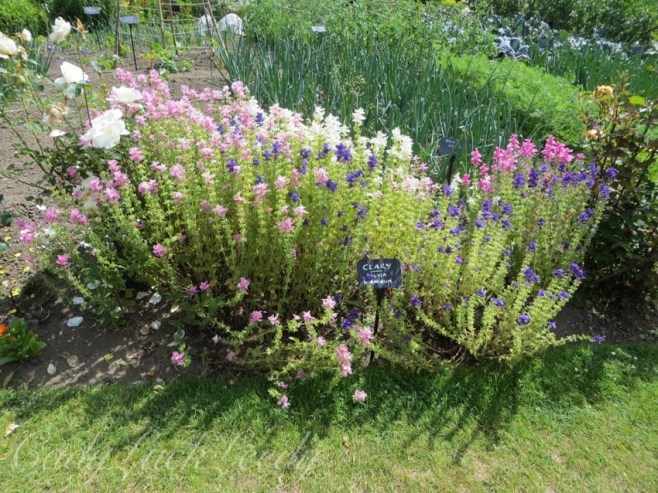
Bateman's, Burwash, East Sussex, UK

Bateman’s, Burwash, East Sussex, UK

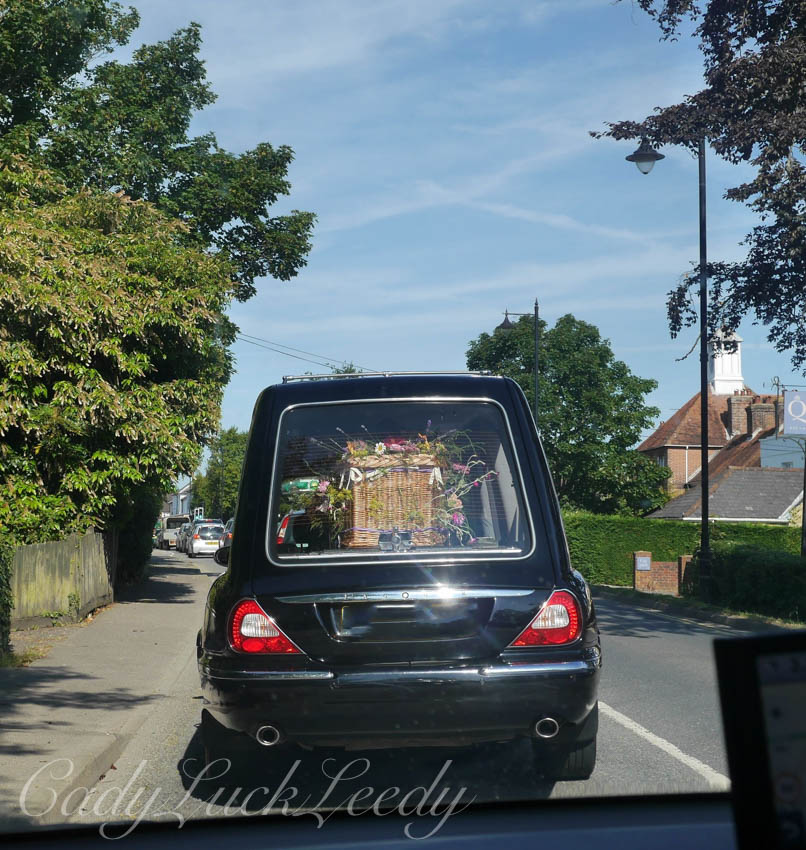
A Gardener’s Farewell?

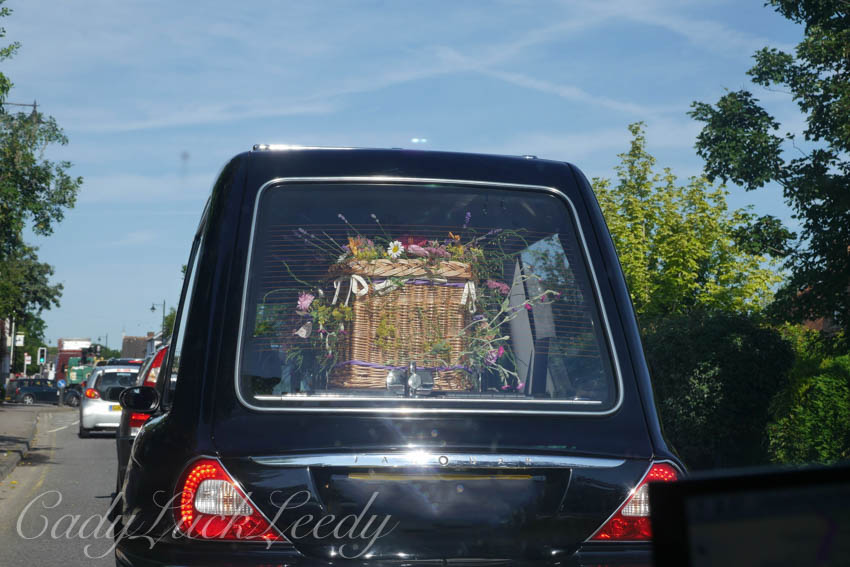
The Hearse, Kent, UK

The Hearse, Kent, UK

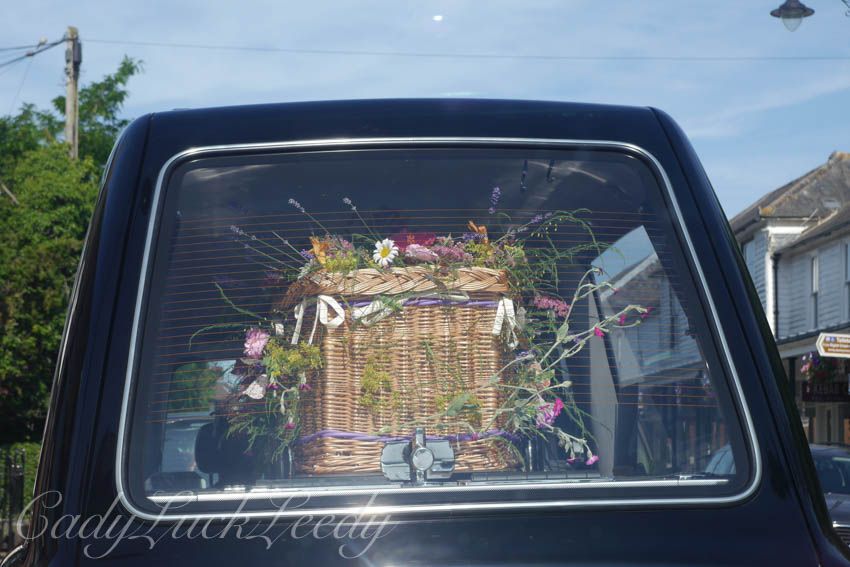
Closer, The Hearse, Kent, UK

Closer, The Hearse, Kent, UK

Closest, The Hearse, Kent, UK

Closest, The Hearse, Kent, UK

Finishing up my National Garden Schemes tour we started out on one of our daily drives to a National Trust Estate. One morning we stopped in Hawkhurst, to let a hearse out of a driveway.  Imagine our surprise when it stopped in front of us and the gentleman in the passenger seat got out. Dressed in top hat and tails he approached the side of the hearse, removed his hat, and bowed his head in prayer. After a minute or so, he returned to the front seat and the hearse moved on in the slow traffic. As we sat in our car watching this spectacle, I was surprised to see what looked like a picnic basket casket with flowers stuck into the sides. Was this the coffin of a gardener, I wondered? What a moving tribute that would be! When we asked our friends about this, we were told this was one of the new eco-friendly caskets. Another new take on caskets was the cardboard casket. I looked it up and here is one article you  might want to read before settling on the eco-friendly casket. I had not ever heard of such a thing so researching ahead of time might be a good thing. An eco-friendly funeral does give one something to ponder. To each his own or as the french say, à chacun ses gouts! Rest in peace with that bit of garden with you! I thought it was lovely!

Old MacDonald Had a Farm: E-i, E-i, Oasts

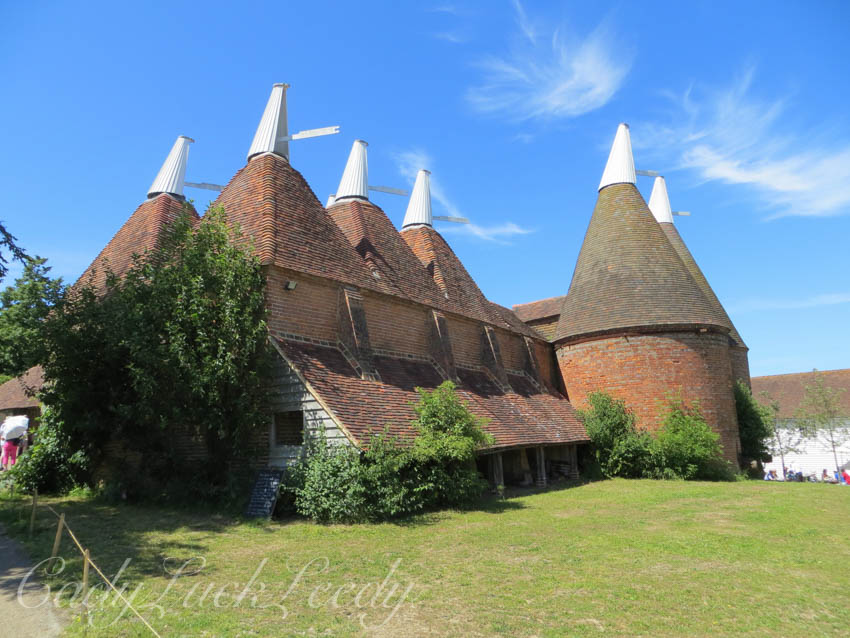
Oast in Kentish Countryside, UK

Oast in Kentish Countryside, UK

Oast at Sissinghurst, Kent, UK

Oast at Sissinghurst, Kent, UK

Oast at Sissinghurst, Kent, UK

Oast at Sissinghurst, Kent, UK

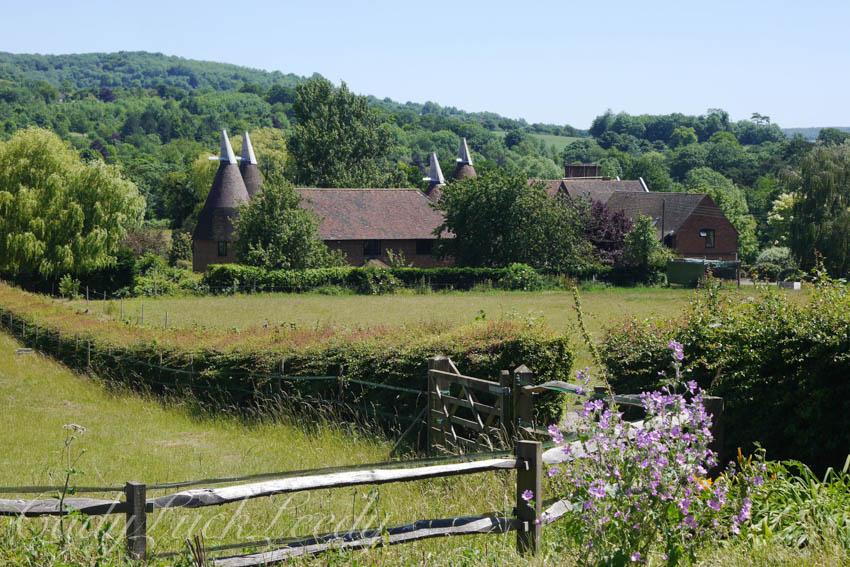
Oast in Kentish Countryside, UK

Oast in Kent Countryside, UK

Oast in Kentish Countryside, UK

Oast in Kent Countryside, UK

Driving around the Kent countryside one can not help, but notice, the oast; a building designed for drying hops, as part of the brewing process. The oast consisted of two or three storeys, on which the hops were spread out to be dried by hot air from a wood or charcoal-fired kiln at the bottom. The drying floors were thin and perforated to permit heat to pass through and escape through a cowl in the roof which turned with the wind.  Hops were picked from hops gardens by gangs of pickers, who earned a fixed rate per bushel. The green hops were put into large hessian sacks, called pokes, and the pokes were taken to the oast.  Some oasts had a man-powered hoist, (a pulley and rope) used to hoist the green hops to the drying floor. Green hops had a moisture content of 80%, which needed to be reduced to 6%. The drying floors were 1 1/4 inch square battens nailed at right angles across the joists so there was a gap between each batten and this was covered with a horsehair cloth. The hops would be spread 12 inches deep, the kiln doors closed and the fire lit. Routinely, the men would have to turn over the hops, by walking across the boards and raking it over, in order for the hops to dry properly.  What a hot and dangerous job that would have been! When the hops were judged to be dry, the furnace would be extinguished and the hops removed from the kiln using a scuppet, a large wooden shovel. The hops would then be spread out on the stowage floor to cool and afterwards be pressed into large jute sacks, called pockets, with a hop press. The pockets were then sent to market where the brewers would buy them and use the dried hops in the beer process to add flavor and act as a preservative. Next time you are in a local English pub and see the yellow-brownish, weedy, looking rope, strung about the ceiling and hearth, you’ll know you are looking at picked hops!  Enjoy that beer!

The George Inn, Alfriston, East Sussex, UK
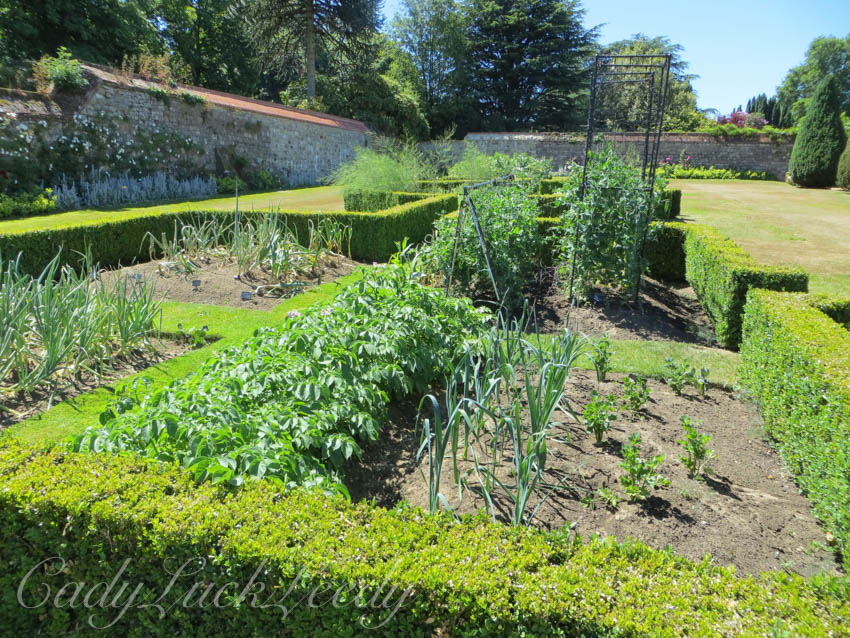
The George Inn, Alfriston, East Sussex, UK

The (MY) English Garden Tour: Garden 12, Yeoveney House, Warninglid, Sussex

Yeoveney House, Warninglid, Sussex

Yeoveney House, Warninglid, Sussex

Yeoveney House, Warninglid, Sussex

Yeoveney House, Warninglid, Sussex

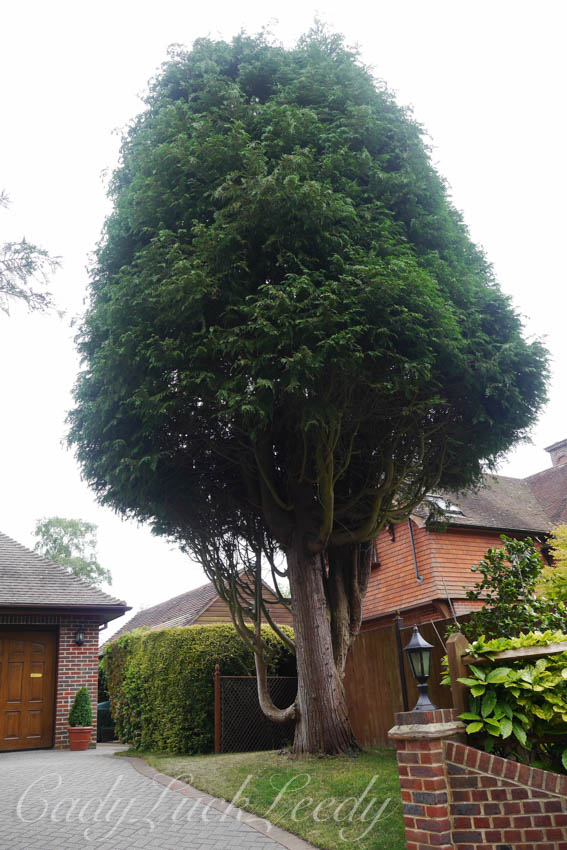
The original tree, that dominated the previous garden, before the houses were built!

Yeoveney House, Warninglid, Sussex

Yeoveney House, Warninglid, Sussex

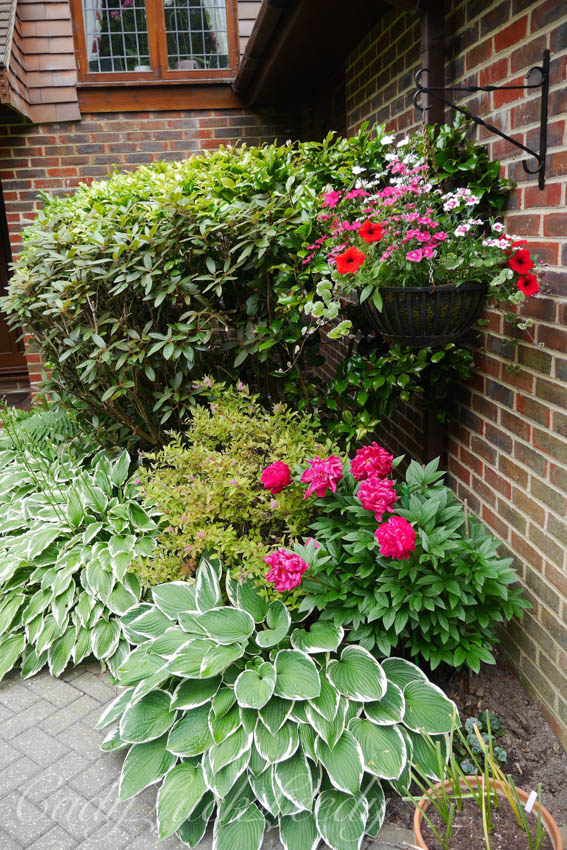
We have reached our final garden in Warninglid, at the Yeoveney House. This garden is planted with rhododendron, camellias, azaleas, and hostas and other lovely plants in shades of lime green and chocolate-black colorings that have been so popular in the gardens here. As usual there was a “special something,” featured in this garden too. Each garden was so different and interesting!

 I want to take this time also to answer questions that I have been asked over the past weeks while I wrote these posts.  I was not in a specialized, planned, garden tour with a group. First, I joined the National Trust Society. (in the U.S. it is called The Royal Oak Society)  I do not remember exactly how I came to know about the National Garden Schemes, (maybe Facebook?) but I planned and researched the trip on my own, in order to visit the National Trust homes and the gardens on the NGS in the area of Kent and Sussex. All the listings were in the books I received after joining their societies. I just picked an area I thought would be interesting and went for it! I was not disappointed! The gardens we have visited have been splendid and it has been one of our best vacations ever! We loved driving around the countryside, eating in the local pubs, discovering the gardens, and visiting with other gardeners! This allowed us to get out and really enjoy the locals and learn about the UK! So without further ado, I give you Youveney House Garden. Thank you Warninglid, and the other gardens we visited, for making our garden tour so special!

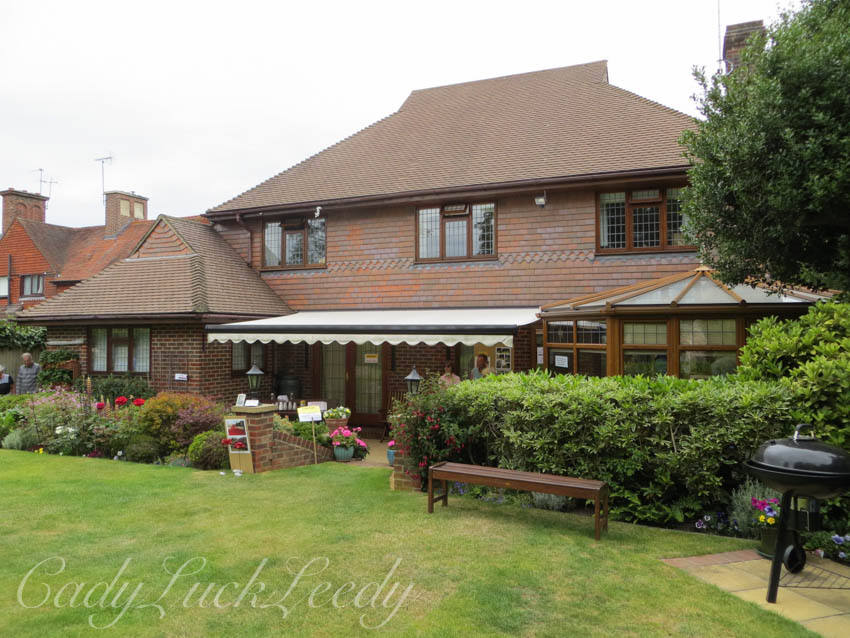
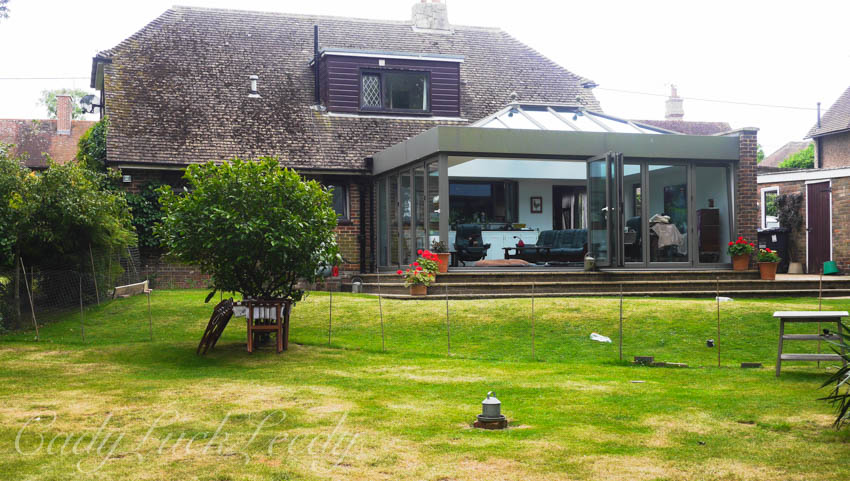
Here is the back of Yeoveney House, revealing the conservatory linked to a new art studio!

Yeoveney House, Warninglid, Sussex

Yeoveney House, Warninglid, Sussex

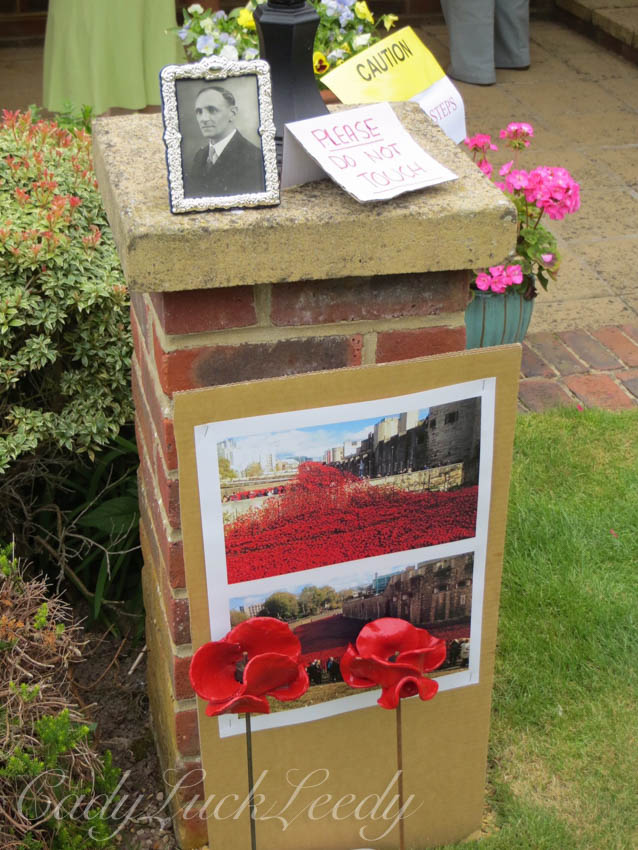
The special surprise at Yeoveney House was a WWI memorial!

Yeoveney House, Warninglid, Sussex

Yeoveney House, Warninglid, Sussex

The people in the background are checking out the artwork!

Yeoveney House, Warninglid, Sussex

Yeoveney House, Warninglid, Sussex

This gardener loves hostas as much as I do! You can never have enough!

Yeoveney House, Warninglid, Sussex

Yeoveney House, Warninglid, Sussex

Yeoveney House, Warninglid, Sussex

Yeoveney House, Warninglid, Sussex

Wow, this is a beauty!

Yeoveney House, Warninglid, Sussex

Yeoveney House, Warninglid, Sussex

Yeoveney House, Warninglid, Sussex

Yeoveney House, Warninglid, Sussex

Yeoveney House, Warninglid, Sussex

Yeoveney House, Warninglid, Sussex

Yeoveney House, Warninglid, Sussex

Yeoveney House, Warninglid, Sussex

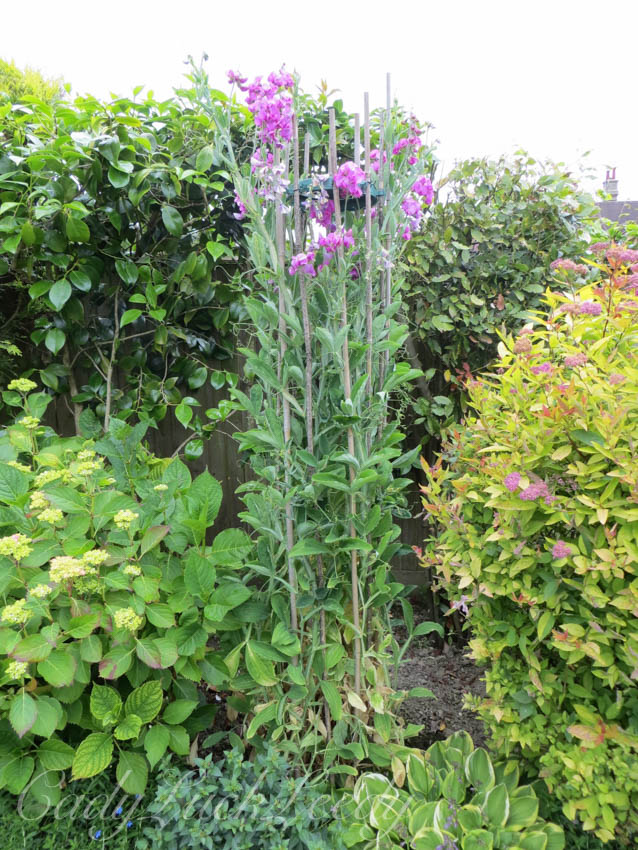
Beautiful sweet peas!

Yeoveney House, Warninglid, Sussex

Yeoveney House, Warninglid, Sussex

Yeoveney House, Warninglid, Sussex

Yeoveney House, Warninglid, Sussex

Everything is so neat and tidy!

Yeoveney House, Warninglid, Sussex

Yeoveney House, Warninglid, Sussex

Yeoveney House, Warninglid, Sussex

Yeoveney House, Warninglid, Sussex

Yeoveney House, Warninglid, Sussex

Yeoveney House, Warninglid, Sussex

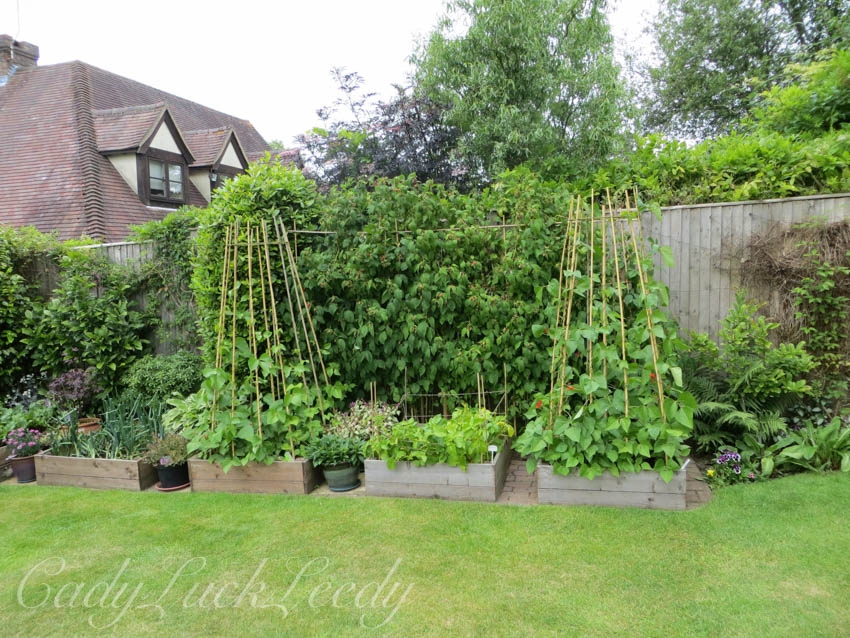
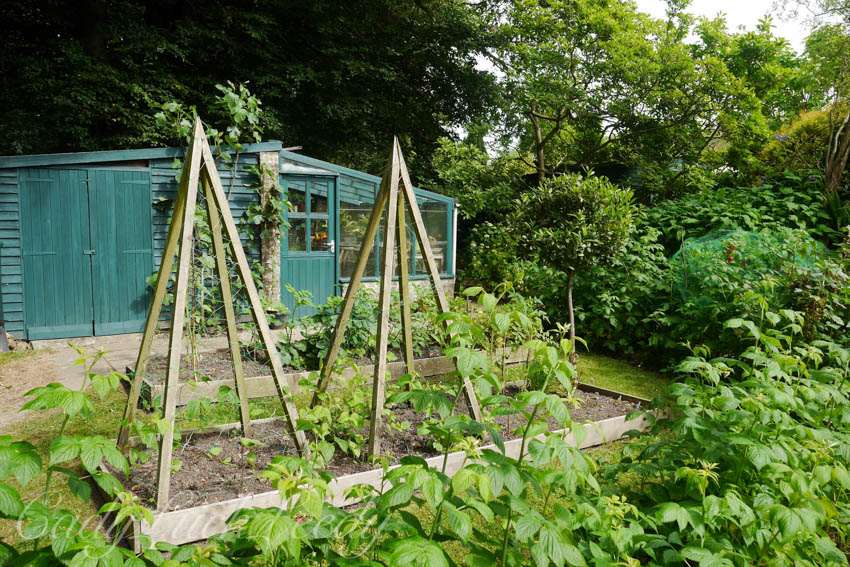
In front of the garden shed were raised beds for vegetables in the garden.

Yeoveney House, Warninglid, Sussex

Yeoveney House, Warninglid, Sussex

Yeoveney House, Warninglid, Sussex

Yeoveney House, Warninglid, Sussex

Yeoveney House, Warninglid, Sussex

Yeoveney House, Warninglid, Sussex

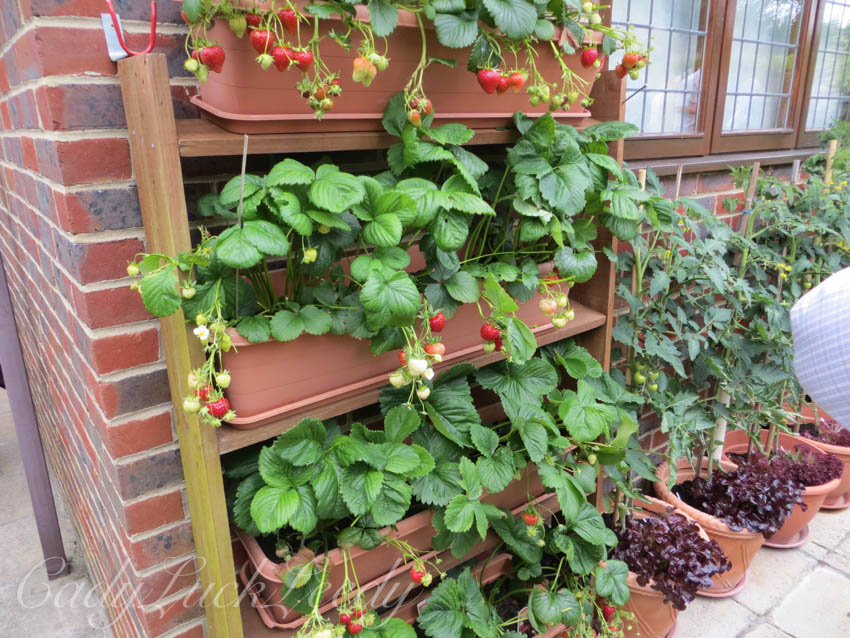
Here is the strawberry patch!  Clever!

Yeoveney House, Warninglid, Sussex

Yeoveney House, Warninglid, Sussex

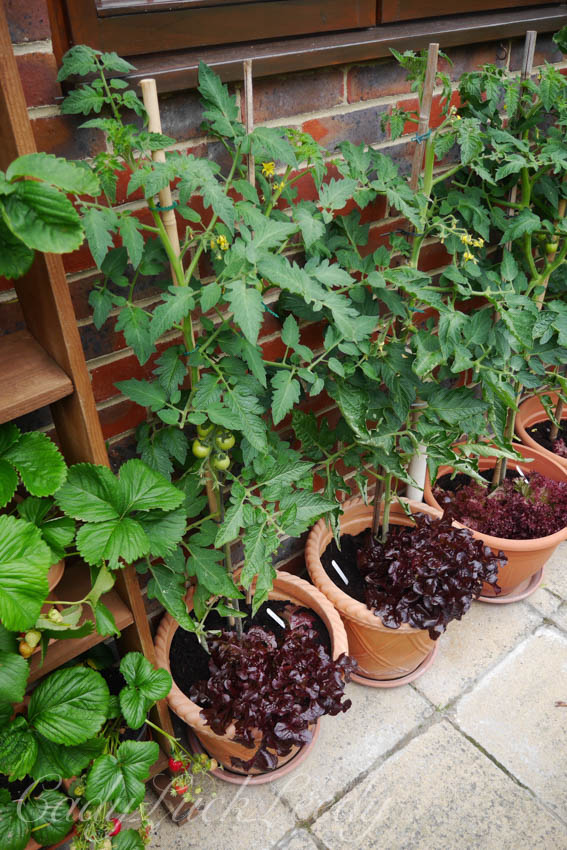
Let’s add the tomato garden as well.

Yeoveney House, Warninglid, Sussex

Yeoveney House, Warninglid, Sussex

My favorite, favorite, favorite! Love the color!!!!!

Yeoveney House, Warninglid, Sussex

Yeoveney House, Warninglid, Sussex

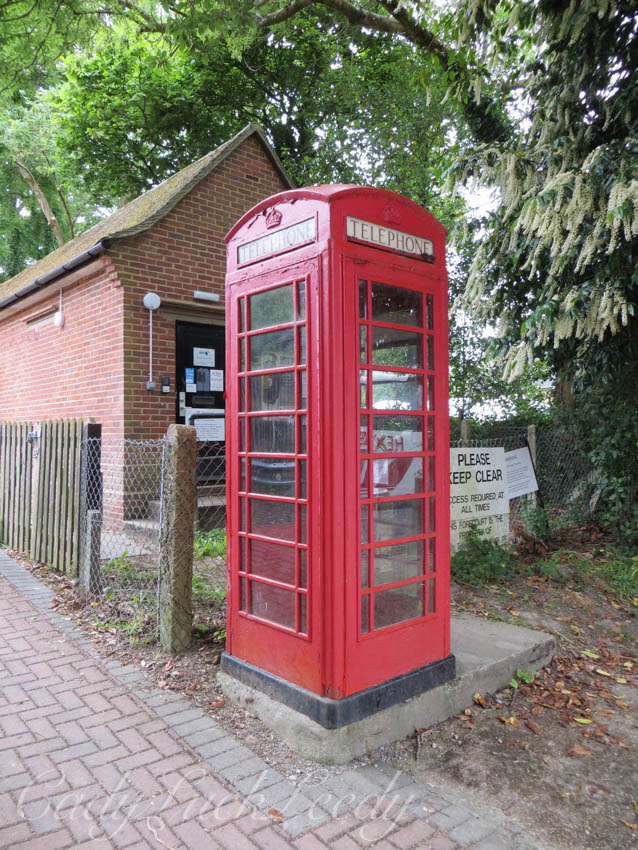
We say goodbye to Warninglid at the red telephone booth in the village center. We had a great time! See you tomorrow at Batemans, a National Trust Estate! Enjoy!

The Red Telephone Booth, Warninglid, Sussex

The Red Telephone Booth, Warninglid, Sussex

The England Garden Tour: Garden 11, Beeches, Warninglid, Sussex

Beeches, Warninglid, Sussex

Beeches, Warninglid, Sussex

Beeches, Warninglid, Sussex

Beeches, Warninglid, Sussex

Beeches, Warninglid, Sussex

Beeches, Warninglid, Sussex

Anchoring the end of Cuckfield Lane, the garden at Beeches was like taking a walk in a National Park. The owners have spent twenty years adding many shrubs and specialty trees to their two acre natural woodland garden. Linked ponds and pools of different levels were also created from a ditch on their property.  The look of this garden is very different from the others we have visited in Warninglid and that is what has made them all so special! Now following the path around another dutch design cottage let’s take a walk to the back! 

Here is a fabulous extension to their cottage! A glass house if I ever saw one!

Beeches, Warninglid, Sussex

Beeches, Warninglid, Sussex

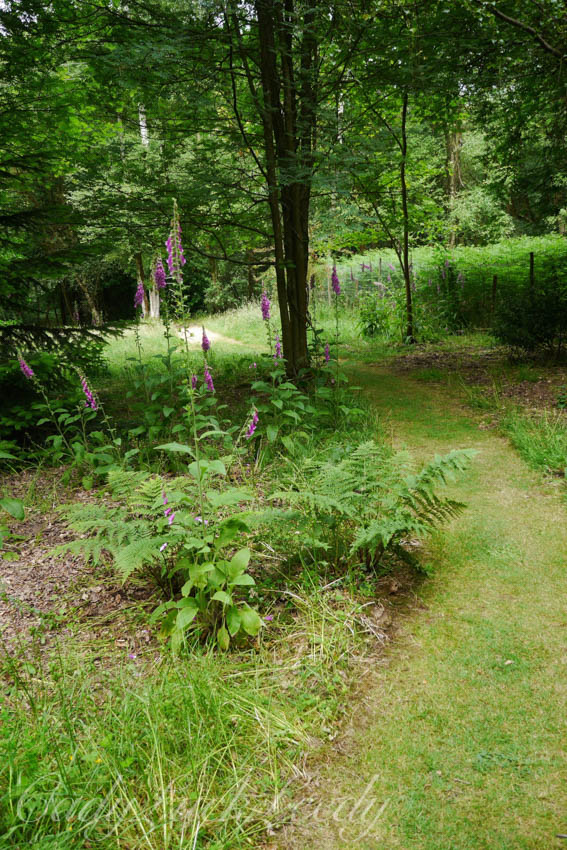
There is a freshly mowed path for us to follow through the woods.

Beeches, Warninglid, Sussex

Beeches, Warninglid, Sussex

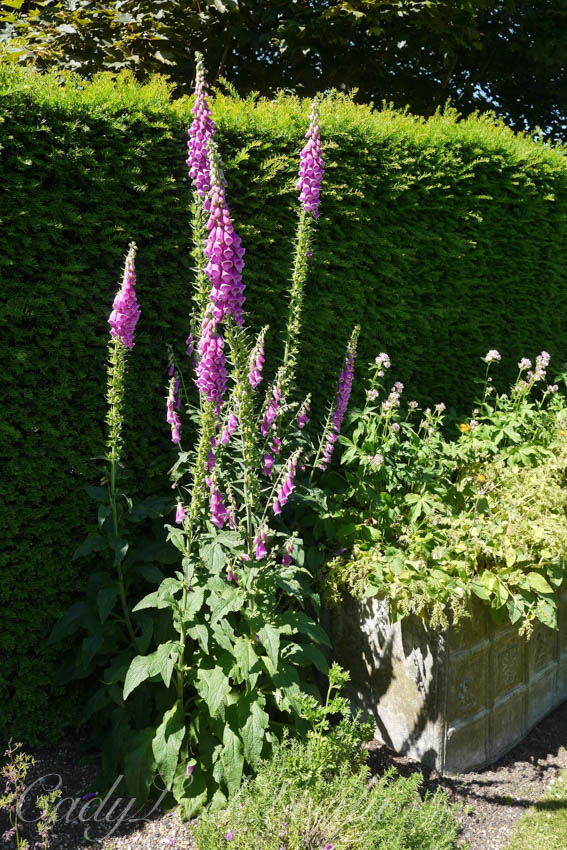
I loved the foxgloves and ferns that just popped up everywhere!

Beeches, Warninglid, Sussex

Beeches, Warninglid, Sussex

Beeches, Warninglid, Sussex

Beeches, Warninglid, Sussex

Beeches, Warninglid, Sussex

Beeches, Warninglid, Sussex

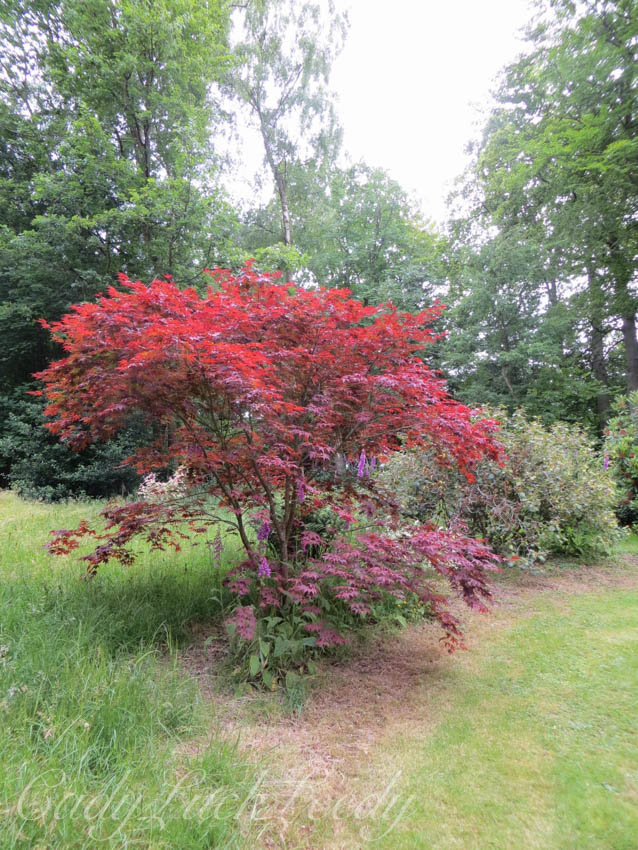
Don’t you just love this color of red? It just makes the woodlands pop!

Beeches, Warninglid, Sussex

Beeches, Warninglid, Sussex

And here, by the first pond, the plum color of that tree just draws your eye to that area!

Beeches, Warninglid, Sussex

Beeches, Warninglid, Sussex

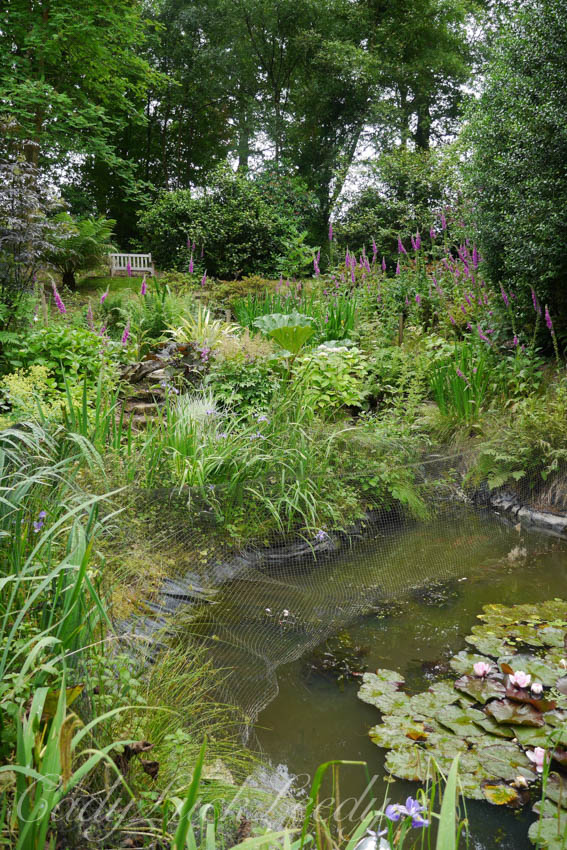
This was the first of many ponds. So tranquil!

Beeches, Warninglid, Sussex

Beeches, Warninglid, Sussex

Beeches, Warninglid, Sussex

Beeches, Warninglid, Sussex

The owner sat by the edge of a pond, sipping his tea, and occasionally detailed what we were looking at and what he had done to create the ponds.

Beeches, Warninglid, Sussex

Beeches, Warninglid, Sussex

Beeches, Warninglid, Sussex

Beeches, Warninglid, Sussex

The water trough.

Beeches, Warninglid, Sussex

Beeches, Warninglid, Sussex

This owl won’t be drinking from the trough. He was sculpted from that tree!

Beeches, Warninglid, Sussex

Beeches, Warninglid, Sussex

And for the finale, the Charlie Brown Christmas tree! We enjoyed Beeches!  See you tomorrow in the garden!

Beeches, Warninglid, Sussex

Beeches, Warninglid, Sussex

The English Garden Tour: Garden 10, Hay House, Warninglid, Sussex

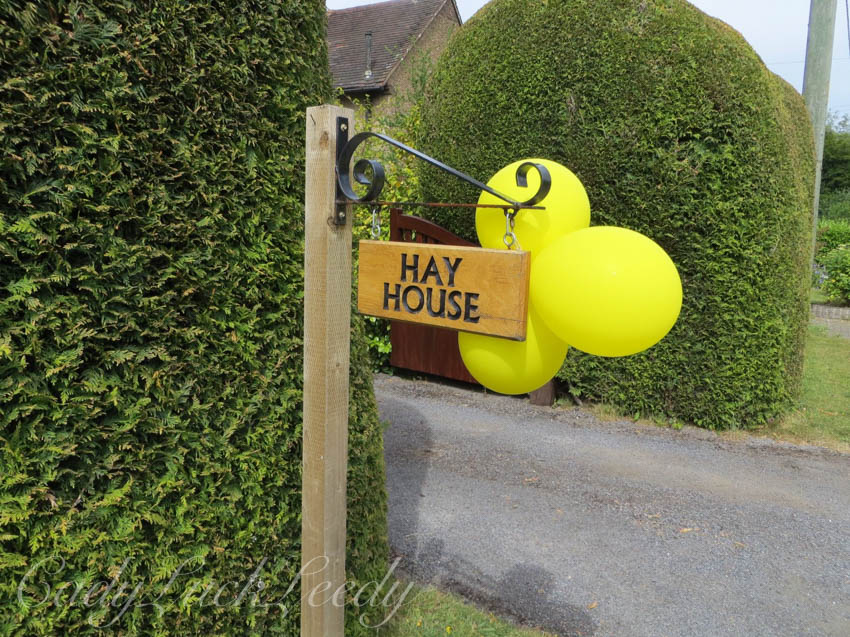
Hay House, Warninglid, Sussex

Hay House, Warninglid, Sussex

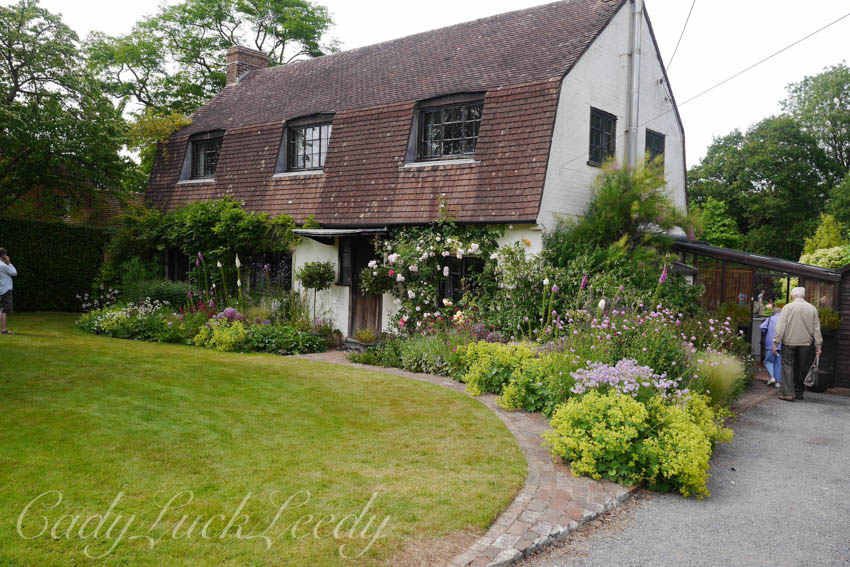
Hay House is a lovely dutch-design looking cottage sitting on an acre of ground that is wheel-chair accessible. Here on Cuckfield Lane we are seeing a more architecturally diverse style of home. The modern use of the term, dutch design, is to indicate a broad gambrel roof with flaring eaves that extend over the long sides, resembling a barn in construction. The early houses built by settlers were often a single room, with additions added to either end (or short side) and very often a porch along both long sides. Typically, walls were made of stone and a chimney was located on one or both ends. Looking at the front of this cottage we indeed see the placement of two chimneys and the tell-tale gambrel roof. Following a sweep of lawn and a herbaceous border, with a large climbing pale, pink rose clinging to the cottage, we are invited to come look.

Hay House, Warninglid, Sussex

Hay House, Warninglid, Sussex

Hay House, Warninglid, Sussex

Hay House, Warninglid, Sussex

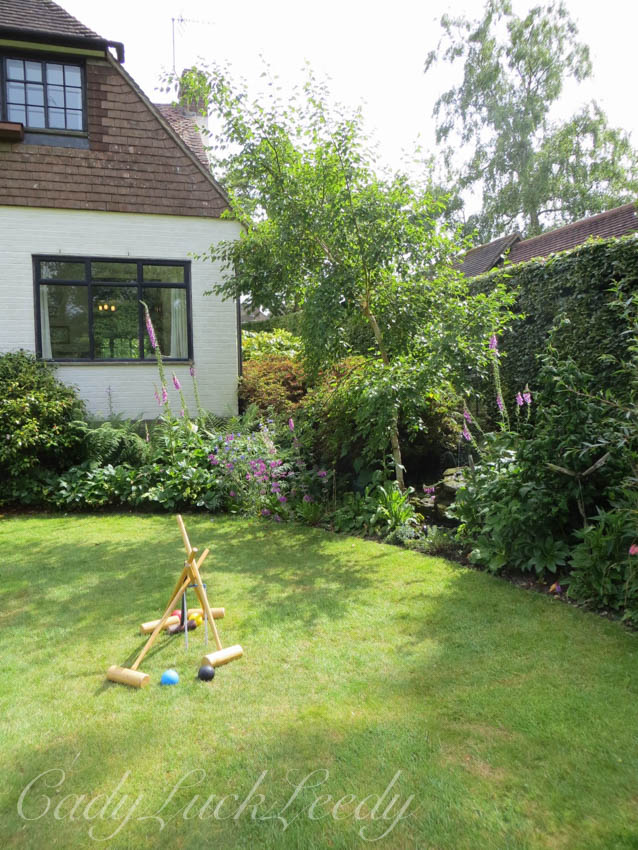
Following the drive around the house to a large, smooth, flat area in the back, we see it is perfect for a croquet match!

Hay House, Warninglid, Sussex

Hay House, Warninglid, Sussex

Hay House, Warninglid, Sussex

Hay House, Warninglid, Sussex

Here is the walkway into the garden at the back of the cottage.

Hay House, Warninglid, Sussex.

Hay House, Warninglid, Sussex.

There is a room on the back, adding an extension to the house, just as predicted!

Hay House, Warninglid, Sussex.

Hay House, Warninglid, Sussex.

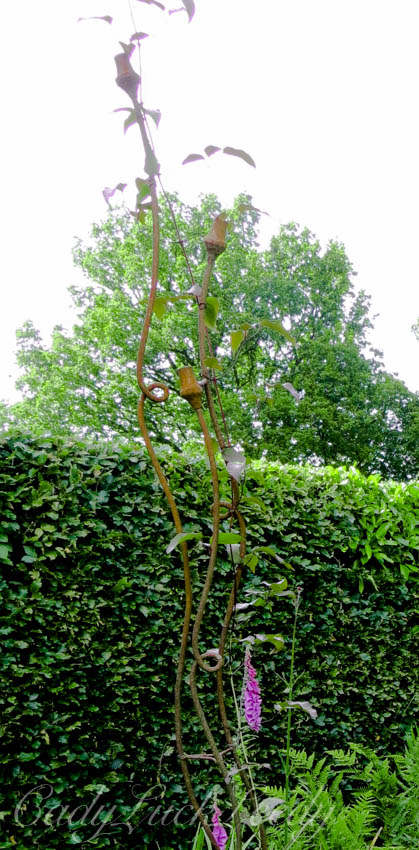
Strolling along the flower beds I spy a tall, curly, woody, pod plant. What is that?  Can one of my gardening friends tell me? It is extraordinary!

Hay House, Warninglid, Sussex

Hay House, Warninglid, Sussex

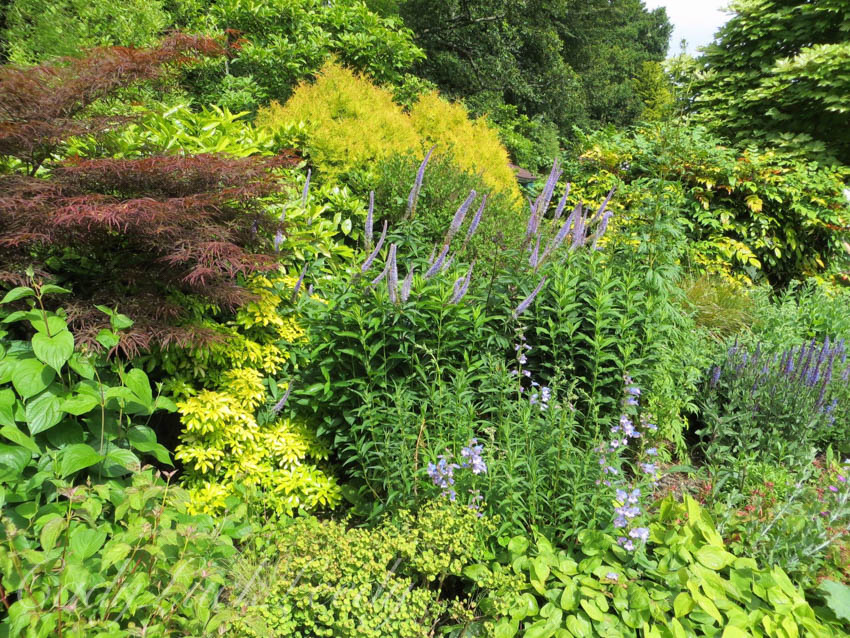
Here is the LIME and black combo we have seen in several gardens! I would love it in mine too!

Hay House, Warninglid, Sussex

Hay House, Warninglid, Sussex

Hay House, Warninglid, Sussex

Hay House, Warninglid, Sussex

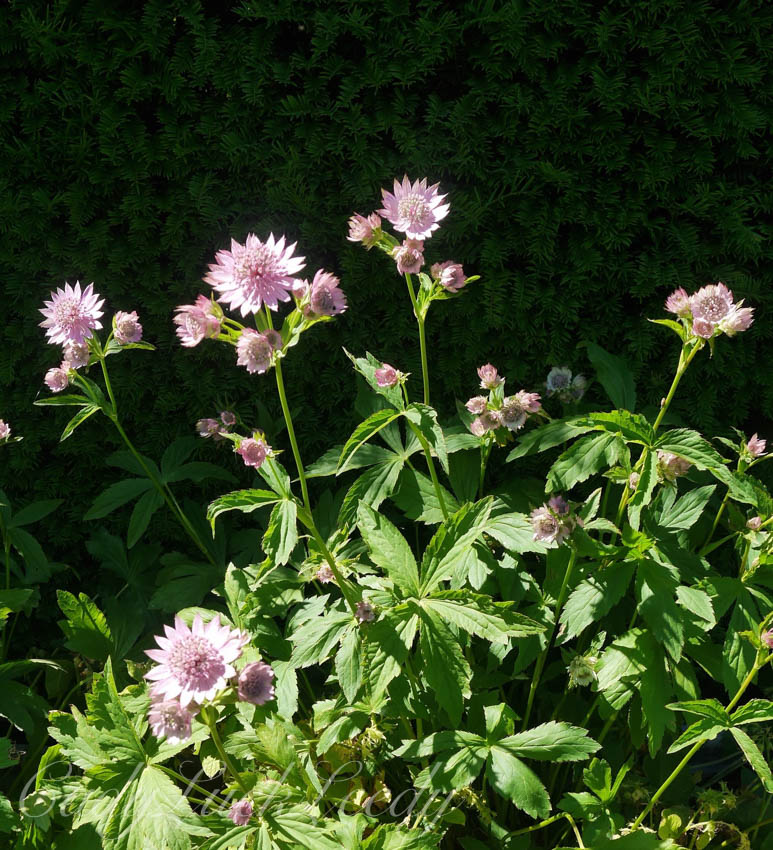
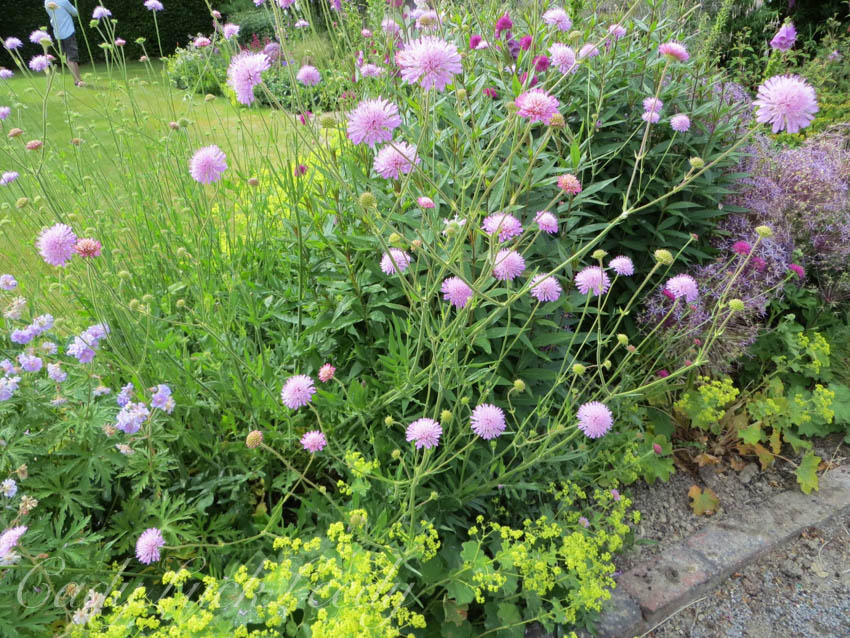
Can anyone tell me what the pinky-purple star clusters are? Are they from the allum family?

Hay House, Warninglid, Sussex

Hay House, Warninglid, Sussex

Hay House, Warninglid, Sussex

Hay House, Warninglid, Sussex

The garden was surrounded by a huge,  huge, well tended hedge! Look for it in other pictures of the garden too!

Hay House, Warninglid, Sussex

Hay House, Warninglid, Sussex

Hay House, Warninglid, Sussex

Hay House, Warninglid, Sussex

Hay House, Warninglid, Sussex

Hay House, Warninglid, Sussex

Love, love, love this color combo!

Hay House, Warninglid, Sussex

Hay House, Warninglid, Sussex

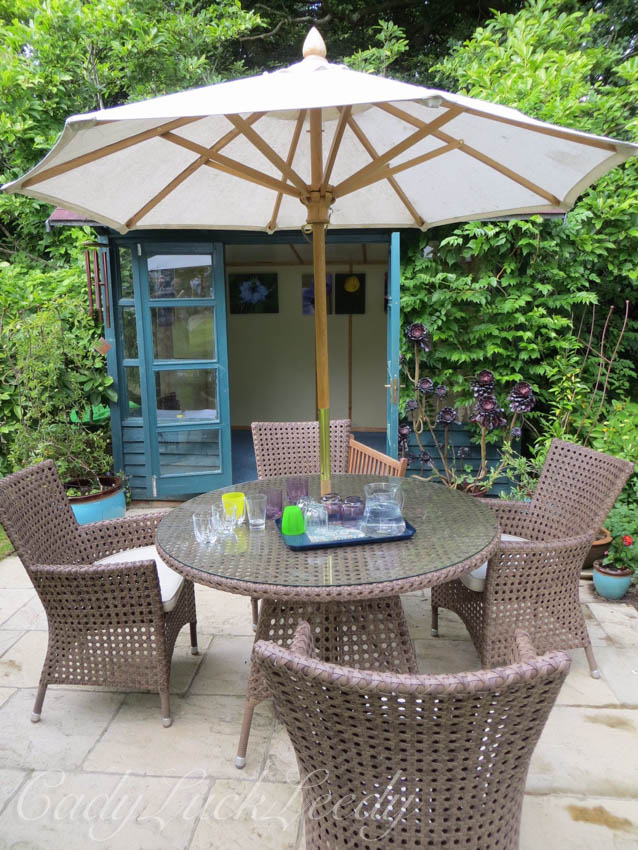
Here is a nice place to sit and watch the croquet match!

Hay House, Warninglid, Sussex

Hay House, Warninglid, Sussex

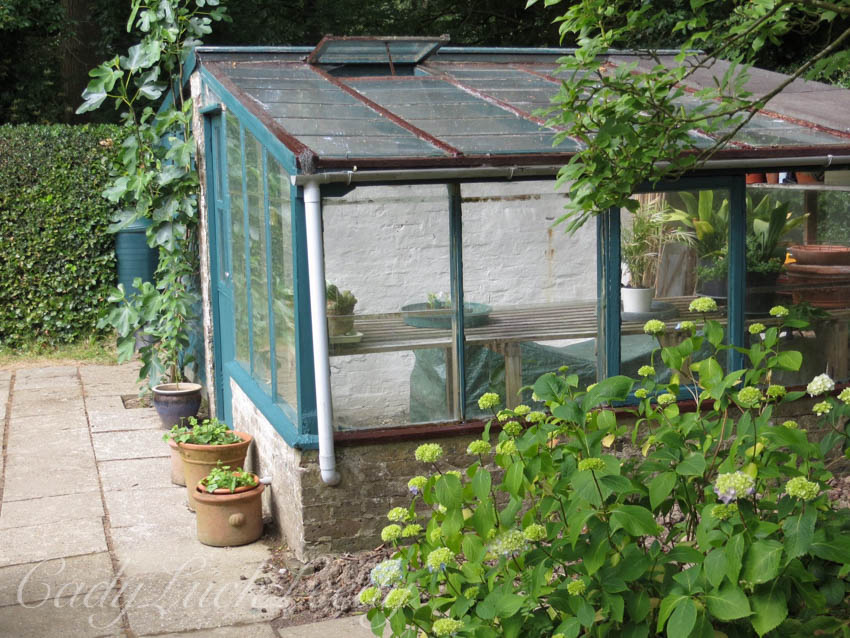
Every garden had a greenhouse of some kind!

Hay House, Warninglid, Sussex

Hay House, Warninglid, Sussex

This is another unusual plant to me. I thought at first it was made of wood! Those petals did look like sculptured wood, but it was a plant! What is it?

Hay House, Warninglid, Sussex

Hay House, Warninglid, Sussex

I could certainly while-away the hours here and write to my heart’s content in that room!!

Hay House, Warninglid, Sussex

Hay House, Warninglid, Sussex

Everything is so tidy in the vegetable beds!

Hay House, Warninglid, Sussex

Hay House, Warninglid, Sussex

Hay House, Warninglid, Sussex

Hay House, Warninglid, Sussex

A very tropical looking palm tree got my attention too! There were several plants that I had never seen before in this garden. If you can identify them for me I would very much appreciate it! Hay House was lovely and had so much to offer! I have been so impressed with the choice of gardens here in Warniglid! See you tomorrow in the garden!

Hay House, Warninglid, Sussex

Hay House, Warninglid, Sussex

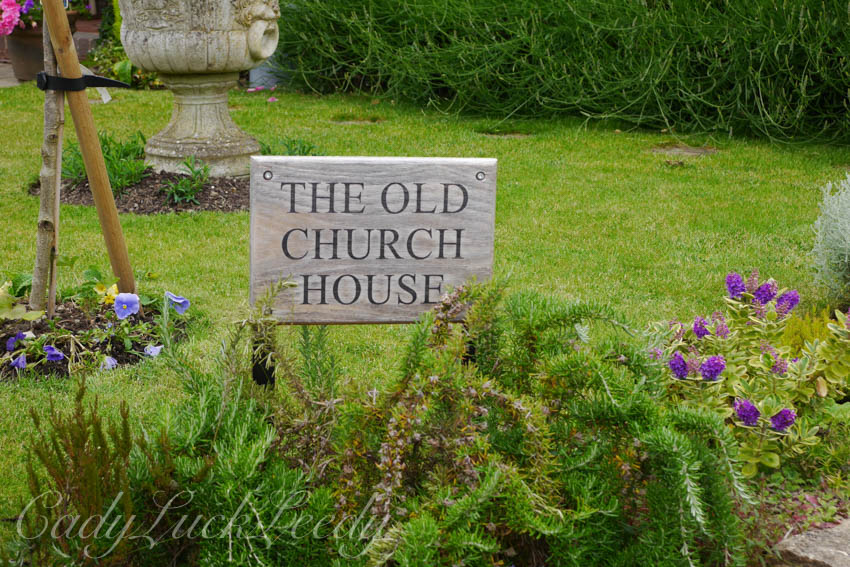
The English Garden Tour: Garden 9, The Old Church House, Warninglid, Sussix

The Old Church House, Warringlid, Sussex

The Old Church House, Warninglid, Sussex

The Old Church House, Warringlid, Sussex

The Old Church House, Warninglid, Sussex

The Old Church House, Warninglid, Sussex

The Old Church House, Warninglid, Sussex

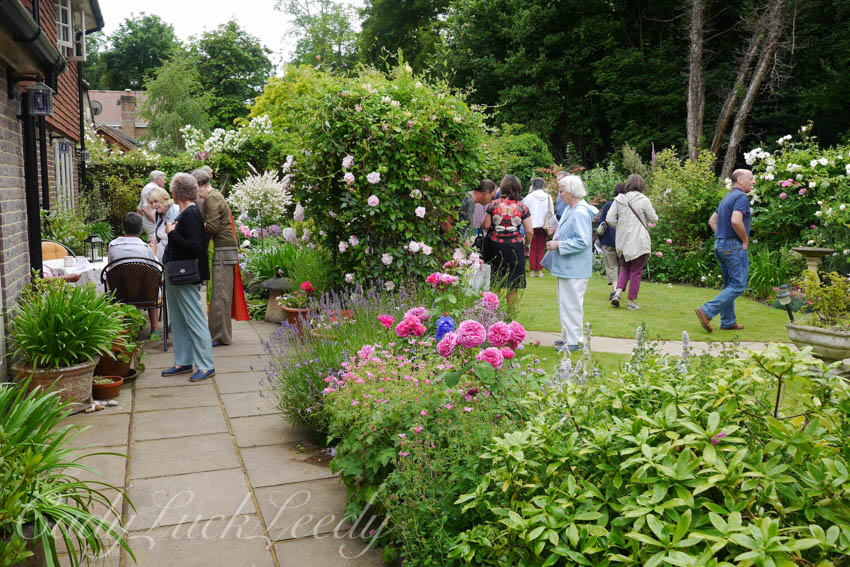
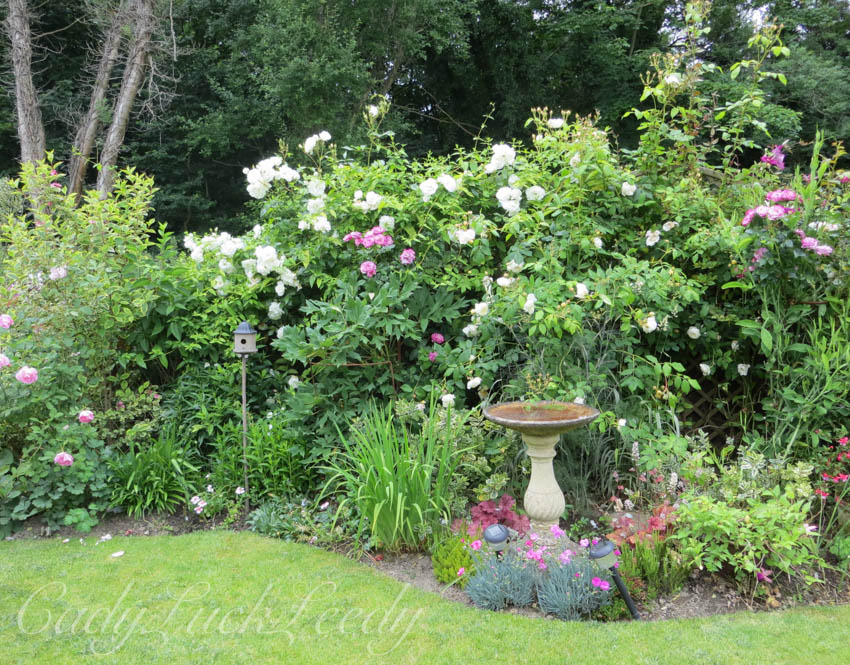
The Old Church House garden is only in its third year, starting from scratch, but you would never know it from the look of the garden. Beautiful rose beds and herbaceous borders fill in the woodland’s backdrop. With areas “to stop and rest awhile” to whimsical small pond areas, there is plenty to catch your eye in this garden. I’ll join you in The Old Church House garden! See you there!

Here is the entrance to the garden!

The Old Church House, Warninglid, Sussex

The Old Church House, Warninglid, Sussex

Another Dappled Willow!  Love it with the peach accent of the chair cushions (it blended with the blossoms of the willow) and the soft periwinkle blooms!

The Old Church House, Warninglid, Sussex

The Old Church House, Warninglid, Sussex

Everyone’s enjoying this garden!

The Old Church House, Warninglid, Sussex

The Old Church House, Warninglid, Sussex

Every garden deserves a place to sit and take a look see!

The Old Church House, Warninglid, Sussex

The Old Church House, Warninglid, Sussex

Just add me and a good book to this scene!

The Old Church House, Warninglid, Sussex

The Old Church House, Warninglid, Sussex

Here’s a new twist on a bird bath! Look closer!

The Old Church House, Warninglid, Sussex

The Old Church House, Warninglid, Sussex

And closer yet!

The Old Church House, Warninglid, Sussex

The Old Church House, Warninglid, Sussex

A crane in an old tub beside the man-made pond! A bird bath! Ha Ha! I loved the use of the ferns here too!!

The Old Church House, Warninglid, Sussex

The Old Church House, Warninglid, Sussex

The sweep of the lawn leads to the borders in front of the woods that make a great barrier between garden and woods.

The Old Church House, Warninglid, Sussex

The Old Church House, Warninglid, Sussex

The Old Church House, Warninglid, Sussex

The Old Church House, Warninglid, Sussex

The Old Church House, Warninglid, Sussex

The Old Church House, Warninglid, Sussex

Here’s the white, white color again!

The Old Church House, Warninglid, Sussex

The Old Church House, Warninglid, Sussex

Here’s my favorite color of LIME in the oak leaf hydrangea!

The Old Church House, Warninglid, Sussex

The Old Church House, Warninglid, Sussex

Here I like the way the ground cut-out around the plant display is not the same-old, same old! Gives it some character! How about the height and wispiness of that plant?

The Old Church House, Warninglid, Sussex

The Old Church House, Warninglid, Sussex

The garden butting up to the woods is breathtaking!

The Old Church House, Warninglid, Sussex

The Old Church House, Warninglid, Sussex

Now this plant reminds me of corn stalks, but I know it’s not!

The Old Church House, Warninglid, Sussex

The Old Church House, Warninglid, Sussex

Now in MY garden the deer would jump over that fence and have at it with those yummy looking hosta!

The Old Church House, Warninglid, Sussex

The Old Church House, Warninglid, Sussex

I just can’t get over how white the flowers are here!

The Old Church House, Warninglid, Sussex

The Old Church House, Warninglid, Sussex

Here is bit of whimsy and that color combination of lime and purple-black in the background!

The Old Church House, Warninglid, Sussex

The Old Church House, Warninglid, Sussex

After seeing the beautiful lavender here I vowed to go home and have a serious talk with my lavs!

The Old Church House, Warninglid, Sussex

The Old Church House, Warninglid, Sussex

The Old Church House, Warringlid, Sussex

The Old Church House, Warringlid, Sussex

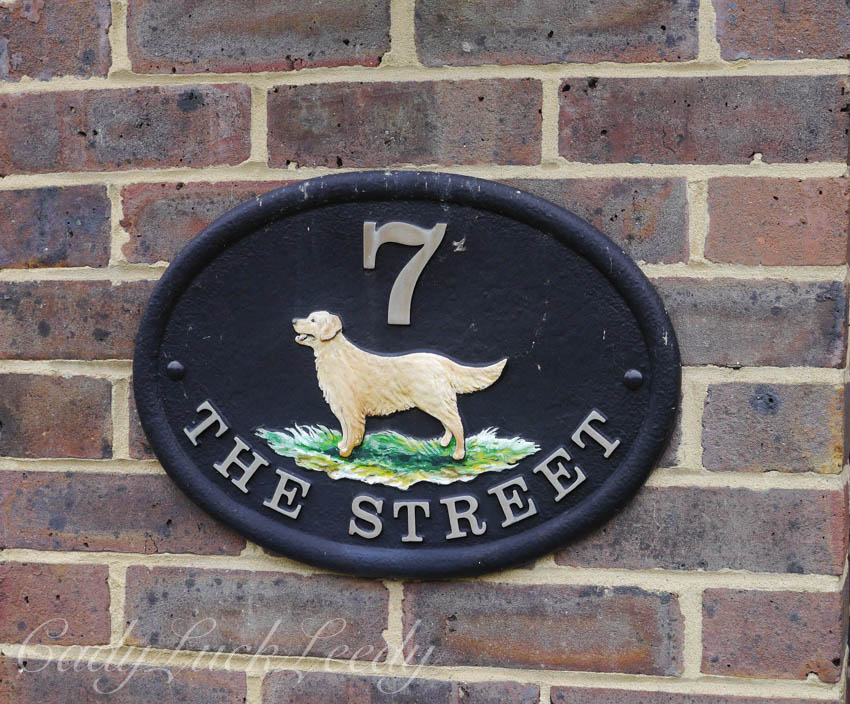
This was the last garden to see on The Street! Now we’re heading over to Cuckfield Lane to see what they are up to over there! Enjoy! See you tomorrow in the garden!

The Old Church House, Warninglid, Sussex

The Old Church House, Warninglid, Sussex

THE SPECTACLED BEAN

Tales, Thoughts + Tribulations of a Free Spirit in Suburbia

Walking Away

Travels on foot

Teacher nickname: The Three Hairs

Minding my mind, one thought at a time.

Tra Italia e Finlandia

Un lungo racconto fotografico.

seanbreslin.jp

Photography, hiking, walking, and cycling across central Japan — from quiet mountain paths to everyday life around Nagoya.

Lost in Translation

Looking for meanings in words, images and sounds

Journeys with Johnbo

Reflections on places traveled and photos taken.

M/VGratitude

Cruising with the Thyrre Family

Caroline's Travel Adventure Blog

Where my Travels and my Blog merge together.

Just Me, Nobody Special

The mental meandering that cross my keyboard

Jennifer's Journal

Website & Blog of J. Kelland Perry, Author

Slow Shutter Speed

A photographic journey.

Ann Mackay: Inspired by Nature

Photography celebrating flowers, plants, and the natural world

Still Restlessjo

Roaming, at home and abroad

Fine for Friday

The Corner Garden

Picture This

Photography, Travel and Retirement

World Traveller 73

Upgrade Your Travels. First Class Luxury Travel from all parts of the Globe. Business Class Airline, Lounge and Hotel Reviews, Stories and Adventures

Rachel Meets China

A China travel and lifestyle blog