October: A Month of Pumpkins; Day 8, Pumpkins and Spooky
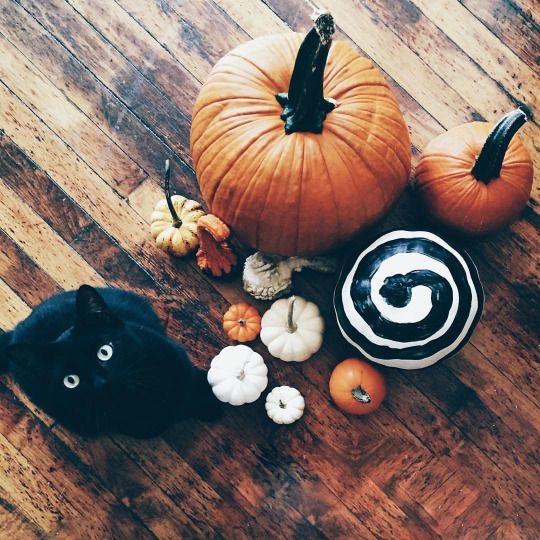
Pumpkins and Spooky
Pumpkins and Spooky
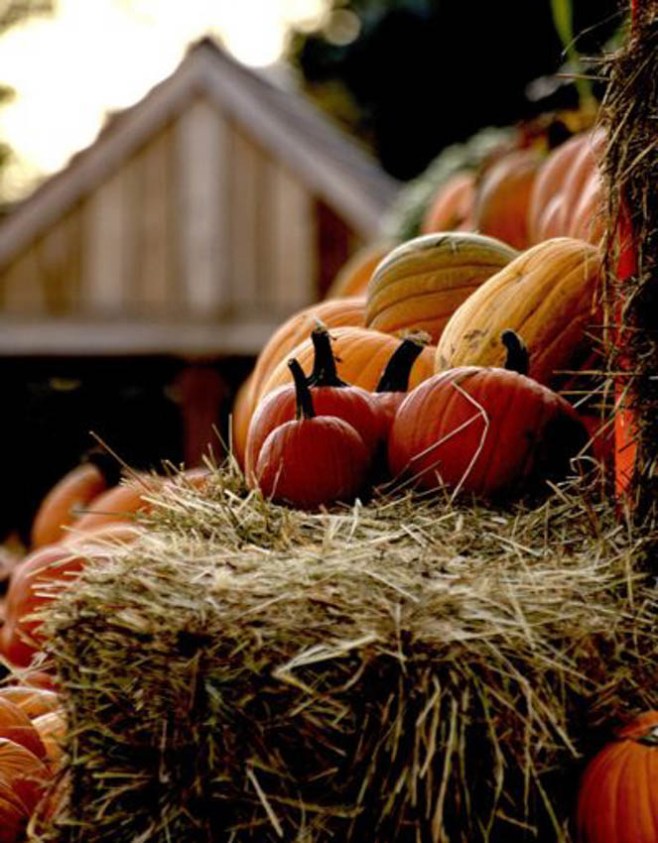
The Hayride
The Pumpkins are enjoying a Hayride!
Have a spooktacular time with JNW’s Halloween Challenge! Enjoy!
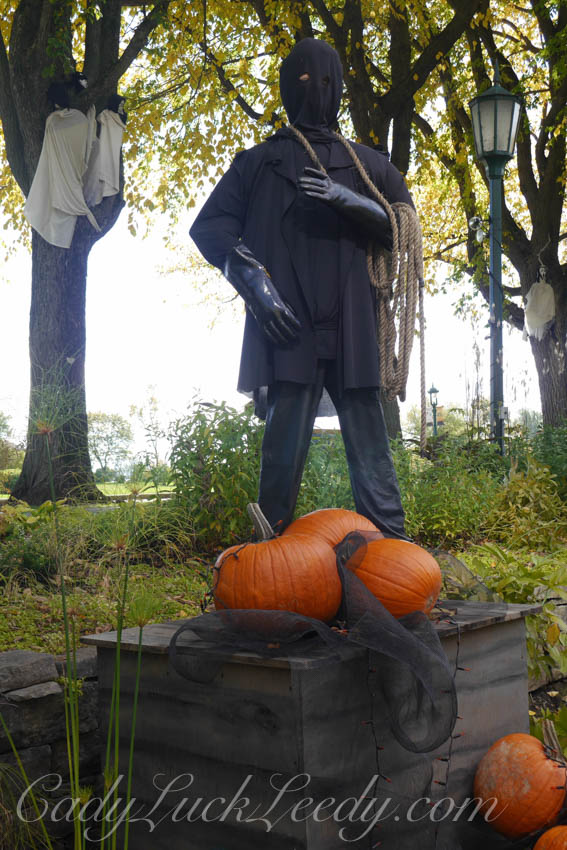
A Monster in St Joan of Arc Park, Quebec City, Canada
One of the BEST places to celebrate Fall is in Quebec City, Canada! Notice the ghosts in the trees too!
Have a spooktacular time with JNW’s Halloween Challenge! Enjoy!
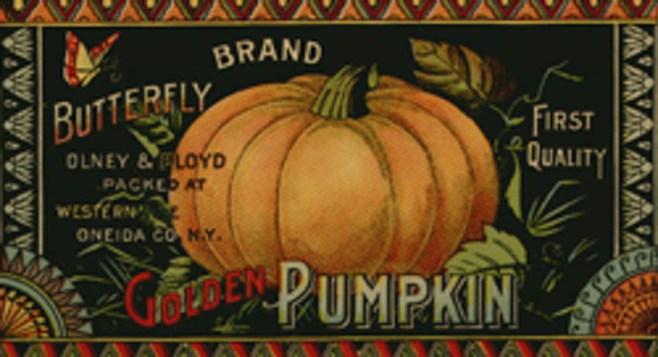
Vintage Pumpkin Label from Olney and Floyd Canning Factory
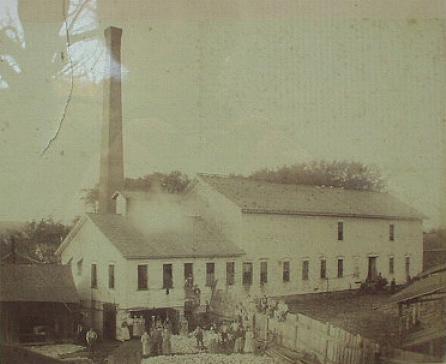
Delta Canning Factory, Oneida NY
Many bloggers have asked me recently what the big deal is with pumpkins in the US. This may explain the beginnings on a large scale!
The history of Olney and Floyd Canning Factory in Delta, NY goes like this……..
In 1884, George B. Olney and C. Frank Floyd purchased three or four acres of land by the Mohawk River. It was the first canning factory to be built in this area. The buildings were two stories high and spread out. North of the buildings were long sheds where horse-drawn lumber wagons loaded with sweet corn were placed. On the west and south side of the large building were the store rooms, where the canned goods were stored. The corn was raised by the local farmers. In the fall the corn was cut by hand, shucked by hand, packed into the cans and labled by hand. It was then packed into wooden boxes, and loaded on large wagons pulled by a stout team of horses.
Canners in those days spent their winters making their own cans. On November 20, 1881, a local newspaper stated “Olney and Floyd canning factory owners have purchased a boat load of Welch tin and are preparing to make cans for the next season.”
The Olney and Floyd Company canned corn as the only product at first. Then four years later the Delta plant was purchased. By 1886, both canning factories together had reached the total of one million cans a year. The work at the plant included snipping of beans, shelling peas, shucking corn, all done by hand. Then there was the slow process of filling and hand soldering the tin containers. Can you imagine processing one million cans a year by hand?
In 1881 about 30 people were employed at the can producing factory. In 1887 they were making 4,000 cans a day. It would need to make 600,000 cans to supply both factories. At that time both factories were canning corn, succotash, green and yellow beans, peas, pumpkin, squash, tomatoes, spinach, red kidney beans, lima beans and beets. The Rome Sentinel stated on September 27, 1891, “Olney and Floyd had put up 400,000 cans of corn at the Delta plant. The Westernville factory did the same number that year.”
In 1894 there were 100 people employed in the Delta factory. With George Jr., John and W. Floyd Olney at the Lee Centre factory, they employed over 200 people at the peak of their business. The Lee Centre plant sold canned goods to many of the local grocery stores such as Loblaws and A. & P.
Around the turn of the century, more produce was canned in Oneida County than any other county in New York. Produce was grown by area farmers. Lee Center Canning Factory was built to replace the Delta factory that had closed it’s doors in 1907, to make way for the Delta Dam project. The Lee Center Canning Factory closed in 1971.
The final verdict: Pumpkin fed people and provided jobs! We still love our pumpkin today!
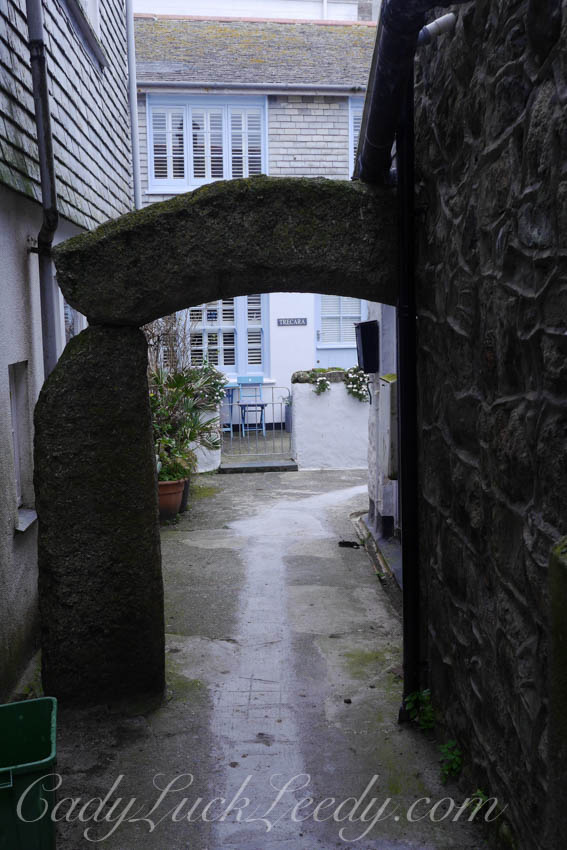
George Hicks Court Archway, St Ives
I just love this photo: the archway, the cottage and the worn lane!
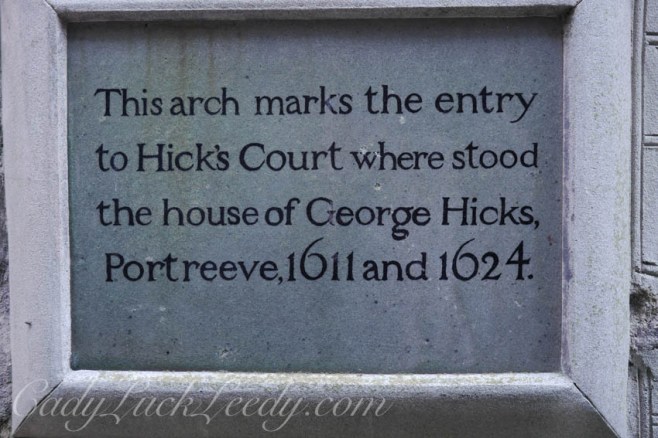

St Ives, Cornwall
This gate has a charming house design on it!

Rose Lane Church, Now a Memorial, St Ives
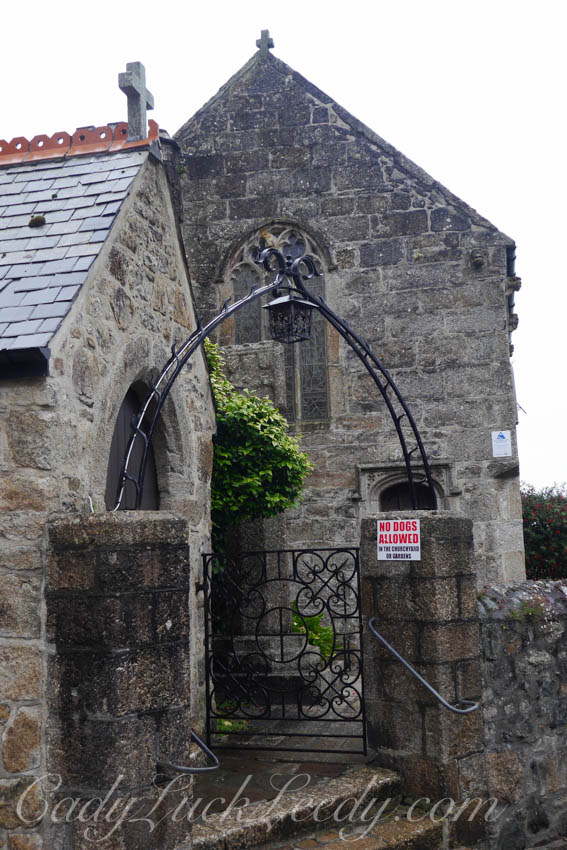
St Ives
Beautiful arches, gates and doors here!
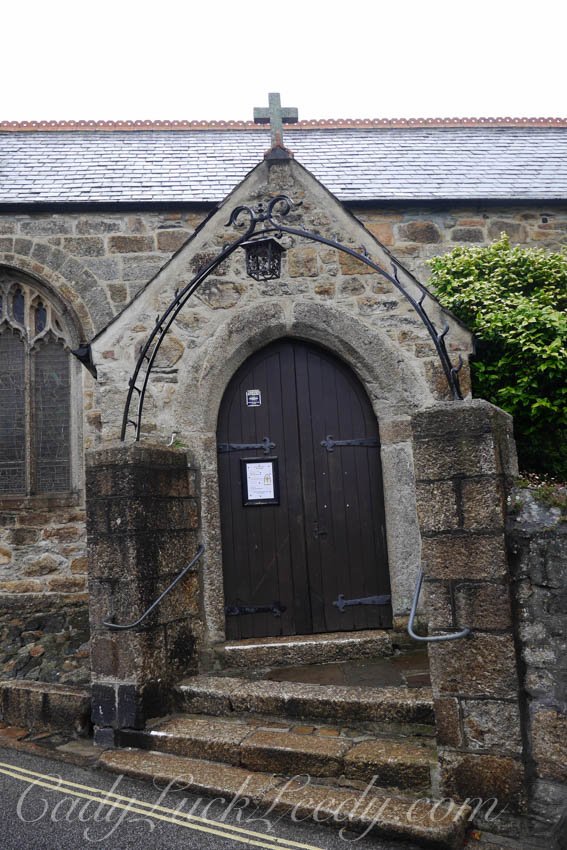
St Ives

Popincourt, St Ives
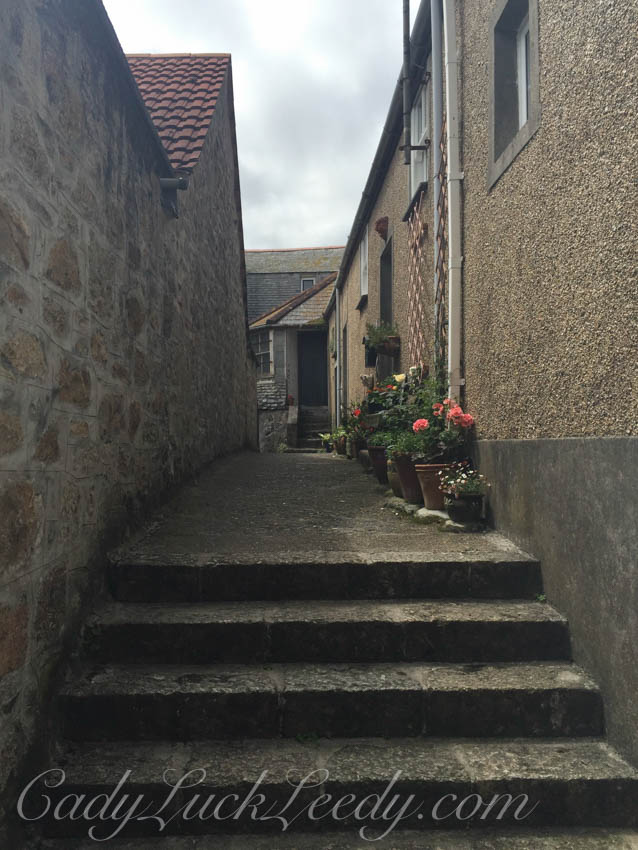
The Door at the End of the Lane, St Ives
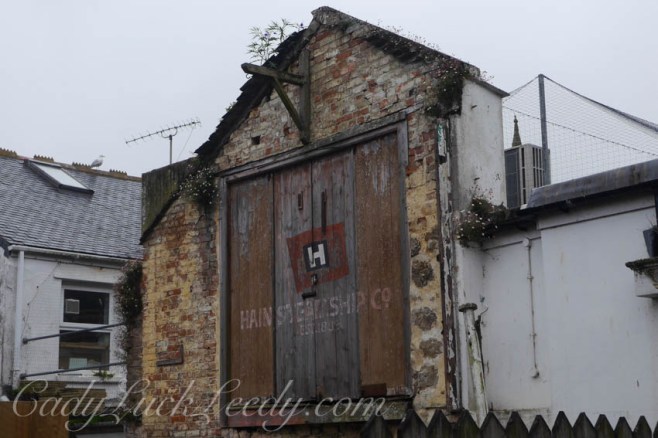
Old Overhead Door at Hain Steamship Co, St Ives
Doesn’t that logo on the Hain Door look like the Hanes Socks Logo? Hmmmmm……..
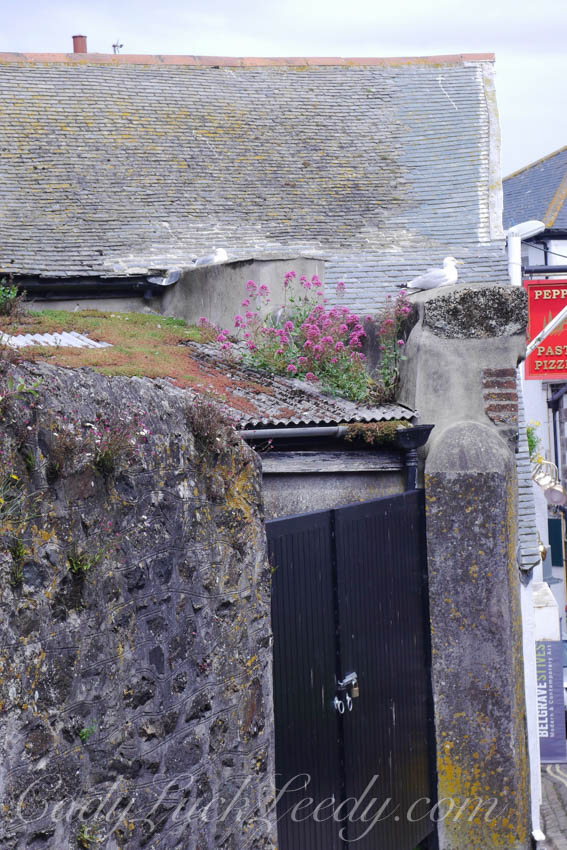
The Seagulls’ Door, St Ives

A Door to a Secret Garden, St Ives

Another Red Door with Gate in St Ives
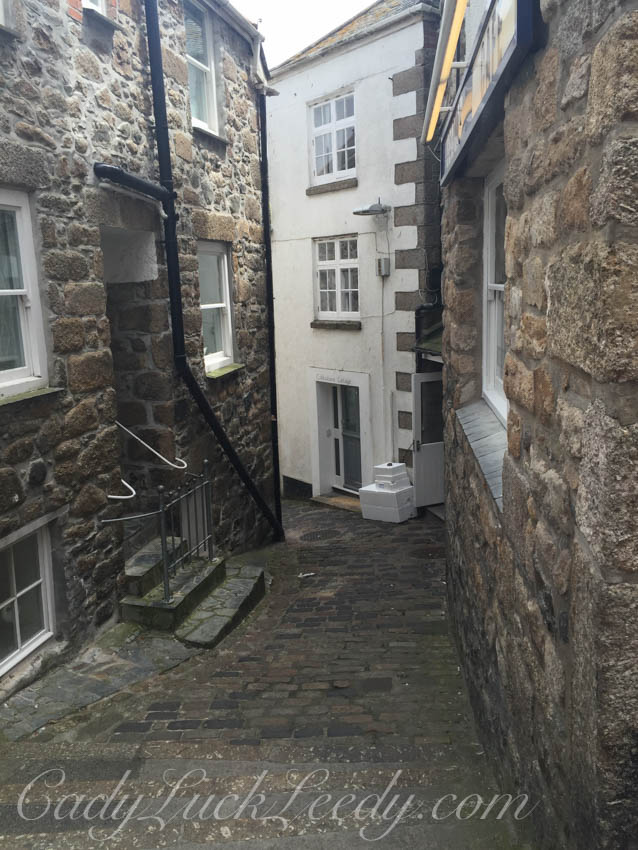
One of My Favorite Lanes in St Ives (and Another Gate!)
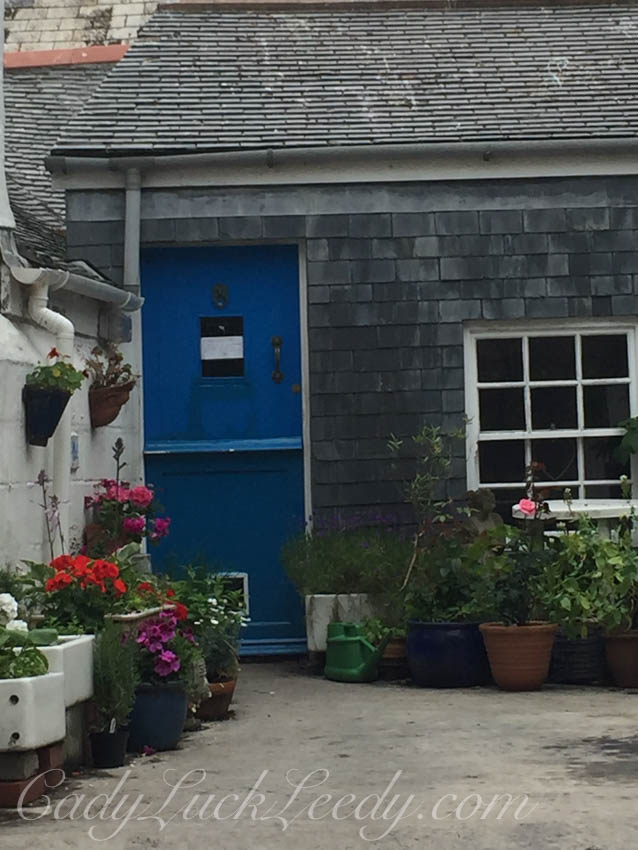
St Ives
Doors in St Ives tended to be blue, followed by red, followed by black.
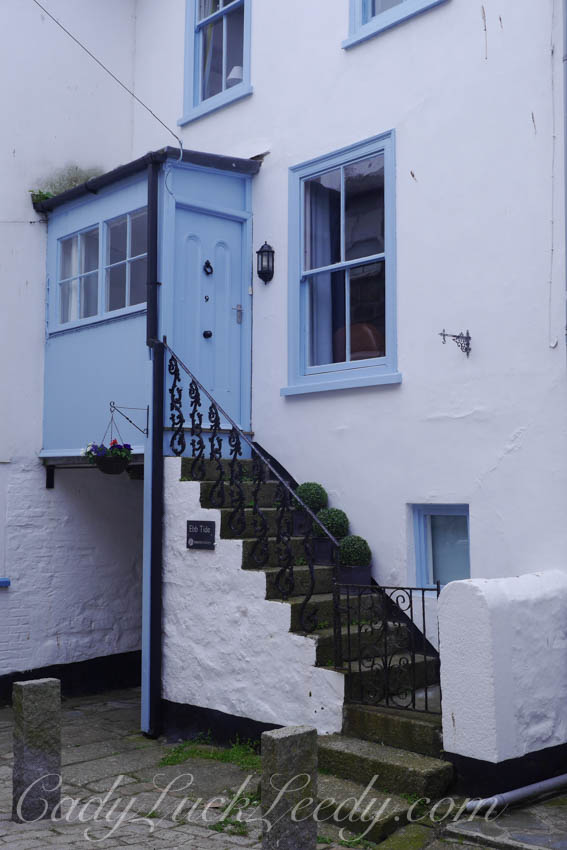
St Ives

Norway House, St Ives

The Norway Grocery, St Ives
And then every once in a while another color is thrown into the mix. Changes things up a bit!

Maize Colored Door, St Ives
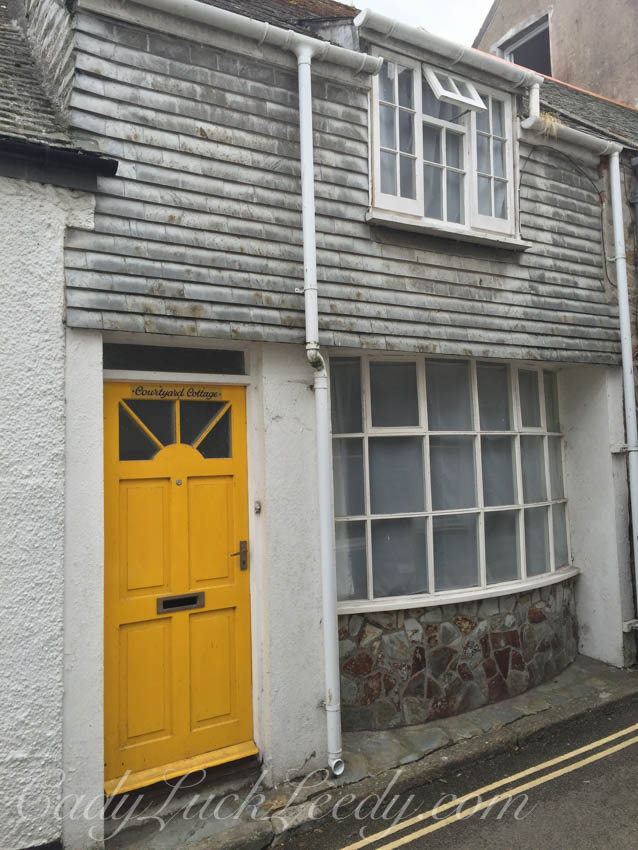
The Corn Colored Door, St Ives
Now the Traditional Butchers Shop door is quite regular.

Traditional Butchers, St Ives
It was what was brought in every morning through the door that I watched for!

Meat! St Ives
There were just so many great doors, nooks and crannies in St Ives! I think I got the best! See you tomorrow in St Ives!
This is just one of many photos in the Thursday Door Collection featured by Norm2.0! Won’t you join in or take a peak at all the doors?

Witch Fingers
Witch Fingers
28 blanched almonds
Black gel food coloring
14 large pretzel rods
12 oz bright green candy coating (I use Wilton’s Vibrant Green Candy Melts. I buy them on Amazon along with everything else, ha ha!)
Prep time: 15 minutes
Yield 28 Witch Fingers
Directions:
1. Paint each almond with black food coloring gel. Set aside to dry.
2. Break or cut each pretzel in half. Line a baking sheet with parchment paper.
3. Place the green candy coating in microwave and melt in 30 second increments, stirring after every 30 seconds. Heat until candy is completely melted.
4. Dip the pretzel in the green coating leaving 1/2 inch section un-dipped.
5. Place dipped pretzel on baking sheet and place a black almond on the tip for “fingernail.”
6. When the coating is almost dry, but not set, take a toothpick and gently roll across the top and about half way down the finger to add wrinkles.
7. Refrige for 10 minutes to set the coating completely. Serve immediately or place in air tight container for up to one month
PS if you don’t want to use black food coloring at all, you can use regular almonds or chocolate-dipped almonds instead.
Have a spooktacular time with JNW’s Halloween Challenge! Enjoy!

Haunted
Have a spooktacular time with JNW’s Halloween Challenge! Enjoy!

“Pumpkin”
Won’t you check out Verybestbaking.com?
Have a spooktacular time with JNW’s Halloween Challenge!

St Ives, Cornwall
I’ve got lots of doors from St Ives!!!! So here are some doors and some cottages thrown in to boot! Fantastic place for DOORS! For most of these doors Mind Your Head and Mind the Gap!

St Ives, Cornwall
Notice that many of the doors in these pictures are surrounded by pipes of some kind!

St Ives, Cornwall
Red seems to be a very popular color here for a door!
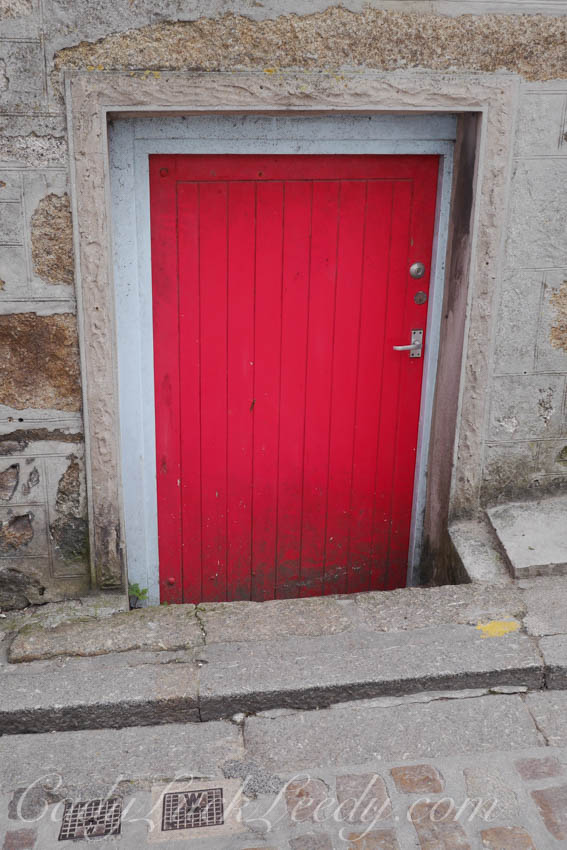
St Ives, Cornwal
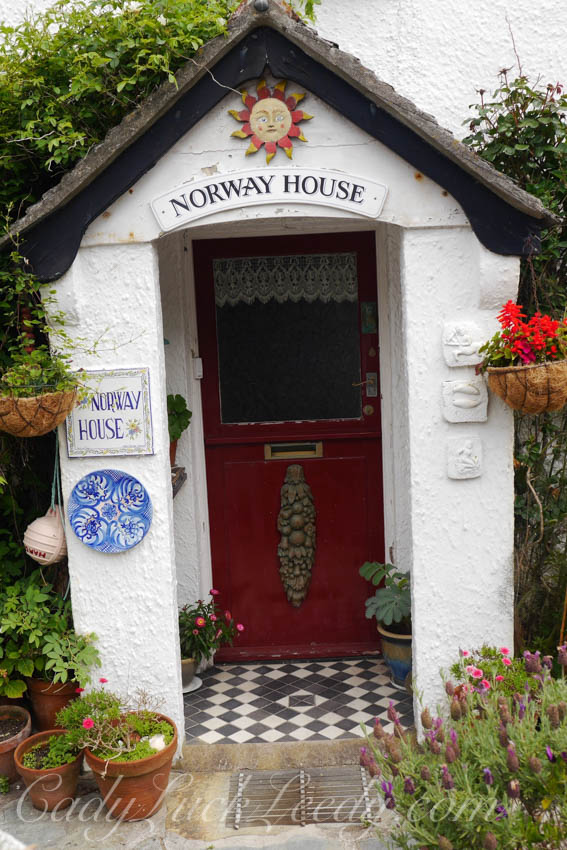
St Ives, Cornwall
Many doors come with tiny, tiny cottages!

St Ives, Cornwall
Many doors have fancy stuff on them!
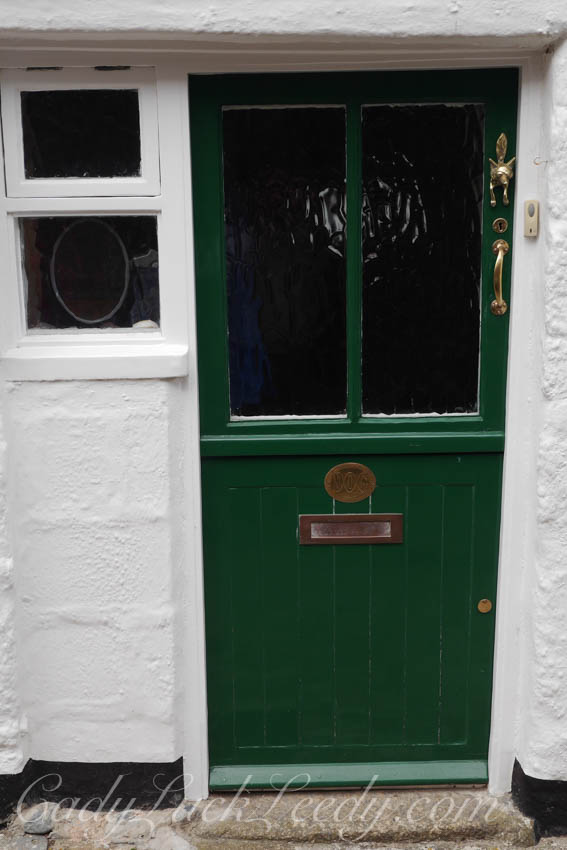
St Ives, Cornwall
And some have tell-all signs and door knockers! This sign says “Dog” and the knocker is a wolf.
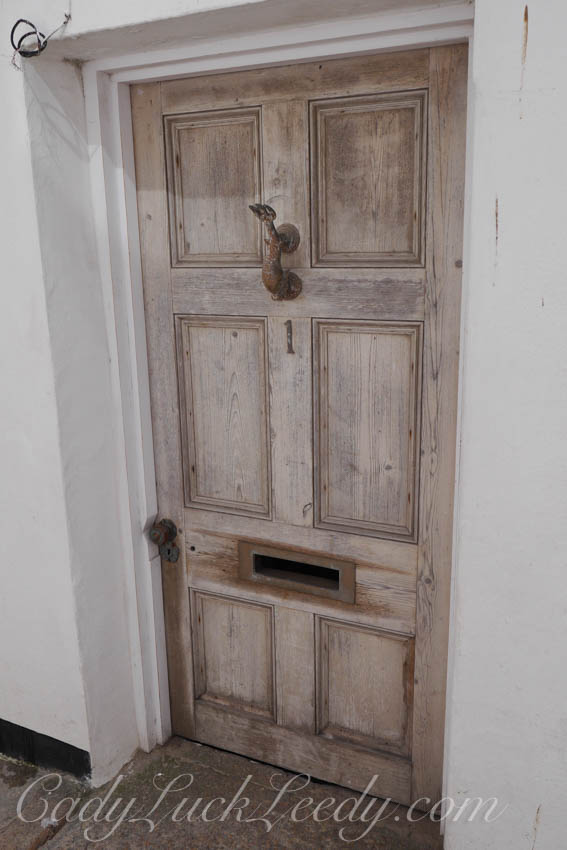
St Ives, Cornwall
Some have fancy knockers and a door handle a foot off the ground!
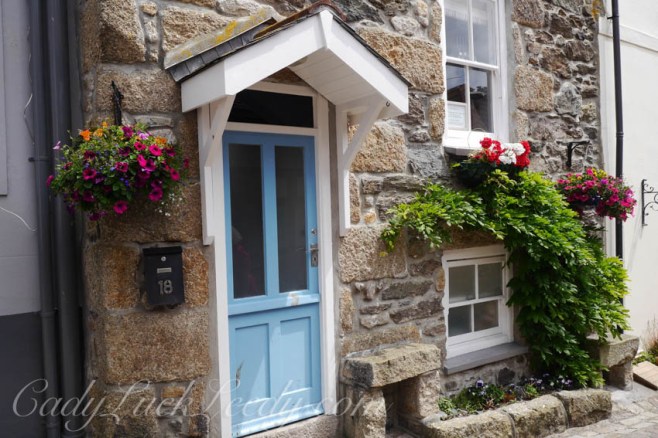
St Ives, Cornwall
Some have fancy covers!

St Ives, Cornwall
And some are just darling!
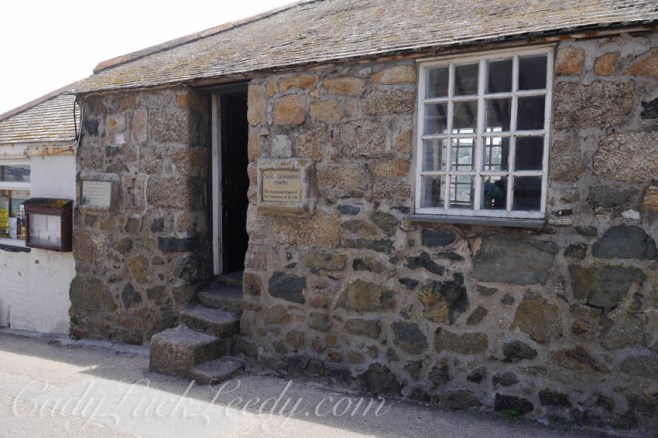
St Ives, Cornwall
Something tells me the door frame was added much later!

St Ives, Cornwall

St Ives, Cornwall
Some just never want to give up the boat!

St Ives, Cornwall
And some never want to be painted!

St Ives, Cornwall
And some are salty and crusted!
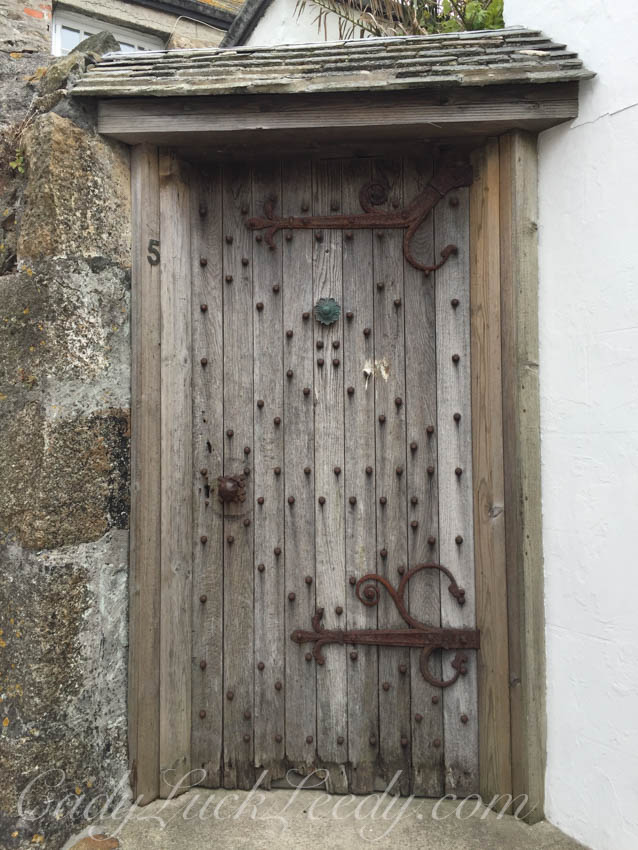
St Ives, Cornwall
And some have fancy wrought iron AND studs!
I hope you enjoyed this weeks doors from St Ives in Cornwall, UK! More to come next week from St Ives!
This is just one of many photos in the Thursday Door Collection featured by Norm2.0! Won’t you join in or take a peak at all the doors?
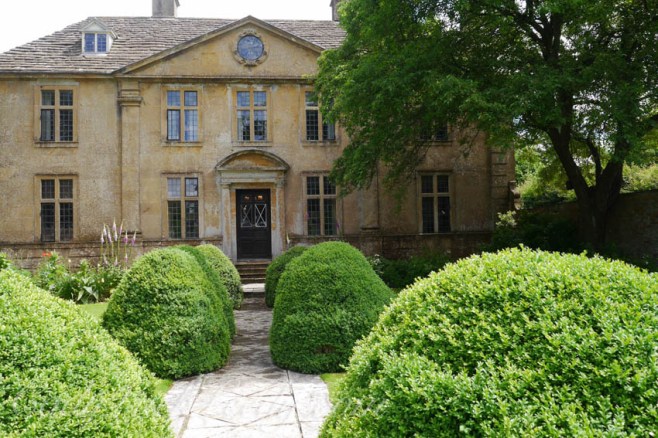
Tintinhull, A National Trust Property in Somerset, UK

Main Entrance at Tintinhull

The Boxwood Entrance at Tintinhull, Notice the Diamond Shaped Stone Walkway
Tintinhull, a National Trust property in Somerset, was our second stop of the day on our way to Cornwall.
Keep in mind that finding a particular National Trust property makes some of the best adventures! They are usually off the beaten path and although are addressed in small villages many times I never find the small village!
Tintinhull, is a small, tidy property that just fits the bill. By 1630 the Napper family had constructed the east side of the present house, and this was extended by Andrew Napper in 1722 when the classical west facade and forecourt were built. In about 1900 Tintinhull was sold to Dr S J M Price. He developed the west forecourt as a garden, laying the distinctive diamond-patterned flagged walk and planting the flanking clipped domes of boxwood. Notice the big eagles on the wall too! In 1933 Tintinhull was sold to Captain and Mrs P.E. Reiss, who developed garden enclosures linked by carefully designed vistas and rich planting. Phyllis Emily Reiss created a garden around the 17th century manor house, with six compartments, each room having it’s own character and identity, divided by clipped hedges and walls. She designed the Pool Garden as a memorial to a nephew killed in WWII. The house, gardens and woodland walk create all the charm at Tintinhull!
In July 1939 Reiss made two broadcasts for the BBC entitled ‘In my Garden.’ In 1959 she gave Tintinhull to the National Trust although she lived there until her death on the 18th September 1961.
Penelope Hobhouse and her husband, Professor John Malins lived at Tintinhull for fourteen years and was in charge of the gardens there from 1980 until 1993. With a name like Penelope Hobhouse, (my auto spelling corrector wants to name her Penelope Hothouse) it’s a given that she was a garden writer, garden historian, self taught gardener and lecturer. She went on to design many gardens in England, Scotland, France, Italy, Spain, Germany and the United States. I especially like her name and I think it is perfect for a gardener! She has written several garden books, and Penelope Hobhouse on Gardening, written in 1994, describes her gardening experiences at Tintinhull. You can find a video of her Here.
Now let’s take a look at Tintinhull!
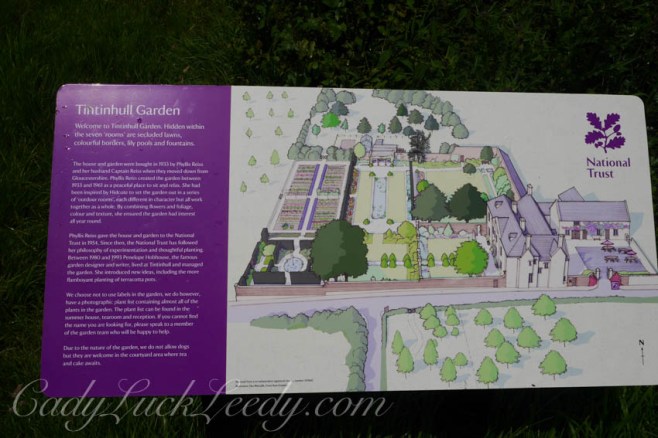
The Garden Map at Tintinhull

Birds on the Wall Is Always Good!

Another Entrance to Tintinhull

A Very Small Door at Tintinhull
How about this very small door! Was it an opening to a guard shack? Did you drop off the mail here? What was it used for?
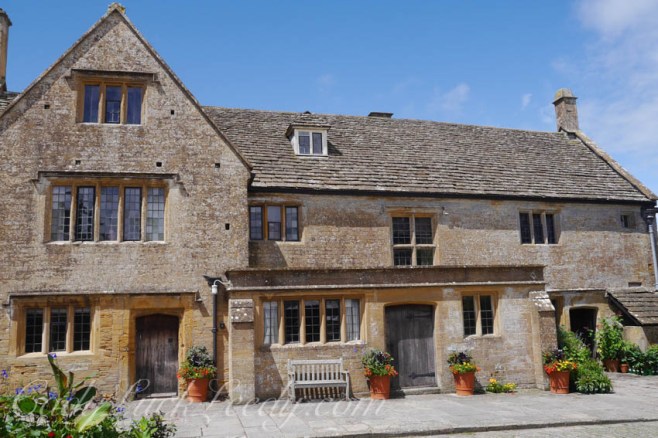
A Few Doors to be Seen Here!

I LOVE the Color of the Stone Too!
Penelope Hobhouse was noted for her Terra Cotta planters! And I don’t want to miss the windows either!

Some Window Treatment at Tintinhull

Another Door, More Windows and Some More Pots!

Inside Tintinhull
Only two rooms are open for viewing at Tintinhull. Short, sweet, and modest!
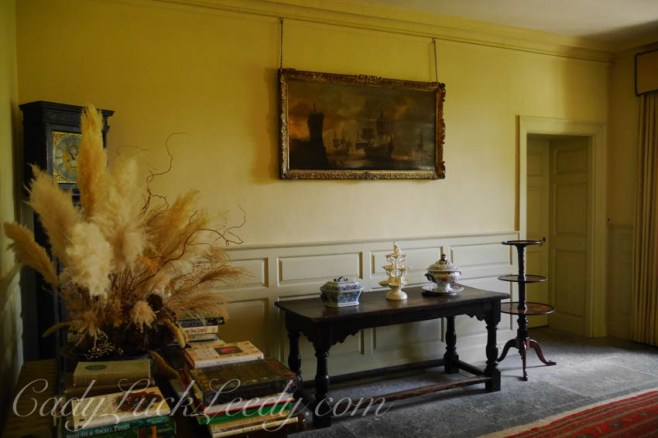
Inside Tintinhull, with Very Deep Doorways!
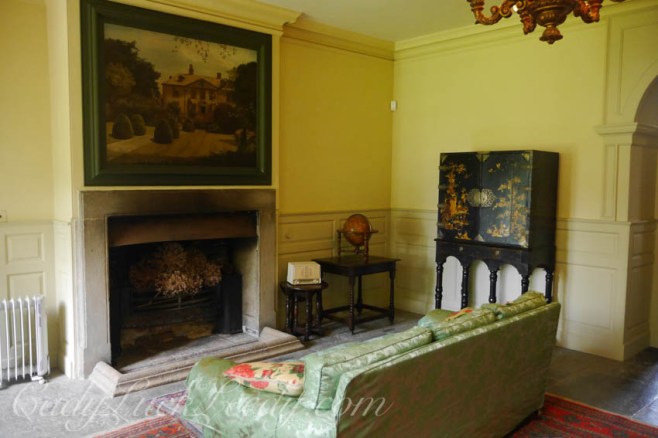
Inside Tintinhull
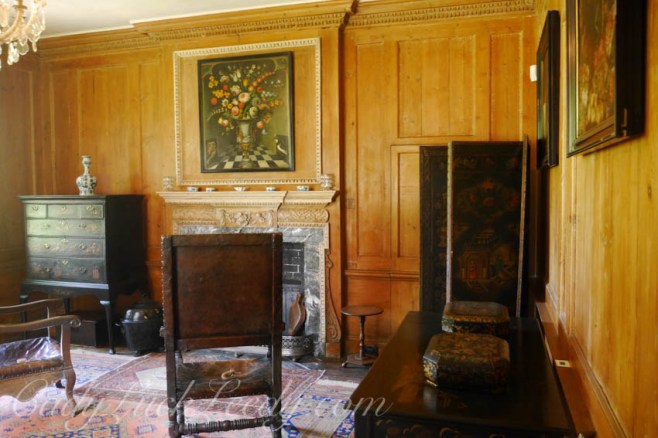
Inside Tintinhull

The Barn Tea Room Entrance Doors at Tintinhull

Inside the Tearoom at Tintinhull
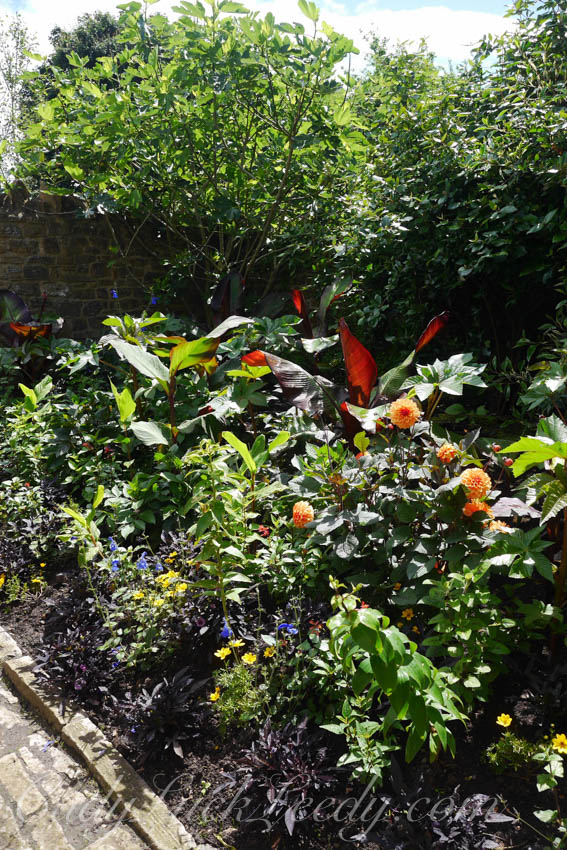
A Few Garden Photos at Tintinhull

A Few Garden Photos at Tintinhull
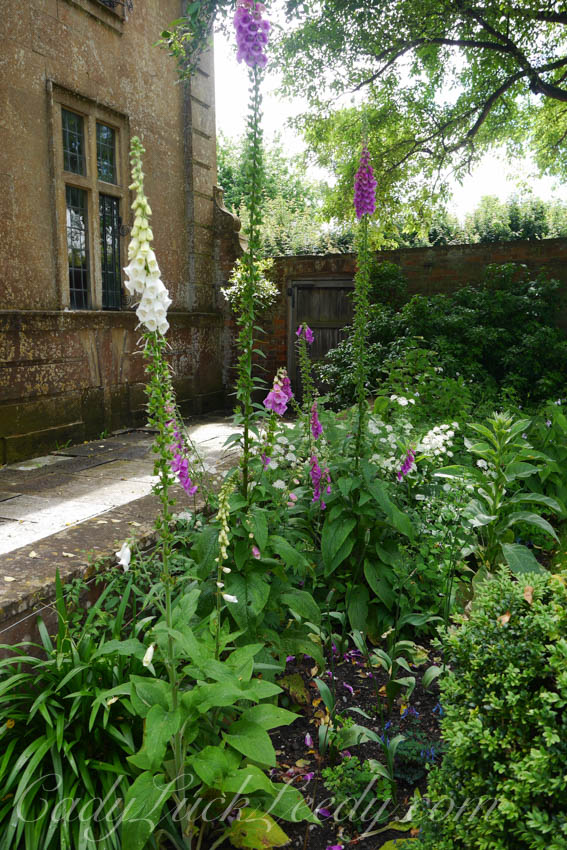
A Few Garden Photos at Tintinhull
Did you find the doorways in the garden?
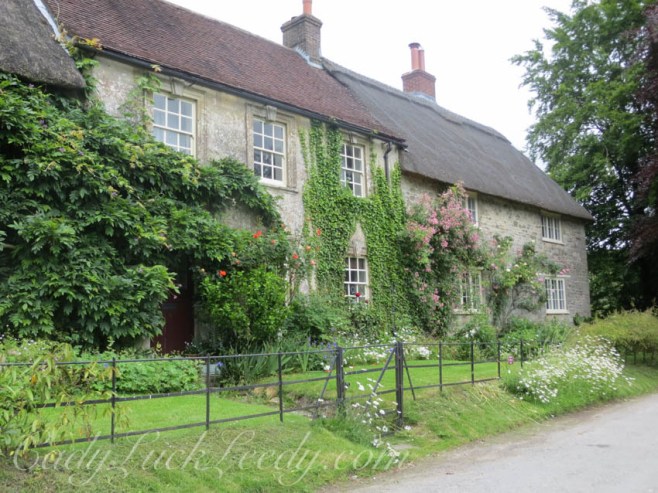
Row Houses at Tintinhull
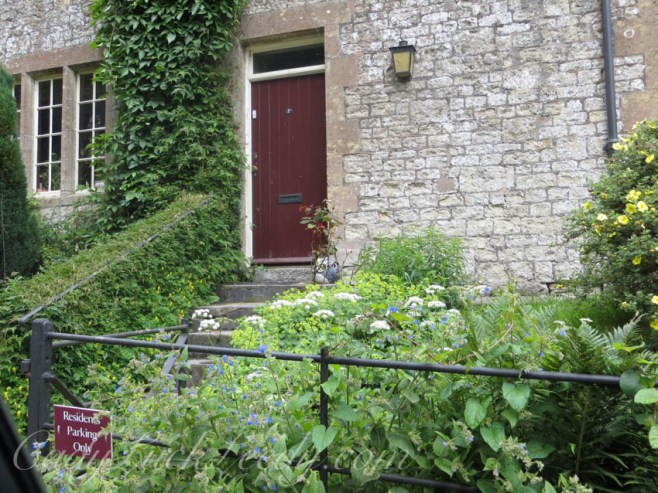
This section of Row Houses must refer to the village at Tintinhull! This is the only “village” I saw! Loved their cottage gardens and what else? More Red Doors!

Row Houses at Tintinhull
Row Houses at Tintinhull
This is just one of many photos in the Thursday Door Collection featured by Norm2.0! Won’t you join in or take a peak at all the doors? See you next week!
Tales, Thoughts + Tribulations of a Free Spirit in Suburbia
Travels on foot
Minding my mind, one thought at a time.
Un lungo racconto fotografico.
Featured
Photography, hiking, walking, and cycling across central Japan — from quiet mountain paths to everyday life around Nagoya.
Looking for meanings in words, images and sounds
Reflections on places traveled and photos taken.
Cruising with the Thyrre Family
Where my Travels and my Blog merge together.
The mental meandering that cross my keyboard
Website & Blog of J. Kelland Perry, Author
A photographic journey.
Photography celebrating flowers, plants, and the natural world
Roaming, at home and abroad
The Corner Garden
Photography, Travel and Retirement
Upgrade Your Travels. First Class Luxury Travel from all parts of the Globe. Business Class Airline, Lounge and Hotel Reviews, Stories and Adventures
A China travel and lifestyle blog
 The Travel Lady In Her Shoes