Travel, Gardens, Food, Photography, Books, Shoes

Posts tagged ‘History’

The Blue Mosque and Neighborhood, Istanbul, Turkey

The Blue Mosque, Istanbul, Turkey

The Blue Mosque, Istanbul, Turkey

Just like Rome, Istanbul’s Old Town is built on seven hills.  The district called Sultanahmet, on top of the first hill, is the historic city center. This site gave the Greeks control of three surrounding bodies of water; the Bosphorus Strait, the Golden Horn and the Sea of Marmara. Leaving Hagia Sophia at one end of  Sultanahmet Park, we walk past the beautiful fountain where the arcs of water mimic the domes of Hagia Sophia.

Hagia Sophia, Istanbul, Turkey

Hagia Sophia, Istanbul, Turkey

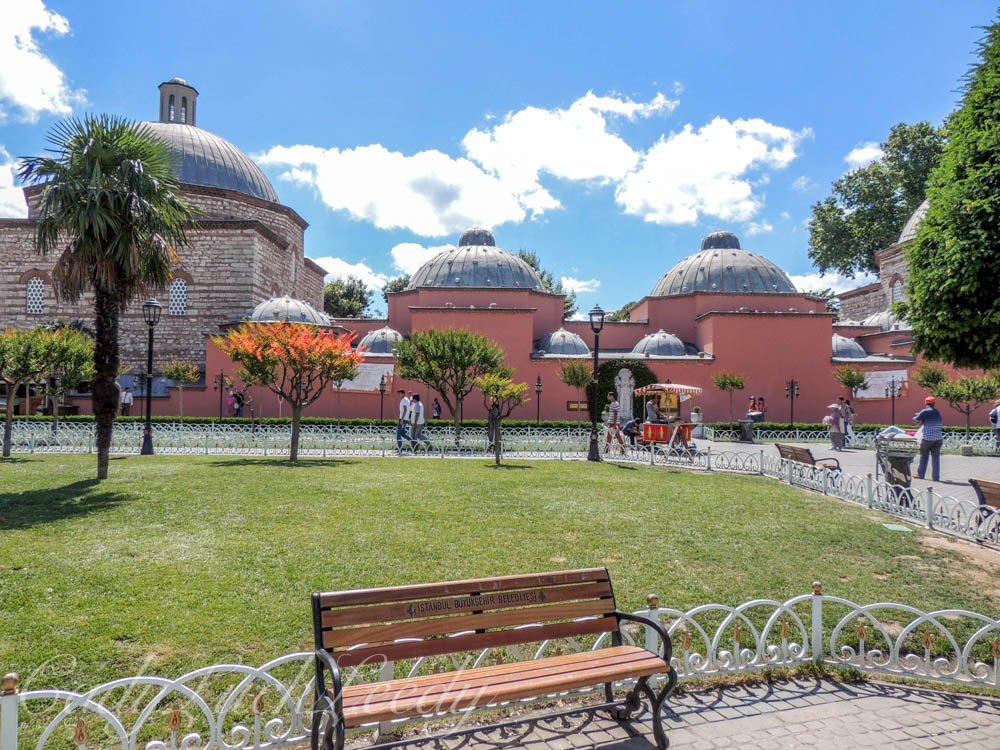
Sultanahmet Park, Istanbul, Turkey

Sultanahmet Park, Istanbul, Turkey

Sultanahmet Park, Istanbul, Turkey
Sultanahmet Park, Istanbul, Turkey

Sultanahmet Park, Istanbul, Turkey

Sultanahmet Park, Istanbul, Turkey

Sultanehmet Park, Istanbul, Turkey

Sultanahmet Park, Istanbul, Turkey

Sultanahmet Park, Istanbul, Turkey

Sultanahmet Park, Istanbul, Turkey

Here the gardeners are busy planting new flowers in swirls of decorative display.

Sultanahmet Park, Istanbul, Turkey

Sultanahmet Park, Istanbul, Turkey

Sultanahmet Park, Istanbul, Turkey

Sultanahmet Park, Istanbul, Turkey

The Blue Mosque, Istanbul, Turkey

The Blue Mosque, Istanbul, Turkey

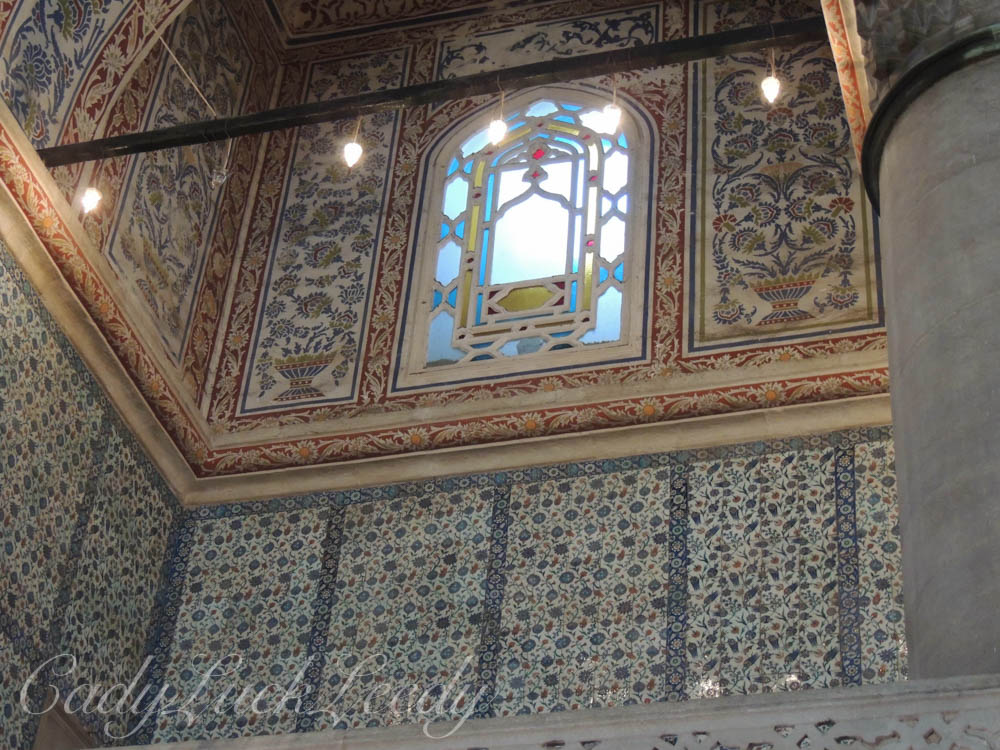
At the opposite end of the park is the Sultan Ahmed Mosque, known as the Blue Mosque, noted for the interior of blue paint and 20,000 rich, blue, handmade, ceramic tiles in fifty different tulip designs. The tiles at the lower level are traditional in design while the tiles at gallery level are flamboyant with exquisite flowers, fruit and cypresses. The upper floors are dominated by blue paint and more than 200 stained glass windows with intricate designs. In addition to the natural light there are massive chandeliers. Ostrich eggs were placed on the chandeliers to repel spiders and prevent cobwebs inside the mosque.

The Courtyard of the Blue Mosque, Istanbul, Turkey

The Courtyard of the Blue Mosque, Istanbul, Turkey

Inside the Blue Mosque, Istanbul, Turkey
Inside the Blue Mosque, Istanbul, Turkey

Inside the Blue Mosque, Istanbul, Turkey

Inside the Blue Mosque, Istanbul, Turkey

Inside the Blue Mosque, Istanbul, Turkey

Inside the Blue Mosque, Istanbul, Turkey

Inside the Blue Mosque, Istanbul, Turkey

Inside the Blue Mosque, Istanbul, Turkey

A Chandelier Inside the Blue Mosque, Istanbul, Turkey

A Chandelier Inside the Blue Mosque, Istanbul, Turkey

The Sultan’s Tale goes like this.

The Blue Mosque was built in six years from 1609-1616 by the architect, Mehmet Aga, who also built the giant black cube at the center of the mosque in Mecca, the holiest shrine of Islam. Sultan Ahmet I  (1590-1617) ascended the thrown at the age of 14 and his greatest achievement was the construction of the Blue Mosque. To prevent future conflicts it was customary for a new sultan to kill his closest brother. Ahmet went against tradition and spared his brother Mustafa’s life. After Ahmet’s death from typhoid at the age of 28, in 1617, his 11 year old son Murat IV, became sultan and had his younger brother, Prince Beyazit strangled, which ended the new tradition and reverted to the old. Murat’s mother, Kösem, was one of the most influential women of her time. Following Ahmet’s death, for nearly a decade Kösem ruled the empire without intrusion because Murat IV,  now the the sultan, ruled at such a young age. When Murat died, Kösem placed her grandson, Mehmet, as the next sultan. Mehmet’s mother, tired of Kösem’s domination, had Kösem strangled in her sleep by the eunuchs. And so the story goes.

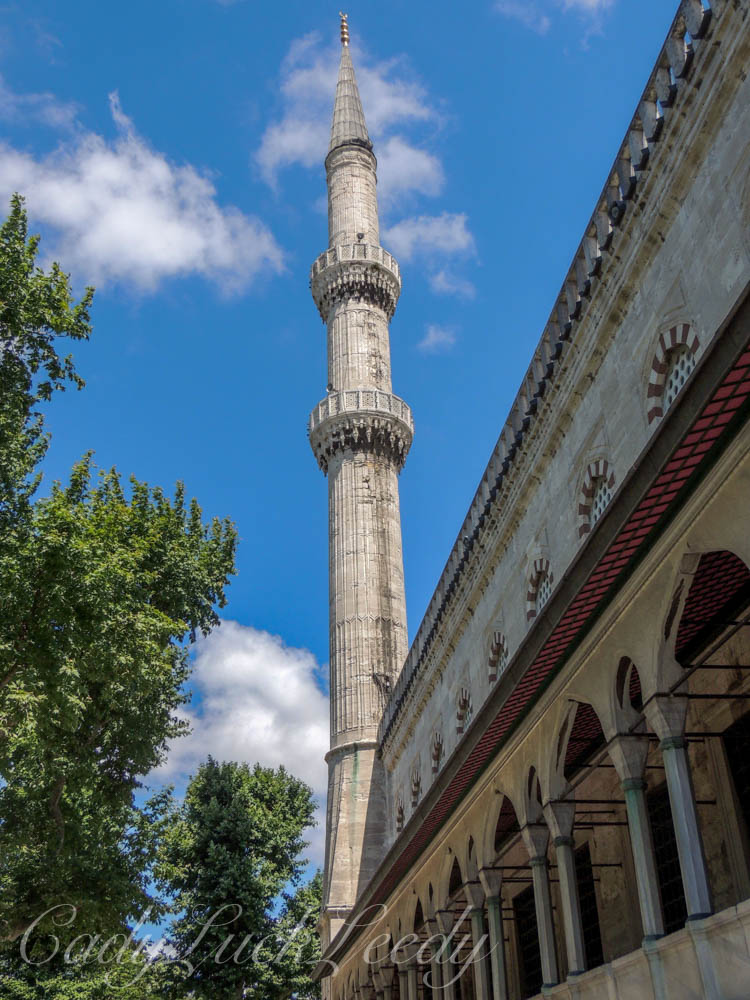
Outside the Blue Mosque are six minarets. Only one is needed.  The imam (prayer leader) or muezzin (a man noted for his talent in voicing the call to prayer) would climb to the top of the minaret five times a day to announce the call. Sultan Ahmet requested six minarets, to flaunt his wealth, but since there were six in Mecca, he had a seventh built in Mecca, as not to upstage the holy shrine.
A Minaret of the Blue Mosque, Istanbul, Turkey

A Minaret of the Blue Mosque, Istanbul, Turkey

Right outside the Blue Mosque is the Hippodrome, the spot for chariot races and a place where people gathered for social and religious disputes, political clashes and violent uprisings. Today there are market stalls here and at night families gather to eat and party.

The Hippodrome, Istanbul, Turkey

The Hippodrome, Istanbul, Turkey

The Hippodrome, Istanbul, Turkey

The Hippodrome, Istanbul, Turkey

The Hippodrome, Istanbul, Turkey

The Hippodrome Market Stalls, Istanbul, Turkey
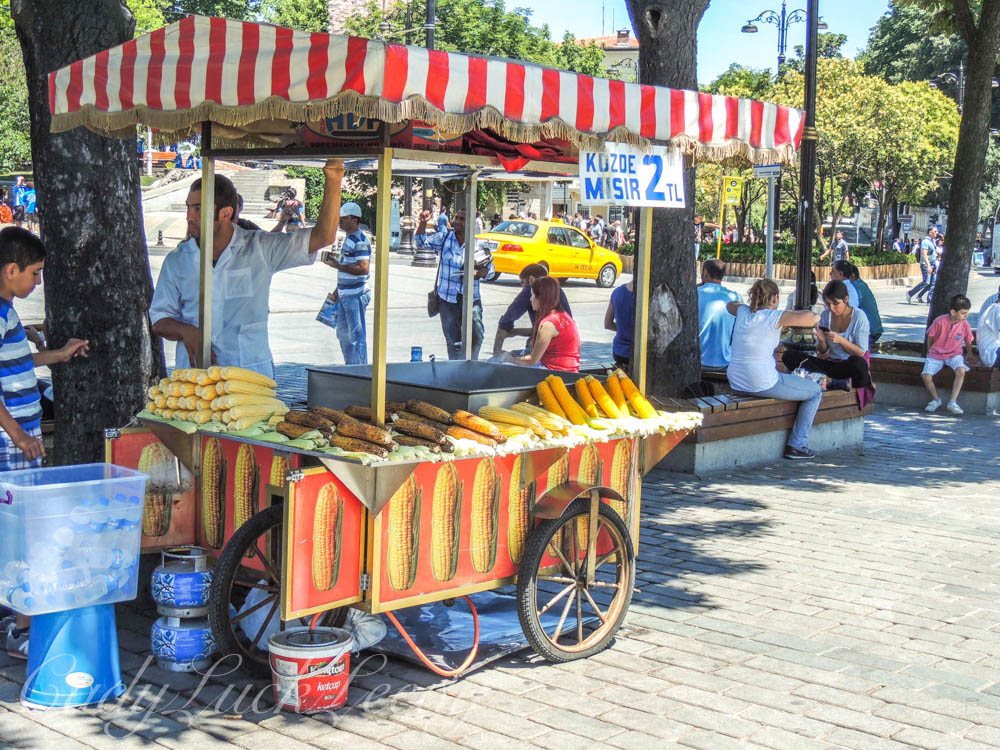
Eating at Sutanahmet Park, Istanbul, Turkey

Eating at Sutanahmet Park, Istanbul, Turkey

The Egyptian Obelisk was carved 1500 years before the birth of Christ to honor the Egyptian Pharaoh Thutmose III, and to commemorate his military achievements. The obelisk was brought here from the Upper Nile and is only the upper one third of the original massive stone block. The base of the block was cut of local marble and the four sides tell the story of Theodosius the Great, and his family, as they sat here watching the chariot races at the Hippodrome.
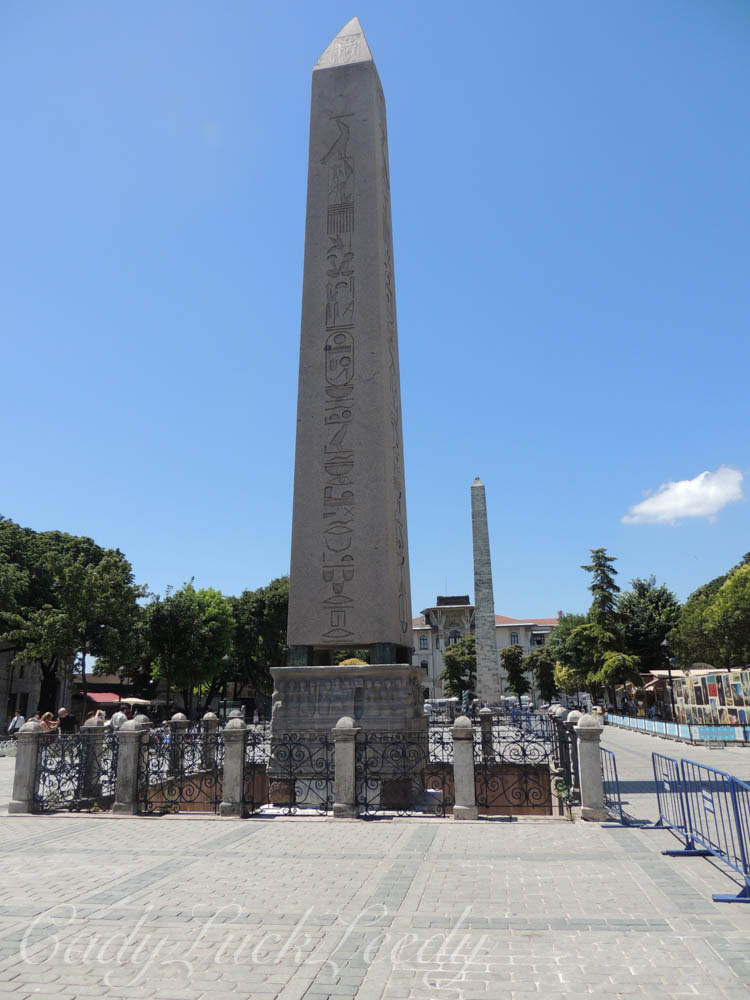
The Egyptian Obelisk, Istanbul, Turkey

The Egyptian Obelisk, Istanbul, Turkey

The Column of Constantine was constructed in Istanbul. It was originally sheeted with bronze panels, but in the Fourth Crusade, (early 13th century) the city was looted and the panels stripped to make weaponry.

The Column of Constantine, Istanbul, Turkey

The Column of Constantine, Istanbul, Turkey

The Column of the Serpent was a victory monument dedicated to the 31 Greek city-states to commemorate their victory over the Persians at Plataea. (479 BC)  Originally, this column showed three serpents twisted together, their heads supporting a golden trophy. The golden trophy is long gone and only the jaw of one snake still exists and it is in the Istanbul Archeological Museum. The Hippodrome also was the place of the famous four cast-bronze horses from ancient Greece. During the 4th Crusade they were plundered and taken to Venice, where they now reside at St Mark’s Basilica.  (See a photo of them in my Venice posts)
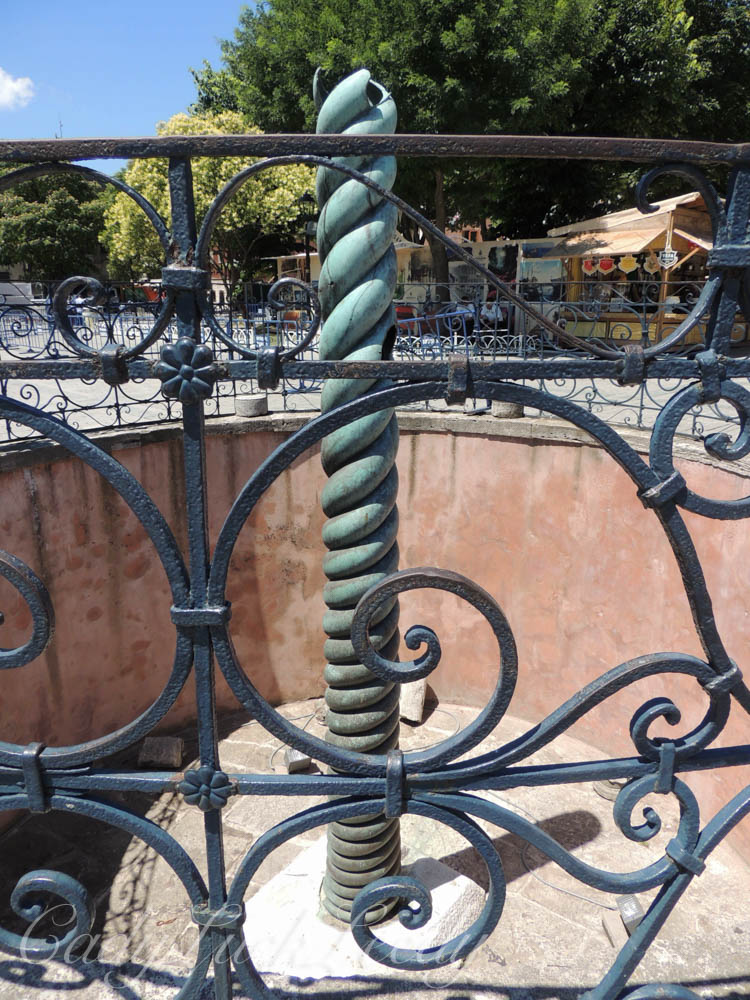
The Column of the Serpent, Istanbul, Turkey

The Column of the Serpent, Istanbul, Turkey

The German Fountain was a gift from the German government to commemorate Kaiser Wilhelm II’s visit to Istanbul in 1898. It was constructed in Germany and transfered in pieces to Istanbul in 1901 and re-assembled on this location.
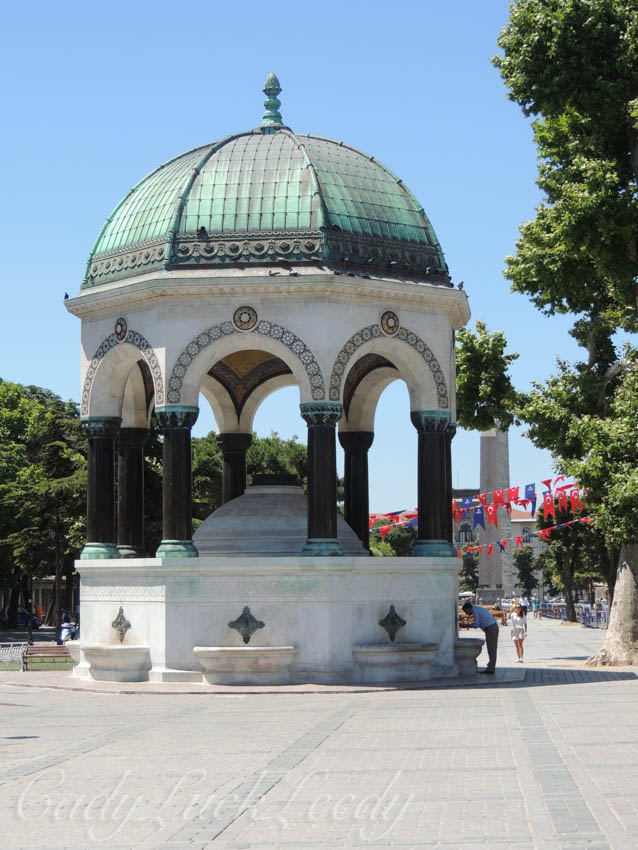
The German Fountain, Istanbul, Turkey

The German Fountain, Istanbul, Turkey

The Divan Yolu was the main thoroughfare in Byzantine times.  The road started right here where the Golden Milestone still stands in a pit. 1500 years ago this was considered the point of the center of the world and it showed the distances to key locations within the empire.

The Tram Station at Divan Yolu, Istanbul, Turkey

The Tram Station at Divan Yolu, Istanbul, Turkey

The Golden Milestone, Istanbul, Turkey

The Golden Milestone, Istanbul, Turkey

Below ground, the Underground Cistern, was a vast reservoir that held  water reserves for ever growing Istanbul. The cistern covers an area of two football fields and could hold 27 million gallons of fresh water. 336 columns support the brick ceiling, most of them coming from earlier Roman ruins. Clay pipes and aqueducts carried the water twelve miles to this cistern. Today the cistern is open to the public.  The cistern is a shallow pond with a walkway around it. At the exit of the cistern a stage is in the water and serves as an exhibition hall for art festivals and concerts!

Underground Cistern, Istanbul, Turkey

Underground Cistern, Istanbul, Turkey
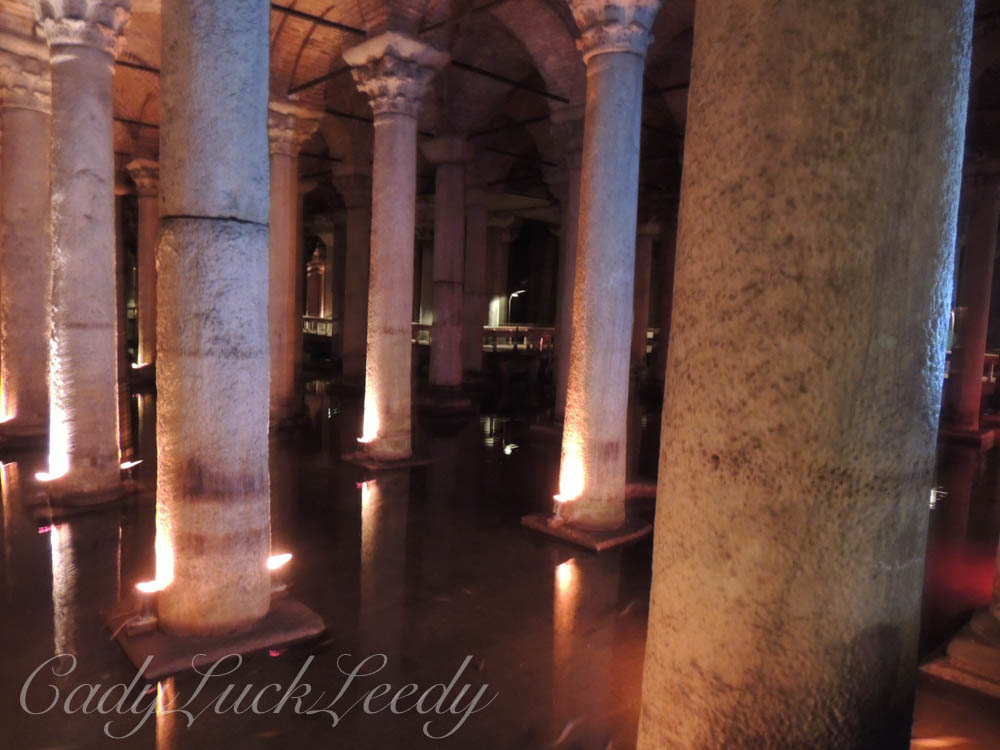
Underground Cistern, Istanbul, Turkey

Underground Cistern, Istanbul, Turkey

The Ancient Columns in the Underground Cistern, Istanbul, Turkey

The Ancient Columns in the Underground Cistern, Istanbul, Turkey

Underground Cistern, Istanbul, Turkey

Underground Cistern, Istanbul, Turkey

I hope you enjoyed the day at the Blue Mosque!

Hagia Sophia, Istanbul, Turkey

Hagia Sophia, Istanbul, Turkey

Hagia Sophia, Istanbul, Turkey

A Restaurant on the way to Hagia Sophia, Istanbul, Turkey

A Restaurant on the Way to Hagia Sophia, Istanbul, Turkey

A Restaurant on the way to Hagia Sophia, Istanbul, Turkey

Another Look of the Restaurant on the Way to Hagia Sophia, Istanbul, Turkey

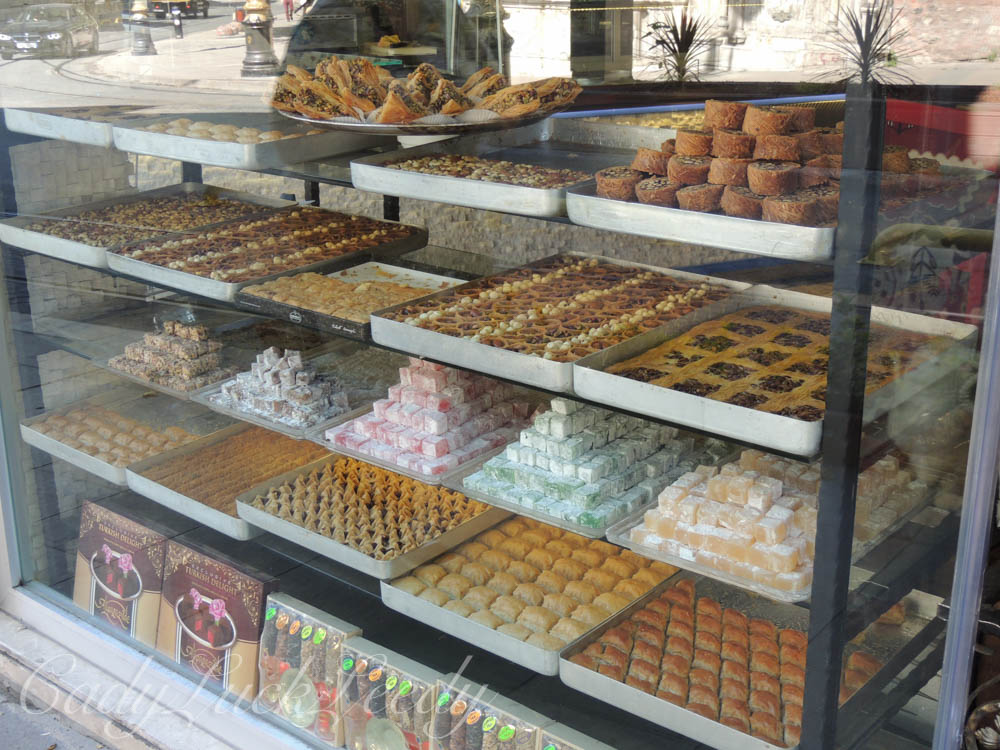
Walk Past the Turkish Delight Store, Istanbul, Turkey

Walk Past the Turkish Delight and Bakery, Istanbul, Turkey

Hagia Sophia, Holy Wisdom, has been called the greatest house of worship in the Christian and Muslim worlds: Hagia Sophia, the Great Church of Constantinople, a Greek Orthodox basilica, was built by Byzantine Emperor Justinian in A.D. 537 over the remains of two churches. More than 5,000 architects, stonemasons, bricklayers, plasterers, sculptors, painters and mosaic artists worked around the clock for 5 years to complete the church. People came from all over the world to watch the great dome slowly rise above the landscape and for a 1000 years it was the greatest dome in the world until the Renaissance when Brunelleschi built the dome over the Duomo, in Florence, Italy.  In 1204 it was converted to a Roman Catholic cathedral. It remained the largest cathedral for nearly 1000 years until the Seville Cathedral was completed in 1520.  In  1453 Constantinople was conquered by the Ottoman Turks under Sultan Mehmed II, who ordered the main church be converted into a mosque. The relics were removed and the mosaics depicting Jesus, His mother Mary, Christian saints and angels were removed or plastered over. Islamic features and the minarets were added. In 1935, the first Turkish president, and founder of the Republic of Turkey, Mustafa Kemal Atatürk, transformed the building into a museum.  The carpets were removed and the marble floor decorations appeared for the first time in centuries, while the white plaster covering many of the mosaics was removed, revealing the beautiful mosaics still intact.  The plaster had actually preserved them.

Today, Hagia Sophia is a beautiful museum, featuring the best of Christian and  Muslim architecture.

After going through tight security and inspection let’s look at this wonder of the world!

The Fountain at Hagia Sophia, Istanbul, Turkey

The Fountain at Hagia Sophia, Istanbul, Turkey

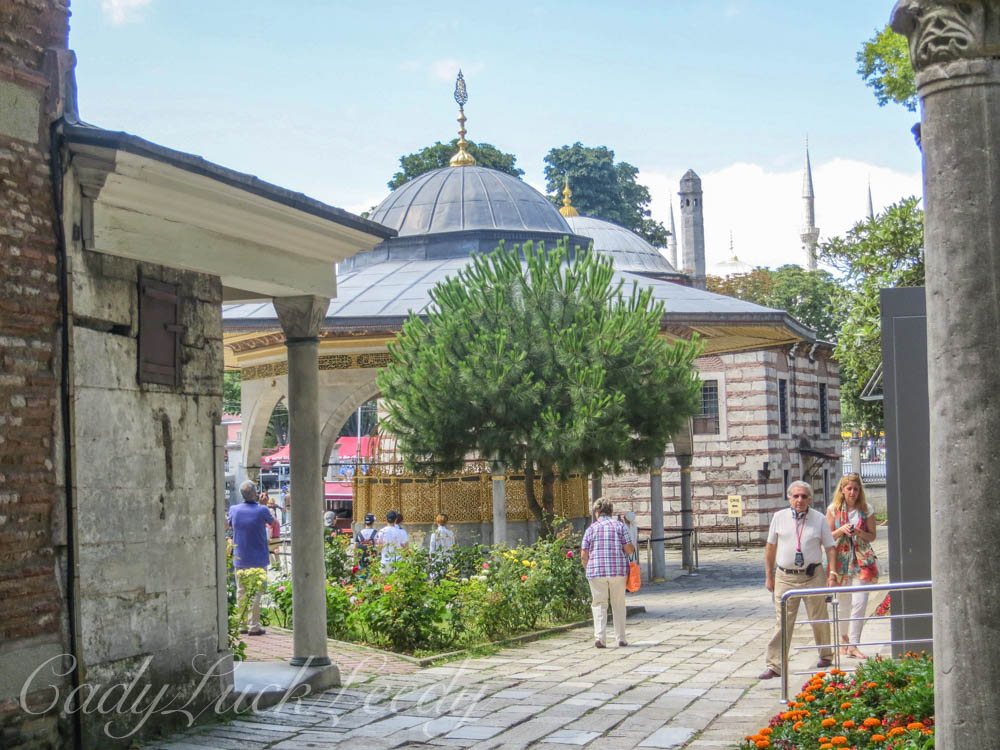
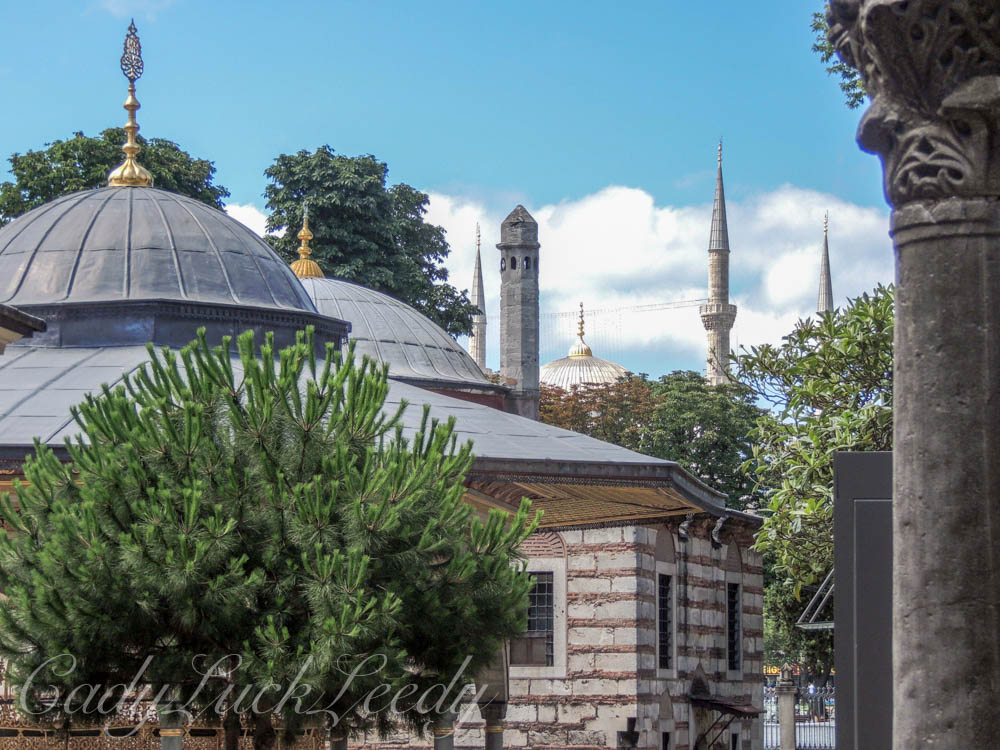
The Ottomans added this fountain in the 18th century, when Hagia Sophia was used as a mosque. It was used for ablution, ritual cleansing before prayer, as part of Islamic traditions.

A View of the Courtyard, Hagia Sophia, Istanbul, Turkey

A View of the Courtyard, Hagia Sophia, Istanbul, Turkey

A View in the Courtyard of Hagia Sophia, Istanbul, Turkey

A View in the Courtyard of Hagia Sophia, Istanbul, Turkey

A View in the Courtyard of Hagia Sophia, Istanbul, Turkey

A View in the Courtyard of Hagia Sophia, Istanbul, Turkey

Courtyard of Hagia Sophia, Istanbul, Turkey

Courtyard of Hagia Sophia, Istanbul, Turkey

Rooftop Views from Hagia Sophia, Istanbul, Turkey

Rooftop Views from Hagia Sophia, Istanbul, Turkey

Decorative Pieces  Taken from Hagia Sophia, Istanbul, Turkey

Decorative Pieces Taken from Hagia Sophia, Istanbul, Turkey

Decorative Pieces  Taken from Hagia Sophia, Istanbul, Turkey

Decorative Pieces Taken from Hagia Sophia, Istanbul, Turkey

Original Baptismal Pool, Hagia Sophia, Istanbul, Turkey

Original Baptismal Pool, Hagia Sophia, Istanbul, Turkey

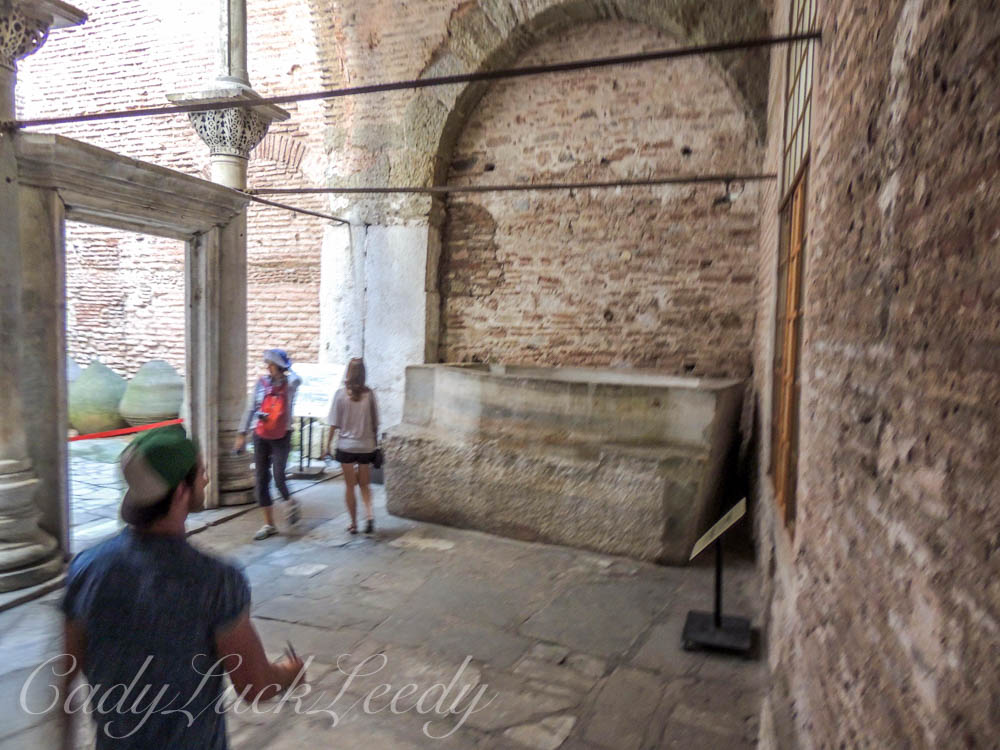
Unearthed in 2010, the immense baptismal pool was hewn out of a massive piece of marble. More than ten feet wide and four feet deep, the pool was used for communal baptisms common in early Christianity.

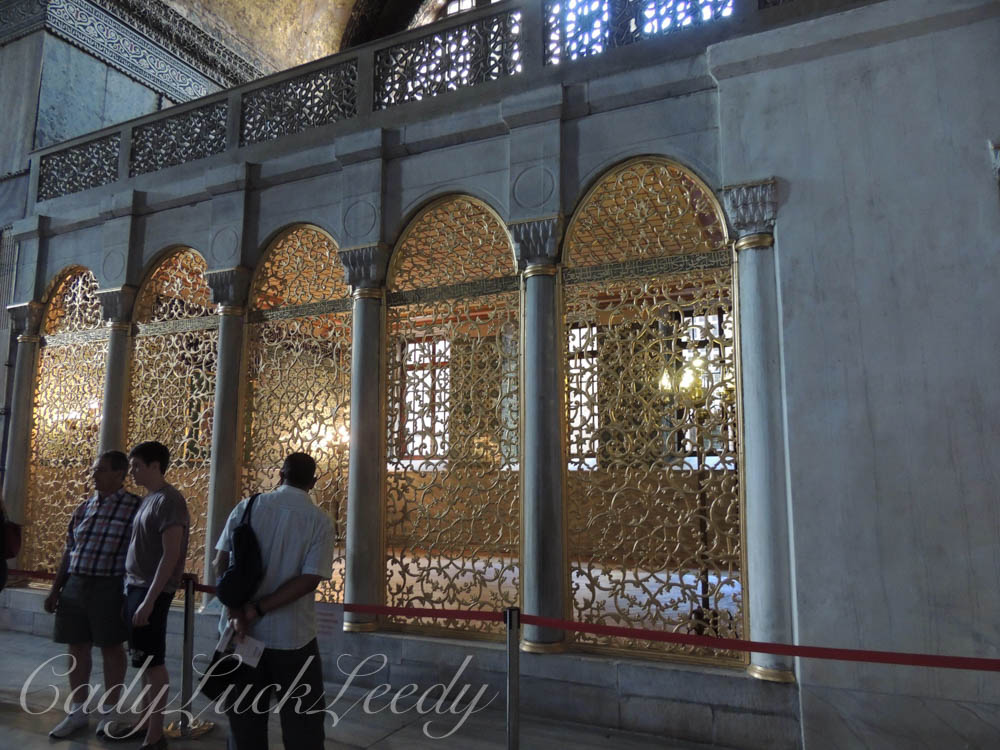
Intricate Gold Lace Partitions, Hagia Sophia, Istanbul, Turkey

Intricate Gold Lace Partitions, Hagia Sophia, Istanbul, Turkey

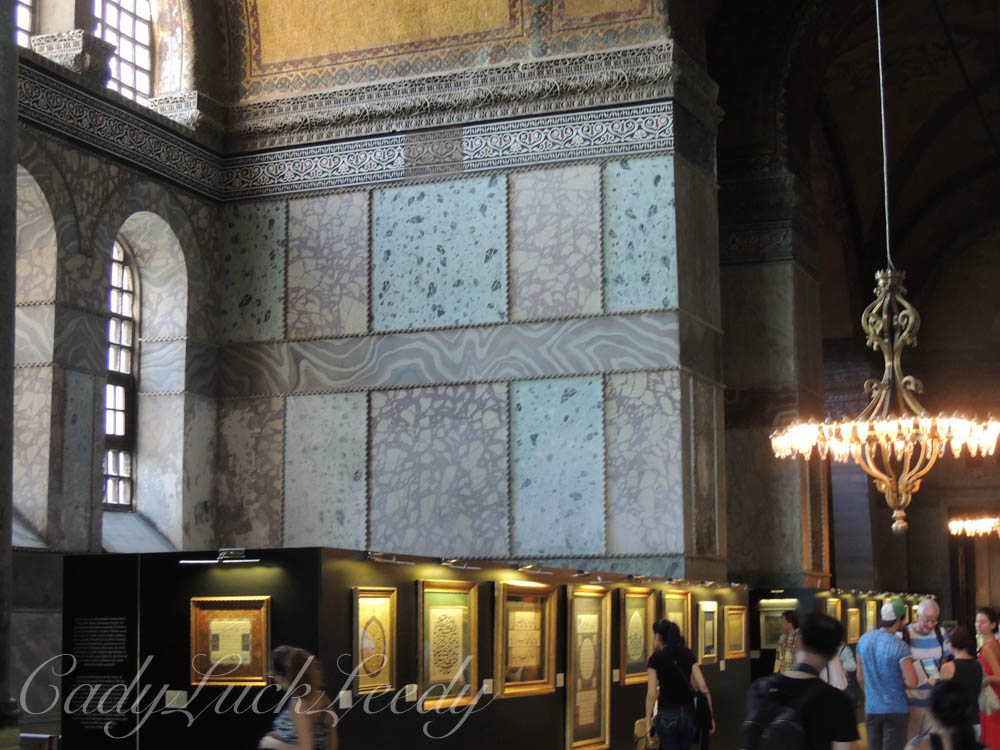
Marble Tiles, Hagia Sophia, Istanbul, Turkey

Marble Tiles and Calligraphy, Hagia Sophia, Istanbul, Turkey

Huge Chandeliers, Hagia Sophia, Istanbul, Turkey

Huge Chandeliers, Hagia Sophia, Istanbul, Turkey

Hagia Sophia, Istanbul, Turkey

Hagia Sophia, Istanbul, Turkey

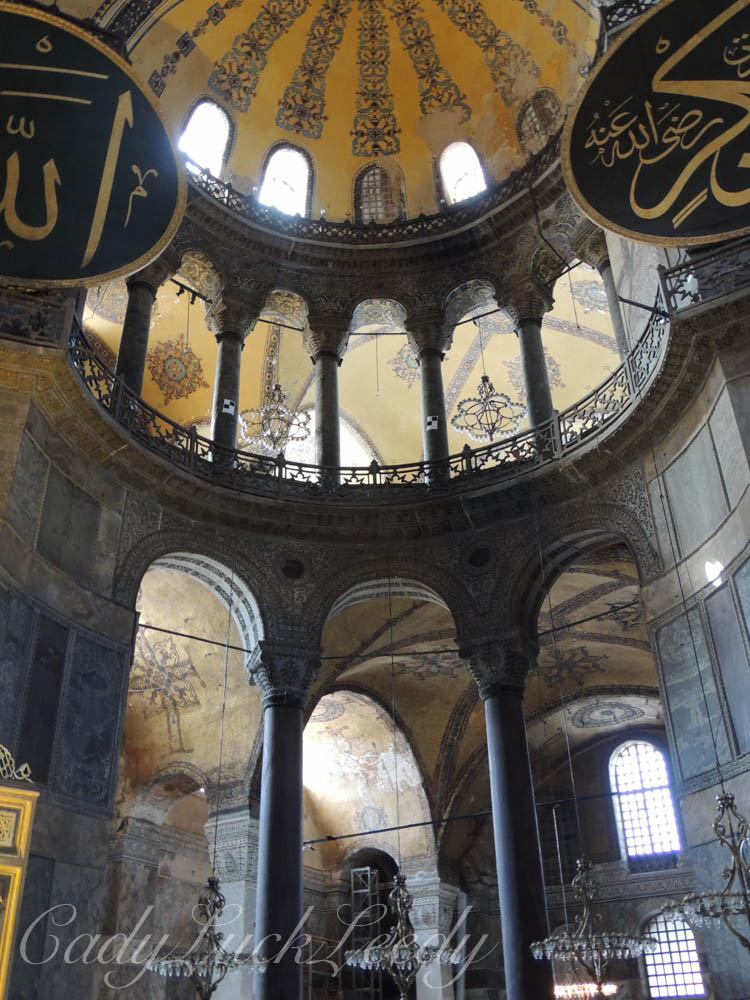
The green marble columns carry the upper galleries and provide support to the domes, easing the burden of the buttresses and exterior walls.

Inside Hagia Sophia, Istanbul, Turkey

Inside Hagia Sophia, Istanbul, Turkey

Many of the marble columns were brought here from other, even more ancient monuments and temples.

The Nave of Hagia Sophia, Istanbul, Turkey

The Nave of Hagia Sophia, Istanbul, Turkey

The Nave of Hagia Sophia, Istanbul, Turkey

The Nave of Hagia Sophia, Istanbul, Turkey

To get a perspective of the size of the Nave, Paris’ Notre Dame Cathedral would fit within Hagia Sophia’s great dome.

One of Many Icons in Hagia, Sophia, Istanbul, Turkey

One of Many Icons in Hagia, Sophia, Istanbul, Turkey

Icon in Hagia Sophia, Istanbul, Turkey

Icon in Hagia Sophia, Istanbul, Turkey

Icon over Doorway, Hagia Sophia, Istanbul, Turkey

Icon over Doorway, Hagia Sophia, Istanbul, Turkey

The religious use of icons, depictions of human figures in mosaics, frescoes and other art forms, were very controversial throughout Byzantine history. Church and political leaders clashed over icons. The public liked the figures, and since most people at the time could not read, these pictures told the stories of the church teachings and emperors used them to bolster their claim to divine power, often depicting themselves as holy figures.

One of Two Winged Seraphims, Hagia Sophia, Istanbul, Turkey

One of Two Winged Seraphims, Hagia Sophia, Istanbul, Turkey

s in Hagia Sophia, Istanbul, Turkey

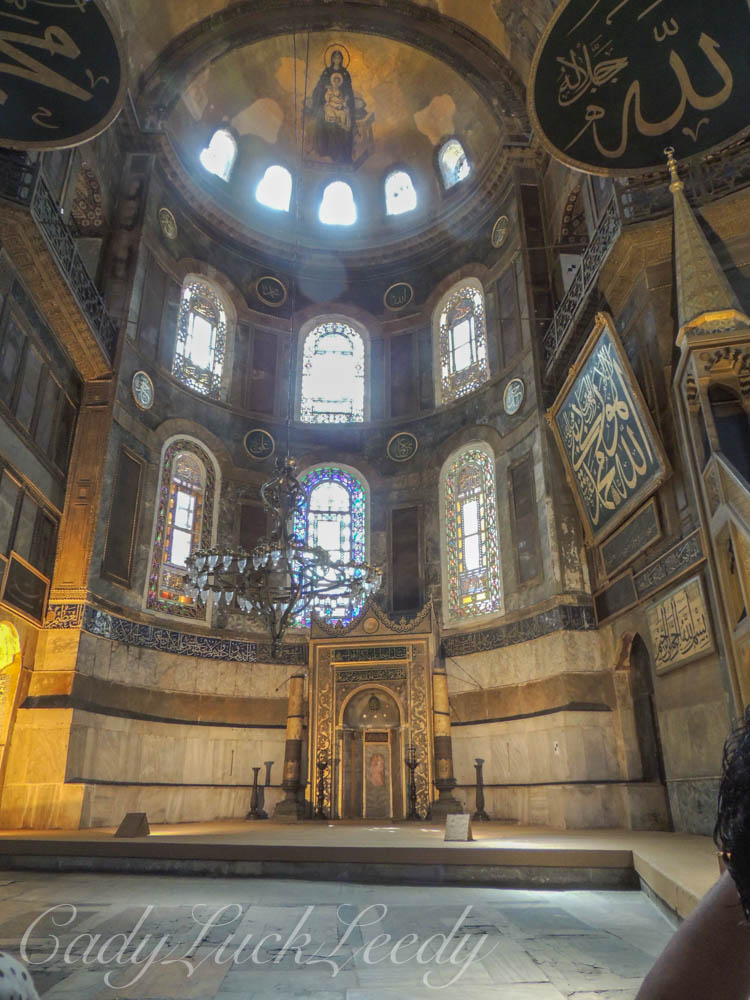
Medallions and Mimber in Hagia Sophia, Istanbul, Turkey

The mimber is the pulpit in a mosque used by the imam to deliver a sermon on Fridays or to talk to the public on special occasions. The imam stands halfway up the stairs as a sign of respect, reserving the uppermost step for the Prophet Muhammad.

The 24-foot-wide, leather wrapped, wooden medallions, were added in the 19th century and decorated by master calligraphers. In a church you see paintings of Biblical figures and saints, however in a mosque, which allows no depictions of people, you see ornately written names of Allah and Muhammad.

The Exit of Hagia Sophia, Istanbul, Turkey

The Exit of Hagia Sophia, Istanbul, Turkey

Courtyard, Hagia Sophia, Istanbul, Turkey

Courtyard, Hagia Sophia, Istanbul, Turkey


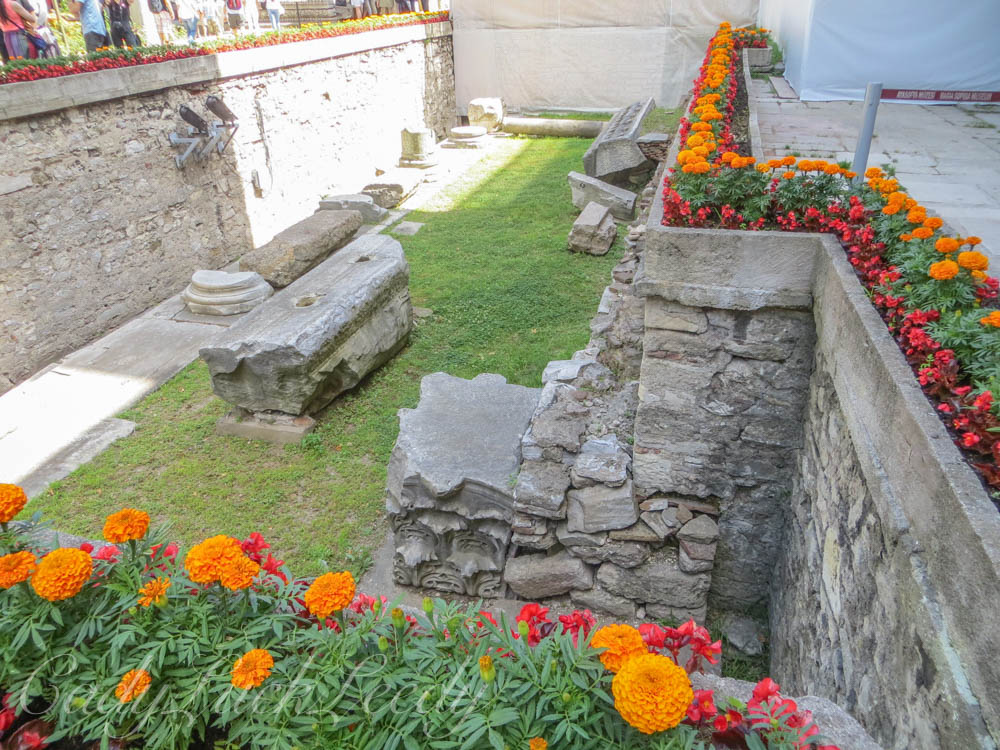
Stone Pieces in the Courtyard, Hagia Sophia, Istanbul, Turkey

Stone Pieces in the Courtyard, Hagia Sophia, Istanbul, Turkey

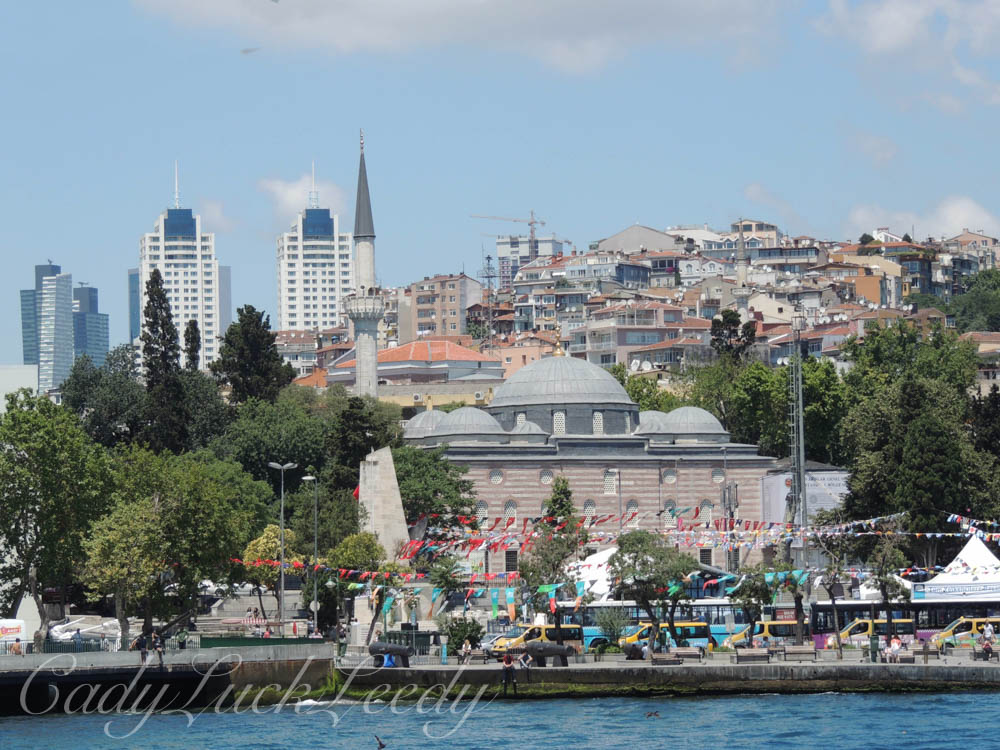
The Boat Tour of the Bosphorus and the Golden Horn, Istanbul, Turkey

On the Boat Tour, Istanbul, Turkey

On the Boat Tour, Istanbul, Turkey

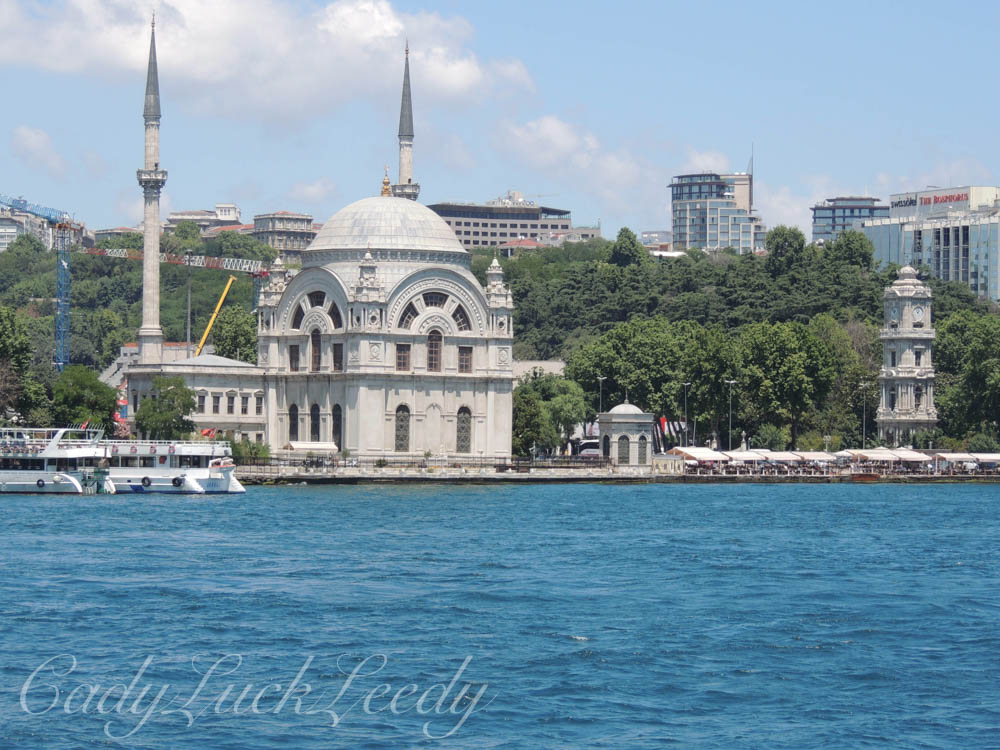
We are out on the boat tour on the third part of the Bosphorus and Golden Horn Tours! It is a beautiful day to sit in the sun and enjoy the ride!  Take your sun lotion! I named the spots that I knew and the rest of the time I was gabbing with my new Australian friends! It is a good way to see all the old and new in Istanbul, eyeing the beautiful homes and palaces along the shore. They certainly love their yachts! Enjoy!
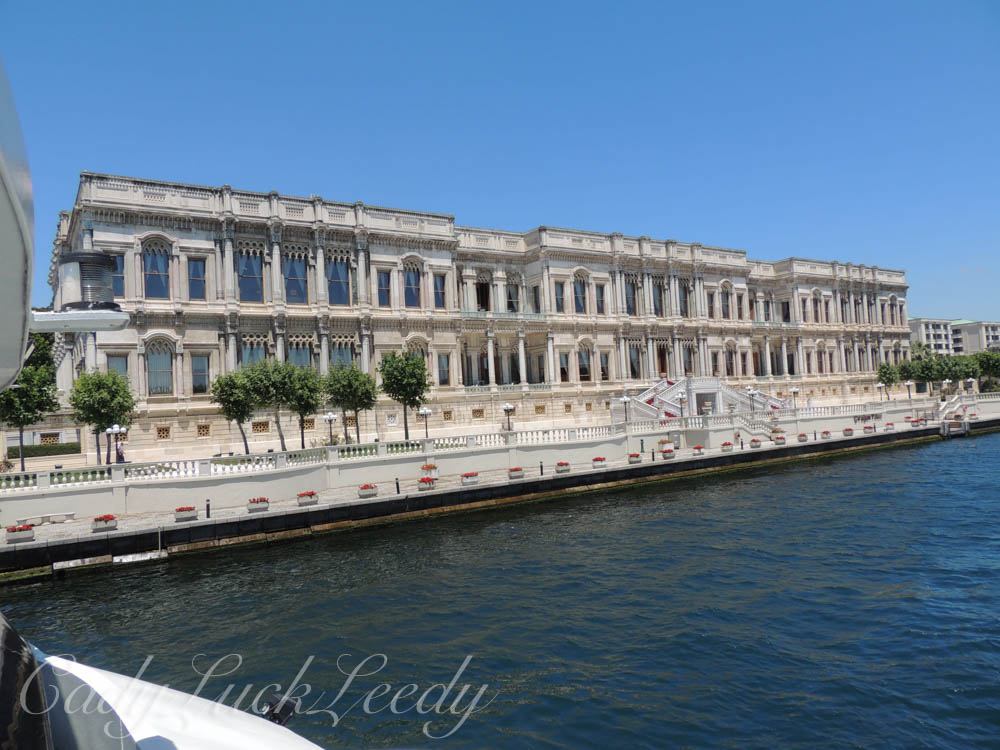
The Start of the Tour at the Docks, Istanbul, Turkey

The Start of the Tour at the Docks, Istanbul, Turkey

Istanbul, Turkey

Istanbul, Turkey

Istanbul, Turkey

Istanbul, Turkey

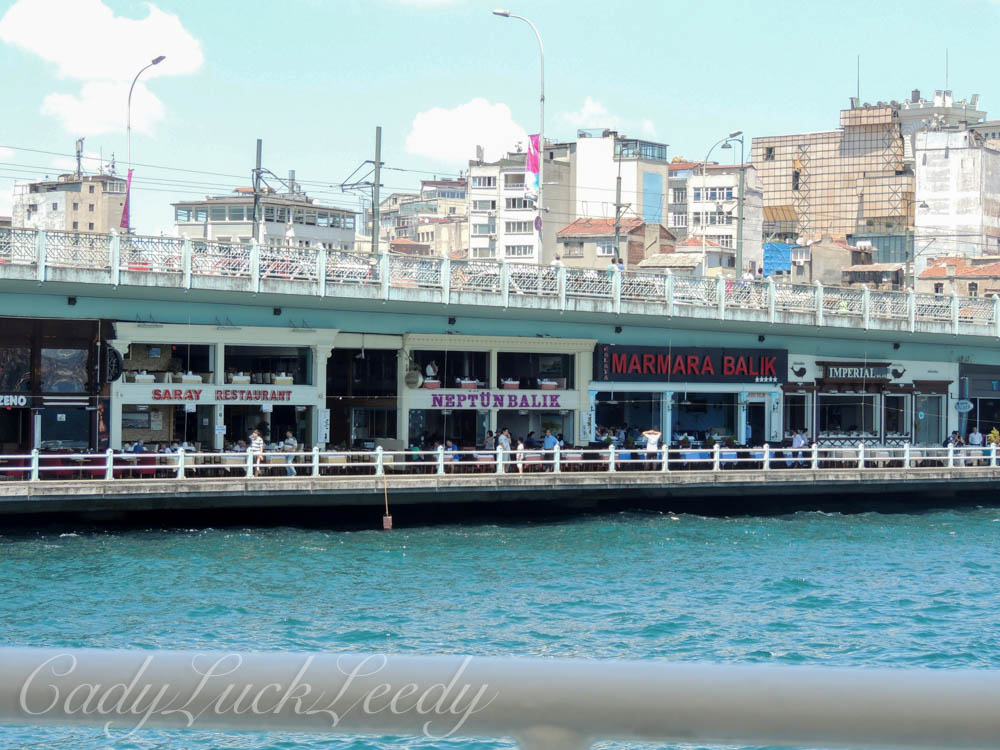
Restaurant Lined The Galata Bridge, Isanbul, Turkey

Restaurant Lined Galata Bridge, Istanbul, Turkey

Galata Tower, Istanbul, Turkey

Galata Tower, Istanbul, Turkey

The Cruise Ships Have Landed!, Istanbul, Turkey

The Cruise Ships Have Landed!, Istanbul, Turkey

Istanbul, Turkey

Istanbul, Turkey

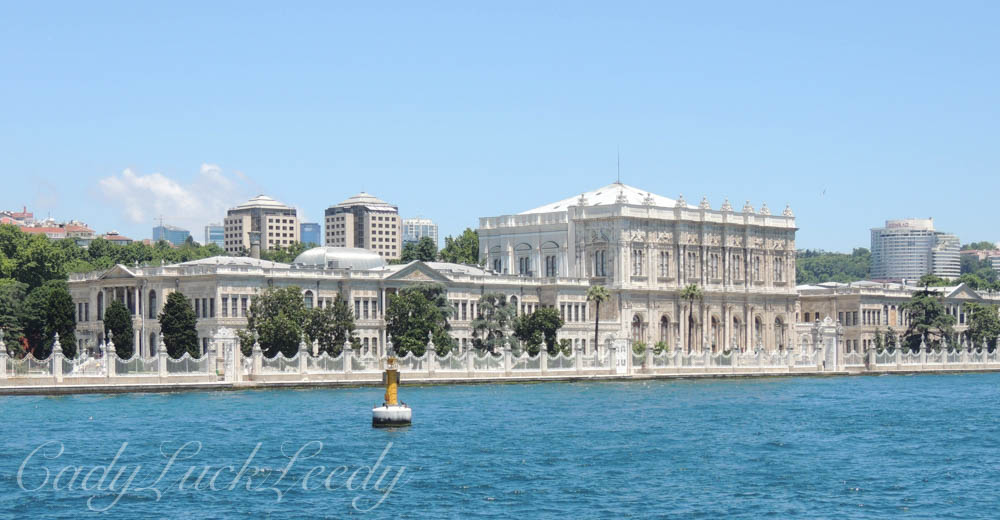
Dolmabahce Palace, Istanbul, Turkey

Dolmabahce Palace, Istanbul, Turkey

Ciragan Palace, Istanbul, Turkey

Ciragan Palace, Istanbul, Turkey

Istanbul, Turkey

Istanbul, Turkey

Istanbul, Turkey

Istanbul, Turkey

Beautiful Homes Along the Shore, Istanbul, Turkey

Beautiful Homes Along the Shore, Istanbul, Turkey

More Yachts, Istanbul, Turkey

More Yachts, Istanbul, Turkey

The Yachts Along the Shore, Istanbul, Turkey

The Yachts Along the Shore, Istanbul, Turkey

The Ducks, Istanbul, Turkey

The Ducks, Istanbul, Turkey

Private Yachts are All Along the Shore, Istanbul, Turkey

More Boats are All Along the Shore, Istanbul, Turkey

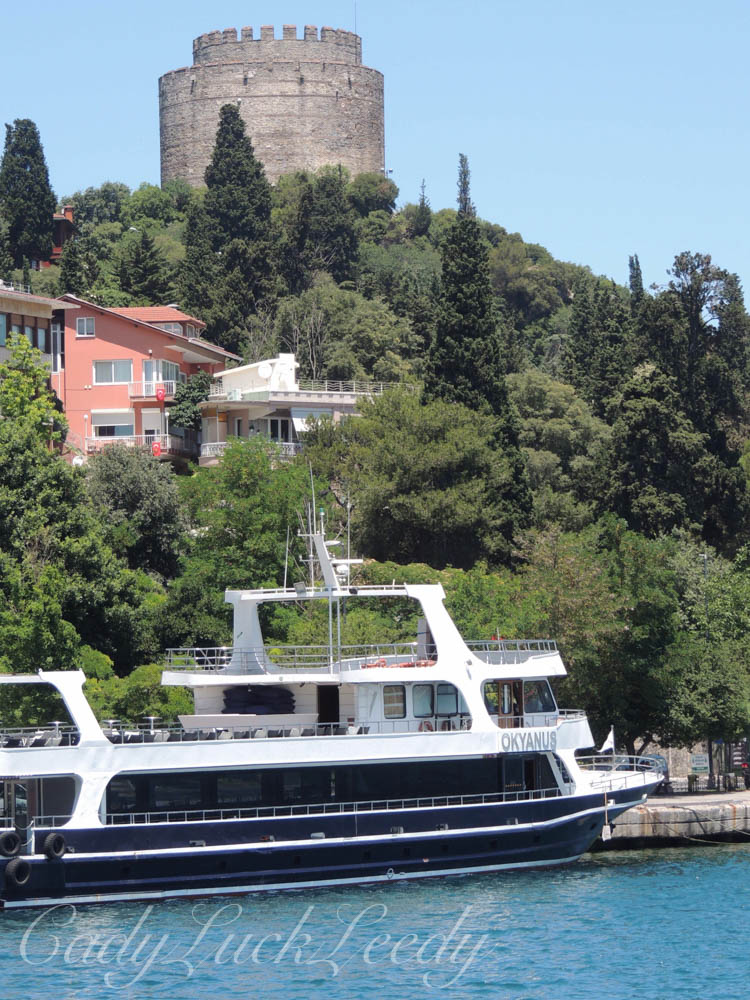
Rumeli Castles (1452), Istanbul, Turkey

Rumeli Castles (1452), Istanbul, Turkey

Baylerbeyi Palace, Istanbul, Turkey

Baylerbeyi Palace, Istanbul, Turkey

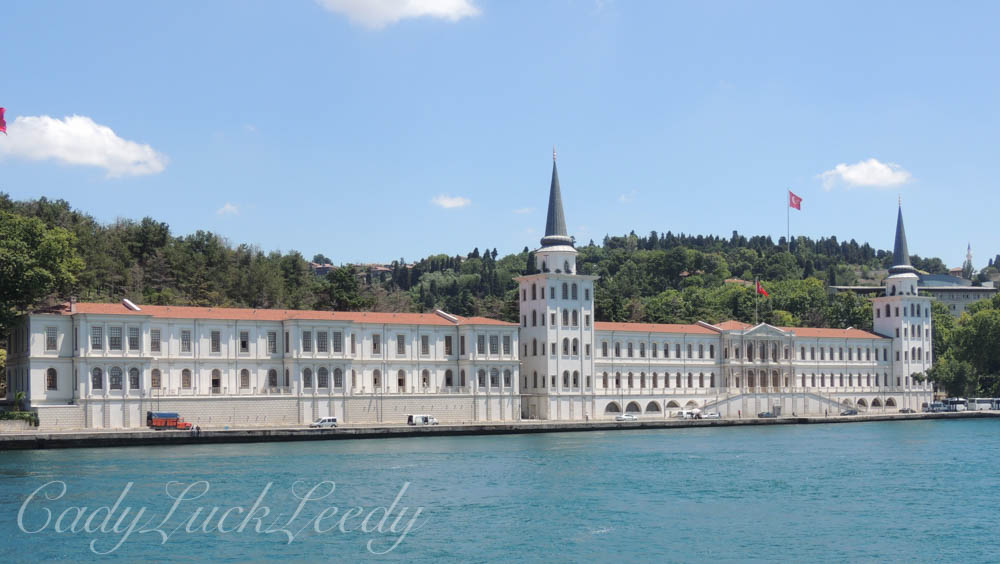
Kuleli Military School, Istanbul, Turkey

Kuleli Military School, Istanbul, Turkey

Istanbul, Turkey

Istanbul, Turkey

Ciragan Palace, Istanbul, Turkey

 Istanbul, Turkey

Kiz Kulesi, Istanbul, Turkey

Kiz Kulesi, Istanbul, Turkey

The Eyüp Cemetery, Istanbul, Turkey

The Eyüp Cemetery, Istanbul, Turkey

The Eyüp Cemetery, Istanbul, Turkey

Part 2,  of the “My Best Tip of Istanbul, Turkey” post continues. We are walking  from Pierre Loti Hill down through the Eyüp Cemetery to the boat docked at the pier, that will take us around the Golden Horn. Our tour guide from the Blue Brothers Tours tells us interesting facts and stories about the cemetery and the grave markers.  This is what I learned.

The Eyüp Cemetery, Istanbul, Turkey

The Eyüp Cemetery, Istanbul, Turkey

The Eyüp Cemetery, Istanbul, Turkey

The Eyüp Cemetery, Istanbul, Turkey

The Eyüp Cemetery is the most sacred cemetery in Istanbul. The mosque was erected by Mehmet the Conqueror, over the tomb of Halid bin Zeyd Ebu Eyyüp, known as Sultan Eyüp, the standard bearer for the prophet Mohammed, also the last survivor of his inner circle of trusted friends.  Sultan Eyüp, while serving as a commander of the Arab forces during the siege of 688 to 659 was killed and buried on the outskirts of Istanbul. One of the conditions of peace, after the Arab siege, was that the tomb of Eyüp be preserved. A little village of tombs blossomed on the site by those seeking Sultan Eyüp’s intervention in the hereafter, and it is still considered a privilege to be buried in the nearby cemeteries. Today it costs more than $50,000 to be buried here. To most people in Turkey that is equivalent to buying a home.

The Eyüp Cemetery, Istanbul, Turkey

The Eyüp Cemetery, Istanbul, Turkey

The Eyüp Cemetery, Istanbul, Turkey

The Eyüp Cemetery, Istanbul, Turkey

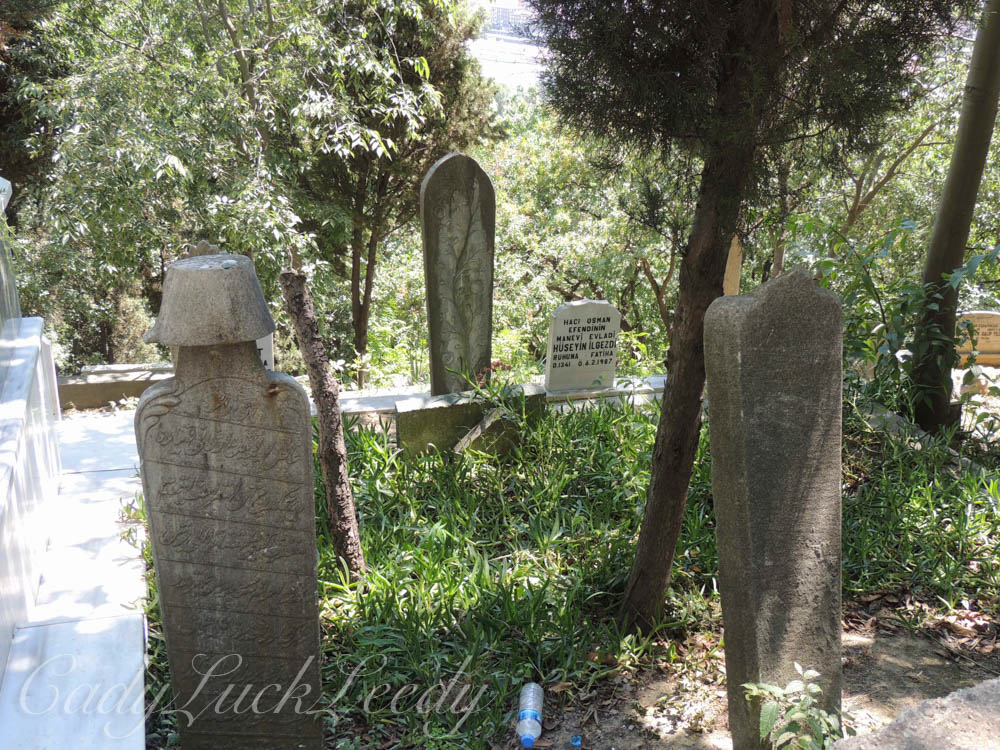
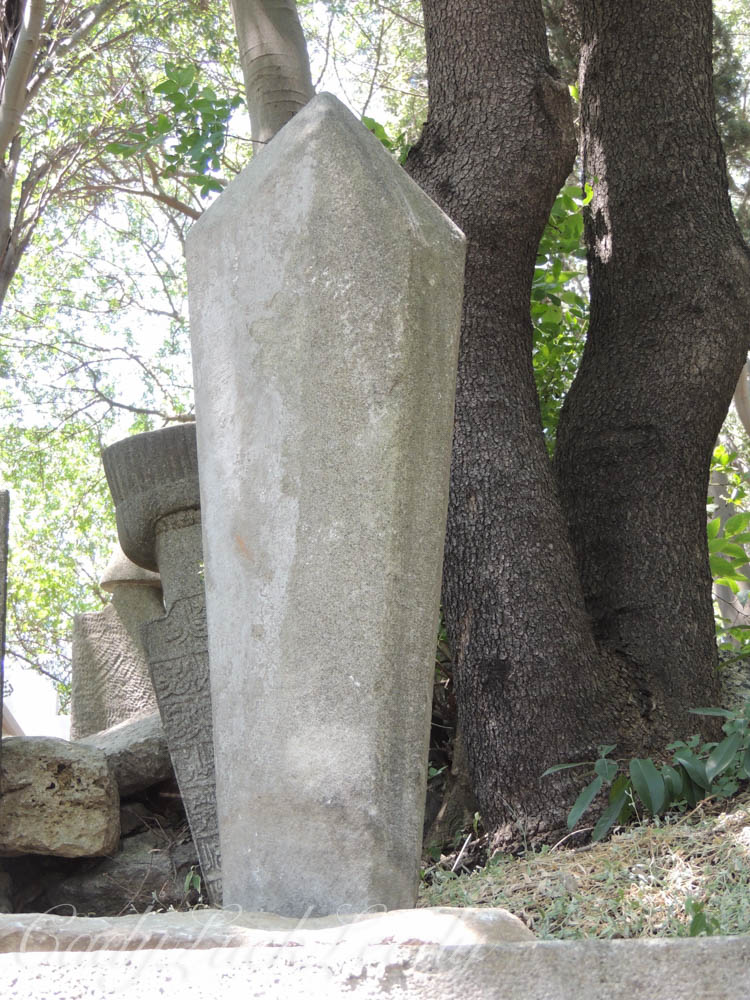
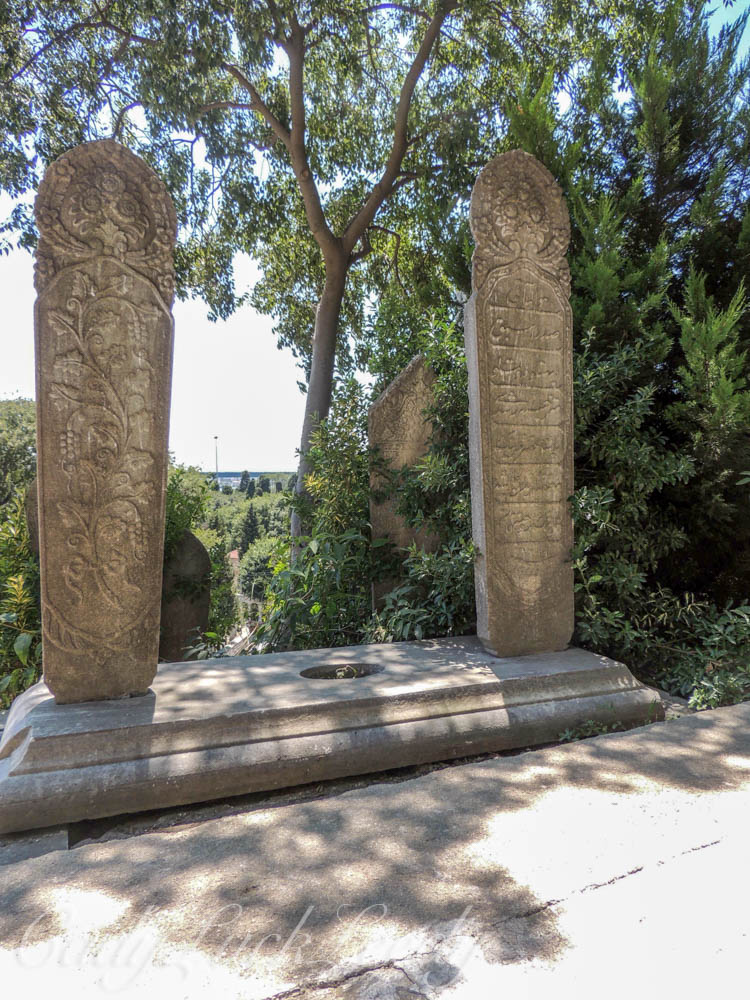
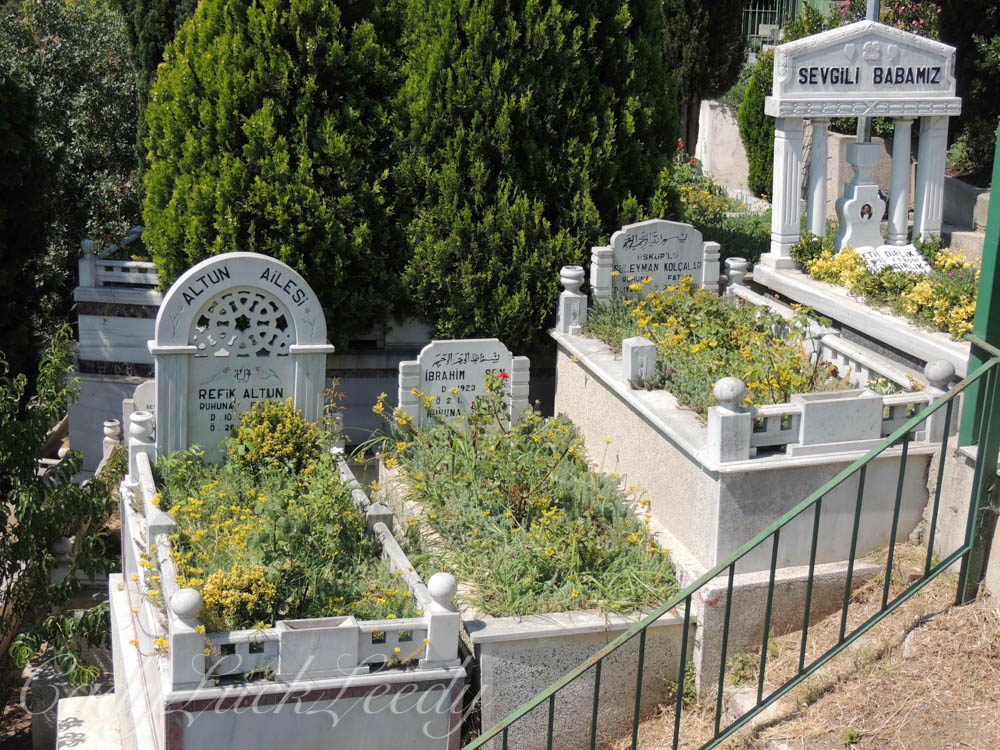
The tombstones reveal a lot about the people buried beneath them. The older grave markers, those before 1829, are long narrow markers with tops shaped like a turban for the men. The turban represents a pasha; a high ranking person of the Ottoman Empire or a prominent military man, or the turban of a Dervish order. The green painted turbans represent the burial of an Imam. After 1929, the fez shaped hat replaced the pasha turban on the grave markers. The tombstones shaped like a sword represent a soldier.

The Turbans, Eyüp Cemetery, Istanbul, Turkey

The Turbans, Eyüp Cemetery, Istanbul, Turkey

The Eyüp Cemetery, Istanbul, Turkey

Imam, The Eyüp Cemetery, Istanbul, Turkey

The Soldier Marker, Eyüp Cemetery, Istanbul, Turkey

The Soldier, Eyüp Cemetery, Istanbul, Turkey

The older tombstone markings were written in Arabic. After WWI, when the Ottoman Empire was divided into several new states, and following the Turkish War of Independence, (1919-1922) Mustafa Kemal Atatürk, established the Republic of Turkey, with himself as its first president. The Arabic language was out and the Turkish language was designated the official language. This caused a great deal of confusion in Turkey because for several generations the older people spoke Arabic while the children learned Turkish in schools.

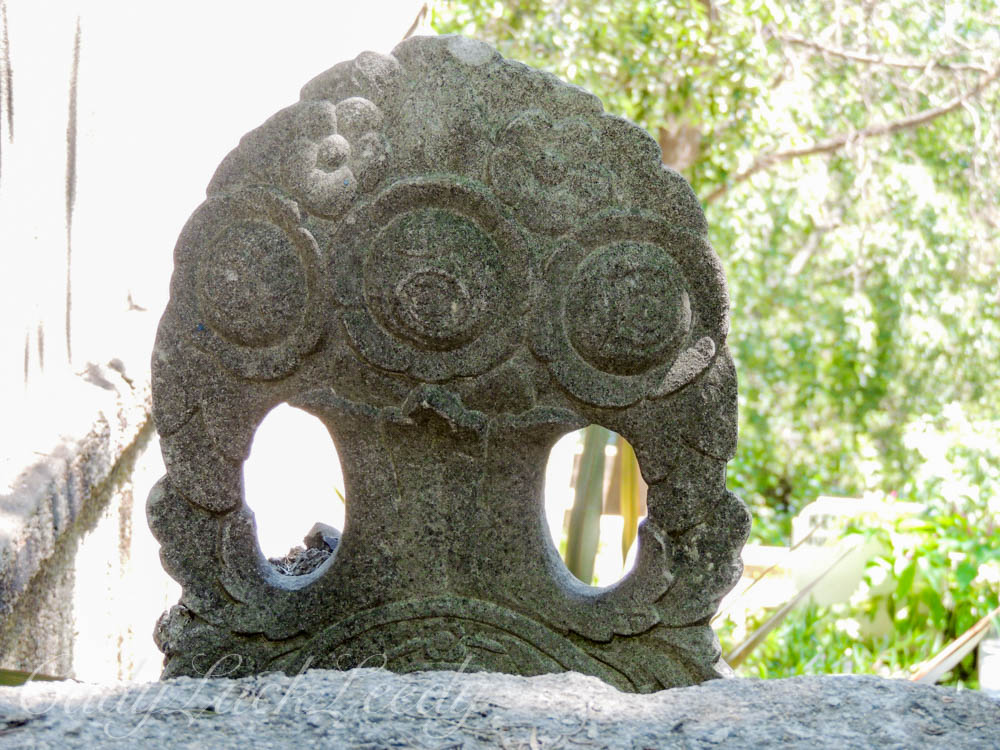
For women, the top of the grave marker can be a tiara, noting a princess, or a head-dress represented by flowers, most often the rose. The number of roses depicts how many children the woman had and the opened rose means the child was still living at the time of her death and if the rose is closed, a child has preceded her in death.

A Woman's Marker, Eyüp Cemetery, Istanbul, Turkey

A Woman’s Marker, Eyüp Cemetery, Istanbul, Turkey

At one spot in the cemetery are two markers for two women separated my an empty hole between them. The guide tells the story of two wives of one man. Muslims are allowed four wives. Well in this situation there was the older wife and the much younger wife and all the headaches that could possibly be created between the two women. One day the women decided to end the bickering and their unhappiness by killing the husband. The two women were hung for their crime, and buried in the cemetery plots that their husband had provided for them. However, since it is shameful in Muslim culture to be killed by a woman, the husband was not allowed to be buried there, hence the hole.

Two Women, No Man, Eyüp Cemetery, Isatnbul, Turkey

Two Women, No Man, Eyüp Cemetery, Isatnbul, Turkey

 Eyüp Cemetery, Istanbul, Turkey

Eyüp Cemetery, Istanbul, Turkey

Also, it is popular to have written messages from the deceased placed on the tombstone. Here are some that have been translated.

Stopping his ears with his fingers Judge Mehmut died off from the beautiful world, leaving his wife’s cackling and his mother in law’s gabbing.

O passers by spare me your prayers, but please don’t steal my tombstone.

I could have died as well without a doctor than with that quack that my friends set upon me.

Enjoy!  We are now approaching the boat! Stay tuned for more!

My Best Travel Tip for Istanbul, Turkey

Pierre Loti

Pierre Loti

On arrival at Hotel Sultania, we were offered a choice of tours to review. We usually prefer to explore on our own, but one tour looked so interesting and the price VERY reasonable, so we decided to do it. I am glad we did, it was one of the best tours we have ever been on!  It was the Bosphorus and Golden Horn Boat Tour. But, it was so much more than that!

The 4 hour guided tour, for 20 euros each, included two hours on a boat touring the Bosphorus, to see the palaces along the shore, and the two hour, “Golden Horn Tour”, which included the historical heart of the city and the the Byzantium, Constantinople and Istanbul harbors.   In addition, there was a stop at Pierre Loti. The tour also includes picking you up and dropping you off at your hotel at the end of the tour. This is really good because I have been on tours where the tour ended and we had no idea where we were, and had to take a cab back to our hotel. A real bummer!  This tour was excellent!

Since Hotel Sultania is located on a pedestrian-only street we walked one street over with the guide, who came to get us, and realized the bus was waiting for us on the corner. Since it was Ramadan, our guide announced, we would be doing the tour backwards, going to Pierre Loti first. I didn’t know what Pierre Loti was, I thought possibly it was the name of the boat docking area, so I just settled in talking to two Australian women and enjoying the scenery along the way when……….

Following a 15 minute ride we stopped and got off the bus at a funicular on the side of a steep hill overlooking the water. The guide paid our funicular fee and we started up the hill in small glass lifts that offered a beautiful view of the Sea of Marmara on one side and a cemetery on the other. I thought, “Where in the world are we going?”

The View from Pierre Loti

The View from Pierre Loti, Istanbul, Turkey

Up the Hill to the Shops at Pierre Loti, Istanbul, Turkey

Up the Hill to the Shops at Pierre Loti, Istanbul, Turkey

The Restaurant at Pierre Lodi, Istanbul, Turkey

The Pierre Loti Restaurant, Istanbul, Turkey

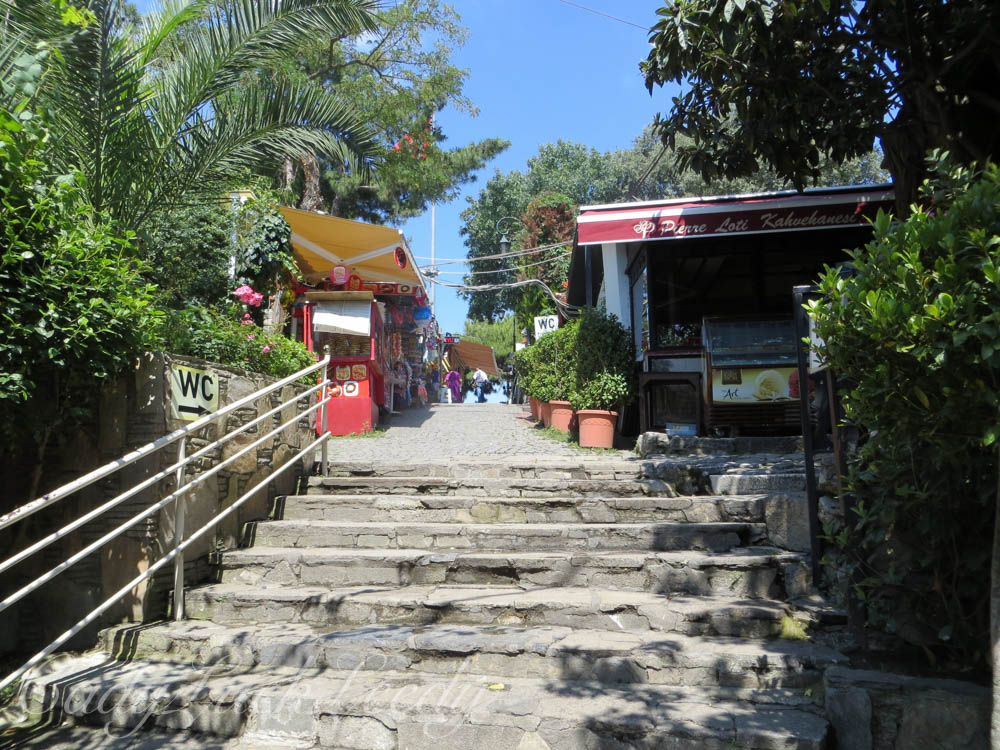
The Steps up to the Shops at Pierre Loti, Istanbul, Turkey

The Steps up to the Shops at Pierre Loti, Istanbul, Turkey

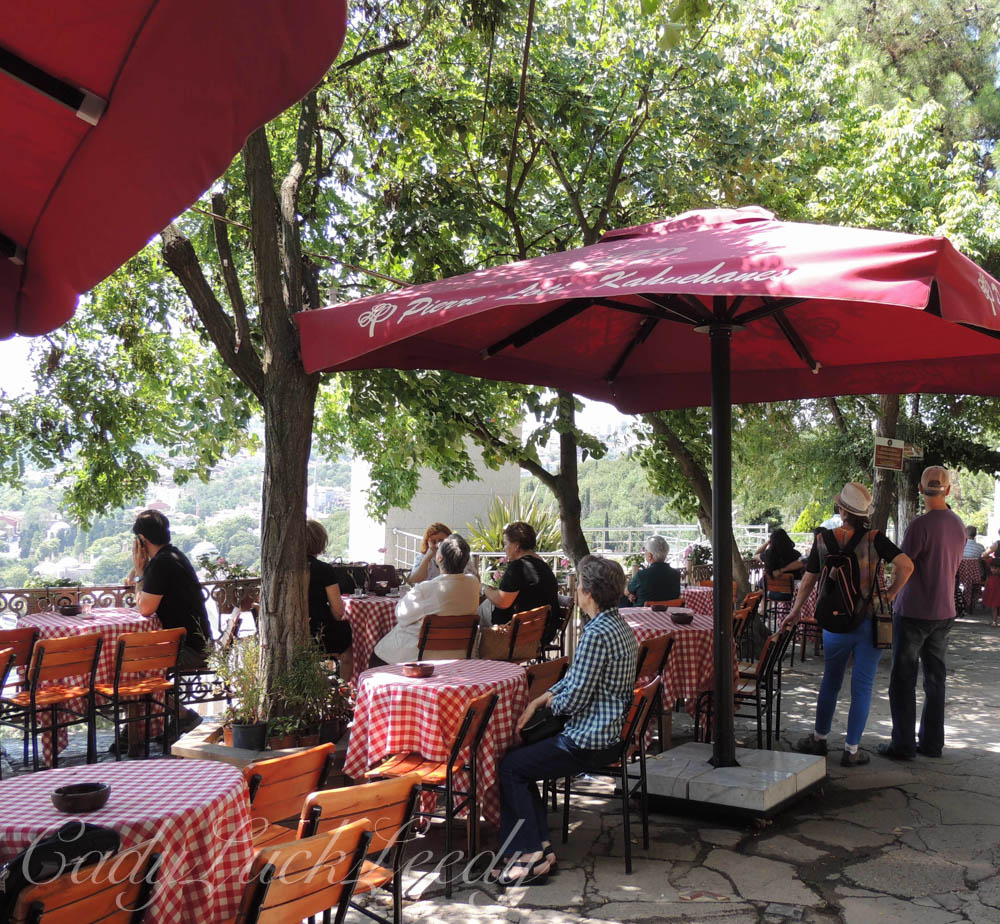
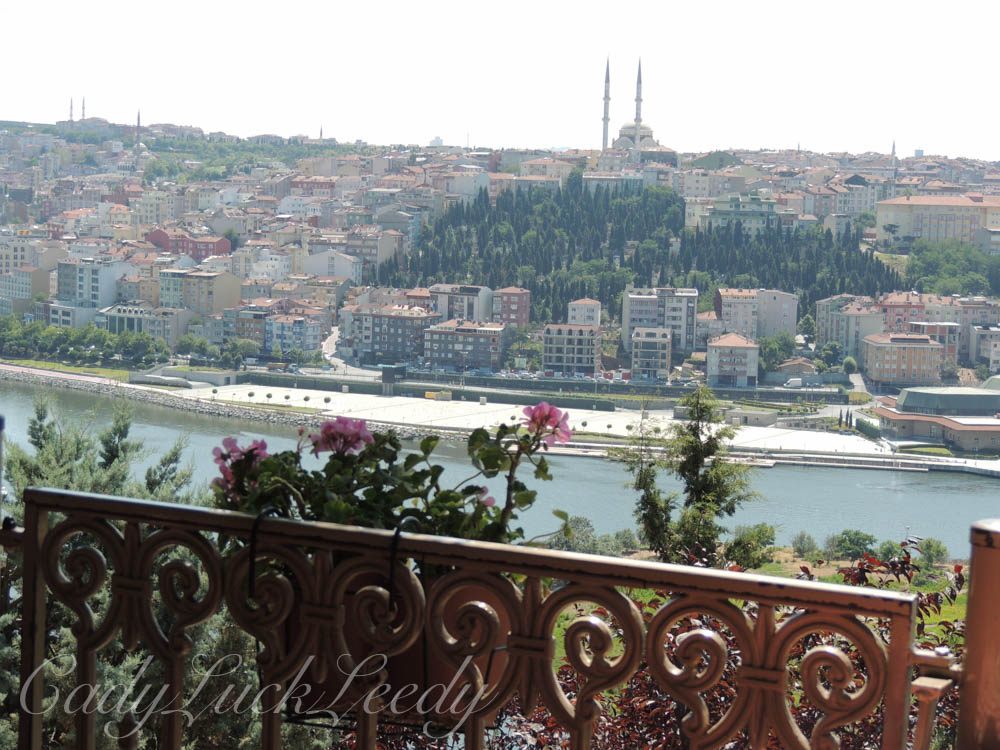
At the top was a cluster of shops and tables of the Pierre Loti Restaurant (sadly not serving meals because of Ramadan), but the waiters offered soft drinks to us as we admired one of the most beautiful views in Istanbul! We sat at red-checked draped tables under the trees and enjoyed the views with several guests. This is a very popular spot in the city for tourists and the locals.

A View from Pierre Loti, Istanbul, Turkey

Another View from Pierre Loti, Istanbul, Turkey

Another View from Pierre Loti, Istanbul, Turkey

Another View from Pierre Loti, Istanbul, Turkey

As we looked out over the Bosphorus, we observed through the view finder on our cameras, a boat making it’s way to the boat dock well below and away from our magnificent perch on the hill.

The Tour Boat at the Dock, Istanbul, Turkey

The Tour Boat in the Distance at the Dock, Istanbul, Turkey

Up Close and Personal, The Tour Boat

Up Close and Personal, The Tour Boat

I seem to remember making a comment that would come back to haunt me, “Well at least we don’t have to walk all the way to the boat.” Soon our guide called us together and told the first story. He would reveal the story of Pierre Loti. Oh, I love stories! I was captivated!

Pierre Loti, a pseudonym for Julien Viand, was a French novelist and naval officer, who wrote books about exotic spots he visited during his naval career and throughout his lifetime. His noted first works were tales of his love affairs; love, death and despair. Other books were travel guides presenting beautiful tales of Islamic life in countries before the exploitation of tourists.

In 1879, he wrote his first book, Aziyadé. It was a story of a love affair between a 27 year-old man with a “Circassian”, harem girl of 18. Many believe this was semi-autobiographical, based on a diary Loti kept during the fall and winter of 1876. Here is the Turkish interpretation of the story as told by our guide.

While Loti was serving in the military in Istanbul, he met and fell in love with a beautiful Circassian woman. They would meet secretly on this hill high above the city. Her family would not approve of her marrying a non-muslim and they were both in turmoil over this.  Aziyadé suggested they run away together and go to France, where he could marry her. The only problem; he had not been quite honest with her, because he was already married and his wife was in France!  After a few months and several meetings in their secret meeting place he did leave, without her. When she believed he was never coming back she married the person her family had chosen for her.

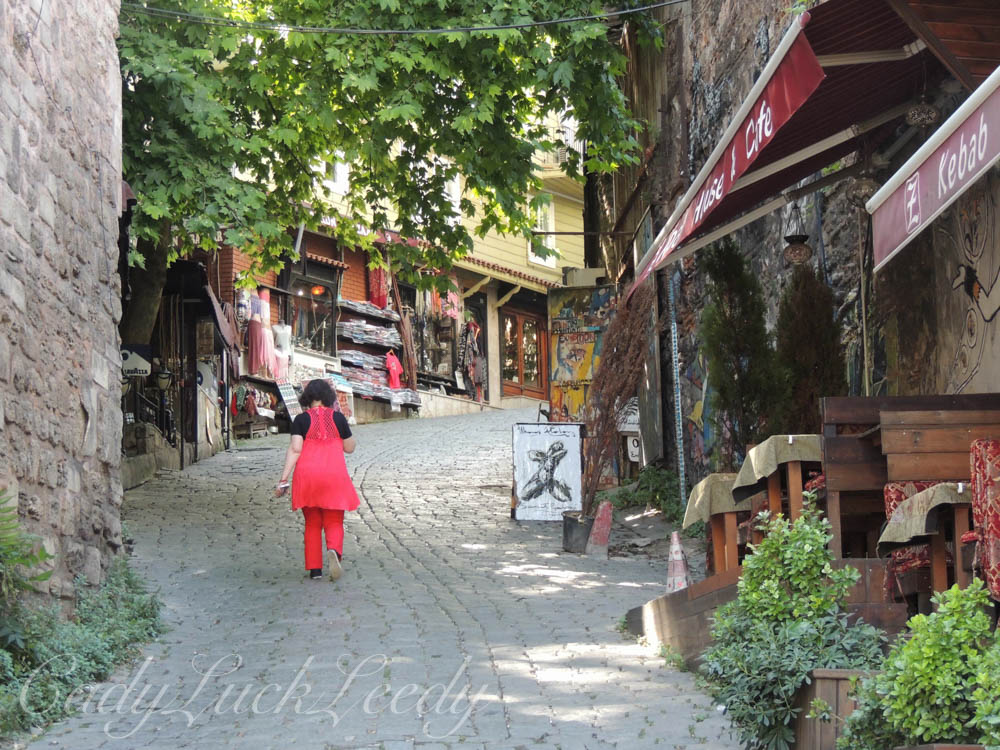
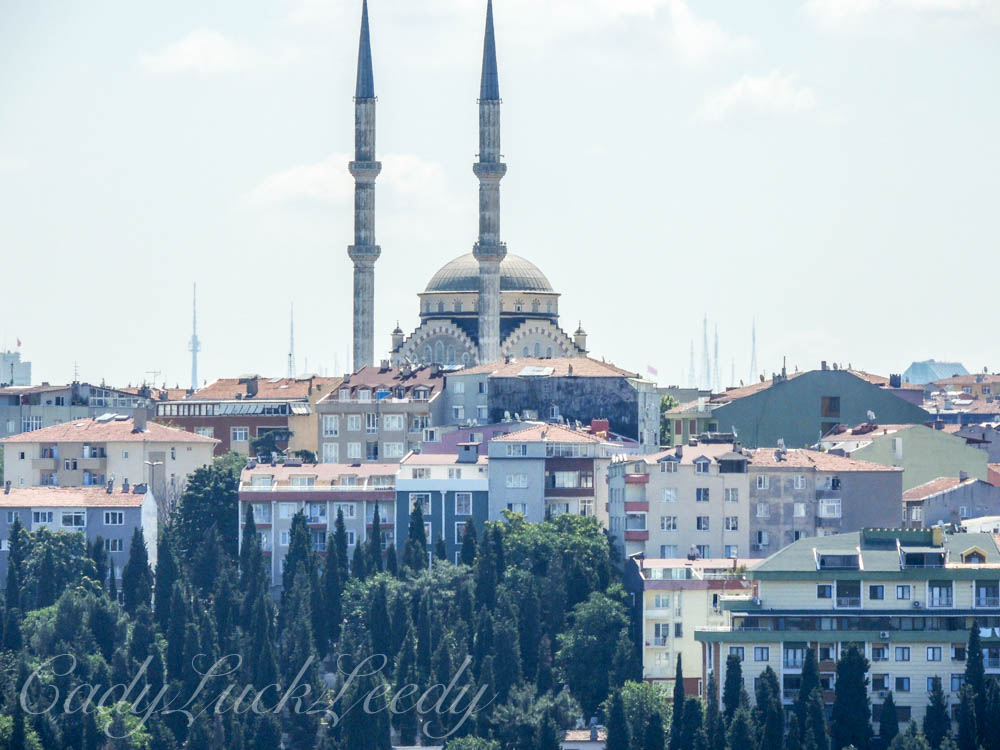
He did come back several years later and was distraught that she had married!  Really, men! Their liaison started up once again, up on the hill. Eventually, her husband suspected something was up and when he found out about her affair with Loti, he killed her. Short and not sweet. Pierre Loti wore a gold ring with her name, etched on the inside, for the rest of his life.  The hill is now a popular overlook of the city, with a restaurant and more shops up the hill, but we are headed down the cobbled path along the edges of the Eyüp Mosque and Cemetery.

The Eyüp Cemetery, istanbul, Turkey

The Eyüp Cemetery, Istanbul, Turkey

The Eyüp Cemetery, Istanbul, Turkey

The Eyüp Cemetery, Istanbul, Turkey

Fauna at Eyüp Mosque and Cemetery, Istanbul, Turkey

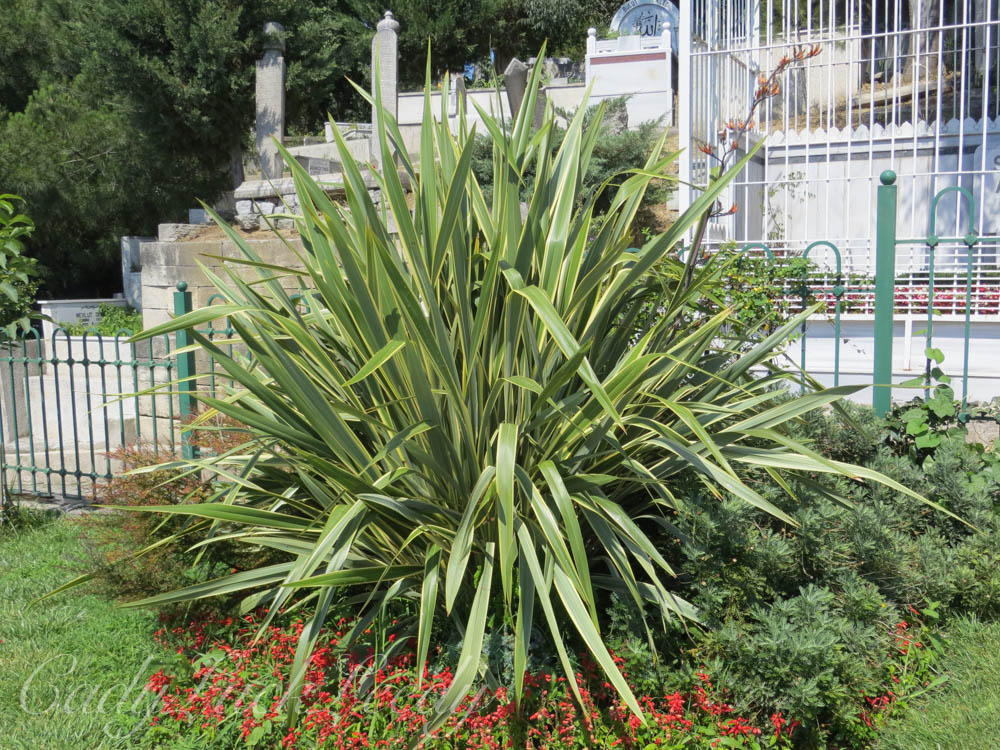
Flora at Eyüp Mosque and Cemetery, Istanbul, Turkey

The Eyüp Cemetery, istanbul, Turkey

The Eyüp Cemetery, Istanbul, Turkey

Yes, I said that right, we’re walking to the boat! The next story better be another good one! It’s about the cemetery and who are buried there!  We’ re off!

Follow me, won’t you, as we explore on the rest of the tour?  Enjoy!

For the Bosphorus Tours; Short and Full see:

Blue Brothers Travel Agency

For reservation please contact your travel agency or hotel concierge.

Alemdar Mah. Alaykosku Cad No 17 D Cagaloglu, Istanbul, Turkey

Tel: 90 (0212) 528 73 74

Istanbul: A City of Contrasts

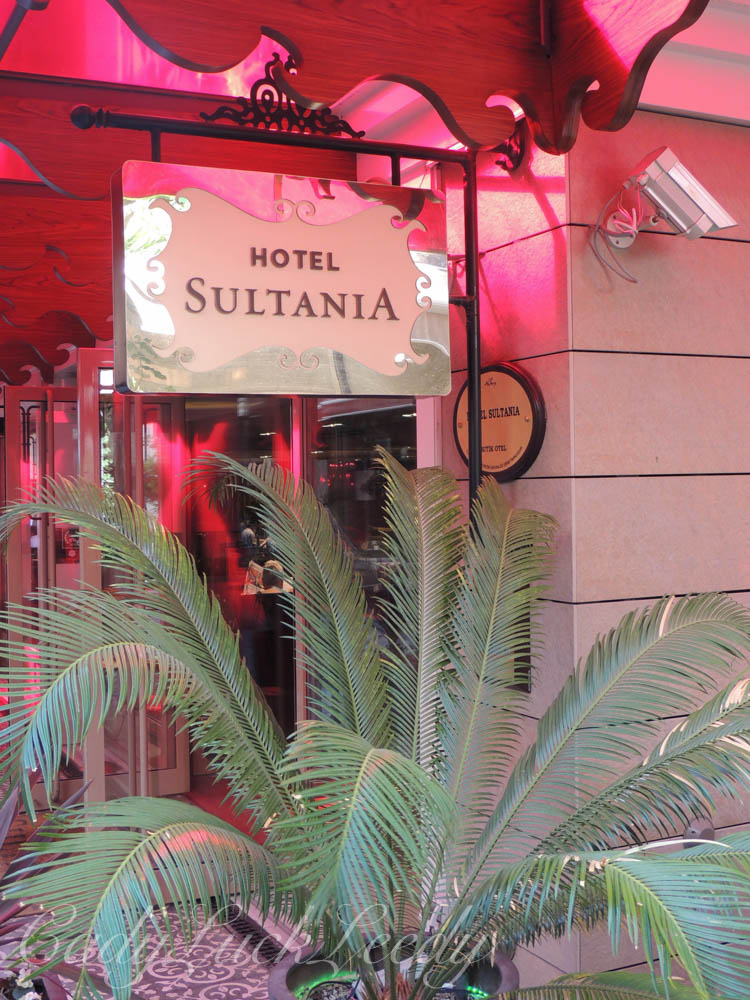
Hotel Sultania

Hotel Sultania

There are so many planes landing in Istanbul, resulting in not enough gates for them to pull up to. This is the hub between Europe and the Middle East. The workers roll metal stairs to the plane’s exits and down you step; just like in the old movies! A bus awaits to whisk you off to the terminal. Getting a cab to the hotel I was pleasantly surprised to see gardens and gardens of ornately designed floral sculptures; bright contrasting swirls of color in bright poppy reds, pure white, and glossy greens. They were the “Whirling Dervishes” of the landscape and I wondered about the work that went into maintaining them. I couldn’t take pictures that would be any good, through the cab’s window, but vowed I would take pictures of them before I left Istanbul! Istanbul is a contrast and mix of old world and modern, european and middle eastern. I was fascinated with the sights along the way!

Hagia Sophia, Istanbul, Turkey

Hagia Sophia, Istanbul, Turkey

A Glimpse of the Old and New, Istanbul, Turkey

A Glimpse of the Old and New, Istanbul, Turkey

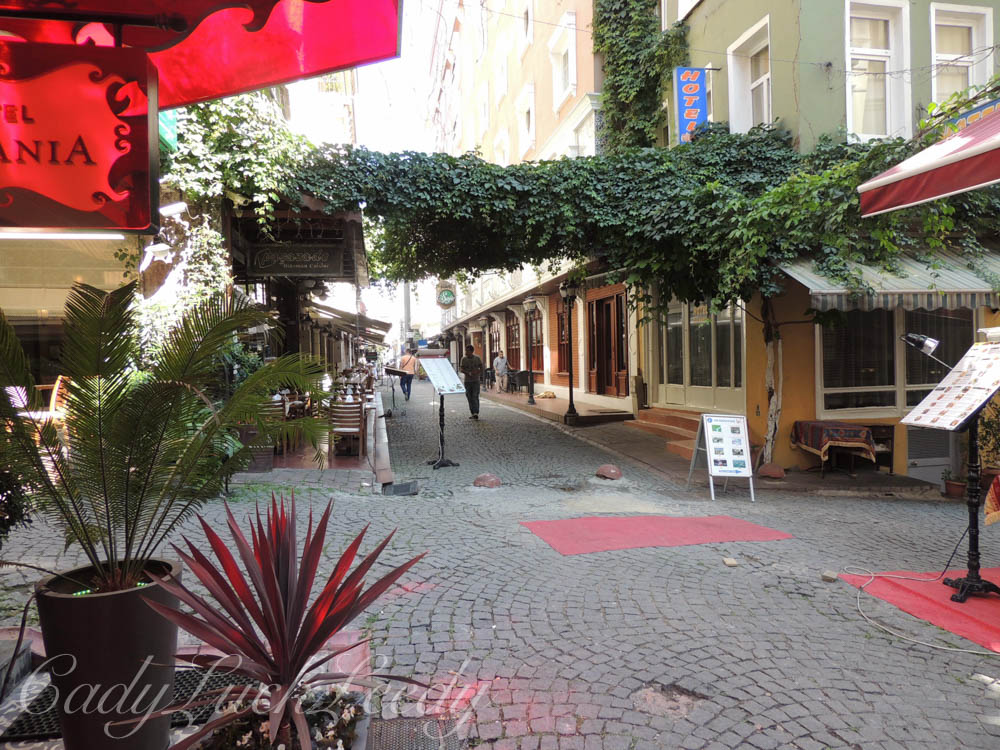
Entering Old Town the cab drivers wait two seconds before they start blowing their horns for the traffic to move! We would later learn that when the traffic is excessive, cabbies refuse to pick up passengers in this area, because they are stuck and not able to move at all. As we got to the vicinity of our hotel we stopped on a narrow, crowded street that our hotel was not located on, and told this was our stop. I was doubtful, until a bellman, opened our cab door, quickly took our luggage and said, “follow me.”  We walked down a cobbled street, turned left, where old men sat in an alcove smoking and talking, and scurried after our bellman to the Hotel Sultania; located at the corner of two intersecting lanes that were pedestrian only.

Hotel Sultania, Istanbul, Turkey

Hotel Sultania, Istanbul, Turkey

The Tiny Corner Intersection of Hotel Sultania, Istanbul, Turkey

The Tiny Corner Intersection of Hotel Sultania, Istanbul, Turkey

The Cross Street of  Hotel Sultania, Istanbul, Turkey

The Cross Street of Hotel Sultania, Istanbul, Turkey

A Look at Hotel Sultania, Istanbul, Turkey

A Look at Old Town, Istanbul, Turkey

Here we are in walking distance to Hagia Sophia; a church and mosque museum, the Blue Mosque, and the Topkapi Palace: all in the Sultanahmet Area. The streets are a mixture of old world and new, with elegant restaurants, hotels and shopping, scattered among alcoves of old brick ovens manned by bakers providing a bubbly flatbread and shops of carpet/rug lined sitting areas, where the guests smoke hookahs. Men outside the restaurants and establishments, encourage, intimidate, aggressively pursue you to try their wares. It is so alive!  Oh, this is going to be fun!!

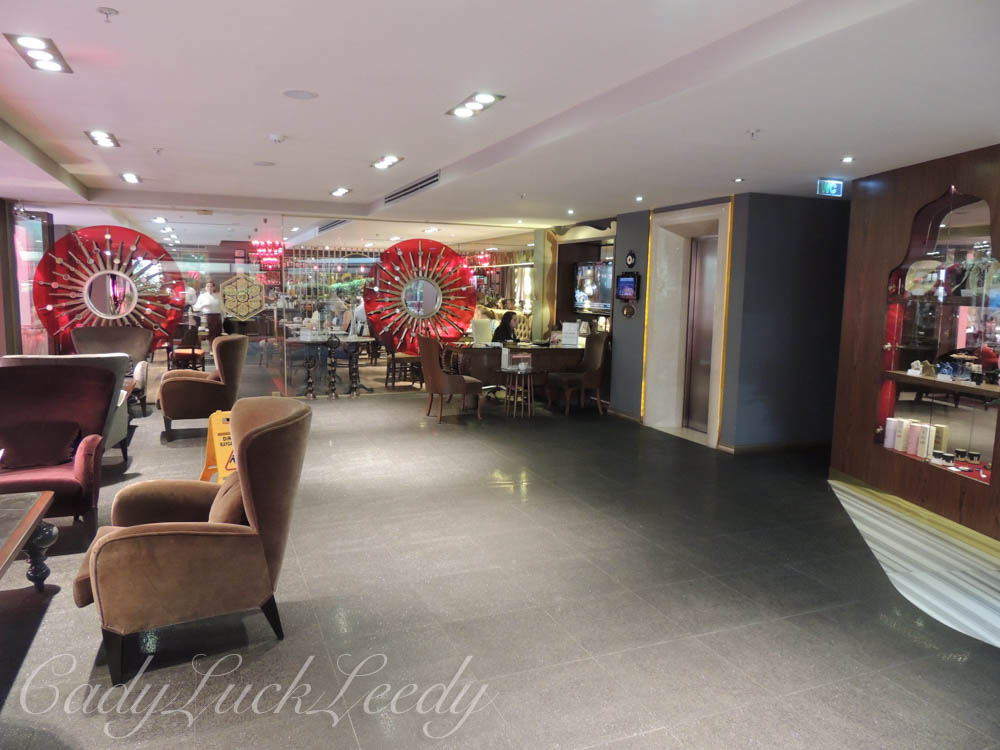
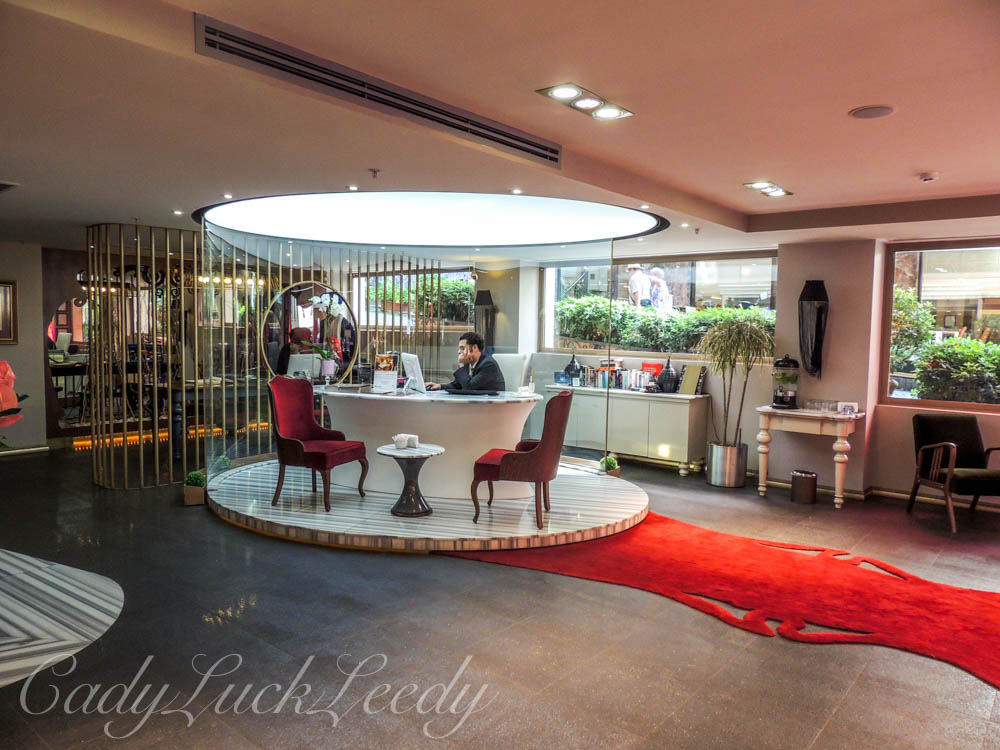
Entering the Hotel Sultania, we were warmly greeted at the concierge desk and and made aware of the popular attractions and local events that will be occurring during Ramadan.

Hotel Sultania, Istanbul, Turkey

Hotel Sultania, Istanbul, Turkey

We were told some places may be closed during the day, but at night the city comes to life, especially at Gülhane Park, where there will be partying after dark. We were shown the indoor/ outdoor breakfast room at one end of the lobby and a rooftop restaurant, one of the best in the city, not to be missed. Then taking another elevator, we were lead to our room. Oh my! I have been in several hotels in Europe, but this was one of the most opulent, depicting a room fit for one of the Sultan’s wives.

The Olga Hatun Room, Hotel Sultania, Istanbul, Turkey

The Olga Hatun Room, Hotel Sultania, Istanbul, Turkey

Our room was named after Olga Hatun, seventeen year old wife to Sultan Bayezid, also known as Thunderbolt. The room was huge with a terrace overlooking the old city and the Bosphorus Strait. HOWEVER, best of all was the extra large, marbled bathroom and a shower that would easily fit four people!

Hotel Sultania, Istanbul, Turkey

Hotel Sultania, Istanbul, Turkey

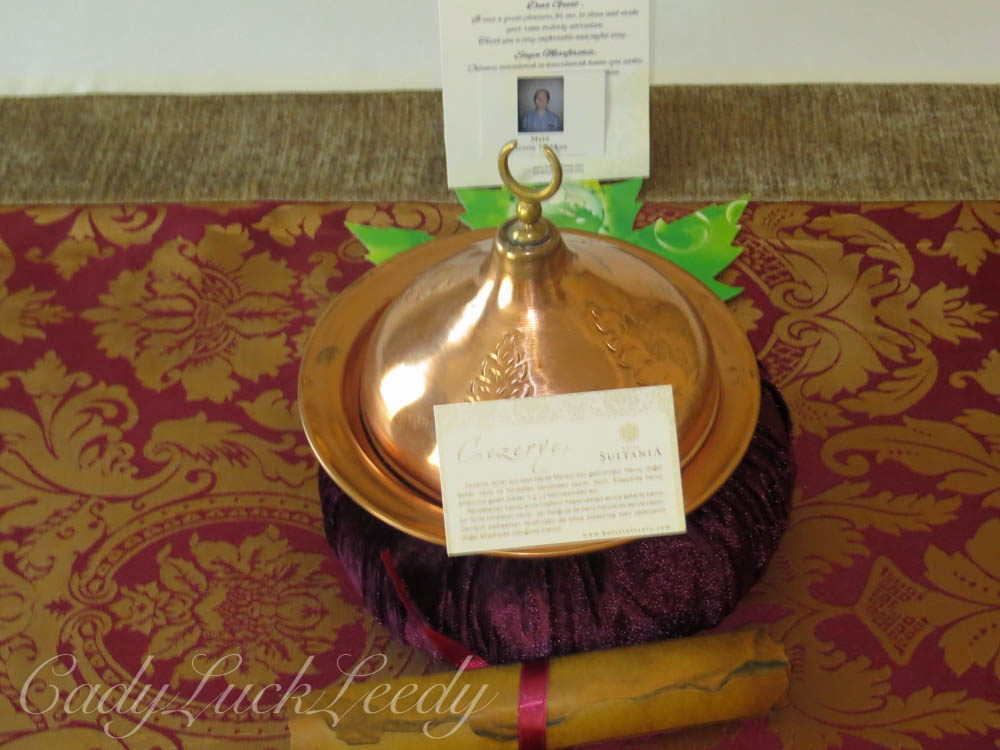
The Turkish Delight Candy and a Note about Olga Hatun, Hotel Sultania, Istanbul, Turkey

A Tin of Turkish Delight Candy and a Parchment Note about Olga Hatun, Hotel Sultania, Istanbul, Turkey

All the Amenities, Hotel Sultania, Istanbul, Turkey

All the Amenities, Hotel Sultania, Istanbul, Turkey ( The Mirror is a Flat Screen TV, Don’t Ask Me How This is Done!)

Marble Everywhere!, Hotel Sultania, Istanbul, Turkey

Marble Everywhere!, Hotel Sultania, Istanbul, Turkey

A Square Toilet? Hotel Sultainia, Istanbul, Turkey

A Square Toilet? Hotel Sultainia, Istanbul, Turkey

Unbelievable! After settling in we couldn’t wait to explore our new surroundings!

The Hatay Restaurant, Istanbul, Turkey

The New Hatay Restaurant, Istanbul, Turkey


The Hatay Restaurant, Istanbul, Turkey

The New Hatay Restaurant, Istanbul, Turkey

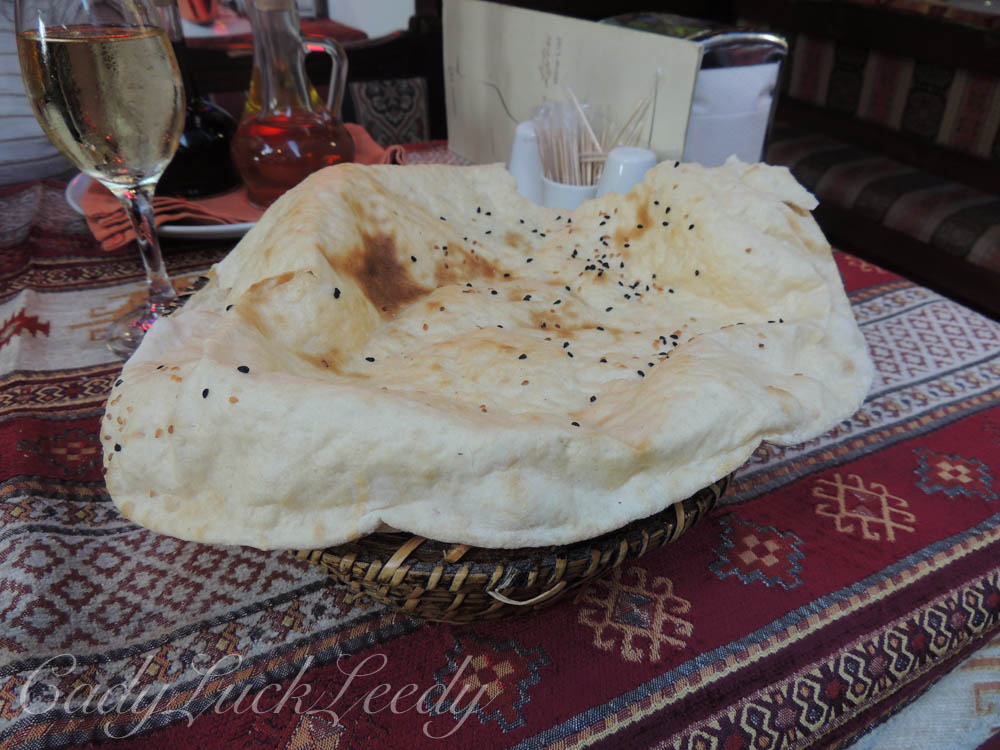
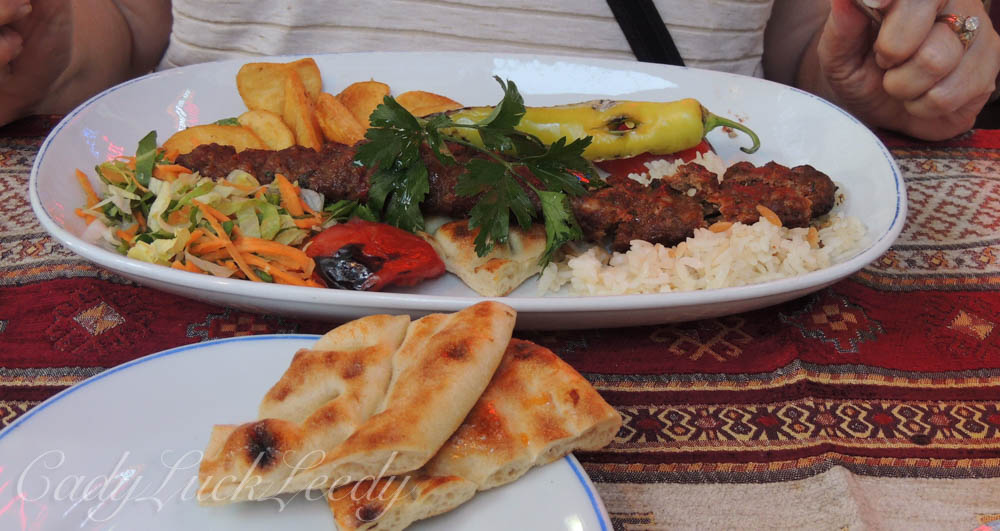
The New Hatay Restaurant is an outdoor restaurant right outside our hotel.  The hosts, stand outside the restaurant, and pull everyone aside, who will listen, to encourage you to look at their menu and food.  I was enthralled with the bread!  Men brought the combination puffy/flat bread from a brick oven nearby that had a line of patrons waiting for the fresh, scorched bread. Then there was the food, so colorful, so exotic looking! And they served wine! Need I say more? We had to try this place first ! A good way to end our first day! Enjoy!

The Bread! Hatay Restaurant, Istanbul, Turkey

The Bread! Hatay Restaurant, Istanbul, Turkey

The Food! Hatay Restaurant, Istanbul, Turkey

The Food! Hatay Restaurant, Istanbul, Turkey

The Color! Hatay Restaurant, Istanbul, Turkey

The Color! Hatay Restaurant, Istanbul, Turkey

The Color! Hatay Restaurant, Istanbul, Turkey

More Color! Hatay Restaurant, Istanbul, Turkey

The Food! Hatay Restaurant, Istanbul, Turkey

Fresh Fish! Hatay Restaurant, Istanbul, Turkey

Can I Really Leave Venice Without Getting in a Gondola?

My Ride is Here!

My Ride is Here!

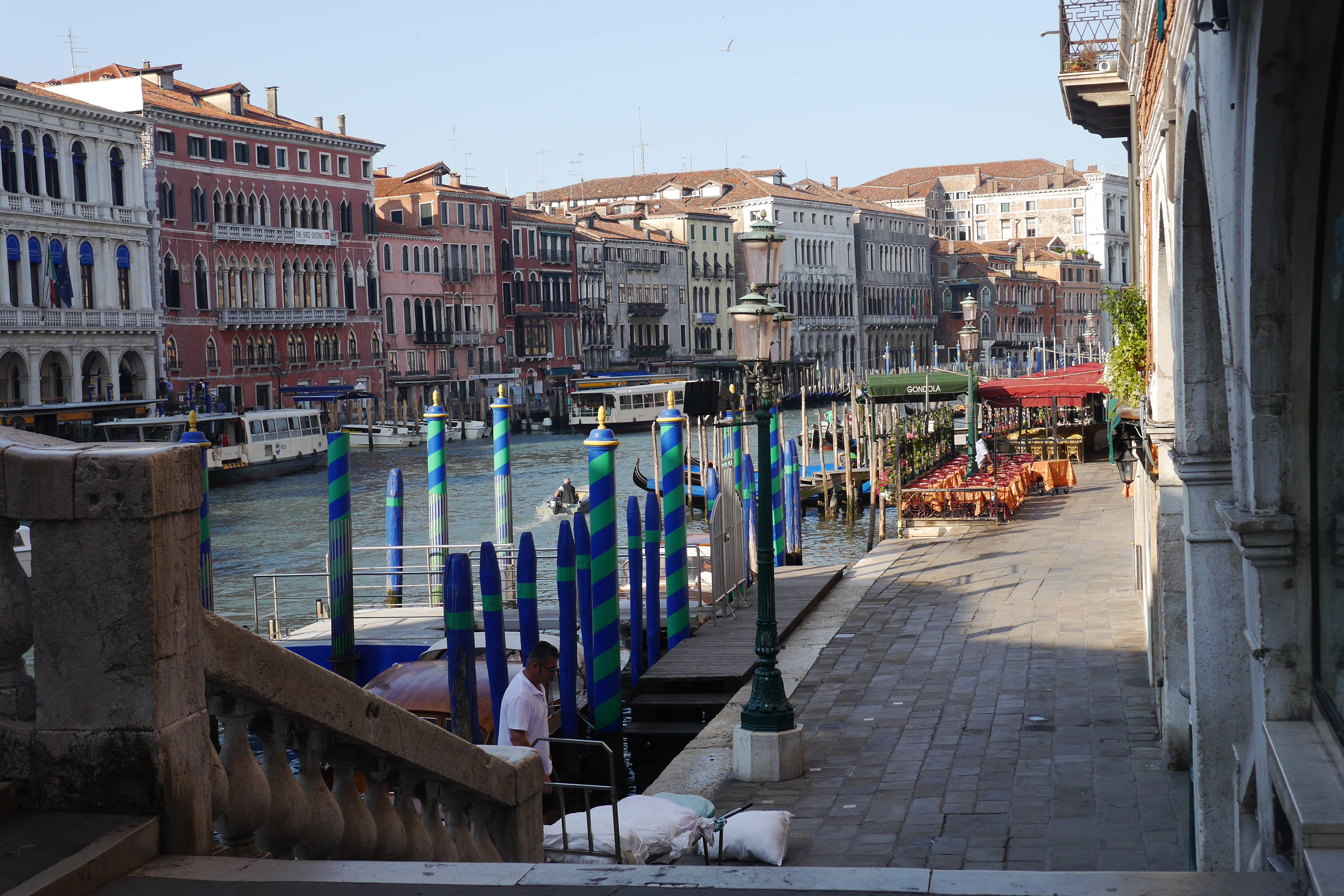
Everyday SB and I  walked along the sidewalk to the large area of gondolas moored in front of the Hard Rock Cafe. There was always a snaking line of excited tourists waiting for the black shiny boats, cameras ready, clicking away, while the gondolier decided who would ride in what boat. I studied the approach to the gondola like an eagle. Walk down the wide, but short, steps to the gondola. Safe. Take the hand of the sidewalk gondolier. Safe. Place one foot in the gondola and take a little leap. Scary. Release hand of sidewalk gondolier. Scary. Walk carefully to the spot you want to sit in. Most scary. Sit. Next person!

I am not good in rowboats or kayaks. I tip them over. I fall out. I can’t get back in when I do fall out. I have been known to get my feet stuck in the mud and not be able to move after falling out of a kayak in shallow water.  An eighty something woman came to assist me for God’s sake! But, I want to ride in one of those gondolas! I have studied them daily for over a week. I can do this! But, let’s do it at night after 6pm when the crowds are gone and no one can see my anxiety or if I actually fall into the canal!

My evening arrives.

I walk down the steps. Good so far! I take the hand of the gondolier as SB tells him how long a ride we want. Good so far! I clutch the camera and leap. Oh, I didn’t fall!!!!!! Terrific! I walk gingerly to my seat and take a deep breath. I am over joyed! I settle in to enjoy and experience the view from the gondola! Won’t you join me at gondola level?

On Our Way!

On Our Way!

Smooth Ride Past the Eateries!

Smooth Ride Past the Eateries!

Swoosh, Swoosh, Slide

Swoosh, Swoosh, Slide

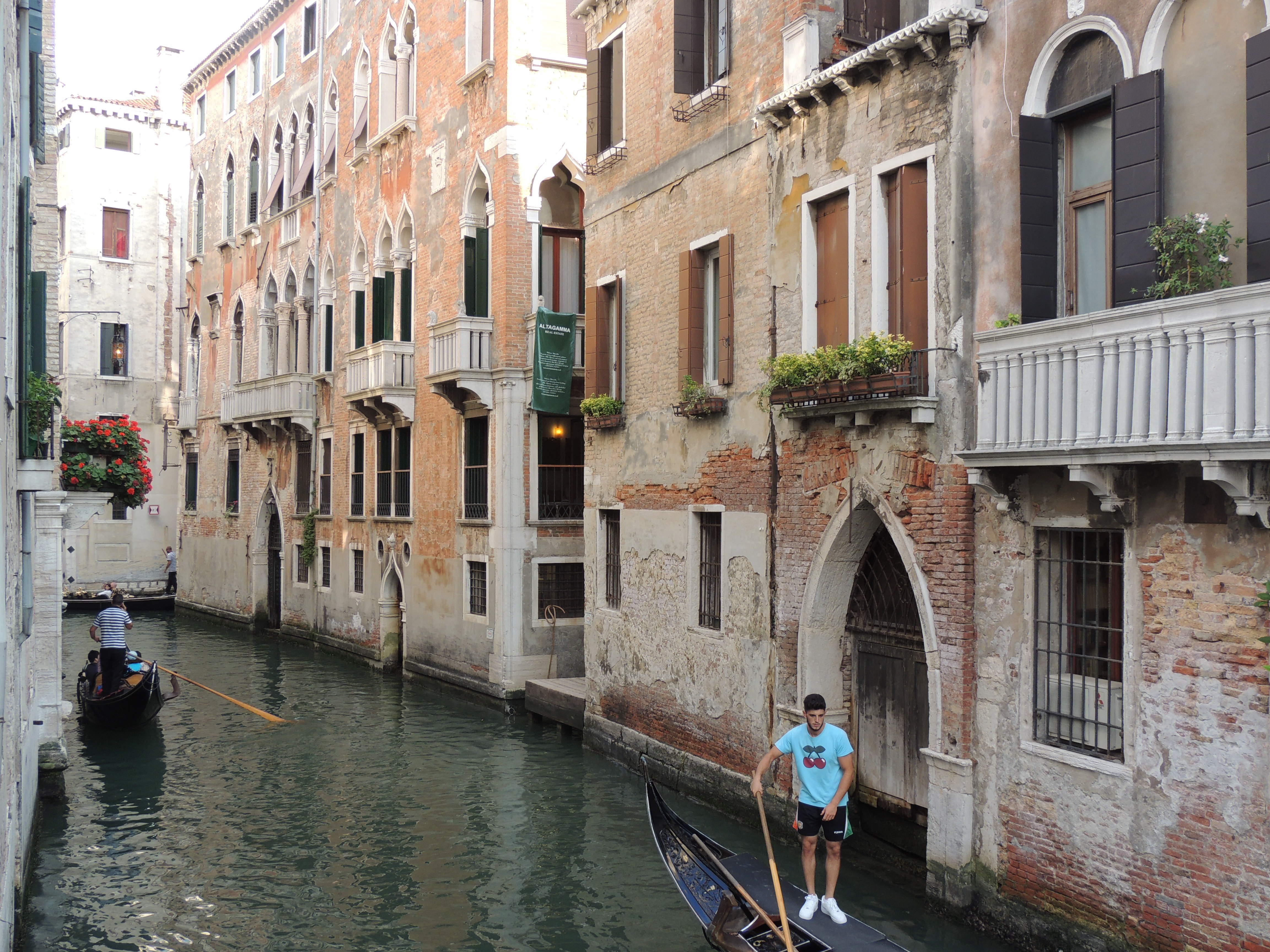
Oh, how I loved riding in that gondola! At the corners of buildings there was shouting from other gondoliers so we wouldn’t all get to the same spot at once. I could look up at the windows of the casa and imagine mama in her black crepe dress and rolled down stockings, sitting down in the candlelit dining room to a dinner of pasta de mer, wine, and bread.  Of course, she was waiting on and fussing over her son, because he still lived with her at 40.

The Softest of Color Everywhere!

Is Mama up There?

How About Here?

How About Here?

We rounded the bend and made the pass through the Grande Canal and I marveled at the muted, soft colors that kissed the buildings goodnight and tucked them in as the sun began to sink. I was relaxed and thought this possibly one of the most romantic trysts.

Out into the Grand Canal!

Out into the Grand Canal!

Duck Tails in a Row

Duck Tails in a Row

So Much Color!

So Much Color!

The Fancy Gardens at Canal Level!

The Fancy Gardens at Canal Level!

The Courthouse!

The Courthouse!

The Vaporatto Bringing Tourists to Venice

The Vaporatto Taking Tourists to Venice

And then it was time to get out of the boat. The gondolier pulled up to a different set of stairs. Why weren’t we at the place we started from; the nice easy low steps? I looked at the sidewalk gondolier and he looked at me. Oh dear, he didn’t look very sturdy! I stood up and walked to the end of the gondola. Good. I placed one foot on the steep step and one hand in the gondolier’s outstretched one. Good. The gondola slipped away from the docking area and I was doing the splits, one leg on land, the other in the boat! Oh, Oh, Oooooooh!!!!!!  The boat gondolier was frantically trying to get the boat back to the dock. Oh, Ooooooh, Oh! SB was trying to shove my fanny up to the landing.  Ooooooh, Oh, Oh! The sidewalk gondolier was holding on to me for dear life! Oooooooooh! Suddenly, another body grabbed my free arm and whipped me to the pavement! Oh, I could have cried!  I tried not to get hysterical! I laughed trying not to cause more of a scene than I already had.  Another gondolier saw my predicament and had rushed to rescue me. I had no idea where he came from. He wasn’t there when we docked. “You can swim right? No problem!” he laughed.  “Yes, no problem,” I repeated.

So ended my adventure on the canals of Venice, I thought.

On the last evening of our stay the concierge, at Locanda Orseolo, asked if we would mind sharing a boat taxi with another couple, who were leaving the next morning as we were. We didn’t have any problem with that and the next morning there was the couple we had seen several times in the breakfast room. I had watched them in disbelief, when  they checked in with eight suitcases, the bigs ones overstuffed and held together with packing tape, and wondered just where they were traveling to and for how long. Now I watched as their luggage was hoisted down into a speed boat docked at the tiny half door, at the back of the hotel. Did we have to get in the boat that way too? Oh my God! Can I duck down, bend, AND step into the boat? All at the same time? Without falling in the drink? Could the other couple do this? They looked eighty five and frail! Oh my God! Rose looked at me and I knew she was thinking the same thing. “We can do this Rose, I’ll go first,” I tried to look confident. I bent down with one hand holding the top of the door frame and took the hand of the captain and just at that time a wave came along and the boat practically leveled out with the base of that door! Oh my God, I did it! I’m in the boat! “You can do it, Rose, come on!” She too made it. The men jumped on like sailors. The women were relieved to be sitting down.

The Last Door! OH MY GOD!

The Last Door! OH MY GOD!

As we approached the airport dock, my stomach began to do little flips. I just kept talking. Ok, this is going to be Ok, I kept telling myself. And it was. When I stepped to put my foot on the dock, again the wave leveled off the boat with the dock and voila I was on terra firma! No Problem! Thank you and Hail Mary!  We’re off to Istanbul!

PS, For a look into the world of Venice in the past, In the Company of the Courtesan by Sarah Dunant, is a great read. You’ll glimpse the life of a prostitute and her midget pimp. Now that will make you look at these canals in a new light!

Last Stroll and a Concert; In Venice

One Last Look at the Canals of Venice

One Last Look at the Canals of Venice

Oh How I Will Remember This!

Oh, How I Will Remember This!

This morning’s stroll is through the Clock Tower entry from St Marco’s Square to back streets we haven’t been on yet. Enjoy our last walk in Venice! These are all the finds I loved today!

The Unusual Squares!

The Unusual Rounds!

Another Fountain!

The Round Fountain!

In the Courtyard of Another Shopping Area!

 The Courtyard of Another Shopping Area!

A Courtyard Area!

The Courtyard 

Just Hanging Out with Puppy!

Just Hanging Out with Puppy!

The Tiny Lanes!

The Tiny Lanes!

The Unusual Eatery!

The Unusual Eatery!

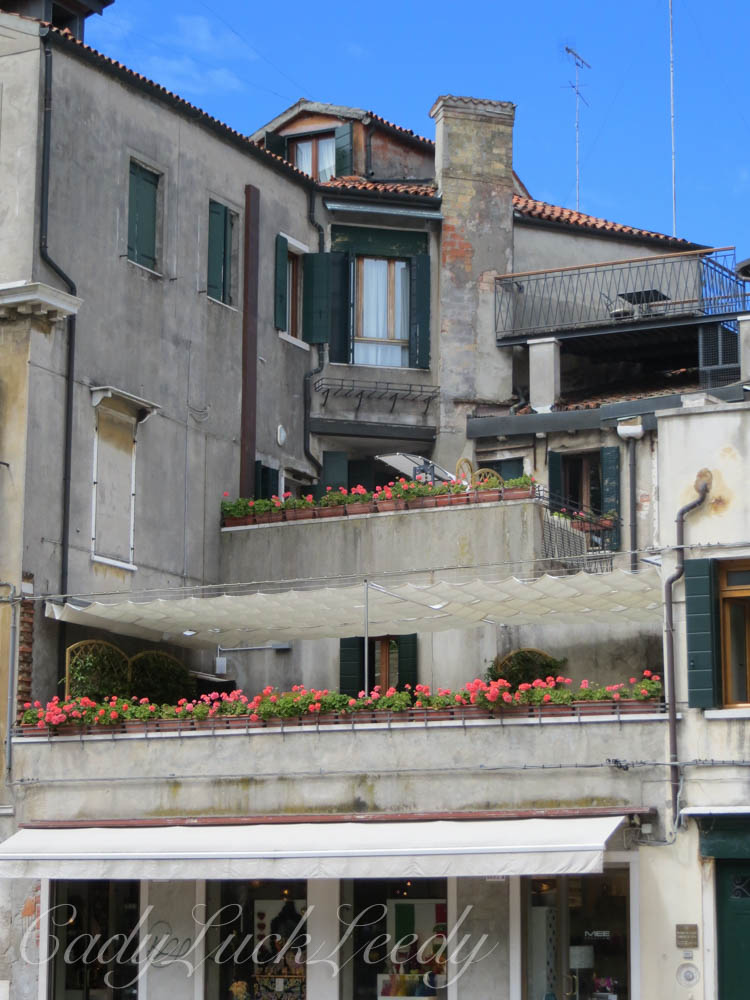
Layer Upon Layer of Casa!

Layer Upon Layer of Casa!

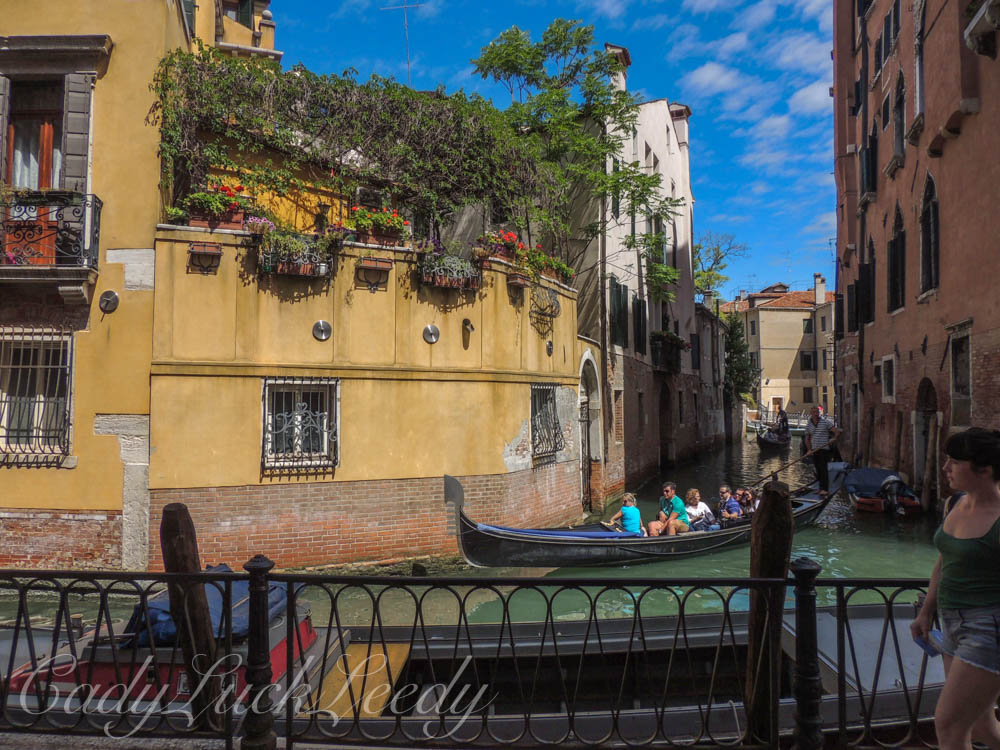
What a Lovely Garden Area!

What a Lovely Garden Area and Retreat!

Smooth and Easy!

Garden on Top and a Smooth Ride!

Get Off the Gondola at your Garden!

Get Off the Gondola at Your Garden!

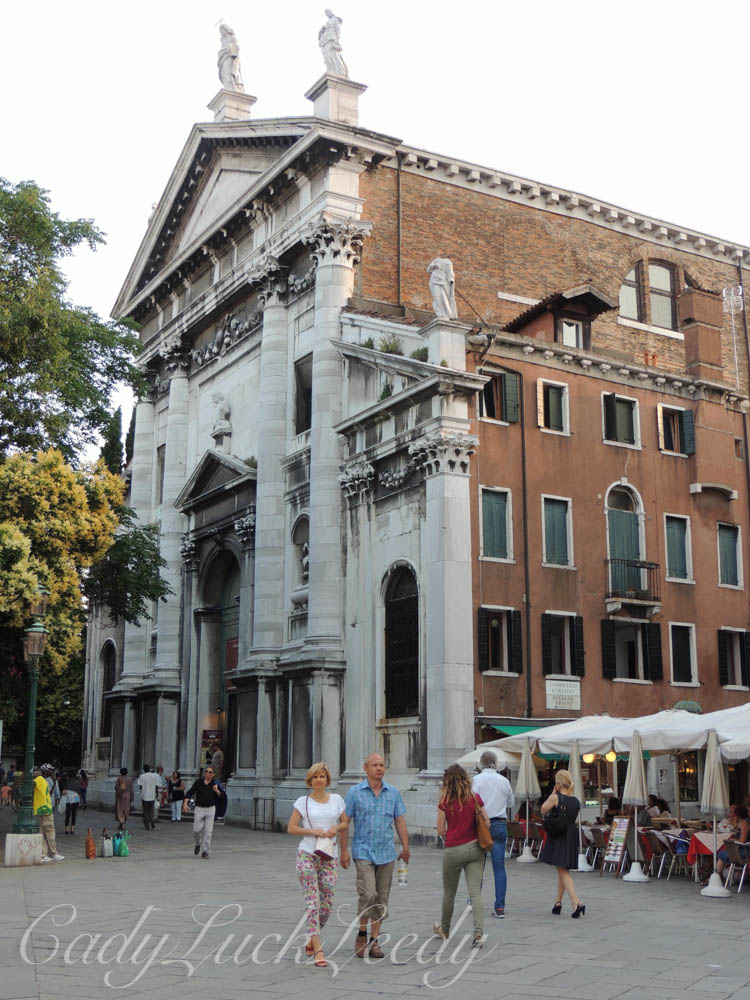
Now for the evening stroll over to Chiesa San Vidal for the concert, “Le Quattro Stagioni,” by the Interpreti Veneziani! The concert was fabulous and the Church was packed! Follow our walk!

Walking Through Another Square of Venice, Italy

Walking Through Another Square of Venice, Italy. All Pinks, Cream and Terra Cotta!

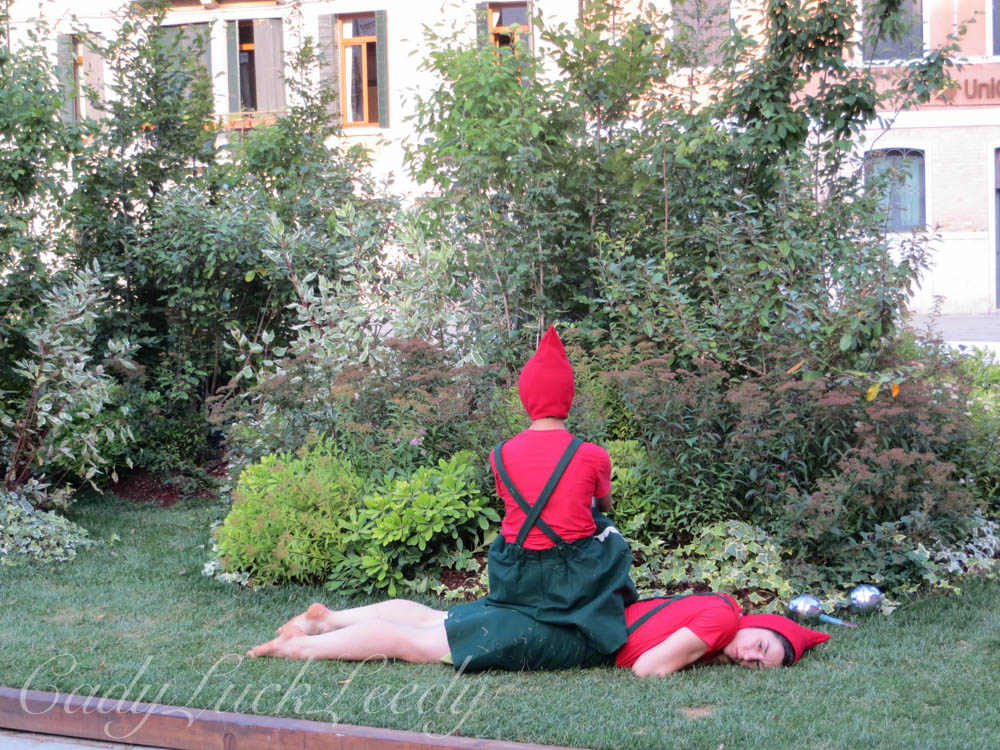
Here they were presenting some kind of interpretation dance! Perhaps, “Tiptoe Through the Tulips”? Only no tulips!

Tiptoe Through the Tulips?

Tiptoe Through the Tulips?

Fairies in the Garden?

Fairies in the Garden? Squash That!

Through Another Neighborhood

A Place to Rest!

Love the Strawberry Colored Building!

Love the Strawberry Colored Building!

Strawberry and Gold Contrast!

Strawberry and Gold!

I waited and watched for over a half hour to get this picture of the Virgin and the Bird!

The Bird and the Virgin!

The Bird and the Virgin!

Outside Chiesa San Vidal, Venice, Italy

Outside Chiesa San Vidal, Venice, Italy

Chiesa San Vidal, Venice, Italy

Chiesa San Vidal, Venice, Italy

Chiesa San Vidal, Venice, Italy

Chiesa San Vidal, Venice, Italy

Interpreti Veneziani

Interpreti Veneziani

One Last Look!

One Last Look! I Love Venice!

Walkin’ the Walk and Peepin’ Out Windows in Venice

Early Morning Streets of Venice

Early Morning Streets of Venice

The Boats are Still Asleep!

The Boats are Still Asleep!

The Streets are Very Quiet!

The Streets are Very Quiet!

Only the Angels Watch on High!

Only the Angels Watch on High!

St Mark's is Getting a Facelift!

St Mark’s is Getting a Facelift!

St Mark's Basilica, Venice, Italy

St Mark’s Basilica, Venice, Italy

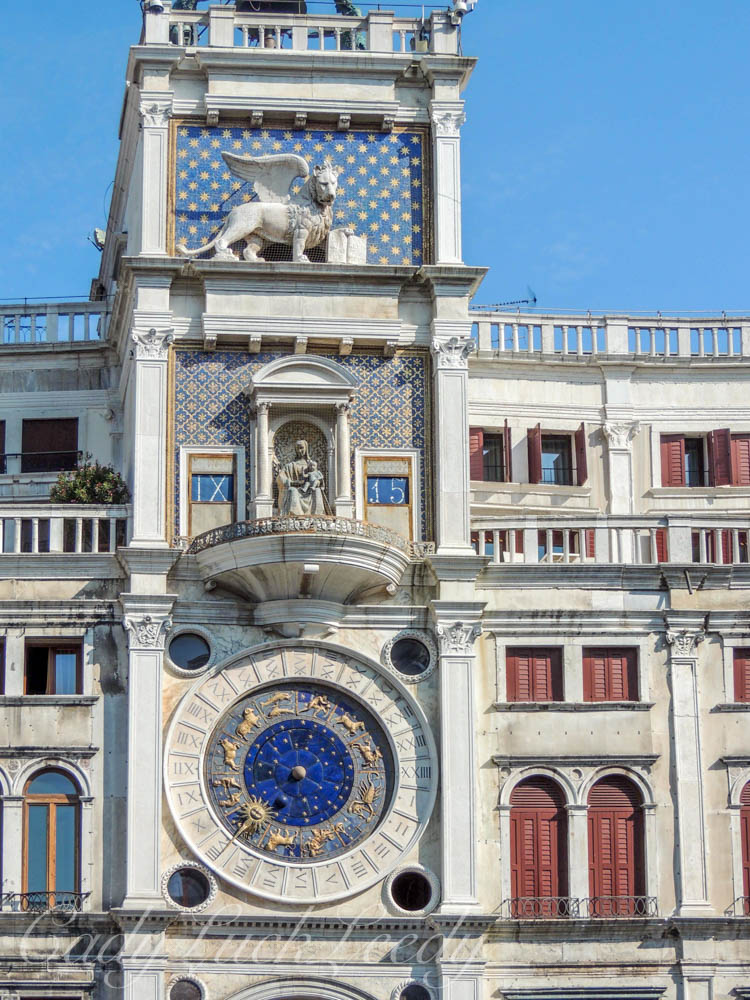
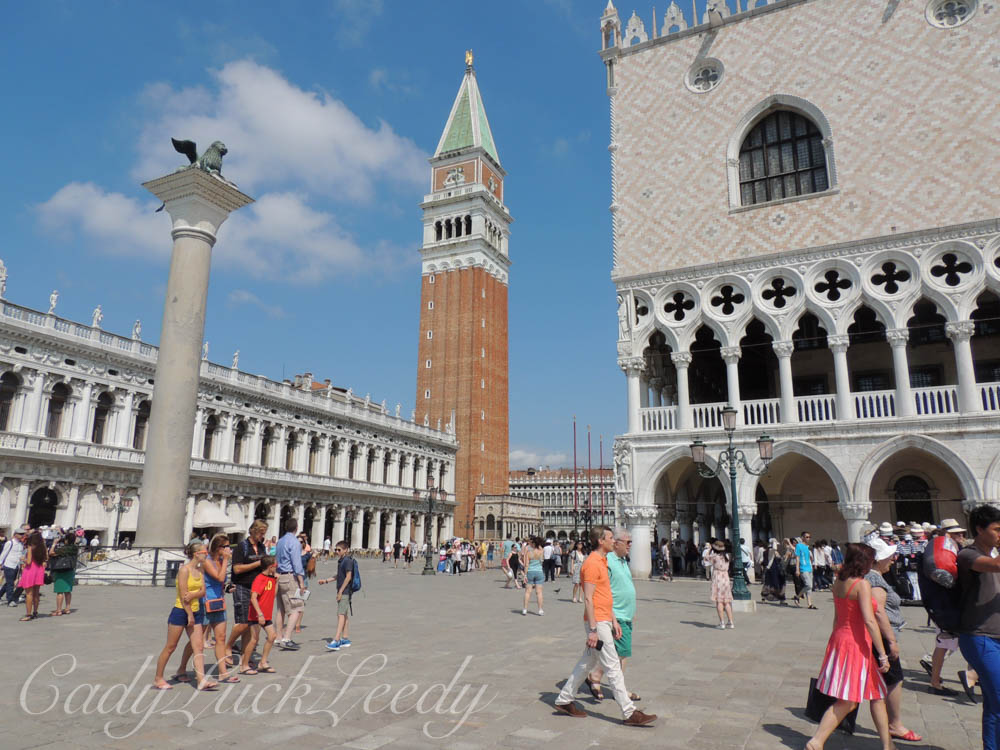
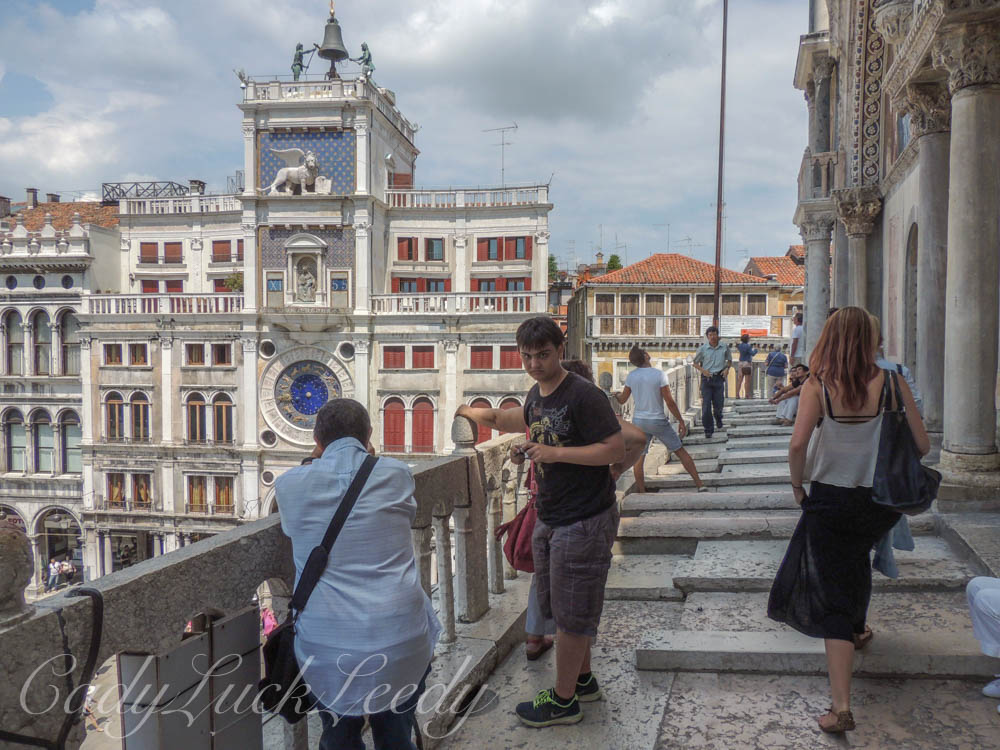
This morning we are on a mission through the quiet streets to take pictures and then head over to St Mark’s Square, (Piazza San Marco) the grand square surrounded by the historic buildings of the Doge’s Palace, Campanile Bell Tower, and St Mark’s Basilica, before the crowds commence. Over two football fields long, this is the only square in Venice to be called a “piazza.” With your back to St Mark’s, to the right are the “old offices,” (16th century Renaissance) to the left “new office’s.” (17th century high renaissance) At the opposite end is the Correr Museum and Nepoleon’s Wing. The Clock Tower built in 1696 marks the entry to the main shopping area (Mercerie) and connects St Mark’s Square with the Rialto Bridge area.

The Clock Tower, St Mark's Square

The Clock Tower, St Mark’s Square

The Campanile Bell Tower, St Mark's Square

The Campanile Bell Tower, St Mark’s Square

The Bottom of the Campanile

The Bottom of the Campanile

Another View of the Campanile

Another View of the Campanile

The Doge’s Palace was the seat of the Venetian government and home of the ruling duke or doge. For over 400 years this was the most powerful half-acre in Europe! The doge lived with his family on the first floor, near the halls of power.

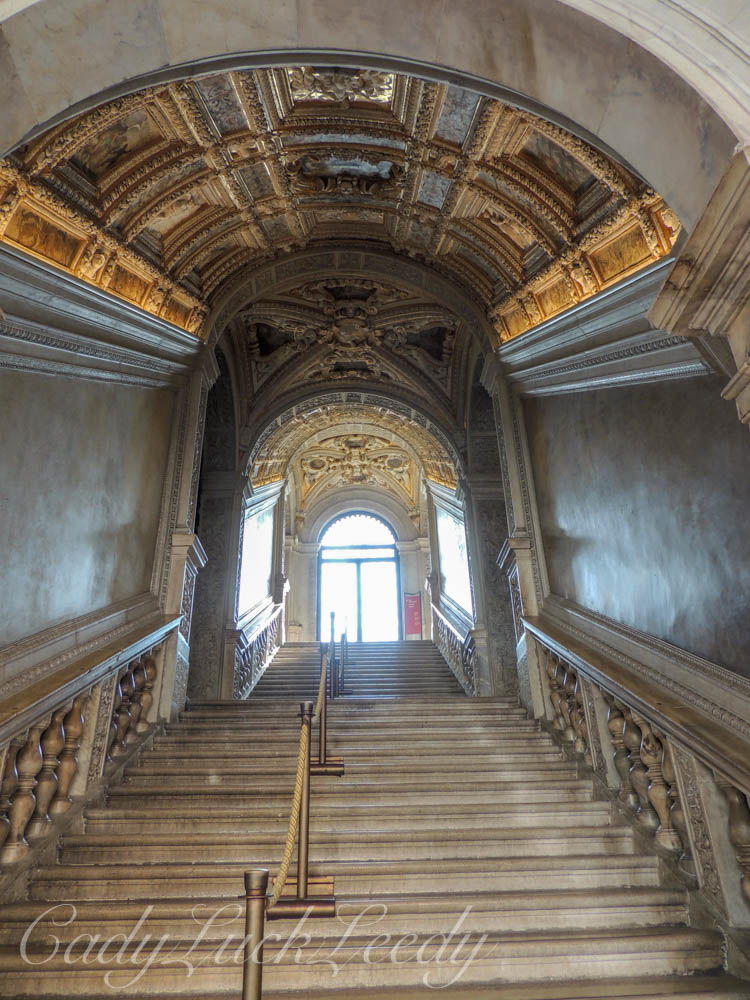
The Main Stairway of the Doge's Palace, Venice, Italy

The Main Stairway of the Doge’s Palace, Venice, Italy

Inside Courtyard Doge's Palace

Inside Courtyard Doge’s Palace

Inside Courtyard Doge's Palace

Inside Courtyard Doge’s Palace

Doge's Palace, Venice, Italy

Doge’s Palace, Venice, Italy

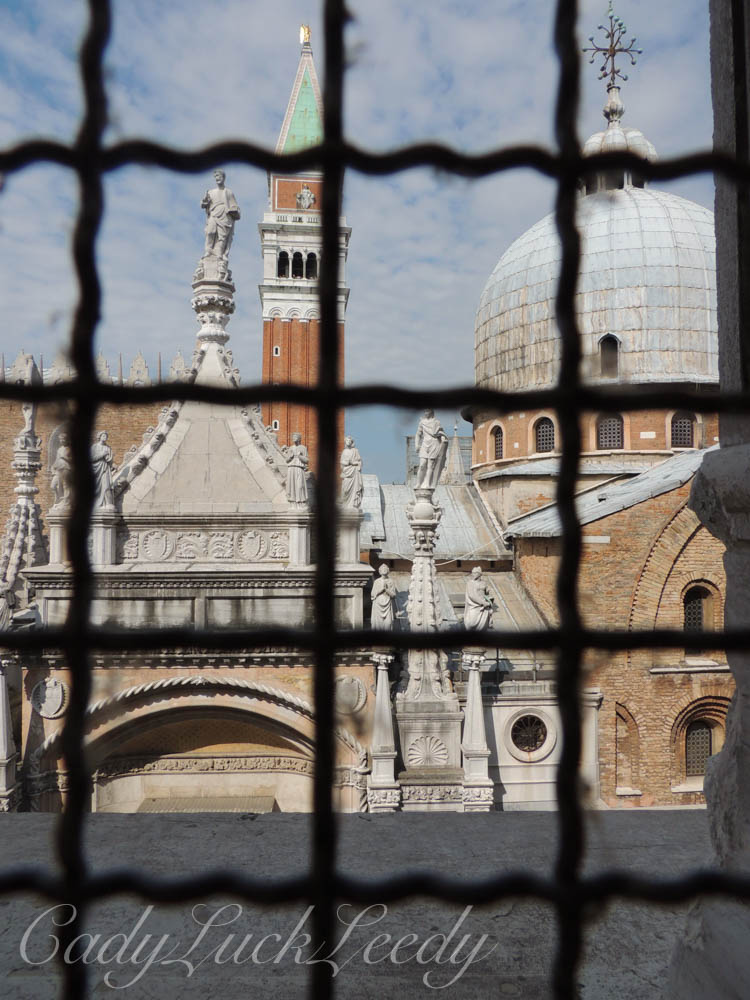
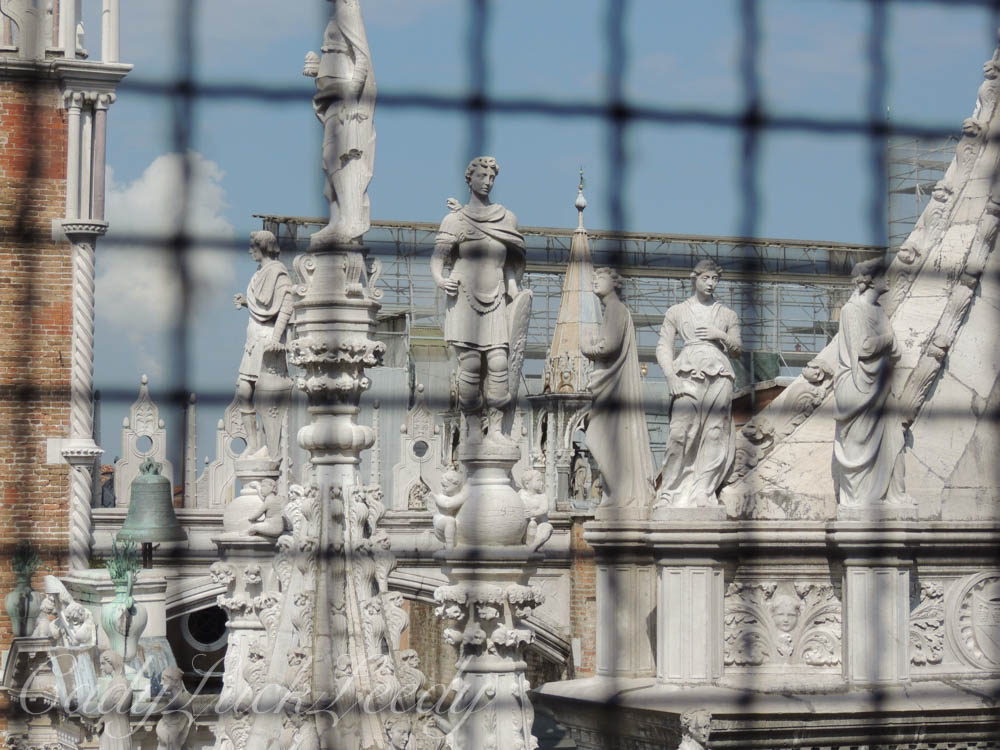
View from the Doge's Palace

View from the Doge’s Palace

View from the Doge's Palace

View from the Doge’s Palace

I think the best spot in the entire complex is the Bridge of Sighs, a corridor built in 1614 to link the Doge’s Palace to the structure intended to house the New Prisons. The Bridge contains two separate corridors that run next to each other, both enclosed and covered on all sides except for the stone windows. Through these windows the prisoners supposedly sighed, taking their last look at freedom as they were led off to their cells.

View from the Bridge of Sighs, Venice,

View from the Bridge of Sighs, Venice, Italy

View from the Bridge of Sighs, Venice,

View from the Bridge of Sighs, Venice, Italy

The Prison Windows, Venice, Italy

The Prison Windows, Venice, Italy

Prison Door, Venice, Italy

Prison Door, Venice, Italy

Walk to the Prison, on Bridge of Sighs

Walk to the Prison, on Bridge of Sighs

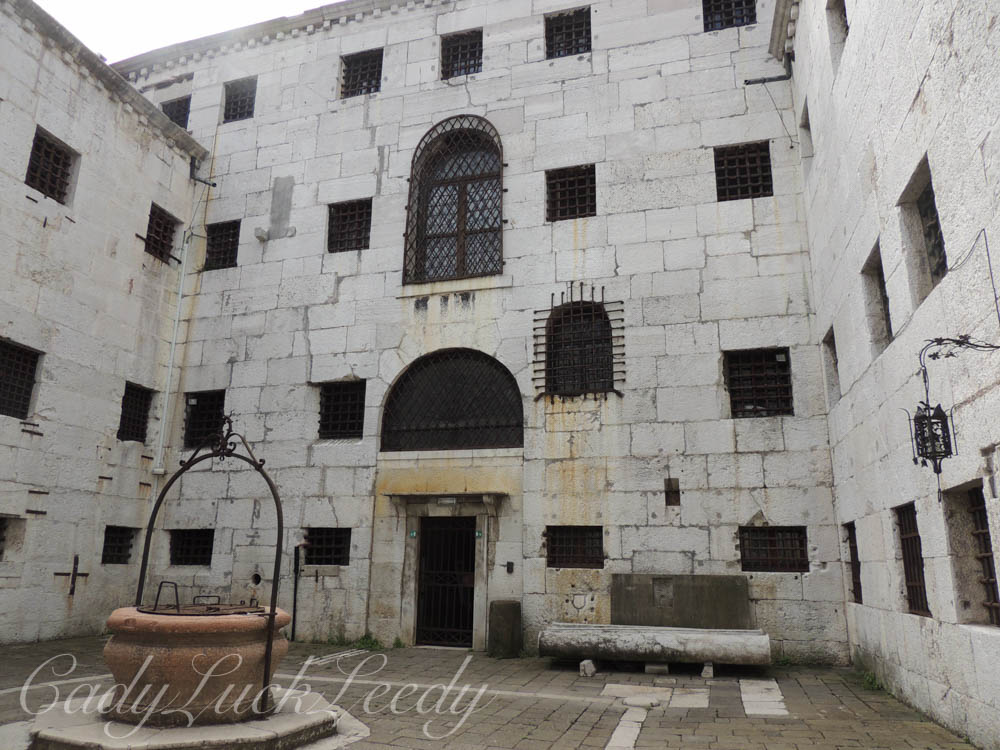
The Prison from the Courtyard of the Doge's Palace

The Prison from the Courtyard of the Doge’s Palace

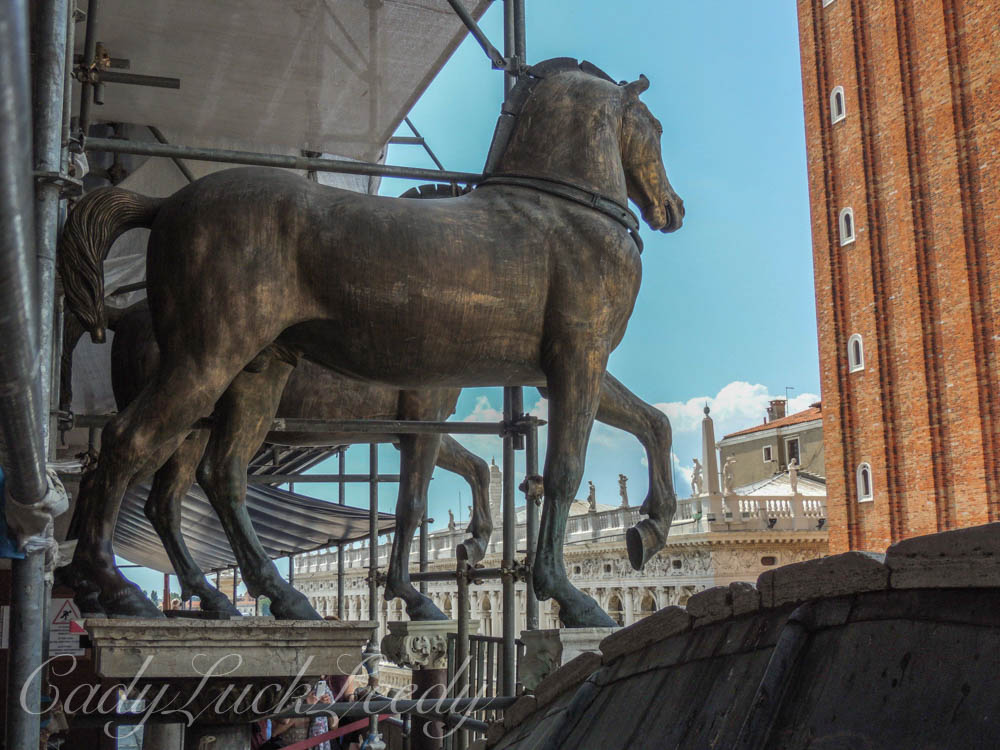
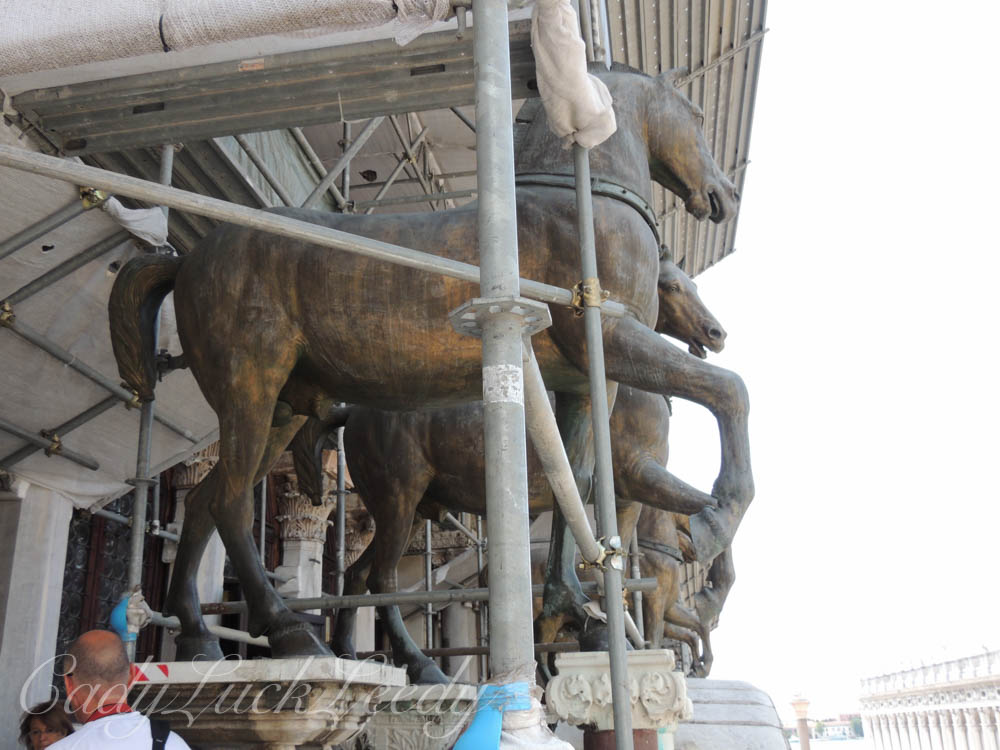
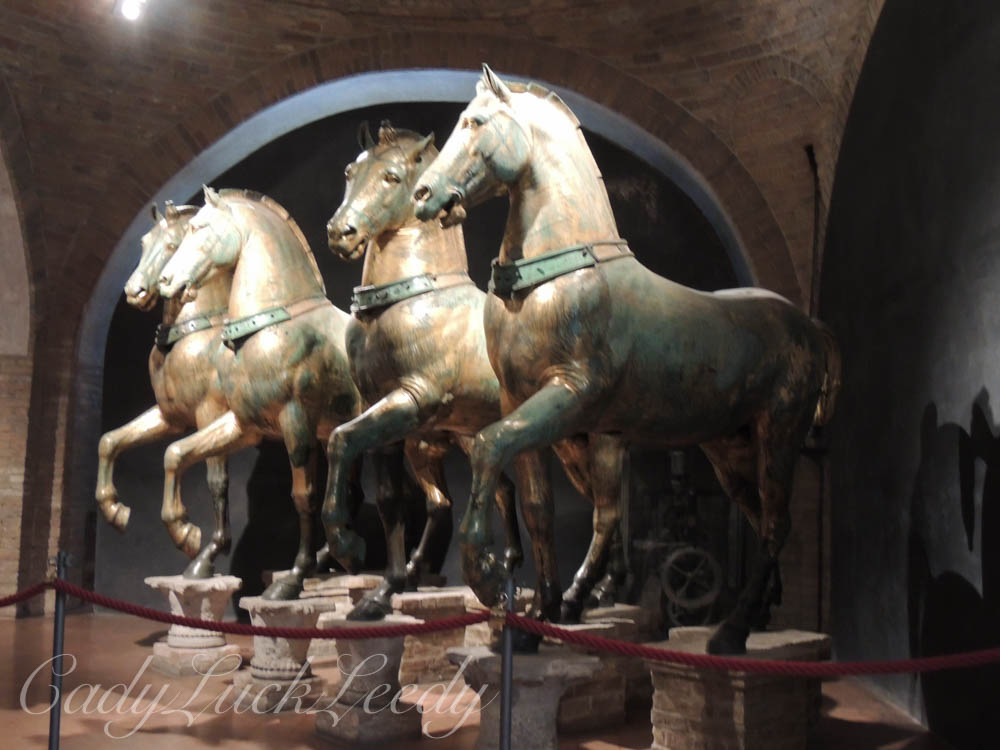
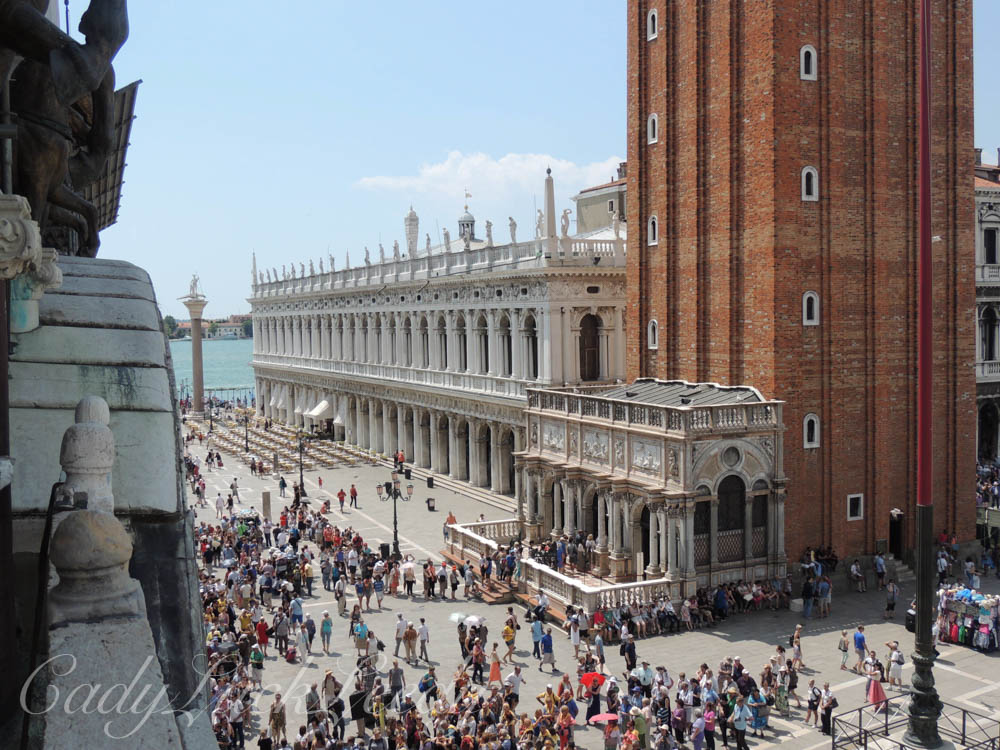
Relics of St Mark the Evangelist, were stolen by Venetian merchants in 828 from Alexandria and brought to Venice. The church is filled with loot from returning sea captains, providing an architectural trophy chest. The inside of the church glows with gold mosaics and colored marble. Upstairs you can get a great view of the Piazza and see the bronze horses (outside) and inside, in their own room, the original bronze horses. No one knows the exact age of the horses, but these well traveled horses were taken to Constantinople (Istanbul) by Constantine, to Venice by the crusaders, to Paris by Napoleon, and back to Venice when Napoleon fell, and finally to a room of their own inside from the acidic air. Whew, I bet they are glad to get some rest!

The Gold Stairway to the Museum above St Mark's Basilica, Venice, Italy

The Gold Stairway to the Museum above St Mark’s Basilica, Venice, Italy

Giant Steps to the Rooftop to See the Horses, St Mark's Basilica

Giant Steps to the Rooftop to See the Horses, St Mark’s Basilica

The Outside Horses, St Mark's Basilica, Venice, Italy

The Outside Horses, St Mark’s Basilica, Venice, Italy

The Outside Horses, St Mark's Basilica, Venice, Italy

The Outside Horses, St Mark’s Basilica, Venice, Italy

The Original Inside Horses, St Mark's Basilica, Venice, Italy

The Original Inside Horses, St Mark’s Basilica, Venice, Italy

The Walkway around St Mark's Basilica, Venice, Italy

The Walkway around St Mark’s Basilica, Venice, Italy

The View from St Mark's Basilica, Venice, Italy

The View from St Mark’s Basilica, Venice, Italy

Another View from St Mark's Basilica, Venice, Italy

Another View from St Mark’s Basilica, Venice, Italy

A View of the San Marco Column and the San Theodore Column

A View of the San Marco Column and the San Theodore Column

We attended Mass at St Mark’s and be warned; if you are not appropriately dressed, shoulders covered and no shorts or short skirts, an attendant, who admits you, will be glad to sell you a paper purple stole to cover yourself up with, otherwise you will not be attending Mass. Going out of the church you walk a plank literally, to the outside of the church. I couldn’t figure out if this was to keep the marble intact, from so many people treading on it, or to avoid the low stairways. Always a  mystery ! Enjoy!

Inside St Mark's Basilica, Venice, Italy

Inside St Mark’s Basilica, Venice, Italy

Venice, A New Day!

A New Day in Venice, Italy

A New Day in Venice, Italy

9am. Up early, eat breakfast, out the door we go. We couldn’t wait to explore Venice! Oh, woe is me! We are bumper to bumper, head to head, squeezed together! The cruise ships are in and hordes of people are in groups of twenty to thirty! At the top of the bridge way, the group stops and takes pictures and the group behind them, waiting on the stairs, practically rear ends them! We need to re-think our picture taking times! I can’t see anything, but the back of someone’s head! Back to the hotel to re-group.

The Masses are Arriving!

The Masses are Arriving!

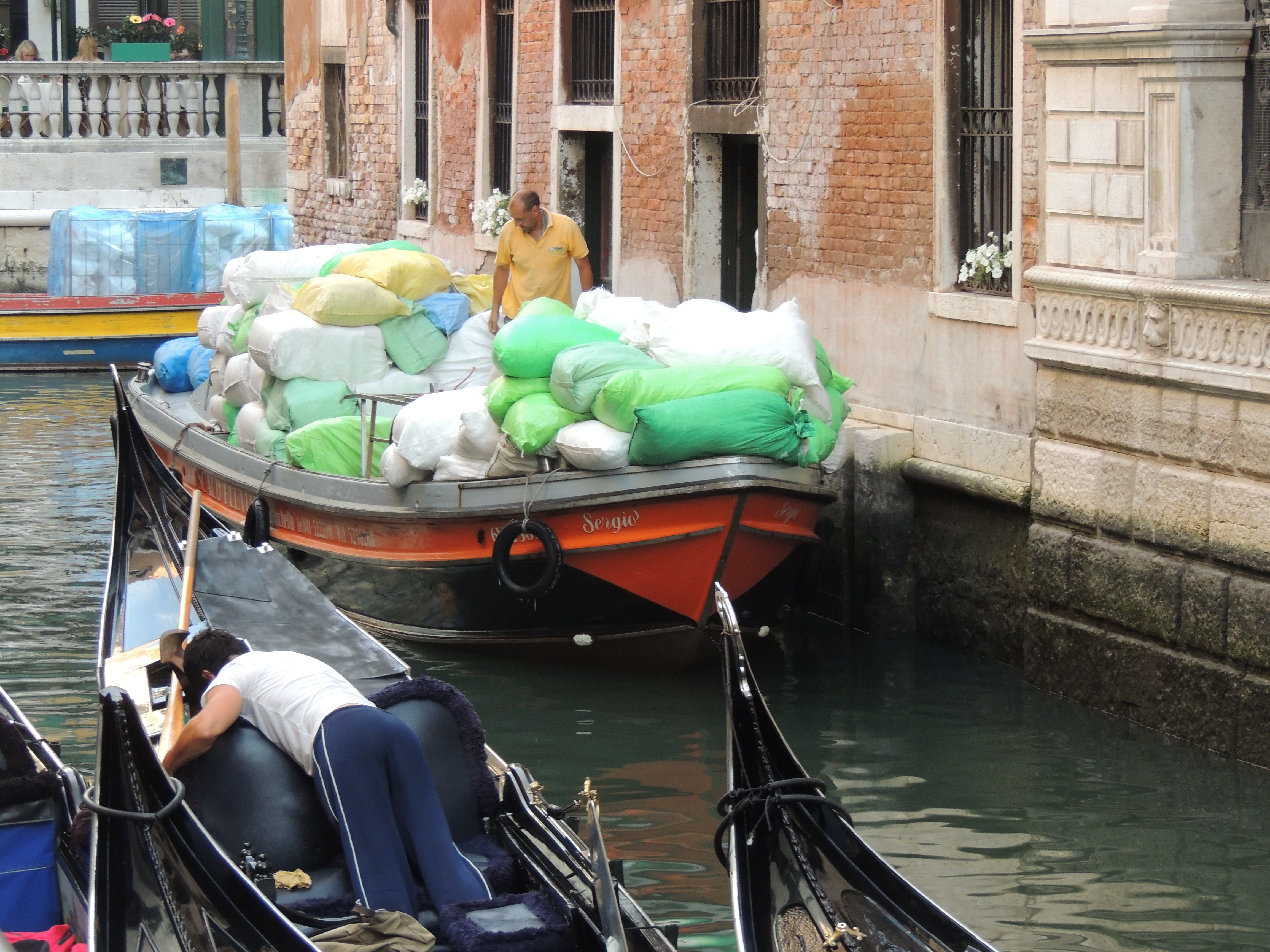
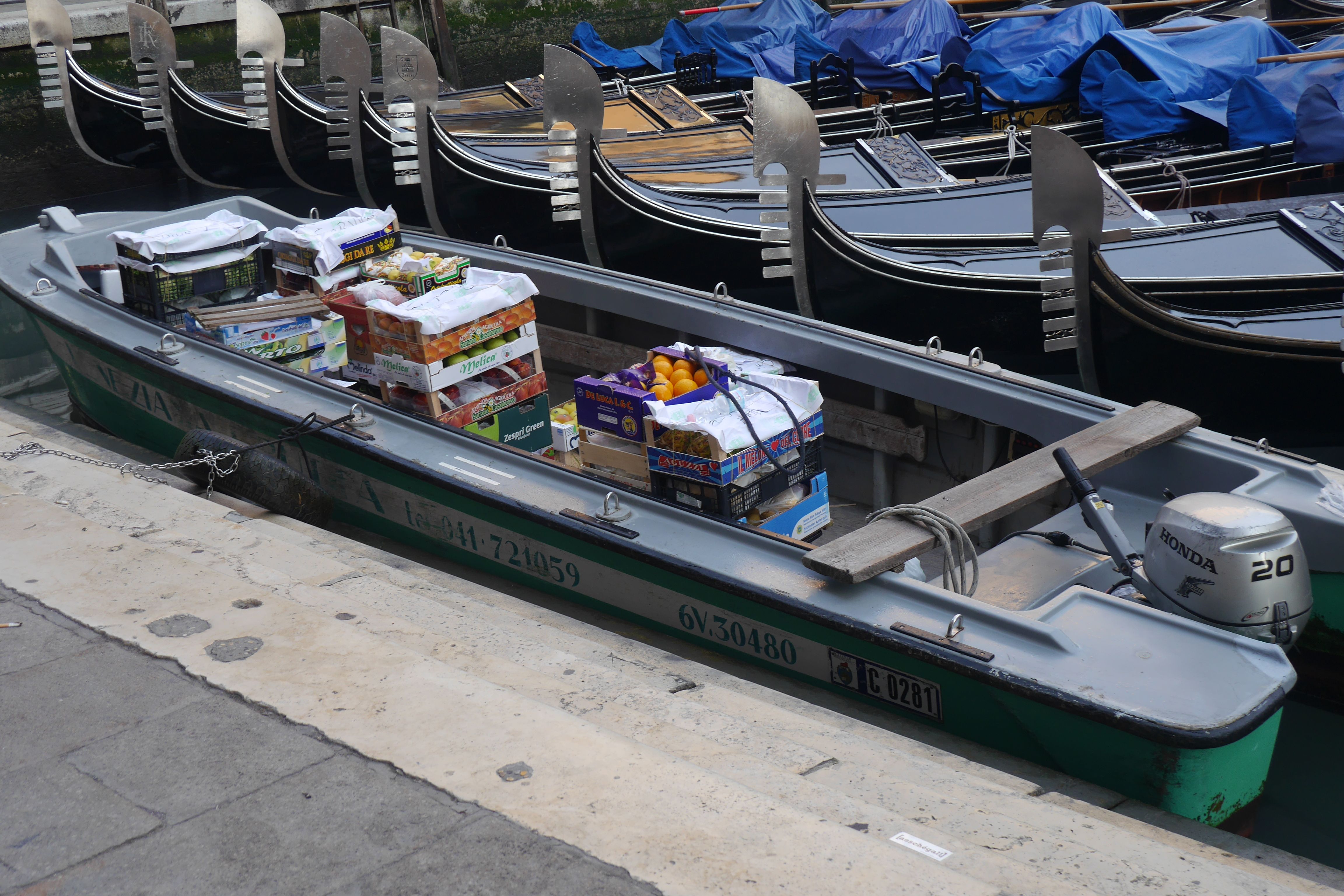
New day! 6am. We are up and out. The streets are empty! Yeah! We can take lovely pictures. What is that man doing? It’s a UPS man delivering goods. What a job that is!  Pulling and pushing the dollies up all those stairs and bridges! What’s that in the boats? Fluffy white bundles of laundry, pick up and delivery of sheets and more sheets! What a job that would be! The men row up to little doors along the water. The doors open and out comes the bundled dirty laundry and in goes the fresh! The vegetable man is in another boat, delivering fruits and vegetables in the same fashion. Wow, it pays to be up early and see all the action! 9 am, done with pictures for this morning.  Back to the hotel to eat breakfast.  Good morning, good morning, lovely day! We’ll rest up after breakfast and head out again after 1pm when the cruisers are done. Perfect day!

Delivery!

Delivery Day!

Another Dock! Another Delivery!

Another Dock, Another Delivery!

Vegetables and Fruits!

Vegetables and Fruits!

Quiet Walkways!

Ah, Quiet Walkways!

Quiet Here Too!

Quiet Here Too!

Peaceful Here!

Peaceful Here!

NoBody Up Here!

All Tucked in Here!

Shh!

Shh!


Parked and Waiting!

Parked and Waiting!

What’s down this way? Oh, it dead ends at the water! Re-tracing our steps. Have we been in this area before? There certainly are a lot of little walkways! We need to drop breadcrumbs, we never go the same way twice! Look up! Oh, I see it! The Rialto Bridge is this way!

Always Look Up!

Always Look Up!

Look Up Again!

Look Up Again!

Rialto Bridge, Venice, Italy

Rialto Bridge, Early Early Morning!  Venice, Italy

St Marks Square that way. As long as we can find these markings we will be able to find our way back, I think! Look at all these shops! 

Fancy!

Fancy Pants!

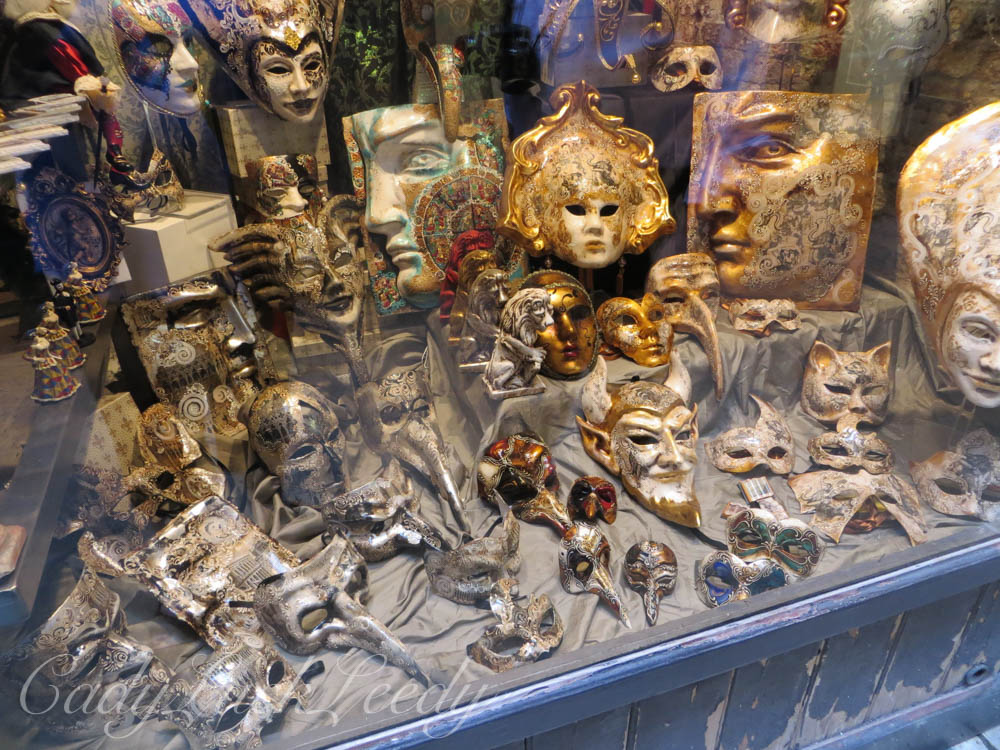
Need a Mask?

Need a Mask?

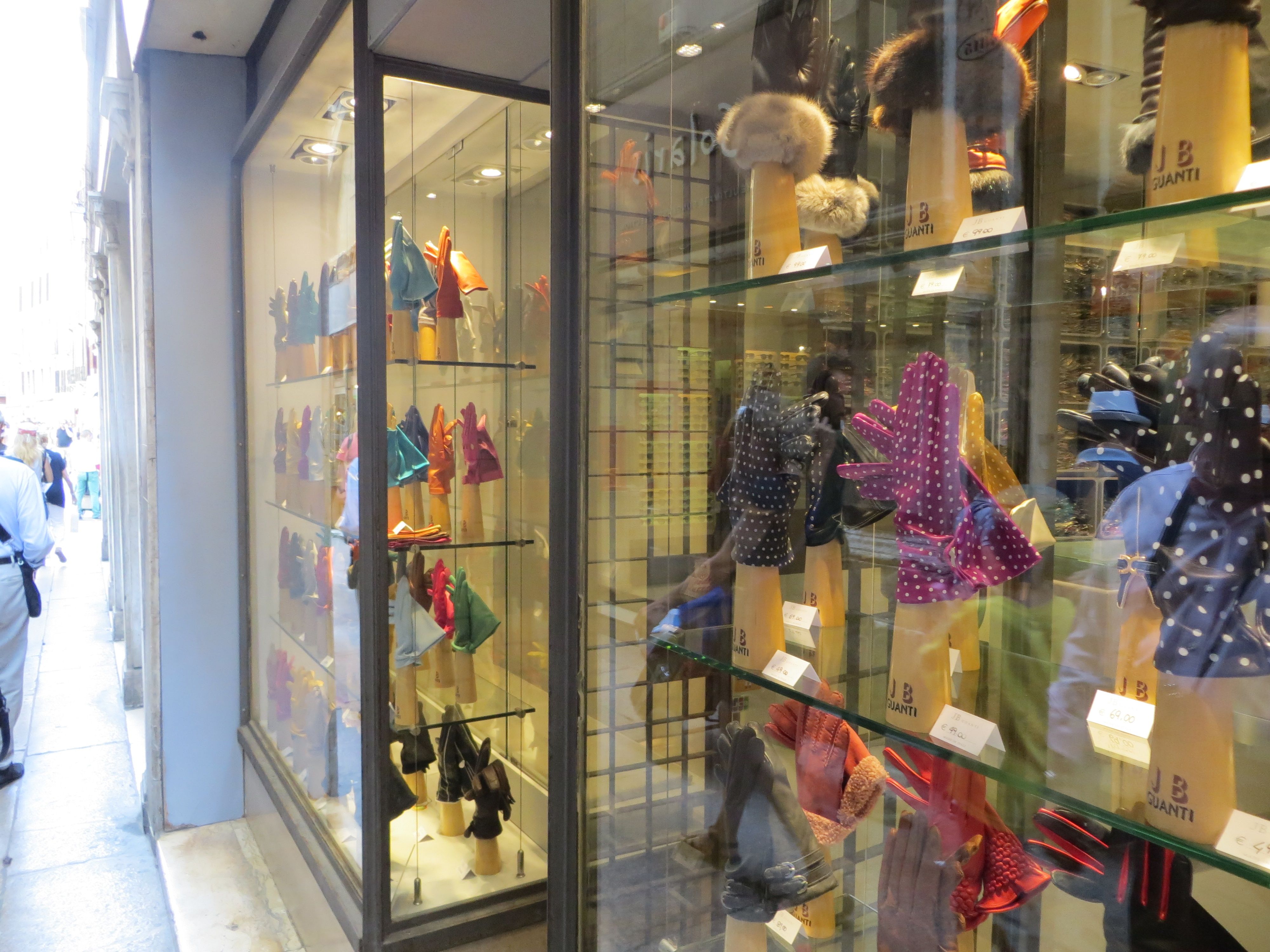
Gloves Anyone?

Gloves Anyone?

How About a Hat?

How About a Hat?

Tea and Milk!

Tea and Milk!

Candy!

Candy!

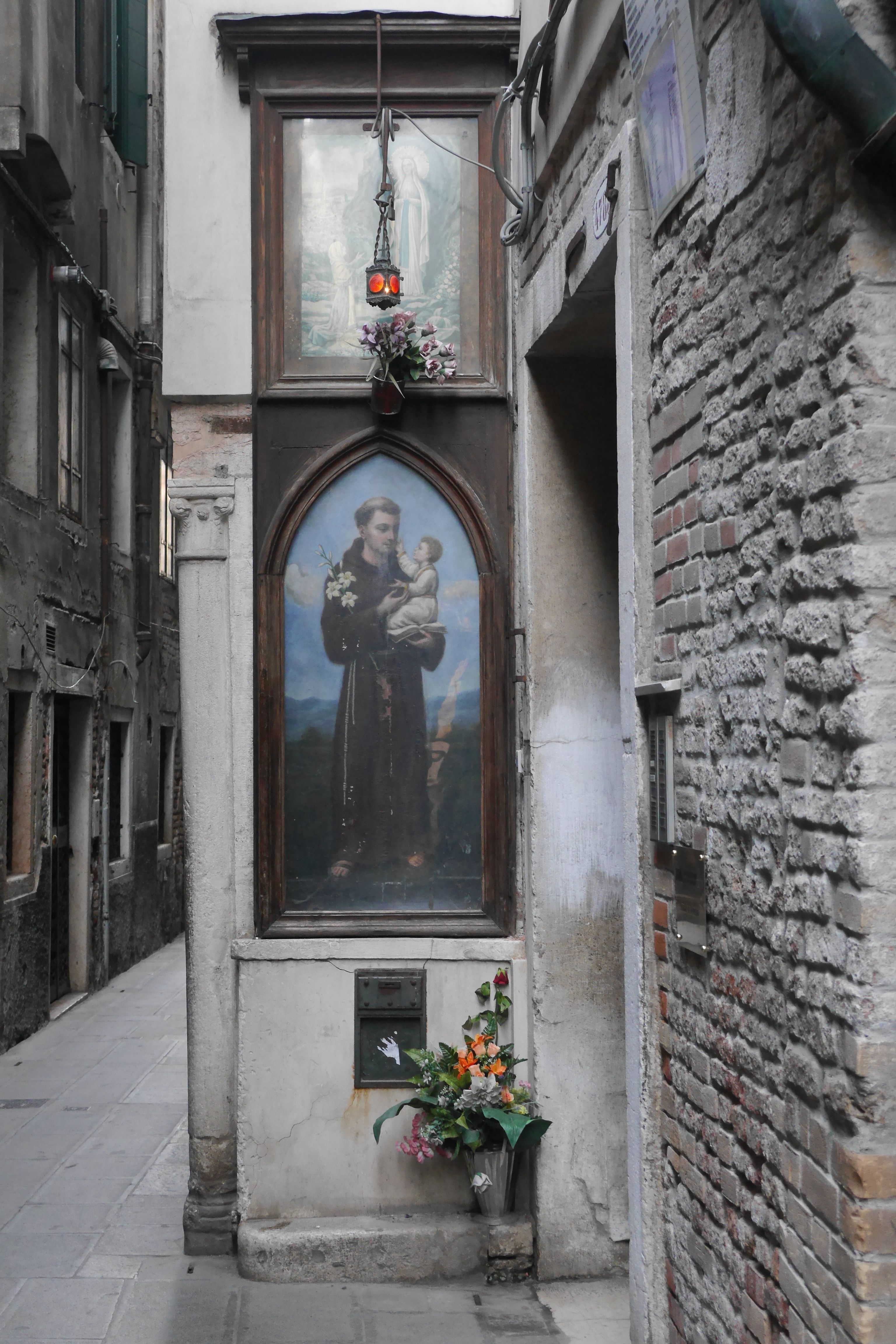
One sells just gloves! One sells just hats! Wow, that certainly is skimpy underwear! A little bar here. A juice shop there. Oh, another little church. Oh, look at this small shrine!

Shrine, Venice, Italy

 A Shrine in Venice, Italy

Oh What a Lovely Balcony!

Oh! What a Lovely Balcony!

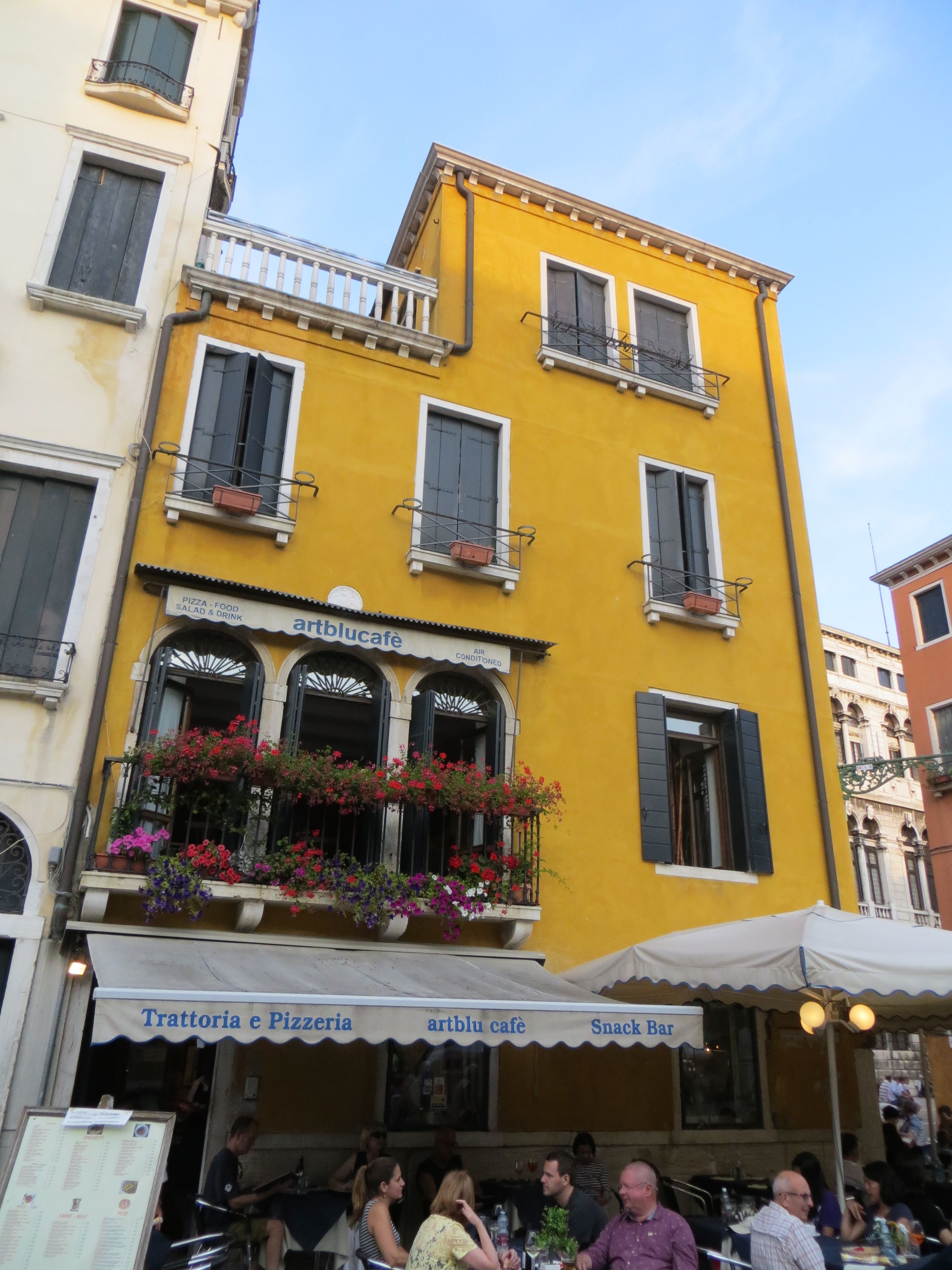
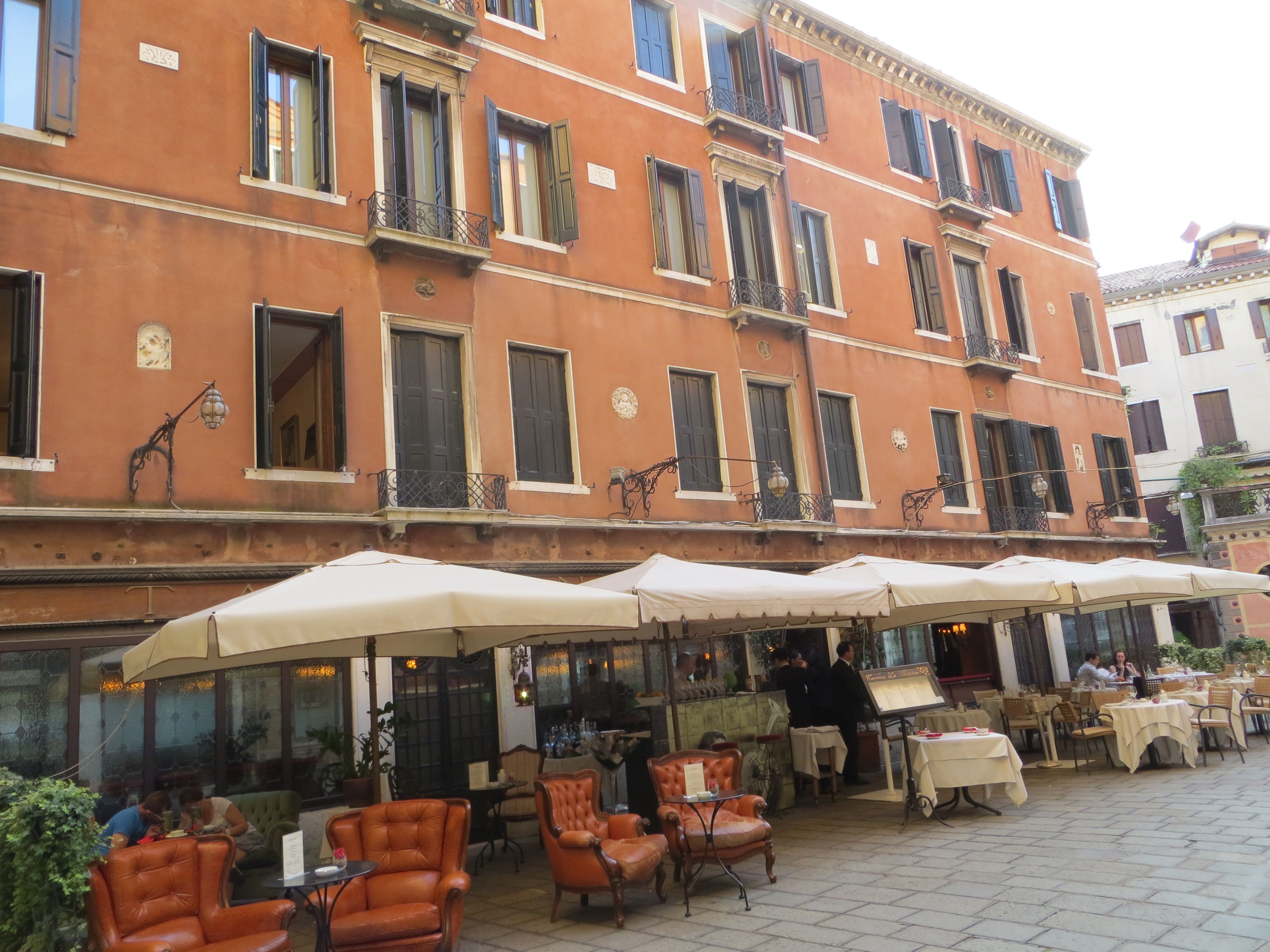
1pm. Where are we? Are we on this map? I need to sit down. I guess it’s time for some vino! How about here?

Very Quiet Here!

Very Quiet Here!

This Looks Like a Perfect Spot!

This Looks Like a Perfect Spot!

Or This Place!

Or This Place!

Or Here!

Or Here!

How About This One?

How About This One?

Let’s just try them all! Another perfect day in Venice!

Ok This One!

Ok This One!

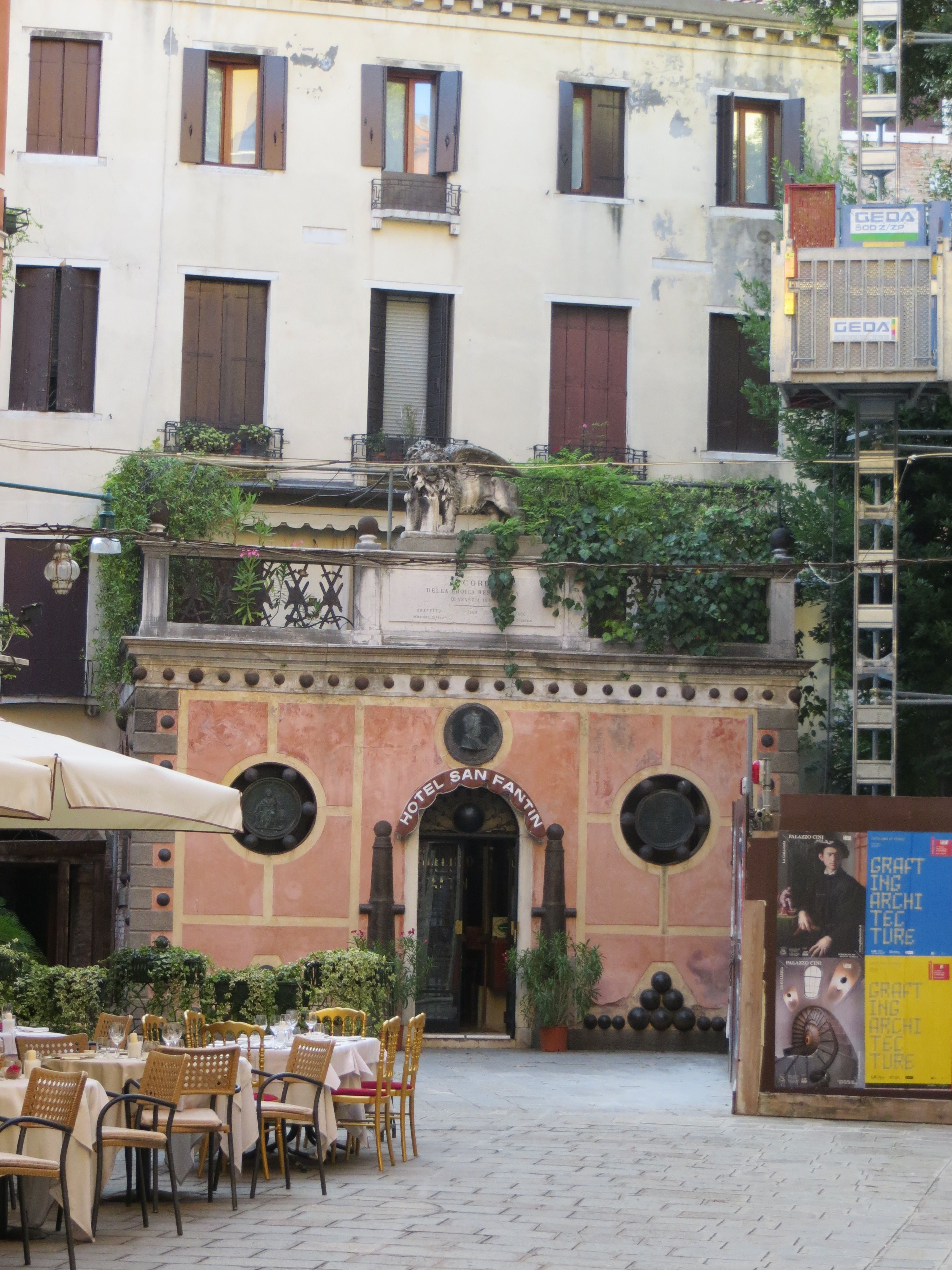
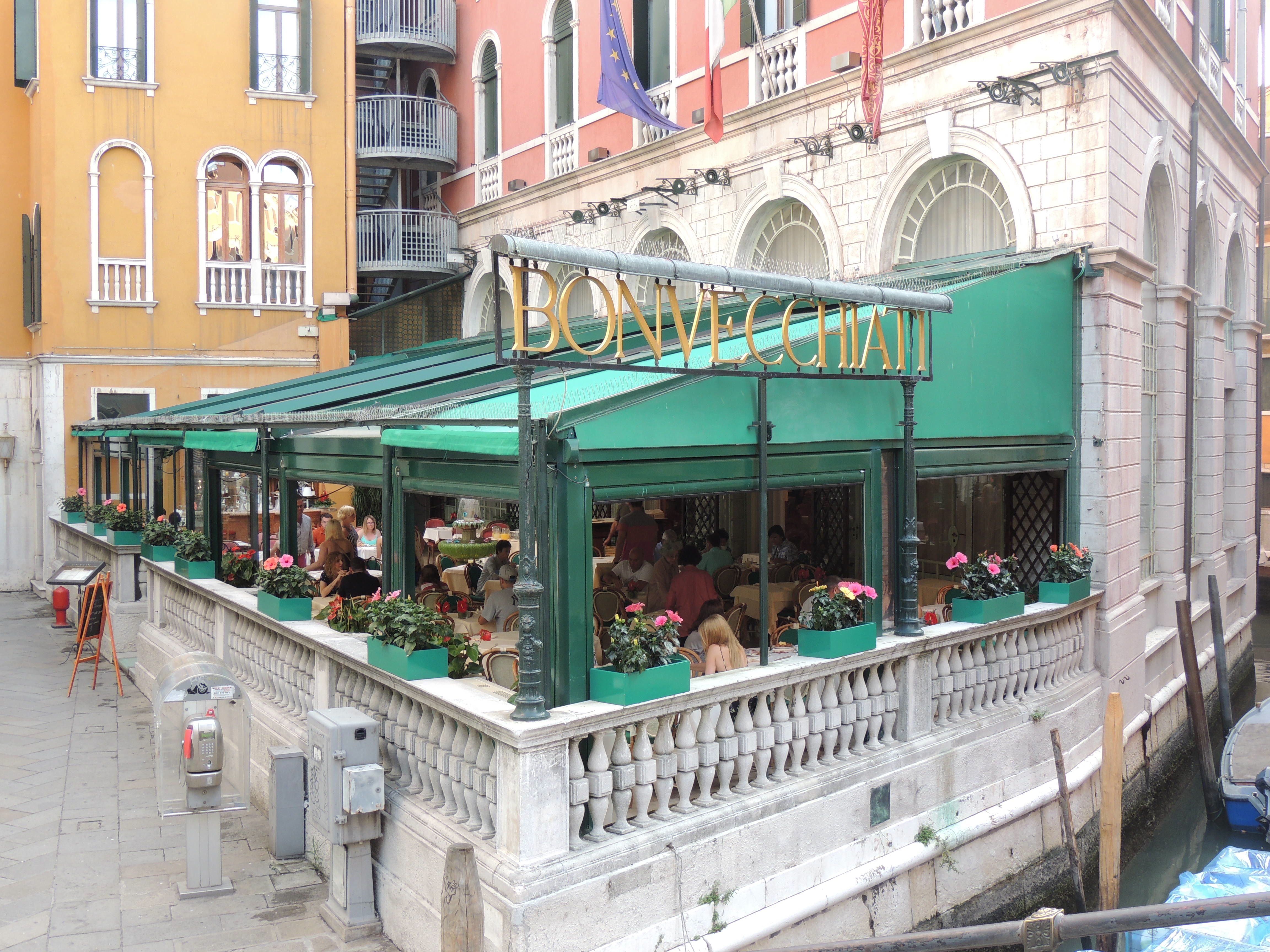
6pm. Repeat the above! Oh, I need to sit down! Time for vino! How about this restaurant?

This One Looks Great!

This One Looks Great!

Maybe This One? We Haven't Been Here!

Maybe This One? We Haven’t Been Here Yet!


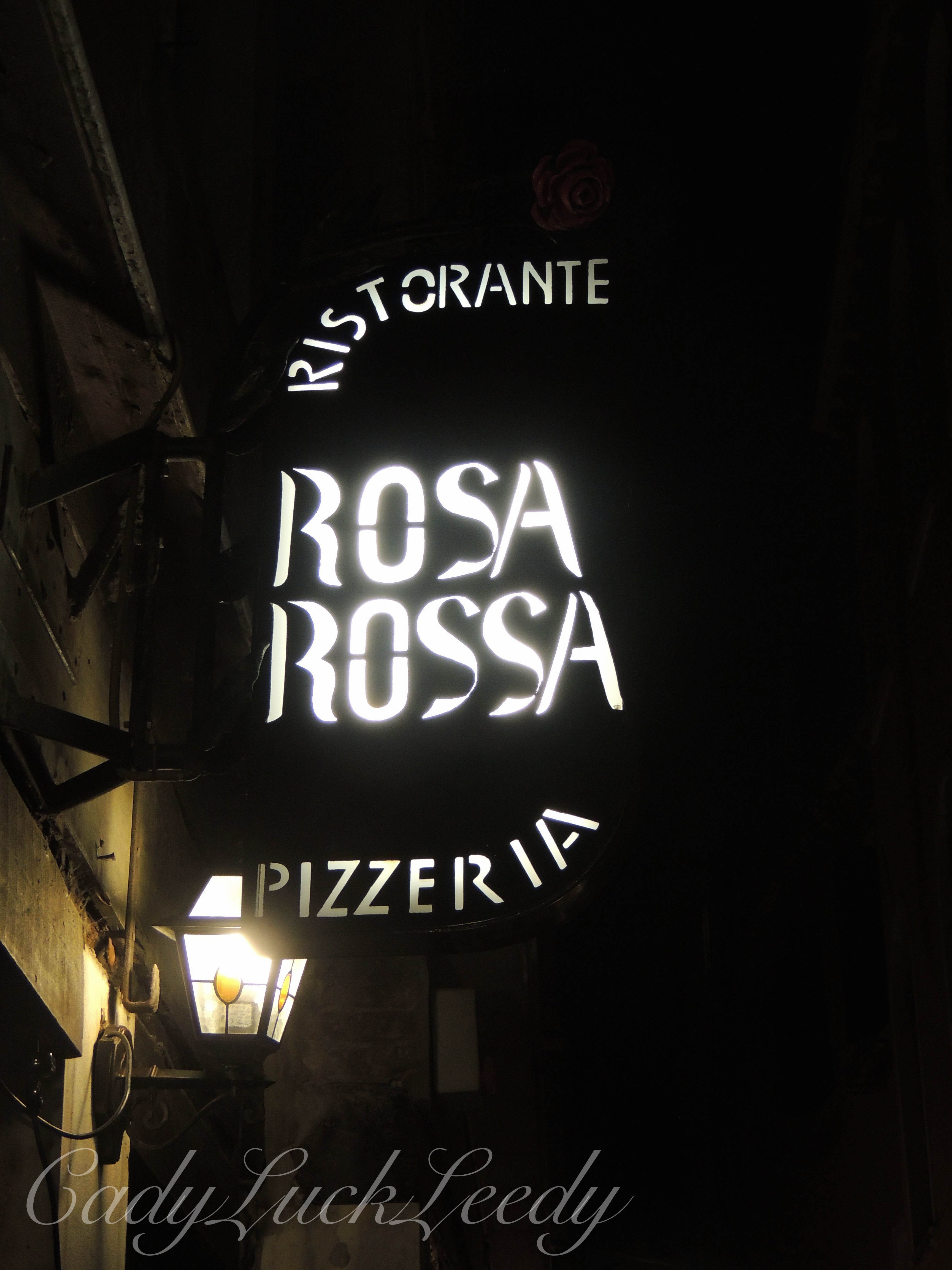
Our Favorite!

Our Favorite!

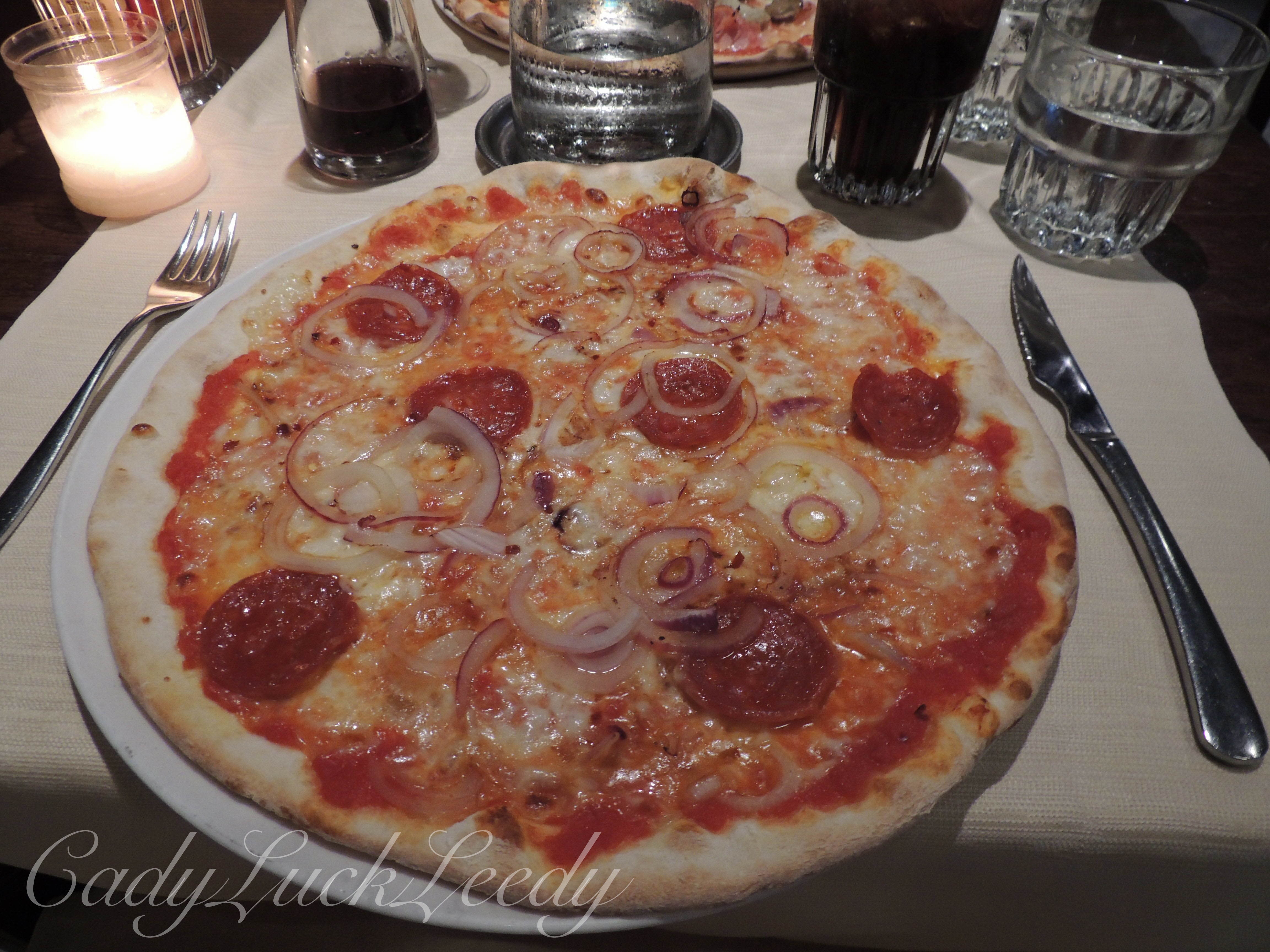
Our Favorite! Rosa Rossa! Enjoy!

We're Not Going to Starve in Italy!!

We’re Not Going to Starve in Italy!!

THE SPECTACLED BEAN

Tales, Thoughts + Tribulations of a Free Spirit in Suburbia

Walking Away

Travels on foot

Teacher nickname: The Three Hairs

Minding my mind, one thought at a time.

Tra Italia e Finlandia

Un lungo racconto fotografico.

seanbreslin.jp

Photography, hiking, walking, and cycling across central Japan — from quiet mountain paths to everyday life around Nagoya.

Lost in Translation

Looking for meanings in words, images and sounds

Journeys with Johnbo

Reflections on places traveled and photos taken.

M/VGratitude

Cruising with the Thyrre Family

Caroline's Travel Adventure Blog

Where my Travels and my Blog merge together.

Just Me, Nobody Special

The mental meandering that cross my keyboard

Jennifer's Journal

Website & Blog of J. Kelland Perry, Author

Slow Shutter Speed

A photographic journey.

Ann Mackay: Inspired by Nature

Photography celebrating flowers, plants, and the natural world

Still Restlessjo

Roaming, at home and abroad

Fine for Friday

The Corner Garden

Picture This

Photography, Travel and Retirement

World Traveller 73

Upgrade Your Travels. First Class Luxury Travel from all parts of the Globe. Business Class Airline, Lounge and Hotel Reviews, Stories and Adventures

Rachel Meets China

A China travel and lifestyle blog