Travel, Gardens, Food, Photography, Books, Shoes

Posts tagged ‘History’

The Tudor Christmas and the Trencher

Tudor Trencher

Tudor Trencher

In 1526 the Eltham Ordinances were written at Eltham Palace. These were rules and regulations monitoring food purchases, storage and distribution of food across all the palaces.

The Eltham Ordinances also laid down instructions for court ceremony, for example how the food was presented and the manner in which it had to be taken to the table. The rules were put forward by the Lord Steward, who was chosen by the nobility and had great power and influence. He was also in charge of fuel supply, domestic services and the regulation of the entire estate.

At Christmas in 1526, about 600 courtiers were entitled to eat in the Great Hall at Hampton Court Palace. This group was made up of guards, grooms and general court servants. Henry VIII ate in his private lodgings and only ate with the majority of the court on celebratory or state occasions. Where you ate; which was the Great Watching Chamber, the Great Hall, the kitchens or in private lodgings on the grounds depended on your rank. The Lord Chamberlain granted permission for dining arrangements, writing the plan called the Bouche de Court, which gave an allowance to each named person for two meals a day (at 10am and 4pm) and allowed the daily ration of bread, wine, beer, candles and firewood.

Two seatings were required to seat all of the people, who would have been served two courses. 

To see how the food was distributed from the courtyard to the table look here. (Courtyard to Table)

I am always interested in what the most common of men did.

At the Tutor Court the food was brought into the Great Hall in “messes.” (a dish shared between four people) The food was served up by the most senior man at the table. For the lowest ranking members at a table the food was served onto a chunk of course brown bread with a slight indentation, called a trencher. What is important to note is that the bread was not eaten, just what was placed on the bread. After the meal, the used trenchers, with the soppings from the meal, were given to the poor to eat.

Leftovers from Henry VIII’s table, the Great Watching Chamber, and the Great Hall were collected in a ‘voider’ (a large basket) and would be distributed to the poor by the Almoner. Those who ate in their own rooms were to take their leftovers to the scullery for the same purpose.  The Eltham Ordinances, states: “all such as have their lodgings within the court shall give straight charge to the ministers and keepers of their chambers, that they do not cast, leave or lay in any manner of dishes, platters, saucers, or broken meat, either in the galleries or at their chamber door……. and likewise to put the relics of their ale into another vessel, so that broken meat or drink be in no way cast away or eaten by dogs, nor lie in the galleries or courts, but may be daily saved for the relief of poor folks.” Anyone who disobeyed this rule was punished and on the third offense, any who failed to give their leftovers to the Almoner would forfeit their allowance, lodging and “Bouche de Court” (the permission to eat and drink at court)

As eating was communal, it was important to follow the strict rules of etiquette: these were elaborate, yet practical, as they prevented anyone touching food that would be eaten by someone else. Everyone brought his own knife and spoon to the meal. The requirement for a personal spoon is behind the custom of giving one as a christening gift.
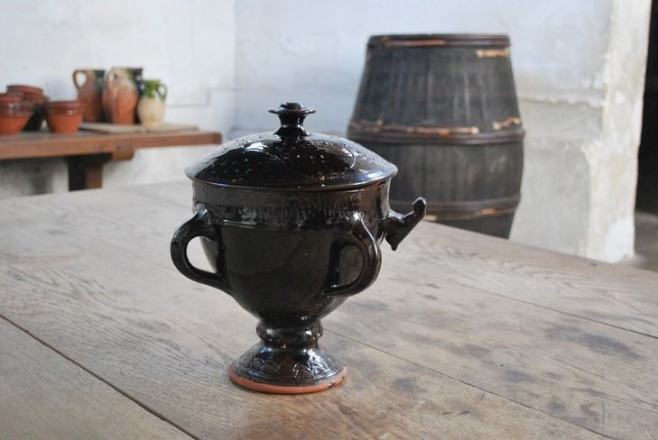
The Waissail Cup

The Wassail Cup

A final festive feature, celebrated during the Tudor Christmas was the Wassail Cup. This was a richly ornamented cup which would be paraded through the great hall, and drunk from by all present as they took part in a call-and-response ritual – the drinker would shout ‘wassail’ and the collective response was ‘drink hail’. The drink in the Wassail bowls was often a warmed alcohol, such as mulled cider, sweetened and spiced. The bowl shown above even has its own whistle to alert the kitchen that more drink was needed.

These were the Rules of Etiquette at the Tudor table.

Sit not down until you have washed.

Undo your belt a little if it will make you more comfortable; because doing this during the meal is bad manners.

When you wipe your hands clean, put good thoughts forward in your mind, for it doesn’t do to come to dinner sad, and thus make others sad.

Once you sit place your hands neatly on the table; not on your trencher, and not around your belly.

Don’t shift your buttocks left and right as if to let off some blast. Sit neatly and still.

Any gobbit that cannot be taken easily with the hand, take it on your trencher.

Don’t wipe your fingers on your clothes; use the napkin or the ‘board cloth’.

If someone is ill mannered by ignorance, let it pass rather than point it out.

Good rules to follow even now, I’d say.

Tomorrow, we’ll learn what happened to the Trencher in Queen Elizabeth’s rule! See you then!

The Elizabethan Christmas and the Tale of Oranges

The Elizabethan Christmas

The Elizabethan Christmas

To continue with my Christmas Foods And Traditions Series we will look today at the Elizabethan period of England.

As a queen, Elizabeth had access to some of the most luxurious foods that were on offer now from many parts of the world. Her food reflected the wealth and power of England and was an important status symbol.

Oranges were originally brought from China, but by the 16th century they were grown in Spain and southern France. During the reign of Queen Elizabeth I, sweet oranges were given frequently as Christmas gifts because they were expensive, delicious and sure to note how wealthy the giver was.

Now to tell the Great Citrus Fruit Escape……………

Father John Gerard, a Jesuit priest, continued to practice Catholicism and move freely among the gentry in Elizabethan Protestant times, and that landed him eventually in the Tower of London.

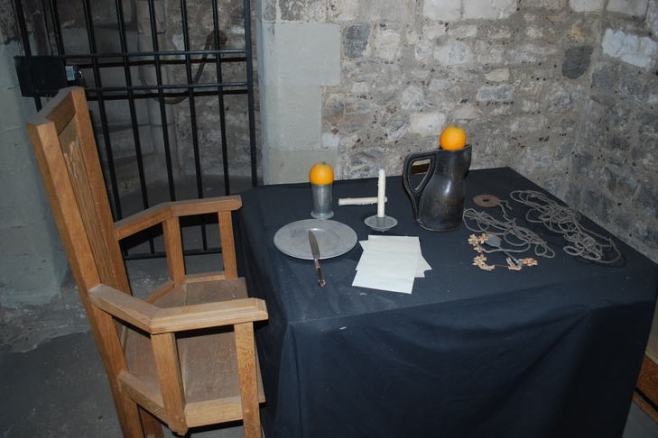
A  well-to-do prisoner in the Tower was allowed to furnish their cell to their tastes and bring in their own food to make life there more tolerable. Father Gerard was gifted some oranges and he would share them with the guard and warden to bribe them. He persuaded the warden to allow him to send crosses made from the left-over orange peel to his friends.

Father Gerard's Orange Peel Crosses

Father Gerard’s Orange Peel Crosses

Along with the crosses he sent a prayer written in charcoal, which the warden would read first.

Father Gerard Prayer Written in Charcoal

Father Gerard Prayer Written in Charcoal

However, when the warden was not looking, Gerard used the orange juice that he had saved, to write a second message between the lines of the prayer. Once the orange juice was dried it became invisible, only to be seen when re-heated by lamplight fire. Father Gerard wrapped all the orange peel crosses in the paper prayer-messages and sent them with the guard to be delivered.

The Orange Juice Message Written Between the Lines

The Orange Juice Message Written Between the Lines

Also during this time, Father Gerard met fellow Catholic prisoner, John Arden, who was being kept in another part of the prison, near the garden and the moat.

While in the Tower Father Gerard was tortured, often being suspended for days by his wrists in the hope he would confess to treason and could be put to death. His fingers were barely able to move after this.

Gerard and Arden were given permission to spend some time in each other’s company. The coded messages had been deciphered by Father Gerard’s supporters and a desperate escape plan was put in place.  On the appointed evening, the men met in Arden’s cell and loosened the stone around the bolt of the door that lead to the roof. They reached the roof at midnight, in time to see a rowing boat containing three men approach the walls. As they were about to make contact, a man came from a house below and assuming the men were fishing, began to engage them in conversation.

Gerard waited patiently for the man to leave, but by the time he departed it was too late for an escape that night.

Thinking that the escape was doomed, Gerard was surprised to hear next day that the rescuers were going to try again. Waiting until they had been locked in the Tower together, Gerard and Arden again climbed onto the roof. Throwing down a weighted cord they raised up a rope that had been tied to it by the rescuers below. The plan had been to slide down the rope, but the angle it made meant that instead the escapers had to pull themselves hand over hand along its length. It is worth remembering that Gerard had recently been tortured by being suspended in manacles, which made a hazardous descent even more difficult.

After his companion managed to climb down, Gerard realized that the rope which had been straight was now sagging – making the climb even more difficult. Holding the rope between his legs, Gerard pulled himself out from the high roof. Half way across he became exhausted and at one point was left hanging in the darkness, strength failing. In the end Gerard and Arden managed to escape, all in thanks to his oranges!  Can you imagine? Is this where the saying “read between the lines“ comes from? I should think so!

More to come in the Christmas Foods And Traditions Series! Enjoy!


21 Steps of Honor

Tomb of the Unknown Soldier, Arlington, VA

Tomb of the Unknown Soldier, Arlington, VA

The Tomb of the Unknown Soldier: What do you know about it?

1. How many steps does the guard take during his walk across the Tomb of the Unknowns and why? 21 steps

It alludes to the twenty-one gun salute, which is the highest honor given any military or foreign dignity.

2. How long does he hesitate after his about face to begin his return walk and why?

21 seconds; for the same reason as Number 1.

3. Why are his gloves wet?

His gloves are moistened to prevent him from losing his grip on the rifle. 

4. Does he carry his rifle on the same shoulder all the time and if not, why not?

He carries the rifle on the shoulder away from the tomb. After his march across the path, he executes an about face and moves the rifle to the outside shoulder.

5. How often are the guards changed?

Guards are changed every thirty minutes, twenty-four hours a day, 365 days a year.

6. What are the physical traits of the guards limited to?

For a person to apply for guard duty at the tomb, he must be between 5′ 10″ and 6′ 2″ tall and his waist cannot exceed 30 inches. They must commit 2 years of life to guard the tomb, live in the barracks under the tomb, and cannot drink alcohol on or off duty for the rest of their lives. They cannot swear in public for the rest of their lives and cannot disgrace the uniform or the tomb in any way. After two years, the guard is given a wreath pin that is worn on their lapel signifying they have served as a guard of the tomb. There are only 400 presently worn. The guard must obey these rules for the rest of his life or give up the wreath pin. The shoes are specially made with very thick soles to keep the heat and cold from their feet. There are metal plates that extend to the top of the shoe in order to make the load click as they come to a halt. There are no wrinkles, folds or lint on the uniform. Guards dress for duty in front of a full-length mirror. 

The first six months of duty a guard cannot talk to anyone nor watch TV. All off time duty is spent studying the 175 notable people laid to rest in Arlington National Cemetery. A Guard must memorize who they are and where they are interred. Among the notables are: President John F Kennedy,  Joe Lewis (the boxer), Medal of Honor recipient Audie L Murphy, the most decorated soldier of WWII, General George Patton IV, and many others.

Every guard spends five hours a day getting his uniforms ready for guard duty. In 2003 as Hurricane Isabelle was approaching Washington, DC, our US Senate and House took two days off from the anticipation of the dangers from the storm. The military members assigned the duty of guarding the Tomb of the Unknown Soldier were given permission to suspend their assignment. They respectfully declined. Soaked to the skin, marching in the pelting rain of a tropical storm, they said that guarding the Tomb was not just an assignment; it was the highest honor that can be afforded to a service person. The Tomb has been patrolled continuously, 24/7, since 1930. Let us remember the guards this day and the Unknown Soldier.

ETERNAL REST GRANT THEM O LORD AND LET PERPETUAL LIGHT SHINE UPON THEM.


Agatha Christie’s Biggest Mystery

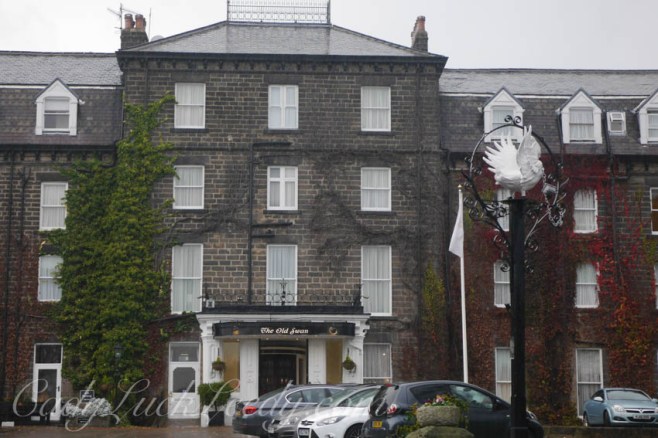
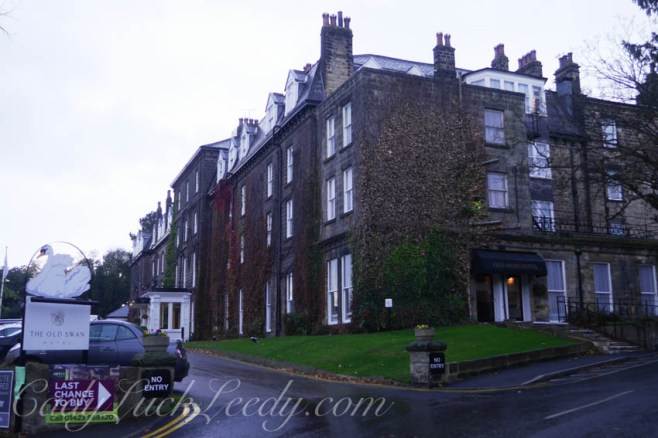
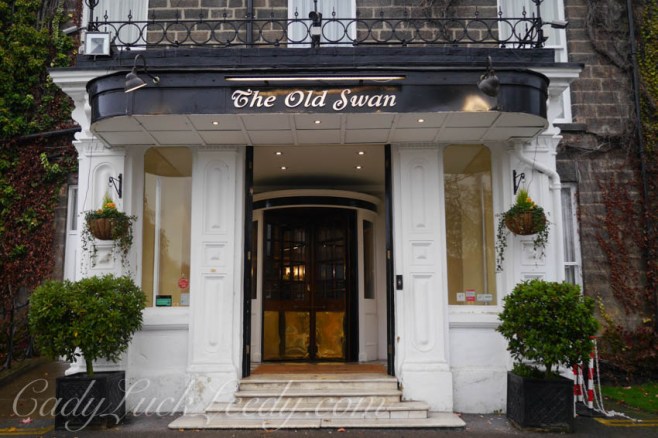
The Old Swan Hotel, Harrogate, North Yorkshire, UK

The Old Swan Hotel, Harrogate, North Yorkshire, UK

The Old Swan Hotel, Harrogate, North Yorkshire, UK

The Old Swan Hotel, Harrogate, North Yorkshire, UK

The Old Swan Hotel, Harrogate, North Yorkshire, UK

The Old Swan Hotel, Harrogate, North Yorkshire, UK

In December 1926, Agatha Christie was a thirty-six year old, established crime writer, when she mysteriously disappeared. Early on the morning of December 3rd, Colonel Archibald Christie, an aviator in the Royal Flying Corps, had asked Agatha for a divorce because he was in love with another woman, Nancy Neele. He then packed up and went to spend the weekend with his mistress. Later that evening, Agatha left the house leaving two notes; one for her brother-in-law saying she was going to Yorkshire and one for the town constable saying she feared for her life. Her crashed car was found nearby, hanging over the edge of a chalk pit, with her fur coat,  suitcases and identity papers thrown about the car and Agatha nowhere to be found.  A massive manhunt began which included the dredging of a large pond and thousands of police and locals joining to scour the countryside. The manhunt included the first use of airplanes to search for missing people. Archie Christie seemed unconcerned when summoned, yes, he had to be summoned to the crash site, and simply stated his wife was a mysterious and calculating woman, who probably made the whole thing up to promote her latest book! Astonished, the constable placed Archie at the top of the suspect list and had his phone tapped, where his affair and want of a divorce was soon discovered.

As the days went on, the search spread out to all parts of Great Britain. Fellow mystery writers got involved: Sir Arthur Conan Doyle took one of Agatha’s gloves to a noted psychic and Dorothy L. Sayers visited Agatha’s house and the place where the car was found.

It wasn’t until December 14th that the search ended. As it turned out, Agatha had walked to the train station, after crashing her car, and took a train to London. In London she went shopping for  clothes and a new coat and then took the train to Harrogate, which she had seen on an advertisement at the train station.

The Old Swan Hotel, Harrogate, North Yorkshire, UK

The Old Swan Hotel, Harrogate, North Yorkshire, UK

The Old Swan Hotel, Harrogate, North Yorkshire, UK

The Old Swan Hotel, Harrogate, North Yorkshire, UK

The Old Swan Hotel, Harrogate, North Yorkshire, UK

The Old Swan Hotel, Harrogate, North Yorkshire, UK

The Old Swan Hotel, Harrogate, North Yorkshire, UK

The Old Swan Hotel, Harrogate, North Yorkshire, UK

The Old Swan Hotel, Harrogate, North Yorkshire, UK

The Old Swan Hotel, Harrogate, North Yorkshire, UK

The Old Swan Hotel, Harrogate, North Yorkshire, UK

The Old Swan Hotel, Harrogate, North Yorkshire, UK

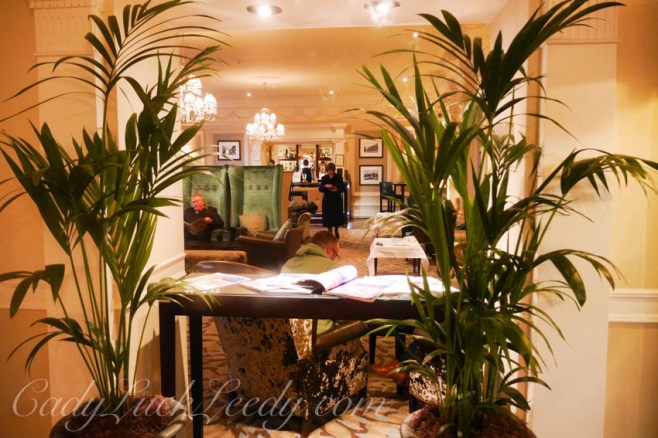
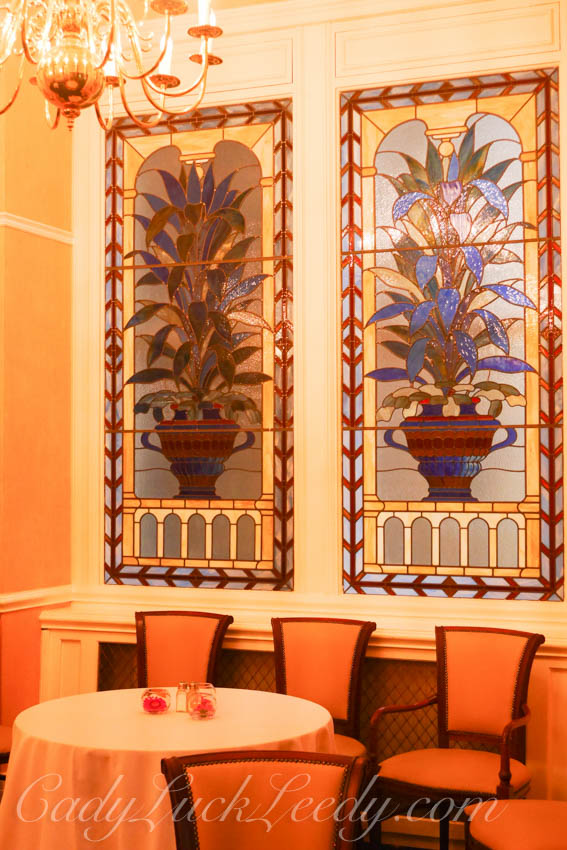
She checked into The Old Swan Hotel and Spa on the 4th of December under a false name (using, ironically, the surname of Archie’s mistress) Harrogate was the height of elegance in the 1920s and filled with fashionable people looking for fun and excitement. Agatha Christie did nothing to arouse suspicions as she joined in dining, playing billiards, going for spa treatments and attending the balls and dances at the Palm Court at the Swan Hotel.

She even placed an advertisement in the newspaper offering where Teresa Neele was staying.

She was eventually recognized by one of the hotel’s banjo players, Bob Tappin, who alerted the police. They tipped off her husband, Colonel Christie, who came to collect Agatha immediately. Agatha seemed confused and mis-identified Archie as her brother.

The Old Swan Hotel, Harrogate, North Yorkshire, UK

The Old Swan Hotel, Harrogate, North Yorkshire, UK

The Old Swan Hotel, Harrogate, North Yorkshire, UK

The Old Swan Hotel, Harrogate, North Yorkshire, UK

Agatha was brought home and was quickly and completely hidden from reporters.

Because nobody was providing any answers, various scenarios would later be given by the newspapers as theories as to what had happened: temporary amnesia, a nervous breakdown, a plot of revenge to embarrass and humiliate her husband, or a publicity stunt to increase sales of her books. Nobody knew for certain what had transpired. And nobody knows to this day. Agatha never, ever mentioned the episode again. Her divorce was finalized two years later.

And in the end the police charged Agatha Christie for the pay of all the police, and the use of the airplanes during their search for her.

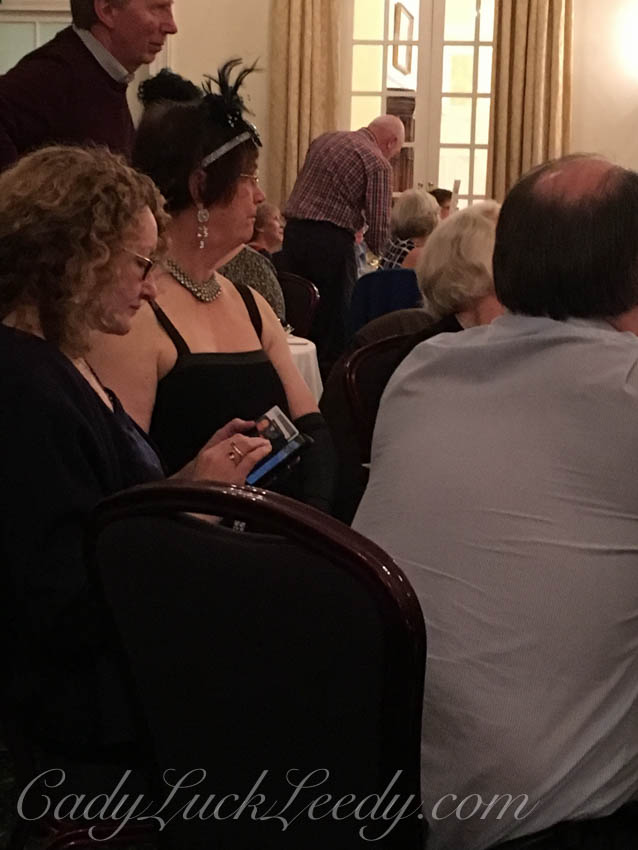
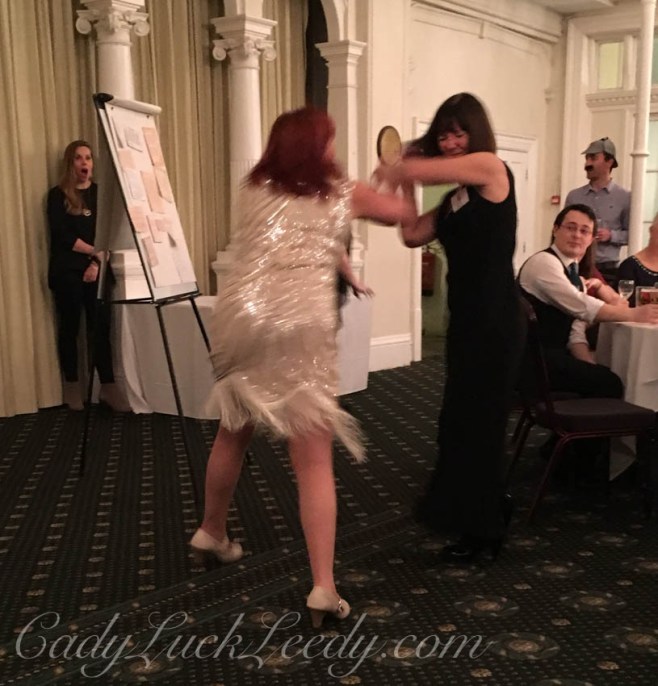
So as noted in my previous post, I was not happy about missing the trip to Harrogate and exploring the Swan Hotel, which was a priority for me. But, as it turned out, my hubby took the time to go to the Hotel and take photos for me and while there he discovered that the Hotel was offering Agatha Christie Mystery Dinners during the month of November, in honor of the 90th anniversary of Agatha’s disappearance. It was a themed mystery taking place in Egypt among the archeologists. Everyone was to dress the part. My husband promptly signed himself up along with a business associate, another man, to attend the mystery dinner. When he told me about it I thought it would be a lot of fun and noted most people would dress the part. On the night of the event, many were indeed dressed in sheik’s robes, archeological dig clothing, or dresses of the roaring twenties, except for said two men. There was even a mix up in their names, since the hotel didn’t think two men would be attending the event together and it must have been a mistake in names, so changed one of the place tag names from Mr O——-, to just Olivia. The men had a good laugh and proceeded with the mystery.  During the dinner, several actors staged sketches and then went around to the ten various tables offering clues and talking to the guests. By the end of the evening the guests at each table were  to collectively name the killer. Table Ten did not discover the correct killer, but had a great time with their table mates, four women from Spain, four women from London, and two men from the US, in trying to figure the mystery out.

The Actors at Agatha Christie Dinner Mystery, Old Swan Hotel, Harrogate, UK

The Actors at Agatha Christie Dinner Mystery, Old Swan Hotel, Harrogate, UK

The Actors at Agatha Christie Dinner Mystery, Old Swan Hotel, Harrogate, UK

The Actors at Agatha Christie Dinner Mystery, Old Swan Hotel, Harrogate, UK

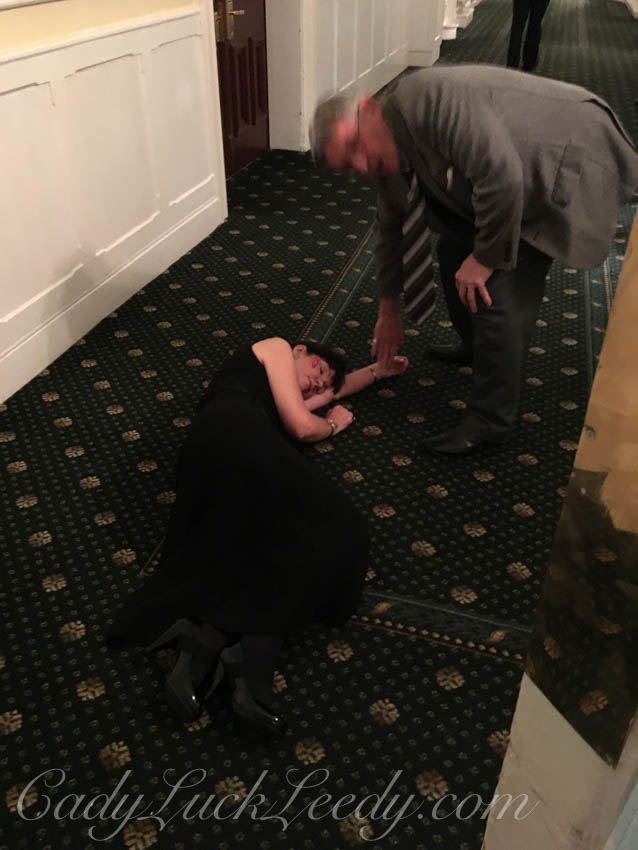
It was soon discovered that one of the finely dressed women at this table was actually a 6 foot-five inch, well built man, named Bill! (the guest with the dangling earrings) Great costume Bill!

Guests at Agatha Christie Dinner Mystery, Old Swan Hotel, Harrogate, UK

Guests at Agatha Christie Dinner Mystery, Old Swan Hotel, Harrogate, UK

Actors and Guests at Agatha Christie Dinner Mystery, Old Swan Hotel, Harrogate, UK

Actors and Guests at Agatha Christie Dinner Mystery, Old Swan Hotel, Harrogate, UK

The Big Fight Skit during the Agatha Christie Murder Mystery Dinner

The Big Fight Skit during the Agatha Christie Murder Mystery Dinner

Another Death to Deal With!

Another Death to Deal With!

Table Ten

Table Ten

Guests at Agatha Christie Dinner Mystery, Old Swan Hotel, Harrogate, UK

Guests at Agatha Christie Dinner Mystery, Old Swan Hotel, Harrogate, UK

And to top off the evening….. The Swan dessert!

 Actors and Guests at Agatha Christie Dinner Mystery, Old Swan Hotel, Harrogate, UK

A great time was had by all and one thing is for sure. Agatha Christie is still the greatest mystery writer of all time, even her own!

Tomorrow will be the last day in Harrogate. Won’t you join me to find out all about it? See you then!


Thursday Doors: Harrogate, North Yorkshire, UK


Harrogate, North Yorkshire, UK

Harrogate, North Yorkshire, UK

A few weeks ago I was supposed to be in……..

Harrogate, a spa town in North Yorkshire, England. The town became known as ‘The English Spa’ in the Georgian era, after its waters were discovered in the 16th century. In the 17th and 18th centuries its ‘chalybeate’ waters (containing iron) were a popular health treatment, and the influx of wealthy, but sickly visitors, contributed significantly to the wealth of the town. I probably should have gone; the spa treatments would have done me good. But, because I was not feeling up to it, my husband who had business there, was encouraged to take a doorscursion for me. Here are the results of his efforts! Pretty good I’d say! Especially, since he had to go after work hours, in the dark, and in rain or snow every evening! How nice to enjoy Harrogate today in the snow as he did!! What a lovely place! First we’ll look at the blue doors.

Harrogate, North Yorkshire, UK

Harrogate, North Yorkshire, UK

Harrogate, North Yorkshire, UK

Harrogate, North Yorkshire, UK

In the glass pane you can see him taking the photo! Great shot dear!

Harrogate, North Yorkshire, UK

Harrogate, North Yorkshire, UK

Harrogate, North Yorkshire, UK

Harrogate, North Yorkshire, UK

Harrogate, North Yorkshire, UK

Harrogate, North Yorkshire, UK

Do you see all the wrought iron and heavy metal drainpipes in most of these photos? They are artwork in themselves!

Harrogate, North Yorkshire, UK

Harrogate, North Yorkshire, UK

Some things are just black and white in life!

Harrogate, North Yorkshire, UK

Harrogate, North Yorkshire, UK

Harrogate, North Yorkshire, UK

Harrogate, North Yorkshire, UK

And sometimes Aqua!

Harrogate, North Yorkshire, UK

Harrogate, North Yorkshire, UK

Harrogate, North Yorkshire, UK

Harrogate, North Yorkshire, UK

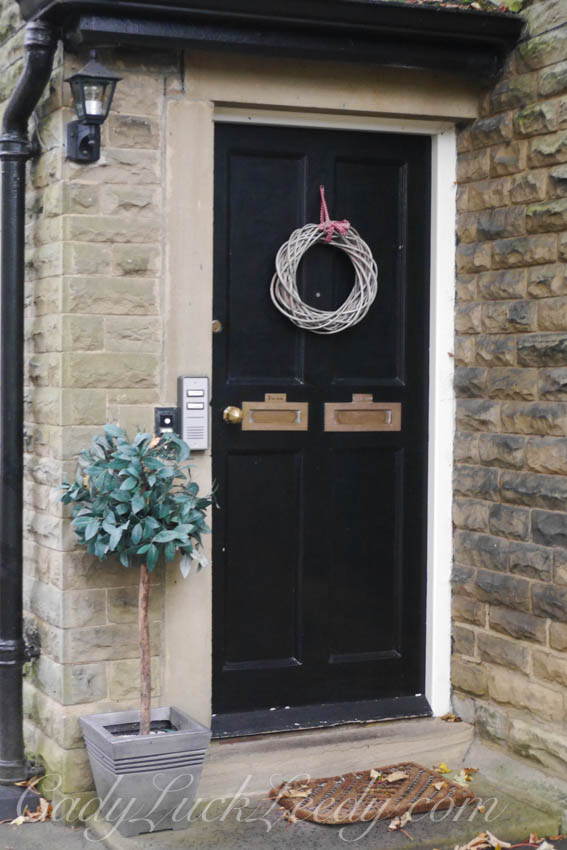
I want to think these are “His and Her” letter boxes! Ha Ha!

Harrogate, North Yorkshire, UK

Harrogate, North Yorkshire, UK

Harrogate, North Yorkshire, UK

Harrogate, North Yorkshire, UK

I’d definitely say black doors were the most popular!

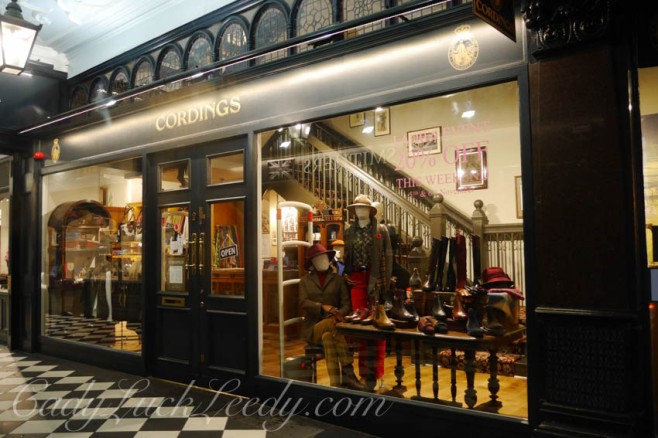
Isn’t this the cutest menswear shop store front?

Harrogate, North Yorkshire, UK

Harrogate, North Yorkshire, UK

And the other reason I hated to miss this trip, was I wanted to go to the Swan Hotel! What’s at the Swan Hotel you ask? We’ll discover that tomorrow!  See you there!

This is just one of many photos in the Thursday Door Collection featured by Norm2.0!   Won’t you join in or take a peak at all the doors?


Great Dixter Manor, Part One

Great Dixter, Sussex, UK

Great Dixter, Sussex, UK

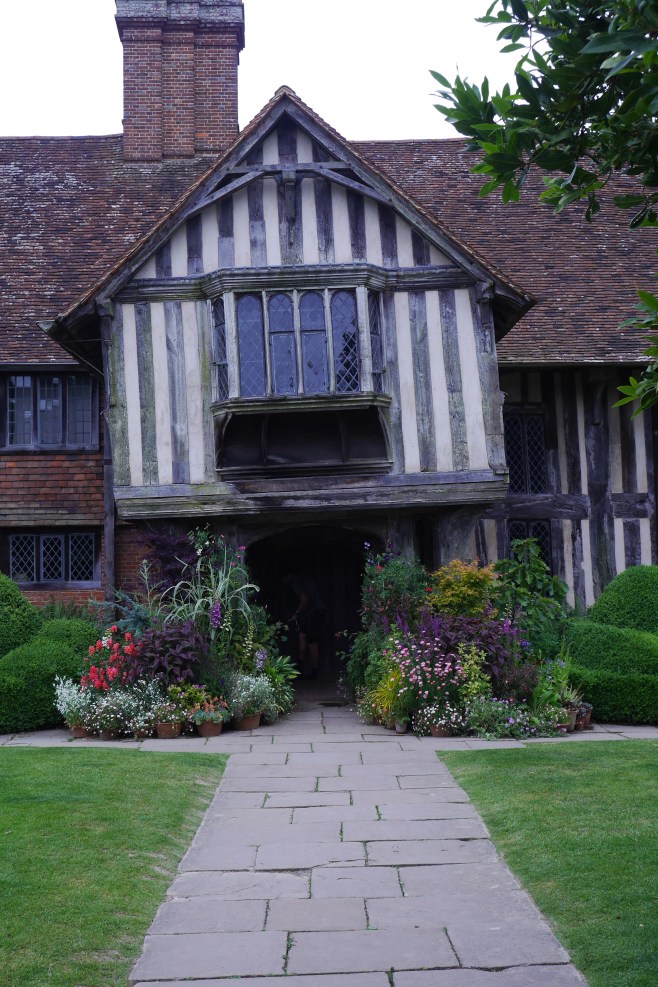
This is the oldest section of Great Dixter Manor and as you can see it tips to the left!

Great Dixter, Sussex, UK

Great Dixter, Sussex, UK

All great manors have a fascinating story to tell and Great Dixter is no exception. Nathanial Lloyd, born in Manchester, made his fortune when he founded his own color printing firm in 1893.  In 1905, he  married Daisy Field and rented a manor home in Rye where Nathanial could play golf on the weekends. He became so successful in his business, that by 1909, he was able to retire and devoted himself to golf and his passion for shooting. Nathanial and Daisy began to look for an old house to buy and they purchased Dixter, (a manor completed by the end of the Middle Ages), and its immediate grounds and farm buildings in May, 1910, for six thousand pounds, and the manor was re-named Great Dixter.

Nathanial and Daisy Lloyd

Nathanial and Daisy Lloyd

Lloyd hired Sir Ernest George as his architect, but soon realized that the apprentice to George, Edwin Lutyens,  was the man to complete his manor. Lutyens wanted to enlarge or adapt existing buildings by using local materials and build on existing traditions. He drew up plans which consisted of the mid-15th century original home and added additions to it, by bringing a yeoman’s house from Benenden.  He then added another addition to the house in 1912. So the manor then consisted of three houses, beautifully connected together. Lutyens admired the work of Gertrude Jekyll, who had a reputation for complimenting the grounds of the manors to the garden, which was a new approach to the English Garden. The ideas of Jekyll led Lutyens to design an English Garden for Great Dixter. Lutyens went on designing and building to become  “the greatest British architect of the twentieth (or of any other) century.”

Edwin Lutyens

Edwin Lutyens

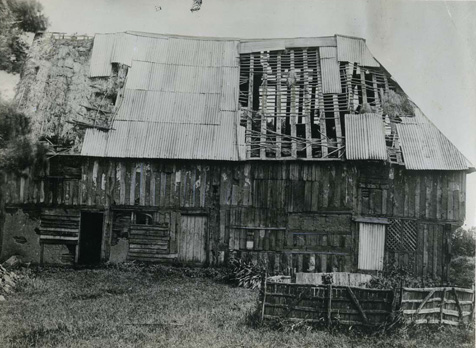
This was the ” Yeoman’s House” moved from Benenden, seventeen miles away! I don’t think I could have had that big of imagination! How could the combining of the houses work? The Yeoman’s House was literally falling down!

The House Moved from Benenden

The House Moved from Benenden

Nathaniel and Daisy Lloyd raised six children at Great Dixter where they all developed a lasting attachment to the house and a deep knowledge of the garden. One of the bathrooms still has the pencil marks on a wall, recording their increasing height year by year. Selwyn (1909-35), the eldest child, went into the family business, but died at a young age from TB; Oliver (1911-85), whose second Christian name Cromwell spoke of Daisy’s ancestral connections, became a medical doctor and academic; Patrick (1913-56) was a professional soldier and died on active service in the Middle East; Quentin (1916-95) served as the estate manager for Great Dixter for many years; Letitia (1919-74) trained as a nurse; Christopher (1921-2006), the youngest child, was born in the north bedroom of the Lutyens wing and for the rest of his life Dixter was his home.

The Lloyd Childen

The Lloyd Childen

With the renovations and extension complete by 1912, Great Dixter was a large and comfortable family home. Central heating and electric lighting were installed from the onset and there was a domestic staff of five or more, including a chauffeur, a cook, two housemaids and a nursery maid. Outside staff included nine gardeners. For four years during the First World War, part of the house became a hospital and a total of 380 wounded soldiers passed through the temporary wards created in the Great Hall. In the Second War, Dixter housed evacuee boys from September 1939 until it was decided that they should go further west and away from the path of enemy aircraft.

After Nathaniel’s death in 1933, Daisy was in control until her death in 1972. Her contribution to the garden was most evident in the wild flower meadows, but her passion for all things plant related was as extensive as it was infectious. She was a determinedly energetic lady, an accomplished cook and brilliant embroiderer, who, having taken to wearing Austrian peasant costume, became an eccentric figure on the local scene. Christopher Lloyd, exceptional gardener and writer of gardening books, was the last Lloyd to occupy the manor and it was left to a charitable trust upon his death in 2006.

Christopher Lloyd

Christopher Lloyd

Part of the manor is open, but no photography is allowed inside!

Great Dixter, Sussex, UK

Great Dixter, Sussex, UK

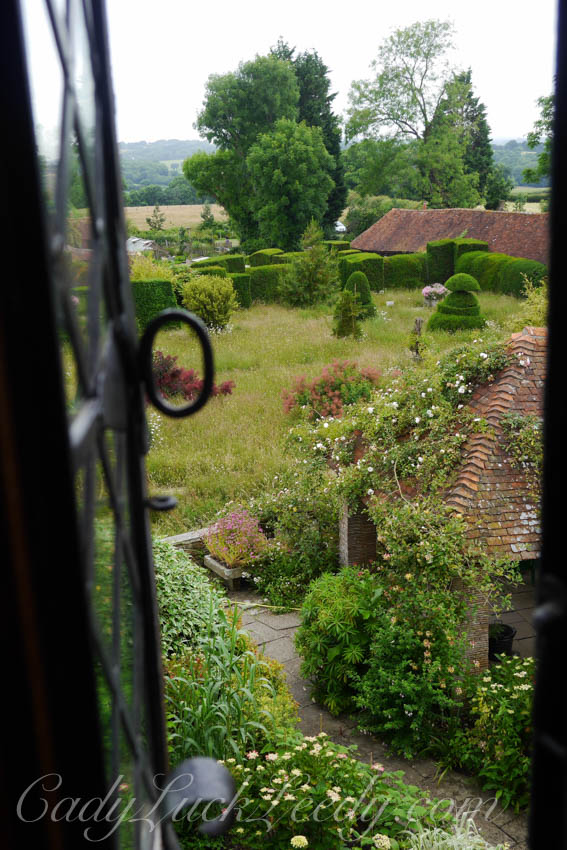
But we did manage a photo of the garden from the window!

Great Dixter, Sussex, UK

Great Dixter, Sussex, UK

We took many photos of the gardens around various out buildings such as the oasts, which were restored in 2012.

Great Dixter, Sussex, UK

Great Dixter, Sussex, UK

Great Dixter, Sussex, UK

Great Dixter, Sussex, UK

Great Dixter, Sussex, UK

Great Dixter, Sussex, UK

Great Dixter, Sussex, UK

Great Dixter, Sussex, UK

Great Dixter, Sussex, UK

Great Dixter, Sussex, UK

Great Dixter, Sussex, UK

Great Dixter, Sussex, UK

Great Dixter, Sussex, UK

Great Dixter, Sussex, UK

Great Dixter, Sussex, UK

Great Dixter, Sussex, UK

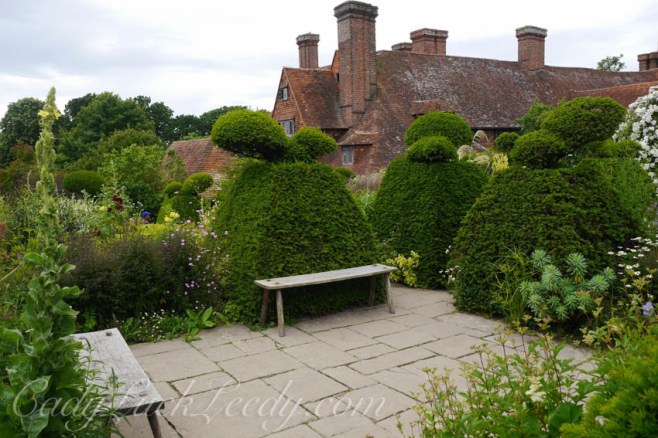
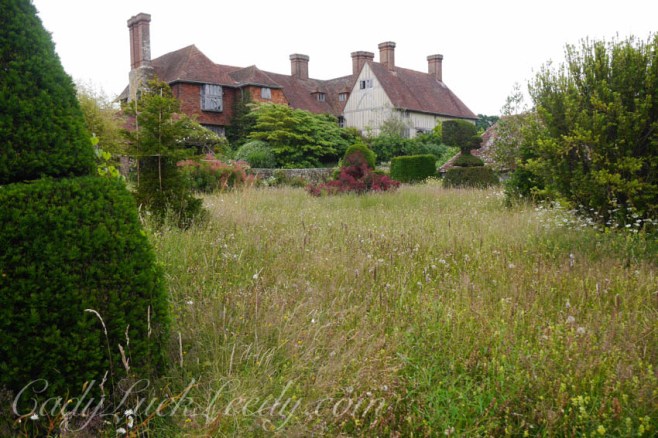
This was one of the meadows. I just couldn’t get wrapped up in it though. I didn’t like the formal topiaries mixed in with the meadow. I would have preferred all lawn around these, but they didn’t ask me.

Great Dixter, Sussex, UK

Great Dixter, Sussex, UK

I think they were undecided too!

Great Dixter, Sussex, UK

Great Dixter, Sussex, UK

Great Dixter, Sussex, UK

Great Dixter, Sussex, UK

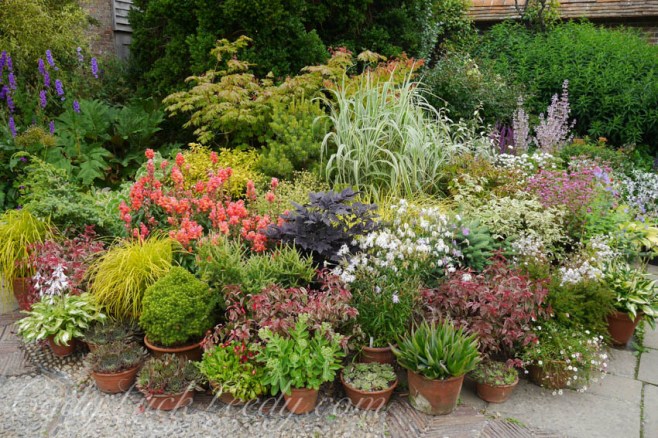
Flowers, flowers everywhere!

Great Dixter, Sussex, UK

Great Dixter, Sussex, UK

Great Dixter, Sussex, UK

Great Dixter, Sussex, UK

The Loggia…….with more flowers and plants……

Great Dixter, Sussex, UK

Great Dixter, Sussex, UK

Great Dixter, Sussex, UK

Great Dixter, Sussex, UK

I hope you enjoyed the history of Great Dixter! There is a lot to explore here, so we’ll meet up with you again tomorrow! Enjoy!


November: Stay at Home

Plas Mawr, Wales

Plas Mawr, Wales

Plas Mawr, Wales

Plas Mawr, Wales

If you reject the food, ignore the customs, fear the religion and avoid the people, you might better stay at home.

James A. Michener

A must see, Plas Mawr, an Elizabethan house built in 1576, in Conwy, Wales by the Wynn family, has been extensively refurbished to it’s original 16th-century appearance. The tall lime walls reflect the status of the builder, Robert Wynn, a well traveled courtier and trader who rose to grandeur in the Welsh gentry.

Plas Mawr stands as a symbol to a prosperous age and of a man of great style and taste. The house is noted for the quality and quantity of ornamental plasterwork, revealing the initial “R.W.” in the crests and coat of arms. The furnishings, many original to the house, are based on an inventory of contents in 1665. The tour describes the restoration and the life of Tutor gentry and the work of the servants who helped maintain such a lavish lifestyle. There is also a garden on the rooftops!

 Plas Mawr is also noted to be haunted.  Robert Wynn was married twice.  Both his wives were named Dorothy and both had pre-mature deaths. His first wife died from an illness at a very early age and his second wife died when she fell down a flight of stairs in the house while she was pregnant and carrying one of the other seven children. The doctor was summoned, but he failed to save her or the child. When Robert Wynn returned home he found both his wife and child dead in the bed and the doctor’s whereabouts unknown. The doctor is rumored to have suffocated in the chimney while trying to escape from Robert because he could not save Dorothy. Sometimes the ghosts of the two women are seen in the house and the house has been studied for supernatural activity.

Architecturally, Plas Mawr is almost unchanged from the 16th century, and is considered  to be “the finest surviving town house of the Elizabethan era.”

To me, November is everything about the home. We are preparing our homes for the shorter days and longer dark nights; settling in so to speak with a good book and a cup of cocoa in front of the fire. November is also all about the family and food and sharing. So through November I will share tidbits about the home and some fascinating photos of homes around the world. Enjoy!

Pashley Manor, Ticehurst, UK

Pashley Manor, Ticehurst, UK

Pashley Manor, Ticehurst, UK

While I was touring homes and gardens of the National Trust and National Garden Scheme this year, there were also two independent gardens that were recommended to me by my hostess at the Potting Shed. One was Pashley Manor near Ticehurst in Sussex. One afternoon we made our way there………

The land was owned by the family of Passelewe or Passele, a prominent family in medieval times. Simon Passelewe held many judicial posts including that of Justice of the Jews in the reign of Henry III, but his prominent role was extorting money from religious houses on behalf of the king. Sir Edmund de Passele, in 1317, built a hunting lodge on an island that fills the greater part of the largest of three ponds.  On his death it took twenty years to solve the dispute over his property because two wives claimed his inheritance and one was willing to murder in order to keep the inheritance for herself and the children. During the War of the Roses, around 1454, Sir Geoffrey Bulleyn, great-grandfather of Ann Bulleyn, a prosperous merchant and Lord Mayor of London, bought the property. The property consisted of 600 acres of land, a garden, watermill and an iron furnace.

Then over the next several hundred years the property changed hands many times and in 1922 Dr Hollist sold the estate and it sat vacant up to 1945, when it was occupied by troops and families escaping the bombings of London, for brief periods of time during the war.

The present owner bought Pashley Manor in 1945, as it was, then described as a haunted house. In 1950 going from the Grimm’s sketches of the manor from 1780, that were found in the Burrell Collection at the British Museum, the family was encouraged to restore the manor to it’s original closely timbered look from the early seventeenth century. The ivy on the house, was held in place by thick wire, and was a foot thick, but seemed to be a protective layer against the weather, and the boarding underneath was well preserved. The original color of the house was a hot shade of ochre yellow with dark brown trim!  Even the brickwork was washed over in a dingy yellow, but now over the years most of the bricks have faded to a warm red. The wash that was placed over the hot yellow ochre turned the house into a soft shade of pink and I found it quite striking! It is the first thing that gets your attention as you enter the long driveway to the house and gardens!

The Landscape of Pashley Manor

The Landscape of Pashley Manor

The Driveway of Pashley Manor

The Driveway of Pashley Manor

Pashley Manor, Ticehurst, UK

Pashley Manor, Ticehurst, UK

The first sculpture as you enter the garden is His Eminence from Pisa!

His Eminence from Pisa, Pashley Garden

His Eminence from Pisa, Pashley Garden

His Eminence from Pisa, Pashley Garden

His Eminence from Pisa, Pashley Garden

We were soon to discover this is no ordinary garden! This garden shows off beautiful sculptures as well, from April through September. Twenty-three artists offer one hundred and thirty pieces of their artwork for viewing throughout the garden, and they are for sale also! Each piece is marked with a sign from the designer. Oh my, we are in for a treat! Let’s go in!
The Rose

The Rose, Pashley Garden, Ticehurst, UK

The garden was meticulous! The flowers breathtaking, so let’s just wonder!
Pashley Garden, Ticehurst, UK

Pashley Garden, Ticehurst, UK

There are the formal gardens, the rolling countryside and three ponds to wonder about!

Pashley Garden, Ticehurst, UK

Pashley Garden, Ticehurst, UK

Pashley Garden, Ticehurst, UK

Pashley Garden, Ticehurst, UK

Each piece of artwork was in a perfect spot in the garden to show it off!

Pashley Garden, Ticehurst, UK

Pashley Garden, Ticehurst, UK

I liked the use of twigs to make a fencing and to support the plants.

Pashley Garden, Ticehurst, UK

Pashley Garden, Ticehurst, UK

Pashley Garden, Ticehurst, UK

Pashley Garden, Ticehurst, UK

Pashley Garden, Ticehurst, UK

Pashley Garden, Ticehurst, UK

Pashley Garden, Ticehurst, UK

Pashley Garden, Ticehurst, UK

Pashley Garden, Ticehurst, UK

Pashley Garden, Ticehurst, UK

Pashley Garden, Ticehurst, UK

Pashley Garden, Ticehurst, UK

Pashley Garden, Ticehurst, UK

Pashley Garden, Ticehurst, UK

Pashley Garden, Ticehurst, UK

Pashley Garden, Ticehurst, UK

Pashley Garden, Ticehurst, UK

Pashley Garden, Ticehurst, UK

There is also a fine restaurant on the premises as well as a gift shop!

Pashley Garden, Ticehurst, UK

Pashley Garden, Ticehurst, UK

Pashley Garden, Ticehurst, UK

Pashley Garden, Ticehurst, UK

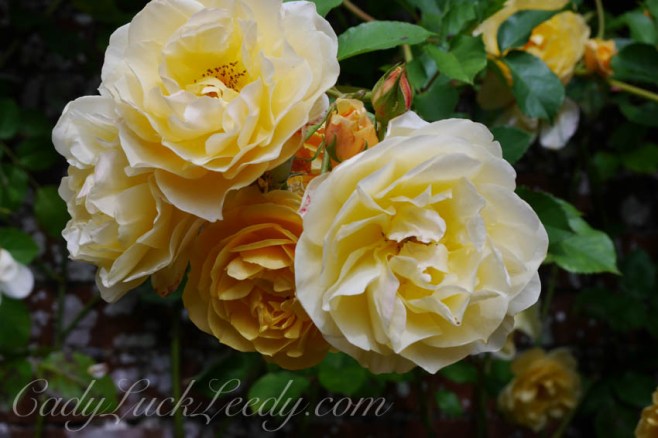
Without a doubt my favorite flower was this one!

Pashley Garden, Ticehurst, UK

Pashley Garden, Ticehurst, UK

Pashley Garden, Ticehurst, UK

Pashley Garden, Ticehurst, UK

Pashley Garden, Ticehurst, UK

Pashley Garden, Ticehurst, UK

There were sculptures everywhere!

Pashley Garden, Ticehurst, UK

Pashley Garden, Ticehurst, UK

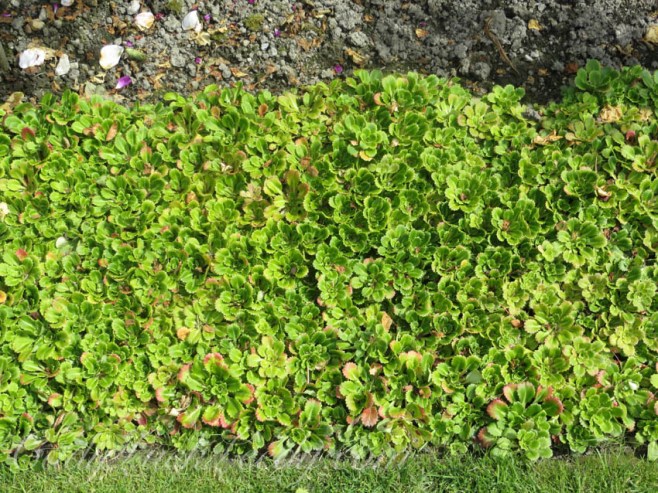
This was my favorite groundcover, saxifragis x urbium.  It is called “London Pride,” and has been grown along garden paths since the 1700’s. It has a fragile, spiky, soft pink flower in spring. Many of the elderly folks are drawn to this plant because they are reminded of their time in the war and Noël Coward’s song, by the same name, recorded during the Blitz. Cuttings from this plant quickly re-colonized at bomb sites and reminded Londeners that they too could re-build and move forward!  Listen to it Here! Do any of you remember it? The video and music is a tear jerker!

Pashley Garden, Ticehurst, UK

London Pride, Pashley Garden, Ticehurst, UK

There is so much to see and admire in this garden. We’ll be back tomorrow! See you in the garden!


Honoring the Dead: Graveyards; The Old Jewish Cemetery, Prague

Prague Cemetery

The Old Jewish Cemetery, Prague, The Czech Republic

Old Jewish Cemetery, Prague, The Czech Republic

Old Jewish Cemetery, Prague, The Czech Republic

Old Jewish Cemetery, Prague, The Czech Republic

Old Jewish Cemetery, Prague, The Czech Republic

The Old Jewish Cemetery is the largest Jewish cemetery in Europe and one of the most important historical monuments in Prague.

Starting at the middle of the 15th century, the gravestones record is a continual time line of burials. The final gravestone is dated 1787.

For more than three centuries in which the cemetery was in active use, it struggled with lack of space. Respect for the dead does not allow for the abolishment of old graves. When space ran out and Jews were no longer allowed to buy more ground, they had to gain space in other ways. Another layer of soil was heaped on the old graves and more people were buried! There are sections in this cemetery twelve layers thick! The older graves remained intact this way, and some of the older headstones were moved to the new higher surface. This explains the dense forest of gravestones that one sees today. The surface of the cemetery is much higher than the surrounding streets and retaining walls are necessary to hold the soil and graves in place. This is one of the saddest and most unusual graveyards I have ever visited.


Thursday Doors: Prague

Prague, Czech Republic

Prague,  The Czech Republic

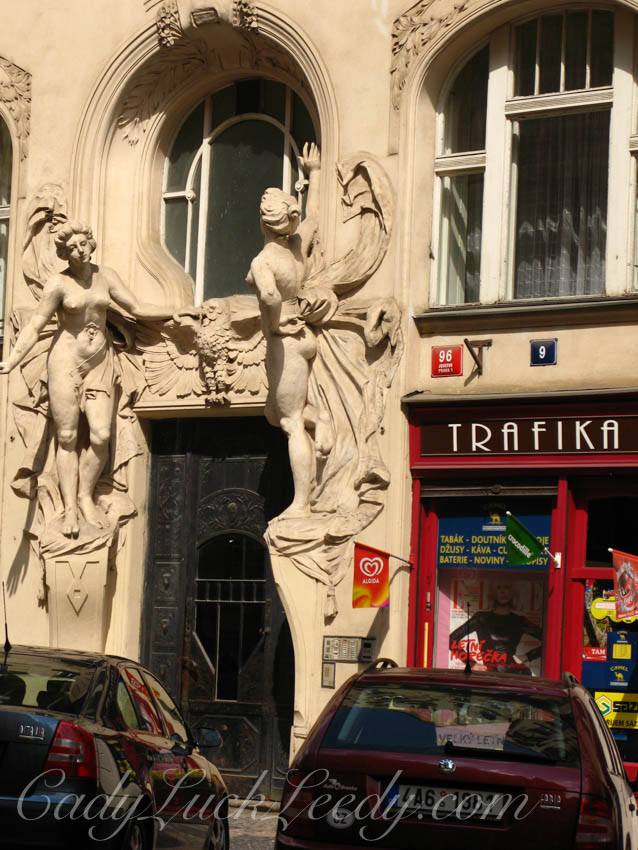
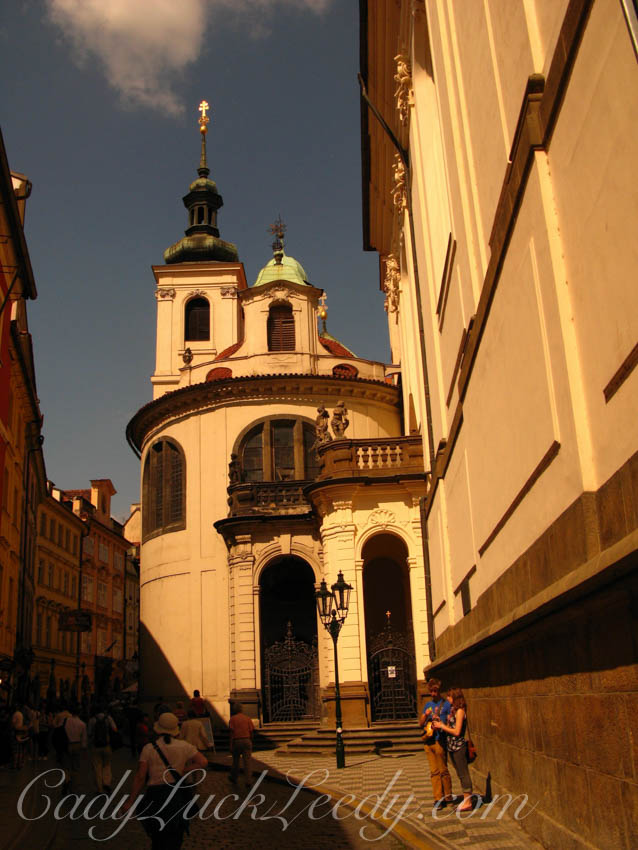
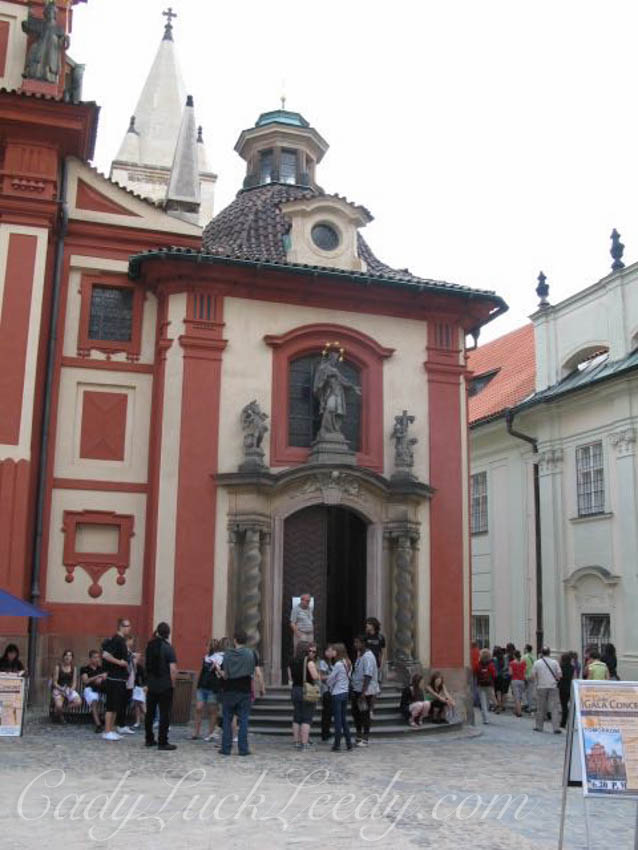
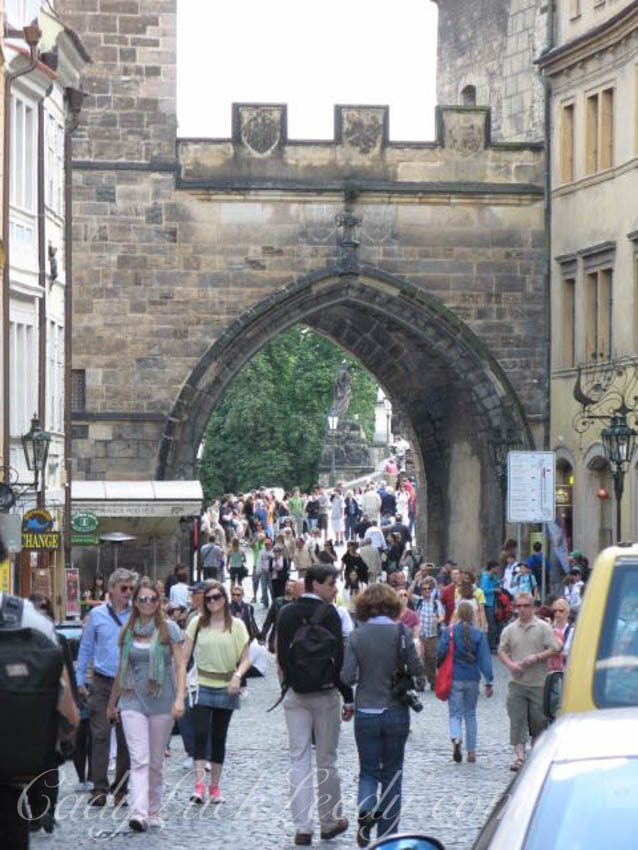
Prague is an architect’s dream! You can’t just take a picture of a door here without getting the scope of the entire building! What beauty! It is quite the tourist destination so many photos will also feature Tourists! I took these photos before I got into the habit of getting up early to take photos before the tourists arrived!

Prague, Czech Republic

Prague, The Czech Republic

Prague, Czech Republic

Prague, The Czech Republic

Prague, The Czech Republic

Prague, The Czech Republic

Prague, Czech Republic

Prague, The Czech Republic

Prague, Czech Republic

Prague, The Czech Republic

Prague, Czech Republic

Prague, The Czech Republic

Prague, Czech Republic

Prague, The Czech Republic

Prague, Czech Republic

Prague, The Czech Republic

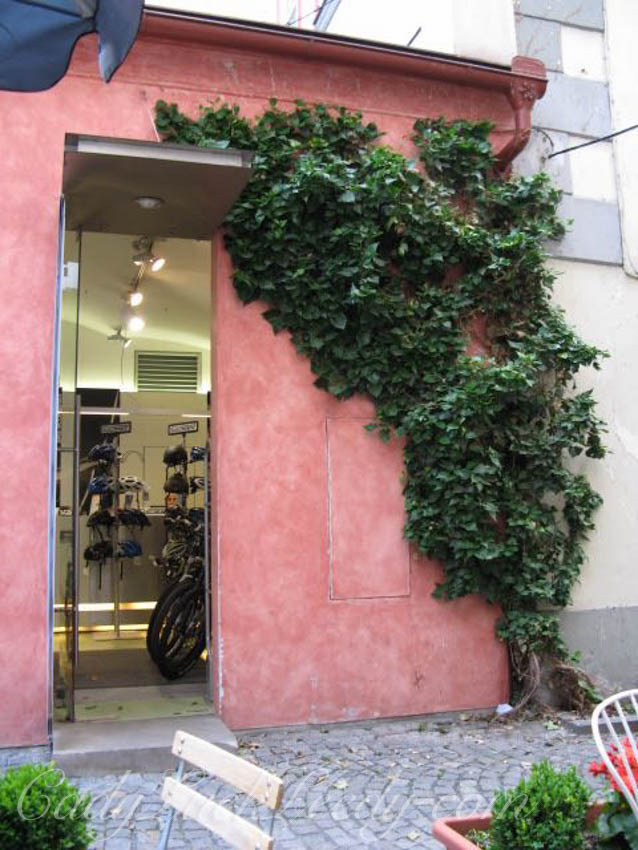
Prague is a blend of old and new. This pink building is a motorcycle shop!

Prague, Czech Republic

Prague, The Czech Republic

Prague, Czech Republic

Prague, The Czech Republic

Prague, Czech Republic

Prague, The Czech Republic

Prague, Czech Republic

Prague, The Czech Republic

Prague, Czech Republic

Prague, The Czech Republic

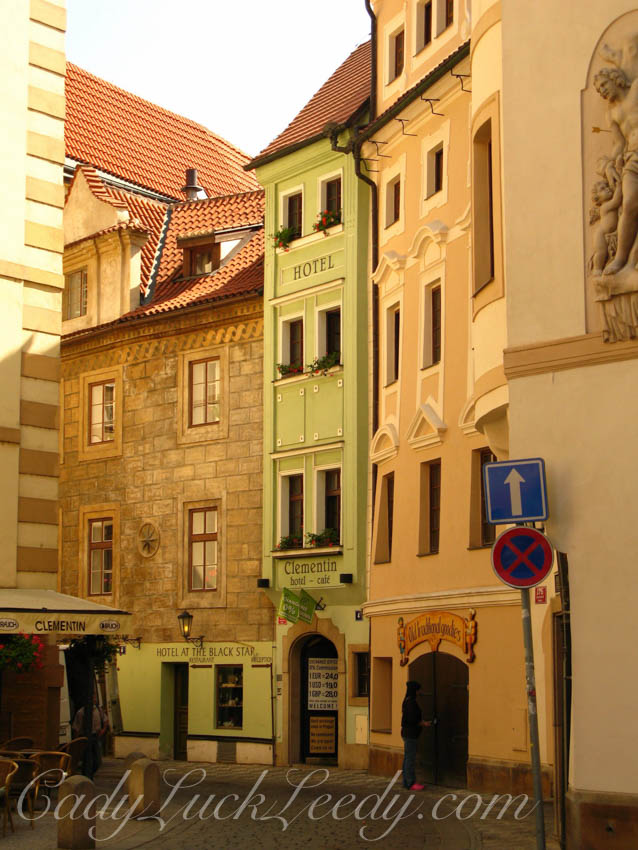
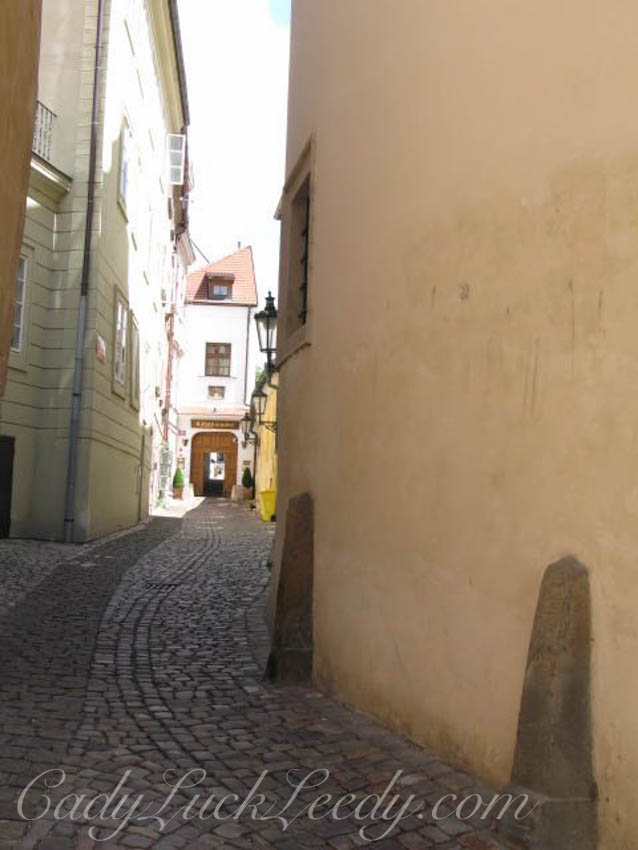
Prague is a place of many doorways to another doorway! And I love all the cobbled, tiny streets! This was the way to our hotel…….

Prague, Czech Republic

Prague, The Czech Republic

And this was the door to the hotel!

Prague, Czech Republic

Prague, The Czech Republic

And there is a door on the famous Prague Astronomical Clock!

The Astonomical Clock, Prague, Czech Republic

The Astronomical Clock, Prague, Czech Republic

The medieval astronomical clock can be found in Old Town Square. Legend says Hanus, the clockmaker, made the clock that was so admired by everyone, but he refused to show anyone how it was made. When he decided to build an even better clock the city officials became jealous and blinded him so he could not finish the clock. He then damaged the astronomical clock in revenge, and no-one was able to repair it.

The Real history of the clock is this. In 1961 an old document was found which described the clock and said it was made by Mikulas of Kadan in 1410.  It was repaired and improved over the centuries, but eventually it was so faulty, it was mostly not working at all, and by 1780 it stopped working altogether. In 1865 major repairs were made to the clock and in 1945 the clock was damaged heavily during the war.  After the war the clock was repaired and the striking of the clock was changed from Old Czech Time to the Central European Time.

The wooden figures of the apostles appear in the windows every hour and some of the other sculptures move. Death holds an hourglass, vanity is a man with a mirror, Miserliness is a man with a moneybag. There is also an astronomer, chronicler, philosopher and angel. When the apostles finish their journey, the golden rooster crows and flaps his wings, the bell rings, and the clock strikes the hour.

The Astronomical Dial shows the medieval perception of the Universe: the Earth is the center. The blue part of the dial represents the sky above the horizon, the brown part the sky below it.

There are three circles on the dial showing different times. The outer circle shows Italian time and the inner circle shows “Babylonian Time,” the length of an hour differs there according to season……longer in summer and shorter in winter. This clock is the only one in the world that measures it. The little star by the zodiac ring shows the fixed stars.

The newest part of the clock is the Calendar Dial. There is the Prague Old Town symbol in the centre. The rotary outer circle describes every single day of the year, and the current date is indicated at the top. There are also medallions with zodiac signs and pictures depicting every month. Wow, this is quite the clock!

This is just one of many photos in the Thursday Door Collection featured by Norm2.0!   Won’t you join in or take a peak at all the doors?

THE SPECTACLED BEAN

Tales, Thoughts + Tribulations of a Free Spirit in Suburbia

Walking Away

Travels on foot

Teacher nickname: The Three Hairs

Minding my mind, one thought at a time.

Tra Italia e Finlandia

Un lungo racconto fotografico.

seanbreslin.jp

Photography, hiking, walking, and cycling across central Japan — from quiet mountain paths to everyday life around Nagoya.

Lost in Translation

Looking for meanings in words, images and sounds

Journeys with Johnbo

Reflections on places traveled and photos taken.

M/VGratitude

Cruising with the Thyrre Family

Caroline's Travel Adventure Blog

Where my Travels and my Blog merge together.

Just Me, Nobody Special

The mental meandering that cross my keyboard

Jennifer's Journal

Website & Blog of J. Kelland Perry, Author

Slow Shutter Speed

A photographic journey.

Ann Mackay: Inspired by Nature

Photography celebrating flowers, plants, and the natural world

Still Restlessjo

Roaming, at home and abroad

Fine for Friday

The Corner Garden

Picture This

Photography, Travel and Retirement

World Traveller 73

Upgrade Your Travels. First Class Luxury Travel from all parts of the Globe. Business Class Airline, Lounge and Hotel Reviews, Stories and Adventures

Rachel Meets China

A China travel and lifestyle blog