Travel, Gardens, Food, Photography, Books, Shoes

Posts tagged ‘Italy’

War in Val D’ Orcia

The Road to La Foce

The Road to La Foce

This will be my last review of books I read as part of the Travel Prep for Italy.  In 2009 my husband and I spent a week in a monastery outside of Montepulciano.  Surrounded by olive groves and grape vines this was our home base as we discovered the hill towns of Tuscany. It was ideal and everyday we jumped up and were ready to explore. At night we returned to visit with the other guests and compare notes over dinner.  Driving in Italy can be very hectic, the Italians I am sure get tired of the slow pokey tourist moving as slow as a snail so they can see everything.  One of the highlights of the week was our day trip to La Foce.  La Foce, bought in 1924, is a large estate with a sixteenth century farmhouse,  and the home of Iris Origo, an American, who with her Italian husband, Antonio, restored the  baked barren olive green landscape, neglected by soil erosion and wars between the Italian states, back to life. Fifteen years of hard work produced one central fattoria (farm), where the Origo family lived surrounded by fifty farms of one hundred acres each with each farmer sharing all produce with the owner,  but depending on the owner for a home, equipment and capital.  This was the mezzadria system of farming similar to sharecropping in the United States. Here Antonio Origo introduced modern farming techniques and managed the estate while Iris (the Marchesa) set up a school for the children and adults (eighty percent illiterate) and a hospital for their growing farmstead, eventually six thousand people in all. Then came World War II.

La Foce
La Foce

The Gardens of La Foce

The Gardens of La Foce

La Foce

La Foce

Gardens of La Foce

Gardens of La Foce

War in Val D’ Orcia, An Italian War Diary, 1943 -1944 written by Iris Origo is the story of La Foce and its inhabitants during the war and the build up to it.  It describes their life under the fascist administration of Benito Mussolini, who came into power in 1922, their move to La Foce and then their everyday life during the war,  trying to survive.  I think the most important fact for me was that Iris decided not to edit any of the pages she had written when the book was published, in 1948. Her papers were originally written  as a personal journal during her pregnancy, as a pastime, in the middle of domestic isolation and boredom. When the war came to the Val D’ Orcia, her writings became a way to concentrate and clear her mind by writing each days events as she had heard or witnessed them first hand. She left it as it was written, sometimes in scribbles, sometimes lengthy, written in the cellar, or in her children’s nursery, hiding the papers among the children’s books because she didn’t think anyone would look there and eventually burying her diary in the garden. Good or bad they did what they thought at the time was the right thing to do. Coulda, woulda, shoulda times and more.  Sometimes those decisions turned out for the best and sometimes not. She tells it all.

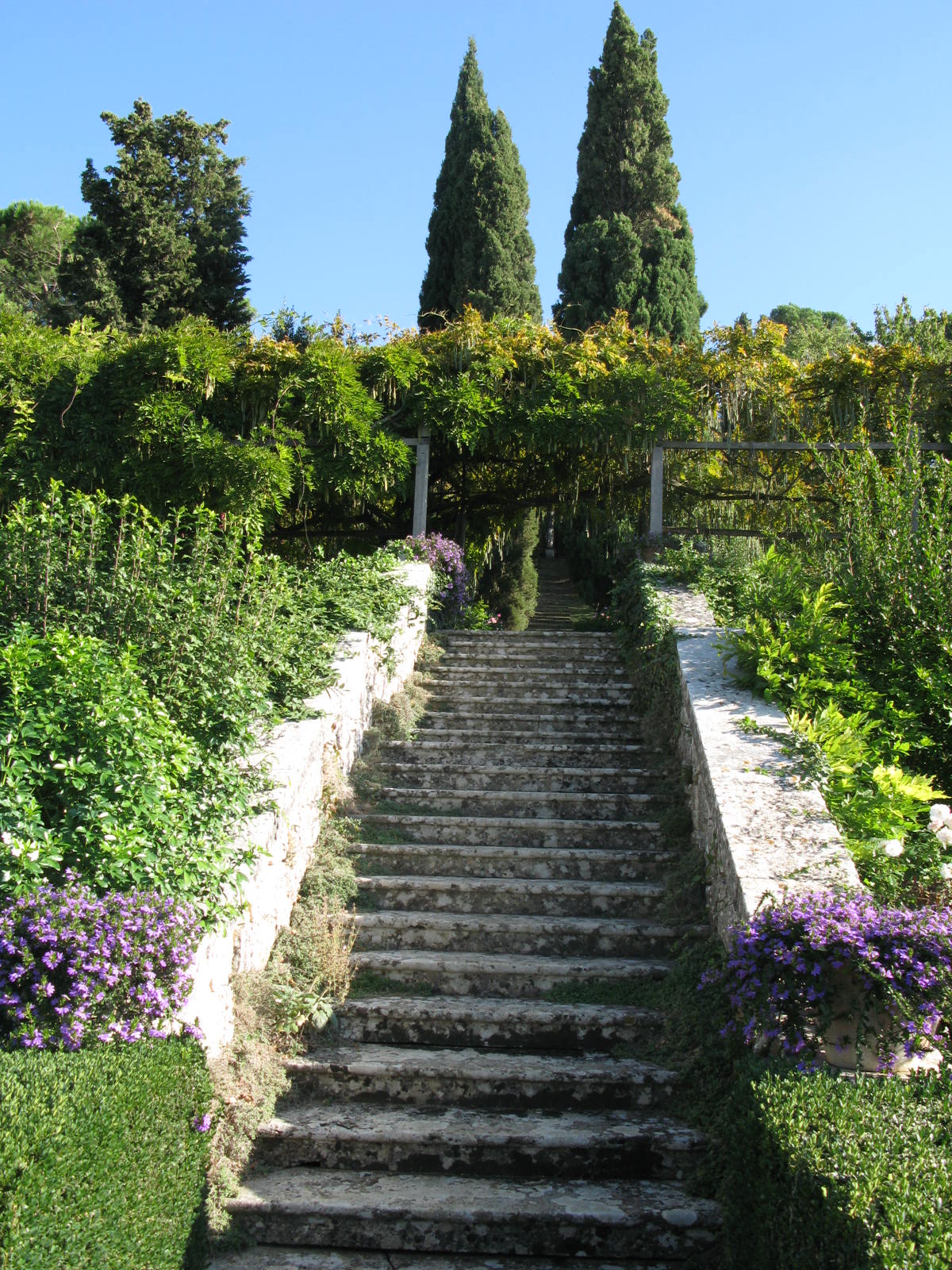
The road we took to La Foce was a two lane paved highway, surrounded by plowed olive green fields ( I have never seen a field that color before or since) bordered by the tall skinny plane trees, that everyone thinks of when they think of Italy. We zigged-zagged down that road and on the crossroads found La Foce,  a bright yellow cheery pallazzo, surrounded by beautiful gardens and a  pool flanked with lemon trees in big terra cotta pots.  We took the tour with an English speaking guide, walking through the gardens and learning about Iris Origo’s  garden design, statuary and the choice of flower variety for her garden. The estate was so beautiful, restful  and peaceful. During the tour, the guide mentioned that the marchesa had written several books. I looked them up when I returned home and was pleasantly surprised that one of her books, the War in Val D’ Orcia, was written in English. So I read the book after returning to the United States. Little did I realize, before reading the book, that the beautiful home of La Foce  and the families that lived there had seen so much hardship.
The Dirt Road

The Dirt Road

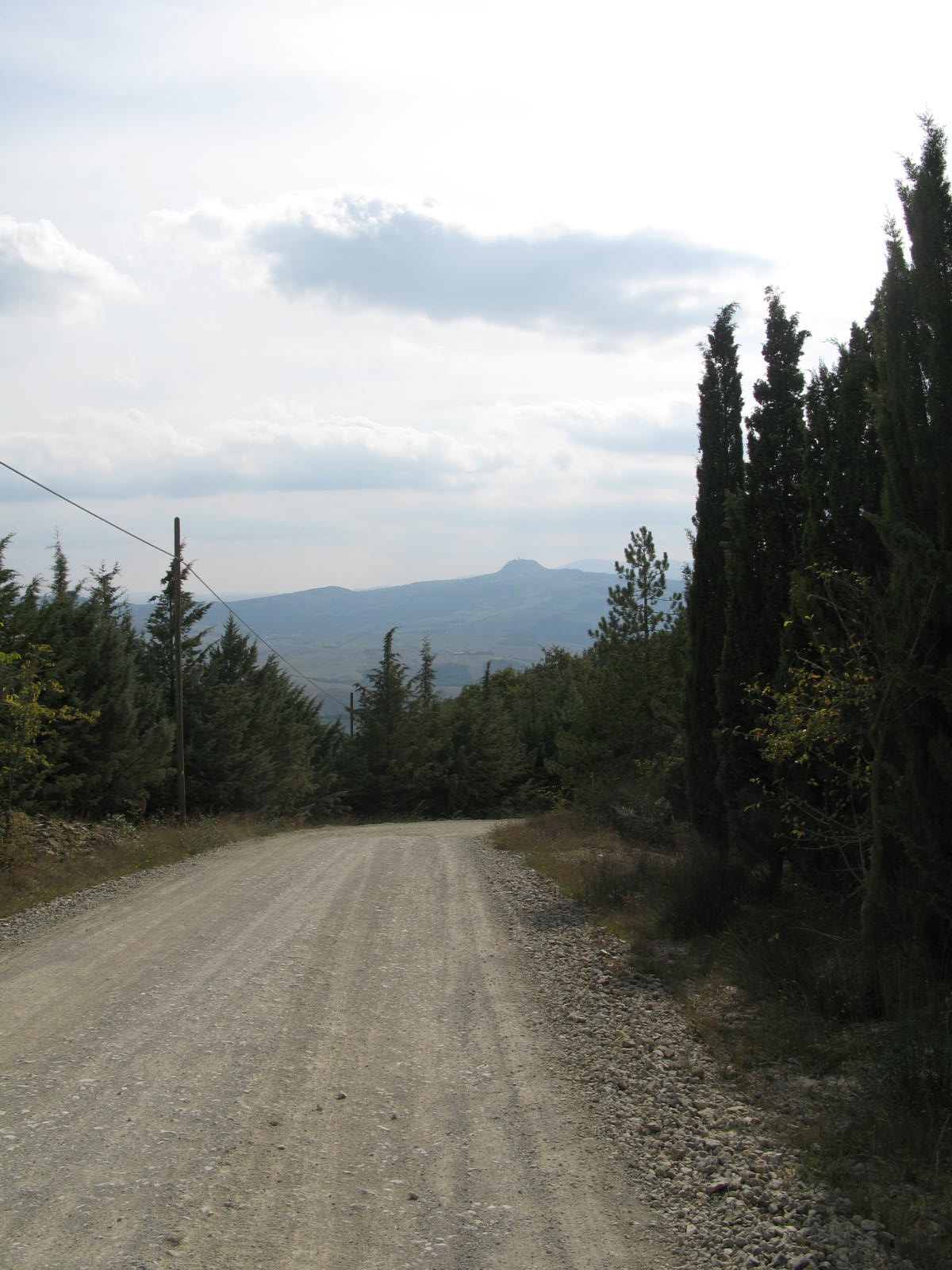
When we left La Foce, I thought I would give the Italians a break from driving an inch from my rear bumper and then speeding around me on the curves.  We took a dirt road.  I don’t think I ever saw a marking for any road except upon leaving the  North-South  A-1 corridor to and from Rome.  After you got off the A-1 you were on your own. Even with GPS in the car it was nearly a day before I realized that the beautiful sounding Italian voice was actually speaking English. English with a very heavy Italian brogue. Seena? Does  she mean the turn off for SI EN NA is this one?  See what I mean?  She pronounced cities that I was sure were not even on my map.  Anyway, the dirt road seemed like a good choice at the time and we were not that far from Montepulciano.  How bad could it be?  The juts in the narrow dirt road seemed to get deeper and deeper and larger and larger.  Sometimes I had to come to a complete stop and creep across them, the rental car bottoming out.  In the middle of nowhere we came to four or five houses and an old castle.  There was even one streetlight.  Who lived out here?  We stopped to look and to give the car a break.  When we started up again that dirt road seemed to go on and on. It was getting dark when we pulled into a farm lot.  The road had ended.  There were clothes hanging on the line and a tied up barking dog going crazy with our arrival.  The farmer (plaid shirt and everything)  came out in total disbelief that we were in his barnyard. Loudly in case we were deaf, but in rapid Italian and gestures he told me in no uncertain terms to turn around and go back.  I did.  We finally did find our way back to Montepulciano, but I want to find that road on my trip this time, because now I know after reading the book what it was.

Leading Up to the Castle

Leading Up to the Castle

I never thought of soldiers from many countries being prisoners of war in Italy. There were seventy thousand of them. Early in the war the Fascists in compliance with the Germans informed the Origos that their home would be used to house the P.O.W.s.  A high ranking official came to look the place  over and decided he would be more comfortable at the castle up the hill.  The Origo family and their tenants would be in charge of feeding them, and caring for them. The peasants kept them alive and helped them escape. General O’ Connor wrote after the war, “ I can only say the Italian peasants and others behind the lines were magnificent.  They could not have done more for us.  They hid us, escorted us, gave us money, clothes and food – all the time taking tremendous risks.  Without their help it would have been impossible for us to live and finally escape.”

Iris had the hospital, meager supplies and the only nurse. This is not to say she helped only the Allied forces, but also young Italians, who took up arms against the regime and joined partisan groups, (she hid them in her forest, fed them and reported movements of troops from either side). She also cared for wounded German soldiers stranded from their units.  Yes, she tells all about that castle and what went on there.

When Genoa and Turin were bombed and seeing heavy fighting the city dwellers begged  those people who lived in the country to take in their children.  The children would be safe, in the middle of Italy, so far away from the fighting, or so they thought.  La Foce  and Iris Origo took twenty-six children in, in addition to the two she had of her own by then. Eventually, when the American forces landed near Rome and moved north, the war came to her doorstep literally. As the war raged close to  La Foce, she walked the children to safety in the hill town of  Montepulciano, as the shelling went on all around them. The children were tied together so they would not get lost, and many of the children so accustomed to the bombing and planes thought they were playing a new game. After the war many men, from different countries, wrote her and told her they had survived the war thanks to her kindness.  I am sure the children, who for the most part were re-united with their families felt the same way.  There is a great deal to be learned of strength, determination and courage from Iris Origo.  She shares her life, simple acts of everyday life during a war, with the hope of human kindness. Her book is a must read.

P S   I hope I find that farmer too.  I have studied Italian for two years and will be learning more in Montepulciano.  Maybe we can discuss the weather!

The converted monastery  we stayed in was:  Sant’ Antonio/The Country Resort, Via della Montagna 6/8, Montepulciano, Italy.  Web site:  http://www.santantonio.it
Pinocchio and Pizza

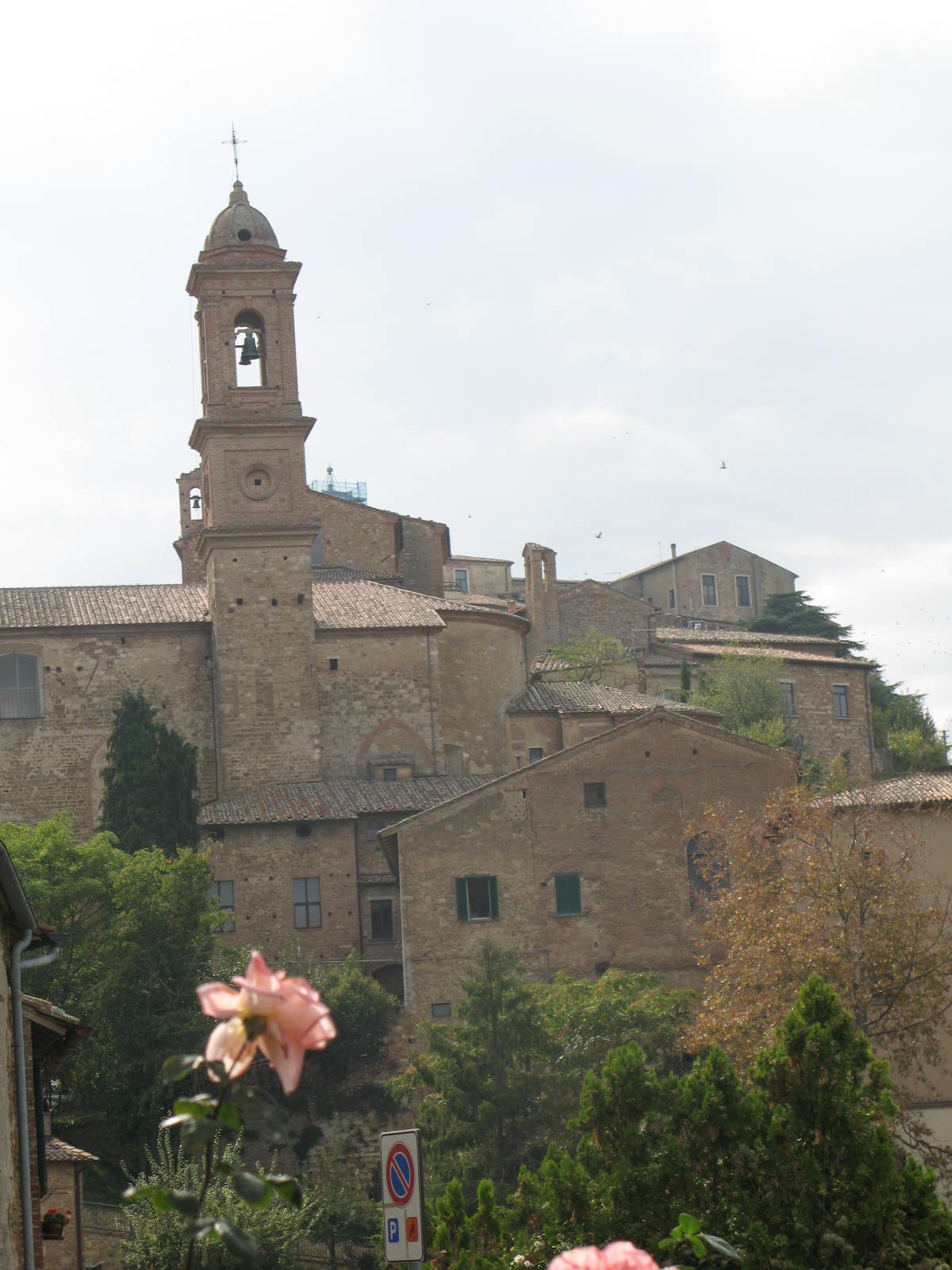
Montepulciano Italy

Montepulciano Italy

I would rather eat a fresh baked piece of bread than just about anything. To tell the truth, I could eat an entire loaf if left to my vices.  For Italian bread lovers there is focaccia, ciabatta, pizza. FCP. I love it all.  Italian rustic bread with olives and rosemary, bring it on.   In Florence I was first introduced to Ribollita, day old bread covered in a tuscan vegetable soup (reboiled day old soup).    Italy is famous for using day old bread/ no salt bread, in their dishes and I was curious about this. In one of the most popular places for cuisine on earth, recipes have developed from a history of malnutrition and hunger. During the war, the working class lived on what they could gain from their meager rations and gather from the land.

The cookbook, Cucina Povera, by Pamela Sheldon Johns, tells the story of Tuscan peasant cooking.  Simple dishes inspired from fresh seasonal ingredients, cooking and eating in season. It is also a history book and picture book.  Traveling throughout Italy Johns interviews older people to see how they managed during hard times. They tell heart warming stories  and share their recipes and how they cook and how their parents cooked in days gone by. The photographs capture the Tuscan countryside, the families, and the prepared dishes. Most of these men and women ate bread that was baked in the community forno (furnace/oven) once a week.  Salt, which was highly taxed, was too expensive to use in bread.  It  was needed for curing meat and making cheese, not making bread.  Bread made without salt quickly dries out, because the salt holds in the moisture. Nothing was wasted, so dishes prepared including  dried out bread were essential for survival. From these facts classic Italian recipes were born.  Panzanella anyone?  Bread salad made from day old bread, tomatoes, cucumber, onion, olive oil and basil. I can not wait!

Uptown Montepulciano Italy

Uptown Montepulciano Italy

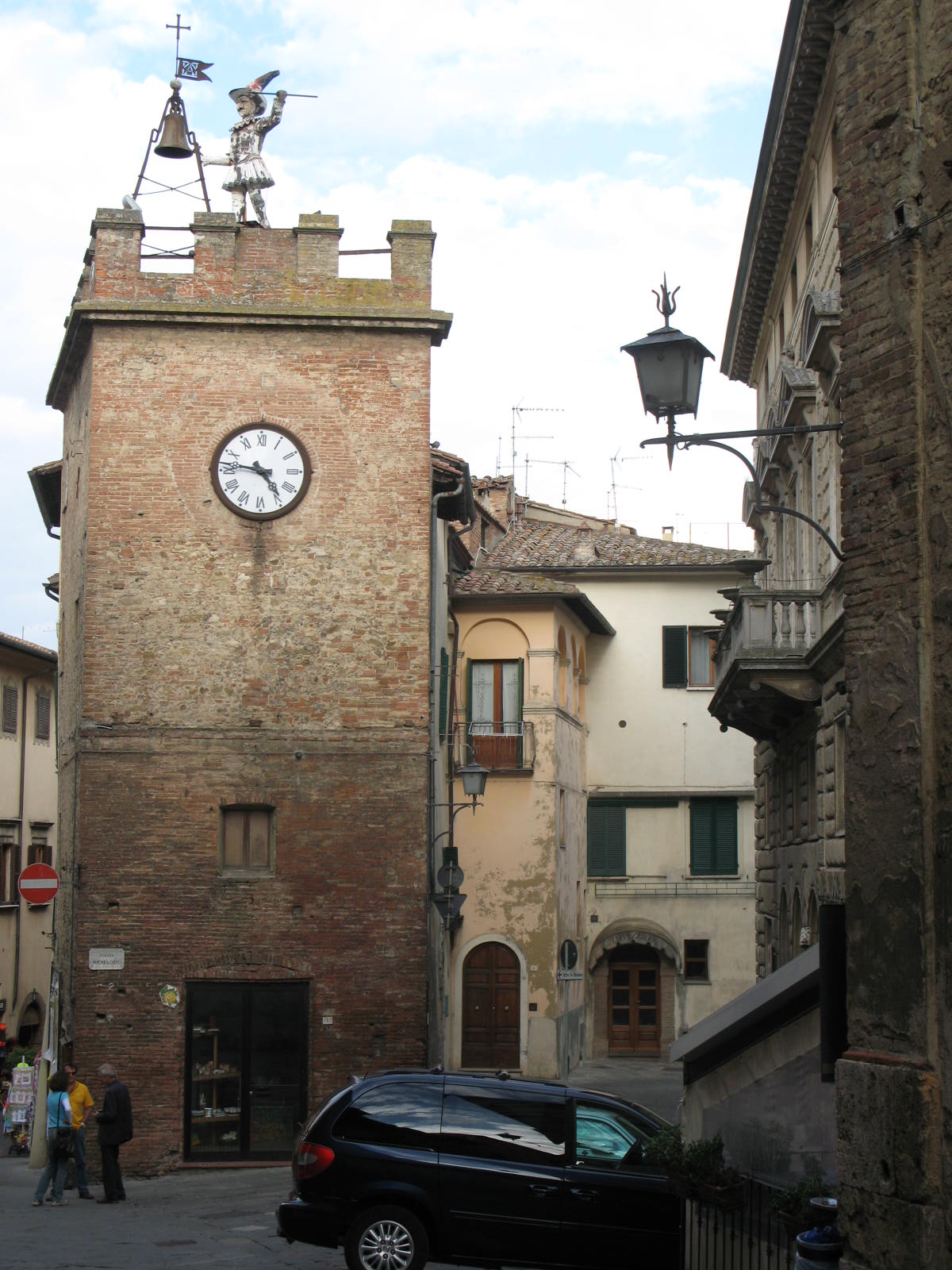
Pamela Sheldon Johns, the author of Cucina Povera, owns a bed and breakfast (I wanted to write Bread and Breakfast) called Agriturismo (Farmhouse) Poggio Etrusco and teaches cooking classes there. It is located outside Montepulciano, Italy where I am going to a language school.  I will not have a car while I am there and did not know about this place when I made my arrangements for the school, otherwise I truly would have considered staying there.  She speaks very highly of the village cobbler, Virio Neri and he speaks highly of his mother’s cooking. These are pictures of Montepulciano, where I will be living for almost a month.Italy Sep _ Oct 2009 392 Italy Sep _ Oct 2009 393

Notice the guy on the roof that looks like Pinocchio? I wonder if that is who he is?  Pinocchio can be found in full glory all around Florence. So maybe he is here too?
Carlo Collodi, the pen name of Carlo Lorenzini, was born in Florence, Italy in 1826.  He wrote   de Avventures di Pinocchio. (Italian spelling). It was published in a weekly newspaper written for children called, Il Giornale per i Bambini.  In the early versions of Pinocchio, Pinocchio was made of bread, not wood, and at the end of the story he was hung.  A little radical for a children’s fairy tale.  So the story  was re-written and Pinocchio was fashioned from a piece of wood and taken care of by the carpenter/woodcarver, Geppetto.  As we all know reading Pinocchio, all he wanted was to be a real boy and go to school. Well we know his nose grows when he lies too.  I think all Pinocchio wanted was to be a real boy and EAT bread and pizza. I am going to try to find Mr. Neri, in Montepulciano. After all, he is the carpenter of Montepulciano and he cooks.

My Take on Magnificent Corpses

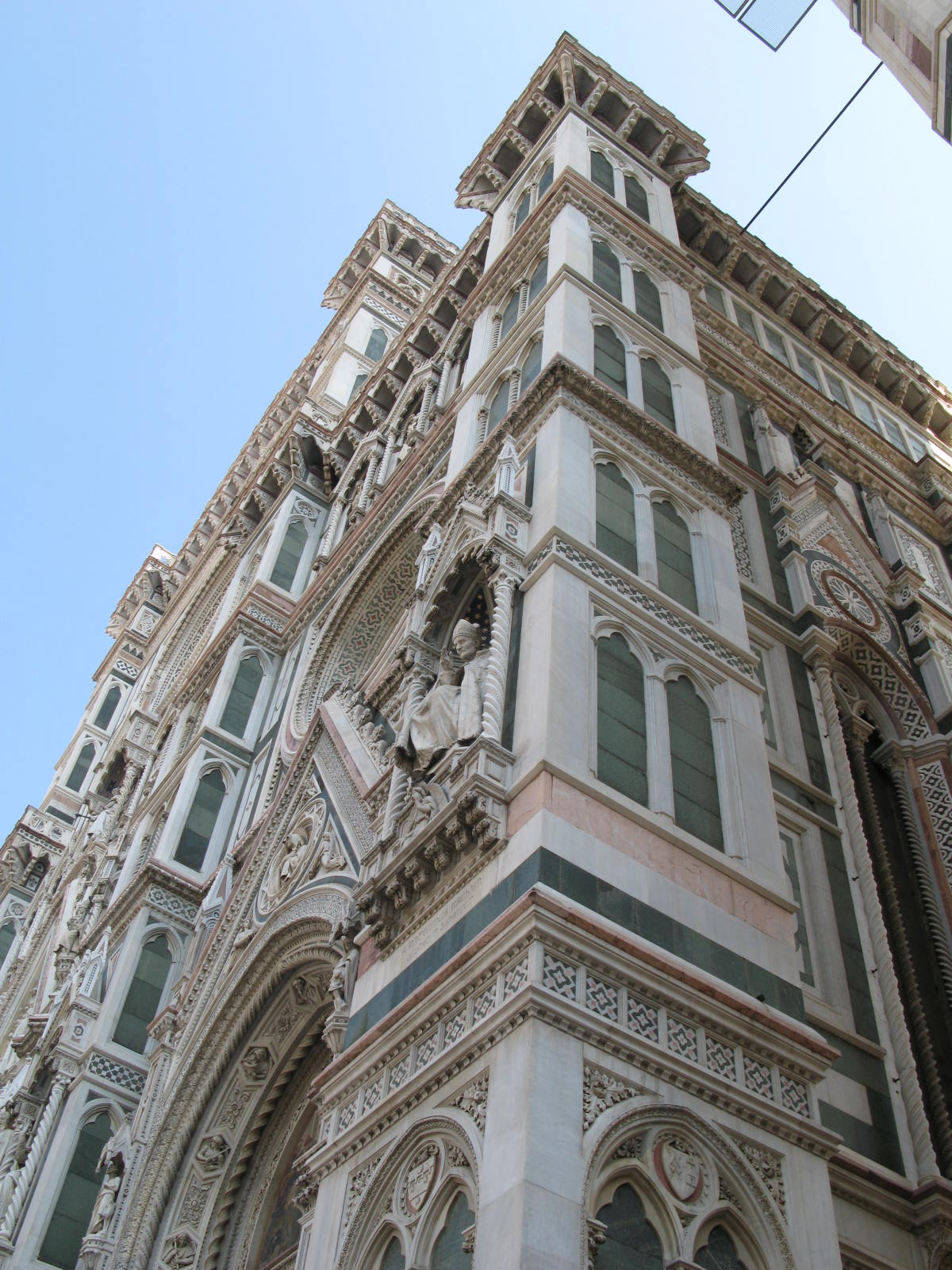
Duomo Florence Italy

Duomo Florence Italy

The Duomo, Milan, Italy

The Duomo, Milan, Italy

The Duomo, Milan, Italy

The Duomo, Milan, Italy

I find myself drawn to historical books (and some not so historical) about saints, pilgrimages, the Medici clan, Leonardo da Vinci and the Catholic Church. All throughout Italy there are beautiful small churches, grand duomos, magnificent basilicas, filled with beautiful earth shattering art and sculptures. When I was in high school I had to take an art appreciation class as a freshman and I hated it. Pictures in a book. However, when I went to Italy and saw the real McCoy I wanted to know more.  Who were the painters, the sculptors, the saints?  What did it all mean? In the churches I had known,  there might be a small cross, maybe a statue of Mary, or stained glass windows of Jesus as a shepherd with baby lambs. Church buildings looked to be a gymnasium. You get the picture. The Italian church soared into an azure sky, the pink marble glistened in the sun, the saints peered down at you.  In Italy the fresco scenes were filled with gnashing of bodies or cherub angels floating across an Italian landscape.  Sometimes both in the same scene. The detail and brilliance of color and depth in the scenes of people in deep distress or in a trance beyond words was captivating. There were armored men going on crusade urging their followers forward. A woman standing steadfast while  holding  the bloody head of a man in her gnarly strong hand.  The  man  triumphant over the defeated slain dragon. The pictures became real.  The pictures told stories.  You didn’t even have to know the story, you got the message. No matter what language you spoke, words weren’t necessary.  The frescoes and paintings said it all. Passion.  Faith.

The Duomo, Milan, Italy

The Duomo, Milan, Italy

And I wanted to know more about those bones.  Those pieces of bodies and what they were there for.  I think the first relic (term for holy bits and pieces of people or their clothing) I remember and payed any attention to, was inside a tiny glass window lit up in an alcove in a small exit way leaving a church. It was a hand.  I thought well that is odd and went up closer to take a better look.  It was a real shriveled up cut off hand.  I wasn’t sure what to do. I looked around me. Do you act like you didn’t see it?  Ho hum that’s nice. Do you drop to your knees and pray?  Why was that there? I was taken back.  I had to know more. So I decided to read up on it. Hence, I started reading that………

During the early years of the church, the body parts of holy people were highly prized and sought after for their healing powers, and brought fame and followers to any church that presented these body parts or even the clothing these people wore. Remember the man touching Jesus’  clothing and being healed?  So rich patrons and crusaders scoured the holy lands and returned with their riches to put them on display in their local churches.  Or perhaps a holy person died and was buried on the spot. Believers came to this site to pray.  A church was built. More people came.   The believing flock became the first tourists.  In those days the only reason to leave home was to go to war or go on pilgrimage.  Sometimes a penance of traveling to a particular holy place to pray, repent and receive forgiveness was given to the sinner. The penitent had a lot of time along the way to think things over.  The road was not easy. Some would be killed along the way and would never return to their homeland. The Holy Land was too far for most.  Rome was a good choice, centrally located, and the Way of St James or the Camino de Santiago through France and Spain was best for others. Most of the people could not read or write.  Story telling frescoes, awe inspiring churches rising to the heavens to meet God and the bodies of saints brought the people to the churches. My adventures to following the saints in books began with………

Sant Bartholomew

Sant Bartholomew

A Stolen Tongue by Sheri Holman, documents the travels and travails through the journals of Father Felix Fabri to find his spiritual mate Saint Katherine of Alexandria. Her  broken body parts are scattered in several churches and have gone missing.  He carries her dried up tongue in a pouch around his neck. He needs to find her. Need I say more?  Who would not want to know what happens along his path? I was hooked.

Over the years I have read  The Holy Feast and Holy Fast, Religious Significance of Food to Medieval Women by Caroline Walker BynumHoly Holidays; the Catholic Origins of Celebration by Greg Tobin,  Why Do Catholics Eat Fish on Friday?: The Catholic Origin to Just About Anything by Michael P. Foley, Catholicism for Dummies by John Trigilio and Kenneth BrighentiThe Name of the Rose by Umberto Eco, and just about every book written about the Way of St James or El Camino de Santiago. I have studied the saints……. and their

Magnificent Corpses. This book written by Anneli Rufus is a travel book with a difference.  It encourages you to seek unheard of places contemplating on life and relics of life and what we regard as holy.  Anneli focuses not only on the saints, but on  the people who come to see them. She follows fifteen of the saints through Italy.  So what does this all mean?  If you build it and believe it,  they will come.  And we do. Abundantly.

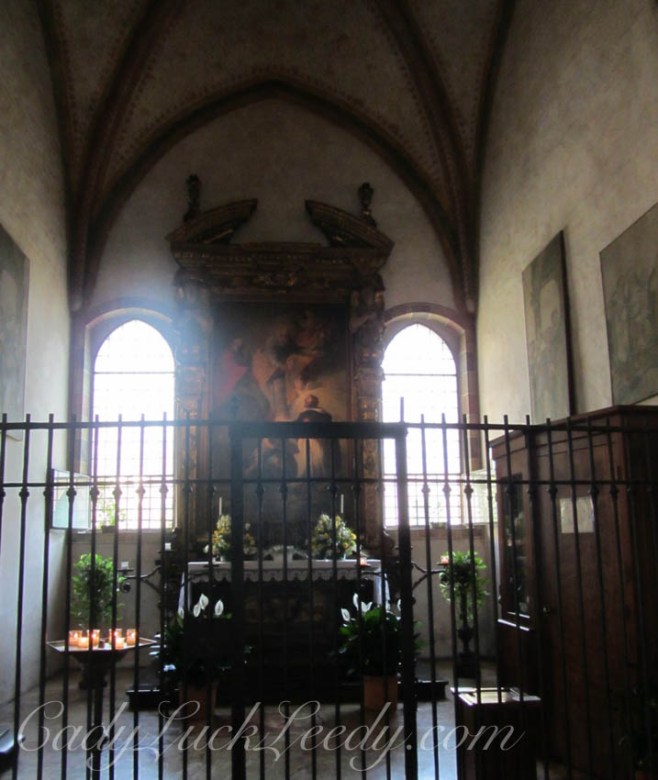
Church, Milan, Italy

Church of Santa Maria delle Grazie, Milan, Italy

Books and the Mafia

Cortona Italy

Cortona Italy

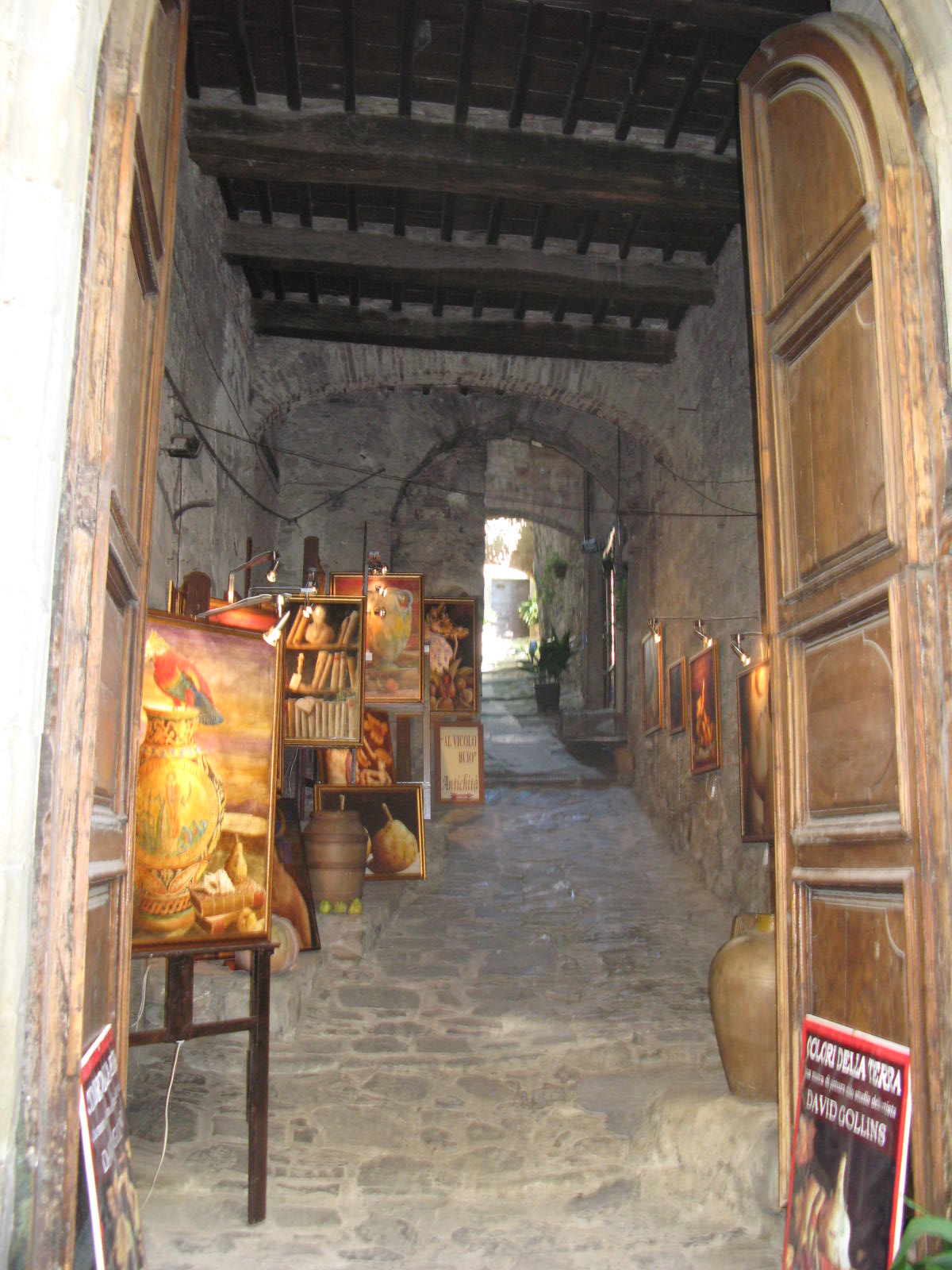
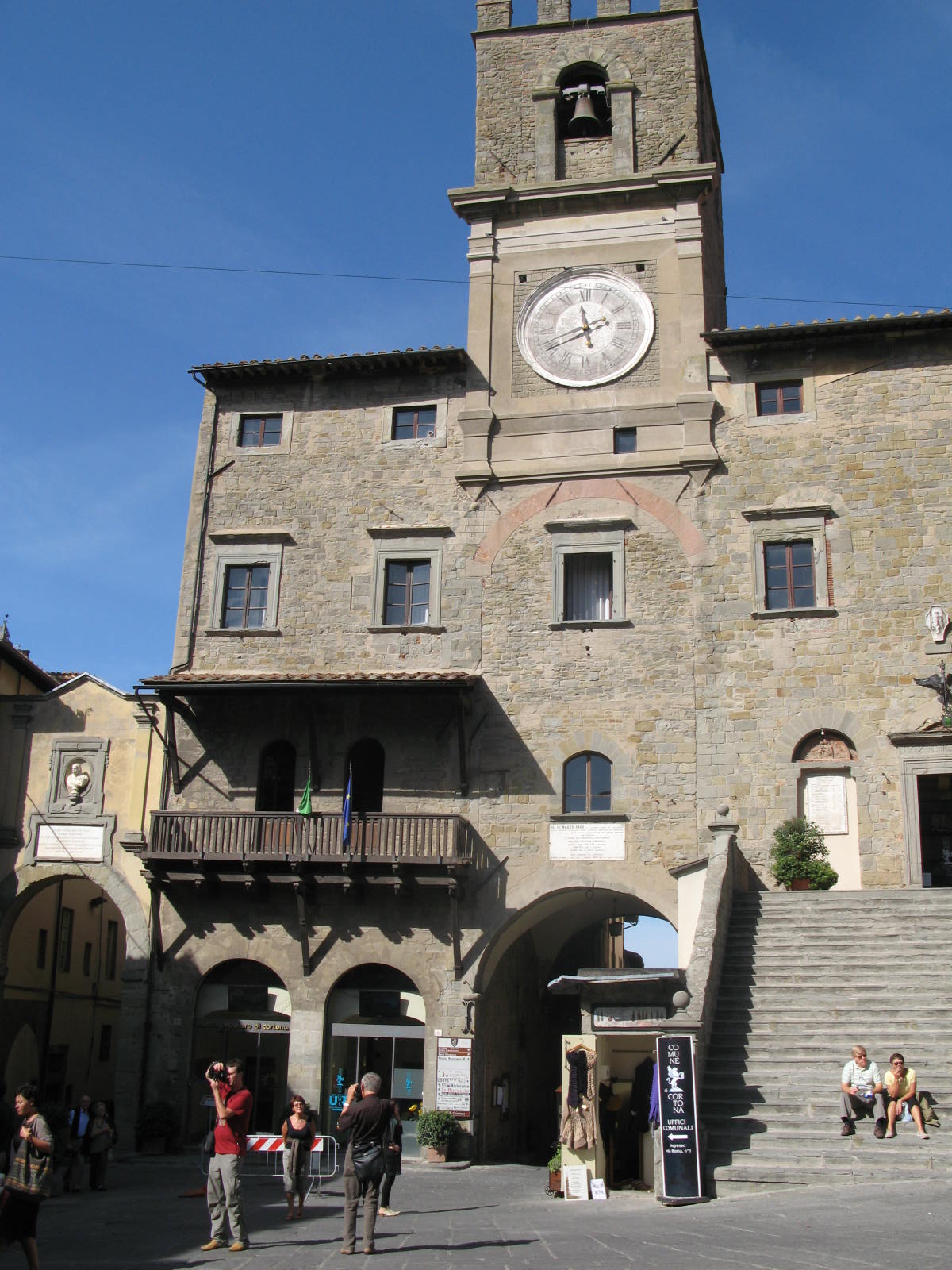
I think this is a good place to talk about the book reading prep  I have done for the trip to Italy. Not just this time, but over the years. I love to read and cook, except by now you know I’ve been doing the Nutrisystem thing since January 1st, I have that day etched in my mind,  so I just read the cookbooks for now.  I’ m saving up the eating part for Italy.  My book choices are varied because I like history and mysteries too and of course I have to read the books that talk about people who have actually moved to Italy.  There are lots of books to pick from, but these are the books that stuck in my mind. Years ago I read  Under the Tuscan Sun, At Home in Italy by Frances Mayes, after I saw the movie.  I knew then and there I would go to Italy. I was enthralled by someone who could find a villa, fix it up, live amongst the land and people.  Who hasn’t seen that movie or read the book? Since reading that book I have been to Italy several times and visited Cortona, where Frances Mays lives.

The Church Below Cortona

The Church Below Cortona

Italians really do have their own time. Italian time…… slow to slower, to never get on with it.  Nothing is ever easy.  It gets done when it gets done. It would take a lot for me to get used to that as an everyday occurrence. Frances has written several more books about her  stay In Italy, learning to cook, growing her own food, keeping a slower pace, and I have read them all.  Then she wrote about the pool incident.  The village wanted to place a public pool at the end of the dead end lane where Frances lives.  She already had people and bus traffic from tourists who parade by her home. She thought it would just add to the congestion. She tells stories of how she can hear what the tourists are saying about her as they stand by the gate and she sits in one of her rooms. Anyway, she wasn’t crazy about the pool idea and neither were her Italian neighbors.  So she did the American thing and put together a petition, opposing the pool, to present to town hall.  Her Italian neighbors would not sign it. She couldn’t really understand this and decided it was because they did not understand the idea of a petition.  Soon after, while picking up the stuffed animals and other souvenirs left by tourists at her gate, she picked up an oblong shaped grey thingy, not really paying too much attention to it.  When she looked at it more closely she realized it was a hand grenade, and froze in her tracks, afraid to move any further.  Attached was a note telling her to lay off with the petition stuff.  The  police were called for a bomb threat.  The bomb disposal / explosive ordinance team arrived.  The grenade was real but inactive. There was a follow up investigation.  The police drew no conclusions to who may have placed it. Finally, one brave neighbor explained  to Frances, there were certain people you did not cross when they wanted to do something or approved of something. The Mafia.  It was her first realization that they exist and still play a part in Italian society. I began to re-think that I actually wanted to move  to Italy, because I usually say what I think and would have to pick up grenades everyday.

Cortona

Cortona

The Church in Cortona

The Church in Cortona

More of My Favorite Steps

More of My Favorite Steps

I moved on to Marlena de Blasi and started with her book 1000 days in Venice, an Unexpected Romance. Marlena, is my kind of girl, a chef, journalist and food critic.  She goes to Venice to work on a cookbook and falls in love with an Italian banker.  Through her books you discover the Italian life from Venice to Tuscany to Orvieto. You also discover life with an Italian husband.  Soon after they marry,  she moves to Venice and  he quits his job at the bank.  Or maybe he retires, they can retire early there, but anyway, from then on they rely on her book income and his retirement savings.  As her books have progressed from their move from Venice to Tuscany to Orvieto, I have felt an edginess develop after the writings of the early book.  In the early days there were romantic candlelit perfumed baths  taken together, regularly.  They enjoyed  long walks, holding hands, looking deep into each others eyes.

Now it is, “Marlena, you are spending so much money and you need to get away for a few weeks to write?”

“What, who buys all the fancy clothes? I don’t see your pay going for them!”

“Away from me?  Who will cook for me?  I have spent two years creating the perfect palazzo for you and you are going off to write?  You spend the money on silk furnishings and pillows!”

She  now spends more time with women.  Her books have really ran the gamut and I have enjoyed them. And she writes about the Mafia.  There it is.  How they came to be, the influence they still have. Now I have learned another thing.  I would not like being married to an Italian man. I have never taken a perfumed candlelit bath with anyone, and I would not like to take care of a husband as I would a child.  I would love to see my husband’s face if I suggested that to him, both the bath idea and the supervision! Another reason to love Italy, you realize there are different ways of doing things. When in Rome do as the Romans do. I find it fascinating. I hope this has given you an idea  for some great reads. As usual I have  typed on and on and never got to the cookbooks or mysteries, so I will leave that for my next post. Grazie!

All Roads Lead to Rome

All Roads Lead to Rome

Easter or Any Time in Italy

The Duomo in Florence Italy

The Duomo in Florence Italy

Italy Sep _ Oct 2009 163

Easter……..I thought I would share some pictures with you. It has been cold in the south the entire month of March to me. No rabbits, no eggs, no peeps. The birds are hardly looking for a mate. Or have they found their mate and are trying to stay warm? This is why I love Italy.  On every corner you are reminded of God, of something bigger than you.  In Rome there are nuns and priests everywhere all the time.  There are Cardinals in their bright red robes and some in magenta huddling in groups to discuss who knows what.  There are masses of people in the churches or waiting in line to get into church.

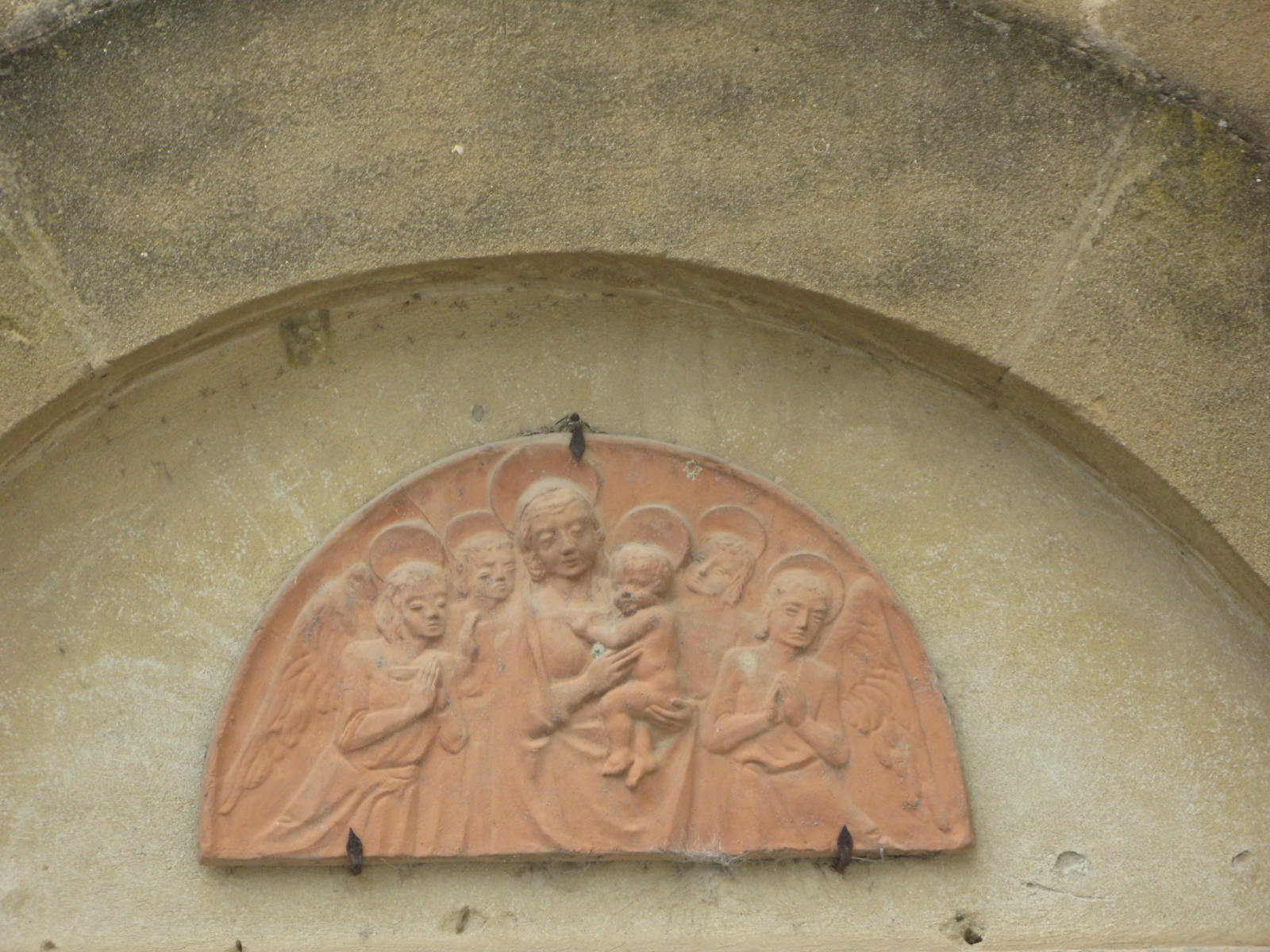
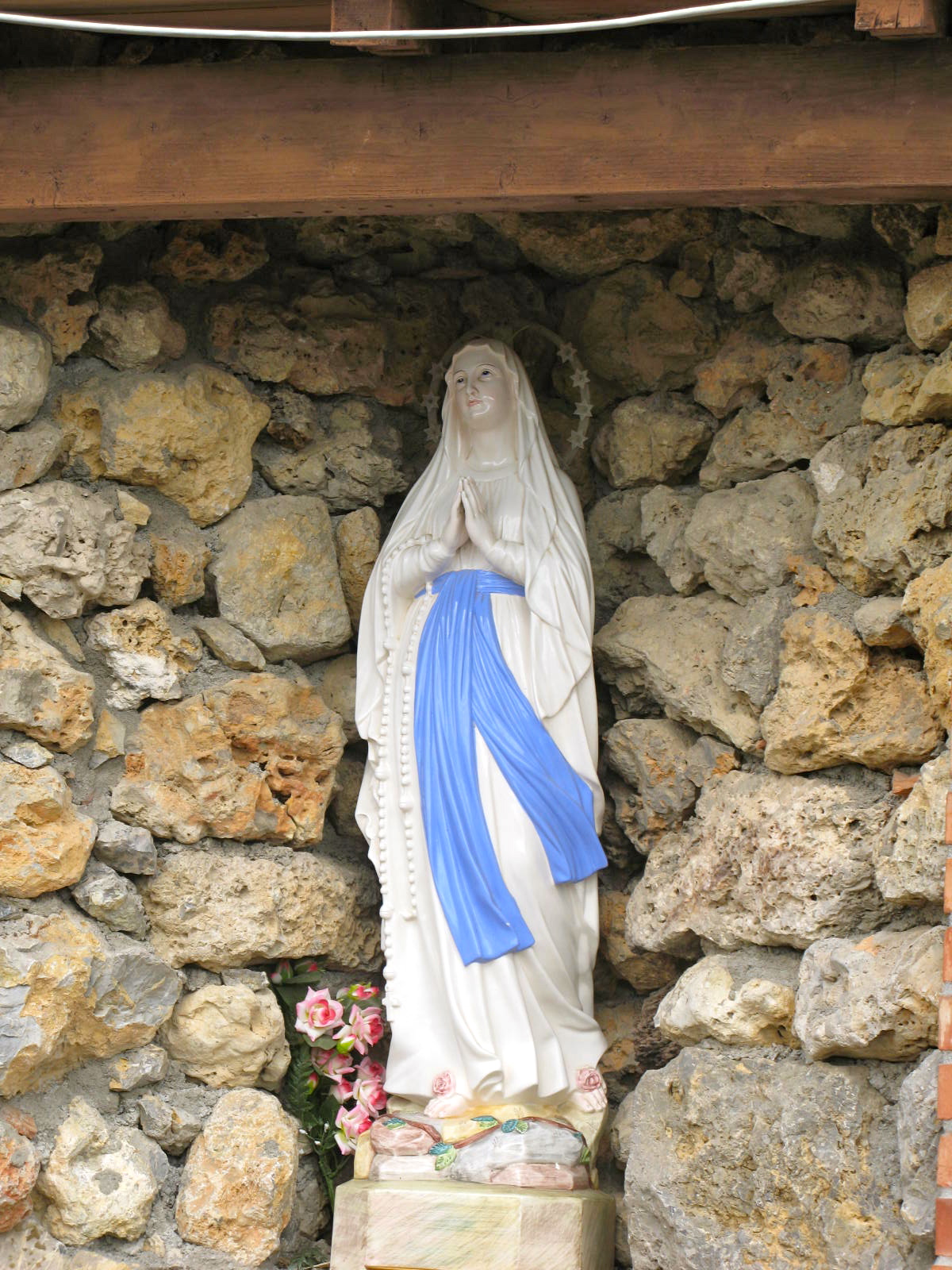
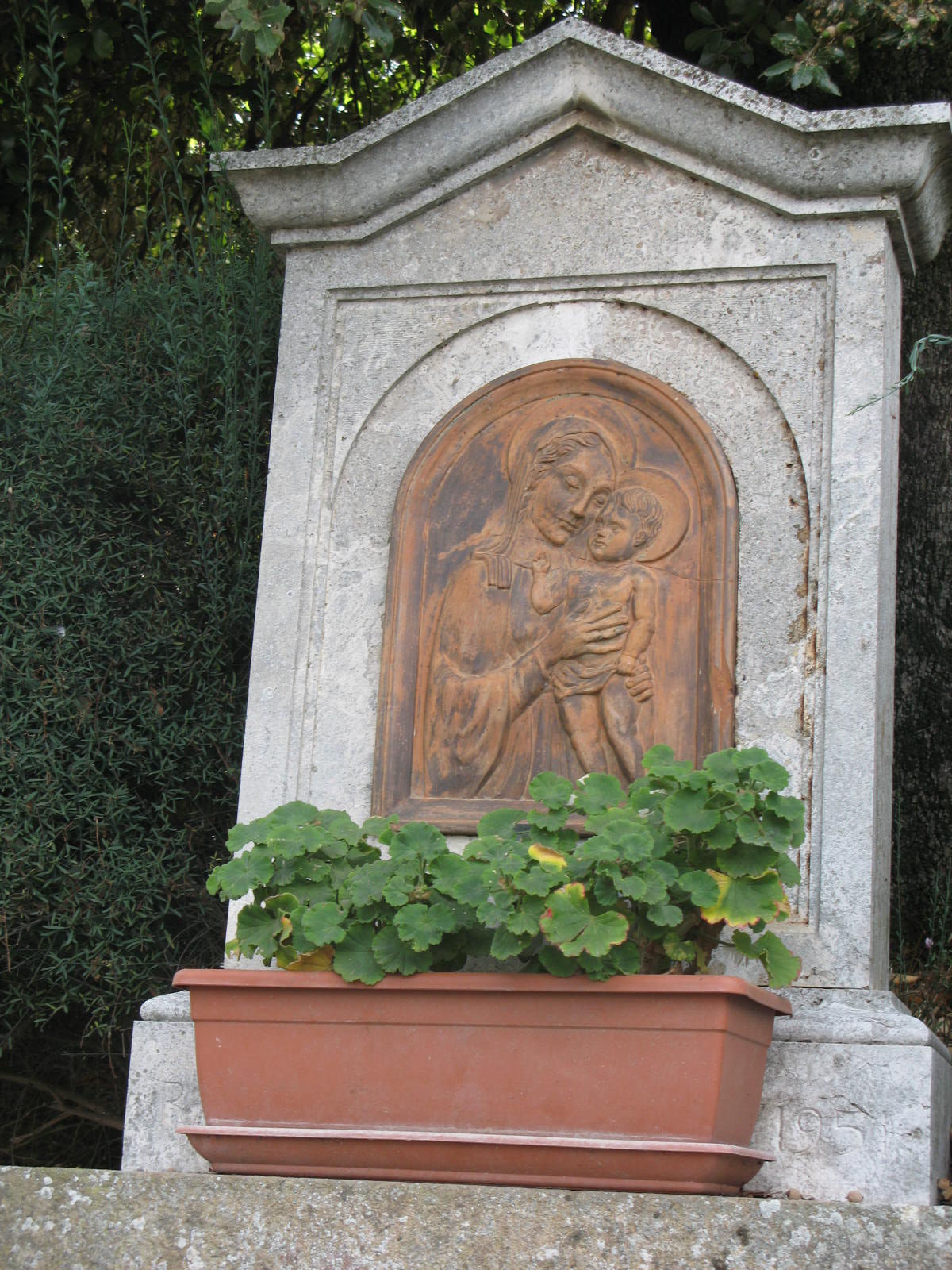
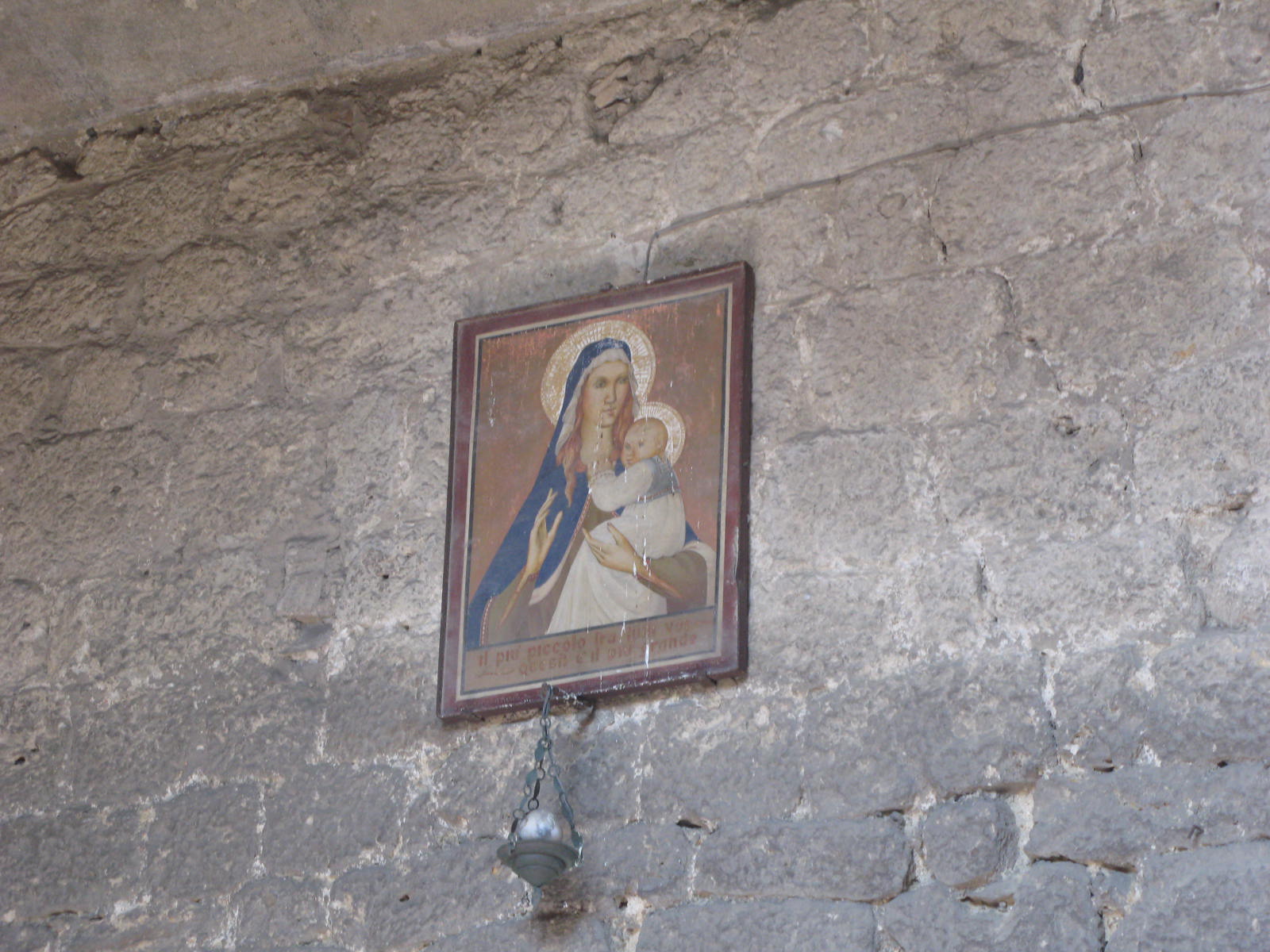
Italy Sep _ Oct 2009 507The smallest church will have the most fantastic art. But, what I like are the statues, crosses, stained glass windows, icons, churches big and small, bells ringing and the small memorials on the sides of buildings and at crossroads in the countryside.  The Italians say, “God is always watching and it is a good way to remind you to choose between good and evil.”  I like to think of it as God is always watching over me.  He is everywhere in everything.  I like to be Italy Sep _ Oct 2009 534reminded.
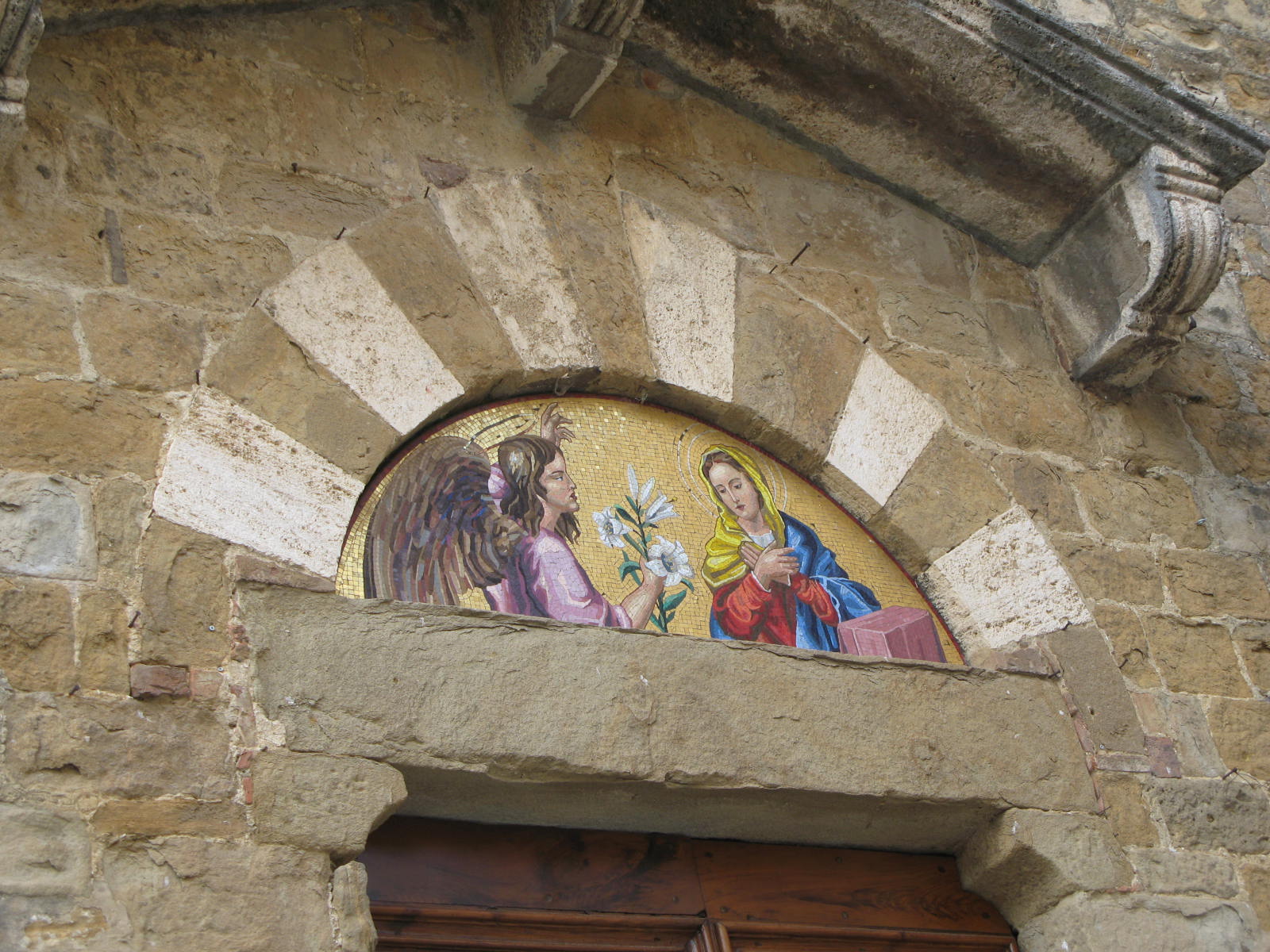
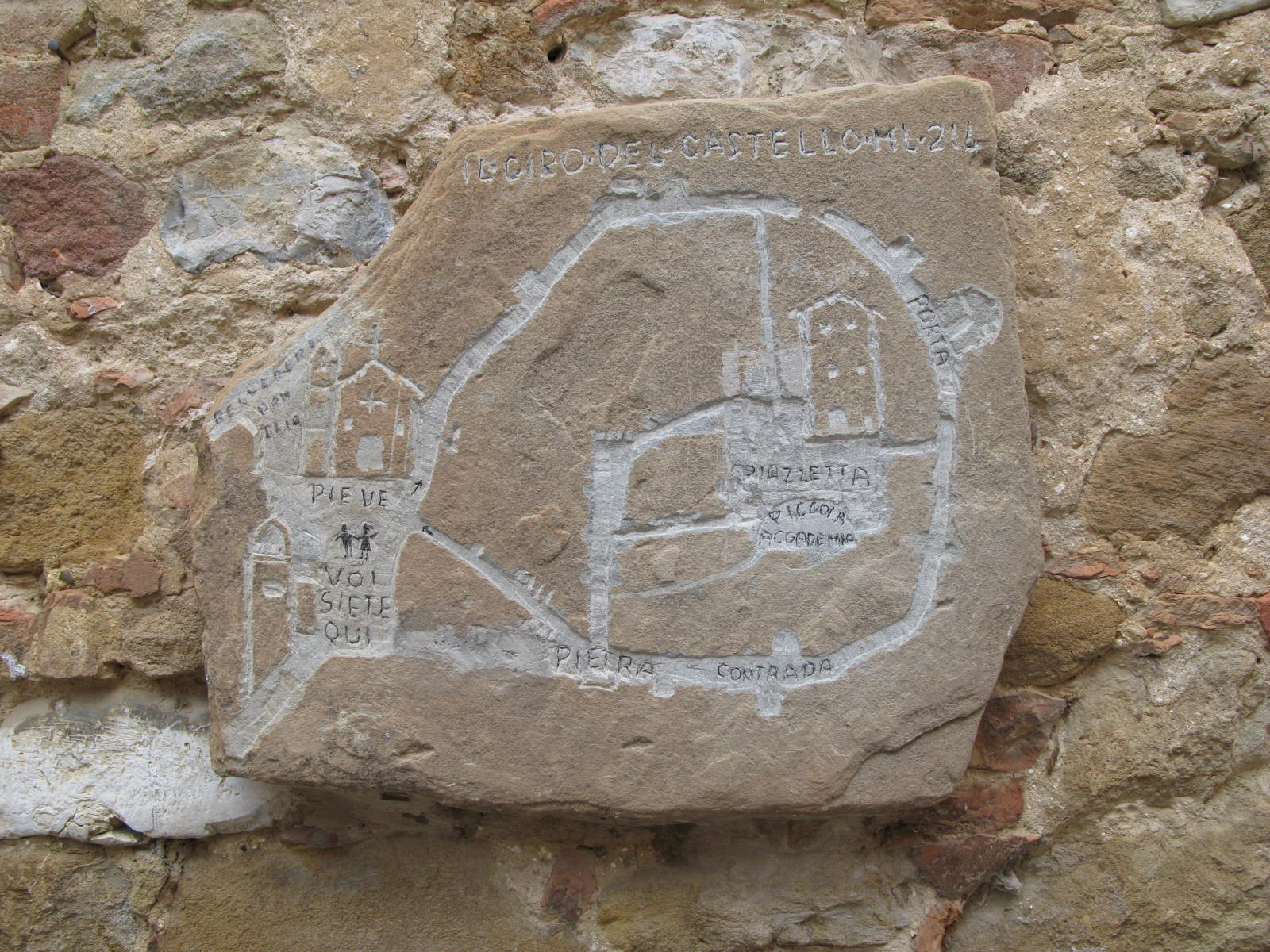
In a very small Italian village, Montisi, just a blip on the map, my husband and I took a narrow steep paved path from the car park up the hill.  At the top was a tiny stone church perched on the cliff.  Here on the front of the church was a stone with a map of the village etched into it. In Italian it read, “you are here.”  The path took you to the church and back down making a circle.  A beginning with no end.  Have a blessed Easter!

Italy Sep _ Oct 2009 494Italy Sep _ Oct 2009 424Italy Sep _ Oct 2009 499Italy Sep _ Oct 2009 498Italy Sep _ Oct 2009 504Italy Sep _ Oct 2009 428Italy Sep _ Oct 2009 313Italy Sep _ Oct 2009 364Italy Sep _ Oct 2009 497Italy Sep _ Oct 2009 232

The Knee Bone is Connected to the Thigh Bone. The Thigh Bone is Connected to a Headache

Bellagio,Italy

Bellagio, Italy

I really want to talk about luggage here. See all the steps?  What if you had to go from a) the bottom of that tiny stoned stairway to  b) the top where your lodging is? Would you want  to drag a large overgrown bear with you? Or better yet, could you carry that bear over your shoulders?  Now let’s also throw in, it’s hot outside, you are tired and you are not even sure if this is the right stairway to heaven.  Get the picture?  Less is more. You can’t take it all with you. Italy like any other place has stores.  AND carrying too much will give you a headache to  boot.

So you say you will rent a car?  Well you still have to get from the airline terminal to the rental car agency.  Sometimes in order to get there this will include stairs, tiny narrow escalators, long tunnels with more stairs at the end or a combination of all of them.  How much does that suitcase weigh?  What about the Borse, how heavy are they?  (See the previous post about the Borse family)  Some of the most beautiful villages in Italy are all uphill.  Even downhill feels uphill to me.  Be prepared to pull or carry. Light.

Varenna, Italy

Varenna, Italy

Once after landing at the Florence, Italy airport I made my way to the car rental area and found myself in line behind a group of two men and three women, who were traveling together.  Now I could sense this was going to be trouble from the get-go because the women were telling the men, in detail, what to do.   One gentleman filled out all the paperwork, as instructed by the ladies and when the agent thought they were through and handing over the papers, the women decided the other gent should be added as a driver as well. Back to the beginning. I stood in line for over an hour and the line behind me got longer and longer.
“Hellooooo, my knee was saying. Why are we standing still for such a long time?”   When it was my turn it took ten minutes and out the door I went.  Note:  Make all your car reservations at home and it will save you time and trouble.  When I got outside I found my car parked right behind The Group and watched in awe as they tried to get fifteen pieces of luggage into a mid-sized sedan.  Big luggage. They tried every which way under the sun, again at the direction of the ladies and finally decided that the two large cases would have to go in the back seat of the car and the three women would sit on top of them.  Bent over.  Noses touching the seat in front of them.  Those poor men!  I hoped they didn’t have to go very far!  How would they be when they arrived at their destination?  I did not want to know.

I like to take the train most of the time.  The trains that are “Mind the Gap” are easily accessible, just step from a platform over a small open space and you are easily on. Prince Charming is never around when you need him.  Some trains in Italy are small.  The trains in Italy may look like this:  1. Narrow entrance to get on and off .  2.  Three or more giant steps that you must be prepared to hoist your luggage to and then yourself.  For me it is luggage first than me.  3. Trains are on time (well Italian time) so you have to get a move on when the train comes to a halt. 4.  Be prepared for the entrance to be crammed with people who do not want to move to a seat.  Picture this. I was taking a train from the Zurich Airport by way of the local train. I had to take a train to get to another train. The train stopped, the door opened and all I saw were faces and piled high luggage.  I quickly assessed the situation. The train was ready to depart  so up went my case and I scrambled on behind it. Nobody moved. We were eyeball to eyeball with my suitcase squeezed between us. I couldn’t even turn around to face the door and just hoped my fanny would not get caught in it when it closed.  I looked up and read the sign. Do not lean on the door.  Luckily, I only had one stop to go before we all poured out.

Menaggio, Italy

Menaggio, Italy

Sometimes after you reach your destination in paradise there are stairs just waiting to greet you.  So you have a room booked on the first floor?  Well that will be the second floor in Europe. Most hotels do not have an elevator or if they do it is tiny,  not room enough for you AND a large suitcase.   You must be able to carry your luggage up the stairs. By the time you get there heavy luggage will make your knees weak, your legs screaming, your back aching, and give you a killer headache.  You will need a drink!  Or two, but won’t want to walk back down those stairs!

So what kind of luggage do I travel with? One on wheels, durable, but light weight.  It measures 16X23 inches and has an easy to recognize name tag

My new best friend

My new best friend

and strong pull out handle to slip on Papa Borsa because he doesn’t like to be carried.  Remember that your luggage does not like cobblestones, so it must have a durable handle that can lift it to carry and will not break easily.  My favorite accessory is the luggage scale.  Don’t leave home without it. You don’t want to get to the airport upon departure to have the smiling attendant say your ticket is now @$$%%^^^%#$$$$ because it is overweight.  You will be directed to another line to take stuff out or re-arrange it. Re-arrange it to what?  Use that scale beforehand and know how much the suitcase weighs.  Practice walking with your suitcase full. Go up and down your stairs at home carrying it.  Can you do it?  Remember the knee bone is connected to the thigh bone and the thigh bone is connected to the back bone.  All the way to your head.  Save yourself a headache.  Travel light.

Next….. what do I pack and how do I pack it?

It’s All About the Borsa, the Skinny on Bags


There once were three Borse (Italian word for bags) that lived in a long skinny house. They were very excited to be going to Italy! Papa Borsa was big, blue and handsome with lots of pockets.  His favorite feature was a big pouch for an extra pair of shoes right on his front that was easily accessible. He could carry a newspaper, an umbrella or sometimes a yoga mat for mama in another side pouch. He also had a heart sleeve, a place he held dear, that carried mama’s lipstick and chapstick and anything small that would make mama look good at all times.

That’s why mama fell in love with him at first sight. He knew he was the brains of the family and carried the computer so he was always ready to compute.  He was so thoughtful, with a plastic sturdy bottom on the outside, so he wouldn’t bring dirt into the skinny house. He came from Lug and had lots of brothers and sisters in bright cheerful colors.

The Borse Family


Mama Borsa was an organizer, she wasn’t too big or too small, but just right. She had lots of pockets and zips and came with several straps so was very adjustable to all kinds of situations.  Since she was in charge of the purse strings she had a small change purse for credit cards, money and identity cards that clipped to her innards and could never be dropped or left on tables to be lost. She came from the family of Baggallini’s.  They were a family of zippy deep pockets and closures, known for their endurance and strength.  She was called Odessy by her family, but just mama at home.

Papa and Mama Borsa, had many children, but they decided for the trip to  Italy this year it was Veggie Borsa who should go. He was adopted from the check out aisle at the market and was the baby and liked to carry lots of things with him all the time and was very stretchy.  Mama had to keep an eye on him when shopping if he left her side.  He would be found with all kinds of gifts and goodies and since he was so flexible he would stretch and stretch until he filled up. Mama and Papa were always surprised that he could carry so much and still not be too heavy to carry home.  Papa Borsa was so proud of him! Especially when they went to market.   With Baby Veggie Borsa along you didn’t need to pay for Papersacks Borsa to carry the groceries home.  Baby Borsa was glad to help and never dropped or broke one thing! Even wet he never let the family down. He was a real bagger!  After a big day when he was ready for his nap he would fold up so tiny and could be tucked in almost anywhere!   And they all slept.

The Borse looked forward to the big plane ride to Italy. There was a big overhead bin where they all could cuddle.  Papa hoped he would meet a briefcase to discuss the world in general.  Mama hoped to delve into all the fashion and food of Italy with her new bag friends.  And Baby Veggie thought he might be the only one along for the ride.

The Mobil Mobile

IMG_1842Talking about mobile phones and apps I must say “Traveler Beware.” Talking, texting or checking email in a foreign country on your mobile phone can cost you big bucks. Well it does IMG_0793if you have an American telephone and are traveling outside the country! In the previous post I explained about City Guides from TripAdvisor. There are no data roaming charges for this app. Very important detail.  The same is true of Maplets, another great app, especially for places not found in the City Guides.

Also, I like  an app called Translate. Most young people speak English, and are very helpful.  But having a backup plan can never hurt.

When traveling outside your home country first notify your telephone provider to turn on the International services. If you do not do this your telephone will not work. Been there, done that and what a bummer that is. However, once your international service is on be prepared for the OMG moment when you see your telephone bill upon arriving home. It will be an eye opener for sure. On this trip to Italy I plan to buy a cheap mobile phone for local calls within the city and to other destinations in Italy. I am going to buy it at the airport upon arrival or wait until I  talk to the nuns at Casa di Santa Brigida in Rome where I’ll be staying.  I will let you know how that turns out in future blogs.  I will also discover how good, bad or ugly my Italian is.

I like taking pictures on my phone.  It is easy and convenient, but sometimes I  get a glare on it and have no idea what I am taking a picture of or my hand is wobbly and the picture is blurred. This does not stop me from taking the picture however.  I know how to use the delete button at the end of the day! On the other hand, I also like to use a small camera that can be carried in a small purse or bag (notice I said small purse) and takes great pictures too.  Now I am a “snap and go” kind of gal. I envy those big fancy cameras that I see around the necks of tourists. But, I know I am not going to lug them around or fiddle with lens or tri-pods. My idea of a good camera is one not too big, easy to use, (which translates I don’t have to read a thick manual or take lessons to use it) one that has geo-tracking and the date the picture was taken.  Oh, some editing features are helpful, like the ones that can take out stuff that you particularly don’t want to see. Back of heads sound familiar? When I travel I don’t want to look like a tourist.  I want to look and feel like a local just out taking a picture or two or thousand!

Next….. It’s all about the borsa!

Keeping Connected…..

IMG_0791

Now I am no spring chicken so I need all the help I can get! I love phone apps! It makes traveling so much easier.  Want to take a picture without fooling with your camera?  You can take pictures several ways on your phone!  Want to have directions to the museum, restaurant or hotel?  There is an app for that.  How about a map of the city?  I don’t know about you, but it is easy to spot a tourist with the big map, guide books, white tennis shoes and huge camera around their neck standing in the middle of the sidewalk blocking the way and looking very puzzled. I know, I’ve been there. Time to move on…… go to apps!  At least with a phone and most of your favorite apps at your disposal you can get to them quickly.  Or if you need to study something in your app sites, sit down and have a latte (great shot of that) and pull yourself together. One of my favorite apps is the City Guides  from Trip Advisor. ( Yes, them again and no I do not work for them) If I could take just one app (I would never survive that) this would be the one! First pick your destination.  They have the larger cities well covered in all the continents. From your picked destination it will download your personal maplet.  For instance, this year I am heading back to Rome, so I picked Rome as my destination. Now I have at my fingertips a Map, Restaurants, Hotels, Attractions, SUGGESTED ITINERARIES, Nightlife, SHOPPING, Tours and Tickets.  Click on any of these areas for detailed information.  Let’s take SUGGESTED ITINERARIES.  Let’s say I pick Vatican City. The first thing it says is suggested time to allow.  Now I am a talker and questioner and slow, so I add more time than is suggested.  I’m just sayin’! It will also show how many stops or sights to be seen, and the distance covered. It starts with an overall description of what you are going to see.  Then press GO. There will now be a map with all the stops marked and numbered. As you visit each site, a picture and a short description will pop up so you know exactly what it is you are looking at. There is so much to see so it’s good to know which building or statue or whatever, that they want to point out.  Sometimes I have not been sure, so having a picture is a big help. Then you can press the CHECK IN button and snap your own photo and add a description if you want to.  Then go to number two and so on until the tour is finished. Absolutely wonderful!

Now for SHOPPING. Pick the entire city or just the neighborhood you want. Now choose OPTIONS and a Filter will pop up.  Do you want all shopping, or narrowed down to department stores, flea markets, antiques, clothing, etc?  Choose one or all. Now search whatever shop appeals to you. The picture of the store will pop up, a description, a map, a “point me there arrow”, a contact with phone number, address, and more. Also, how to get there, and what mode of transportation  you are closest to, to get there from where you currently are. Could not be easier!

In the Tours and Tickets area I picked “Eating Italy Food Tours in Rome.”  Again, there is a map, contact, address and phone number, description of the tour and why it was liked. Press BUY TICKETS do to so. The City Guides is so helpful and updated frequently at Trip Advisor. You can also rate anything you choose to do and that allows other followers to know what you think of a particular spot. As usual I’ve talked on and on, so more to come!

Next…… How to take a photo on my phone and what to do with it when I do…….

Read more

THE SPECTACLED BEAN

Tales, Thoughts + Tribulations of a Free Spirit in Suburbia

Walking Away

Travels on foot

Teacher nickname: The Three Hairs

Minding my mind, one thought at a time.

Tra Italia e Finlandia

Un lungo racconto fotografico.

seanbreslin.jp

Photography, hiking, walking, and cycling across central Japan — from quiet mountain paths to everyday life around Nagoya.

Lost in Translation

Looking for meanings in words, images and sounds

Journeys with Johnbo

Reflections on places traveled and photos taken.

M/VGratitude

Cruising with the Thyrre Family

Caroline's Travel Adventure Blog

Where my Travels and my Blog merge together.

Just Me, Nobody Special

The mental meandering that cross my keyboard

Jennifer's Journal

Website & Blog of J. Kelland Perry, Author

Slow Shutter Speed

A photographic journey.

Ann Mackay: Inspired by Nature

Photography celebrating flowers, plants, and the natural world

Still Restlessjo

Roaming, at home and abroad

Fine for Friday

The Corner Garden

Picture This

Photography, Travel and Retirement

World Traveller 73

Upgrade Your Travels. First Class Luxury Travel from all parts of the Globe. Business Class Airline, Lounge and Hotel Reviews, Stories and Adventures

Rachel Meets China

A China travel and lifestyle blog