Travel, Gardens, Food, Photography, Books, Shoes

Posts tagged ‘National Trust’

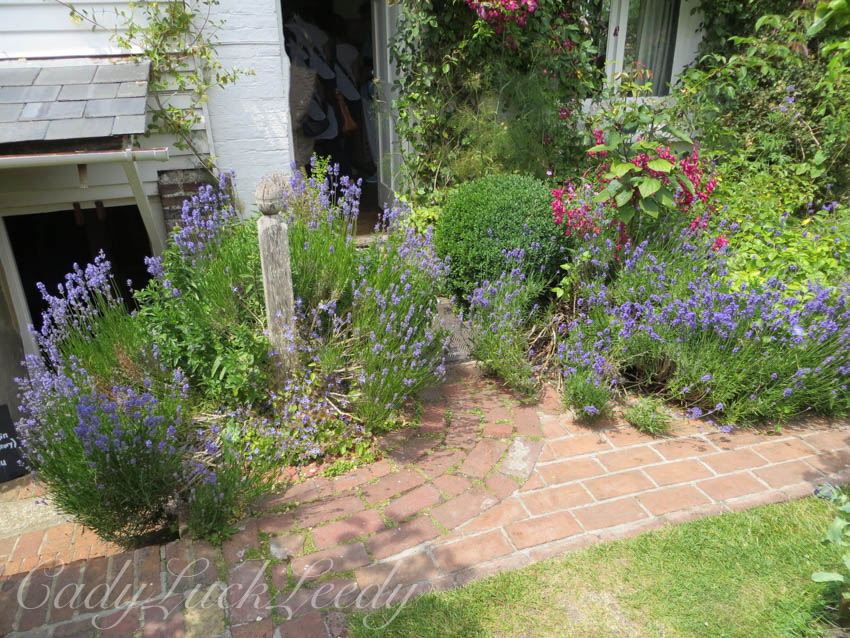
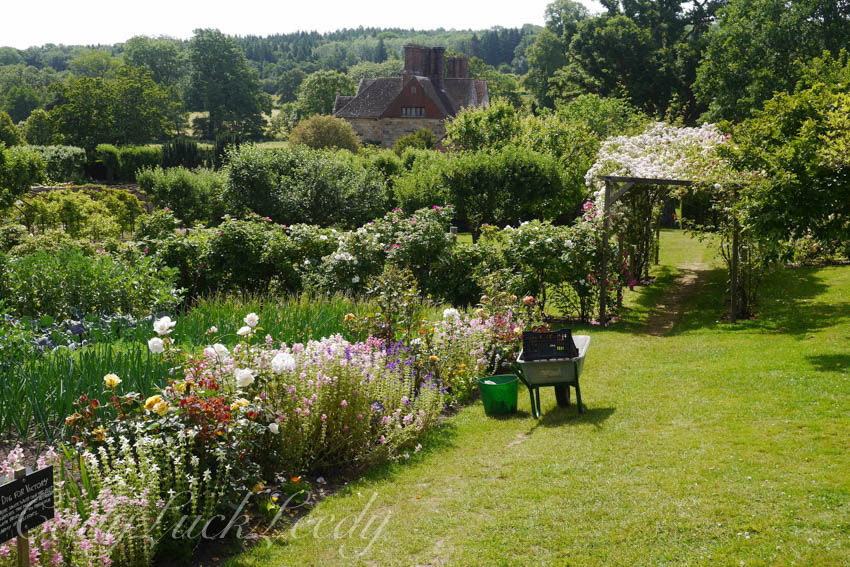
The National Trust: The Garden at Virginia Woolf’s Monk’s House

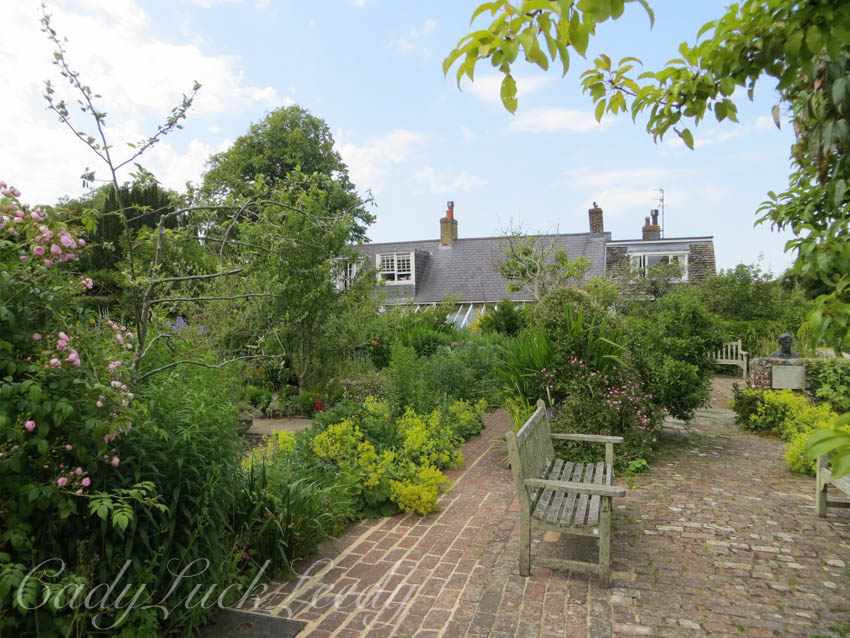
The Garden at Monk's House, Rodmell, UK

The Garden at Monk’s House, Rodmell, UK

The Garden at Monk's House, Rodmell, UK

The Garden at Monk’s House, Rodmell, UK

In letters to friends Virginia said, “ The point of Monks House is the garden. I shan’t tell you, for you must come and sit there on the lawn with me, or stroll in the apple orchard, or pick—-there are cherries, plums, pears, figs, together with all the vegetables. This is going to be the pride of our hearts I warn you.”

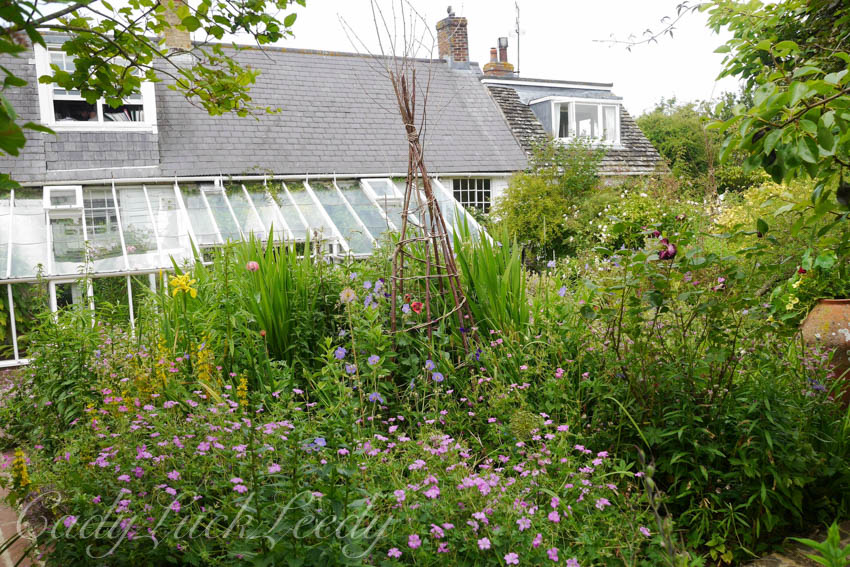
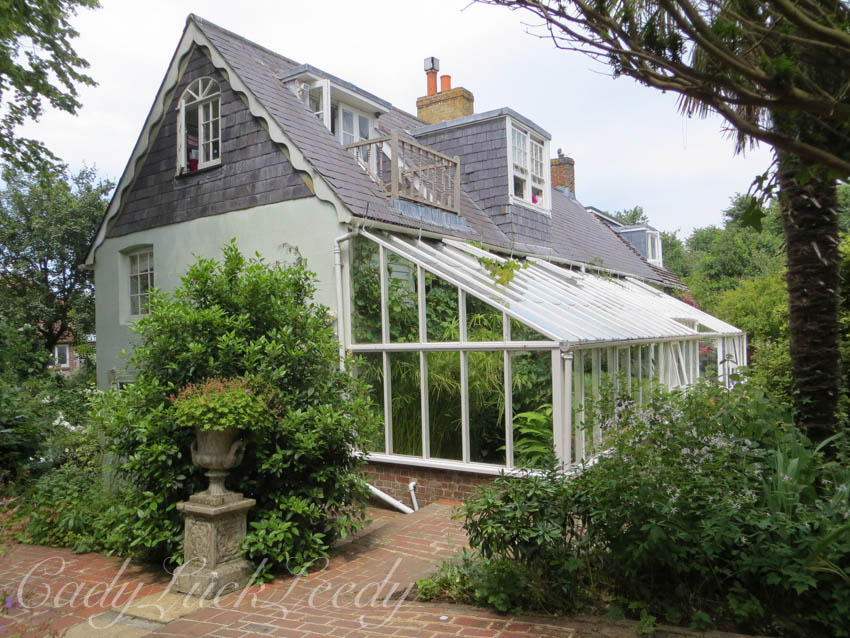
The Greenhouse, Monk's House, Rodmell, UK

The Greenhouse, Monk’s House, Rodmell, UK

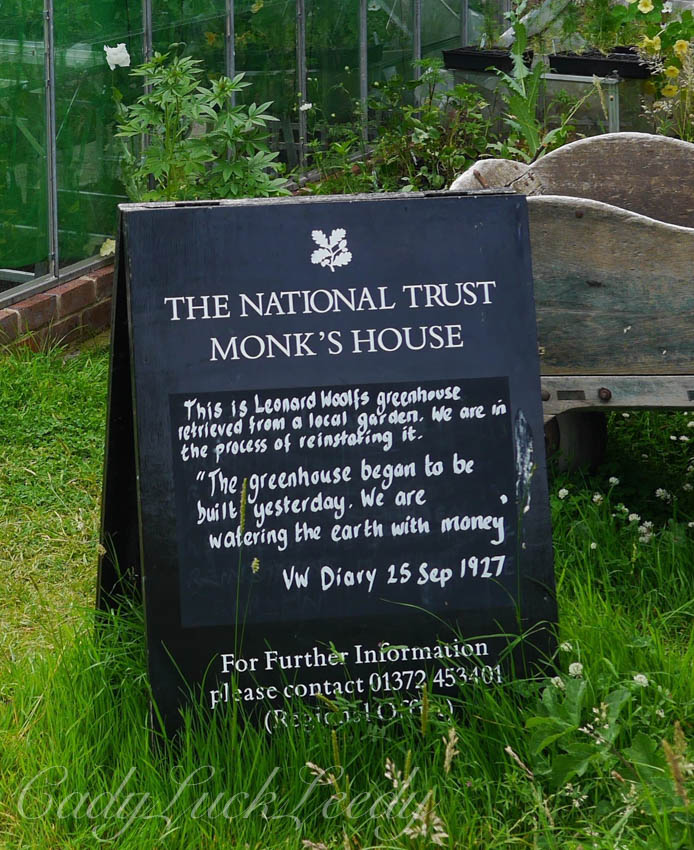
The Chalkboard Sign of Diary Quotes, Virginia, Woolf

The Chalkboard Sign of Diary Quotes, Virginia, Woolf

Many of the details of day to day life found in Virginia’s diary include the gardens. (Note the writing from her diary displayed on the chalkboard in front of the glasshouse that is being reconstructed in the yard.)

By 1928, after expanding their plot Virginia felt they had really started to “dig in.”

So the Woolfs spent their days comfortably, with Virginia writing in her room or in the lodge, and entertaining many of their Bloomsbury friends, while Leonard became an expert gardener.  Virginia often commented the garden was the third person in their marriage. For Leonard tending and developing the garden was totally absorbing. Virginia found peace and tranquility in the garden which helped her mental state of mind, and walking to her lodge every morning was part of her creative routine.

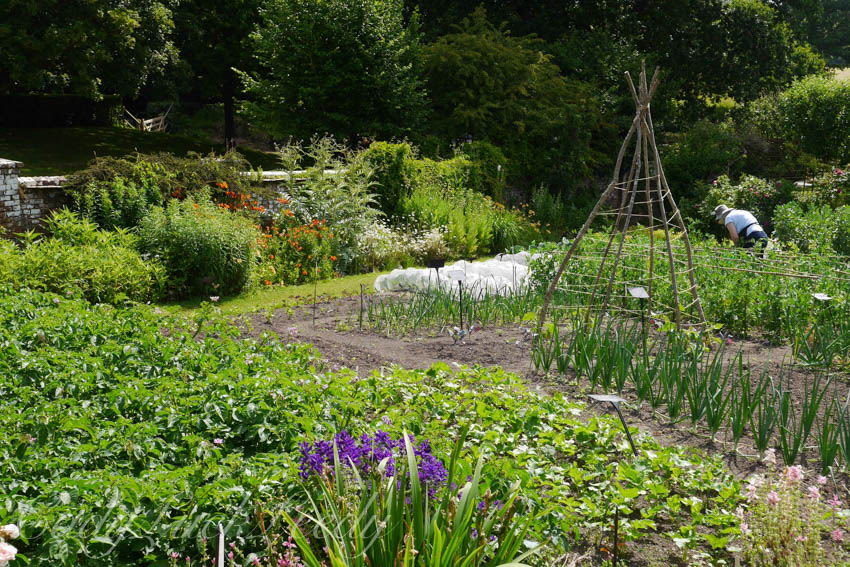
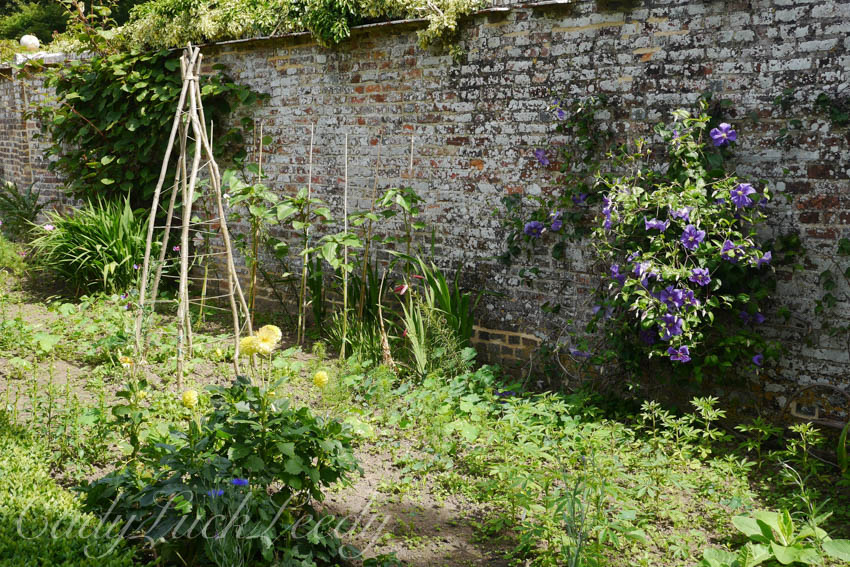
The Vegetable Garden at Monk's House, Rodmell, UK

The Vegetable Garden at Monk’s House, Rodmell, UK

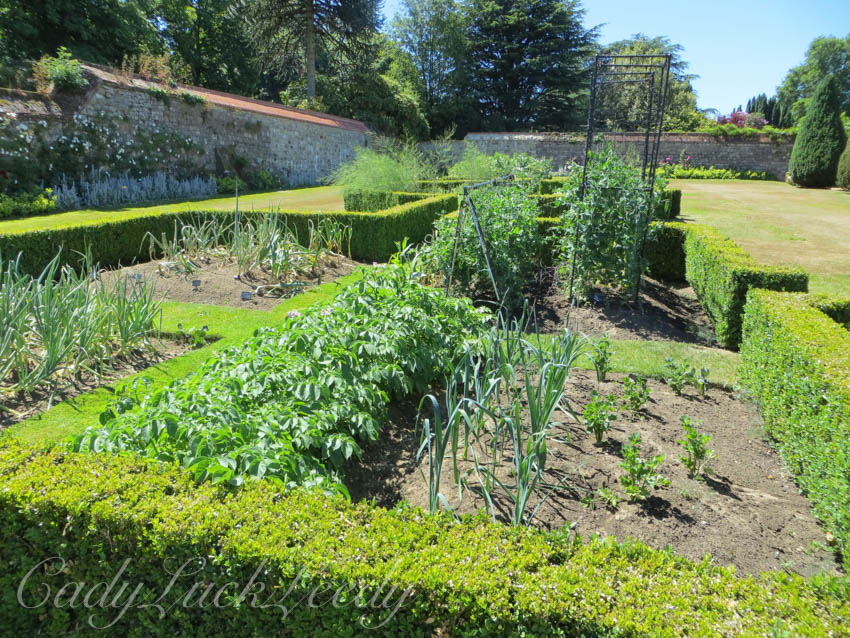
The vegetable garden was so productive, that when the Woolfs were in London they would have a hamper sent to them every week to keep them supplied. The excess produce was sent to the Women’s Institute market.  Home Fires on BBC’s Masterpiece Theatre is a good start to learning about the Women’s Institute and a very good movie about how one of the women’s group chose to raise money is portrayed in Calendar Girls. It is one of my favorite movies!

The Italian Garden, Monks House, Rodmell, UK

The Italian Garden, Monks House, Rodmell, UK

The Italian Garden, Monks House, Rodmell, UK

The Italian Garden, Monks House, Rodmell, UK

The Italian Garden, Monks House, Rodmell, UK

The Italian Garden, Monks House, Rodmell, UK

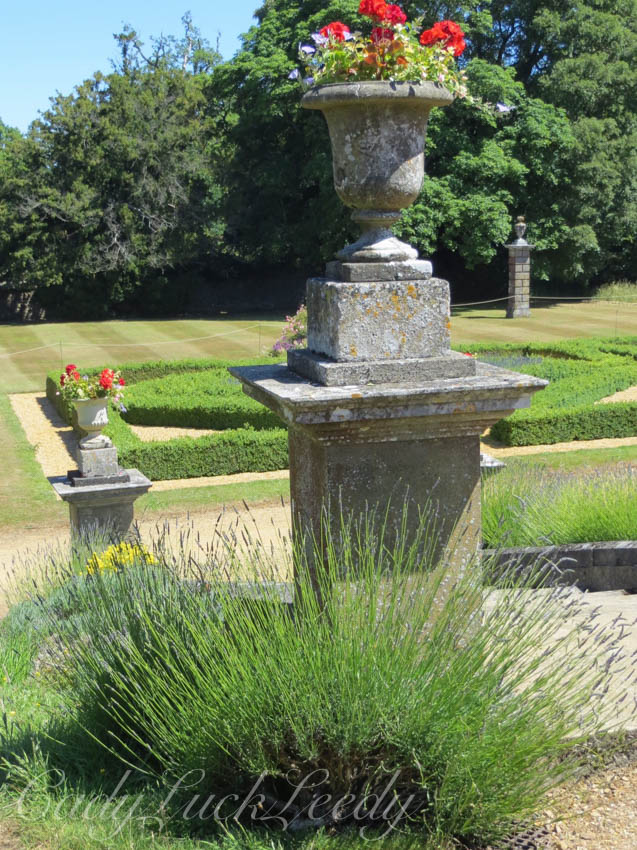
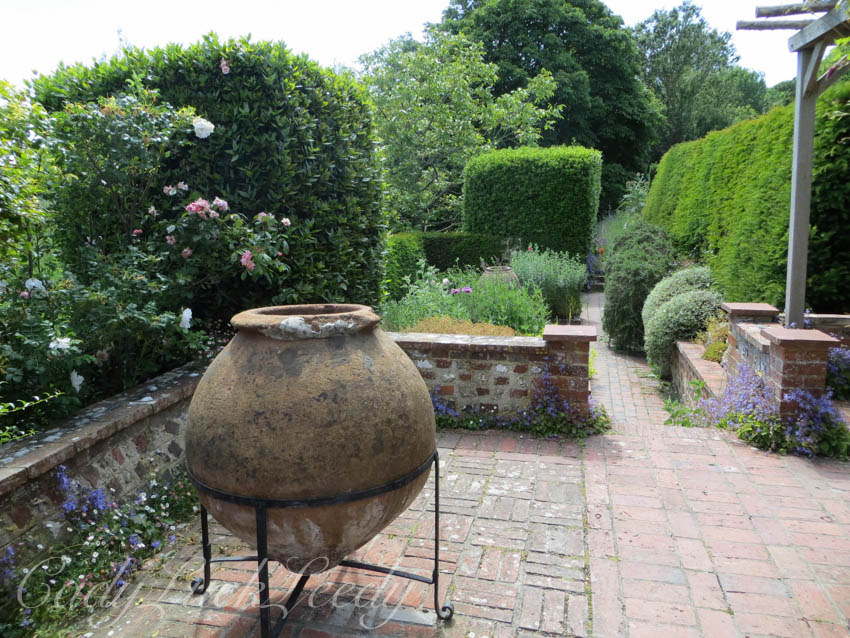
In 1933, following the publication of Flush (Virginia’s biography of Elizabeth Barrett Browning’s cocker spaniel named Flush) they were able to make additions to their garden.  Upon returning from a trip to Tuscany in the same year, work started on an Italian garden by adding plants, pavings and walkways to various parts of the garden.  Virginia’s contribution was to buy pots, urns, and a statue.

Eventually as the garden grew Leonard employed a gardener, Percy Bartholomew,  who would live in one of the cottages near the property that the Woolfs had bought when they purchased Monk’s House. Although their garden was small and unpretentious compared to that of some of their friends, notably Vita Sackville-West, the delightfully small, informal garden is what made it so special. Leonard was so engrossed in gardening that in 1941 he founded the Rodmell Horticultural Society. I wondered if it included everyone in the village, because it is a very small place! Maybe it was his Bloomsbury Group! Next we”ll explore the village of Rodmell so you can see for yourselves! See you there!

The National Trust: Monk’s House; Home of Virginia Woolf

The Lane to Monks House, Rodmell, Sussex, UK

The Lane to Monk’s House, Rodmell, Sussex, UK

Parking at the end of a narrow country lane in Rodmell, Sussex, we walked to the  National Trust Property of Monk’s House, the country cottage that was the home of Leonard and Virginia Woolf from 1919 until her death in 1941. There are few houses on this country lane and it is quiet and peaceful. That is the exact reason it was purchased in the first place. During WWI Virginia lived in nearby Firle to escape the hubbub of London, and the war, and to diminish the anxiety and depressive episodes that she experienced when stressed. Following the war she and Leonard bought Monk’s House and lived there a good part of the year, as Leonard thought it was better for her health.

This is what I learned……….

Unlike other homes we have visited on The National Trust, Monk’s House is a small unpretentious home, that anyone could have lived in. I would have loved to have lived in this house! It is not too big, but cozy, and the interior is a time capsule of the 1930’s. You get the feeling Virginia is waiting to greet you at the door! The house itself is a timber framed, but weather boarded house, that originally had a Sussex stone roof, but now is slate.

The front of the house faces the garden, the back is to the street, as we see here. Let’s go in the gate!

The Entrance to Monk's House, Rodmell, Sussex, UK

The Entrance to Monk’s House, Rodmell, Sussex, UK

Sign at Monk's House, Rodmell, Sussex, UK

Sign at Monk’s House, Rodmell, Sussex, UK

Monks House, Rodmell, Sussex, UK

Monk’s House, Rodmell, Sussex, UK

Monks House, Rodmell, Sussex, UK

Monk’s House, Rodmell, Sussex, UK

Previously renting an old roundhouse windmill,  Virginia and Leonard saw the advertisement for the auction of Monk’s House, which included three other small cottages and a 3/4 acre garden. Spread out on the lawn, during the auction, were the provisions and paintings from the previous owners, the Glazebrook family.  The Woolfs bought the property and three primitive paintings for 700 pounds. Another draw to the house was the fact that Virginia’s sister, Vanessa, had bought the farmhouse, Charleston, just a few miles away, where she and several members of the Bloomsbury Group had settled to entertain and paint.

The house was derelict when they moved in…… no electricity, no running water and no inside toilets, just a earth closet in the garden. I wasn’t sure what an earth closet was so I have included a picture here with instructions!

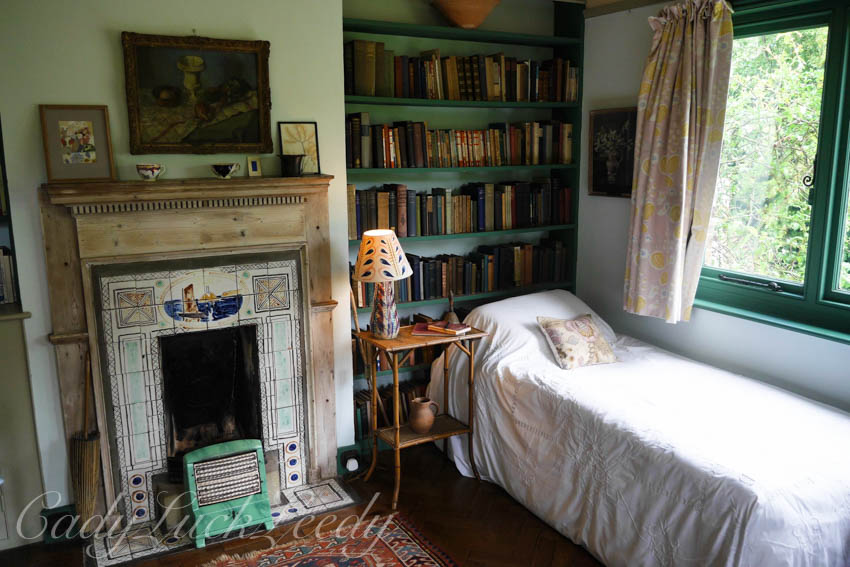
Slowly, as finances improved they updated the house adding bathrooms, which included an inside toilet in 1926, and a kitchen. The two bathrooms were paid for from Virginia’s earnings from Mrs. Dalloway and she often said when she was going to the toilet that she was going to see Mrs. Dalloway! By 1929 with the earnings from their Hogarth press business, (remember Virginia was printing and hand binding books for therapy), they decided to add  a two story extension, which included “a room of one’s own.”  The sitting room was moved upstairs because the view of the garden and South Downs was beautiful and Virginia used the downstairs room as her bedroom. The only way in and out of her bedroom was via a door to the garden. Leonard slept at the opposite room of the house and every  morning brought Virginia her coffee in bed.

Virginia's Room of her Own, Monks House, Sussex, UK

Virginia’s Room of her Own, Monk’s House, Sussex, UK

The lower to door is to the kitchen of the main house and used to be a shed!

The Kitchen Entrance at Monks House, Rodmell, UK

The Kitchen Entrance at Monk’s House, Rodmell, UK

A Room of One's Own, Monks House, Rodmell, Sussex, UK

A Room of One’s Own, Monk’s House, Rodmell, UK

Virginia's Bedroom, Monks House, Rodmell, UK

Virginia’s Bedroom, Monk’s House, Rodmell, UK

Virginia’s favorite color was viridian green!  Her friends and family thought it horrid!

More property was added so they could have an unobstructed view of the South Downs,   and a writing lodge was tucked into the orchard garden for a retreat for Virginia.

The South Downs, Monks House, Rodmell, UK

The South Downs, Monk’s House, Rodmell, UK

Virginia's Writing Lodge, Monks House, Rodmell, UK

Virginia’s Writing Lodge, Monk’s House, Rodmell, UK

Virginia's Bedroom Writing Area, Monks House, Rodmell, UK

Virginia’s Lodge Writing Area, Monks House, Rodmell, UK

Behind the back garden wall sits St Peter’s Church, which I thought made the grounds very peaceful and serene. The garden was Virginia’s source of inspiration.

St Peters Church, Rodmell, UK

St Peter’s Church, Rodmell, UK

A View of St Peters Church, from the Garden at Monks House, Rodmell, UK

A View of St Peters Church, from the Garden at Monks House, Rodmell, UK

By 1939 the Woolfs were living full time at Monks House to escape the bombing in London. Their home in Bloomsbury was destroyed. The peace was shattered for Virginia when German bombers flew low, almost daily, over Sussex on their way to bomb London.  Her brother provided both of them with lethal doses of morphine in case the Germans invaded. During this time they were both nervous because Leonard was Jewish and Virginia was listed in Hitler’s black book. The anxiety took its toll and Virginia committed suicide by filling her pockets with rocks and drowning herself in the nearby Ouse River. She left two suicide notes, one for Leonard and one for her sister, Vanessa. Her ashes were scattered unceremoniously under an Elm tree in the backyard.

Leonard lived at Monks House for 50 years and died there in 1969, at the age of 88. He left the cottage and property to his friend Trekkie Ritchee Parsons, who really didn’t know what to do with it and so passed it to the University of Sussex. The university sold off the 4000 books and rented the house to visiting lecturers. Eventually it was too much for them and they gave the house to The National Trust in 1980. A sizable sum of money was raised by Quentin and Angelica Bell (Virginia’s surviving nephew and niece; children of Vanessa) for the upkeep.  Quentin was at this time a Professor of Fine Art and History of Ceramics at the University of Sussex. Together they helped to restore the house to 90% of how it was in Leonard’s and Virginia’s time there. We were able to explore four of the rooms of the cottage, the rest of the house is cordoned off for the resident caretaker. There are guides in each room who can explain all the artifacts and what they meant to the family. It was a joy to visit and next we’ll explore the garden at Monk’s House!  See you there! 

Virginia and Leonard Woolf, Monk's House, Rodmell, UK

Virginia and Leonard Woolf, Monk’s House, Rodmell, UK

The National Trust: Sissinghurst Castle; Home of Vita Sackville-West

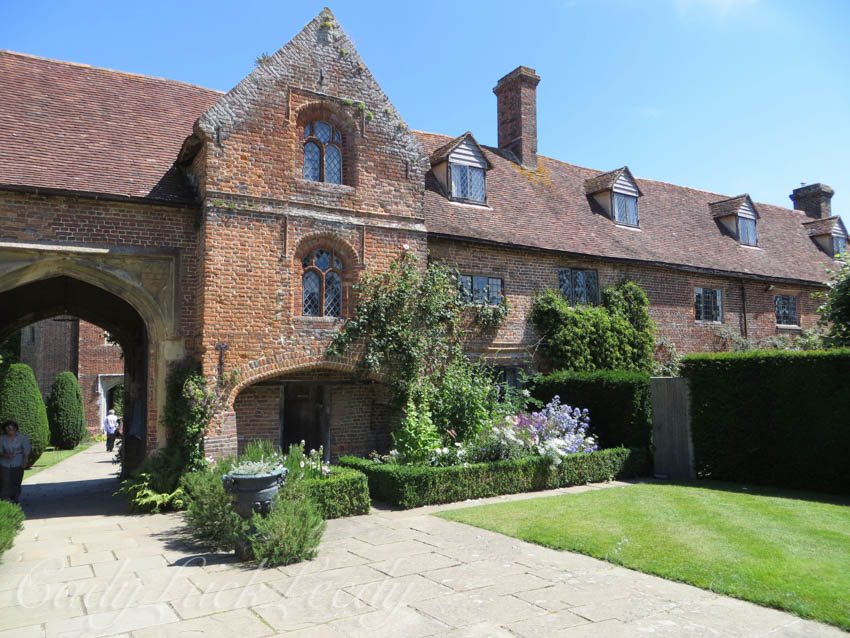
Sissinghurst Castle Gardens, Kent, UK

Sissinghurst Castle, Cranbrook, Kent, UK


Sissinghurst Castle, Cranbrook, Kent, UK

Sissinghurst Castle, Cranbrook, Kent, UK

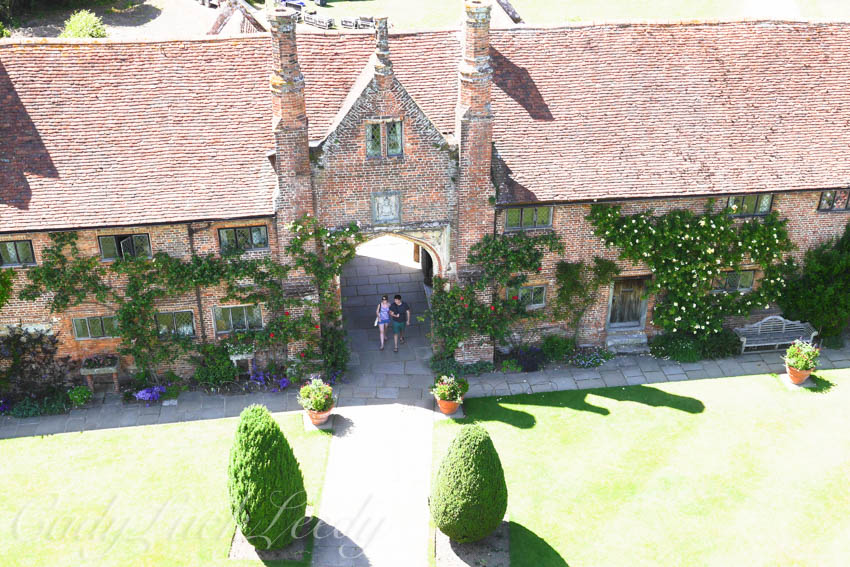
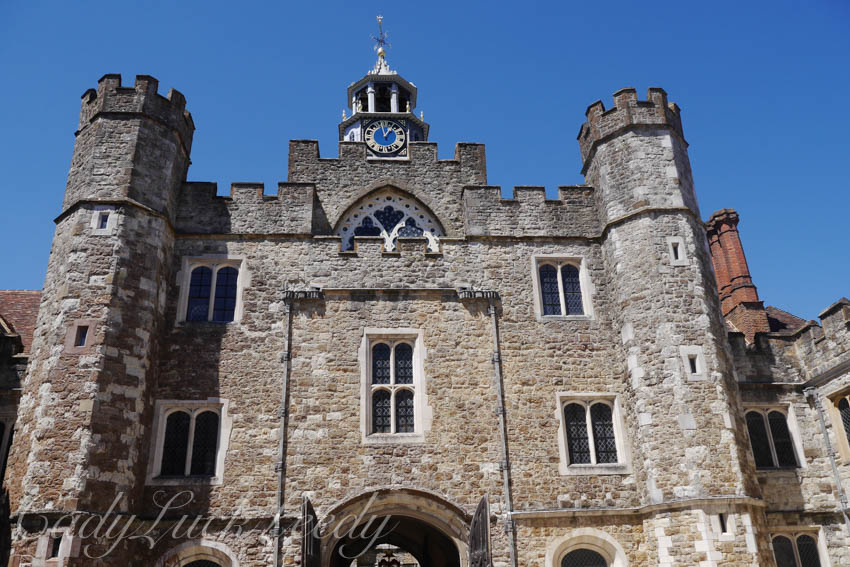
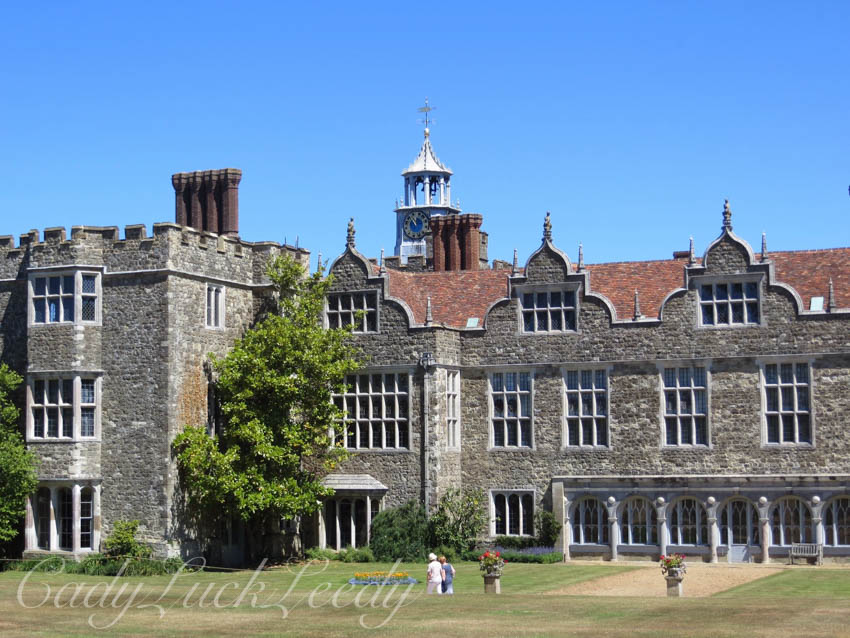
Here looking at the main section of the house, the Long Library is to the left, and the Main House is to the right.

Sissinghurst Castle, Cranbrook, Kent, UK

Sissinghurst Castle, Cranbrook, Kent, UK

From 1915 to 1930, Vita Sackville-West, poet, and her husband, Harold Nicholson, diplomat, lived at Long Barn in Sevenoaks, after the family had been forced to leave Knole, her family home, when Vita was not able to inherit the family estate because she was a woman. 

In 1930 they bought  the ruins and the farm around Sissinghurst Castle. The Nicolson’s must have had a good imagination and wanted something that would keep them busy for years, because Sissinghurst had had a long and colorful past, but by 1930 the buildings were all dilapidated and the grounds one massive field of weeds!

This is what I learned about Sissinghurst………

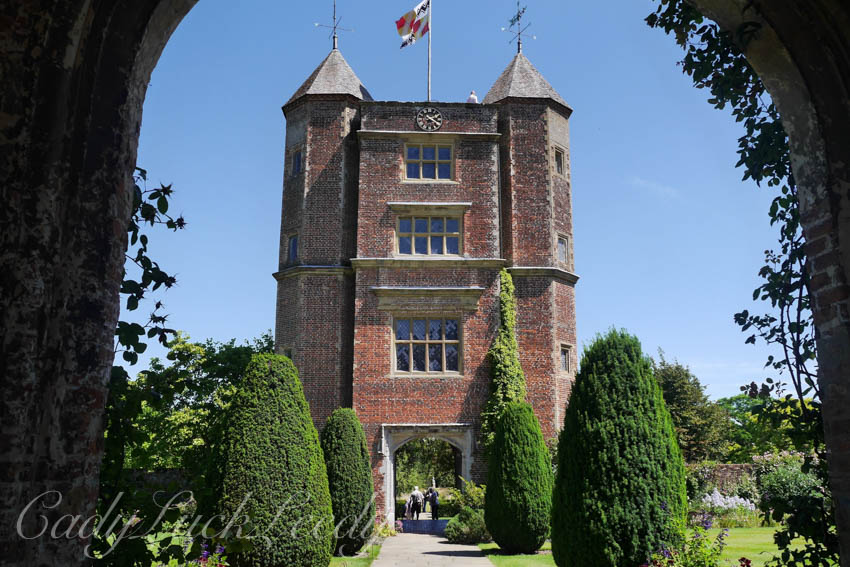
In 1235, the manor belonged to John de Saxingherste, a gentleman farmer. The house was protected by a moat, which provided the family with fish. This moat still exists on two sides of the orchard. By 1530 the manor was sold to John Baker of Cranbrook, a very wealthy man during the reign of King Henry VIII. The house was expanded and a entrance gateway was built. In 1560, son Richard, built a new house on the site around three courtyards with a Prospect Tower at the center. A smaller house to the north, known as the Priest’s House, was originally a banqueting house and later housed their priest.

Chateau de Sissinghurst

Chateau de Sissinghurst, 1756-1763

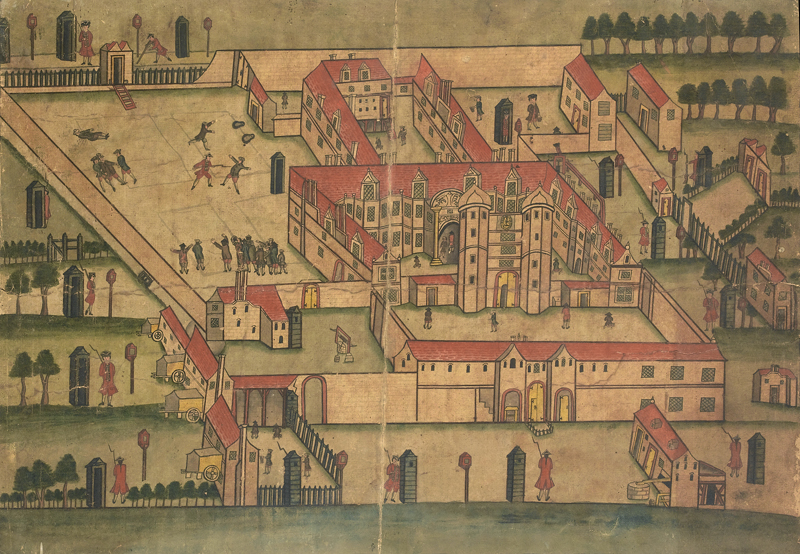
By 1730 Sir John Baker died, leaving four daughters and as there were no men descendants left, the estate was sold to Horace Mann, who never lived there, but leased the property to the government to be used as a prison, during the Seven Year’s War. French Naval officers were housed in the tower and some of the graffiti of sailing ships, names, and dates still remain there. The three thousand prisoners referred to their prison as Chateau de Sissinghurst, and the name stuck.  By the end of the war the sailors had destroyed the property; trashing, burning and looting the fine architectural details from fireplaces, doorways and windows.

In 1796, the parish of Cranbrook took over the lease, creating a poor house here where one hundred men were offered housing, employment and food. A devastating fire in the 1800’s destroyed the manor so badly that even the foundations of the house, that stood in the orchard, were picked up and carted away.

Here is a Map of the property after many years of work by the Nicholson’s. It gives you an idea of what was left on the property and how they mapped out the gardens. They lived in the smaller Priest House and the South Cottage,  while re-building the remaining section of the gated wall, and set out to transform it into the beautiful house and garden it is today. In 1967 The National Trust took over Sissinghurst, the gardens, farm and buildings. Today it is one of the most popular manors owned by the National Trust. Tomorrow we’ll take a close up look at the gardens and how they developed over the years at Sissinghurst. Now let’s look at the buildings on the property of Sissinghurst Castle.

Tower at Sissinghurst Castle, Cranbrook, Kent, UK

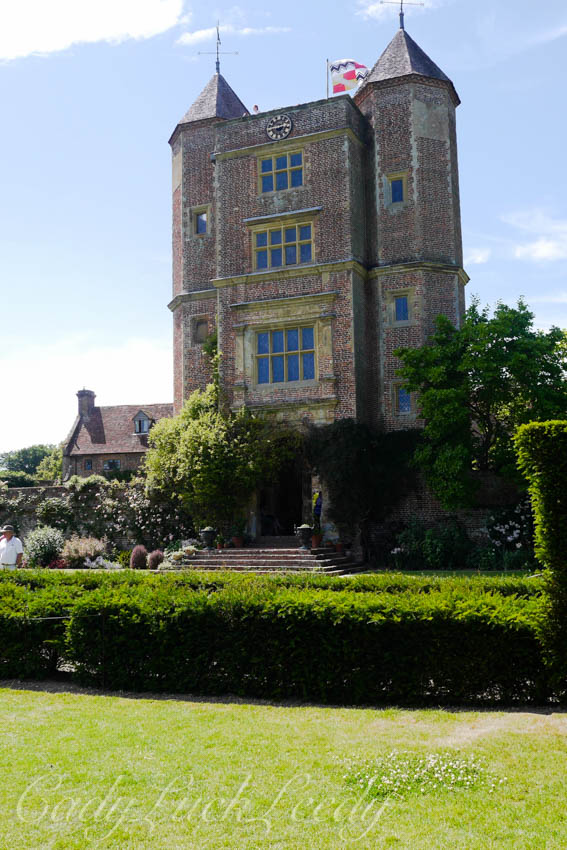
Prospect Tower at Sissinghurst Castle, Cranbrook, Kent, UK

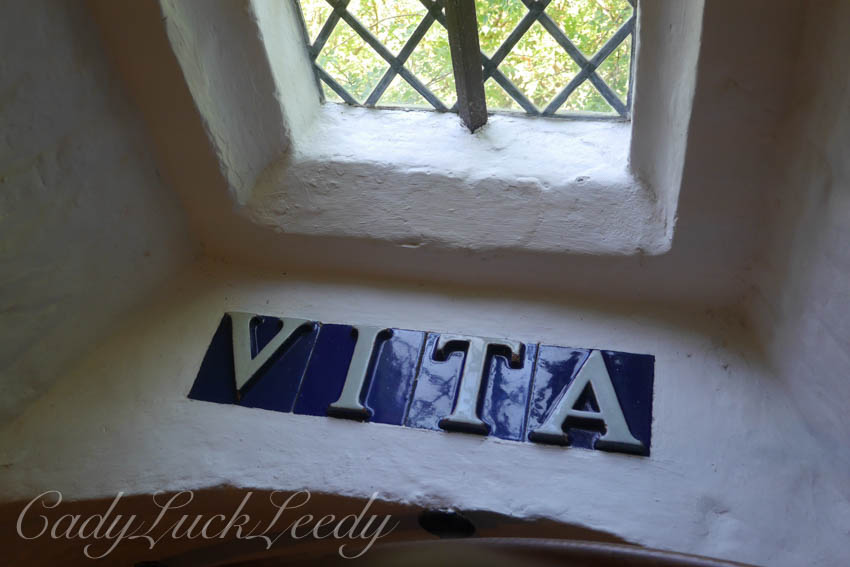
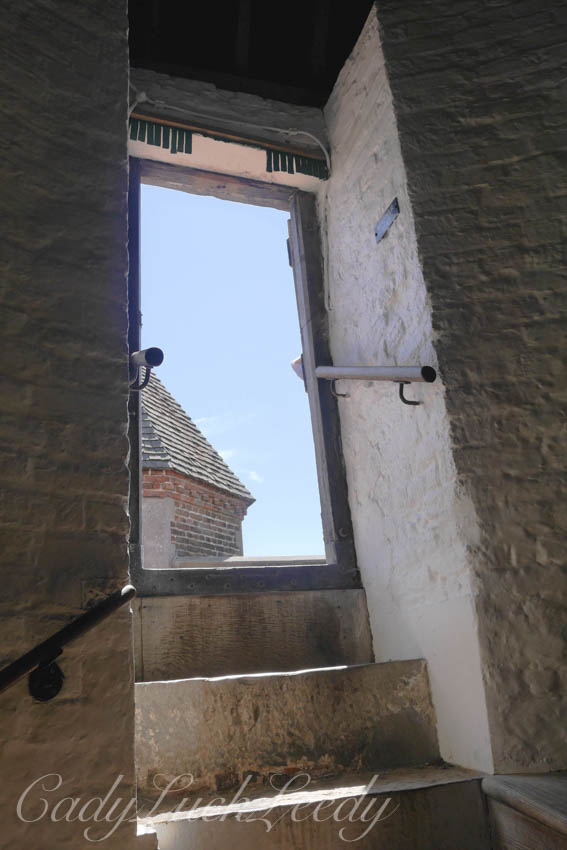
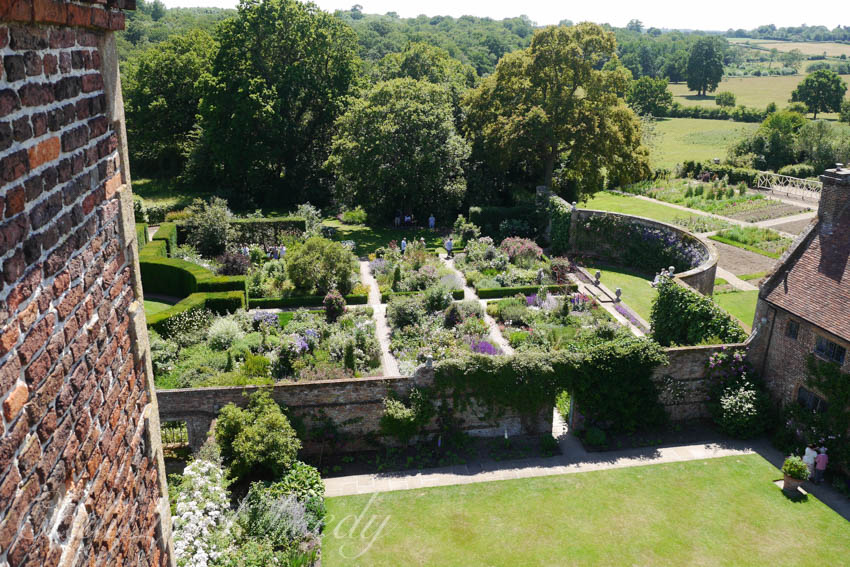
The Tower became Vita’s “Room of Her Own”, where she went daily to write for three hours. The rest of the day was spent working in her gardens. Here are some views of her room and the views she had when writing.

Steps to the Tower, Sissinghurst, Castle, Cranbrook, Kent, UK

Steps to the Tower, Sissinghurst, Castle, Cranbrook, Kent, UK


Prospect Tower, Sissinghurst, Castle, Cranbrook, Kent, UK

Prospect Tower, Sissinghurst, Castle, Cranbrook, Kent, UK


Prospect Tower, Sissinghurst Castle, Kent, UK

Prospect Tower, Sissinghurst Castle, Kent, UK


View from Prospect Tower, Sissinghurst Castle, Kent, UK

View from Prospect Tower, Sissinghurst Castle, Kent, UK


View from Prospect Tower, Sissinghurst Castle, Kent, UK

View from Prospect Tower, Sissinghurst Castle, Kent, UK

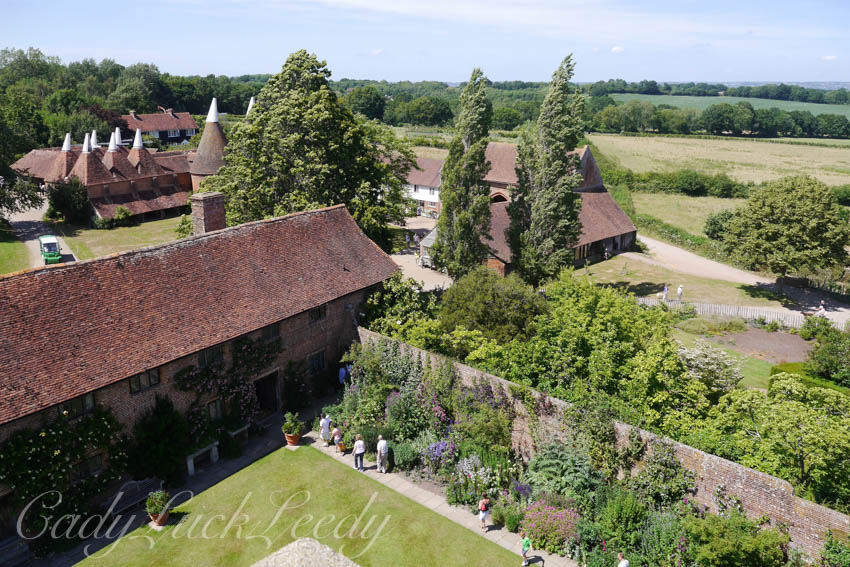
The rooftop shown in the picture above is the Priest’s House, now a B&B on the National Trust Property at Sissinghurst. Wouldn’t be great to stay in this garden?

View from Prospect Tower, Sissinghurst Castle, Kent, UK

View from Prospect Tower, Sissinghurst Castle, Kent, UK


View from Prospect Tower, Sissinghurst Castle, Kent, UK

View from Prospect Tower, Sissinghurst Castle, Kent, UK


View from Prospect Tower, Sissinghurst Castle, Kent, UK

View from Prospect Tower, Sissinghurst Castle, Kent, UK


View from Prospect Tower, Sissinghurst Castle, Kent, UK

View from Prospect Tower, Sissinghurst Castle, Kent, UK

Here is the South Cottage Farmhouse, another B&B on the property at Sissinghurst.  It is a much larger property, in case you need more room!

View from Prospect Tower, Sissinghurst Castle, Kent, UK

View from Prospect Tower, Sissinghurst Castle, Kent, UK


View from Prospect Tower, Sissinghurst Castle, Kent, UK

View from Prospect Tower, Sissinghurst Castle, Kent, UK


Prospect Tower, Sissinghurst, Kent, UK

Prospect Tower, Sissinghurst, Kent, UK


Prospect Tower, Sissinghurst, Kent, UK

Prospect Tower, Sissinghurst, Kent, UK


The Back of the Main House, Sissinghurst, Kent, UK

The Back of the Main House, Sissinghurst, Kent, UK


The Back of the Main House, Sissinghurst, Kent, UK

The Back of the Main House, Sissinghurst, Kent, UK


The Boat House along the Moat, Sissinghurst Castle, Kent, UK

The Boat House along the Moat, Sissinghurst Castle, Kent, UK

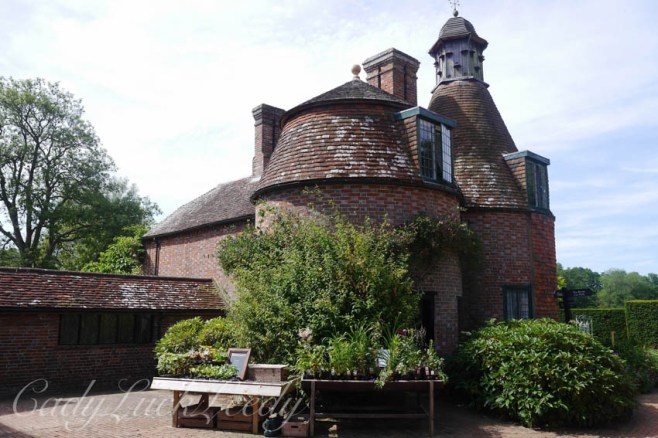
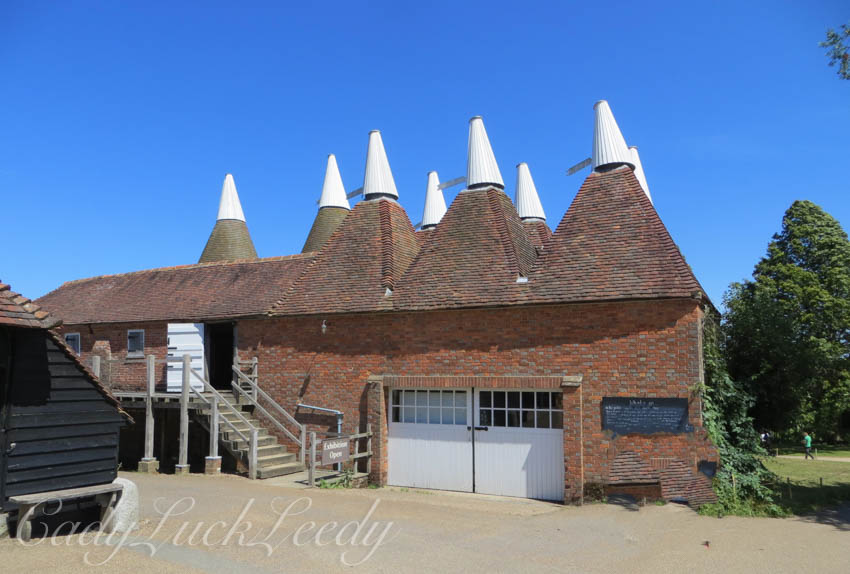
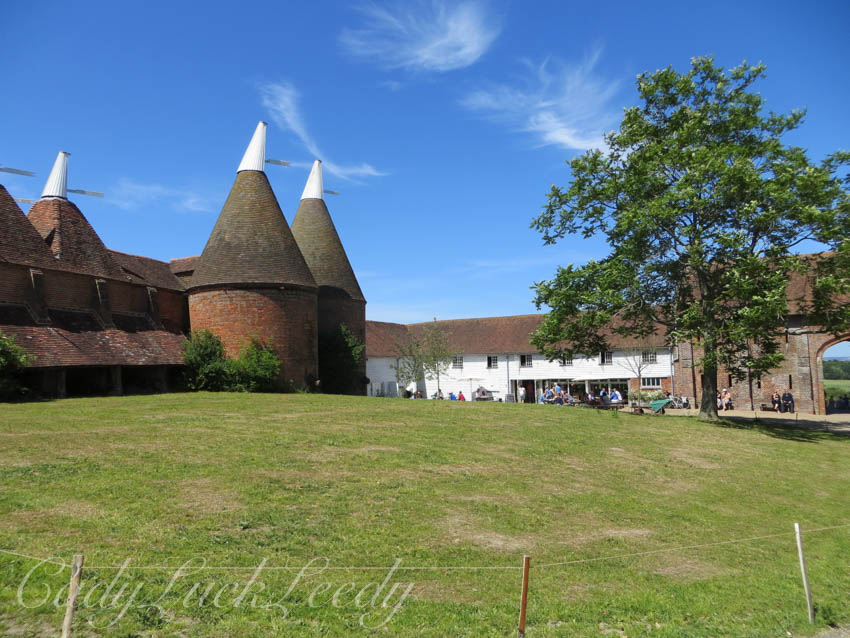
Here are the Oasts, so we know this was a working farm!

The Oasts at Sissinghurst Castle, Kent, UK

The Oasts at Sissinghurst Castle, Kent, UK

Now these buildings make up the restaurant,  gift shops and museum at Sissinghurst Castle.

The Gift Shop and Restaurant at Sissinghurst Castle, Kent, UK

The Gift Shop and Restaurant at Sissinghurst Castle, Kent, UK

Tomorrow we’ll explore the garden up close and personal and see the remarkable transition that took place and continues to do so in the Sissinghurst’s gardens. Vita and Harold had a definite plan for their new home! See you there!

The Gift Shop and Restaurant at Sissinghurst Castle, Kent, UK

The Gift Shop and Restaurant at Sissinghurst Castle, Kent, UK

The National Trust: Knole; Childhood Home of Vita Sackville-West

Knole, Sevenoaks, Kent, UK

Knole, Sevenoaks, Kent, UK

The Entry to Knole, in the Green Courtyard, Sevenoaks, Kent, UK

The Entry to Knole, into the Green Courtyard, Sevenoaks, Kent, UK

One of the Towers at Knole, Sevenoaks, Kent, UK

One of the Towers at Knole, Sevenoaks, Kent, UK

One of the Towers at Knole, Sevenoaks, Kent, UK

Some of the Towers at Knole, Sevenoaks, Kent, UK

Nothing could have prepared me for Knole.  I had read up about Knole. It would be a big house, extraordinary.  Well, the people who had lived there made it so very interesting too. I discovered Vita Sackville-West. I discovered another world.

But in reality, it was unbelievable that anyone could live in this home, really a castle, but bigger than any castle I had ever seen. The shear size of it is unimaginable!  I wanted to understand this life. I wanted to understand the people who lived like this.

I am breaking my post into two segments because I think that Knole and Vita Sackville- West demand such attention. I was enthralled. I hope you will be as well. Now………

What I learned about Knole.

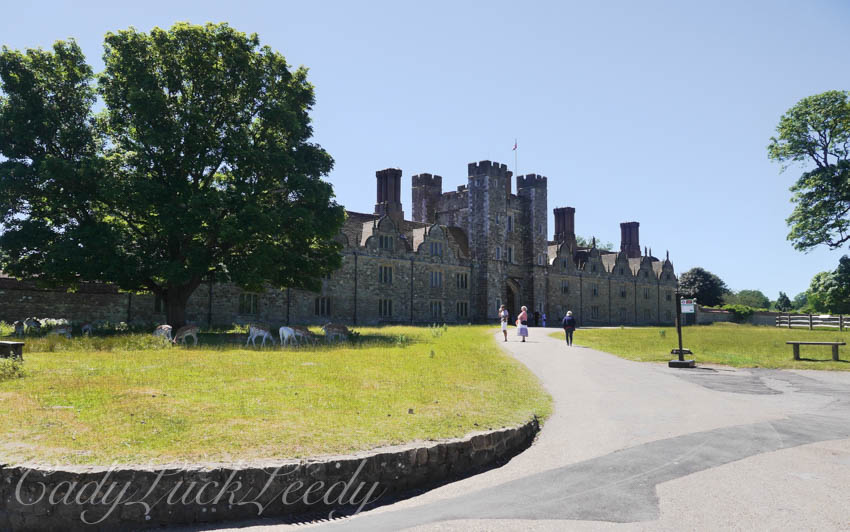
Knole is nestled in a 1000 acre medieval deer-park. The deer know there are no guns here and are happy to be in the front yard, (if you can call it that) and near the parking spaces for Knole. You could reach out and touch them, certainly feed them, or just sit amongst them. Knole has been open as a park for several years and has been a favorite recreational park for large groups of school children, as a field trip adventure, with plenty of space to run around! Walking up the gravel lane from the car park you get plenty of opportunity to observe the deer!

The Deer of Knole, Sevenoaks, Kent, UK

The Deer of Knole, Sevenoaks, Kent, UK

The Deer of Knole, Sevenoaks, Kent, UK

The Deer of Knole, Sevenoaks, Kent, UK

Sprawled out in front of us is Knole, rated as one of England’s largest houses.  Since 2012 the National Trust, has cared for the house and 52 of the acres. More than half the house has been kept by the Sackville-Wests, along with the remaining gardens and estate, but they do permit commercialized access and charitable and sporting events. Believe me when I say you could live at one end of this place and NEVER know what was going on at the other. The National Trust has documented this house as a Calendar House, which defines it as having 365 rooms, 52 staircases, 12 entrances, and 7 courtyards, following the order of a calendar with 365 days, 52 weeks, 12 months, and 7 days in a week.  Can you imagine that? Who exactly lived here?

I had to stand far away just to take pictures of SECTIONS of Knole! It goes on and on in the shape of a rectangle with several inner courtyards!

Knole, Sevenoaks, Kent, UK

Knole, Sevenoaks, Kent, UK

Knole, Sevenoaks, Kent, UK

Knole, Sevenoaks, Kent, UK

Knole,Sevenoaks, Kent, UK

Knole, Sevenoaks, Kent, UK

Knole, Sevenoaks, Kent, UK

Knole, Sevenoaks, Kent, UK

The Chapel at Knole, Sevenoaks, Kent. UK

The Chapel at Knole, Sevenoaks, Kent. UK

The oldest parts of the house were built by Thomas Bourchier, Archbishop of Canterbury between 1456 and 1486, on the site of an earlier house.  Above and on either side of a large Tudor fireplace is the motto of the Archbishop and subsequently the house was passed on to future Archbishops, enlarging the house with new courtyards, (The Green Courtyard which is now the front yard)  and new entrance towers. In 1538 the house was taken from the Archbishop Thomas Cranmer by King Henry VIII. In 1566 Queen Elizabeth I gave the house to her cousin, Thomas Sackville, whose descendants have lived there since 1603. In 1606, Sackville made extensive renovations, to the house,  to prepare for a possible visit from King James VI.  The estate was not given outright to the Sackvilles. Under the terms of the lease the “manor and mansion house”, with the park and deer, were given in a ninety-nine year lease for 200 pounds. The leasee, had to do all the repairs, but could re-build the house at his pleasure. The estate just got larger and larger and it remained in the hands of the Sackville’s.

The organ, dating from the 1620’s, is located in the private chapel (which is as big as some modern churches) and is the oldest playable organ in England.

There is a walled garden of 26 acres, and it is large enough to have a very unusual walled garden inside itself. How many stones would that take? How long would it take to build?

Walled Garden at Knole, Sevenoaks, Kent, UK

Walled Garden at Knole, Sevenoaks, Kent, UK

Here is a hedged garden inside a walled garden, inside another walled garden!

Walled Garden at Knole, Sevenoaks, Kent, UK

Walled Garden at Knole, Sevenoaks, Kent, UK

This passageway in the wall lead to yet another garden!

The Walled Garden, Knole, Sevenoaks,Kent, UK

The Walled Garden, Knole, Sevenoaks,Kent, UK

 Garden at Knole, Sevenoaks, Kent, UK

Garden at Knole, Sevenoaks, Kent, UK

 Garden at Knole, Sevenoaks, Kent, UK

Garden at Knole, Sevenoaks, Kent, UK

The Garden at Knole, Sevenoaks, Kent, UK

The Garden at Knole, Sevenoaks, Kent, UK

The Garden at Knole, Sevenoaks, Kent, UK

The Garden at Knole, Sevenoaks, Kent, UK

The Garden at Knole, Sevenoaks, Kent, UK

The Garden at Knole, Sevenoaks, Kent, UK

The Garden at Knole, Sevenoaks, Kent, UK

The Garden at Knole, Sevenoaks, Kent, UK

The Garden at Knole, Sevenoaks, Kent, UK

The Garden at Knole, Sevenoaks, Kent, UK

The Garden at Knole, Sevenoaks, Kent, UK

The Garden at Knole, Sevenoaks, Kent, UK

The gardens are so extensive it will take years to completely restore them and lots of gardeners!

The Garden at Knole, Sevenoaks, Kent, UK

The Garden at Knole, Sevenoaks, Kent, UK

Today the inside of the house is undergoing conservative reconstruction with support from the Heritage Lottery Fund, since the external repairs have been completed. There is a Bookshop Café, along the Green Courtyard, one of the many inner courtyards. 

Knole, Sevenoaks, Kent, UK

Knole, Sevenoaks, Kent, UK

Tents have been placed outside, with a temporary eating station, until the larger restaurant facilities are complete. Now that I have got over the shock of the sheer size of the house let’s walk through the orangery from the garden. In the orangery are marble statues, orange trees and a Buzaglo. What in the world is a Buzaglo?  I wanted  to know too!

The Orangery, Knole, Sevenoaks, Kent, UK

The Orangery, Knole, Sevenoaks, Kent, UK

The Orangery, Knole, Sevenoaks, Kent, UK

The Orangery, Knole, Sevenoaks, Kent, UK

The Orangery, Knole, Sevenoaks, Kent, UK

The Orangery, Knole, Sevenoaks, Kent, UK

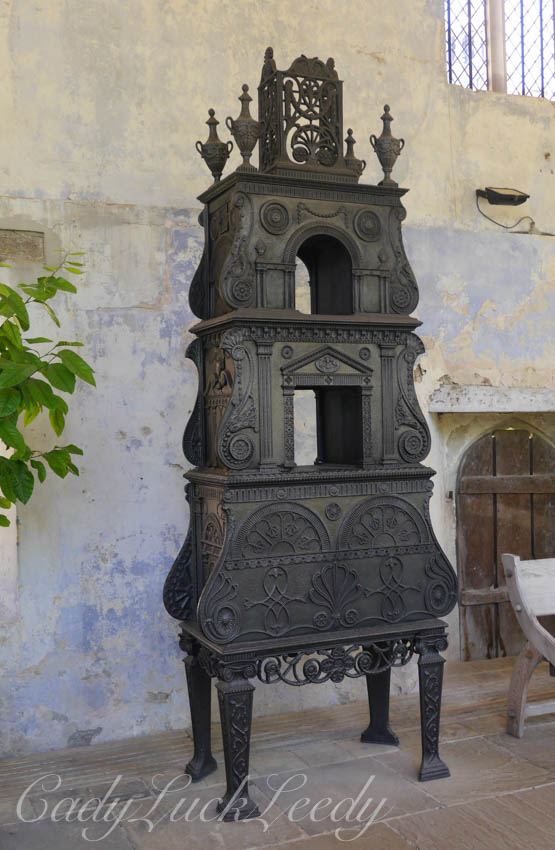
The Buzaglo, Knole, Kent, UK

The Buzaglo, Knole, Kent, UK

Abraham Buzaglo (1710-1782) came from Morocco to England in 1760, and in 1765 was granted a patent for a new type of stove, known after him as a “Buzaglo”. These “warming  stoves”, as they were called, were effective, fashionable and exclusive because of their cost. These coal burning, cast iron-stoves were the cutting edge of keeping warm in the 1770’s. Mr Buzlos’s trade card promised that his stoves “surpass in Utility, Beauty, and Goodness say anything hitherto invented in Europe”.  They “cast an equal and agreeable heat to any Part of the Room and are not attended by Stench,  with a bright Fire to be seen at pleasure”. The stove also “preserved the Ladies Complexions and Eyesight,  warming equally the whole body, without Scorching the Face or Legs”. I’m sure if it was the newest and costliest it was wanted at Knole. My question would be how many of the warming stoves would it take to warm up the house? After the “warming stoves” were placed there Mr. Buzaglo could have retired!

It is clear that Knole prospered for the rich and powerful!

Conservation of Knole is going to take several years. It will be interesting to see how much of the house will be opened to the public and how the gardens will be restored. In 2014 archeologists found oak beams beneath the floors and near the fireplaces, that had been scorched and carved with “witch marks” to prevent witches and demons from coming down the chimney! The house will have to be monitored. It would be so easy to get lost in a house with 365 rooms! Tomorrow I will share with you the life of  Vita Sackville-West, an English poet, novelist, and gardener, who was born at Knole, in 1892. She was an only child! I hope she had enough room in that house! Enjoy!

Here’s a last look at Knole, with the chapel on the end!

The Chapel at Knole, Sevenoaks, Kent, UK

The Chapel at Knole, Sevenoaks, Kent, UK

The National Trust: Alfriston Clergy House, Alfriston, Sussex, UK

Alfriston Clergy House, Alfriston, Sussex, UK

Alfriston Clergy House, Alfriston, Sussex, UK

Alfriston Clergy House, Alfriston, Sussex, UK

Alfriston Clergy House, Alfriston, Sussex, UK

Alfriston Clergy House, Alfriston, Sussex, UK

Alfriston Clergy House, Alfriston, Sussex, UK

Today we are visiting another estate belonging to the National Trust. How exactly did the National Trust get stated?

This is what I learned.

Octavia Hill, the eighth daughter of nine children, born into a modest family, was a social reformer, with a strong commitment to alleviating poverty in the late nineteenth century. With no formal education, she worked from the age of 14 for the welfare of working people. She wanted to improve the housing of the working classes. Due to a severe shortage of available property, she decided to become a landlord herself. John Ruskin provided the money to buy three cottages of six rooms each, and placed Hill to manage them. She improved the properties, all which had been on dilapidated ground, among cowsheds and manure. Hill was a very prudent manager believing  in personal responsibility, and punctual payment. She visited each home personally paying careful attention to allocations with regard to size of families and location of the accommodation offered. It was mandatory that the head of the family work, send his children to school, and not overcrowd his rooms, in addition to paying the rent on time.  As her holdings increased to over 3000 cottages, she added assistants, who checked every detail of the premises, and got to know the tenants personally. She promoted tenant’s associations and after-work, and children’s after school programs. This was an early stage of social work. Among Hill’s concerns was that her  tenant’s and all urban workers should have access to open spaces. She believed in “the life-enhancing virtues of pure earth, clean air and blue sky”. She wanted four things. Places to sit, places to play in, places to stroll in and places to spend a day in. She campaigned against building on existing suburban woodlands. Together she and Ruskin conceived of a trust that could buy and preserve places of natural beauty and historic places for the nation.

The National Trust was formed in 1875 and the first property, acquired in 1896, was the rare 14th century, thatched and timber-framed, Wealden “hall house,” in Alfriston. The Alfriston Clergy House was built in 1350 by a farmer who prospered after the Black Death. In 1395 the house was taken over by St Andrew’s Church, which is close by, and used as a vicarage, and eventually rented out for income. In 1885 church authorities wanted the house demolished. Rev F.W. Beynon campaigned to save the house and contacted the newly formed National Trust. Harriet Coates was the last person to live in the house before it was purchased in 1896 for ten pounds, by the National Trust, which now maintains the property. 

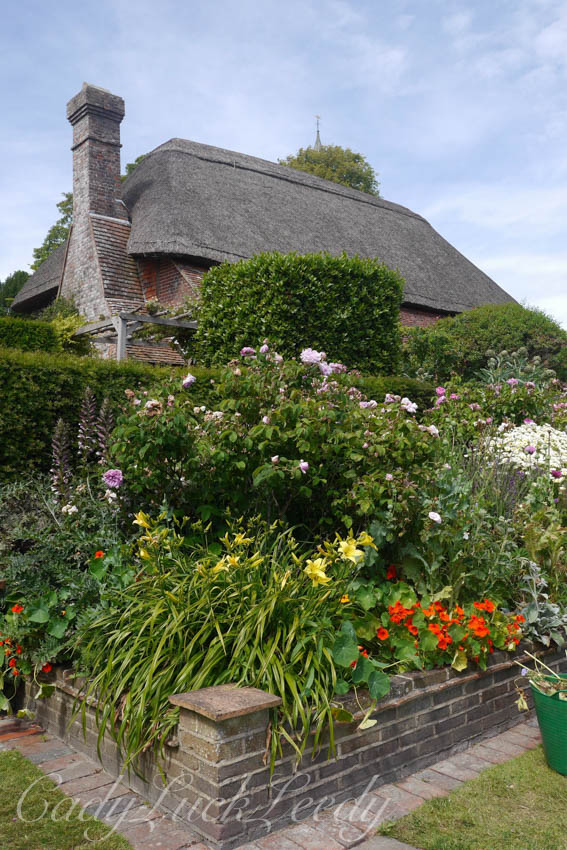
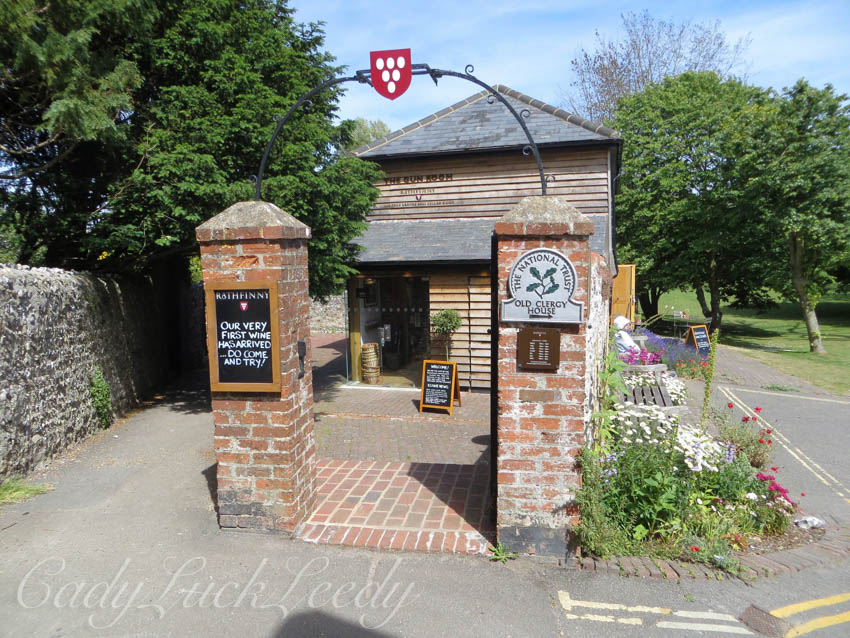
Today, the Alfriston Clergy House, is surrounded by a tranquil cottage garden full of wildlife, with beautiful views of the River Cuckmere. Alfriston is a small village of 760, noted in the Doomsday Book as Aelfrictun, (the son of Alfric).  Coming to the village green we find a local winery, announcing the the direction of the Clergy House.

Alfriston Clergy House, Alfriston, Sussex, UK

The Way to Alfriston Clergy House, Alfriston, Sussex, UK

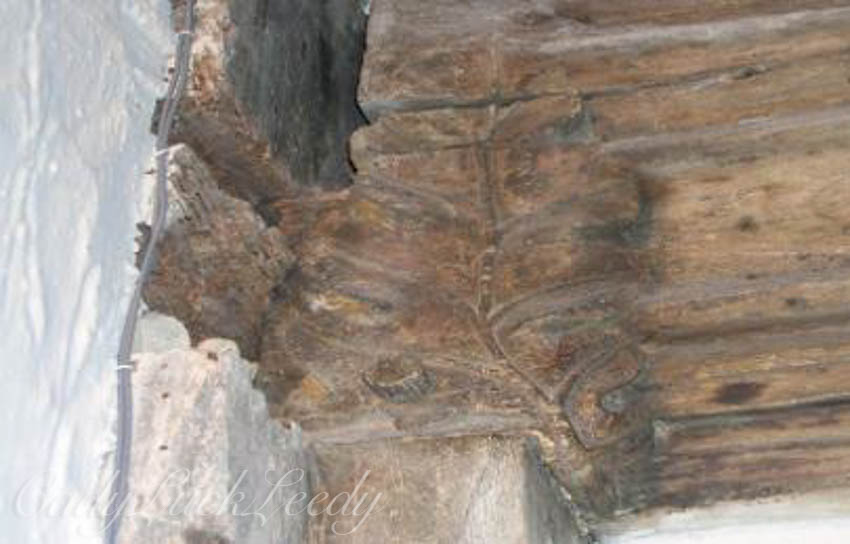
The oak leaf is the symbol of the National Trust. Here in the eaves of the Clergy House is a carved oak leaf. Perhaps it was the inspiration for the symbol? Look for it on signs signifying homes on the National Trust.

Oak Leaf National Trust, Alfriston Clergy House, Alfriston, UK

Oak Leaf Symbol of National Trust, Alfriston Clergy House, Alfriston, UK

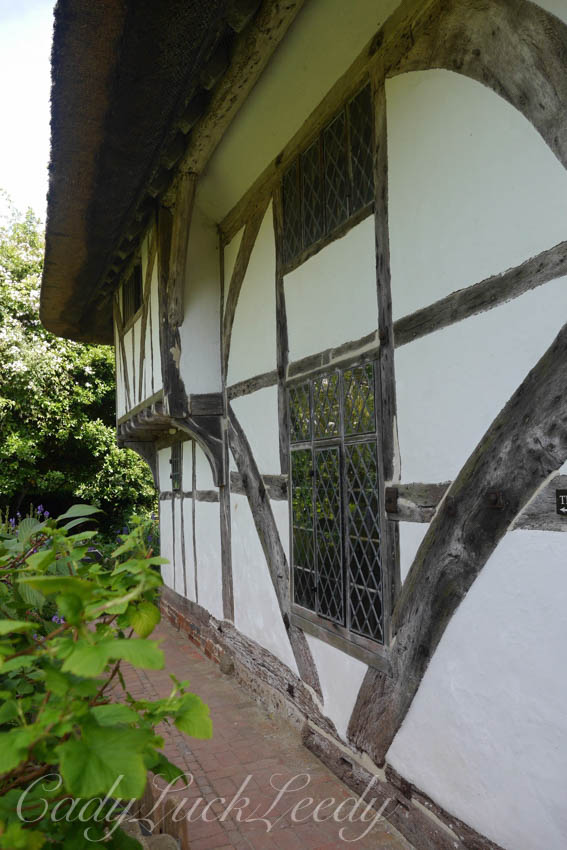
Here is a look at the timber-framed house.

Alfriston Clergy House, Alfriston, Sussex, UK

Alfriston Clergy House, Alfriston, Sussex, UK

Alfriston Clergy House, Alfriston, Sussex, UK

Alfriston Clergy House, Alfriston, Sussex, UK

Alfriston Clergy House, Alfriston, Sussex, UK

Alfriston Clergy House, Alfriston, Sussex, UK

Alfriston Clergy House, Alfriston, Sussex, UK

Alfriston Clergy House, Alfriston, Sussex, UK

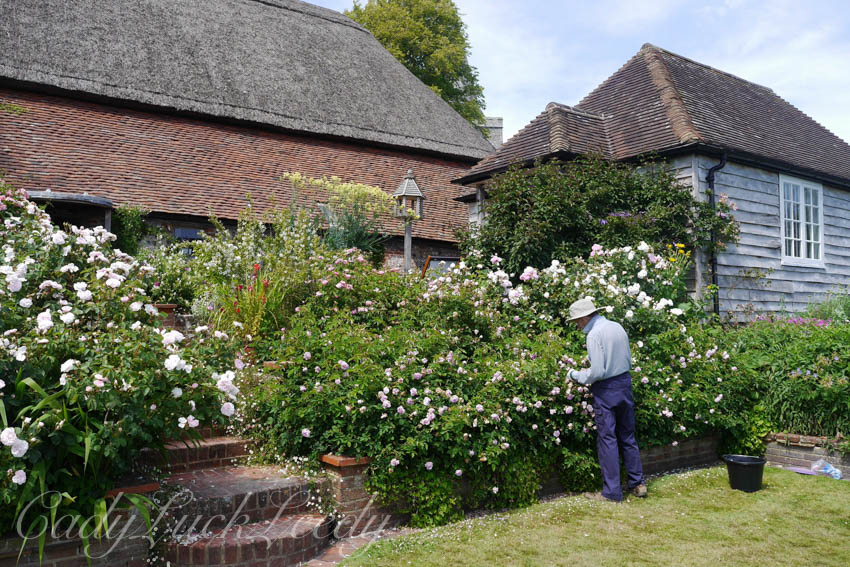
Next we visit the tidy garden and the gardeners who keep it that way!

Alfriston Clergy House, Alfriston, Sussex, UK

Alfriston Clergy House, Alfriston, Sussex, UK

Alfriston Clergy House, Alfriston, Sussex, UK

Alfriston Clergy House, Alfriston, Sussex, UK

Alfriston Clergy House, Alfriston, Sussex, UK

Alfriston Clergy House, Alfriston, Sussex, UK

Alfriston Clergy House, Alfriston, Sussex, UK

Alfriston Clergy House, Alfriston, Sussex, UK

Alfriston Clergy House, Alfriston, Sussex, UK

Alfriston Clergy House, Alfriston, Sussex, UK

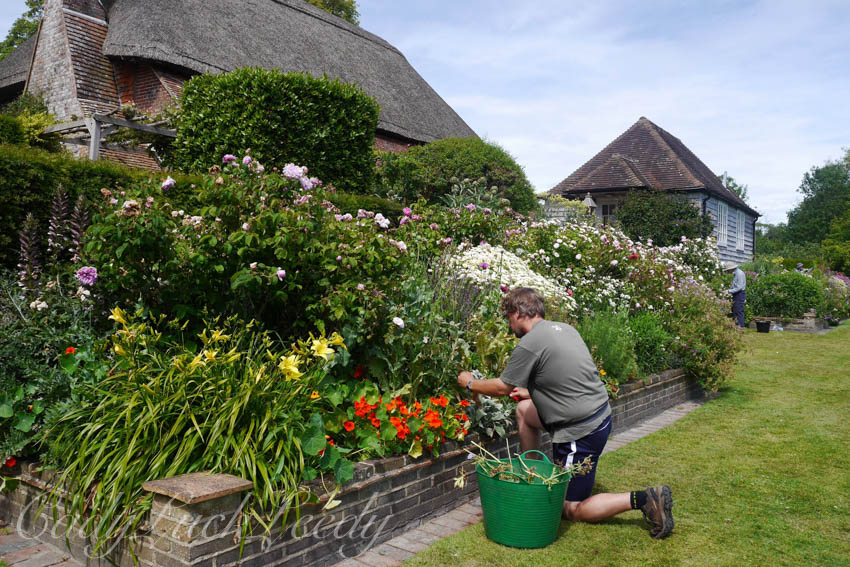
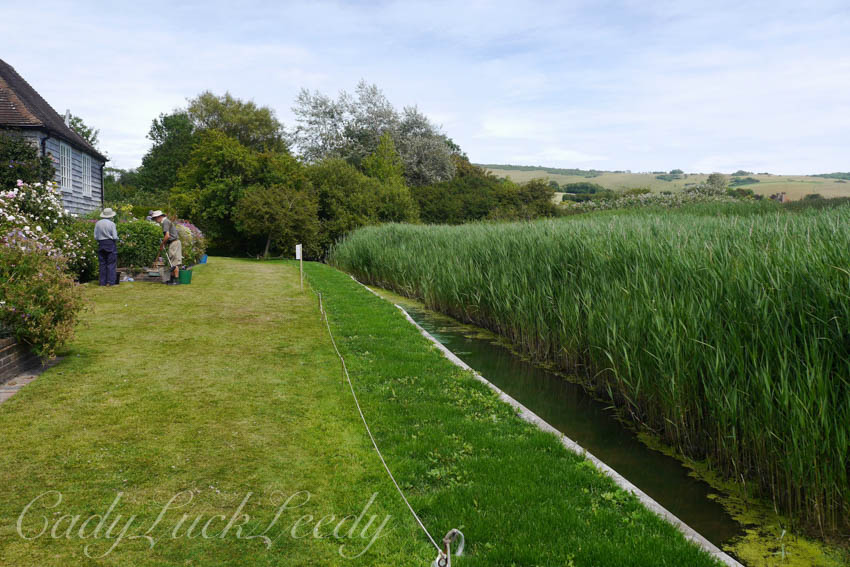
The water runs from the Cuckmere River, which is nearby, right along the back of the cottage, creating the perfect setting in the South Downs!

Alfriston Clergy House, Alfriston, Sussex, UK

Alfriston Clergy House, Alfriston, Sussex, UK

As with all National Trust properties, there is a gift shop which sells goods specific to that property, along with plants from the property. If I lived here I’d have to have a plant from each National Trust estate!

Alfriston Clergy House, Alfriston, Sussex, UK

Alfriston Clergy House Gift Shop, Alfriston, Sussex, UK

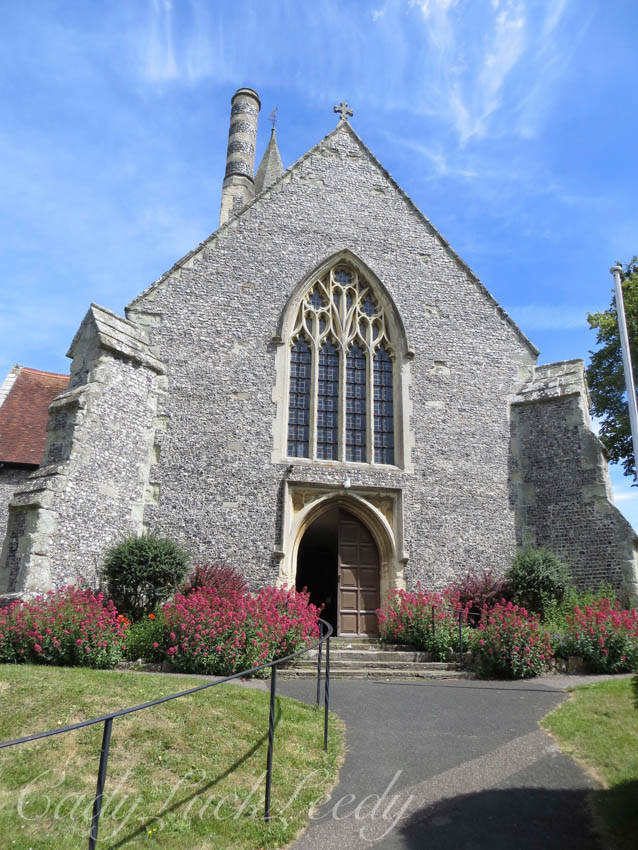
St Andrew’s Church, with Saxon origins, is known as “The Cathedral of the South Downs,” and is surrounded by a flowered graveyard. Built in the form of a cross it sits on a small flint-walled mound in the middle of the local village green.

St Andrew's Church, Alfriston, Sussex, UK

St Andrew’s Church, Alfriston, Sussex, UK

St Andrew's Church, Alfriston, Sussex, UK

St Andrew’s Church, Alfriston, Sussex, UK

St Andrew's Church, Alfriston, Sussex, UK

St Andrew’s Church, Alfriston, Sussex, UK

St Andrew's Church, Alfriston, Sussex, UK

St Andrew’s Church, Alfriston, Sussex, UK

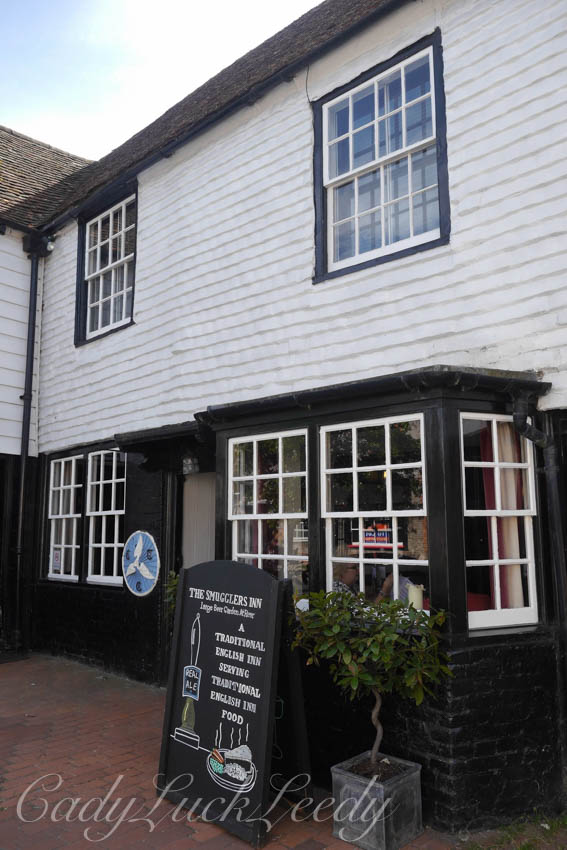
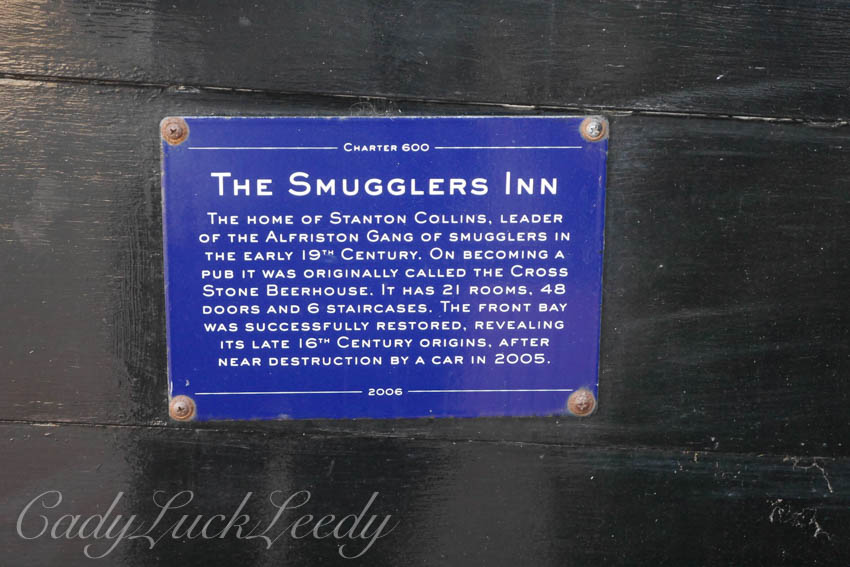
Let’s explore the village. The streets are narrow and don’t allow for parking, but a parking lot can be found at the end of the village and it is just a short walk to the pubs and other historic sites.  The Star Inn, a religious hostel built in 1345 and used to accommodate monks and pilgrims, is now one of three pubs in the village.  Later a smuggling gang used the inn as a base, before the leader was transported to Australia in 1830. The George Inn and the Smugglers Inn are also pubs located along the main road through Alfriston.

Alfriston, Sussex, UK

Alfriston, Sussex, UK

The Star Inn, Alfriston, Sussex, UK

The Star Inn, Alfriston, Sussex, UK

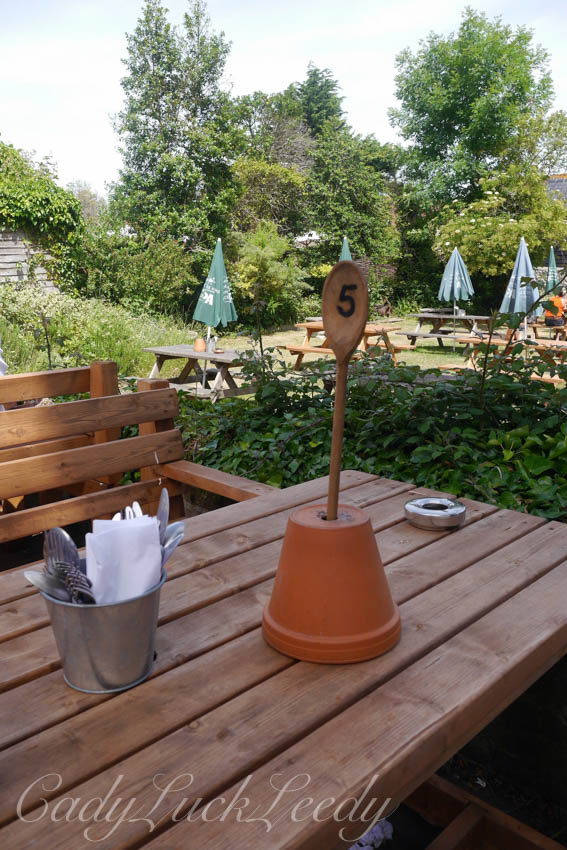
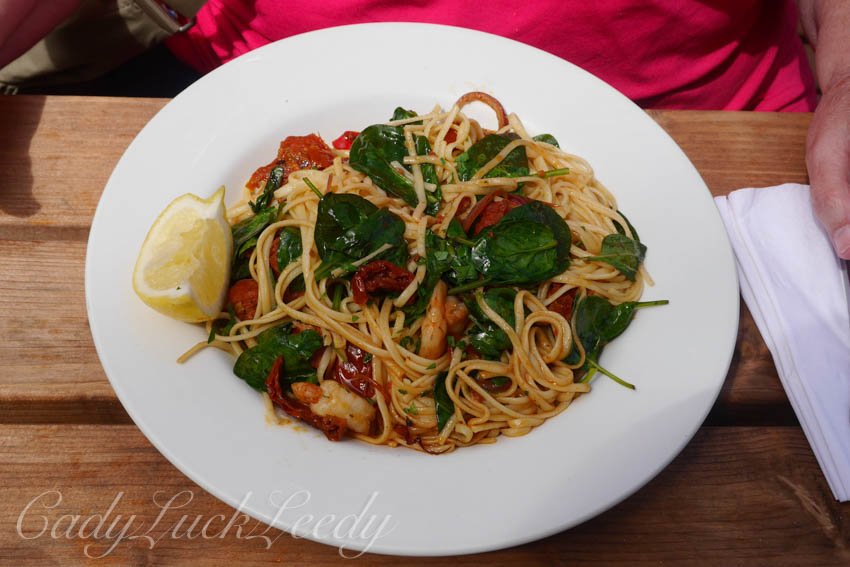
We popped into The George Inn for a bite to eat. We had a drink inside and then went outside in the garden to have a meal. YUMMY!

The George Inn, Alfriston, Sussex, UK

The George Inn, Alfriston, Sussex, UK

The George Inn, Alfriston, Sussex, UK

The George Inn, Alfriston, Sussex, UK

The George Inn, Alfriston, Sussex, UK

The George Inn, Alfriston, Sussex, UK

The Garden at the George Inn, Alfriston, Sussex, UK

The Garden at the George Inn, Alfriston, Sussex, UK

The Garden at the George Inn, Alfriston, Sussex, UK

The Food at the George Inn, Alfriston, Sussex, UK

Smugglers Inn, Alfriston, Sussex, UK

Smugglers Inn, Alfriston, Sussex, UK

Smugglers Inn, Alfriston, Sussex, UK

Smugglers Inn, Alfriston, Sussex, UK

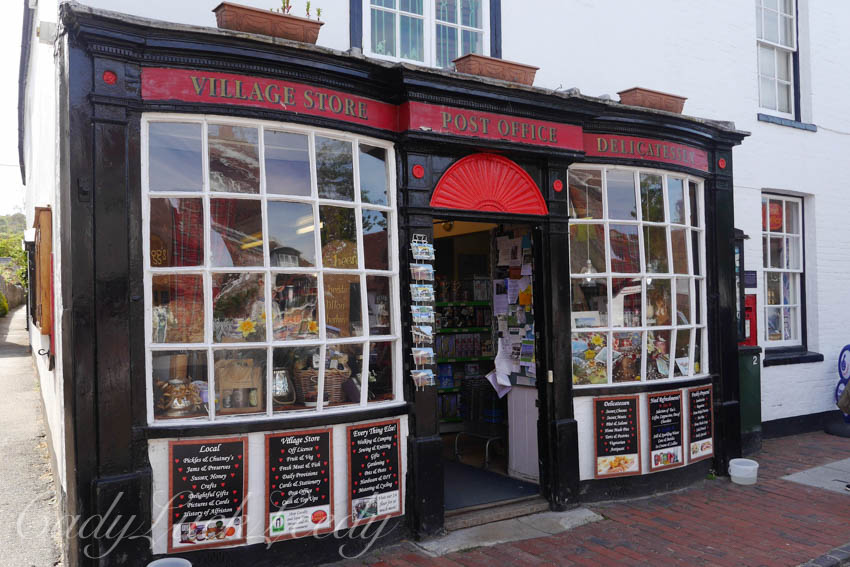
Walking through the village we see the small shops and monuments of the village.

The Village Store, Alfriston, Sussex, UK

The Village Store and Post Office, Alfriston, Sussex, UK

Market Square, Alfriston, Sussex, UK

Market Square, Alfriston, Sussex, UK

Market Square, Alfriston, Sussex, UK

Market Square, Alfriston, Sussex, UK

This was my favorite “little house” in Alfriston. I could live here!

Little House in Alfriston, Sussex, UK

Little House in Alfriston, Sussex, UK

No records survive to establish what function this little building once served. A map of 1874 marks it as a dovecote, but it’s sufficiently similar to examples in other parts of the country to suggest that this was, in fact, Alfriston’s lock-up, where the local hotheads and drunks were left to cool down before the administration of justice. Yikes!

Alfriston Lock Up, Alfriston, Sussex, UK

Alfriston Lock Up, Alfriston, Sussex, UK

I called this house, “Lavender Door Cottage.” I absolutely loved it! Alfriston is a beautiful village and we had a great day exploring the first house on the National Trust!  It had a place to sit, a place to play, a place to stroll, and was a wonderful place to spend the day in! Octavia Hill would be so proud! See you tomorrow at another property! Enjoy!

The Lavender Door Cottage, Alfriston, Sussex, UK

The Lavender Door Cottage, Alfriston, Sussex, UK

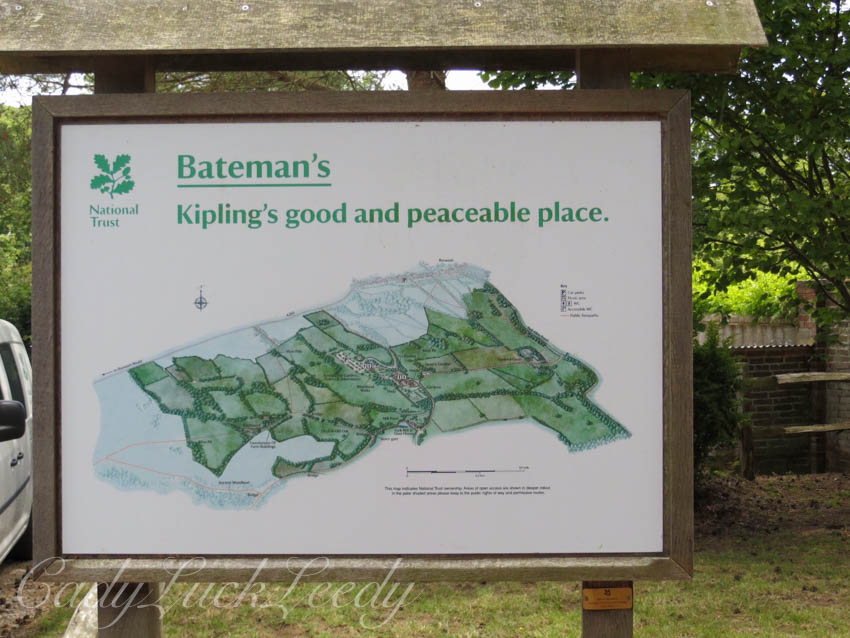
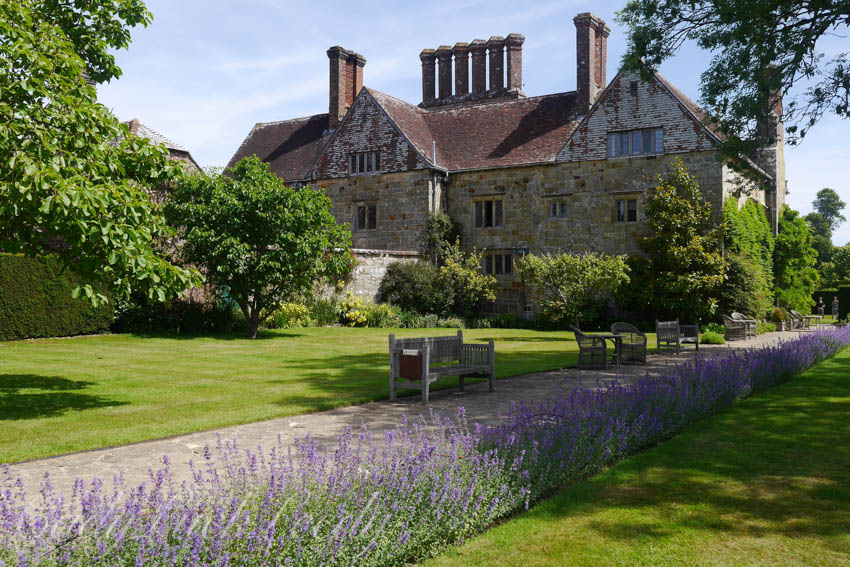
Bateman’s: Home of Rudyard Kipling

Bateman's, Burwash, East Sussex, U

Bateman’s, Burwash, East Sussex, UK
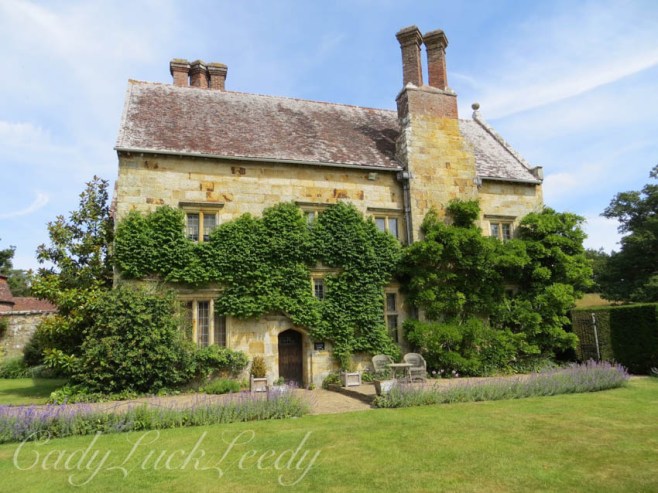
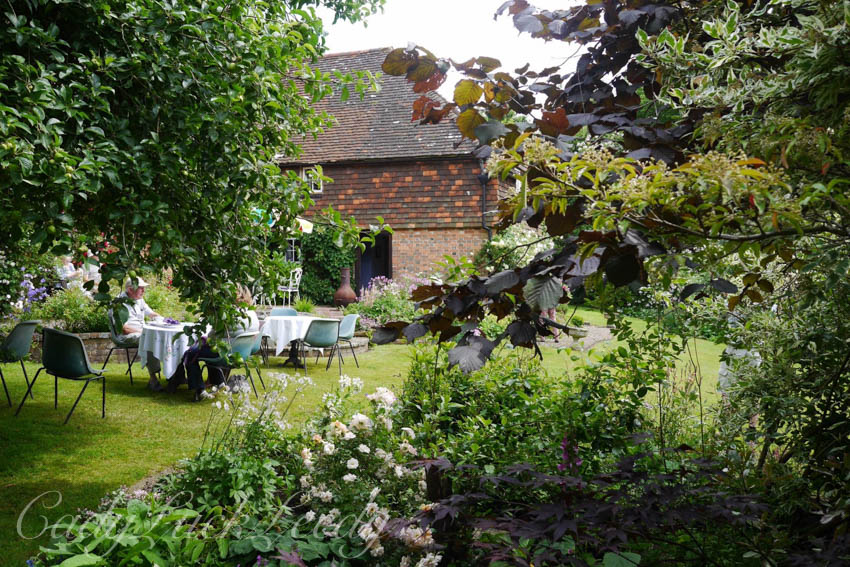
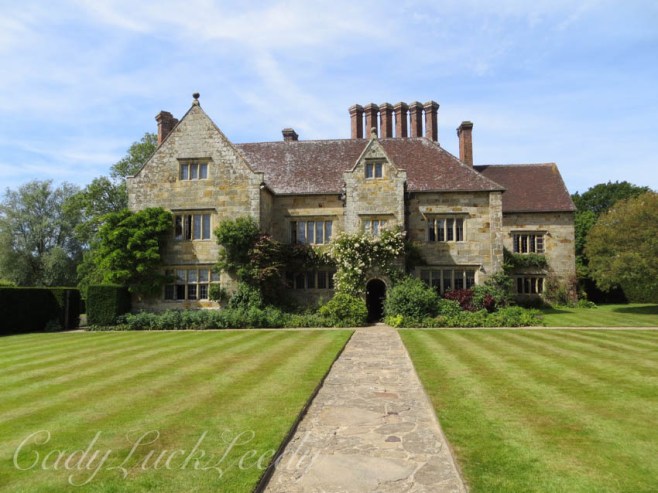
Bateman's, Burwash, East Sussex, UK

Bateman’s, Burwash, East Sussex, UK

Bateman's, Burwash, East Sussex, UK

Bateman’s, Burwash, East Sussex, UK

The National Trust was set up to preserve places of historic interest or natural beauty for the enjoyment of the British public. We are members of the National Trust (in the U.S. this is called the Royal Oak Society) which allowed us entry into the historic sites and provided a parking permit. The first National Trust property we toured, on my English Garden Tour, was Bateman’s, home of Rudyard Kipling; an English poet, short-story writer, and novelist chiefly remembered for his celebration of British imperialism, tales and poems of British soldiers in India, and his tales for children.

What I learned at Bateman’s:

Rudyard Kipling bought the Bateman’s Estate, in 1902, to escape the tourist attraction he had become, at his home in Brighton.   His wife found the sand-stoned estate in Burwash, East Sussex, built in 1634 by local ironmaster, John Bateman. It had 33 acres with outbuildings and a mill, no bathrooms, no running water upstairs, and no electricity, but Kipling loved it. In a letter he wrote, “Behold us, lawful owners of a grey stone lichened house- A.D. 1634 over the door– beamed, panelled, with old oak staircase, and all untouched and unfaked. It is a good and peaceable place. We have loved it ever since our first sight of it.”

Bateman's, Burwash, East Sussex, UK

Bateman’s, Burwash, East Sussex, UK

Kipling had a road built from the village to his estate at Bateman’s. His car, which was driven by a chauffeur, was a 1928 Rolls-Royce Phantom 1.  The car is on the property in one of the out buildings, now used as part of the museum.
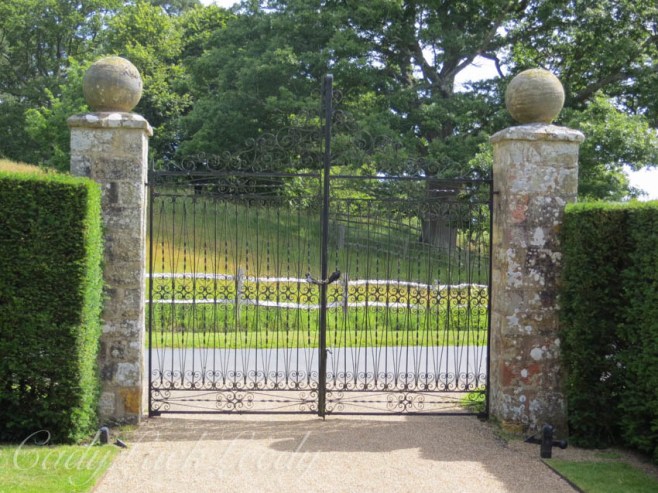
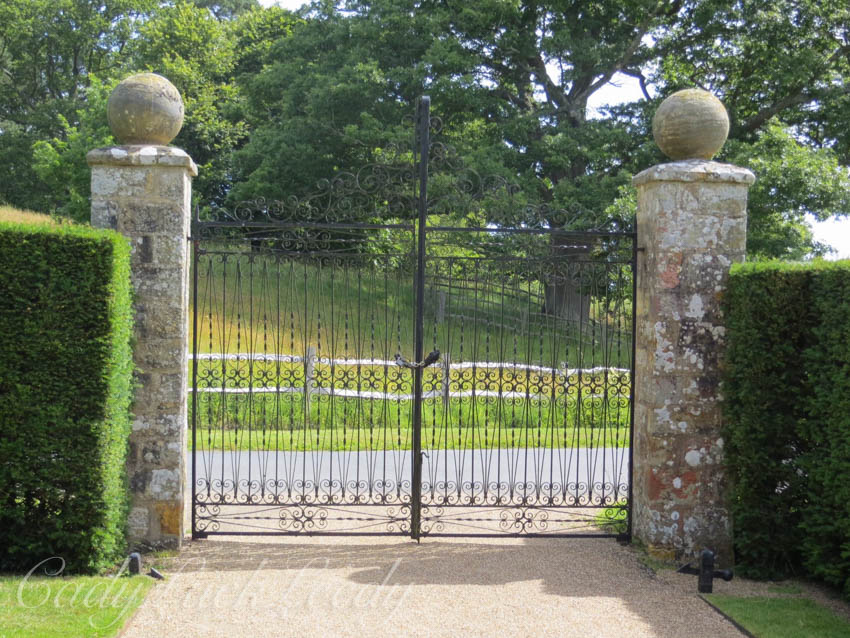
The Main Gate to Bateman's, Burwash, East Sussex, UK

The Main Gate to Bateman’s, Burwash, East Sussex, UK
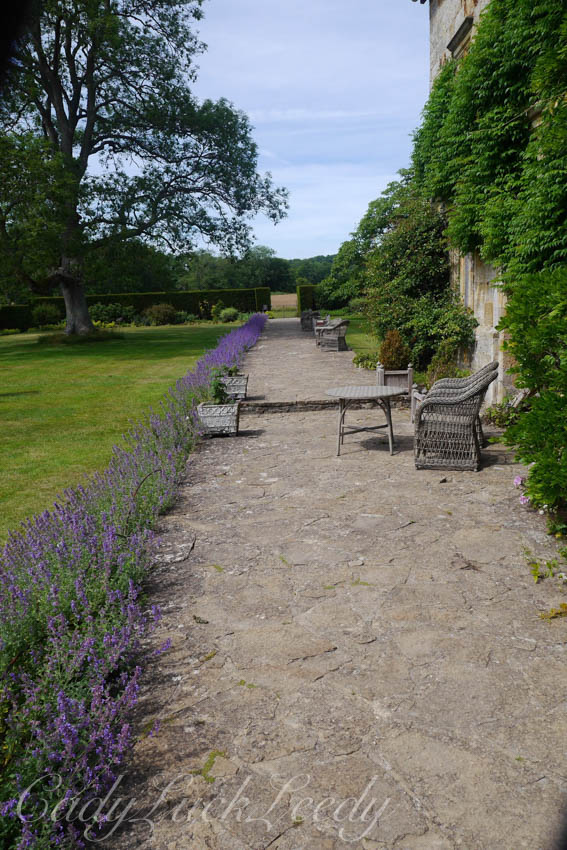
The Lavender Walk, Bateman's, Burwash, East Sussex, UK

The Lavender Walk, Bateman’s, Burwash, East Sussex, UK

Bateman's, Burwash, East Sussex, UK

Bateman’s, Burwash, East Sussex, UK

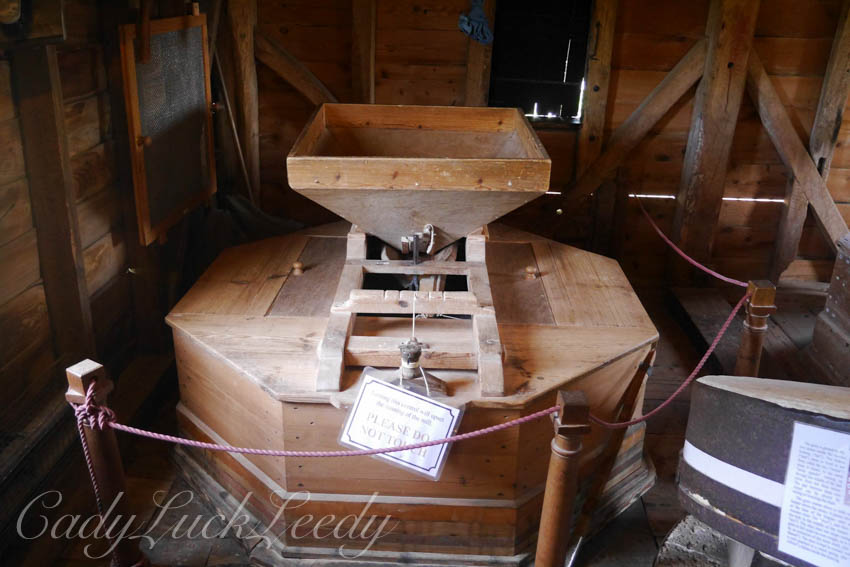
An oast is found in the peaceful, secluded, garden and is now used for a gift shop selling plants, Kipling souvenirs, books, and flour from the flour mill on the property.
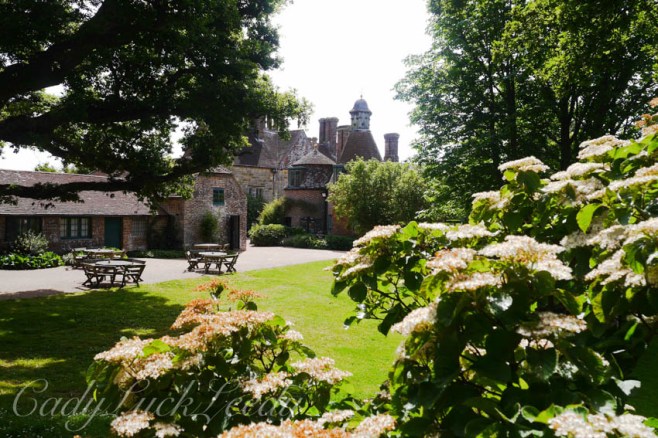
Bateman's, Burwash, East Sussex, UK

Bateman’s, Burwash, East Sussex, UK

There is also  a lovely restaurant serving seasonal lunches, and homemade cakes with inside or outside seating. It was a beautiful spot to sit and enjoy the garden.

Bateman's, Burwash, East Sussex, UK

Bateman’s, Burwash, East Sussex, UK
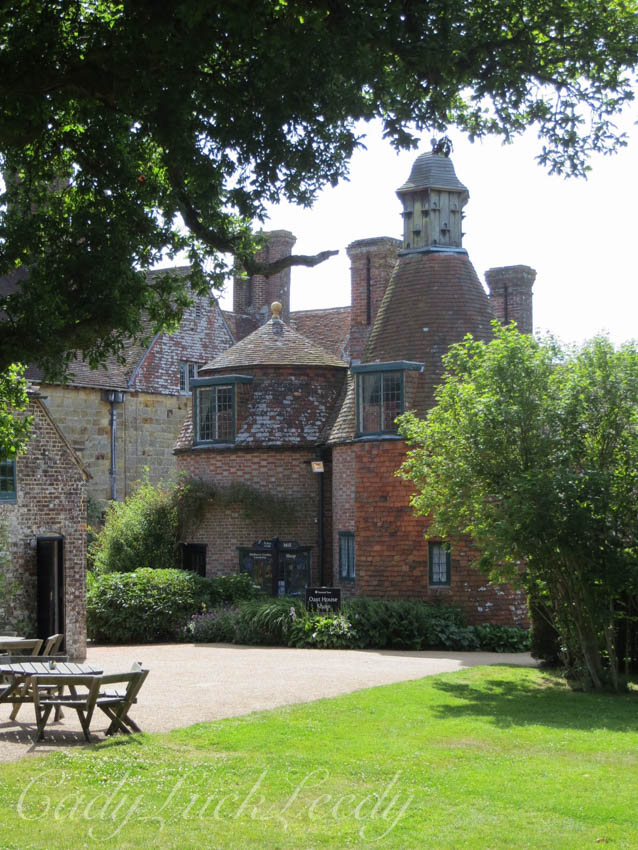
Bateman's, Burwash, East Sussex, UK

Bateman’s, Burwash, East Sussex, UK

Bateman's, Burwash, East Sussex, UK

Bateman’s, Burwash, East Sussex, UK

Here is the flower shop at Bateman’s!

Bateman's, Burwash, East Sussex, UK

Bateman’s, Burwash, East Sussex, UK

Bateman's, Burwash, East Sussex, UK

Bateman’s, Burwash, East Sussex, UK

Kipling, born in Bombay, India to British nationals, was sent at the age of five, to England, to live with people who boarded children of British nationals, who were serving in India. He and his three year old sister, Trix, lived there for six years and Kipling recalled the stay with horror and thought the cruelty and neglect he experienced hastened the onset of his literary career. He had turned to writing for comfort. The two Kipling children, however, did have relatives in England whom they could visit. They spent a month each Christmas with their maternal aunt, Georgiana and her husband, at their house, “The Grange,” in Fulham, London, which Kipling was to call “a paradise which I verily believe saved me.” When “The Grange” was sold Kipling bought the antique doorbell and placed it at Bateman’s, to remind him how he had loved his stay there. 

The Door Bell at Bateman's, Burwash, East Sussex, UK

The Door Bell at Bateman’s, Burwash, East Sussex, UK

There was also a hidden room ( Mrs. Kipling’s private room with a peephole) just above the entry which allowed her to say yea or nay when someone showed up at the house to visit. With a ring of a bell she relayed whether the guests should be allowed to stay or turned away. She was very protective of Kipling’s privacy and his writing time.

Here is Kipling’s desk and library; his personal paradise.

Bateman's, Burwash, East Sussex, UK

Bateman’s, Burwash, East Sussex, UK

Bateman's, Burwash, East Sussex, UK

Bateman’s, Burwash, East Sussex, UK

Kipling’s poems and works of fiction include, “Gunga Din” (1892), The Jungle Book (1894), and Kim (1901), Puck of Pook’s Hill (1906), and Rewards and Fairies (1910). Pook’s Hill  was part of the estate at Bateman’s. The latter contained the poem, “If.  In a 1995 BBC opinion poll, it was voted the U.K.’s favorite poem. In 1907, he was awarded the Nobel Prize for Literature.

Acres of countryside provide a tranquil retreat.
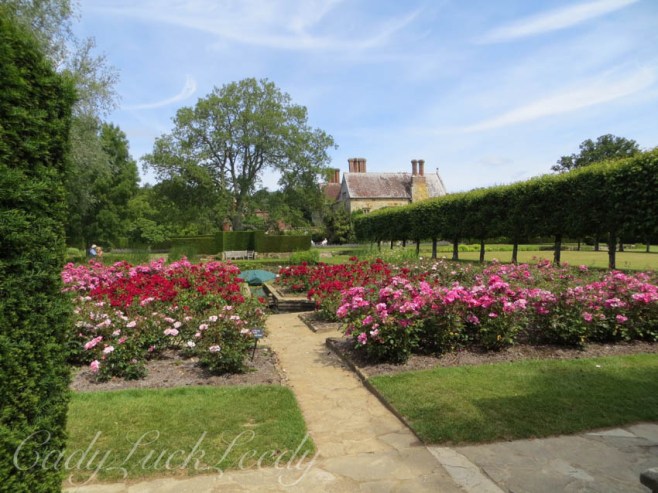
Bateman's, Burwash, East Sussex, UK

Bateman’s, Burwash, East Sussex, UK
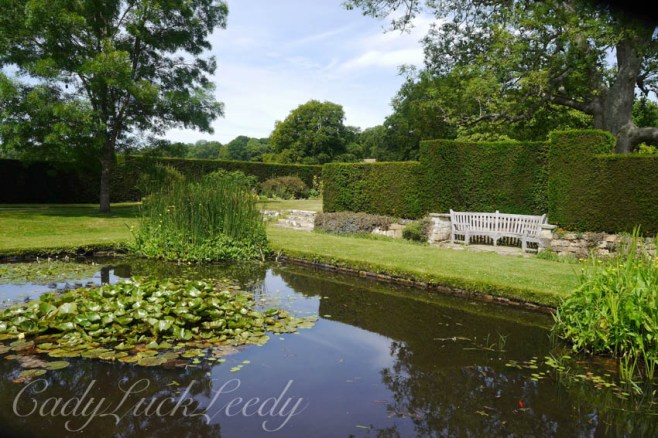
Bateman's, Burwash, East Sussex, UK

Bateman’s, Burwash, East Sussex, UK

Bateman's, Burwash, East Sussex, UK

Bateman’s, Burwash, East Sussex, UK

Here an oast, near the mill, has been converted to the caretaker’s cottage.

Caretaker's Cottage at Bateman's, Esat Sussex, UK

Caretaker’s Cottage at Bateman’s, Esat Sussex, UK

A very knowledgable guide instructed us on the workings of the mill.

The Mill at Bateman's, Burwash, East Sussex, UK

The Mill at Bateman’s, Burwash, East Sussex, UK
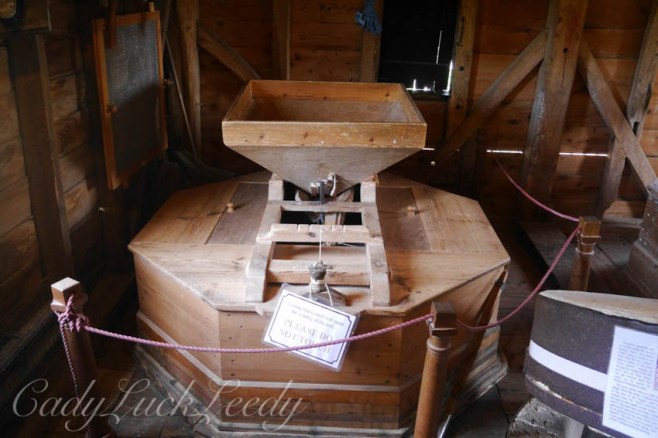
The Mill at Bateman's, Burwash, East Sussex, UK

The Mill at Bateman’s, Burwash, East Sussex, UK
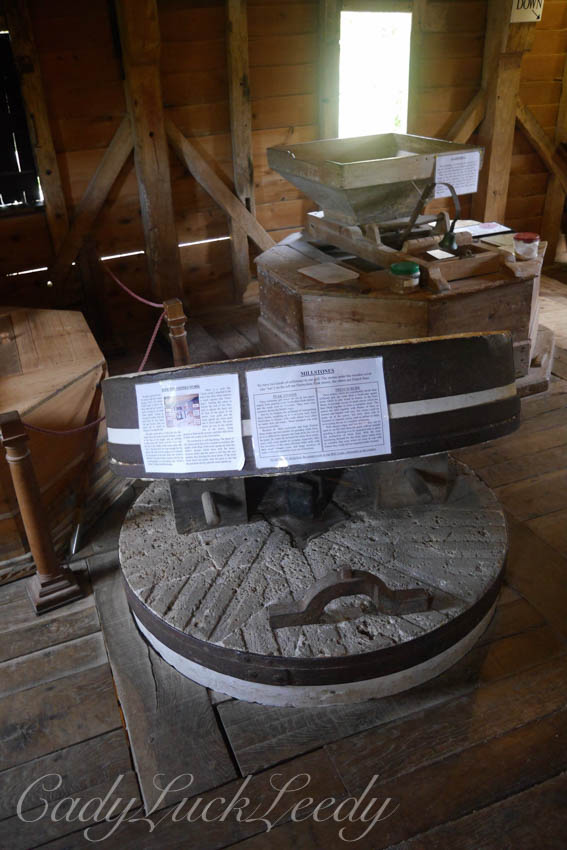
The Mill at Bateman's, Burwash, East Sussex, UK

The Mill at Bateman’s, Burwash, East Sussex, UK

The Mill at Bateman's, Burwash, East Sussex, UK

The Mill at Bateman’s, Burwash, East Sussex, UK

Kipling had three children. After the death of his oldest daughter, Josephine, at age six from pneumonia, he published the first of many children’s books. One was Just So Stories for Little Children.

Kipling actively encouraged his youngest, and only son, to go to war. Kipling’s son, John, died in the First World War, at the Battle of Loos, in September 1915, at age 18. John had initially wanted to join the Royal Navy, but having had his application turned down after a failed medical examination due to poor eyesight, he opted to apply for military service as an Army officer. But again, his eyesight was an issue during the medical examination and he was rejected. His father had been lifelong friends with Lord Roberts, commander-in-chief of the British Army, and colonel of the Irish Guards, and at Rudyard’s request, John was accepted into the Irish Guards.

He was sent to Loos two days into the battle in a reinforcement contingent. He was last seen stumbling through the mud blindly, screaming in agony after an exploding shell had ripped his face apart. A body identified as his was not found until 1992, although that identification has been challenged.

After his son’s death, Kipling wrote, “If any question why we died/ Tell them, because our fathers lied.” It is speculated that these words may reveal his feelings of guilt at his role in getting John a commission in the Irish Guards.

Kipling became friends with a French soldier whose life had been saved in the First World War when his copy of Kim, which he had in his left breast pocket, stopped a bullet. The soldier presented Kipling with the book (with bullet still embedded) and his Croix de Guerre as a token of gratitude. They continued to correspond, and when the soldier, Maurice Hammoneau, had a son, Kipling insisted on returning the book and medal. 

Partly in response to John’s death, Kipling joined the Imperial War Graves Commission, the group responsible for the garden-like British war graves that can be found to this day dotted along the former Western Front, and all the other locations around the world where troops of the British Empire lie buried. His most significant contribution to the project was his selection of the biblical phrase,”Their Name Liveth For Evermore”,  found on the Stones of Remembrance in larger war cemeteries and his suggestion of the phrase “Known unto God” for the gravestones of unidentified servicemen. He chose the inscription “The Glorious Dead” on the Cenotaph, Whitehall, London. He also wrote a two-volume history of the Irish Guards, his son’s regiment, that was published in 1923 and is considered to be one of the finest examples of regimental history.

Let’s take a stroll through the vegetable and flower gardens before we leave!
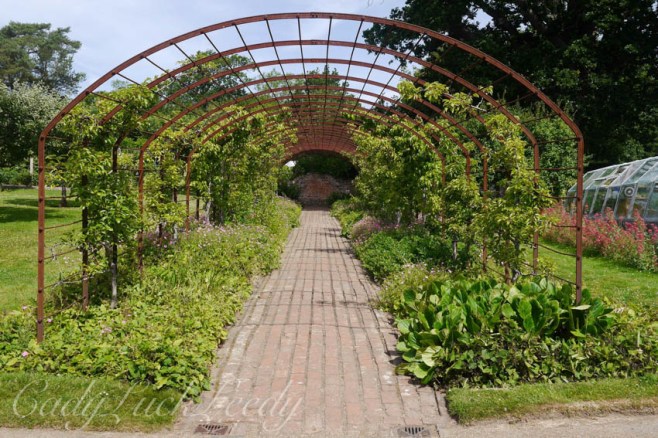
A Walk Through the Vegetable Gardens at Bateman's, Burwash, East Sussex, UK

A Walk Through the Flower Gardens at Bateman’s, Burwash, East Sussex, UK

A Walk Through the Flower Gardens at Bateman's, Burwash, East Sussex, UK

A Walk Through the Flower Gardens at Bateman’s, Burwash, East Sussex, UK
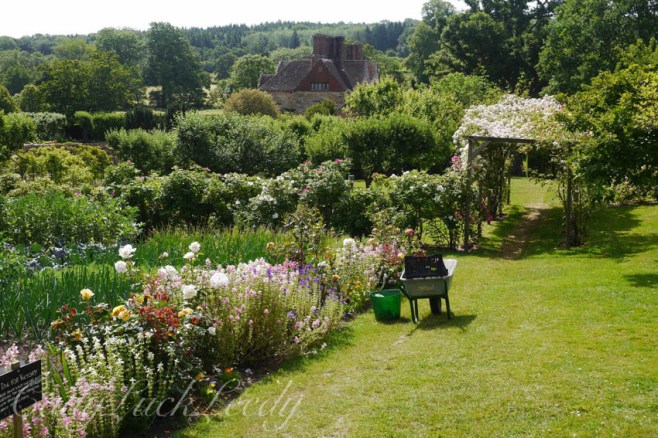
A Walk Through the Flower Gardens at Bateman's, Burwash, East Sussex, UK

A Walk Through the Flower Gardens at Bateman’s, Burwash, East Sussex, UK

A Walk Through the Flower Gardens at Bateman's, Burwash, East Sussex, UK

A Walk Through the Vegetable Gardens at Bateman’s, Burwash, East Sussex, UK

A Walk Through the Vegetable Gardens at Bateman's

A Walk Through the Flower Gardens at Bateman’s, Burwash, East Sussex, UK

After the death of Kipling’s wife in 1939, his house, “Bateman’s,  where he had lived from 1902 until 1936, was bequeathed to the National Trust and is now a public museum dedicated to the author. Elsie Bambridge, his only child, who lived to maturity, died childless in 1976, and also bequeathed her copyrights to the National Trust, which in turn donated them to the University of Sussex, in Brighton, to ensure better public access. We truly enjoyed our day at Bateman’s! See you tomorrow at another National Trust property! Enjoy!
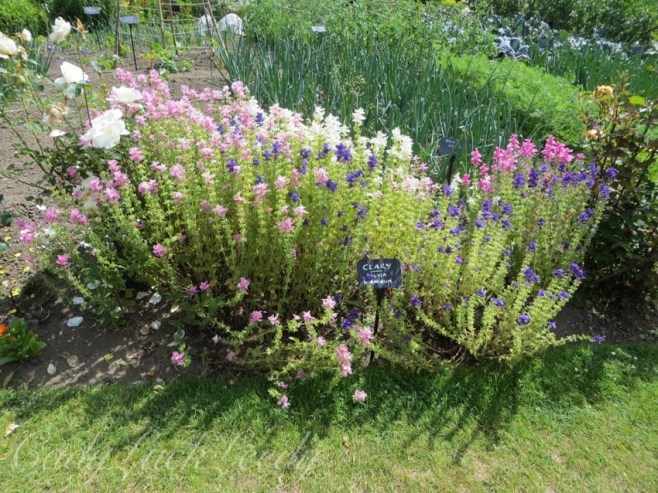
Bateman's, Burwash, East Sussex, UK

Bateman’s, Burwash, East Sussex, UK

The English Garden Tour: Garden 1; The Priest House, West Hoathly, Sussex

The Priest House, West Hoathly, Sussex

The Priest House, West Hoathly, Sussex

Map of Center of Village, West Hoathly, Sussex

Map of Center of Village, West Hoathly, Sussex

Today we traveled to West Hoathly, in Sussex, to see the first gardens that I had chosen from the many offered this weekend on the National Garden Scheme. Driving well over an hour we arrived in the center of the small village of 9 homes, including the pub. The Priest House is our first destination. The only one of its kind open to the public, this 15th century Wealden hall house stands in a traditional cottage garden on the edge of the Ashdown Forest. Originally owned by Henry VIII it was given to Anne of Cleaves, wife number four, upon their divorce. The herb garden is planted with over 170 culinary, medicinal and household herbs. Today a special exhibition for the NGS, featured on the upper floor, built in 1600, reveals pictures of local children and their place in the workforce in the 19th century. Many children, as young as five and six, were farm laborers and chimney sweeps. It was not uncommon for the chimney sweep to get stuck in the chimney and die. The Priest House is maintained by the Sussex Archaeological Society and provides rotating exhibits, research, and other learning experiences.

Walkway to the Priest House, West Hoathly, Sussex

Walkway to the Priest House, West Hoathly, Sussex

The Priest House, West Hoathly, Sussex

The Priest House, West Hoathly, Sussex

The Priest House, West Hoathly, Sussex

The Priest House, West Hoathly, Sussex

The Gardens at Priest House, West Hoathly, Sussex

The Gardens at Priest House, West Hoathly, Sussex

The Gardens at Priest House, West Hoathly, Sussex

The Gardens at Priest House, West Hoathly, Sussex

The Gardens at Priest House, West Hoathly, Sussex

The Gardens at Priest House, West Hoathly, Sussex

Flowers in the Garden at Priest House, Sussex

Flowers in the Garden at Priest House, Sussex

Another Garden at The Priest House, Sussex

Another Garden at The Priest House, Sussex

The Priest House, West Hoathly, Sussex

The Priest House, West Hoathly, Sussex

The Priest House, West Hoathly, Sussex

The Priest House, West Hoathly, Sussex

St Margaret’s Church, settled in 1090, records the names of the village from Hadlega, later standardized to Hodlegh, then West Hoathly. This Anglo-Saxon word signifies a heath covered clearing, or the dense woodland of the Ashdown Forest. In 1556, Ann Tree was burnt at the stake near here for refusing to renounce Protestantism, one of seventeen martyrs to suffer this fate in Sussex. A brass memorial in the church commemorates her.

St Margaret's Church, West Hoathly, Sussex

St Margaret’s Church, West Hoathly, Sussex

St Margaret's Church, West Hoathlu, Sussex

St Margaret’s Church, West Hoathly, Sussex

The Gate to St Margaret's Church, West Hoathly, Sussex

The Gate to St Margaret’s Church, West Hoathly, Sussex

The Manor House was built in 1627 for Mrs Catherine Infield of Gravetye Manor, as a dower house.  Her family was the wealthy owners of the local iron works. Later abandoned to smugglers the buildings and grounds were rejuvenated in 1884 when “the greatest English Gardener” William Robinson bought it. Upon his death it was turned over to the Forestry Commission. It now sits vacant and forlorn.

The Manor House, West Hoathly, Sussex

The Manor House, West Hoathly, Sussex

Looking Through the Gate to the Manor House, West Hoathly, Sussex

Looking Through the Gate to the Manor House, West Hoathly, Sussex

The Phlox and Rose Cottages are 19th century weather boarded over timber framed cottages. They were the newest houses in the village!

Rose Cottage and Phlox Cottage, West Hoathly, Sussex

Rose Cottage and Phlox Cottage, West Hoathly, Sussex

Rose Cottage and Phlox Cottage, West Hoathly, Sussex

Rose Cottage and Phlox Cottage, West Hoathly, Sussex

The Upper Pendent is a timber framed, tile-hung 17th century home which previously housed the village stores and post office in the 19th and 20th centuries.

Upper Pendent, west Hoathly, Sussex

Upper Pendent, West Hoathly, Sussex

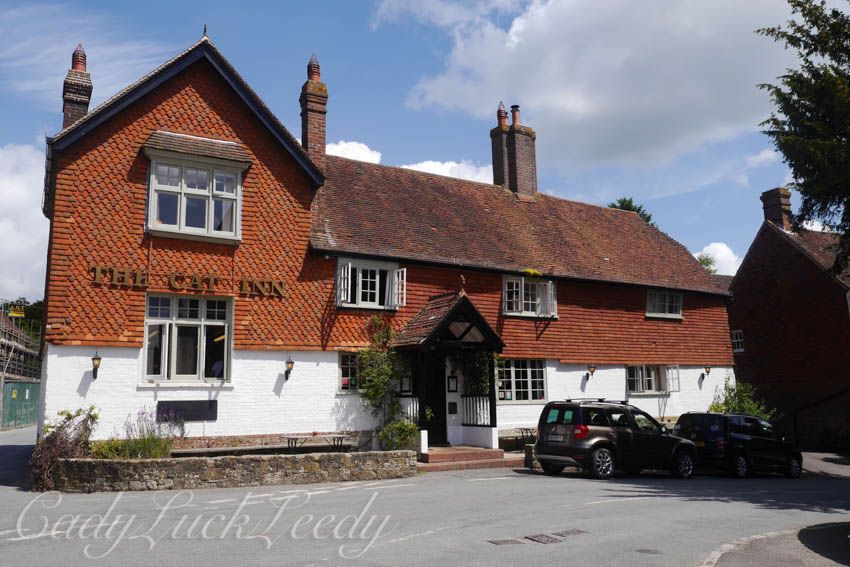
The Cat Inn is the 16th century pub of medieval origin standing in the crossroads of the village. The name is derived from an emblem of the Sackvilles of Knole, which is a leopard. We will be learning  a lot about the Sackvilles, a very prominent family in Kent. This is the pub I had picked to stop in for lunch after touring the village. It was highly recommended by the locals also. We sat in the lovely terrace and had a most agreeable meal. Now on to the next garden in the “burbs” of West Hoathly.

The Cat Inn, West Hoathly, Sussex

The Cat Inn, West Hoathly, Sussex

A Great Ride Awaits at the cat Inn, West Hoathly, Sussex

A Great Ride Awaits at the Cat Inn, West Hoathly, Sussex

P S For a good read about the wives of Henry VIII, I  suggest, Six Wives of Henry VIII by Alison Weir. The author draws on early biographies, letters, memoirs, account books, and diplomatic reports to bring each woman to life.  Very interesting!

Where Do We Stay and How Do We Get There?

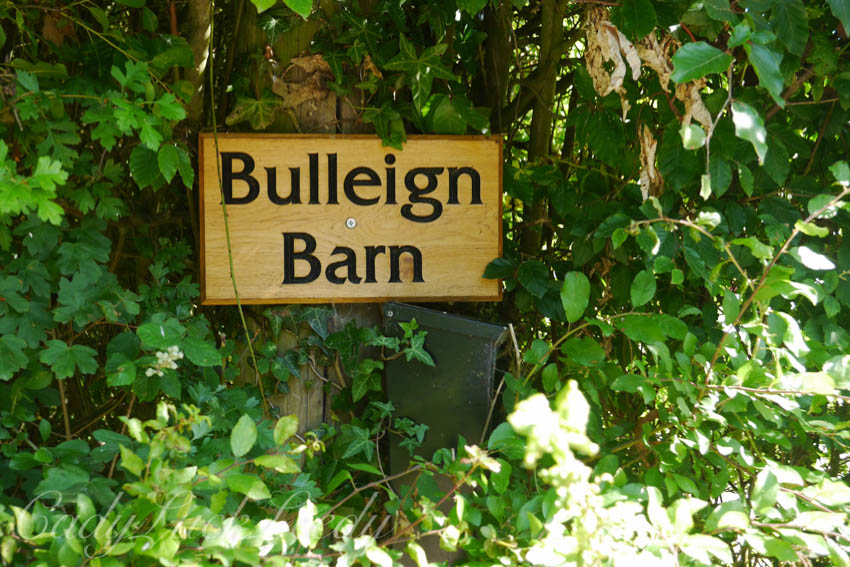
Bulleign Barn

Bulleign Barn

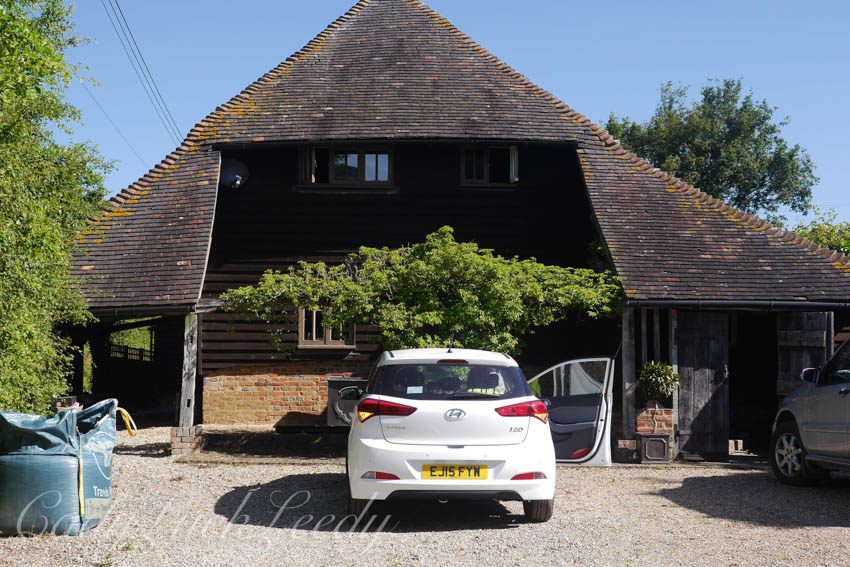
The Bulleign Barn

The Bulleign Barn

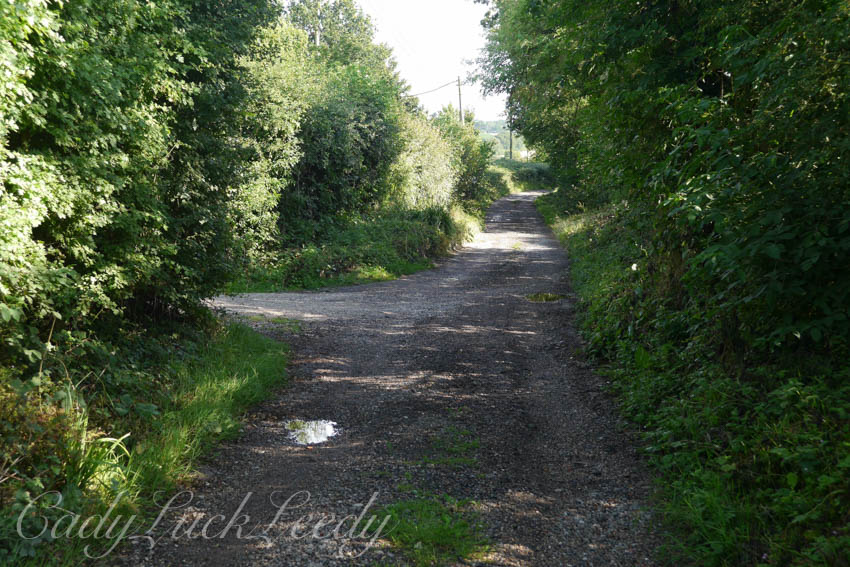
The Road to Bulleign Barn

The Road to Bulleign Barn

As I stated in my previous post I like to research my vacation before I hit the road.  I know, I know, a lot of you like to just “wing it,” but I would rather know all about places of interest, restaurants, and villages that I am am really interested in and then add to that, if something exciting turns up.  For this trip, I was glad I started early and took the time to look-up the gardens I was keenly interested in, on the National Garden Scheme, (NGS) so I could co-ordinate going from one garden to the next, (since our plan was to see several a day)  I  also needed to know how much time it would take to get from one to another, and where we would want to eat between gardens.  Although the gardens on the NGS are open on the weekends, for the most part, some had specific times they were open. We would have been quite dismayed to have arrived at a garden only to have to wait to get in. So when I had the gardens lined up I looked for a local pub close to the gardens we would be touring.  This was when I realized most pubs are open from 12pm-2pm for lunch and then re-open for dinner, usually 6pm-9pm. So I had to make sure we were at a certain place on schedule.

The first thing I learned was that there were GPS co-ordinates listed, for all the gardens in the NGS and all the historic National Trust estates, in their books. This would make the driving so much easier, in theory. But to be on safe side, I printed out maps and directions from garden to garden, to also have with me. As you can see from my work sheets, I made lots of notes. I also printed out the pub or special interest I wanted to see near every garden. I put all my notes, maps, and directions in plastic sleeves and then when I was ready for a particular day I just pulled out the necessary pages to carry along in the car. SB took a look at all my notes and quickly put together a spread sheet for me, so we knew where we WANTED to be everyday at least!

The Detailed Itinerary, Research, Research, Research

The Detailed Itinerary, Research, Research, Research

Now for reality. As Americans driving in the UK, it takes us at least three days to get used to, what is for us, a steering wheel on the wrong side of the car and driving on the wrong side of the road. We knew what to expect in that area. What we didn’t expect was   that once off the M25 we would be on a village road that got smaller and smaller as we got closer to our destination. These were roads meant for horse and buggy and then pony and trap, but were now meant for a two-car highway.  We were rear view mirror to rear view mirror! When we came to a village, the road narrowed even further in front of the stores, where the cars would be parked higgly-piggly in front of them. (I wouldn’t exactly call it parking)  Cars were just pulled up at any angle, as long as the car would fit in (or not), and the car abandoned.  Now this makes the road even smaller and one must wait your turn to go around and sometimes the car coming towards you is in a very big hurry so you have to creep past all the cars, zigging in and out at a crawl.  SB’s habit as we came to a village, was to roll down the window and pull in the rear view mirror saying, “Do you know how close you are to that car?” My reply every time, “I didn’t hit it did I?” This is not the best of ways to start a vacation meant for relaxation, but after three days I could move along with the best of them. I am a terrible navigator, even with a map, so it is best that I drive and SB keep me on the correct side of the road and upon entering a traffic circle tell me which turn-off is the one I want, because I would be just carousing that circle in total chaos.

Also, using the GPS in the car, as it was originally set up, to get from Point A to B in the fastest time, did not prove to be helpful. The GPS, in order to save a mile or two, would take us off the main road and into a tiny lane (and I mean tiny lane) to get to our destination. Now I can truly say I saw some lovely cottages and gardens, that were not on any of my maps, in extremely small clusters of village life, that I am sure the average American tourist does not get to see. I am ABSOLUTELY sure I am the only American who knows that the Swim Club in Sevenoaks is reached by going off the main road onto a 180 degree turn, after you have gone through a section of newly landscaped cottages found on the opposite side of the road to the one I was looking for, then up a steep hill into what had to be the Sherwood Forest, on a road that got narrower and narrower as we came to our supposed destination, Knole. Arriving at the back entrance, I think, where no one could get in, yes the GPS got us there, kind of. It was Knole, but not the proper entrance. But hey, like I said, I know now where the Swim Club is, the drive was nice and shady, it only added a half hour to our trip time, and I AM ON VACATION RIGHT? We did that on a lot of days to various destinations. You just have to go with the flow! We reverted to looking at my printed maps for extra guidance.

After much grumbling, and some hysteria about my driving, we arrived at our first destination near Tenterden. I have to say, also, that we had planned to stop at a local vineyard on the way, but under the circumstances that didn’t seem prudent, as I don’t think SB’s heart could have taken it, so we saved that for another day.

Main Home Section of Bulleign Barn

Main Home Section of Bulleign Barn

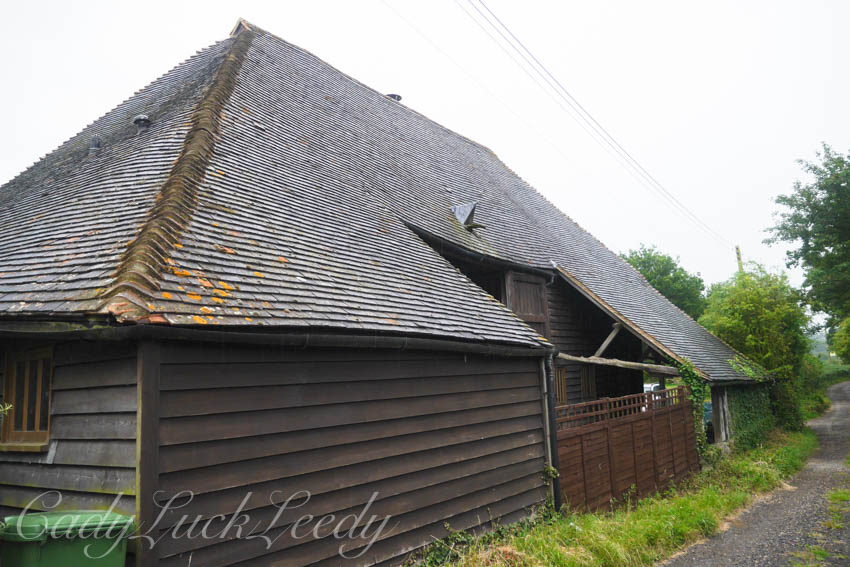
The Back Side of Bulleign Barn

The Back Side of Bulleign Barn

Bulleign Barn, a find on Air B&B, was perfect after our harried day. Turning off onto a narrow one-lane graveled road we poked along for a mile or so following the canal to one side and the rabbit warrens on the other. The lodging, near the hub of Tenterden, (a large village compared to others we had been through that day) was clustered in old hop fields, at one time belonging to the Boleyn family. The long black barns were used for storing the hops. Our Air B&B accommodation was one of the long barns converted into a home with several bedrooms off the main section of the home. Our room was very spacious and modern with WI-FI, located on the main floor, with a private entrance, and set in a small walled courtyard near the old stone horse pool. There was a fridge for our trips to the vineyards too.

Our Room at Bulleign Barn

Our Room at Bulleign Barn

Our Room at Bulleign Barn

Our Room at Bulleign Barn

Our Room at Bulleign Barn

Our Room at Bulleign Barn

Every morning we were served a delicious breakfast of fresh yogurts, fruits, home made jams, along with croissants and specialty breads, warm from the oven. The outdoor table was set to our time-table and it was nice to talk to the other guests, and watch the playful dogs, chickens and a duck named Jemima.

Jemima

Jemima

Breakfast Every Morning!

Breakfast Every Morning!

AirB&B, Bulleign Barn, near Tenterden

AirB&B, Bulleign Barn, near Tenterden

There was also a family of white barn owls, who nested in the eaves, and one morning we got to meet a baby owl, which had fallen from the nest overnight. Our hostess skillfully set about to replace the fallen chick.

Baby White Owl

Baby White Owl

It was so nice to have found this country accommodation and start our day in such a relaxing way before we set off on our daily adventures to the gardens. We looked over the listings for quite some time, since there were so many varied spots to choose from.  If you haven’t thought of using Air B&B you should give it a try. We had choices of garden sheds, gypsy wagons, tents, rooms in big estates homes, or entire homes in both rural and city settings.  It’s just fun to see all the offers available out there and we have never been disappointed with a listing we have stayed in. To top that off it is much less expensive and if you like true interaction with your host and other guests, Air B&B will be for you. See you in the garden tomorrow!

PS

Before leaving on our Tour of the Gardens, in the spirit of things, I decided to name my little house, The End Cottage.  Every proper cottage in England has a name, most likely used prior to streets and house numbers, so why shouldn’t our place have a name I say? The Star was placed in my yard because I was selected for the Garden of the Month by my neighbors! Thanks !!!!!!

The End Cottage

The End Cottage

An Adventure in Gardens, the Weald of Kent

A Garden in Kent UK

A Garden in Kent UK

Of all the delectable islands, the Neverland is the snuggest & most compact…… not large and sprawling, you know, with tedious distance between one adventure & another, but nicely crammed. 

J. M. Barrie, author of Peter Pan.

The Yellow Flowers

The Yellow Flowers

When it comes to gardens I like nothing better than to stroll, admire the collections of beautiful flowers, and imagine the inhabitants of the house and how they like to garden. I especially like the messy, scattered garden with vines dripping over the garden gate, and paths that invite you to explore. It’s even better if there is a flower box of riotous color haphazardly framing the window ledges of the small cottage, nestled in the garden, as if just plunked in, as an after thought. Pieces of art and sculpture placed in a specific spot draw your eye and add to the charm of the garden. I have just returned from several weeks in the United Kingdom, specifically in Kent and Sussex, traipsing through local gardens and visiting magnificent estate homes with acres and acres of gardens. Whew!  We lodged in a barn in the middle of the weald, down a mile-long gravel road, wide enough for one car at a time, passing by the field of rabbit warrens and watching for the hop of a bunny on our daily treks into the countryside.

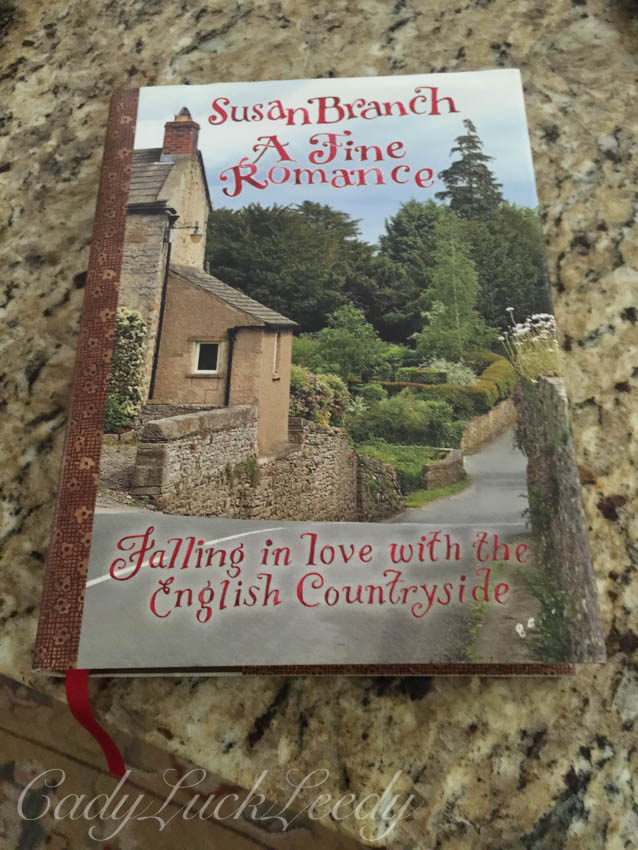
Planning our adventure was one of the fun “bits.” I love the “planning” part! Where to go, what to see? One thing leads to another. First, I looked for places I knew would be of interest. What about the Chelsea Flower Show? No, too crowded and I wanted more rural. Hever Castle during Rose Week? Closer, but not quite right. Then I read a wonderful book, called A Fine Romance, by Susan Branch. It’s about falling in love with the English countryside and her adventures when visiting England.

A Fine Romance

A Fine Romance

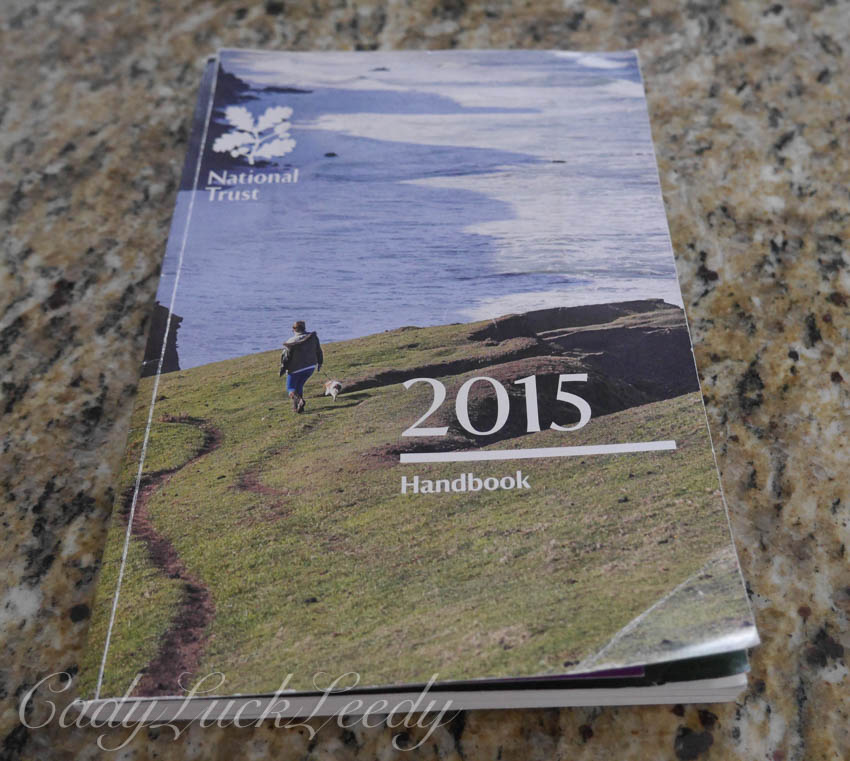
I loved it and the more I read the more I was drawn to Kent  and the village of Tenterden. So, I set out to learn all about Kent and especially Tenterden. I also learned more about the National Trust.  The National Trust, since 1895, has been preserving the countryside and hundreds of historic properties in England, Wales, and Northern Ireland. I first heard of it when reading all about Beatrix Potter and her home in the Lake District, which was left to the National Trust. The properties restored include huge estates to the small and quirky. Just right up my alley. So our first priority was to join the National Trust, (it’s called the “Royal Oak Society “ in the U.S ) which allowed us to receive a handbook with maps of all the places to visit with the National Trust and a pass to get in all of them for a year and a pass for parking at the different locations.

National Trust Book

National Trust Book 2015

What a must this is!  You don’t realize all the places available to visit until to see them on the maps! So that was a reference point to start with. Where could we set up our “base camp” closest to the sites we wanted to see? Well it still remained Tenterden for us. Then I heard about the National Garden Scheme. What in the world was that? Had to research it before final decisions were made!

The National Garden Scheme was founded in 1927 to open “gardens of quality, character and interest to the public for charity.”  Originally the admission fees raised money for district nurses. This was changed in 1948 with the formation of the National Health Service. The National Gardens Scheme has given more than 43 million pounds to nursing and care facilities since the time it opened. Since I am a retired RN this was near and dear to my heart.  These are “local” gardeners and their gardens. No big estates, (but some seemed to me like they were!) One woman I was chatting with on our walk through a local garden invited me to her garden, as well, which was not on the list, but exclaimed, “it’s only 12 acres, of course.”  So as you can imagine, we visited the “potager,” snuggled behind the small cottage, to large landscaped gardens with “rooms” of flowering blooms. All gardeners were proud of their gardens, more than willing to tell you about them and happy that they were able to do their “bit.”

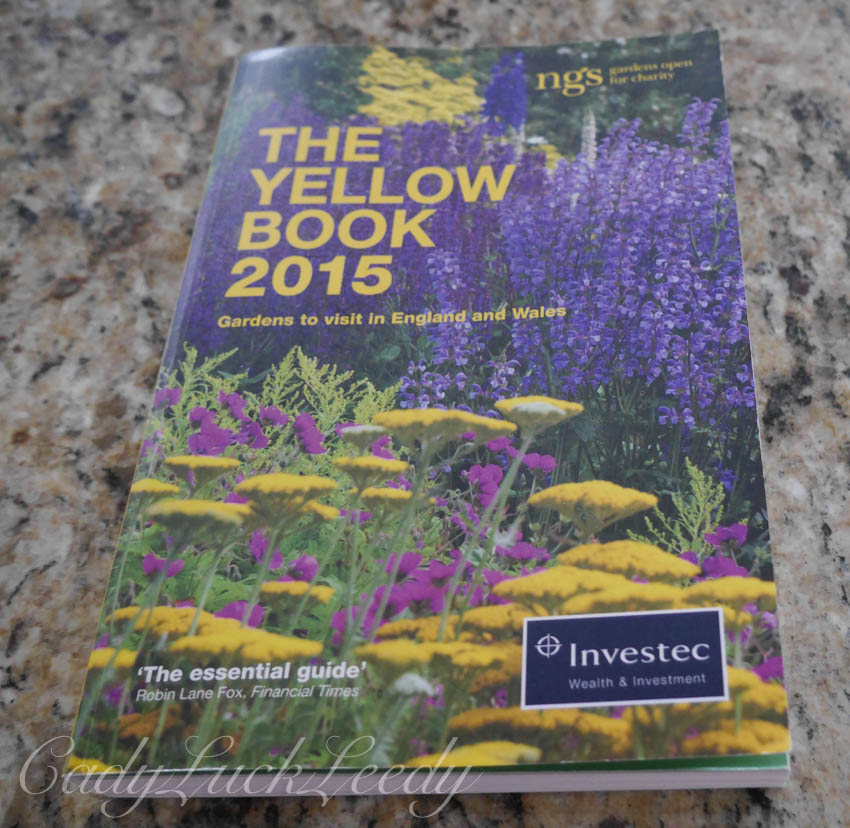
In 2013 there were over 3700 gardens open, which were all vetted to make sure they are all of sufficient interest. Each gardener opens his garden (usually on a weekend), one or two days during the year. I was so excited! But, it takes some planning! “The National Garden Schemes, “Yellow Book”,” can be purchased each year, which lists all the gardens and when they will be open.

The Yellow Book 2015

The Yellow Book 2015

Maps, directions, type of garden, and particular interest are included. We were really in the thick of the countryside when directions would reveal, “just go down the gravel road for a mile and then when you get to the yellow mailbox turn right on that gravel road and proceed on to the canal road and windmill place. Light refreshments offered.”

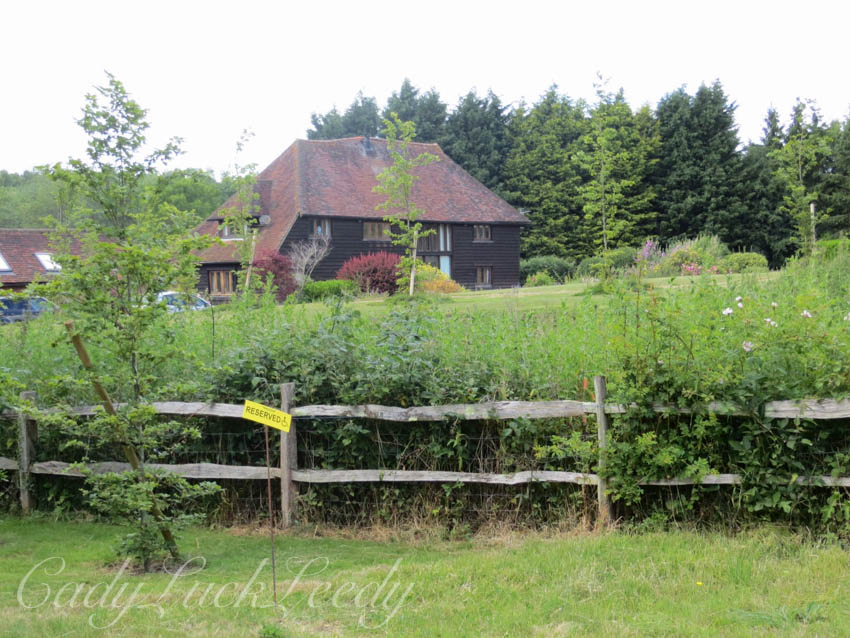
The Countryside Garden

The Countryside Garden

In the Garden

Tea In the Garden

This as going to be one of our best adventures! So after months of looking up gardens and coordinating them with places on the National Trust we were ready to make our way to the “Garden of England,” Kent. We were about to set off on a gardener’s dream! See you tomorrow on our way to the garden!

THE SPECTACLED BEAN

Tales, Thoughts + Tribulations of a Free Spirit in Suburbia

The Three Hairs Garden

Part of something bigger in a small town garden.

Walking Away

Travels on foot

The Three Hairs

Minding my mind, one thought at a time.

Tra Italia e Finlandia

Un lungo racconto fotografico.

seanbreslin

Photography, hiking, walking, and cycling across central Japan — from quiet mountain paths to everyday life around Nagoya.

Lost in Translation

Looking for meanings in words, images and sounds

Journeys with Johnbo

Reflections on places traveled and photos taken.

M/VGratitude

Cruising with the Thyrre Family

Caroline's Travel Adventure Blog

Where my Travels and my Blog merge together.

Just Me, Nobody Special

The mental meandering that cross my keyboard

Jennifer's Journal

Website & Blog of J. Kelland Perry, Author

Slow Shutter Speed

A photographic journey.

Ann Mackay: Inspired by Nature

Photography celebrating flowers, plants, and the natural world

Still Restlessjo

Roaming, at home and abroad

Fine for Friday

The Corner Garden

Picture This

Photography, Travel and Retirement

World Traveller 73

Upgrade Your Travels. First Class Luxury Travel from all parts of the Globe. Business Class Airline, Lounge and Hotel Reviews, Stories and Adventures