Photography 101: Day 11, Pop of Color
I love RED! So here is the Pop of Color for today’s challenge. Enjoy!

Old Windmill, Bruges, Belgium

Old Barn at Ter Doest Monastery, Belgium
I love RED! So here is the Pop of Color for today’s challenge. Enjoy!
Old Windmill, Bruges, Belgium
Old Barn at Ter Doest Monastery, Belgium
This picture is a mystery to me! It was taken at Christmas on the streets of Paris. That tree was not white! However, it must have had some kind of lighting on it. My first reaction, when I saw the picture, was to delete it, but the more I looked at it the more I liked it! It was taken on my cellphone, because it was pouring and I didn’t want to take out my camera. Enjoy!
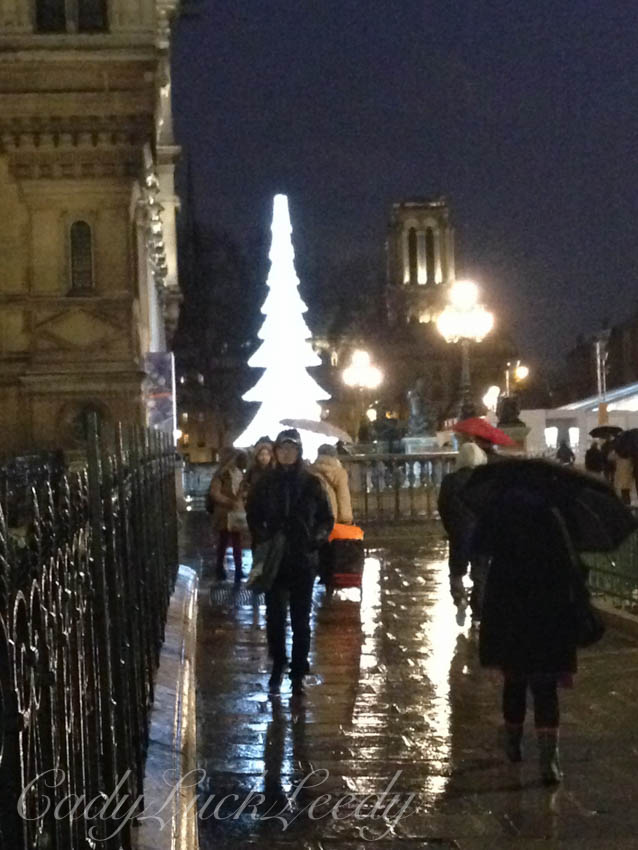
Mystery on the Streets of Paris
Today’s photography assignment is to capture an image of warmth, using the sun as your source. Ok, here is the skyline of Budapest, Hungary as the sun is setting! Enjoy!
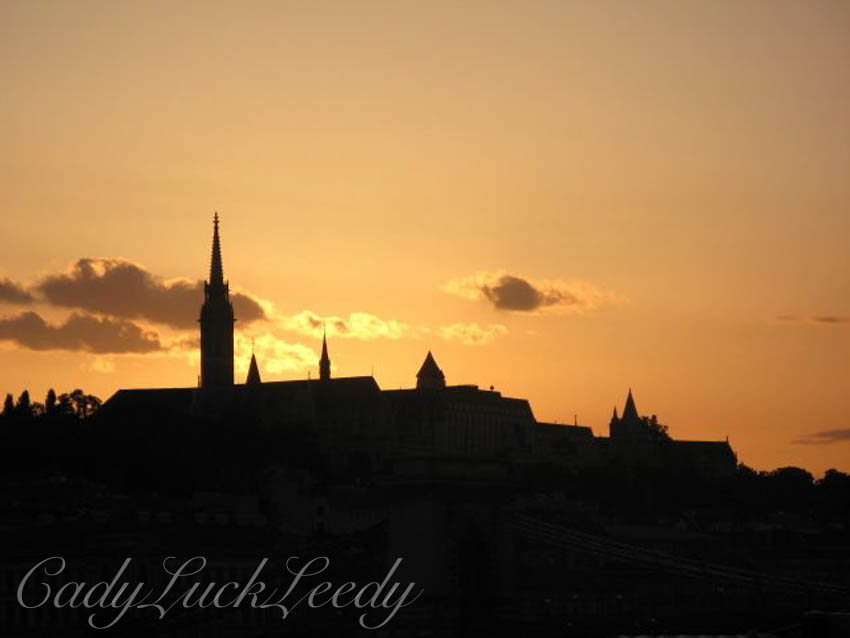
Budapest Skyline
Natural Beauty at it’s finest! I love the colors, texture, shapes and design of God’s handiwork! Enjoy!

The Natural World, Flora in Bruges, Belgium

My Teddy Bears
Landmark: a very important event or achievement. Have you ever wondered why teddy bears are left at memorials by grieving mourners? I have. I think we repeat gestures that we no longer know the meaning of or never knew the meaning of, we just follow tradition. It gives us comfort and is meant to give comfort to others.
As many of you know, I have been studying a free online course with FutureLearn called WWI, Trauma and Memory. Although the war was very grim and the aftermath devastating for many men and their families, there have been enlightening moments as well. So, today on Veteran’s Day I am going to share a positive story. For many children I am sure it is a landmark event. This story is about Harry Colebourn, a veterinarian from Winnipeg, Canada.
Harry Colebourn, enlisted in the Canadian Army as a surgical veterinarian and soon was shipped out to Valcartier, Quebec, the mobilization point for 35,000 volunteer troops. He was with the Fort Garry Horse, the 34th Regiment of Cavalry, and would be taking care of the horses, an amazing feat in itself. Along the way the train stopped for supplies, and Harry got off and noticed a chained small black bear near the tracks. A hunter, who had killed the cub’s mother was trying to sell it. Harry paid twenty dollars for the cub and got back on the train with it. He named his new best friend, Winnie, after his hometown, Winnipeg. When Harry reached Valcartier, he trained Winnie, in his spare time, how to play and be gentle, with treats of condensed milk and lots and lots of apples.

Harry With Winnie, Picture Courtesy Colbourn Collection
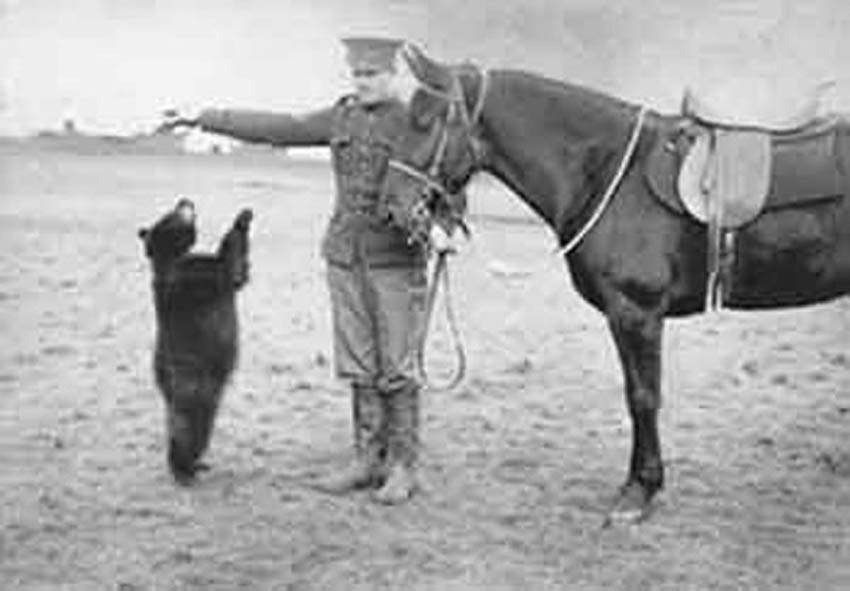
Harry With Winnie, Picture Courtesy Colbourn Collection
Winnie soon found she had many soldier friends to play with and she was made the mascot for the regiment. The men were very fond of Winnie and wrote to family and friends about her and sent pictures too. Before long the regiment shipped out (literally) to Salisbury Plains, Britain, where all of Britain and her colonies were trained for war. Winnie went with the men. When orders arrived for Harry to go to the front lines he knew this was not a place for Winnie to go and sadly left her at the London Zoo, on the condition he could return after the war and take her back to Canada. On his rest and recuperation from the madness of the war, Harry always went back to the zoo to visit Winnie, who was doing quite well. The keepers were amazed at Winnie’s gentleness, which they predicted could not last. But, it did and Winnie became a star with the children, who visited her at the zoo. She was so gentle, the children were allowed to touch her and feed her. One of the children enthralled with Winnie, was Christopher Robin Milne, the son of A. A. Milne. After the war Harry Colebourn, realizing the children adored Winnie and with Winnie thriving, decided it was best to leave her at the zoo and went back to Canada, where he practiced veterinarian medicine for the rest of his life. A. A. Milne, inspired by Winnie’s gentleness and comfort, went on to write the Winnie the Pooh books, so beloved by children and children at heart.

Pooh in an Illustration by E. H. Shepard.
The first Winnie the Pooh story was published in the London newspaper The Evening News on December 24, 1925. It has been suggested this may be one of the reasons that teddy bears are left at memorials. Winnie brought so much comfort to soldiers during a trial of death, horror and despair and then went on to bring comfort and love to children all over the world.

Winnie the Pooh Monument, Winnipeg, Canada
For the anniversary of WWI, Ryerson University has put together a collection by the Colebourn family titled, Remembering the Real Winnie: The World’s Most Famous Bear Turns 100. They have graciously shared the archives and collection online for those of us who can not travel to Toronto, Canada for the exhibit. It is a must see and will make your day! Enjoy!
Bliss to me is Adventure! Whether it be by foot, boat or bike, make life the adventure! Here is a photo of Amsterdam, a great place to boat, bike, or walk! Watch out for the bikes!
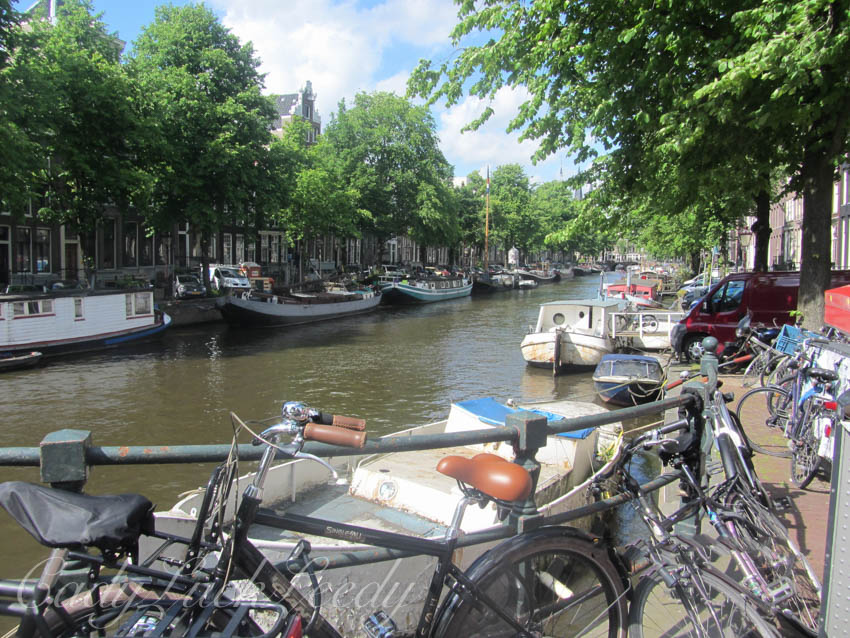
Photography 101: Bliss by Boat, Bike or Hike! Love the Adventure!
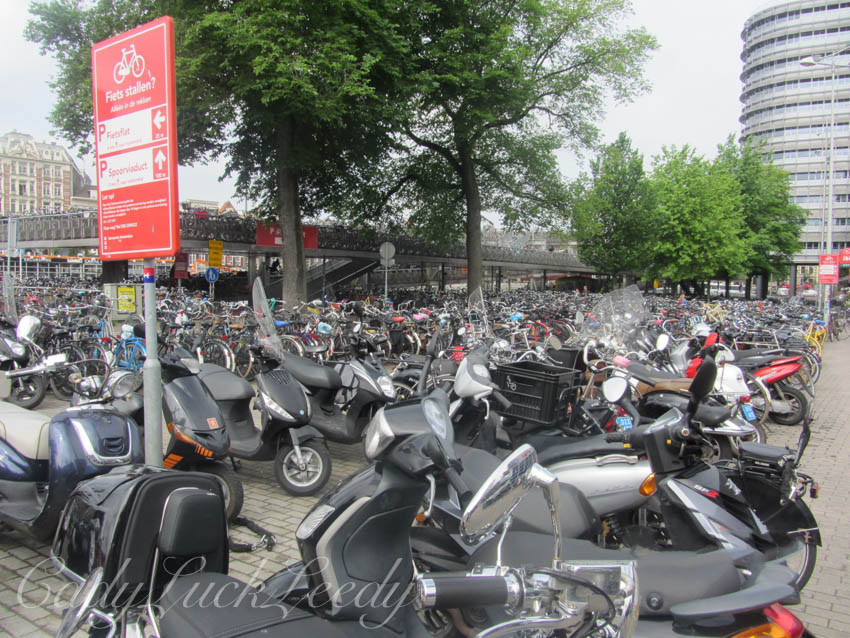
Bikes in Amsterdam, the Netherlands
Two weeks ago I was in my favorite city, Quebec City, Canada! I love this shot in Bas-Ville and the view of the street that is now closed off to vehicular traffic. Notice the cruise ship in the background? Enjoy!

Photography 101: Street Quebec City, Canada
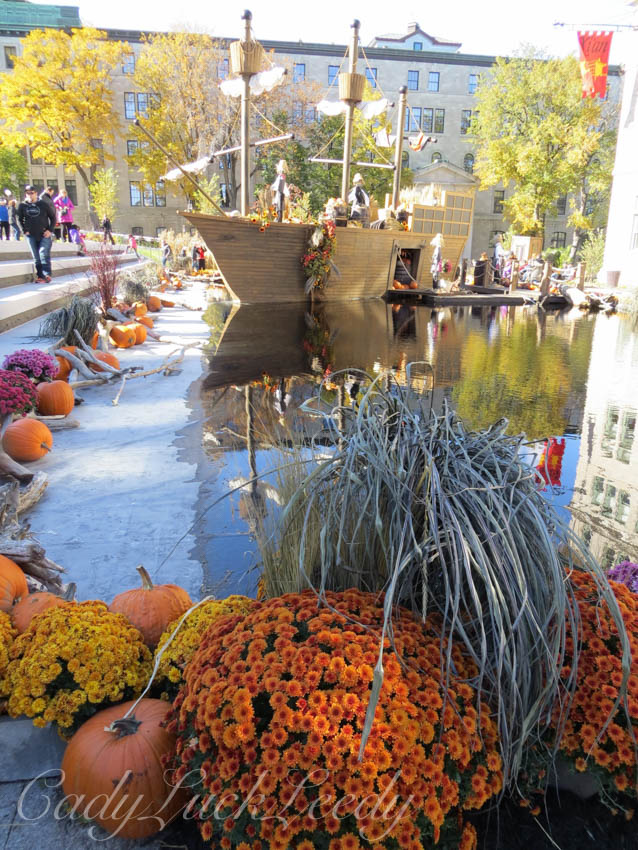
The Ship is Moored and Awaiting the Harvest! Quebec City, Canada
The new underground parking lot at Town Hall has been completed. There is now a lively garden area on top of the underground parking complex and it is the perfect spot to spend a fall afternoon! This year the focus of the park surrounds a sunken pool area, where a replica old sailing ship is moored among the fields of the harvest. Every year I can’t wait to see the adventure that awaits at Town Hall! Using the same props from year to year the displays created are always a new design. Hats off to all the workers and designers who make these displays possible! It is what sets Quebec City as the premier city in North America! Let’s load up the Harvest! Quebec City goes all out to decorate their city for Fall. What fun! Enjoy!
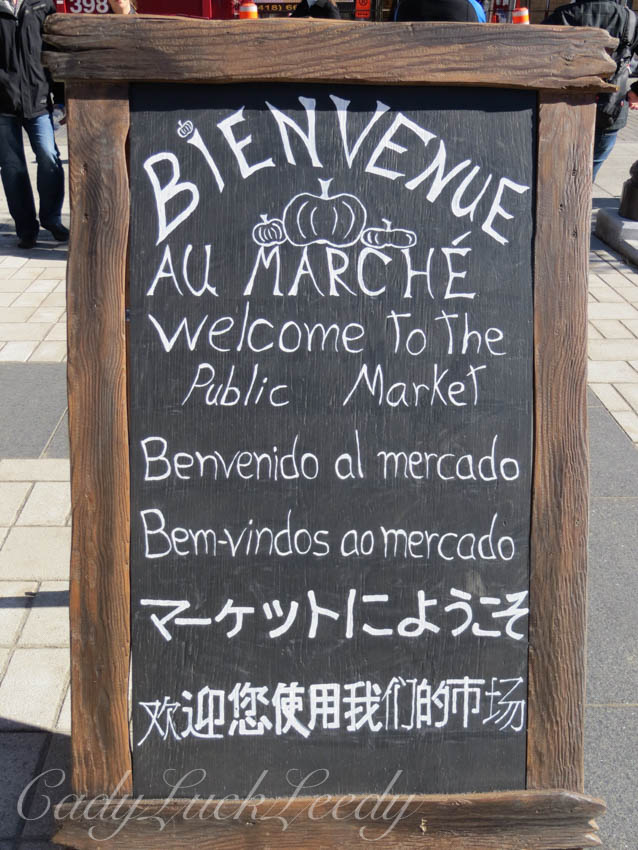
The Welcome Sign at the Public Market during Fall Days in Quebec City, Canada
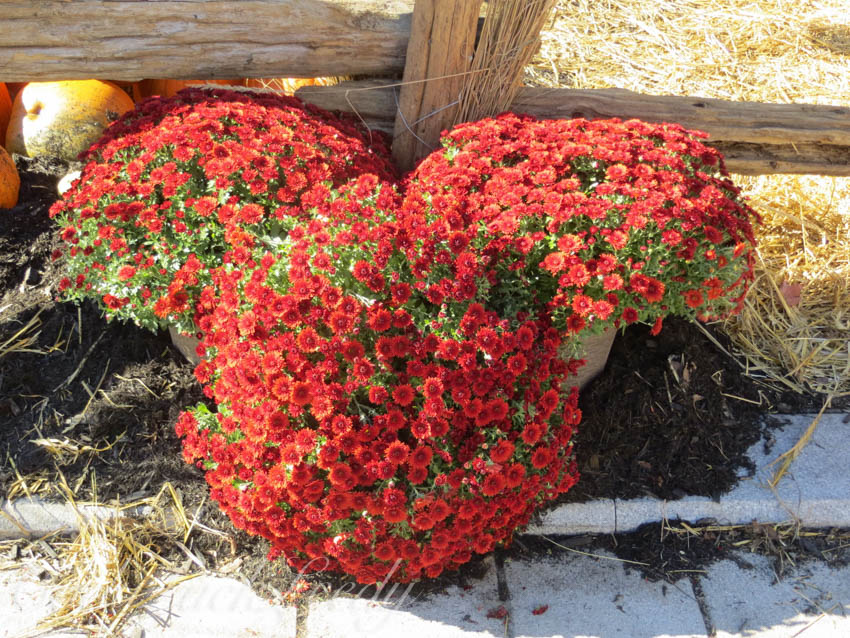
Can Mums be More Beautiful? Quebec City, Canada
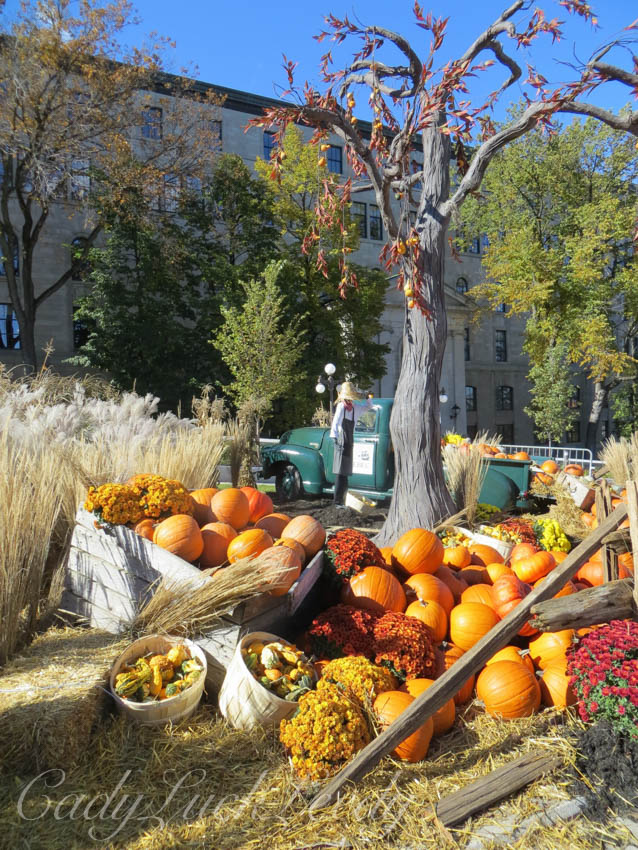
Gotta Have the Spooky Tree! Quebec City, Canada
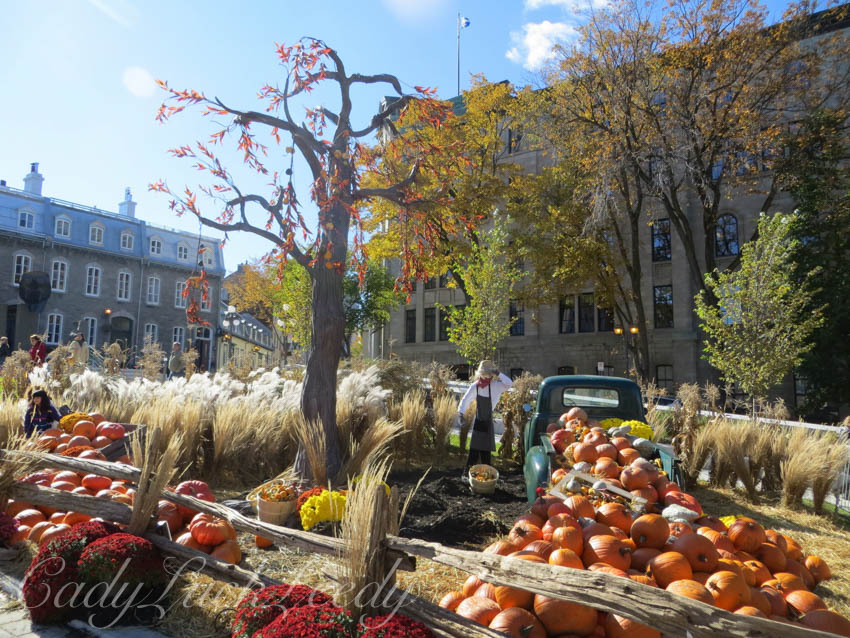
Gotta Have the Spooky Tree in a Field of Pumpkins! Quebec City, Canada
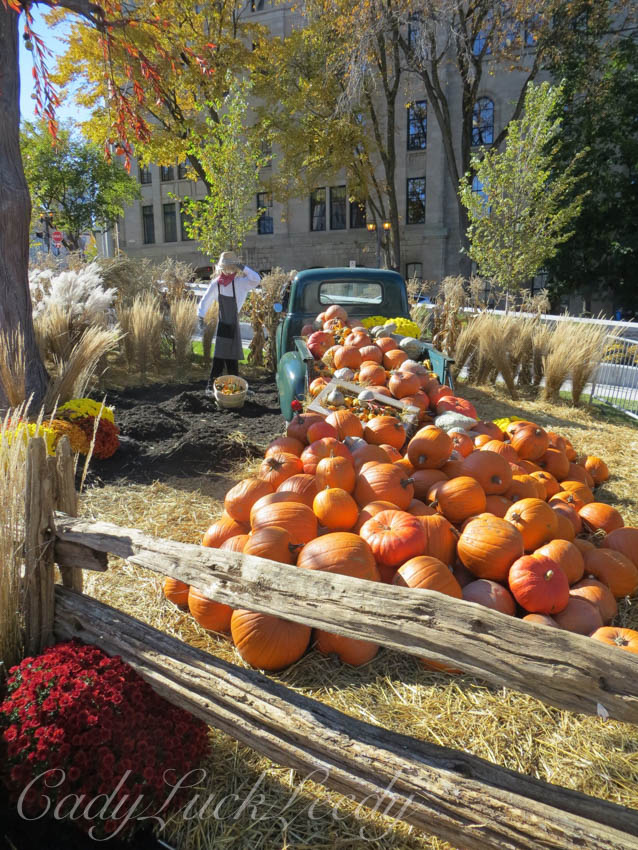
Stacks of Pumpkins from a Vintage Truck, Quebec City, Canada
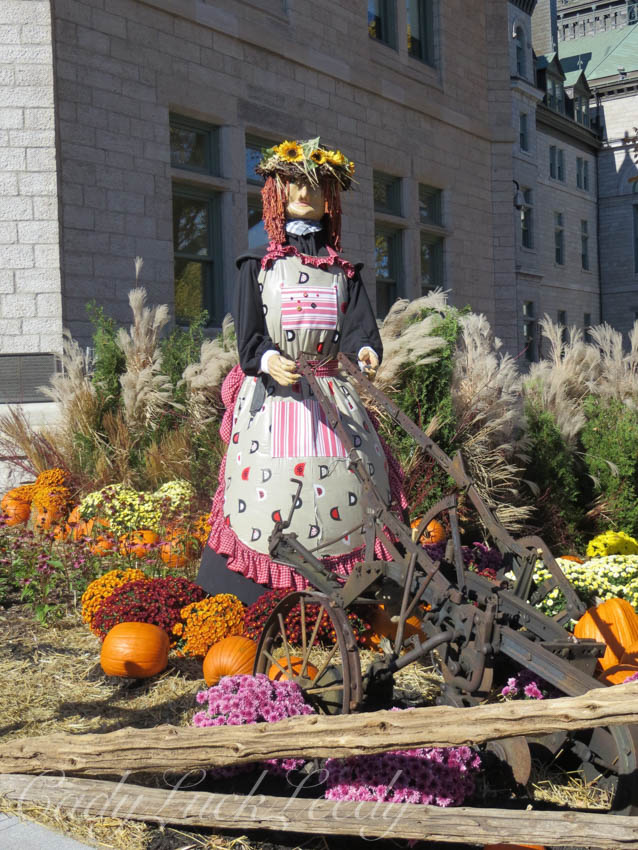
A Maiden in the Garden! Quebec City, Canada
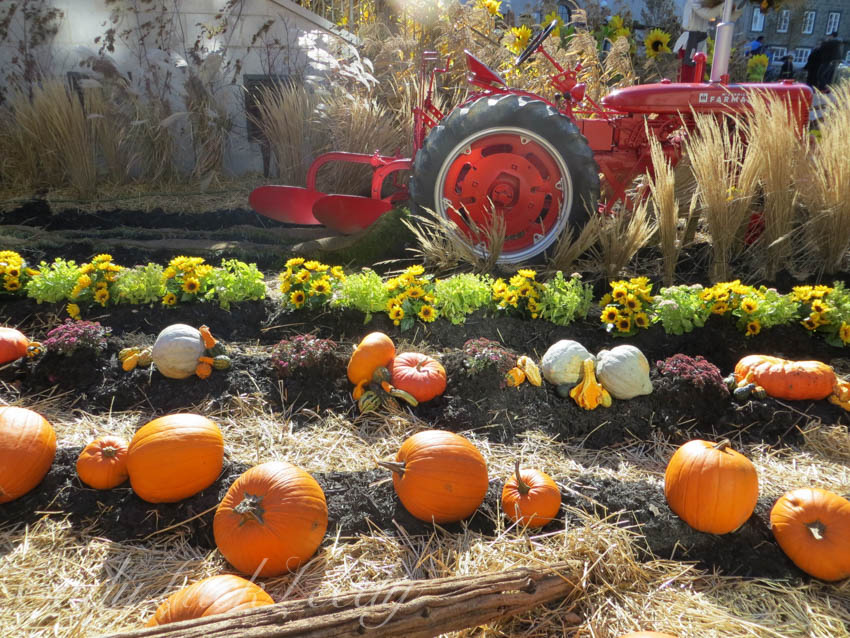
A Vintage Tractor in the Fields of Pumpkins, Quebec City, Canada
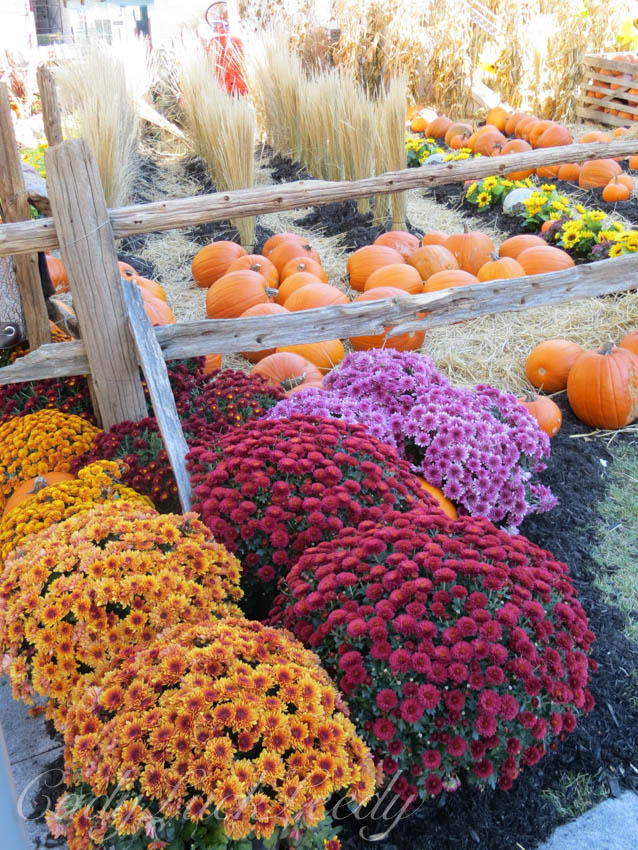
The Mums of Quebec City, Canada!

Carefully Planned Fields of Pumpkins, Wheat, and Mums, Quebec City, Canada
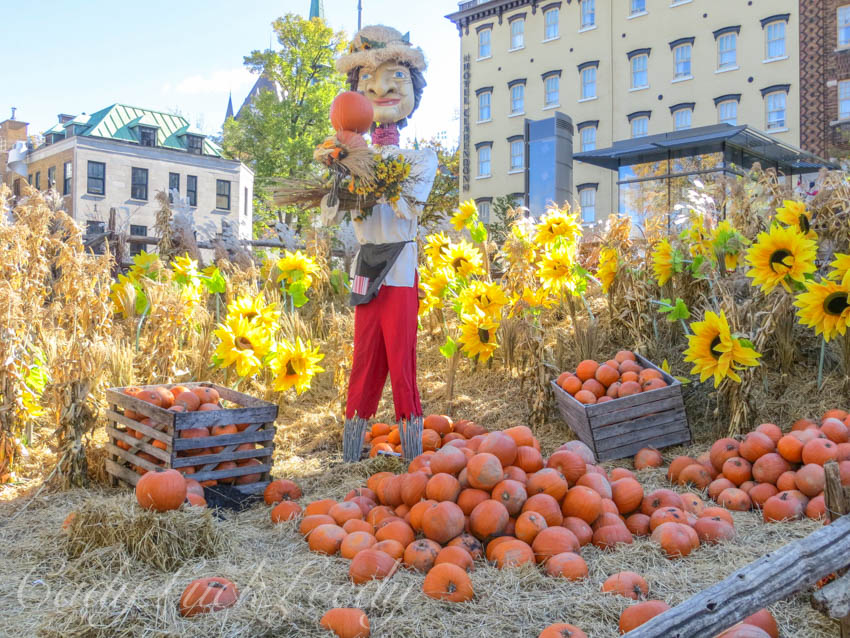
A Farmer in the Field, Quebec City, Canada
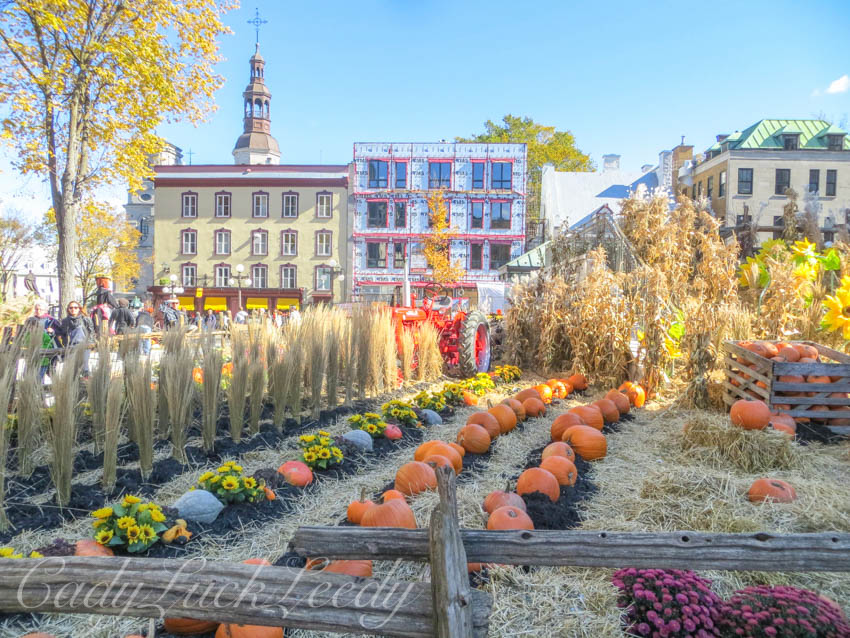
Rows and Rows of Pumpkins! Quebec City, Canada

The Sunflower Fields Surrounding the Harvest Ship, Quebec City, Canada
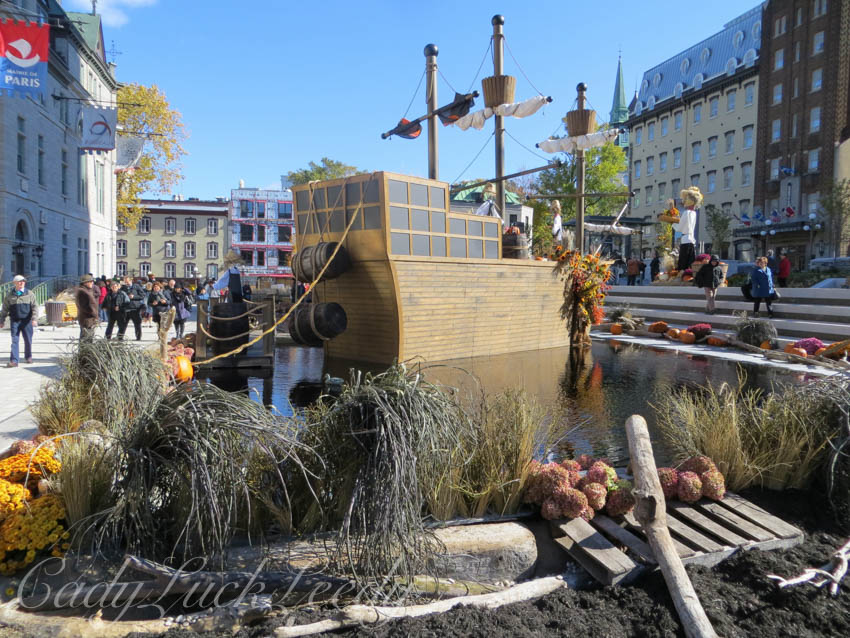
The Harvest Ship, Quebec City, Canada
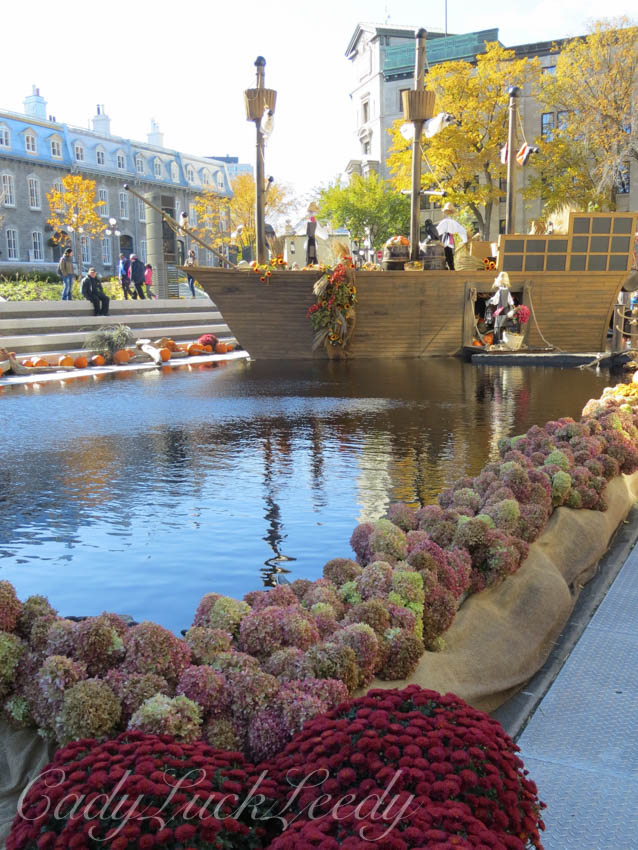
The Harvest Ship, Quebec City, Canada
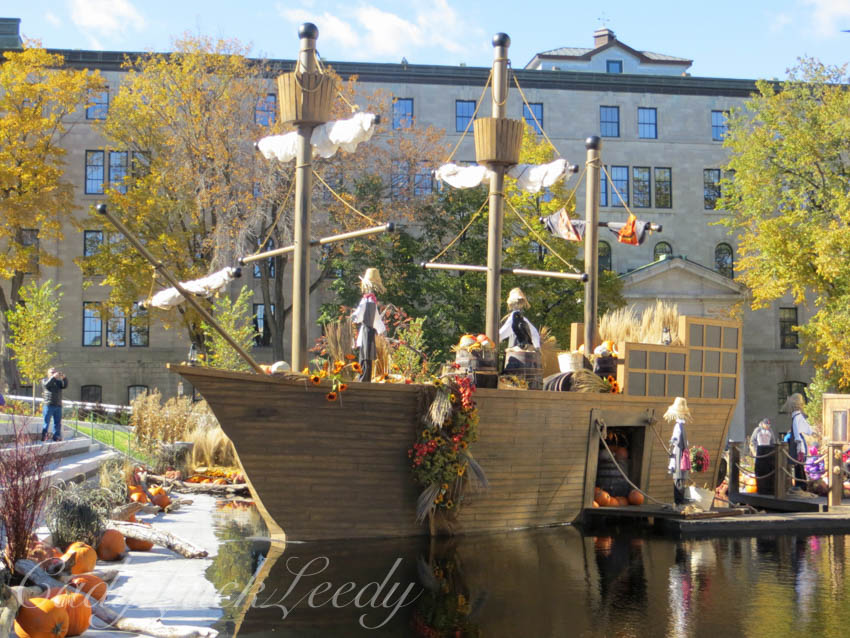
The Harvest Ship Is Ready to Load!, Quebec City, Canada
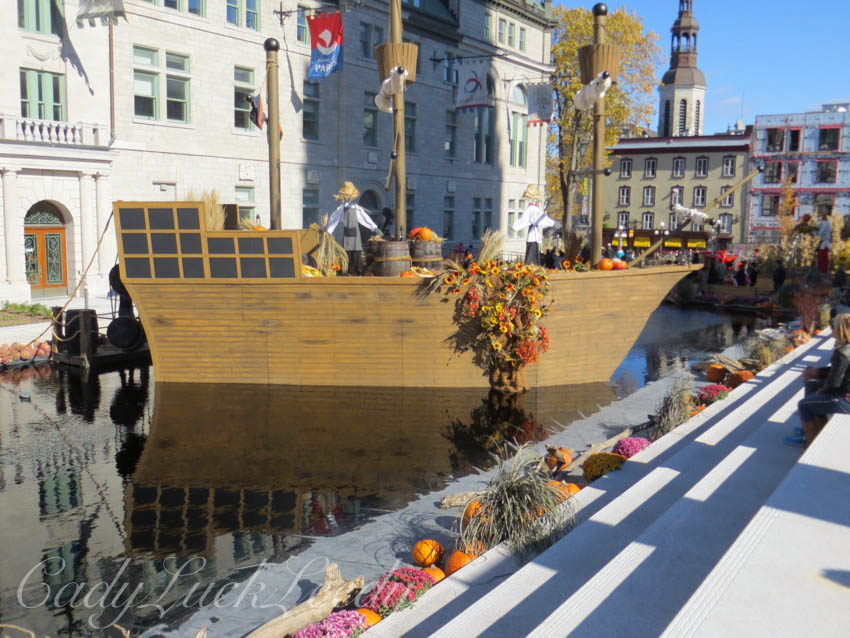
The Back Side of the Harvest Ship, Quebec City, Canada
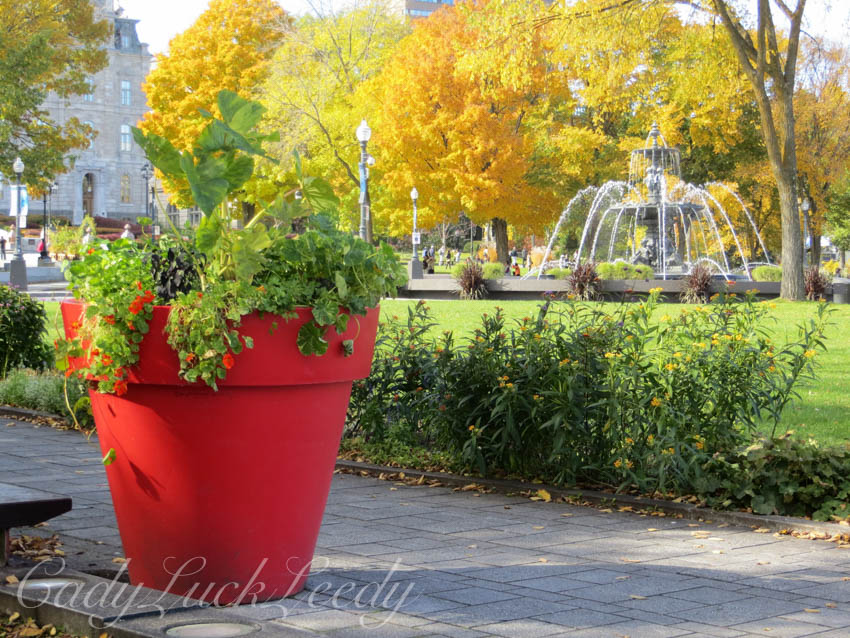
Giant, Giant Red Pots of Blooms in the Park! Quebec City, Canada

Giant Red Pots of Blooms in the Park! Quebec City, Canada
I’m Back! We had the most wonderful time in Quebec City! More posts to come about Thanksgiving weekend in my favorite place! Won’t you join me? I’m ready for fall!
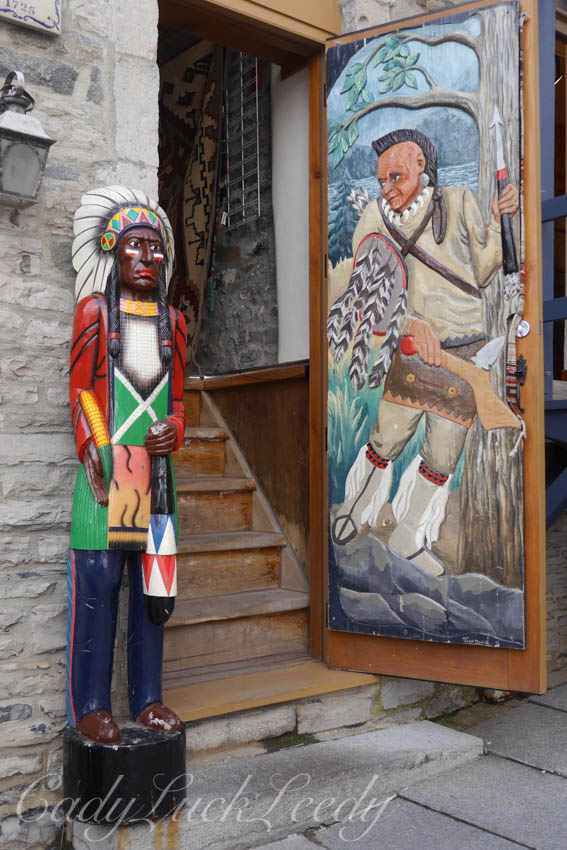
A Furrier Sign in Quebec City, Canada

The Blue Mosque, Istanbul, Turkey
Just like Rome, Istanbul’s Old Town is built on seven hills. The district called Sultanahmet, on top of the first hill, is the historic city center. This site gave the Greeks control of three surrounding bodies of water; the Bosphorus Strait, the Golden Horn and the Sea of Marmara. Leaving Hagia Sophia at one end of Sultanahmet Park, we walk past the beautiful fountain where the arcs of water mimic the domes of Hagia Sophia.

Hagia Sophia, Istanbul, Turkey

Sultanahmet Park, Istanbul, Turkey

Sultanahmet Park, Istanbul, Turkey

Sultanahmet Park, Istanbul, Turkey
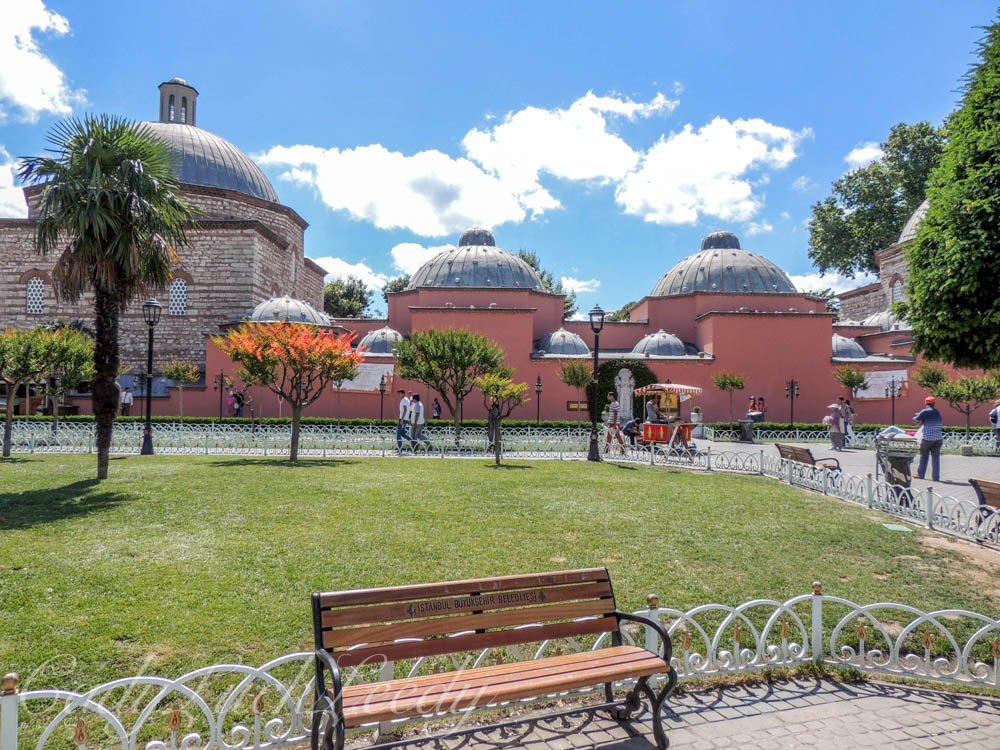
Sultanahmet Park, Istanbul, Turkey

Sultanahmet Park, Istanbul, Turkey
Here the gardeners are busy planting new flowers in swirls of decorative display.

Sultanahmet Park, Istanbul, Turkey

Sultanahmet Park, Istanbul, Turkey

The Blue Mosque, Istanbul, Turkey
At the opposite end of the park is the Sultan Ahmed Mosque, known as the Blue Mosque, noted for the interior of blue paint and 20,000 rich, blue, handmade, ceramic tiles in fifty different tulip designs. The tiles at the lower level are traditional in design while the tiles at gallery level are flamboyant with exquisite flowers, fruit and cypresses. The upper floors are dominated by blue paint and more than 200 stained glass windows with intricate designs. In addition to the natural light there are massive chandeliers. Ostrich eggs were placed on the chandeliers to repel spiders and prevent cobwebs inside the mosque.

The Courtyard of the Blue Mosque, Istanbul, Turkey

Inside the Blue Mosque, Istanbul, Turkey
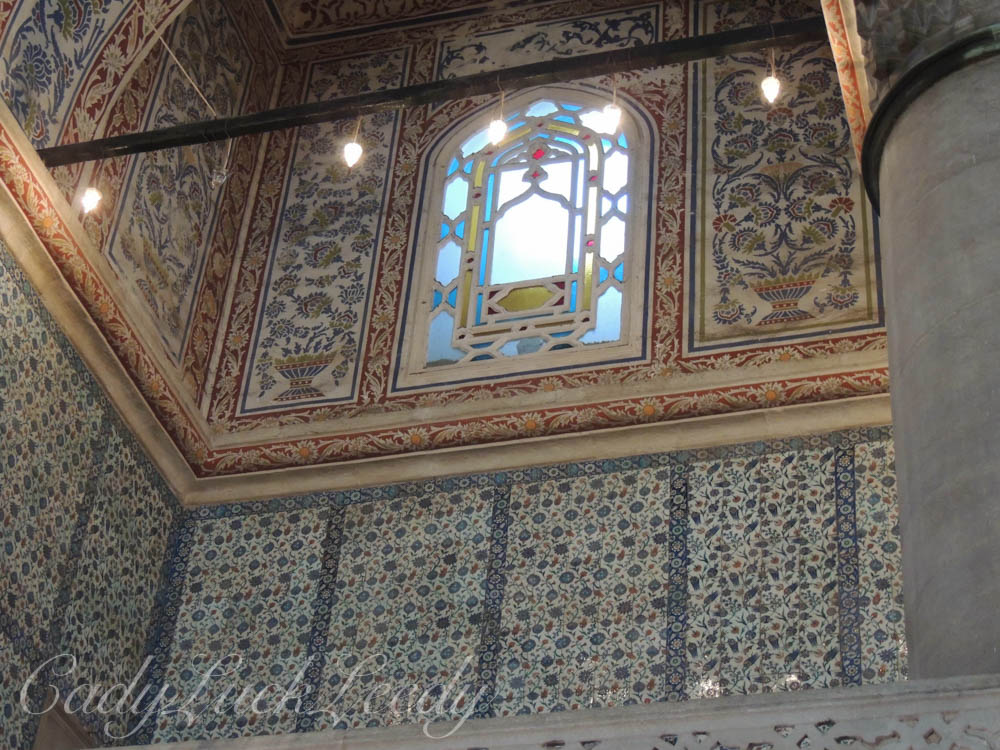
Inside the Blue Mosque, Istanbul, Turkey

Inside the Blue Mosque, Istanbul, Turkey

Inside the Blue Mosque, Istanbul, Turkey

A Chandelier Inside the Blue Mosque, Istanbul, Turkey
The Sultan’s Tale goes like this.
The Blue Mosque was built in six years from 1609-1616 by the architect, Mehmet Aga, who also built the giant black cube at the center of the mosque in Mecca, the holiest shrine of Islam. Sultan Ahmet I (1590-1617) ascended the thrown at the age of 14 and his greatest achievement was the construction of the Blue Mosque. To prevent future conflicts it was customary for a new sultan to kill his closest brother. Ahmet went against tradition and spared his brother Mustafa’s life. After Ahmet’s death from typhoid at the age of 28, in 1617, his 11 year old son Murat IV, became sultan and had his younger brother, Prince Beyazit strangled, which ended the new tradition and reverted to the old. Murat’s mother, Kösem, was one of the most influential women of her time. Following Ahmet’s death, for nearly a decade Kösem ruled the empire without intrusion because Murat IV, now the the sultan, ruled at such a young age. When Murat died, Kösem placed her grandson, Mehmet, as the next sultan. Mehmet’s mother, tired of Kösem’s domination, had Kösem strangled in her sleep by the eunuchs. And so the story goes.
Outside the Blue Mosque are six minarets. Only one is needed. The imam (prayer leader) or muezzin (a man noted for his talent in voicing the call to prayer) would climb to the top of the minaret five times a day to announce the call. Sultan Ahmet requested six minarets, to flaunt his wealth, but since there were six in Mecca, he had a seventh built in Mecca, as not to upstage the holy shrine.
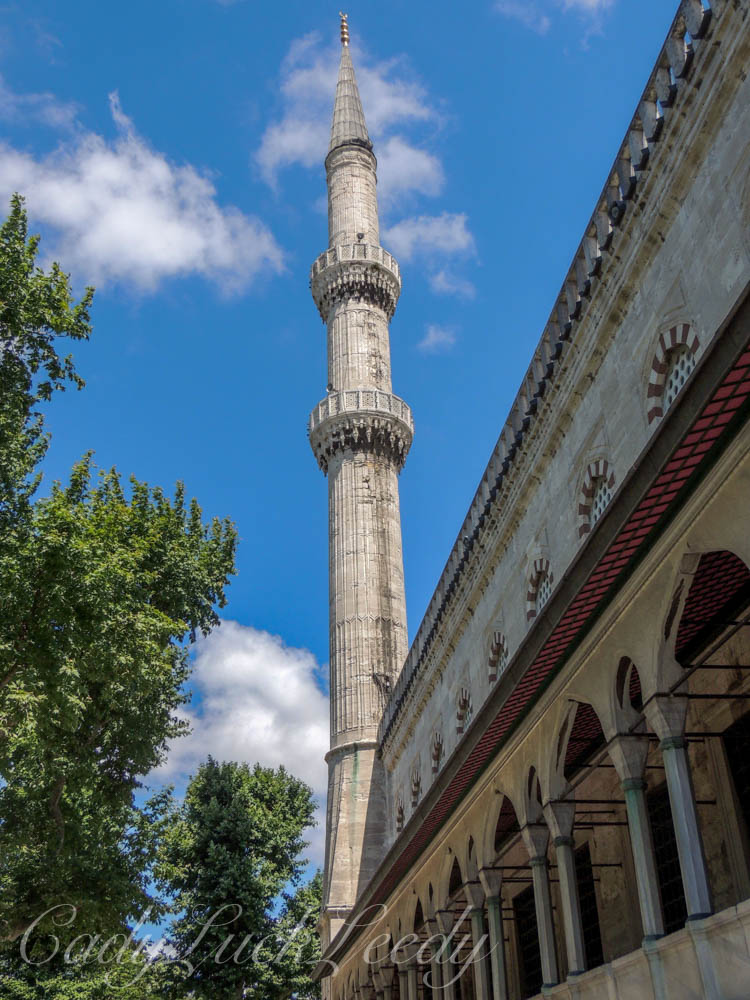
A Minaret of the Blue Mosque, Istanbul, Turkey
Right outside the Blue Mosque is the Hippodrome, the spot for chariot races and a place where people gathered for social and religious disputes, political clashes and violent uprisings. Today there are market stalls here and at night families gather to eat and party.

The Hippodrome, Istanbul, Turkey

The Hippodrome, Istanbul, Turkey

The Hippodrome Market Stalls, Istanbul, Turkey
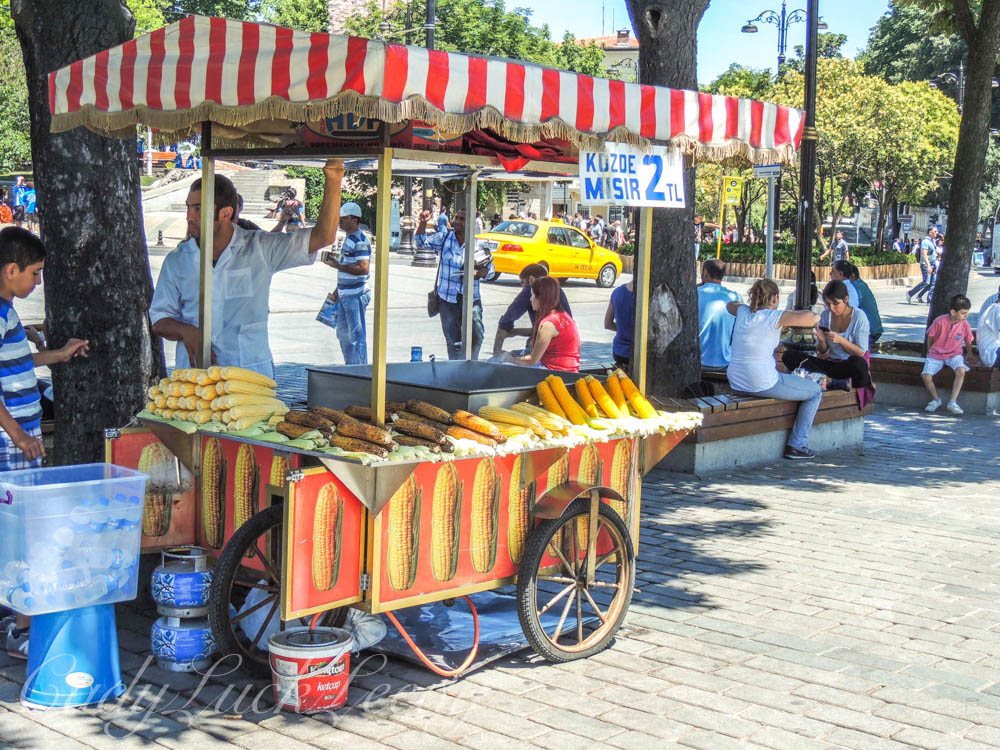
Eating at Sutanahmet Park, Istanbul, Turkey
The Egyptian Obelisk was carved 1500 years before the birth of Christ to honor the Egyptian Pharaoh Thutmose III, and to commemorate his military achievements. The obelisk was brought here from the Upper Nile and is only the upper one third of the original massive stone block. The base of the block was cut of local marble and the four sides tell the story of Theodosius the Great, and his family, as they sat here watching the chariot races at the Hippodrome.
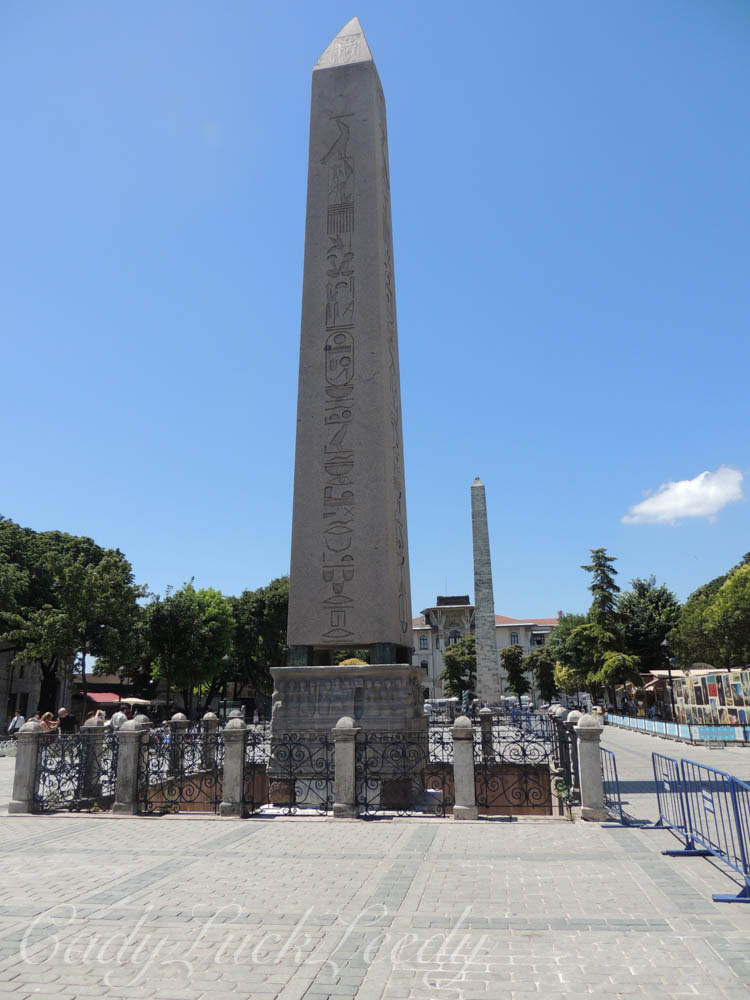
The Egyptian Obelisk, Istanbul, Turkey
The Column of Constantine was constructed in Istanbul. It was originally sheeted with bronze panels, but in the Fourth Crusade, (early 13th century) the city was looted and the panels stripped to make weaponry.

The Column of Constantine, Istanbul, Turkey
The Column of the Serpent was a victory monument dedicated to the 31 Greek city-states to commemorate their victory over the Persians at Plataea. (479 BC) Originally, this column showed three serpents twisted together, their heads supporting a golden trophy. The golden trophy is long gone and only the jaw of one snake still exists and it is in the Istanbul Archeological Museum. The Hippodrome also was the place of the famous four cast-bronze horses from ancient Greece. During the 4th Crusade they were plundered and taken to Venice, where they now reside at St Mark’s Basilica. (See a photo of them in my Venice posts)
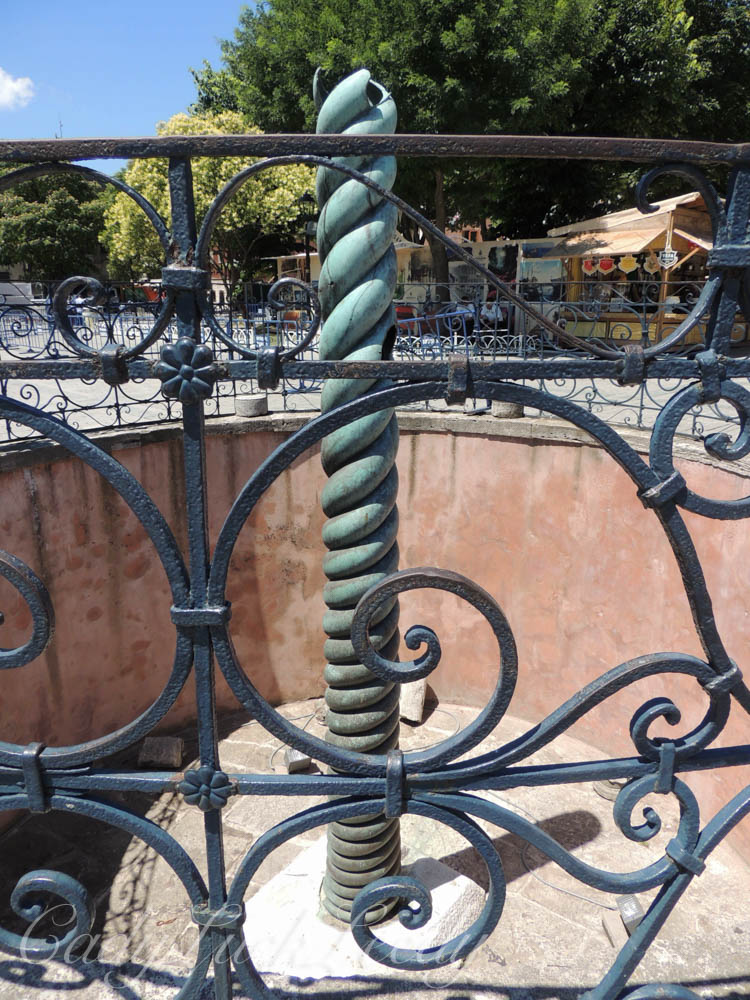
The Column of the Serpent, Istanbul, Turkey
The German Fountain was a gift from the German government to commemorate Kaiser Wilhelm II’s visit to Istanbul in 1898. It was constructed in Germany and transfered in pieces to Istanbul in 1901 and re-assembled on this location.
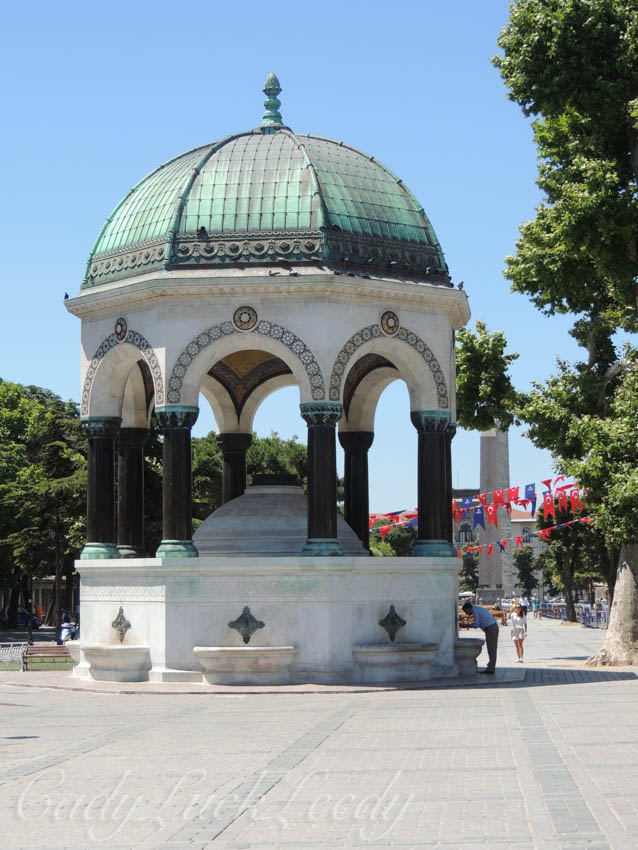
The German Fountain, Istanbul, Turkey
The Divan Yolu was the main thoroughfare in Byzantine times. The road started right here where the Golden Milestone still stands in a pit. 1500 years ago this was considered the point of the center of the world and it showed the distances to key locations within the empire.

The Tram Station at Divan Yolu, Istanbul, Turkey

The Golden Milestone, Istanbul, Turkey
Below ground, the Underground Cistern, was a vast reservoir that held water reserves for ever growing Istanbul. The cistern covers an area of two football fields and could hold 27 million gallons of fresh water. 336 columns support the brick ceiling, most of them coming from earlier Roman ruins. Clay pipes and aqueducts carried the water twelve miles to this cistern. Today the cistern is open to the public. The cistern is a shallow pond with a walkway around it. At the exit of the cistern a stage is in the water and serves as an exhibition hall for art festivals and concerts!

Underground Cistern, Istanbul, Turkey

Underground Cistern, Istanbul, Turkey
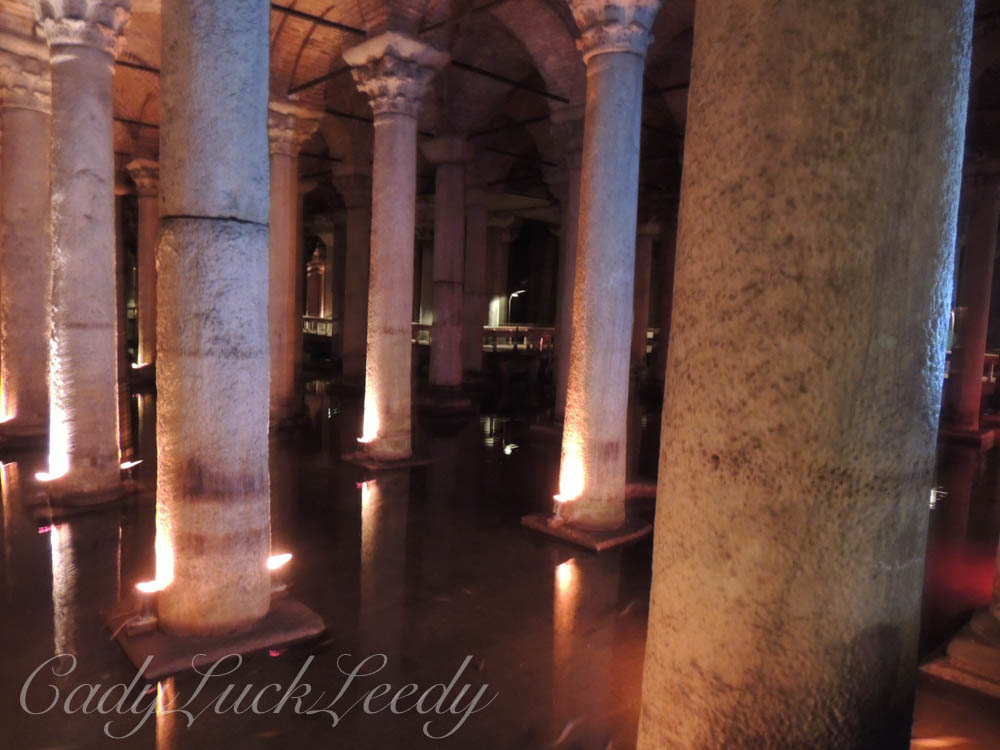
The Ancient Columns in the Underground Cistern, Istanbul, Turkey

Underground Cistern, Istanbul, Turkey
I hope you enjoyed the day at the Blue Mosque!
Tales, Thoughts + Tribulations of a Free Spirit in Suburbia
Travels on foot
Minding my mind, one thought at a time.
Un lungo racconto fotografico.
Featured
Photography, hiking, walking, and cycling across central Japan — from quiet mountain paths to everyday life around Nagoya.
Looking for meanings in words, images and sounds
Reflections on places traveled and photos taken.
Cruising with the Thyrre Family
Where my Travels and my Blog merge together.
The mental meandering that cross my keyboard
Website & Blog of J. Kelland Perry, Author
A photographic journey.
Photography celebrating flowers, plants, and the natural world
Roaming, at home and abroad
The Corner Garden
Photography, Travel and Retirement
Upgrade Your Travels. First Class Luxury Travel from all parts of the Globe. Business Class Airline, Lounge and Hotel Reviews, Stories and Adventures
A China travel and lifestyle blog
 The Travel Lady In Her Shoes