Travel, Gardens, Food, Photography, Books, Shoes

Posts tagged ‘Travel’

Hever Castle: Childhood Home of Anne Boleyn

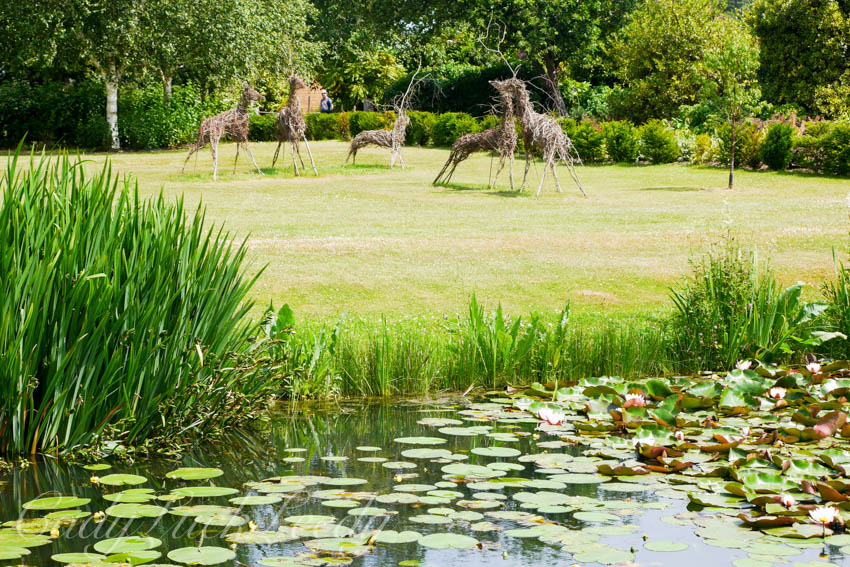
The Deer on the Lawn at Hever Castle, Edenbridge, UK

The Deer on the Lawn at Hever Castle, Edenbridge, UK

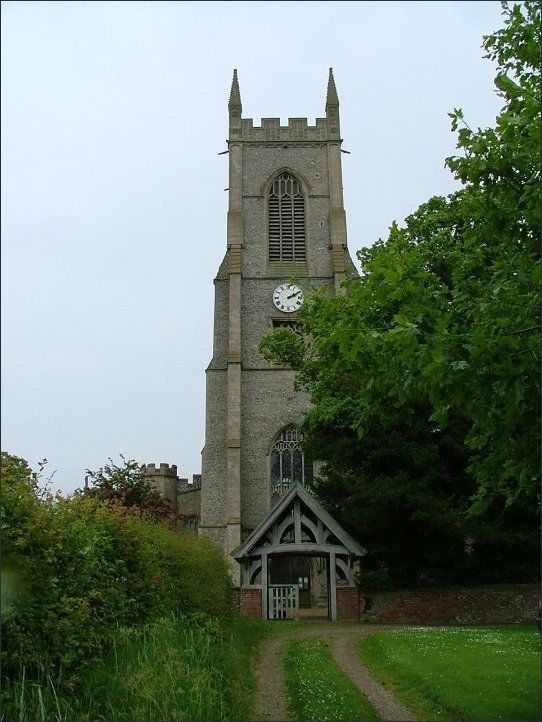
St Peter and Paul Church, Edenbridge, UK

St Peter and Paul Church, Edenbridge, UK

Sign at Hever Castle, Edenbridge, UK

Sign at Hever Castle, Edenbridge, UK

Hever Castle is the childhood home of Anne Boleyn. Located near Edenbridge, the country house was built in the 13th century and from 1462 to 1539 it was the home of the Boleyn family, originally the “Bullen” family. Thomas Boleyn, born there in 1477, inherited the house in 1505 from his father, William Boleyn. The entrance to Hever Castle is easy to find. It is right across the street from St Peter and Paul Church in Edenbridge.

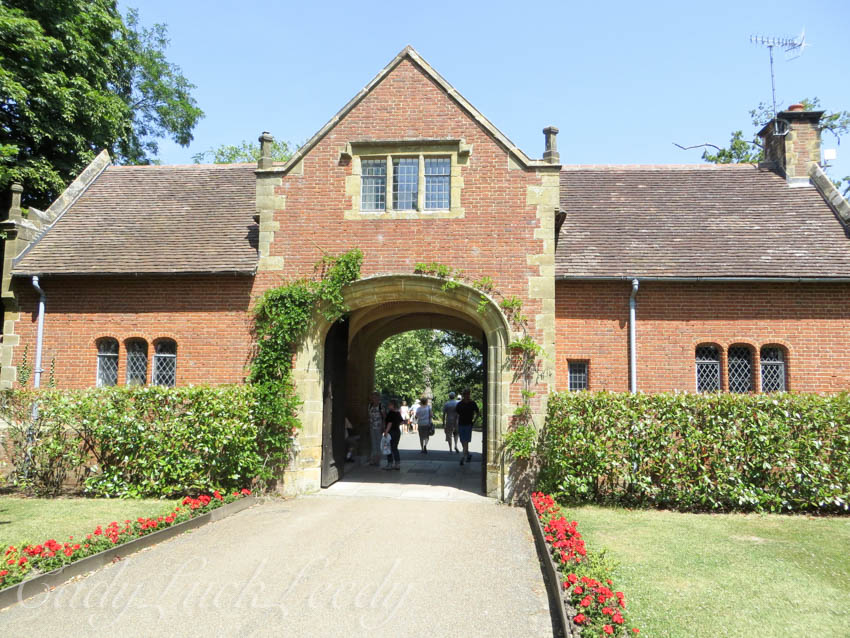
The Entry into Hever Castle, Edenbridge , UK

The Entry into Hever Castle, Edenbridge , UK

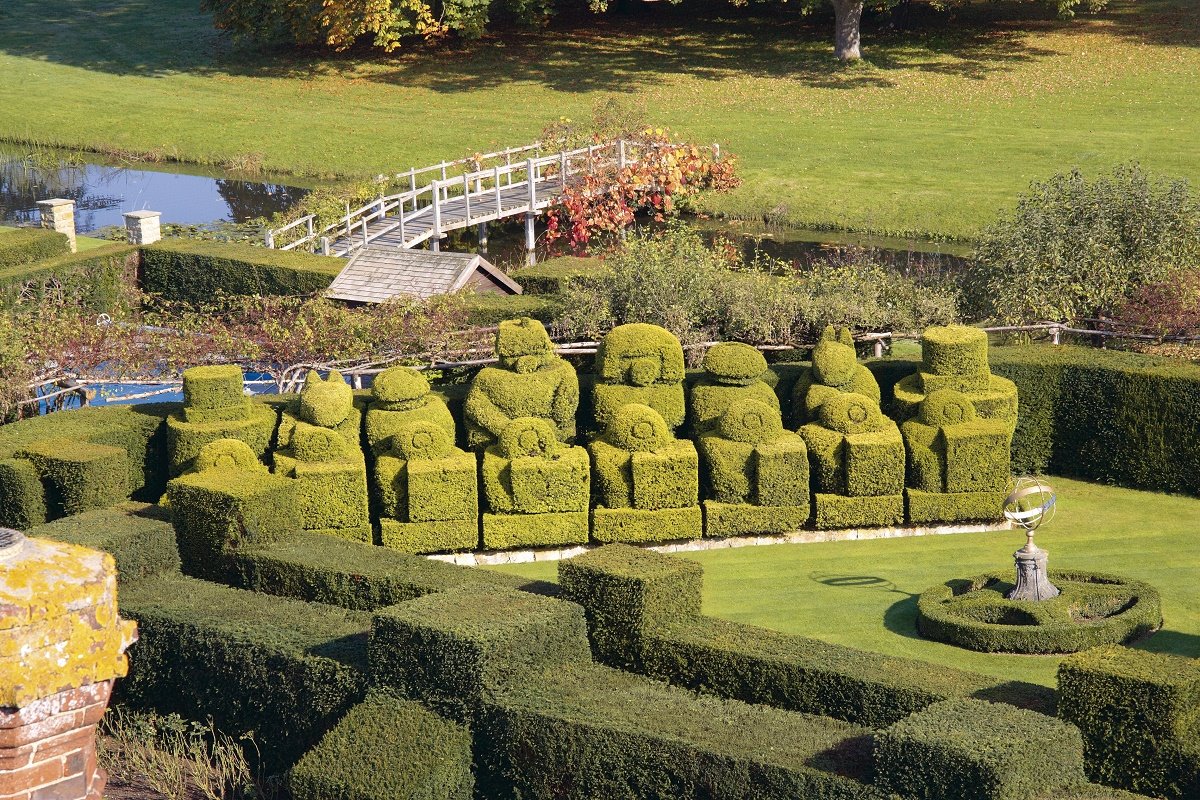
The Topiary Entry, Hever Castle, Edenbridge, UK

The Topiary Entry, Hever Castle, Edenbridge, UK

The Topiary Entry, Hever Castle, Edenbridge, UK

The Topiary Entry, Hever Castle, Edenbridge, UK

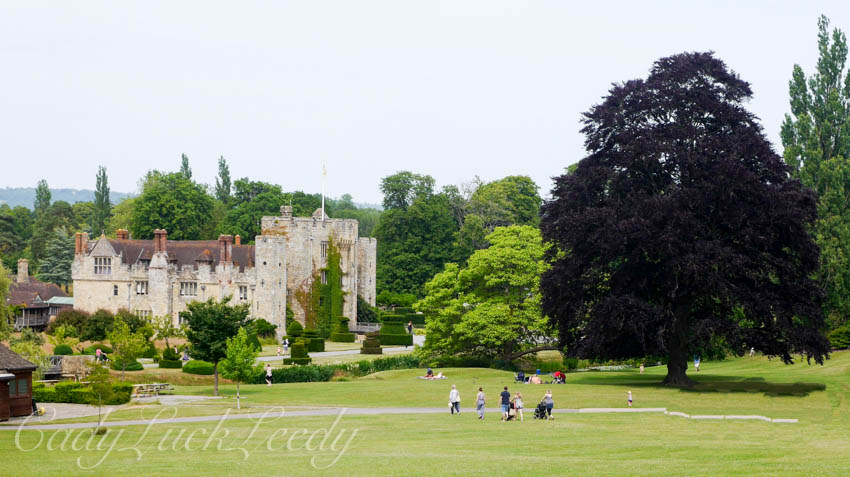
The Landscape of Hever Castle, Edenbridge, UK

The Landscape of Hever Castle, Edenbridge, UK

The big burgundy tree is where the ghost of Anne Boleyn can sometimes be seen.  She courted with Henry VIII under this tree.

Let’s visit the castle!

The Topiary Entry, Hever Castle, Edenbridge, UK

The Topiary Entry, Hever Castle, Edenbridge, UK

There have been three main periods of construction to the historic castle. The oldest part of the castle dates to 1270 and consisted of the gatehouse and walled courtyard.

The Drawbridge into Hever Castle, Edenbridge, UK

The Drawbridge into Hever Castle, Edenbridge, UK

The Drawbridge into Hever Castle, Edenbridge, UK

The Drawbridge into Hever Castle, Edenbridge, UK

The Gatehouse at Hever Castle, Edenbridge, UK

The Gatehouse at Hever Castle, Edenbridge, UK

The Gatehouse at Hever Castle, Edenbridge, UK

The Gatehouse at Hever Castle, Edenbridge, UK

The Courtyard at Hever Castle, Edenbridge, UK

The Courtyard at Hever Castle, Edenbridge, UK

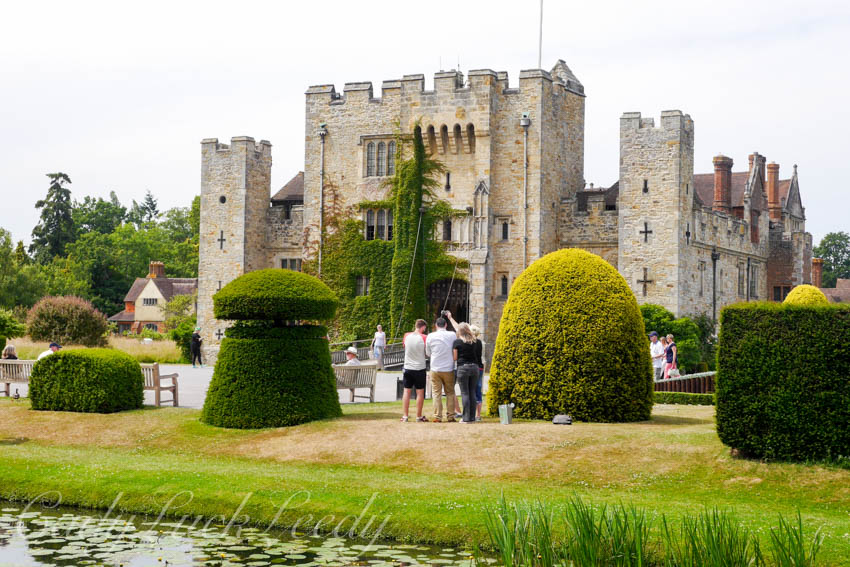
Hever Castle, Edenbridge, UK

Hever Castle, Edenbridge, UK

In 1462 Geoffrey Boleyn converted the castle into a Tudor manor house. Thomas Boleyn lived here with his wife Lady Elizabeth Howard and their children George, Mary and Anne. Anne lived here until she was sent to the Netherlands in 1513, to study at the court of Archduchess Margaret.

After the death of Thomas Boleyn, in 1539, the property belonged to King Henry VIII and in 1540 he gave Anne of Cleves, his fourth wife,  the property as part of an annulment settlement of their marriage. This is the second property we have toured, (the first being the Priest House in West Hoathley), that was given to Anne of Cleves in her annulment settlement. She did quite well by just giving Henry what he wanted with no fuss!

The last period of repair and renovation was in the 20th century when the property was bought by William Waldorf Astor in 1903. The American millionaire made the castle his family residence and restored the run down property and added an Italian garden to display his collection of statuary. Today the property is owned and managed by Broadland Properties Limited. This collection of cottages, restaurant, and B&B would be perfect for your stay! It ‘s like living in a fairy tale!

Hever Castle with Cottages at the Conference Center, Edenbridge, UK

Hever Castle with Cottages at the Conference Center, Edenbridge, UK

The Conference Center at hever Castle, Edenbridge, UK

The Conference Center at Hever Castle, Edenbridge, UK

The Conference Center at hever Castle, Edenbridge, UK

The Conference Center at Hever Castle, Edenbridge, UK

The Grounds and River Surrounding Hever Castle

The Grounds and Moat Surrounding Hever Castle

The Grounds and River Surrounding Hever Castle

The Grounds and Moat Surrounding Hever Castle

The estate is run as a conference center, but the castle and grounds are open to the public, but no pictures are allowed inside the castle. The castle offers three floors containing antique furniture, Ann Boleyn’s prayer books, instruments of torture and a large collection of Tudor paintings. The grounds are used for many seasonal activities, including a Christmas Walk and an International Christmas Walk in November and December.

The Grounds and River Surrounding Hever Castle

The Grounds and River Surrounding Hever Castle

The Grounds and River Surrounding Hever Castle

The Grounds and River Surrounding Hever Castle

The bridge  over the river is the place where Ann Boleyn’s ghost can be seen crossing on Christmas Eve!

The Grounds of Hever Castle, Edenbridge, UK

The Grounds of Hever Castle, Edenbridge, UK

The Deer of Hever Castle, Edenbridge, UK

The Deer of Hever Castle, Edenbridge, UK

To book your stay at Hever Castle see HERE! The castle and grounds are fabulous! Now let’s go see the beautiful Italian Gardens that William Waldorf Astor made here!

The Grounds and River Surrounding Hever Castle

The Grounds and River Surrounding Hever Castle

Haunted Hever Castle: Have You Seen Anne Boleyn?

Anne Boleyn, Queen of England

Anne Boleyn, Queen of England

We’re excited to be at Hever Castle, the childhood of home of Anne Boleyn! Ann Bolelyn, second wife of Henry VIII, had more influence over the fate of England than any of the other five wives of Henry VIII.   Risking everything to get Anne into his bed, she rose in power and riches only to be dashed down to the lowest depths after 1000 days of married life. She came to the end via an executioner’s sword. I believe most of Anne’s short life was lived under extreme tension. She spent seven years fending off Henry’s advances, because she didn’t want to be left like her sister, Mary, who had an affair with Henry that had turned out badly.  When she was finally  crowned queen many in the kingdom hated her because Henry broke away from the Catholic Church to establish his own church, the Church of England, so he could divorce his first wife, Katherine of Aragon, and marry Anne. Then Anne had a daughter, Elizabeth I, rather than a son, and more pressure was put on her, as her duty was to produce sons. After many complications and stillbirths, Anne had to be in a frenzy as to what to do to keep Henry happy.  Henry had sacrificed everything for Anne and was not getting what he wanted and needed, a son. I read an article lately that it is possible than Anne was RH-, meaning that her first child would have born without complications, but due the the mixture of her blood and her child’s at birth, her child being RH+, would have caused antibodies to built up in Anne’s blood preventing her from carrying another child to term. If that is the case she was indeed doomed from the start. I can’t imagine how it would feel to know your only worth in life was to produce a male heir! Such were the times.  In the end Henry chose to get rid of her and move on to a new wife. Is it any wonder Anne Boleyn still walks the spots that were favored by her in life and the ones that caused her the most grief? I think Hever Castle would have been her favorite spot, she had lived a carefree, happy childhood here. 

Recently, I read that people may have up to fifty senses rather than the normal five. If that is the case, there will be some people who are able to feel a presence in a place where other people have spent their time. If the place had great significance or stress for that person, their presence would be definitely felt.  Makes sense to me! Have you ever sensed someone’s presence?

So let’s look, since it is All Hallows Eve, and see the places where Anne Boleyn has been sighted. This time in the liturgical year is dedicated to remembering the dead, including saints, (hallows) martyrs, and all the faithful departed believers.

This is what I learned………. about the sightings of Anne Boleyn.

Haunting-at-Blickling-Hall, Norfolk, UK

Haunting-at-Blickling-Hall, Norfolk, UK

Blickling Hall, Norfolk, is sourced as the most likely place that Anne Boleyn was born. At midnight on the anniversary of her death, May 19th, she is said to make a dramatic return, dressed all in white,  traveling to the house in a carriage pulled by headless horses. She holds her head in her lap. Light footsteps approaching the bedroom can also be heard in the house although it was rebuilt 100 years after Anne’s death. Her brother, George, who was executed a few days before Anne, on the charge of committing incest with his sister, also returns to the house being dragged by horses while carrying his head in his arms.

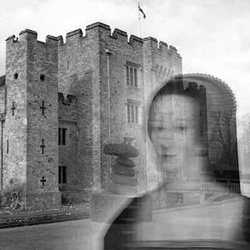
Anne Boleyn at Haunted Hever Castle, Kent, UK

Anne Boleyn at Haunted Hever Castle, Kent, UK

Hever is the castle one pictures when they think of medieval life. The fairytale castle is complete with draw bridge and moat, crenellated notches on the roof tops for firing down arrows, and the tiny cross openings for guards to peek out. Built as a medieval defensive castle with a gate house and walled courtyard in 1270, it was the home of one of the most powerful families, the Boleyns, in the 16th century. Anne seems most present on Christmas Eve here, crossing  a bridge over the River Eden on her way to the castle. At other times of the year, a wraith-like figure, in white, is seen most often in the gardens and under a big oak tree where she and Henry courted.

Hampton Court Ghost of Anne Boleyn

Hampton Court Ghost of Anne Boleyn

Most of the catch-me-if-you-can courtship between Henry VIII and Anne Boleyn took place at Hampton Court, one of the many royal homes. Anne’s ghost has been seen, dressed in blue, floating along the passageways. As late as 1945, Lady Baden-Powell, who had an apartment at the palace, wrote in her diary that a visitor sensed the presence of Queen Anne Boleyn in a little turret room that Anne used as a private praying room.

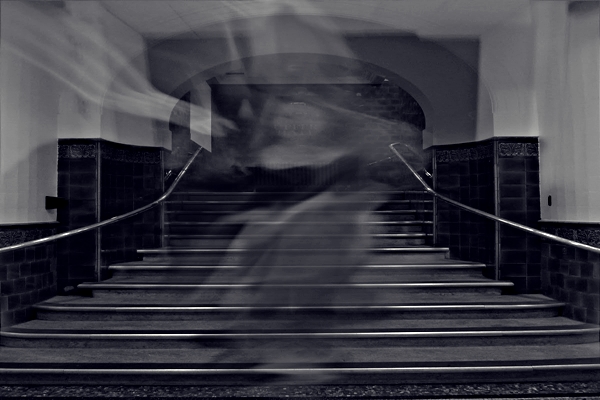
Ghost of Anne Boleyn, , UK

Ghost of Anne Boleyn, Tower of London, UK

Some of the many sightings of Anne’s ghost occurs at the Tower of London, where Anne stayed twice. The first time was the night before her coronation in the summer of 1553. The last time was under very sad circumstances, when she was on trial for her life. Charged with incest, adultery and witchcraft, she was beheaded on May 19th, 1536. Her body was hastily buried in an old arrow chest, that was too small for the body. Without any services or ceremony the box was buried beneath the altar in the chapel of St Peter Ad Vincula.    

Towards the end of the 18th century, it was recorded that the Captain of the Guard noted light coming from the chapel, even though it was locked. He got a ladder and peered through a window and claimed he saw Anne (who he recognized from paintings) and a group of knights and ladies approach the altar. They disappeared when they reached the altar. Also, in 1864, a sentry guardsman, saw a figure float out of a doorway towards him. Wearing a bonnet, with no head inside, he challenged the apparition with his bayonet, which went right through it. The man fainted on the spot. Another Yeoman Warder saw a bluish form drifting towards the Queen’s House and another saw a woman in white emerging after midnight from the house. All of these sightings, noted at various times by different people,  were sworn under Oath.

The Salle Church, Norfolk, UK

The Salle Church, Norfolk, UK

The Salle Church in Norfolk completes the rounds of ghost sightings. The church contains the brasses, (dated 1440) dedicated to the remains of Geoffrey Boleyn and his wife, who were Anne’s paternal great-grandparents. Some believe that after Anne’s execution her body was removed from the Tower and re-buried at midnight, with the rites of a Christian burial, beneath a plain black marble tombstone inside the Salle Church.  The letters and diary of Crispin, Lord of Minherve, a foreign dignitary in London at the time of Anne’s trial, offered an impartial and “first hand” overview of the proceedings from Anne’s arraignment through her trial and execution. Historians have regarded Crispin as a reliable and unbiased witness, since he had no ties to the royal court.  The Salle Church will neither deny or confirm the allegations. ( although they provide some validity of evidence from various letters, including Crispin’s) The Salle Church, in addition to the St Peter Ad Vincula in the Tower of London, will not give permission to examine those buried beneath their floors. Indeed we are left with stories and legends, so you can make up your own mind. But, let’s next explore what it was that Anne loved so much about Hever Castle. The estate and grounds are quite remarkable!  See you there!

The Gardens at Chartwell, Home of Winston Churchill

From the Terrace at Chartwell, Kent, UK

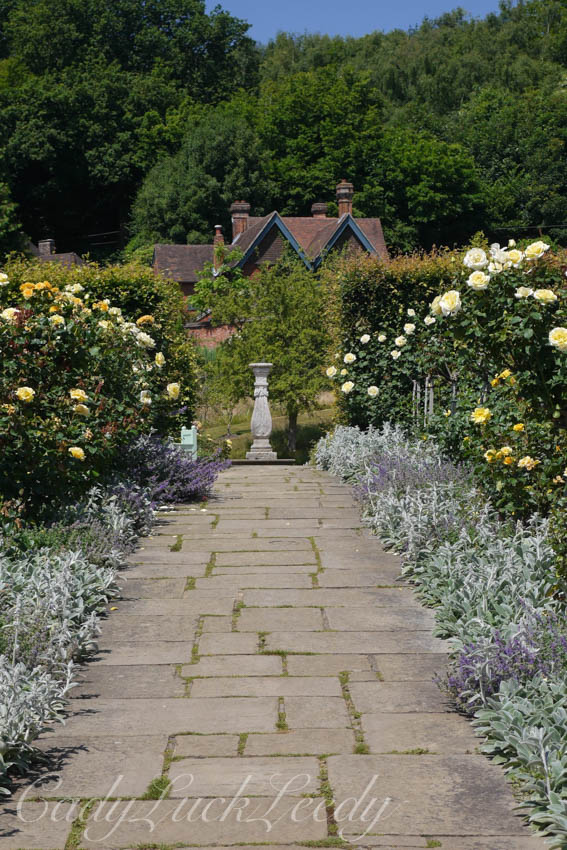
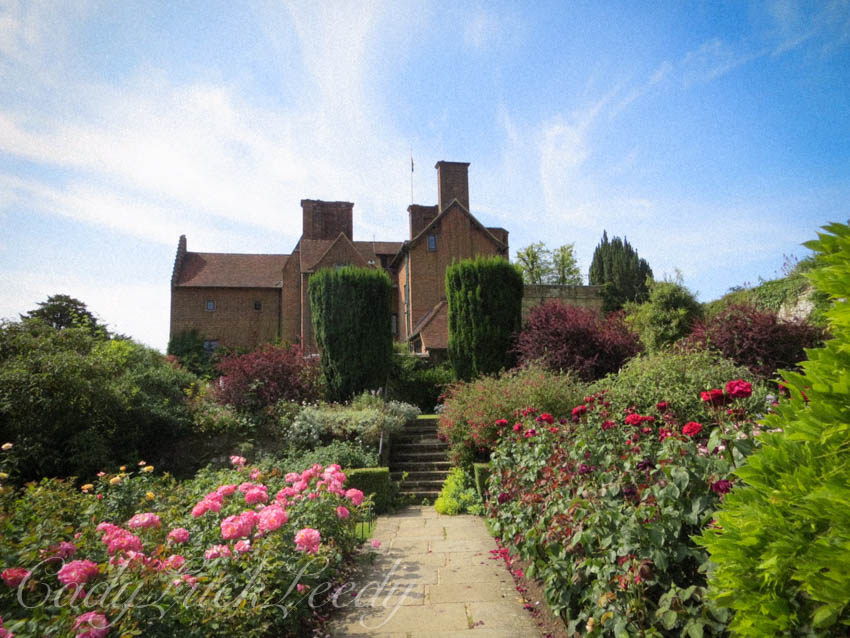
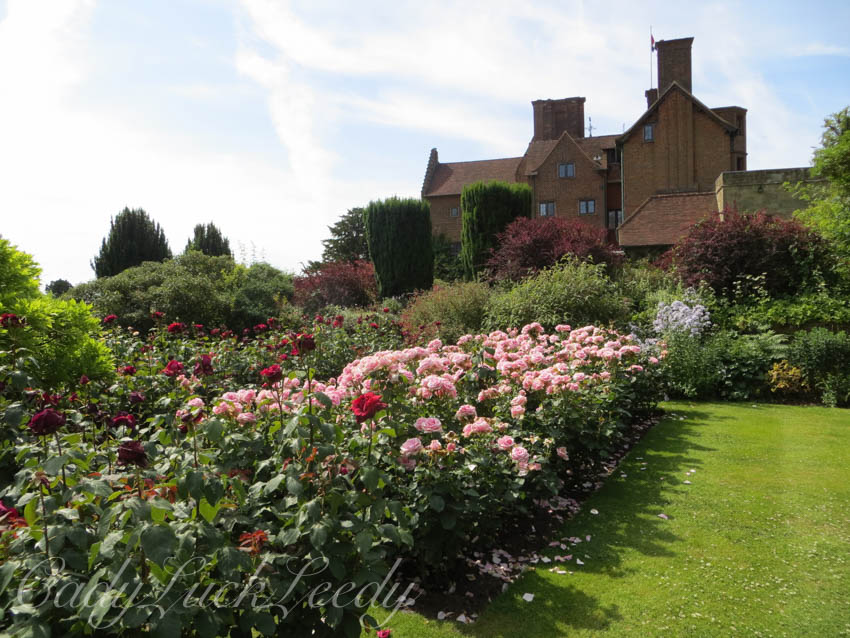
A Walk Through the Rose Garden at Chartwell, Kent, UK

One of the fun parts of our day was going to and fro to the different National Trust estates. Several times our first attempt to find the entrance of an estate would be missed. Most of the estates are situated in the country (logically), some off a main road and some off very, very, very, small country lanes. We got to see a great deal of the countryside that way, and many of the small villages we came upon weren’t the ones  were had intended to see. The main thing is to keep your wits about you and realize you’ll get to the estate on your second third time around. This is how we got to see the beautiful village of Westerham and the little cottages on the other side of the walls!

Now inside the gates of Chartwell!

Chartwell Gardens, Westerham, Kent, UK

Chartwell Gardens, Westerham, Kent, UK

Chartwell, Westerham, Kent, UK

Chartwell Gardens, Westerham, Kent, UK

The gardens at Chartwell, country home of Winston Churchill, were some of the best seen on “My English Garden Tour.” Each one is distinct and unique, adding their own personal touch. Like many other National Trust properties these gardens are well loved and well tended. There are garden tours with a volunteer gardener daily at 2pm. Just check at the visitor center. Now let’s go out and look at this garden!

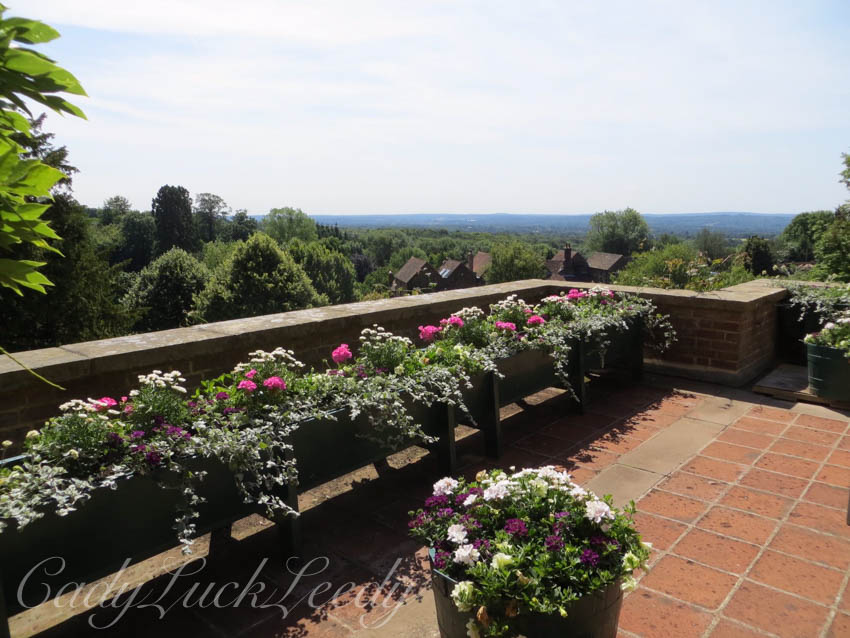
A look from the terrace and on down the path!

From the Terrace at Chartwell, Kent, UK

From the Terrace at Chartwell, Kent, UK

A cluster of cottages is now used as art galleries and studios at Chartwell.

From the Terrace at Chartwell, Kent, UK

From the Terrace at Chartwell, Kent, UK

From the Terrace at Chartwell, Kent, UK

From the Terrace at Chartwell, Kent, UK

First a stroll through the flower gardens is in order!

A Walk Through the Flower Gardens at Chartwell, Kent, UK

A Walk Through the Flower Gardens at Chartwell, Kent, UK

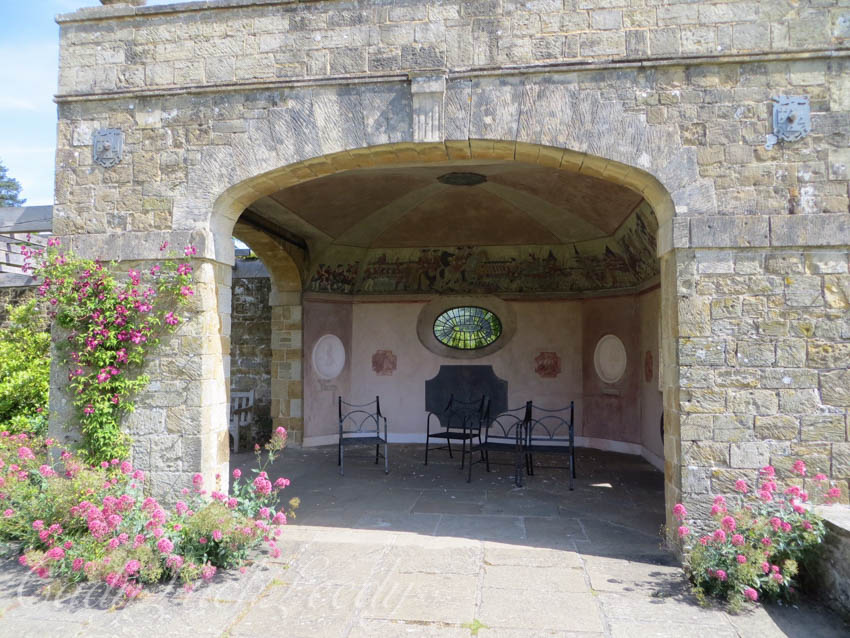
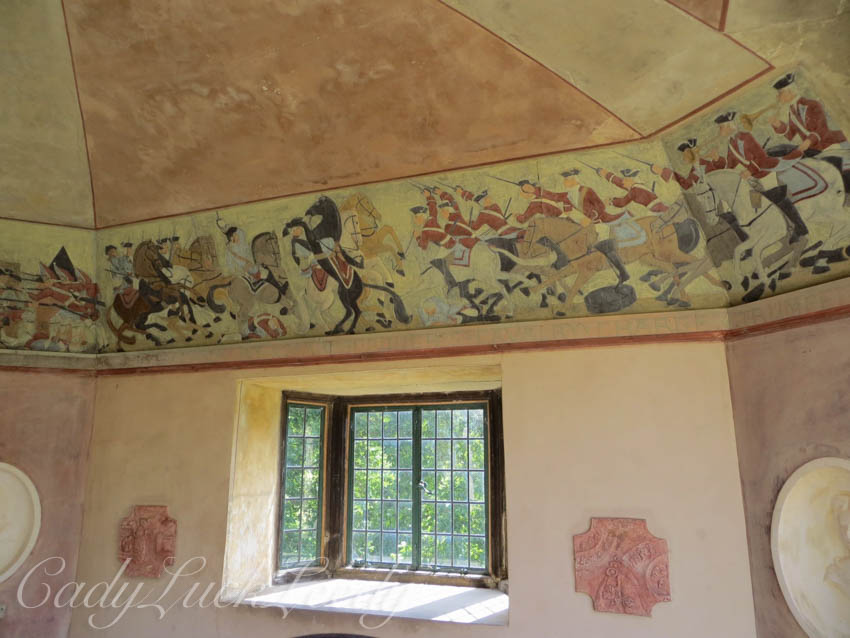
What is the Marlborough Pavilion? Lady Churchill created the small outdoor entertaining area in 1927 and painted the walls pink with murals depicting the 1704 Battle of Blenheim in Germany. The battle was led by the Duke of Marlborough, Sir Winston’s ancestor. LOVE the PINK color!

The Marlborough Pavilion, Chartwell, Kent, UK

The Marlborough Pavilion, Chartwell, Kent, UK

The Marlborough Pavilion, Chartwell, Kent, UK

The Marlborough Pavilion, Chartwell, Kent, UK


The Marlborough Pavilion, Chartwell, Kent, UK

The Marlborough Pavilion, Chartwell, Kent, UK

The Marlborough Pavilion, Chartwell, Kent, UK

The Marlborough Pavilion, Chartwell, Kent, UK

The Marlborough Pavilion, Chartwell, Kent, UK

The Marlborough Pavilion, Chartwell, Kent, UK

The Marlborough Pavilion, Chartwell, Kent, UK

The Marlborough Pavilion, Chartwell, Kent, UK

The Marlborough Pavilion, Chartwell, Kent, UK

The Marlborough Pavilion, Chartwell, Kent, UK

The Marlborough Pavilion, Chartwell, Kent, UK

The Marlborough Pavilion, Chartwell, Kent, UK

The Marlborough Pavilion, Chartwell, Kent, UK

Leaving The Marlborough Pavilion, Chartwell, Kent, UK

And now a walk to the Rock Garden and Fish Pond!

Walking to the Rock Garden, Chartwell, Kent, UK

Walking to the Rock Garden, Chartwell, Kent, UK

Walking to the Rock Garden, Chartwell, Kent, UK

Walking to the Rock Garden, Chartwell, Kent, UK

Walking to the Rock Garden, Chartwell, Kent, UK

Walking to the Rock Garden, Chartwell, Kent, UK

The Rock Garden and Fish Pond at Chartwell, Kent, UK

The Rock Garden and Fish Pond at Chartwell, Kent, UK

One of the first gardens we entered was the rock garden and the fish ponds. The day we were visiting they were cleaning the pond. How about that job?

The Fish Pond, Chartwell, Kent, UK

The Fish Pond, Chartwell, Kent, UK

The Fish Pond, Chartwell, Kent, UK

The Fish Pond, Chartwell, Kent, UK

Cleaning the Fish Pond and Rock Garden at Chartwell, Kent, UK

Cleaning the Fish Pond at Chartwell, Kent, UK

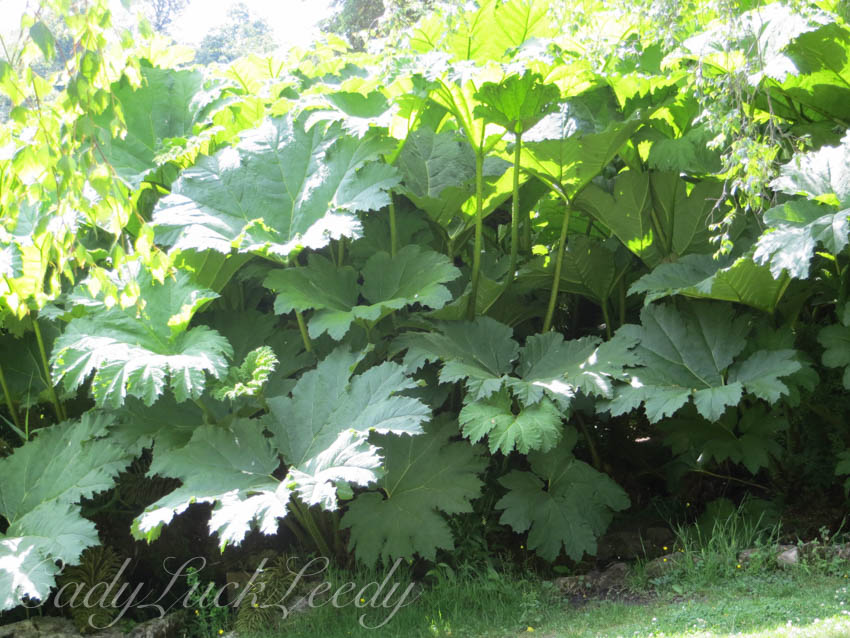
The Biggest Leaves, Chartwell, Kent, UK

The Biggest Leaves, Chartwell, Kent, UK

The Biggest Leaves, Chartwell, Kent, UK

The Biggest Leaves and Stems, Chartwell, Kent, UK

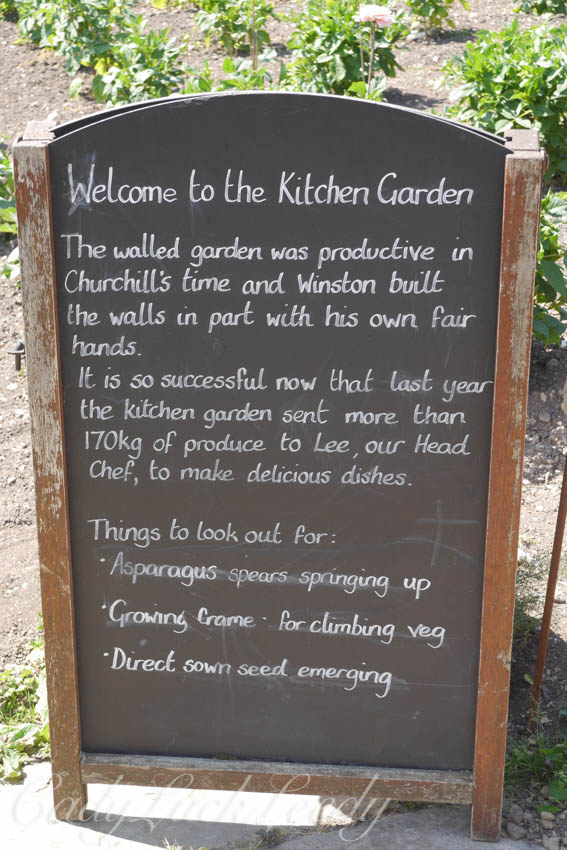
Now let’s take a look at Georgina Landemare’s kitchen garden! Mrs. Landemare started her career as an under-kitchen maid, eventually working up through the ranks under French Chef Paul Landemare, whom she married. Working for the Churchills since 1930, she first worked at Chartwell doing weekend parties. In 1939, she started full time as a private cook at No. 10 Downing Street and the War Rooms during the week, and then came to Chartwell on the weekends, until it became too dangerous for the family to be there. Just before a bomb fell on No. 11 Downing, she was called repeatedly to a bomb shelter. When she finally got there she told Churchill, “Sir, the soufflé is not quite done.” You have to admire a cook like this! On VE night Sir Winston Churchill told her he would not have made it through the war without her!

The Kitchen Garden, Chartwell, Kent, UK

The Kitchen Garden, Chartwell, Kent, UK

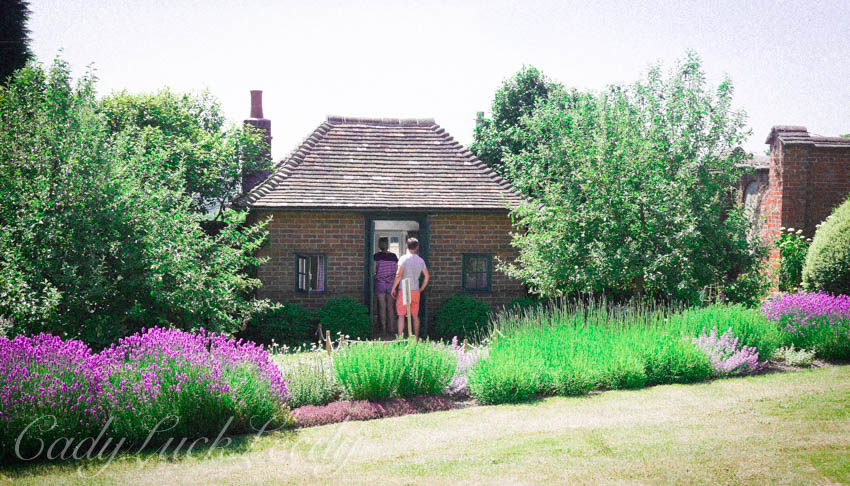
The playhouse, named MaryCot, was built for their youngest daughter, Mary. It is also in the kitchen garden. What a wonderful place to pretend and play! Of course, there was a miniature kitchen in there!

Marycot, The Playhouse For Mary, Chartwekk, Kent, UK

MaryCot, The Playhouse For Mary, Chartwell, Kent, UK

Wow, with all we’ve seen a rest is called for!

The Bench, Chartwell, Kent, UK

The Benches, Chartwell, Kent, UK

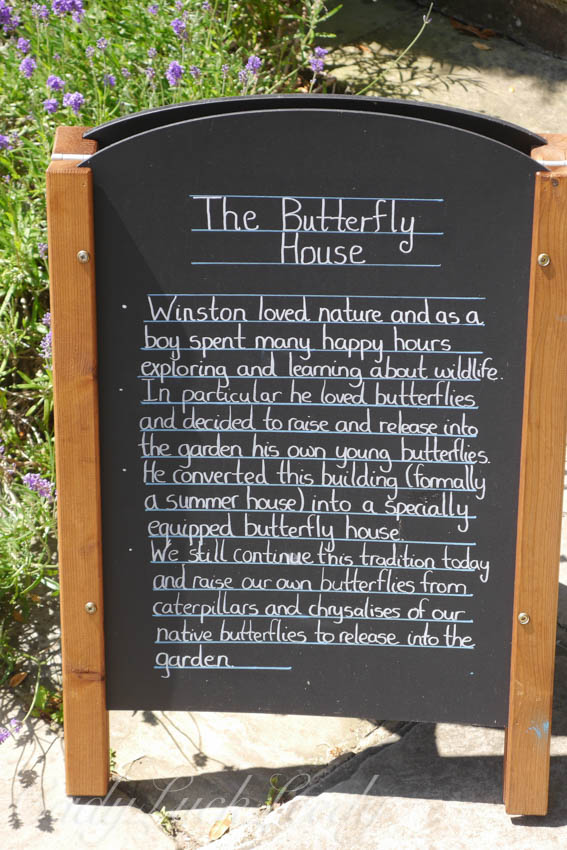
Last, but not least, on the way back to the restaurant, let’s look in the Butterfly House!

The Butterfly House, Chartwell, Kent, UK

The Butterfly House, Chartwell, Kent, UK

The Butterfly House, Chartwell, Kent, UK

The Butterfly House, Chartwell, Kent, UK

See you next time! If you are in the UK a stop to see Chartwell would be well worth the time! Next, we on our way to see Ann Boleyn at Hever Castle!  See you there!

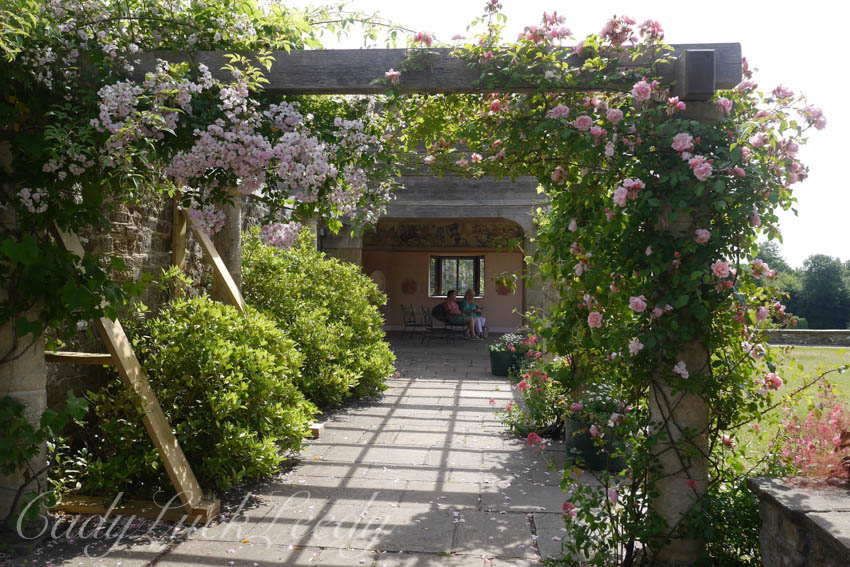
The Rose Garden at Chartwell, Kent, UK

The Rose Garden at Chartwell, Kent, UK

The National Trust: Chartwell, Home of Winston Churchill

Chartwell, Westerham, Kent, UK

Chartwell, Westerham, Kent, UK

Chartwell, Westerham, Kent, UK

Chartwell, Westerham, Kent, UK

To my surprise, one of the National Trust estates that I liked the best was Chartwell, the principle home of Winston Churchill.  I knew my husband would like it. I thought there would be several military rooms and manly stuff. I was pleasantly surprised at how “down to earth and homey” it was. I didn’t realize Winston Churchill liked to paint. There are beautiful water color paintings throughout the home, that he painted. The house commands a spectacular view across the Weald of Kent, the primary reason for it’s purchase, since the farmhouse “had no architectural merit.” The gardens and surrounding countryside were inspirational for Churchill’s paintings. The entire home has been preserved as it would have looked when Churchill owned the home, with original furniture, books, and some of the medals and honors that Churchill received. His wife, Clementine, left her mark in the gardens. The Golden Rose Garden, a gift from their children for their Golden Wedding Anniversary, is not to be missed. A rock garden feature caught Lady Churchill’s eye at the 1948 Chelsea Flower Show and the designer, Gavin Jones, gave it to her! There is a large kitchen garden which produced hampers of food for the Churchill’s London home or for 10 Downing Street, when they were away from Chartwell. The hampers of vegetables were sent by car every Monday and by train on Thursdays, to the cook, Mrs. Georgina Landemare. Churchill built the walls around the gardens himself (at ninety bricks per hour; (he timed himself)  and their pets Rufus I and Rufus II are buried in the gardens, just like we would do. There is a cottage/playhouse (called Marycot) in the garden, built for their youngest daughter, Mary. They seemed like down to earth people to me!

This is what I learned………. about Chartwell.

The site was built upon as early as the 16th century when the estate was called, “Well Street.”  There was a well at the north side of the house called, Chart Well. “Chart” is an Old English word for rough ground. Henry VIII is reputed to have stayed here when he was courting Anne Boleyn at nearby Hever Castle. In the 19th century it was a red-brick farmhouse of tile-hung gables and poky windows.

The Churchill’s bought the property in 1922, which consisted of the main farmhouse on eighty acres and three cottages. They immediately set out to renovate and update the home. I liked it because it was so light and airy with beautiful views from all the windows. The home eventually contained five reception rooms, nineteen bed and dressing rooms, eight bathrooms and a heated and floodlit swimming pool. There was also a water garden where he fed his fish and small lakes were created from dams, and were linked by steps descending from the farmhouse terraces. It was overall very tranquil. Churchill often commented, “A day away from Chartwell is a day wasted.”

In 1938, Churchill suffered big losses on Wall Street and put the estate up for sale. The industrialist, Sir Henry Strakosch, agreed to take over Churchill’s stock market shares for three years, and paid off all the debts. During WWII the home was mostly unused, due to it’s exposed position on the hill and being so near the English Channel and German occupied France. It would be potentially vulnerable to German air attacks or commando raids. The Churchill’s spent their weekends at Ditchley, in Oxfordshire, or their official country residence, Chequers, in Buckinghamshire.

In 1946 the Churchill’s  could no longer afford to keep up the property, so a consortium of wealthy businessmen purchased the estate and arranged a nominal rent so the Churchills could live there until their deaths. Churchill died in 1965 and Lady Churchill decided to present the property to the National Trust at that time as pre-arranged. I think this home may have brought back too many memories for her.  

Chartwell, Westerham, Kent, UK

Chartwell, Westerham, Kent, UK

Let’s take a look at this beautiful estate. First, the home. No pictures allowed inside, so we’ll see it from every angle outside! Most pictures get a look at Clementine’s roses too!

Chartwell, Westerham, Kent, UK

Chartwell, Westerham, Kent, UK

Let’s sit awhile and just enjoy the view from the terrace! I LOVED this table!

A Unique Table on One the Terraces Overlooking the Grounds, Chartwell, UK

A Unique Table on One the Terraces Overlooking the Grounds, Chartwell, UK

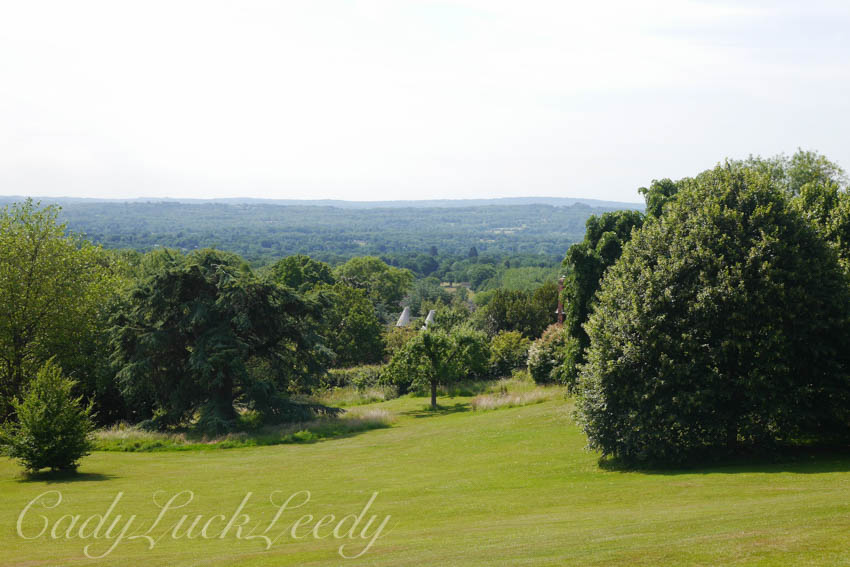
The Open Grounds of Chartwell, Kent, UK

The Open Grounds of Chartwell, Kent, UK

The Open Grounds of Chartwell, Kent, UK

The Open Grounds of Chartwell, Kent, UK

I could be very happy in one of the cottages found behind the garden walls!

One of Three Cottages on the Grounds of Chartwell, Kent, UK

One of Three Cottages on the Grounds of Chartwell, Kent, UK

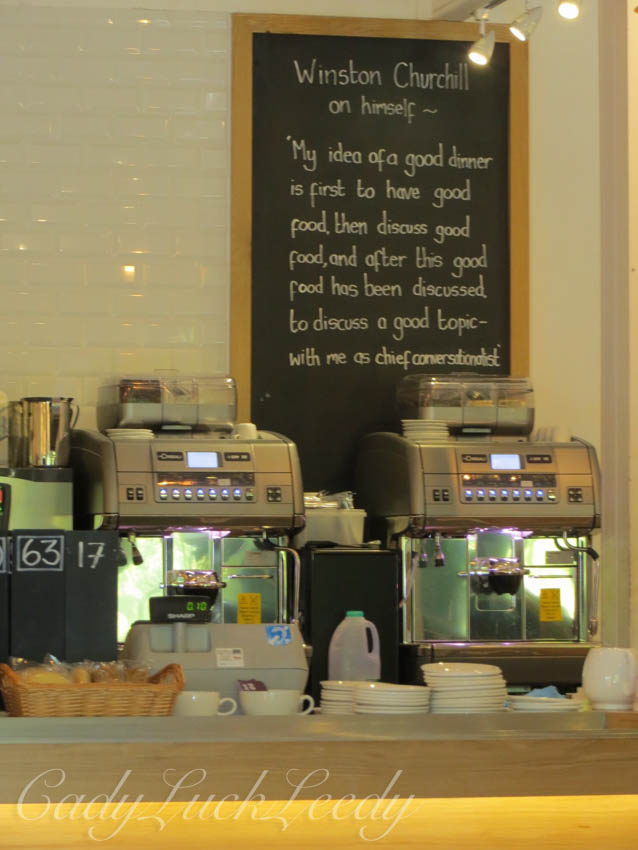
A tip: Get to Chartwell early in the day. The admissions are timed, so you may have to wait to get inside the grounds, although that might be a blessing as there is a fabulous cafe there called, “Landemare”, after their cook. There are Chalkboards everywhere on the grounds with quotes from Winston Churchill! 

Cafe Landemare, Charwell, kent, UK

Cafe Landemare, Charwell, Kent, UK

Cafe Landemare, Charwell, Kent, UK

Cafe Landemare, Charwell, Kent, UK

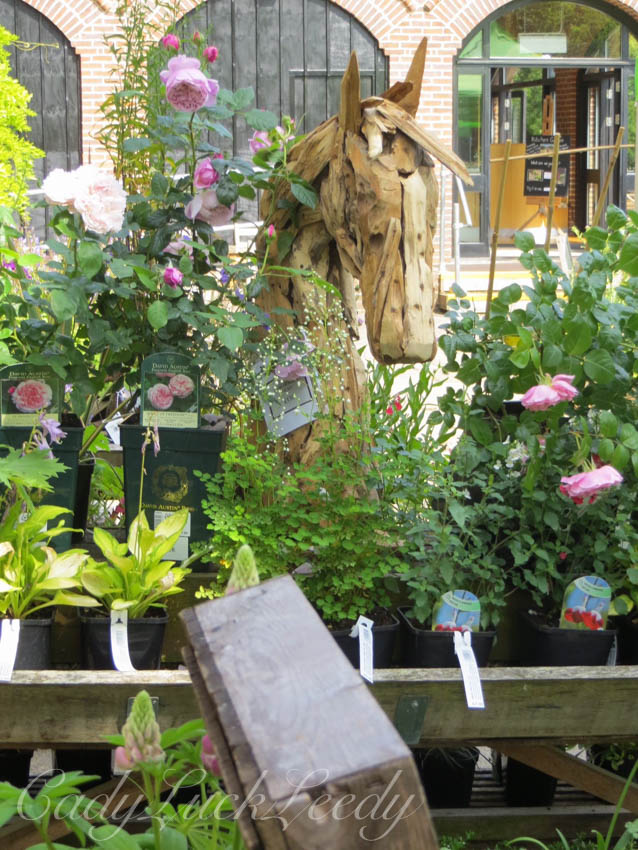
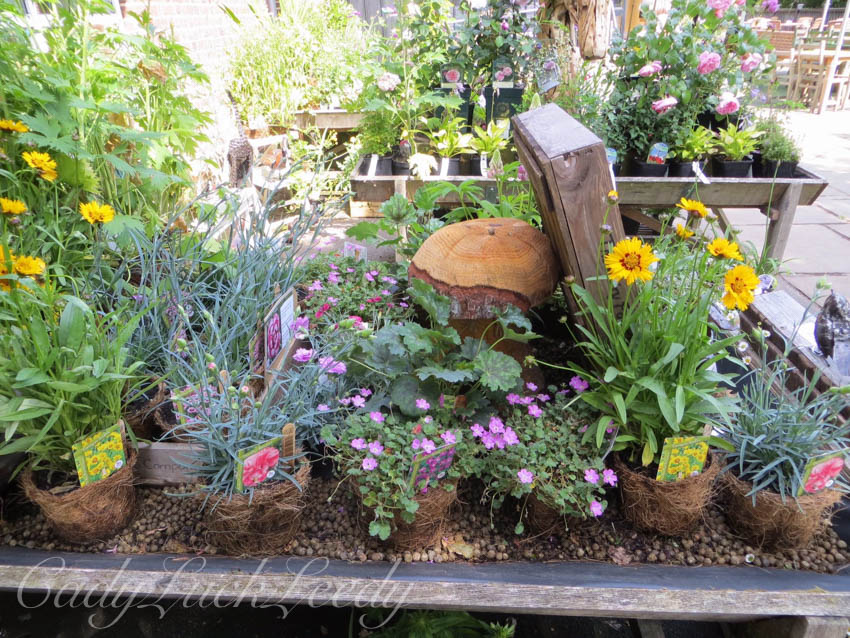
Also, as with most National Trust properties, there is a gift shop you could spend hours in. Or you can look over lots of plants that are available to purchase and take home. Oh, if I only lived in England! I would need an 80 acre garden for all my National Trust plants! Tomorrow let’s walk through the fabulous gardens of Chartwell!

Plants For Sale, Chartwell, Westerham, Kent, UK

Plants For Sale, Chartwell, Westerham, Kent, UK

Plants For Sale, Chartwell, Westerham, Kent, UK

Plants For Sale, Chartwell, Westerham, Kent, UK

The National Trust: Scotney Castle, Lamberhurst, Kent, UK

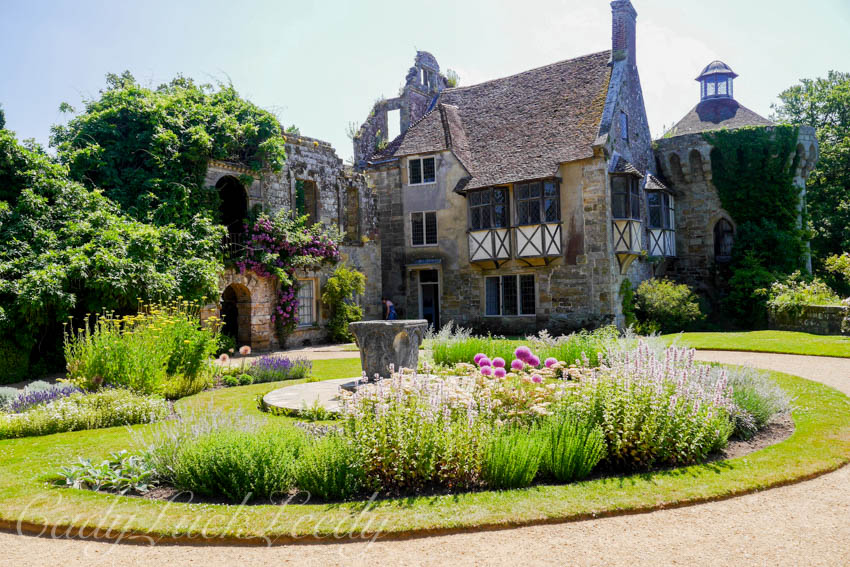
Scotney Castle, Lamberhurst, Kent, UK

Scotney Castle, Lamberhurst, Kent, UK

Entrance to the Gift Shop at Scotney Castle, Lamberhurst, Kent, UK

Entrance to the Gift Shop at Scotney Castle, Lamberhurst, Kent, UK

Scotney Castle is another National Trust property and is a real bargain as there are actually two castles and beautiful grounds here to see.  Since we have previously explored the old Castle ruins and the lower gardens in previous posts, today we will be going to the new  Scotney Castle.

Scotney Castle, Lamberhurst, Kent, UK

Scotney Castle, Lamberhurst, Kent, UK

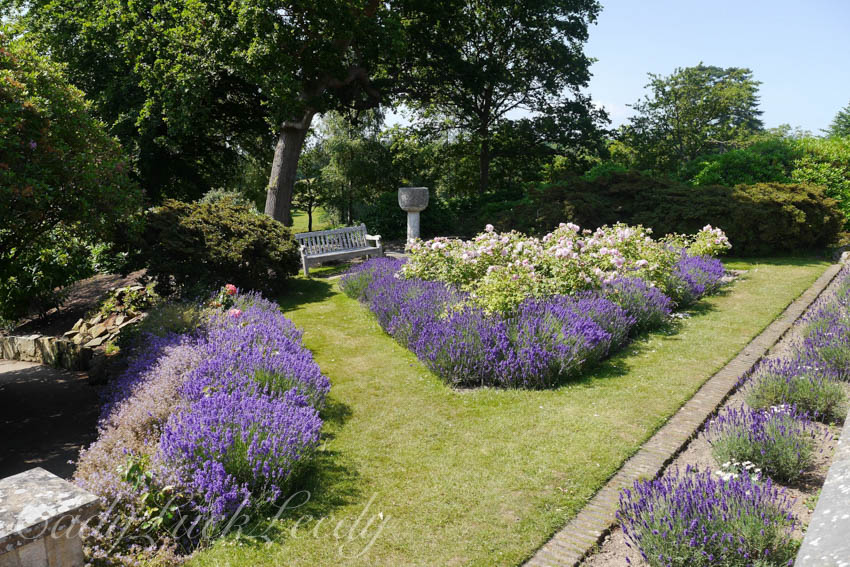
Scotney Castle Garden, Lamberhurst, Kent, UK

Scotney Castle Garden, Lamberhurst, Kent, UK

Scotney Castle Garden, Lamberhurst, Kent, UK

Scotney Castle Garden, Lamberhurst, Kent, UK

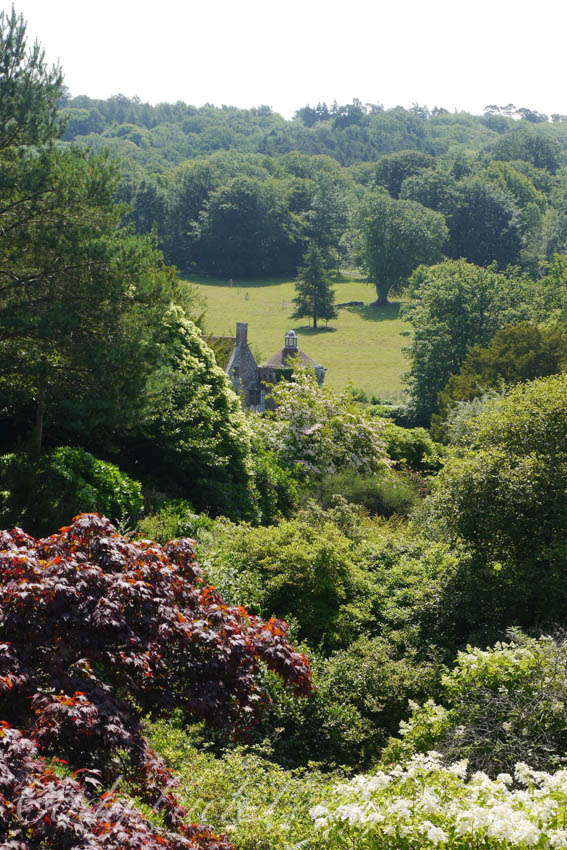
At the top of the hill stands the new Scotney Castle, which was built to replace the Old Castle between 1835 and 1843. It was designed by Anthoney Salvin, in  the Tudor Revival architectural design. Following the death of Elizabeth Hussey, in 2006, this estate was opened for the first time by the National Trust in 2007.

Scotney Castle, Lamberhurst, Kent, UK

Scotney Castle, Lamberhurst, Kent, UK

Scotney Castle, Lamberhurst, Kent, UK

Scotney Castle, Lamberhurst, Kent, UK

Scotney Castle, Lamberhurst, Kent, UK

Scotney Castle, Lamberhurst, Kent, UK

Scotney Castle, Lamberhurst, Kent, UK

Scotney Castle, Lamberhurst, Kent, UK

We read previously about the Darrell family, who owned the estate for 350 years, and the ghosts and hauntings during that time that have become legend. In 1778 Edward Hussey bought the estate and his grandson, also named Edward, built the “new” castle from sandstone quarried from the slope below. The hollow created was developed into a quarry garden and contains a 100-year-old impression of a dinosaur’s footprint.

Scotney Castle, Lamberhurst, Kent, UK

Scotney Castle, Lamberhurst, Kent, UK

When Christopher Hussey died in 1970, the estate was left to the National Trust, which let out several apartments in the castle and on the estate. Margaret Thatcher rented the Belfry flat during the 1970’s and 1980’s, using it for weekend escapes from Westminster.  Very knowledgable staff greet you and are present on the first and second  floors as you tour on your own. The house was left just as it was and it is priceless to see how the other half lives! My favorite rooms were the kitchen, dining room, and dish room! Enjoy your day at Scotney Castle!

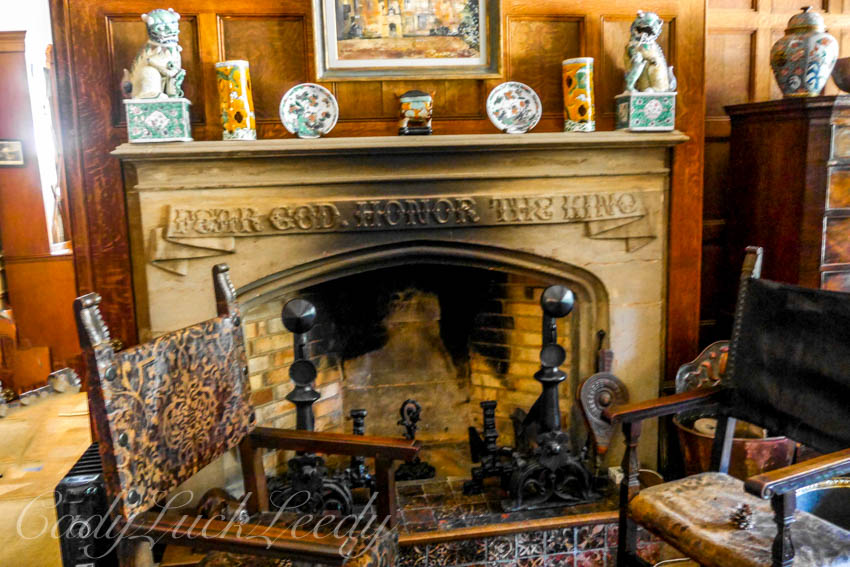
“Fear God, Honor the King”, a reading on one of the fireplaces!  Love it!

The Interior of Scotney Castle, Lamberhurst, Kent, UK

One of the Many Fireplaces of Scotney Castle, Lamberhurst, Kent, UK


Old Scotney Castle in the Daylight!

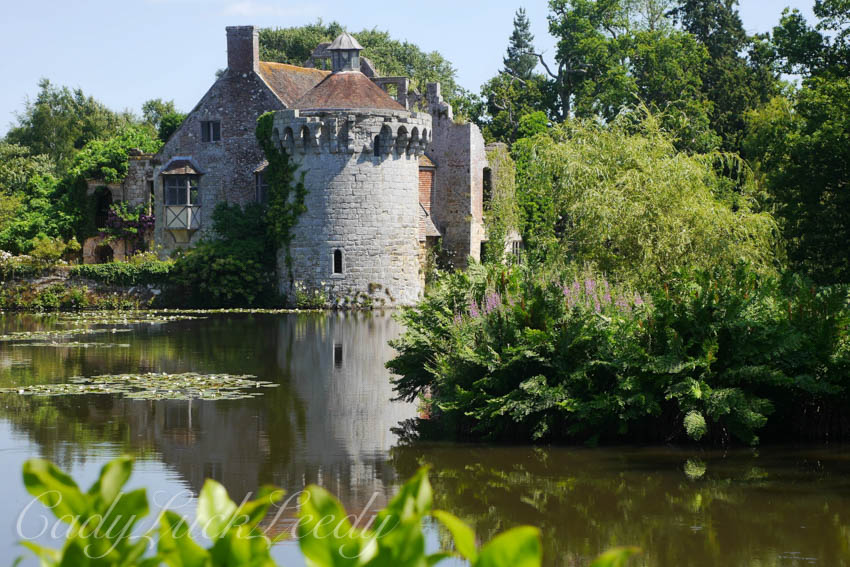
The Ruins of Old Scotney Castle, Lamberhurst, Kent, UK

The Ruins of Old Scotney Castle, Lamberhurst, Kent, UK

As promised, today we’ll walk the grounds of Old Scotney Castle! Can you recognize the pictures I created for the Haunted Scotney Castle blog, from the daytime pictures?

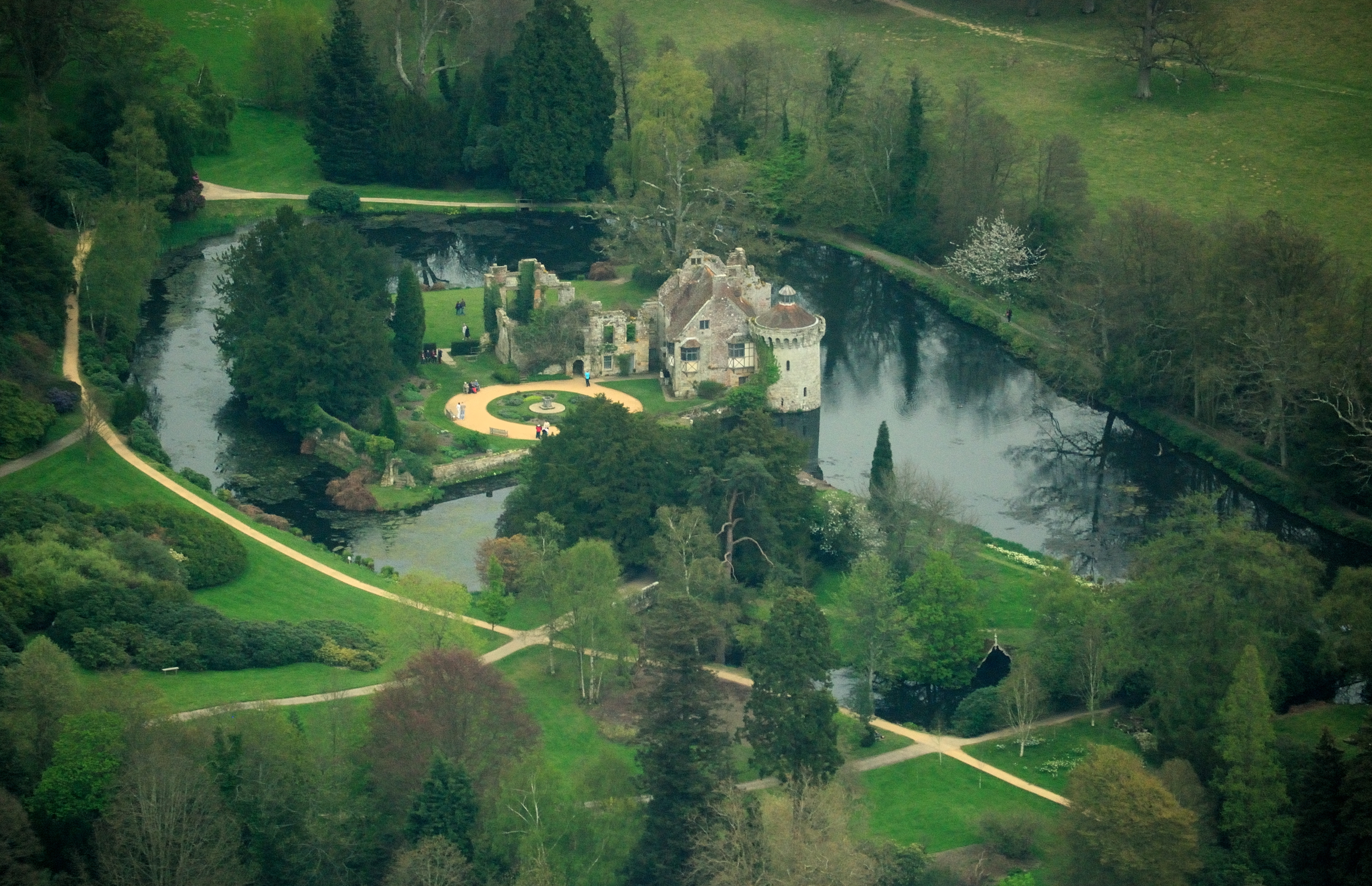
First, the aerial view so you get an idea of the ruins of the old castle and the gardens.

Aerial View of Scotney Castle, Lamberhurst, Kent, UK

Aerial View of Scotney Castle, Lamberhurst, Kent, UK

Then we’ll walk down to the ruins that sit at the bottom of the hill to get a closer look! Click on any of the pictures to enlarge them!

Then the gardens…………..

Then the ruins……… up close and personal!

And the haunted entry and bath in the daylight!

One of the Remaining Dorrways at Old Scotney Castle, Lamberhurst, Kent, UK

One of the Remaining Doorways at Old Scotney Castle, Lamberhurst, Kent, UKA

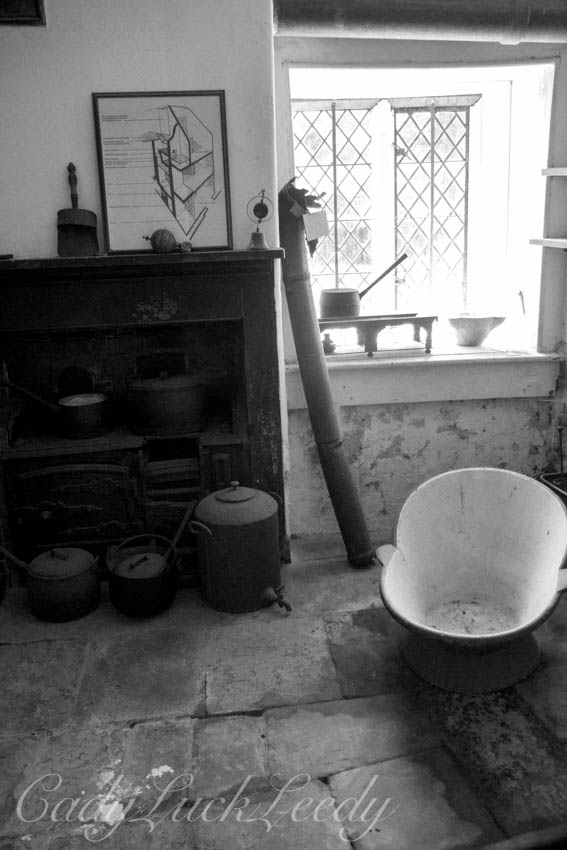
The Bath at Old Scotney Castle, Lamberhurst, Kent, UK

The Bath at Old Scotney Castle, Lamberhurst, Kent, UK

Tomorrow we’ll be at the New Scotney Castle!  Back up the hill we go!  See you there!

New Scotney Castle, Lamberhurst, Kent, UK

New Scotney Castle, Lamberhurst, Kent, UK

Old Scotney Castle and the Hauntings, Lamberhurst, Kent, UK

Old Scotney Castle in Dusk, Lamberhurst, UK

Old Scotney Castle in Dusk, Lamberhurst, Kent, UK

There are actually two castles at Scotney Castle, near the settlement of Lamberhurst, in Kent; the Old Castle and the New Castle. Today the property is owned by The National Trust, so we had a chance to visit the Scotney property on my “English Garden Tour.” We will walk first, down the hill to the ruins of  the featured medieval, moated manor on a small island, on a small lake; Old Scotney Castle. The lake is surrounded by a sloping wooded garden with collections of rhododendrons, azaleas, wisteria and roses. The ruins of the castle, gardens, moat and lake are beautiful in the bright sunlight of day. But, what do they look like at night?

Since we are nearing Halloween I thought I would look and see if any of the castles or estates we visited were indeed haunted.

So lets sit by the crackling fire with our cup of ale, and let the night play tricks on our mind. The country side is crisp and the early mornings bring a swirling marsh mist, but as dusk falls nature comes alive and the senses are heightened! Pray tell us! What went on at the Old Scotney Castle?

This is what I learned………… about the ghosts at Scotney Castle.  

In 1137 the owner of the estate was Lambert de Scoteni. The family name gave the castle it’s title. (Hence Scotney Castle)

In 1259 Walter de Scoteni was persuaded by William de Valence to give poison to the Earl of Gloucester and his friends, when they dined at a banquet at the manor of the Earl of Gloucester’s. Many people died, however the Earl escaped death, but did lose his hair, teeth and fingernails! Walter de Scoteni was hanged, and some say his ghost walks the castle remains, where eerie whisperings and ghostly footsteps are heard.

In 1378 Roger Ashburnham built a castle, the construction being roughly a rectangular fortified manor house with towers in each corner, designed to withstand attacks by the French on English towns in the south of England. Eventually, the castle became the ancestry home of the Darrell family.

Catholicism was illegal in the 16th century. Thomas Darrell added “priest holes” to the castle to be used for hiding priests fleeing capture. Father Richard Blount, a Jesuit missionary and the family priest at the castle from 1591 to 1598, conducted secret services for the Catholics in Kent. At Christmas in 1598, Father Blount’s presence was betrayed. The authorities took up residence in the castle and conducted rigorous searches of the manor and property. During a terrible storm, and with help from the servants, Father Blount escaped his hiding place and jumped into the moat. He was never caught. Is the ghostly figure…..dripping wet…..that of Father Blount returning to the castle to dry off and carry on with his services?

In the 18th century Arthur Darrell lived in the castle and was a smuggler. Some say he killed a revenue collector and threw his corpse in the moat around the castle. Darrell fled the country and died abroad. In 1720 his body was returned to the estate for burial. It is said that as the coffin was lowered into the ground a tall stranger in a black cloak whispered, “That is not me they think they are burying.” The stranger was never seen again. Did Arthur Darrell fake his own death so he could continue smuggling? Ever since that moment people have described seeing the ghost of the revenue collector rise from the murky depths of the moat, covered in weeds, and taking to a pathway which leads to the front door of the old castle. He is said to bang on the door seeking the long gone spirit of Arthur Darrell.

One of the Doors to the Old Scotney Castle, Lamberhurst, Kent, UK

One of the Doors to the Old Scotney Castle, Lamberhurst, Kent, UK

In 1924, Darrell’s iron studded coffin in the Scotney Chapel at St Mary’s Church in Lamberhurst, was opened by the sexton. The coffin was filled with rocks! That discovery fueled the story of tax collector ghost at Scotney Castle!

Today the ruins are closed off to the public after teatime. I for one am glad!  So taking liberty with some of my pictures of the castle, I have created their ghostly look at dusk.  Let’s have another cup of ale! Could Walter Scoteni, Father Blount and Authur Darrell be banging on the door to get inside to take a bath? That’s was all I found inside the castle’s ruins!

Inside Old Scotney Castle, Lamberhurst, Kent, UK

Inside Old Scotney Castle, Lamberhurst, Kent, UK

See you tomorrow in the gardens and castle grounds on a bright summer day! You will see how beautiful the Old Castle and grounds really are!  In the daytime! Enjoy!

Old Scotney Castle, Tunbridge Wells, Kent, UK

We’re off to Scotney Castle, home of Edward Hussey III. What will we find here? More to follow from the castle! See you there!

Scotney Castle, Kent, UK

Scotney Castle, Tunbridge Wells, Kent, UK

The Dirt on the Domestics; Life with the Bloomsburys

Nellie Boxall, Lottie Hope and Grace Higgin

Nellie Boxall, Lottie Hope and Grace Higgins in their Younger Days with Angelica Bell 

In 1904, the Stephen’s children, Vanessa, Virginia, Thoby and Adrian, left their comfortable surroundings  in Kensington, after their parent’s death, to move to the bohemian neighborhood of Bloomsbury. Since they could no longer afford the grand house and the ten servants for four people, they chose to escape many of the rituals of the Victorian household.  No more dark rooms, heavy furniture, formal dinners and restrictive lifestyles for them! Vanessa painted all the rooms of their new home white and decorated with shawls and mirrors! Discussing their new lifestyle in their weekly meetings with the Cambridge Apostles, they were full of ideas about how one should live….think, talk, write and paint. This group, made up of middle and upper class men, except for Vanessa and Virginia, formed The Bloomsbury Group, who were dedicated to domestic experiments, which were scandalous to their families and the general population.  (For more information about the members of the Bloomsbury Group see my previous post on the Charleston Farmhouse.)

They all wanted to be free from the social norms of the time, however, there was one problem. None of them could live without servants. For the men it was easier, they were not expected to take care of themselves or stoop to the mundane tasks of running a household. They could either have servants or replace them with wives, who would take care of all the nitty gritty of the household. Vanessa and Virginia had a dilemma.  Staff demanded a lot of time; they would have to hire and train the servants and supervise their work. Where would they find the time to write and paint? Neither of them knew how to clean or cook, since it had never been required of them. If they did the cooking and cleaning themselves, how would they have time to write and paint? Such a dilemma! The women could only follow their grandiose lifestyle because they and their inner circle of friends relied on some sort of unearned family money for support. It certainly was not the same for their servants.

So while the social experiments were forming and taking shape, who did all the work behind the scenes for Virginia Woolf and Vanessa Bell?

This is what I learned……..about three of the servants, who worked for these two women.

Nellie Boxall, (1890-1965) was the youngest of ten children and orphaned by the time she was twelve. Life for many of these women meant leaving their large families and taking up work as domestics at an early age, and moving away from their villages into the big cities. They had little to no formal education and relied on their large families for emotional support. Without that support they were nervous and often afraid of the unknown in a new family, and new town. They relied heavily on the friendships of other domestics in the household.  When the wealthy could no longer support the large household, it was a blow to the domestic life in more ways than one. There was more work to do and less support and comfort. 

From 1912 until 1916, Nellie worked for Roger Fry (a member of Bloomsbury Group) and then in 1916 joined the Virginia Woolf household as cook, with Lottie Hope as maid. Nellie’s relationship with Virginia was fraught with tension from the start.

Virginia wanted to live the life of “ the fully self-directed, autonomous woman,” but because of her mental instability and nervous breakdowns was looked after by her servants, who supervised her eating, her bodily needs, and her resting times, in addition to the cooking and cleaning, as instructed by her husband. Virginia hated their meddling and felt she never had any time for herself. She constantly wrote to Vanessa with what she called “the servant problem.”  Virginia absolutely loathed the servants.

“I am sick of the timid, spiteful servant mind, my brains are becoming soft by the constant contact with the lower classes,” she wrote to Vanessa.

I think Virginia wanted life both ways. She felt she couldn’t live with the servants and couldn’t live without them. Even with Virginia’s work for Women’s rights, Virginia had no desire to improve the economic situation of her servants. When Virginia went on to make 4000 pounds a year for her writings, she paid a meager total of 40 pounds a year for her two servants! A woman is hardly going to become self sufficient on 20 pounds a year! Why did the domestics put up with all the strife? In the Woolfe and Bell household the servants didn’t have to wear uniforms, attend church, wait on tables, or do “fetching and carrying” for their employers. They enjoyed the glamour of working for famous artists and traveling with them on their luxurious vacations.  They were allowed to mingle with the guests and no longer lived in the dismal attics or basements. The arrangements with the servants appeared to be “unbelievingly lax.” It was a trade off that they all considered. 

Nellie Boxall stayed with the Woolfs until 1934, although she frequently threatened to quit, having big rows with Virginia. Nellie was doing her best to take care of Virginia and Virginia despised her. Nellie wanted recognition for all she did and Virginia refused to acknowledge her. They played on each others dependencies. Nellie did quit (after 16 years) and went on to work for the actor, Charles Laughton, in London. She made much more money and was treated with respect, something that she never had received from Virginia.  She never married or had children. In her middle age she had saved enough money to buy a house, one of the first people in her neighborhood to do so.  The neighborhood children thought she was “a lady” and “a notch higher in her manner,” but also very bossy. Perhaps she was finally able to express her personality that had been suppressed for years.

Lottie Hope (1890-1973) was a housemaid for Virginia Wollfe. She was a foundling and grew up in the Home for Deserted Children at Hambleton in Surrey. She left the Home at fourteen and went into service at the home of Roger Fry, where she worked with Nellie Boxall. She left Fry’s home and moved to the Woolf’s home when Nellie did. When Lottie had had enough of Virginia she left the Woolfe’s home in 1924, and went to work for several of the Bloomsbury Group, but finally settled with Clive Bell and eventually went with him to Charleston Farmhouse, the country house of his estranged wife. Lottie was back living near her good friend Nellie Boxall, who was like family to her.  She left the Charleston Farmhouse in 1941, to work at a local laundry, and lived with Nellie Boxall, in her house. Like Nellie, she never married or had children, but died at the Hambleton Homes for the Aged. For a fascinating read of all the servants that worked for Virginia Woolf I suggest, Mrs Woolfe and the Servants; an Intimate History of Domestic Life in Bloomsbury, by Alison Light. It sheds light on all the unheard voices of the domestics, while Virginia established her reputation as a feminist. It tells of their meager existence and lack of control of their futures.

Grace Germany Higgins, (1904-1983) called “the Angel of Charleston,” worked for Vanessa Bell for more than fifty years. She came to Charleston at the age of 16 to care for Angelica Bell, Vanessa’s daughter with Duncan Grant. That’s a long intertwined story in itself. I think Grace, at such an early age, was fascinated with the lifestyle created by the Bloomsbury Group, who frequently partied, and lived off and on at Charleston. It certainly would have kept her entertained! Eventually, she was promoted to cook and housekeeper and remained full time at Charleston, even when nobody was there. Was that truly a promotion? There was no indoor facilities, no heating in the house and no running water. When the Bloomsbury gang was all there, and after she had met her household duties and served the Friday evening meal, she was allowed to take her bath outside in the tub, while all  the guests ate their dinner! After her bath she could return and clean up after them! In 1934, she married Walter Higgins, who also worked at Charleston, and they moved into a large bedsit over the kitchen. Ironically, this room is still deemed too un-important to be part of the tour at Charleston. The domestics are still kept firmly in their place.

Grace, her husband, and eventually her son, continued with the Friday night bath rituals the entire time they lived there. Vanessa did have one rule for her varied guests. They had to all be in their proper beds before Grace got up and started to cook and clean. I really think Grace would have known what was going on, she just didn’t let on. Walter Higgins, who hated working for Vanessa and living in her house, finally convinced Grace to leave Charleston, where they had continued to live long after Vanessa was dead. She had stayed to care for the ailing Duncan Grant, who she adored. Grant was always a favorite with everyone. He lived there with Vanessa, and had a child with her, (Vanessa’s wishes as she was madly in love with him), as he continued to carry on with his homosexual friends, who financially supported him until his dying days, while he lived and played at Charleston. He and Vanessa just painted their days away, including every inch of the farmhouse and furniture in squares, circles and triangles, their mantra! Grace took care of them all and never complained! When Grace finally moved to Lewes with her family in 1970, she burned all her detailed diaries of her life at Charleston. She was faithful to them until the end, but her son, John Higgins, recalled his recollections of his mother’s time there to Stewart MacKay, who wrote the book, The Angel of Charleston; Grace Higgins, Housekeeper to the Bloomsbury Group. To get the entire story of Grace and her time with the Bloomsbury Group at Charleston read the book. She truly was an angel! It is an eyeopener in the life of the domestic servant and the hardships they faced. If you read these books, I don’t think you will be disappointed! See you next time as I continue to visit the homes and gardens on my “English Garden Tour!”
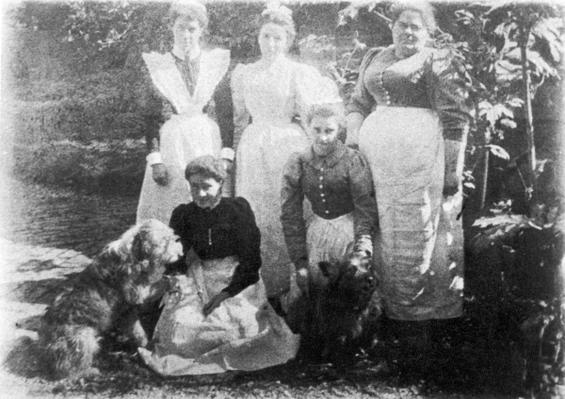
The Servants of Virginia Woolfe

Nellie Boxall, Cook, in Later Life, the Woman Standing Far Right

THE SPECTACLED BEAN

Tales, Thoughts + Tribulations of a Free Spirit in Suburbia

Walking Away

Travels on foot

Teacher nickname: The Three Hairs

Minding my mind, one thought at a time.
Tra Italia e Finlandia

Un lungo racconto fotografico.

seanbreslin.jp

Photography, hiking, walking, and cycling across central Japan — from quiet mountain paths to everyday life around Nagoya.

Lost in Translation

Looking for meanings in words, images and sounds

Journeys with Johnbo

Reflections on places traveled and photos taken.

M/VGratitude

Cruising with the Thyrre Family

Caroline's Travel Adventure Blog

Where my Travels and my Blog merge together.

Just Me, Nobody Special

The mental meandering that cross my keyboard

Jennifer's Journal

Website & Blog of J. Kelland Perry, Author

Slow Shutter Speed

A photographic journey.

Ann Mackay: Inspired by Nature

Photography celebrating flowers, plants, and the natural world

Still Restlessjo

Roaming, at home and abroad

Fine for Friday

The Corner Garden

Picture This

Photography, Travel and Retirement

World Traveller 73

Upgrade Your Travels. First Class Luxury Travel from all parts of the Globe. Business Class Airline, Lounge and Hotel Reviews, Stories and Adventures

Rachel Meets China

A China travel and lifestyle blog