Photography 101: Day 8, The Natural World
Natural Beauty at it’s finest! I love the colors, texture, shapes and design of God’s handiwork! Enjoy!

The Natural World, Flora in Bruges, Belgium
Natural Beauty at it’s finest! I love the colors, texture, shapes and design of God’s handiwork! Enjoy!
The Natural World, Flora in Bruges, Belgium
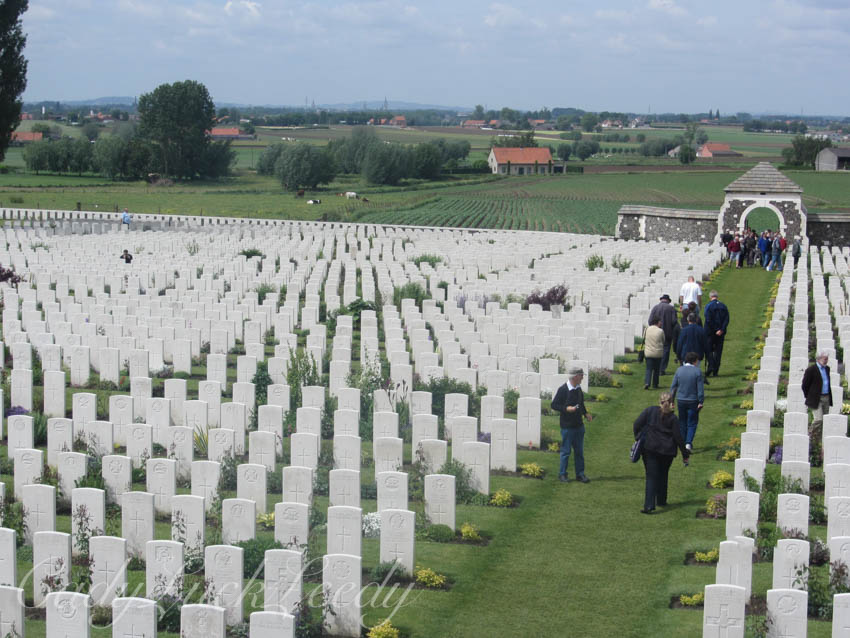
In Flanders Fields
“The “Soldiers” graves are the greatest preacher of Peace” (Albert Schweitzer, Nobel Peace Prize Laureate)
Thanks to a fellow blogger I met on WordPress, I was introduced to online courses from FutureLearns and Open University. I was very interested in the course WWI: Trauma and Memory, which I started lasted week. The course is free and includes videos, lectures, pictures and stories of what the men endured in WWI. The course has been a real eye opener and one of the best aspects of the course has been the interaction with other students through their comments after every session. I have gleaned even more information from the students’ comments. As a Critical Care Registered Nurse, myself, this course has been significant in studying how the term “Shell Shock” has progressed to now what we know as Post Traumatic Stress Syndrome. We are learning how mental trauma was defined and treated in WWI and the lasting effects it had on the men and their families after returning home from the war. The millions of lives that were lost in the war was just one part of it. The men returning with severe injuries and mental trauma were another. The effect on the general population of all countries involved was another.
I am not fond of bus excursions. However, during our trip to Bruges, Belgium my husband really wanted to tour Flanders Fields and our best option was a group tour on a bus with Quasimodo Tours. It was the best bus tour we have ever taken. It concentrated on the Battlefields of the Ypres Salient. We toured German and Allied Cemeteries, the Hooge Crater Museum, (a must if you are in the area), bunkers and craters, and the field dressing station of John McCrae, author of the famous poem, In Flanders Fields, the reason why the poppy is so revered. The tour ended at the Menin Gate Memorial in Ypres, memorial to 55,000 missing soldiers and the sacrifice they made. It is also possible to visit an ancestor’s grave if advanced preparations are made. The tour was a very moving experience. I have come full circle with the visit to Flanders Fields and the class. Here are pictures to compare. May we all remember our brave soldiers on this Veteran’s Day!
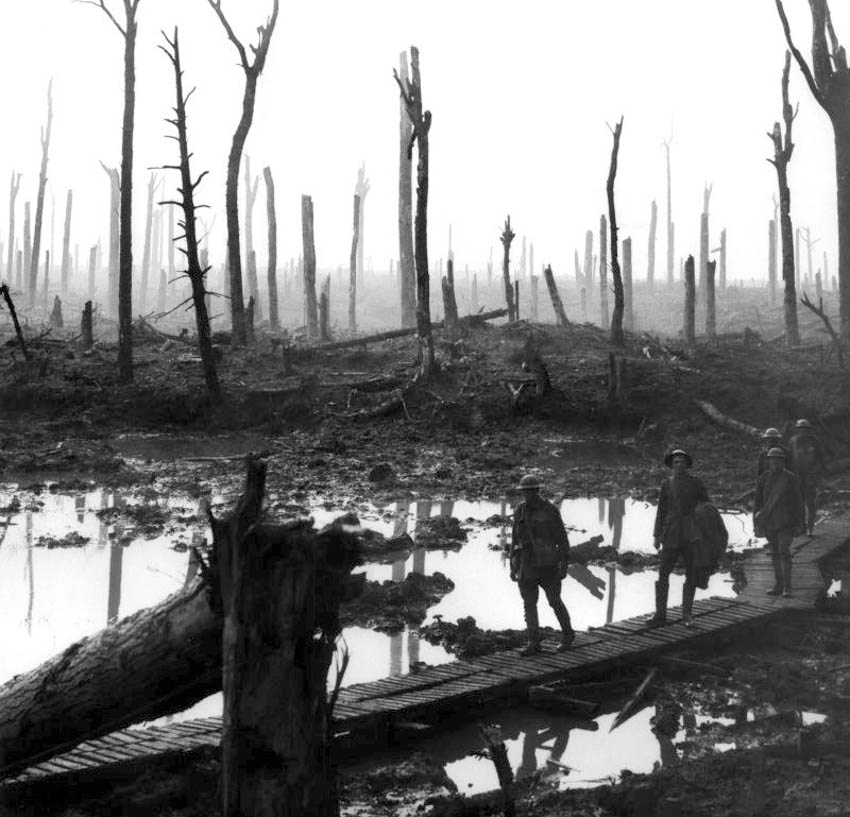
Flanders Fields, Chateau Wood, Ypres, 1917
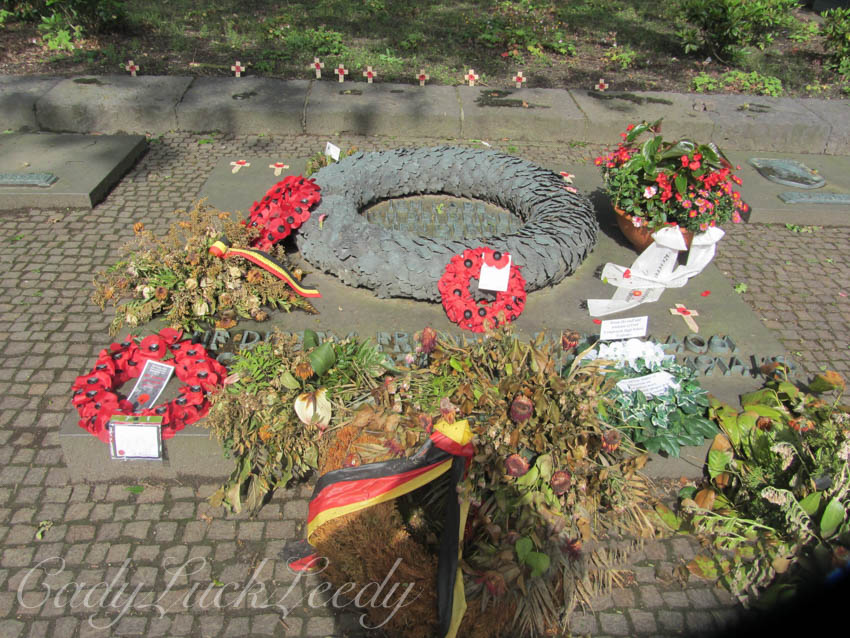
Poppy Memorial at a German Cemetery, Langemark, Flanders Fields
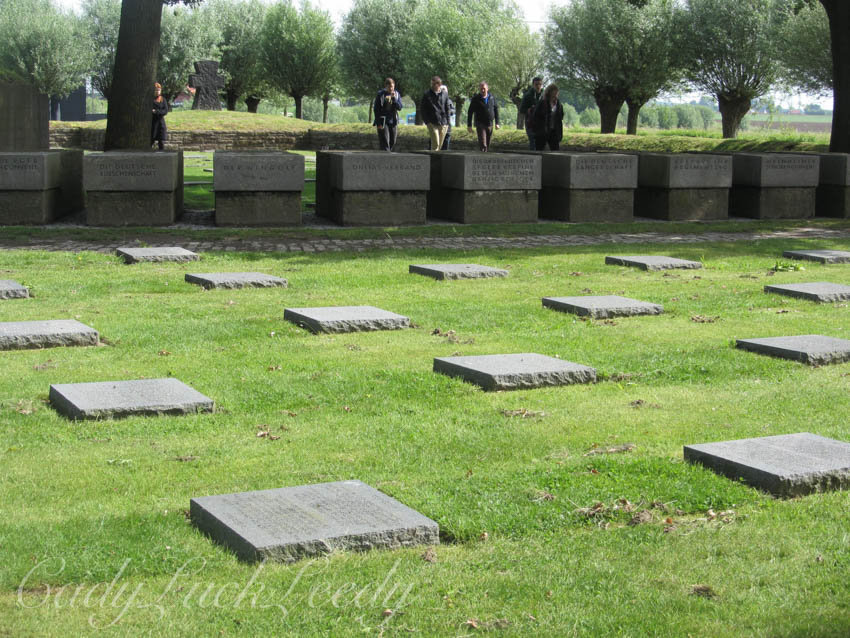
Langemark Cemetery, Flanders Fields
The Front bogged down in Flanders Fields on November 11, 1914 until the end of the war in 1918. One 22 day battle was fought with German troops made up of poorly trained volunteers, students, and apprentices, many as young as 13. The Volkbund, (The German War Graves Commission), was created after the war to lay out and construct Langemark Cemetery, just one of the German Cemeteries, collecting funds by grants from Germany and relient on donations to maintain this special site. In Germany the site became known as the Students Cemetery. To this day, it is still maintained by students from several countries, who volunteer to maintain it. 44,304 victims lie here.
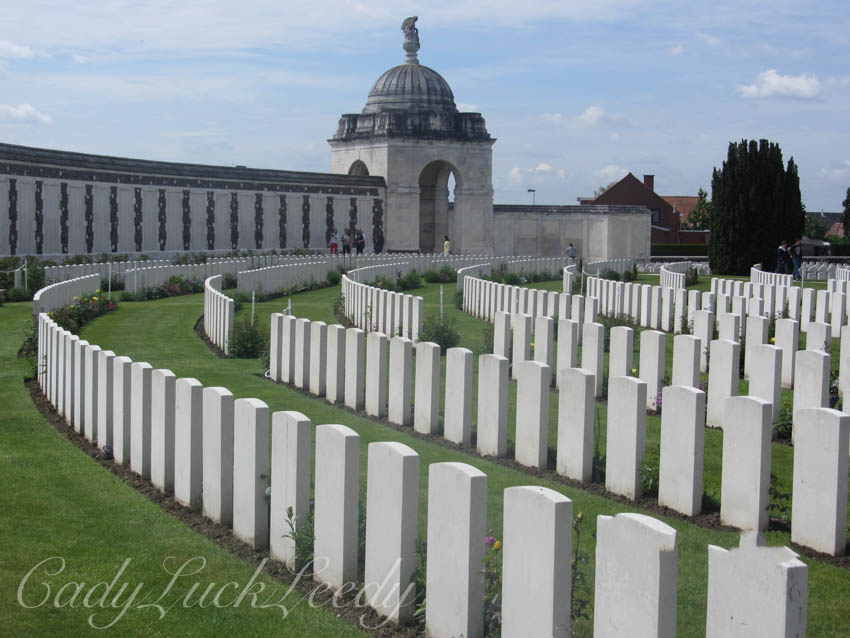
Allied Memorial at Passchendale, Flanders Fields
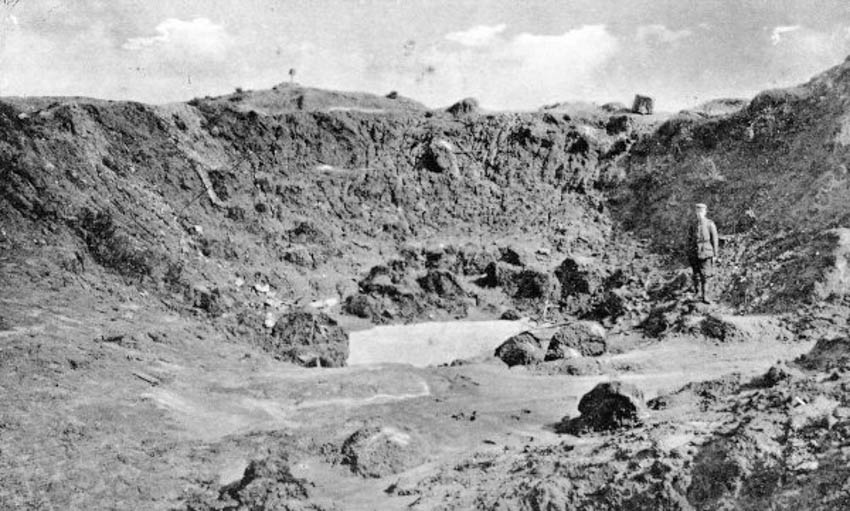
Hooge Crater 1915, Flanders Fields
Miles and miles of tunnels were built in order to blow up opposing sides. This crater was the aftermath of blowing up the village of Hooge.

Shell Casings are Still Dug up from the Farm Fields of Flanders
Shell casings and explosives are still found 100 years after the war. They are left by the roadside for ordinance men to pick up after the explosives are determined safe to do so.

Memorial at Hooge Crater, Flanders Fields
The Hooge Crater Museum was opened by Roger and Rosita de Smul in 1994 in a renovated chapel and small school on the Ypres-Menin Road. Since then the museum has expanded several times and now holds many of the finest WWI collections in the area. It contains a unique collection of First World War uniforms, displays and military artefacts.
Since Roger’s retirement in 2008 the museum is under the management of Nick and Ilse. The museum and café have undergone redevelopment and it is one of the finest museums for remembrance of the First World War in the Flanders area.

Decorative Shell Casing Art in the Hooge Crater Museum, Flanders Fields
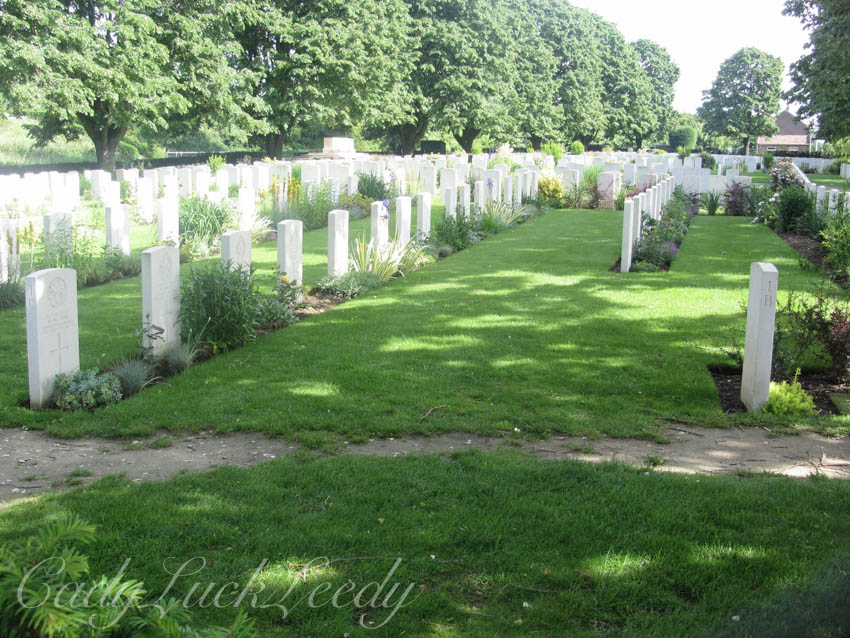
Graves, Flanders Fields

Rows and Rows of Graves, Flanders Fields

Australian Infantry, Small Box Respirators, Ypres 1917
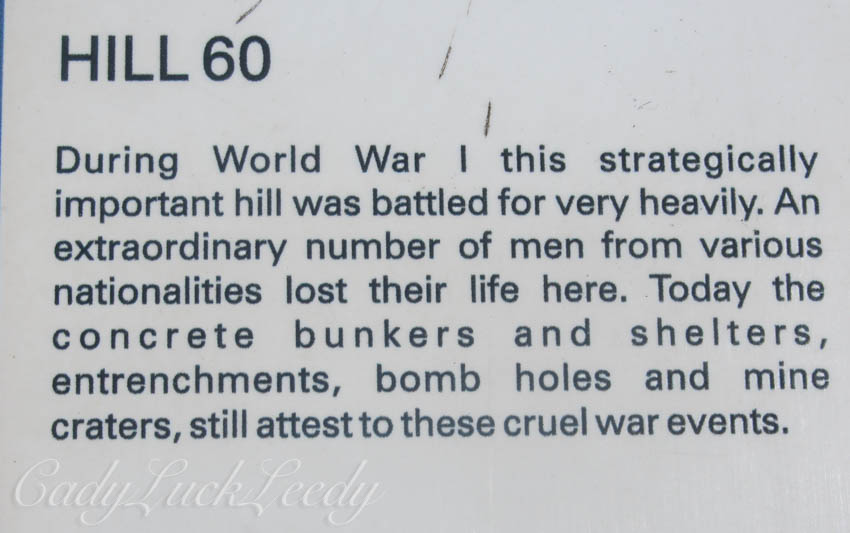
Hill 60, Flanders Fields

Memorial at Hill 60, Flanders Fields

Walk to Hill 60, Flanders Fields, Belgium

Bunker, Flanders Fields
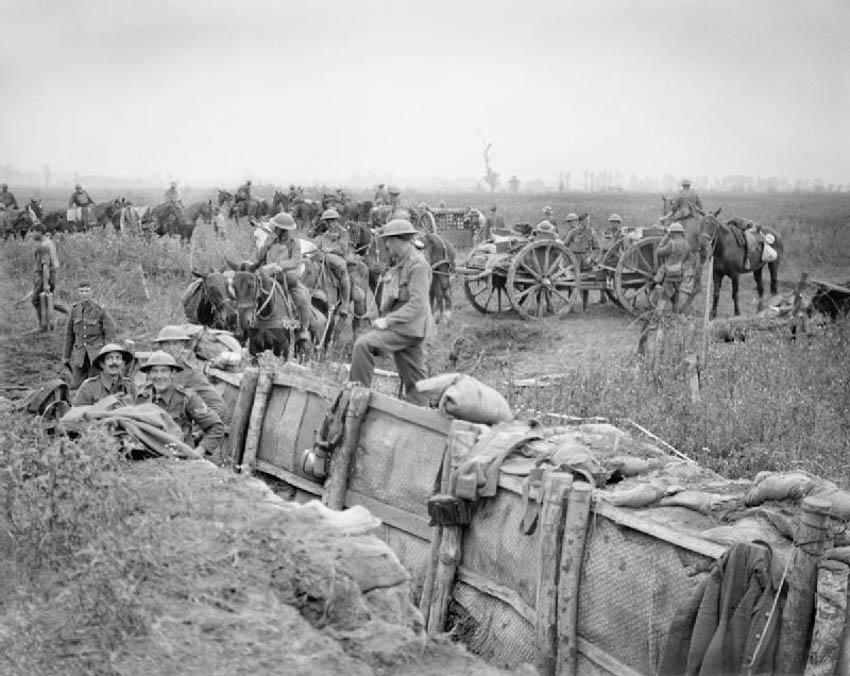
Trenches in Flanders Fields, 31 July 1917
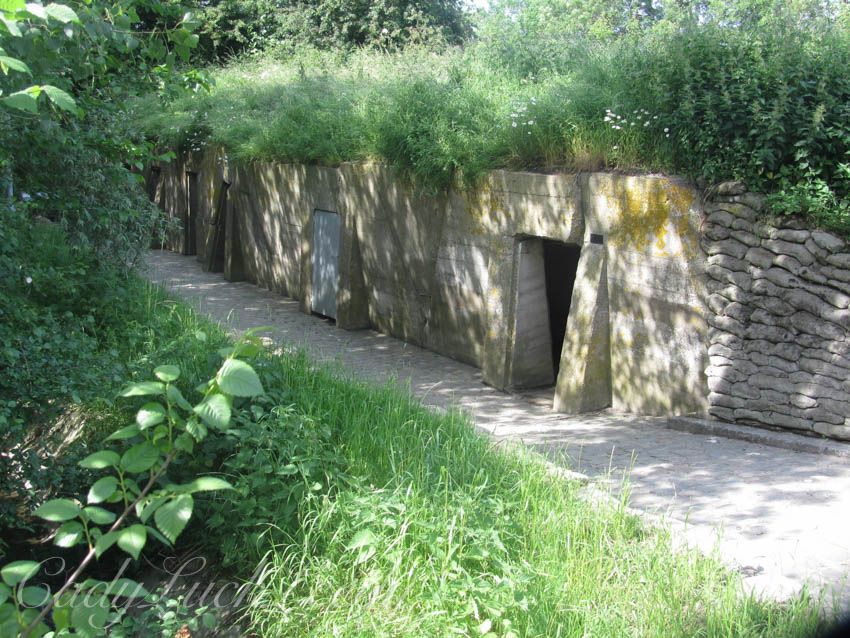
Field Dressing Bunkers, Flanders Fields

Bunker, Flanders Fields

Battle of Menin Road, Wounded at Side of the Road
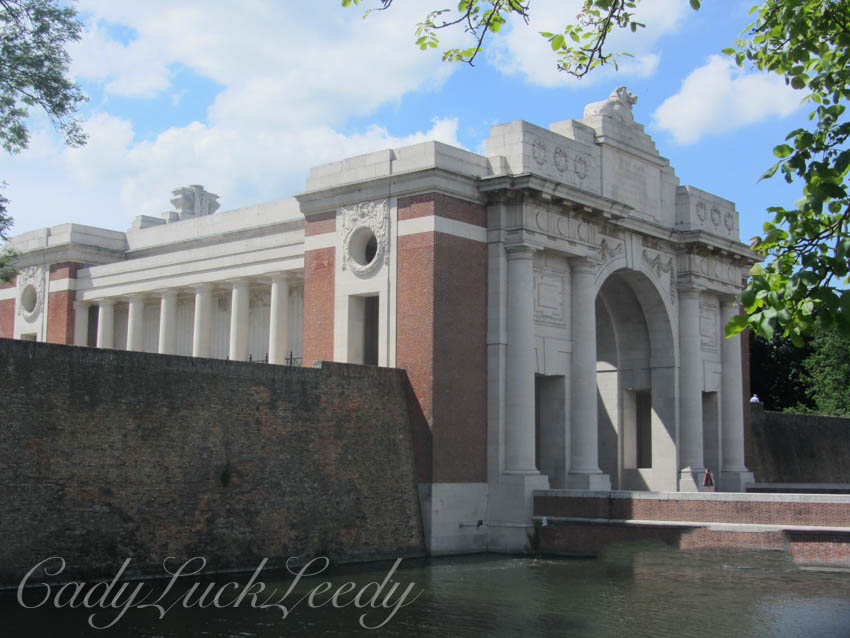
The Menin Gate Memorial, Ypres, Belgium
The final stop of the tour is The Menin Gate Memorial, located at the eastern exit of the town of Ypres and marks the starting point for one of the main roads out of the town that led Allied soldiers to the front line. The Last Post Ceremony is held under the gate everyday at 8pm. It is a ceremony you will never forget.
Solitary, one grave among thousands in Belgium. This was taken near Ypres, Belgium. For the story of Flanders Fields and the Red Poppy look here. As Veteran’s Day approaches let us Remember our veterans.

Photography 101: Solitary; A Solitary Grave in Flanders Fields, Ypres, Belgium
Bliss to me is Adventure! Whether it be by foot, boat or bike, make life the adventure! Here is a photo of Amsterdam, a great place to boat, bike, or walk! Watch out for the bikes!
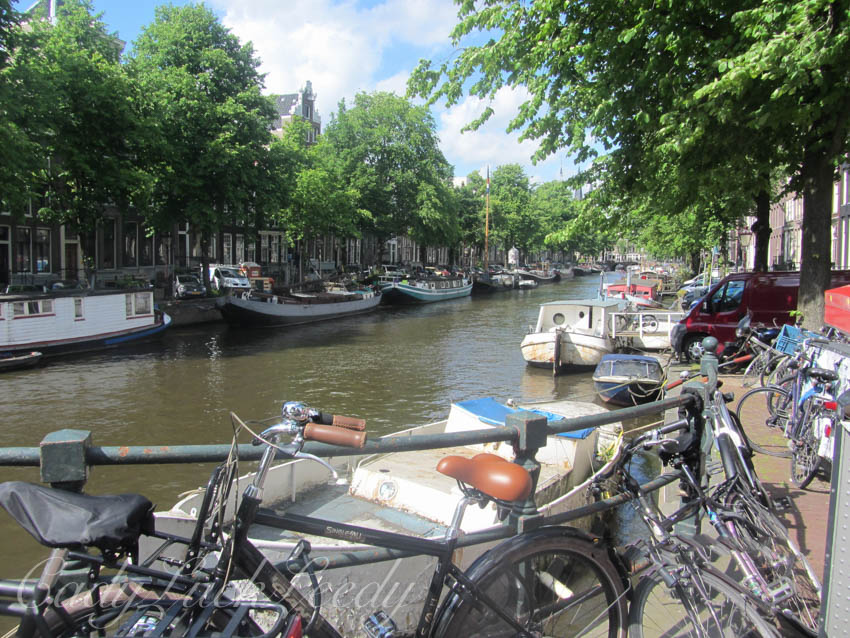
Photography 101: Bliss by Boat, Bike or Hike! Love the Adventure!
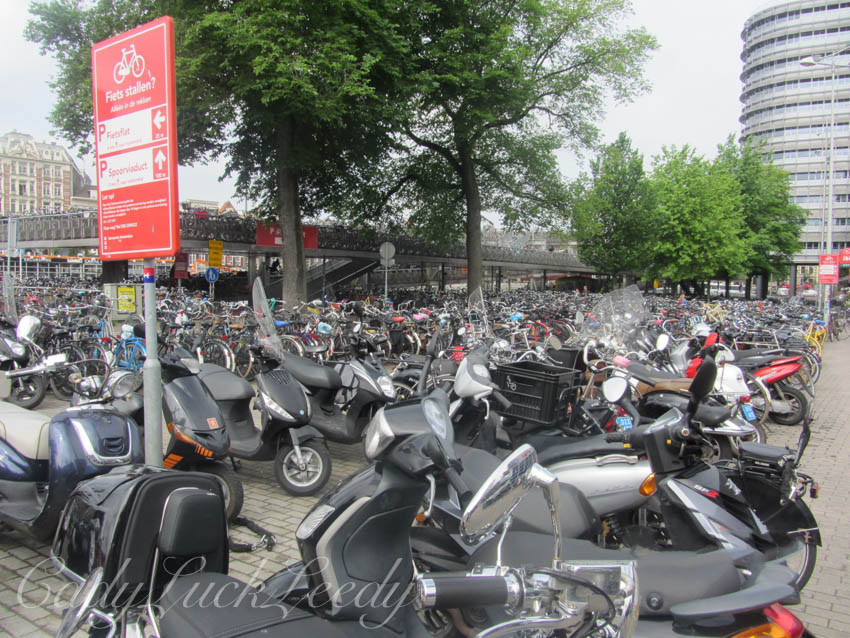
Bikes in Amsterdam, the Netherlands
This picture was taken in Bruges, Belgium. I love this photo of water. The scene reflects serenity, calm, peace, stillness, a simple life. Enjoy!
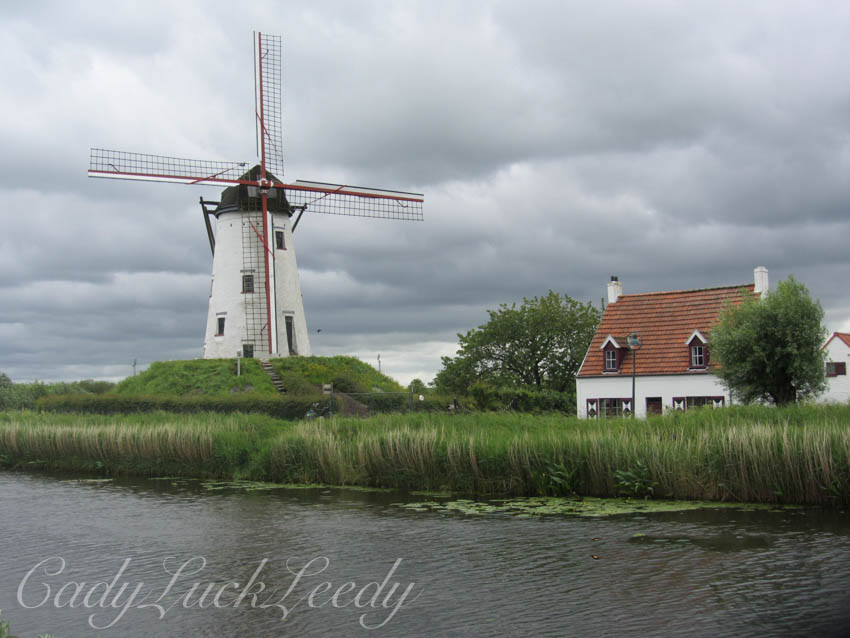
Out to Sea in Bruges, Belgium
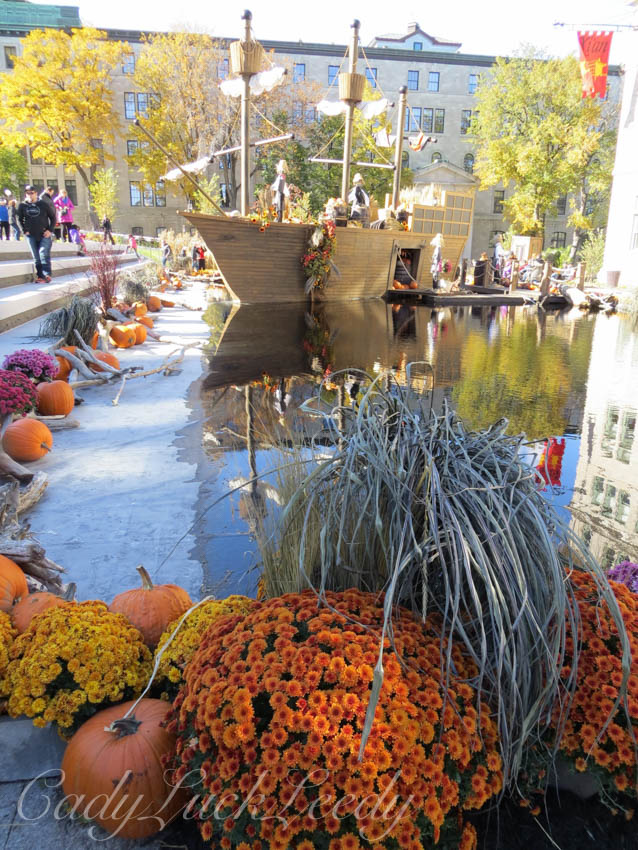
The Ship is Moored and Awaiting the Harvest! Quebec City, Canada
The new underground parking lot at Town Hall has been completed. There is now a lively garden area on top of the underground parking complex and it is the perfect spot to spend a fall afternoon! This year the focus of the park surrounds a sunken pool area, where a replica old sailing ship is moored among the fields of the harvest. Every year I can’t wait to see the adventure that awaits at Town Hall! Using the same props from year to year the displays created are always a new design. Hats off to all the workers and designers who make these displays possible! It is what sets Quebec City as the premier city in North America! Let’s load up the Harvest! Quebec City goes all out to decorate their city for Fall. What fun! Enjoy!
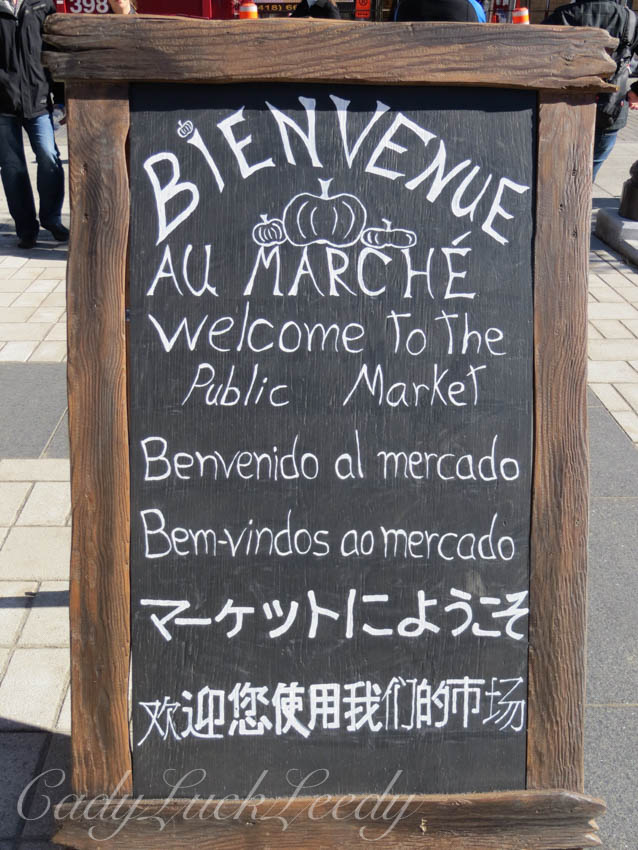
The Welcome Sign at the Public Market during Fall Days in Quebec City, Canada
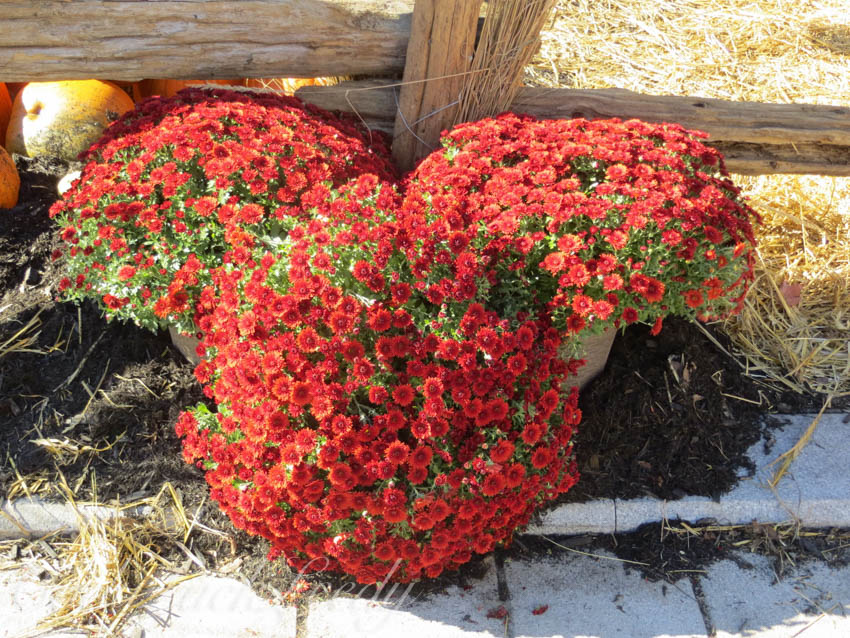
Can Mums be More Beautiful? Quebec City, Canada
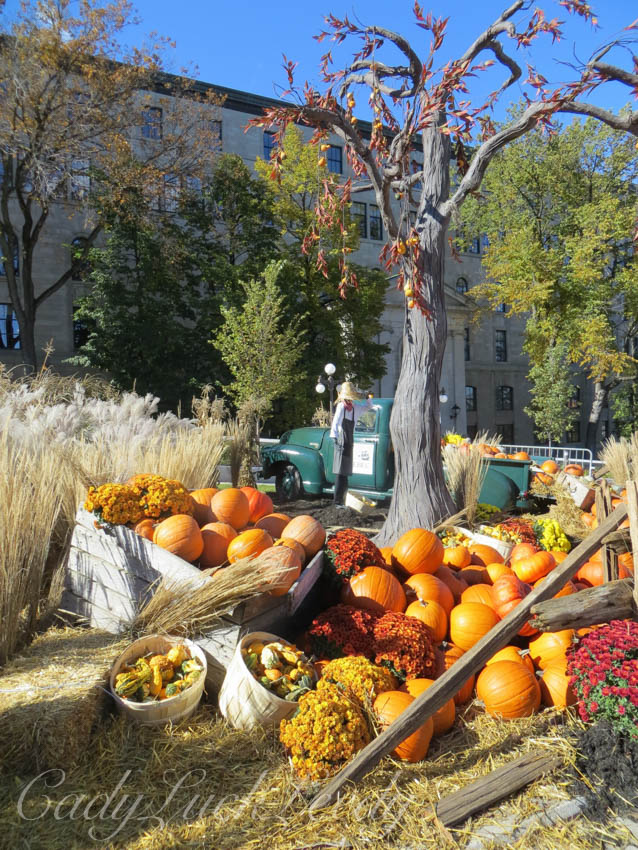
Gotta Have the Spooky Tree! Quebec City, Canada
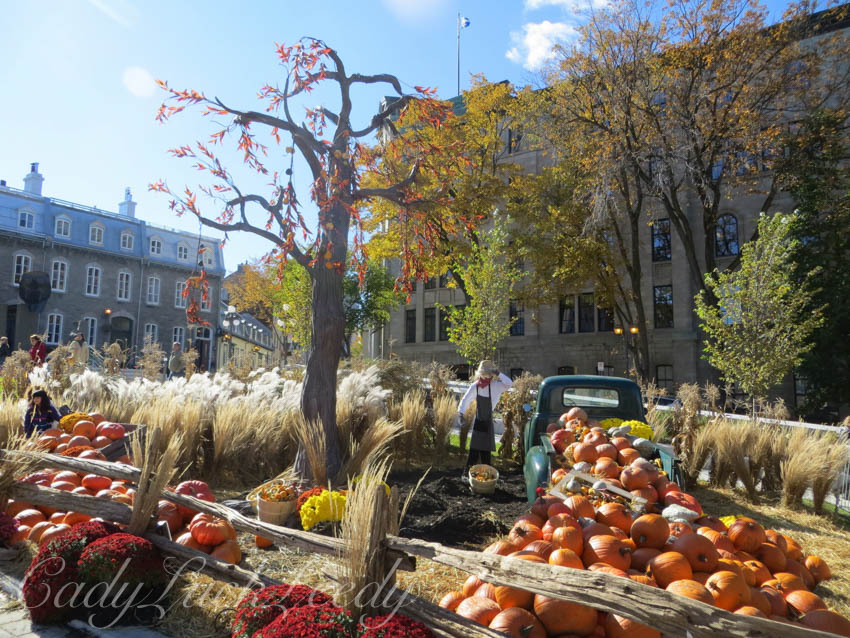
Gotta Have the Spooky Tree in a Field of Pumpkins! Quebec City, Canada
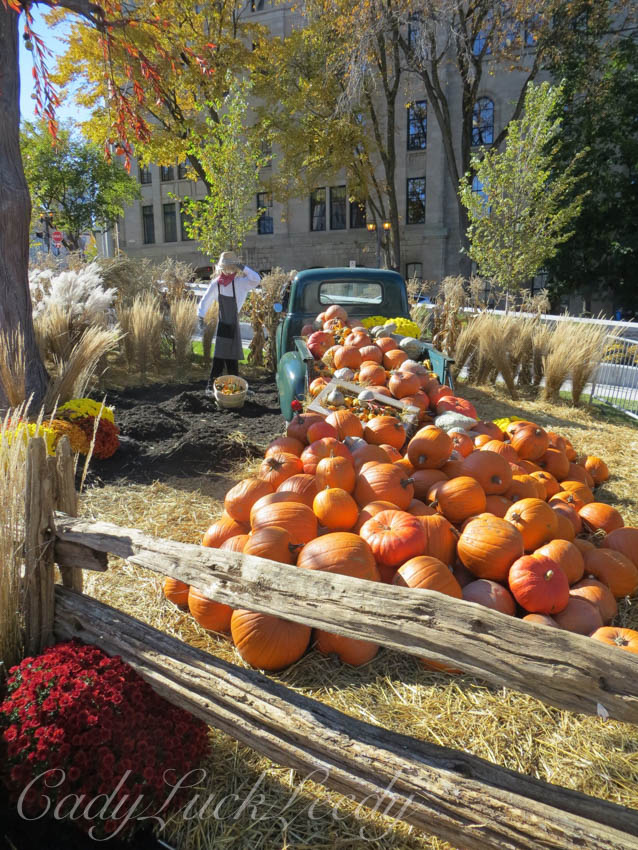
Stacks of Pumpkins from a Vintage Truck, Quebec City, Canada
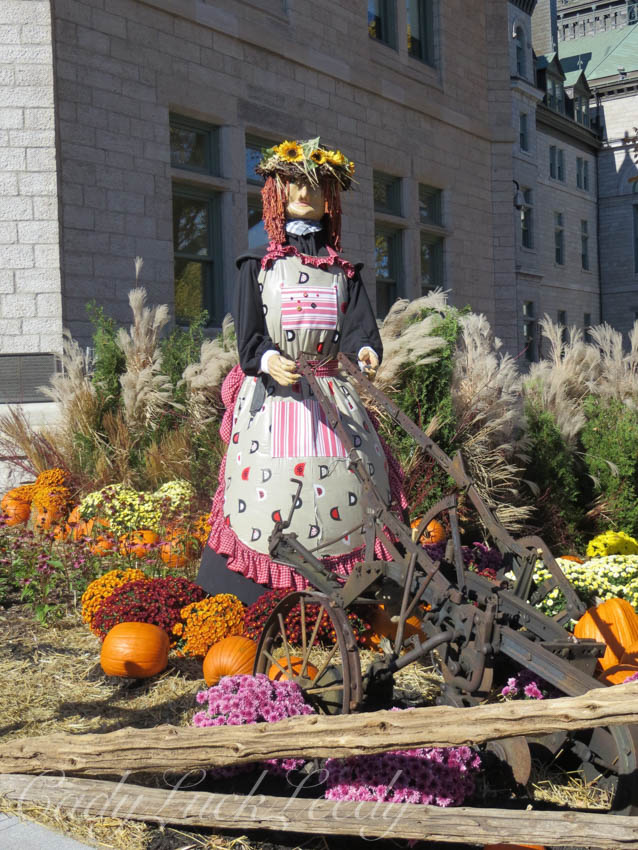
A Maiden in the Garden! Quebec City, Canada
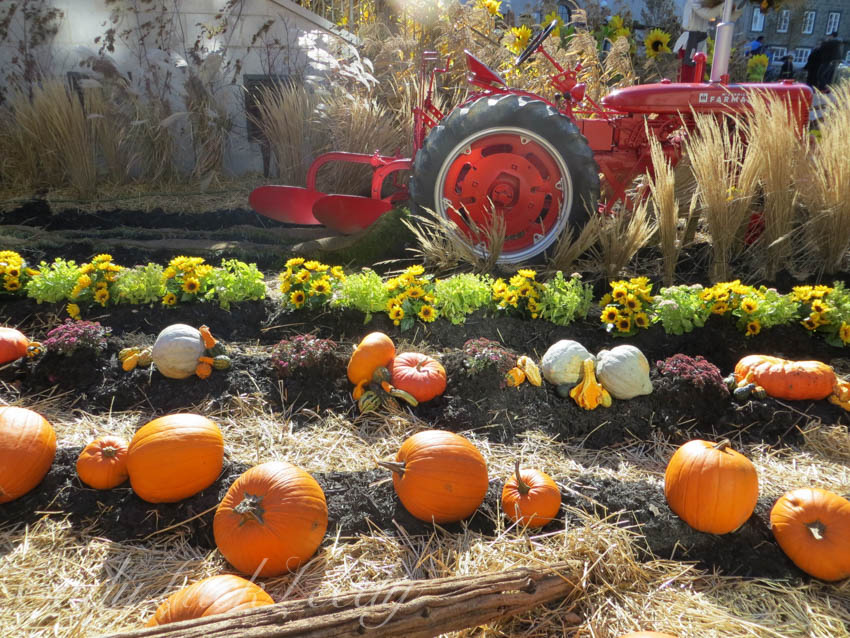
A Vintage Tractor in the Fields of Pumpkins, Quebec City, Canada
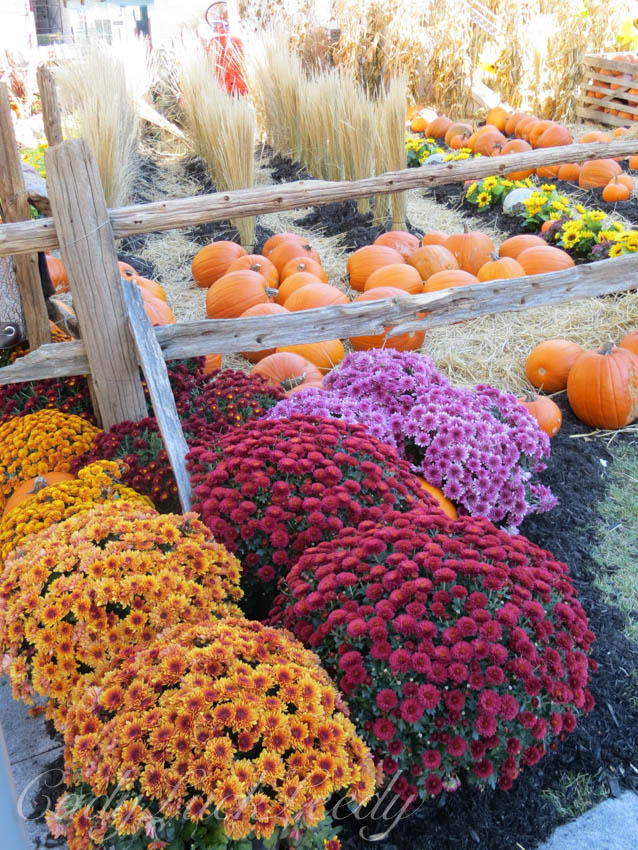
The Mums of Quebec City, Canada!

Carefully Planned Fields of Pumpkins, Wheat, and Mums, Quebec City, Canada
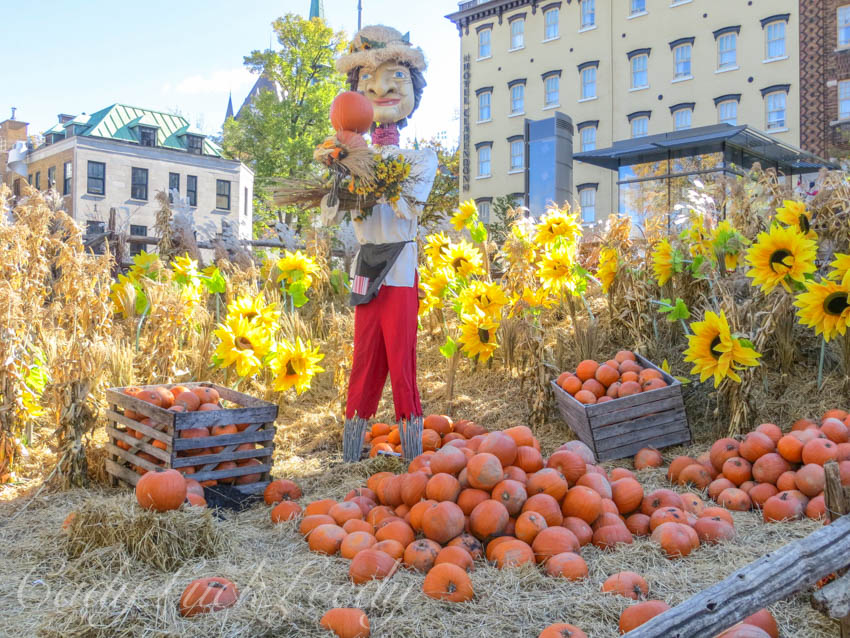
A Farmer in the Field, Quebec City, Canada
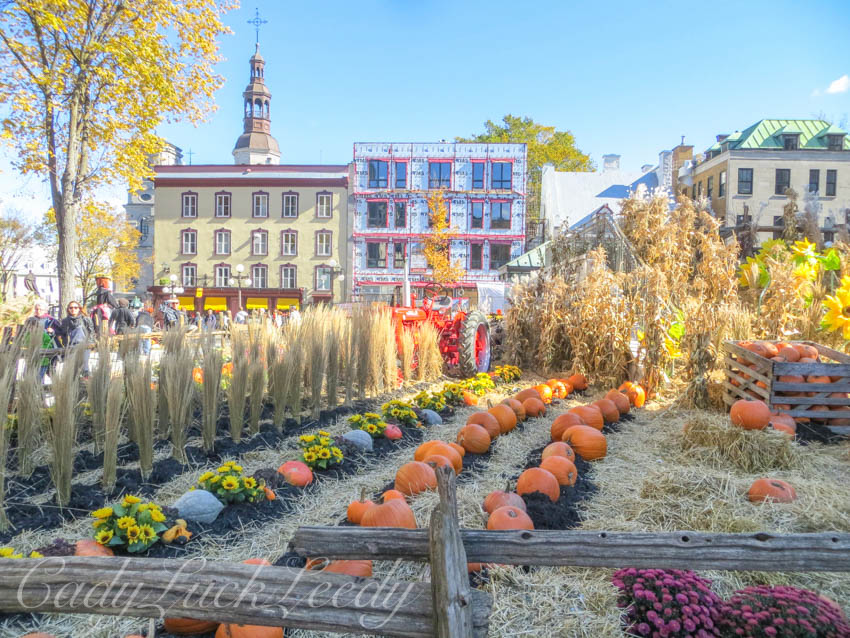
Rows and Rows of Pumpkins! Quebec City, Canada

The Sunflower Fields Surrounding the Harvest Ship, Quebec City, Canada
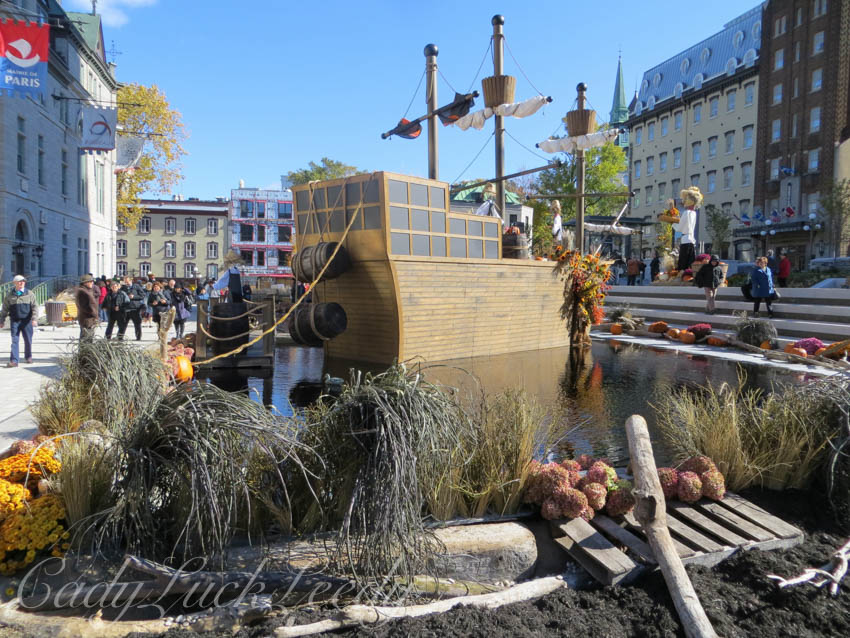
The Harvest Ship, Quebec City, Canada
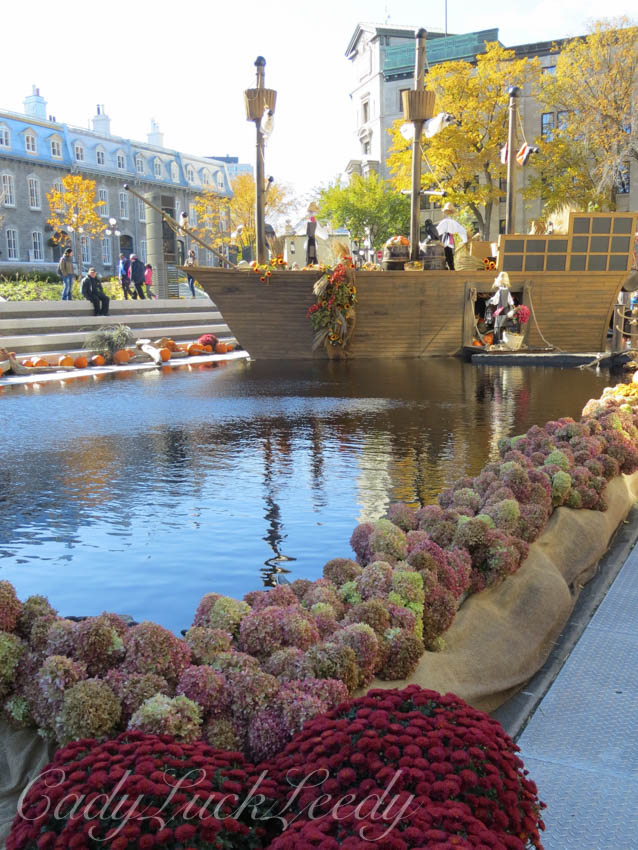
The Harvest Ship, Quebec City, Canada
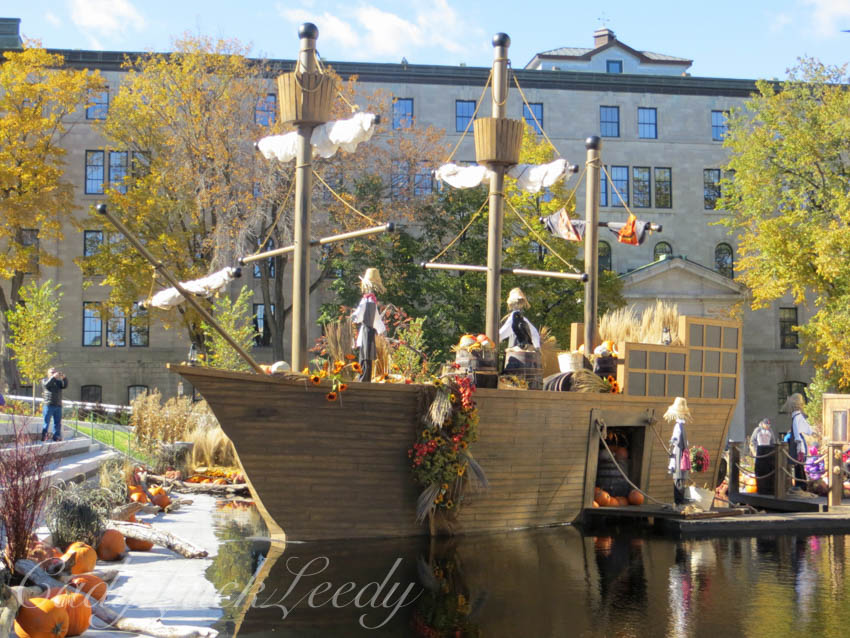
The Harvest Ship Is Ready to Load!, Quebec City, Canada
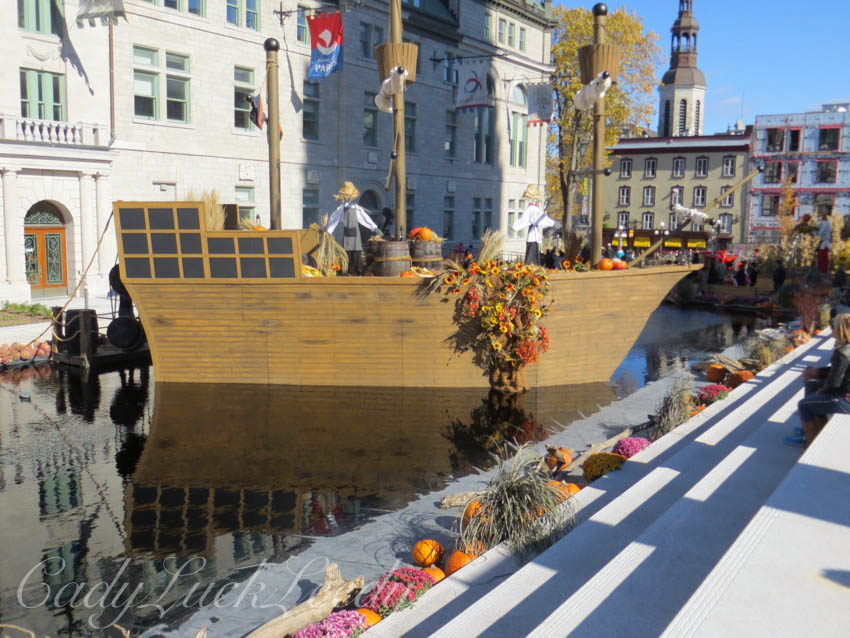
The Back Side of the Harvest Ship, Quebec City, Canada
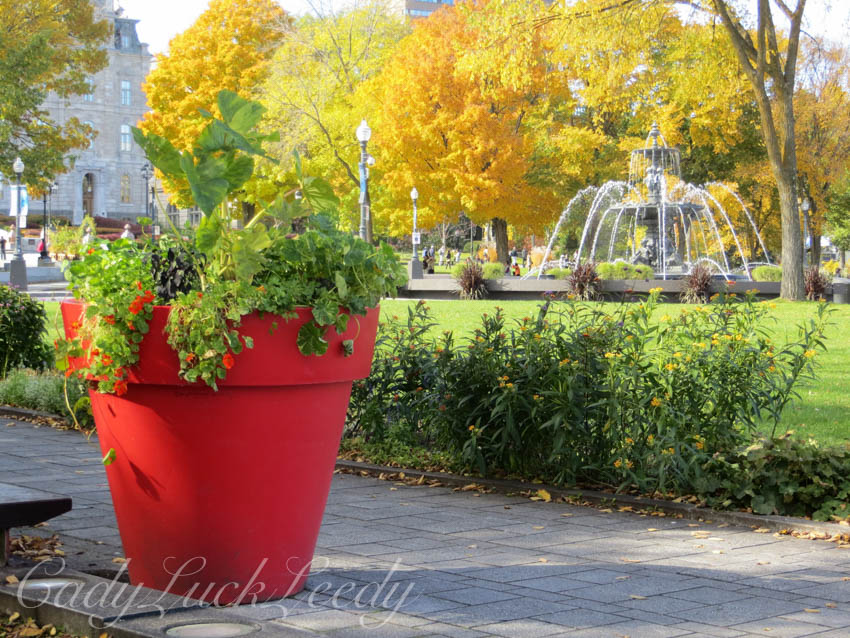
Giant, Giant Red Pots of Blooms in the Park! Quebec City, Canada

Giant Red Pots of Blooms in the Park! Quebec City, Canada
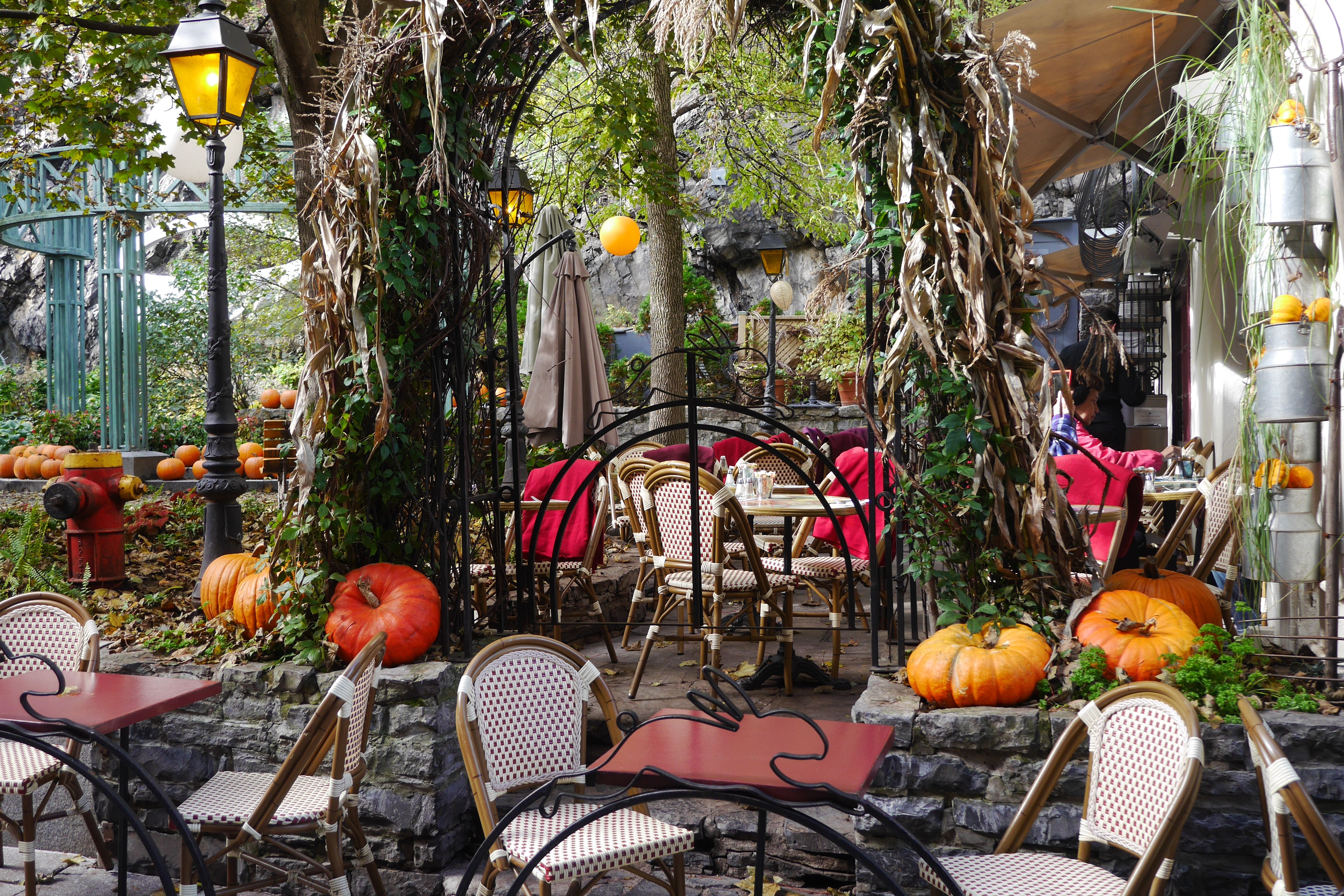
Le Parc au Petit-Champlain, Quebec City, Canada
It’s that time of year for the annual trip to Quebec City. Without a doubt, it is my favorite city in North America! The shops and parks are decorated for Fall and the weather is sunny and cool! Here are just a few of my favorite sights on a quick walk through Petit-Champlain! Lots to look at here! There is COLOR everywhere! Enjoy!

Stick Trees! Fall Decorations at My Favorite Hotel, Hotel Saint Germaine
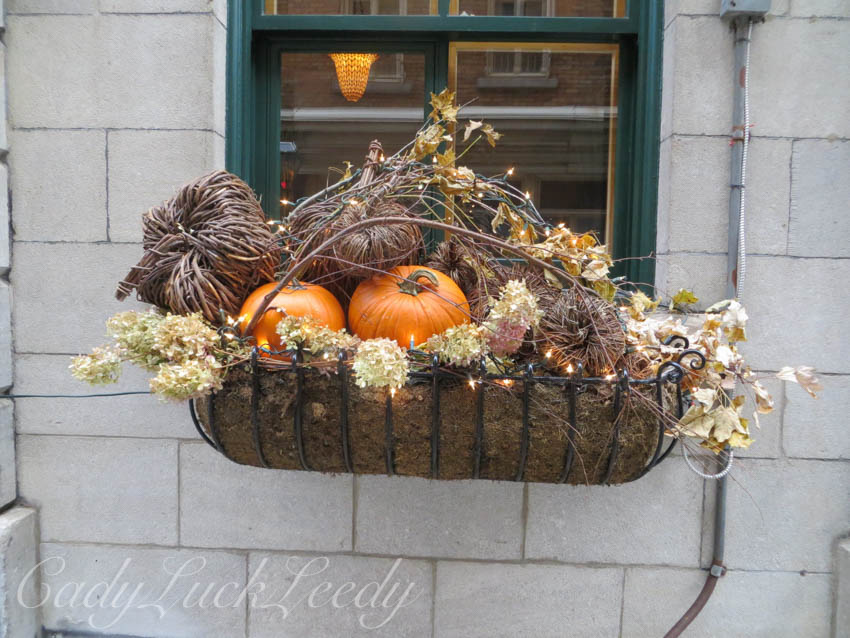
My Favorite Basket Planters, Quebec City, Canada

More Fall Planters! Quebec City, Canada
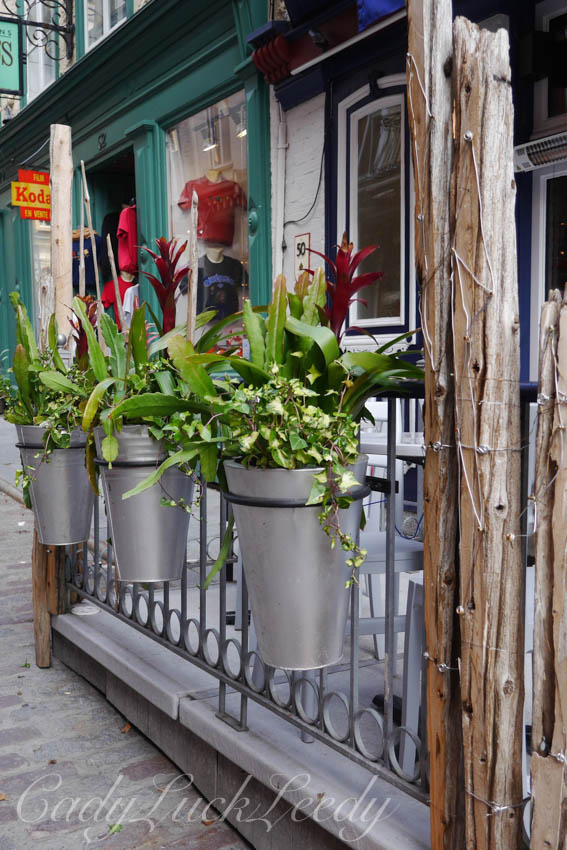
New Planters! Quebec City, Canada
Simple and Chic!
New this year were the four different displays of Plastic in Bas-Ville. Entertaining to say the least and as I studied them there were some baskets I could have used!

Plastic Baubles Anyone?

More Plastic! Quebec City, Canada
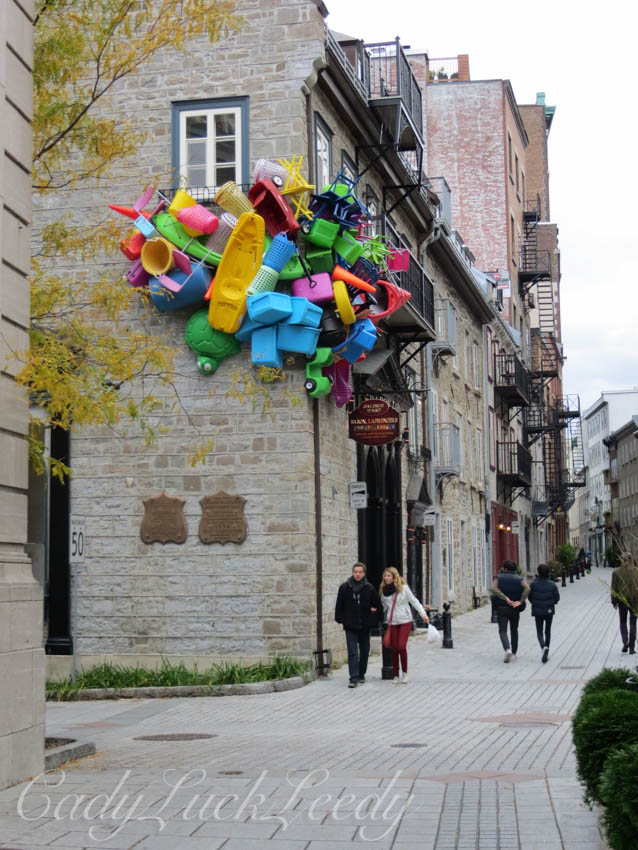
And Yet Another! Quebec City, Canada
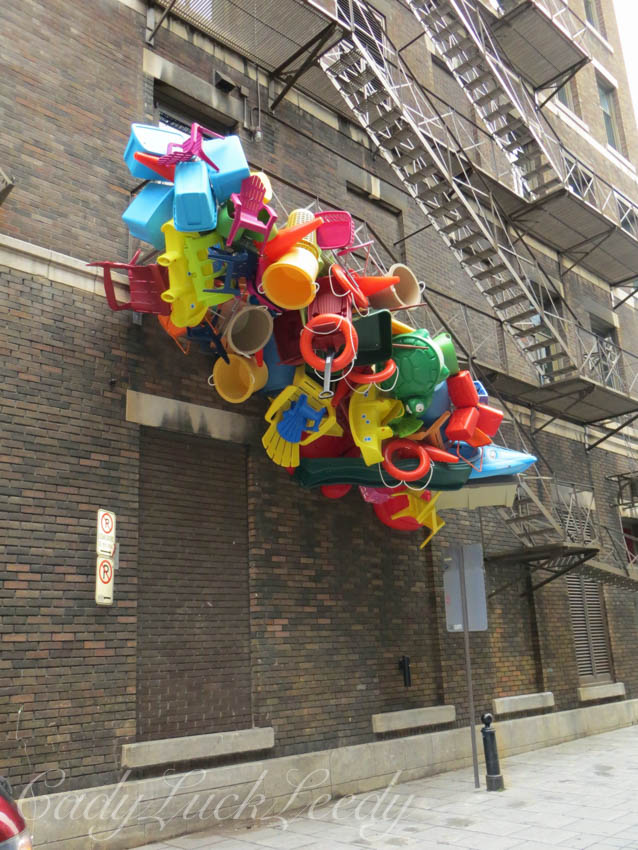
And Yet Another! Plastic Everywhere! Quebec City, Canada
Perhaps the Plastic Baubles remind us of the fun of Summer and the Sea?

Fall Decorating in the Park! Quebec City, Canada

Apple Anyone? Quebec City, Canada

Street Sign, Quebec City, Canada

Outdoor Seating at Park Next to Le Lapin Restaurant, Quebec City, Canada
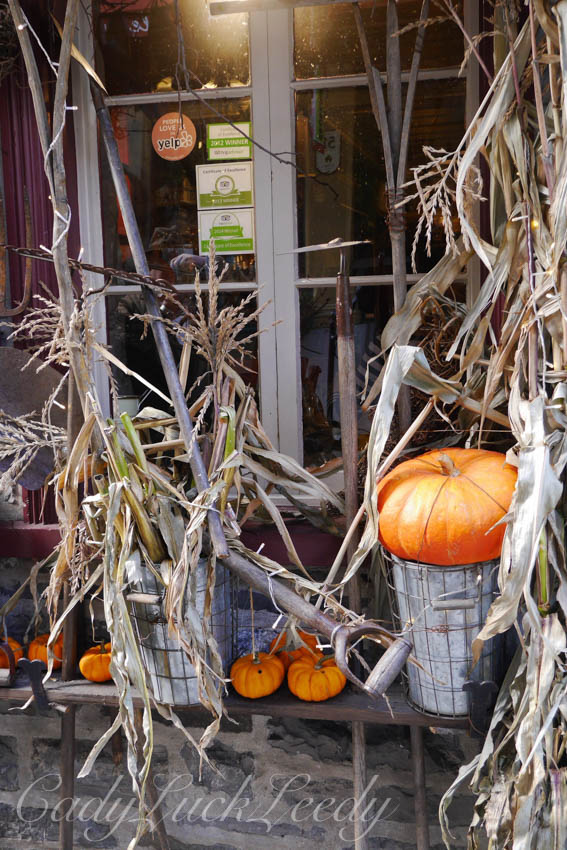
Pumpkins, Corn and Rakes! Where Is That Rabbit?
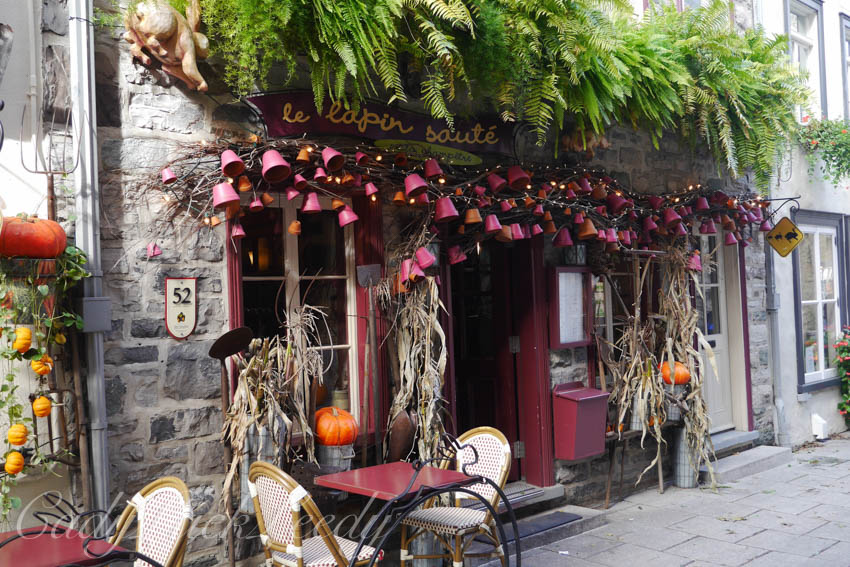
Another View of Le Lapin Restaurant, Quebec City, Canada
I Loved the tiny purple pots!

Decorations at Le Lapin Restaurant, Quebec City, Canada
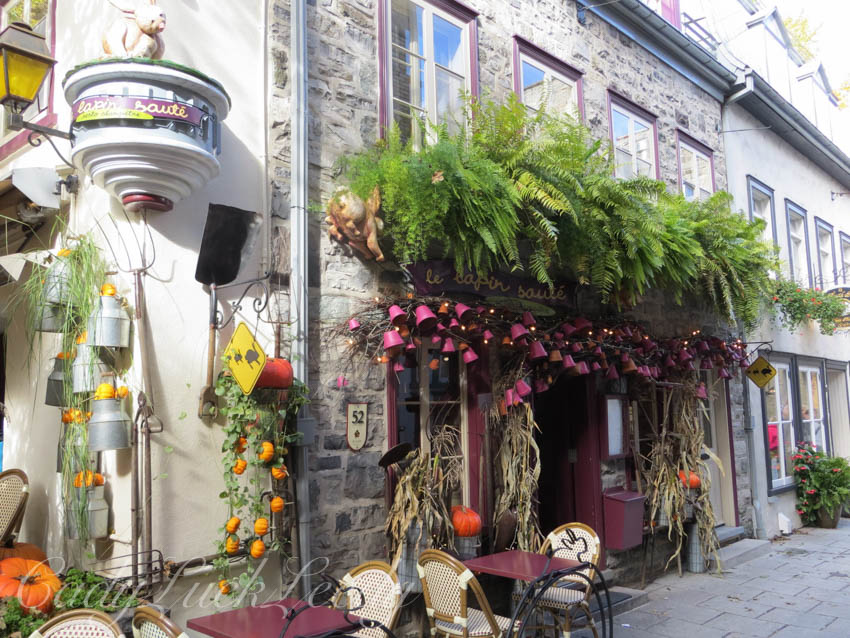
Le Lapin Restaurant, Quebec City, Canada

The Blue Mosque, Istanbul, Turkey
Just like Rome, Istanbul’s Old Town is built on seven hills. The district called Sultanahmet, on top of the first hill, is the historic city center. This site gave the Greeks control of three surrounding bodies of water; the Bosphorus Strait, the Golden Horn and the Sea of Marmara. Leaving Hagia Sophia at one end of Sultanahmet Park, we walk past the beautiful fountain where the arcs of water mimic the domes of Hagia Sophia.

Hagia Sophia, Istanbul, Turkey

Sultanahmet Park, Istanbul, Turkey

Sultanahmet Park, Istanbul, Turkey

Sultanahmet Park, Istanbul, Turkey
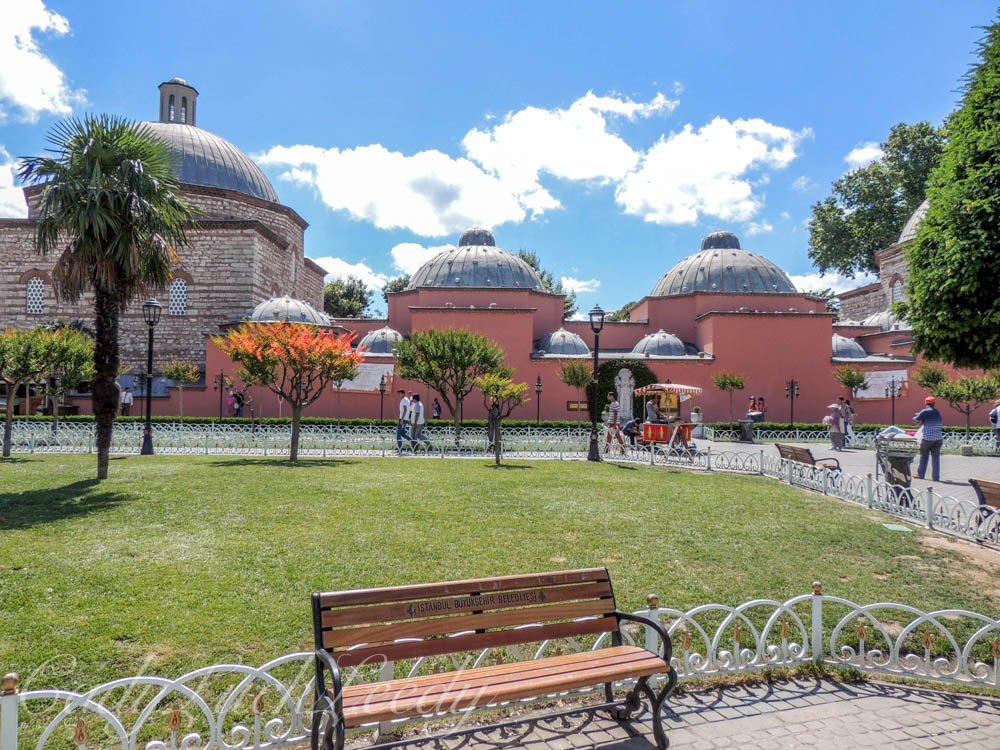
Sultanahmet Park, Istanbul, Turkey

Sultanahmet Park, Istanbul, Turkey
Here the gardeners are busy planting new flowers in swirls of decorative display.

Sultanahmet Park, Istanbul, Turkey

Sultanahmet Park, Istanbul, Turkey

The Blue Mosque, Istanbul, Turkey
At the opposite end of the park is the Sultan Ahmed Mosque, known as the Blue Mosque, noted for the interior of blue paint and 20,000 rich, blue, handmade, ceramic tiles in fifty different tulip designs. The tiles at the lower level are traditional in design while the tiles at gallery level are flamboyant with exquisite flowers, fruit and cypresses. The upper floors are dominated by blue paint and more than 200 stained glass windows with intricate designs. In addition to the natural light there are massive chandeliers. Ostrich eggs were placed on the chandeliers to repel spiders and prevent cobwebs inside the mosque.

The Courtyard of the Blue Mosque, Istanbul, Turkey

Inside the Blue Mosque, Istanbul, Turkey
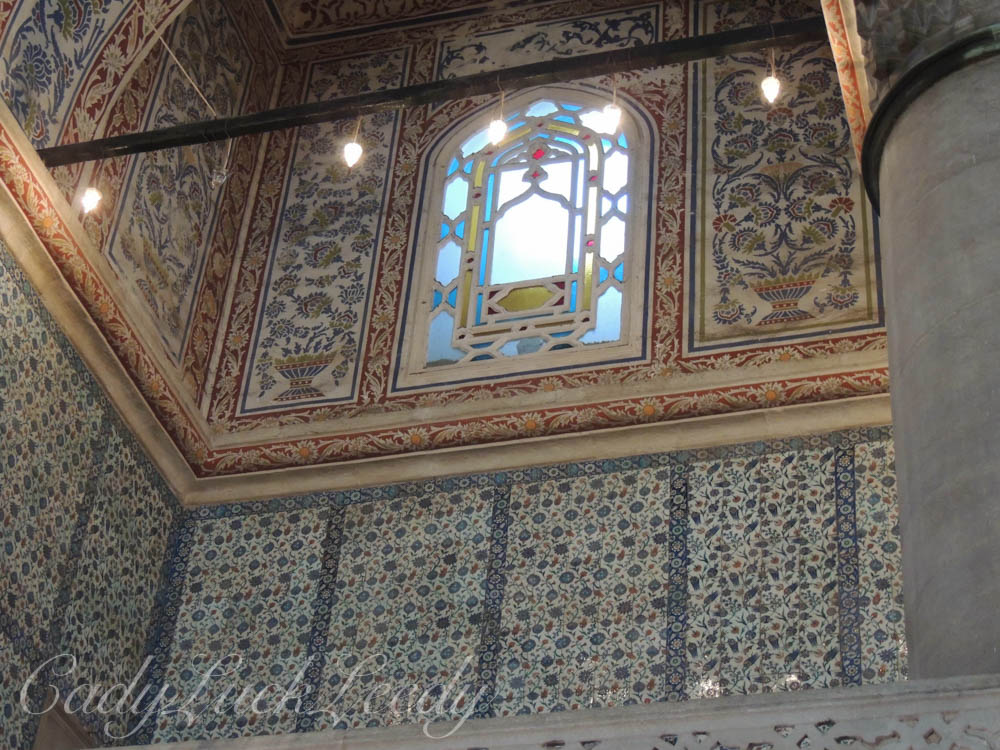
Inside the Blue Mosque, Istanbul, Turkey

Inside the Blue Mosque, Istanbul, Turkey

Inside the Blue Mosque, Istanbul, Turkey

A Chandelier Inside the Blue Mosque, Istanbul, Turkey
The Sultan’s Tale goes like this.
The Blue Mosque was built in six years from 1609-1616 by the architect, Mehmet Aga, who also built the giant black cube at the center of the mosque in Mecca, the holiest shrine of Islam. Sultan Ahmet I (1590-1617) ascended the thrown at the age of 14 and his greatest achievement was the construction of the Blue Mosque. To prevent future conflicts it was customary for a new sultan to kill his closest brother. Ahmet went against tradition and spared his brother Mustafa’s life. After Ahmet’s death from typhoid at the age of 28, in 1617, his 11 year old son Murat IV, became sultan and had his younger brother, Prince Beyazit strangled, which ended the new tradition and reverted to the old. Murat’s mother, Kösem, was one of the most influential women of her time. Following Ahmet’s death, for nearly a decade Kösem ruled the empire without intrusion because Murat IV, now the the sultan, ruled at such a young age. When Murat died, Kösem placed her grandson, Mehmet, as the next sultan. Mehmet’s mother, tired of Kösem’s domination, had Kösem strangled in her sleep by the eunuchs. And so the story goes.
Outside the Blue Mosque are six minarets. Only one is needed. The imam (prayer leader) or muezzin (a man noted for his talent in voicing the call to prayer) would climb to the top of the minaret five times a day to announce the call. Sultan Ahmet requested six minarets, to flaunt his wealth, but since there were six in Mecca, he had a seventh built in Mecca, as not to upstage the holy shrine.
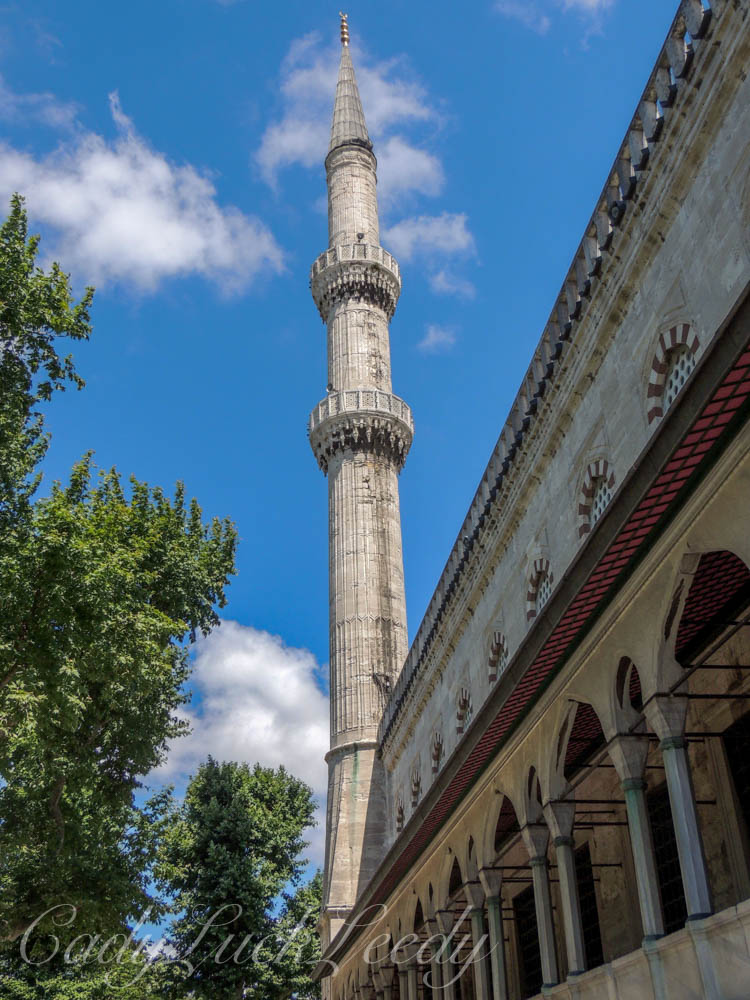
A Minaret of the Blue Mosque, Istanbul, Turkey
Right outside the Blue Mosque is the Hippodrome, the spot for chariot races and a place where people gathered for social and religious disputes, political clashes and violent uprisings. Today there are market stalls here and at night families gather to eat and party.

The Hippodrome, Istanbul, Turkey

The Hippodrome, Istanbul, Turkey

The Hippodrome Market Stalls, Istanbul, Turkey
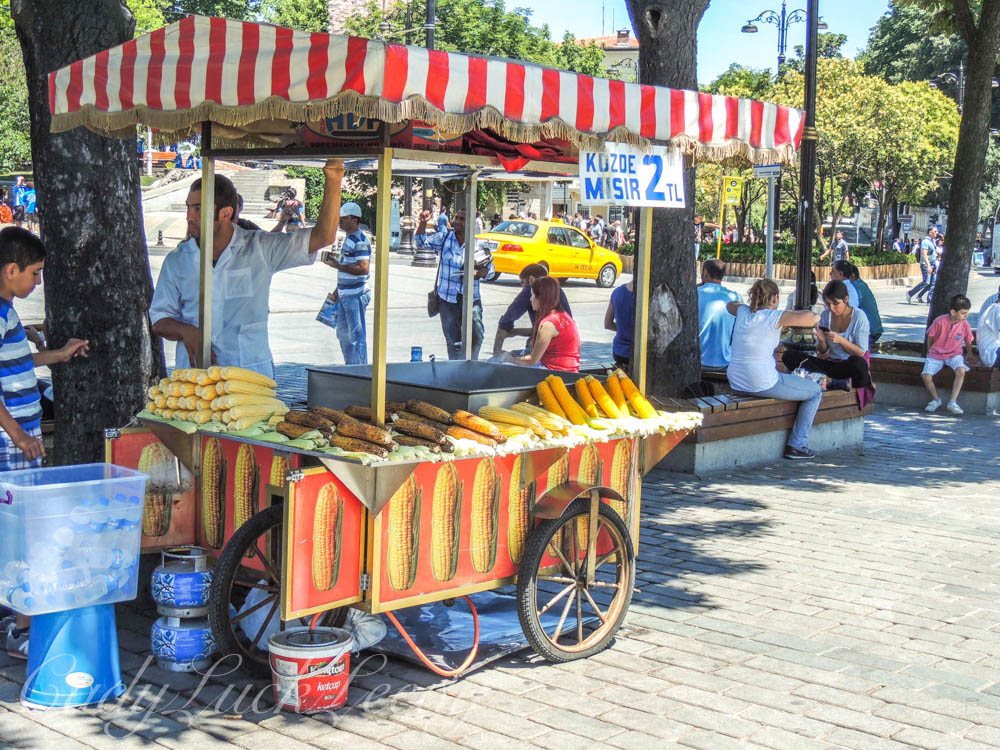
Eating at Sutanahmet Park, Istanbul, Turkey
The Egyptian Obelisk was carved 1500 years before the birth of Christ to honor the Egyptian Pharaoh Thutmose III, and to commemorate his military achievements. The obelisk was brought here from the Upper Nile and is only the upper one third of the original massive stone block. The base of the block was cut of local marble and the four sides tell the story of Theodosius the Great, and his family, as they sat here watching the chariot races at the Hippodrome.
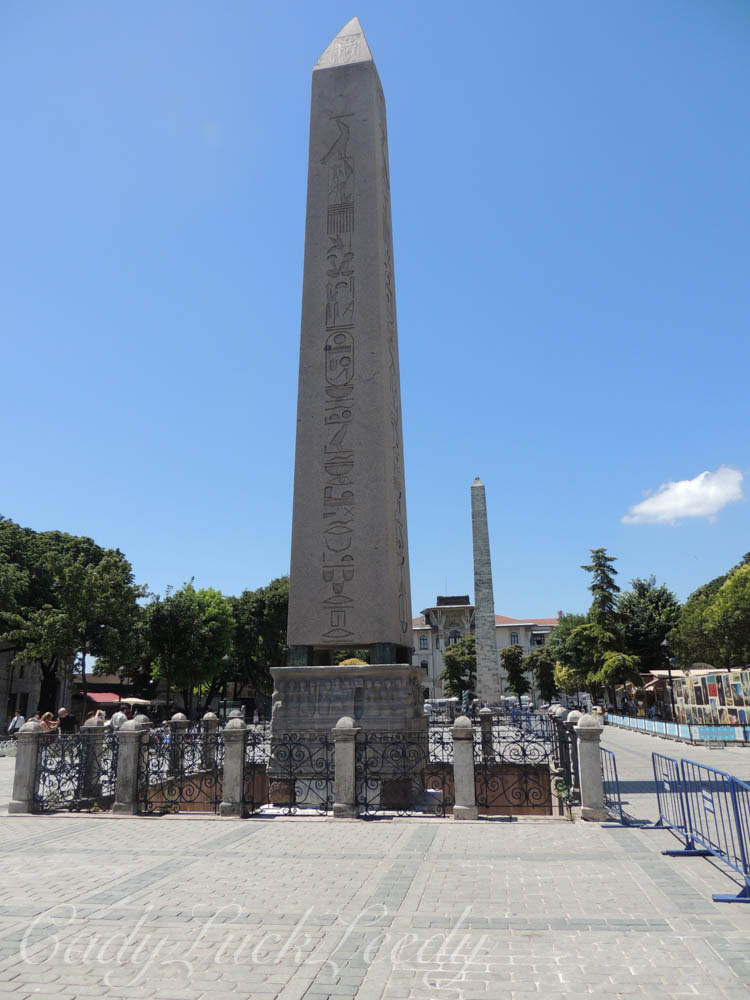
The Egyptian Obelisk, Istanbul, Turkey
The Column of Constantine was constructed in Istanbul. It was originally sheeted with bronze panels, but in the Fourth Crusade, (early 13th century) the city was looted and the panels stripped to make weaponry.

The Column of Constantine, Istanbul, Turkey
The Column of the Serpent was a victory monument dedicated to the 31 Greek city-states to commemorate their victory over the Persians at Plataea. (479 BC) Originally, this column showed three serpents twisted together, their heads supporting a golden trophy. The golden trophy is long gone and only the jaw of one snake still exists and it is in the Istanbul Archeological Museum. The Hippodrome also was the place of the famous four cast-bronze horses from ancient Greece. During the 4th Crusade they were plundered and taken to Venice, where they now reside at St Mark’s Basilica. (See a photo of them in my Venice posts)
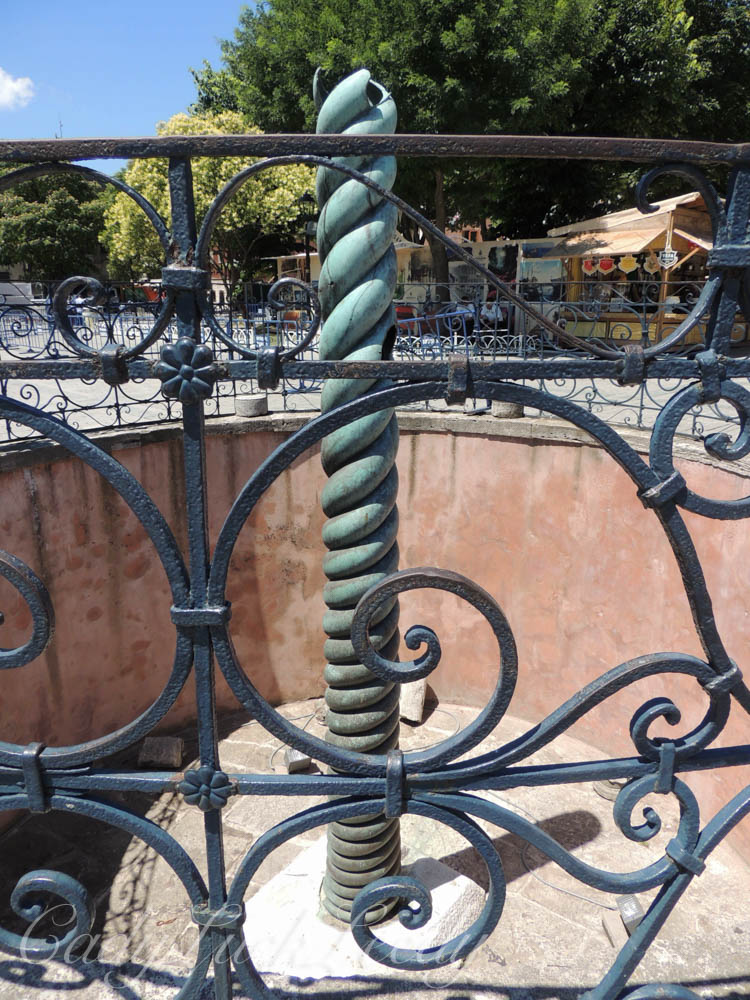
The Column of the Serpent, Istanbul, Turkey
The German Fountain was a gift from the German government to commemorate Kaiser Wilhelm II’s visit to Istanbul in 1898. It was constructed in Germany and transfered in pieces to Istanbul in 1901 and re-assembled on this location.
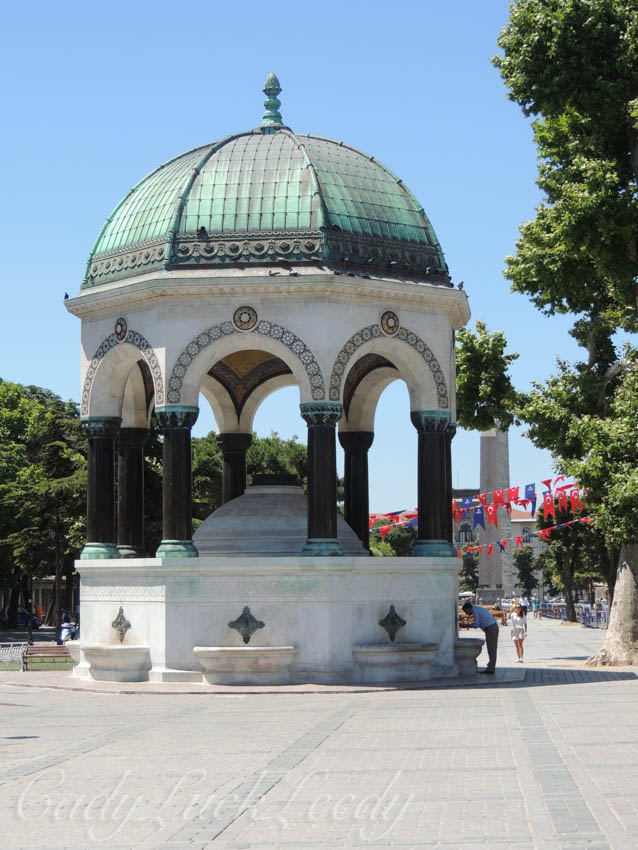
The German Fountain, Istanbul, Turkey
The Divan Yolu was the main thoroughfare in Byzantine times. The road started right here where the Golden Milestone still stands in a pit. 1500 years ago this was considered the point of the center of the world and it showed the distances to key locations within the empire.

The Tram Station at Divan Yolu, Istanbul, Turkey

The Golden Milestone, Istanbul, Turkey
Below ground, the Underground Cistern, was a vast reservoir that held water reserves for ever growing Istanbul. The cistern covers an area of two football fields and could hold 27 million gallons of fresh water. 336 columns support the brick ceiling, most of them coming from earlier Roman ruins. Clay pipes and aqueducts carried the water twelve miles to this cistern. Today the cistern is open to the public. The cistern is a shallow pond with a walkway around it. At the exit of the cistern a stage is in the water and serves as an exhibition hall for art festivals and concerts!

Underground Cistern, Istanbul, Turkey

Underground Cistern, Istanbul, Turkey
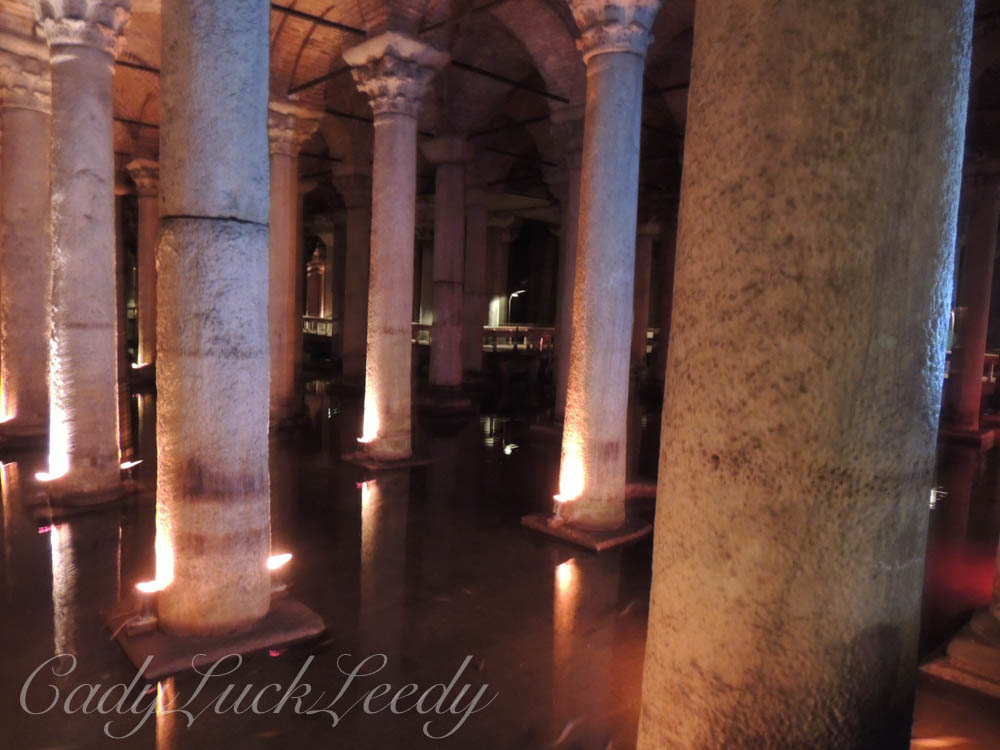
The Ancient Columns in the Underground Cistern, Istanbul, Turkey

Underground Cistern, Istanbul, Turkey
I hope you enjoyed the day at the Blue Mosque!

Hagia Sophia, Istanbul, Turkey

A Restaurant on the Way to Hagia Sophia, Istanbul, Turkey

Another Look of the Restaurant on the Way to Hagia Sophia, Istanbul, Turkey
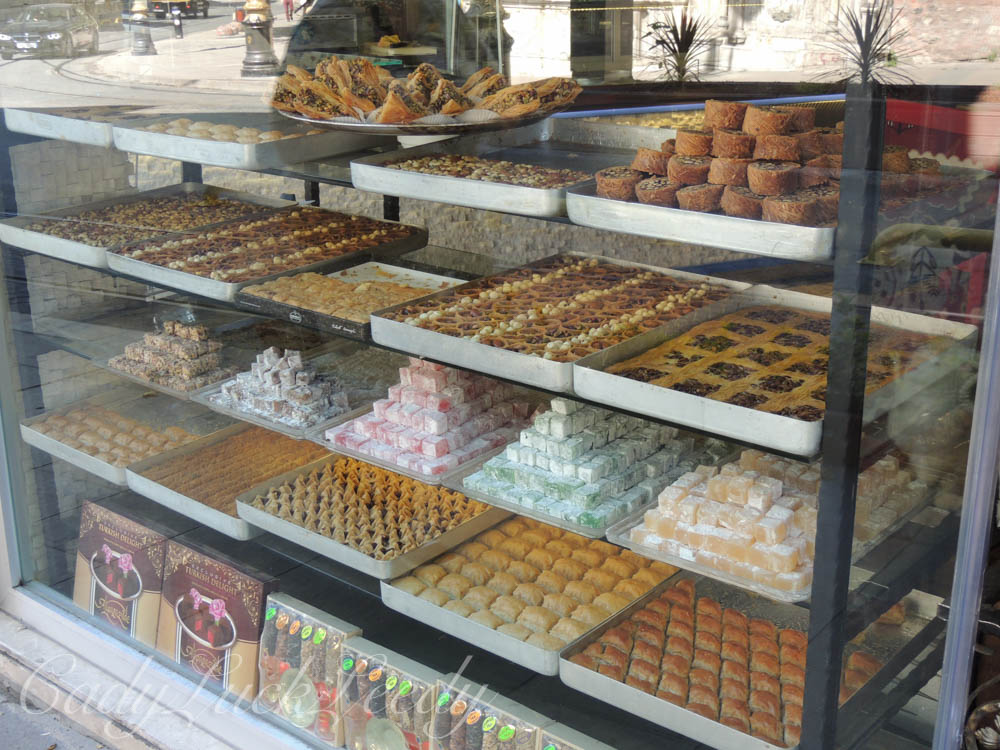
Walk Past the Turkish Delight and Bakery, Istanbul, Turkey
Hagia Sophia, Holy Wisdom, has been called the greatest house of worship in the Christian and Muslim worlds: Hagia Sophia, the Great Church of Constantinople, a Greek Orthodox basilica, was built by Byzantine Emperor Justinian in A.D. 537 over the remains of two churches. More than 5,000 architects, stonemasons, bricklayers, plasterers, sculptors, painters and mosaic artists worked around the clock for 5 years to complete the church. People came from all over the world to watch the great dome slowly rise above the landscape and for a 1000 years it was the greatest dome in the world until the Renaissance when Brunelleschi built the dome over the Duomo, in Florence, Italy. In 1204 it was converted to a Roman Catholic cathedral. It remained the largest cathedral for nearly 1000 years until the Seville Cathedral was completed in 1520. In 1453 Constantinople was conquered by the Ottoman Turks under Sultan Mehmed II, who ordered the main church be converted into a mosque. The relics were removed and the mosaics depicting Jesus, His mother Mary, Christian saints and angels were removed or plastered over. Islamic features and the minarets were added. In 1935, the first Turkish president, and founder of the Republic of Turkey, Mustafa Kemal Atatürk, transformed the building into a museum. The carpets were removed and the marble floor decorations appeared for the first time in centuries, while the white plaster covering many of the mosaics was removed, revealing the beautiful mosaics still intact. The plaster had actually preserved them.
Today, Hagia Sophia is a beautiful museum, featuring the best of Christian and Muslim architecture.
After going through tight security and inspection let’s look at this wonder of the world!

The Fountain at Hagia Sophia, Istanbul, Turkey
The Ottomans added this fountain in the 18th century, when Hagia Sophia was used as a mosque. It was used for ablution, ritual cleansing before prayer, as part of Islamic traditions.

A View of the Courtyard, Hagia Sophia, Istanbul, Turkey

A View in the Courtyard of Hagia Sophia, Istanbul, Turkey

A View in the Courtyard of Hagia Sophia, Istanbul, Turkey
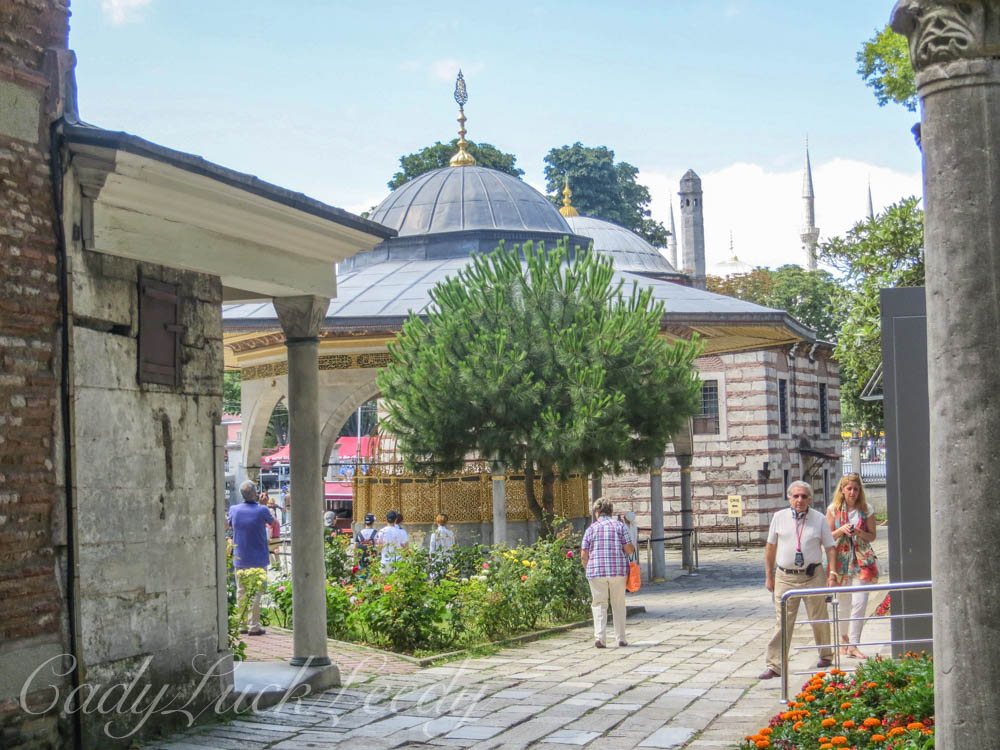
Courtyard of Hagia Sophia, Istanbul, Turkey
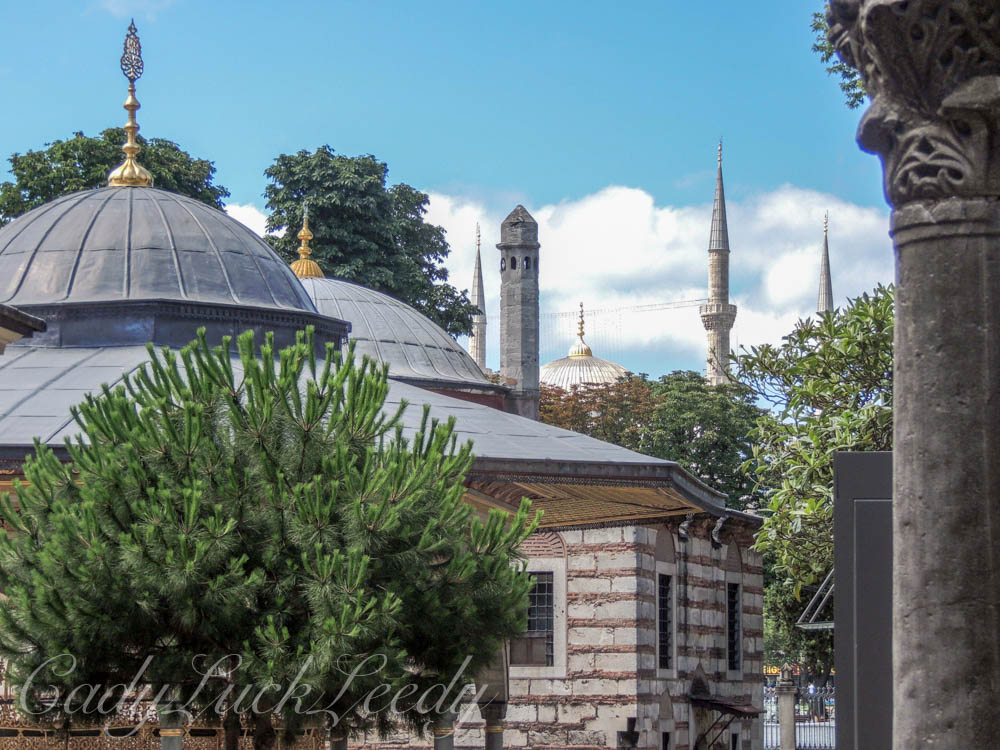
Rooftop Views from Hagia Sophia, Istanbul, Turkey

Decorative Pieces Taken from Hagia Sophia, Istanbul, Turkey

Decorative Pieces Taken from Hagia Sophia, Istanbul, Turkey
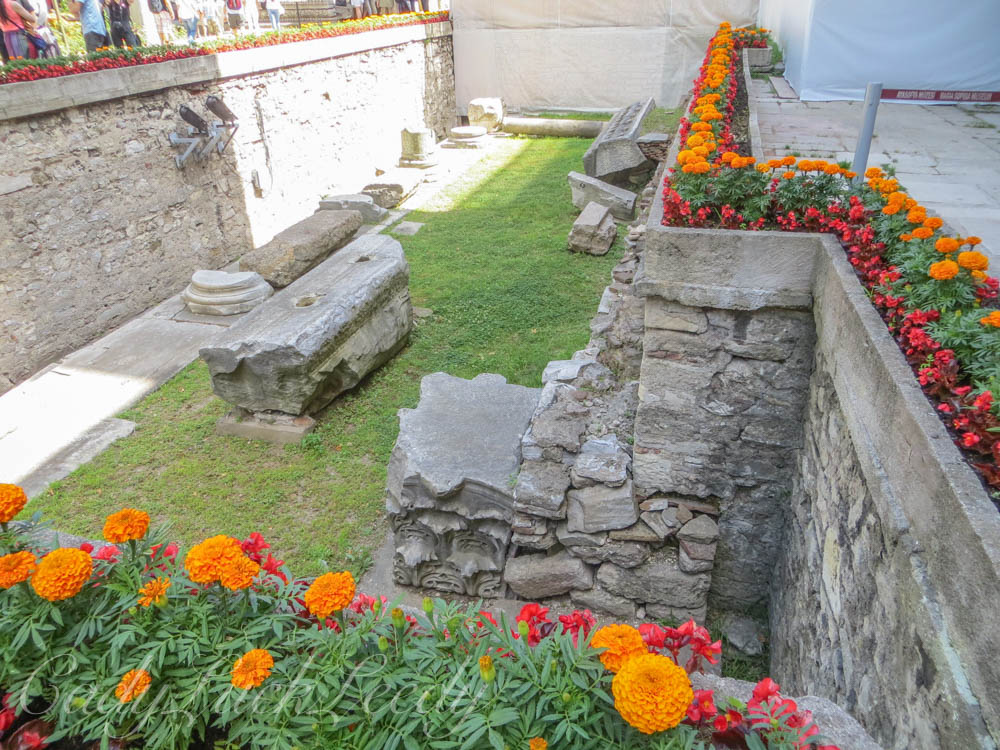
Original Baptismal Pool, Hagia Sophia, Istanbul, Turkey
Unearthed in 2010, the immense baptismal pool was hewn out of a massive piece of marble. More than ten feet wide and four feet deep, the pool was used for communal baptisms common in early Christianity.
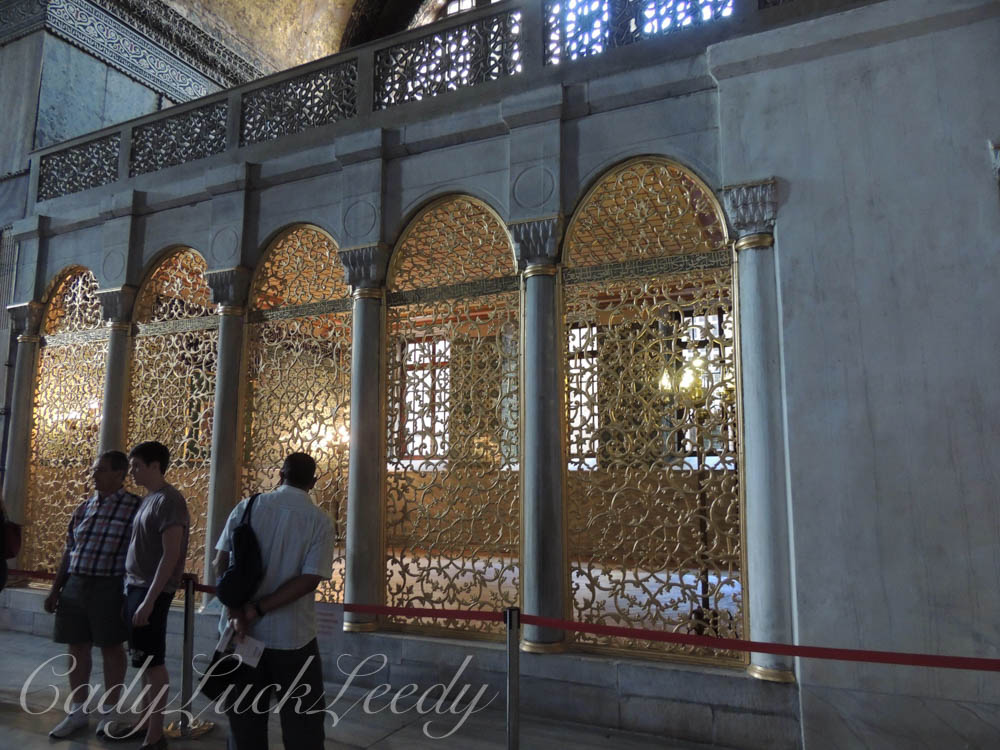
Intricate Gold Lace Partitions, Hagia Sophia, Istanbul, Turkey
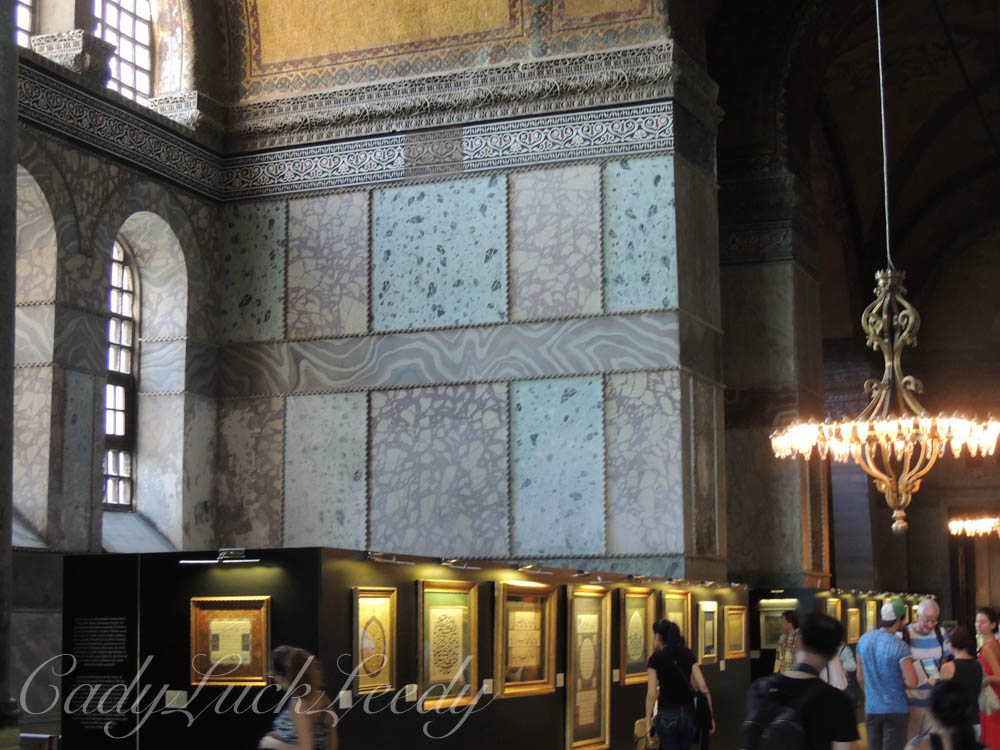
Marble Tiles and Calligraphy, Hagia Sophia, Istanbul, Turkey

Huge Chandeliers, Hagia Sophia, Istanbul, Turkey

Hagia Sophia, Istanbul, Turkey
The green marble columns carry the upper galleries and provide support to the domes, easing the burden of the buttresses and exterior walls.
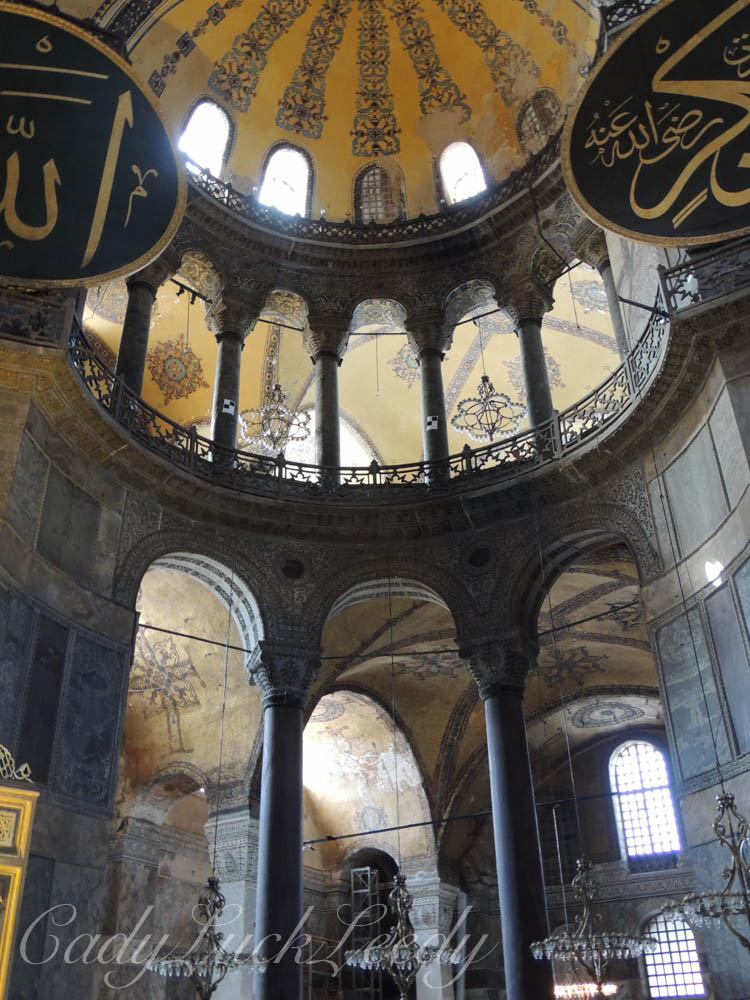
Inside Hagia Sophia, Istanbul, Turkey
Many of the marble columns were brought here from other, even more ancient monuments and temples.

The Nave of Hagia Sophia, Istanbul, Turkey
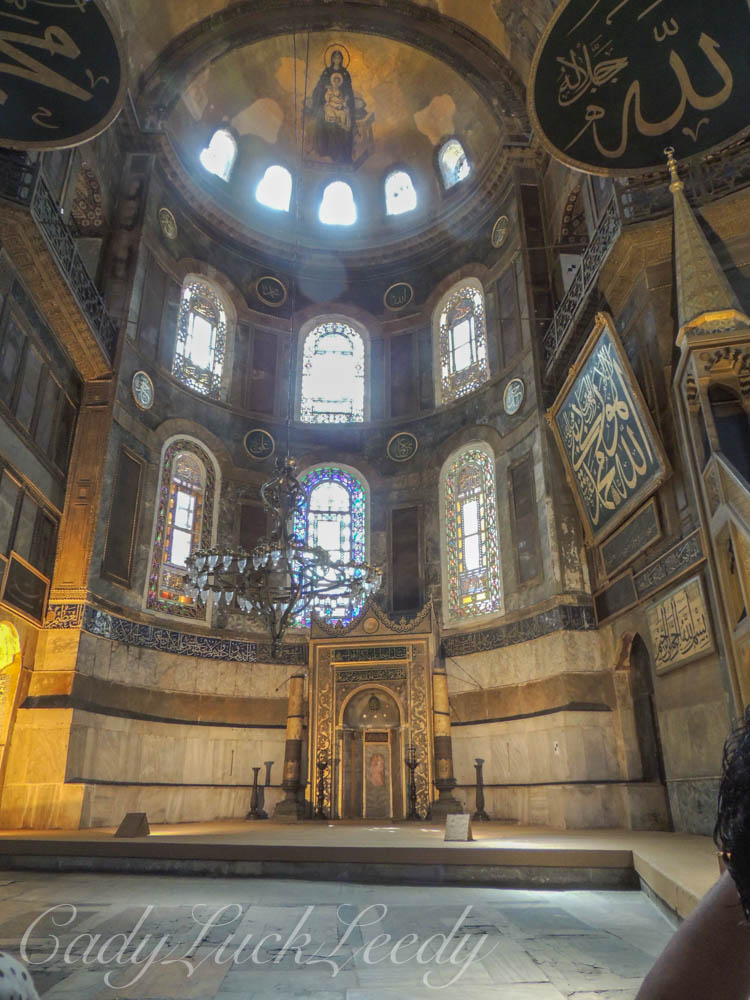
The Nave of Hagia Sophia, Istanbul, Turkey
To get a perspective of the size of the Nave, Paris’ Notre Dame Cathedral would fit within Hagia Sophia’s great dome.

One of Many Icons in Hagia, Sophia, Istanbul, Turkey

Icon in Hagia Sophia, Istanbul, Turkey

Icon over Doorway, Hagia Sophia, Istanbul, Turkey
The religious use of icons, depictions of human figures in mosaics, frescoes and other art forms, were very controversial throughout Byzantine history. Church and political leaders clashed over icons. The public liked the figures, and since most people at the time could not read, these pictures told the stories of the church teachings and emperors used them to bolster their claim to divine power, often depicting themselves as holy figures.

One of Two Winged Seraphims, Hagia Sophia, Istanbul, Turkey

Medallions and Mimber in Hagia Sophia, Istanbul, Turkey
The mimber is the pulpit in a mosque used by the imam to deliver a sermon on Fridays or to talk to the public on special occasions. The imam stands halfway up the stairs as a sign of respect, reserving the uppermost step for the Prophet Muhammad.
The 24-foot-wide, leather wrapped, wooden medallions, were added in the 19th century and decorated by master calligraphers. In a church you see paintings of Biblical figures and saints, however in a mosque, which allows no depictions of people, you see ornately written names of Allah and Muhammad.
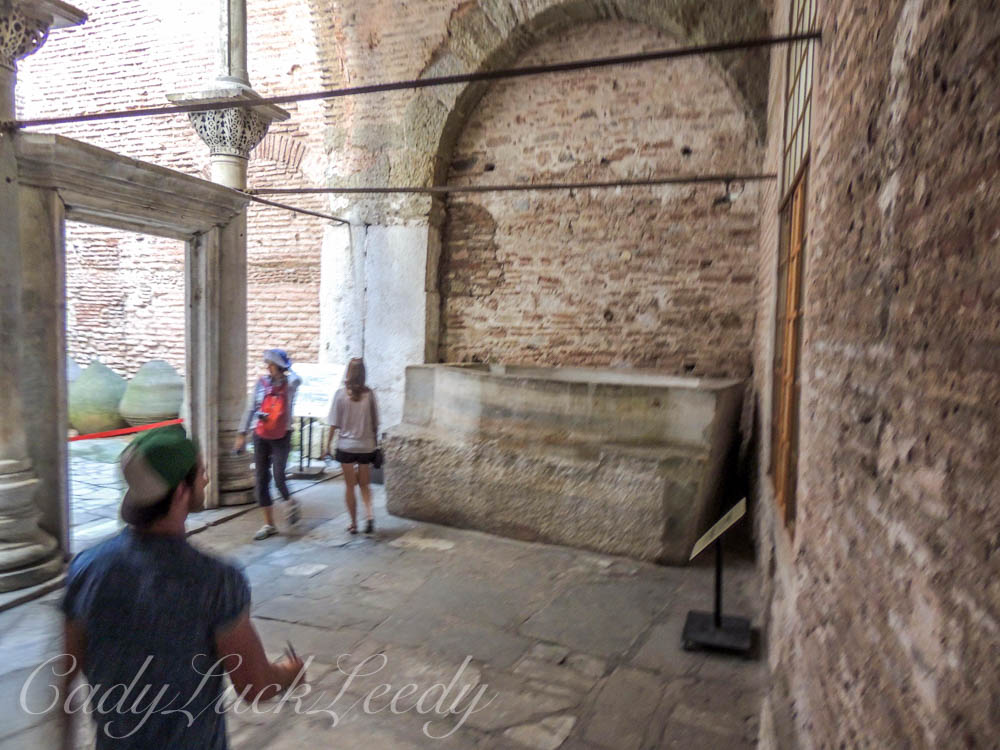
The Exit of Hagia Sophia, Istanbul, Turkey

Courtyard, Hagia Sophia, Istanbul, Turkey

Stone Pieces in the Courtyard, Hagia Sophia, Istanbul, Turkey

On the Boat Tour, Istanbul, Turkey
We are out on the boat tour on the third part of the Bosphorus and Golden Horn Tours! It is a beautiful day to sit in the sun and enjoy the ride! Take your sun lotion! I named the spots that I knew and the rest of the time I was gabbing with my new Australian friends! It is a good way to see all the old and new in Istanbul, eyeing the beautiful homes and palaces along the shore. They certainly love their yachts! Enjoy!
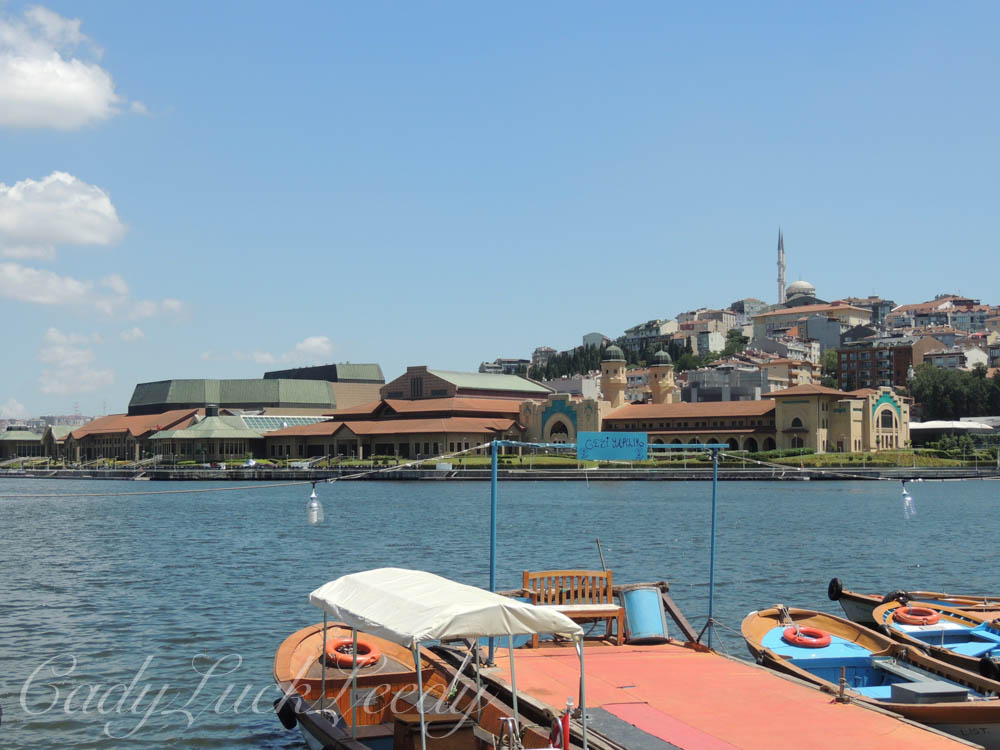
The Start of the Tour at the Docks, Istanbul, Turkey
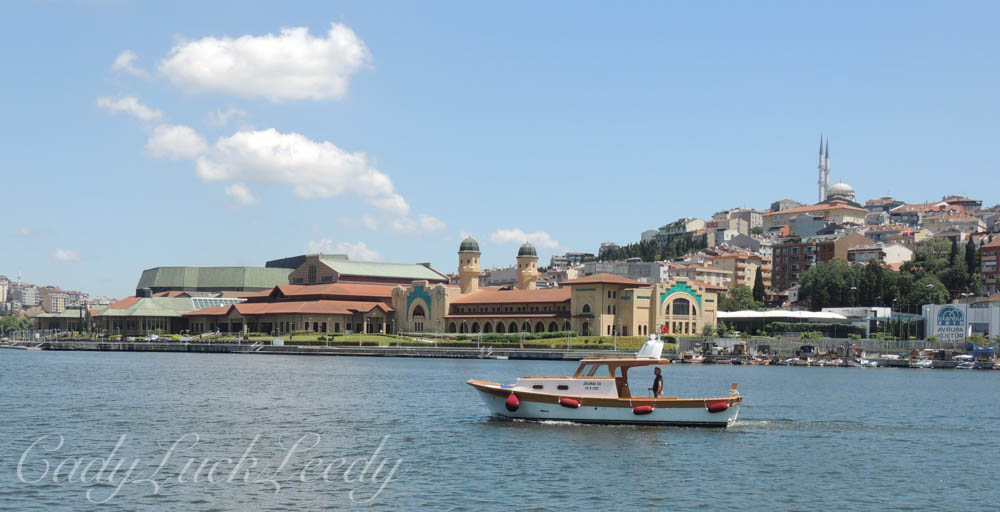
Istanbul, Turkey
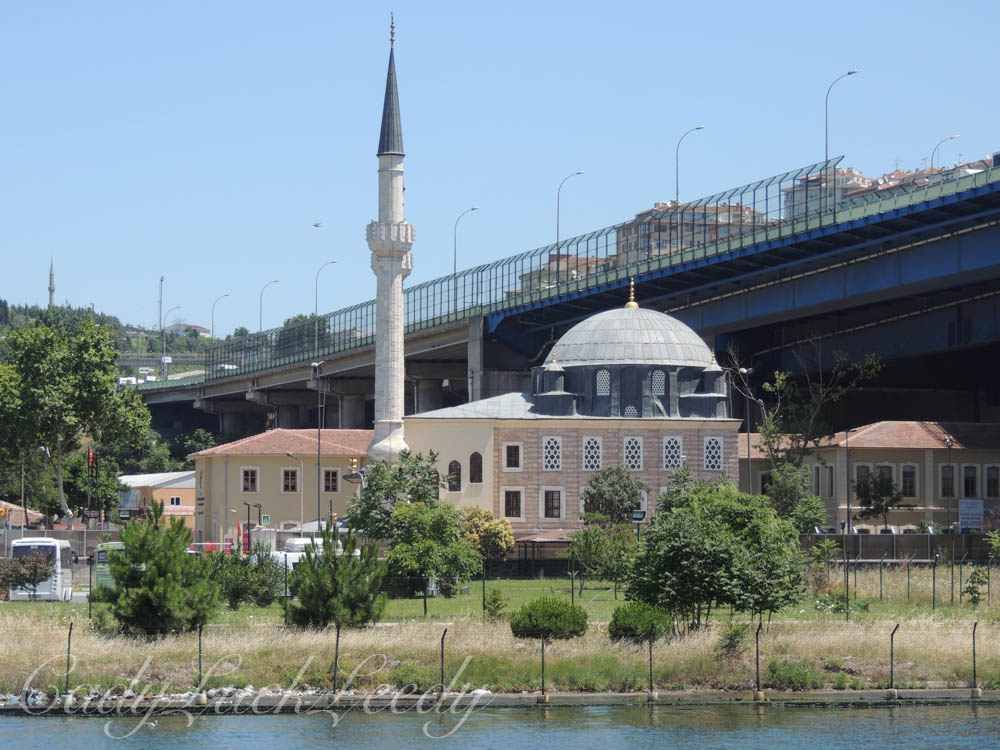
Istanbul, Turkey
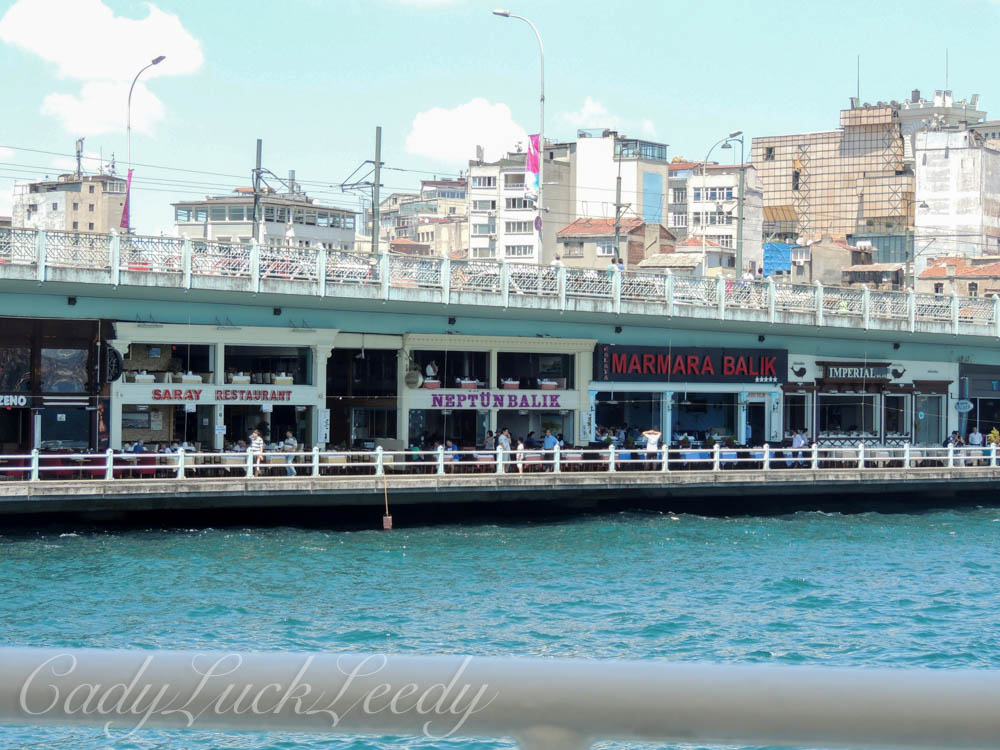
Restaurant Lined Galata Bridge, Istanbul, Turkey

Galata Tower, Istanbul, Turkey

The Cruise Ships Have Landed!, Istanbul, Turkey
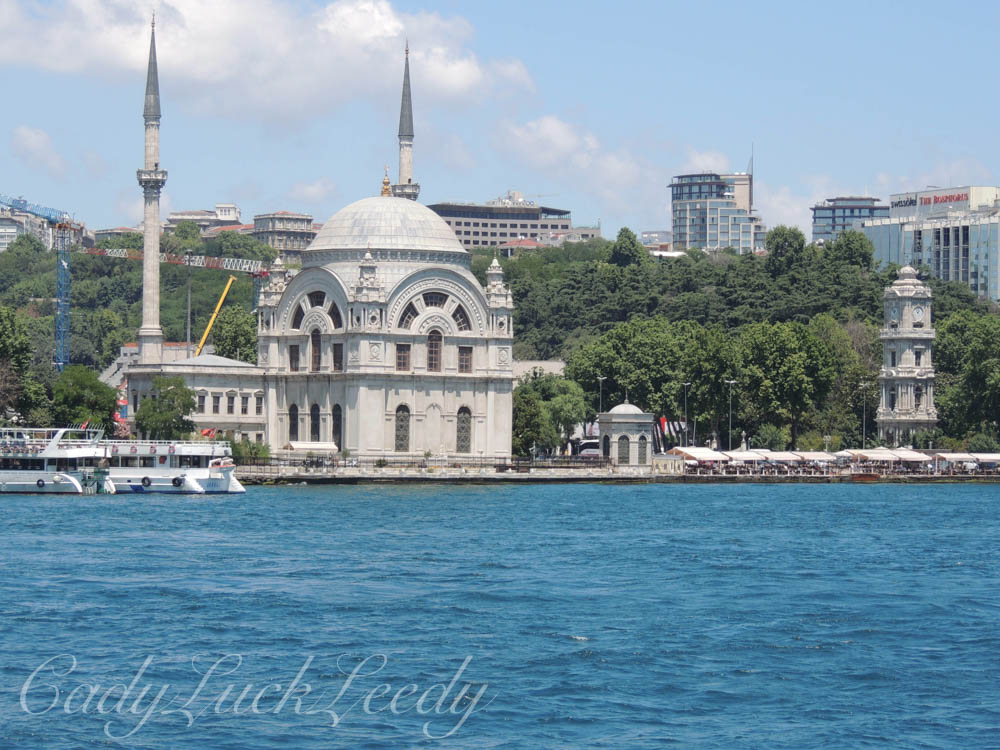
Istanbul, Turkey
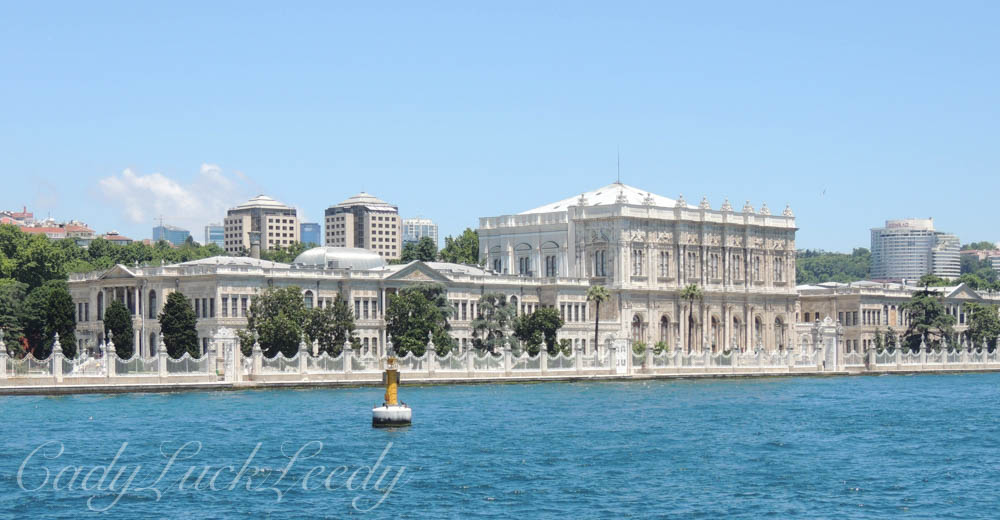
Dolmabahce Palace, Istanbul, Turkey
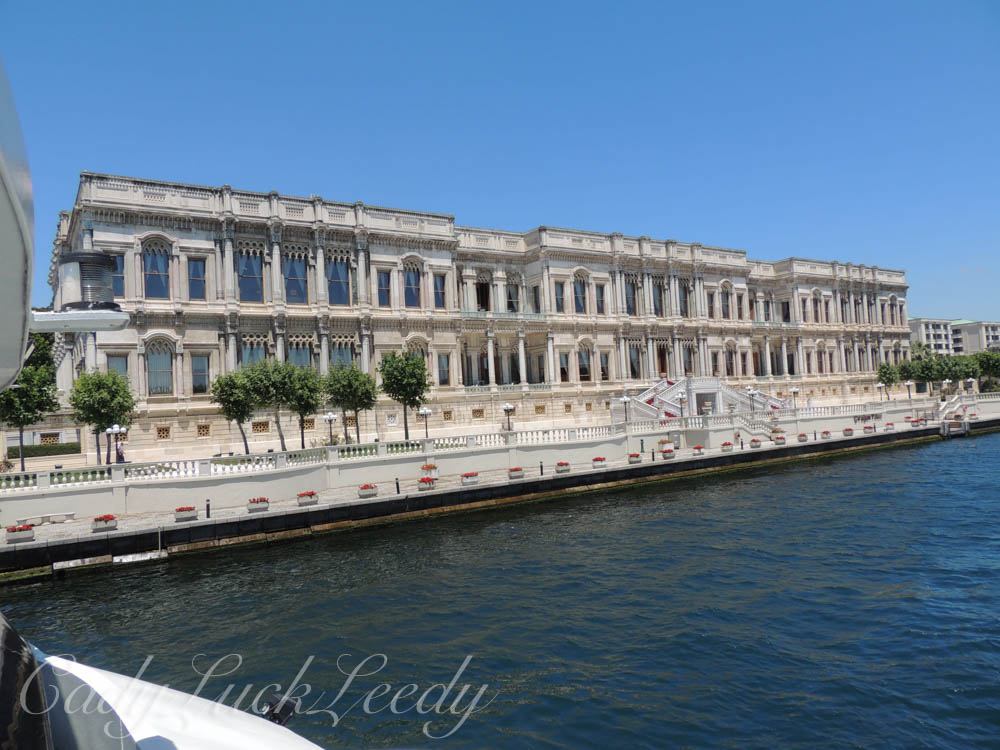
Ciragan Palace, Istanbul, Turkey

Istanbul, Turkey

Istanbul, Turkey

Beautiful Homes Along the Shore, Istanbul, Turkey

More Yachts, Istanbul, Turkey

The Yachts Along the Shore, Istanbul, Turkey

The Ducks, Istanbul, Turkey
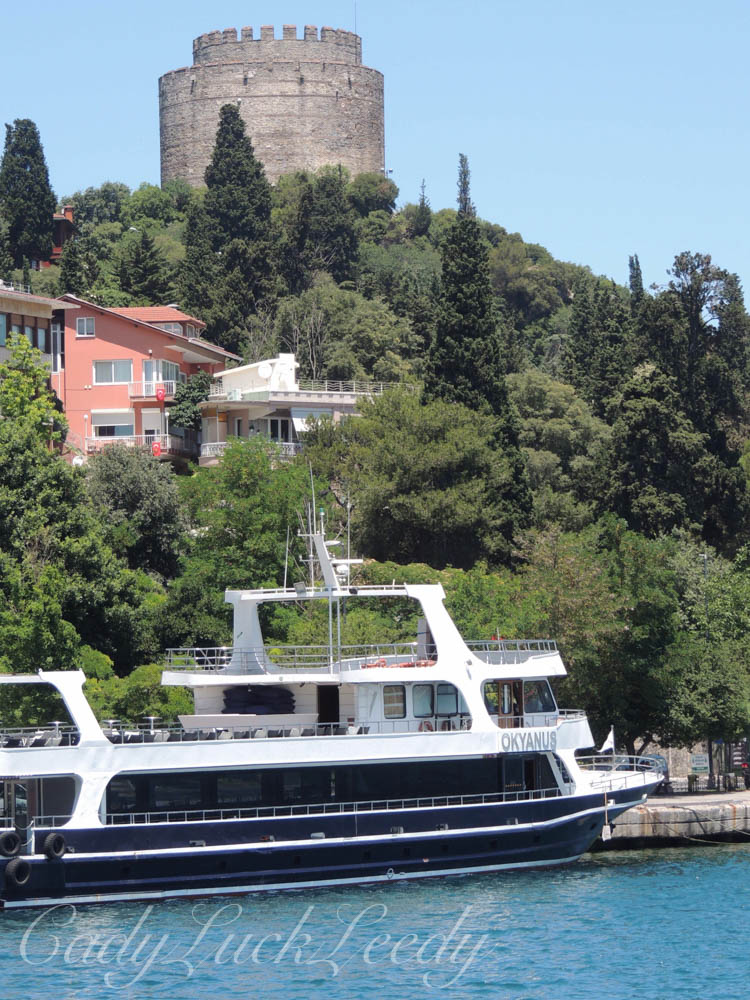
More Boats are All Along the Shore, Istanbul, Turkey

Rumeli Castles (1452), Istanbul, Turkey

Baylerbeyi Palace, Istanbul, Turkey
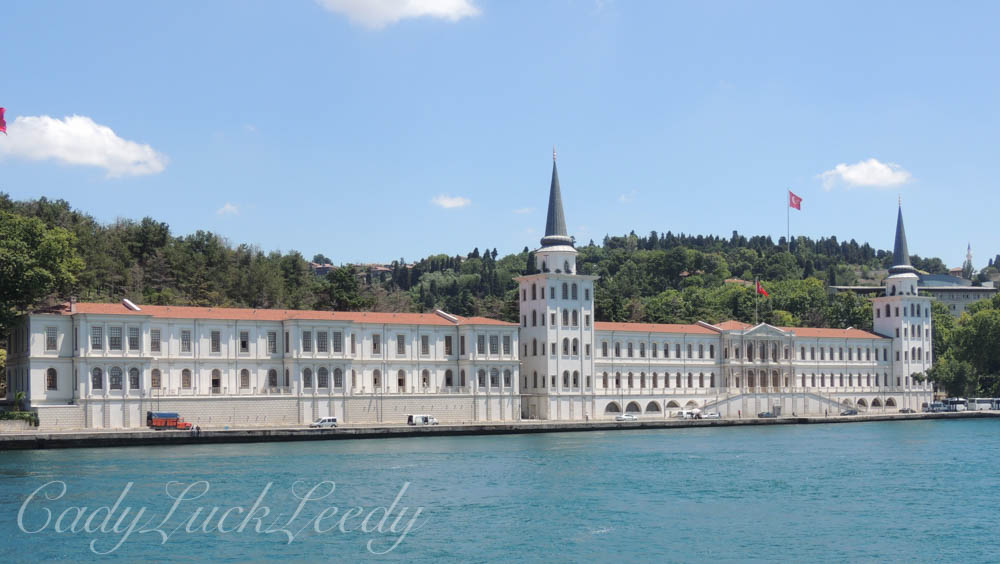
Kuleli Military School, Istanbul, Turkey

Istanbul, Turkey

Istanbul, Turkey

Kiz Kulesi, Istanbul, Turkey
Tales, Thoughts + Tribulations of a Free Spirit in Suburbia
Travels on foot
Minding my mind, one thought at a time.
Un lungo racconto fotografico.
Featured
Photography, hiking, walking, and cycling across central Japan — from quiet mountain paths to everyday life around Nagoya.
Looking for meanings in words, images and sounds
Reflections on places traveled and photos taken.
Cruising with the Thyrre Family
Where my Travels and my Blog merge together.
The mental meandering that cross my keyboard
Website & Blog of J. Kelland Perry, Author
A photographic journey.
Photography celebrating flowers, plants, and the natural world
Roaming, at home and abroad
The Corner Garden
Photography, Travel and Retirement
Upgrade Your Travels. First Class Luxury Travel from all parts of the Globe. Business Class Airline, Lounge and Hotel Reviews, Stories and Adventures
A China travel and lifestyle blog
 The Travel Lady In Her Shoes