Weekly Travel Theme: Close Up
We’re still exploring Conwy, Wales! There are more pictures of Conwy to be found HERE ! Enjoy.
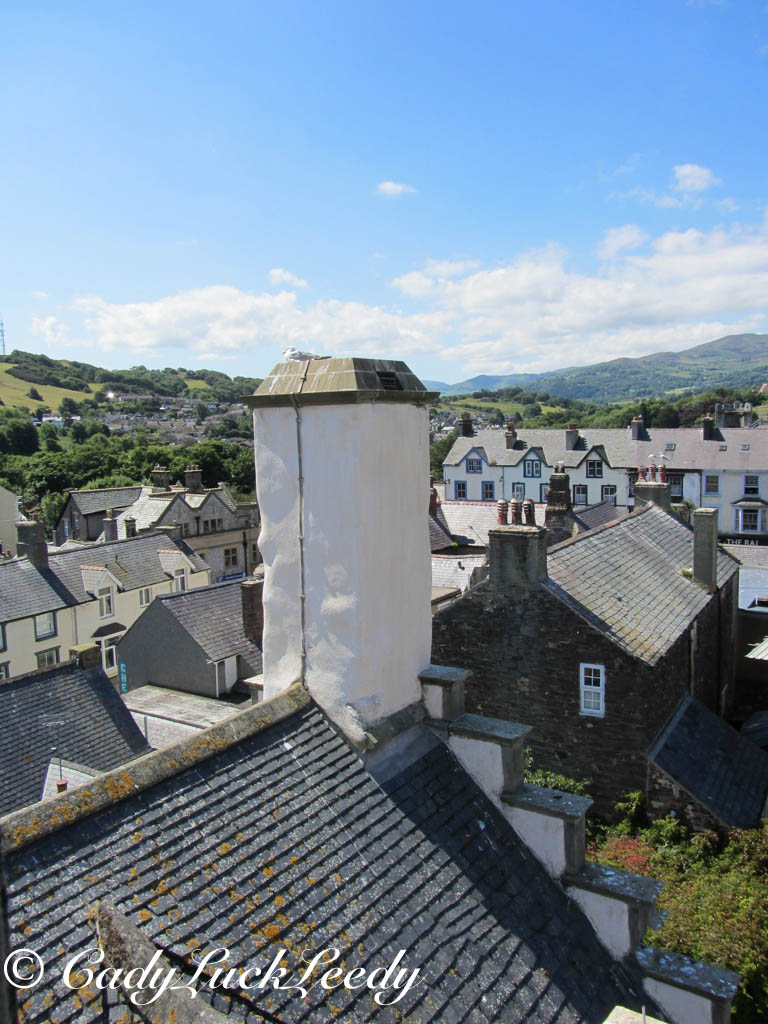
Close

Closer

CLOSE UP
We’re still exploring Conwy, Wales! There are more pictures of Conwy to be found HERE ! Enjoy.
Close
Closer
CLOSE UP
Since we are prepping for the travel season I thought it was a good time to take a re-look at PACKING! The Compression Sacs from Eagle Creek are MUST HAVES! I went to do a demo today to post for you how easy they are and how much you can get in them. However, HUBBY has taken all of my SACS on a business trip!!!!!! What? Trust me they are that good, you will have to hide them or they will disappear! I’m going to AAA tomorrow to get more! Happy traveling!
Traveling in the summer months is easier to pack for. Clothes weigh less and are not bulky. For any trip over seven days I take seven outfits that mix and match. Seven tops and seven slacks. And two lightweight sweaters that go with anything. Interchangeable. Period. This makes a very big wardrobe and believe me it so much easier to deal with. To dress something up add a scarf!
 Sacs from Eagle Creek
The next best thing to soap is Compression Sacs from Eagle Creek, the kind that don’t need a vacuum to suck out the air. Put your clothes in it, and then roll the sack like you are rolling out a pie. The air escapes and it is flat as a pancake. A miracle! You will be amazed how much you can get into these sacs! The sacs come in three sizes. Small, medium and large. I take…
View original post 493 more words

Conwy Castle, Conwy, Wales
Riding along the narrow , very narrow hedge rows / stone walls the main topic of conversation has been, “OHHHH! I think we’re going to hit it!” or “Move over, move over!” or “Can’t you see how close we are to the wall?” We are truly ready to arrive in Conwy! SB is ready to park the car! Bryn B&B, nestled in front of the castle and gates, is an oasis after the hedgerows! Everybody take a deep breath! We are HERE! Bryn B&B, a Victorian home from 1860, is perched on a hill in an outstanding garden. This will be “home base” in Conwy, Wales. After a brief tour of the B&B and a spot of tea in the garden, we are off to explore!
For more information about the Bryn B&B see: http://www.bryn.org.uk/
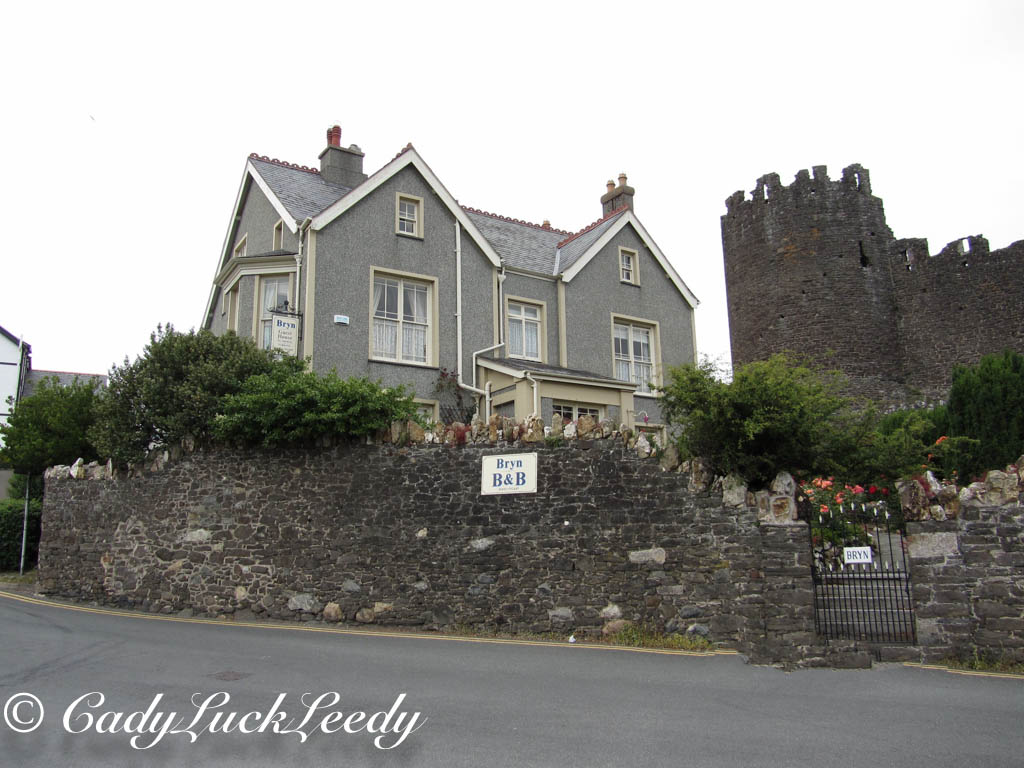
Bryn B&B, Conwy, Wales
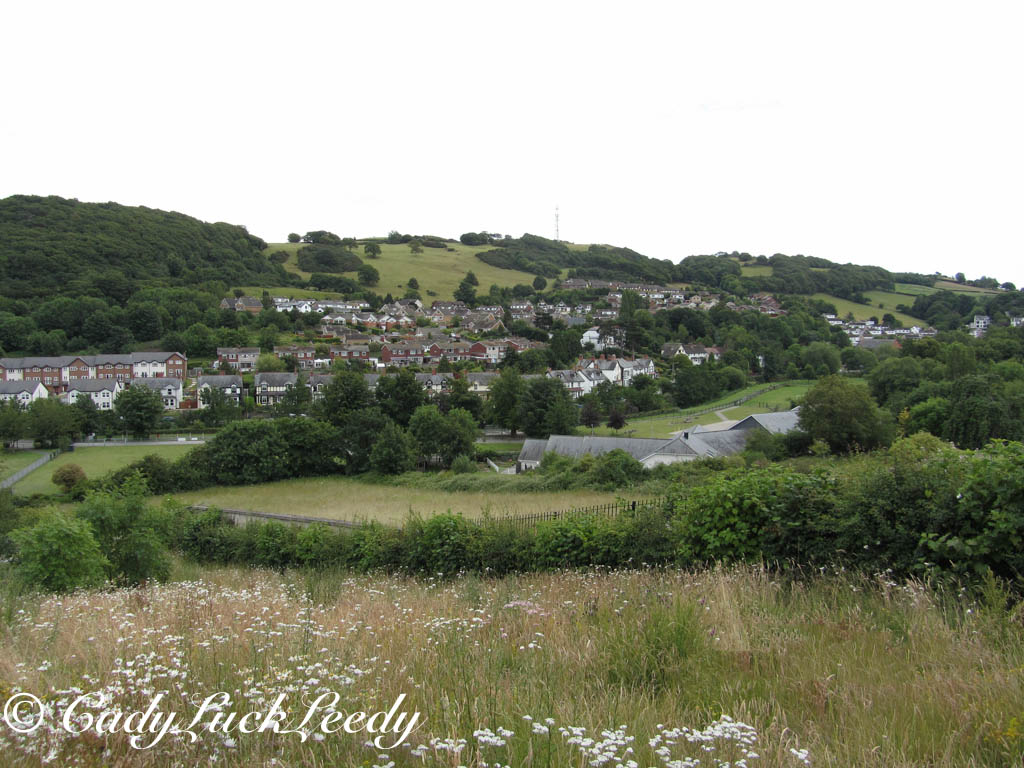
A Look at Conwy, Wales

The Castle at Conwy, Wales
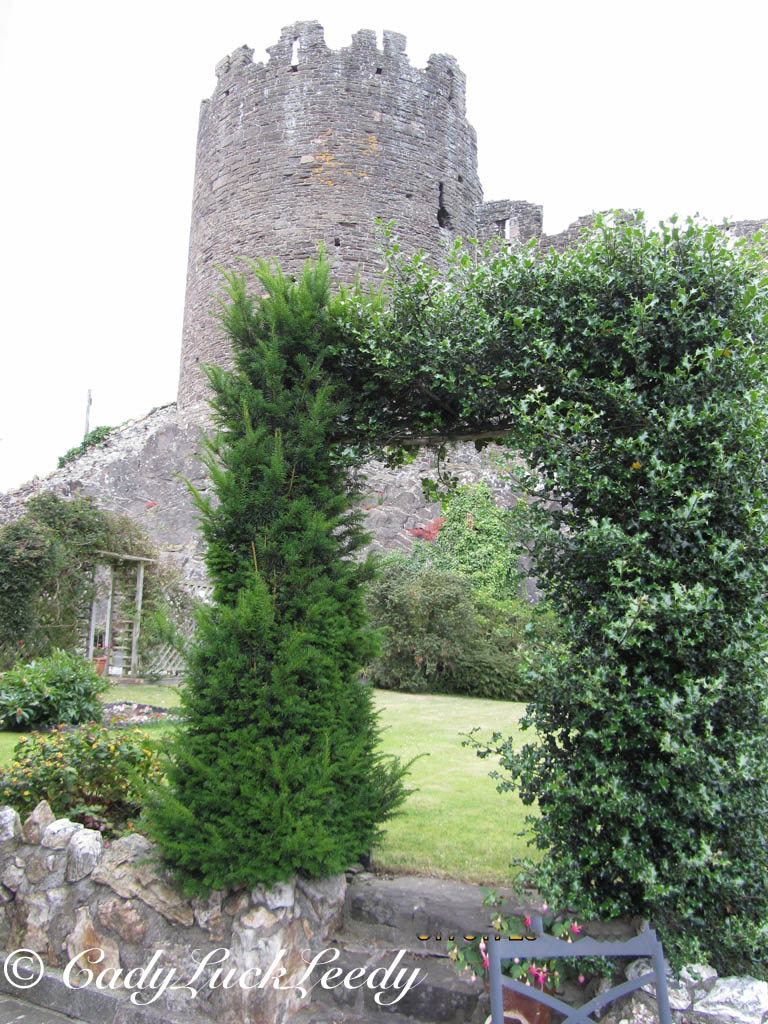
Looking Through the Hedge, Bryn B&B, Conwy Wales
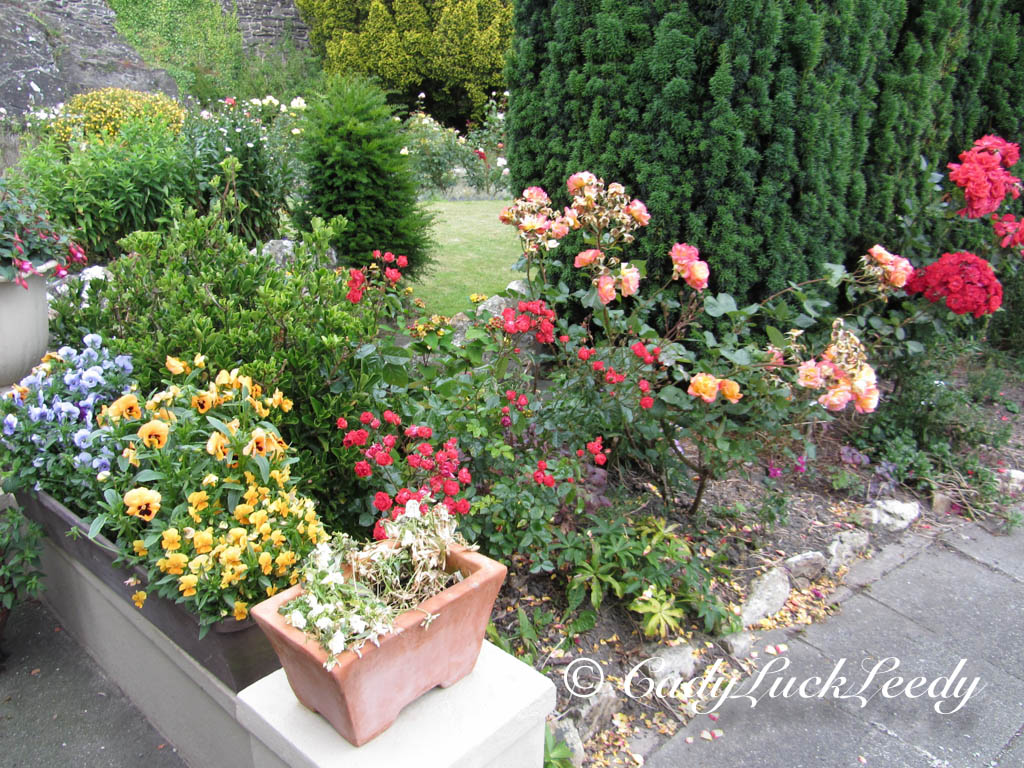
The Flower Garden at Bryn B&B, Conwy, Wales
Conwy Castle and the town walls were built on the instruction of Edward I of England between 1283 and 1289 as part of his conquest of Wales. Conwy was the original site of Aberconwy Abbey, founded by Llywelyn the Great. Edward I took over the abbey site and moved the monks further down the valley. English settlers were given incentives to move to the walled garrison town and for decades the Welsh were forbidden from entering Conwy. We have just enough time to climb the rampart walls before night falls! More tomorrow! Enjoy!
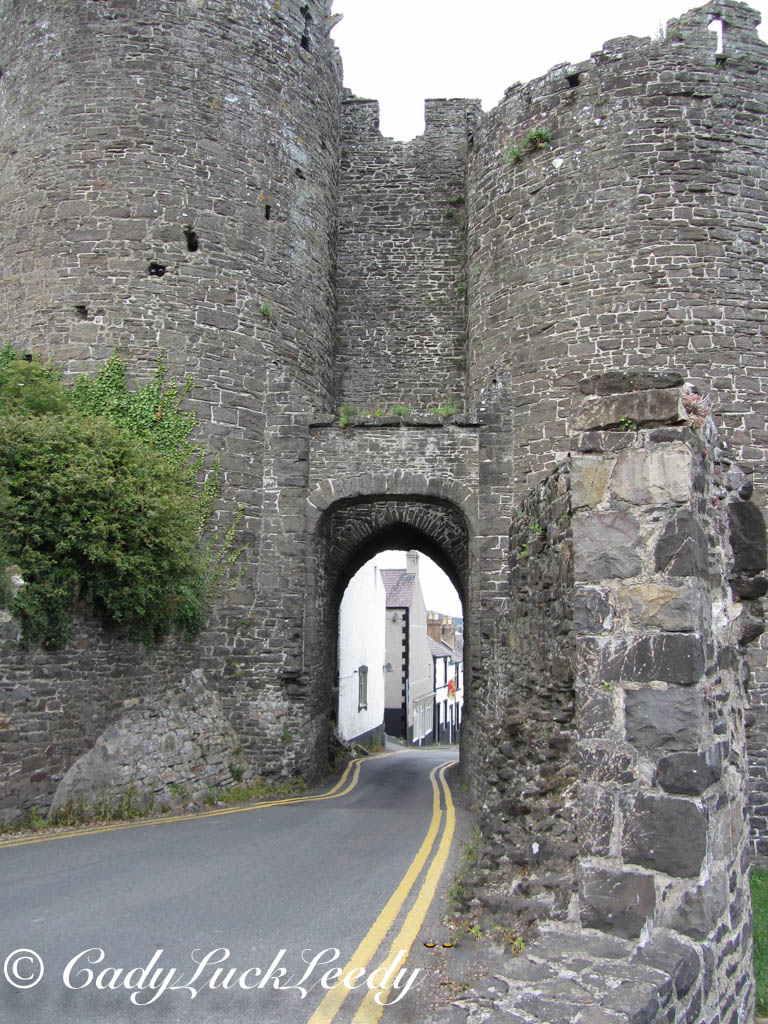
Tight Squeeze! Conwy, Wales

The Walls of Conwy, Wales
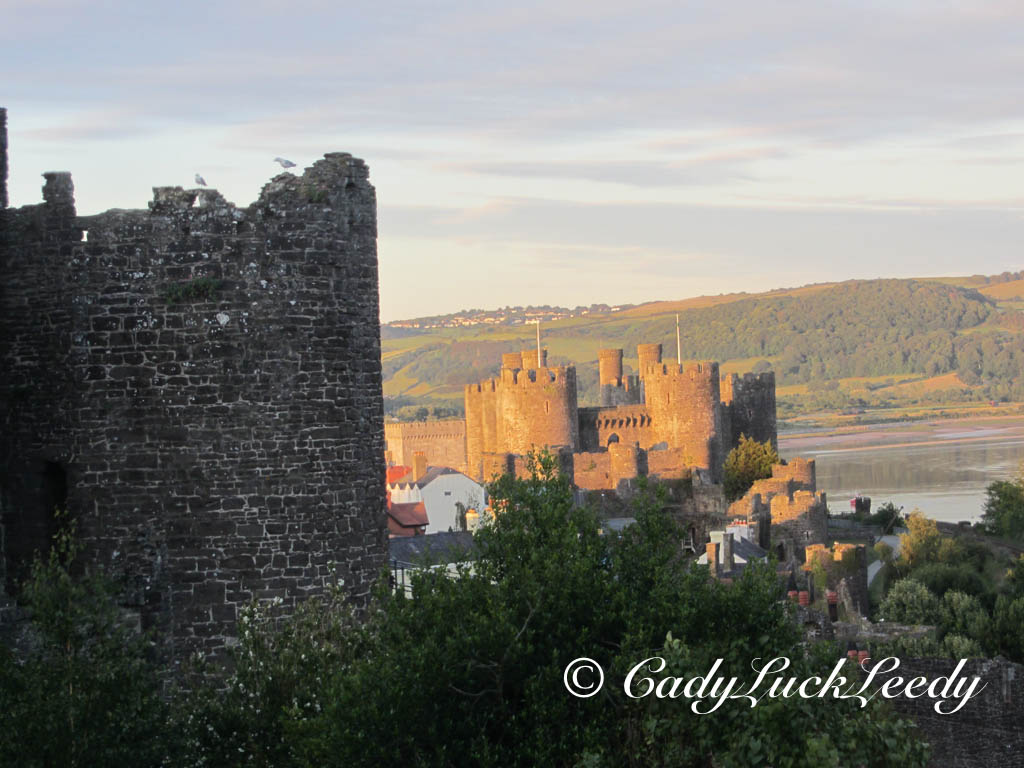
Conwy, Wales
Fish menus celebrated in Corniglia, Italy! What a beautiful display of letters!! Enjoy!

Fish Selections in Corniglia, Italy
On the night of March 14th, 1314, Robert the Bruce, King of the Scots, captured Edinburgh Castle and destroyed all the buildings in the castle except a little chapel named after Saint Margaret of Scotland , (1045-1093) who fled to Scotland following the Norman conquest of England in 1066. On Robert’s deathbed in 1329, he issued orders for the chapel’s repair with money put aside for this purpose. The small irregular stone chapel of St Margaret measures ten feet by sixteen feet with walls two feet thick. There are five stained glass windows in the chapel by Douglas Strachan; St Margaret, St Andrew, St Columba, St Ninian, and William Wallace. William Wallace was a Scottish landowner and one of the main leaders of the Scottish Wars of Independence. He defeated the English army at The Battle of Stirling Bridge in 1297. In August 1305, he was captured near Glasgow and handed over to King Edward I, who had him hanged, drawn and quartered, and his tarred head put on a pike on London Bridge. This is the William Wallace window in St Margaret’s Chapel in Edinburgh, Scotland. We are making our way to Scotland. Won’t you join me on the adventure?

Window in St Margaret’s Chapel, Edinburgh, Scotland

Eighteen Reasons to LOVE Italy!
The Conwy, Wales Suspension Bridge, built by Thomas Telford in 1826, was one of the first road suspension bridges in the world. Built into the rock on which Conwy Castle stands, it is very close to the castle. Part of the castle had to be demolished during construction in order for the suspension cables to be anchored into the rock. Telford matched the bridge’s supporting towers with the castle’s turrets! To the right of the suspension bridge runs the wrought iron tubular railway bridge built by Robert Stephenson. Today the Suspension Bridge is only passable on foot and is in the care of the National Trust. Won’t you join me on our visit to Conwy, Wales?
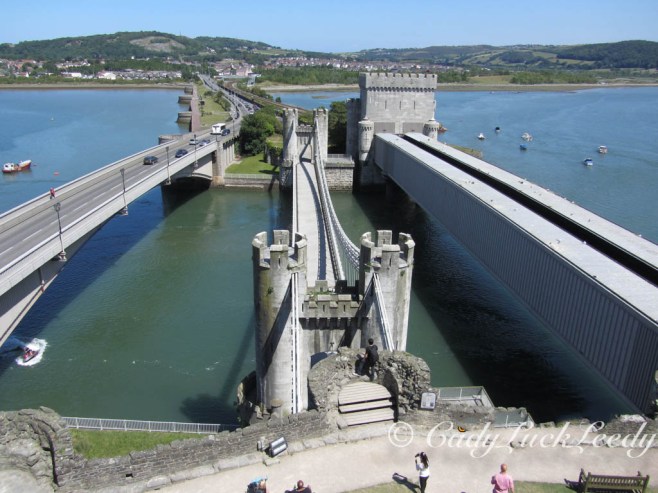
Conwy, Wales Suspension Bridge
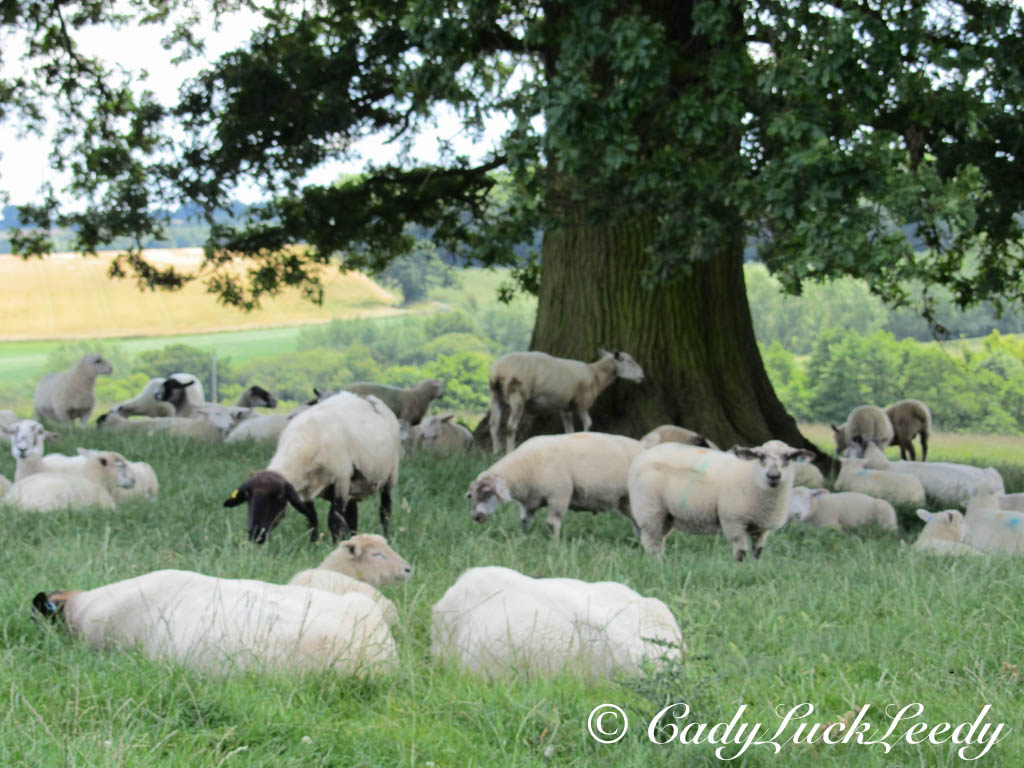
The Sheep and Lambs at Kinlet Hall, Kinlet, Shropshire
I have been doing genealogy for a number of years, going back farther and farther in my family history, now over 35,000 people strong! One of the reasons for the trip to the UK was to document and photograph the villages my family (my mother’s side) came from and to visit the last village that Richard Henry Lee, my 22nd GGrandfather, lived in before leaving England for the United States in the early 1600’s. What an experience! The first stop after leaving the Cotswolds was Kinlet, Kin (royal) lett (district) Shropshire, population around 600. I was looking for St John’s Church where my relatives, the Blounts, are buried. First driving to Cleobury Mortimer, the roads dwindled to sheep pastures and upon reaching Kinlet, the main attraction seemed to be The Eagle and the Serpent Pub, in the middle of nowhere! They have THE BEST burgers and fries!!!!!

The Eagle and Serpent Pub, Kinlet, Shropshire, UK
Driving up and down the road several times, to my dismay, and seeing no sign of a church, we did find a large old school now being used as a nursing home. SB, being the gentleman he always is, went in the nursing home to inquire about St John’s Church. The young attendants had no clue to it’s where abouts, but a tiny frail woman in a wheel chair said, “take the path in front of the pub up the hill!”
It was a path with an iron gate, which we opened and went in and drove on up the hill through the rolling hills dotted with sheep and lambs. When the path ended, there was the church and next door a huge, huge, huge manor house! The Manor House or Kinlet Hall is now the Moffats School, a private school, but we went in and talked to the head mistress, who through marriage was also related to the Blount family. She told us to take as many pictures outside the building as we wanted, as not to disturb the classes, and to go on through the gate to the church. This is what I found in Kinlet and St John’s Church.


It’s nice to know your relatives were so well thought of and very important to the community!

Outer Shell of Acton Burnell Castle, Acton Burnell, England
Next, traveling to Acton Burnell, we discovered the remnants of Acton Burnell Castle and a path through a really spooky grove of trees that we had to go through in order to reach the castle. I couldn’t help but think something awful had gone on here! If only these trees could talk!

The Spooky Path Through the Woods at Acton Burnell Castle, Acton Burnell, England
Acton Burnell Castle is a 13th century fortified manor house, located near the village of Acton Burnell, Shropshire, England. Built in 1284 by Robert Burnell, Bishop of Bath and Wells, friend and advisor to King Edward I, the manor house was substantial enough to accommodate Edward I, his household, soldiers and advisors. It is believed that the first Parliament of England in which the Commons were fully represented was held here in 1283. Today all that remains is St Mary’s Church, also built by Robert Burnell, and the outer shell of the castle. The Lee family must have been important in the village of Acton Burnell, but like a lot of young men of his time, Richard Henry Lee was not the oldest son to inherit, so left England to start fresh in a new country. It’s good to see where you came from so you know where you’re going! Have you traced your family back to lands unknown? What did you experience? I would love to know! Enjoy!


The Witchery Restaurant, Edinburgh, Scotland. Won’t you join me in the visit to Scotland? Enjoy!
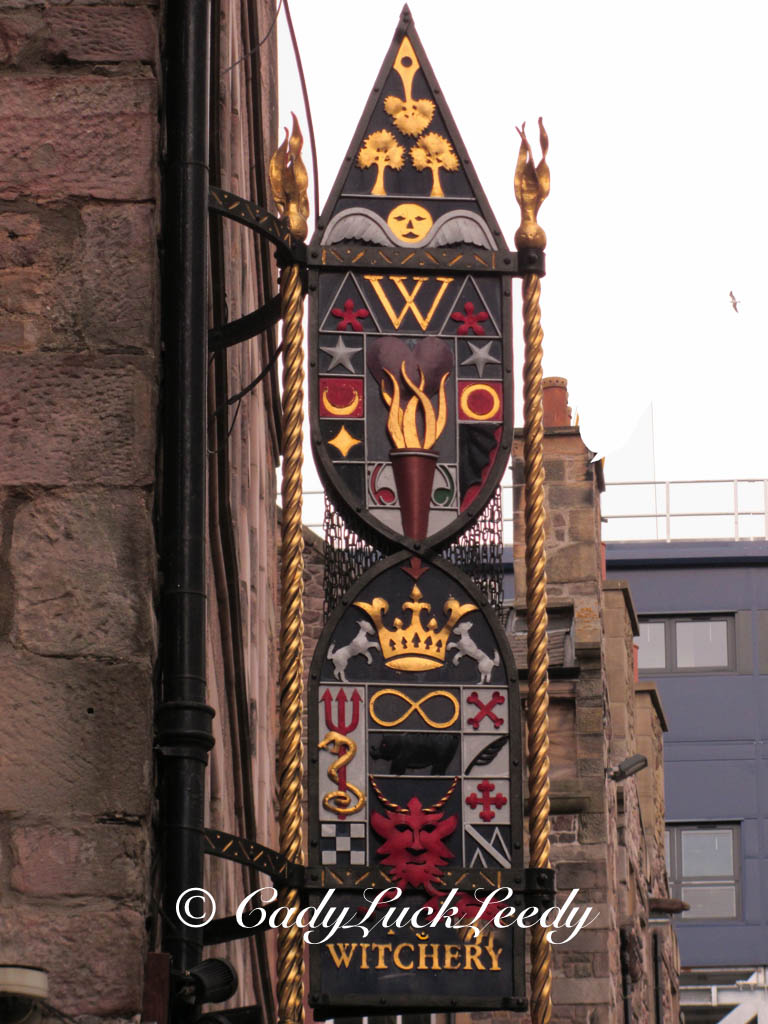
The Witchery, Edinburgh, Scotland

Gateway to Stanway House

Gateway of Stanway House

Front Entrance of Stanway House
Today we are visiting Stanway House, an outstanding example of a Jacobean manor house, owned by Tewkesbury Abbey for 800 years and then for 500 years by the Tracy family. Their descendants, the Earls of Wemyss, still live here. The manor was built with the warm soft yellow stone known as Guiting Yellow and has a stone roof and a jewel-like Gatehouse. The oldest part of the house is the gabled west end which includes the great hall, a light-filled room due to the full height bay window. Most of the furniture in the house has been here since it was made, which includes a pair of Chippendale day beds and exercise chair from 1760, many rare paintings, and two Broadway pianos. More spectacular than the house are the gardens, created in the 1720‘s by garden designer, Charles Bridgeman, who became the Royal Gardner in 1727. The garden includes fine specimen trees, broad terraced lawns with herbaceous borders, eight ponds, a brewery, and a 14th century tithe barn, now used for events and as a theatre. Through a restoration project during the last decade, the manor claims title to one of the finest water gardens in England, including the single jet fountain at 300 feet, the highest fountain in England and the highest gravity fountain in the world. Thanks to it’s location at the foot of the Cotswold Way, a 102-mile footpath from the Cotswold Edge to the Cotswold Hills, primarily from Chipping Campden to Bath, this area has been protected from many changes of the 20th century. This is what makes the Cotswolds so charming! It’s unspoiled! J.M. Barrie, author of Peter Pan, was a regular visitor to this lovely village on the Cotswold Way and stayed at the Stanway House often. I can just see Peter and Wendy flying out of the windows and over the beautiful grounds of the Stanway Manor!


Close by is Stanton, one of my favorite villages in the Cotswolds! It was hard to choose my favorite because I just loved all the villages, but arriving in Stanton on the tiny village road, too small for tourist buses to come through, we circled lanes of Cotswold cottages! The rose covered cottages flowed in a gentile sweep across the countryside of horses. There were the most unusual lamps and lamp posts here, it was just so picturesque! It is a horse lovers paradise and the B&B’s offer horse back riding and stables.


I hope you enjoyed the travels through the Cotswolds and for another look at the English countryside consider doing the Cotswold Way! For an interesting adventure into finding a cottage in the Cotswolds, follow Diz White in her book, Cotswolds Memoir; Discovering a Beautiful Region of Britain on a Quest to Buy a 17th Century Cottage. In addition to finding the cottage of her dreams it gives a personal tour of the Cotswolds with a visitor’s guide!
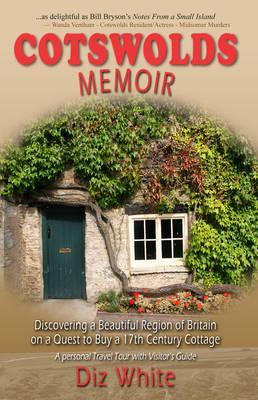
Cotswolds Memoir by Diz White
Tales, Thoughts + Tribulations of a Free Spirit in Suburbia
Travels on foot
Minding my mind, one thought at a time.
Un lungo racconto fotografico.
Featured
Photography, hiking, walking, and cycling across central Japan — from quiet mountain paths to everyday life around Nagoya.
Looking for meanings in words, images and sounds
Reflections on places traveled and photos taken.
Cruising with the Thyrre Family
Where my Travels and my Blog merge together.
The mental meandering that cross my keyboard
Website & Blog of J. Kelland Perry, Author
A photographic journey.
Photography celebrating flowers, plants, and the natural world
Roaming, at home and abroad
The Corner Garden
Photography, Travel and Retirement
Upgrade Your Travels. First Class Luxury Travel from all parts of the Globe. Business Class Airline, Lounge and Hotel Reviews, Stories and Adventures
A China travel and lifestyle blog

 The Travel Lady In Her Shoes