Travel, Gardens, Food, Photography, Books, Shoes

Posts from the ‘Books’ category

The English Garden Tour: Garden 1; The Priest House, West Hoathly, Sussex

The Priest House, West Hoathly, Sussex

The Priest House, West Hoathly, Sussex

Map of Center of Village, West Hoathly, Sussex

Map of Center of Village, West Hoathly, Sussex

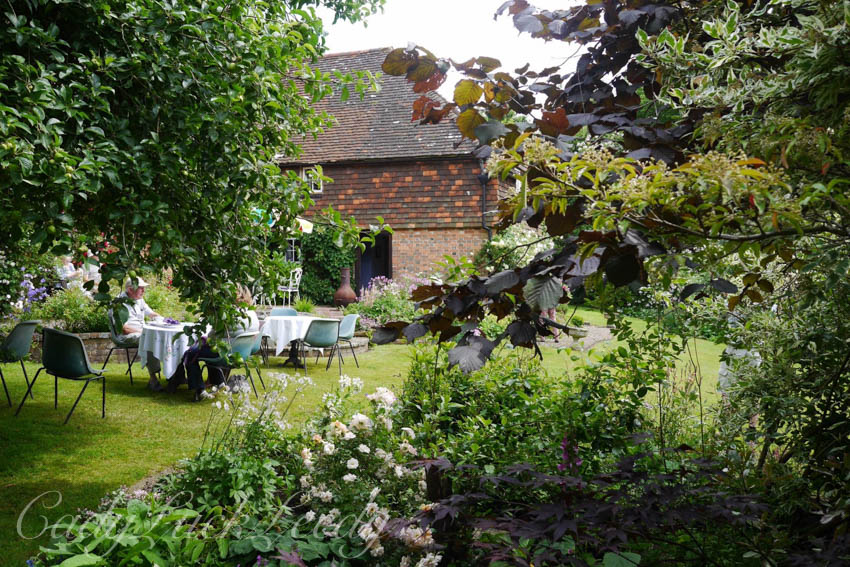
Today we traveled to West Hoathly, in Sussex, to see the first gardens that I had chosen from the many offered this weekend on the National Garden Scheme. Driving well over an hour we arrived in the center of the small village of 9 homes, including the pub. The Priest House is our first destination. The only one of its kind open to the public, this 15th century Wealden hall house stands in a traditional cottage garden on the edge of the Ashdown Forest. Originally owned by Henry VIII it was given to Anne of Cleaves, wife number four, upon their divorce. The herb garden is planted with over 170 culinary, medicinal and household herbs. Today a special exhibition for the NGS, featured on the upper floor, built in 1600, reveals pictures of local children and their place in the workforce in the 19th century. Many children, as young as five and six, were farm laborers and chimney sweeps. It was not uncommon for the chimney sweep to get stuck in the chimney and die. The Priest House is maintained by the Sussex Archaeological Society and provides rotating exhibits, research, and other learning experiences.

Walkway to the Priest House, West Hoathly, Sussex
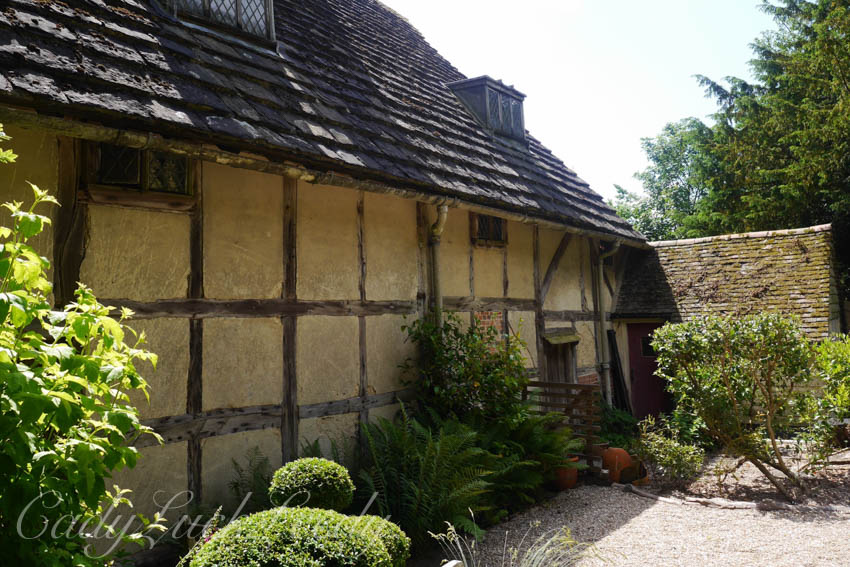
Walkway to the Priest House, West Hoathly, Sussex

The Priest House, West Hoathly, Sussex

The Priest House, West Hoathly, Sussex

The Priest House, West Hoathly, Sussex

The Priest House, West Hoathly, Sussex

The Gardens at Priest House, West Hoathly, Sussex

The Gardens at Priest House, West Hoathly, Sussex

The Gardens at Priest House, West Hoathly, Sussex

The Gardens at Priest House, West Hoathly, Sussex

The Gardens at Priest House, West Hoathly, Sussex

The Gardens at Priest House, West Hoathly, Sussex

Flowers in the Garden at Priest House, Sussex
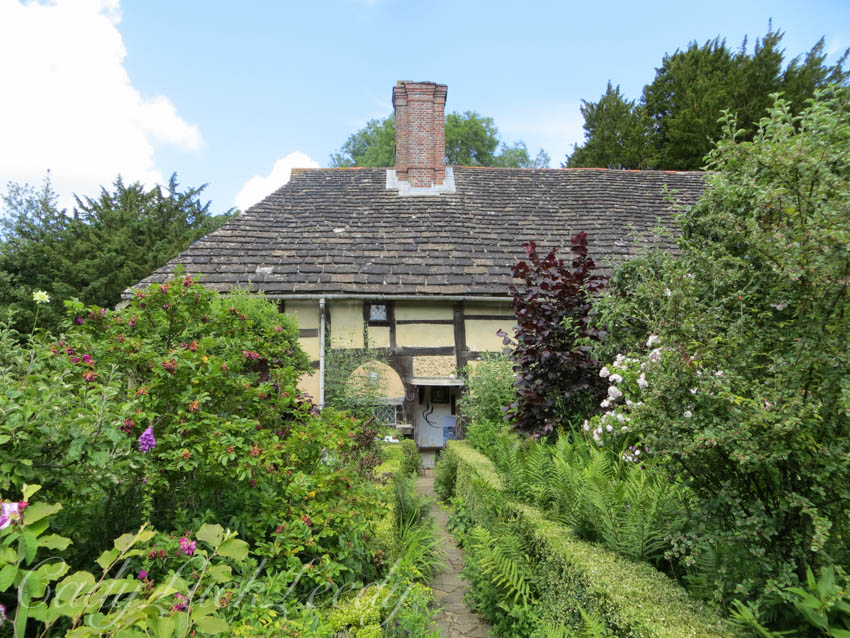
Flowers in the Garden at Priest House, Sussex

Another Garden at The Priest House, Sussex

Another Garden at The Priest House, Sussex

The Priest House, West Hoathly, Sussex

The Priest House, West Hoathly, Sussex

The Priest House, West Hoathly, Sussex

The Priest House, West Hoathly, Sussex

St Margaret’s Church, settled in 1090, records the names of the village from Hadlega, later standardized to Hodlegh, then West Hoathly. This Anglo-Saxon word signifies a heath covered clearing, or the dense woodland of the Ashdown Forest. In 1556, Ann Tree was burnt at the stake near here for refusing to renounce Protestantism, one of seventeen martyrs to suffer this fate in Sussex. A brass memorial in the church commemorates her.

St Margaret's Church, West Hoathly, Sussex

St Margaret’s Church, West Hoathly, Sussex

St Margaret's Church, West Hoathlu, Sussex

St Margaret’s Church, West Hoathly, Sussex

The Gate to St Margaret's Church, West Hoathly, Sussex

The Gate to St Margaret’s Church, West Hoathly, Sussex

The Manor House was built in 1627 for Mrs Catherine Infield of Gravetye Manor, as a dower house.  Her family was the wealthy owners of the local iron works. Later abandoned to smugglers the buildings and grounds were rejuvenated in 1884 when “the greatest English Gardener” William Robinson bought it. Upon his death it was turned over to the Forestry Commission. It now sits vacant and forlorn.
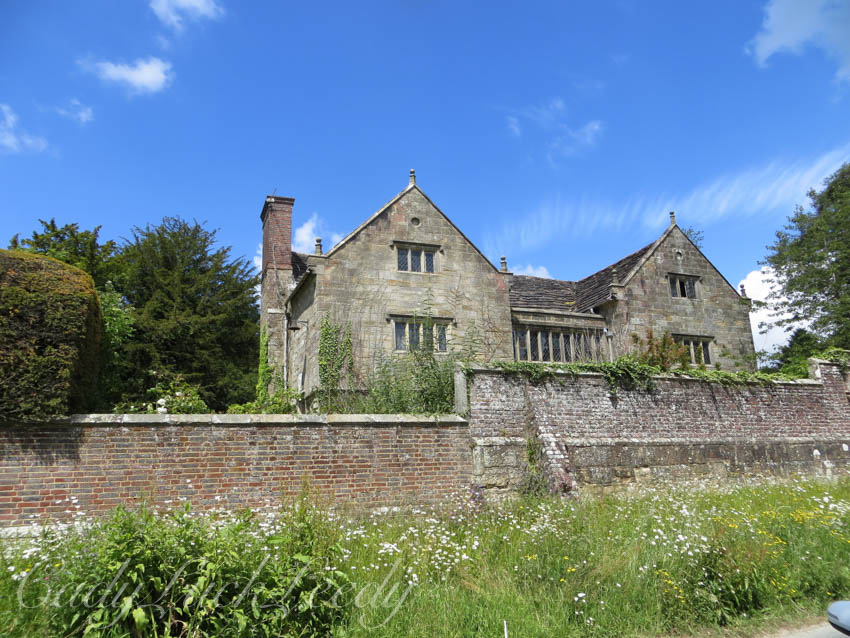
The Manor House, West Hoathly, Sussex
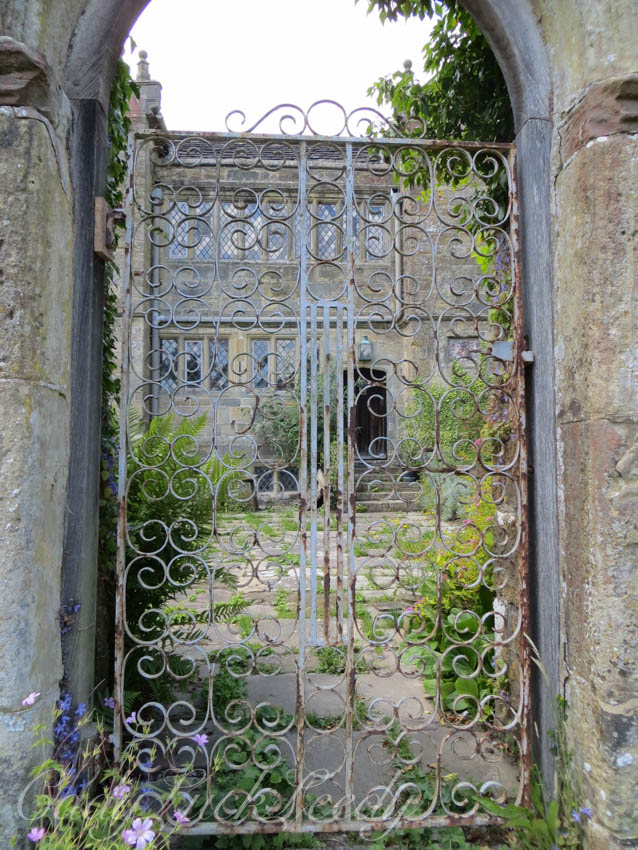
The Manor House, West Hoathly, Sussex

Looking Through the Gate to the Manor House, West Hoathly, Sussex

Looking Through the Gate to the Manor House, West Hoathly, Sussex

The Phlox and Rose Cottages are 19th century weather boarded over timber framed cottages. They were the newest houses in the village!

Rose Cottage and Phlox Cottage, West Hoathly, Sussex
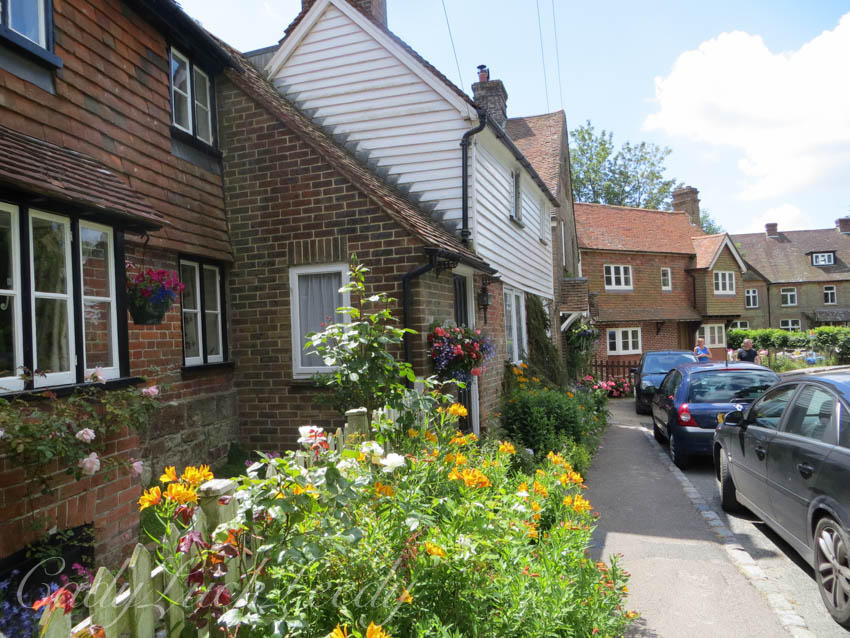
Rose Cottage and Phlox Cottage, West Hoathly, Sussex

Rose Cottage and Phlox Cottage, West Hoathly, Sussex

Rose Cottage and Phlox Cottage, West Hoathly, Sussex

The Upper Pendent is a timber framed, tile-hung 17th century home which previously housed the village stores and post office in the 19th and 20th centuries.

Upper Pendent, west Hoathly, Sussex

Upper Pendent, West Hoathly, Sussex

The Cat Inn is the 16th century pub of medieval origin standing in the crossroads of the village. The name is derived from an emblem of the Sackvilles of Knole, which is a leopard. We will be learning  a lot about the Sackvilles, a very prominent family in Kent. This is the pub I had picked to stop in for lunch after touring the village. It was highly recommended by the locals also. We sat in the lovely terrace and had a most agreeable meal. Now on to the next garden in the “burbs” of West Hoathly.
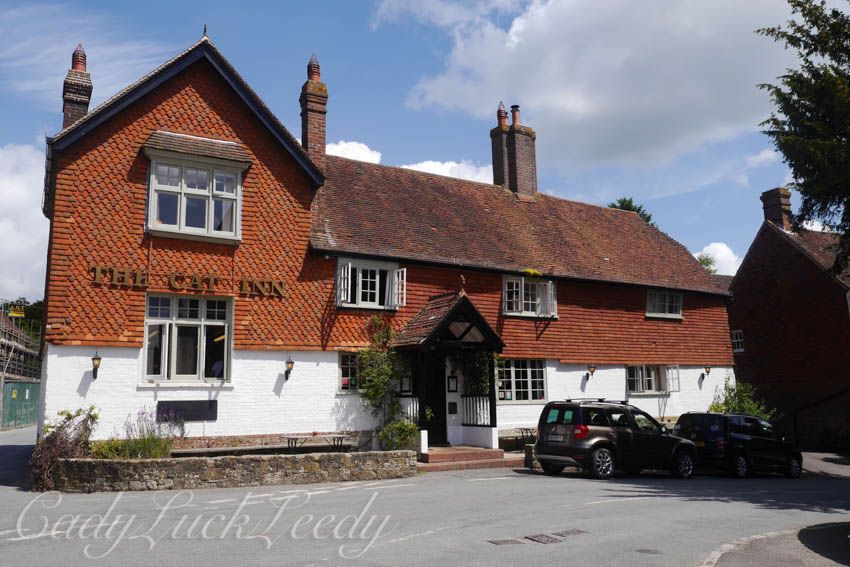
The Cat Inn, West Hoathly, Sussex

The Cat Inn, West Hoathly, Sussex

A Great Ride Awaits at the cat Inn, West Hoathly, Sussex

A Great Ride Awaits at the Cat Inn, West Hoathly, Sussex

P S For a good read about the wives of Henry VIII, I  suggest, Six Wives of Henry VIII by Alison Weir. The author draws on early biographies, letters, memoirs, account books, and diplomatic reports to bring each woman to life.  Very interesting!

An Adventure in Gardens, the Weald of Kent

A Garden in Kent UK

A Garden in Kent UK

Of all the delectable islands, the Neverland is the snuggest & most compact…… not large and sprawling, you know, with tedious distance between one adventure & another, but nicely crammed. 

J. M. Barrie, author of Peter Pan.

The Yellow Flowers

The Yellow Flowers

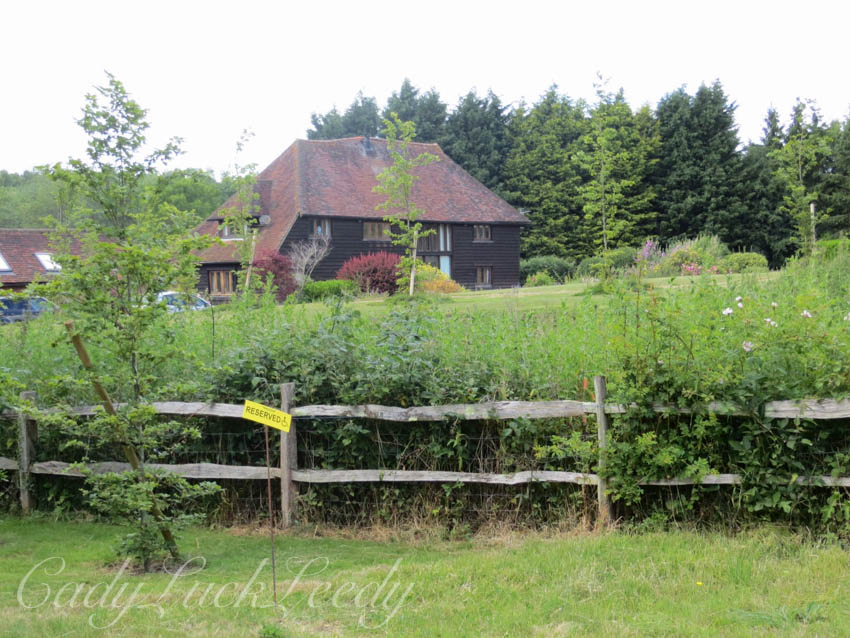
When it comes to gardens I like nothing better than to stroll, admire the collections of beautiful flowers, and imagine the inhabitants of the house and how they like to garden. I especially like the messy, scattered garden with vines dripping over the garden gate, and paths that invite you to explore. It’s even better if there is a flower box of riotous color haphazardly framing the window ledges of the small cottage, nestled in the garden, as if just plunked in, as an after thought. Pieces of art and sculpture placed in a specific spot draw your eye and add to the charm of the garden. I have just returned from several weeks in the United Kingdom, specifically in Kent and Sussex, traipsing through local gardens and visiting magnificent estate homes with acres and acres of gardens. Whew!  We lodged in a barn in the middle of the weald, down a mile-long gravel road, wide enough for one car at a time, passing by the field of rabbit warrens and watching for the hop of a bunny on our daily treks into the countryside.

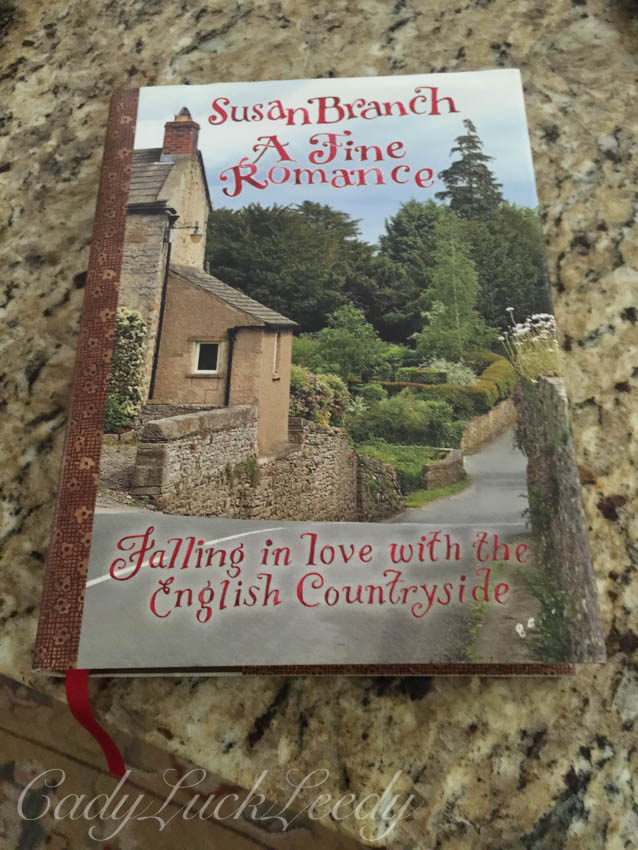
Planning our adventure was one of the fun “bits.” I love the “planning” part! Where to go, what to see? One thing leads to another. First, I looked for places I knew would be of interest. What about the Chelsea Flower Show? No, too crowded and I wanted more rural. Hever Castle during Rose Week? Closer, but not quite right. Then I read a wonderful book, called A Fine Romance, by Susan Branch. It’s about falling in love with the English countryside and her adventures when visiting England.

A Fine Romance

A Fine Romance

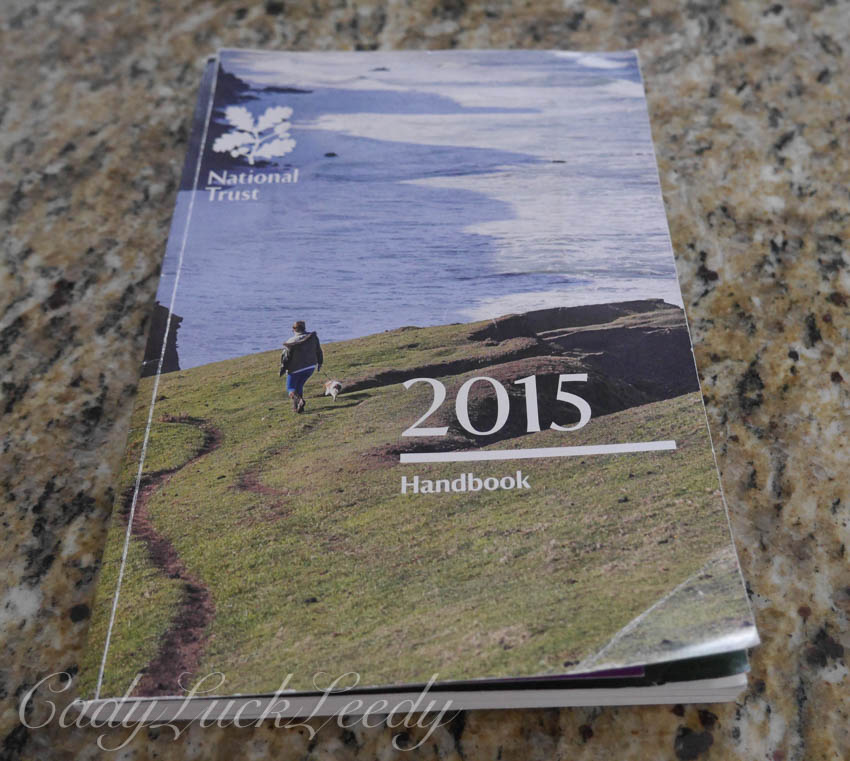
I loved it and the more I read the more I was drawn to Kent  and the village of Tenterden. So, I set out to learn all about Kent and especially Tenterden. I also learned more about the National Trust.  The National Trust, since 1895, has been preserving the countryside and hundreds of historic properties in England, Wales, and Northern Ireland. I first heard of it when reading all about Beatrix Potter and her home in the Lake District, which was left to the National Trust. The properties restored include huge estates to the small and quirky. Just right up my alley. So our first priority was to join the National Trust, (it’s called the “Royal Oak Society “ in the U.S ) which allowed us to receive a handbook with maps of all the places to visit with the National Trust and a pass to get in all of them for a year and a pass for parking at the different locations.

National Trust Book

National Trust Book 2015

What a must this is!  You don’t realize all the places available to visit until to see them on the maps! So that was a reference point to start with. Where could we set up our “base camp” closest to the sites we wanted to see? Well it still remained Tenterden for us. Then I heard about the National Garden Scheme. What in the world was that? Had to research it before final decisions were made!

The National Garden Scheme was founded in 1927 to open “gardens of quality, character and interest to the public for charity.”  Originally the admission fees raised money for district nurses. This was changed in 1948 with the formation of the National Health Service. The National Gardens Scheme has given more than 43 million pounds to nursing and care facilities since the time it opened. Since I am a retired RN this was near and dear to my heart.  These are “local” gardeners and their gardens. No big estates, (but some seemed to me like they were!) One woman I was chatting with on our walk through a local garden invited me to her garden, as well, which was not on the list, but exclaimed, “it’s only 12 acres, of course.”  So as you can imagine, we visited the “potager,” snuggled behind the small cottage, to large landscaped gardens with “rooms” of flowering blooms. All gardeners were proud of their gardens, more than willing to tell you about them and happy that they were able to do their “bit.”

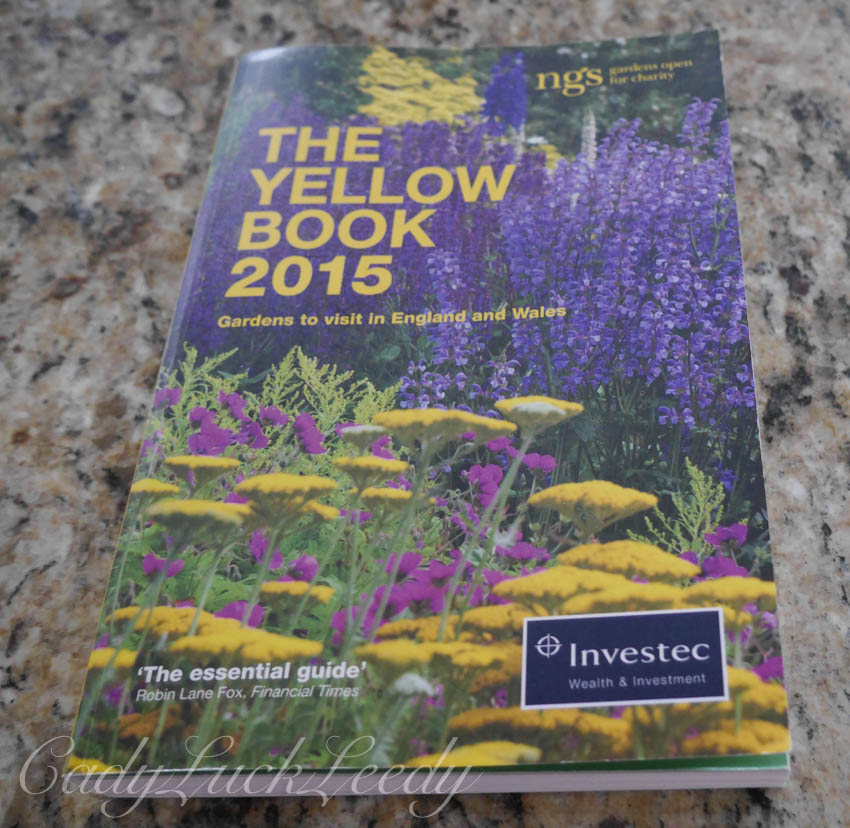
In 2013 there were over 3700 gardens open, which were all vetted to make sure they are all of sufficient interest. Each gardener opens his garden (usually on a weekend), one or two days during the year. I was so excited! But, it takes some planning! “The National Garden Schemes, “Yellow Book”,” can be purchased each year, which lists all the gardens and when they will be open.
The Yellow Book 2015

The Yellow Book 2015

Maps, directions, type of garden, and particular interest are included. We were really in the thick of the countryside when directions would reveal, “just go down the gravel road for a mile and then when you get to the yellow mailbox turn right on that gravel road and proceed on to the canal road and windmill place. Light refreshments offered.”

The Countryside Garden

The Countryside Garden

In the Garden

Tea In the Garden

This as going to be one of our best adventures! So after months of looking up gardens and coordinating them with places on the National Trust we were ready to make our way to the “Garden of England,” Kent. We were about to set off on a gardener’s dream! See you tomorrow on our way to the garden!

Magical Cesky Krumlov, in the Czech Republic

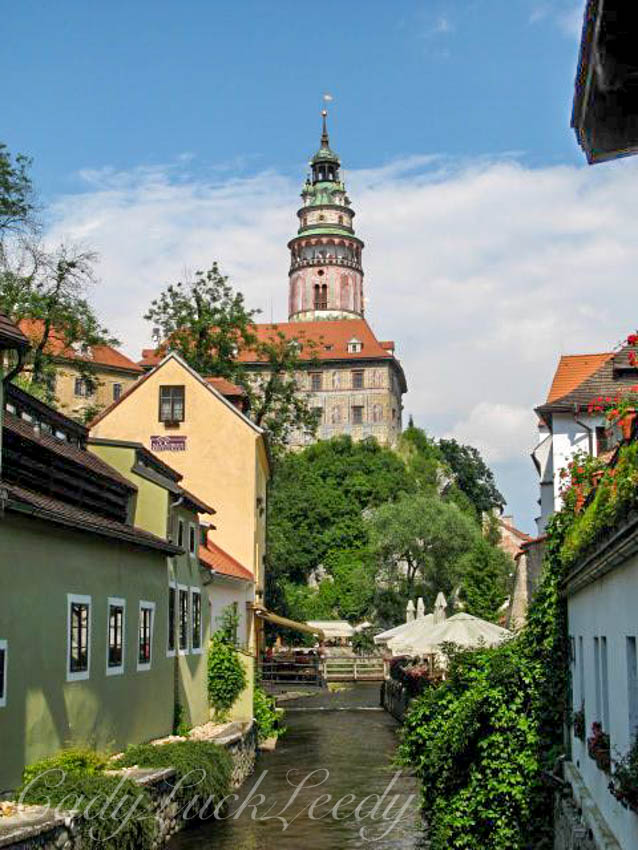
The Village of Cesky Krumlov, the Czech Republic

The Village of Cesky Krumlov, the Czech Republic

If you take just one tour from Prague I hope it is to Cesky Krumlov!  You won’t be disappointed! Our tour was booked through our hotel in Prague, more on that when I talk about our stay there! In order to see the castle and theater in Krumlov, you must be with a guide. The castle’s theatre is fabulous! I have seen many theaters, but the artwork on the walls of this theater are my favorite of all of them!  Europe once had several hundred baroque theaters, using candles for light and fireworks for special effects.  Most of them burned down. Today only two survive in good shape and are open to tourists; one at Stockholm’s Drottingholm Palace and one here. Sitting on wooden benches in the theater, we study the hundreds of happy villagers, who are painted on the walls. Everywhere you look, in every nook and cranny, there is a small tabloid! Later we visit under the stage to see the wood-and-rope contraptions that allowed the scenes to be moved about in seconds, while the audience was blinded by smoke or fireworks. Sadly, no pictures are allowed inside, but trust me when I say you will love it!

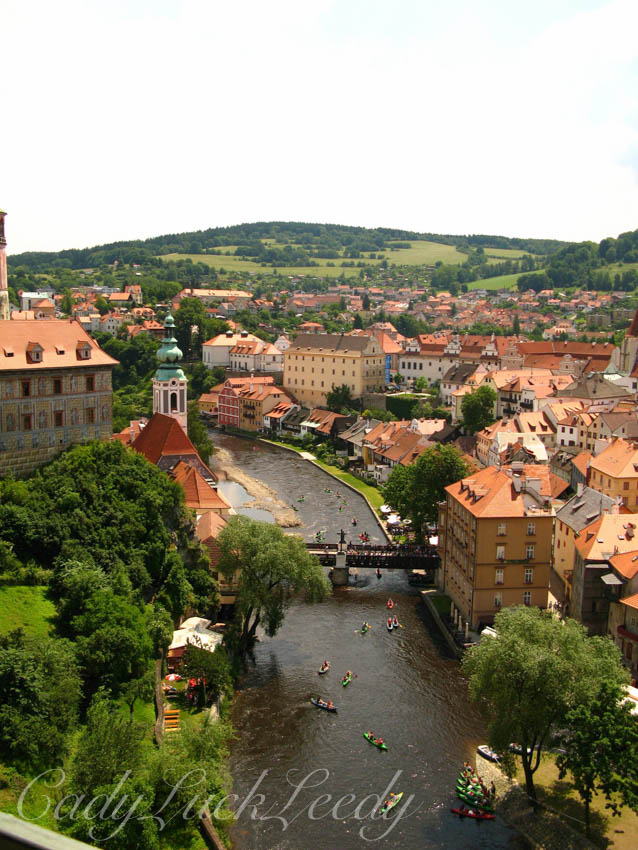
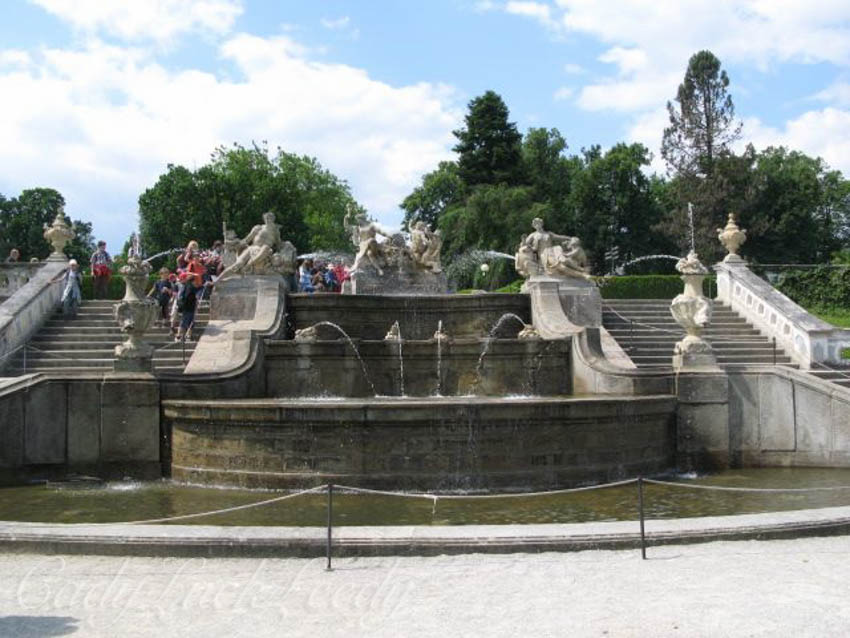
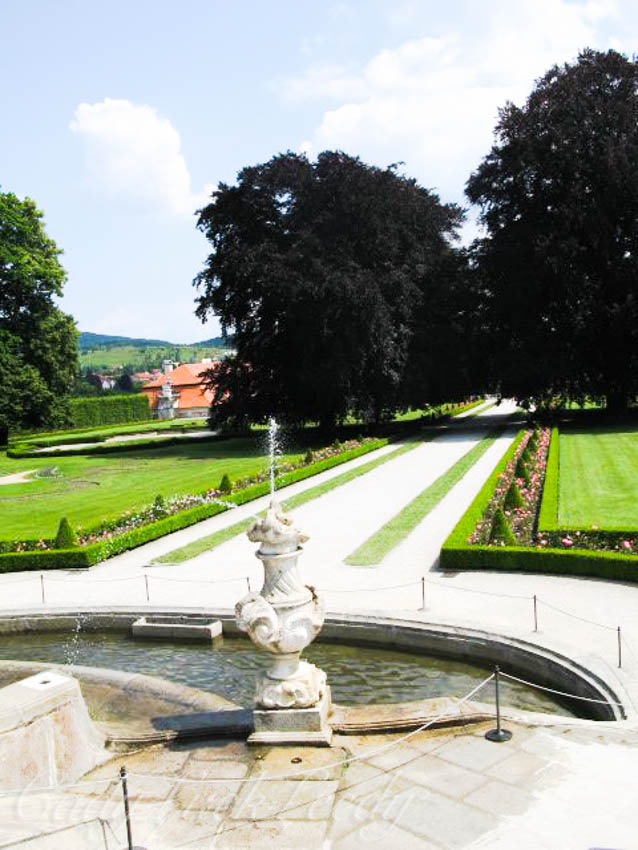
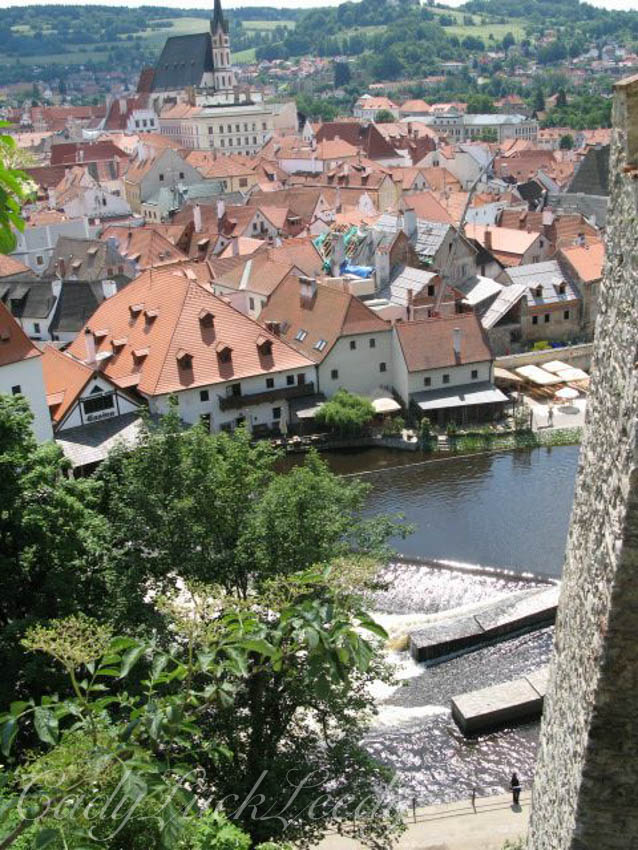
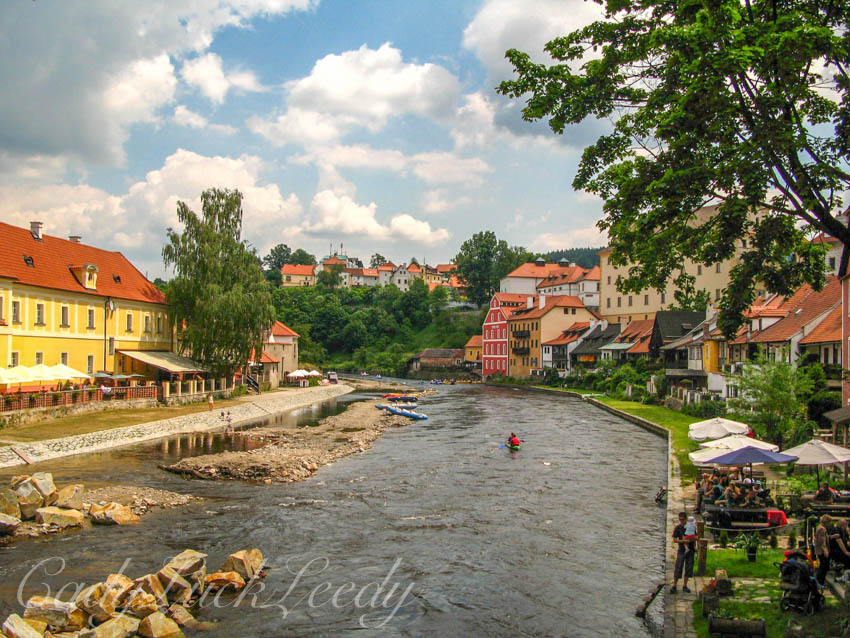
Cesky Krumlov is a magical village situated on the twisty Vltava River which makes a perfect S through town. Above the Old Town is the Castle Town. The one main street winds through town and over a bridge before snaking through the Castle Town, the Castle Complex of courtyards, and up to the Castle Gardens above the town. The castle is complete with moat, drawbridge and bear pits which still house two brown bears.  Tip: If you go with a tour group from Prague, the bus drops you off at the parking lot above town at the castle gardens, and you walk down hill rather than trudging up! Later that day the bus picked us up in town, to take us back to Prague. So easy! We’re starting at the Castle Gardens at the top of town! Let’s go!

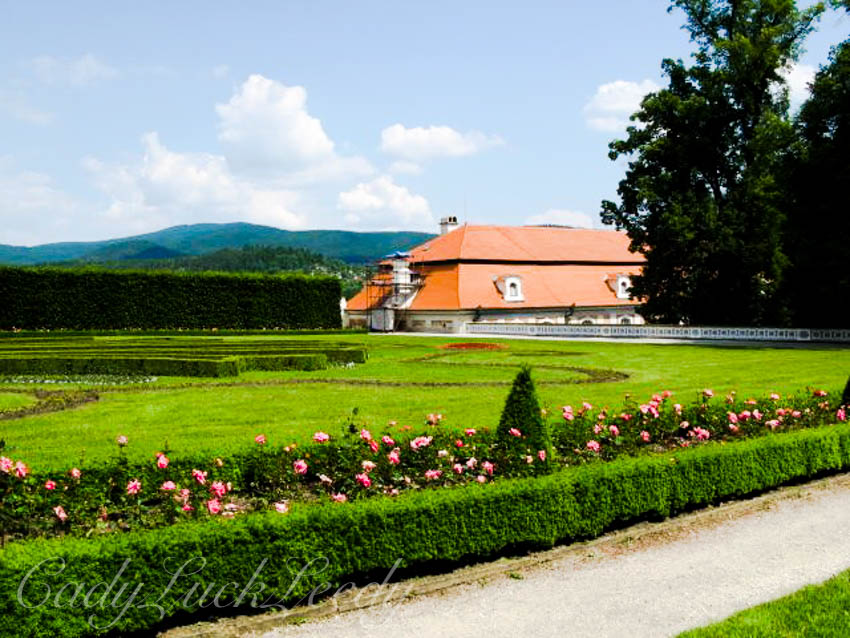
The Castle Gardens of Cesky Krumlov, the Czech Republic

The Castle Gardens of Cesky Krumlov, the Czech Republic

The Castle Gardens of Cesky Krumlov, the Czech Republic

The Castle Gardens of Cesky Krumlov, the Czech Republic

The Castle Gardens of Cesky Krumlov, the Czech Republic

The Castle Gardens of Cesky Krumlov, the Czech Republic

The Castle Gardens of Cesky Krumlov, the Czech Republic

The Castle Gardens of Cesky Krumlov Looking at the Brewery, the Czech Republic

The Krumlov Castle, Casky Krumlov, the Czech Republic

The Krumlov Castle, Casky Krumlov, the Czech Republic

The Krumlov Castle, Casky Krumlov, the Czech Republic

The Krumlov Castle, Casky Krumlov, the Czech Republic

The Krumlov Castle, Casky Krumlov, the Czech Republic

The Krumlov Castle, Casky Krumlov, the Czech Republic

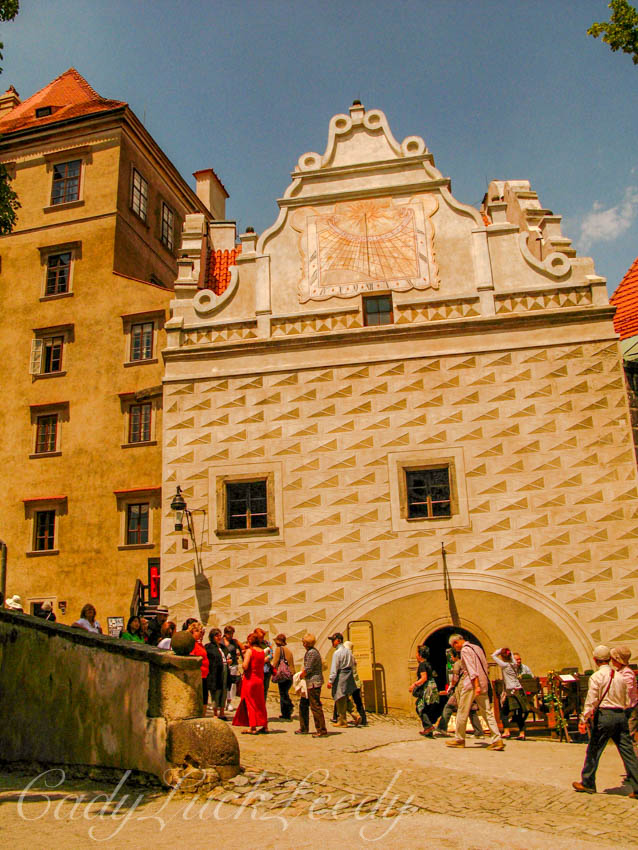
The castle wall bricks are not really bricks! These look-a-likes are painted on!  Very impressive! They look real! There were a lot of walls to paint!

The Krumlov Castle, Casky Krumlov, the Czech Republic

The Krumlov Castle, Casky Krumlov, the Czech Republic

The Krumlov Castle of Cesky Krumlov, the Czech Republic

The Krumlov Castle of Cesky Krumlov, the Czech Republic

The town and castle construction began in the late 13th century at the ford in the Vltava River, which was important to trade routes in Bohemia. In 1302 the town and castle were owned by the House of Rosenberg. Due to heavy gambling debts, the town and castle were sold out of the family in 1602 to Emperor Rudolf II, who placed his mad son, Julius d’Austria, in the castle at Krumlov, because he was causing so much terror at home. For an extremely good read about this mad prince and the Castle Krumlov read, The Bloodletter’s Daughter ( A Novel of Old Bohemia), by Linda Lafferty. Bloodletting at that time seemed to be the answer to all woes, draining the bad spirits from the body to make it better. The poor bloodletter’s daughter soon found herself as the caretaker for the mad prince. Intriguing read!

A View of Cesky Krumlov, the Czech Republic

A View of Cesky Krumlov from the Castle, the Czech Republic

The Bears! Castle Krumlov, the Czech Republic

The Bears in the Bear Pit! Castle Krumlov, the Czech Republic

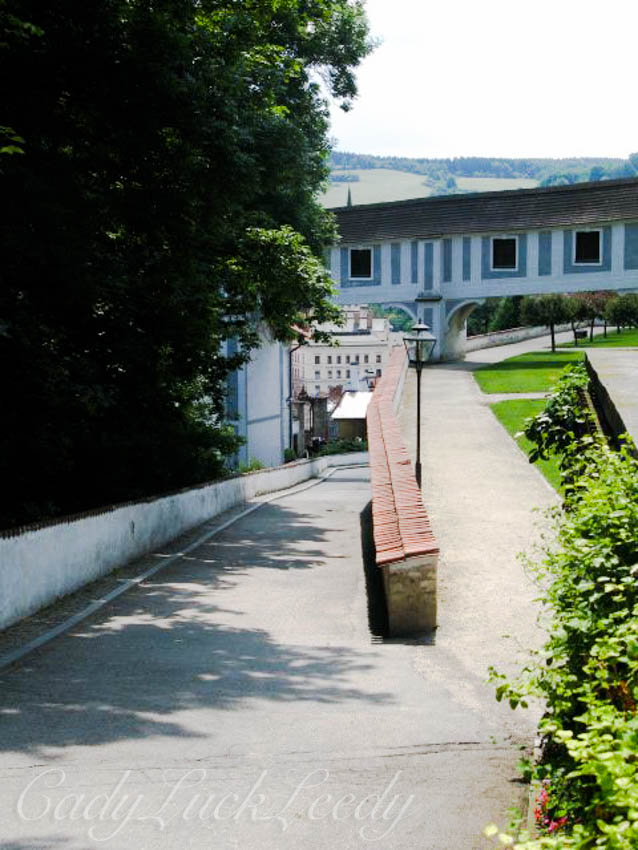
Zigzagging Under Parts of the Castle Krumlov's Raised Walkways

Zigzagging Down the Hill Under Parts of  Castle Krumlov’s Raised Walkways

Walking Under Parts of the Castle Krumlov's Raised Walkways

Walking Under Parts of the Castle Krumlov’s Raised Walkways

The Overhead Walkways at Castle Krumlov

The Overhead Walkways at Castle Krumlov

The Round Tower, Castle Krumlov, the Czech Republic

The Round Tower, Castle Krumlov, the Czech Republic

The colorful Round Tower marks the location of the first castle, built here to guard the river crossing. With the 16th century paint scheme carefully restored, it looks exotic, featuring astrological decor, terra-cotta symbols of the zodiac, and a fine arcade.

The Round Tower, Castle Krumlov, the Czech Republic

The Round Tower, Castle Krumlov, the Czech Republic

The Round Tower, Castle Krumlov, the Czech Republic

The Round Tower, Castle Krumlov, the Czech Republic

The Round Tower, Castle Krumlov, the Czech Republic

The Round Tower from Above at the Castle, Castle Krumlov, the Czech Republic

The Round Tower, Cesky Krumlov, the Czech Republic

The Round Tower, Cesky Krumlov, the Czech Republic

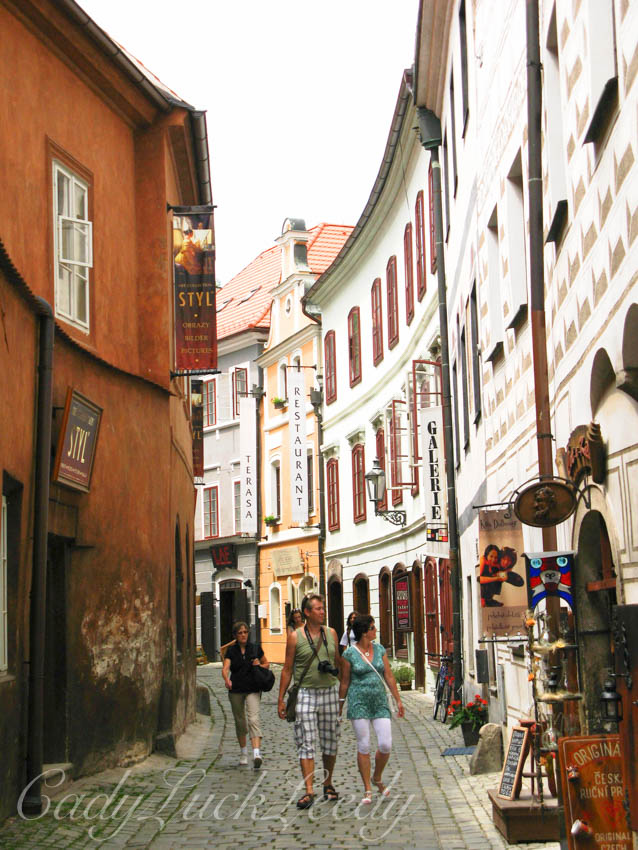
Main Street, Cesky Krumlov, the Czech Republic

Main Street, Cesky Krumlov, the Czech Republic

The View of the Round Tower from Main Street, Cesky Krumlov, the Czech Republic

The View of the Round Tower from Main Street, Cesky Krumlov, the Czech Republic

A View of Cesky Krumlov, the Czech Republic

Rafting down the Vltava River, the Czech Republic

River rafts or a hard plastic canoe can be rented for a quick 30-minute spin around the village. Or you can go on a 3-hour float and paddle through the bohemian forests and villages of the nearby countryside. Check out the Pujcovna Lodi Malecek Boat Rental. What fun this is!

A View of Cesky Krumlov, the Czech Republic

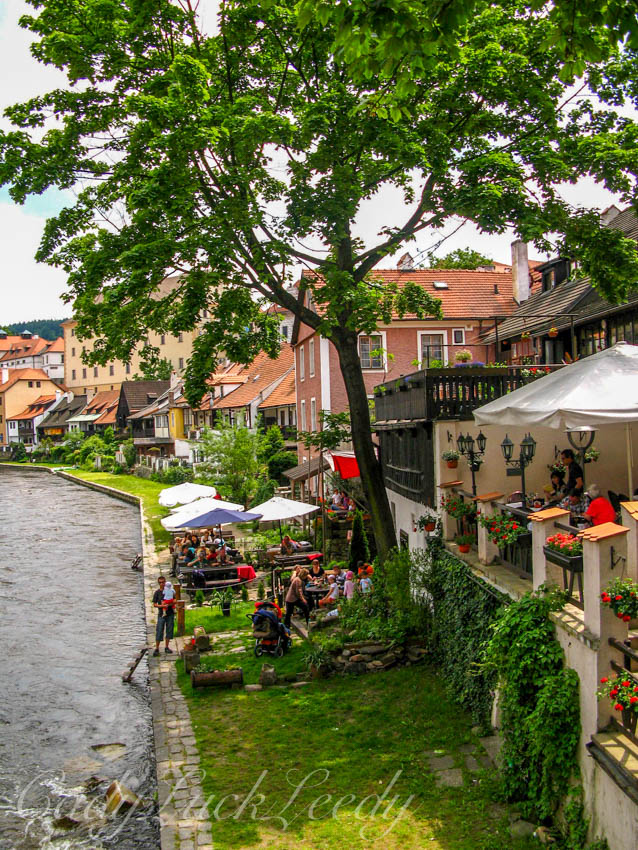
Along the Vltava River of Cesky Krumlov, the Czech Republic

Town Square, Cesky Krumlov

Town Square, Cesky Krumlov

Park In Town With Great Views of Cesky Krumlov

Park In Town With Great Views of Cesky Krumlov

Krema v Satlavske Restaurant, Cesky Krumlov

Krema v Satlavske Restaurant, Cesky Krumlov

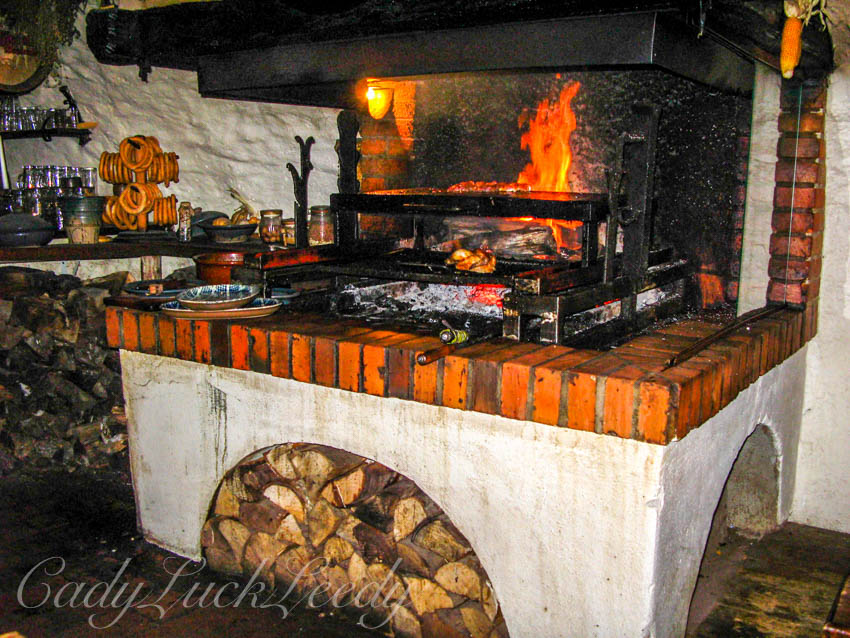
Eating in Krumlof was a treat at Krema v Satlavske, an old prison with an open fire, and big wooden tables under an open medieval vault, serving grilled meats and beer!  We had a great time and great food!

Krema v Satlavske Restaurant, Cesky Krumlov

Krema v Satlavske Restaurant, Cesky Krumlov

Krema v Satlavske Restaurant, Cesky Krumlov

Krema v Satlavske Restaurant, Cesky Krumlov

I hope you enjoyed our day out in Cesky Krumlov! Krumlov hosts a number of festivals including the Five-Petalled Rose Festival,  (the name derived from the Rosenberg family crest of the five petal red rose) celebrated on the weekend of the summer solstice in June. The International Music Festival, Cesky Krumlov is another festival with international music from varied genres. The festival begins in July and ends in August. What a great way to celebrate summer!

A View of Cesky Krumlov, the Czech Republic

A  Last Look at Cesky Krumlov, the Czech Republic

Photography 101: Day 7, Landmark

My Teddy Bear, Winnie

My Teddy Bears

Landmark: a very important event or achievement. Have you ever wondered why teddy bears are left at memorials by grieving mourners? I have. I think we repeat gestures that we no longer know the meaning of or never knew the meaning of, we just follow tradition. It gives us comfort and is meant to give comfort to others.

As many of you know, I have been studying a free online course with FutureLearn called WWI, Trauma and Memory. Although the war was very grim and the aftermath devastating for many men and their families, there have been enlightening moments as well. So, today on Veteran’s Day I am going to share a positive story. For many children I am sure it is a landmark event. This story is about Harry Colebourn, a veterinarian from Winnipeg, Canada.

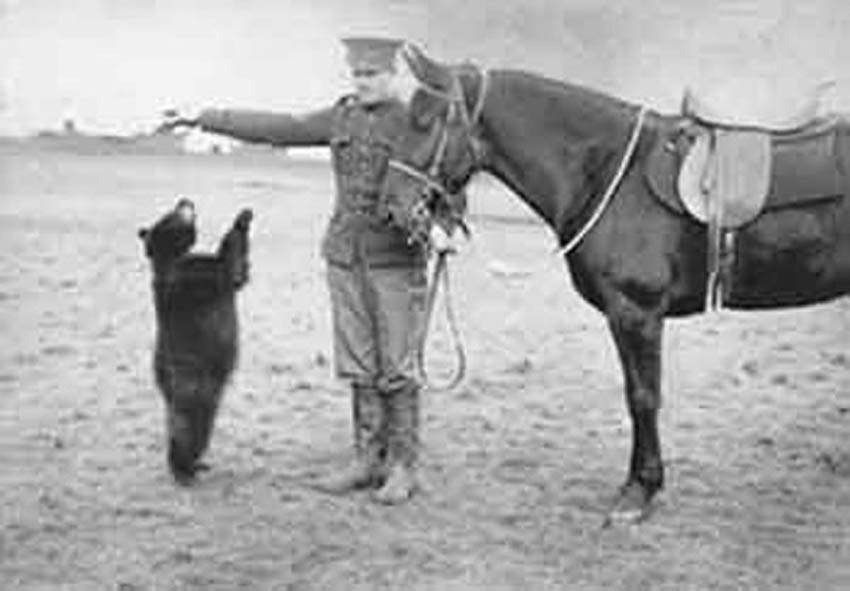
Harry Colebourn, enlisted in the Canadian Army as a surgical veterinarian and soon was shipped out to Valcartier, Quebec, the mobilization point for 35,000 volunteer troops. He was with the Fort Garry Horse, the 34th Regiment of Cavalry, and would be taking care of the horses, an amazing feat in itself.  Along the way the train stopped for supplies, and Harry got off and noticed a chained small black bear near the tracks.  A hunter, who had killed the cub’s mother was trying to sell it.  Harry paid twenty dollars for the cub and got back on the train with it. He named his new best friend, Winnie, after his hometown, Winnipeg. When Harry reached Valcartier,  he trained Winnie, in his spare time, how to play and be gentle, with treats of condensed milk and lots and lots of apples.

Harry With Winnie, Picture Courtesy Colbourn Collection

Harry With Winnie, Picture Courtesy Colbourn Collection

Harry With Winnie, Picture Courtesy Colbourn Collection

Harry With Winnie, Picture Courtesy Colbourn Collection

Winnie soon found she had many soldier friends to play with and she was made the mascot for the regiment. The men were very fond of Winnie and wrote to family and friends about her and sent pictures too.  Before long the regiment shipped out (literally) to Salisbury Plains, Britain, where all of Britain and her colonies were trained for war. Winnie went with the men. When orders arrived for Harry to go to the front lines he knew this was not a place for Winnie to go and sadly left her at the London Zoo, on the condition he could return after the war and take her back to Canada. On his rest and recuperation from the madness of the war, Harry always went back to the zoo to visit Winnie, who was doing quite well. The keepers were amazed at Winnie’s gentleness, which they predicted could not last. But, it did and Winnie became a star with the children, who visited her at the zoo. She was so gentle, the children were allowed to touch her and feed her. One of the children enthralled with Winnie, was Christopher Robin Milne, the son of A. A. Milne. After the war Harry Colebourn, realizing the children adored Winnie and with Winnie thriving, decided it was best to leave her at the zoo and went back to Canada, where he practiced veterinarian medicine for the rest of his life.  A. A. Milne, inspired by Winnie’s gentleness and comfort, went on to write the Winnie the Pooh books, so beloved by children and children at heart.

Pooh in an Illustration by E. H. Shepard.

Pooh in an Illustration by E. H. Shepard.

The first Winnie the Pooh story was published in the London newspaper The Evening News on December 24, 1925. It has been suggested this may be one of the reasons that teddy bears are left at memorials. Winnie brought so much comfort to soldiers during a trial of death, horror and despair and then went on to bring comfort and love to children all over the world.

Winnie the Pooh Monument, Winnipeg, Canada

Winnie the Pooh Monument, Winnipeg, Canada

For the anniversary of WWI, Ryerson University has put together a collection by the Colebourn family titled, Remembering the Real Winnie: The World’s Most Famous Bear Turns 100.  They have graciously shared the archives and collection online for those of us who can not travel to Toronto, Canada for the exhibit. It is a must see and will make your day! Enjoy!

Can I Really Leave Venice Without Getting in a Gondola?

My Ride is Here!

My Ride is Here!

Everyday SB and I  walked along the sidewalk to the large area of gondolas moored in front of the Hard Rock Cafe. There was always a snaking line of excited tourists waiting for the black shiny boats, cameras ready, clicking away, while the gondolier decided who would ride in what boat. I studied the approach to the gondola like an eagle. Walk down the wide, but short, steps to the gondola. Safe. Take the hand of the sidewalk gondolier. Safe. Place one foot in the gondola and take a little leap. Scary. Release hand of sidewalk gondolier. Scary. Walk carefully to the spot you want to sit in. Most scary. Sit. Next person!

I am not good in rowboats or kayaks. I tip them over. I fall out. I can’t get back in when I do fall out. I have been known to get my feet stuck in the mud and not be able to move after falling out of a kayak in shallow water.  An eighty something woman came to assist me for God’s sake! But, I want to ride in one of those gondolas! I have studied them daily for over a week. I can do this! But, let’s do it at night after 6pm when the crowds are gone and no one can see my anxiety or if I actually fall into the canal!

My evening arrives.

I walk down the steps. Good so far! I take the hand of the gondolier as SB tells him how long a ride we want. Good so far! I clutch the camera and leap. Oh, I didn’t fall!!!!!! Terrific! I walk gingerly to my seat and take a deep breath. I am over joyed! I settle in to enjoy and experience the view from the gondola! Won’t you join me at gondola level?

On Our Way!

On Our Way!

Smooth Ride Past the Eateries!

Smooth Ride Past the Eateries!

Swoosh, Swoosh, Slide

Swoosh, Swoosh, Slide

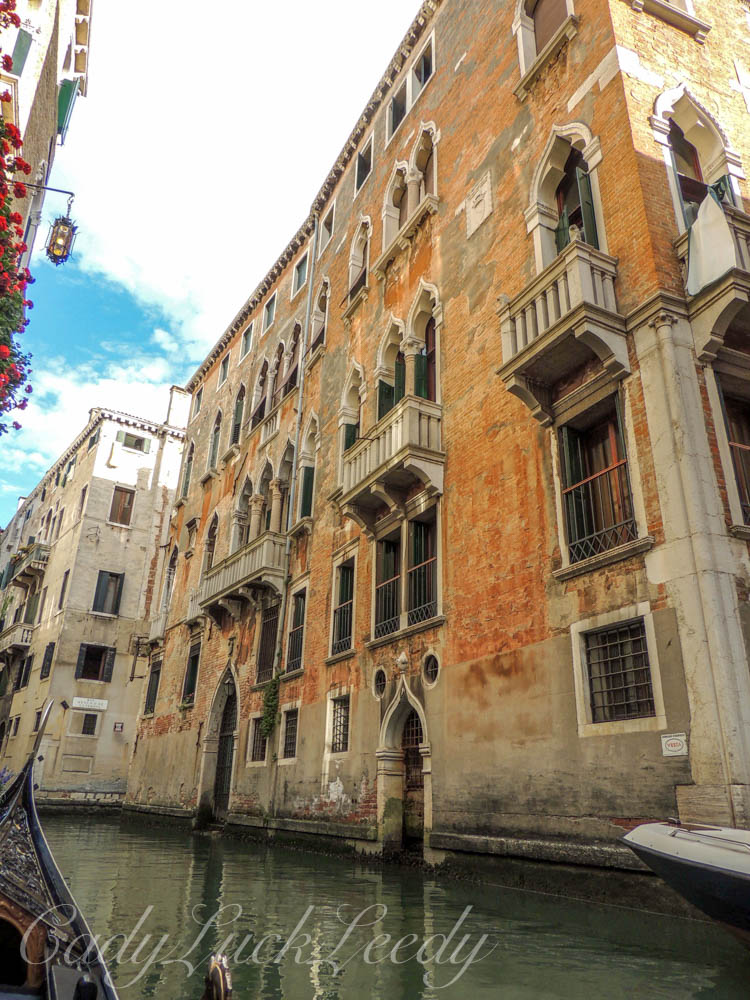
Oh, how I loved riding in that gondola! At the corners of buildings there was shouting from other gondoliers so we wouldn’t all get to the same spot at once. I could look up at the windows of the casa and imagine mama in her black crepe dress and rolled down stockings, sitting down in the candlelit dining room to a dinner of pasta de mer, wine, and bread.  Of course, she was waiting on and fussing over her son, because he still lived with her at 40.

The Softest of Color Everywhere!

Is Mama up There?

How About Here?

How About Here?

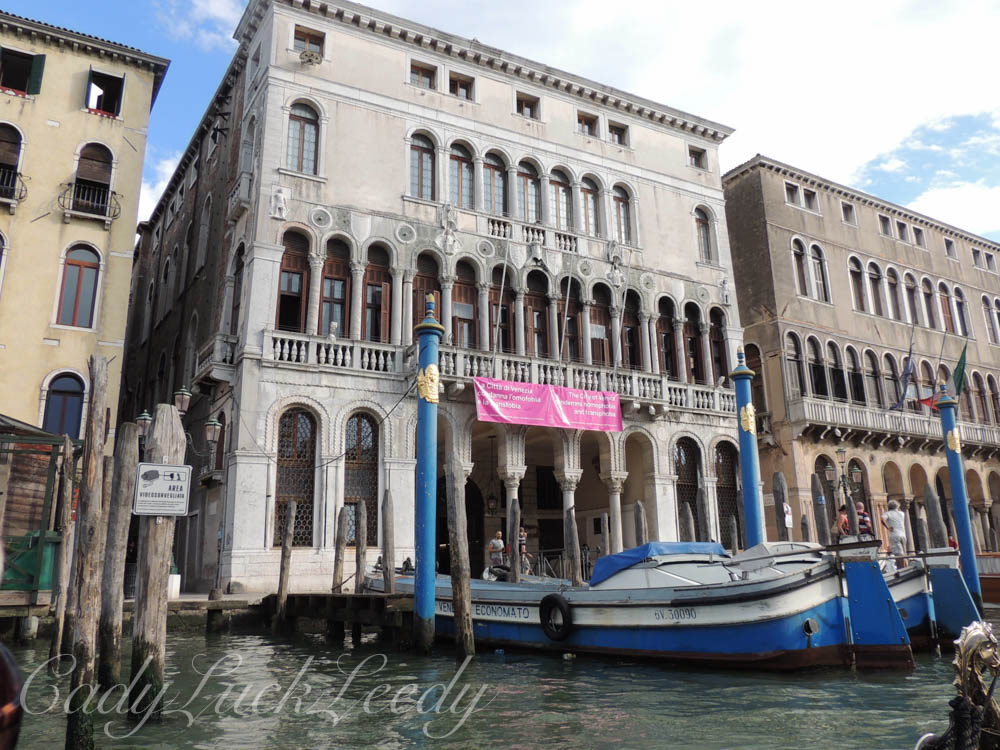
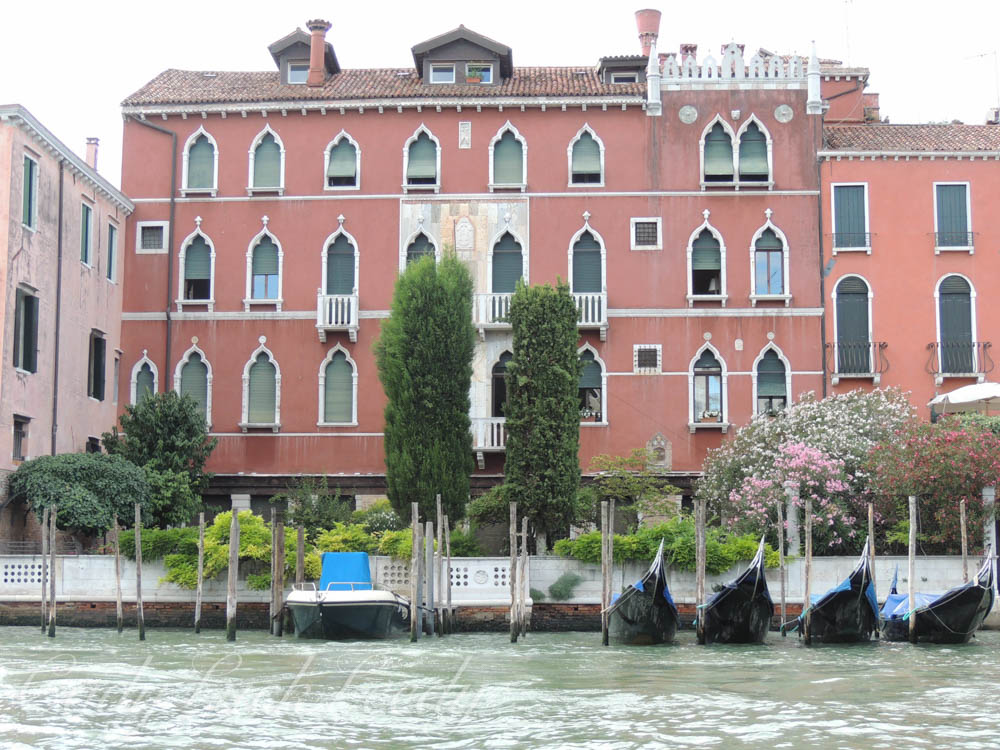
We rounded the bend and made the pass through the Grande Canal and I marveled at the muted, soft colors that kissed the buildings goodnight and tucked them in as the sun began to sink. I was relaxed and thought this possibly one of the most romantic trysts.

Out into the Grand Canal!

Out into the Grand Canal!

Duck Tails in a Row

Duck Tails in a Row

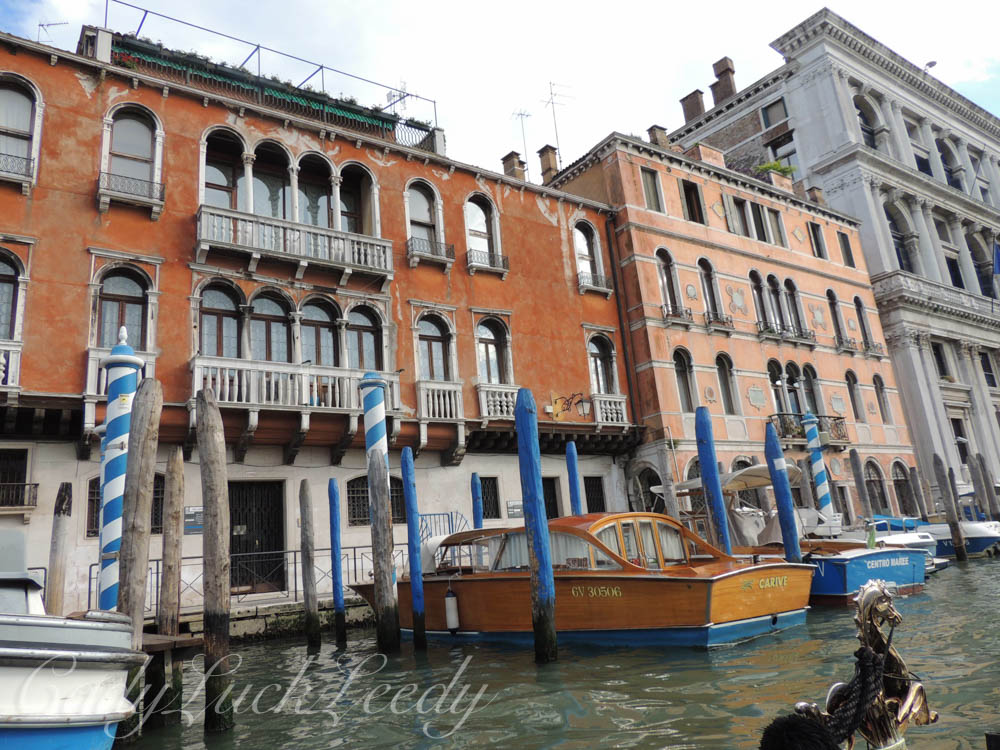
So Much Color!

So Much Color!

The Fancy Gardens at Canal Level!

The Fancy Gardens at Canal Level!

The Courthouse!

The Courthouse!

The Vaporatto Bringing Tourists to Venice

The Vaporatto Taking Tourists to Venice

And then it was time to get out of the boat. The gondolier pulled up to a different set of stairs. Why weren’t we at the place we started from; the nice easy low steps? I looked at the sidewalk gondolier and he looked at me. Oh dear, he didn’t look very sturdy! I stood up and walked to the end of the gondola. Good. I placed one foot on the steep step and one hand in the gondolier’s outstretched one. Good. The gondola slipped away from the docking area and I was doing the splits, one leg on land, the other in the boat! Oh, Oh, Oooooooh!!!!!!  The boat gondolier was frantically trying to get the boat back to the dock. Oh, Ooooooh, Oh! SB was trying to shove my fanny up to the landing.  Ooooooh, Oh, Oh! The sidewalk gondolier was holding on to me for dear life! Oooooooooh! Suddenly, another body grabbed my free arm and whipped me to the pavement! Oh, I could have cried!  I tried not to get hysterical! I laughed trying not to cause more of a scene than I already had.  Another gondolier saw my predicament and had rushed to rescue me. I had no idea where he came from. He wasn’t there when we docked. “You can swim right? No problem!” he laughed.  “Yes, no problem,” I repeated.

So ended my adventure on the canals of Venice, I thought.

On the last evening of our stay the concierge, at Locanda Orseolo, asked if we would mind sharing a boat taxi with another couple, who were leaving the next morning as we were. We didn’t have any problem with that and the next morning there was the couple we had seen several times in the breakfast room. I had watched them in disbelief, when  they checked in with eight suitcases, the bigs ones overstuffed and held together with packing tape, and wondered just where they were traveling to and for how long. Now I watched as their luggage was hoisted down into a speed boat docked at the tiny half door, at the back of the hotel. Did we have to get in the boat that way too? Oh my God! Can I duck down, bend, AND step into the boat? All at the same time? Without falling in the drink? Could the other couple do this? They looked eighty five and frail! Oh my God! Rose looked at me and I knew she was thinking the same thing. “We can do this Rose, I’ll go first,” I tried to look confident. I bent down with one hand holding the top of the door frame and took the hand of the captain and just at that time a wave came along and the boat practically leveled out with the base of that door! Oh my God, I did it! I’m in the boat! “You can do it, Rose, come on!” She too made it. The men jumped on like sailors. The women were relieved to be sitting down.

The Last Door! OH MY GOD!

The Last Door! OH MY GOD!

As we approached the airport dock, my stomach began to do little flips. I just kept talking. Ok, this is going to be Ok, I kept telling myself. And it was. When I stepped to put my foot on the dock, again the wave leveled off the boat with the dock and voila I was on terra firma! No Problem! Thank you and Hail Mary!  We’re off to Istanbul!

PS, For a look into the world of Venice in the past, In the Company of the Courtesan by Sarah Dunant, is a great read. You’ll glimpse the life of a prostitute and her midget pimp. Now that will make you look at these canals in a new light!

Cee’s Fun Photo Challenge: Roads

My favorite road in the world!  The road to La Foce, home of Iris Orego and her beautiful house and gardens outside Montepulciano, Italy ! Enjoy!

The Road to La Foce, Italy

The Road to La Foce, Italy

Absinthe, Pirates, History and the NOLA Charm

St Louis Cathedral

St Louis Cathedral

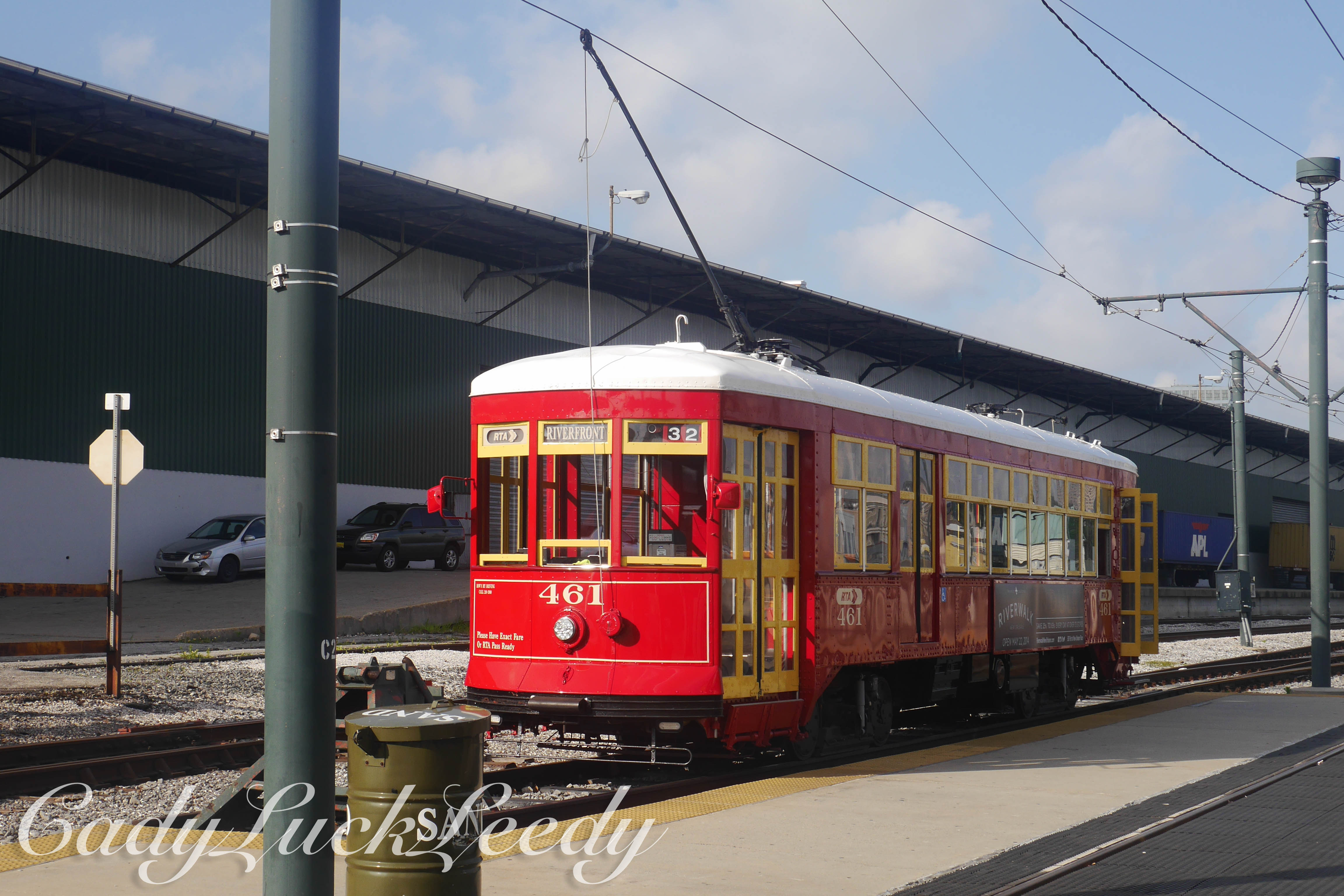
There are two ways to get to the center of  The French Quarter from our spot in Marigny; stroll the seven blocks on Chartres St to St Louis Cathedral or take the Loyola-UPT Streetcar that ends near us at the French Market.

The French Market Streetcar

The French Market Streetcar

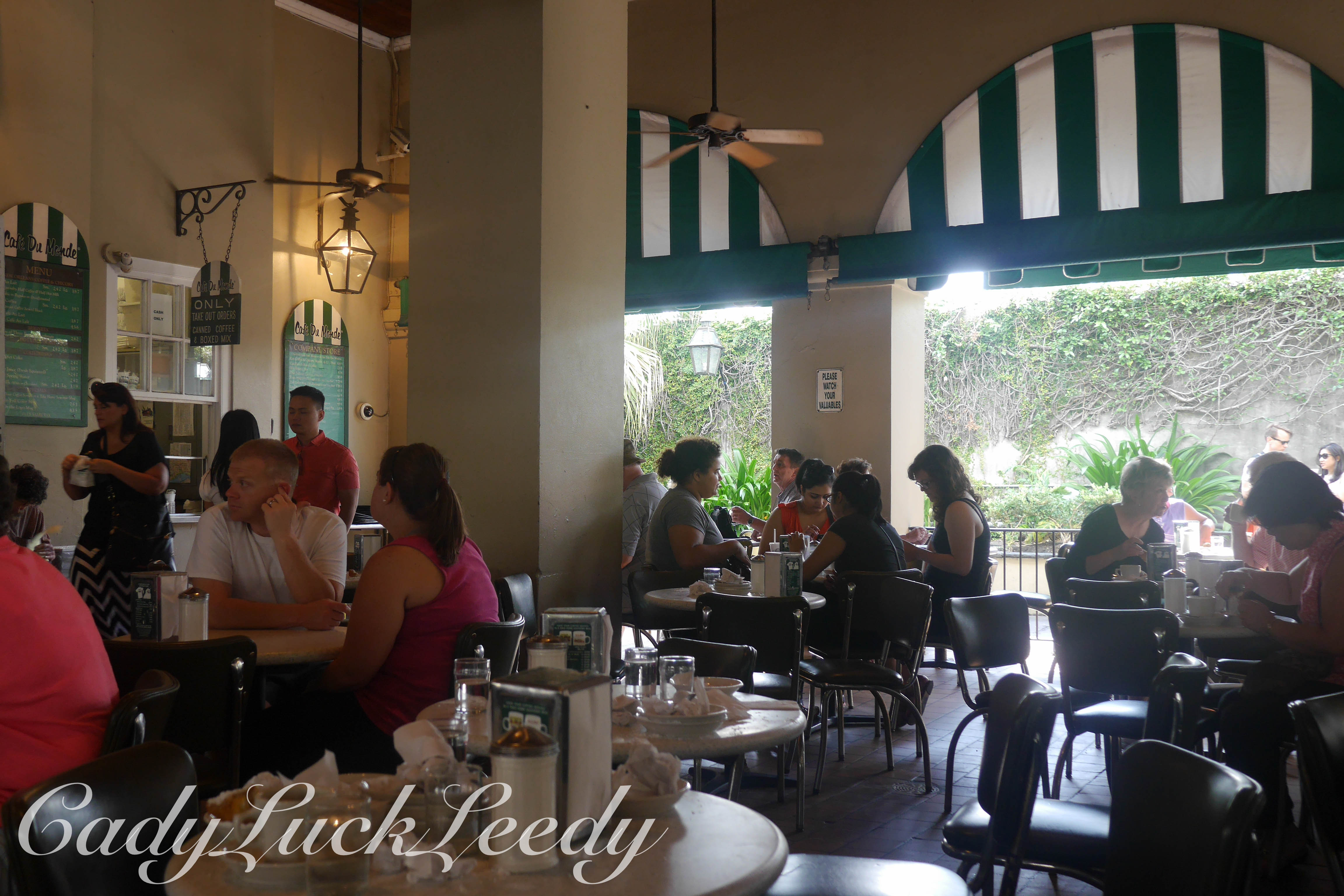
During our stay we do both. From the French Market  we get off the streetcar at Dumaine St and walk a couple of blocks to our first stop, the Cafe Du Monde, open 24 hours a day, seven days a week!

Cafe Du Monde

Cafe Du Monde

A large area of indoor/outdoor seating, the cafe is packed. The menus are imprinted on the napkin holders. The choices are coffee, soft drinks, orange juice and two sizes of beignets, either 3 or 6, smothered in powdered sugar. That’s it! I really can’t see what the hub-bub about the place is, but every time we passed by the cafe it was full. It’s been a landmark in New Orleans since 1862. 

Jackson Square

Jackson Square


Jackson Square, NOLA

Jackson Square, NOLA

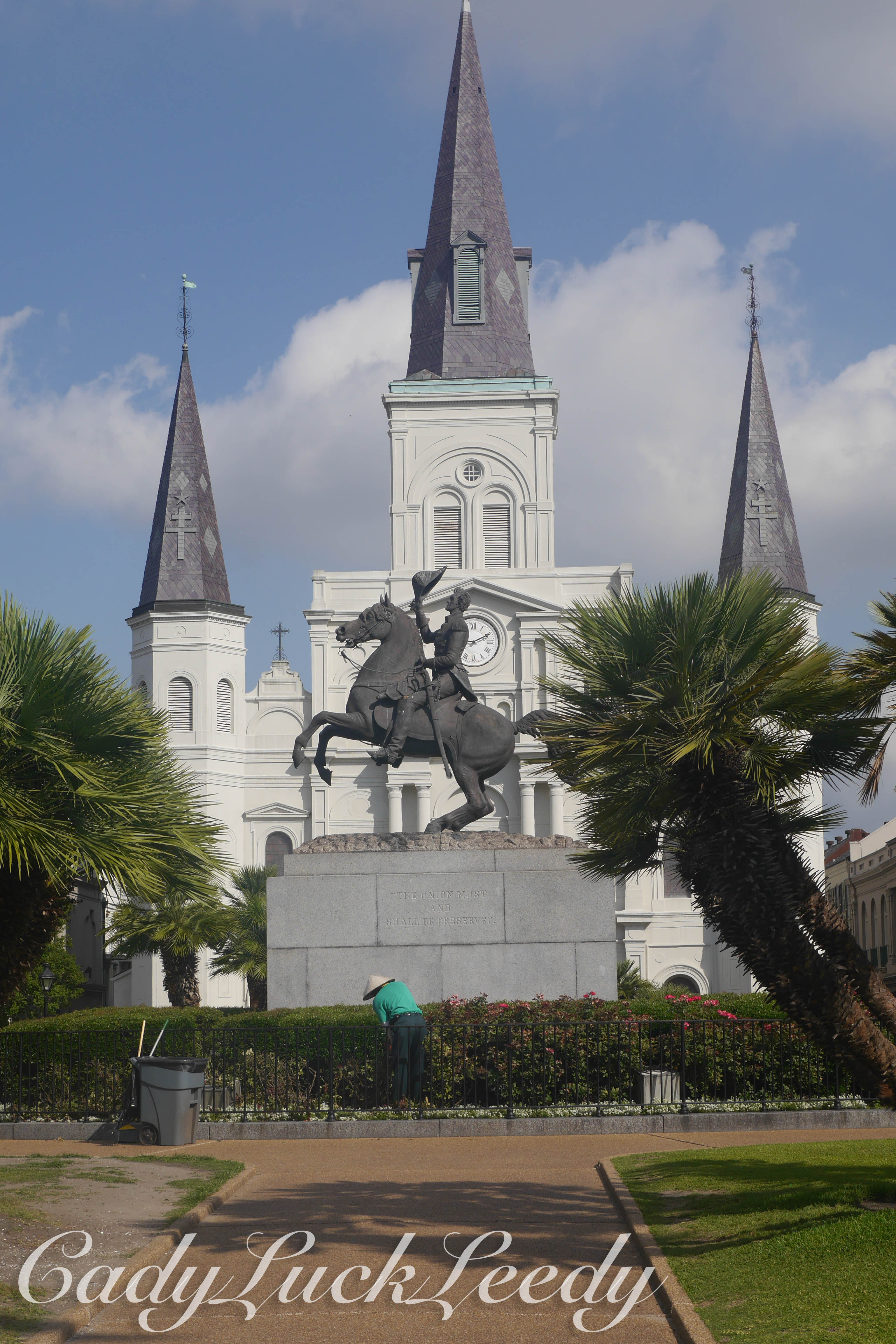
Continuing on we come to Jackson Square and behind that the beautiful St Louis Cathedral, the oldest continuously operating church in the US, built in 1720, rebuilt in 1789, becoming a cathedral in 1794.

St Louis Cathedral, NOLA

St Louis Cathedral, NOLA

St Louis Cathedral, NOLA

St Louis Cathedral, NOLA

In front of the church on a wide band of street there are small booths of fortune tellers, ice cream vendors and musicians. Stepping inside the church we get relief from the heat and humidity which is quickly rising.  Leaving the church and turning right  and then right again we are on a small cobblestoned alley with St Anthony’s Garden behind the church. This alley is known to the locals as Pirates Alley. 600 feet long and 16 feet wide it is not listed on many of the maps of the French Quarter. The smell of New Orleans is more intense here, a smell of damp vegetation and a faint woodiness lingering with the latin rhythms, salsa music and blues coming from the corner.  This corner was infamous for settling duels and debts of honor.  Jean Lafitte, the famous pirate, who provided services to any country at war against another by attacking their ships, brought the booty to town and the goods were sold in the alley. Eventually the Spanish Colonial Prison called the Calabozo was built on this corner in 1769. Lafitte and his men were jailed here by Governor Claiborne of New Orleans.  The prison was demolished in 1837, and the land was sold to make a long creole house which was the home of William Faulkner, where he wrote his first novel ”Soldiers Pay.”  The creole house is now home to the Faulkner House Books. Now at the intersection of Pirates Alley and Cabildo Alley, where the prison was, is the Pirates Alley Cafe, known for caribbean drinks and absinthe.

Pirates Alley Cafe

Pirates Alley Cafe

Traditional absinthe was made of anise, fennel and wormwood (a plant) with added herbs and flowers making it green in color. The herbs and spices were soaked in alcohol and then distilled. The drink called la fée verte, (Green fairy) in French, was thought to be highly hallucinative also. Yes, drinking a couple of those today one might see fairies and pirates! 

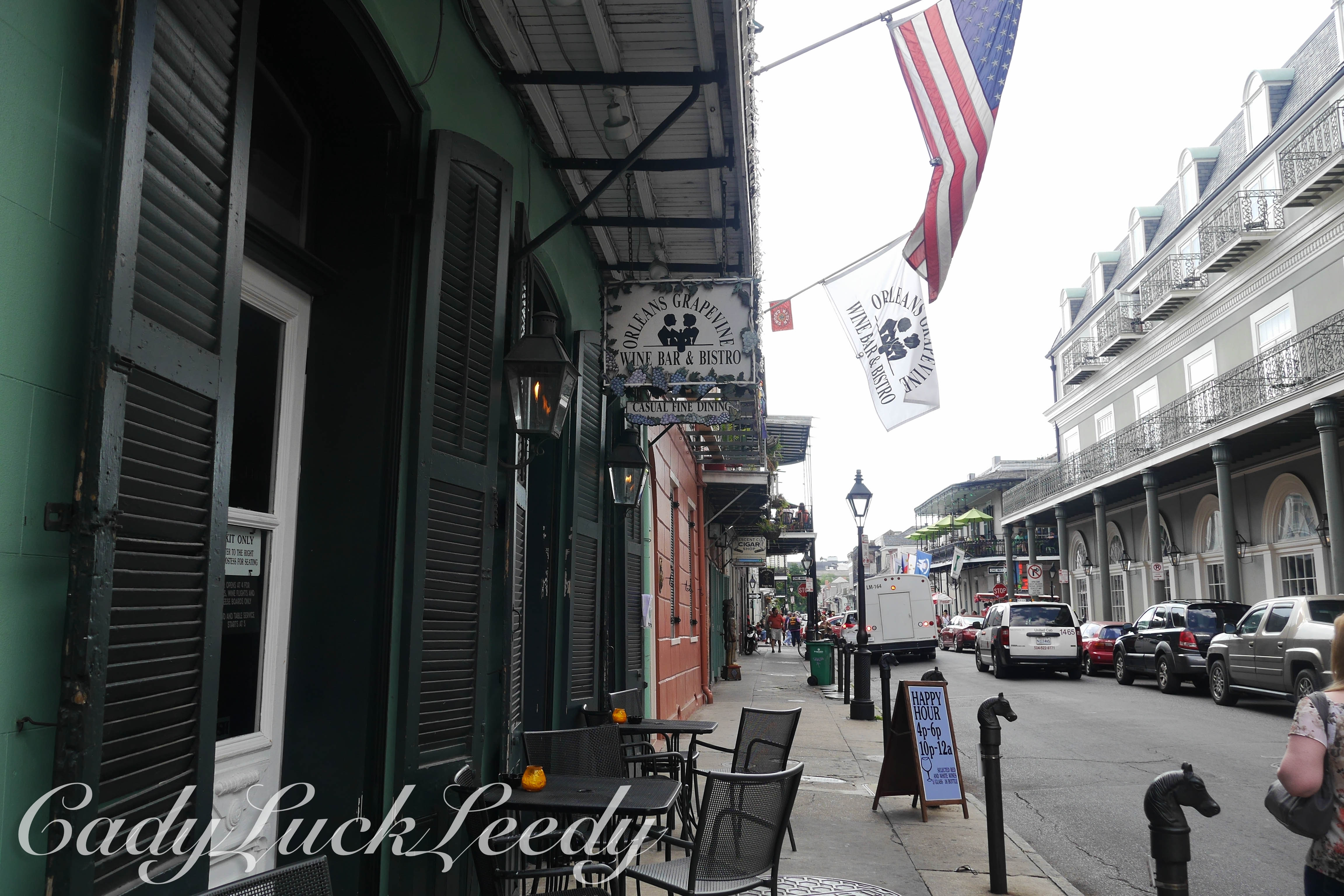
One afternoon, not far from Pirates Alley, we made our way to the Grape Vine Wine Bar and Bistro. We spent a lovely afternoon wine tasting and choosing cheeses from the cheese board. Then we were served large portions of appetizers. I had the crab cakes and they were fabulous. The ambience and service in this bistro is outstanding.  With seating indoors or out this was our favorite spot in the old French Quarter.


Grapevine Wine Bar and Bistro

Grapevine Wine Bar and Bistro

Grapevine Wine Bar and Bistro

Grapevine Wine Bar and Bistro

Another highlight of New Orleans is the WWII National War Museum. Traveling by way of the Canal Streetcar, switching to the St Charles Streetcar, we got off at Lee Circle and walked the rest of the way to the museum. The large museum is separated into different buildings and exhibits. Upon entering the ticket building in the Louisiana Memorial Pavilion we were greeted by veterans who are here every day and volunteer their services at all of the different venues. It was truly inspiring to see so many retired serviceman still giving of their time.  Our first stop was the “Train Car Experience” where we boarded a train re-creating the tearful farewells and bittersweet returns of the men and women who went to war. Then we went upstairs to see the “America Goes to War,” “D-Day Invasion of Normandy,” “The Landing Beaches,” and the “D-Day Invasions of the Pacific.” All the exhibits were interactive and very interesting. One of the highlights of the museum was the short movie, “Beyond All Boundaries” produced and narrated by Tom Hanks. The movie is a journey of words and stories of actual WWII participants. The Solomon Victory Theater, where the movie is shown, has a screen 120 feet wide, with 9 digital cinema DPL Projectors. (a regular theater has only one) There are 27 surround sound custom speakers and 250 special effects theater seats that shake when the tanks are rolling by! Many of the props used to make the movie come alive are authentic pieces of equipment. There are 305 archival photographs and 517 film clips of actual footage shot during the war. You will not want to miss this special attraction.

Going outside the exhibits we looked at a WWII Victory Garden complete with posters! 

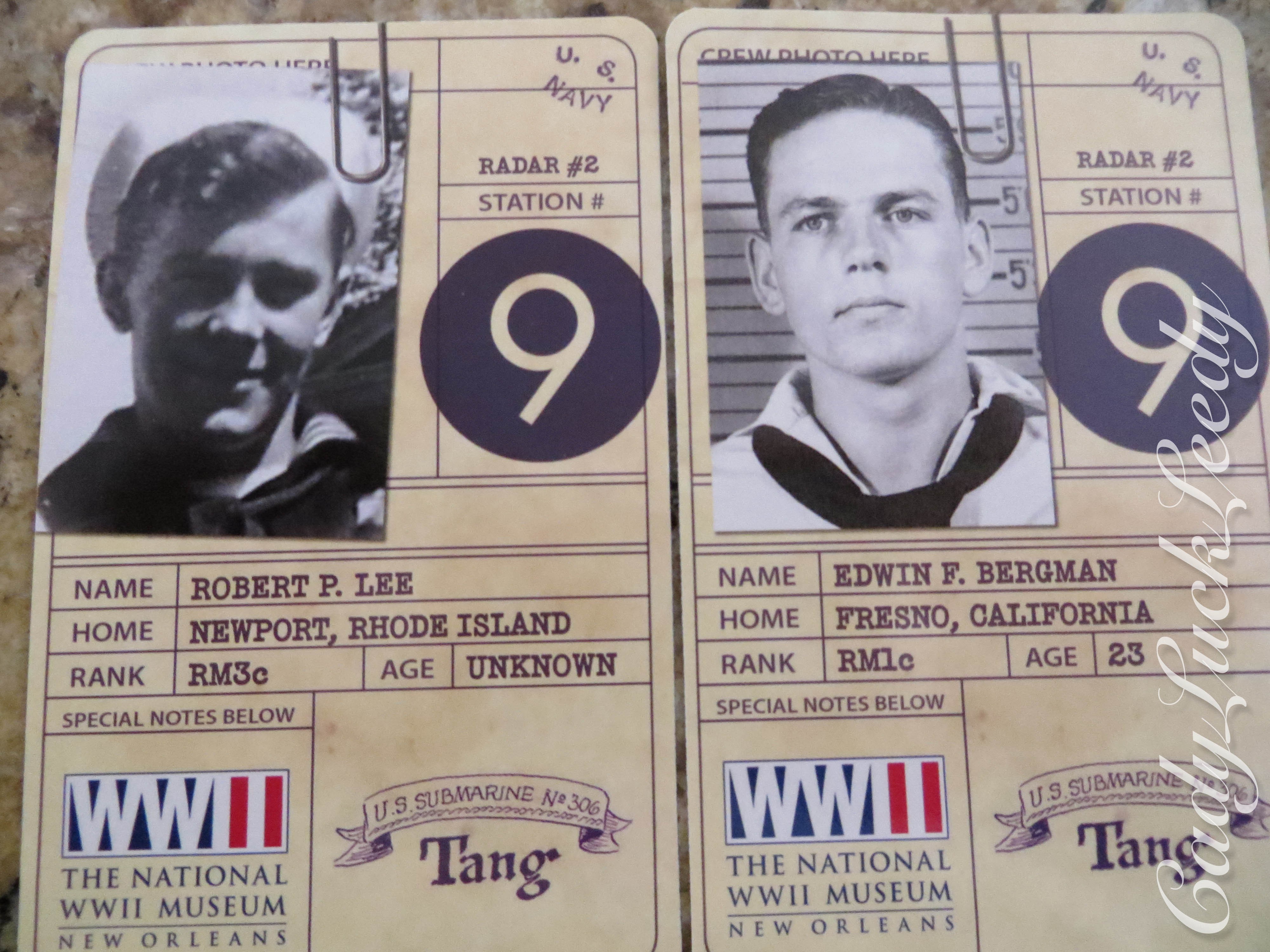
The other feature that I enjoyed was the “USS Tang” experience. Upon entering the submarine we are given actual sailors’ ID cards.  Using the ID of the sailor, we were assigned to his station and duty in the sub.

Submarine Sailor ID's

Submarine Sailor ID’s

We had an interactive encounter recreating the last war patrol of America’s most decorated submarine in WWII! What a great time we had visiting the museum! There is the Stage Door Canteen and the American Sector Restaurant to eat in and then to wrap up our day we were entertained by the Marine Corps Band of New Orleans, part of the Memorial Day Concert Series. New Orleans has so much to offer; great food and drink, stunning architecture, history and perseverance. I think you will enjoy including NOLA to your list of  “Not to Miss.” Enjoy!


A Cottage in the Cotswolds: Stanton to Stanway House

Gateway to Stanway House

Gateway to Stanway House


Gateway of Stanway House

Gateway of Stanway House

Front Entrance of Stanway House

Front Entrance of Stanway House

Today we are visiting Stanway House, an outstanding example of a Jacobean manor house, owned by Tewkesbury Abbey for 800 years and then for 500 years by the Tracy family. Their descendants, the Earls of Wemyss, still live here.  The manor was built with the warm soft yellow stone known as Guiting Yellow and has a stone roof and a jewel-like Gatehouse. The oldest part of the house is the gabled west end which includes the great hall, a light-filled room due to the full height bay window. Most of the furniture in the house has been here since it was made, which includes a pair of Chippendale day beds and exercise chair from 1760, many rare paintings, and two Broadway pianos. More spectacular than the house are the gardens, created in the 1720‘s by garden designer, Charles Bridgeman, who became the Royal Gardner in 1727. The garden includes fine specimen trees, broad terraced lawns with herbaceous borders, eight ponds, a brewery, and a 14th century tithe barn, now used for events and as a theatre. Through a restoration project during the last decade, the manor claims title to one of the finest water gardens in England, including the single jet fountain at 300 feet, the highest fountain in England and the highest gravity fountain in the world. Thanks to it’s location at the foot of the Cotswold Way, a 102-mile footpath from the Cotswold Edge to the Cotswold Hills, primarily from Chipping Campden to Bath, this area has been protected from many changes of the 20th century. This is what makes the Cotswolds so charming! It’s unspoiled!  J.M. Barrie, author of Peter Pan, was a regular visitor to this lovely village on the Cotswold Way and stayed at the Stanway House often. I can just see Peter and Wendy flying out of the windows and over the beautiful grounds of the Stanway Manor! 
Close by is Stanton, one of my favorite villages in the Cotswolds! It was hard to choose my favorite because I just loved all the villages, but arriving in Stanton on the tiny village road, too small for tourist buses to come through, we circled lanes of Cotswold  cottages!  The rose covered cottages flowed in a gentile sweep across the countryside of horses.  There were the most unusual lamps and lamp posts here, it was just so picturesque! It is a horse lovers paradise and the B&B’s offer horse back riding and stables.

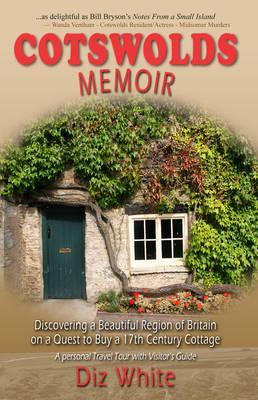
I hope you enjoyed the travels through the Cotswolds and for another look at the English countryside consider doing the Cotswold Way! For an interesting adventure into finding a cottage in the Cotswolds, follow Diz White in her book, Cotswolds Memoir; Discovering a Beautiful Region of Britain on a Quest to Buy a 17th Century Cottage. In addition to finding the cottage of her dreams it gives a personal tour of the Cotswolds with a visitor’s guide!

Cotswold Memoir by Diz White

Cotswolds Memoir by Diz White

THE SPECTACLED BEAN

Tales, Thoughts + Tribulations of a Free Spirit in Suburbia

Walking Away

Travels on foot

Teacher nickname: The Three Hairs

Minding my mind, one thought at a time.

Tra Italia e Finlandia

Un lungo racconto fotografico.

seanbreslin.jp

Photography, hiking, walking, and cycling across central Japan — from quiet mountain paths to everyday life around Nagoya.

Lost in Translation

Looking for meanings in words, images and sounds

Journeys with Johnbo

Reflections on places traveled and photos taken.

M/VGratitude

Cruising with the Thyrre Family

Caroline's Travel Adventure Blog

Where my Travels and my Blog merge together.

Just Me, Nobody Special

The mental meandering that cross my keyboard

Jennifer's Journal

Website & Blog of J. Kelland Perry, Author

Slow Shutter Speed

A photographic journey.

Ann Mackay: Inspired by Nature

Photography celebrating flowers, plants, and the natural world

Still Restlessjo

Roaming, at home and abroad

Fine for Friday

The Corner Garden

Picture This

Photography, Travel and Retirement

World Traveller 73

Upgrade Your Travels. First Class Luxury Travel from all parts of the Globe. Business Class Airline, Lounge and Hotel Reviews, Stories and Adventures

Rachel Meets China

A China travel and lifestyle blog