Travel, Gardens, Food, Photography, Books, Shoes

Posts from the ‘Books’ category

A Cottage in the Cotswolds: Broadway

The Fuchsia is Sooooo Beautiful!

The Fuchsia is Sooooo Beautiful!


The Parsonage in Broadway, UK

The Parsonage in Broadway, UK

Broadway’s name fits the village.  Village life is lined along a broad grass-fringed, red chestnut way, so we started at the end with the Christmas shop and made our way to the center of the village. Broadway will not disappoint you, as it is chock  full of restaurants, inns, pubs, antique stores, coffee shops, and gift shops. Whew!  In one gift shop we had a big time looking over one gift item in particular! Here is one. Can you guess what it is?

The Nose Knows

The Nose Knows

A porcelain, hand painted nose for  glasses/spectacles!  Never lose your glasses again!  The nose knows! The English have such a sense of humor! It is a gift for my mother-in-law!

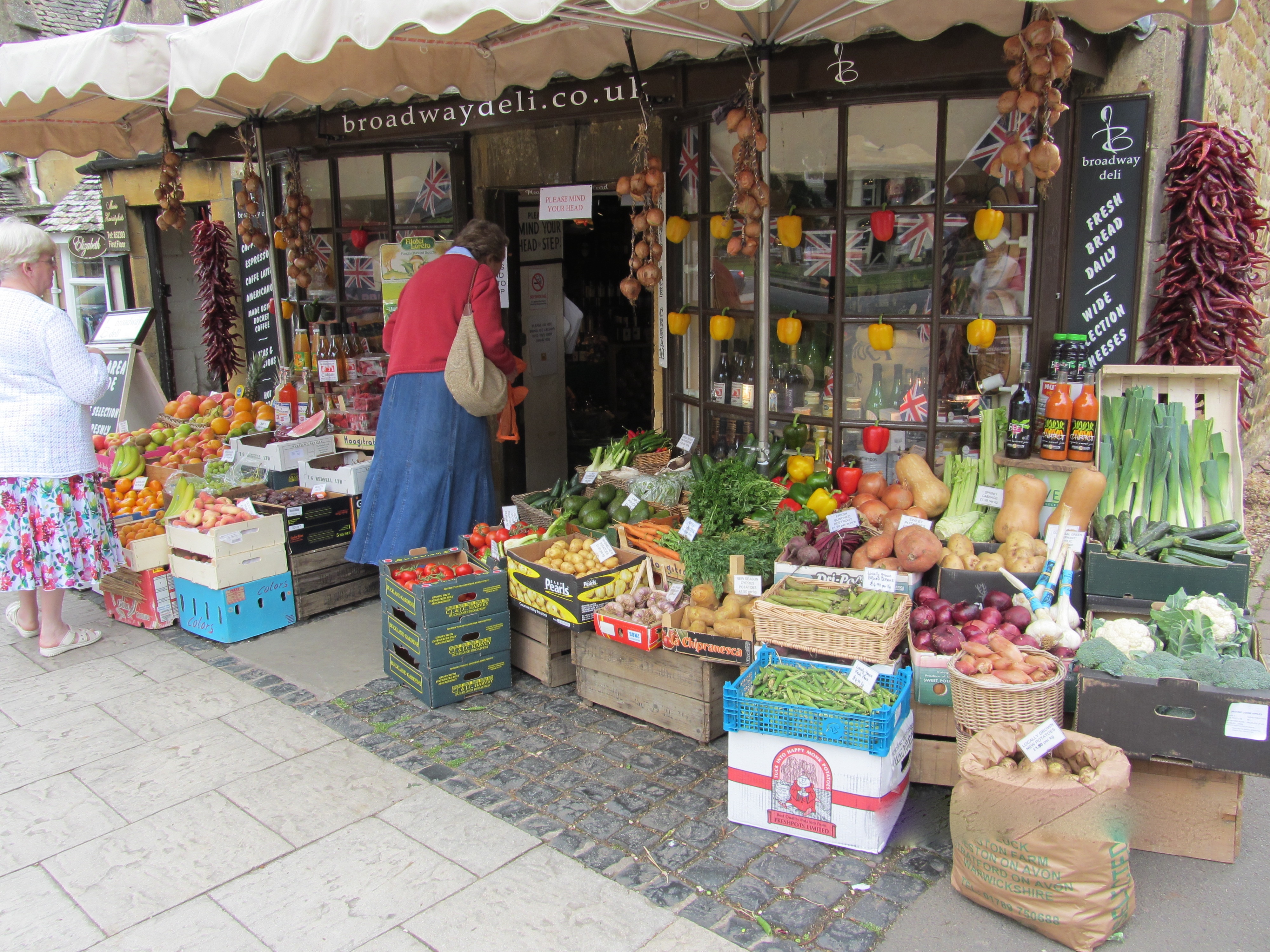
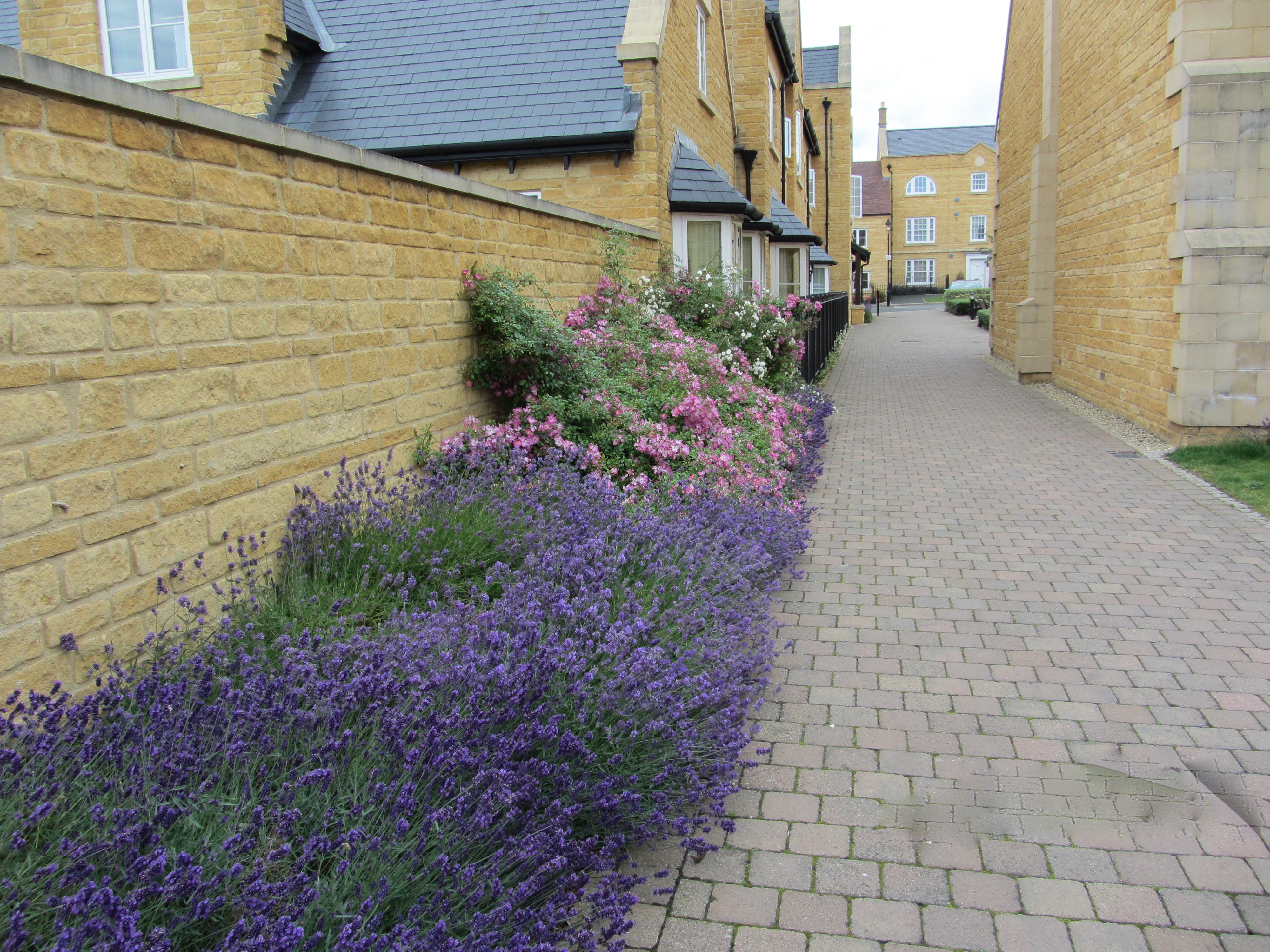
There is also a local market, the Broadway Deli,  and a larger grocery, called Budgens, located down a narrow strip of walkway deep in blooming lavender and pale pink shrub roses! It was the first large grocery we were to find in our Cotswolds travels. More dogs lounging here! The dogs are either sleeping under the benches or waiting patiently at shop doors!

The Village Deli in Broadway, UK

The Village Deli in Broadway, UK

Shopping at Budgen's Grocery in Broadway, UK

Shopping at Budgen’s Grocery in Broadway, UK

The Pathway to Budgens in Broadway, UK

The Pathway to Budgens in Broadway, UK


Shrub roses and Lavender in Broadway UK

Shrub Roses and Lavender in Broadway UK

My favorite discovery in Broadway was a public restroom right next to the large central parking lot.  Maintained by a meticulous gentleman, he promptly made us aware that the restroom had been declared, “Loo of the Year.”

The "Loo of the Year," Broadway, UK

The “Loo of the Year,” Broadway, UK

The sign was proudly displayed and rightly so. The loo was spotless and the squarish Cotswold stone building fit right in with the architecture of Broadway. Who wouldn’t want to live in a place that can boast the “Loo of the Year”?  My other delight were all the hanging baskets of pink fuchsias and purple cascading vines. They were beautiful and hanging outside several of the shops. We spent a lovely and lively afternoon in Broadway. You will want to add Broadway to your Cotswolds calendar!

For your reading enjoyment I have selected a hand printed and watercolored book by Susan Branch, titled A Fine Romance; Falling in Love With the English Countryside, that I literally devoured. A travel journal of her two month ramble through the backroads and small villages of the English countryside, it is filled with pictures, witty captions and charming detail of her dream to visit her long awaited England. For more information on Susan’s work see: http://www.susanbranch.com

A Cottage in the Cotswolds: Rosemary and Thyme

Every year, in early spring, when my garden is beginning to bloom, I tend my garden in the early morning hours, before it gets HOT and HUMID, sometimes still in my nightgown…….don’t tell the neighbors please!   In the evening I curl up on the couch to watch my favorite British gardening detectives, Rosemary and Thyme. The gardening mysteries feature Rosemary Boxer and Laura Thyme, professional gardeners thrown together by a sudden death, who are forced to re-access their lives.  Their friendship leads them to gardening ventures set in the beautiful villages and gardens of the English countryside. Being gardeners, they overhear secrets and dig up clues which lead them to solve crimes and capture criminals, and at the same time handle floral problems! The series ran from 2003 to 2007, but I watch the mysteries every year, one episode at a time and never tire of it!

Would there be a real place that mirrored the villages and gardens in the Rosemary and Thyme mystery series?  I wanted to find a place where Miss Marple, from the Agatha Christie books, (the finest mystery writer of all time, in my opinion) would be settling down to tea with her cronies in the afternoon. They would be in the garden…….with the fragrance of fresh bloomed flowers…..sweet cut grass….. bees all a buzz…….

I found that delight in the villages of the Cotswolds. 

Bramley House, Chipping Campden

Bramley House

The Bramley House Cottage

The Bramley House Cottage

For this adventure we are driving northwest from London, to our first stop, Chipping Campden, (population 2,206) in the Cotswold (meaning market) district of Gloucestershire. In the Middle Ages, Chipping Campden was the wool trading center, and High Street is lined with fine honey-colored limestone buildings built with Cotswold stone. The Market Hall was built in 1627 and the grand wool church, St James, in 1500. Local wealthy silk merchant, Sir Baptist Hicks, built the Almshouses and the Woolstaplers Hall in the 17th Century. His home, the Campden House, was destroyed by fire during the English Civil War, to prevent it from falling into the hands of the Parliamentarians, but his descendants still live in the Court House attached to the site. 

From the 17th century on, the village was known for the rural Cotswold Olimpick Games. Later these games became the Robert Dover Cotswolds Olimpick Games because the games were held in late May, on Dover’s Hill.   One of the noted games was the sport of shin-kicking. (Hay was stuffed down pants to ease the blows) This game and others are still played today during the Cotswolds Olimpicks. Following the end of the games there is a torch-lit procession back into town, after the bonfire and fireworks display, and dancers take over the local square. The next day the Scuttlebrook Wake takes place. The locals wear fancy dress costumes and follow the Scuttlebrook Queen and her attendants into the village, with the Morris Men leading a decorated dray. Then there is dancing around the Maypole and the prizes for the games are handed out. The Morris Men (from “Moorish” dancers) were working peasant men, who wore shin pads, (a holdover from the shin-kicking games?) and are considered to be the original rural folk dancers of England. The current Morris Men of the Cotswolds, claim their lineage to the early dancers, only one of four teams in England who can boast this achievement! 

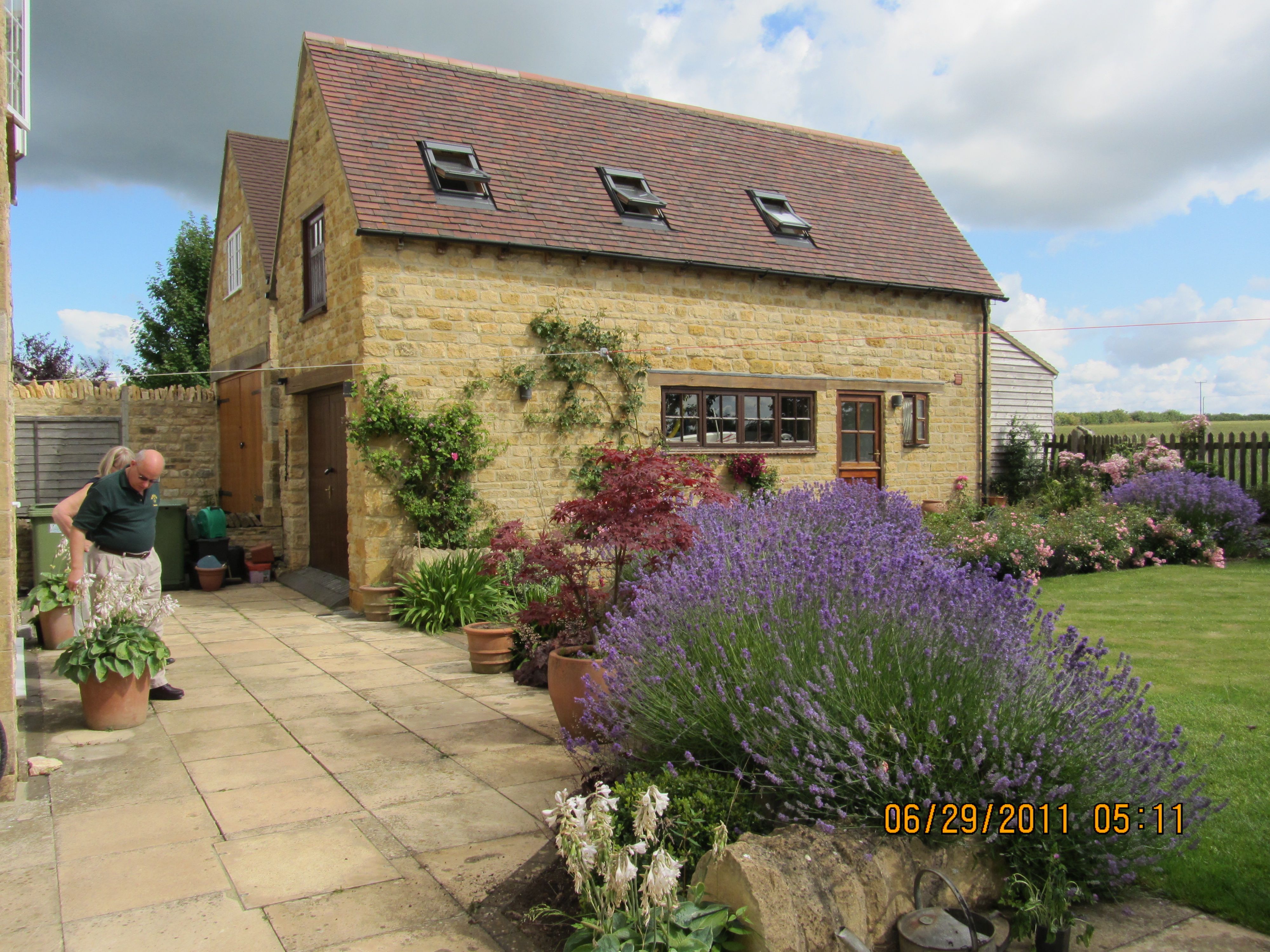
In Chipping Campden we will be staying at the Bramley House B&B, not far from Dover’s Hill. It is a lovely double Cotswold stone cottage with an additional cottage overlooking the lavender garden. Jane cooked English breakfasts, made to order, and served it with cereals, yogurts and fresh pressed juices. She was also very helpful with choosing our sights of the day. We stayed several days, picking a new village everyday to explore! It is a gardener’s paradise! Enjoy!

For information about Bramley House see: http://www.bramleyhouse.co.uk/


Traipsing Through Tuscany- Florence and San Gimignano

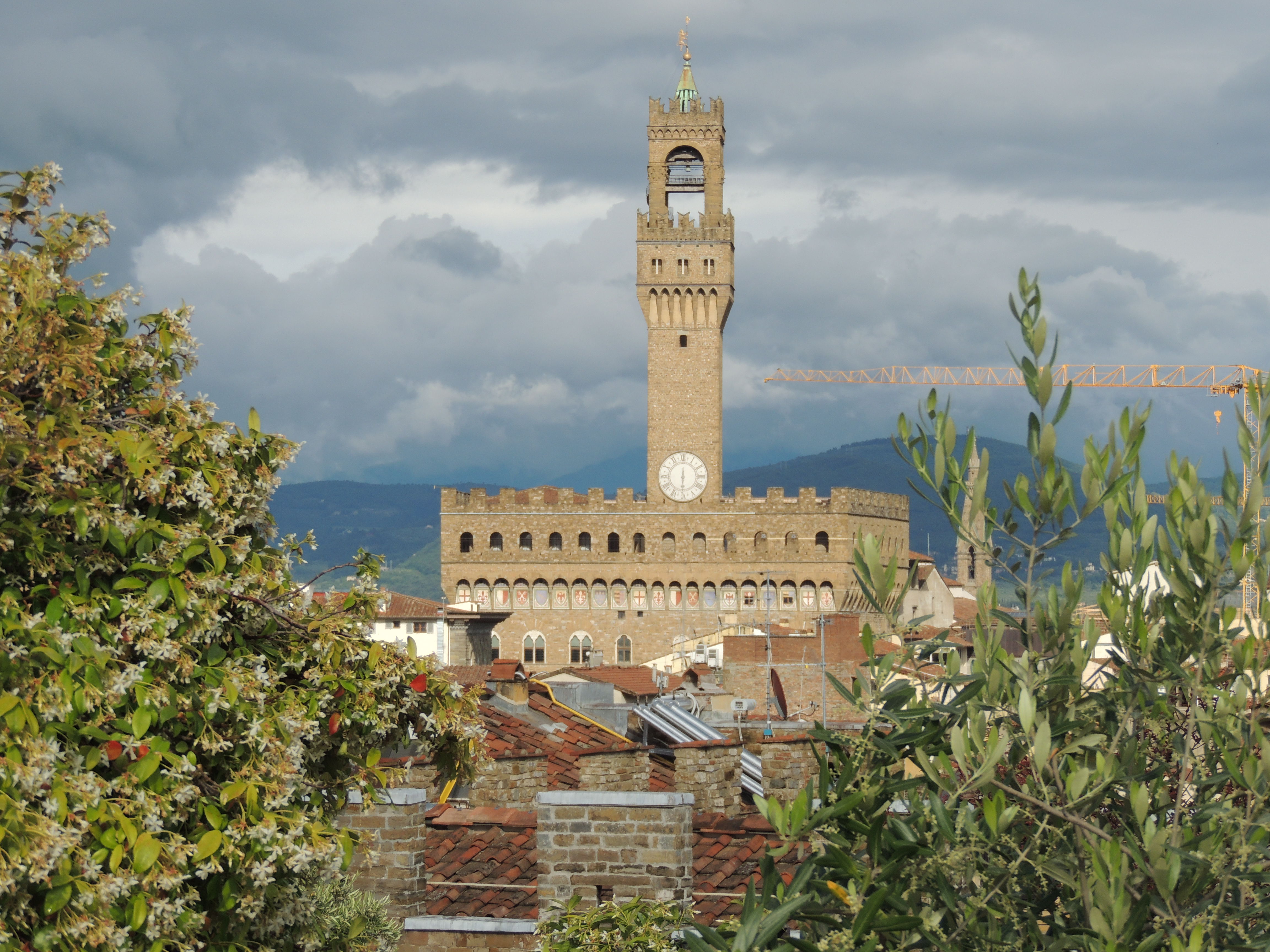
Palazzo Vecchio

Palazzo Vecchio

Sculpture

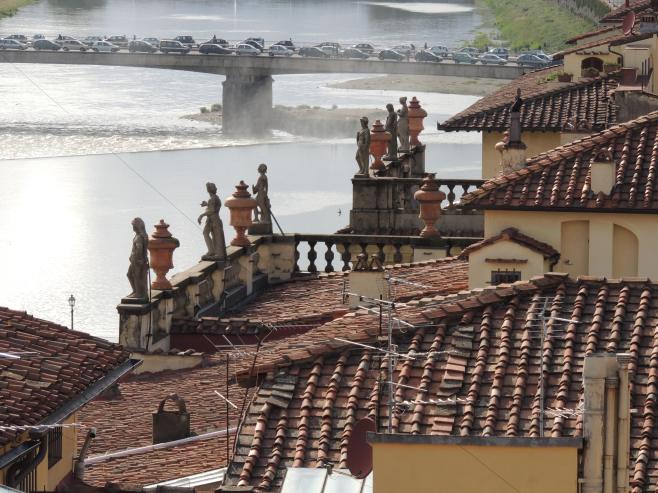
Rooftop Sculpture in Florenc

Tte Window of the World

The Window of the World

Thinking about our visit to Florence I can’t get over all the beautiful art we have seen in the Uffizi Gallery, the Pitti Palace, the Duomo Museum and the Accademia. I was especially excited over the artwork of Artemisia Gentileschi, (1593-1653) that SB pointed out to me in the Uffizi Gallery ( Judith Beheading Holofernes) and the Pitti Palace (The Conversion of Magdalena, Judith and Her Maidservant and David and Bathsheba). I first read about Artemisia Gentileschi in a book called, The Passion of Artemisia: a Novel, by Susan Vreeland. Delving into the themes of art, history and the lives of women, this is is a book that I thoroughly enjoyed.  Gentileschi painted many pictures of strong and suffering women from myth and the Bible. Her works include victims, suicides, warriors and especially, the Judith story. When you read the book and then see her paintings, her real life and her paintings intertwine and give you perspective of the times and how this woman lived and painted, and why she did so. Even her style of painting called chiaroscuro, which represents a strong contrast between light and dark, gives us a glimpse of her life.

One of Gentileschi’s works, David and Bathsheba, completed in 1635, had been found after centuries of deterioration, in a storage deposit area of the Pitti Palace, revealing decay, color flaking, due to improper storage conditions, and humidity damage. The re-evaluation of the Gentileschi’s courageous life and works were brought into focus with the attention of the Florence Committee of National Museum of Women in the Arts, who decided to fund the restoration of David and Bathsheba. Today, Gentileschi is regarded as the most progressive and expressionist painters of her generation.

Thinking of that book, brought to mind another book, called The Birth of Venus, by Sarah Dunant. This historical novel of Florence is a story of love, art, religion and power  as told by Allessandra Cecchi when her father brings a young painter to paint the chapel walls of the family’s pallazzo. This story is told while Florence is caught in a state of turmoil imposed by the fundamentalist monk Savonarola, who is seizing religious and political control and the Medici State, with it’s love of luxury, learning and art. On our walking tours of Florence we learned a great deal about the Medici family and Savonarola.  Recalling that book, brought to mind The Lord’s Supper, painted on the wall of the Santa Maria della Grazie Church in Milan, which I have been lucky enough to see.

I was curious to learn how all this beautiful artwork was saved during WWII. Now, I am currently reading, Saving Italy: The Race to Rescue a Nation’s Treasures from the Nazis, by Robert Edsel. In particular I am interested in, General Karl Wolff, a German officer, who risked his life to save the collections of the Uffizi Gallery and the Pitti Palace. Robert Edsel also wrote, The Monuments Men: Allied Heroes, Nazi Thieves, and  the  Greatest Treasure Hunt in History, now made into a motion picture of the name, The Monuments Men.

San Gimignano, twenty-five miles south of Florence, will be our first stop on our way to Montepulciano, where we will be making our home base for our Tuscany visit.

The parking lot outside the main gate, Porta San Giovanni, was very busy as we approached.  The village itself is pedestrian only. Getting in the car parking queue we had to wait for a car to come out before we could go in and take the spot. One in, one out.  San Gimignano gives you a glimpse of a real Italian countryside experience, but with just enough shops and restaurants added to make it interesting for tourists.  The towers are restored replicas of the original, but they look authentic.

San Gimignano is a small, walled, medieval hill town with fourteen towers of various heights, replicated of the original seventy-two. Before the walls were developed around the town, these towers were a refuge, when ruffians and rival city states were sacking the town.  If under attack, the tower owners would set fire to the external wooden staircase, leaving the sole entrance to the house and it’s strongholds, unreachable. Today you can see all these tiny slit entrances way up on the second story of the towers, minus stairs to get to them. Also, notice that the buildings are made of different colored stones and brick. Heavy stones were used for the bottom floors and lighter cheaper bricks for the upper floors. In the year 1300, about 13,000 people lived within the walls. In 1348, a six-month plague left the town with 4,000 survivors. Crushed and demoralized, the town came under Florence’s rule and was forced to tear down it’s towers, and the trade route was re-directed away from San Gimignano. The town never recovered and poverty drove the well-preserved city to be as it is today.

Our walk takes us through the Porta San Giovanni up to the Piazza del Duomo, and the church itself, which features Sienese Gothic art_ Old Testament to the left___New Testament to the right. Further up the hill is the is Sant’Agostino Church, built by the Augustinians, who arrived in 1260. Here there are English speaking friars, who are happy to tell you about the church and their way of life. We stop and have lunch at the Locanda di Sant’Agostino, right next door to the church on a beautiful small piazza. The restaurant serves typical Tuscan home cooked meals, which would be paninos, pizza, pasta and insalatas, served with a local fruity white wine.   Walking back down the hill, along the ramparts, there are superb views of the Tuscan countryside. Soon we are inside the Rocca, originally another walled defense area, now a small walled garden of olive trees, where a group of men are singing and playing instruments. I loved our time in San Gimignano, but it is time to move on to Montepulciano. For more interesting history and scenes of Sam Gimignano, view the movie, Tea With Mussolini, a 1999 drama of the plight of American and English expatriate women during WWII. Most of the scenes are of Florence and San Gimignano, where the movie was filmed. In particular it reveals the artworks inside the Duomo of San Gimignano and how the women came to be there and tried to save the art. For more readings about the war and art see my  blog postings on Milan,  https://cadyluckleedy.com/2014/02/14/one-day-in-milan/ and the War in Val  D’ Orcia, https://cadyluckleedy.com/2013/04/11/war-in-val-d-orcia near Montepulciano. See you next in Montepulciano!

Ring Around the Kerry

This is my last posting of 4, of the Going Green to Ireland Series.

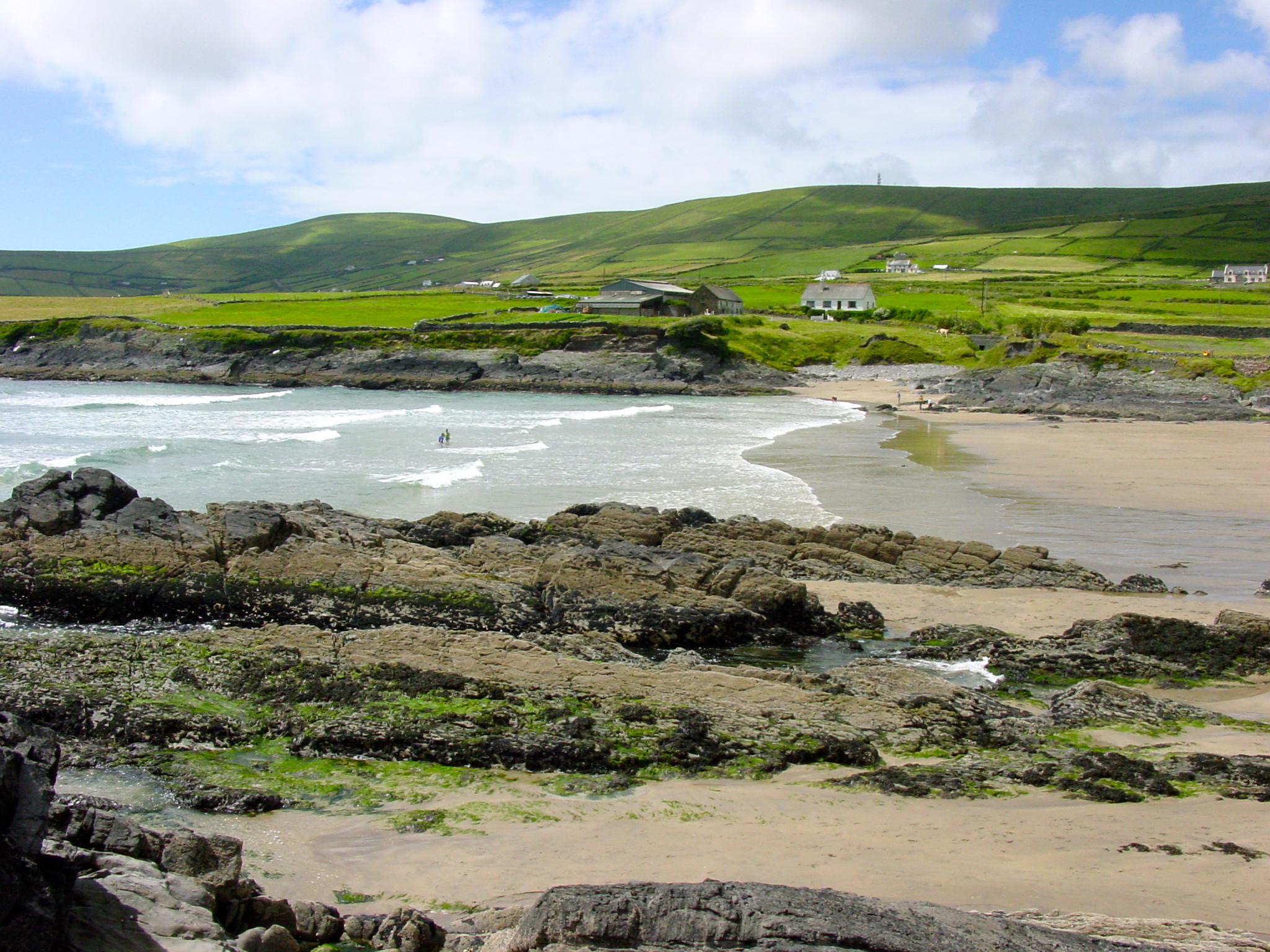
St Finian's Beach

St Finian’s Beach

We are on a long circular stretch of road called the Ring of Kerry from Killorglin to  Kenmare. We are adding in the Skellig Ring, a twenty mile, bus free ring road, traveling out to Portmagee. Here we reach St Finian’s Bay, where we will staying at the Beach Cove B&B, owned by Bridie O’Connor.

The Beach Cove B&B

The Beach Cove B&B

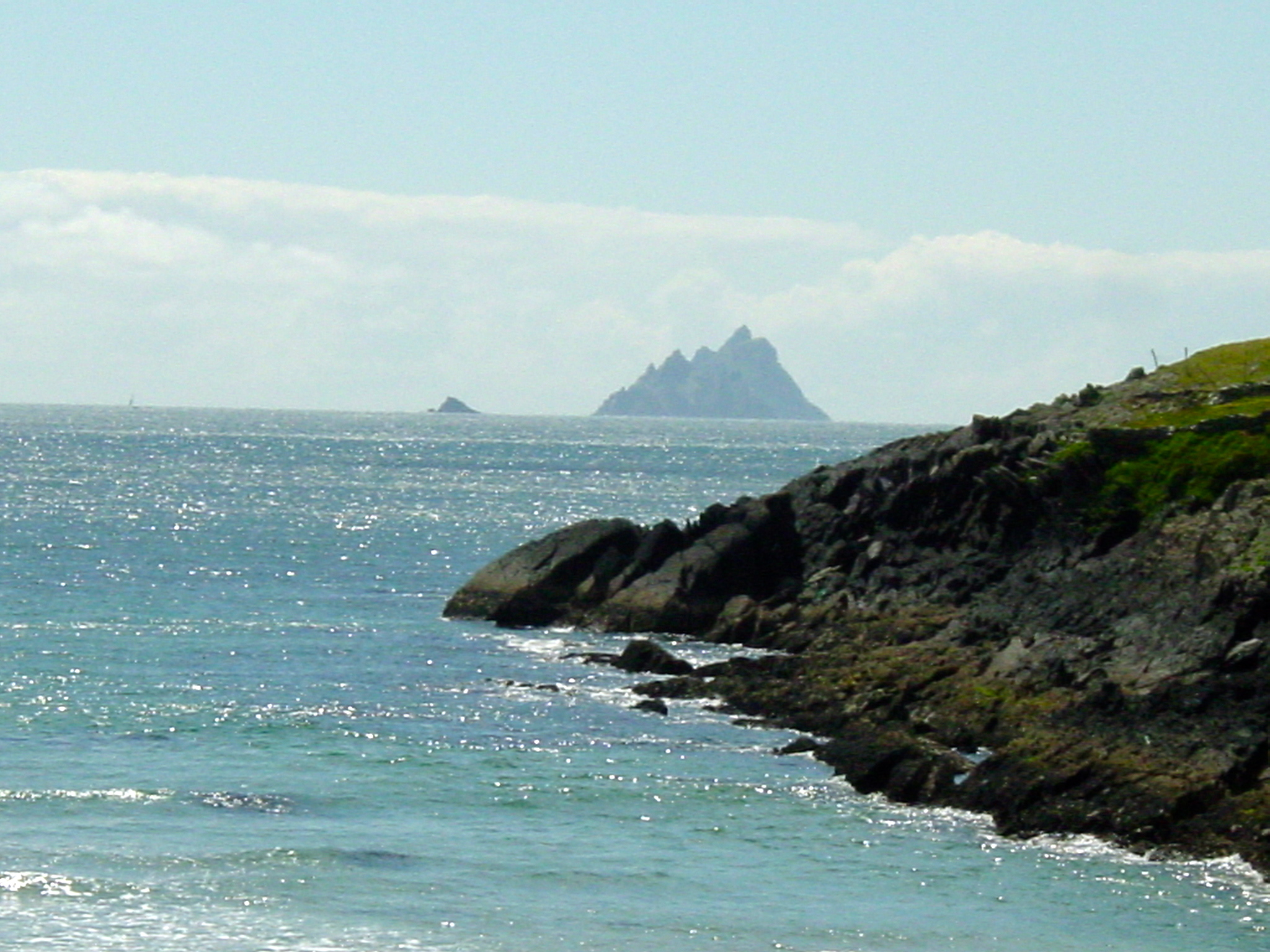
She offers four comfortable rooms on Coomanaspic Ridge, overlooking the beach at St Finian’s Bay. We are welcomed by bright sunshine, but cool temperatures, and as we sit on her lawn bundled up in our jackets and wool caps to watch the world go by, there are people in the bay swimming. I guess if the sun is shining make hay or swim!  Later we travel around the entire Skellig Ring, and I like the antics of the puffins as well as the views of the Skelligs, two huge slate and sandstone rocks, seven miles from the shore.

The Skelligs

The Skelligs

Skellig Michael, the larger of the two, has a tiny cluster of abandoned bee hive huts clinging near the summit. The island was originally inhabited by ultra-pious, sixth-century Christian monks seeking isolation to get nearer to God. The smaller island, Little Skellig, is home to a colony of gannets (a large sea gull) protected by law from visitors stepping foot on shore.

The Beach Cove B&B is perfectly situated on the bay and is just down the road from the Skelligs Chocolate Factory. Yes, a chocolate factory on the tiny road around the bay! Inviting visitors in for a sample they proclaim their chocolates are “ never boring, always gorgeous, and sometimes a little different…..just like the Irish!”  Where else can you find dark chocolate, lime zest and pepper chocolates, I think?  I buy several different varieties for our road trip. Fabulous! Spending only one night here we move on the next day following the ring along the shore and then back to the bigger Ring of Kerry to Kenmare, a lovely little town where we stop for a look see and lunch.

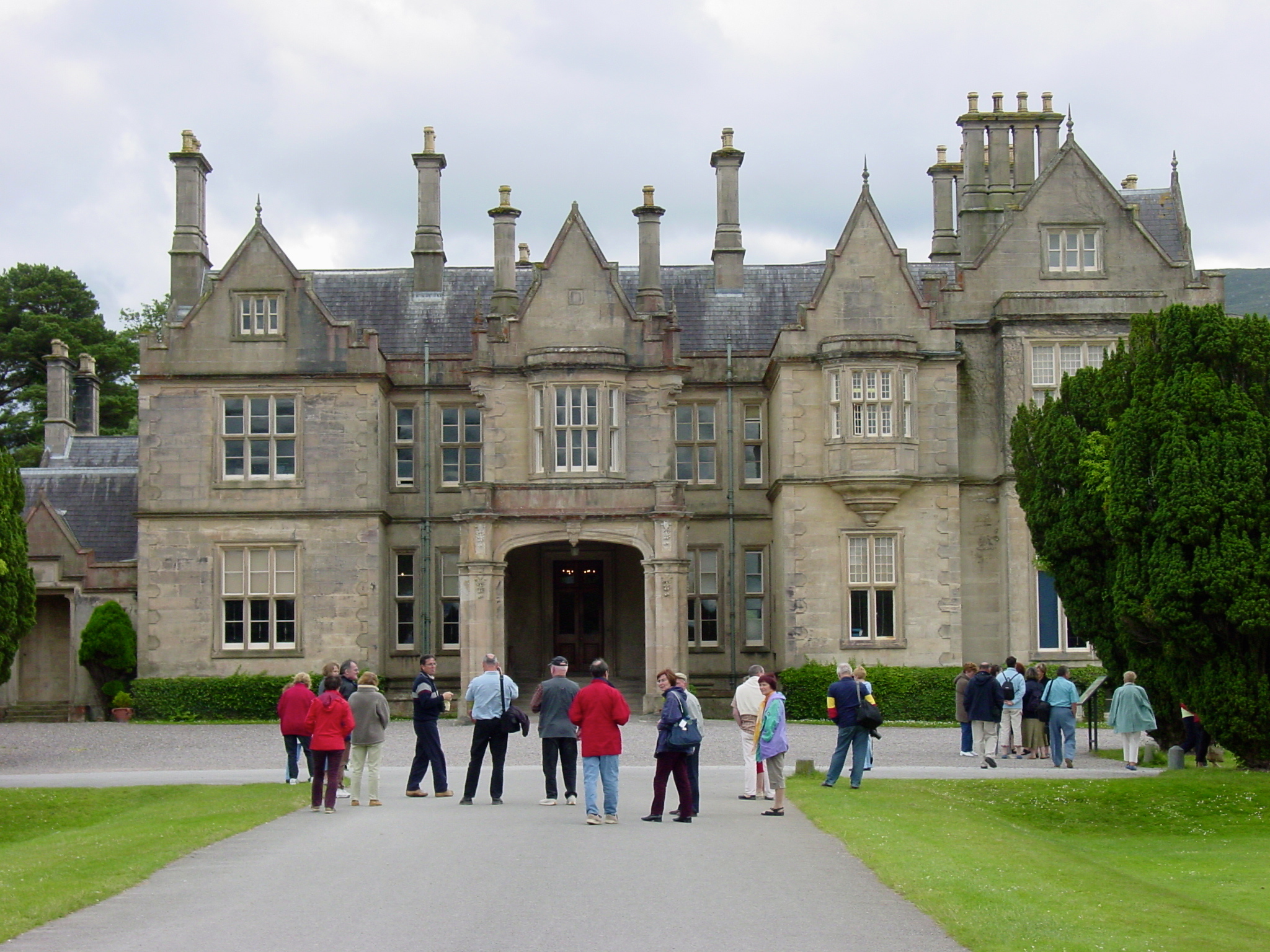
Muckross House

Muckross House

Muckcross House Garden

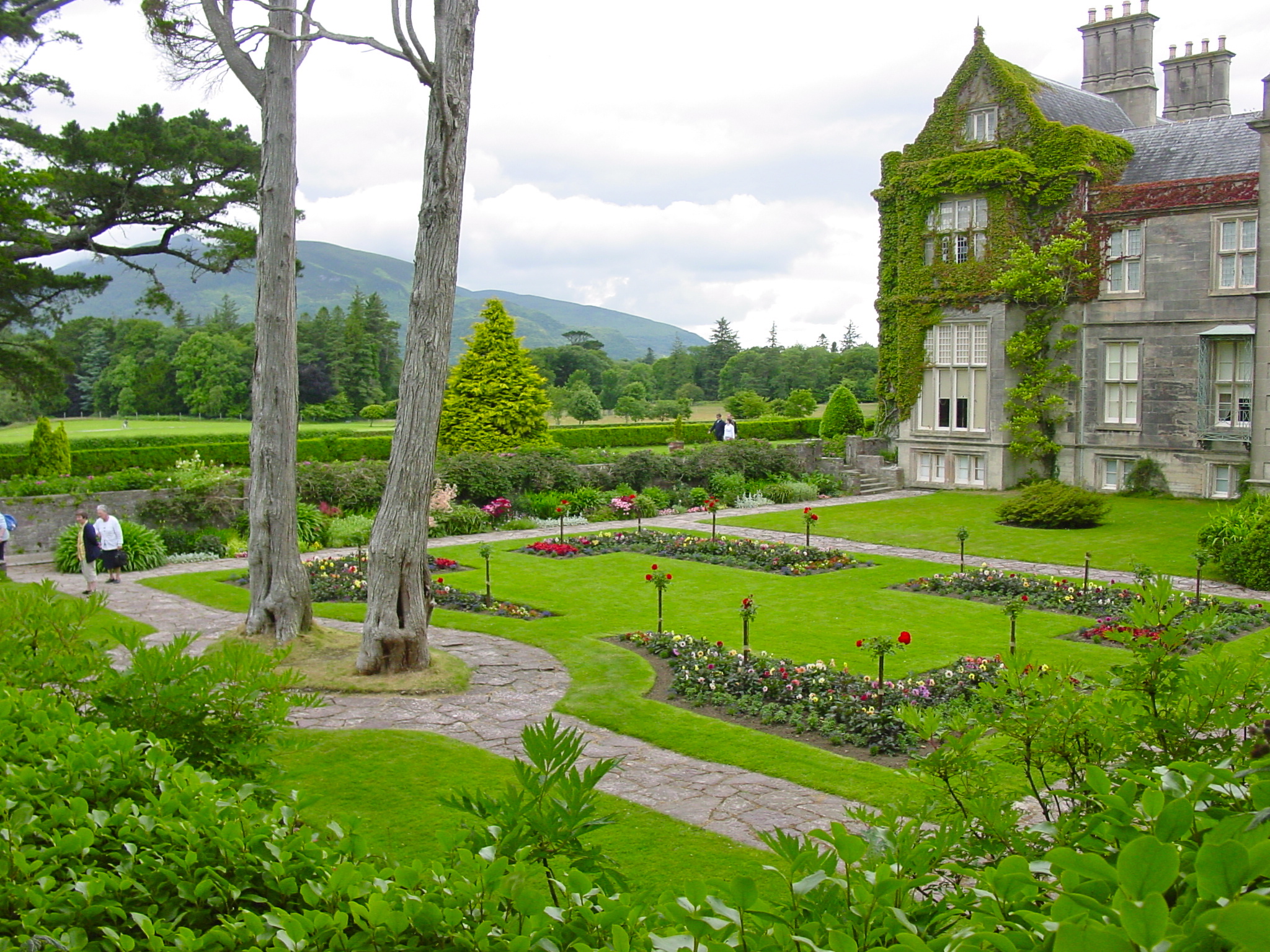
Our last stop is the Muckross House, located on the small Muckross Penisula, located between Muckross Lake and Lough Leanne. Muckross House is a mansion built in 1843 for Henry Arthur Herbert and his wife, watercolorist Mary Balfour Herbert. With sixty-five rooms, expansive improvements were made in the late 1850’s in preparation of the visit of Queen Victoria in 1861. It is said that these improvements for the queen’s visit resulted in financial difficulties for the Herberts’ resulting in the sale of the estate in 1899 to Arthur Guinness, who wanted to preserve the dramatic landscape. In 1911, the estate was sold to William Bowers Bourn, an American mining magnate. In 1932, Muckross House and the 11,000 acre estate was presented to the Irish nation, and became the first National Park in the Republic of Ireland and formed the basis for the present day Kilarney National Park. The house and grounds are beautiful!  Be sure to take the cart ride out to the falls!

Last, but not least, I want to mention my favorite author, Maeve Binchy.  I picked up my first “Maeve” book in an English bookstore in Quebec, Canada, mostly because I thought she had the most unusual name. I went on to read every book I could find.  A novelist, playwright, short story writer, columnist, and speaker, she is known for her humorous take on small-town life in Ireland and her descriptive characters. I am inspired by her. Her novels have been translated in 37 languages and sold more than 40 million copies worldwide. She finished third in a 2000 poll for World Book Day. Binchy was raised Catholic and attended convent schools, but a trip to Israel affected her life and her career.  To quote Maeve.

“In 1963, I worked in a Jewish school in Dublin, teaching French with an Irish accent to kids, primarily Lithuanians. The parents there gave me a trip to Israel as a present. I had no money, so I went and worked in a kibbutz– plucking chickens, picking oranges. My parents were very nervous; here I was going out to the Middle East by myself. I wrote to them regularly, telling them about the kibbutz. My father and mother sent my letters to a newspaper, which published them. So I thought, It’s not so hard to be a writer. Just write a letter home. After that, I started writing other travel articles.”

Maeve went on to write and write. I love all her books, but I re-read every year, The Lilac Bus and Evening Class. My inspiration, is her book, the Maeve Binchy Writer’s Club, words of encouragement in letters from Maeve. To read about the Irish culture, Maeve Binchy, is the author for you! Sadly, Maeve passed in 2012 and is missed by readers everywhere.

For more information about Beach Cove B&B see: http://www.stayatbeachcove.com

For more information about the Skellig Chocolate Factory see: http://www.skelligschocolate.com

For more information about Muchross House see:http://www.muckross-house.ie

For Information about Maeve Binchy see:http://www.maevebinchy.com

The Perfume Collector

The Streets of Marais

The Streets of the  Marais

A Santa Along the Way

A Santa Along the Way

In my pre-travel readings I read a fabulous book titled, The Perfume Collector, by Kathleen Tessaro. I could not put it down. I was mesmerized. It would set the mood for the Paris vacation.

In Kathleen’s words about the book:
An inheritance from a mysterious stranger…….
An abandoned perfume shop on the Left Bank of Paris……….
And three exquisite perfumes that hold a memory…….and a scent.

It put me on a quest for perfume in Paris!

After the events of the past days I am determined to go shopping today. I have been ogling shop windows filled with beautiful bling and nuggets and watched women spray perfume on what looks like white plant garden markers, long enough.  I have stopped at every little stand in front of the perfume shops and followed suit.  The perfume dealers are very smart.  These little stands have two or three perfume bottles on them and the white markers.  I spray the marker and “oh” and “ah” over the scents. Off I would go with the markers in my inside coat pocket and whenever I reached into my pocket what a delight of delicious fragrances I received!

One day, before Christmas, I ventured into a tiny perfume shop. There was one French woman there discussing a perfume with the owner.  She went on and on……..and on….the gentleman giving her full attention. Now, here is where I want to add my view of French shopping, well most European shopping for that matter. No one is ever in a hurry.  The customer may take hours looking, selecting, trying, and asking questions. More samples are brought, more questions answered.  Get the picture?  Shopping is an art form here. One customer at a time. The customer is special. The clerk sees to that.  My first observance of this was seen in the movie, Love Actually. In one scene, a man is looking at jewelry and the elegant man behind the counter enlightens him on the art of shopping. I loved it! This is a Christmas movie, my favorite Christmas movie, but the message of the movie holds true, so I like to watch it throughout the year. Put it on your movie list, you will not be disappointed! The salespeople in Paris are exactly like the behind the counter clerk in this movie. Here in Paris, I was fascinated just watching the scene play out before me and could not wait for it to be my turn! On this pre-Christmas day we couldn’t wait, but I vowed to be back.

The Perfume Man

The Perfume Man

Atelier Cologne

Atelier Cologne

Today I hobble to the perfume shop, that in my mind is the greatest perfume shop ever! It is tiny with bricked walls and wooden tables with a selected few perfume bottles.  Papa Bear and I are the only customers here today! The gentleman addresses me. I tell him I have been here before, when he was busy with another customer. He shows me all the perfumes.  I sniff, I doodle. I think. I sniff some more. I ask about the fragrances. We carry on a conversation for over an hour and I make my selections.  Oh, but we are not through!  Now he will make me leather covers with any initials or wording I like, to be placed on the smaller bottles I have selected. The leather covers come with the perfume, he explains.

One of the Finished Perfume Cases

One of the Finished Perfume Cases

My Perfume Collection

My Perfume Collection

I choose from the many leather color options.  More time.  We take a seat before his work desk.  A large machine (made in the USA, he tells me) is prepared to take a silver leafing paper that will heat up, leaving the initials I have selected pressed into the leather. The handle is lowered and the foil heats up, transferring silver initials onto the leather case. This takes several minutes, since the heat must reach a certain temperature and the foil pressed evenly. When the process is complete, he takes the leather case from the machine and rubs and buffs and rubs and buffs the leather some more.  He puts on his glasses to inspect the results.  He doesn’t like the look of the initials so he throws it away! He starts over on another piece of leather of my choosing.  Again, it does not meet his inspection.  Third try on one bottle and it is perfect! We have more bottles to go!  At last we have completed the sale of perfume and after individually tissue wrapping each one and putting each one in an individual box, he places the lot in an elegant looking carrying bag, and thanks me. Next he reaches into a drawer and selects a handful of  french postcards, each with a different perfume scent artfully tied to them with brown cording  and places THEM in my elegant bag.  YES, this is shopping in Paris! Let’s move on to the next shop!  Before the day is over I have almost as many free gifts, as the gifts I bought!  Not just trinkets either. In one shop I got a small bound diary/calendar that also explained the history of charms. I loved it! As Kathleen said, “What memories! What scents!”

Also Baby Bear shared her tip from her perfumer.  He suggested spraying or dabbing your favorite perfume on the BACK OF YOUR NECK, for the most lasting results that is pleasant for you (you can smell it) as well as those around you. It really works!  At the end of the day I continued to smell a whisper of the fragrance on my pillow!

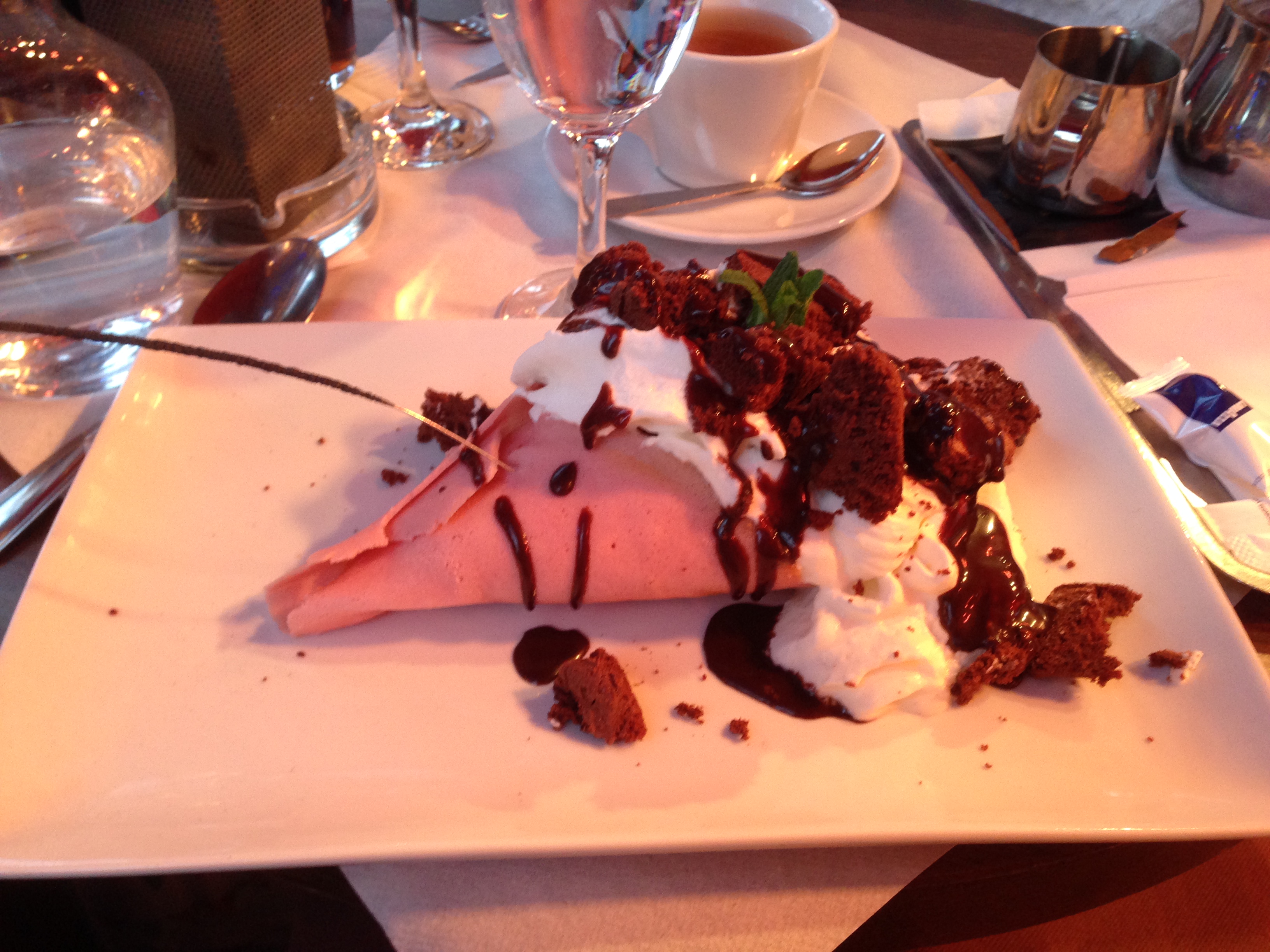
PS: The day would not be complete without a stop for shopping fuel.

Must Stop for Shopping Fuel!

Must Stop for Shopping Fuel!

Shopping Fuel

Shopping Fuel

It's Night Time Already!

It’s Night Time Already!

It’s getting dark.  Back to the apartment!  I am really hobbled now!

The Perfume shop was: Atelier Cologne, Nenesse, rue de Poitou, Paris, France

Off to Manoir Hovey in North Hatley

Manoir Hovey

Manoir Hovey

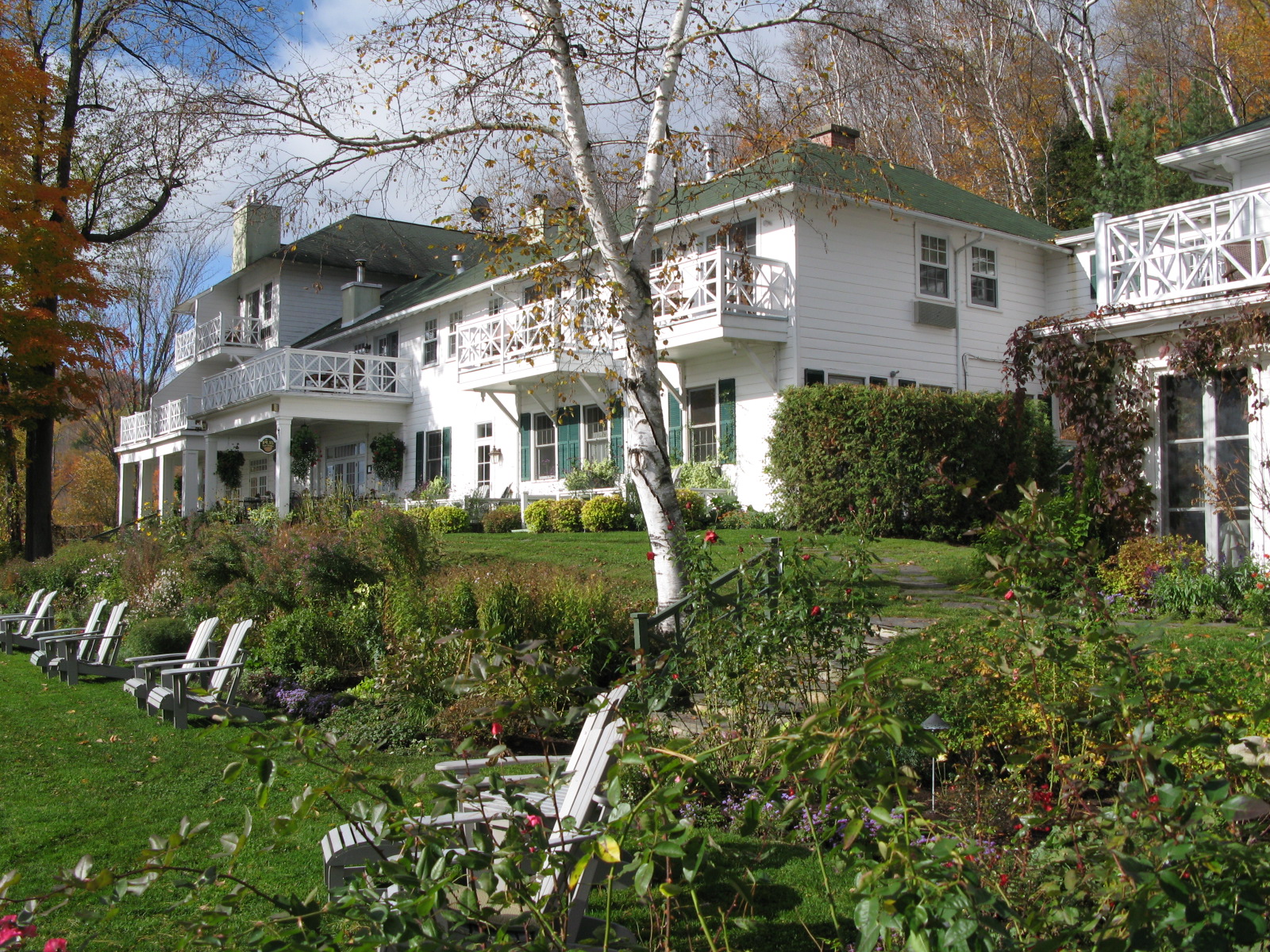
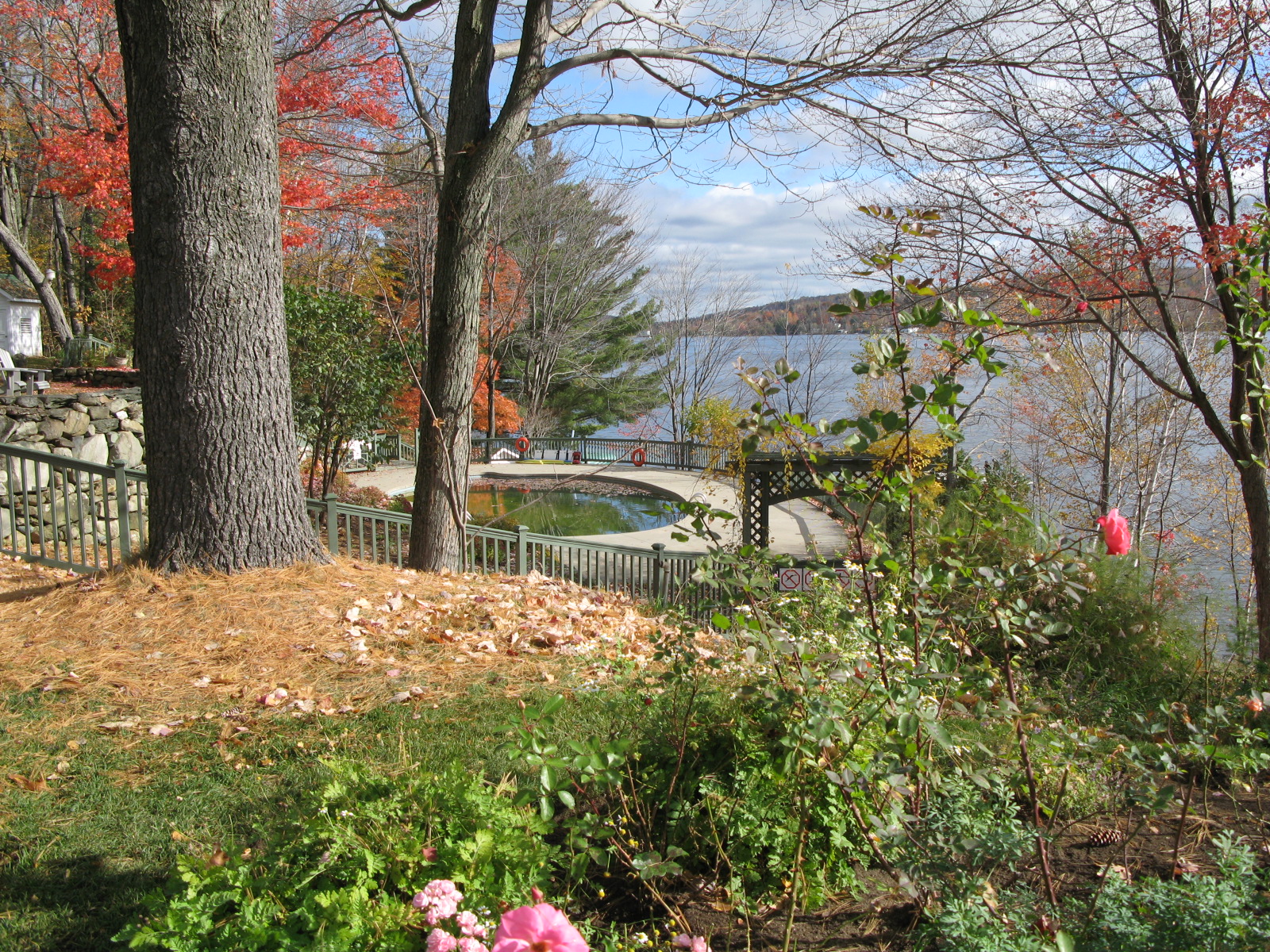
Winding down the secluded entrance road surrounded by thirty-five acres of deep woods of pine and birch, we are headed to Manoir Hovey in North Hatley, Canada. It is a perfect cool crisp bright autumn day. The distinctive colored leaves gently float to the ground. Manoir Hovey, a five star inn was featured in the book Rule Against Murder, by Louise Penny and has become one of our favorite inns.

The Gardens at Manoir Hovey

The Gardens at Manoir Hovey

239

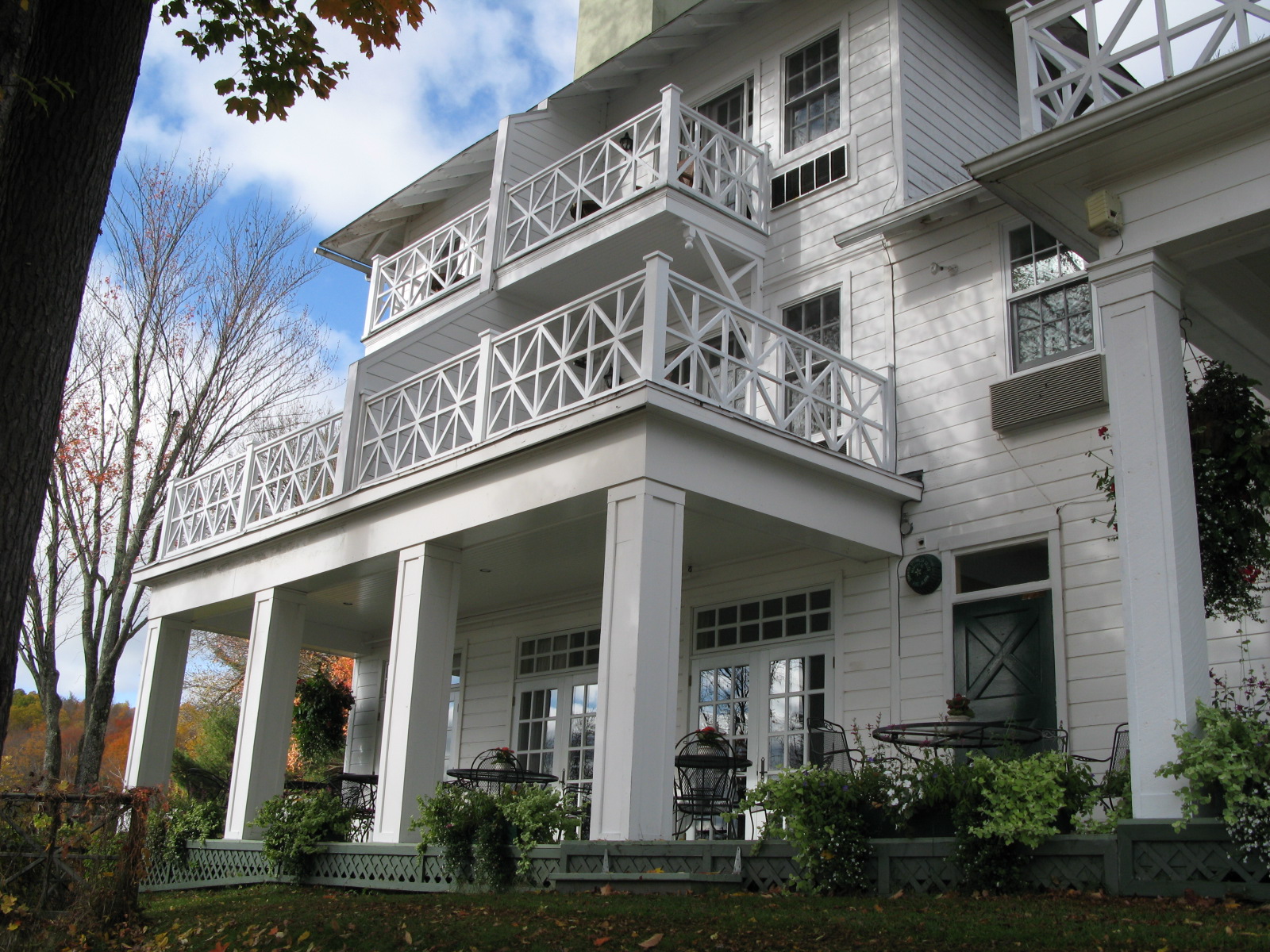
Our Balcony at Manoir Hovey

Our Balcony at Manoir Hovey

The Flowers

The Flowers

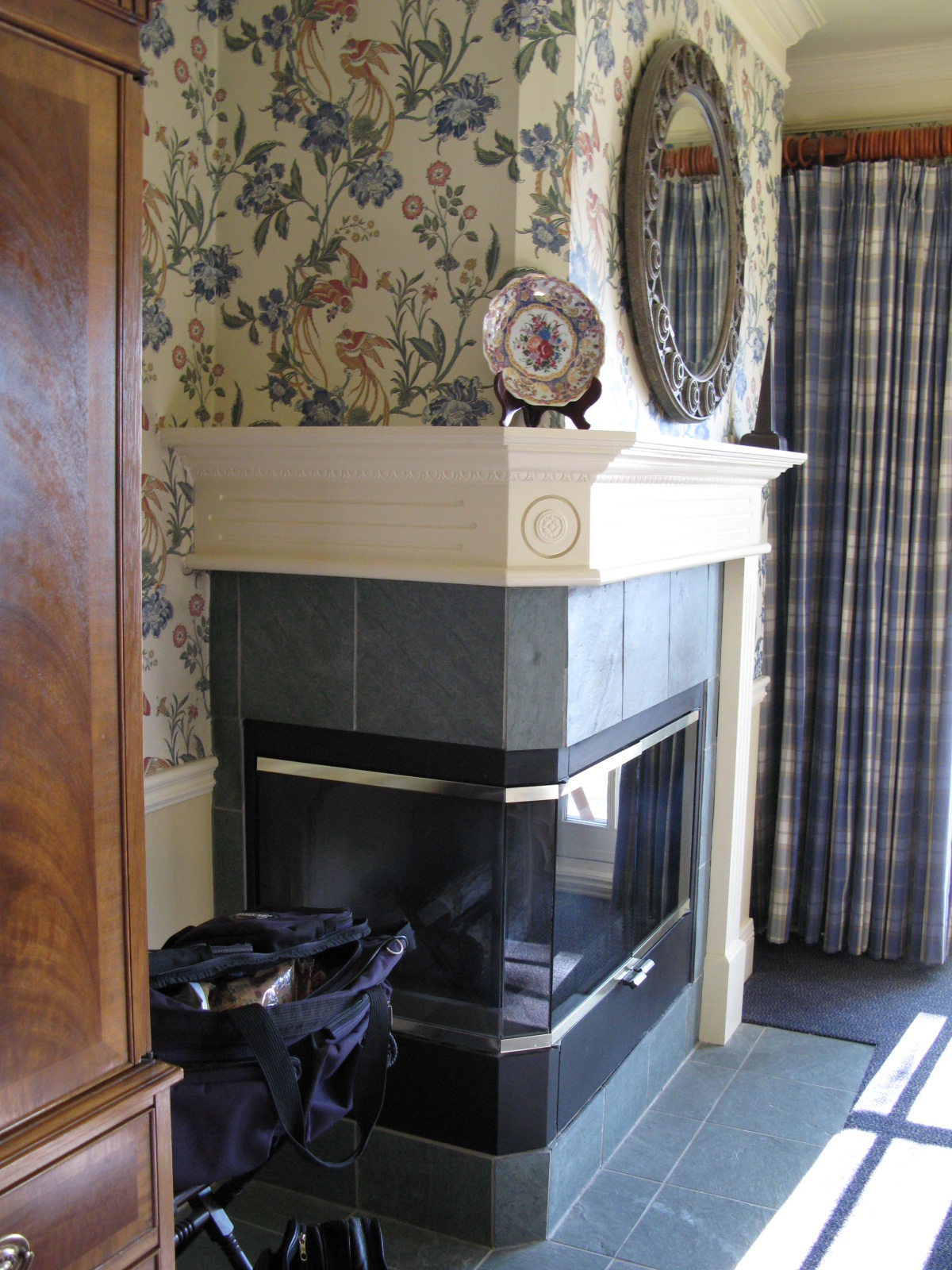
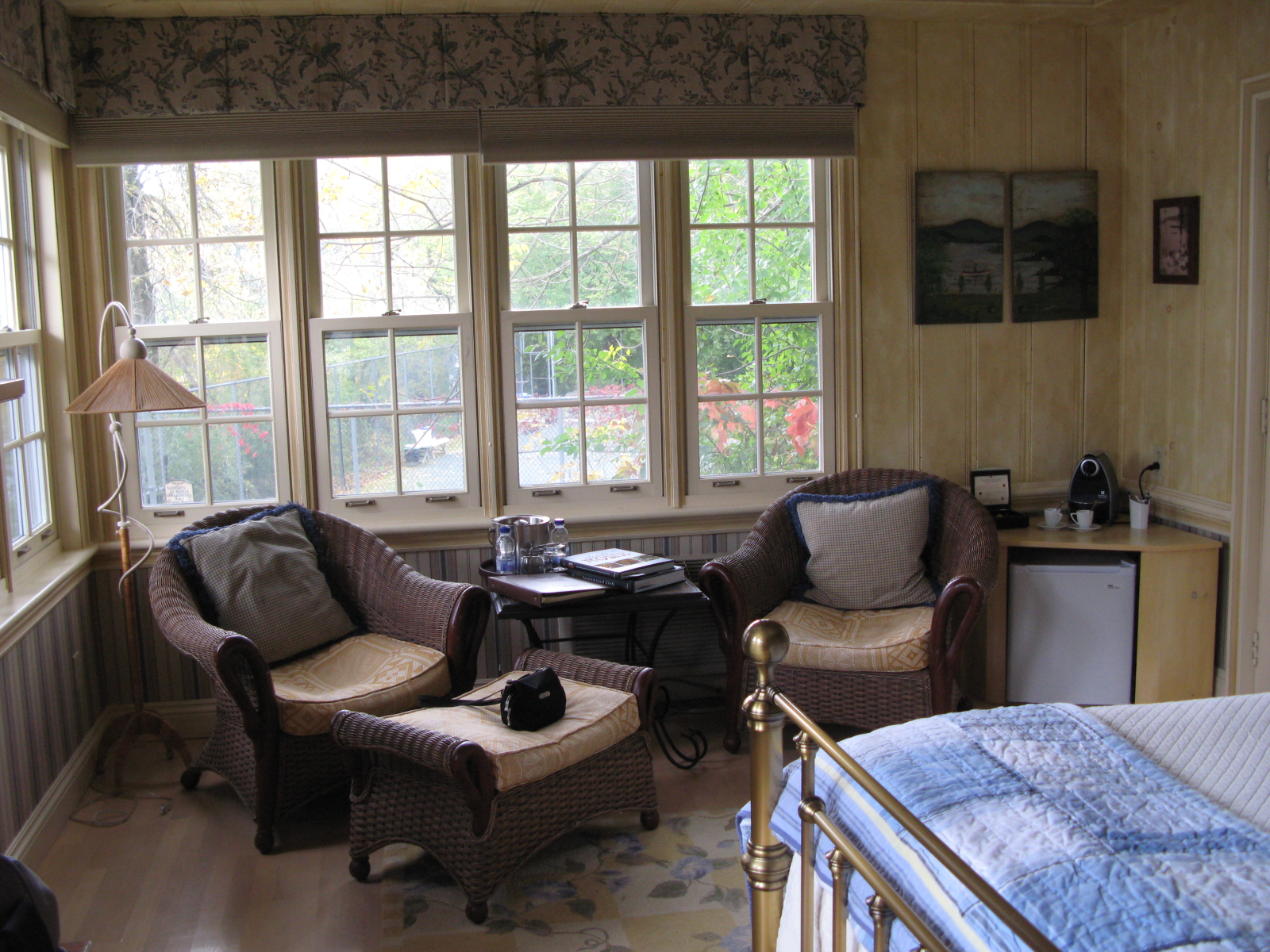
The Manoir is secluded on Lake Massawippi and features a main lodge nestled in a beautiful garden setting and unique cabins suites along the water.   On our first trip we stayed in the lodge, in a beautiful corner room complete with a fireplace and overlooking the gardens, but on other trips we have stayed in the Le Cartier Cabin suite closest to the water.

The Fireplace in our Room

The Fireplace in our Room

Our Corner Room

Our Corner Room

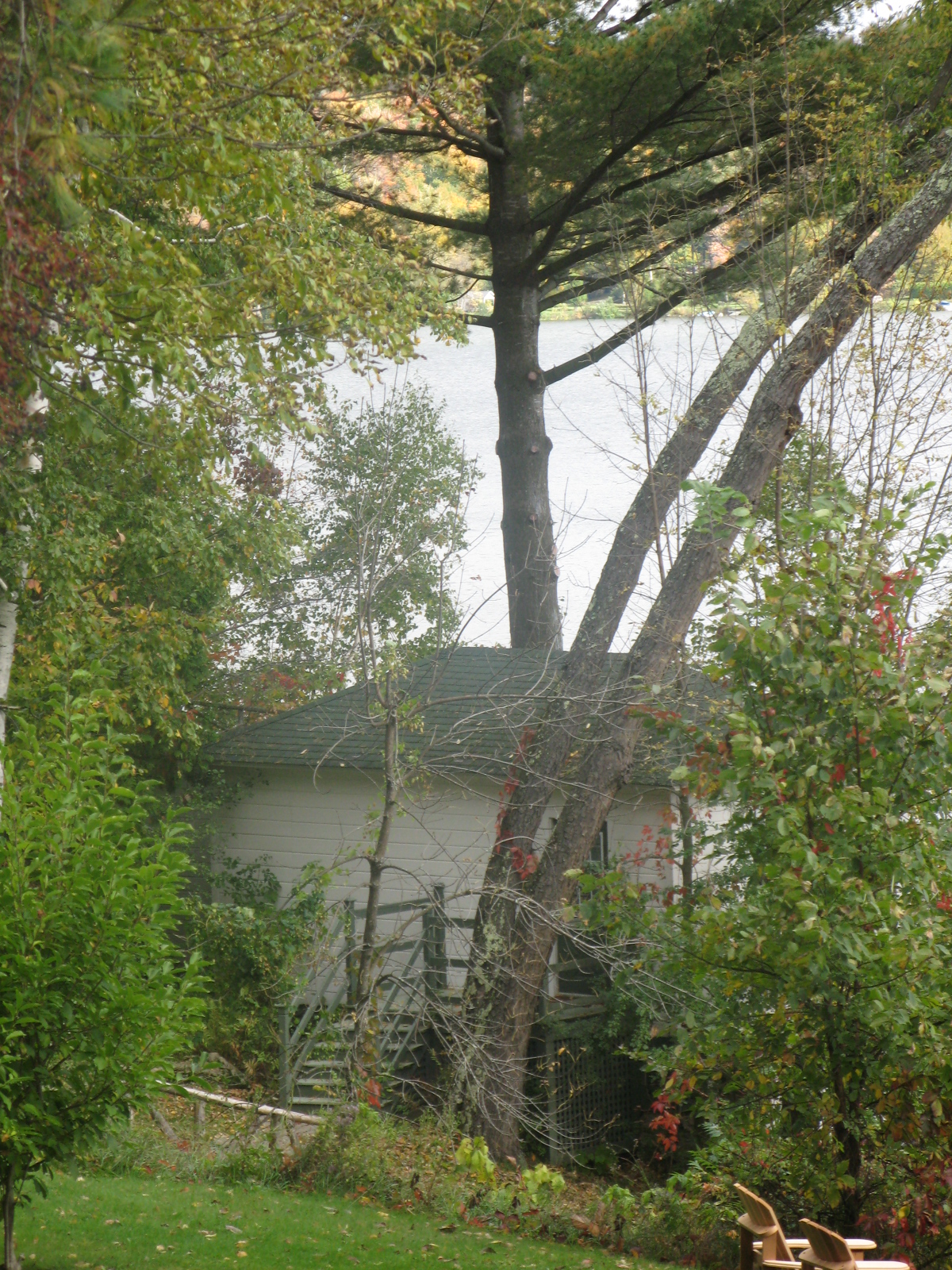
Manoir Hovey Le Cartier Cottage

Manoir Hovey Le Cartier Cabin

Le Cartier Cabin

Le Cartier Cabin

Our Cabin at Manoir Hovey

Our Cabin at Manoir Hovey

Manor Hovey Cartier Cottage

The Fireplace in the Cabin Le Cartier

The Fireplace in the Cabin Le Cartier

Manor Hovey Cartier Cottage 16

The Road to the Cabins

The Road to the Cabins

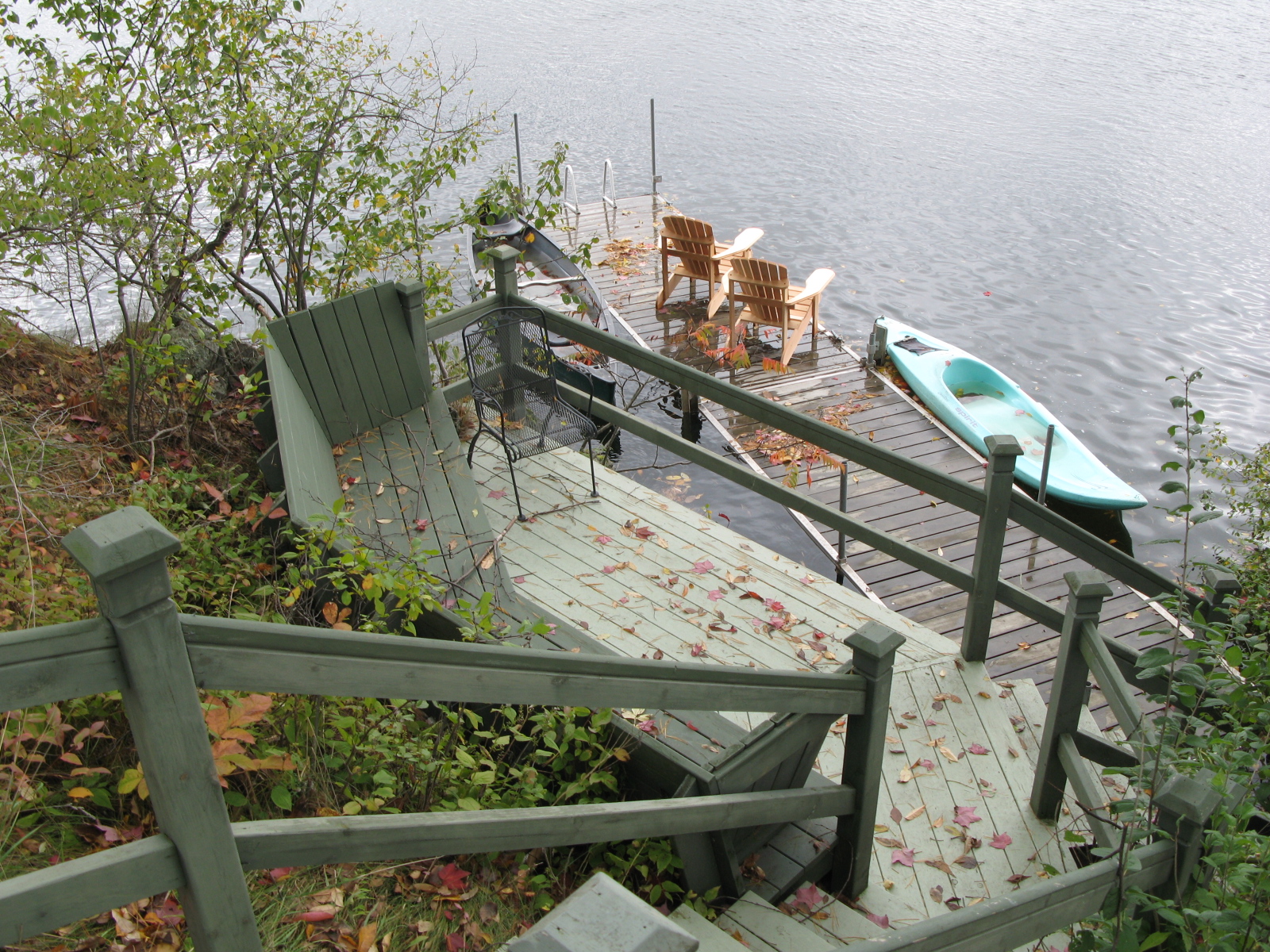
It was beautiful to wake up to the sun shimmering on the water, the sound of geese flying overhead and the whir of outboard motors. We could sit on the dock and drink our morning coffee before walking up to the lodge for a brunch breakfast.

Lake at Manor Hovey

Our Dock

Our Dock

The restaurant, Le Hatley, is first class, serving excellent food, where you can choose the garden setting or a place by the huge fireplace crackling in the dining room. Afterwards, the library feels warm and inviting as you curl up to read the morning paper in front of the large stone fireplace. Downstairs is a bar and another fireplace setting where the guests can meet and mingle. It is so inviting in the evenings. The bar is like sitting in a cozy cabin in the woods.

The Pub at Manoir Hovey

The Pub at Manoir Hovey

This is the place for relaxation and complete indulgence at any time of year. Our favorite time is Fall.

To learn more about Manoir Hovey in North Hatley see: http://www.manoirhovey.com

On the Road to Quebec

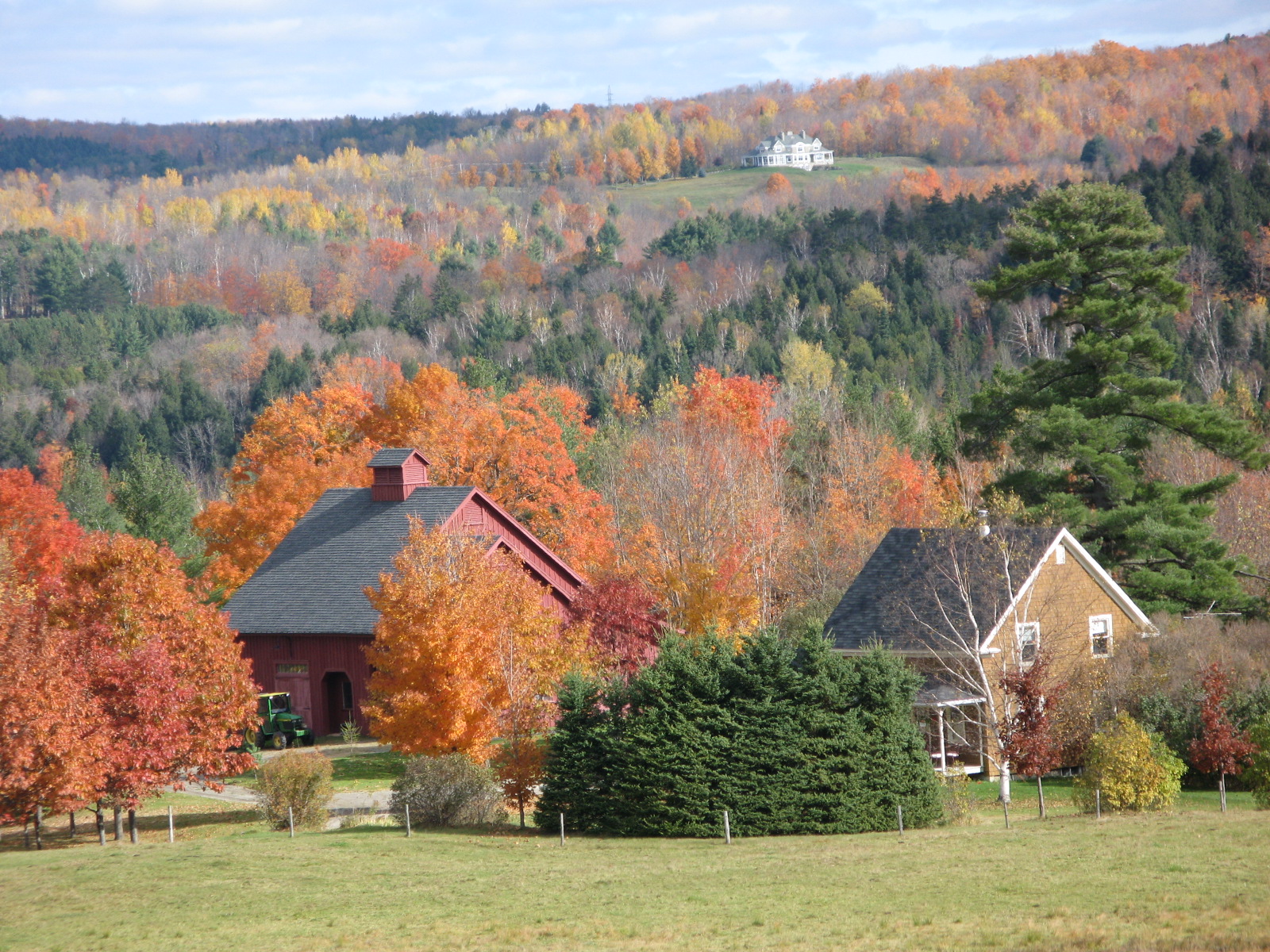
The Countryside in Quebec Canada

The Countryside in Quebec Canada

Autumn is right around the corner.  That would be a long corner here in the South. Today it is 85 degrees outside. Eventually, the leaves on the trees  will turn to flaming red, brilliant orange and deep green. They will last for two or three days and then drop off. I am ready for autumn now. A long beautiful autumn with brilliant colored trees, cool crisp days and evenings by the fireplace with mugs of apple cider. My thoughts turn to Quebec.  Autumn comes early in this paradise of color.  Their Thanksgiving festivals are in early October.  Leave the holiday to the end of October and there is a good chance for snow on your pumpkin.

The Colors of Quebec

The Colors of Quebec

Sutton Canada Flower Art

We flew into Montreal the first time we went to Canada, but now we fly to Burlington, Vermont and rent a car in the States and drive into Canada. The roads in Canada are easy to navigate.  They are double lane with a median dividing them, small roads in the country with little to no traffic or gravel roads with a six foot drop on each side of it, an eye opener.  The stop signs and street signs are also several feet higher than in the States so they can still be seen when the snow piles up beneath them. There is abundant scenery. Let’s start in Montreal. We visited the Montreal Botanical Gardens and loved the Japanese Garden.

The Japanese Garden in the Montreal Botanical Gardens

The Japanese Garden in the Montreal Botanical Gardens

304

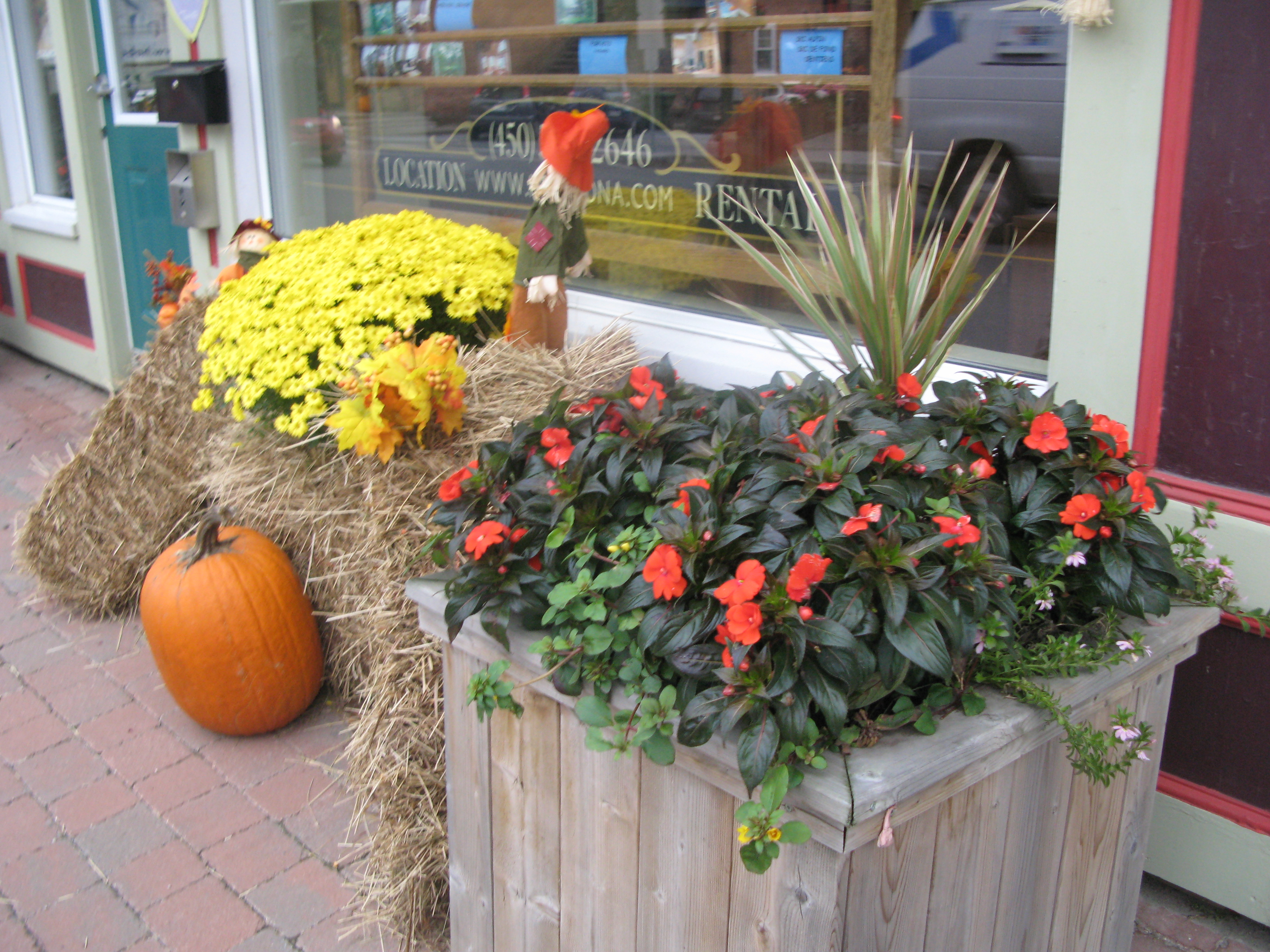
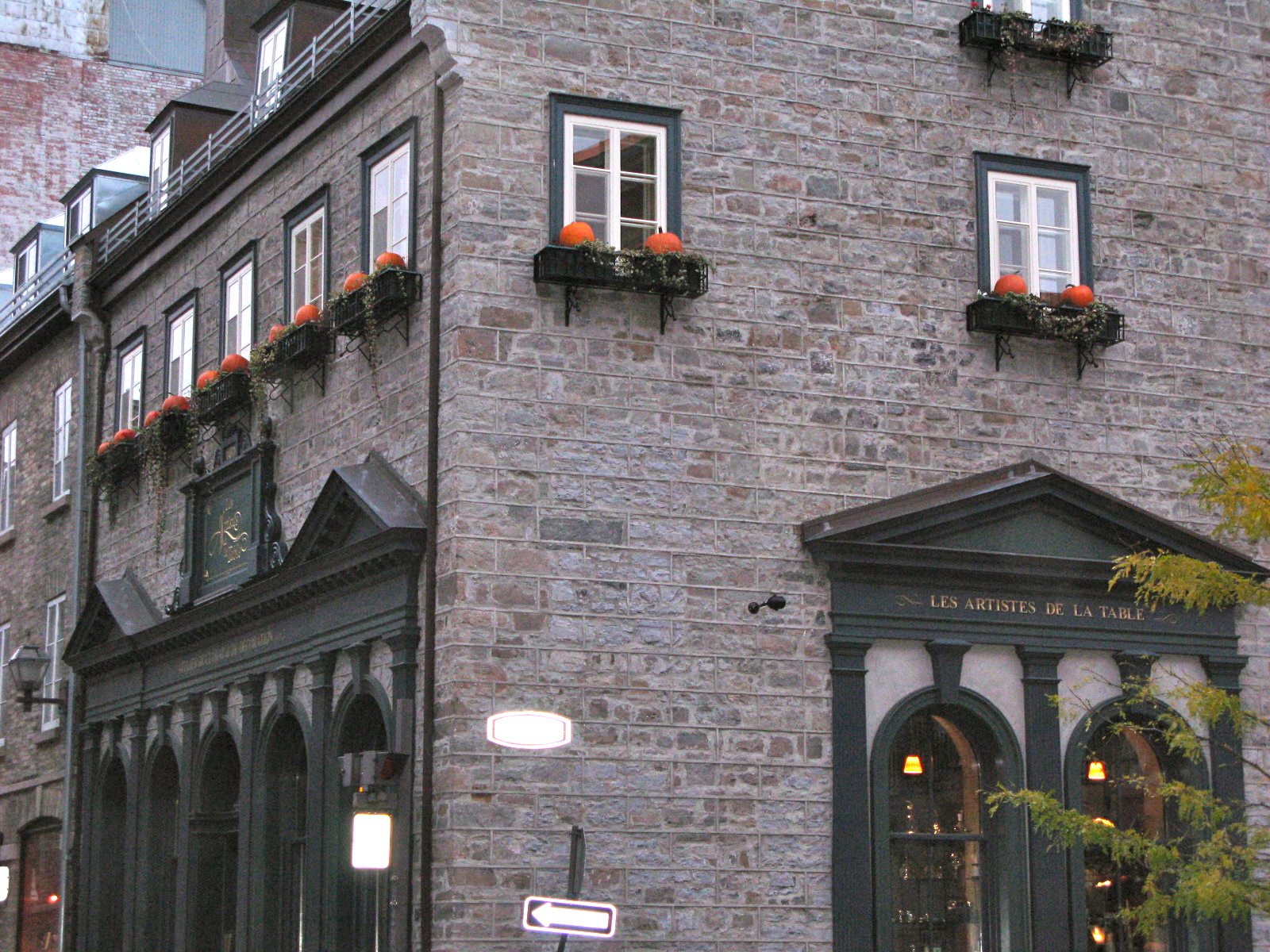
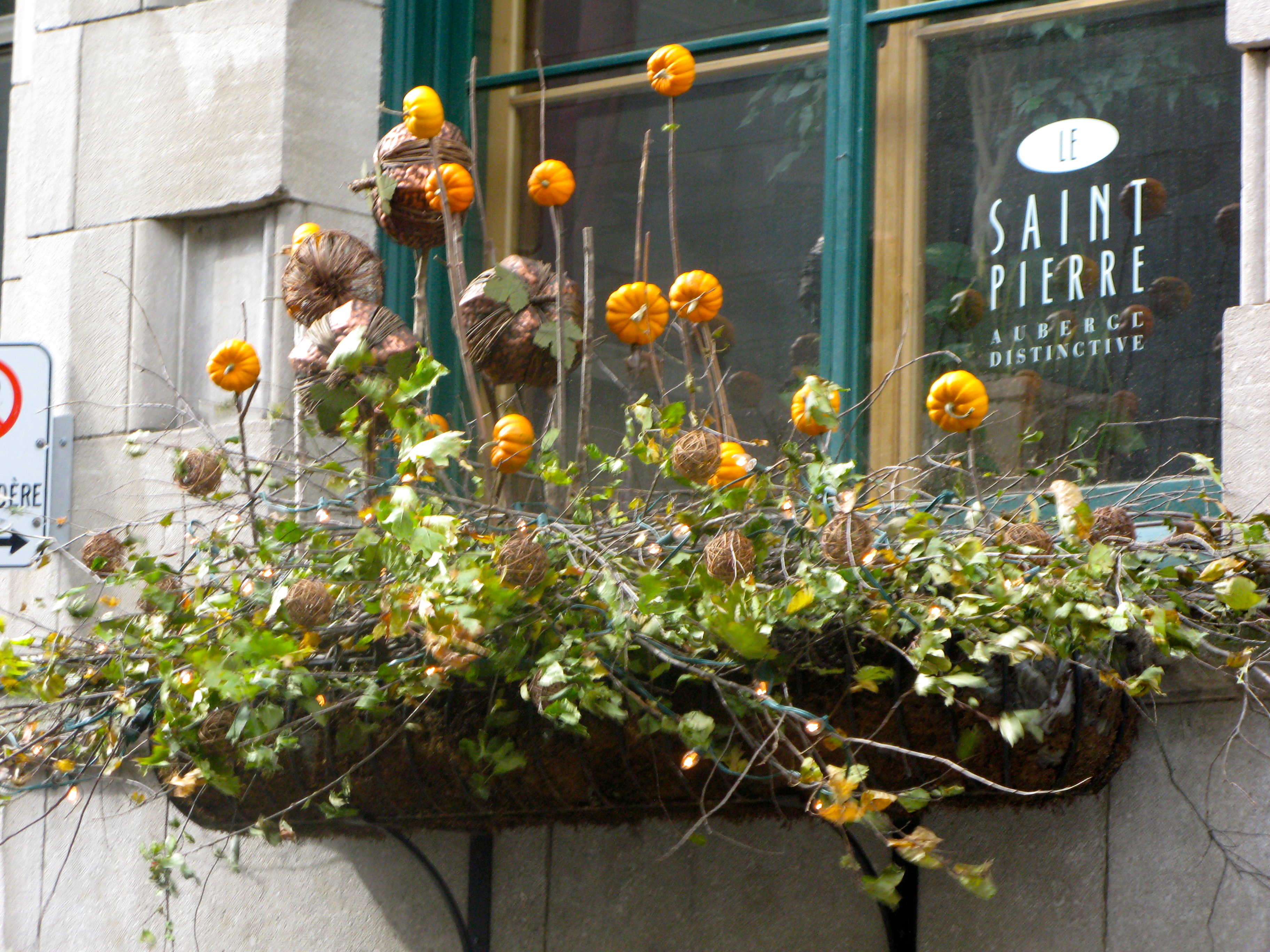
308Canadians deck out the town for Fall and there are beautiful foliage arrangements and pumpkins everywhere.  If you look up ghostly exhibits await you.

322

Fall Window Boxes, Montreal, Quebec, Canada

Fall Window Boxes

Fall Window Boxes

Quebec City Canada Flower Display

Window Displays are Everywhere

Window Boxes

When I was looking over my pictures for Quebec it dawned on me that I first went to the region in 2008 to meet the author, Louise Penny, for a book review and signing. When I think about it many of my planned excursions have been based on what I have read about the area in a book.  I don’t know why I did not realize that before now.

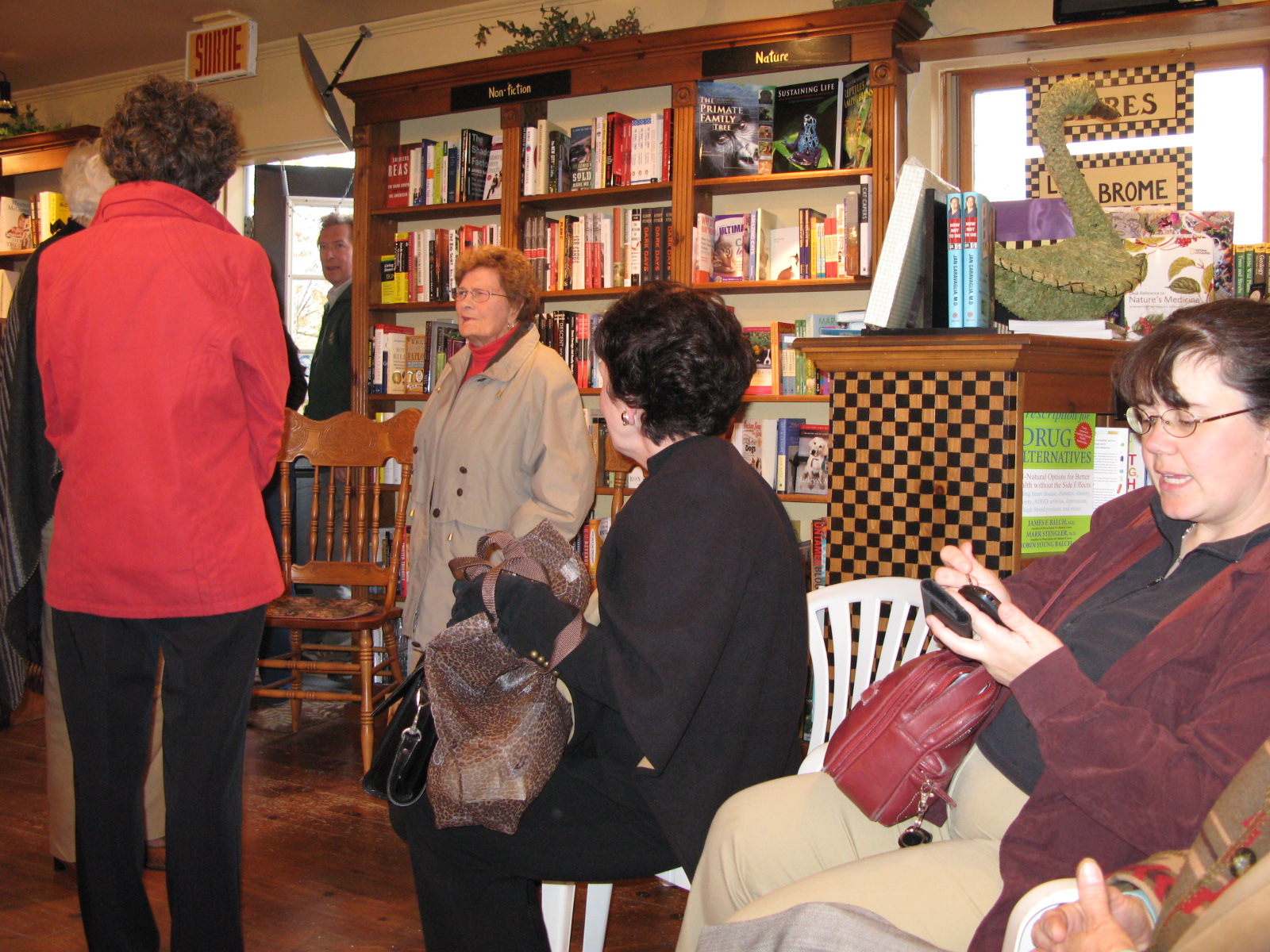
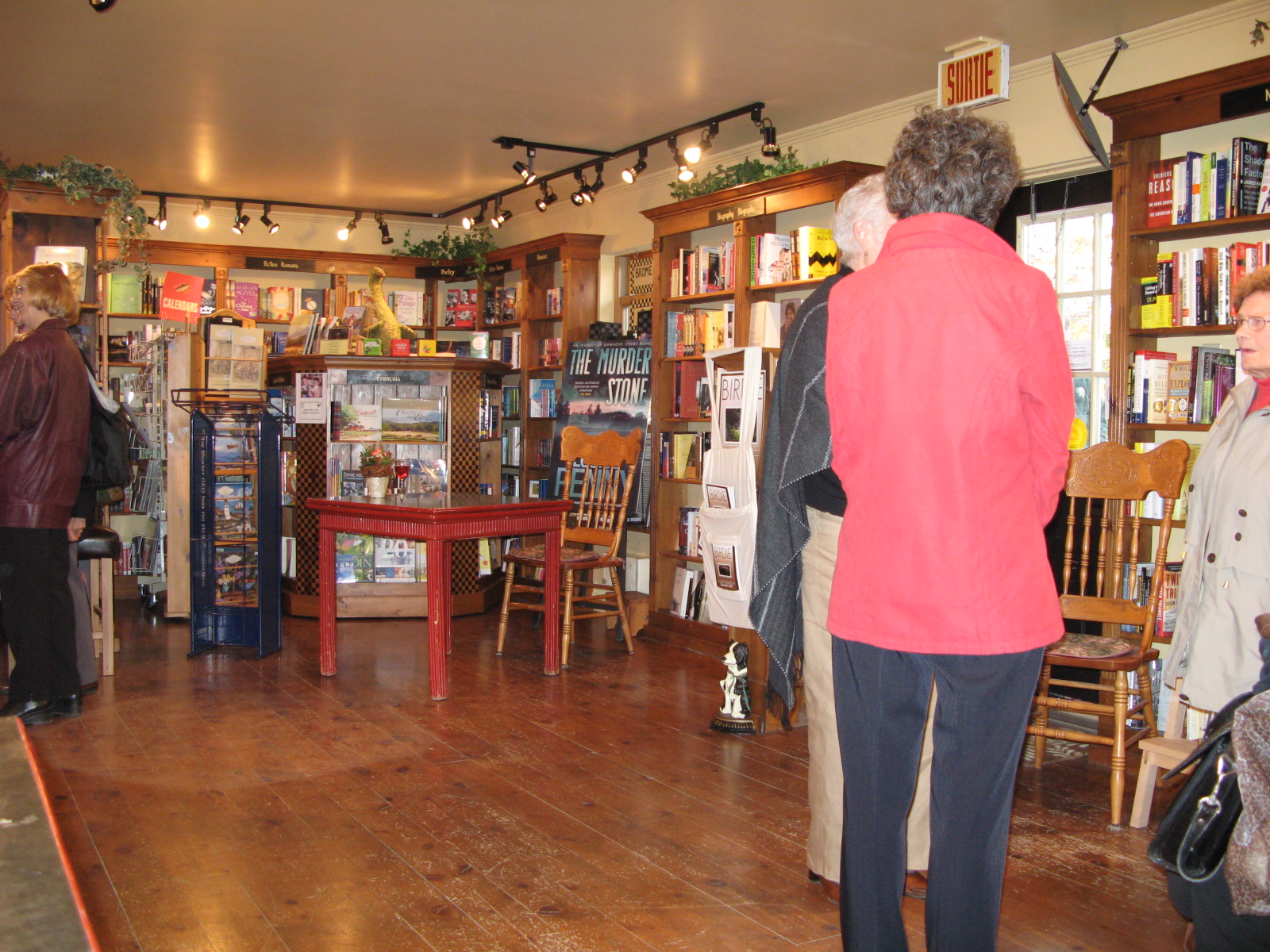
Since that first meeting with Louise Penny, we have made several trips to Quebec, Canada, but always in the Fall. Louise Penny writes a mystery series about Chief Inspector Armand Gamache and a  fictitious tiny village in Quebec, Canada, Three Pines. Louise’s latest book, How the Light Gets In , is #1 in Mysteries on the New York Times Bestseller List.  I have read all her books (start at the beginning) but I did not want to put this book down.  This is her ninth book and they all have been a delight to read. You will fall in love with all the characters and follow them along, in their ups and downs, throughout the series. Here are some pictures from the first book review I attended meeting Louise Penny in Knowlton, Quebec, Canada at Lake Brome Books, a tiny cozy shop nestled in a cluster of wooden buildings along the waterfront. In the bookshop you will discover a walkway to a small bistro with the best pumpkin pie I have ever eaten!

Llake Brome Books

Lake Brome Books

267

Louise Penny

Louise Penny

Knowlton, Quebec Canada

Knowlton, Quebec Canada

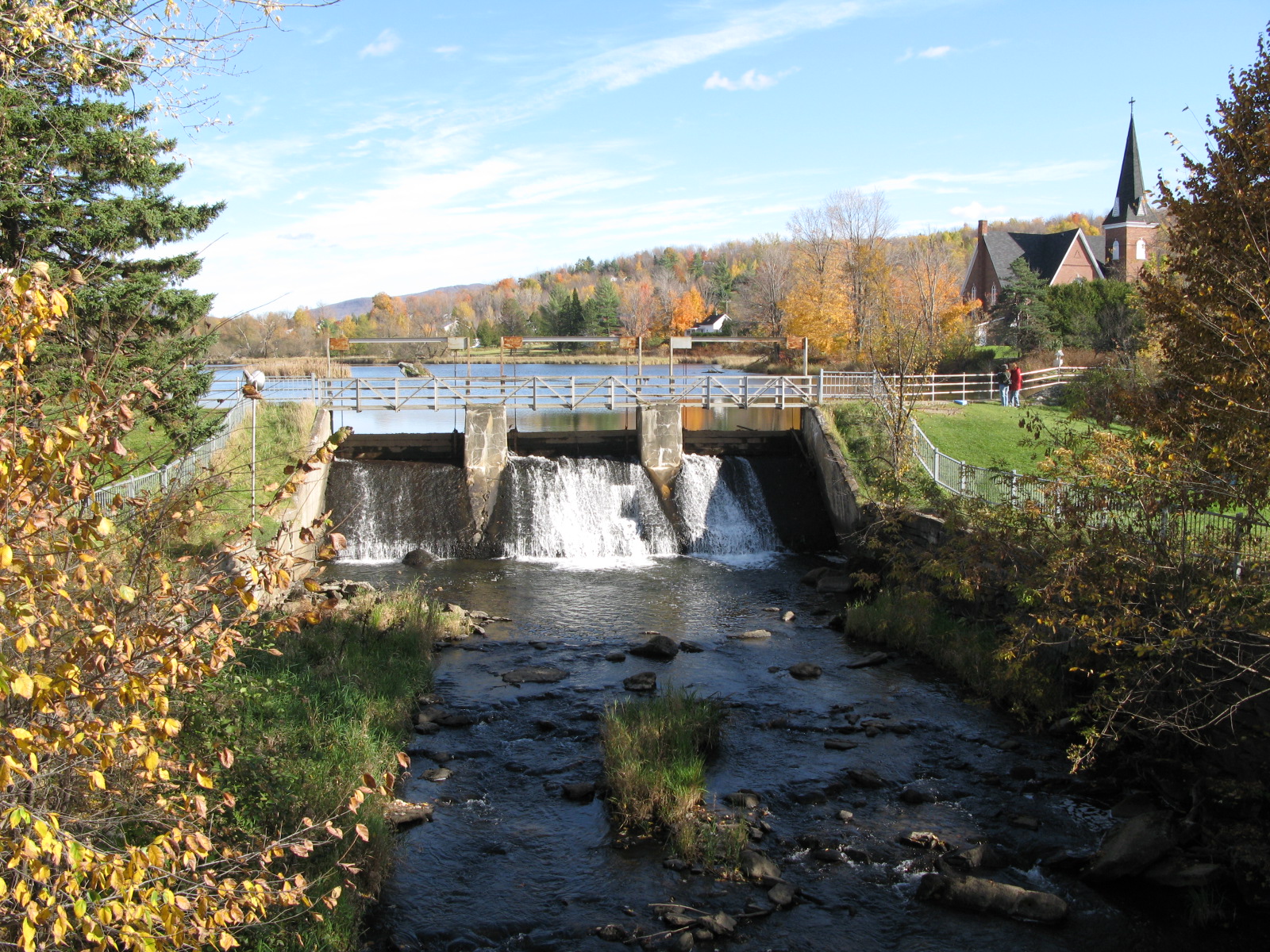
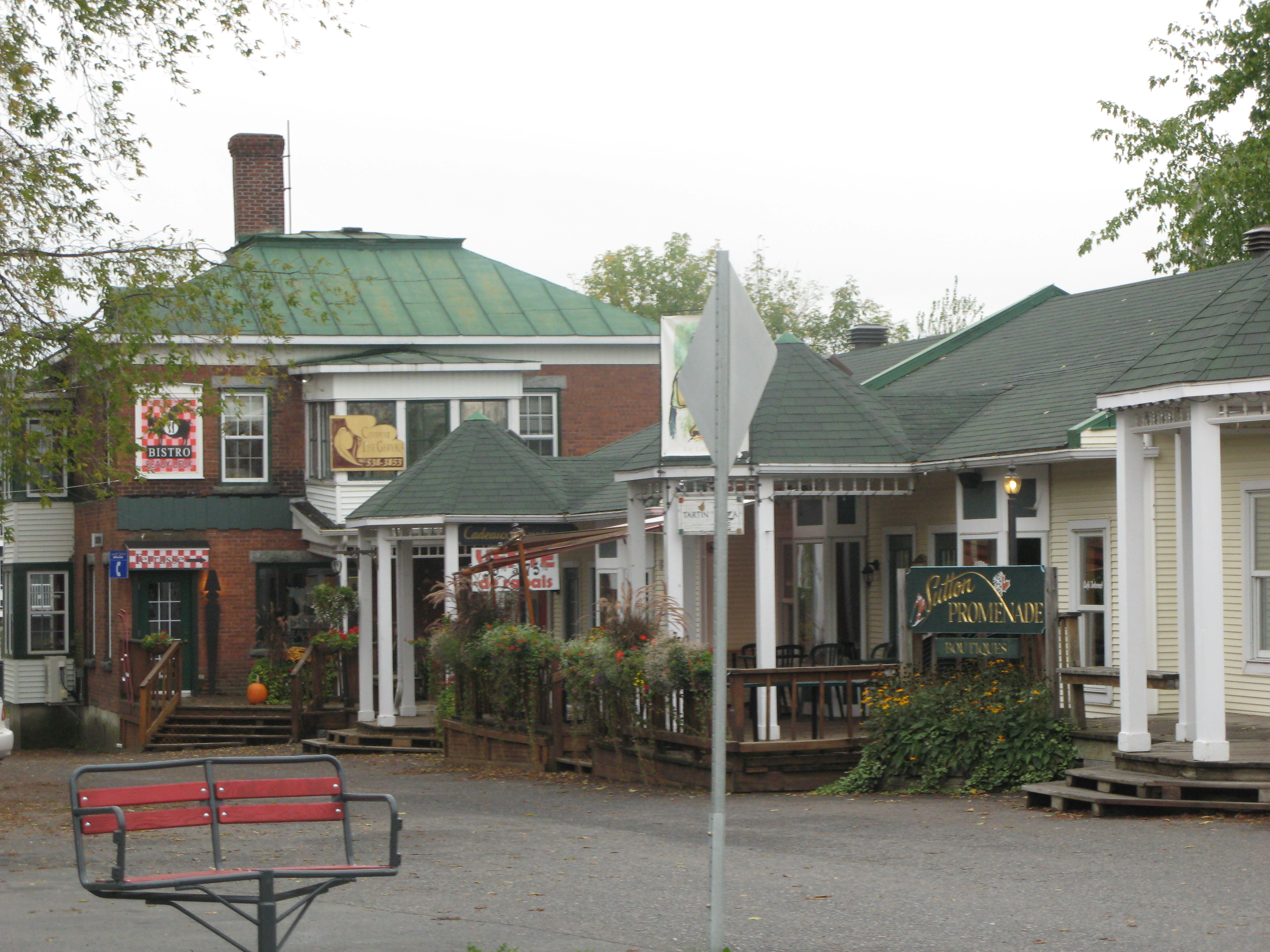
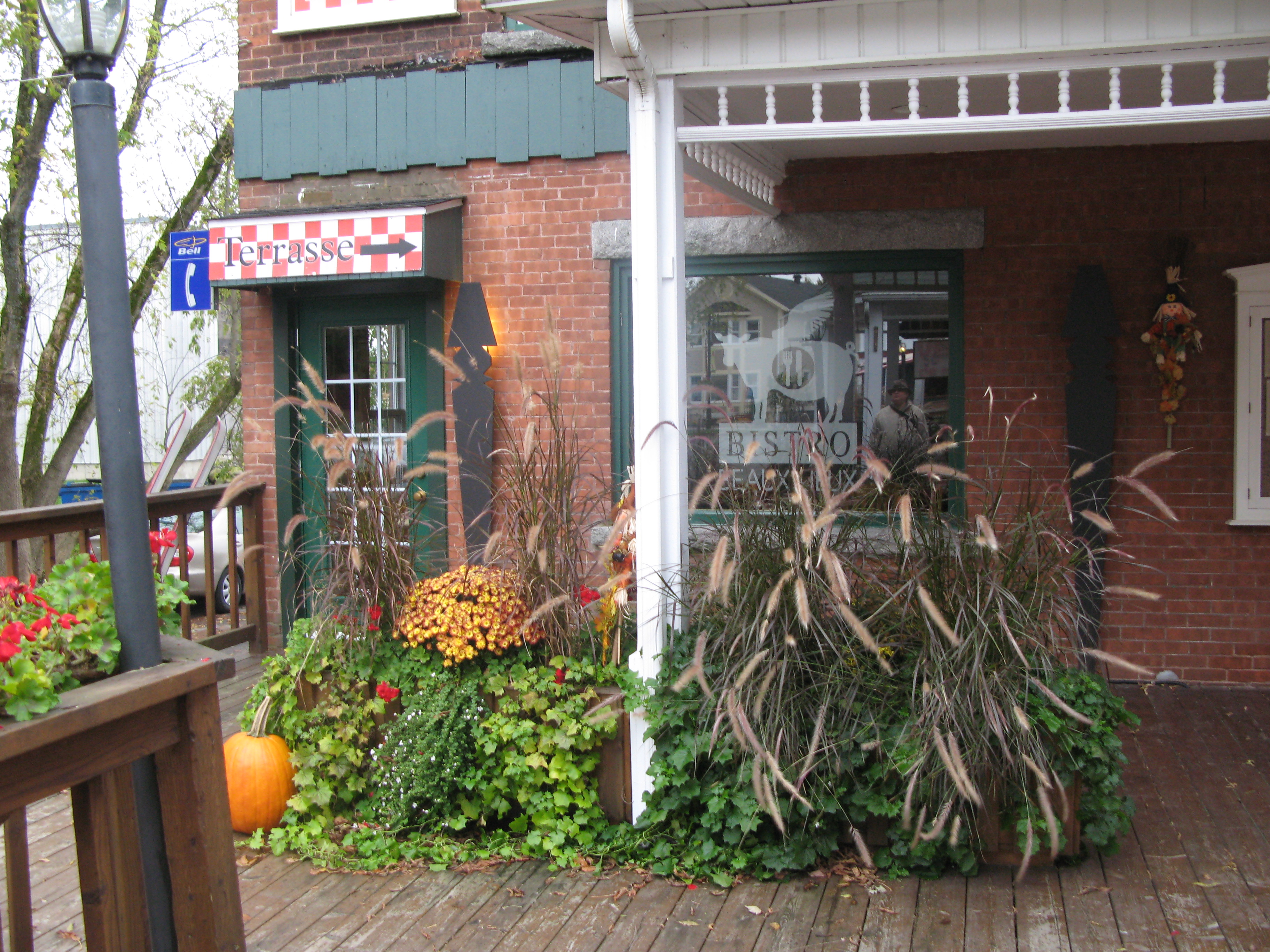
We visited the small village of Sutton, which is also a back drop for Three Pines village Louise writes into her mysteries.  On an early Sunday morning we were treated to fiddle playing and the singing of old Quebec tunes in a small bistro on Principale St while we munched on homemade delights. There is also a market that sells homemade breads, local meats, cheeses and  compotes that was busy serving up fresh turkeys and trimmings, and pies for the locals to take home and prepare for their Thanksgiving.  The entire village had a festive feeling!

Town Hall Sutton, Canada

Town Hall Sutton, Canada

The Sutton Shoppes

The Sutton Shoppes

Sutton Canada Flower Art 4Sutton Canada Flower Art 7

It is such a joy to explore these tiny hamlets in the Eastern Provence of Canada!

To learn more about Louise Penny visit http://www.louisepenny.com

Practice your French, we go next to North Hatley, Quebec Canada, a must do Fall pilgrimage!

Off To Roma

Rome

Rome

Off to Italy!  First stop Rome and Santa Brigida Church and convent where I will be staying while in Rome. Santa Brigida Church is dedicated to Saint Brigida of Sweden and the Swedish National Church (Lutheran) in Rome. The order of St Brigida is found in many countries and their convents serve as a rest, retreat and educational facility for  people of different faiths.   Birgitta Birgirsdotter was born in 1303 in Vadstena, Sweden into a well-to-do family and married Ulf Gudmarrson, a knight, at the age of 14.  They had eight children and one of the girls Karin, also became a saint, Saint Catherina of Sweden.  Ulf died following a pilgrimage taken by both Brigida and Ulf to Santiago di Compostela in Spain. Following Ulf’s death Brigida joined the Order of St Francis and started a community of both men and women in Vadstena.  The idea of men and women serving and working together in the church was unheard of.  In 1350 she and her daughter traveled to Rome, a strenuous trip during the plague, to seek permission for an official order of Bridgettine Sisters and stayed in the Palatium Magnum, the grand palace. Here she remained and served the poor until her death nineteen years later while waiting for permission to start the order, which was granted in 1370, after her death. St Brigida is also know for her visions that started as a child. Some believe she was epileptic, though I am skeptical of this idea.  To survive in the 1300’ s, have eight living children and live well into middle age, in addition to having epilepsy would be a miracle itself.  She wrote down her visions in her book of revelations, especially of the Nativity of Jesus which influenced the scene to be painted as art. In another vision, she was given a prayer later known as the Fifteen “O’s” because in the original Latin verse each prayer started with the letter “O”.  This prayer honored the wounds of Christ and were prayed over the course of one year. This prayer was later recited throughout Europe.  She also wrote many letters to the Pope, who lived in Avignon, France, encouraging him to bring the Papacy back to Rome.  He did.  Under Catherina and later her granddaughter, Casa di Santa Brigida in Rome served as a pilgrimage stop in Campo di Fiori (Field of Flowers) for Swedes coming to Rome on pilgrimage and then as a refuge for Swedish Catholics fleeing the Reformation in Sweden. The convent in Rome changed hands among many different orders of nuns over the years, including the Sisters in Santa Maria in Trastevere, then to the Congregation of the Holy Cross, a French congregation that restored the rooms of St Brigida and her daughter St Catherina.  Next the convent was given to the Polish branch of the Carmelite Order until 1930 when it was restored to the Brigidine Order and Mother Mary Hasselblad.  Mother M. Hasselblad was a Swedish girl who immigrated to the United States for work to help support her family in the early 1900’ s.  She converted to Catholicism, became a nun, and was sent to Casa di Santa Brigida and worked relentlessly to restore the Brigidine Order in Rome.  Later she returned to Sweden and opened a convent in Vadstena  with a group of Brigidine sisters who were now thriving in Rome under her leadership.  It was the first Catholic Order to be restored to the Lutheran country in 400 years. Later the order would expand into Mexico and India, where many of the nuns living at Casa di Santa Brigida are from.  The relics of St Brigida and St Catherina are here in the church. The rest of St Brigida is buried in Sweden at the convent of Vadstena.
Italy Sep _ Oct 2009 832
Italy Sep _ Oct 2009 683I have never stayed in a convent before or a hotel operated by nuns. This will be a new experience and the location is fantastic. On our previous trip to Rome we stayed in a newly remodeled villa near the US Embassy that had been converted into lovely big rooms with posh furnishings and marble fixtures. It was a bit further out from the major sites and the Vatican. Our room was situated on the top floor with a great view but also up four flights of stairs.  Believe me when I say at the end of the day and after walking miles, I did not look forward to the stairs. Santa Brigida has an elevator, a treasure in any hotel in Europe. The rooms will be smaller, and with no TV. Since I don’t go on vacation to watch TV this is perfect for me. The description given by guests is, “the casa is spotless, a safe refuge in the heart of Rome and the nuns very friendly and helpful to everyone.”  Located in the Farnese Piazza, near Campo di Fiori, it will be close to restaurants, shopping and the sites.  I want to do two things in Rome, besides dwelling in Casa St Brigida.  One, is to walk and explore the Trastevere neighborhood.  This neighborhood is what most Americans think of when they think of Italy.  The walk includes twisting cobblestone streets, local cafes, gift boutiques, and wine, cheese and coffee shops. I’m sure there will be a gelato stop or two. People watching should be ideal. The second item to do is Rick Steves, Heart of Rome Walk.  This walk starts in Campo di Fiori and ambles through narrow lanes to the most colorful neighborhoods of fountains, piazzas and shopping, ending at the Spanish Steps.  This walk passes by the Pantheon, the Parliament, and the Trevi Fountain but since I have seen these sights before I will be focusing on the walk and the people.  I want to get a glimpse of the lifestyle and stroll among the rich and Roman before I move on to Montepulciano and Il Sasso, the Italian Language school.

Next a post from Italy!

War in Val D’ Orcia

The Road to La Foce

The Road to La Foce

This will be my last review of books I read as part of the Travel Prep for Italy.  In 2009 my husband and I spent a week in a monastery outside of Montepulciano.  Surrounded by olive groves and grape vines this was our home base as we discovered the hill towns of Tuscany. It was ideal and everyday we jumped up and were ready to explore. At night we returned to visit with the other guests and compare notes over dinner.  Driving in Italy can be very hectic, the Italians I am sure get tired of the slow pokey tourist moving as slow as a snail so they can see everything.  One of the highlights of the week was our day trip to La Foce.  La Foce, bought in 1924, is a large estate with a sixteenth century farmhouse,  and the home of Iris Origo, an American, who with her Italian husband, Antonio, restored the  baked barren olive green landscape, neglected by soil erosion and wars between the Italian states, back to life. Fifteen years of hard work produced one central fattoria (farm), where the Origo family lived surrounded by fifty farms of one hundred acres each with each farmer sharing all produce with the owner,  but depending on the owner for a home, equipment and capital.  This was the mezzadria system of farming similar to sharecropping in the United States. Here Antonio Origo introduced modern farming techniques and managed the estate while Iris (the Marchesa) set up a school for the children and adults (eighty percent illiterate) and a hospital for their growing farmstead, eventually six thousand people in all. Then came World War II.

La Foce

La Foce

The Gardens of La Foce

The Gardens of La Foce

La Foce

La Foce

Gardens of La Foce

Gardens of La Foce

War in Val D’ Orcia, An Italian War Diary, 1943 -1944 written by Iris Origo is the story of La Foce and its inhabitants during the war and the build up to it.  It describes their life under the fascist administration of Benito Mussolini, who came into power in 1922, their move to La Foce and then their everyday life during the war,  trying to survive.  I think the most important fact for me was that Iris decided not to edit any of the pages she had written when the book was published, in 1948. Her papers were originally written  as a personal journal during her pregnancy, as a pastime, in the middle of domestic isolation and boredom. When the war came to the Val D’ Orcia, her writings became a way to concentrate and clear her mind by writing each days events as she had heard or witnessed them first hand. She left it as it was written, sometimes in scribbles, sometimes lengthy, written in the cellar, or in her children’s nursery, hiding the papers among the children’s books because she didn’t think anyone would look there and eventually burying her diary in the garden. Good or bad they did what they thought at the time was the right thing to do. Coulda, woulda, shoulda times and more.  Sometimes those decisions turned out for the best and sometimes not. She tells it all.

The road we took to La Foce was a two lane paved highway, surrounded by plowed olive green fields ( I have never seen a field that color before or since) bordered by the tall skinny plane trees, that everyone thinks of when they think of Italy. We zigged-zagged down that road and on the crossroads found La Foce,  a bright yellow cheery pallazzo, surrounded by beautiful gardens and a  pool flanked with lemon trees in big terra cotta pots.  We took the tour with an English speaking guide, walking through the gardens and learning about Iris Origo’s  garden design, statuary and the choice of flower variety for her garden. The estate was so beautiful, restful  and peaceful. During the tour, the guide mentioned that the marchesa had written several books. I looked them up when I returned home and was pleasantly surprised that one of her books, the War in Val D’ Orcia, was written in English. So I read the book after returning to the United States. Little did I realize, before reading the book, that the beautiful home of La Foce  and the families that lived there had seen so much hardship.

The Dirt Road

The Dirt Road

When we left La Foce, I thought I would give the Italians a break from driving an inch from my rear bumper and then speeding around me on the curves.  We took a dirt road.  I don’t think I ever saw a marking for any road except upon leaving the  North-South  A-1 corridor to and from Rome.  After you got off the A-1 you were on your own. Even with GPS in the car it was nearly a day before I realized that the beautiful sounding Italian voice was actually speaking English. English with a very heavy Italian brogue. Seena? Does  she mean the turn off for SI EN NA is this one?  See what I mean?  She pronounced cities that I was sure were not even on my map.  Anyway, the dirt road seemed like a good choice at the time and we were not that far from Montepulciano.  How bad could it be?  The juts in the narrow dirt road seemed to get deeper and deeper and larger and larger.  Sometimes I had to come to a complete stop and creep across them, the rental car bottoming out.  In the middle of nowhere we came to four or five houses and an old castle.  There was even one streetlight.  Who lived out here?  We stopped to look and to give the car a break.  When we started up again that dirt road seemed to go on and on. It was getting dark when we pulled into a farm lot.  The road had ended.  There were clothes hanging on the line and a tied up barking dog going crazy with our arrival.  The farmer (plaid shirt and everything)  came out in total disbelief that we were in his barnyard. Loudly in case we were deaf, but in rapid Italian and gestures he told me in no uncertain terms to turn around and go back.  I did.  We finally did find our way back to Montepulciano, but I want to find that road on my trip this time, because now I know after reading the book what it was.

Leading Up to the Castle

Leading Up to the Castle

I never thought of soldiers from many countries being prisoners of war in Italy. There were seventy thousand of them. Early in the war the Fascists in compliance with the Germans informed the Origos that their home would be used to house the P.O.W.s.  A high ranking official came to look the place  over and decided he would be more comfortable at the castle up the hill.  The Origo family and their tenants would be in charge of feeding them, and caring for them. The peasants kept them alive and helped them escape. General O’ Connor wrote after the war, “ I can only say the Italian peasants and others behind the lines were magnificent.  They could not have done more for us.  They hid us, escorted us, gave us money, clothes and food – all the time taking tremendous risks.  Without their help it would have been impossible for us to live and finally escape.”

Iris had the hospital, meager supplies and the only nurse. This is not to say she helped only the Allied forces, but also young Italians, who took up arms against the regime and joined partisan groups, (she hid them in her forest, fed them and reported movements of troops from either side). She also cared for wounded German soldiers stranded from their units.  Yes, she tells all about that castle and what went on there.

When Genoa and Turin were bombed and seeing heavy fighting the city dwellers begged  those people who lived in the country to take in their children.  The children would be safe, in the middle of Italy, so far away from the fighting, or so they thought.  La Foce  and Iris Origo took twenty-six children in, in addition to the two she had of her own by then. Eventually, when the American forces landed near Rome and moved north, the war came to her doorstep literally. As the war raged close to  La Foce, she walked the children to safety in the hill town of  Montepulciano, as the shelling went on all around them. The children were tied together so they would not get lost, and many of the children so accustomed to the bombing and planes thought they were playing a new game. After the war many men, from different countries, wrote her and told her they had survived the war thanks to her kindness.  I am sure the children, who for the most part were re-united with their families felt the same way.  There is a great deal to be learned of strength, determination and courage from Iris Origo.  She shares her life, simple acts of everyday life during a war, with the hope of human kindness. Her book is a must read.

P S   I hope I find that farmer too.  I have studied Italian for two years and will be learning more in Montepulciano.  Maybe we can discuss the weather!

The converted monastery  we stayed in was:  Sant’ Antonio/The Country Resort, Via della Montagna 6/8, Montepulciano, Italy.  Web site:  http://www.santantonio.it

Pinocchio and Pizza

Montepulciano Italy

Montepulciano Italy

I would rather eat a fresh baked piece of bread than just about anything. To tell the truth, I could eat an entire loaf if left to my vices.  For Italian bread lovers there is focaccia, ciabatta, pizza. FCP. I love it all.  Italian rustic bread with olives and rosemary, bring it on.   In Florence I was first introduced to Ribollita, day old bread covered in a tuscan vegetable soup (reboiled day old soup).    Italy is famous for using day old bread/ no salt bread, in their dishes and I was curious about this. In one of the most popular places for cuisine on earth, recipes have developed from a history of malnutrition and hunger. During the war, the working class lived on what they could gain from their meager rations and gather from the land.

The cookbook, Cucina Povera, by Pamela Sheldon Johns, tells the story of Tuscan peasant cooking.  Simple dishes inspired from fresh seasonal ingredients, cooking and eating in season. It is also a history book and picture book.  Traveling throughout Italy Johns interviews older people to see how they managed during hard times. They tell heart warming stories  and share their recipes and how they cook and how their parents cooked in days gone by. The photographs capture the Tuscan countryside, the families, and the prepared dishes. Most of these men and women ate bread that was baked in the community forno (furnace/oven) once a week.  Salt, which was highly taxed, was too expensive to use in bread.  It  was needed for curing meat and making cheese, not making bread.  Bread made without salt quickly dries out, because the salt holds in the moisture. Nothing was wasted, so dishes prepared including  dried out bread were essential for survival. From these facts classic Italian recipes were born.  Panzanella anyone?  Bread salad made from day old bread, tomatoes, cucumber, onion, olive oil and basil. I can not wait!

Uptown Montepulciano Italy

Uptown Montepulciano Italy

Pamela Sheldon Johns, the author of Cucina Povera, owns a bed and breakfast (I wanted to write Bread and Breakfast) called Agriturismo (Farmhouse) Poggio Etrusco and teaches cooking classes there. It is located outside Montepulciano, Italy where I am going to a language school.  I will not have a car while I am there and did not know about this place when I made my arrangements for the school, otherwise I truly would have considered staying there.  She speaks very highly of the village cobbler, Virio Neri and he speaks highly of his mother’s cooking. These are pictures of Montepulciano, where I will be living for almost a month.Italy Sep _ Oct 2009 392 Italy Sep _ Oct 2009 393

Notice the guy on the roof that looks like Pinocchio? I wonder if that is who he is?  Pinocchio can be found in full glory all around Florence. So maybe he is here too?
Carlo Collodi, the pen name of Carlo Lorenzini, was born in Florence, Italy in 1826.  He wrote   de Avventures di Pinocchio. (Italian spelling). It was published in a weekly newspaper written for children called, Il Giornale per i Bambini.  In the early versions of Pinocchio, Pinocchio was made of bread, not wood, and at the end of the story he was hung.  A little radical for a children’s fairy tale.  So the story  was re-written and Pinocchio was fashioned from a piece of wood and taken care of by the carpenter/woodcarver, Geppetto.  As we all know reading Pinocchio, all he wanted was to be a real boy and go to school. Well we know his nose grows when he lies too.  I think all Pinocchio wanted was to be a real boy and EAT bread and pizza. I am going to try to find Mr. Neri, in Montepulciano. After all, he is the carpenter of Montepulciano and he cooks.

THE SPECTACLED BEAN

Tales, Thoughts + Tribulations of a Free Spirit in Suburbia

Walking Away

Travels on foot

Teacher nickname: The Three Hairs

Minding my mind, one thought at a time.

Tra Italia e Finlandia

Un lungo racconto fotografico.

seanbreslin.jp

Photography, hiking, walking, and cycling across central Japan — from quiet mountain paths to everyday life around Nagoya.

Lost in Translation

Looking for meanings in words, images and sounds

Journeys with Johnbo

Reflections on places traveled and photos taken.

M/VGratitude

Cruising with the Thyrre Family

Caroline's Travel Adventure Blog

Where my Travels and my Blog merge together.

Just Me, Nobody Special

The mental meandering that cross my keyboard

Jennifer's Journal

Website & Blog of J. Kelland Perry, Author

Slow Shutter Speed

A photographic journey.

Ann Mackay: Inspired by Nature

Photography celebrating flowers, plants, and the natural world

Still Restlessjo

Roaming, at home and abroad

Fine for Friday

The Corner Garden

Picture This

Photography, Travel and Retirement

World Traveller 73

Upgrade Your Travels. First Class Luxury Travel from all parts of the Globe. Business Class Airline, Lounge and Hotel Reviews, Stories and Adventures

Rachel Meets China

A China travel and lifestyle blog