Travel, Gardens, Food, Photography, Books, Shoes

Posts from the ‘Gardens’ category

Conwy Sites and Mawr!

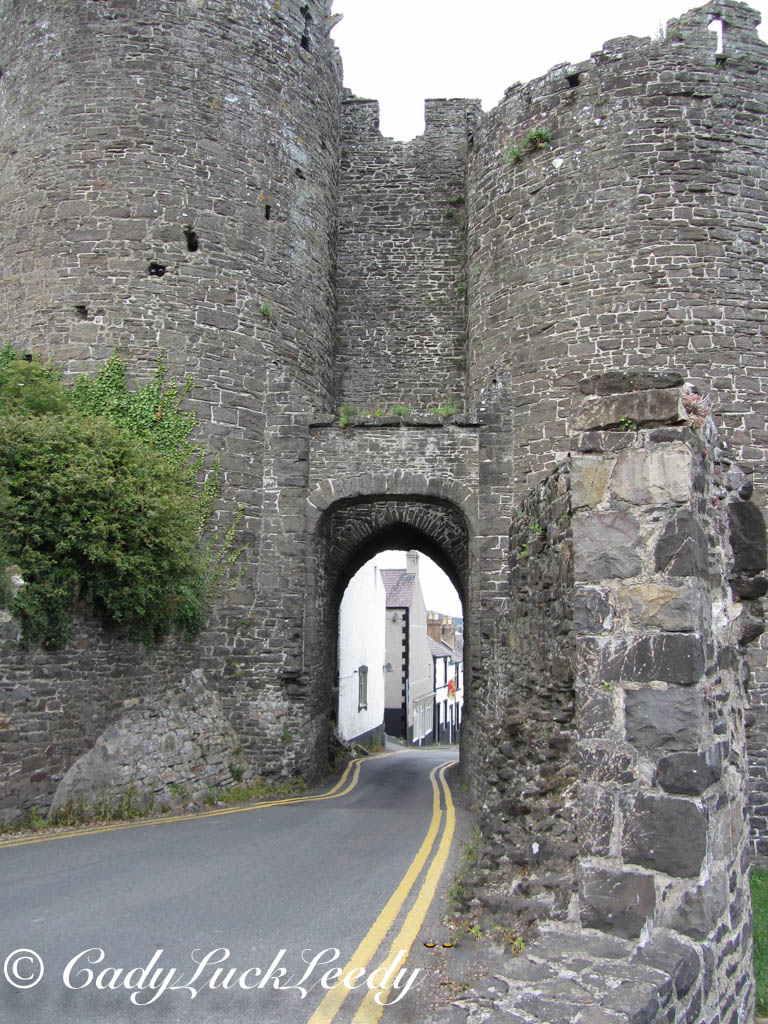
Conwy Castle, Wales

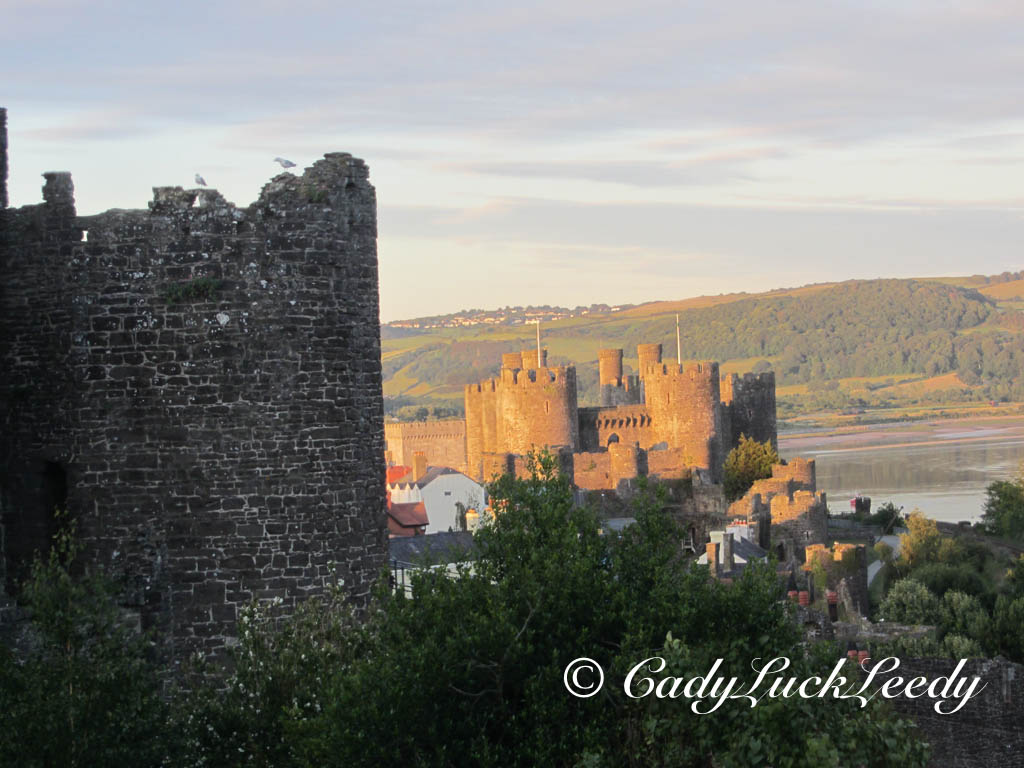
Conwy Castle, Wales


Conwy, enclosed within a ring of 13th-century walls and protected by a castle, is one of the worlds finest medieval towns. Exploring the streets, castle walls and the remains of the castle has taken us back in time. There are also three houses that we want to explore in Conwy. Plas Mawr, an Elizabethan house built in 1576 by the Wynn family, has been extensively refurbished to it’s original 16th-century appearance. The tall lime walls reflect the status of the builder, Robert Wynn, a well traveled courtier and trader who rose to grandeur in the Welsh gentry.

Plas Mawr, Conwy, Wales

Plas Mawr, Conwy, Wales

Plas Mawr stands as a symbol to a prosperous age and of a man of great style and taste. The house is noted for the quality and quantity of ornamental plasterwork, revealing the initial “R.W.” in the crests and coat of arms. The furnishings, many original to the house, are based on an inventory of contents in 1665. The tour describes the restoration and the life of Tutor gentry and the work of the servants who helped maintain such a lavish lifestyle. There is also a garden on the rooftops!

This slideshow requires JavaScript.

 Plas Mawr is also noted to be haunted.  Robert Wynn was married twice.  Both his wives were named Dorothy and both had pre-mature deaths. His first wife died from an illness at a very early age and his second wife died when she fell down a flight of stairs in the house while she was pregnant and carrying one of the other seven children. The doctor was summoned, but he failed to save her or the child. When Robert Wynn returned home he found both his wife and child dead in the bed and the doctor’s whereabouts unknown. The doctor is rumored to have suffocated in the chimney while trying to escape from Robert because he could not save Dorothy. Sometimes the ghosts of the two women are seen in the house and the house has been studied for supernatural activity. Spooky!

The Fatal Steps, Plas Mawr, Conwy, Wales

The Fatal Steps, Plas Mawr, Conwy, Wales

The second house is named in the Guinness Book of Records as the Smallest House in Great Britain, with dimensions of approximately 9 feet 10 inches by 6 feet. It was in continuous occupation from the 16th-century (even inhabited by a family at one point!) until 1900 when the owner, a 6 foot tall fisherman, Robert Jones, was forced to move out of the house on grounds of hygiene. The rooms were too small for him to stand up fully. The house, located on the quay, is still owned by his descendants today and you can tour it for a small charge. Unbelievable!

The Smallest House in Great Britain

The Smallest House in Great Britain

Robert Jones, Fisherman

Robert Jones, Fisherman

Lastly, St Mary’s Church and All Saints Church, were founded in the 12th-century as the abbey church of the Cistercian Abbey of Aberconwy. This was the burial place of many of the Princes of Gwynedd. In 1283 King Edward I, after his conquest of Wales, chose to build Conwy Castle and the fortified town on the abbey site, moving the abbey to Maenan. Today there remains many interesting slate gravestones in the churchyard and one particular containing seven brothers and sisters marked,”We are Seven.” It is said to have inspired the poet, William Wordsworth, to write his poem of the same name. The children were stricken, most likely, by an illness and died within days of each other. Conwy is such an interesting and beautiful town. For more pictures and stories see my post on “Exposure.” Enjoy! 


My Woodland Garden at End of the Month: April

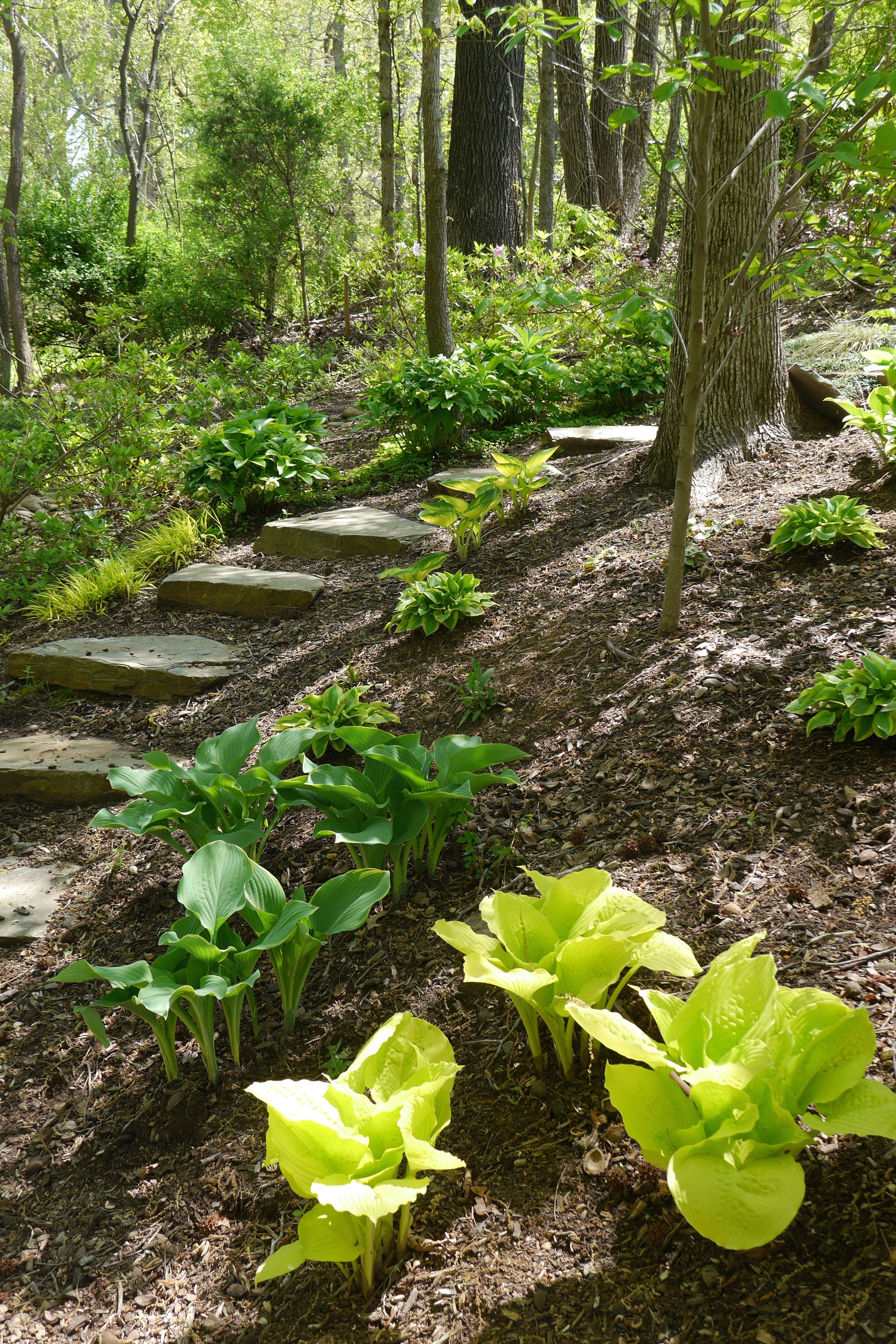
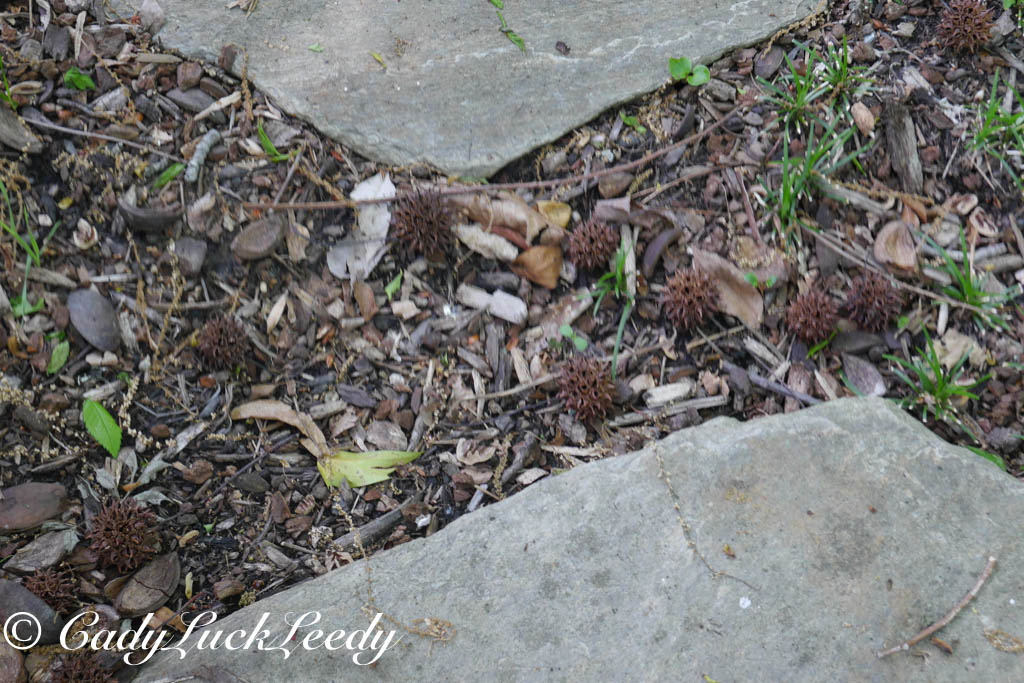
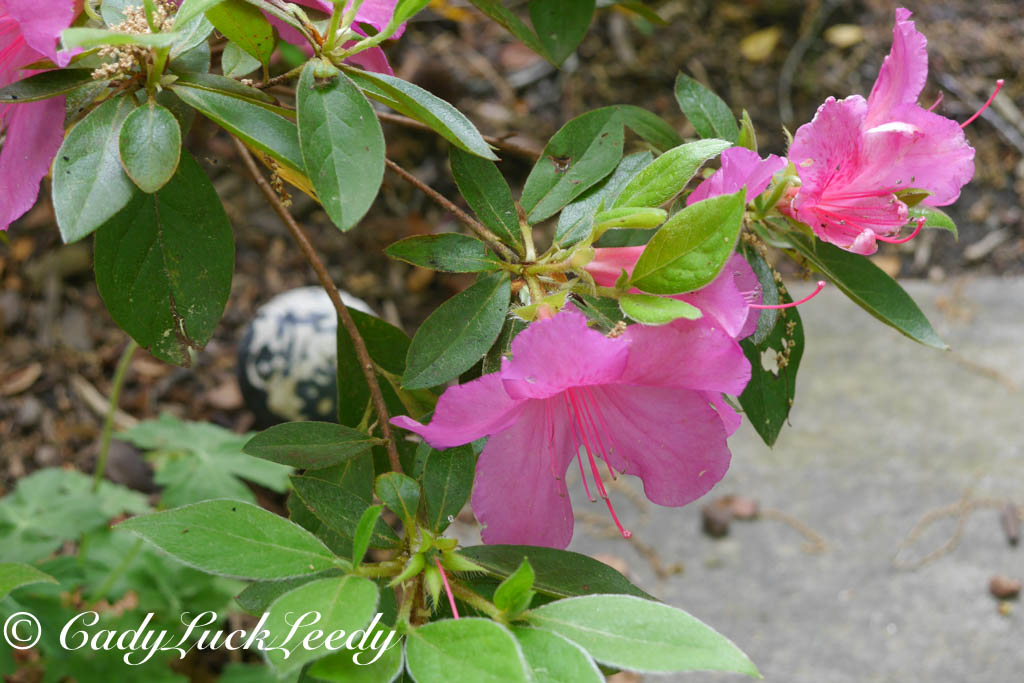
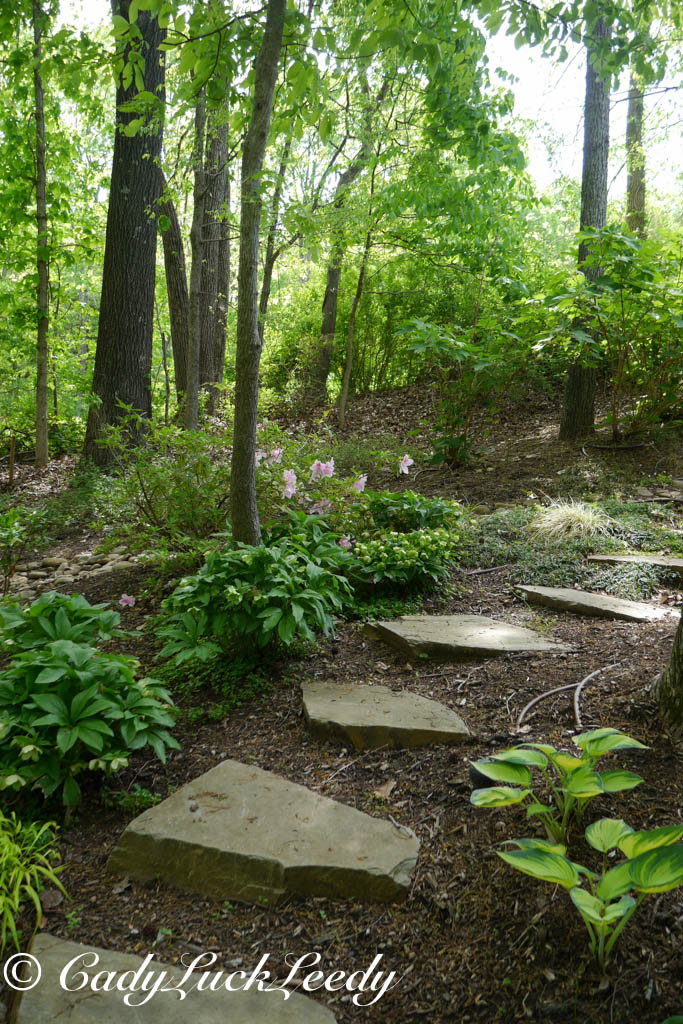
I love hostas and my woodland garden is coming into bloom very nicely! The rhododendrons are just beginning to bud! I’ve yet to get the mulch down!  The Helleborus are still blooming and will continue through most of the year. Now if I could just find something to do with the gum balls from the sweet gum trees I would be a millionaire! Spring Has Sprung! Helen hosts the Garden End of Month Posts, won’t you see what she is up to? 

My Woodland Garden Path, April 2014

My Woodland Garden Path, April 2014

I just love that bright chartreuse colors of these plantains!

GumBalls from Sweet Gum Tree

GumBalls from Sweet Gum Tree


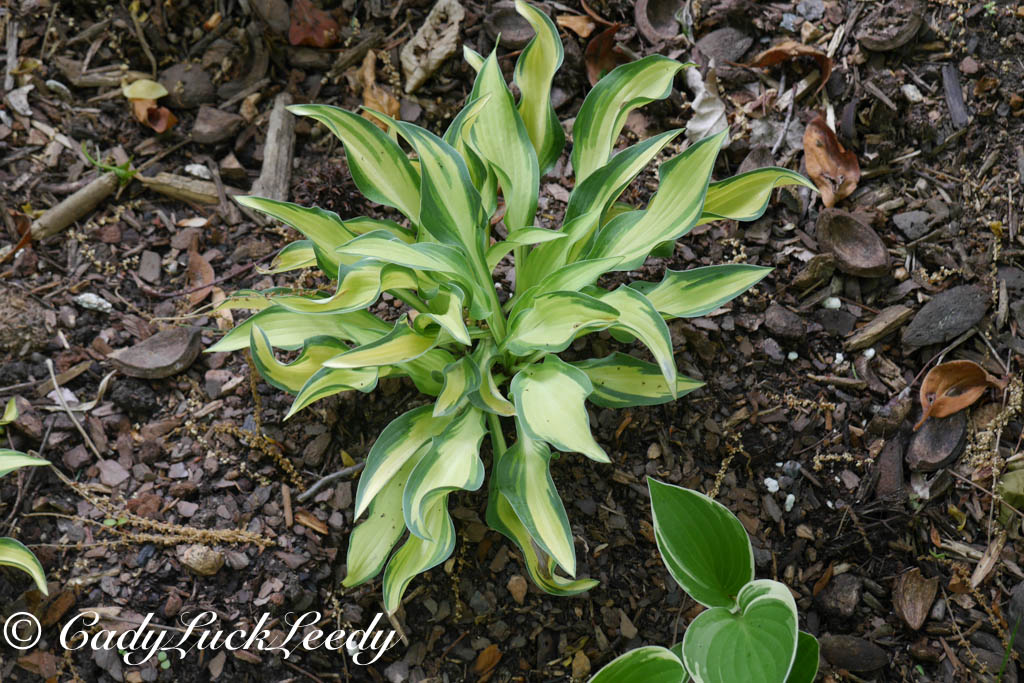
Mickey Mouse Ears Hosta

Mickey Mouse Ears Hosta

Moonstruck Plaintain Lily

Moonstruck Plaintain Lily


Woodland Garden Towards Cottage

Woodland Garden Towards Cottage, 2014

Rhodos, 2014

Rhodos, 2014

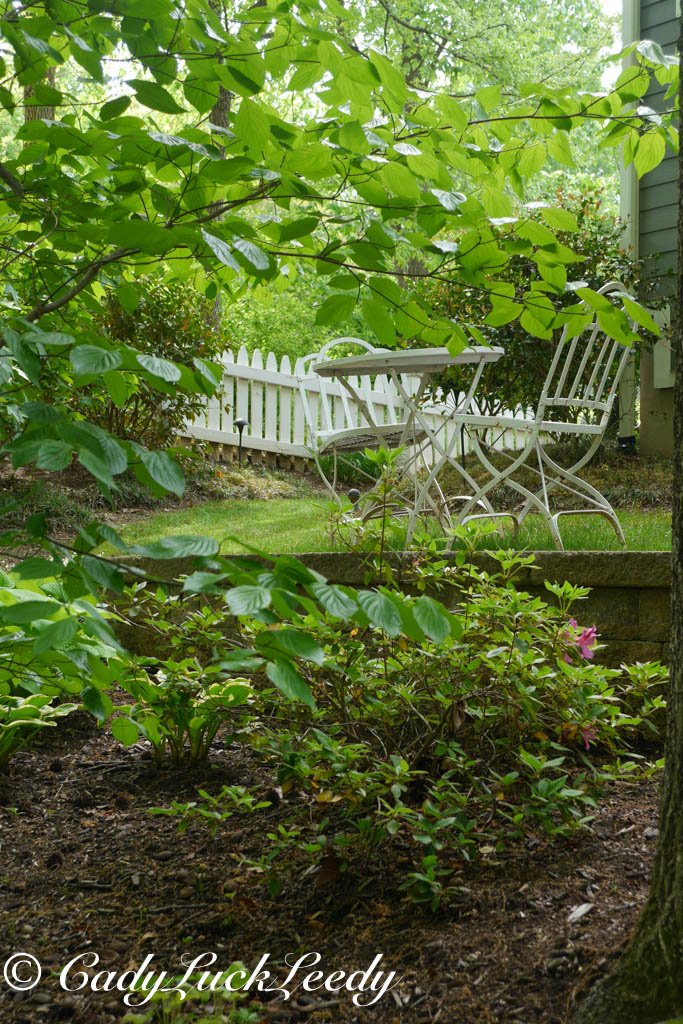
From the Woodland Garden, April 2014

From the Woodland Garden, April 2014

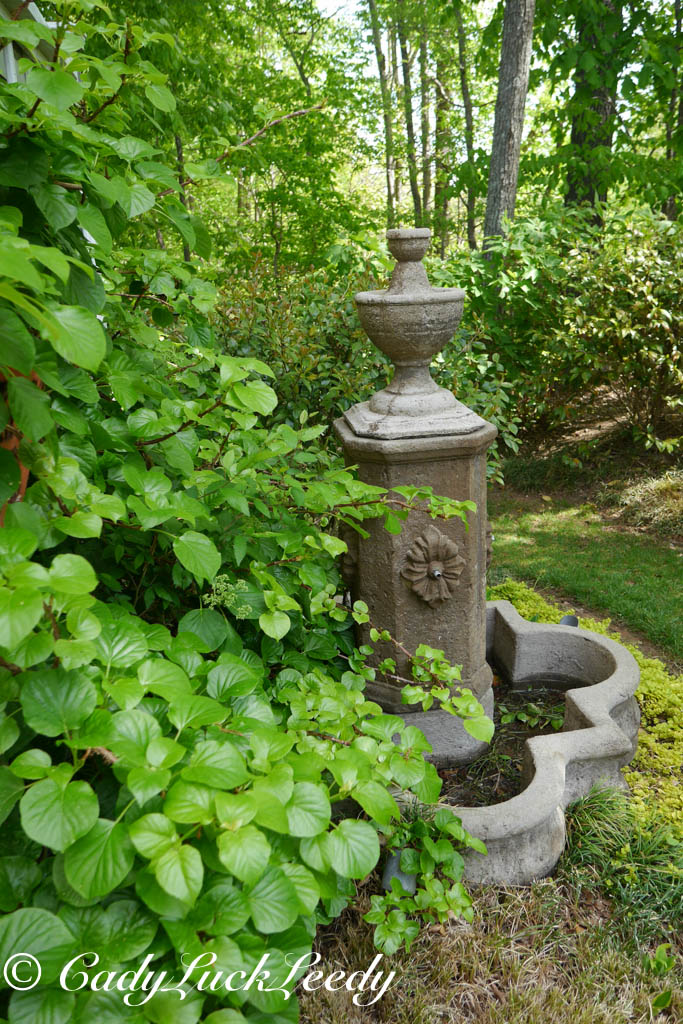
Cottage Garden Fountain April 2014

Cottage Garden Fountain April 2014


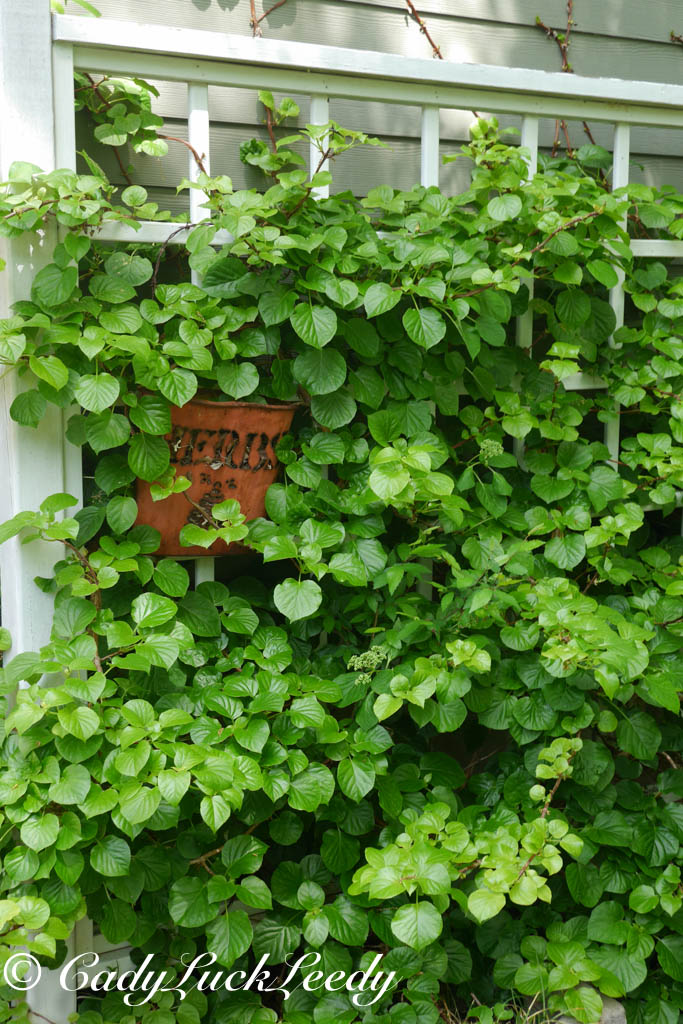
Climbing Hydrangea on Trellis, April 2014

Climbing Hydrangea on Trellis, April 2014

Hellibores, April 2014

Hellebores, April 2014

Woodland Garden, April 2014

Woodland Garden, April 2014

Conwy, Wales

Conwy Castle, Conwy Waless

Conwy Castle, Conwy, Wales


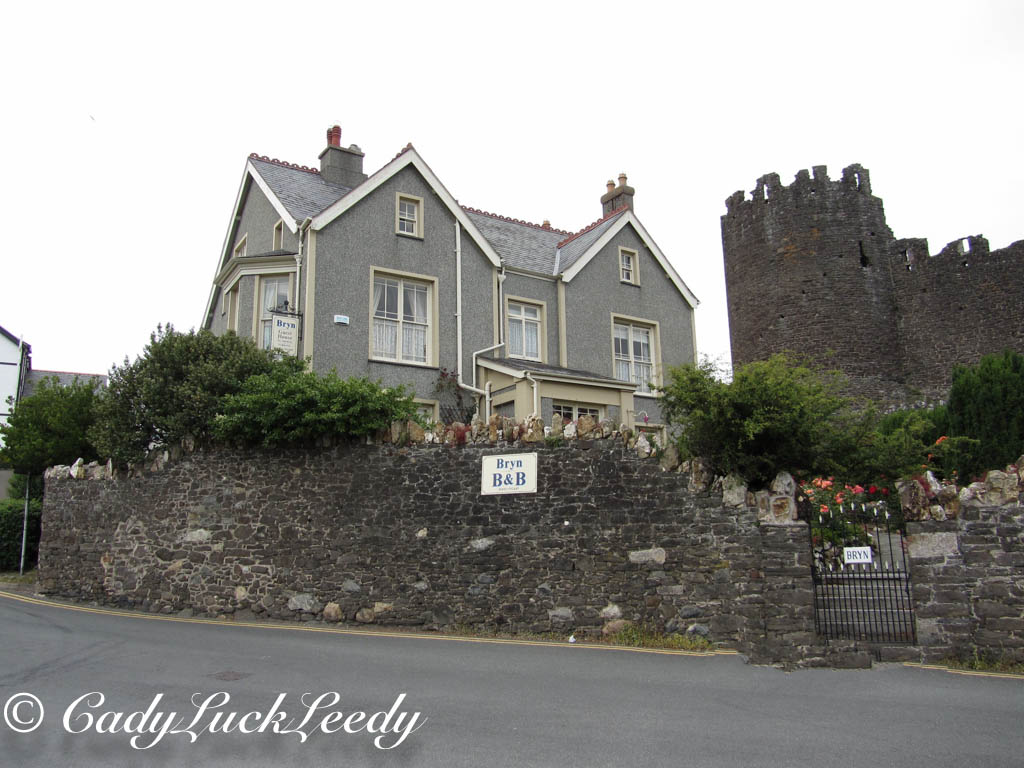
Riding along the narrow , very narrow hedge rows / stone walls the main topic of conversation has been, “OHHHH! I think we’re going to hit it!” or “Move over, move over!” or “Can’t you see how close we are to the wall?” We are truly ready to arrive in Conwy! SB is ready to park the car! Bryn B&B, nestled in front of the castle and gates, is an oasis after the hedgerows! Everybody take a deep breath!  We are HERE!  Bryn B&B, a Victorian home from 1860, is perched on a hill in an outstanding garden. This will be “home base” in Conwy, Wales. After a brief tour of the B&B and a spot of tea in the garden, we are off to explore!

For more information about the Bryn B&B see: http://www.bryn.org.uk/


Bryn B&B, Conwy, Wales

Bryn B&B, Conwy, Wales

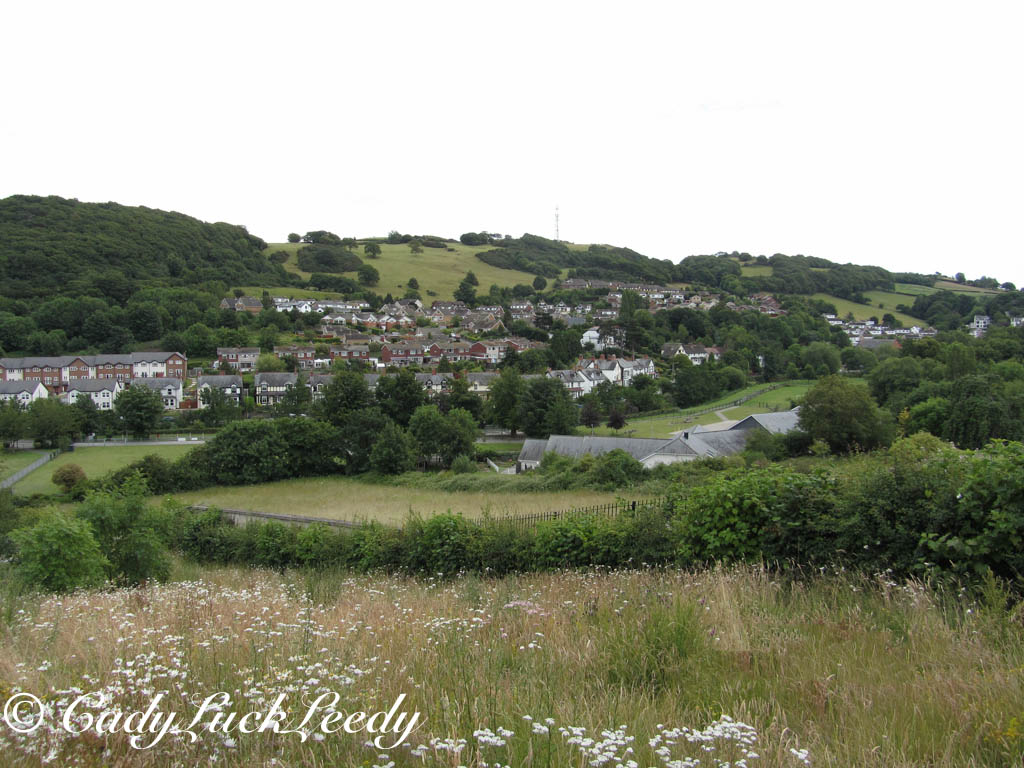
A Look at Conwy, Wales

A Look at Conwy, Wales

The Castle at Conwy, Wales

The Castle at Conwy, Wales

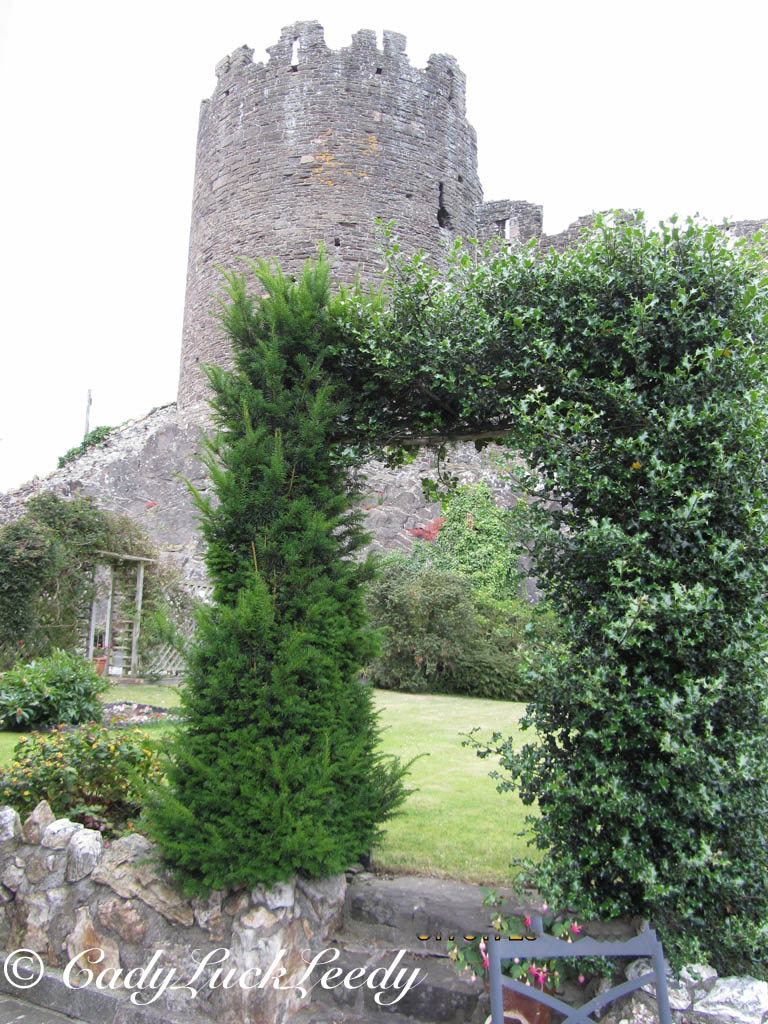
Looking Through the Hedge, Bryn B&B, Conwy Wales

Looking Through the Hedge, Bryn B&B, Conwy Wales

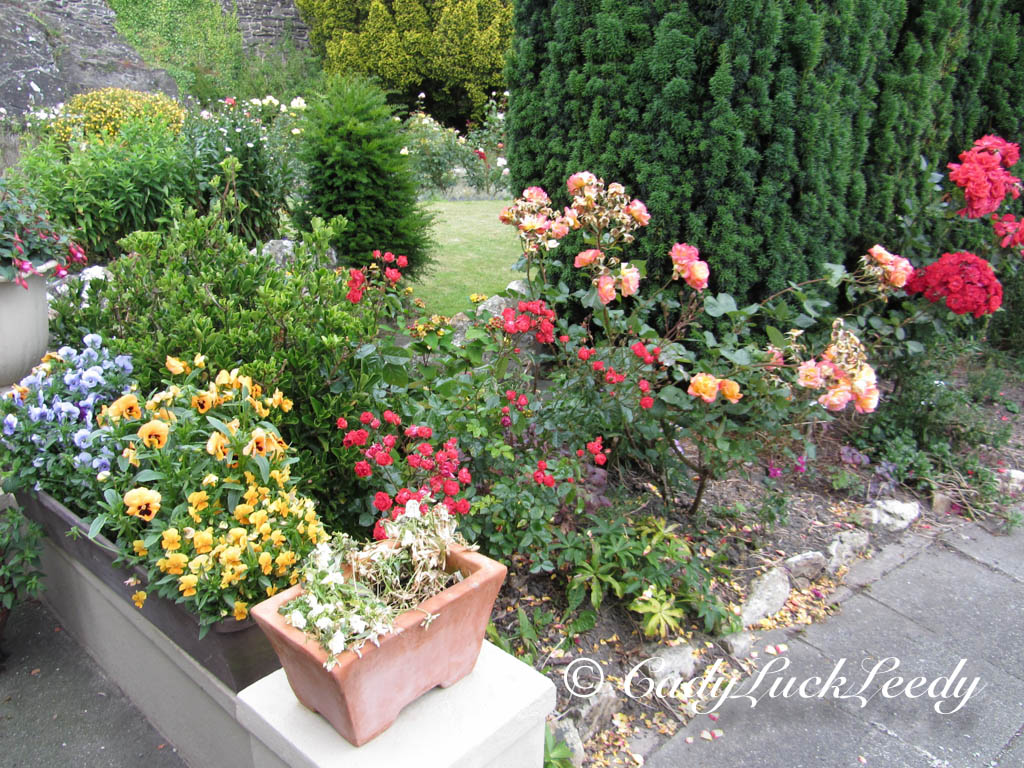
The Flower Garden at Bryn B&B, Conwy, Wales

The Flower Garden at Bryn B&B, Conwy, Wales

Conwy Castle and the town walls were built on the instruction of Edward I of England between 1283 and 1289 as part of his conquest of Wales.  Conwy was the original site of Aberconwy Abbey, founded by Llywelyn the Great. Edward I took over the abbey site and moved the monks further down the valley. English settlers were given incentives to move to the walled garrison town and for decades the Welsh were forbidden from entering Conwy. We have just enough time to climb the rampart walls before night falls! More tomorrow!  Enjoy!

Tight Squeeze! Conwy, Wales

Tight Squeeze! Conwy, Wales

The Walls of Conwy, Wales

The Walls of Conwy, Wales


Conwy, Wales

Conwy, Wales

A Cottage in the Cotswolds: Stanton to Stanway House

Gateway to Stanway House

Gateway to Stanway House


Gateway of Stanway House

Gateway of Stanway House

Front Entrance of Stanway House

Front Entrance of Stanway House

Today we are visiting Stanway House, an outstanding example of a Jacobean manor house, owned by Tewkesbury Abbey for 800 years and then for 500 years by the Tracy family. Their descendants, the Earls of Wemyss, still live here.  The manor was built with the warm soft yellow stone known as Guiting Yellow and has a stone roof and a jewel-like Gatehouse. The oldest part of the house is the gabled west end which includes the great hall, a light-filled room due to the full height bay window. Most of the furniture in the house has been here since it was made, which includes a pair of Chippendale day beds and exercise chair from 1760, many rare paintings, and two Broadway pianos. More spectacular than the house are the gardens, created in the 1720‘s by garden designer, Charles Bridgeman, who became the Royal Gardner in 1727. The garden includes fine specimen trees, broad terraced lawns with herbaceous borders, eight ponds, a brewery, and a 14th century tithe barn, now used for events and as a theatre. Through a restoration project during the last decade, the manor claims title to one of the finest water gardens in England, including the single jet fountain at 300 feet, the highest fountain in England and the highest gravity fountain in the world. Thanks to it’s location at the foot of the Cotswold Way, a 102-mile footpath from the Cotswold Edge to the Cotswold Hills, primarily from Chipping Campden to Bath, this area has been protected from many changes of the 20th century. This is what makes the Cotswolds so charming! It’s unspoiled!  J.M. Barrie, author of Peter Pan, was a regular visitor to this lovely village on the Cotswold Way and stayed at the Stanway House often. I can just see Peter and Wendy flying out of the windows and over the beautiful grounds of the Stanway Manor! 

Close by is Stanton, one of my favorite villages in the Cotswolds! It was hard to choose my favorite because I just loved all the villages, but arriving in Stanton on the tiny village road, too small for tourist buses to come through, we circled lanes of Cotswold  cottages!  The rose covered cottages flowed in a gentile sweep across the countryside of horses.  There were the most unusual lamps and lamp posts here, it was just so picturesque! It is a horse lovers paradise and the B&B’s offer horse back riding and stables.

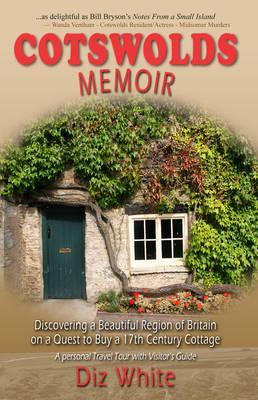
I hope you enjoyed the travels through the Cotswolds and for another look at the English countryside consider doing the Cotswold Way! For an interesting adventure into finding a cottage in the Cotswolds, follow Diz White in her book, Cotswolds Memoir; Discovering a Beautiful Region of Britain on a Quest to Buy a 17th Century Cottage. In addition to finding the cottage of her dreams it gives a personal tour of the Cotswolds with a visitor’s guide!

Cotswold Memoir by Diz White

Cotswolds Memoir by Diz White

A Cottage in the Cotswolds: Broadway

The Fuchsia is Sooooo Beautiful!

The Fuchsia is Sooooo Beautiful!


The Parsonage in Broadway, UK

The Parsonage in Broadway, UK

Broadway’s name fits the village.  Village life is lined along a broad grass-fringed, red chestnut way, so we started at the end with the Christmas shop and made our way to the center of the village. Broadway will not disappoint you, as it is chock  full of restaurants, inns, pubs, antique stores, coffee shops, and gift shops. Whew!  In one gift shop we had a big time looking over one gift item in particular! Here is one. Can you guess what it is?

The Nose Knows

The Nose Knows

A porcelain, hand painted nose for  glasses/spectacles!  Never lose your glasses again!  The nose knows! The English have such a sense of humor! It is a gift for my mother-in-law!

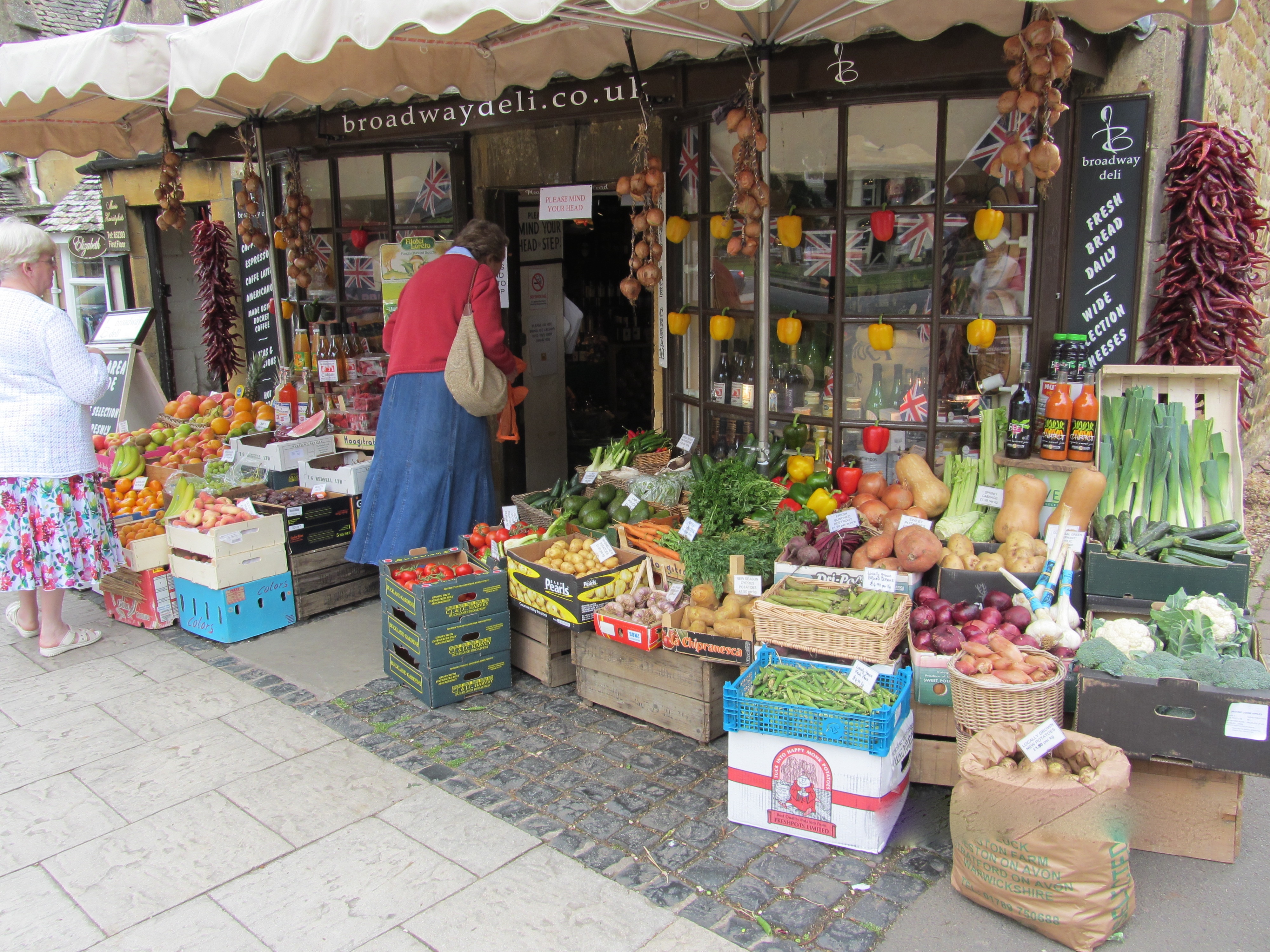
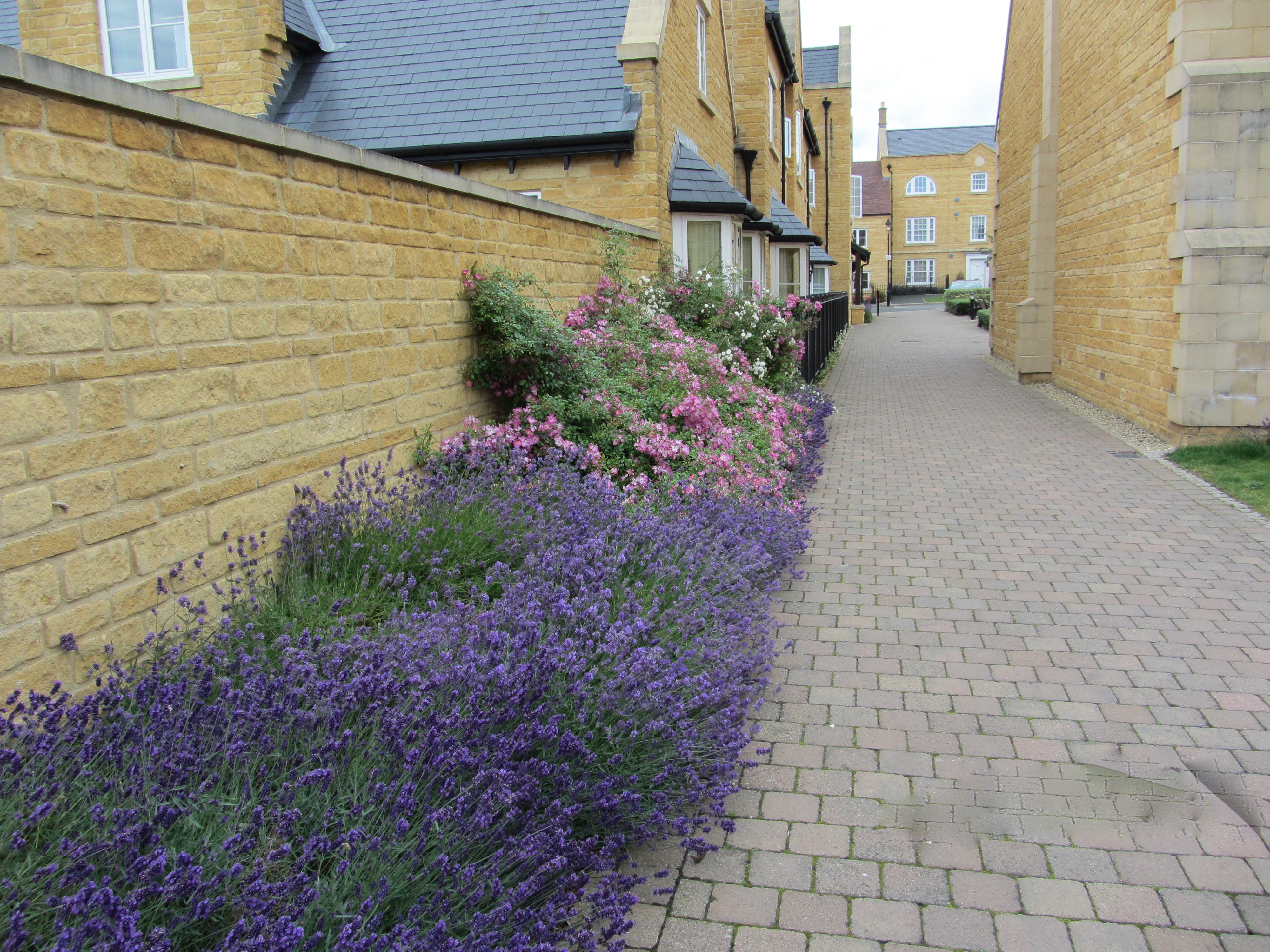
There is also a local market, the Broadway Deli,  and a larger grocery, called Budgens, located down a narrow strip of walkway deep in blooming lavender and pale pink shrub roses! It was the first large grocery we were to find in our Cotswolds travels. More dogs lounging here! The dogs are either sleeping under the benches or waiting patiently at shop doors!

The Village Deli in Broadway, UK

The Village Deli in Broadway, UK

Shopping at Budgen's Grocery in Broadway, UK

Shopping at Budgen’s Grocery in Broadway, UK

The Pathway to Budgens in Broadway, UK

The Pathway to Budgens in Broadway, UK


Shrub roses and Lavender in Broadway UK

Shrub Roses and Lavender in Broadway UK

My favorite discovery in Broadway was a public restroom right next to the large central parking lot.  Maintained by a meticulous gentleman, he promptly made us aware that the restroom had been declared, “Loo of the Year.”

The "Loo of the Year," Broadway, UK

The “Loo of the Year,” Broadway, UK

The sign was proudly displayed and rightly so. The loo was spotless and the squarish Cotswold stone building fit right in with the architecture of Broadway. Who wouldn’t want to live in a place that can boast the “Loo of the Year”?  My other delight were all the hanging baskets of pink fuchsias and purple cascading vines. They were beautiful and hanging outside several of the shops. We spent a lovely and lively afternoon in Broadway. You will want to add Broadway to your Cotswolds calendar!

For your reading enjoyment I have selected a hand printed and watercolored book by Susan Branch, titled A Fine Romance; Falling in Love With the English Countryside, that I literally devoured. A travel journal of her two month ramble through the backroads and small villages of the English countryside, it is filled with pictures, witty captions and charming detail of her dream to visit her long awaited England. For more information on Susan’s work see: http://www.susanbranch.com

A Cottage in the Cotswolds: Snowshill and Broadway Tower

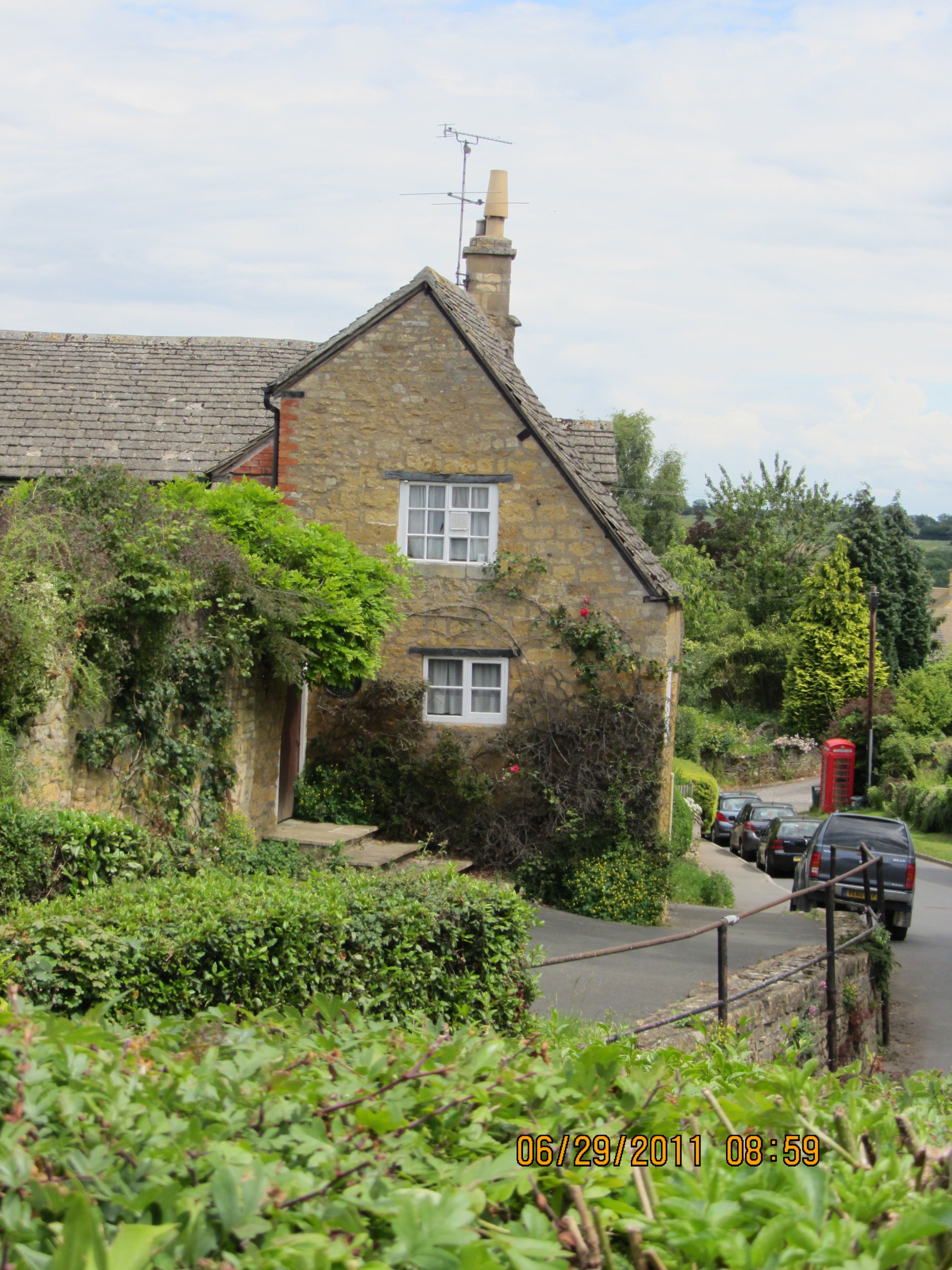
A Cottage in Snowshill

A Cottage in Snowshill


There are so many lovely villages in the Cotswolds! Every time we explore a new village  I think, “Oh, I love this one!”  The village of Snowshill was like that! We made a slight turn into the village, up and around St Barnabus Church and Cemetery and then past the Cotswold stone cottages, laden with bursting roses, to admire the tended gardens and the sheep grazing in the pastures. It’s truly hard to believe there are still villages to be found like this! 

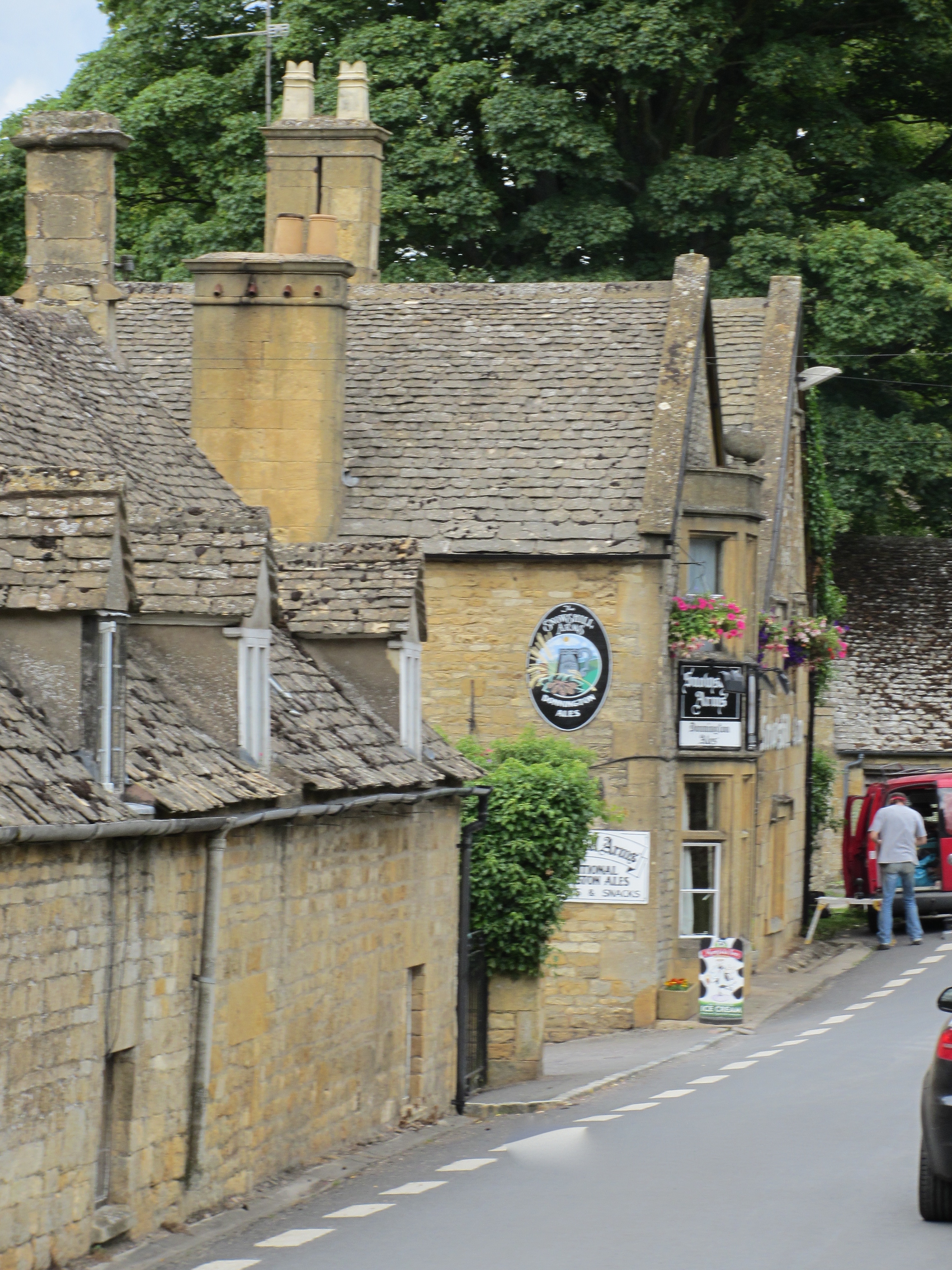
Visiting the Snowshill Arms, the local friendly pub, I see the featured Donnington beers can be found in seventeen pubs in the area!  We could do a pub crawl!  Better yet, for the more adventurous, there is a 62-mile circular walk, called the “Donnington Way,” from fifteen pub-to-pub sections, where you can join the walk from any pub. Some Donnington Inns offer B&B’s, so you can walk distances of your choice. There is a map available for purchase called, the OS Outdoor Leisure 45, the Cotswolds, that covers the entire route! What a grand way to see the well-kept countryside and hidden villages!


Snowshill Arms

Snowshill Arms

The Only Pub in Snowshill

The Only Pub in Snowshill

Next we visit the fragrant lavenders fields of Snowshill Lavender Farm. Rows and rows of sweet fragrant lavender! There is also a retail shop and small restaurant here. A very relaxing way to spend the afternoon! Returning to Chipping Campden, let’s round out the day strolling the meadows of Broadway.

Broadway Tower is a folly located on Broadway Hill, near the village of Broadway, UK. The tower was the brainchild of Capability Brown and designed by James Wyatt in 1794, in the form of a castle, and built for Lady Coventry. The tower was built on a “beacon hill” where torches were lit on special occasions. Lady Coventry wondered if a beacon built on this hill could be seen from her house 22 miles away and sponsored the construction of the folly to find out. Broadway Tower could clearly be seen! Today the tower is a tourist attraction with a country park of deer. There is also a restaurant and gift shop here. The grounds are a perfect place to picnic!


For more information on Cotswold Lavender see: http://www.cotswoldlavender.co.uk/

For more information about Snowshill Arms see: http://www.donnington-brewery.com/the_snowshill_arms_snowshill.htm

A Cottage in the Cotswolds: Ebrington


Oak Cottage Gate, Ebrington, UK

Oaks Cottage Gate, Ebrington, UK


I met a lovely man in a Chipping Campden clothing shop on High Street, who asked me what brought me to the village. When I answered, “my ancestors,” he invited me to his village and church in Ebrington. You see, I am making my way to Kinlet, Shropeshire, UK and St John the Baptist Church, where my ancestors, Sir Humphrey Blount and his wife Elizabeth, are buried. 

Ebrington, UK

Ebrington, UK

 Ebrington, a village of narrow lanes and tiny streets of Cotswold stone cottages and thatched roof cottages, is a just a short walk from Chipping Campden. The Ebrington Arms Inn and Pub, is a great place to eat and quench your thirst before exploring.  The Inn features guest rooms, a restaurant and pub, the hub of village life. The Inn was packed and will not disappoint you.   Walking up a short hill I came to a narrow lane, walked past the Church Steps Cottage and on into the gate of St Eadburgha, named after Eadburgha, the daughter of King Edward the Elder. The tower and south doorway of the church are believed to date from the 13th century, but the church, like most ancient churches, has been enlarged and restored over the years. Stepping inside the church, which is not locked like so many these days, there is  a stone coffin, lepers seat, and other ancient  architectural  details. Be sure to read St Paul’s Admonitions to Wives and Husbands to the left of the font! St Eadburgha’s  Church stands on a commanding position on one of the highest hills in the Cotswolds and the tower can be seen for miles around.  We loved the thatched cottages, stone walls, garden gates and abundant flowers in Ebrington. I discovered that the bird, that I thought was rather still for a long time on one of the cottages, was part of the thatched roof and made of straw! Every cottage had a name, and upon returning home I was determined to name my own, The End Cottage. Not far from Ebrington, is Hidcote Manor, a National Trust Garden, one of the most lovely gardens in the UK.  The day we were here it was closed, bummer, but what a wonderful excuse to come back to the village of Ebrington! Enjoy!

For more information about the Ebrington Arms Inn and Pub see:

Home


The Church Cat at St Eadburgha's

The Church Cat at St Eadburgha’s

A Cottage in the Cotswolds: Chipping Campden

Walking through the village of Chipping Campden, we come to St James Church, a beautiful golden-yellow colored stone sanctuary set in the meadows. The path to the church is flanked with old tombstones that have been moved here and huge trees that seem to have another tree growing inside them!

Then we walked along the lanes and through the hamlets of straw covered cottages, gardens, and old street lamps. It felt like walking in an old English fairytale! Proud holly hocks were basking in the dappled sunlight everywhere!  After our walk we took a short stroll off High Street to the Eight Bells Inn for dinner. Originally built in the 14th century, to house the stonemasons that built St James Church, it later was used to store the peel of eight bells that were hung in the church tower! Hence the name, Eight Bells! The Inn was rebuilt using most of the original stone and timbers during the 17th century. In front of the Inn are bountiful hanging baskets of flowers to welcome you and usually a fancy car of some kind outside!  Enjoy the day in Chipping Campden!


For more information about the Eight Bells Inn see: http://eightbellsinn.co.uk/

A Cottage in the Cotswolds: Rosemary and Thyme

Every year, in early spring, when my garden is beginning to bloom, I tend my garden in the early morning hours, before it gets HOT and HUMID, sometimes still in my nightgown…….don’t tell the neighbors please!   In the evening I curl up on the couch to watch my favorite British gardening detectives, Rosemary and Thyme. The gardening mysteries feature Rosemary Boxer and Laura Thyme, professional gardeners thrown together by a sudden death, who are forced to re-access their lives.  Their friendship leads them to gardening ventures set in the beautiful villages and gardens of the English countryside. Being gardeners, they overhear secrets and dig up clues which lead them to solve crimes and capture criminals, and at the same time handle floral problems! The series ran from 2003 to 2007, but I watch the mysteries every year, one episode at a time and never tire of it!

Would there be a real place that mirrored the villages and gardens in the Rosemary and Thyme mystery series?  I wanted to find a place where Miss Marple, from the Agatha Christie books, (the finest mystery writer of all time, in my opinion) would be settling down to tea with her cronies in the afternoon. They would be in the garden…….with the fragrance of fresh bloomed flowers…..sweet cut grass….. bees all a buzz…….

I found that delight in the villages of the Cotswolds. 

Bramley House, Chipping Campden

Bramley House

The Bramley House Cottage

The Bramley House Cottage

For this adventure we are driving northwest from London, to our first stop, Chipping Campden, (population 2,206) in the Cotswold (meaning market) district of Gloucestershire. In the Middle Ages, Chipping Campden was the wool trading center, and High Street is lined with fine honey-colored limestone buildings built with Cotswold stone. The Market Hall was built in 1627 and the grand wool church, St James, in 1500. Local wealthy silk merchant, Sir Baptist Hicks, built the Almshouses and the Woolstaplers Hall in the 17th Century. His home, the Campden House, was destroyed by fire during the English Civil War, to prevent it from falling into the hands of the Parliamentarians, but his descendants still live in the Court House attached to the site. 

From the 17th century on, the village was known for the rural Cotswold Olimpick Games. Later these games became the Robert Dover Cotswolds Olimpick Games because the games were held in late May, on Dover’s Hill.   One of the noted games was the sport of shin-kicking. (Hay was stuffed down pants to ease the blows) This game and others are still played today during the Cotswolds Olimpicks. Following the end of the games there is a torch-lit procession back into town, after the bonfire and fireworks display, and dancers take over the local square. The next day the Scuttlebrook Wake takes place. The locals wear fancy dress costumes and follow the Scuttlebrook Queen and her attendants into the village, with the Morris Men leading a decorated dray. Then there is dancing around the Maypole and the prizes for the games are handed out. The Morris Men (from “Moorish” dancers) were working peasant men, who wore shin pads, (a holdover from the shin-kicking games?) and are considered to be the original rural folk dancers of England. The current Morris Men of the Cotswolds, claim their lineage to the early dancers, only one of four teams in England who can boast this achievement! 

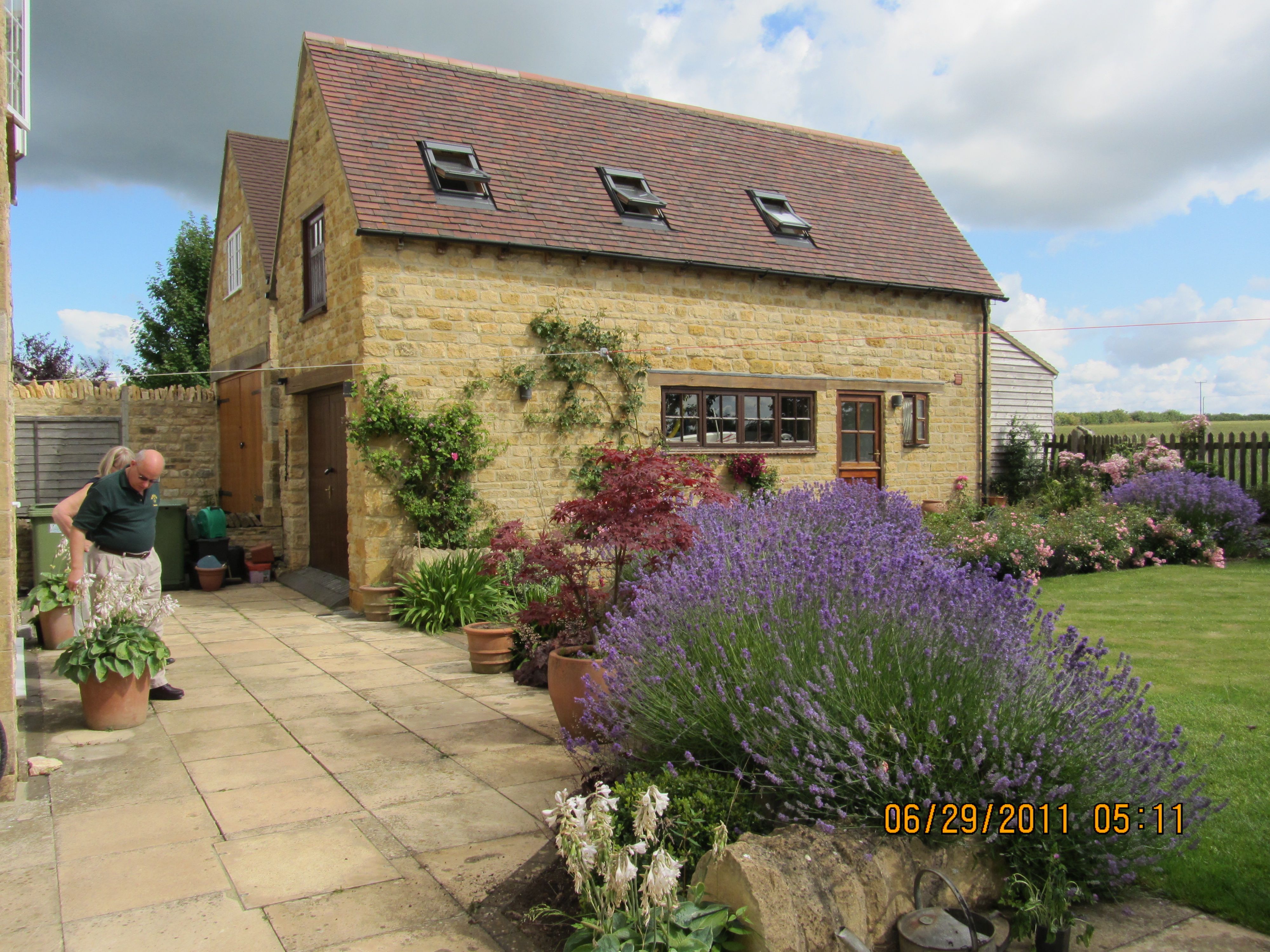
In Chipping Campden we will be staying at the Bramley House B&B, not far from Dover’s Hill. It is a lovely double Cotswold stone cottage with an additional cottage overlooking the lavender garden. Jane cooked English breakfasts, made to order, and served it with cereals, yogurts and fresh pressed juices. She was also very helpful with choosing our sights of the day. We stayed several days, picking a new village everyday to explore! It is a gardener’s paradise! Enjoy!

For information about Bramley House see: http://www.bramleyhouse.co.uk/


One Word Photo Challenge: Brown

We’re going to the Cotswolds! Join me as we head through the beautiful English countryside as we begin our journey:  Cottages in the Cotswolds!

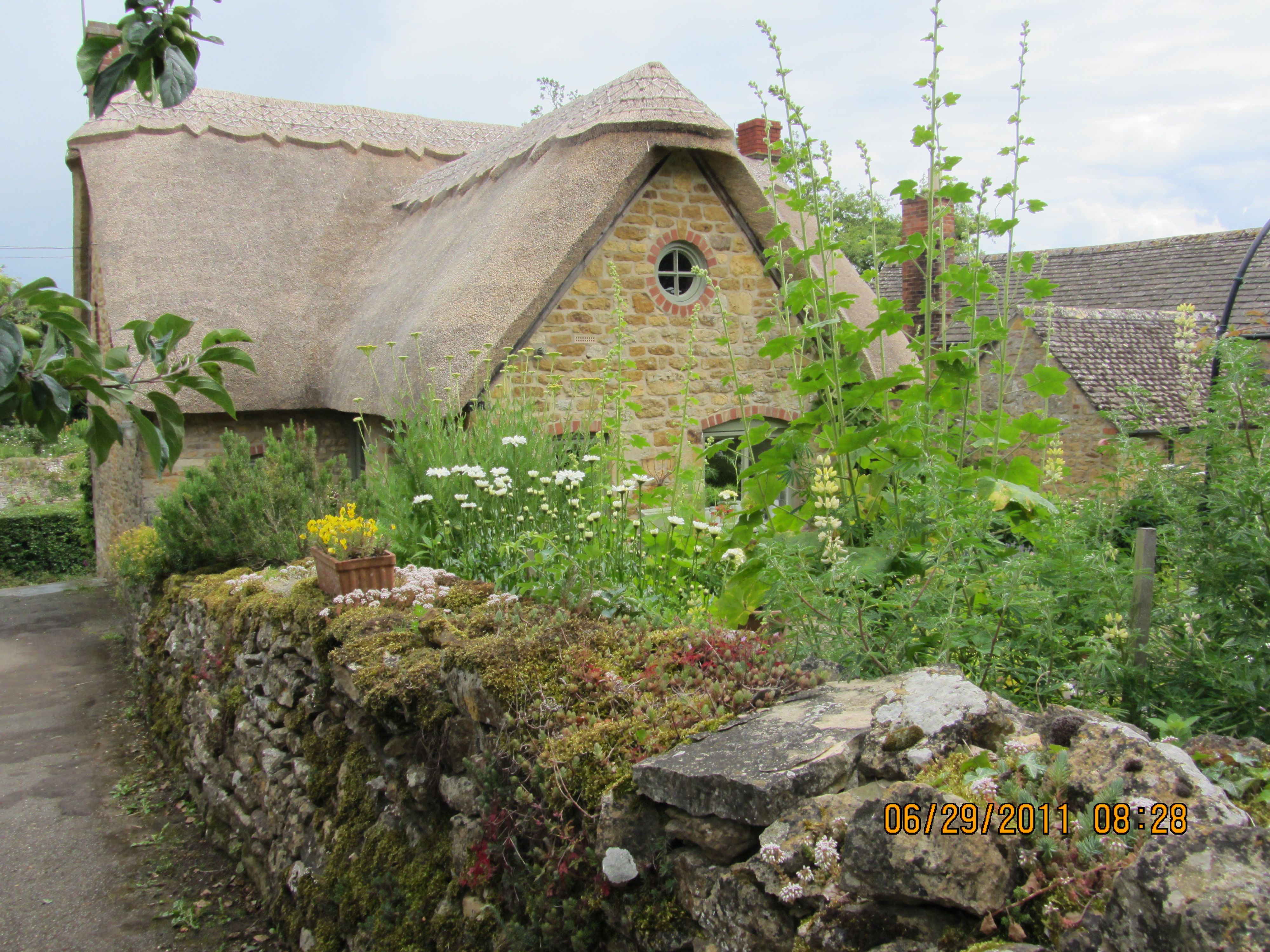
A Cotswolds Cottage

A Cotswold Cottage

THE SPECTACLED BEAN

Tales, Thoughts + Tribulations of a Free Spirit in Suburbia

Walking Away

Travels on foot

Teacher nickname: The Three Hairs

Minding my mind, one thought at a time.

Tra Italia e Finlandia

Un lungo racconto fotografico.

seanbreslin.jp

Photography, hiking, walking, and cycling across central Japan — from quiet mountain paths to everyday life around Nagoya.

Lost in Translation

Looking for meanings in words, images and sounds

Journeys with Johnbo

Reflections on places traveled and photos taken.

M/VGratitude

Cruising with the Thyrre Family

Caroline's Travel Adventure Blog

Where my Travels and my Blog merge together.

Just Me, Nobody Special

The mental meandering that cross my keyboard

Jennifer's Journal

Website & Blog of J. Kelland Perry, Author

Slow Shutter Speed

A photographic journey.

Ann Mackay: Inspired by Nature

Photography celebrating flowers, plants, and the natural world

Still Restlessjo

Roaming, at home and abroad

Fine for Friday

The Corner Garden

Picture This

Photography, Travel and Retirement

World Traveller 73

Upgrade Your Travels. First Class Luxury Travel from all parts of the Globe. Business Class Airline, Lounge and Hotel Reviews, Stories and Adventures

Rachel Meets China

A China travel and lifestyle blog