Travel, Gardens, Food, Photography, Books, Shoes

Posts from the ‘United Kingdom’ category

The Gardens at Agatha Christie’s Greenway


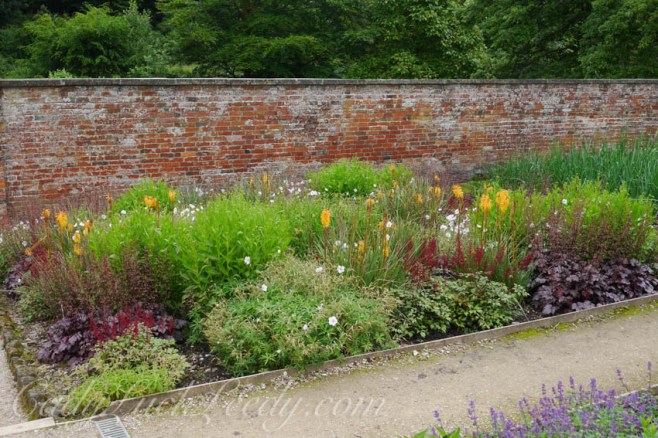
The Walled Gardens at Greenway

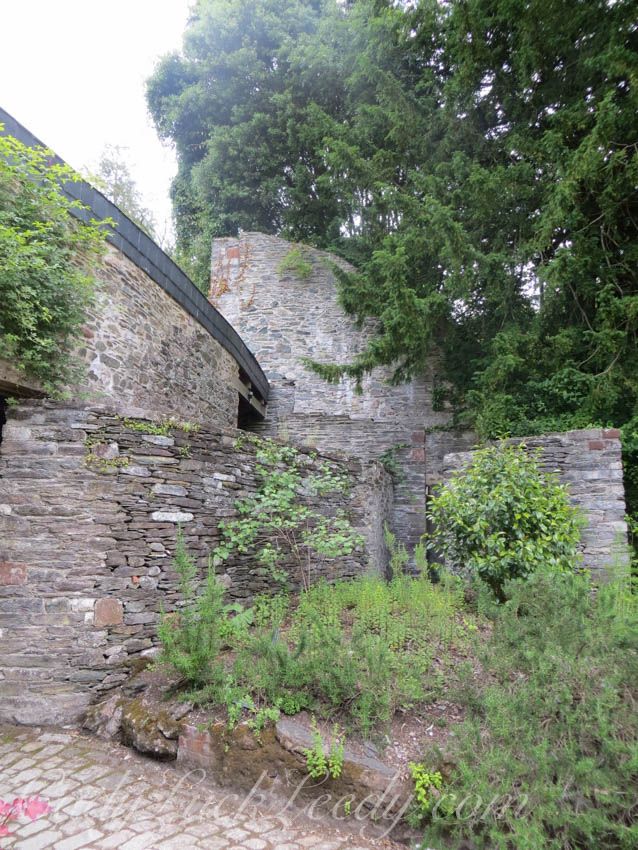
The Old Garden Walls at Greenway

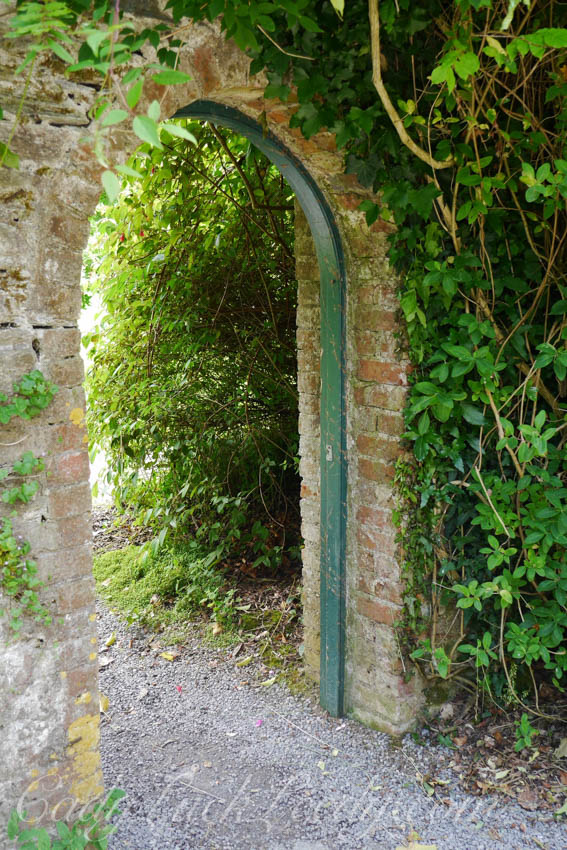
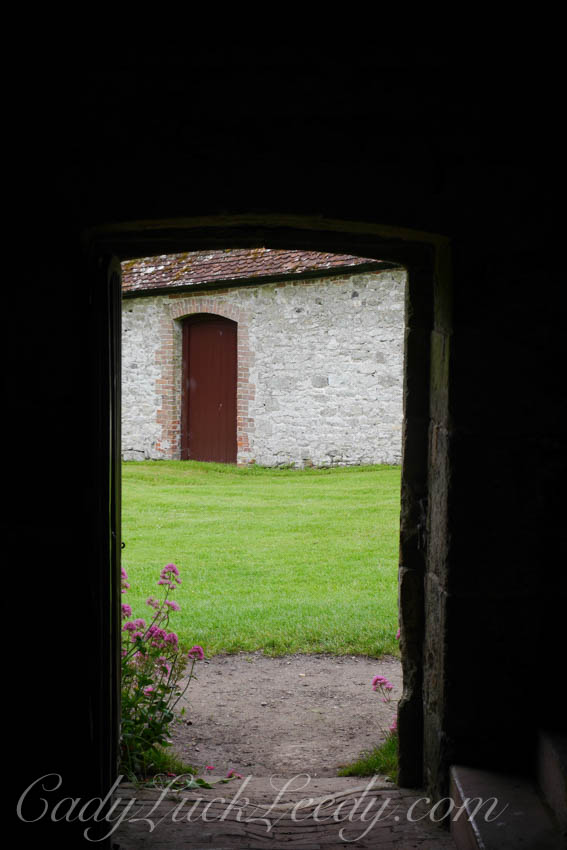
Let’s take a walk through the gardens at Greenway! What’s through this doorway?


Let's Look Here First, Greenway

Let’s Look Here First, Greenway

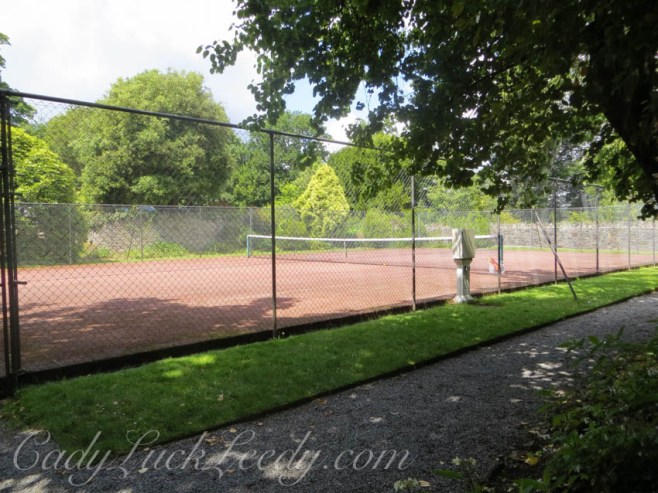
Tennis Anyone?

Tennis Anyone?

Or this one?

A Walk Through the Greenway Gardens

A Walk Through the Greenway Gardens

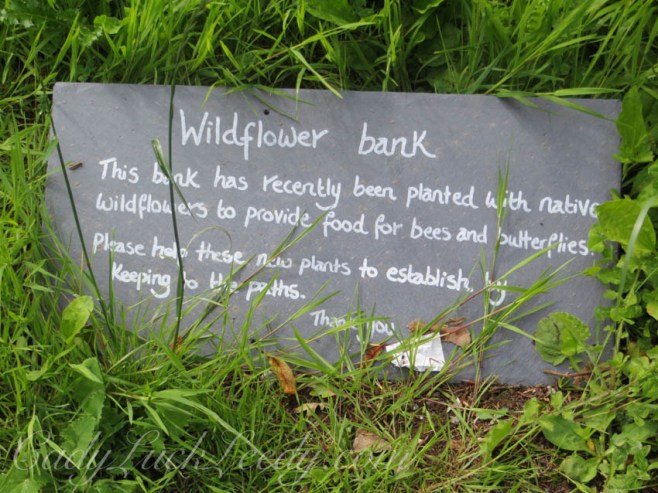
The Wildflower Bank at Greenway

The Wildflower Bank at Greenway

The Walkway at Greenway

The Walkway at Greenway

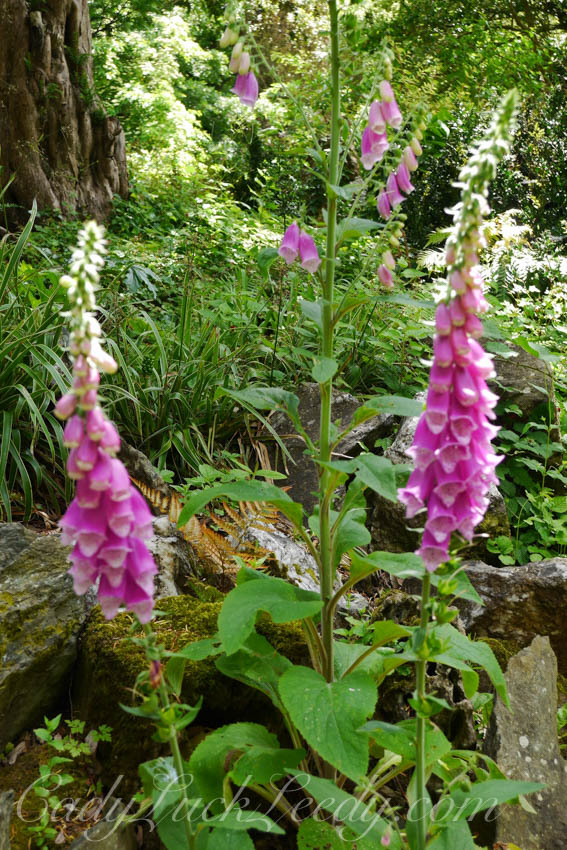
The Flowers at Greenway

The Flowers at Greenway

The Flowers at Greenway

The Flowers at Greenway

The Flowers at Greenway

The Flowers at Greenway

The Flowers at Greenway

The Flowers at Greenway

This Doorway takes us to the Peach House!

The Peach House at Greenway

The Peach House at Greenway

The Walkway to the Peach House

The Walkway to the Peach House

The Peach House

The Peach House

I decided to take a little break and sit on one of the benches that overlooked the grounds around the Peach House. I soon had a little friend! He would come down from the tree and talk to me and as soon as someone would start to come close to us he would fly back up into the tree. As soon as the intruders were gone, back he came to talk to me! He flew up and down for over fifteen minutes!

My Overhead Shot of the Tree Where My Bird Friend Hid

My Overhead Shot of the Tree Where My Bird Friend Hid

My Bird Friend

My Bird Friend

The Vegetable Garden at Greenway

The Vegetable Garden and Greenhouses at Greenway

The Area Beyond the Wall is Called the Plantation

The Area Beyond the Wall is Called the Plantation, at Greenway

Here is the Fountain Garden.

The Fountain Garden at Greenway

The Fountain Garden at Greenway

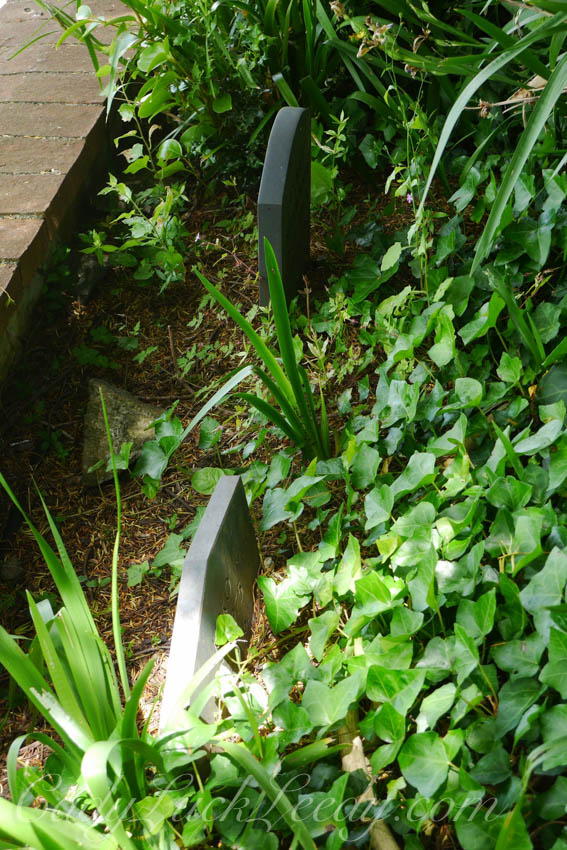
The Pet Cemetery at Greenway

The Pet Cemetery at Greenway

And the pet cemetery!

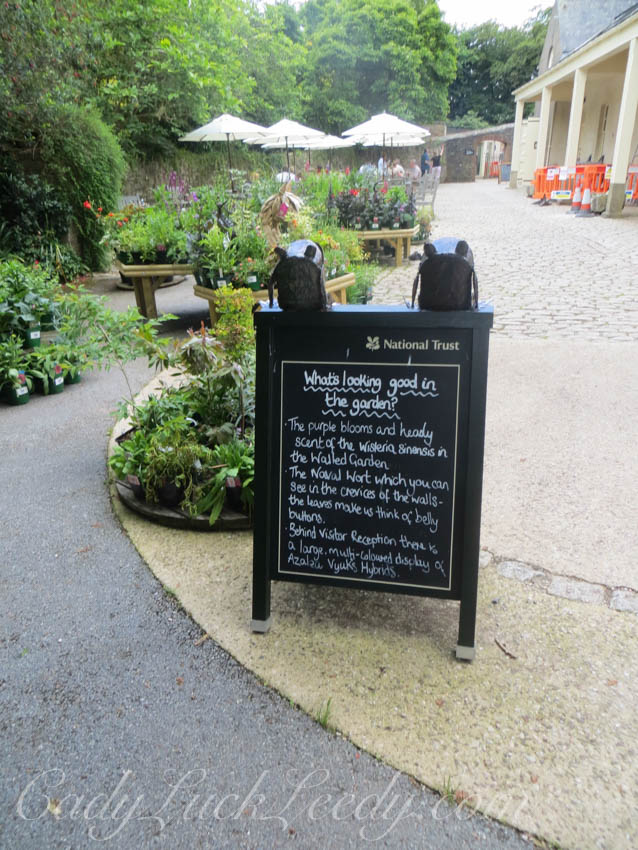
A Look at the Restaurant and the Gift Shop Area at Greenway

A Look at the Restaurant and the Gift Shop Area at Greenway

One last look at the converted stables that are now the restaurant, garden shop and gift area at Greenway.

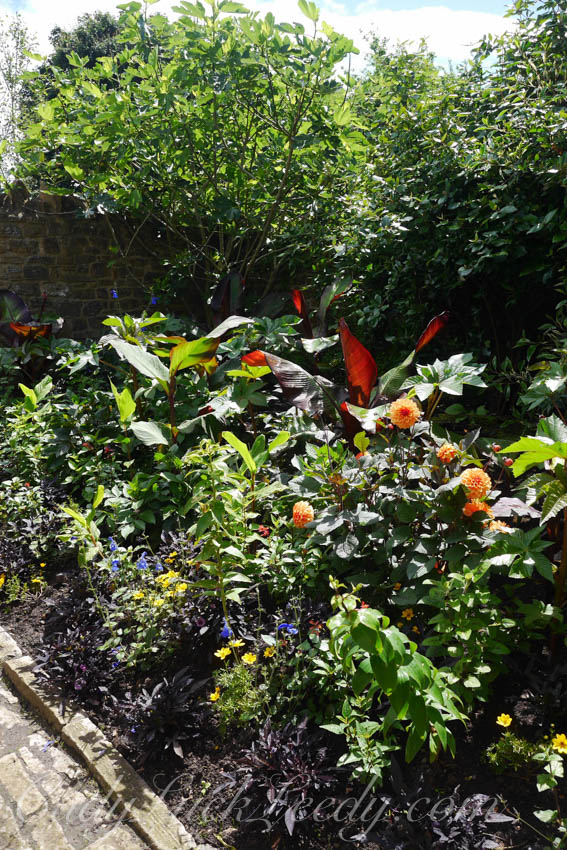
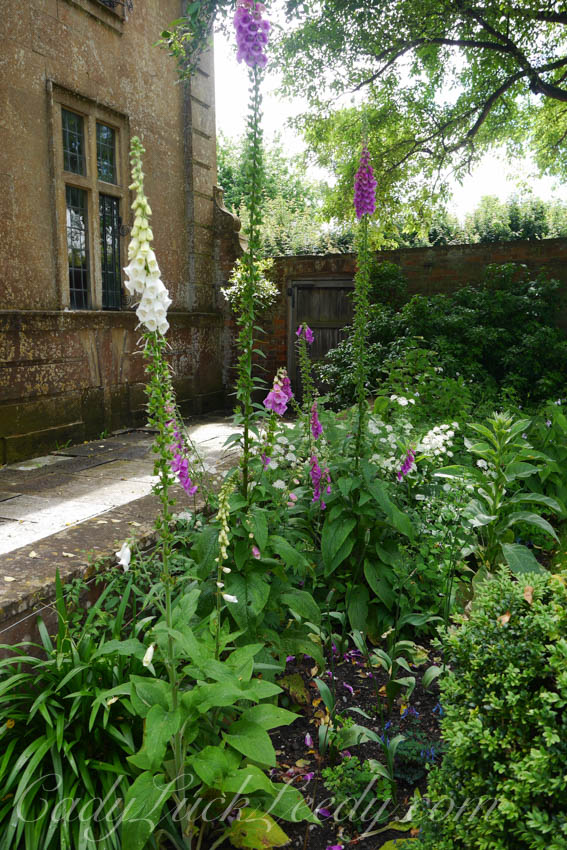
The Flowers at Greenway

The Flowers at Greenway

The Flowers at Greenway

The Flowers at Greenway

The Gardens at Greenway are not formal. They are restful, flowing, and carefree. Just like the holiday home for Agatha and her family was meant to be! I hope you enjoyed your walk! See you tomorrow!


Greenway, the Holiday Home of Agatha Christie

Greenway House, Holiday Home of Agatha Christie

Greenway House, Holiday Home of Agatha Christie

At Entry to Greenway

At Entry to Greenway

Wipe your feet before you enter!

I think what I liked best about Greenway, Agatha Christie’s holiday home in Devon, was it was a home where I could see Agatha and her guests enjoying themselves. There were rooms, many rooms, filled to the brim with her collections; cupboards with stacks and stacks of dishes, her finds from her travels, games and puzzles scattered everywhere. The rooms reminded me of me; I like to collect things, especially from my travels, and find my treasures very comforting remembrances. One gets the feeling that Agatha is here in the house and as you wander from room to room you know you will find her right around the corner! This home is well loved and well looked after, so let’s take a peek inside!

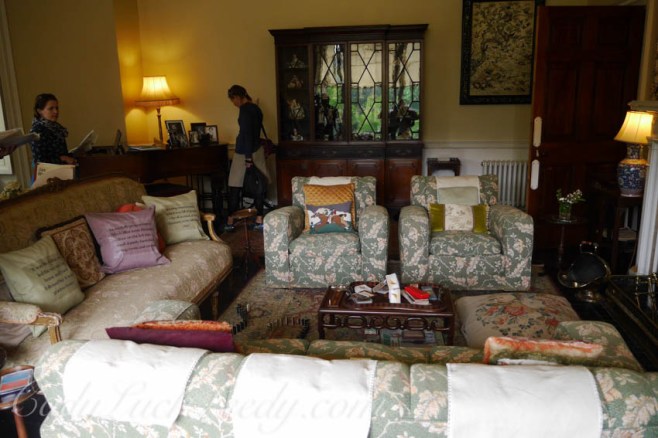
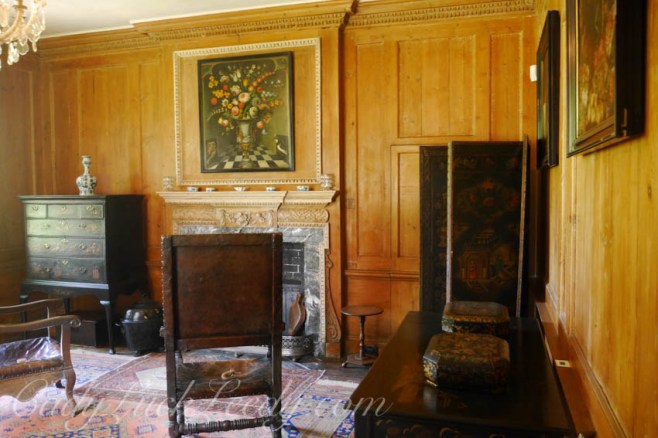
The Drawing Room at Greenway

The Drawing Room at Greenway

The Drawing Room at Greenway

The Drawing Room at Greenway

The pillows have sentences from her books printed on them!

The Drawing Room at Greenway, (Notice the Dominoes on the Floor)

The Drawing Room at Greenway, (Notice the Dominoes on the Floor)

The Piano at Greenway

The Piano at Greenway

In the drawing room is the piano she played only to entertain herself, never to entertain her guests.

Old Photos at Greenway

Old Photos at Greenway

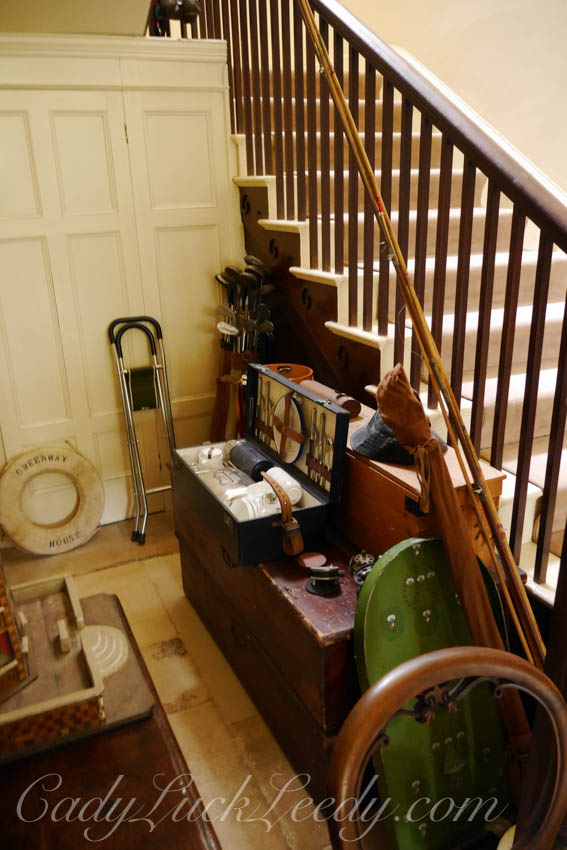
The Fishing Gear is Ready!

The Fishing Gear is Ready!

The fishing gear and picnic supplies are by the stairs in case you want a quiet spot at the river before dinner.

The Library at Greenway

The Library at Greenway

The Library at Greenway

The Library at Greenway

The Library at Greenway

The Library at Greenway

The library is comfy-cozy with a drink’s table by the door, just like in the old movies, and the frieze painted on three sides of the library’s upper walls is a timeline of WWII.  The frieze painted by U.S. Lt. Marshall Lee looks fresh, like it was painted only yesterday. Greenway was acquisitioned during the war, as an officers’ mess, and officers from the 10th U.S. Coast Guard flotilla headquartered here before D-Day.  When Agatha came back to the house after the war she wanted the frieze to stay, but the 16 makeshift bathrooms to go! 

Agatha's Closet

Agatha’s Closet

Her clothes are hung in the bedroom closet and her bags are packed and ready for the next adventure.

Books in the Library at Greenway

Books in the Library at Greenway

Love This Bookcase!

Love This Bookcase!

Love This Bookcase!

Love This Bookcase!

The Bathroom at Greenway

The Bathroom at Greenway AND

The Books in the Bathroom

The Books in the Bathroom

There are books everywhere in every room! Some are in very interesting bookcases! I loved the end-table spinning bookshelves! There is a small library of books even in the bathroom! 

Just One of the Pantries Full of Dish Collections!

Just One of the Pantries Full of Dish Collections!

Just One of the Pantries Full of Dish Collections!

Just One of the Pantries Full of Dish Collections!

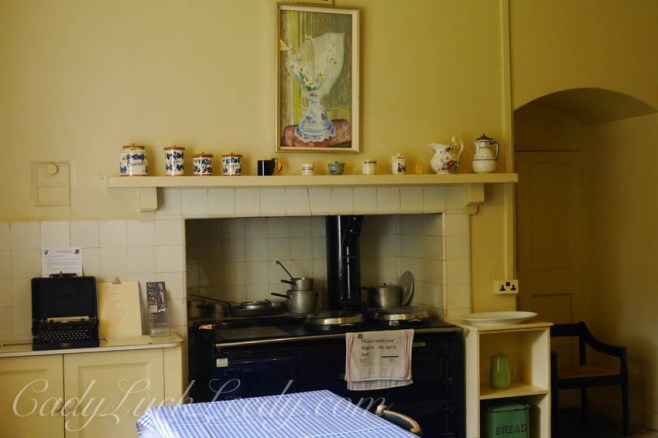
The Kitchen at Greenway

The Kitchen at Greenway

The Kitchen and Pantry are always interesting to me! Look at all the dishes! Agatha’s mother and grandmother were collector’s too. You can never have enough dishes! Be sure to notice the typewriter in the kitchen. More about that further in the post!

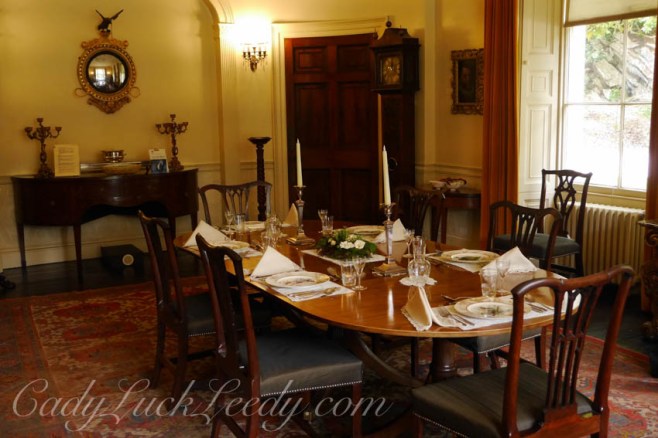
The Dining Room at Greenway

The Dining Room at Greenway

The Dining Room at Greenway

The Dining Room at Greenway

I watched an elderly gentleman pick up every plate on the dining room table making sure they were made in England! The plates were beautiful!

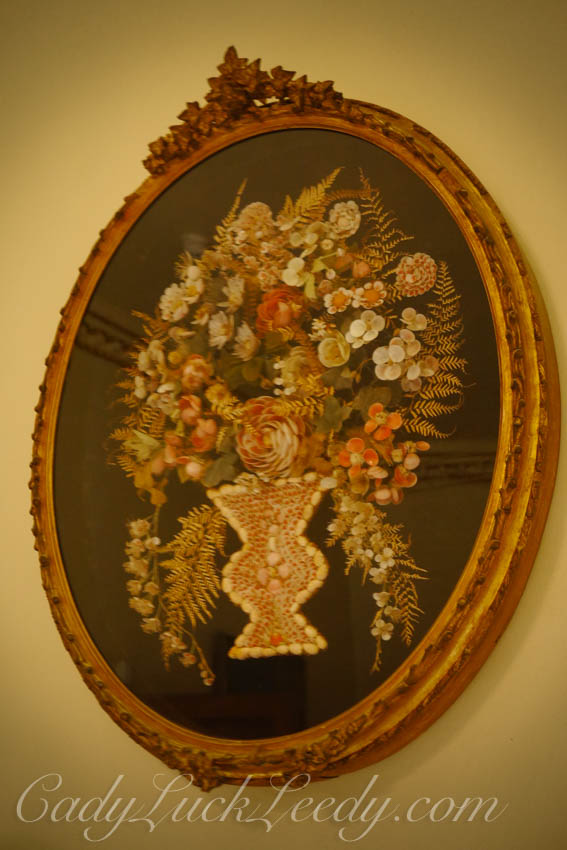
One of the COLLECTIONS at Greenway

One of the COLLECTIONS at Greenway

One of the COLLECTIONS at Greenway

One of the COLLECTIONS at Greenway

One of the COLLECTIONS at Greenway

One of the COLLECTIONS at Greenway

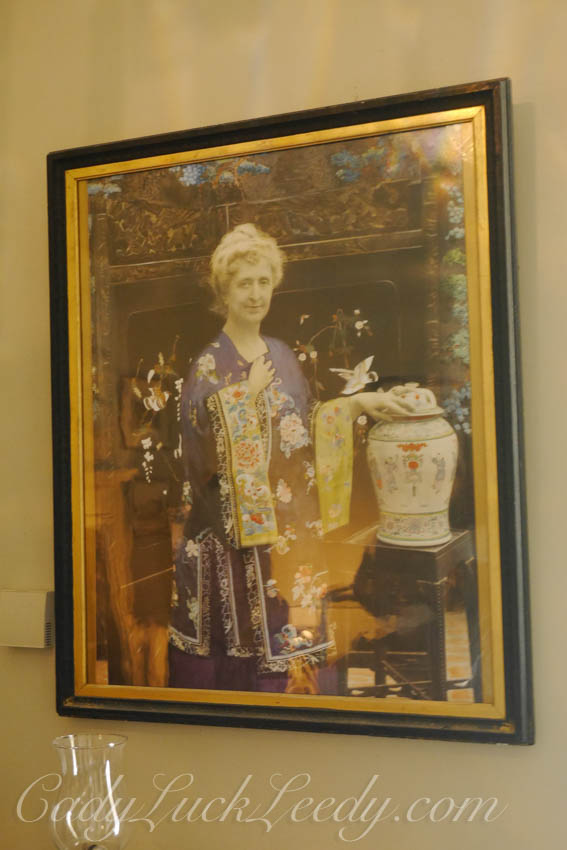
A Portrait of Agatha with Some of Her Treasures

A Portrait of Agatha with Some of Her Treasures

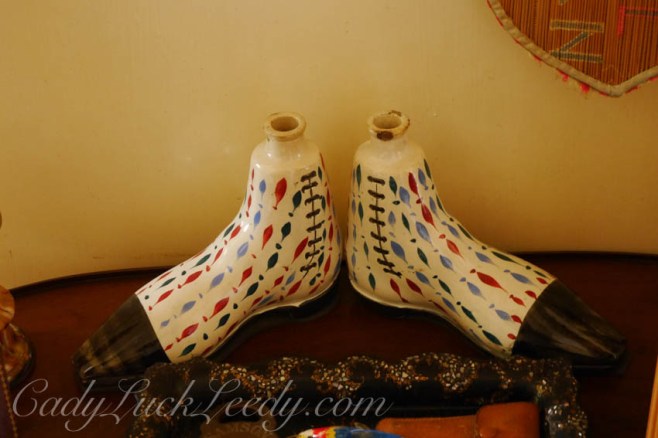
One of the COLLECTIONS at Greenway

One of the COLLECTIONS at Greenway

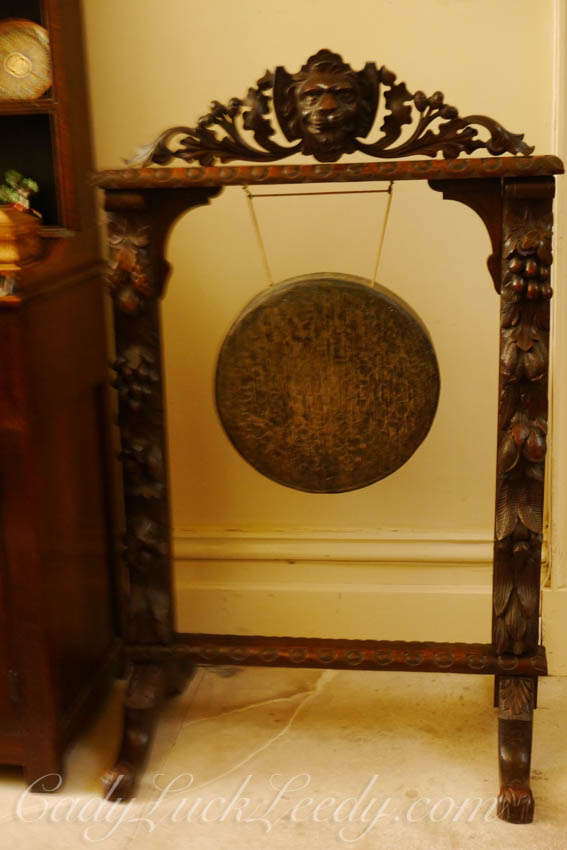
And the Dinner Gong!

And the Dinner Gong!

There were so many treasures to look at I asked one of the National Trust guides if everything was left at Greenway. She replied that the family (her grandson) took everything he wanted, but there was still plenty left over! Oh my, I’ll say!

Agatha never wrote at Greenway. She came here to relax, to read and go over her notebooks, many times reading her current mystery to her family and friends in the evenings. However, there is a writing project going on as part of the activities and events at Greenway and old typewriters are placed throughout the house, and even in the kitchen, where one can leave a message for Agatha. Some of the messages are posted on a Twitter account #Type Greenway! Very interactive! 

Greenway is one of my favorite National Trust properties, I loved everything about it. And tomorrow we’ll take a look at the gardens at Greenway! See you there!

A Day With Agatha Christie at Greenway: Getting There

Agatha Christie's Tour Bus, Greenway

Agatha Christie’s Tour Bus, (a 1947 Leyland Tiger PS1/1 single decker with Barnaby bodywork)

Agatha Christie's Tour Bus, Greenway

Agatha Christie’s Tour Bus, Greenway

I am so excited to be visiting Greenway House, the holiday home of Agatha Christie. It is the first private residence of the famous author to be opened to the public. Greenway House is situated on a 278 acre estate on the Dart River in Devon. I will be dividing the posts into several sections since there is so much to talk about and it is all so very interesting! Now let’s get on the tour bus, so to speak!

Agatha Mary Clarissa Miller was born September 15, 1890 into a wealthy, upper middle-class family in Ashfield, Torquay, Devon. Agatha described her childhood as “very happy”, but that her childhood was over when her father died when she was eleven. She was surrounded by strong and independent women, (her mother and her grandmother especially) believing her mother was a psychic with the ability of second sight. She described her grandmother and her cronies as “always expecting the worst of everyone and everything, and were, with almost frightening accuracy, usually proved right.” Her mother insisted that Agatha be educated at home, so her parents were responsible for teaching her to read (which she loved) and write, and basic arithmetic, which she also enjoyed. In 1905 she was sent to Paris to further her education, but returned in 1910 when her mother was ill. They decided to go to Egypt, (a popular tourist destination for wealthy Brits at that time) to spend time in a warmer climate, and stayed three months at the Gezirah Palace Hotel, attending social functions with her mother. They were on the prowl for a husband for Agatha! 

Upon return to England Agatha met Archibald Christie at a dance given by Lord and Lady Clifford at Ugbrooke, near Torquay. Archie was born in India, the son of a judge in the Indian Civil Service. By 1913 he was an army officer in the Royal Flying Corps. The couple married on Christmas Eve in 1914, while Archie was home on leave.

Agatha involved herself in the war effort, joining the Voluntary Aid Detachment (VAD) in 1914, and assisted with wounded soldiers at a hospital in Torquay as an unpaid VAD nurse. She was responsible for aiding the doctors and maintaining morale; she performed 3,400 hours of unpaid work between October 1914 and December 1916. She qualified as an “apothecaries’ assistant” (or dispenser) in 1917 and, as a dispenser, she earned £16 a year until the end of her service in September 1918. In her spare time she wrote.

She was initially unsuccessful at getting her work published, but in 1920 The Bodley Head press published her novel The Mysterious Affair at Styles, featuring the character of Hercule Poirot. This launched her literary career.

Agatha Christie created several series’ characters during her writing career, but her best known was Hercule Poirot. Christie, was a fan of detective novels, having enjoyed Sir Arthur Conan Doyle’s early Sherlock Holmes stories. In her detective novel, Poirot was a former Belgian policeman noted for his twirly large magnificent moustaches and egg-shaped head. Christie’s inspiration for this stemmed from real Belgian refugees who were living in Torquay. He appeared in 33 novels, one theatrical play, and more than 50 short stories He first appeared in The Mysterious Affair at Styles (1920) and last appeared in Curtain: Poirot’s Last Case (1975) which famously features his death. While her fans loved Hercule Poirot, Agatha Christie herself was increasingly fed up with her creation. Late in her career, she described him as “an egocentric creep.”

In 1926, Archie Christie wanted to marry his mistress, Nancy Neele, and asked Agatha for a divorce. Agatha, totally overwrought, left her home and then abandoned her car at a chalk quarry, before disappearing for ten days. There has been a lot of speculation as to what exactly went on during this time. It has been suggested that Agatha disappeared to embarrass her husband, and call him out on the divorce, (mistress and all) or that it had possibly been a publicity stunt to promote her next book. However, when she was found at the Old Swan Hotel in Harrogate having registered under a false name, two doctors diagnosed her as suffering from amnesia and a depressed state from literary overwork, her mother’s death earlier that year and her husband’s infidelity. Agatha never spoke of the incident again.

A quote from Agatha; “I have sometimes been wildly, despairingly, acutely miserable, racked with sorrow, but through it all I still know quite certainly that just to be alive is a grand thing.”

Life goes on………. and Miss (Jane) Marple was introduced in the short stories called The Thirteen Problems in 1927 and was based on Christie’s grandmother and her cronies.

In 1930 Agatha married Sir Max Mallowen, (14 years her junior) having met him during an archaeological dig. Her travels with him contributed backgrounds for several of her novels set in the Middle East.

Agatha Quote; An archaelogist is the best husband a women can have. The older she gets the more interested he is in her.

In 1938, Agatha Christie, now independently wealthy from her writing, returned to Torbay and purchased a Georgian Manor, named Greenway. Greenway would be the setting for several of her books.

She also wrote six romances under the name Mary Westmacott, but she is best known for the 66 detective novels and 14 short story collections that she wrote under her own name, most of which revolve around the investigative work of such characters as Hercule Poirot, and Jane Marple.

Agatha Quote; I specialize in murders of quiet, domestic interest.

She returned to Greenway again and again in her fiction, setting many of her classic murder mysteries at the beach, cove and island. Hercule Poirot and Miss Marple both ventured to Torbay to solve heinous crimes. While Greenway was never Agatha’s primary residence, it was for a generation the family holiday retreat—where the family gathered for Christmas and Easter, and where she spent her summers. In 1950 Christie turned the house over to her daughter Rosalind Christie Hicks and in 2000 Greenway was transferred to The National Trust. Today, Greenway is restored and furnished as Christie and Max Mallowen would have known it in the 1950s.


Christie Mysteries Set Locally

  • Peril at End House
  • Sleeping Murder
  • The ABC Murders
  • The Body in the Library
  • And Then There Were None
  • Evil Under the Sun
  • Dead Man’s Folly
The Ferry Stop at Greenway

The Ferry Stop at Greenway

Greenway is not easy to get to. The preferred and recommended method of arrival is by boat—passenger ferry from Torbay, Dartmouth, or across the river from Dittisham. Any way you arrive at the quay, it is a 400-yard climb up hill to the house and gardens. This is not a trip for those with limited mobility.
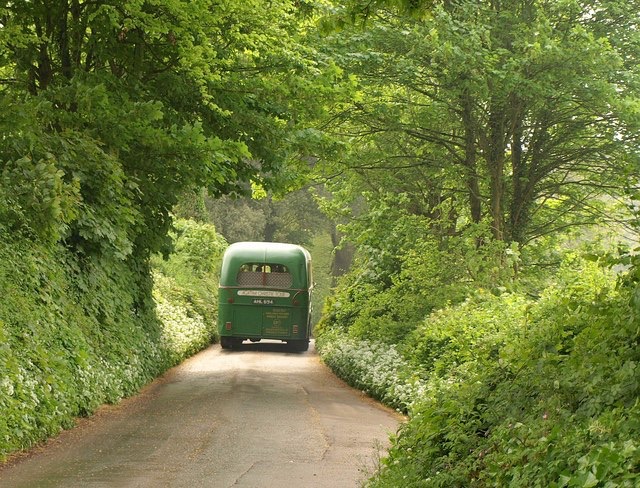
The Lane to Greenway, Devon, UK

The Lane to Greenway, Devon, UK

Now that we have had a little background on Agatha let’s continue to make our way to Greenway! Take a good look at that narrow country lane! It is the Green Way, aptly named!  Arriving by car and getting closer to our destination, we first meandered through a neighborhood of Galmpton and then came upon this mile or so of narrow lane to Greenway. See that little extra pavement to the right in the photo? That is how much room you have to pull over if another car or bus approaches! Add to that the idiots that do not read the details of visiting Greenway. You MUST reserve a parking space that is available in 3 hour increments at Greenway House. If you don’t have a permit, pre- arranged, you will be turning your car around and heading home! Now some think it is OK to just park your car in this tiny strip and walk on to Greenway! Now how do the cars pull over when another car approaches???? This is an adventure all in itself. Once you reach the parking lot there is another extended hike up to the house. Golf carts are available to pick you up, but you must register for assistance and the wait can be lengthy as there are over 900 visitors a day.

But, we got here, Leon (the car) was all in one piece and I had my reservation to park, so what’s another walk? The house itself is surrounded by walled gardens, orchards and woodland gardens, so the walk was pleasant.

The Walled Gardens of Greenway
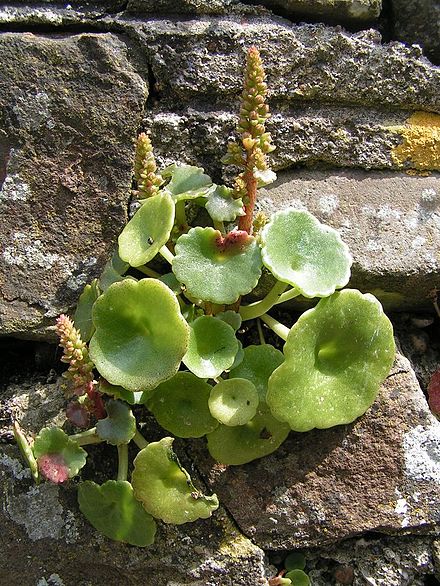
The Walled Gardens of Greenway

Navelwort in Walled Garden at Greenway

Navelwort in Walled Garden at Greenway

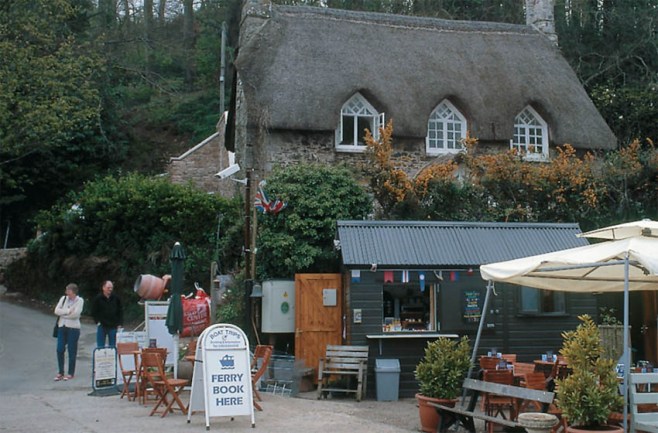
The stables and other out buildings have been converted to a gift shop and an eatery, so you can stop and enjoy this area before going on up to the house. What a beautiful view of the river and grounds from the front of the house!
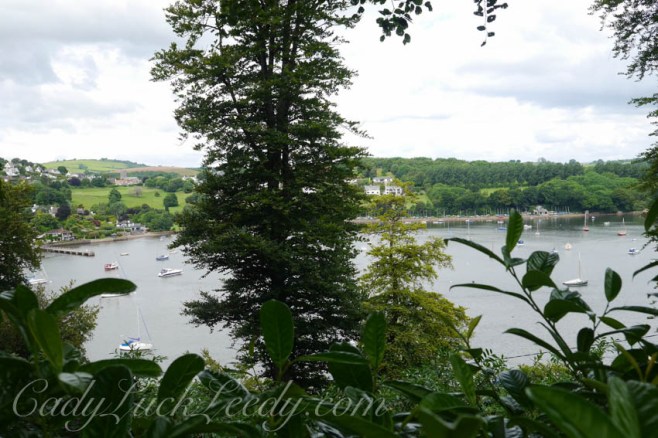
A View of the River Dart at Greenway
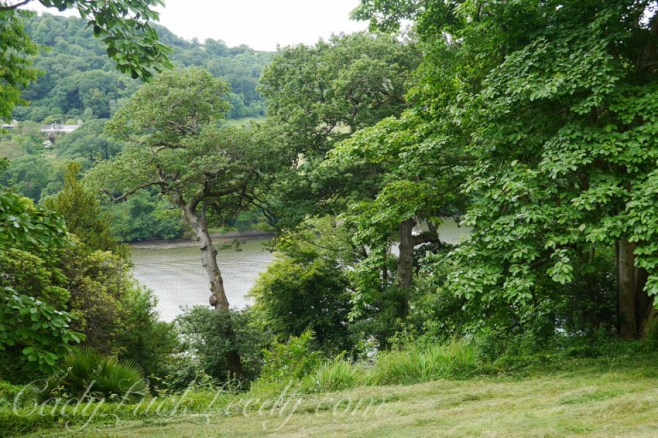
A View of the River Dart at Greenway

A View of the River Dart at Greenway

A View of the River Dart at Greenway

There are lawn chairs to sit and enjoy this view either before or after visiting the house.
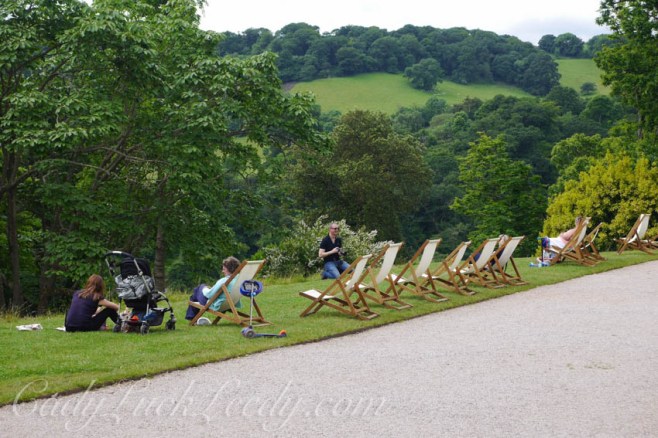
The Lawn Chairs at Greenway
The Lawn Chairs at Greenway

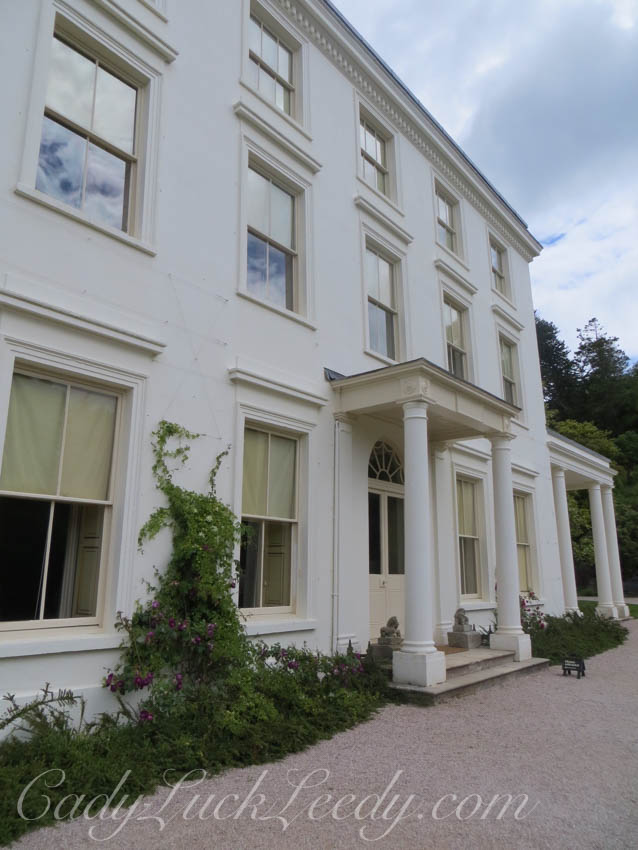
Greenway, Holiday Home of Agatha Christie

Greenway, Holiday Home of Agatha Christie

Greenway, Holiday Home of Agatha Christie

Greenway, Holiday Home of Agatha Christie

Greenway, Holiday Home of Agatha Christie

Greenway, Holiday Home of Agatha Christie

Agatha Christie at Greenway

Agatha Christie at Greenway

Let’s go in! See you tomorrow!
Getting from Point A to Point B; Don’t Forget the a’s, b’s and little c’s!

Ash Manor House, Yeovil, UK

Ash Manor House, Yeovil, UK

What an Inviting Entryway and Checkout the Flowers!

What an Inviting Entryway and Check Out the Flowers!

To get from Point A to Point B is more fun if you have shorter driving times and lots of smaller a’s, b’s and c’s along the route. After all we are on vacation! When you have been up all night, or at least not sleeping well on an international flight, it is easier to have small stops to look forward to rather than a long jaunt across the countryside in unfamiliar territory! So, those were the conditions I set for my “2016 English Garden Tour” starting at Heathrow Airport and beginning the “Official” part of the tour in Cornwall. But, I made a few stops along the way and they turned out to be lovely! As you have read in previous blog posts we stopped at two National Trust properties on the journey to Cornwall, Stourhead and Tintinhull. Oh, and we drove past Stonehenge, so we can say we’ve seen that too! And then we planned to stop for the night in Yeovil, and stay at the Ash Manor House. What a delightful stay between Point A and Point B! It was easy to find, there was plenty of parking on the premises, it was spotless and there is a restaurant on site! So if you are making your way to Cornwall this also may be a good option for you! Let’s see some photos!

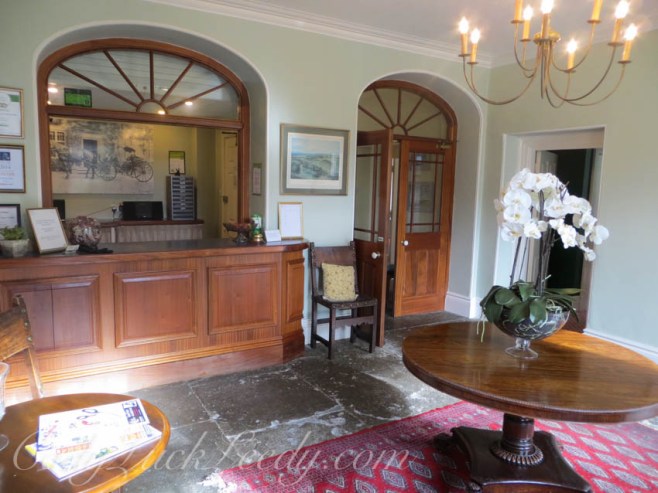
The Lobby Area at Ash House Manor, Yeovil, UK

The Lobby Area at Ash House Manor, Yeovil, UK

The Lady of the Manor House in Her Time! I Wouldn't Mess With Her!

The Lady of the Manor House in Her Time! I Wouldn’t Mess With Her!

Notice looking at the “now” pictures of the house and the “original” picture, that the ivy has been removed from the house. I liked the ivy look better, but that’s just me! The ivy softens the stones and gives it a romantic cottage-y look!

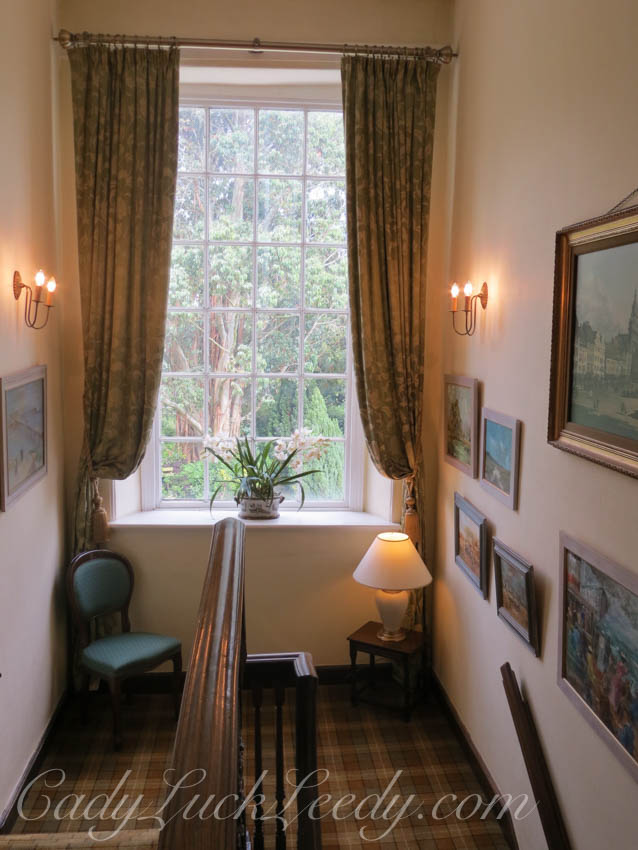
Up the Stairs We Go!

Up the Stairs We Go!

A Beautiful Transomed Doorway at the Top of the Landing

A Beautiful Transomed Doorway at the Top of the Landing

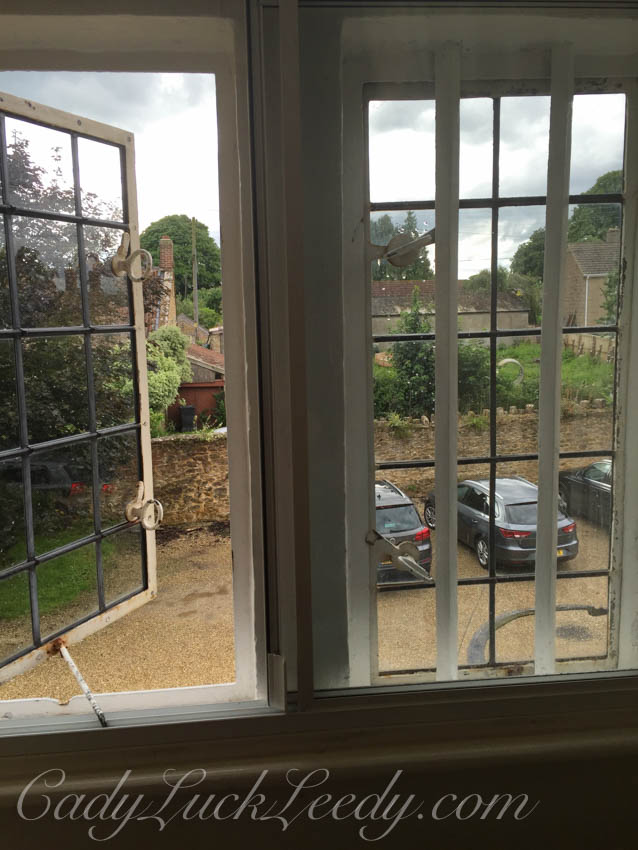
Aww To Drop Into Bed!

Ahh, To Drop Into Bed!

A Quick Peek at LEON

A Quick Peek at LEON and the Village

From Heathrow to Ash Manor House I was trying to adjust to a rental car called LEON. Leon is a diesel engine vehicle that turns off whenever the brake is on for any period of time to save gas.  It is like they do in Nascar to save gas when they think they will not make it until the end of the race and try to conserve fuel. The only difference is Leon does it automatically and it is sooooo scary! I was always concerned it wouldn’t start up again just as we got to the tricky round about or stuck in heavy traffic and then needed to go! Just one more thing to add to the adventure! Who would name a car LEON anyway? I learned one more thing early on in my adventure; never let them stick me wth a LEON at the car rental! Maybe I just need a relaxing drink and something to eat! So let’s go to the bar!

The Bar at Ash Manor House, Yeovil, UK

The Bar at Ash Manor House, Yeovil, UK

The Dining Room at Ash Manor House, Yeovil, UK

The Dining Room at Ash Manor House, Yeovil, UK

My Yummy Evening Meal at Ash Manor House, Yeovil, UK

My Yummy Evening Meal at Ash Manor House, Yeovil, UK

And Then Dessert! The Frog is a Cinnamon Dip!

And Then Dessert! The Frog is a Cinnamon Dip!

And then the next morning, a scrumptious breakfast in the Morning Room overlooking the back garden.

The Morning Room at Ash Manor House, Yeovil, UK

The Morning Room at Ash Manor House, Yeovil, UK

The Back Garden at Ash Manor House, Yeovil, UK

The Back Garden at Ash Manor House, Yeovil, UK

If you are traveling from London to Cornwall you might consider a rest stop at Ash Manor House. All my boxes for the perfect stay were ticked off!

Well, it’s a brand new day and we are off to another National Trust Property! See you next time at Greenway, home of Agatha Christie! I can hardly wait!


Thursday Doors at Tintinhull

Tintinhull, A National Trust Property in Somerset, UK

Tintinhull, A National Trust Property in Somerset, UK

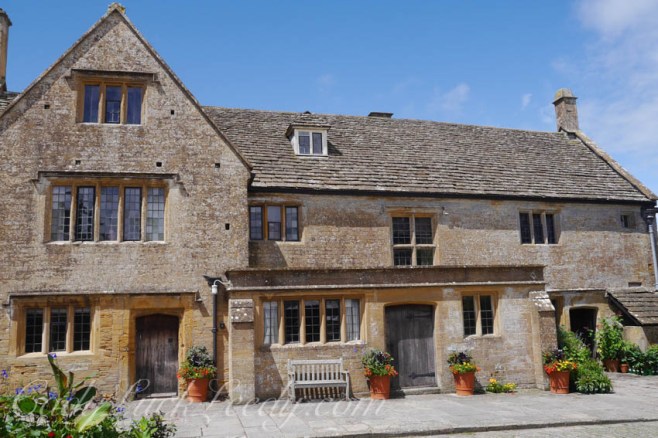
Main Entrance at Tintinhull

Main Entrance at Tintinhull

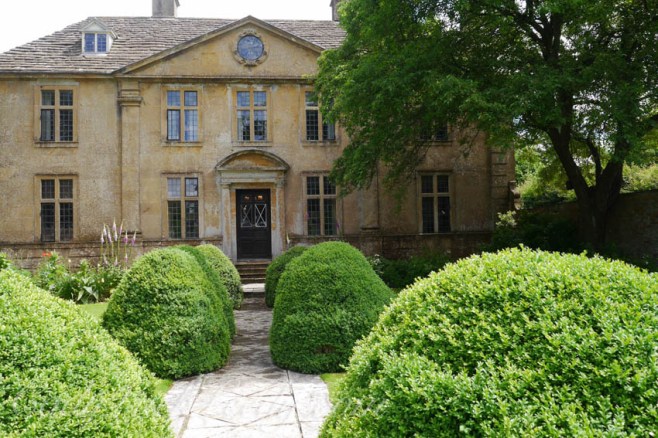
The Boxwood Entrance at Tintinhull

The Boxwood Entrance at Tintinhull, Notice the Diamond Shaped Stone Walkway

Tintinhull, a National Trust property in Somerset, was our second stop of the day on our way to Cornwall.

Keep in mind that finding a particular National Trust property makes some of the best adventures! They are usually off the beaten path and although are addressed in small villages many times I never find the small village!

Tintinhull, is a small, tidy property that just fits the bill. By 1630 the Napper family had constructed the east side of the present house, and this was extended by Andrew Napper in 1722 when the classical west facade and forecourt were built. In about 1900 Tintinhull was sold to Dr S J M Price. He developed the west forecourt as a garden, laying the distinctive diamond-patterned flagged walk and planting the flanking clipped domes of boxwood. Notice the big eagles on the wall too! In 1933 Tintinhull was sold to Captain and Mrs P.E. Reiss, who developed garden enclosures linked by carefully designed vistas and rich planting. Phyllis Emily Reiss created a garden around the 17th century manor house, with six compartments, each room having it’s own character and identity, divided by clipped hedges and walls. She designed the Pool Garden as a memorial to a nephew killed in WWII. The house, gardens and woodland walk create all the charm at Tintinhull!

In July 1939 Reiss made two broadcasts for the BBC entitled ‘In my Garden.’ In 1959 she gave Tintinhull to the National Trust although she lived there until her death on the 18th September 1961.   

Penelope Hobhouse and her husband, Professor John Malins lived at Tintinhull for fourteen years and was in charge of the gardens there from 1980 until 1993. With a name like Penelope Hobhouse, (my auto spelling corrector wants to name her Penelope Hothouse) it’s a given that she was a garden writer, garden historian, self taught gardener and lecturer. She went on to design many gardens in England, Scotland, France, Italy, Spain, Germany and the United States. I especially like her name and I think it is perfect for a gardener! She has written several garden books, and Penelope Hobhouse on Gardening, written in 1994, describes her gardening experiences at Tintinhull.  You can find a video of her Here.

Now let’s take a look at Tintinhull!

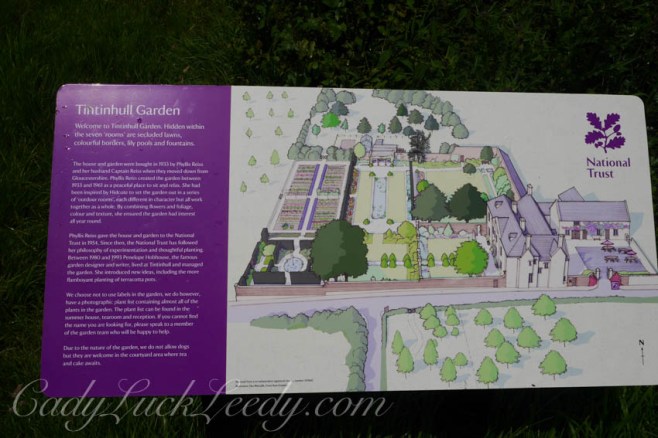
The Garden Map at Tintinhull

The Garden Map at Tintinhull

Birds on the Wall Is Always Good!

Birds on the Wall Is Always Good!

Another Entrance to Tintinhull

Another Entrance to Tintinhull

A Very Small Door at Tintinhull

A Very Small Door at Tintinhull

How about this very small door! Was it an opening to a guard shack? Did you drop off the mail here? What was it used for?

A Few Doors to be Seen Here!

A Few Doors to be Seen Here!

i LOVE the Color of the Stone Too!

I LOVE the Color of the Stone Too!

Penelope Hobhouse was noted for her Terra Cotta planters! And I don’t want to miss the windows either!

Somme Window Treatment at Tintinhull

Some Window Treatment at Tintinhull

Another Door and Some More Pots!

Another Door, More Windows and Some More Pots!

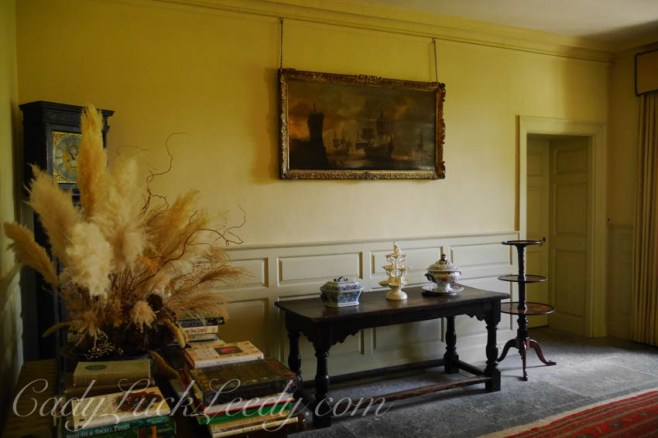
Inside Tintinhull

Inside Tintinhull

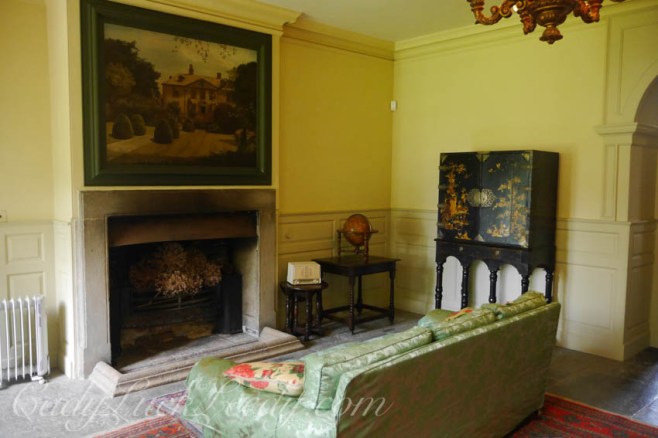
Only two rooms are open for viewing at Tintinhull. Short, sweet, and modest!

Inside Tintinhull

Inside Tintinhull, with Very Deep Doorways!

Inside Tintinhull

Inside Tintinhull

Inside Tintinhull

Inside Tintinhull

The Barn Tea Room Entrance Doors at Tintinhull

The Barn Tea Room Entrance Doors at Tintinhull

Inside the Tearoom at Tintinhull

Inside the Tearoom at Tintinhull

A Few Garden Photos at Tintinhull

A Few Garden Photos at Tintinhull

A Few Garden Photos at Tintinhul

A Few Garden Photos at Tintinhull


A Few Garden Photos at Tintinhul

A Few Garden Photos at Tintinhull

Did you find the doorways in the garden?

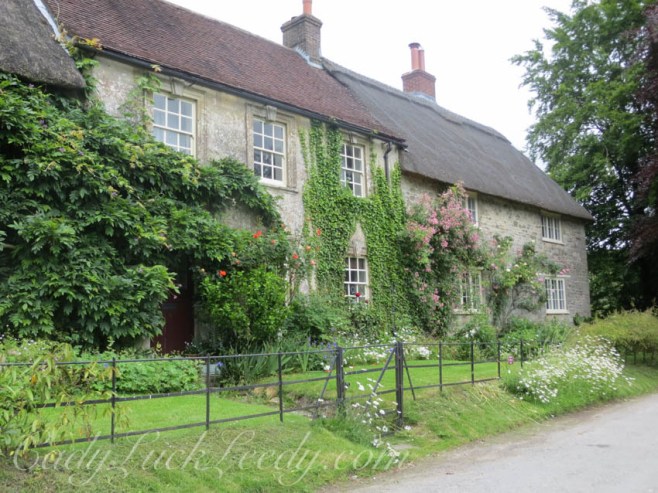
Row Houses at Tintinhull

Row Houses at Tintinhull

This section of Row Houses must refer to the village at Tintinhull! This is the only “village” I saw! Loved their cottage gardens and what else? More Red Doors!

Row Houses at Tintinhull

Row Houses at Tintinhull

Row Houses at Tintinhull

Row Houses at Tintinhull


This is just one of many photos in the Thursday Door Collection featured by Norm2.0!   Won’t you join in or take a peak at all the doors? See you next week!
 

The Gardens at Stourhead, a National Trust Property

A Garden Gate at Stourhead

A Garden Gate at Stourhead

One of the many lovely things about the Gardens at Stourhead is the Estate Walk and many other seasonal walks on the grounds. Many of the paths lead around the big lake that is framed by the hilly terrain. When we did the tour of the manor house a gentle, but steady rain was coming down, but after the manor tour was over and we headed out to the garden paths it was pouring! That did not deter a group of scheduled ramblers, who departed from their buses and vans prepared for the weather, in walking boots and rain gear, and carrying one or two walking sticks. I was not as prepared and had been up all night on an overseas flight so we took as many pictures as we could before getting drenched and then headed out to our next National Trust destination that morning, hoping the weather would turn for the best. Here is a LIST of some of the upcoming walking events and future highlights at Stourhead.

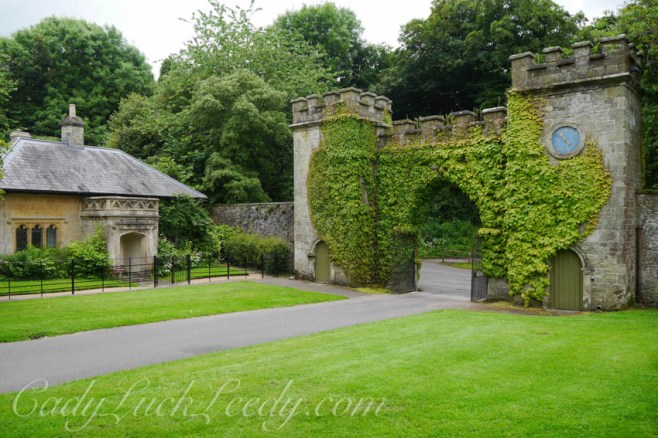
First let’s take a look at the entry into Stourhead. It sets the mood, your home is your castle! And Stourhead has the gates and crenelations to prove it! Loved that clock too!

Entry into Stourhead, a National Trust Propert

Entry into Stourhead, a National Trust Property

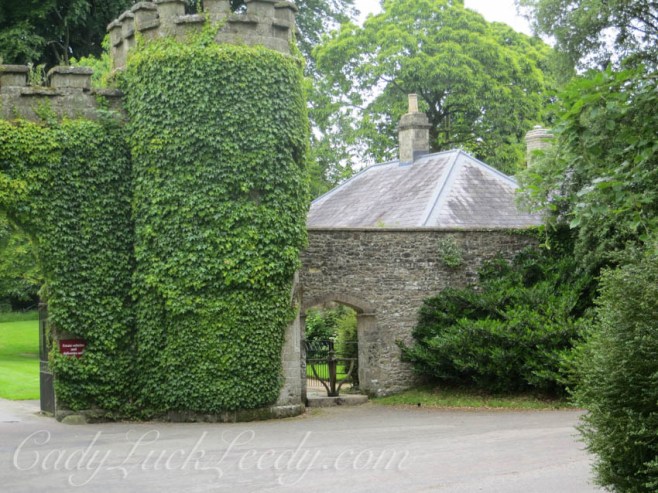
Entry into Stourhead, a National Trust Property with Lots of Ivy!

Entry into Stourhead, a National Trust Property with Lots of Ivy!

Gated Walls and Meadows at Stourhead

Gated Walls and Meadows at Stourhead

Now let’s look at those gardens!

Another Gate to the Gardens at Stourhead

Another Gate to the Gardens at Stourhead!

Notice the meadow look? We’ve noticed a lot of the National Trust gardens and others are turning part of their land back to meadows, with natural flowers and habitats for birds aplenty!

The Front Meadow at Stourhea

The Front Meadow at Stourhead

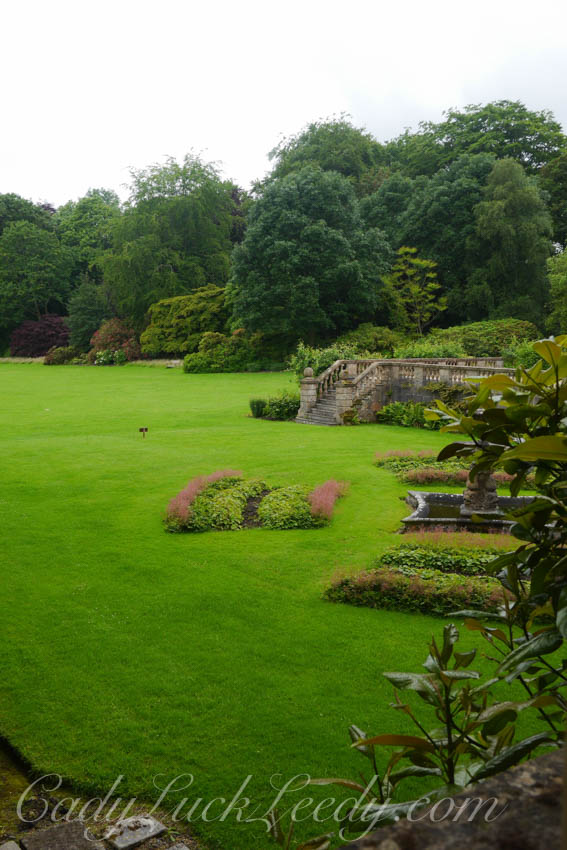
The Gardens at Stourhead

The Formal Gardens at Stourhead, Framed by the Woodlands

The Gardens at Stourhead

The Formal Gardens at Stourhead

The Gardens at Stourhead

The Formal Gardens at Stourhead

The Gardens at Stourhead

The Gardens at Stourhead, Inside the Walls

The Gardens at Siourhead, Inside the Walls

The Gardens at Stourhead, Inside the Walls

The Gardens at Stourhead, Inside the Walls

The Gardens at Stourhead, Inside the Walls, all Neat and Tidy and Wet!

The Flowers of Stourhead

The Flowers of Stourhead

The Flowers of Stourhead

The Flowers of Stourhead

The Flowers of Stourhead

The Flowers of Stourhead

The Flowers of Stourhead

The Flowers of Stourhead

The Flowers of Stourhead

The Flowers of Stourhead

The Flowers of Stourhead

The Flowers of Stourhead

P1020868

Which Way to Go? Choices, Choices!

Which Way to Go? Choices, Choices!

Well I hope you enjoyed a very abbreviated and wet tour through the gardens!  Were you carrying an umbrella? We would definitely place Stourhead on our Return Garden List!

Off to another National Trust Property, see you there!


Thursday’s Doors, Stourhead

The Gate Keepers Cottage, Stourhead

The Gate Keepers Cottage, Stourhead

Today’s Doors come from the gardens at Stourhead, a National Trust estate in Devon, UK. This summer as part of my “English Garden Tour” I again explored many fine estates and gardens, both public and private, as I toured along my path to Cornwall and then back to Sussex and Kent.

These are photos of the fabulous doors I found at Stourhead! If you would like to know more about the estate look HERE in the previous post about it!

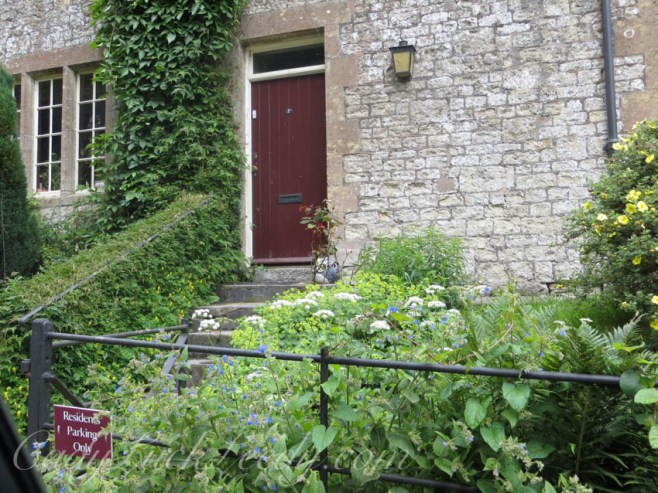
When you arrive at Stourhead, you pass the gate keepers cottage. I loved the door, and the look of the cottage was just my style.

I can’t imagine living in the estate house with all those pictures to dust and all those rooms to clean. Of course, the owners of Stourhead didn’t have to do any of that either! They had plenty of servants, housemaids, butlers, farm workers, gardeners, and ground keepers to maintain their 2600 acre estate. But, I am glad the National Trust preserves not only the manor house, but all the out buildings as well. It gives you a proper prospective of things, although I imagine the estate cottages and out buildings are nicer today than they were back in the day!

Stourhead, of course, has the estate house and this was the door that welcomed you in! There are lots of rooms to tour here and a very interesting family history.

The Main Entry Door at Stourhead

The Main Entry Door at Stourhead Manor House

Stourhead

The Manor House at Stourhead, (Notice the Main Entrance and the Servants Entrance!)

Then there are the out buildings and these doors were some of my favorites!

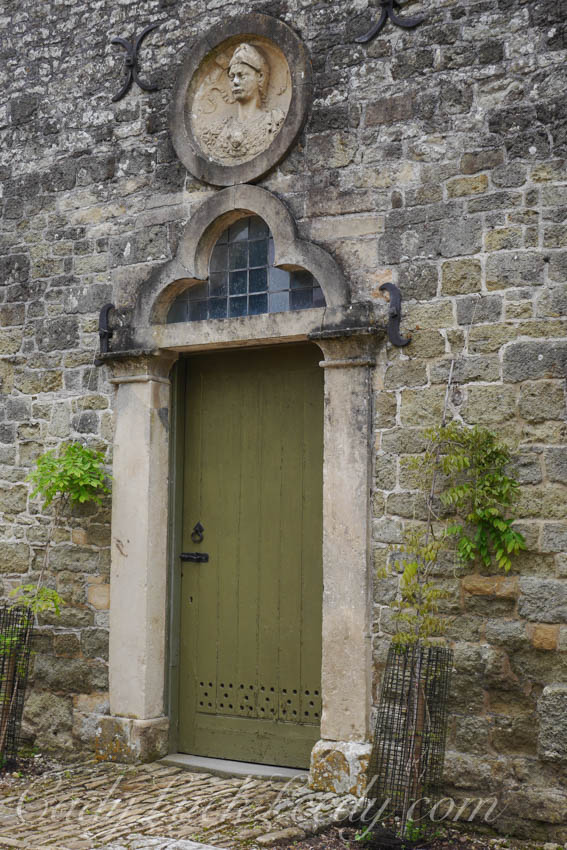
The Limey Green Door at Stourhead

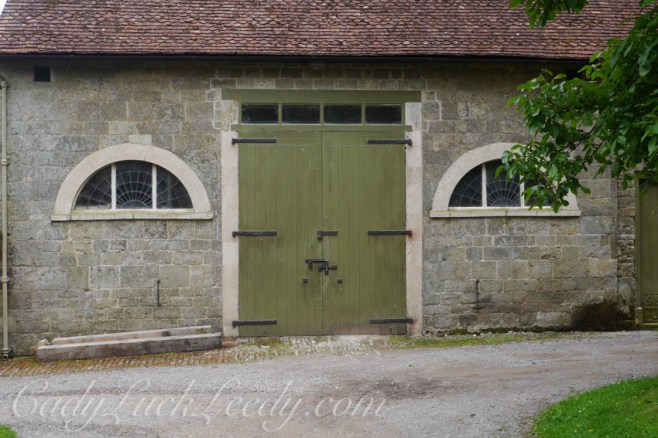
The Mossy Green Door at Stourhead

A Close Up of the Limey Green Door, Stourhead

A Close Up of the Mossy Green Door, Stourhead

I love that stonework too and the door defines the mossiness of it!

A Thursday Window That I Liked Too, Ha Ha

A Thursday Window That I Liked Too, Ha Ha

Another Outbuilding with Limey Green Door and Fantastic Windows

Another Outbuilding with Mossy Green Door and Fantastic Windows

Workers Cottages at Stourhead

Workers Cottages at Stourhead

Workers Cottages at Stourhead

Workers Cottages at Stourhead

The Workers Cottages at Stourhead

The Row of Workers Cottages at Stourhead

Of course the connected worker’s cottages were my very favorite! And they all had Red Doors!

The Red Cottage Doors!

The Red Cottage Doors!

This is just one of many photos in the Thursday Door Collection featured by Norm2.0!   Won’t you join in or take a peak at all the doors? See you next week!

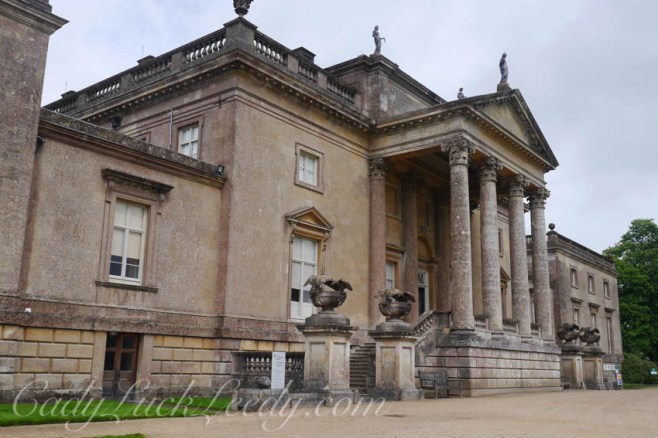
The Hoare House, aka Stourhead, a National Trust Estate

Stourhead

Stourhead

Stourhead

Stourhead

Stourhead

Stourhead

I’m back from my “Garden Tour of England” and as you have learned from the previous post, written by the garden fairies here at The End Cottage, we are caught up with my own garden chores and all the guests are back home! Hence the delay in sharing my adventure!

It takes me months to plan which National Trust properties I will visit. After I decide on the properties I determine as many public and private gardens as I can in close proximity to the National Trust sights that I have picked out, and voila, my schedule of touring is complete! There is so much to see and do! So, let’s take a walk through the grounds and home of the Hoare family, here at Stourhead. It is the first of many delights this year on my Garden Tour of England. I have separated the posts into the house and to follow, the gardens.

The Story of Harry……… really it starts with all those Henrys and Richards in the Hoare family, who had nicknames of “good,” “magnificent,” and “naughty” to tell them apart. Sir Richard Hoare, was a goldsmith, in 1673, in London. Goldsmiths had secure premises and were the storehouses for cash and valuables so they were in a unique position to start a system of banking: lending their customers money for interest. He was granted the Freedom of the Goldsmith’s Company on July 5th, 1672 and this marked the foundation of the Hoare’s Bank. He was knighted by Queen Anne in 1702 and then became Lord Mayor of London in 1712. His son, Good Henry, was a partner in the family bank, Hoare and Co. Henry the Good, lived at the bank during the week and wanted a country estate for holidays and leisure. In 1717 he bought the medieval Stourton estate for 14,000 pounds and renamed it Stourhead after the source of the Stour River. He built Stourhead House based on a 16th century Venetian villa, but died before his grand design was completed.  Henry Hoare, “the Magnificent,” grandson of Richard, and son of Henry the Good, dominated the family with his wealth and personal charisma and was a great patron of the arts. He expanded the estate and the gardens that were considered a showcase. The garden was completed in 1770 and it’s fame spread quickly and became a must see destination with the breathtaking landscape and classical temples set around the lake. The grounds included a Grotto, a Gothic Cottage, the Pantheon, the Temple of Apollo, and the Temple of Flora.

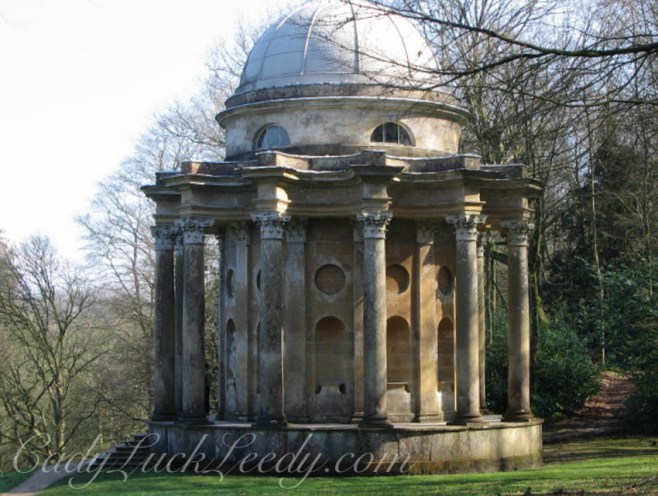
Temple of Apollo, Stourhead

Temple of Apollo, Stourhead

Sir Henry Ainslie Hoare (perhaps the naughty) and his wife Augusta inherited Stourhead in 1883, but it soon spiraled into decay when costs grew impossible to manage, because she loved living in the country and he preferred city life. Ainslie’s flamboyant lifestyle forced him to leave the bank and auction Stourhead paintings, furniture and books. He left Stourhead in 1885.

In 1894, after the death of his cousin, Henry Hugh Arthur Hoare and his wife Alda, inherited the unoccupied house that had sat empty for 10 years and the 2,650 acre estate with the run down, neglected and overgrown gardens. They decided to pack up and leave their home, Wavendom in Buckinghamshire, and move with their son, Harry Hoare, to Stourhead, to create a special home for their only son. Harry and his parents loved the estate and worked hard to make it the beauty it once had been.

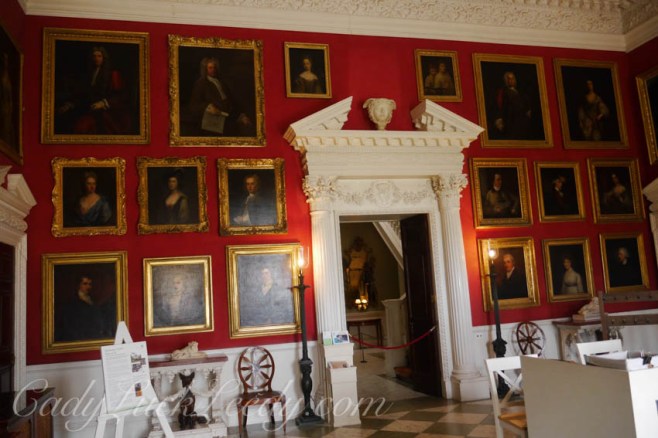
The Picture Gallery at Stourhead

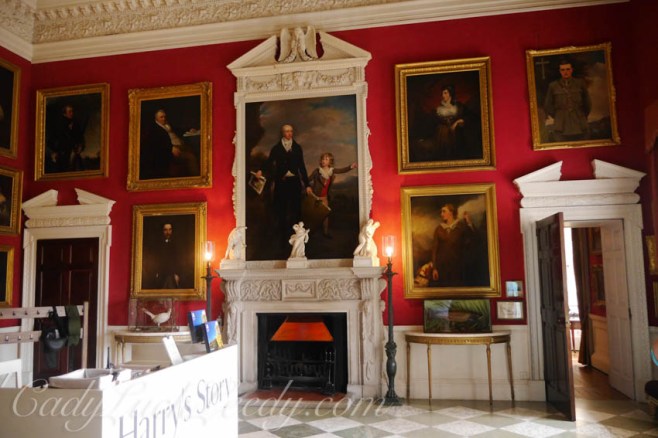
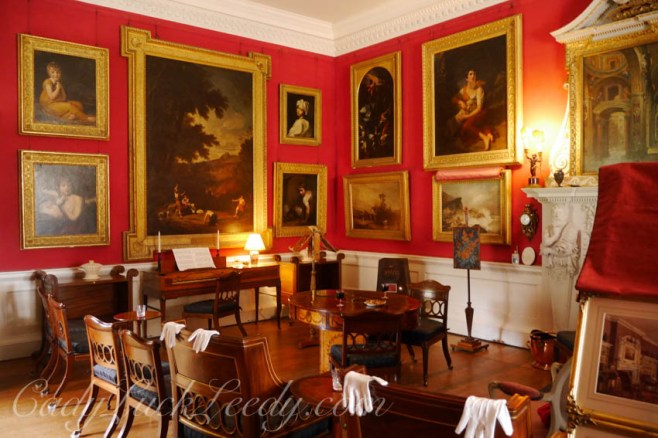
The Entrance Hall at Stourhead

The Picture Gallery at Stourhead

The Entrance Hall at Stourhead

The Picture Gallery at Stourhead

The Entrance Hall at Stourhead

The Picture Gallery at Stourhead

The Entrance Hall at Stourhead

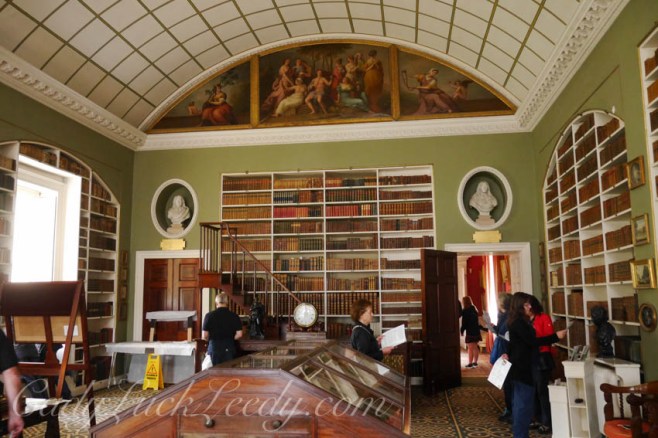
The Library at Stourhead

The Library at Stourhead

The Library at Stourhead

The Library at Stourhead

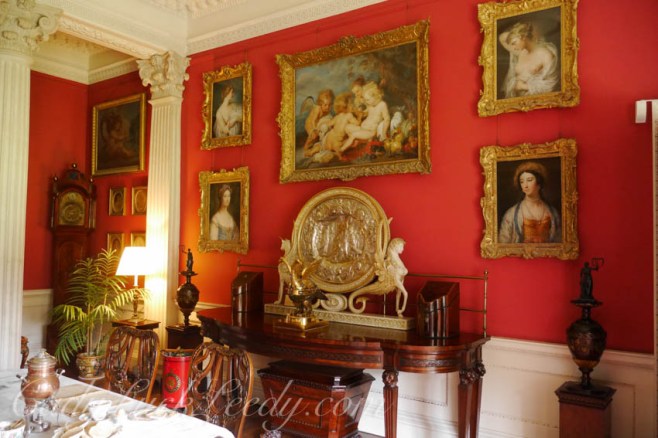
Little Dining Room at Stourhead

Little Dining Room at Stourhead

Little Dining Room at Stourhead

Little Dining Room at Stourhead

The Italian Room at Stourhead

The Column Room at Stourhead

The Italian Room at Stourhead

The Column Room at Stourhead

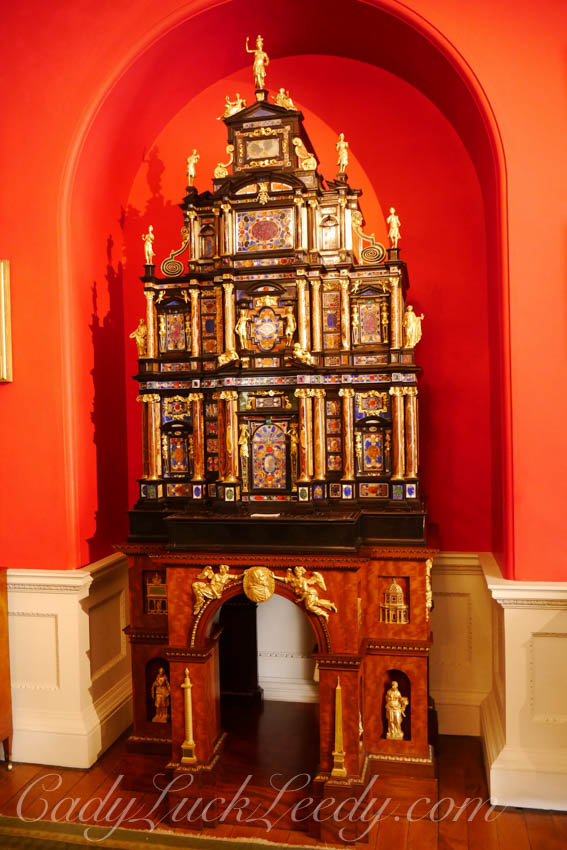
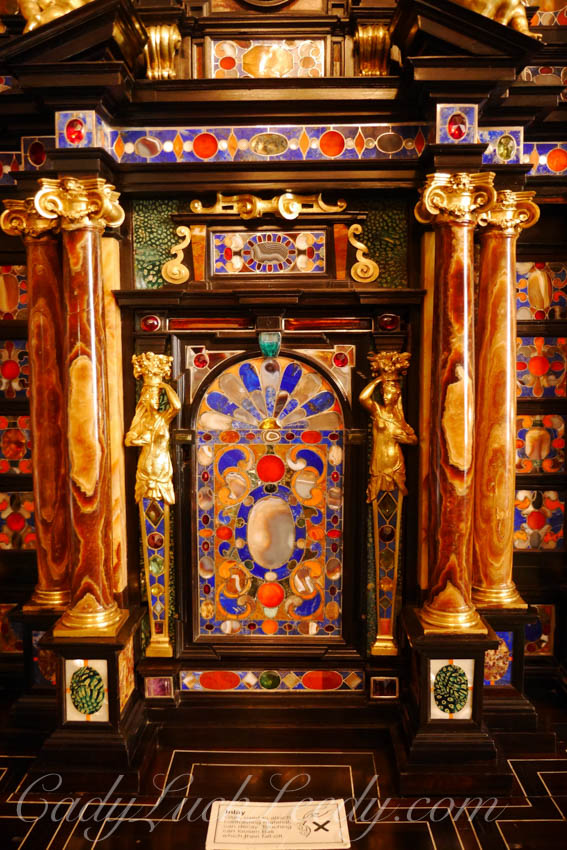
Ornate Cabinet in the Column Room, Stourhead

Ornate Cabinet in the Cabinet Room, Stourhead

I love that Poppy Red Color!

Detail of Ornate Cabinet in the Column Room, Stourhead

Detail of Ornate Cabinet in the Cabinet Room, Stourhead

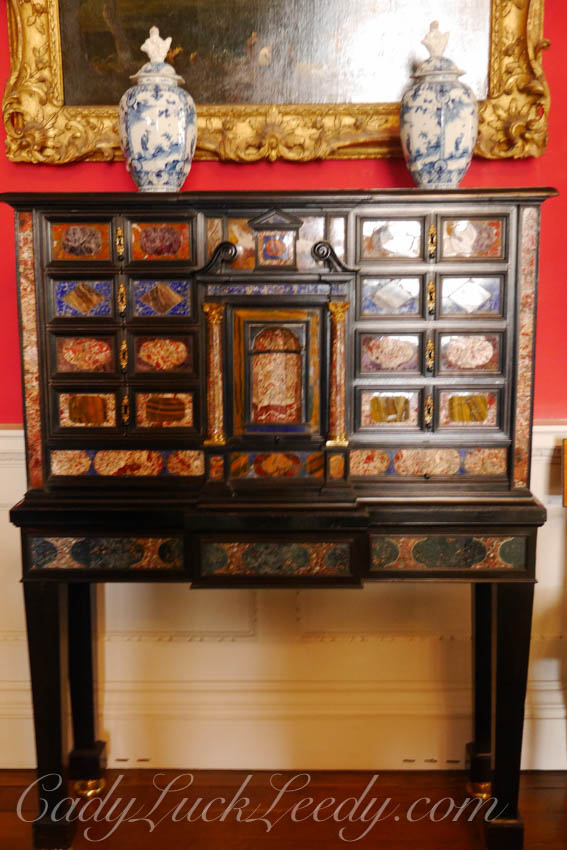
An Ornate Cabinet in the Cabinet Room at Stourhead

An Ornate Cabinet in the Cabinet Room at Stourhead

The Italian Room at Stourhead

The Italian Room at Stourhead

The Italian Room at Stourhead

The Italian Room at Stourhead

The Picture Gallery at Stourhead

The Picture Gallery at Stourhead

The Picture Gallery at Stourhead

The Picture Gallery at Stourhead

Fancy Way of Saying, DO NOT SIT at Stourhead

Fancy Way of Saying, DO NOT SIT at Stourhead

In 1902, a fire broke out in a chimney and burned for hours. The center of the house collapsed from the attic down to the cellars. The family, servants, gardeners, estate workers and farm hands worked to salvage as much as possible from the burning building. Paintings were cut from their frames and furniture was thrown out of windows. The Hoares worked again to restore the house they so loved, especially  for Harry, since he had grown up here and loved every inch of the place and this would always be his home. As you can see from the many rooms of Stourhead, saving everything would have been quite a challenge! It was vast with huge collections of Everything!

On August 1, 1914, Harry joined the Dorset Yeomanry and within a week he was no longer the estate manager, working for his father, but a soldier fighting for his country. His military career was plagued with injury and ill health and every time he was taken ill he would return to Stourhead to be cared for by his parents. After each recovery Harry returned to the battlefield.

During WWI the house and grounds were opened to the “Tommies” from the nearby Red Cross Hospital at Mere. Alda made arrangement for the soldiers to have outings on the property. Especially popular with the men was  fishing in the Flora Bay and afterwards Alda would serve tea to all the boys at The Flora Temple. Flowers, grapes and vegetables were also sent to support the troops at the hospital.

On December 19, 1917, Captain Henry Holt Arthur Hoare (Harry), was shot in the lungs at the Battle of El Mugher in Palestine and died of his wounds in Raseltin Hospital in Alexandria. He was buried in the Hadra Military Cemetery there. Harry’s parents were devastated after his untimely death and made plans to bequeath the home and grounds to charity, opening the estate to visitors. On show days visitors were shown around by the butler or the head housemaid, following strict rules. In 1946, one year before the death of Harry’s father, the estate was split and half was gifted to the National Trust and half remains in family ownership.

Visiting this extraordinary house and gardens was made that much more interesting by learning about the family, the house and grounds. That’s what makes the estates in the National Trust so interesting, they are preserving History! Particularly fun was the large display of 19th century women’s hats found in the estate ticket office! Women and children spent a lot of time trying on the hats and primping in front of the mirrors! A first for me in a National Trust property!

Hoare and Co. is the oldest private bank in the United Kingdom. As the business prospered it was moved to 37 Fleet Street, where it still is today and run by the 11th generation of Hoare’s direct descendants.

Next we’ll visit the Gardens at Stourhead! See you there!

Color Your World: 120 Days of Crayola; Yellow Green

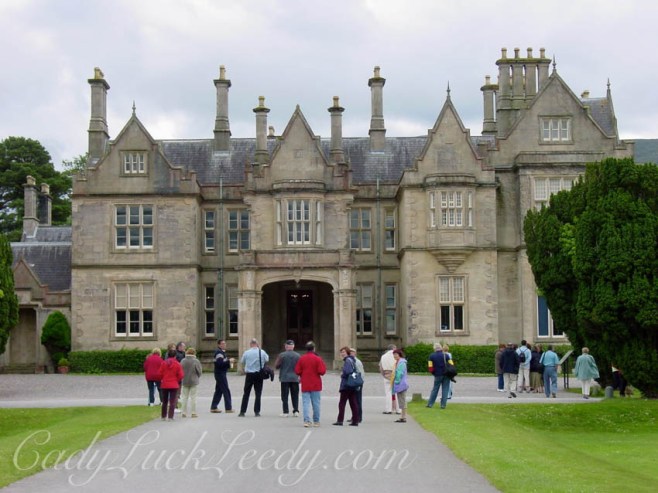
Muckross House Garden, Killarney, Ireland

Muckross House Garden, Killarney, Ireland

Muckross House, Killarnry, Ireland

Muckross House, Killarnry, Ireland

Muckross Gardeners Cottage, Killarney, Ireland

Muckross Gardeners Cottage, Killarney, Ireland

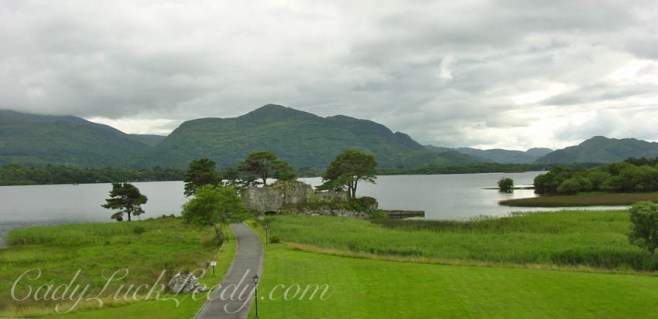
View of Killarney National Park, Killarney, Ireland

View of Killarney National Park, Killarney, Ireland

There is every shade of green in Ireland, so today I am going to share Muckross House with you! These are some of my favorite pictures of Yellow Green!

The sixty five roomed, Muckross Mansion, built in Tudor Style, was designed by Scottish architect, William Burn, and completed in 1843 for Henry Arthur Herbert and his wife, the watercolorist, Mary Balfour. Mary met Henry in Rome and married him in September, 1837. The estate was given to her, by her grandparents, for a wedding present. She loved the grounds, as it reminded her of the family home in Scotland. She brought a large dowry to the marriage equivalent to 3.28 million pounds in 2016, and she and Henry used part of this money to start construction on the house in 1839. She then worked at developing her talents as a watercolor artist, and with no formal training or formal art education, she displayed considerable skill.

Less than twenty years later, in preparation for a visit from Queen Victoria in 1861, extensive improvements to the house and contents, were made for the Queen’s visit. Tapestries, mirrors, Persian carpets, silverware, musical instruments, linen, china and new servants’ uniforms are said to have been specially commissioned for the queen’s visit. Special curtains for the Dining Room were woven in Paris, also to please the Queen.

The Queen’s apartments at Mockross were described by the local press as: “An entire section of apartments has been set aside for the royal family so that they do not need to communicate with the Herbert family when passing through halls. The Queen will live in privacy, and from her rooms can walk onto the delightful grounds, which will be kept private during her stay.” It was clear the Herberts thought the Royal couple and friends would stay awhile.

The Queen, Prince Albert, and two of their children spent two nights there!  Little time was spent with the Herbert family and on the last day, Queen Victoria took a carriage ride around the grounds with the Mrs. and then Queen Victoria and entourage went to the train to go elsewhere. As a farewell gift Mary gave the Queen two of her paintings of the landscape at Muckross.

Moral of the story: never re-do your house to please someone else. If they want to come, they can come as you are. Don’t live above your means.

The restorations resulted in huge financial difficulties for the Herbert family, which resulted in the sale of the mansion and the 11,000 acre estate.

Henry died in 1866, (he probably never fathomed being in debt), and Mary with two of her daughters moved back to England, where she lived until 1871, and then moved to Lake Como, Italy, to continue her artwork. She died in London in 1893 and was buried next to her husband in the family vault near the Muckross estate.

In 1899 the estate was bought by Arthur Guinness, who wanted to preserve the landscape.

In 1911, the house and estate were sold to William Bowers Bourn, a wealthy Californian involved in mining. He and his wife passed the estate to their daughter, Maud and her husband Arthur Rose Vincent, as a wedding present. The couple lived there until the death of Maud in 1929. In 1932, her parents and her husband decided to give Muckross House and the 11,00 acre estate to the Irish people and it became the first National Park in the Republic of Ireland. The house and grounds are now part of Killarney National Park.

Yellow Green has been in the Crayola Collection since 1930. It is also known as Monster Green in the “Halloween Crayons” series. The Muckross House and estate turned out to be the green-eyed monster for the Herbert family, but a windfall for the people of Ireland!

This post is just one of many in the Color Your World: 120 Days of Crayola Challenge! 

Check out some of the other 150+ challenge participants, it’s amazing what we have done with the Crayola colors!


Color Your World: 120 Days of Crayola; Vivid Violet

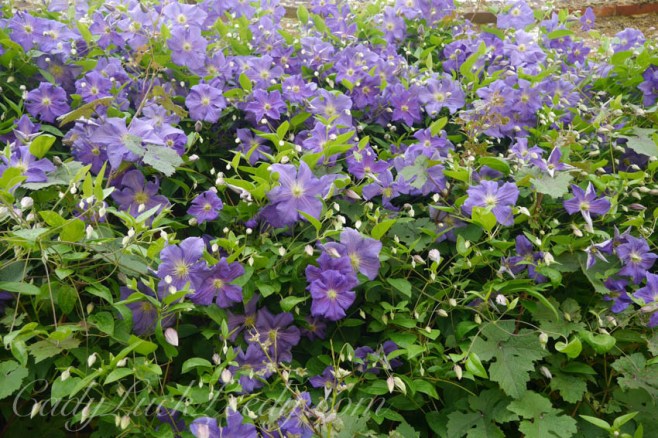
Vivid Violet from Charleston House, UK

Vivid Violet Flowers at Charleston House, UK

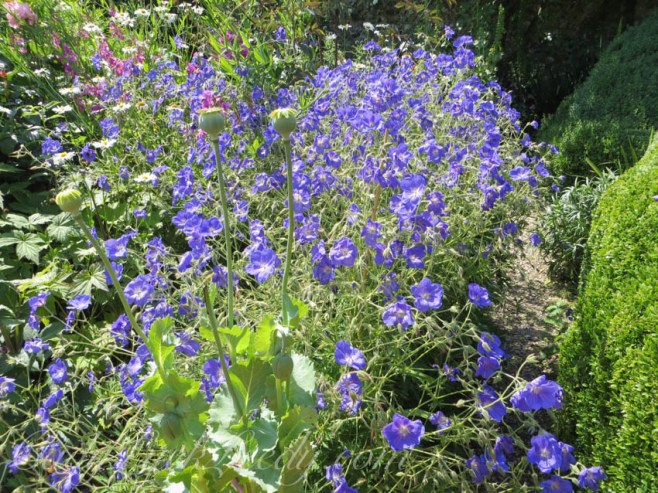
Vivid Violet at Sissinghurst Castle Gardens, Kent, UK

Vivid Violet Flowers at Sissinghurst Castle Gardens, Kent, UK

Vivid Violet at Sissinghurst Castle Gardens, Kent, UK

Vivid Violet Flowers at Sissinghurst Castle Gardens, Kent, UK

Vivid Violet was added to the Crayola line in 1997. It is Day 112 of the Crayola Challenge and I have presented more beautiful flowers from the gardens in the UK. I thought perhaps my flowers were not quite vivid enough.  But, I came across this Vivid Violet also.

Vivid Arene Violet

Vivid Arene Violet

Arlene Violet, a real life Vivid Violet, was born into a middle class family in Providence, Rhode Island. After attending Providence College, she entered the Sisters of Mercy convent in 1961, taking her final vows in 1969. Later Violet earned a bachelor’s degree from Salve Regina University and was a school teacher in a disadvantaged neighborhood during the 1970’s.  She became interested in law and graduated from Boston College Law School in 1974. She then clerked in the judge’s chambers and did an internship in the Rhode Island General Attorney’s office. When the convent had financial difficulties she left her legal work and returned to the convent, serving as an administrative nun into the 1980’s. In 1984, Violet ran for election and won, becoming the first female Attorney General in the United States. During her term in office she focused on organized crime, environmental issues and victim’s rights. One of her innovations was to use videotape interviews of child victims rather than direct testimony. In the courtroom, she was known as Attila the Nun! After leaving office, Violet returned to prosecuting, taught environmental law at Brown University, and ran a talk show from 1990 to 2006. She has written two books, Convictions: My Journey from the Convent to the Courtroom, and Me and the Mob, a book about the witness protection program. As you can tell, Violet was no shrinking Violet!

This post is just one of many in the Color Your World: 120 Days of Crayola Challenge

Check out some of the other 150+ challenge participants, it’s amazing what we have done with the Crayola colors!


THE SPECTACLED BEAN

Tales, Thoughts + Tribulations of a Free Spirit in Suburbia

Walking Away

Travels on foot

Teacher nickname: The Three Hairs

Minding my mind, one thought at a time.

Tra Italia e Finlandia

Un lungo racconto fotografico.

seanbreslin.jp

Photography, hiking, walking, and cycling across central Japan — from quiet mountain paths to everyday life around Nagoya.

Lost in Translation

Looking for meanings in words, images and sounds

Journeys with Johnbo

Reflections on places traveled and photos taken.

M/VGratitude

Cruising with the Thyrre Family

Caroline's Travel Adventure Blog

Where my Travels and my Blog merge together.

Just Me, Nobody Special

The mental meandering that cross my keyboard

Jennifer's Journal

Website & Blog of J. Kelland Perry, Author

Slow Shutter Speed

A photographic journey.

Ann Mackay: Inspired by Nature

Photography celebrating flowers, plants, and the natural world

Still Restlessjo

Roaming, at home and abroad

Fine for Friday

The Corner Garden

Picture This

Photography, Travel and Retirement

World Traveller 73

Upgrade Your Travels. First Class Luxury Travel from all parts of the Globe. Business Class Airline, Lounge and Hotel Reviews, Stories and Adventures

Rachel Meets China

A China travel and lifestyle blog