Travel, Gardens, Food, Photography, Books, Shoes

Posts tagged ‘Gardens’

The Wiltshire Gardener

A few weeks ago I wrote a post for the genealogy section of Dominic’s blog, Flibberatic Skreebles.  He also writes at A Wiltshire Garden. This is a post that he so thoughtfully wrote for me about gardening. Enjoy! Thank you Dominic!

Growing up in a small Wiltshire village amidst the rolling hills of south-western England, I had what most would call a typical childhood relationship with our garden. That is, the edges of the garden borders became havens for my various wild animal toys. The lawn was turned into prairie, savannah or – more prosaically – farmland. Camp outs, snail hunts, hedgehog spotting and somewhere to play and be free. I can’t say that I consciously took a great deal of notice of what was around me. 

I did, however, notice that not everybody had such a garden as mine, that not everybody’s mother spent hours in a greenhouse or would spend hours in a garden centre (or carried a small penknife with her when she went on trips to public gardens so she could ‘appropriate’ cuttings). I also noticed that not all of my friends ate vegetables fresh from the garden. I began to taste the difference between a tomato picked fresh from the vine not more than 10 minutes before and one that was taken from a plastic box out of the fridge. It was then that I realised I didn’t have what other people necessarily had: a constant and early exposure to horticulture.

“My Mother's Garden, 2005.

“My Mother’s Garden, 2005.

Of course, gardening isn’t something new. As soon as humans ear-marked permanent homes then the local environment was altered – beneficial plants collected and protected, undesirables eliminated and foreign species introduced. The enclosure of outdoor space began around 10,000 BCE – and the words garden and yard both come from the Old English term geard which means fence or enclosure.

The Romans may have imported their own views on gardening – a separation of the aesthetic beauty from the pragmatic fruit and vegetable (i.e. kitchen) garden – but I can’t imagine pre-Roman Britain devoid of domestic spaces that yielded produce for the household. This produce would’ve been primarily limited to plants with culinary, medicinal or other practical uses (violas were often strewn on the floor to release their aroma when stood upon, for example, as well as their leaves being used as a potherb to flavour soups and stews).

Whilst gardening trends came and went with the owners of large houses – Italian Renaissance, French Baroque, English Romantic – the general population, predominantly rural in nature, continued with their own home gardens. These were used to grow fruit and vegetables that weren’t available elsewhere – after all, there were no supermarkets and no greengrocers conveniently around the corner stocking all foods in all seasons! These spaces also included animals such as poultry and often a pig or two (my mother remembers quite clearly her grandparents fattening up a pig each year in a sty at the bottom of the garden and then sending it to slaughter).

Of course, as the Industrial Revolution and Enclosure movements* came about, more and more people were migrating into urban areas and these towns and cities exploded. There wasn’t the space for people to grow their own produce or the leisure time to dedicate to these pursuits. However, as the 19th century continued, the Victorian philanthropists realised that the poor would benefit both physically and spiritually from having outdoor areas in which to grow their own food. 

(*It’d be a bit outside of this post to discuss the Enclosure movement in England – but suffice to say that it changed the face of the British countryside by chopping up the open field system, and allowed the wealthy landowners to own more land and accumulate more wealth at the expense of their tenant farmers.)

“Allotments in Bath, England.

“Allotments in Bath, England.

Areas given over to growing produce for private use (as opposed to areas used for growing food to sell – market gardens) were nothing new in England. These allotments were parcels of land rented from a central local authority and each individual is responsible for his or her own patch – and often include a shed of some kind. (This aspect of one parcel of a much larger area being managed individually makes them different from community or victory gardens – more on which later!)

Allotments have gone in and out of fashion over the years – with the most recent peaks being during WWI (1,500,000 plots) and WWII (1,400,000 plots) – but over the last few decades the numbers have started to grow again with demand outstripping supply. This is seen to be a reaction against growing food prices and modern agricultural practices, as well as consumers demanding a greater awareness of where their food comes from. 

“Dig For Victory, UK WWII poster”

“Dig For Victory, UK WWII Poster”

Victory gardens sprang up on both sides of the Atlantic during WWI, with household yards, parks and public areas being turned into vegetable and fruit gardens in USA, UK, Canada and Germany. In America alone over 5 million gardens were created during WWI. In WWII England’s gardeners were exhorted through the “Dig For Victory” campaign – and waste ground, railway verges, lawns and sports grounds, even areas of Hyde Park in London, were requisitioned for the purpose. After WWII the majority of these English victory gardens reverted back to their pre-war state. In America it was common to see vacant lots and apartment building roofs as gardens – something that has come back into vogue with not only the guerilla gardening movement but also the rise of urban gardening and food production.

Guerilla gardening is a global movement, defined as “an act of gardening on land that the gardeners do not have the legal rights to utilize”. This includes such diverse areas as verges, roundabouts/traffic islands, tree pits, bus stops or even potholes in roads! This is often done to highlight the neglect of certain areas of land, but also to foster a sense of community or to raise a smile on passersby.
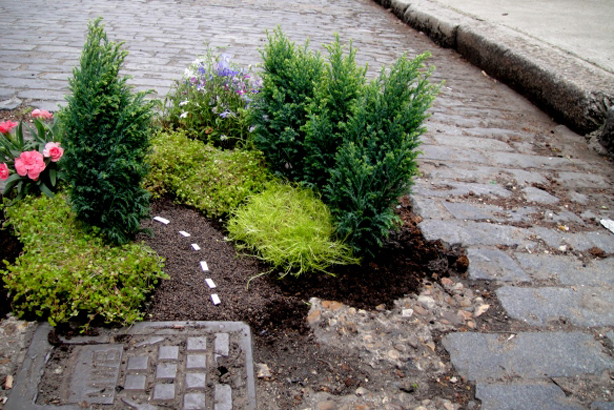
“The Work of UK Pothole Gardener Extraordinaire, Steve Wheen”

“The Work of UK Pothole Gardener Extraordinaire, Steve Wheen”

Of course, along side this guerilla gardening is the increase not only of urban greening but also of the regeneration of the community gardening movement used to change not only the inner city landscape but also the mental health of people using them – one community garden based in the UK is being used by local doctors to help patients with depression and anxiety disorders. 

One thing that the rise in the number of these activities highlights is that gardening isn’t going anywhere. Its been part of the British landscape for as long as there have been people around to pull up an unwanted plant and replace it with something else, and despite the rapid urbanisation of the country around us, the desire to plunge your fingers into some loam and watch the beauty that follows is still with us. And long may it last!

For more information on any of the in the UK, please visit some of the links below!

Guerilla Gardening – http://www.guerrillagardening.org/

Groundwork – community greening charity – http://www.groundwork.org.uk/

Project Dirt – social network for green communities – http://www.projectdirt.com/

The Edible Bus Stop – from one community garden to an entire scheme – http://www.theediblebusstop.org/

Landshare – social network connecting growers to those with land to share – http://www.landshare.net/

Federation of City Farms & Community Gardens – https://www.farmgarden.org.uk/home

National Society of Allotment & Leisure Gardeners – http://www.nsalg.org.uk/

Kabloom Seedboms – a mixture of compost and seeds – http://kabloomshop.co.uk/products
 

Weekly Word Challenge: Food

 May Spring Garden Party Spring

May Spring Garden Party 

The Front Porch

The Front Porch

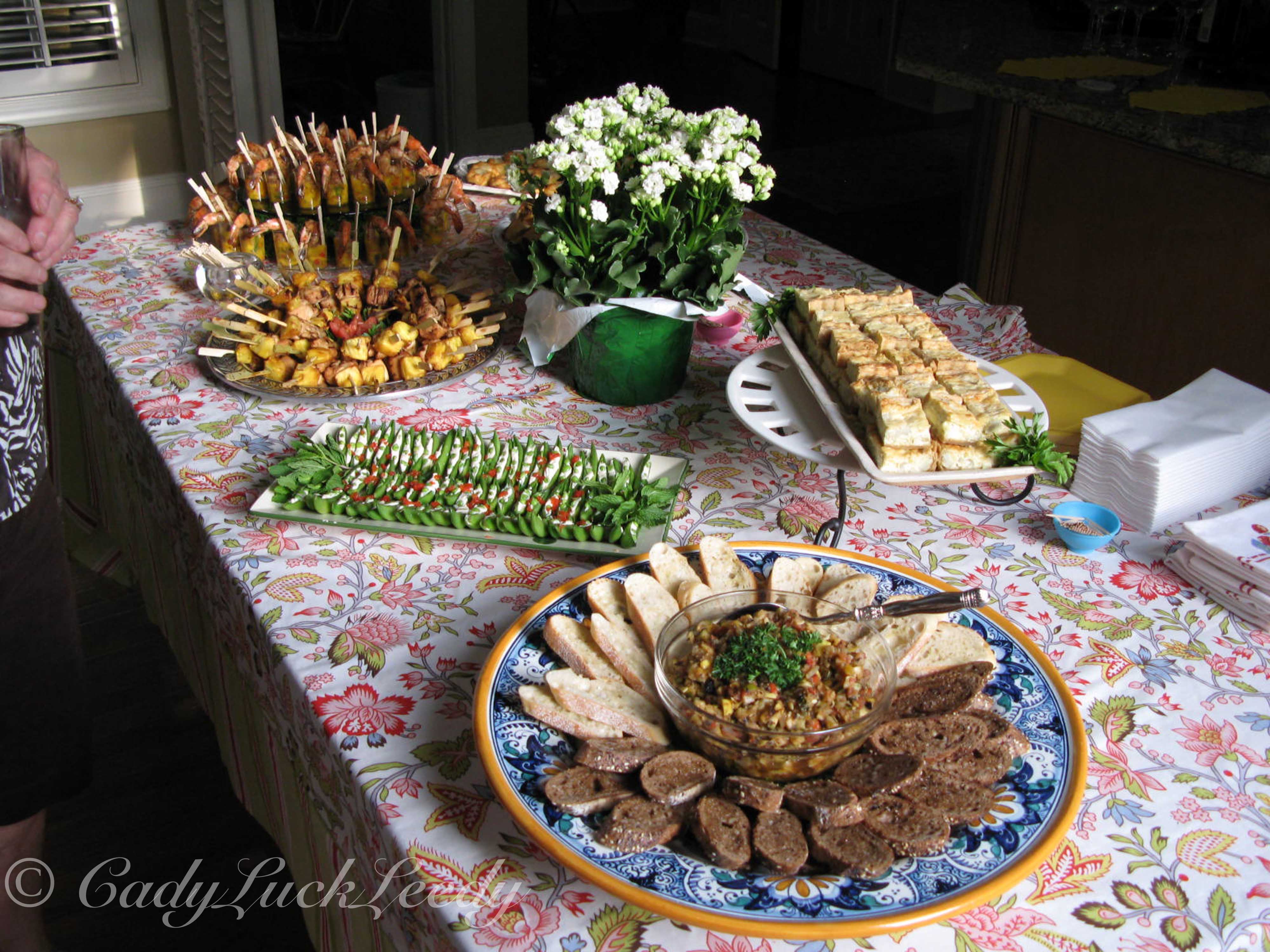
Spring is the time for a Garden Party! These are pictures of one one of the best “Spring Parties” we ever had! The garden is in bloom and it is not too hot outside so we can entertain moving in and out of the garden. My next door neighbors are professional chefs and they made all the fine food for this party! How lucky am I? Enjoy!

For more “FOOD” follow Susie’s Weekly Word Challenge  this week !

This is the garden!

Cottage Garden

Cottage Garden

May Spring Garden Party

May Spring Garden Party

The Garden

The Garden

The Garden

The Garden

Cottage Garden

Cottage Garden

Cottage Garden

Cottage Garden

Cottage Garden

Cottage Garden

My Gardens at the End of the Month: May

Northern Sea Oats

Northern Sea Oats

I  have been on vacation, so I am a little behind with this month’s post for The Garden End of Month: May. As you can see the Northern Sea Oats are very happy in their spot! Soon she will have whitish wispy flowers, shaped like oats, that float like butterflies in a breeze!

Guara by theWatering Can

Northern Sea Oats  to the Right of the Watering Can 

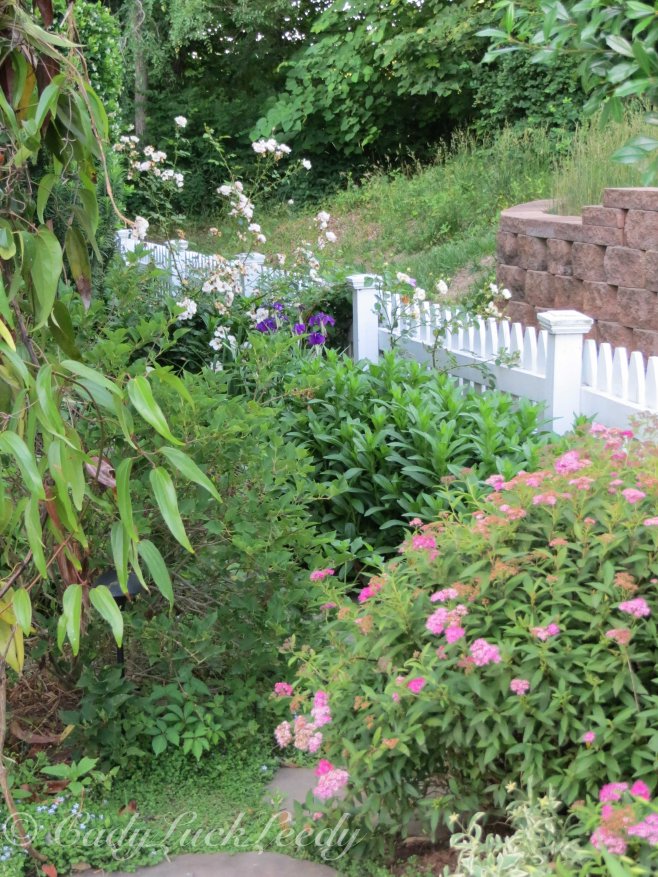
The Cottage Garden

The Cottage Garden

The Cottage Garden

The Cottage Garden


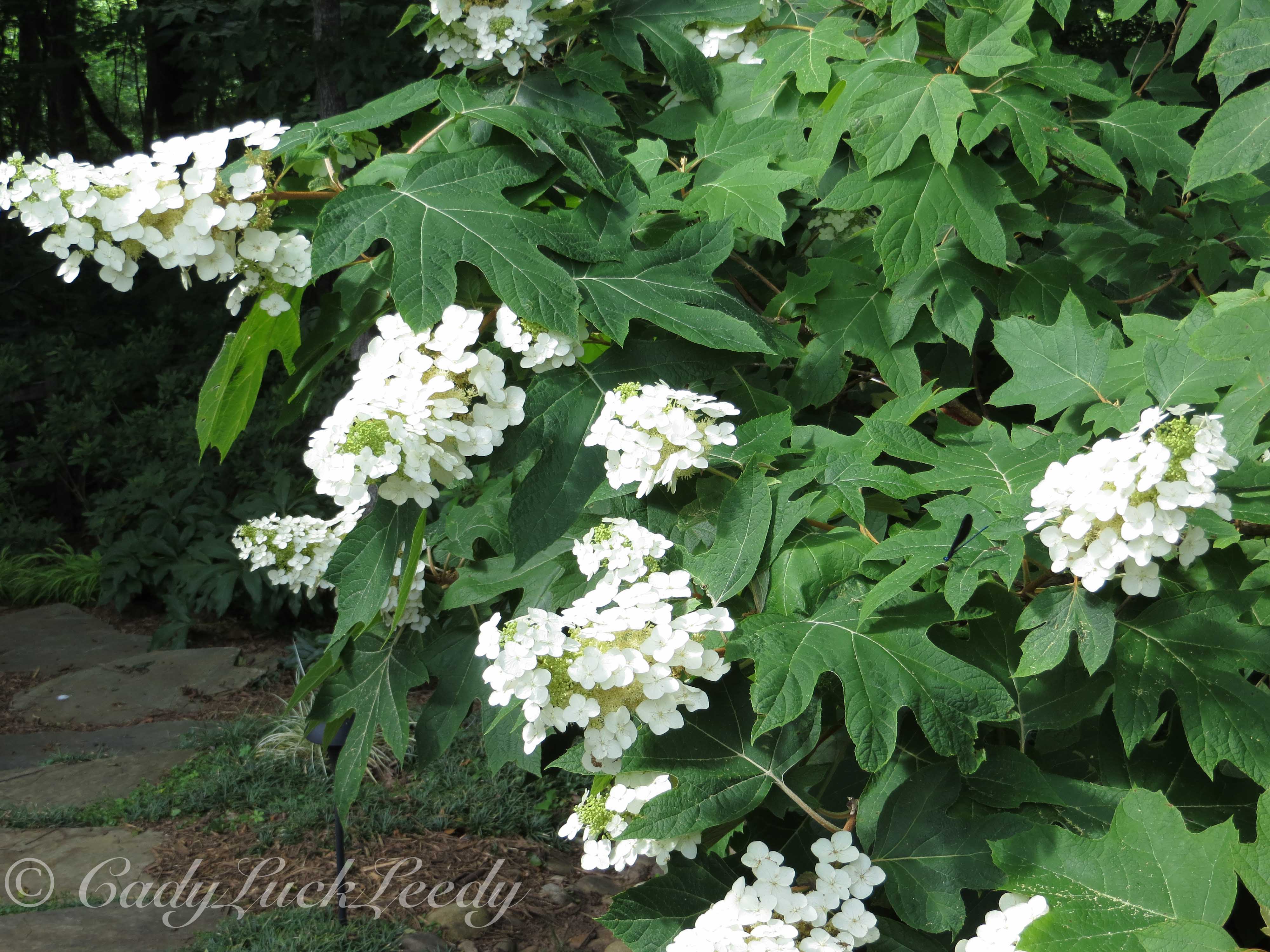
The Oak Leaf Hydrange

The Oak Leaf Hydrangea in the Woodland Garden

The Heucherella is Doing  Well Too

The Heucherella is Doing Well Too


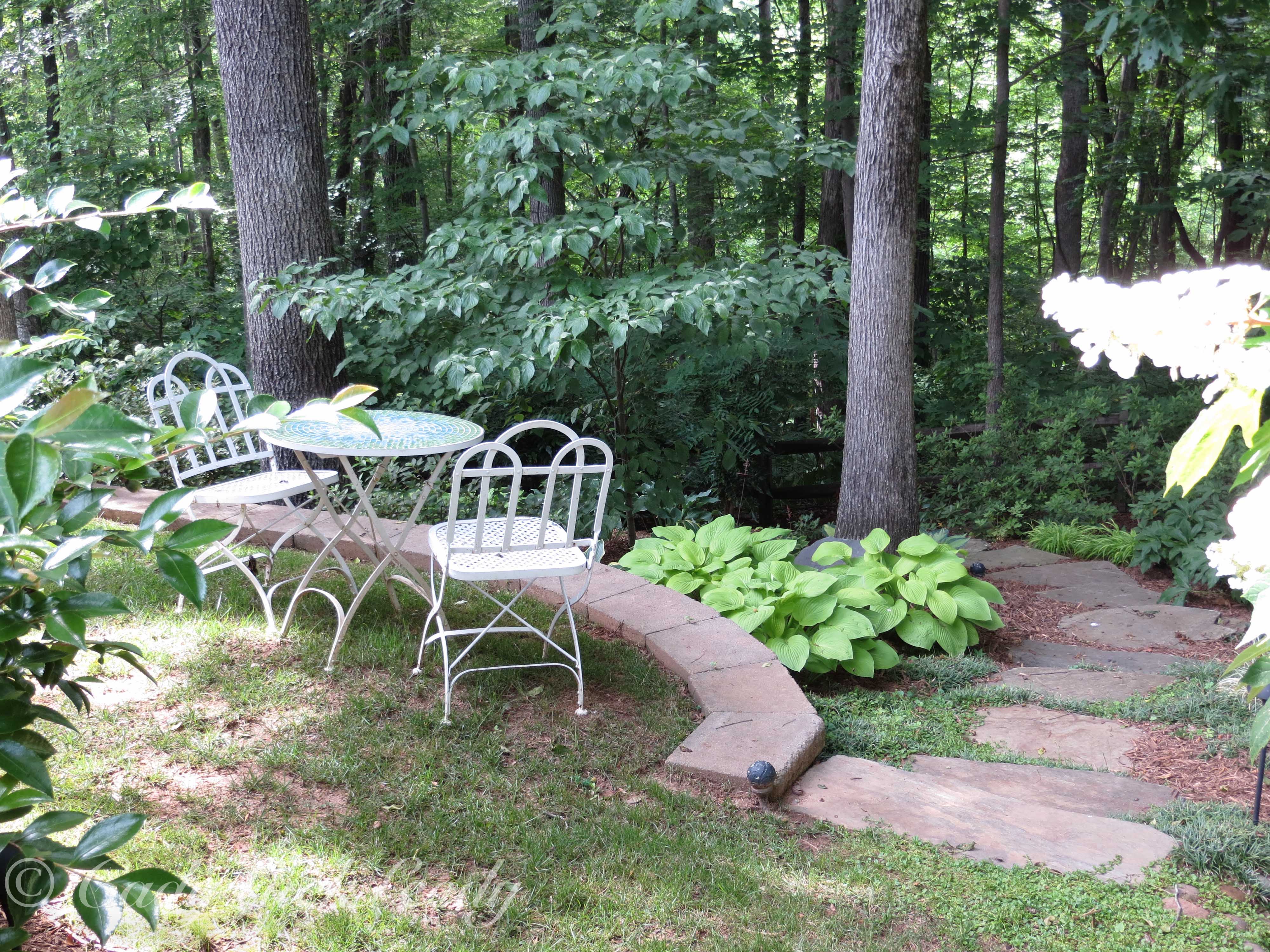
The Woodland Garden

The Woodland Garden at End of May


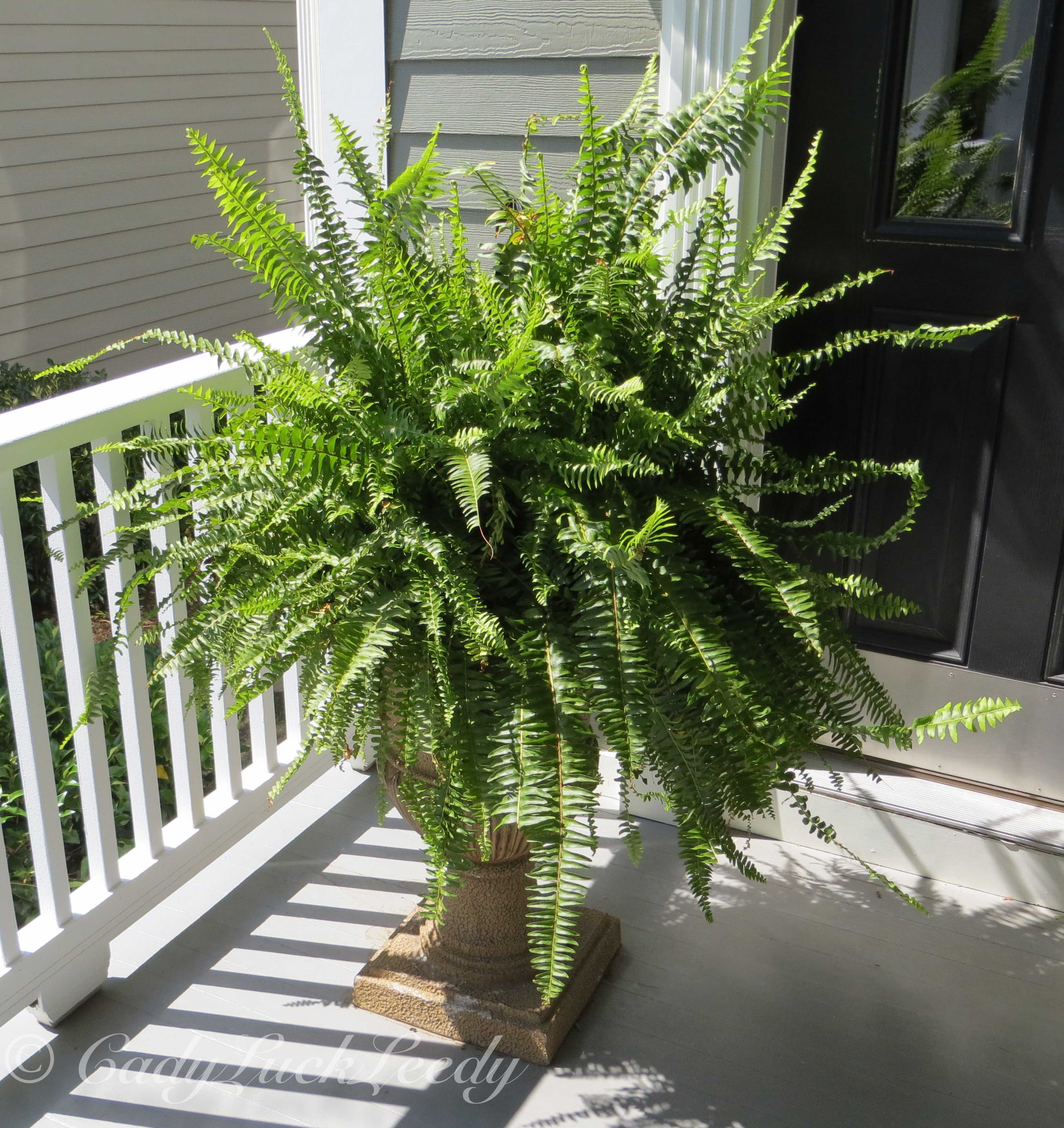
Fern on the Porch!

Fern on the Porch!

A Word a Week Photo Challenge: Orange

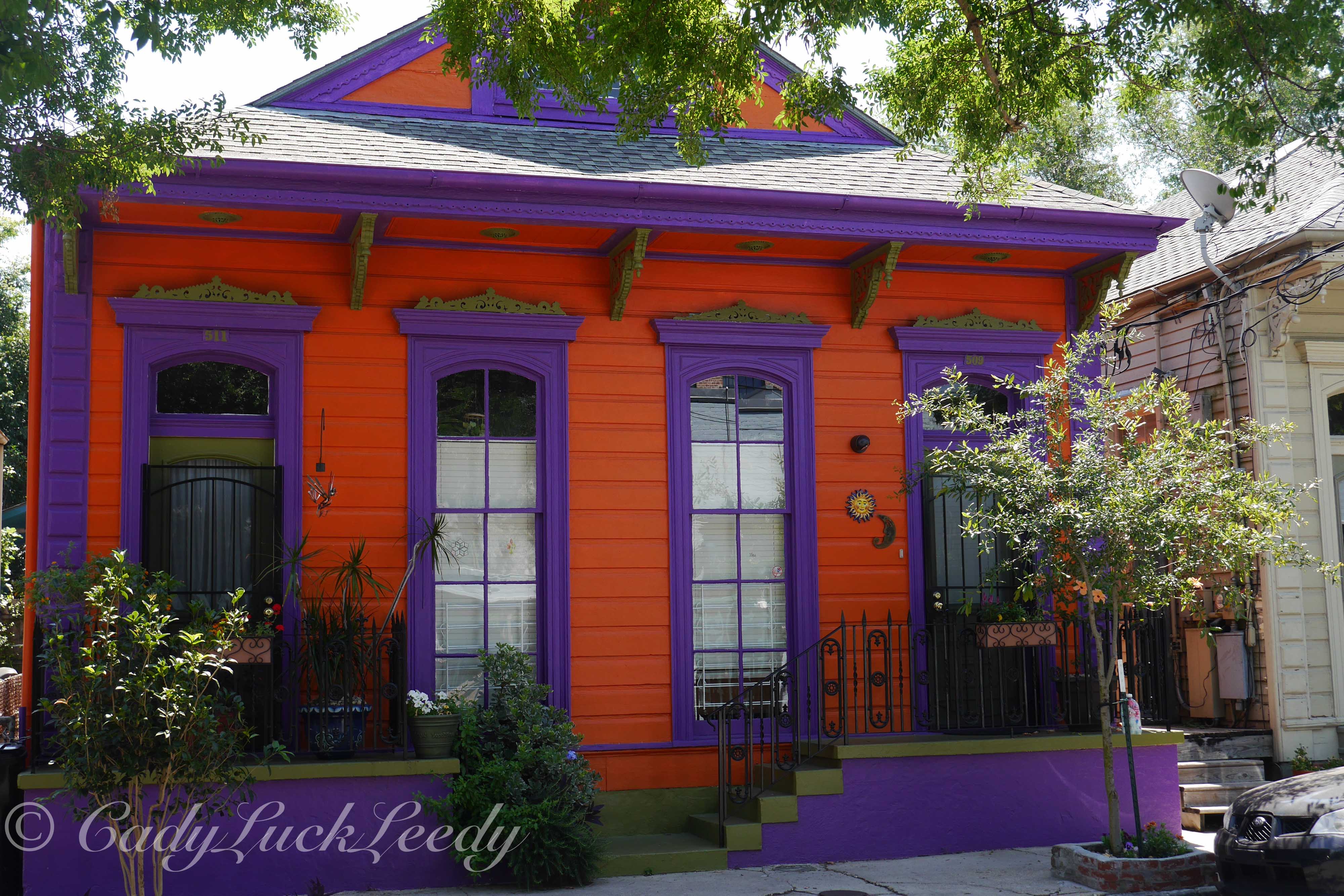
I’ve just returned from NOLA!  What a great time we had there! So here is my post for “A Word a Week Photo Challenge”: Orange! Check out the post I did on Exposure with more pictures of New Orleans! It’s Part 1 of a series!  Enjoy! I certainly had a fab time!


"Shotgun House" in Marigny District, NOLA

“Shotgun House” in Marigny District, NOLA

Conwy Sites and Mawr!

Conwy Castle, Wales

Conwy Castle, Wales


Conwy, enclosed within a ring of 13th-century walls and protected by a castle, is one of the worlds finest medieval towns. Exploring the streets, castle walls and the remains of the castle has taken us back in time. There are also three houses that we want to explore in Conwy. Plas Mawr, an Elizabethan house built in 1576 by the Wynn family, has been extensively refurbished to it’s original 16th-century appearance. The tall lime walls reflect the status of the builder, Robert Wynn, a well traveled courtier and trader who rose to grandeur in the Welsh gentry.

Plas Mawr, Conwy, Wales

Plas Mawr, Conwy, Wales

Plas Mawr stands as a symbol to a prosperous age and of a man of great style and taste. The house is noted for the quality and quantity of ornamental plasterwork, revealing the initial “R.W.” in the crests and coat of arms. The furnishings, many original to the house, are based on an inventory of contents in 1665. The tour describes the restoration and the life of Tutor gentry and the work of the servants who helped maintain such a lavish lifestyle. There is also a garden on the rooftops!

This slideshow requires JavaScript.

 Plas Mawr is also noted to be haunted.  Robert Wynn was married twice.  Both his wives were named Dorothy and both had pre-mature deaths. His first wife died from an illness at a very early age and his second wife died when she fell down a flight of stairs in the house while she was pregnant and carrying one of the other seven children. The doctor was summoned, but he failed to save her or the child. When Robert Wynn returned home he found both his wife and child dead in the bed and the doctor’s whereabouts unknown. The doctor is rumored to have suffocated in the chimney while trying to escape from Robert because he could not save Dorothy. Sometimes the ghosts of the two women are seen in the house and the house has been studied for supernatural activity. Spooky!

The Fatal Steps, Plas Mawr, Conwy, Wales

The Fatal Steps, Plas Mawr, Conwy, Wales

The second house is named in the Guinness Book of Records as the Smallest House in Great Britain, with dimensions of approximately 9 feet 10 inches by 6 feet. It was in continuous occupation from the 16th-century (even inhabited by a family at one point!) until 1900 when the owner, a 6 foot tall fisherman, Robert Jones, was forced to move out of the house on grounds of hygiene. The rooms were too small for him to stand up fully. The house, located on the quay, is still owned by his descendants today and you can tour it for a small charge. Unbelievable!

The Smallest House in Great Britain

The Smallest House in Great Britain

Robert Jones, Fisherman

Robert Jones, Fisherman

Lastly, St Mary’s Church and All Saints Church, were founded in the 12th-century as the abbey church of the Cistercian Abbey of Aberconwy. This was the burial place of many of the Princes of Gwynedd. In 1283 King Edward I, after his conquest of Wales, chose to build Conwy Castle and the fortified town on the abbey site, moving the abbey to Maenan. Today there remains many interesting slate gravestones in the churchyard and one particular containing seven brothers and sisters marked,”We are Seven.” It is said to have inspired the poet, William Wordsworth, to write his poem of the same name. The children were stricken, most likely, by an illness and died within days of each other. Conwy is such an interesting and beautiful town. For more pictures and stories see my post on “Exposure.” Enjoy! 


My Woodland Garden at End of the Month: April

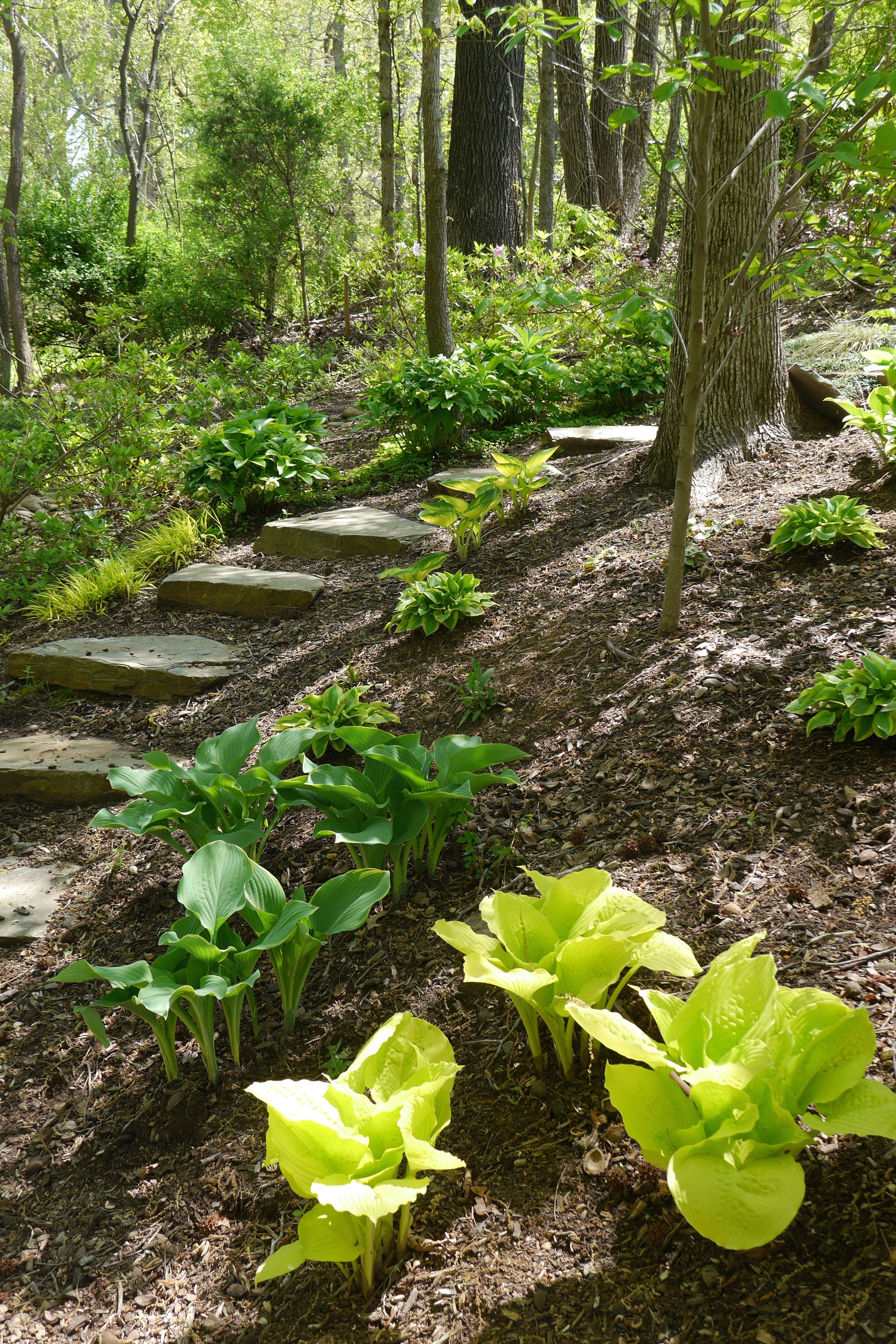
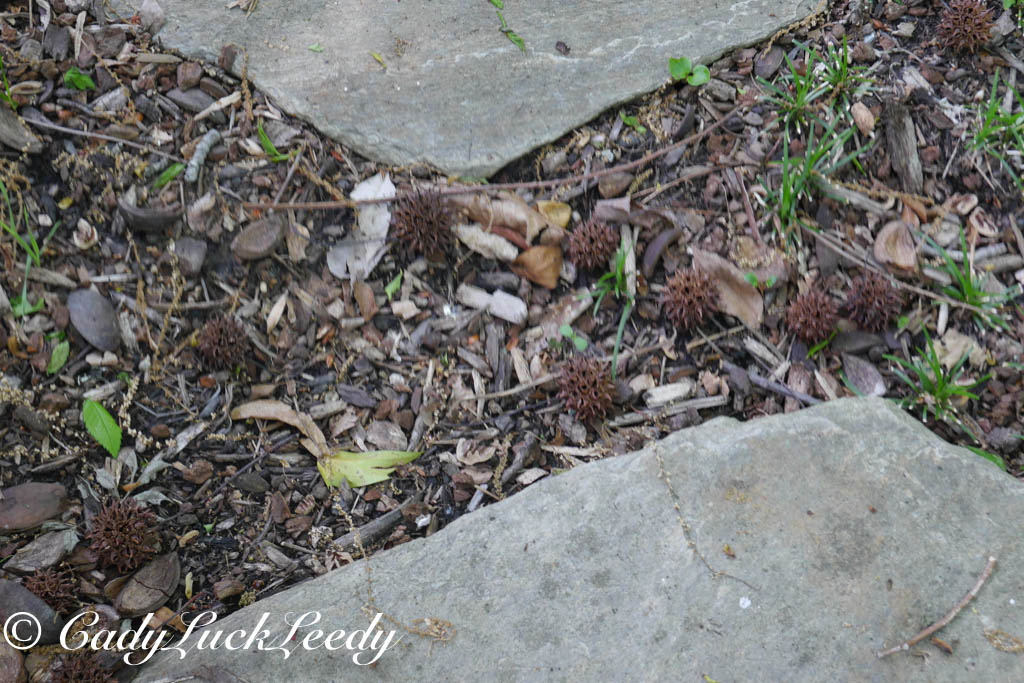
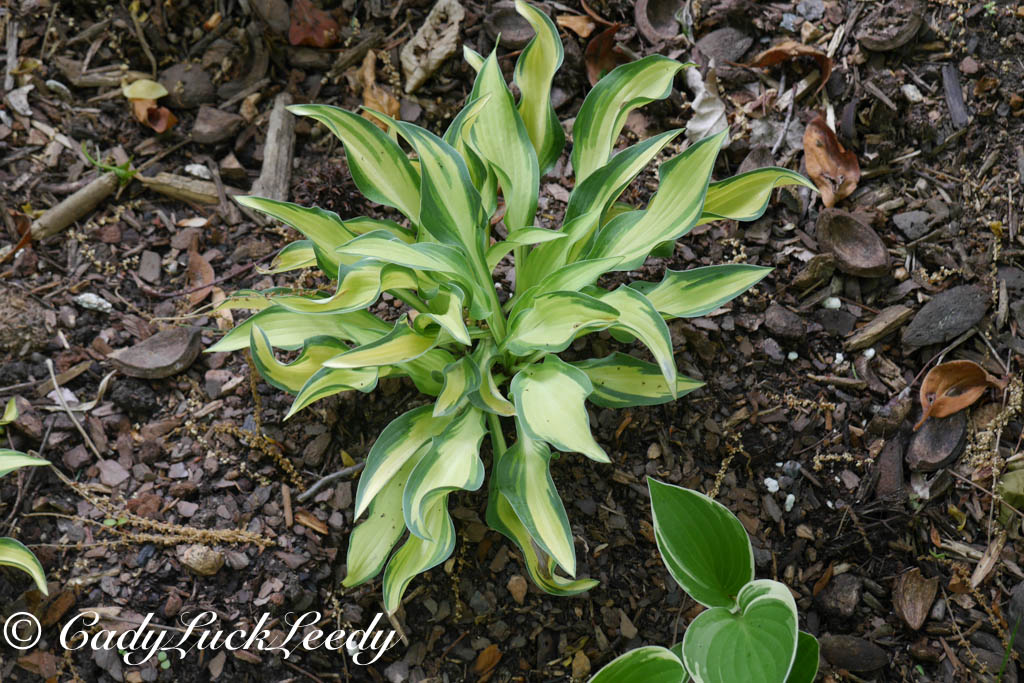
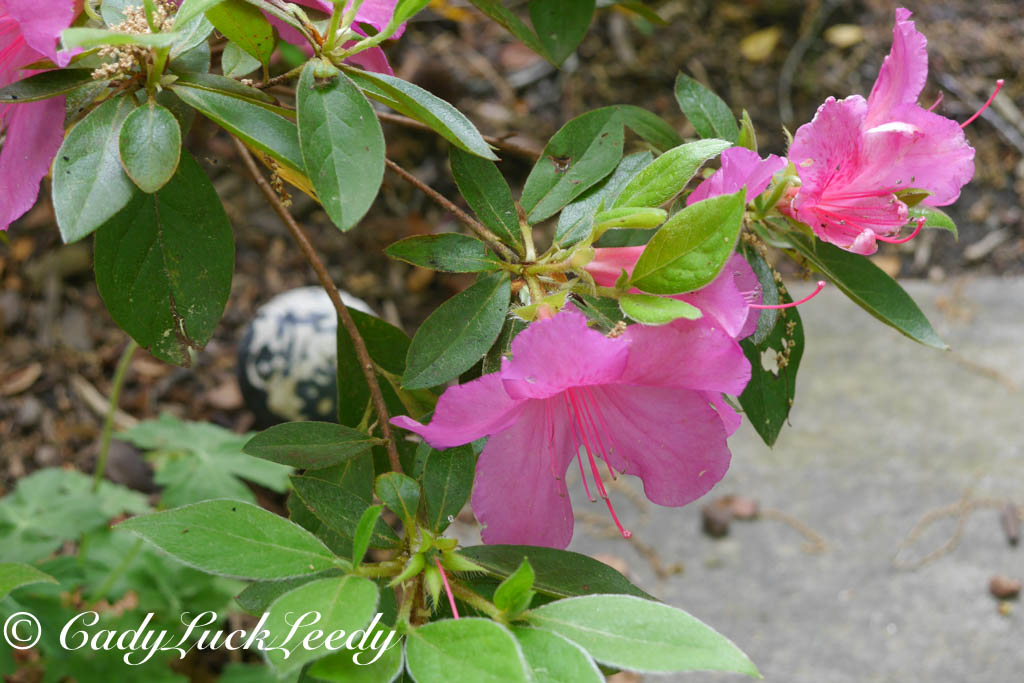
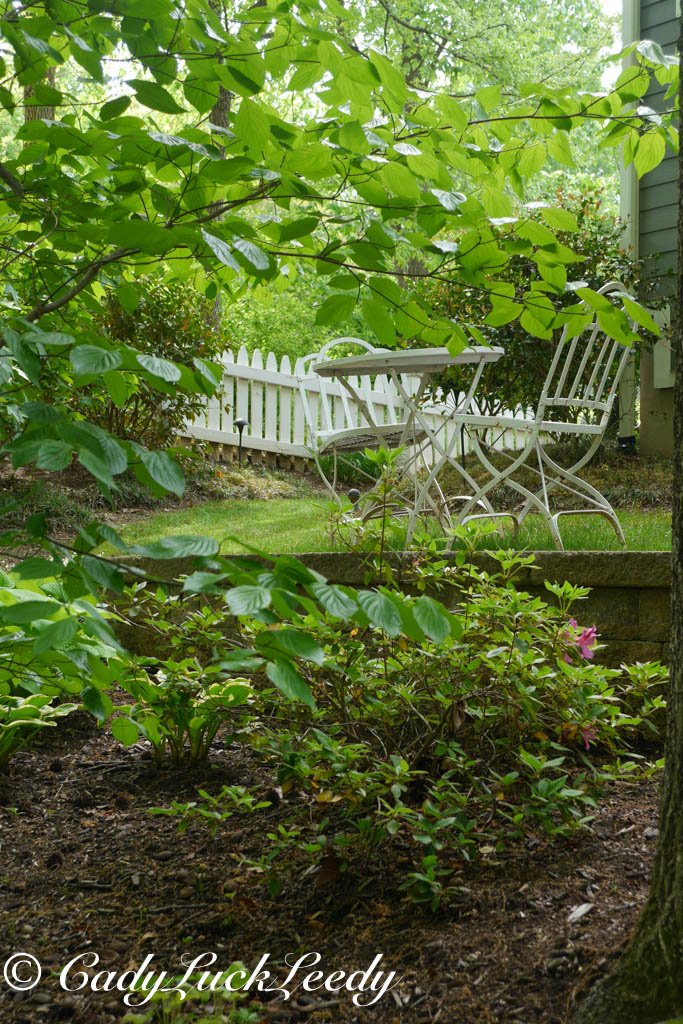
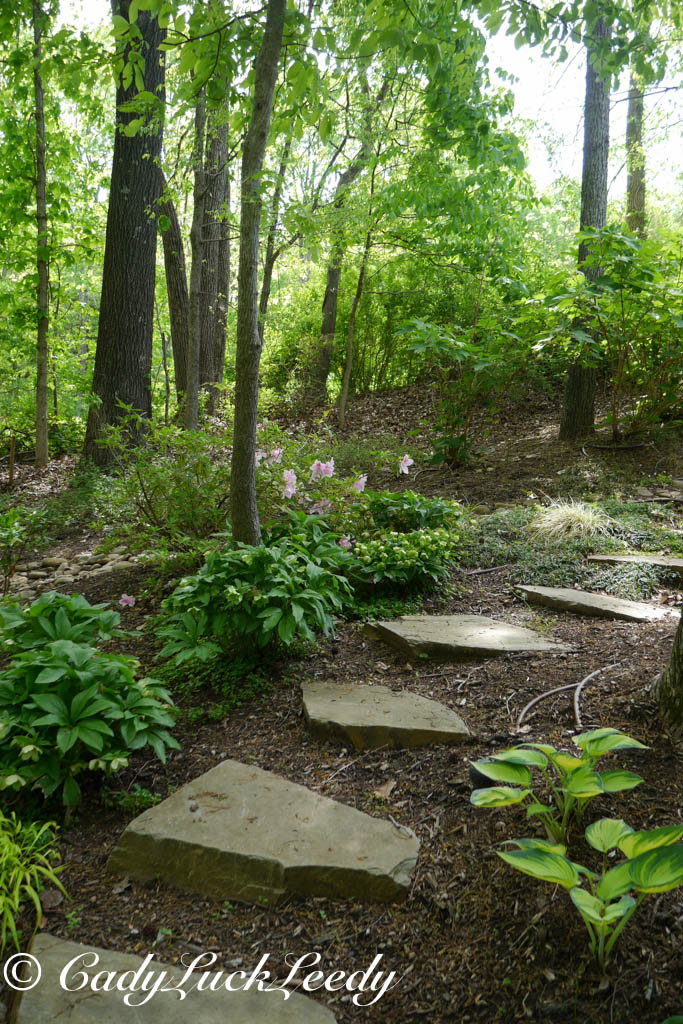
I love hostas and my woodland garden is coming into bloom very nicely! The rhododendrons are just beginning to bud! I’ve yet to get the mulch down!  The Helleborus are still blooming and will continue through most of the year. Now if I could just find something to do with the gum balls from the sweet gum trees I would be a millionaire! Spring Has Sprung! Helen hosts the Garden End of Month Posts, won’t you see what she is up to? 

My Woodland Garden Path, April 2014

My Woodland Garden Path, April 2014

I just love that bright chartreuse colors of these plantains!

GumBalls from Sweet Gum Tree

GumBalls from Sweet Gum Tree


Mickey Mouse Ears Hosta

Mickey Mouse Ears Hosta

Moonstruck Plaintain Lily

Moonstruck Plaintain Lily


Woodland Garden Towards Cottage

Woodland Garden Towards Cottage, 2014

Rhodos, 2014

Rhodos, 2014

From the Woodland Garden, April 2014

From the Woodland Garden, April 2014

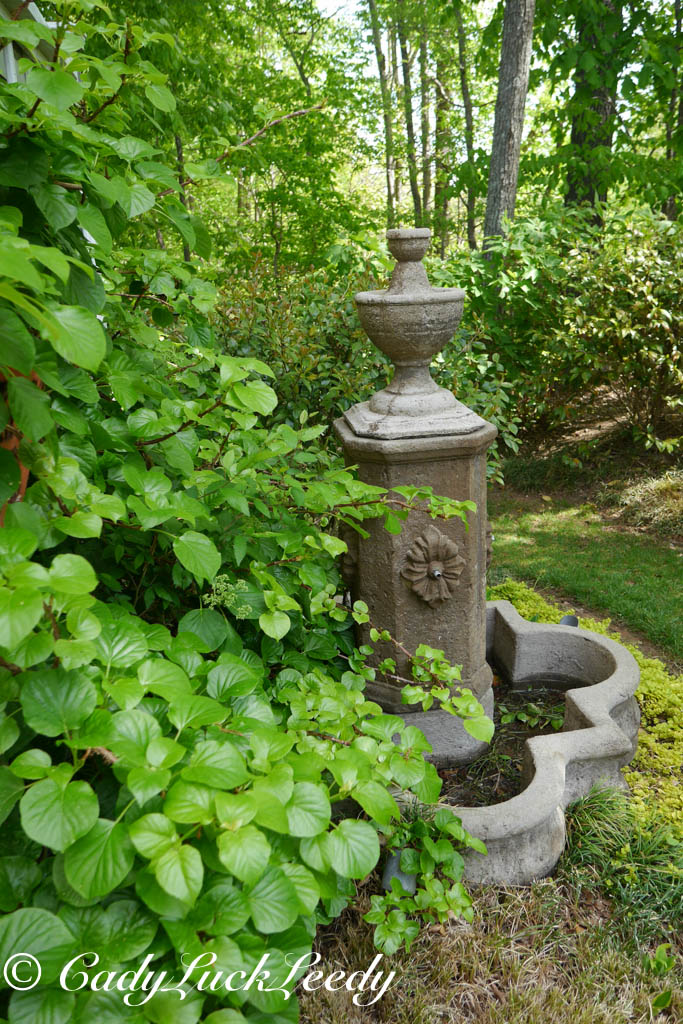
Cottage Garden Fountain April 2014

Cottage Garden Fountain April 2014


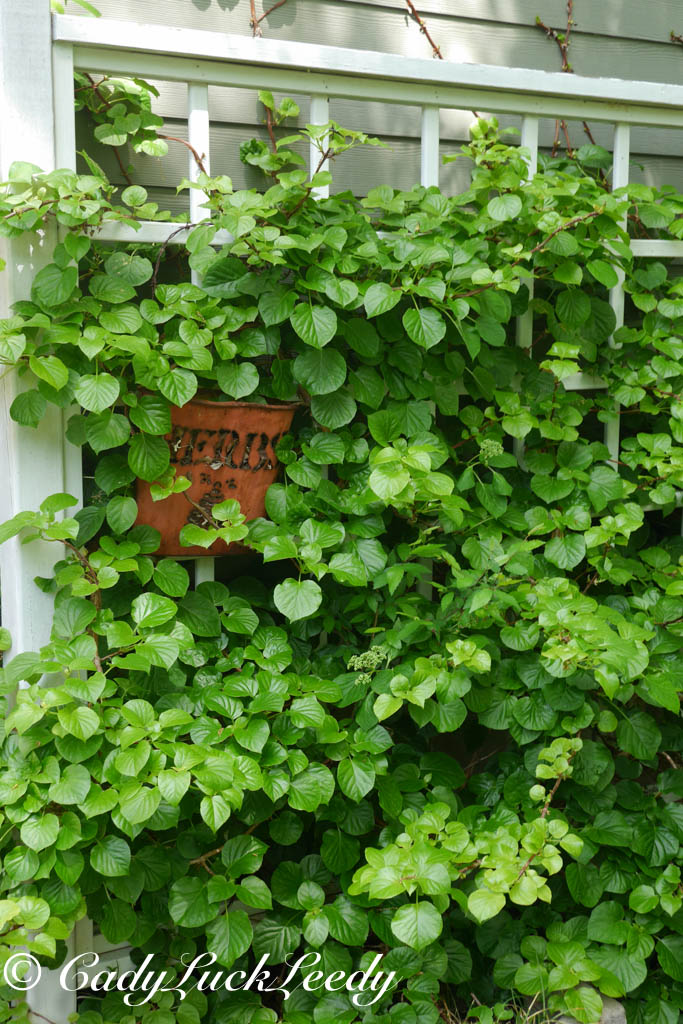
Climbing Hydrangea on Trellis, April 2014

Climbing Hydrangea on Trellis, April 2014

Hellibores, April 2014

Hellebores, April 2014

Woodland Garden, April 2014

Woodland Garden, April 2014

Conwy, Wales

Conwy Castle, Conwy Waless

Conwy Castle, Conwy, Wales


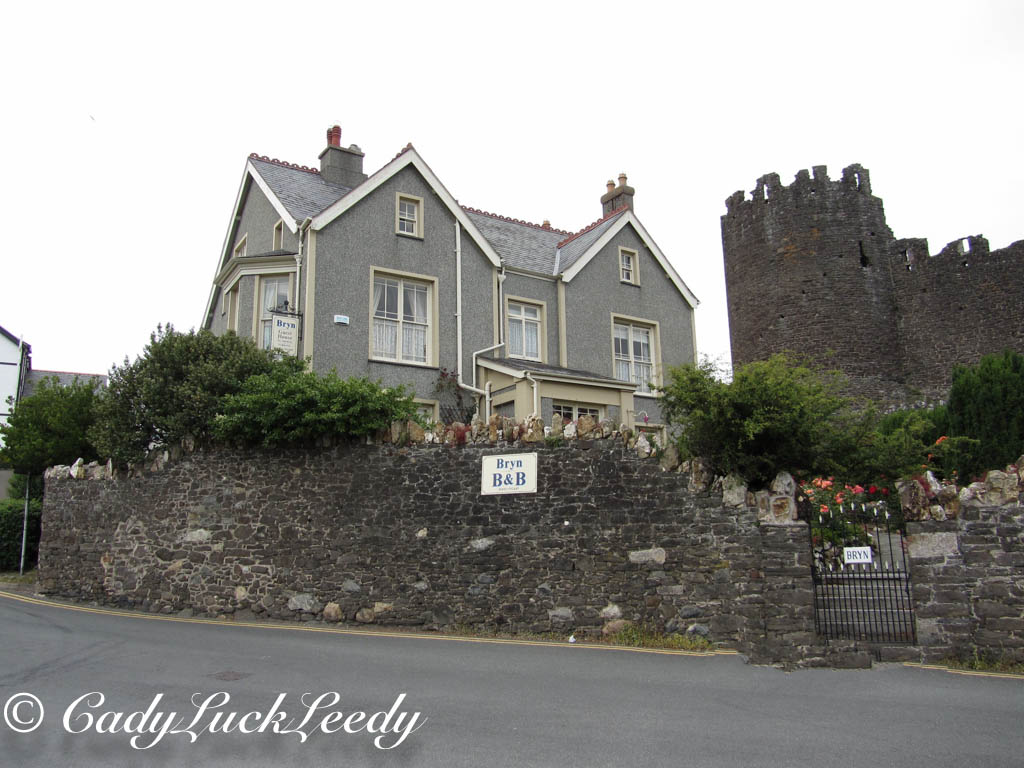
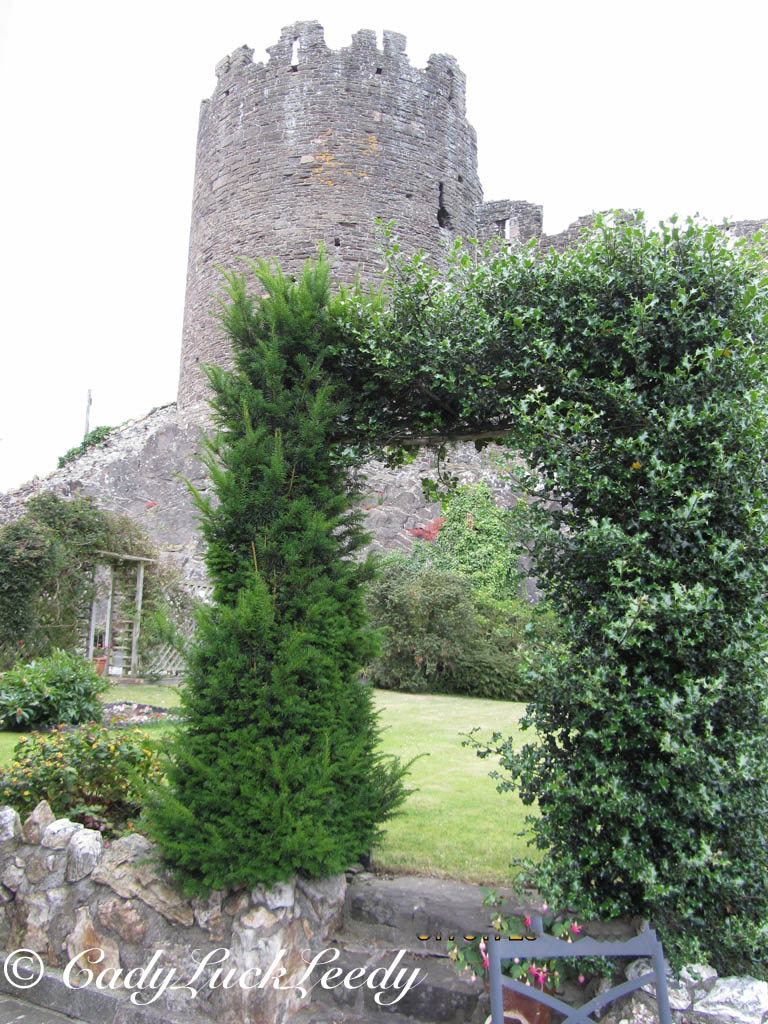
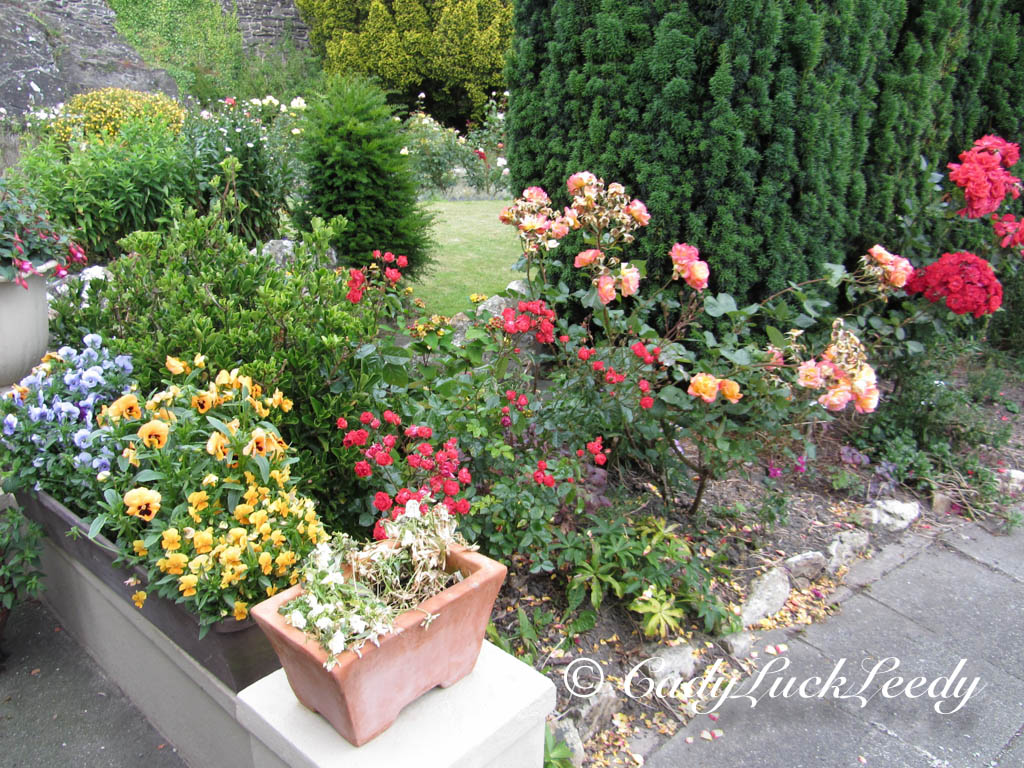
Riding along the narrow , very narrow hedge rows / stone walls the main topic of conversation has been, “OHHHH! I think we’re going to hit it!” or “Move over, move over!” or “Can’t you see how close we are to the wall?” We are truly ready to arrive in Conwy! SB is ready to park the car! Bryn B&B, nestled in front of the castle and gates, is an oasis after the hedgerows! Everybody take a deep breath!  We are HERE!  Bryn B&B, a Victorian home from 1860, is perched on a hill in an outstanding garden. This will be “home base” in Conwy, Wales. After a brief tour of the B&B and a spot of tea in the garden, we are off to explore!

For more information about the Bryn B&B see: http://www.bryn.org.uk/


Bryn B&B, Conwy, Wales

Bryn B&B, Conwy, Wales

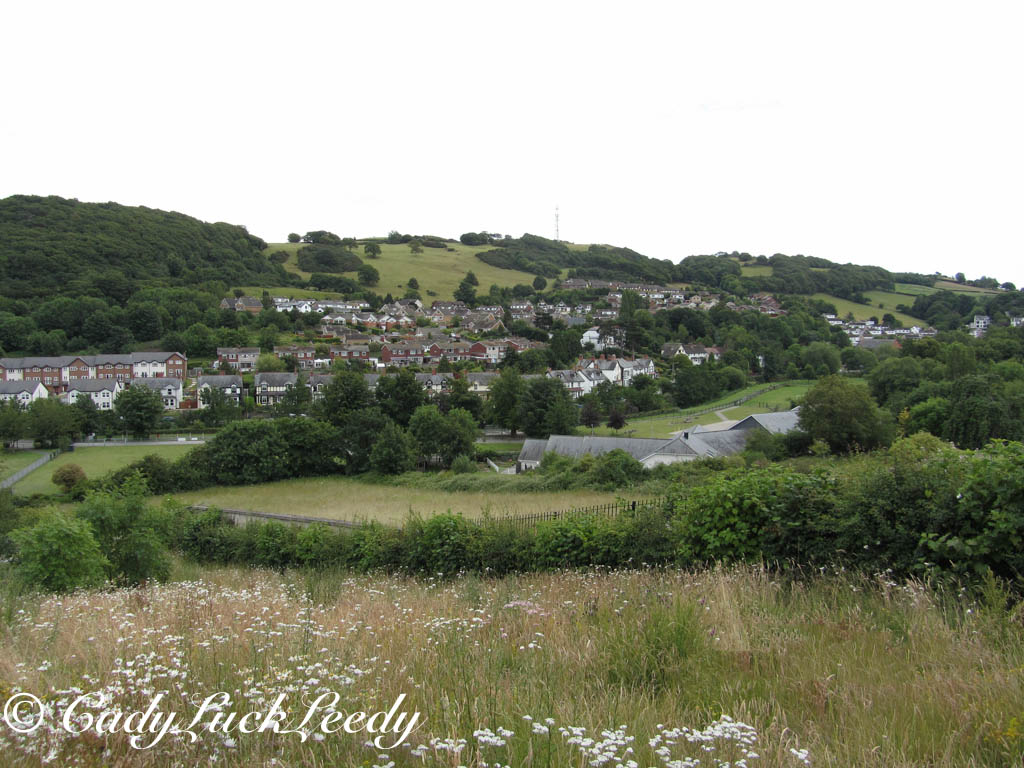
A Look at Conwy, Wales

A Look at Conwy, Wales

The Castle at Conwy, Wales

The Castle at Conwy, Wales

Looking Through the Hedge, Bryn B&B, Conwy Wales

Looking Through the Hedge, Bryn B&B, Conwy Wales

The Flower Garden at Bryn B&B, Conwy, Wales

The Flower Garden at Bryn B&B, Conwy, Wales

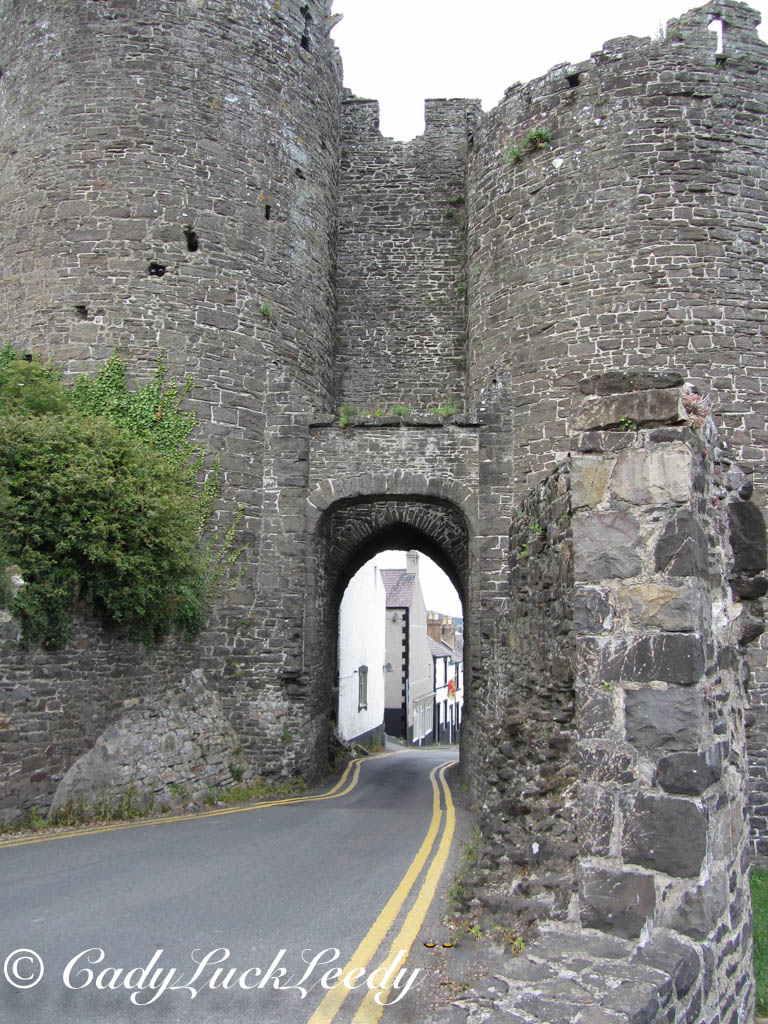
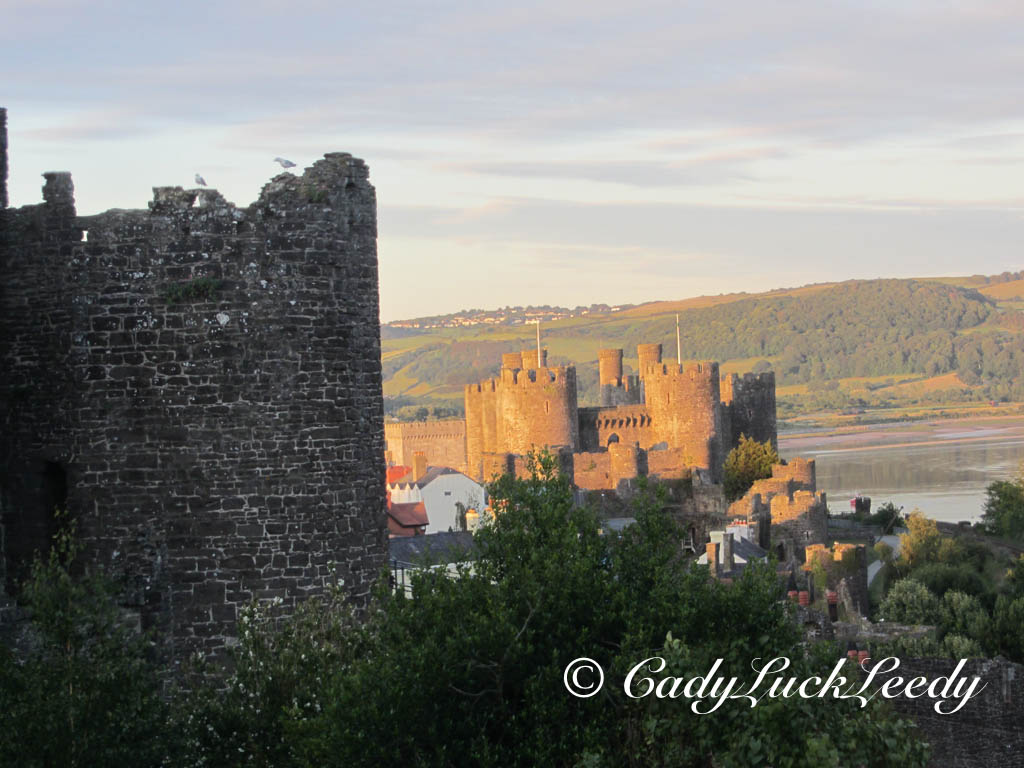
Conwy Castle and the town walls were built on the instruction of Edward I of England between 1283 and 1289 as part of his conquest of Wales.  Conwy was the original site of Aberconwy Abbey, founded by Llywelyn the Great. Edward I took over the abbey site and moved the monks further down the valley. English settlers were given incentives to move to the walled garrison town and for decades the Welsh were forbidden from entering Conwy. We have just enough time to climb the rampart walls before night falls! More tomorrow!  Enjoy!

Tight Squeeze! Conwy, Wales

Tight Squeeze! Conwy, Wales

The Walls of Conwy, Wales

The Walls of Conwy, Wales


Conwy, Wales

Conwy, Wales

A Cottage in the Cotswolds: Stanton to Stanway House

Gateway to Stanway House

Gateway to Stanway House


Gateway of Stanway House

Gateway of Stanway House

Front Entrance of Stanway House

Front Entrance of Stanway House

Today we are visiting Stanway House, an outstanding example of a Jacobean manor house, owned by Tewkesbury Abbey for 800 years and then for 500 years by the Tracy family. Their descendants, the Earls of Wemyss, still live here.  The manor was built with the warm soft yellow stone known as Guiting Yellow and has a stone roof and a jewel-like Gatehouse. The oldest part of the house is the gabled west end which includes the great hall, a light-filled room due to the full height bay window. Most of the furniture in the house has been here since it was made, which includes a pair of Chippendale day beds and exercise chair from 1760, many rare paintings, and two Broadway pianos. More spectacular than the house are the gardens, created in the 1720‘s by garden designer, Charles Bridgeman, who became the Royal Gardner in 1727. The garden includes fine specimen trees, broad terraced lawns with herbaceous borders, eight ponds, a brewery, and a 14th century tithe barn, now used for events and as a theatre. Through a restoration project during the last decade, the manor claims title to one of the finest water gardens in England, including the single jet fountain at 300 feet, the highest fountain in England and the highest gravity fountain in the world. Thanks to it’s location at the foot of the Cotswold Way, a 102-mile footpath from the Cotswold Edge to the Cotswold Hills, primarily from Chipping Campden to Bath, this area has been protected from many changes of the 20th century. This is what makes the Cotswolds so charming! It’s unspoiled!  J.M. Barrie, author of Peter Pan, was a regular visitor to this lovely village on the Cotswold Way and stayed at the Stanway House often. I can just see Peter and Wendy flying out of the windows and over the beautiful grounds of the Stanway Manor! 

Close by is Stanton, one of my favorite villages in the Cotswolds! It was hard to choose my favorite because I just loved all the villages, but arriving in Stanton on the tiny village road, too small for tourist buses to come through, we circled lanes of Cotswold  cottages!  The rose covered cottages flowed in a gentile sweep across the countryside of horses.  There were the most unusual lamps and lamp posts here, it was just so picturesque! It is a horse lovers paradise and the B&B’s offer horse back riding and stables.

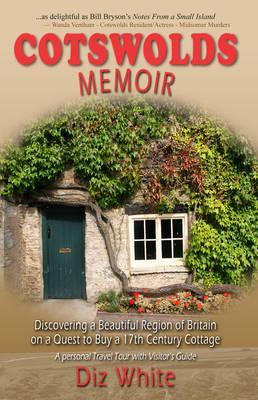
I hope you enjoyed the travels through the Cotswolds and for another look at the English countryside consider doing the Cotswold Way! For an interesting adventure into finding a cottage in the Cotswolds, follow Diz White in her book, Cotswolds Memoir; Discovering a Beautiful Region of Britain on a Quest to Buy a 17th Century Cottage. In addition to finding the cottage of her dreams it gives a personal tour of the Cotswolds with a visitor’s guide!

Cotswold Memoir by Diz White

Cotswolds Memoir by Diz White

A Cottage in the Cotswolds: Broadway

The Fuchsia is Sooooo Beautiful!

The Fuchsia is Sooooo Beautiful!


The Parsonage in Broadway, UK

The Parsonage in Broadway, UK

Broadway’s name fits the village.  Village life is lined along a broad grass-fringed, red chestnut way, so we started at the end with the Christmas shop and made our way to the center of the village. Broadway will not disappoint you, as it is chock  full of restaurants, inns, pubs, antique stores, coffee shops, and gift shops. Whew!  In one gift shop we had a big time looking over one gift item in particular! Here is one. Can you guess what it is?

The Nose Knows

The Nose Knows

A porcelain, hand painted nose for  glasses/spectacles!  Never lose your glasses again!  The nose knows! The English have such a sense of humor! It is a gift for my mother-in-law!

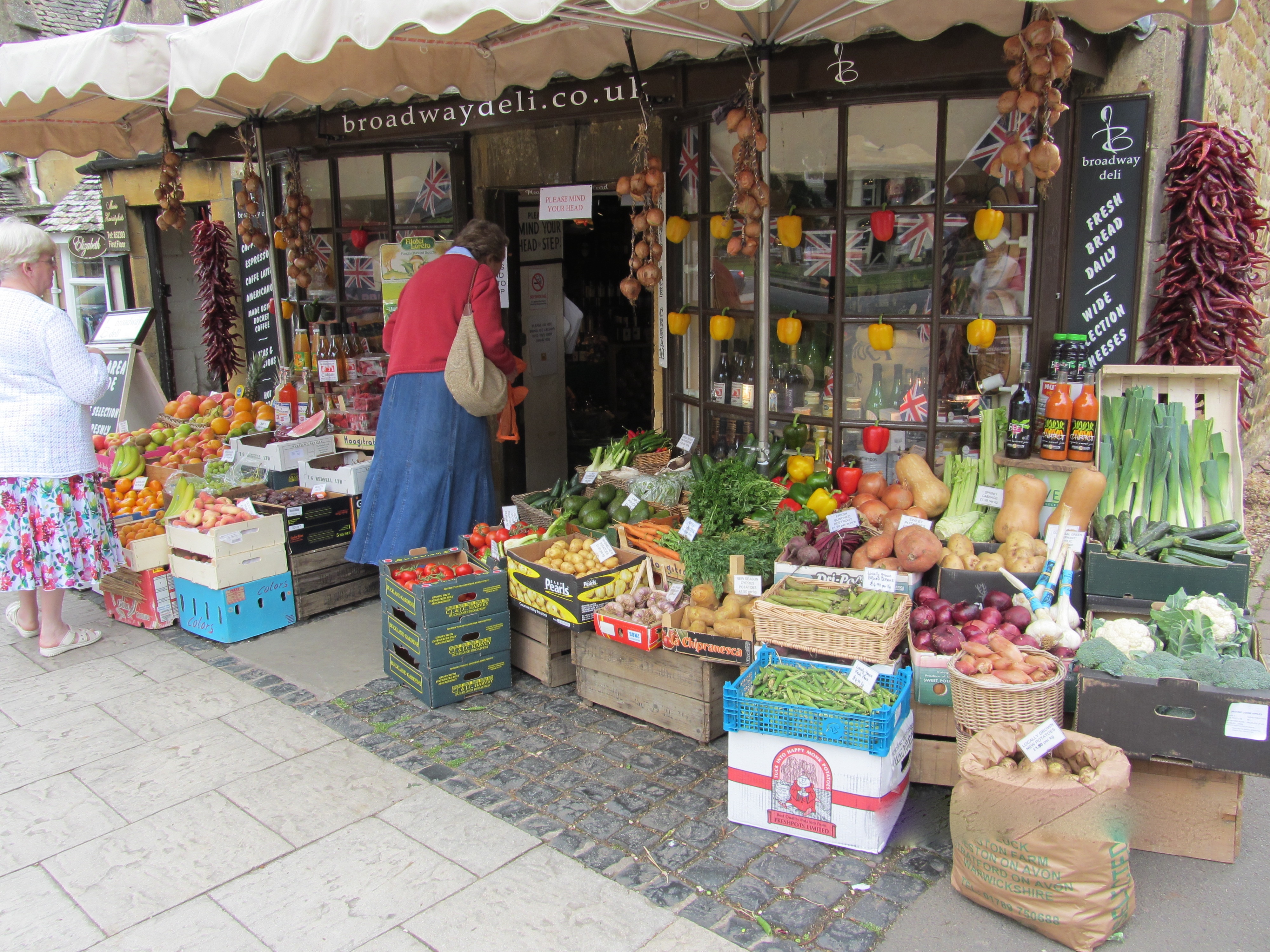
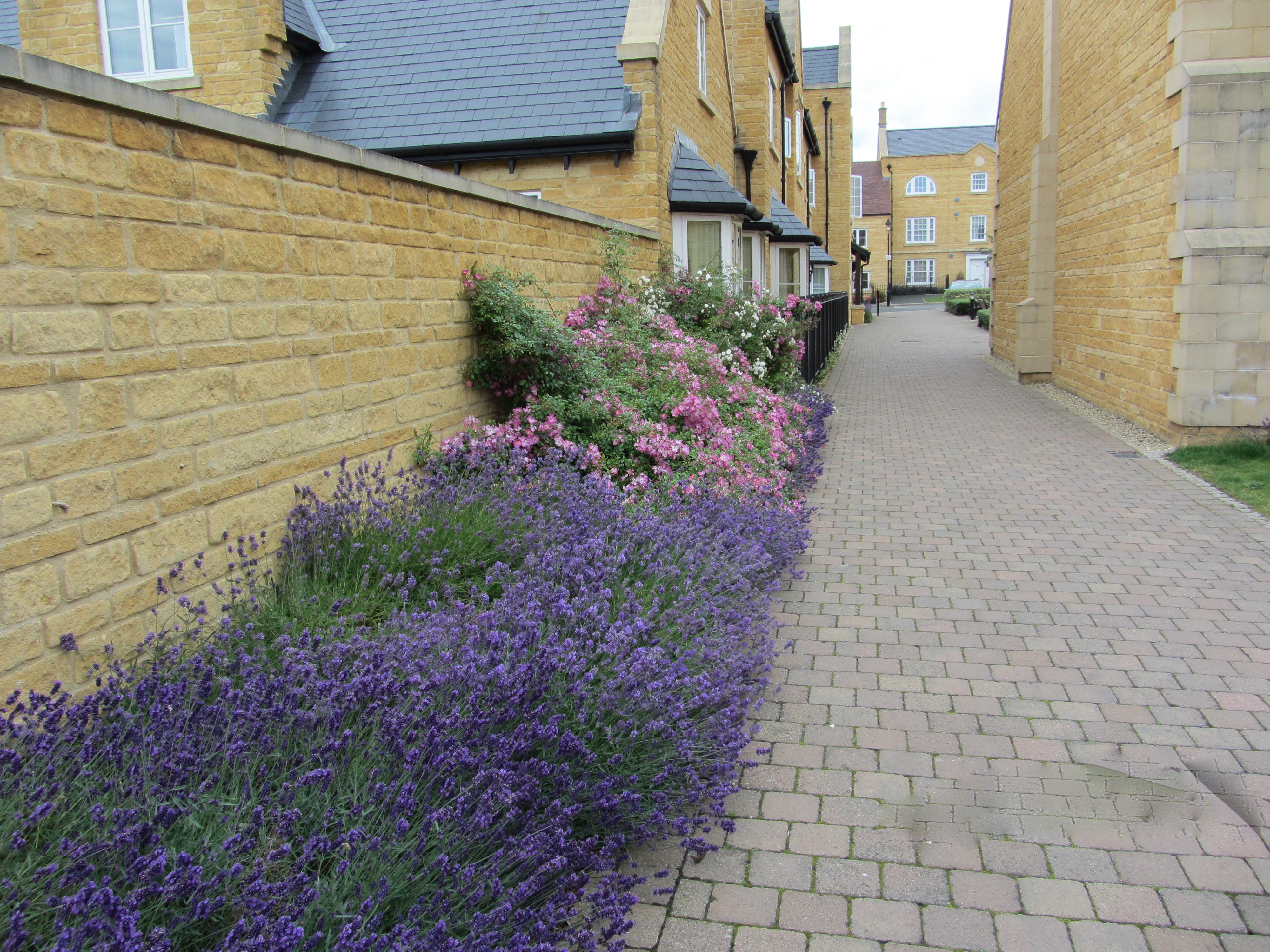
There is also a local market, the Broadway Deli,  and a larger grocery, called Budgens, located down a narrow strip of walkway deep in blooming lavender and pale pink shrub roses! It was the first large grocery we were to find in our Cotswolds travels. More dogs lounging here! The dogs are either sleeping under the benches or waiting patiently at shop doors!

The Village Deli in Broadway, UK

The Village Deli in Broadway, UK

Shopping at Budgen's Grocery in Broadway, UK

Shopping at Budgen’s Grocery in Broadway, UK

The Pathway to Budgens in Broadway, UK

The Pathway to Budgens in Broadway, UK


Shrub roses and Lavender in Broadway UK

Shrub Roses and Lavender in Broadway UK

My favorite discovery in Broadway was a public restroom right next to the large central parking lot.  Maintained by a meticulous gentleman, he promptly made us aware that the restroom had been declared, “Loo of the Year.”

The "Loo of the Year," Broadway, UK

The “Loo of the Year,” Broadway, UK

The sign was proudly displayed and rightly so. The loo was spotless and the squarish Cotswold stone building fit right in with the architecture of Broadway. Who wouldn’t want to live in a place that can boast the “Loo of the Year”?  My other delight were all the hanging baskets of pink fuchsias and purple cascading vines. They were beautiful and hanging outside several of the shops. We spent a lovely and lively afternoon in Broadway. You will want to add Broadway to your Cotswolds calendar!

For your reading enjoyment I have selected a hand printed and watercolored book by Susan Branch, titled A Fine Romance; Falling in Love With the English Countryside, that I literally devoured. A travel journal of her two month ramble through the backroads and small villages of the English countryside, it is filled with pictures, witty captions and charming detail of her dream to visit her long awaited England. For more information on Susan’s work see: http://www.susanbranch.com

THE SPECTACLED BEAN

Tales, Thoughts + Tribulations of a Free Spirit in Suburbia

Walking Away

Travels on foot

Teacher nickname: The Three Hairs

Minding my mind, one thought at a time.

Tra Italia e Finlandia

Un lungo racconto fotografico.

seanbreslin.jp

Photography, hiking, walking, and cycling across central Japan — from quiet mountain paths to everyday life around Nagoya.

Lost in Translation

Looking for meanings in words, images and sounds

Journeys with Johnbo

Reflections on places traveled and photos taken.

M/VGratitude

Cruising with the Thyrre Family

Caroline's Travel Adventure Blog

Where my Travels and my Blog merge together.

Just Me, Nobody Special

The mental meandering that cross my keyboard

Jennifer's Journal

Website & Blog of J. Kelland Perry, Author

Slow Shutter Speed

A photographic journey.

Ann Mackay: Inspired by Nature

Photography celebrating flowers, plants, and the natural world

Still Restlessjo

Roaming, at home and abroad

Fine for Friday

The Corner Garden

Picture This

Photography, Travel and Retirement

World Traveller 73

Upgrade Your Travels. First Class Luxury Travel from all parts of the Globe. Business Class Airline, Lounge and Hotel Reviews, Stories and Adventures

Rachel Meets China

A China travel and lifestyle blog