Travel, Gardens, Food, Photography, Books, Shoes

Posts tagged ‘History’

It’s a Sign!

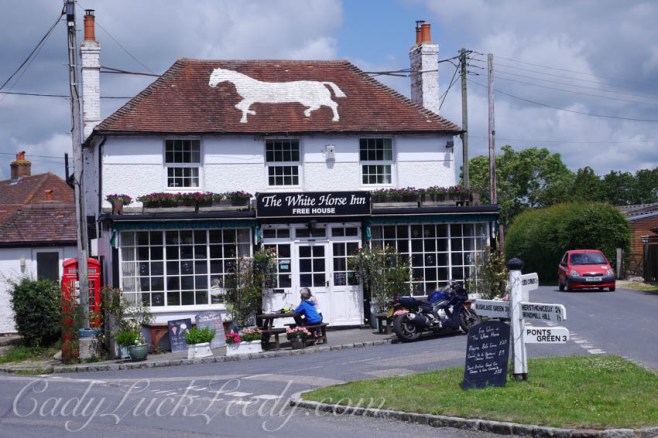
The White Horse Pub

The White Horse Inn, Hailsham, UK

Posting one last time about the Hoare Family, Stourhead and interesting tidbits………….that led from one thing to another!

When Richard Hoare, Goldsmith, moved his shop from Cheapside to Fleet Street he took his trading sign with him, that of the Golden Bottle, which was a gilded leather bottle that hung outside the shop. This sign was used to distinguish his business from another.

I am fascinated with the signs in the UK. Everyone has a sign!  Cottages in the villages have signs rather than numbered addresses and looking for cottage signs and pub signs while visiting there is very enjoyable!

But how did all this sign business start?  Well, with the Romans! In 43 AD, it was traditional for landlords, in Rome, to hang branches of vine leaves outside their premises to promote the drinking of wine within. People could not read, so an image that made sense was needed. When one saw the grape vines, one thought of grapes and then wine! Voila a sign! However, when the Romans got to the UK, they were lacking the customary vine leaf and hung any kind of evergreen plant over the door instead. The Romans built an extensive road network and with large numbers of troop movements, inns opened at suitable stopping points. Hence the beginnings of the local pub!

By the 12th century people were doing pilgrimages to cathedral towns, such as to the shrine of Thomas Beckett in Canterbury. As Chaucer’s pilgrims in the Canterbury Tales reveal, the pilgrims started their journey at the Tabard Inn in London. Other inns and taverns welcomed pilgrims and knights on their way to the Crusades in the Holy Land.

Pub signs as we know them today were originated with the Royal Act of 1393 when Richard II declared that anyone brewing ale in a town, with the intention of selling it, must hang out a sign or forfeit his ale.

It was Charles I who gave people the right to hang out signs as they pleased.  Prior to that signs were for innkeepers only. So an elaborate language of symbols began with a common understanding. Most common was a dragon for an apothecary, a sugar loaf for a grocer, a wheatsheaf for a baker, a frying pan for a confectioner and a spool for a silk weaver, or in the case of goldsmith, Hoare, the leather sack of gems.

By the 18th Century heavy wrought iron brackets with their sign hung outside every single establishment in Cheapside. During bad weather or a strong wind, these huge signs groaned and creaked and in 1718 a huge sign collapsed killing four people and took out much of the shop front. There was such a problem of hanging signs crowding the streets and knocking people from their horses, that a commission was formed in 1762 to take them all down and fix them to the store fronts. So that became the standard system to identify properties.

But, the British like their traditions and I am glad many, many shops, pubs and cottages use the hanging of signs to identify their property, albeit with lighter, smaller signs!

Here are some of my pub signs collected during my “Garden Tours of England.”

The Bucket of Blood, Cornwall, UK

The Bucket of Blood, Cornwall, UK

According to local folklore, the Bucket of Blood got its name many years ago when the landlord went to the well to get a bucket of water, but found a bucket of blood.  Investigating  further he found there was the badly mutilated corpse of a local smuggler at the bottom of the well! An alternative theory is that the well on the grounds would provide red water due to run off from local tin mining.

Downlong Cottage, St Ives, Cornwall, UK
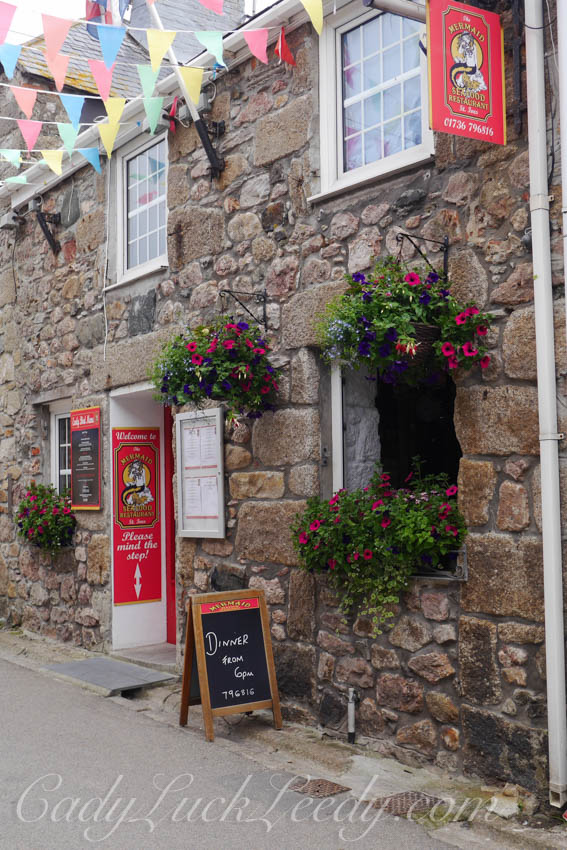
Downlong Cottage, St Ives, Cornwall, UK

The Mermaid Restaurant, St Ives

The Mermaid Restaurant, St Ives

The Golden Lion, St Ives

The Golden Lion, St Ives

Warninglid Village Sign, UK
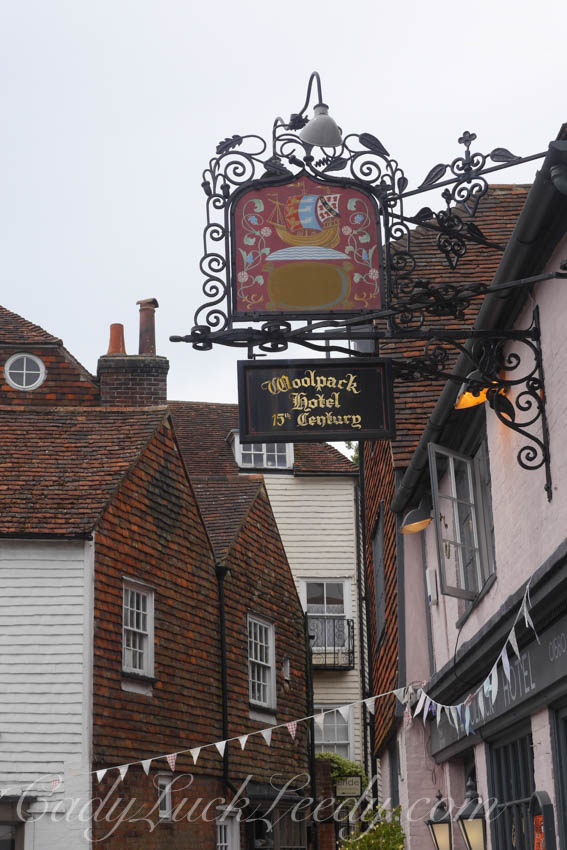
Warninglid Village Sign, UK

The Wolfpack Inn, Tenterden, UK

The Woolpack Inn, Tenterden, UK

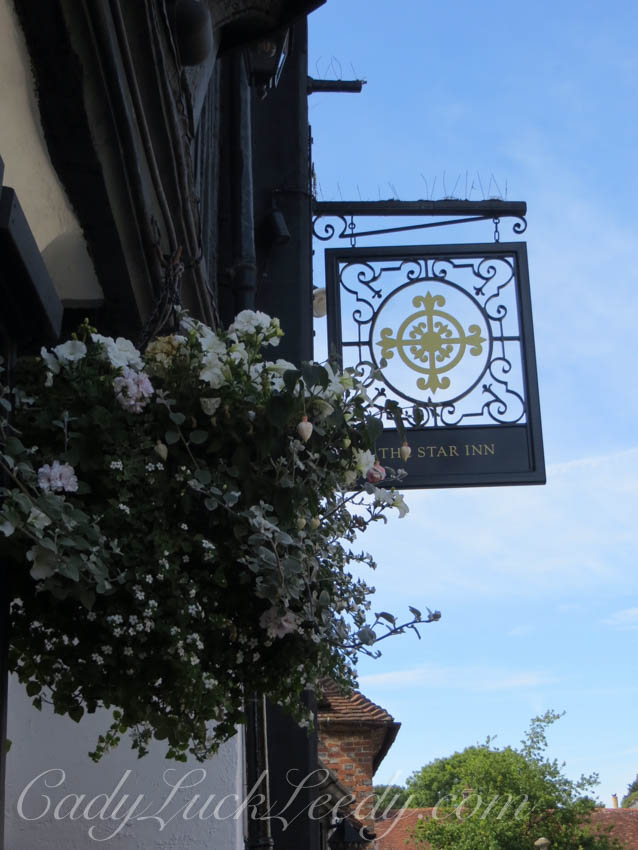
The Star Inn, Alfriston, UK

The Star Inn, Alfriston, UK

The George Inn, Alfriston, UK

The George Inn, Alfriston, UK

The Bull Inn , Benenden

The Bull Inn, Benenden, Uk

These were a few of my favorite signs! I hope you enjoyed learning about them! See you soon!

More Interesting Tidbits I Discovered about the Hoare Family of Stourhead

Young Elizabeth I Wearing Exquisite Jewelery

Young Elizabeth I Wearing Exquisite Jewelry

 Elizabeth I Wearing Exquisite Jewelry

Elizabeth I Wearing Exquisite Jewelry

 Elizabeth I Wearing Exquisite Jewelry

Elizabeth I Wearing Exquisite Jewelry

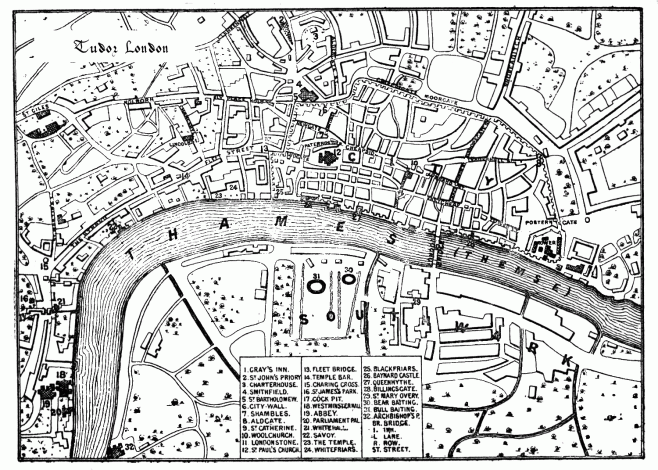
Just a few days ago I wrote a blog post about the Hoare family and how I had visited their fabulous estate called Stourhead, which is one of the National Trust properties in the UK.  I wrote how Richard Hoare, in 1672 had a goldsmith’s business at Cheapside and set up a system of banking because goldsmiths had secure premises and had always been the storehouses for cash and valuables. The shops on Cheapside were the commercial heart of London with shops for the sale of luxury goods and was known as Goldsmith’s Row, the center for the manufacture and sale of golden jewelry in medieval London.

Elizibethan London Map

Elizibethan London Map

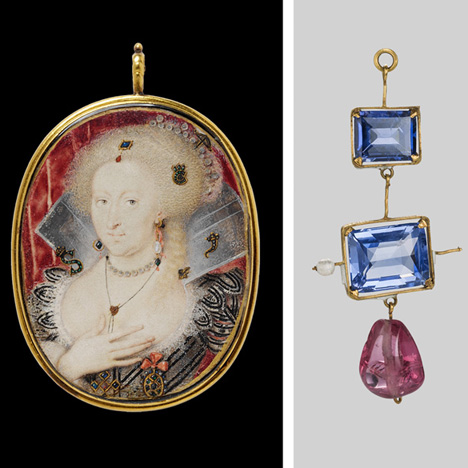
Richard Hoare, knighted by Queen Anne in 1702, the same year she became queen, prospered, and he not only made precious jewelry for the queen and others, he became Lord Mayor of London in 1712, and took his goldsmith venture into the banking industry. He soon moved his banking facilities to Fleet Street, the main thoroughfare halfway between the City of Westminster and the City of London.

by Michael Dahl,painting,1705

Queen Anne by Michael Dahl, painting,1705

Hoare introduced many aspects of modern banking, including issuing printed checks and the C.Hoare and Co Bank is the oldest private bank in the United Kingdom to this day. It is family owned and run by the 11th generation of Hoares’ descendants.

Well I got to thinking, is this where the word hoard came from? According to the Dictionary, the word, hoard, has it’s origins from the Old English noun, hord, which was a secret stock or store for something. Hmmmm….. sounds very familiar to our story of goldsmith, Richard Hoare.

Then I read another fascinating tale; that of the Cheapside Hoard, which was discovered in 1912, when a workman’s pickax smashed through the brick cellar in an old house being demolished at 30-32 Cheapside in London! Found in a buried, wooden coffin-styled box, was 500 pieces of 17th century goldsmith’s stock, including rings, brooches and chains with bright gem stones and enameled gold settings, along with cameos, scent bottles and crystal tankards.  Well that fits nice and tidy with our Hoare family name and background doesn’t it? What was so incredible about this stash of jewelry, with huge rubies, pearls the size of acorns, emeralds, diamonds and sapphires, is that it was left as designed and not altered as other pieces from this period tended to be; broken up, re-fashioned and reworked over the centuries and therefore didn’t survive.
Jewels from the Cheapside Hoard

Jewels from the Cheapside Hoard

Jewels from the Cheapside Hoard

Jewels from the Cheapside Hoard

Now who hid the stash and what was done with it after it was found? More to the story…….

In 1637, a gem dealer named Gerrard Pulman paid the East India Company 100 pounds for the safe passage on the ship, Discovery, from the Orient back to England. With him was a crate that took three men to lift, a great sea-chest, and smaller boxes full of diamonds and other gems worth many millions today. He lost a walnut-sized diamond from a purse around his neck when bathing on the voyage, and two weeks later he was dead….. poisoned by the ship’s surgeon, an inquiry found. Pulman’s body was stripped and thrown overboard. By the time the  treasure chests were opened in London upon arrival, they were half empty. The missing gems, stolen by crew and officers, were sold to jewelers across London. One crewman pulled a pocket full of loot out at the Three Tun Tavern in Fleet Street and dropped an enormous pearl through a crack in the floorboards. Many believe these gems ended up in the Cheapside Hoard. But, who buried the treasure and why was it not discovered until 1912? One theory was that the jeweler buying up the gems very likely buried it below the cellar floor to keep them safe. This was also a time of great upheaval as many jewelers were soon to became soldiers in the Civil War of 1642. From 1645 to 1646, fifteen percent of the population of London was killed by the Great Plague, so many people fled the city to avoid the war and then to avoid the plague.    

Then in 1666, a fire that started in a bakery, spread quickly through the city. In less than three days it consumed more than 13,000 buildings, including St. Paul’s Cathedral, about a block away from the hoard. The Great Fire of London, as it came to be known, destroyed most of the city’s wooden structures, including those above the site of the treasure. Evidence of fire damage found during the Cheapside excavations led experts to conclude that the jewels were buried no later than 1666. It is unlikely that the owner of the hoard perished in the fire, as very few casualties were actually recorded.    

Following the Great Fire of London and the rebuilding of the city, new structures were erected in the Cheapside district around 1670. This time, brick and mortar structures rose above the forgotten cellars, sealing the Cheapside Hoard for two and a half centuries.

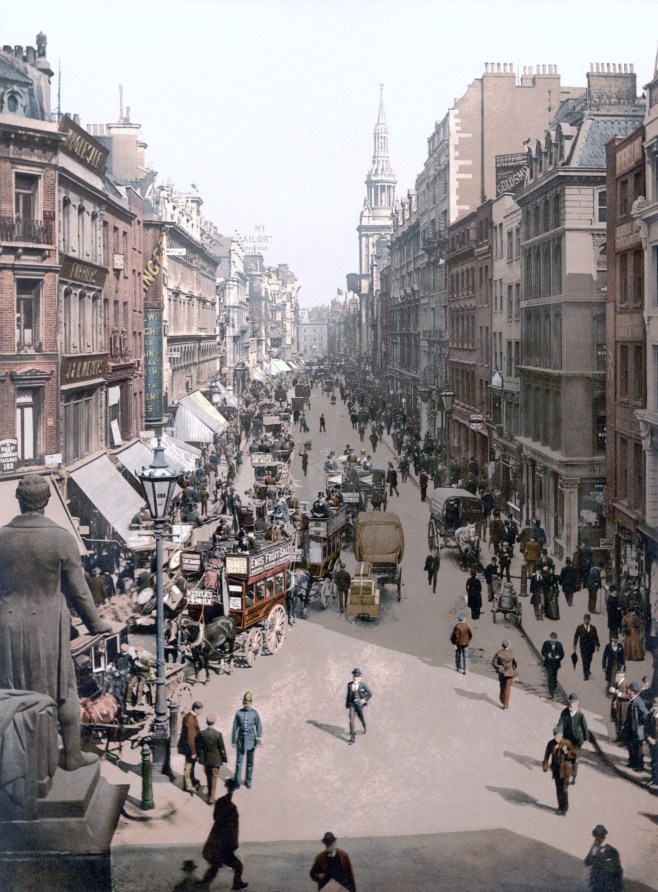
Cheapside, London

Cheapside, London

So more than likely, whoever buried the hoard died and the stash was never discovered until the workmen started demolishing the old jewelry premise in 1912. The workmen stuffed the loot, some dating back 1500 years to the Byzantium period, into their hats, pockets and knotted handkerchiefs and took them to “Stoney Jack,” an antiques dealer and pawn shop owner, who literally went on pub crawls offering men work, giving them a shilling or “half a pint” for any interesting finds that were brought to him! “Stoney Jack,” who was George Fabian Lawrence sold all the treasure given to him to the new London Museum. The Cheapside Treasure was an epic success when the London Museum opened in 1914, revealing some of the treasure, including a watch set in a single emerald the size of a small apple!

During WWI the treasure went into bank vault storage and came out when the entire collection went on display at the Museum of London in 2013. 

Oh my, what a person can discover from just one visit to a National Trust property and an inquiring mind! What an adventure! More to follow!

Thursday’s Doors, Stourhead

The Gate Keepers Cottage, Stourhead

The Gate Keepers Cottage, Stourhead

Today’s Doors come from the gardens at Stourhead, a National Trust estate in Devon, UK. This summer as part of my “English Garden Tour” I again explored many fine estates and gardens, both public and private, as I toured along my path to Cornwall and then back to Sussex and Kent.

These are photos of the fabulous doors I found at Stourhead! If you would like to know more about the estate look HERE in the previous post about it!

When you arrive at Stourhead, you pass the gate keepers cottage. I loved the door, and the look of the cottage was just my style.

I can’t imagine living in the estate house with all those pictures to dust and all those rooms to clean. Of course, the owners of Stourhead didn’t have to do any of that either! They had plenty of servants, housemaids, butlers, farm workers, gardeners, and ground keepers to maintain their 2600 acre estate. But, I am glad the National Trust preserves not only the manor house, but all the out buildings as well. It gives you a proper prospective of things, although I imagine the estate cottages and out buildings are nicer today than they were back in the day!

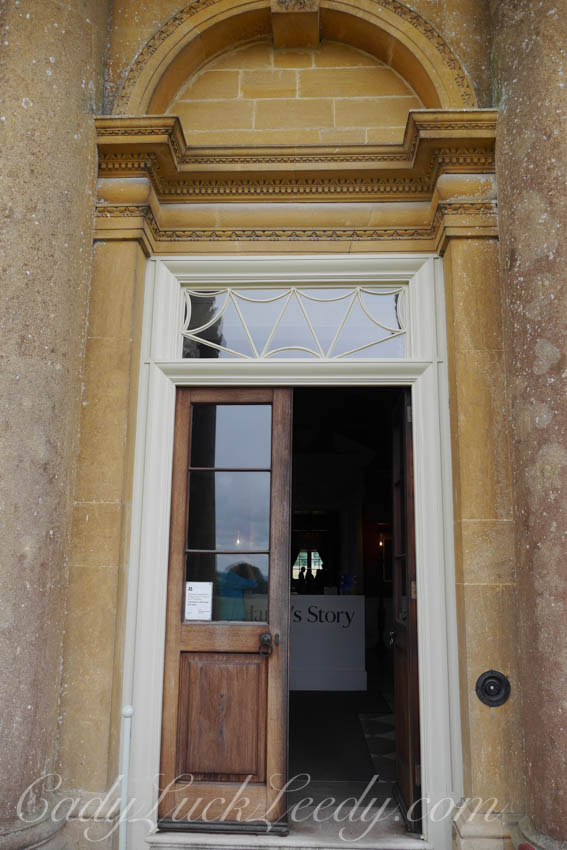
Stourhead, of course, has the estate house and this was the door that welcomed you in! There are lots of rooms to tour here and a very interesting family history.

The Main Entry Door at Stourhead

The Main Entry Door at Stourhead Manor House

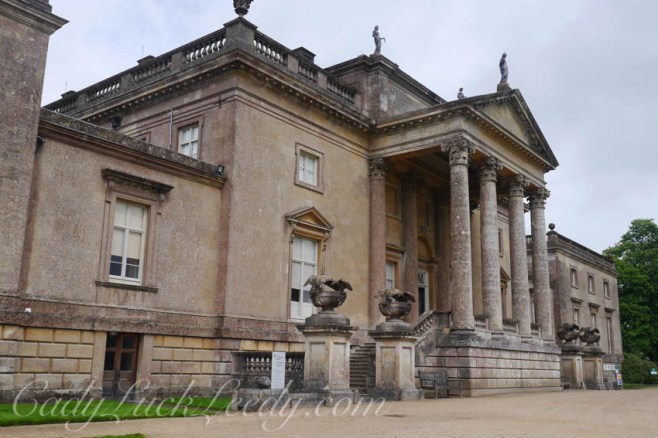
Stourhead

The Manor House at Stourhead, (Notice the Main Entrance and the Servants Entrance!)

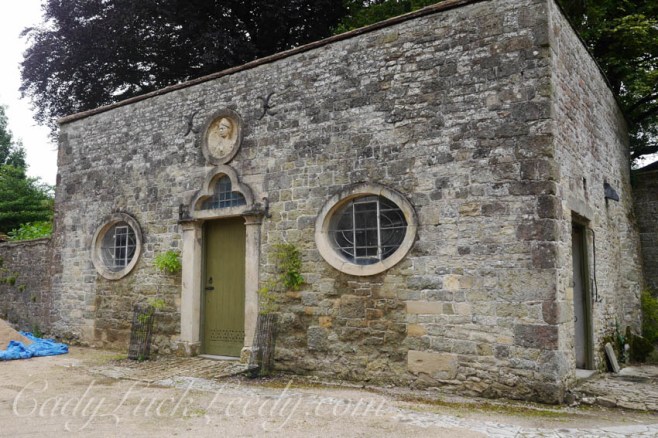
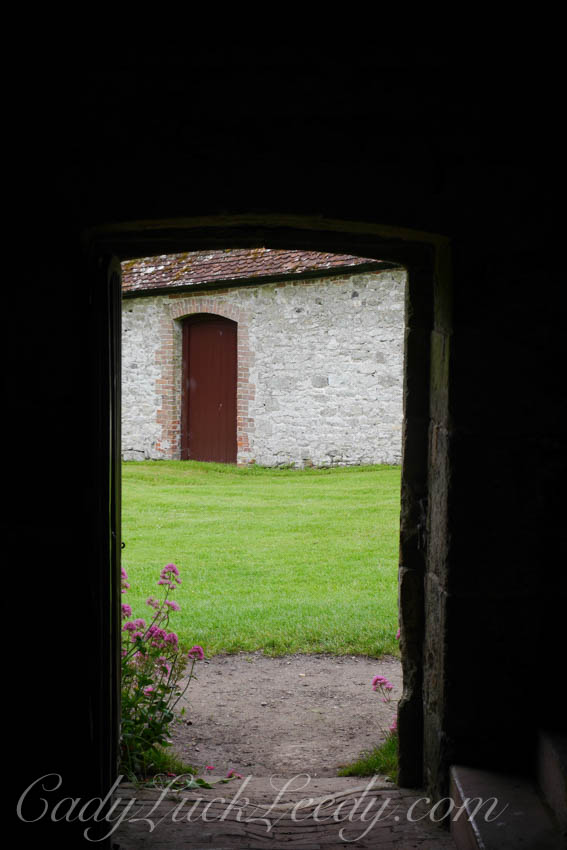
Then there are the out buildings and these doors were some of my favorites!

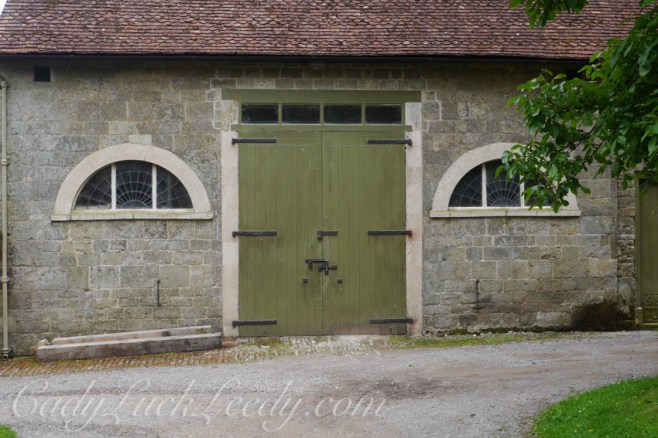
The Limey Green Door at Stourhead

The Mossy Green Door at Stourhead

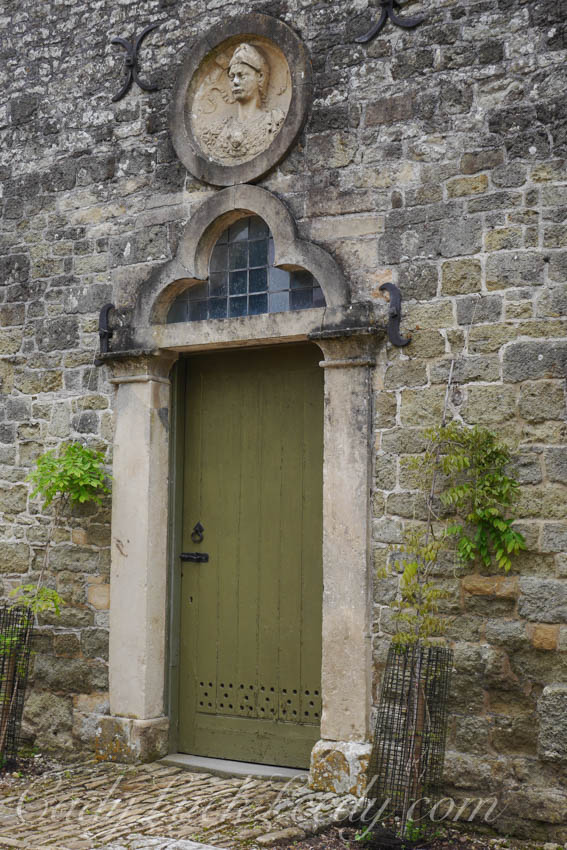
A Close Up of the Limey Green Door, Stourhead

A Close Up of the Mossy Green Door, Stourhead

I love that stonework too and the door defines the mossiness of it!

A Thursday Window That I Liked Too, Ha Ha

A Thursday Window That I Liked Too, Ha Ha

Another Outbuilding with Limey Green Door and Fantastic Windows

Another Outbuilding with Mossy Green Door and Fantastic Windows

Workers Cottages at Stourhead

Workers Cottages at Stourhead

Workers Cottages at Stourhead

Workers Cottages at Stourhead

The Workers Cottages at Stourhead

The Row of Workers Cottages at Stourhead

Of course the connected worker’s cottages were my very favorite! And they all had Red Doors!

The Red Cottage Doors!

The Red Cottage Doors!

This is just one of many photos in the Thursday Door Collection featured by Norm2.0!   Won’t you join in or take a peak at all the doors? See you next week!

The Hoare House, aka Stourhead, a National Trust Estate

Stourhead

Stourhead

Stourhead

Stourhead

Stourhead

Stourhead

I’m back from my “Garden Tour of England” and as you have learned from the previous post, written by the garden fairies here at The End Cottage, we are caught up with my own garden chores and all the guests are back home! Hence the delay in sharing my adventure!

It takes me months to plan which National Trust properties I will visit. After I decide on the properties I determine as many public and private gardens as I can in close proximity to the National Trust sights that I have picked out, and voila, my schedule of touring is complete! There is so much to see and do! So, let’s take a walk through the grounds and home of the Hoare family, here at Stourhead. It is the first of many delights this year on my Garden Tour of England. I have separated the posts into the house and to follow, the gardens.

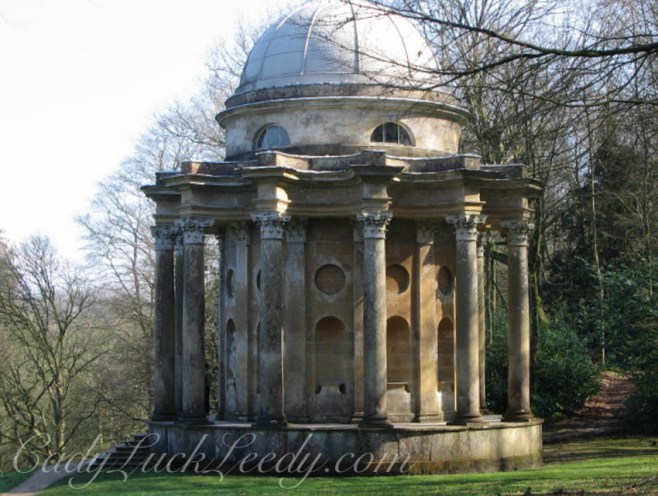
The Story of Harry……… really it starts with all those Henrys and Richards in the Hoare family, who had nicknames of “good,” “magnificent,” and “naughty” to tell them apart. Sir Richard Hoare, was a goldsmith, in 1673, in London. Goldsmiths had secure premises and were the storehouses for cash and valuables so they were in a unique position to start a system of banking: lending their customers money for interest. He was granted the Freedom of the Goldsmith’s Company on July 5th, 1672 and this marked the foundation of the Hoare’s Bank. He was knighted by Queen Anne in 1702 and then became Lord Mayor of London in 1712. His son, Good Henry, was a partner in the family bank, Hoare and Co. Henry the Good, lived at the bank during the week and wanted a country estate for holidays and leisure. In 1717 he bought the medieval Stourton estate for 14,000 pounds and renamed it Stourhead after the source of the Stour River. He built Stourhead House based on a 16th century Venetian villa, but died before his grand design was completed.  Henry Hoare, “the Magnificent,” grandson of Richard, and son of Henry the Good, dominated the family with his wealth and personal charisma and was a great patron of the arts. He expanded the estate and the gardens that were considered a showcase. The garden was completed in 1770 and it’s fame spread quickly and became a must see destination with the breathtaking landscape and classical temples set around the lake. The grounds included a Grotto, a Gothic Cottage, the Pantheon, the Temple of Apollo, and the Temple of Flora.

Temple of Apollo, Stourhead

Temple of Apollo, Stourhead

Sir Henry Ainslie Hoare (perhaps the naughty) and his wife Augusta inherited Stourhead in 1883, but it soon spiraled into decay when costs grew impossible to manage, because she loved living in the country and he preferred city life. Ainslie’s flamboyant lifestyle forced him to leave the bank and auction Stourhead paintings, furniture and books. He left Stourhead in 1885.

In 1894, after the death of his cousin, Henry Hugh Arthur Hoare and his wife Alda, inherited the unoccupied house that had sat empty for 10 years and the 2,650 acre estate with the run down, neglected and overgrown gardens. They decided to pack up and leave their home, Wavendom in Buckinghamshire, and move with their son, Harry Hoare, to Stourhead, to create a special home for their only son. Harry and his parents loved the estate and worked hard to make it the beauty it once had been.

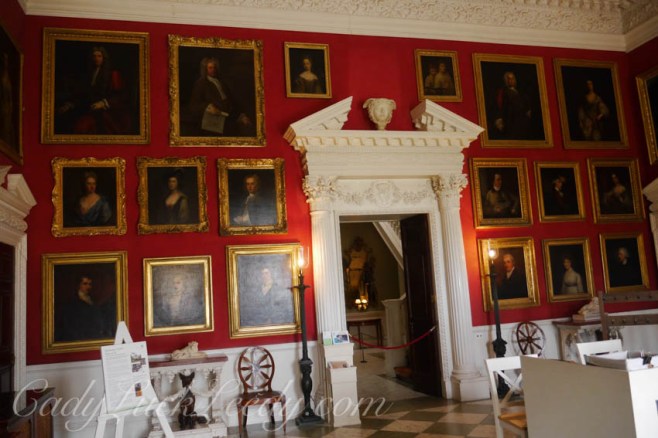
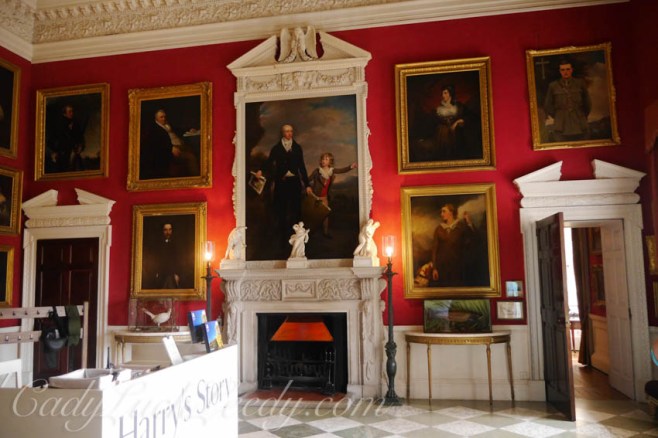
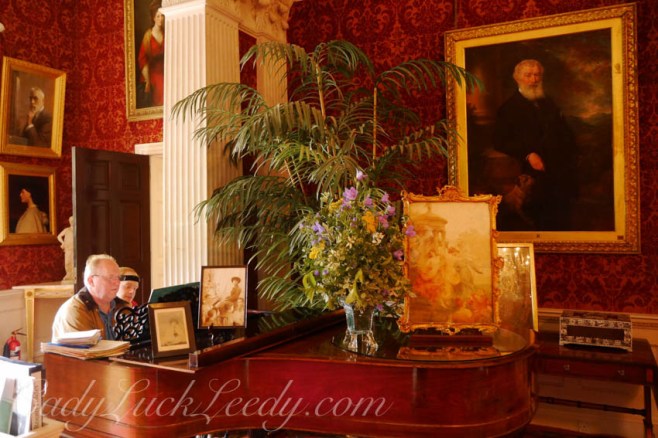
The Picture Gallery at Stourhead

The Entrance Hall at Stourhead

The Picture Gallery at Stourhead

The Entrance Hall at Stourhead

The Picture Gallery at Stourhead

The Entrance Hall at Stourhead

The Picture Gallery at Stourhead

The Entrance Hall at Stourhead

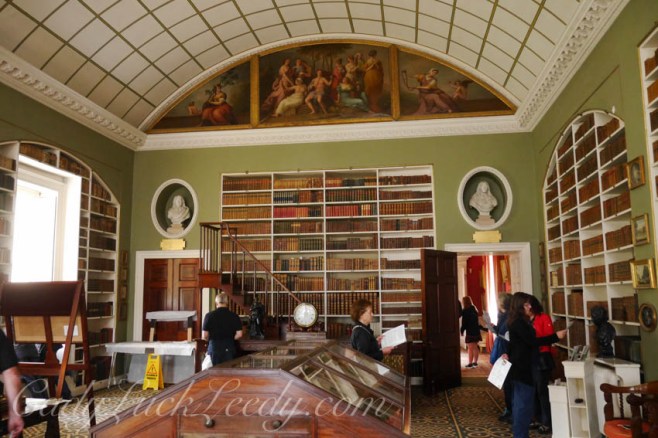
The Library at Stourhead

The Library at Stourhead

The Library at Stourhead

The Library at Stourhead

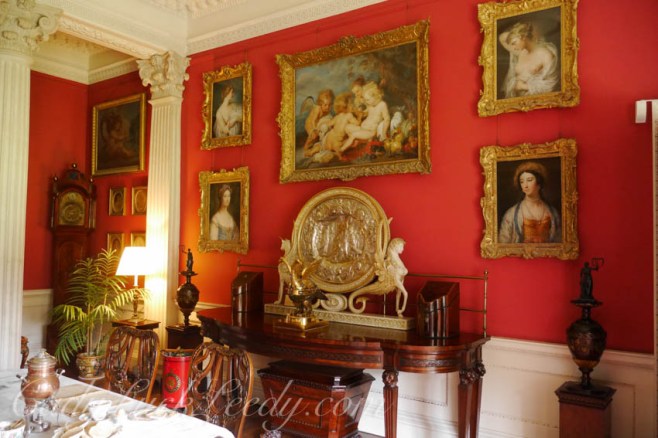
Little Dining Room at Stourhead

Little Dining Room at Stourhead

Little Dining Room at Stourhead

Little Dining Room at Stourhead

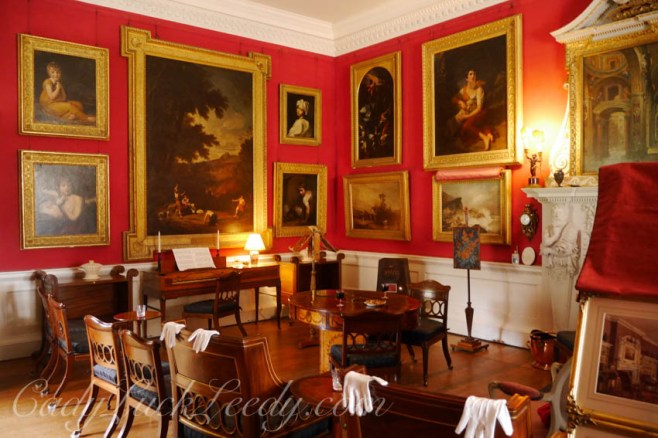
The Italian Room at Stourhead

The Column Room at Stourhead

The Italian Room at Stourhead

The Column Room at Stourhead

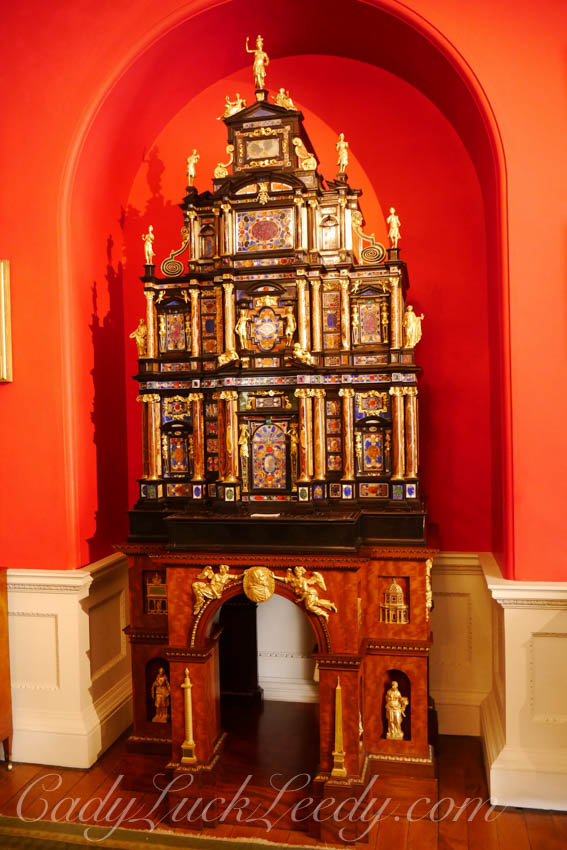
Ornate Cabinet in the Column Room, Stourhead

Ornate Cabinet in the Cabinet Room, Stourhead

I love that Poppy Red Color!

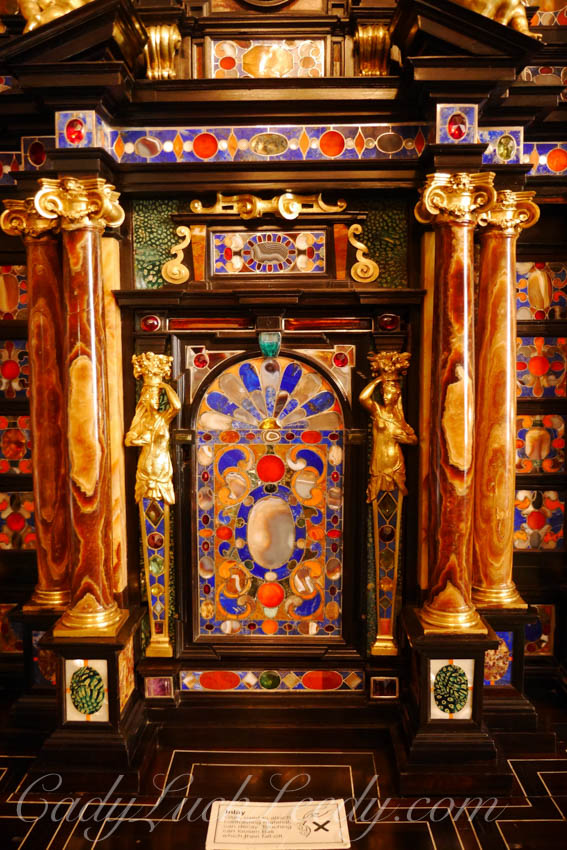
Detail of Ornate Cabinet in the Column Room, Stourhead

Detail of Ornate Cabinet in the Cabinet Room, Stourhead

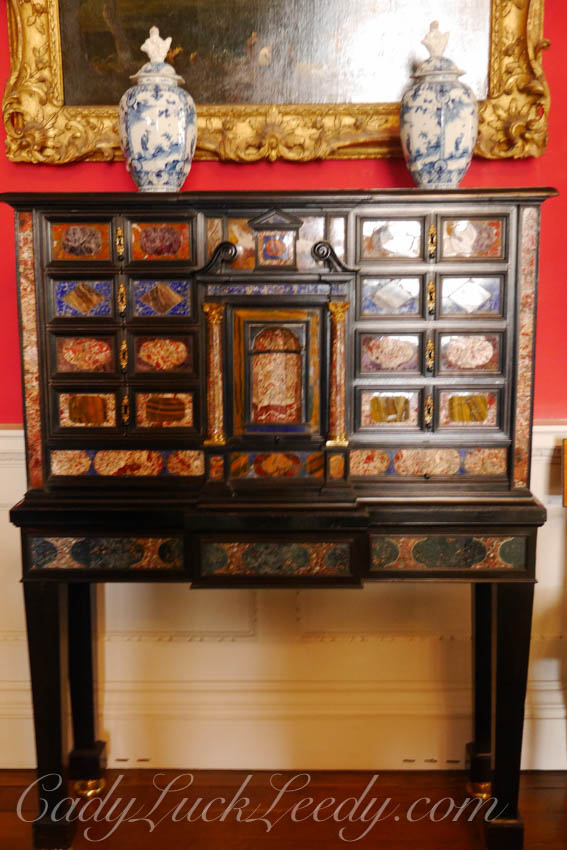
An Ornate Cabinet in the Cabinet Room at Stourhead

An Ornate Cabinet in the Cabinet Room at Stourhead

The Italian Room at Stourhead

The Italian Room at Stourhead

The Italian Room at Stourhead

The Italian Room at Stourhead

The Picture Gallery at Stourhead

The Picture Gallery at Stourhead

The Picture Gallery at Stourhead

The Picture Gallery at Stourhead

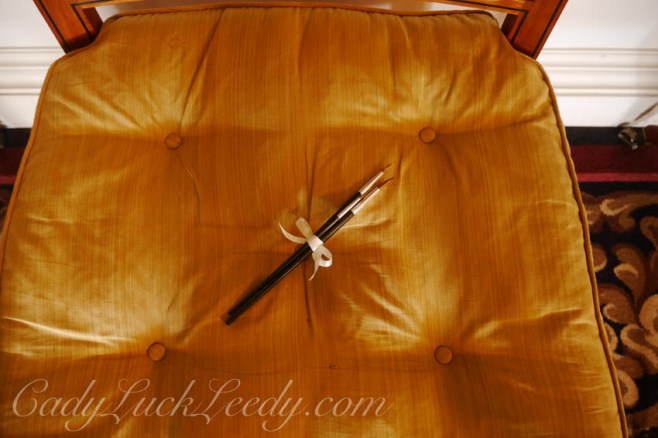
Fancy Way of Saying, DO NOT SIT at Stourhead

Fancy Way of Saying, DO NOT SIT at Stourhead

In 1902, a fire broke out in a chimney and burned for hours. The center of the house collapsed from the attic down to the cellars. The family, servants, gardeners, estate workers and farm hands worked to salvage as much as possible from the burning building. Paintings were cut from their frames and furniture was thrown out of windows. The Hoares worked again to restore the house they so loved, especially  for Harry, since he had grown up here and loved every inch of the place and this would always be his home. As you can see from the many rooms of Stourhead, saving everything would have been quite a challenge! It was vast with huge collections of Everything!

On August 1, 1914, Harry joined the Dorset Yeomanry and within a week he was no longer the estate manager, working for his father, but a soldier fighting for his country. His military career was plagued with injury and ill health and every time he was taken ill he would return to Stourhead to be cared for by his parents. After each recovery Harry returned to the battlefield.

During WWI the house and grounds were opened to the “Tommies” from the nearby Red Cross Hospital at Mere. Alda made arrangement for the soldiers to have outings on the property. Especially popular with the men was  fishing in the Flora Bay and afterwards Alda would serve tea to all the boys at The Flora Temple. Flowers, grapes and vegetables were also sent to support the troops at the hospital.

On December 19, 1917, Captain Henry Holt Arthur Hoare (Harry), was shot in the lungs at the Battle of El Mugher in Palestine and died of his wounds in Raseltin Hospital in Alexandria. He was buried in the Hadra Military Cemetery there. Harry’s parents were devastated after his untimely death and made plans to bequeath the home and grounds to charity, opening the estate to visitors. On show days visitors were shown around by the butler or the head housemaid, following strict rules. In 1946, one year before the death of Harry’s father, the estate was split and half was gifted to the National Trust and half remains in family ownership.

Visiting this extraordinary house and gardens was made that much more interesting by learning about the family, the house and grounds. That’s what makes the estates in the National Trust so interesting, they are preserving History! Particularly fun was the large display of 19th century women’s hats found in the estate ticket office! Women and children spent a lot of time trying on the hats and primping in front of the mirrors! A first for me in a National Trust property!

Hoare and Co. is the oldest private bank in the United Kingdom. As the business prospered it was moved to 37 Fleet Street, where it still is today and run by the 11th generation of Hoare’s direct descendants.

Next we’ll visit the Gardens at Stourhead! See you there!

Thursday Doors: May 19th, 2016

A Stroll Through Orvieto, Italy

A Stroll Through Orvieto, Italy

The Doors of Orvieto, Italy

The Doors of Orvieto, Italy

The Doors of Orvieto, Italy

The Doors of Orvieto, Italy

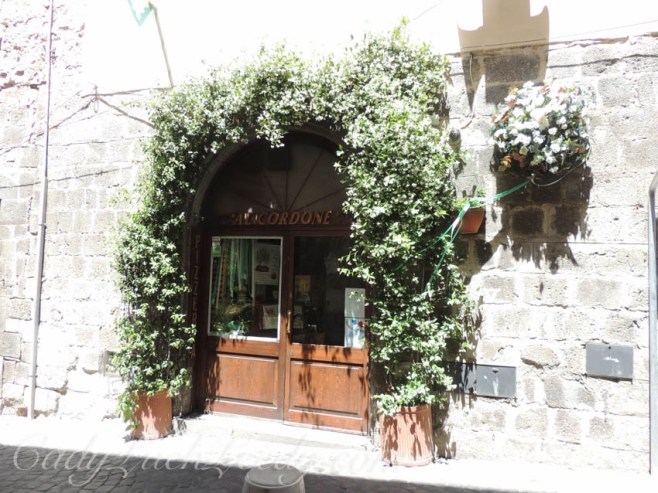
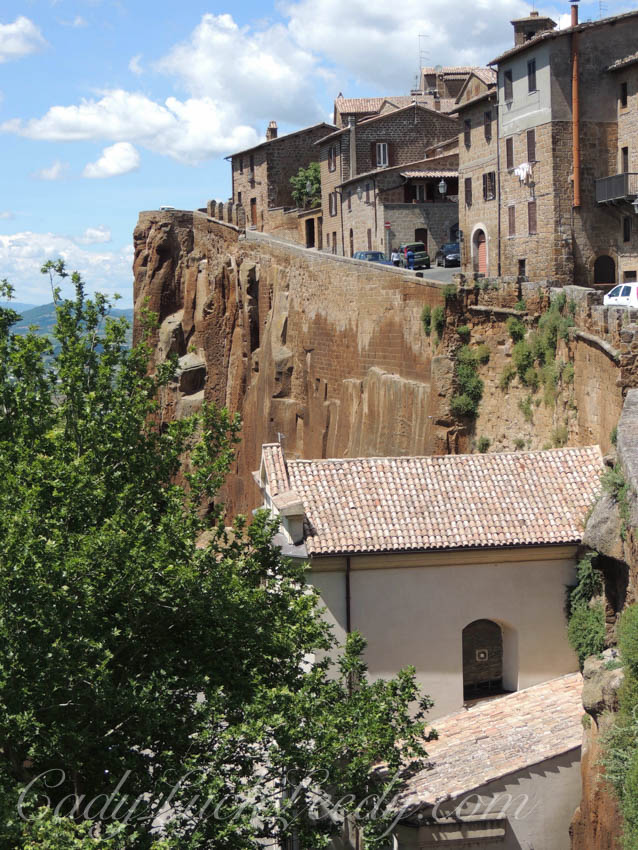
Orvieto, Italy is a dream come true.  From the train it is hardly noticed as one flies by from Rome to Florence. But getting off the train at Orvieto is well worth it. The location of the city rises above the almost-vertical faces of tuff cliffs that are completed by defensive walls built of the same stone called Tufa. Renting one of the nicest apartments we’ve ever had in Europe we arrived during their biggest festival of the year, Festa del Corpus Domini. Our hostess thought that was the reason we were there. We didn’t know anything about it, and thought how fortunate we were to be there for the festival. This Etruscan town is also noted for it’s woodworking and many doors feature their hand made pieces of art.  One thing you will never forget is the fragrance of jasmine from the vines that sweep across the door entrances or along many of the walls!  Enjoy!

The Swags of Jasmine Over the Doors in Orvieto, Italy

The Swags of Jasmine Over the Doors in Orvieto, Italy

The Main Shopping Area in Orvieto, Italy

The Main Shopping Area in Orvieto, Italy

The Main Shopping Area in Orvieto, Italy

The Main Shopping Area in Orvieto, Italy

Streets of Orvieto, Italy

Streets of Orvieto, Italy

I made a video presenting some of the doors of Orvieto and the spectacular surroundings

The Streets of Orvieto, Italy

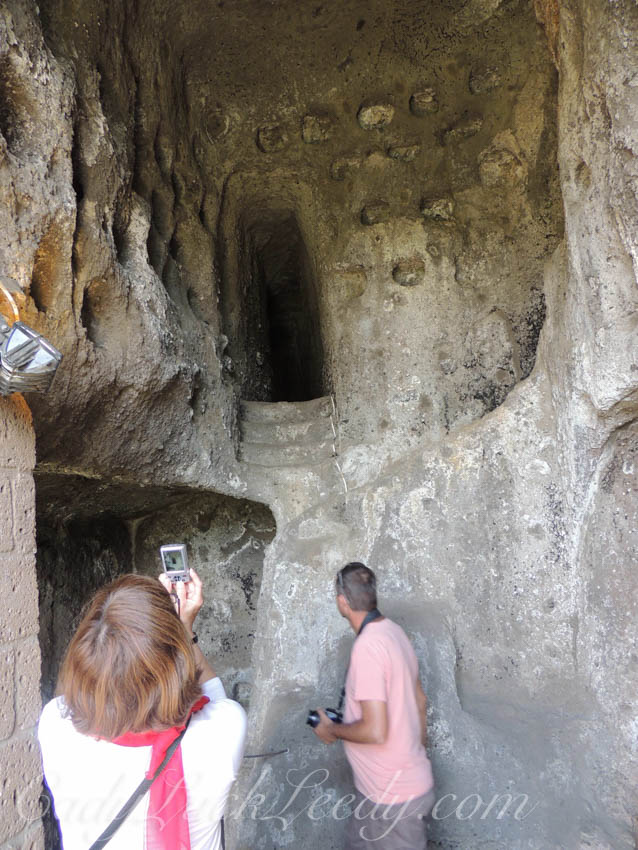
There is also an underground city underneath Orvieto. Many of the homes of the noble families had a means of escape from the elevated city during times of siege, through secret escape tunnels carved in the soft rock. There was also an underground well dug to supply the town with water.

Underground Orvieto, Italy

Underground Orvieto, Italy

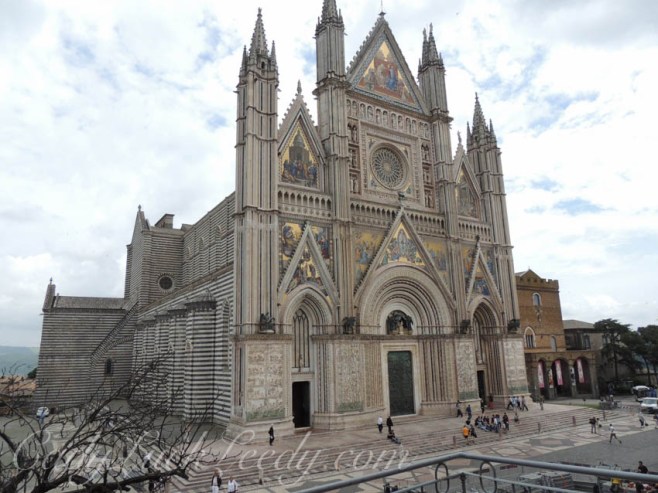
The Duomo or Cathedral of Orvieto, was built on the main square of the town starting in the 12th century for Pope Hadrian IV. It is huge! The side walls are made of horizontal stripes of dark green and white marble! How about that for a door? Look at the size of the people in comparison!

The Duomo in Orvieto, Italy

The Duomo in Orvieto, Italy

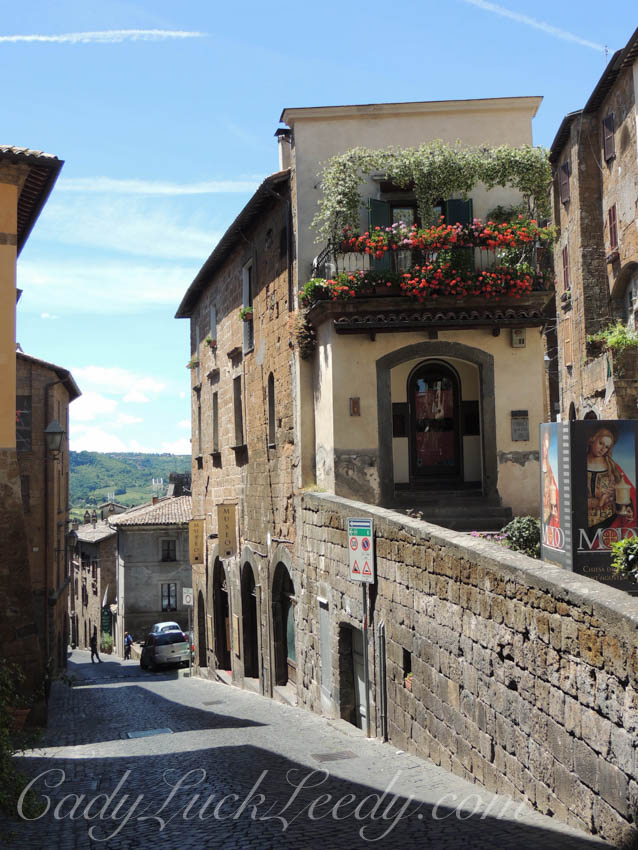
Here is the part of town where the people live!

Streets of Orvieto, italy

Streets of Orvieto, Italy

Streets of Orvieto, Italy

Streets of Orvieto, Italy

Visiting Orvieto is a good way to experience Italy without all the bustle. There are several museums tracing the history of the town, fine eating, shops with well made, hand-made goods, and lovely people! Orvieto is a great place to stop! To find out more about Orvieto check out my other blog posts and videos featuring the Festa del Corpus Domini and things to do in Orvieto!

I hope you enjoyed our walk through Orvieto! This is just one of many photos in the Thursday Door Collection featured by Norm2.0!   Won’t you join in or take a peak at all the doors? See you next week!


Monday Window: Istanbul Turkey

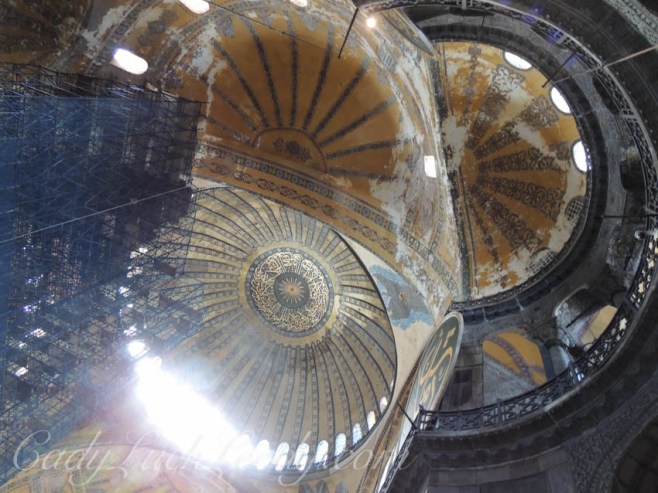
A Window in Istanbul, Turkey

A Window in Istanbul, Turkey

For more photos of windows, by fellow bloggers, just look at Monday Window!

LIST: Life in a Small Town; The Caldwell-Sample Homes

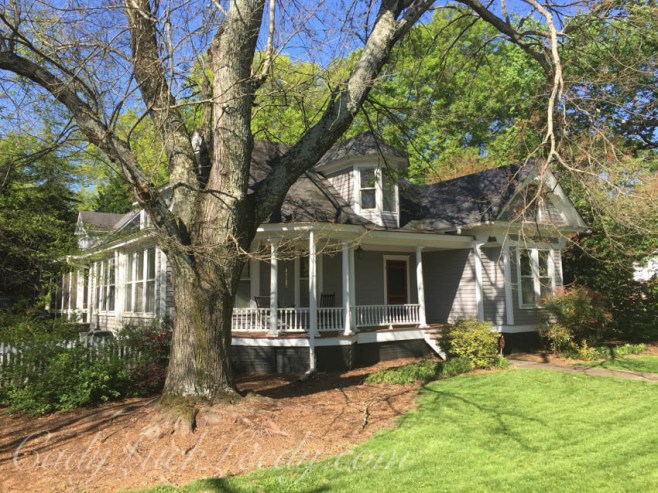
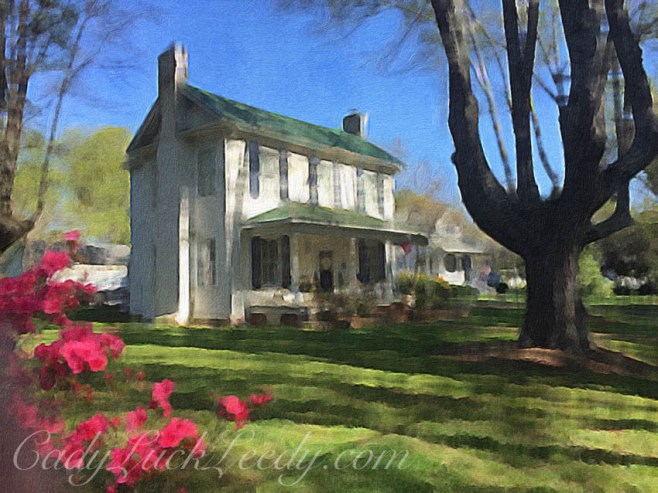
The Caldwell-Sample House

The Caldwell-Sample House

The Caldwell-Sample House Painted in Brushstroke App

The Caldwell-Sample House Painted in Brushstroke App

Today I’ve started a new feature on LIST: Life in a Small Town. There are so many turn of the century homes in our town that I thought the homes should be documented. I started the series on the IPhriday Photo Challenge when I was getting out and about town to take photos with my I Phone on Fridays, but decided there are so many homes and stories, that they deserve their own spot!

Today we are looking at two homes next door to each other. Notice the similarities? The Caldwell home was built in 1903 by John F Caldwell. By 1911, Mr Caldwell was asking the town for lights and sidewalks along “Eastern Heights,” the name he had given to his property that originally consisted of four houses.

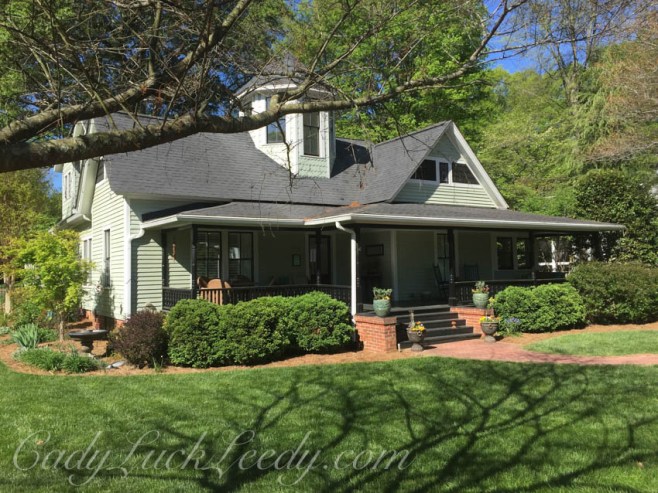
By 1917, the Caldwell’s son, Roy and his wife, one of the Sample sisters, moved into the house next door.

The Roy Caldwell House

The Roy Caldwell House

The Caldwell-Sample House Painted in Waterlogue App

The Caldwell-Sample House Painted in Waterlogue App

When Mr John Caldwell moved, after the death of his wife, the sisters of Mrs Roy Caldwell, Annie and Grace Sample moved into the original Caldwell house. Are you following all this? What it boils down to is in many small towns the families lived next door to each other. Even in my family, that lived on a farm, the children all got some small part of the farm property, upon marriage, to build their houses on. That is one way they all stayed together and helped on the farm.  When I am doing genealogy I always look in the records to see the neighbors of any family. Most like they are kin!

All photos were taken on my IPhone and Painted in IPhone Apps.

Do you have relatives that live next door to each other? I’d like to hear from you!

Monday Window: Smallhythe

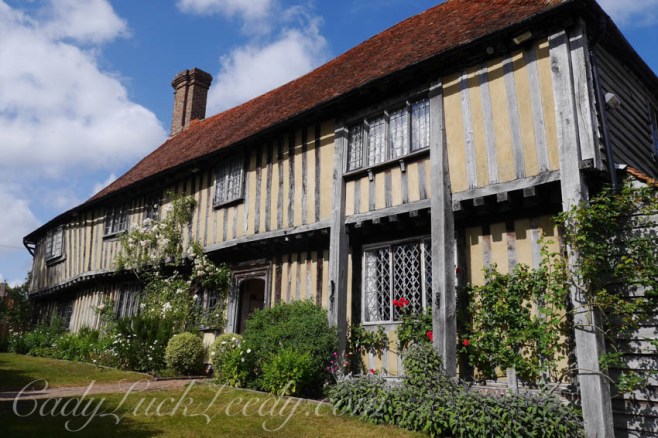
Smallhythe, Home of Ellen Terry

Smallhythe, Home of Ellen Terry, Near Tenterden, UK

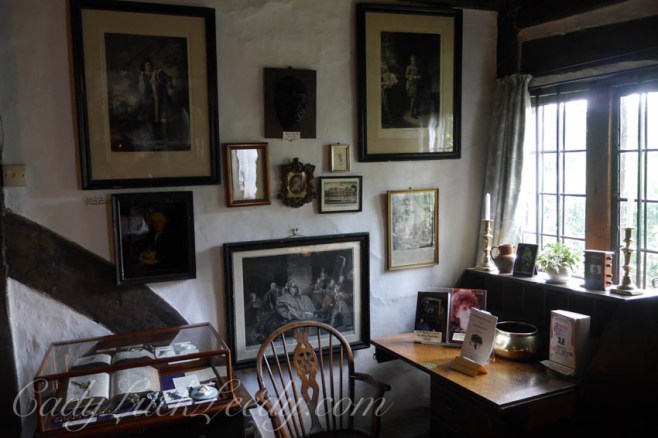
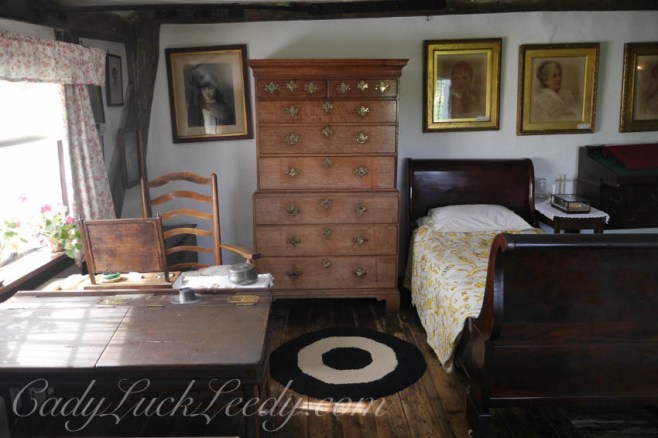
I love it when indoor pictures turn out! Isn’t this a cosy cottage?

Smallhythe, Home of Ellen Terry, near Tenterden, UK

Smallhythe, Home of Ellen Terry, Near Tenterden, UK

Smallhythe, Home of Ellen Terry

Smallhythe, Home of Ellen Terry, Near Tenterden, UK

Smallhythe, Home of Ellen Terry

Smallhythe, Home of Ellen Terry, Near Tenterden, UK

Smallhythe, Home of Ellen Terry

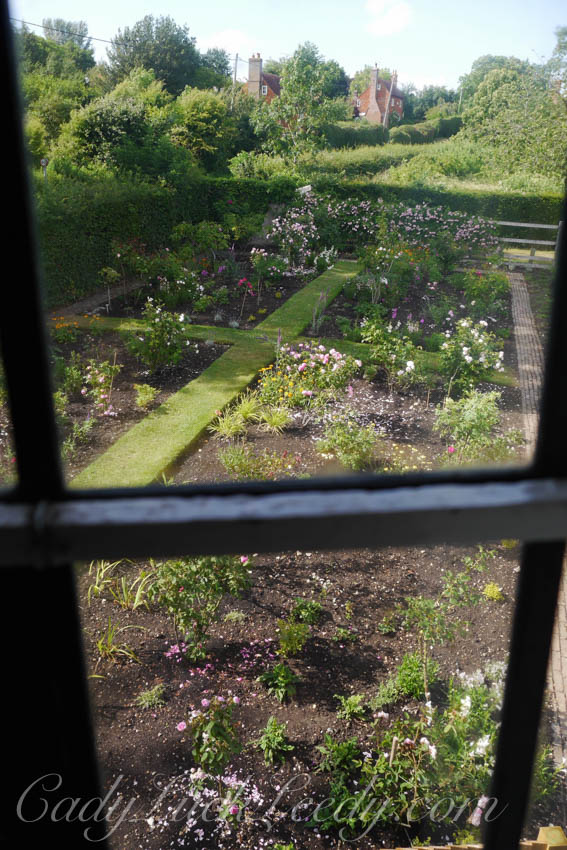
The Garden at Smallhythe, Home of Ellen Terry

To learn more about Ellen Terry and her cottage look HERE!

For more photos of windows, by fellow bloggers, just look at Monday Window!

IPhriday Photo Challenge: The Stirewalt House

The Stirewalt House

The Stirewalt House

Painted in Waterlogue

The Stirewalt House Painted in Waterlogue

Painted in Brushstroke

The Stirewalt House Painted in Brushstroke

Taking a walk along North Main Street, there are oodles of old homes. Today’s picture is the Stirewalt home. By 1871, Valentine Stirewalt was serving as the manager of Steward’s Hall, the official boarding house for the first students at the college. In 1872 Stirewalt gave up his position and built his home on a lot near campus where the college held the commencement exercises in earlier times. Mr Stirewalt built well, Mrs Currie recalled, “he hewed out the doors from solid oak planks.” His son Bynum and daughter Sallie, the early widowed Mrs. James Paisley, lived nearly all their lives in this home. She played the church organ and he sang in the choir.

There are so many fascinating stories about our small town that I am going to put together a collection and start a new posting series! This will start at the beginning of May, so I’ll keep you posted on that! It will be under the heading LIST, Life In a Small Town.

I hope you enjoyed our walk through the village today! Get out there and see what’s going on in your neighborhood and post it for the IPhriday Photo Challenge!  All photos and Apps applications were done with my IPhone!


Thursday Doors: April 28, 2016

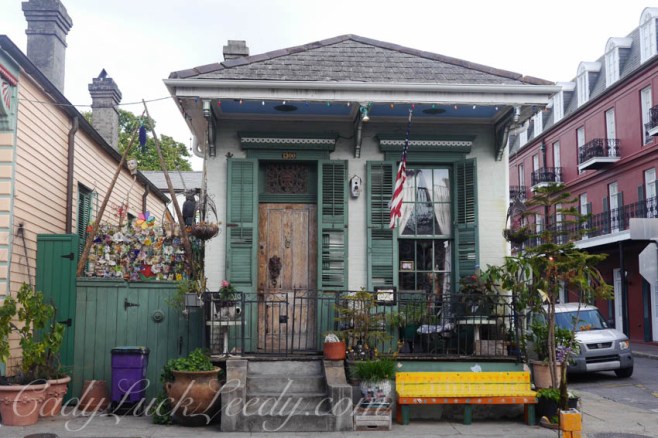
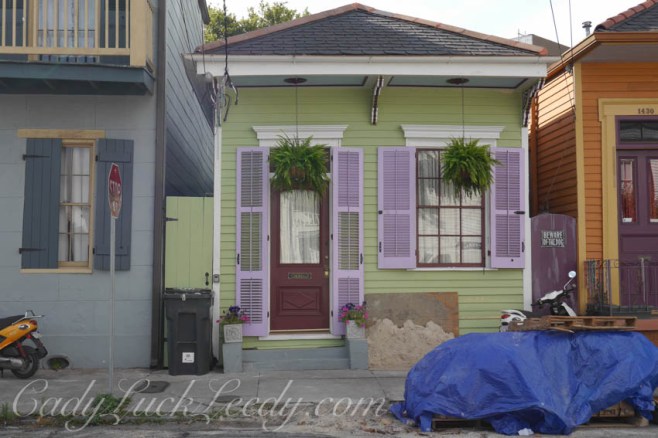
Shot Gun House, New Orleans, Louisiana

Shot Gun House, New Orleans, Louisiana

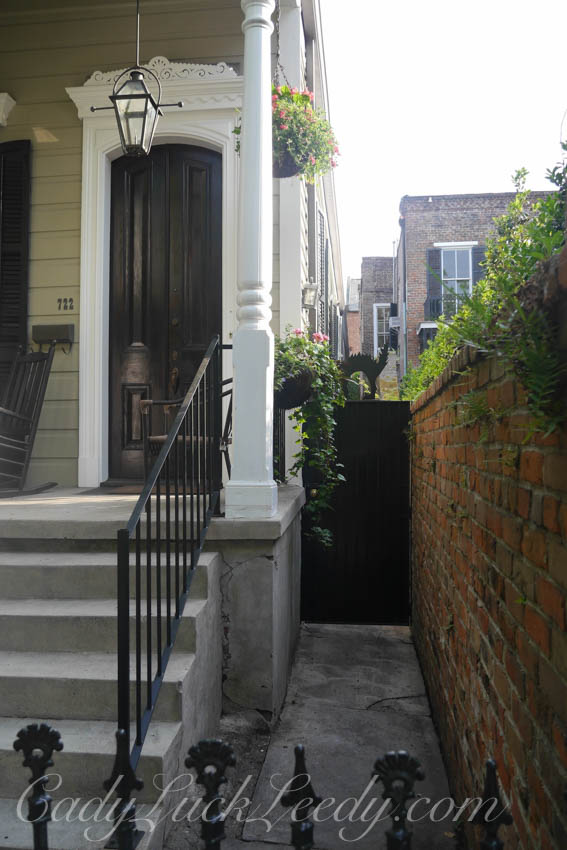
One of the best places in the world to look at DOORS would be New Orleans, Louisiana. The houses are colorful, quirky, old, and one of a kind and so are their doors! And notice the intricate latticework too!

The “Shotgun House” is very popular here. It is a narrow rectangular residence, usually no more than 12 feet wide, with rooms arranged one behind the other and doors at each end of the house. It is said that a shotgun blast could pass from one end of the house and out the other, un-impeded, hence it’s name! It was the most popular style of house in the Southern United States from the end of the American Civil War through the 1960’s.

Shot Gun House, New Orleans, Louisiana

Shot Gun House, New Orleans, Louisiana

Shot Gun House, New Orleans, Louisiana

Shot Gun House, New Orleans, Louisiana

Some of the houses are the “Double Shotgun” style with two front doors.

Shot Gun House, New Orleans, Louisiana

Double Shot Gun House, New Orleans, Louisiana

Double Shotgun House with Icicle Trim, New Orleans, Louisiana

Double Shotgun House with Icicle Trim, New Orleans, Louisiana

Space is at a premium here in the Marigny neighborhood. The houses have several common traits; trash cans (sometimes painted a wild color) always sit in the front of the house, as do cars and motorbikes, mostly parked on the tiny sidewalks along with the trash cans. Parking space is a luxury here. Also notice the beads, lights and other trinkets scattered haphazardly everywhere! Color is everywhere, and for the most part the brighter the color and their combinations on the house, the better! It’s always nice to add a plant or two too!

Shot Gun House, New Orleans, Louisiana

Shot Gun House, New Orleans, Louisiana

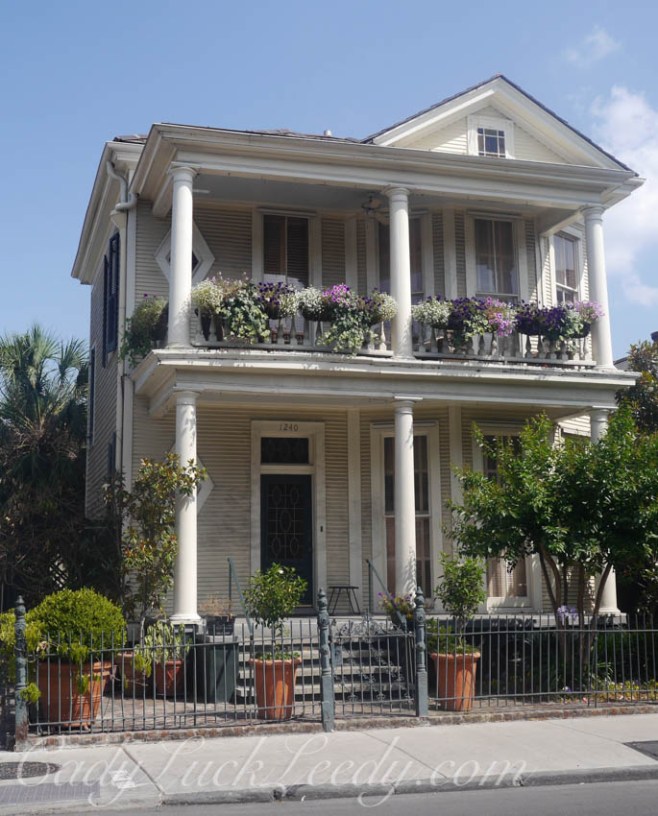
Wrought iron (worked by hand) decoration or fencing is associated with New Orleans too. Previous to the mid-1800’s balconies and porches were made of tall wooden columns. The Spanish influenced the decorative ironwork, mimicked after their lacework, to add visual contrast to dreary fronts. The more ornate work is often floral or leafy, adorned with the French fleur-de-lis and coquilles (shells) associated with saints (Saint James ) or religious pilgrims. Cast iron details are Victorian additions and not original to the townhouses. Some of the houses are fancy!

Fancy House, New Orleans, Louisiana

Fancy House, New Orleans, Louisiana

New Orleans Style

New Orleans Style

New Orleans Style

New Orleans Style with Color and Plants

New Orleans Style

New Orleans Style

New Orleans Style

New Orleans Style with Black Cat Fence

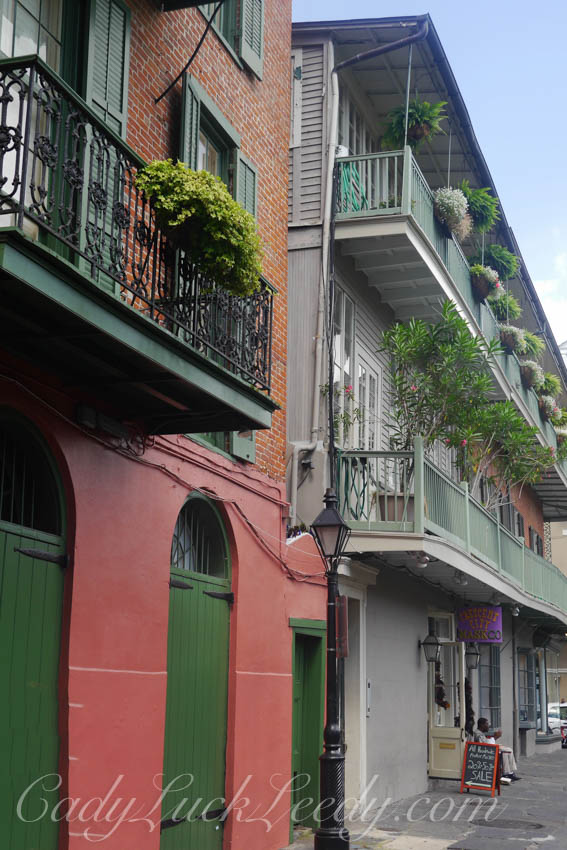
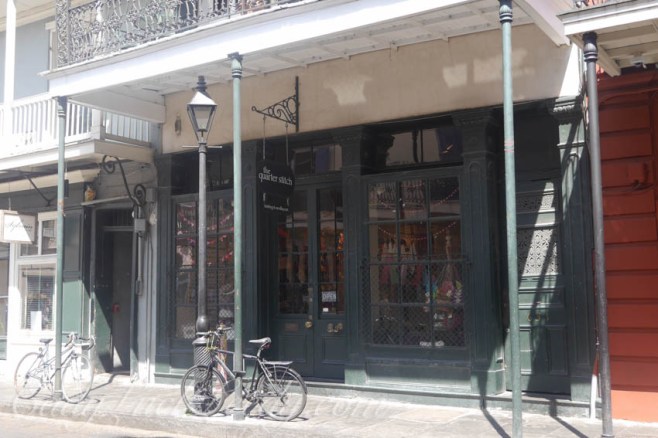
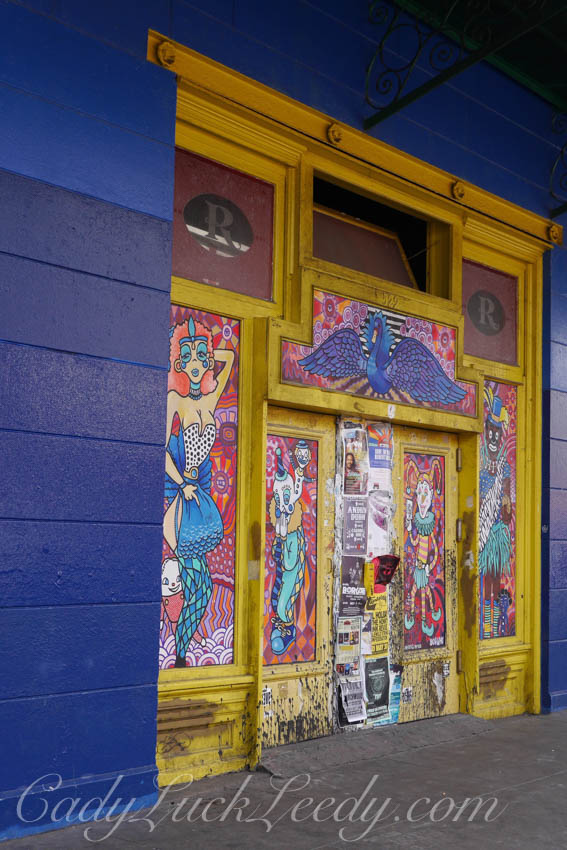
And there is a combination of everything that brings the businesses to life!


The New Orleans Style Business Door

The New Orleans Style Business Door

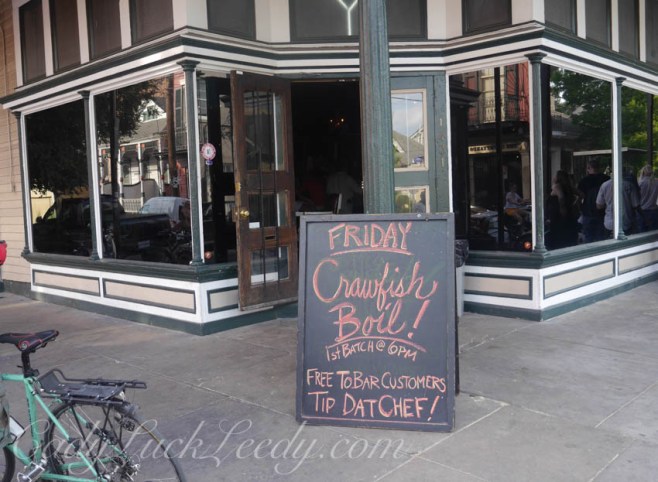
Just ride your bike so you can drink more!

The New Orleans Style Business Door

The New Orleans Style Business Door

The New Orleans Style Business Door

The New Orleans Style Business Door

The Jazz Club, New Orleans, Louisiana

The Jazz Club, New Orleans, Louisiana

AND The Plants Match the House Color!

AND The Plants Match the House Color!

The Jazz Club, New Orleans, Louisiana

The Jazz Club, New Orleans, Louisiana

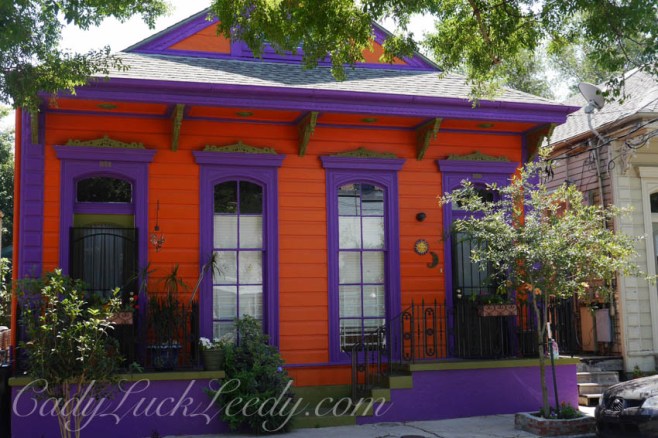
Now for the Purple and Orange House! This one is an attention getter!

Purple and Orange House, New Orleans, Louisiana

Purple and Orange House, New Orleans, Louisiana

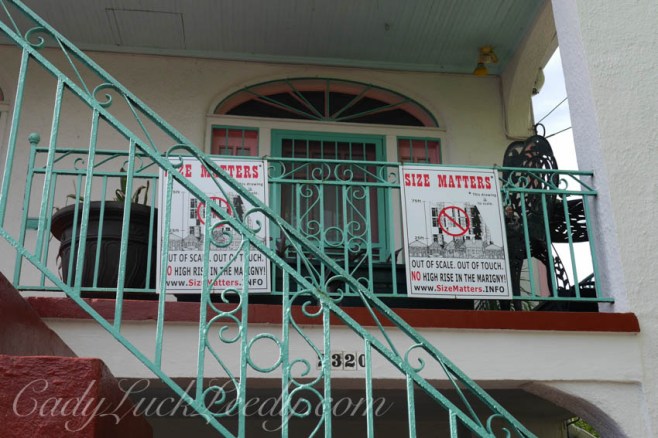
And One More thought! Size Matters!

Out of Scale: Out of Touch. No High Rise in Marigny! No tear downs and replacing them with high rise dwellings here! Good for them! New Orleans should look like New Orleans!

Size Matters!

Size Matters!

This is just one of many photos in the Thursday Door Collection featured by Norm2.0!   Won’t you join in or take a peak at all the doors?


THE SPECTACLED BEAN

Tales, Thoughts + Tribulations of a Free Spirit in Suburbia

Walking Away

Travels on foot

Teacher nickname: The Three Hairs

Minding my mind, one thought at a time.

Tra Italia e Finlandia

Un lungo racconto fotografico.

seanbreslin.jp

Photography, hiking, walking, and cycling across central Japan — from quiet mountain paths to everyday life around Nagoya.

Lost in Translation

Looking for meanings in words, images and sounds

Journeys with Johnbo

Reflections on places traveled and photos taken.

M/VGratitude

Cruising with the Thyrre Family

Caroline's Travel Adventure Blog

Where my Travels and my Blog merge together.

Just Me, Nobody Special

The mental meandering that cross my keyboard

Jennifer's Journal

Website & Blog of J. Kelland Perry, Author

Slow Shutter Speed

A photographic journey.

Ann Mackay: Inspired by Nature

Photography celebrating flowers, plants, and the natural world

Still Restlessjo

Roaming, at home and abroad

Fine for Friday

The Corner Garden

Picture This

Photography, Travel and Retirement

World Traveller 73

Upgrade Your Travels. First Class Luxury Travel from all parts of the Globe. Business Class Airline, Lounge and Hotel Reviews, Stories and Adventures

Rachel Meets China

A China travel and lifestyle blog