Travel, Gardens, Food, Photography, Books, Shoes

Posts tagged ‘History’

Color Your World: 120 Days of Crayola; Yellow Green

Muckross House Garden, Killarney, Ireland
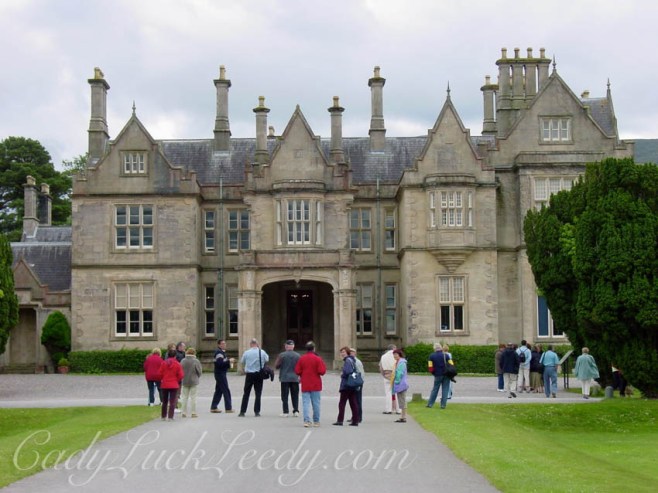
Muckross House Garden, Killarney, Ireland

Muckross House, Killarnry, Ireland

Muckross House, Killarnry, Ireland

Muckross Gardeners Cottage, Killarney, Ireland
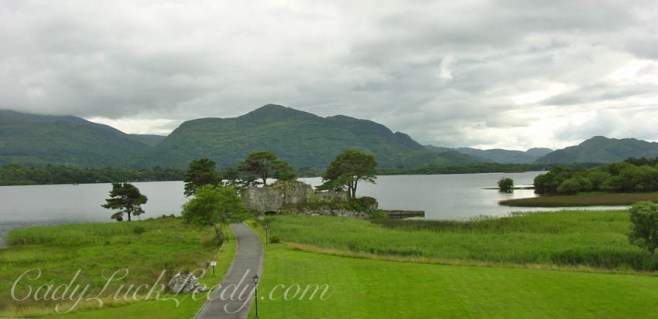
Muckross Gardeners Cottage, Killarney, Ireland

View of Killarney National Park, Killarney, Ireland

View of Killarney National Park, Killarney, Ireland

There is every shade of green in Ireland, so today I am going to share Muckross House with you! These are some of my favorite pictures of Yellow Green!

The sixty five roomed, Muckross Mansion, built in Tudor Style, was designed by Scottish architect, William Burn, and completed in 1843 for Henry Arthur Herbert and his wife, the watercolorist, Mary Balfour. Mary met Henry in Rome and married him in September, 1837. The estate was given to her, by her grandparents, for a wedding present. She loved the grounds, as it reminded her of the family home in Scotland. She brought a large dowry to the marriage equivalent to 3.28 million pounds in 2016, and she and Henry used part of this money to start construction on the house in 1839. She then worked at developing her talents as a watercolor artist, and with no formal training or formal art education, she displayed considerable skill.

Less than twenty years later, in preparation for a visit from Queen Victoria in 1861, extensive improvements to the house and contents, were made for the Queen’s visit. Tapestries, mirrors, Persian carpets, silverware, musical instruments, linen, china and new servants’ uniforms are said to have been specially commissioned for the queen’s visit. Special curtains for the Dining Room were woven in Paris, also to please the Queen.

The Queen’s apartments at Mockross were described by the local press as: “An entire section of apartments has been set aside for the royal family so that they do not need to communicate with the Herbert family when passing through halls. The Queen will live in privacy, and from her rooms can walk onto the delightful grounds, which will be kept private during her stay.” It was clear the Herberts thought the Royal couple and friends would stay awhile.

The Queen, Prince Albert, and two of their children spent two nights there!  Little time was spent with the Herbert family and on the last day, Queen Victoria took a carriage ride around the grounds with the Mrs. and then Queen Victoria and entourage went to the train to go elsewhere. As a farewell gift Mary gave the Queen two of her paintings of the landscape at Muckross.

Moral of the story: never re-do your house to please someone else. If they want to come, they can come as you are. Don’t live above your means.

The restorations resulted in huge financial difficulties for the Herbert family, which resulted in the sale of the mansion and the 11,000 acre estate.

Henry died in 1866, (he probably never fathomed being in debt), and Mary with two of her daughters moved back to England, where she lived until 1871, and then moved to Lake Como, Italy, to continue her artwork. She died in London in 1893 and was buried next to her husband in the family vault near the Muckross estate.

In 1899 the estate was bought by Arthur Guinness, who wanted to preserve the landscape.

In 1911, the house and estate were sold to William Bowers Bourn, a wealthy Californian involved in mining. He and his wife passed the estate to their daughter, Maud and her husband Arthur Rose Vincent, as a wedding present. The couple lived there until the death of Maud in 1929. In 1932, her parents and her husband decided to give Muckross House and the 11,00 acre estate to the Irish people and it became the first National Park in the Republic of Ireland. The house and grounds are now part of Killarney National Park.

Yellow Green has been in the Crayola Collection since 1930. It is also known as Monster Green in the “Halloween Crayons” series. The Muckross House and estate turned out to be the green-eyed monster for the Herbert family, but a windfall for the people of Ireland!

This post is just one of many in the Color Your World: 120 Days of Crayola Challenge! 

Check out some of the other 150+ challenge participants, it’s amazing what we have done with the Crayola colors!


IPhriday Photo Challenge: The Vinson House

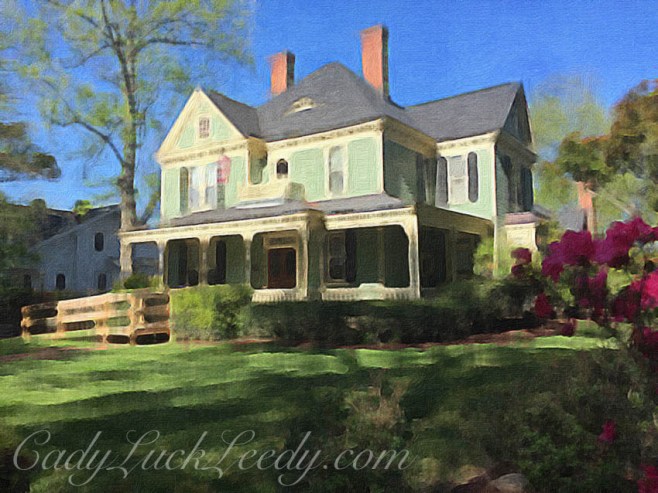
The Vinson House

The Vinson House

Vinson House Painted in Waterlogue App

The Vinson House Painted in Waterlogue App

Vinson House Painted in Brushstroke App

The Vinson House Painted in Brushstroke App

In our small town we are very fortunate to have many of the homes, built at the  turn of the century, still being lived in today. I started with two of the cottages in previous posts and now, after taking another stroll through town, I’d like to feature one of the larger homes once lived in by the Vinson family. Notice the azaleas are in full bloom now!

Today, we’re looking at the Vinson House, although the original home was white.

Professor William Vinson came to our town to teach mathematics at the college.  He married Miss Lily Helper, one of H.P. Helpers’ large family of daughters and they settled into the antebellum Blake home, on the curve of Main Street, owned by the college. After teaching for fourteen years he died and his widow moved out of the home owned by the college and built “the Vinson Home” for herself and their two children. Her daughter, Miss Maude, became a teacher of French, Mathematics and Latin at the high school where she was described as, “rather more than plump, her hair long since escaped from whatever contrivance of hair pins held it together at the start of the day, her dress always green or maroon, whitening with chalk dust as the day wore on. She was energetic, good humored and outspoken, setting academic  and moral standards.”

The Vinson House became a boarding house for the college students, providing a living for the genteel Mrs. Vinson and her family.

I hope you enjoyed our walk through the village today! Get out there and see what’s going on in your neighborhood and post it for the IPhriday Photo Challenge!

Color Your World: 120 Days of Crayola; Vivid Violet

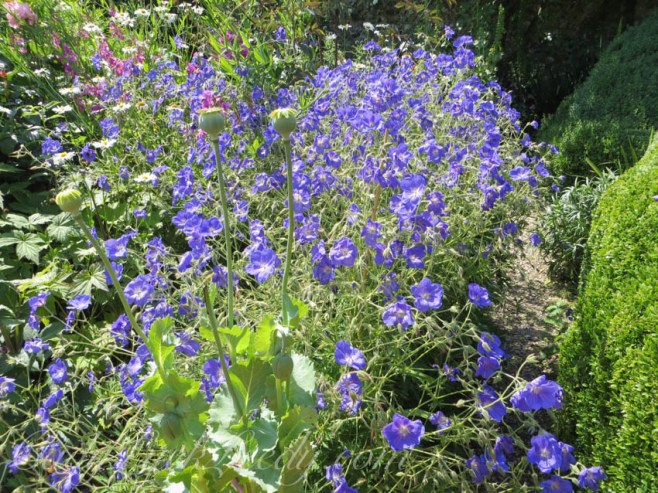
Vivid Violet from Charleston House, UK

Vivid Violet Flowers at Charleston House, UK

Vivid Violet at Sissinghurst Castle Gardens, Kent, UK

Vivid Violet Flowers at Sissinghurst Castle Gardens, Kent, UK

Vivid Violet at Sissinghurst Castle Gardens, Kent, UK

Vivid Violet Flowers at Sissinghurst Castle Gardens, Kent, UK

Vivid Violet was added to the Crayola line in 1997. It is Day 112 of the Crayola Challenge and I have presented more beautiful flowers from the gardens in the UK. I thought perhaps my flowers were not quite vivid enough.  But, I came across this Vivid Violet also.

Vivid Arene Violet

Vivid Arene Violet

Arlene Violet, a real life Vivid Violet, was born into a middle class family in Providence, Rhode Island. After attending Providence College, she entered the Sisters of Mercy convent in 1961, taking her final vows in 1969. Later Violet earned a bachelor’s degree from Salve Regina University and was a school teacher in a disadvantaged neighborhood during the 1970’s.  She became interested in law and graduated from Boston College Law School in 1974. She then clerked in the judge’s chambers and did an internship in the Rhode Island General Attorney’s office. When the convent had financial difficulties she left her legal work and returned to the convent, serving as an administrative nun into the 1980’s. In 1984, Violet ran for election and won, becoming the first female Attorney General in the United States. During her term in office she focused on organized crime, environmental issues and victim’s rights. One of her innovations was to use videotape interviews of child victims rather than direct testimony. In the courtroom, she was known as Attila the Nun! After leaving office, Violet returned to prosecuting, taught environmental law at Brown University, and ran a talk show from 1990 to 2006. She has written two books, Convictions: My Journey from the Convent to the Courtroom, and Me and the Mob, a book about the witness protection program. As you can tell, Violet was no shrinking Violet!

This post is just one of many in the Color Your World: 120 Days of Crayola Challenge

Check out some of the other 150+ challenge participants, it’s amazing what we have done with the Crayola colors!
 

Guest Blog: The Jazziest Tram in Rome

TramJazz Rome, Italy

TramJazz Rome, Italy

Doing tons of research about “things to do in Rome” I came across TramJazz.  This is typically only a little fun-fest known to locals.  Extensive research pays off.  TramJazz is basically what it sounds like.  It’s a “tram” that features “jazz” music accompanied by a traditional Italian 4-course meal.  There are different types of jazz music featured, but on the night I was able to attend with a friend, it was, “Wonderful World”, a tribute to Louis Armstrong.   When booking, you get a choice of sharing a table of four or sitting at a table of two.  We chose to sit at a table of four.  The TramJazz departs Piazza di Porta Maggiore at 9pm.  The tram is really a trolley car that is on a cable track.  When you arrive, they check your reservation and then show you to your table on the tram.  The tram seats 22 guests.  There are 3 servers and a 2-piece band.  Upon being seated we were greeted by our table mates. They were a cute Italian couple that didn’t speak any English!!!  Our server brought us wine and our first course.  The menu was in Italian only, and the tram had very little lighting, so seeing what we were being served was a bit of a challenge.  This was tough for me because I am a very picky eater.  The first course was a type of black licorice bread with sausage, ricotta cheese and honey.  The tram started on its journey.  It was night time so seeing the city all lit up was really nice.  The jazz musicians could only play music when the tram was stopped.  After traveling for about 20 minutes the tram came to a stop in front of the National Museum.  The jazz musicians began playing.  They played 4 to 5 songs while we were stopped.  We also were served our second course.  It was Eggplant Parmesan with tomato sauce.  We knew it had to be really good because all of the Italian people on the tram were licking their plates.  The tram was back on the move.  It took us through the “old city” and landed at The Colosseum.  We were able to get out here and take a few pictures.  The jazz music continued, as well.  We were served our next course when the tram started moving again.  This time we received Broccoli Lasagna, another homemade dish, using the freshest ingredients.  The last course was my favorite, it was Citrus Gelato! YUM!  We also were given unlimited wine the entire night!!!!  The tram was now back at Piazza di Porta Maggiore and we were off the tram and headed back to our hotel.  It was about a 3-hour ride.  The music was absolutely fantastic and definitely a fun thing to experience.  I mean, how many people can say they listened to Louis Armstrong on a Trolley through Roma?  

The price of the tour is $65.00 per person and if you want to have an authentic Italian meal with the locals, enjoy jazz and want to see Rome at night, this is the tour for you!

Ryn Jarrett opened her web business, Roman Holiday Italy Travel, in 2016.  TramJazz is one of the tours she reviewed as a recommendation for Roman Holiday Italy Travel.   Please feel free to check out her business page at www.romanholidayitalytravel.com.    


Let the Feast Begin!

The Swan Restaurant at Chapel Down Winery, Kent, UK

The Swan Restaurant at Chapel Down Winery, Kent, UK

Today we are celebrating Thanksgiving with our family, enjoying turkey and all the trimmings! In my last post I talked about the Chapel Down Winery and the beautiful Swan Restaurant. So here is the food you might be eating if you were in the UK today. It’s the traditional Sunday roast and more! Enjoy your day!

The Swan Restaurant, Chapel Down Winery, Kent, UK

The Swan Restaurant, Chapel Down Winery, Kent, UK

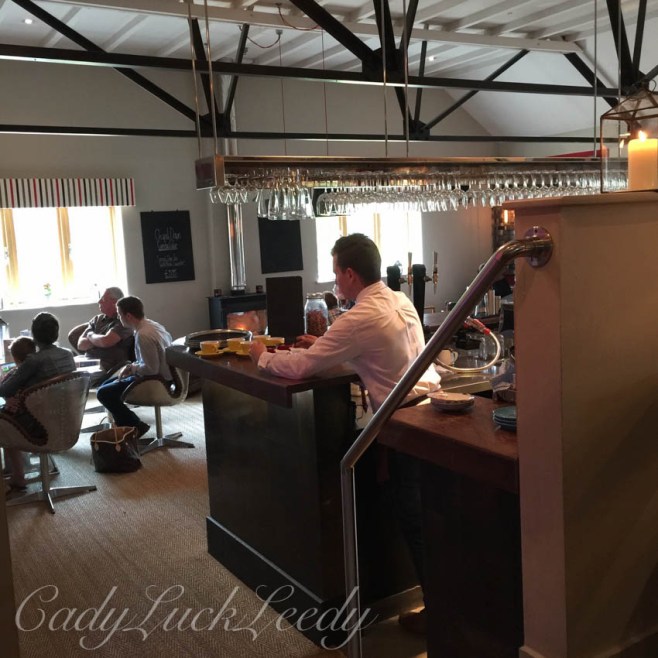
There is an area for relaxing and drinking their fine sparkling wines and Curious Beers! A great place to meet up!

The Swan Restaurant, Chapel Down Winery, Kent, UK

The Swan Restaurant, Chapel Down Winery, Kent, UK

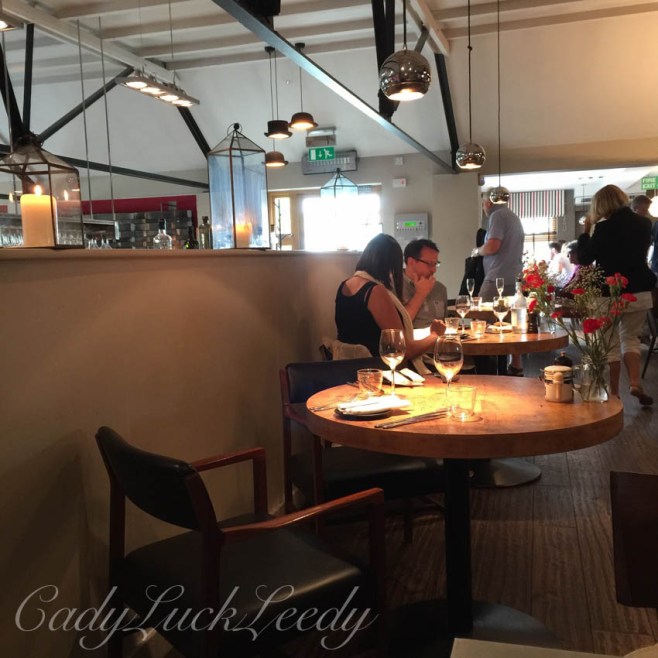
There is also the dining room area for eating the tempting meals! So many choices!!!!!

The Swan Restaurant, Chapel Down Winery, Kent, UK

The Swan Restaurant, Chapel Down Winery, Kent, UK

We chose from the gathering menu, which routinely changes during the season! Three courses with different wines served with each! First the appetizer, with wine………….

The Appetizers, The Swan Restaurant, Kent, UK

The Appetizers, The Swan Restaurant, Kent, UK

The Appetizers, The Swan Restaurant, Kent, UK

The Appetizers, The Swan Restaurant, Kent, UK

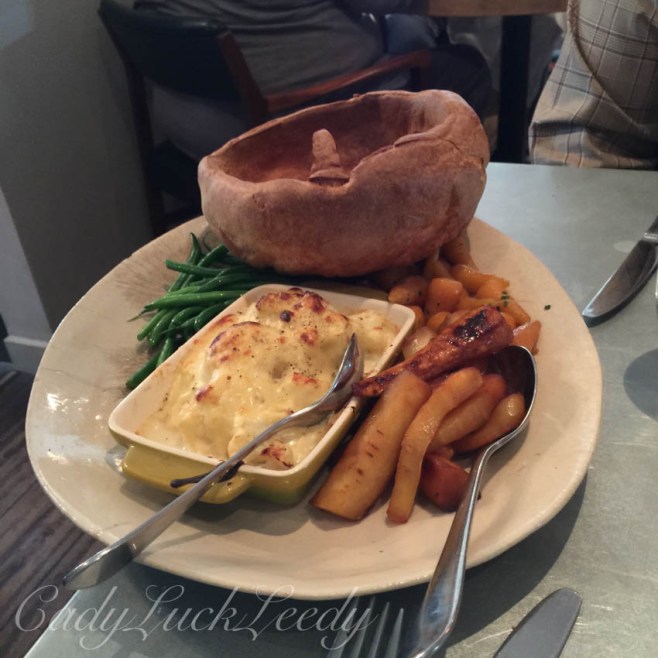
Then we ordered the Yorkshire Pudding plate because we have never eaten Yorkshire pudding! If you are expecting a crystal, fluted cup with a yummy, creamy, thick, sweet pudding, topped with real whipped cream, you will be quite surprised!  We were!!!!!!!!!! Read about Yorkshire pudding, with recipe, here. The article is quite amusing!!!!!  The mushroom looking bread in the picture is Yorkshire pudding! It is neither a traditional pudding as we know it, or from Yorkshire!!!!!! It was served with a cauliflower gratin!!!!! Yummmmmmy!

THE YORKSHIRE PUDDING!

THE YORKSHIRE PUDDING!

The main course and of course more wine……………..

The Traditional Sunday Roast, The Swan Restaurant, Kent, UK

The Traditional Sunday Roast, The Swan Restaurant, Kent, UK

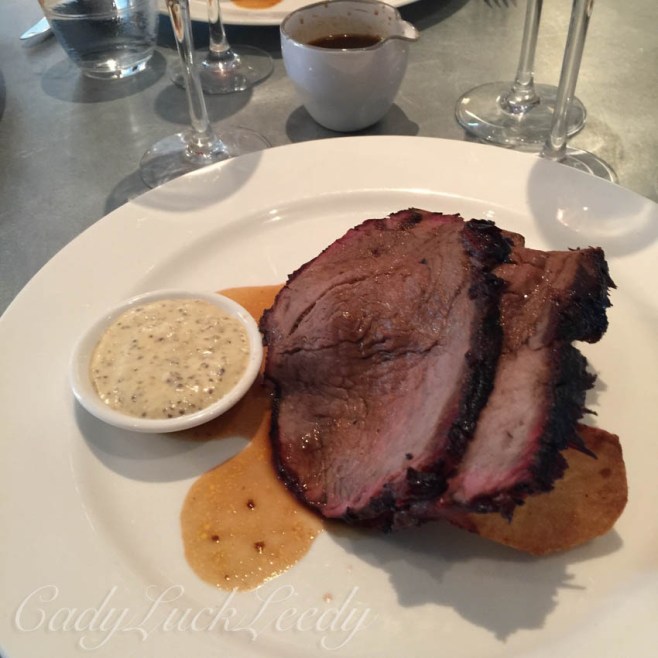
The Pork, Swan Restaurant, Kent, UK

The Pork Loin, Swan Restaurant, Kent, UK

The Deserts, The Swan Restaurant, Kent, UK

The Deserts, The Swan Restaurant, Kent, UK

The deserts served with………… you guessed it, another glass of sparkly!

The Deserts, The Swan Restaurant, Kent, UK

The Deserts, The Swan Restaurant, Kent, UK

Were those bowler hats used as lighting or was I seeing things?

What are bowler hats exactly?……. I’ve had so much wine, now I am thinking about Bowler hats!!!! Definition: Known as a bob hat, billycock or bobkin, it is made of hard felt with a round crown created for the British soldier in 1849.  Now all I can think about is The Thomas Crown Affair with Pierce Brosnan! Time to go home!!!! I’ve had a really good day! See you soon!

The Swan Restaurant, Chapel Down Winery, Kent, UK

The Swan Restaurant, Chapel Down Winery, Kent, UK

Remembrance: For ALL Who Protect Us

Remembrance: In Times of Conflict Since the Second World War. Remembering and Praying for Police and Medical Staff too! Remember Them: Today, Tomorrow, Forever!

Remembrance

Remembrance

Ellen Terry: The Saga Continues

Ellen Terry in Costume

Ellen Terry in Original MacBeth Gown

Alice Ellen Terry (February 27th, 1847 – July 21st, 1928) was the darling of the theatre and her life has been compared to that of Princess Diana. Born into a family that made their living from the traveling theatre, Ellen and her siblings never had a real home, as they spent most of their childhood in boarding houses near the theatre or actually at the theatre with their parents. By the age of eight, Ellen Terry was working in the theatre along side her older sister. By the time Ellen was sixteen, (1864) her sister had married well and was no longer working on the stage.  Ellen was the primary breadwinner of the family. Her parents encouraged her to marry G. F. Watts, a rich and famous painter,  who was thirty years her senior, and who had also offered to support her family after the marriage, since Ellen would be retiring from the stage, at age sixteen. G. F. Watts hired a companion for Ellen (to teach her the finer manners of polite society) and he continued to be a recluse painter. Within a year of the marriage, Ellen was bored to tears and he was bored with being married to a teenager that did not fit into his circle of friends.  The couple separated. He continued to pay her family 300 pounds a year until 1877, when he finally divorced her for adultery. By 1877 Terry had two children with Edward William Godwin, whom she never married, and had returned to the stage and was on to her second third husband, Charles Kelly. What was it about Ellen Terry? Men loved her. Her fans adored her; she could do no wrong in their eyes, no matter how scandalous her life was.

What was Ellen Terry’s secret? She didn’t care about the money, and she made plenty of it. She was generous to a fault. At seventeen, she left the stage for a second time to run off with the married, Edward William Godwin, and did not work for six years and had two children with him. The major problem was Edward William Godwin, architect and designer, didn’t work much. They fell on really hard times and Ellen Terry returned to the stage and picked up right where she had started off. She again was the darling of the theatre. Edward William Godwin, the love of her life, ran off and married his secretary, Beatrice Birnie Phillip. He was simply jealous of her success.  When Godwin died, Phillip, his widow, came to Terry and asked for money. Ellen Terry supported Phillip  financially and emotionally, until Phillip died and then supported  Phillip’s mother, for the rest of her life! How many women would do that? The men that Ellen Terry married, really weren’t all that nice, but had no problem living off her money.  She continued to support her family, her children, and all her husbands (except G.F. Watts) well after their separations and divorces. Ellen Terry’s parents thought Ellen Terry was very greedy and loved the limelight, (but she supported the entire family until they all died.) I think Terry could just not say no to anyone. In 1877, when G.F. Watts finally divorced Terry, she married Charles Kelly. Terry stated she loved manly men of the theatre, and Kelly was that. However, he wasn’t nearly as good an actor as Terry, and Henry Irving, Terry’s professional partner, whisked her away from him and Irving and Terry set off to America, leaving her husband by the wayside. Irving was not stupid either. Ellen Terry was his bread and butter!  Kelly and Terry separated, but she supported Kelly until his death. He died on the day she announced she was coming back to England! In 1907, Terry married, James Carew, in Pittsburgh,  her co-star in America, while on another tour there. She was 60 and he was 30. A letter on display at her home records the media hysteria when the news broke of her latest adventure. She wrote from Smallhythe Place, “The horror of it all when I first arrived back in England. I wish we had never been born! About 50 reporters and photographers all met me! I fought……flew into the railway carriage and pulled down all the shades….with an enormous crowd outside the windows asking me to put my head out!! Her marriage to Carew lasted two years. They separated, but she never divorced him.

Then there was the problem with the children. Daughter, Edith Craig, got a proposal for marriage, but Ellen told her daughter, who worked with her on the stage, that she was needed so much by Ellen that she could not marry. Her daughter responded by creating a wall, separating the cottage at Smallhythe Place, into two halves. Edith then moved two other females into the cottage on her side (where she lived in a ménage à trois, with dramatist, Christabel Marshall and the artist, Clare, “Tony” Atwood from 1919 until her death in 1947. Ellen Terry supported them all financially and lived alone on her side of the house. 

During this same period, Terry’s son, Edwin Gordon Craig, had managed to have thirteen children with eight different woman and Ellen Terry supported all the children and their mothers and then took care of the woman Craig finally married, and their two children also. Ellen continued to work, in the theatre in England and traveled the world in her later years, lecturing and acting, and at one point worked in the United States in the film industry.  She commented, “Am I to do one night stands for the rest of my life?” She was just a nice woman, who was very gifted and couldn’t say no. She also supported many charities and the Woman’s Right’s movement.

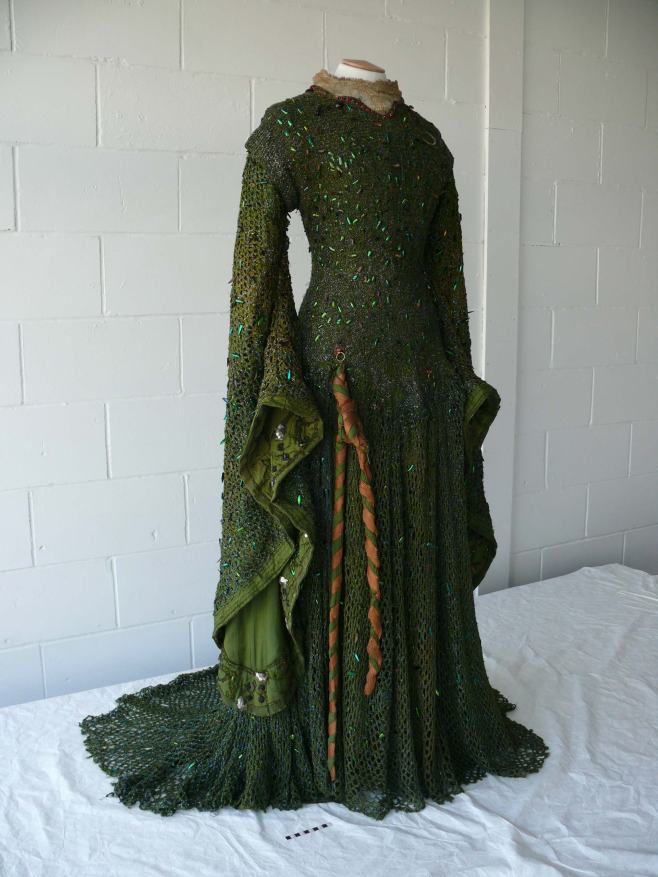
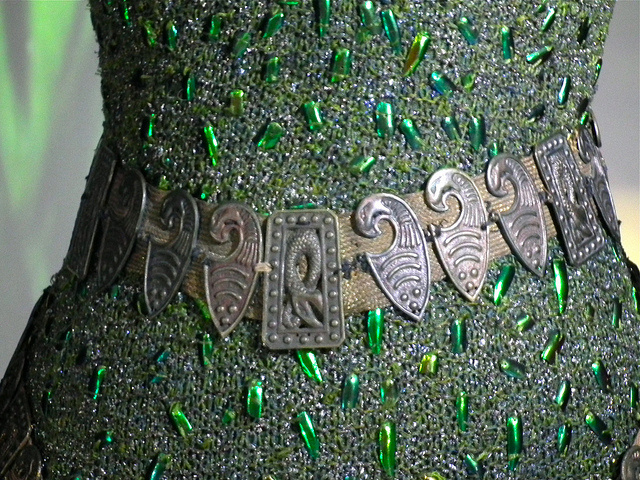
In her personnel life she was very thrifty. She was beautiful until the end and had beautiful clothes, but recycled them, dying her dresses new colors, adding a new feather here or there. Why buy new clothes when the old ones were perfectly fine? One of her most popular dresses, for the theatre, was the “beetle-wing gown.” Ellen Terry wore this green, shimmering dress, made with the wings of 1,000 beetles, as she performed as Lady Macbeth. The dress transformed the beautiful red-headed actress into a cross between a serpent and a medieval knight and was the talk of the town after the first night. John Singer Sargent painted Terry wearing it!  Oscar Wilde loved it! Edith Terry commented, “Is this not a lovely robe? It is so easy to wear, one doesn’t have to wear a corset!”

Lady Macbeth Beetle wing Gown, Worn by Ellen Terry

Lady Macbeth Beetle Wing Gown, Re-woven  

Beetle Wing Dress Worn by Ellen Terry

Re-Woven Beetle Wing Dress Worn by Ellen Terry

In 2006, the fragile knitted dress with the beetle wings, which had been preserved as part of Terry’s spectacular collection of theatre memorabilia, was falling apart. Beetle wings were regularly found lying at the bottom of the display case. Henry Irving’s, Macbeth, ran for more than six months to packed houses and the costume was re-used on many later tours also. It bore the scars of being tramped on by others, snagged on scenery, and torn from the jewelry Terry wore on stage. 

Ellen Terry Beetle Wing Gown

Working on Ellen Terry’s Beetle Wing Gown

Beetle Wing Gown Worn by Ellen Terry

Close Up of Beetle Wing Gown Worn by Ellen Terry

With donations to the National Trust, a 110,000 pound restoration was met and the dress is again on display at her home at Smallhythe Place. Most of the money came from visitors’ donations at her 16th century, chocolate-box cottage, at Smallhythe Place. An antique dealer in nearby Tenterden, donated additional beetle wings….. which the beetles shed naturally. The gown arrived at the studio of specialist textile conservator, Zenzie Tinker, in Brighton. She soon realized that she was dealing with the remains of two identical dresses, that had been patched together, when both were too badly damaged to wear.  Hundreds of beetle wings were repaired by gluing green-dyed Japanese tissue paper on the reverse side of the gown, and then stitching the beetles in place!

Ellen Terry led a remarkable life becoming one of the premier actresses of her day, admired for her beautiful voice, sensitive interpretations and striking appearance, right up to the end. Her death mask, on display, in her home proves it! She was very generous with her money, tried to help everyone, and was loved by all! Who could fault her?  Visiting Smallhythe Place, in Kent, will be an honor you never forget! Enjoy! See you next time!

PS, For pictures of the cottage at Smallhythe Place and the garden, see previous posts.

Who IS Ellen Terry?

Ellen Terry

Ellen Terry

Exactly who is Ellen Terry? Visiting her home, Smallhythe, on the National Trust Register in The UK, this is what I learned…………..

Ellen Terry was the Lady Diana of her day. Everyone wanted to be around her, everyone wanted to marry her. She was the rock star of Shakespeare and the theatre! She was beautiful! She could do no wrong in the eyes of her fans.  And like many stars she led a scandalous life! Upon her first retirement from the stage in 1867 she was one of the most sought after leading ladies of her time!

Born into a theatrical family, and along with her siblings, Terry began training for a touring company under the guidance of her father. At the age of eight she made her stage debut as Mamillius in “A Winter’s Tale” in London on April 28, 1856, with Queen Victoria in attendance. She also played comedy and burlesque, as well, and she and her sister, Kate, soon became the major breadwinners of the family. In 1864, when she was sixteen, she married the famous painter, G. F.  Watts, who was thirty years older than her. She was infatuated with his fine house and lifestyle and he was infatuated with her. He paid her mother and father a stipend since they would lose money when she retired from the stage upon their marriage. The so-called marriage ended within a year and they separated. He admitted that his primary concern had been to keep her off the stage, since it was considered a lowly profession.The most successful aspect of their marriage were the two paintings of her that he painted. The famous image in “Choosing depicts Terry deciding between earthly vanities, represented by showy camellias that she smells, and the nobler values, represented by the violets held in her hand.

"Choosing" by G.F. Watts

“Choosing” by G.F. Watts

Watts continued to pay her parents as long she as she agreed to be chaste.  She soon went back to the stage. So much for shrinking violets!

In 1868 while separated, but not divorced, she eloped with blossoming architect and designer Edward William Godwin, who also was married at the time. She again retired from the stage and moved to rural Hertfordshire with him, to a house he had designed. In 1869, her daughter Edith was born and her son Edward, in 1872. She gave them the last name Craig to spare them the stigma of illegitimacy. Surrounded by mounting debt, (Godwin liked very nice things), Terry returned to the stage in 1874. Godwin turned his efforts to designing theatrical costumes and scenery to be near her. Terry’s return to the stage was wildly popular, this time in the role of Portia in The Merchant of Venice, which brought her the highest fame of her career. Godwin left her, and since his wife had died, he married a young and upcoming designer from his office. During this time Terry had many admirers, both for her theatrical skill and her great beauty.

Watts filed for divorce, accusing Terry of adultery. In the meantime she had met fellow actor,  Charles Clavering Wardell, known by his stage name, as Charles Kelly. Many knew of Terry’s “invincible power”, as she was known as “the most fascinating woman in the world, when she cares to throw her spells around.” Many were dubious of the relationship between her and Kelly, but after her official divorce from Watts, Kelly married the “high strung, flighty,” Terry. Her mother called her “mad Ellen” saying, “She is greedy of praise. Yon can not lay it on too thickly, as long as you apply it with the brush and trowel.”

In 1878, Terry joined the  theatrical company managed by Henry Irving, who had assumed ownership of the Lyceum Theatre. Her relationship with Irving, which she always claimed was purely professional, lasted for over twenty years while playing opposite him in many great Shakespearean plays, as heroines such as Ophelia, Lady Macbeth, Viola, Queen Katherine, Juliet, and Beatrice in Much Ado about Nothing.

It was obvious that there was more money to be made, more kudos to be gained, by acting with Henry Irving than there was by acting with her own husband. Kelly turned to “social” drinking with friends that understood him, although he never admitted to being an alcoholic. Terry went on tour to America, and they separated. When Terry announced her return to England in 1885, Kelly promptly died.

During all this time Terry’s children traveled with her and when she was not working they lived at rural Smallhythe Place, her country home. There is so much more detail of her life and that of her children’s, that I can not get into here, but it can be found in a book by  Joy Melville, called, Ellen Terry. What a complicated and sad, sad, life they lived! I suggest you read it, it is sooooooo good!

In 1906, a tribute was produced at the Drury Lane Theatre in London for Terry’s Golden Jubilee. Still so popular with her audiences, her fans lined up days ahead, for a one day matinee featuring Terry and her children and and other famous actors. It was noted that from noon until six pm, thousands of Londoners filled Drury Lane with a “riot of enthusiasm, a torrent of emotion, a hurly burly of excitement, and thunders of applause. They cheered until hoarse, laughed on the verge of hysteria, and sang Auld Lang Syne in chorus, not without tears.” The Times noted, “ For half a century, Ellen Terry has been appealing to our hearts. Whatever the anti-sentimentalists say, that is the simple truth. She is a creature of full-blooded, naive emotions that excites those emotions in us.” 

In 1907, she returned to the stage in the United States, and while in Pittsburgh, married the American actor, James  Carew. Terry continued to work into her sixties and seventies, sometimes appearing with her daughter, Edith Craig. There’s so much more to that story!!!!! Read the book!!!!!! She separated from Carew in 1910.

Ellen Terry

Ellen Terry

In 1925, Terry was named a Dame of the British Empire, and in 1928 she died from a heart attack at her home in Smallhythe on July 21st. Her obituary read, “ The death of Dame Ellen Terry has been received with universal sorrow. In the history of the English stage no other actress has ever made herself so abiding a place in the affections of the nation.”

Her daughter, Edith, was committed to preserving her mother’s legacy. She opened the family home as a museum and then turned it over to the National Trust in 1947, upon her death from coronary thrombosis. There is a Shakespeare Festival, held in the converted barn and on the grounds, every year in honor of her mother.  

Don’t you want to peek inside her cottage at Smallhythe with me? Let’s do it then! Enjoy!

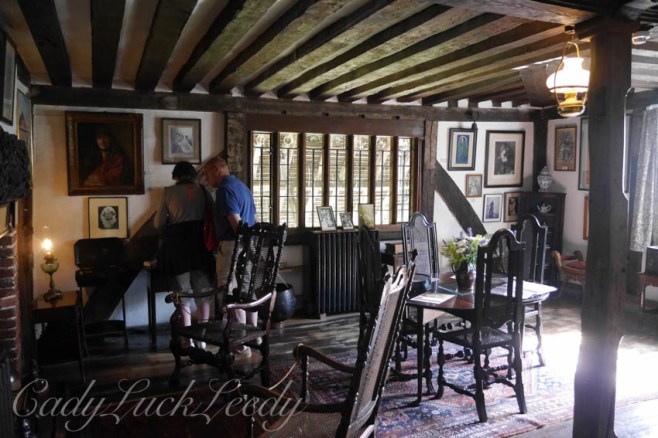
Inside Smallhythe Place, near Tenterden, Kent, UK

Inside Smallhythe Place, near Tenterden, Kent, UK

Isn’t this just the coziest cottage? Next we’re going to see Ellen’s famous dress!!!! You won’t want to miss it! See you then!

Inside Smallhythe Place, Country Home of Ellen Terry

Inside Smallhythe Place, Country Home of Ellen Terry

National Trust, Smallhythe Place: The Home of Ellen Terry

Smallhythe Place, near Tenterden, Kent, UK

Smallhythe Place, near Tenterden, Kent, UK

Smallhythe Place, Home of Ellen Terry, Tenterden, Kent, UK

Smallhythe Place, Home of Ellen Terry, Tenterden, Kent, UK

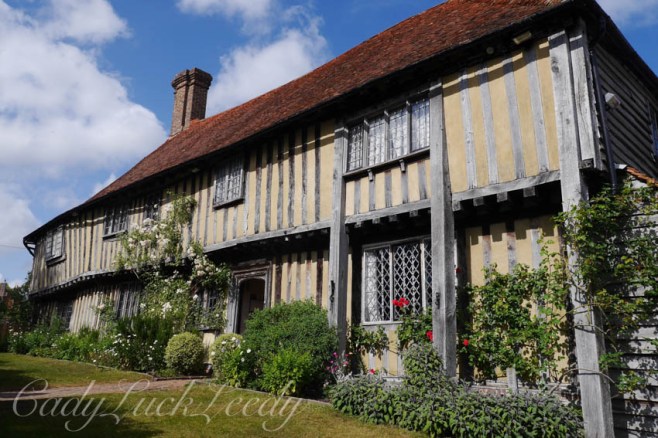
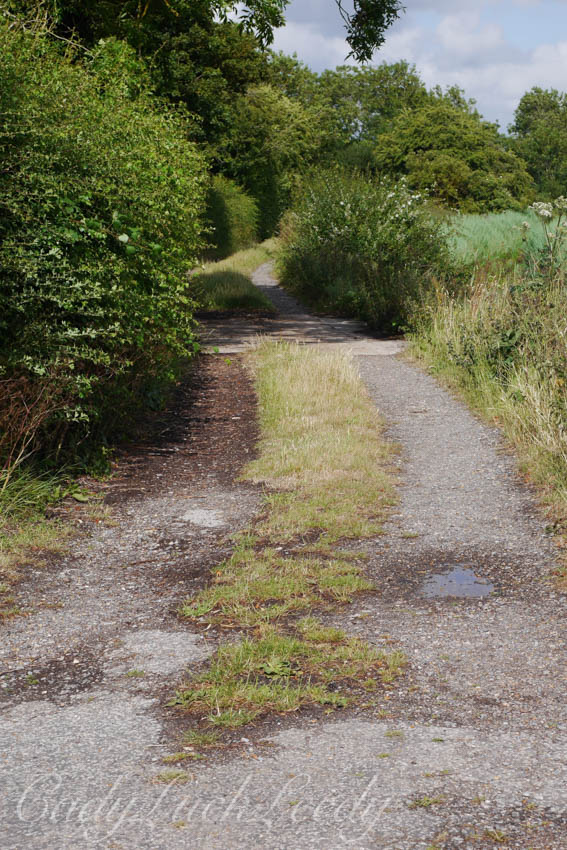
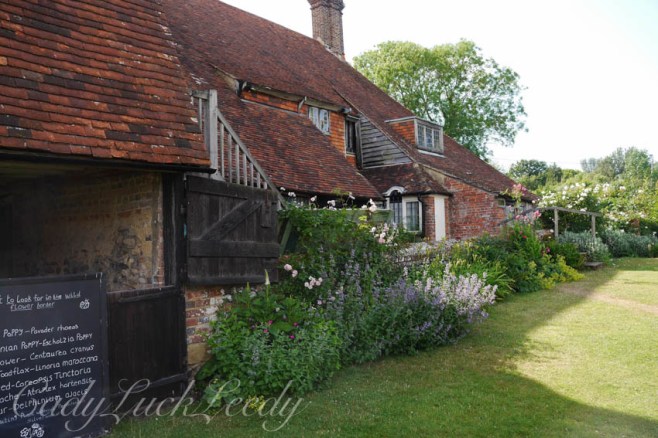
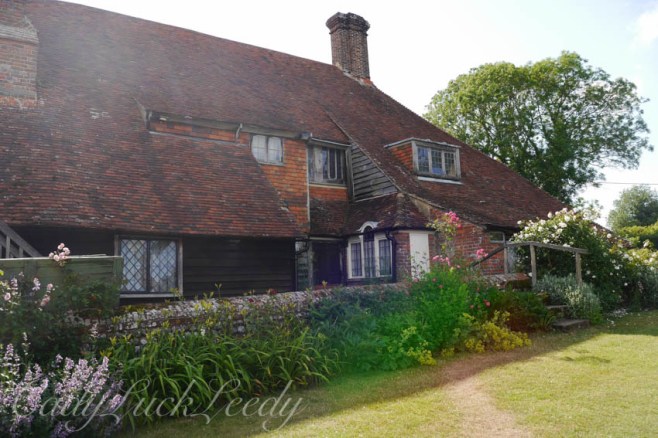
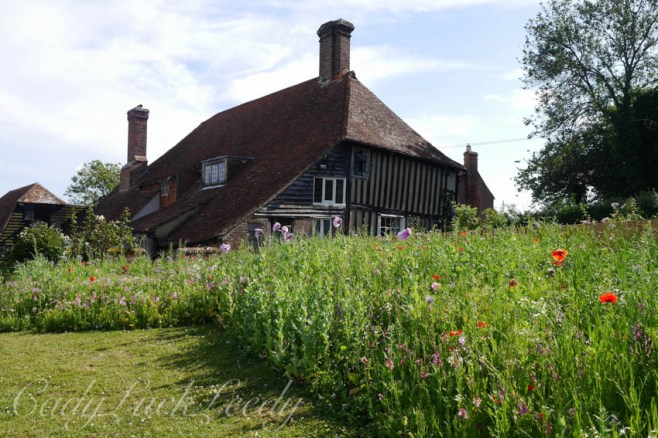
Smallhythe Place, the home of Ellen Terry, is located on a rural road, near Tenterden, where we made our base during my English Garden Tour. Coming from a narrow, graveled, country lane from the Bullein Barn B&B, Smallhythe Place was at the end of it. Everyday we were amazed at all the cars parked here and the visitors going to the home. It was so convenient we thought we would save it to the end of our stay.  This is not a big estate like some of the other National Trust properties we toured. This was a smallish house sitting on a smallish property. When we did visit, what a delight it was! As with all the National Trust properties, the hosts of this property made you feel so very welcome and were so knowledgable! I did not know a thing about Ellen Terry!  First let’s look at her house, which is now a memorial to her.

This is what I learned………………….

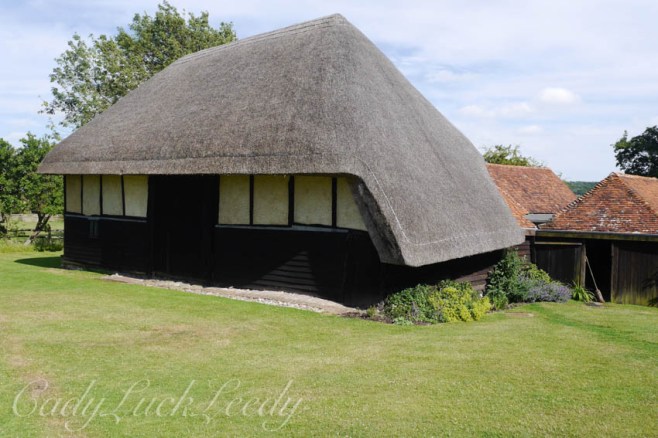
One day, in 1899, Ellen Terry was out for a buggy ride in the country (this is well away from London) with Henry Irving, (the manager of the Lyceum Theatre in London’s Covent Garden), who was also her theatrical partner for twenty-four years. Upon seeing a cottage at the side of the small lane near Tenterden, she made up her mind this was where she wanted to live and die. So she bought the place. She lived there until her death in 1928. The half timbered house was built in the late 15th or early 16th century. The house was originally a “Priest House” and then called the “Port House,” because of it’s location on the River Rother, which is now just a trickle along the side of the house. At one time this place was a thriving shipyard, the Old English word “hythe” means “landing place.” It is far off the beaten tract, even now. She definitely wanted her peace and quiet, away from the crowds! When Terry died in 1929, her daughter, Edith Craig, opened the home as a memorial to her mother and then the National Trust took over the property when Craig died in 1947. Smallhythe Place is filled with mementoes  of Terry’s career in the theatre. In 1929, Craig set up a barn on the grounds, as a theater, where William Shakespeare plays were performed every year on the anniversary of her mother’s death. This is continued even today.   

The cottage sits near the road and every day as we passed by, on the way somewhere else, I wondered if it would still be standing when we returned.  It really leans!!!!!

Smallhythe Place, near Tenterden, Kent, UK

Smallhythe Place, near Tenterden, Kent, UK

The Lane across from Smallhythe Place, Tenterden, Kent, UK

The Lane across from Smallhythe Place, Tenterden, Kent, UK

The Lane to the Bullein B&B, Tenterden, Kent, UK

The Lane to the Bullein B&B, Tenterden, Kent, UK

Smallhythe Place, near Tenterden, Kent, UK

Smallhythe Place, near Tenterden, Kent, UK

Smallhythe Place, near Tenterden, Kent, UK

Smallhythe Place, near Tenterden, Kent, UK

Smallhythe Place, near Tenterden, Kent, UK

Smallhythe Place, near Tenterden, Kent, UK

The Garden Sign at Smallhythe Place, Tenterden, Kent, UK

The Garden Sign at Smallhythe Place, Tenterden, Kent, UK

I loved the acknowledgement of the unwelcome plant! Silverweed!!!!!

Smallhythe Place, near Tenterden, Kent, UK

Smallhythe Place, near Tenterden, Kent, UK

Smallhythe Place, near Tenterden, Kent, UK

Smallhythe Place, near Tenterden, Kent, UK

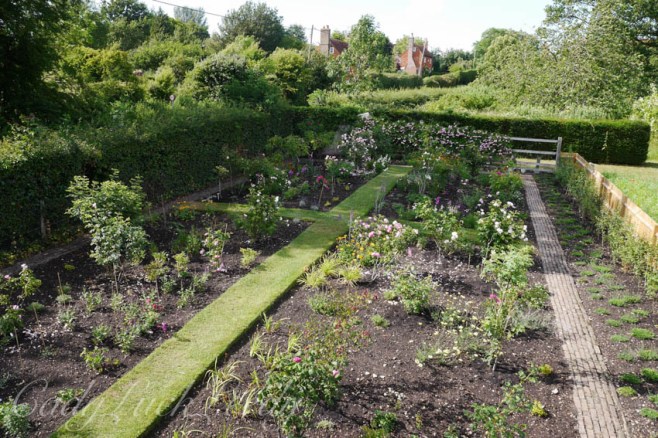
The Garden at Smallhythe Place, Tenterden, Kent, UK

The Garden at Smallhythe Place, Tenterden, Kent, UK

The Gardens at Smallhythe Place, Tenterden, Kent, UK

The Gardens at Smallhythe Place, Tenterden, Kent, UK

The Garden at Smallhythe Place, Tenterden, Kent, UK

The Garden at Smallhythe Place, Tenterden, Kent, UK

The Garden at Smallhythe Place, Tenterden, Kent, UK

The Garden at Smallhythe Place, Tenterden, Kent, UK

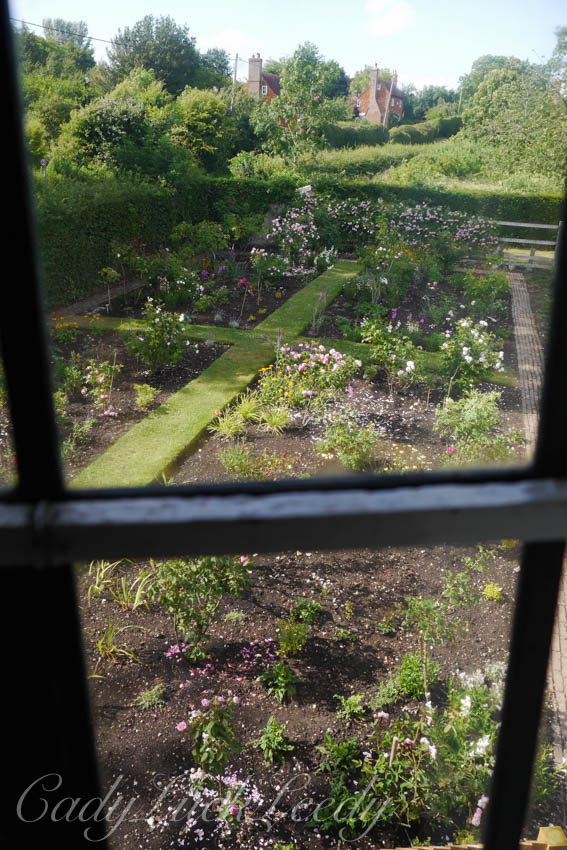
The Garden from the Window, Smallhythe Place, Kent, UK

The Garden from the Window, Smallhythe Place, Kent, UK

The window picture was my favorite of the garden! It gives an idea of how serene the place is! It is the perfect cottage garden!

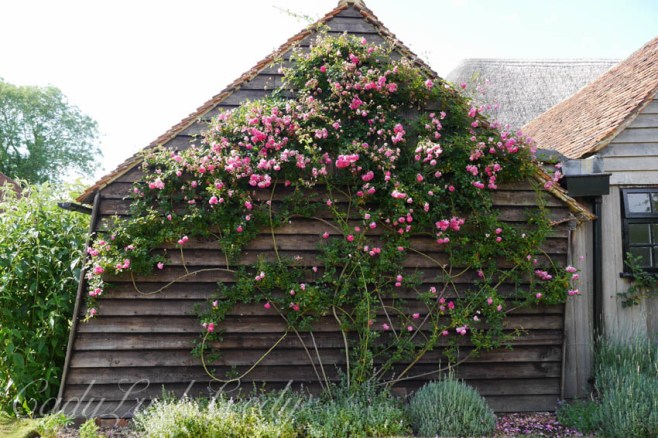
The Shakespeare Barn, Smallhythe Place, Tenterden, Kent, UK

The Thatched Shakespeare Barn, Smallhythe Place, Tenterden, Kent, UK

The Shakespeare Barn, Smallhythe Place, Tenterden, Kent, UK

The Thatched Shakespeare Barn, Smallhythe Place, Tenterden, Kent, UK

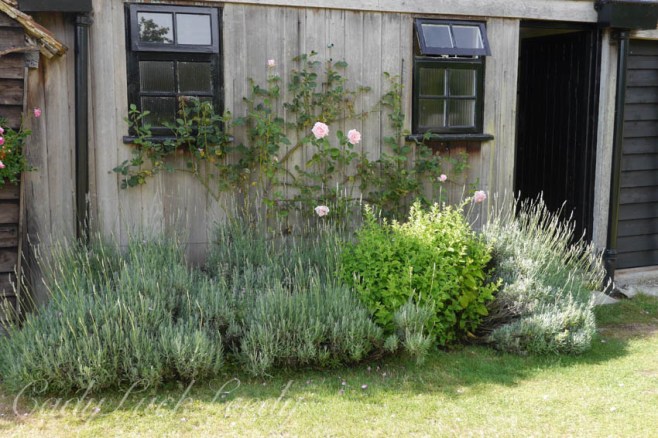
The Multiple Barns at Smallhythe Place, Tenterden, Kent, UK

The Multiple Barns at Smallhythe Place, Tenterden, Kent, UK

The Multiple Barns at Smallhythe Place, Tenterden, Kent, UK

The Multiple Barns at Smallhythe Place, Tenterden, Kent, UK

 Smallhythe Place, Tenterden, Kent, UK

Smallhythe Place, Tenterden, Kent, UK

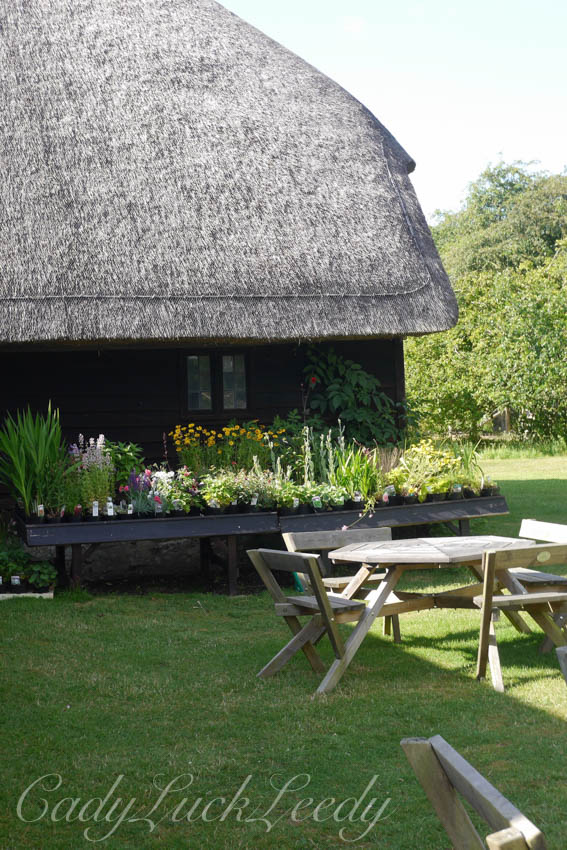
There is a small refreshment center and outdoor seating at Smallhythe.

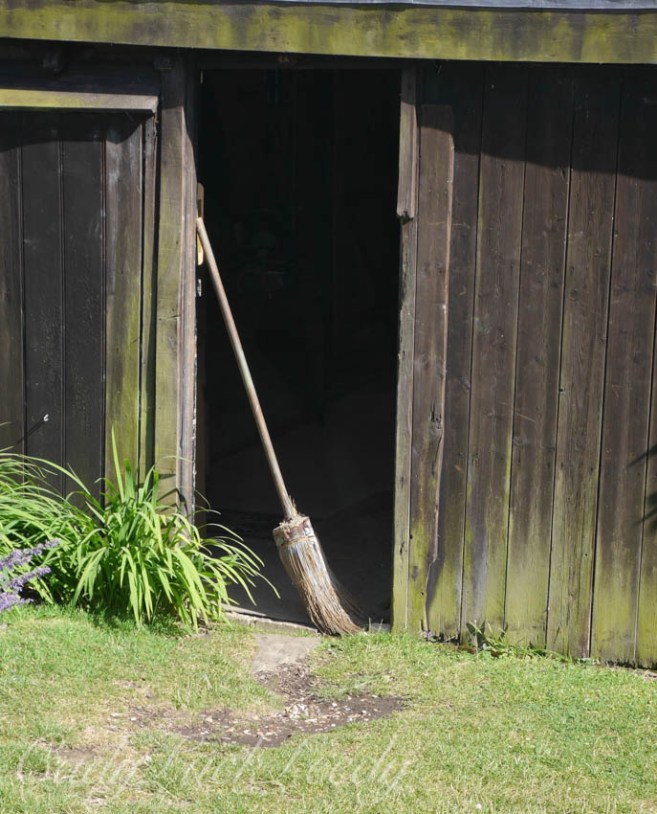
The Multiple Barns at Smallhythe Place, Tenterden, Kent, UK

The Multiple Barns at Smallhythe Place, Tenterden, Kent, UK

The Multiple Barns at Smallhythe Place, Tenterden, Kent, UK

The Outdoor Area of the Restaurant at Smallhythe Place, Tenterden, Kent, UK

It is just the cottage that you imagine in fairy tales! I can see why Ellen Terry chose to live here! So next time let’s take a peek inside Smallhythe Place! Who exactly is Ellen Terry? We’ll find out next time! See you soon!

Smallhythe Place, near Tenterden, Kent, UK

Smallhythe Place, near Tenterden, Kent, UK

Smallhythe: The Home of Ellen Terry

Our next stop is the National Trust home of Ellen Terry! What a fascinating place and person she was!  See you there!

Smallhythe, near Tenterden, Kent, UK

Smallhythe, near Tenterden, Kent, UK

THE SPECTACLED BEAN

Tales, Thoughts + Tribulations of a Free Spirit in Suburbia

Walking Away

Travels on foot

Teacher nickname: The Three Hairs

Minding my mind, one thought at a time.

Tra Italia e Finlandia

Un lungo racconto fotografico.

seanbreslin.jp

Photography, hiking, walking, and cycling across central Japan — from quiet mountain paths to everyday life around Nagoya.

Lost in Translation

Looking for meanings in words, images and sounds

Journeys with Johnbo

Reflections on places traveled and photos taken.

M/VGratitude

Cruising with the Thyrre Family

Caroline's Travel Adventure Blog

Where my Travels and my Blog merge together.

Just Me, Nobody Special

The mental meandering that cross my keyboard

Jennifer's Journal

Website & Blog of J. Kelland Perry, Author

Slow Shutter Speed

A photographic journey.

Ann Mackay: Inspired by Nature

Photography celebrating flowers, plants, and the natural world

Still Restlessjo

Roaming, at home and abroad

Fine for Friday

The Corner Garden

Picture This

Photography, Travel and Retirement

World Traveller 73

Upgrade Your Travels. First Class Luxury Travel from all parts of the Globe. Business Class Airline, Lounge and Hotel Reviews, Stories and Adventures

Rachel Meets China

A China travel and lifestyle blog